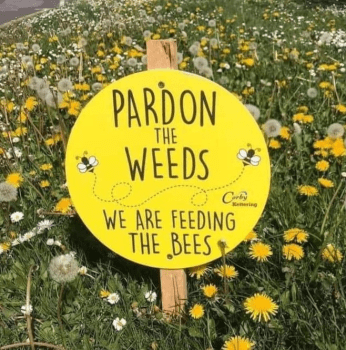
We have said before on Million Trees that eradicating non-native plants will not result in the return of native plants because the underlying conditions that supported those native plants have changed and they are no longer competitive within their historic ranges. In those earlier posts we have focused on higher levels of CO₂ and the resulting climate change as the environmental variables to which non-natives are better adapted. Changes in water quality and flows have also resulted in changes in animal and plant populations and we will provide a few specific examples in this post.
Water levels in the Sacramento River delta have been hotly debated for decades and that debate has recently heated up as a commission gets close to making recommendations that will be legally binding.(1) On one side of the debate, the cities of Southern California and agriculture throughout the state want more water from the delta. They have been getting a lot of it for decades, but they want much more of it. On the other side of the debate, environmentalists object to exporting “our” water because they believe that the decline in the populations of native fish such as smelt and salmon is a direct result of the reduction in water flow from the delta to the ocean via the San Francisco bay. They object to further diversion of delta water and have legally challenged historic levels of water diversion using the Endangered Species Act.
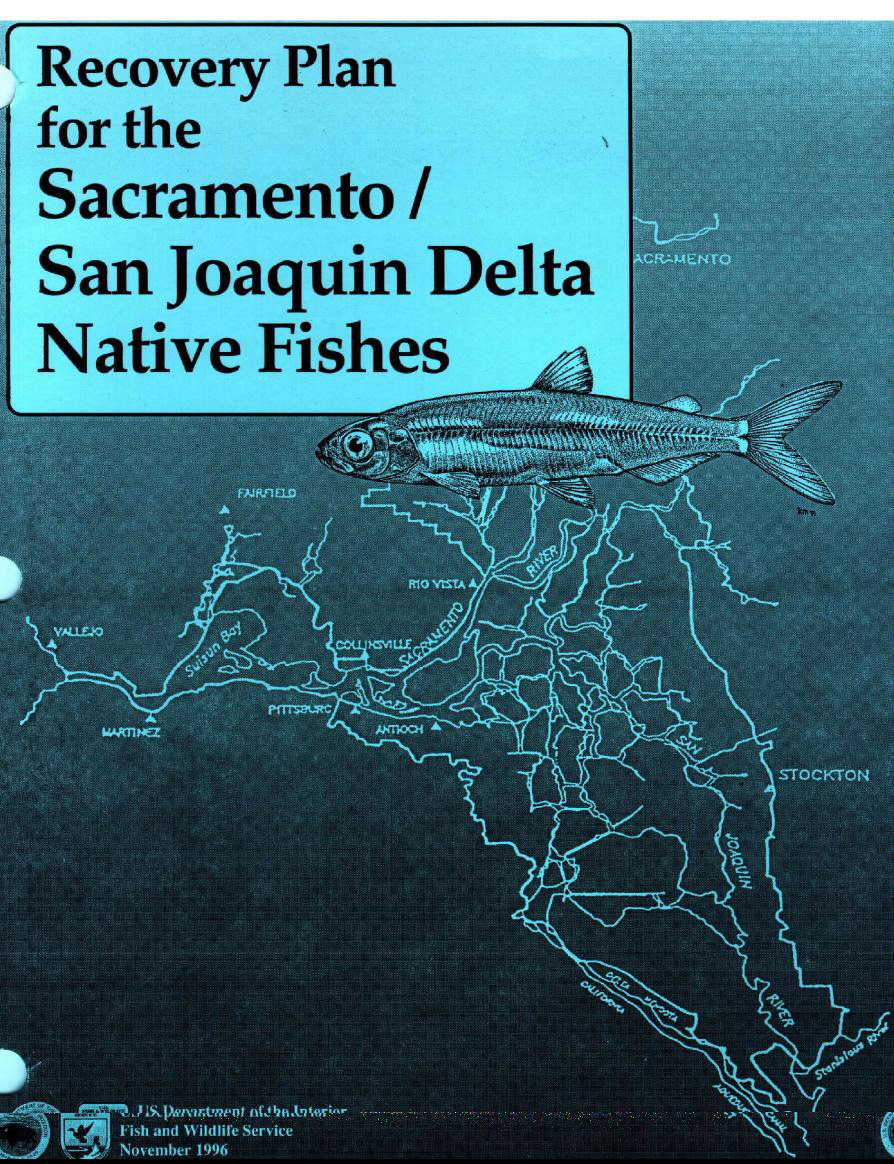
The non-native bass in the delta are the proverbial red herring in this debate. Those who want yet more water diverted to agriculture claim that the bass are to blame for the declining salmon population. They demand that the bass be eradicated and they predict that the salmon population will recover once their non-native competitor is removed.(2)
The diversion of fresh water flow from the delta reduces the speed of the flow of the water, making it turbid and brackish as the ocean water overwhelms the fresh water from the Sacramento River. The warmer temperature of the water also promotes the growth of water weeds and algae. The bass benefit from these conditions, but the salmon do not. Eradicating the bass will not change these underlying conditions. Salmon populations are unlikely to rebound unless these underlying conditions are changed.
This is not an isolated example of the fallacy of invasion biology. There are as many examples of similar arguments as there are non-native animal and plant species now occupying spaces previously occupied by natives. Native plant advocates and their allies want non-native turtles eradicated because they believe they are responsible for declining populations of native turtles. They want to eradicate non-native bull frogs which they believe would benefit the native red-legged frogs. Etc., etc., etc., ad nauseum.
And there are as many examples of how such eradication strategies may not benefit natives as there are demands for eradication efforts. Here are just a couple.
The Tamarisk or saltcedar tree is one of hundreds of non-native trees that are considered invasive by native plant advocates. Here’s a description of an expedition on the Colorado River to eradicate Tamarisk that was published by the Sierra Club magazine.(3)
“’Kamikase!’ The most enthusiastic team members start to yell…and fall upon the larger plants with samarai fervor…’Kill tammys!’ someone yells. ‘Boy, that was satisfying.’ says a fellow tammy warrior…” And these are their tools of the trade: “…a veritable armory of tamarisk-killing tools, 32 gallons of herbicide, more than 40 cases of beer…and a Virgin Mary votive candle that…the camp cook has christened with a label reading, ‘Our Lady of Biodiversity.’”
Herbicide is being used in one of the country’s most important watersheds, yet there is no evidence that the Tamarisk is harming the environment:
- One study found the “mean values for 22 of 30 soil, geomorphology, and vegetation structure traits did not differ significantly between saltcedar and Fremont cottonwood stands.”(4)
- The same study found that saltcedar increased floristic biodiversity.
- Another study stated, “As for the claim that salt cedar has little or no value to insects, birds, and mammals, that has been obliterated by available data.”(5)
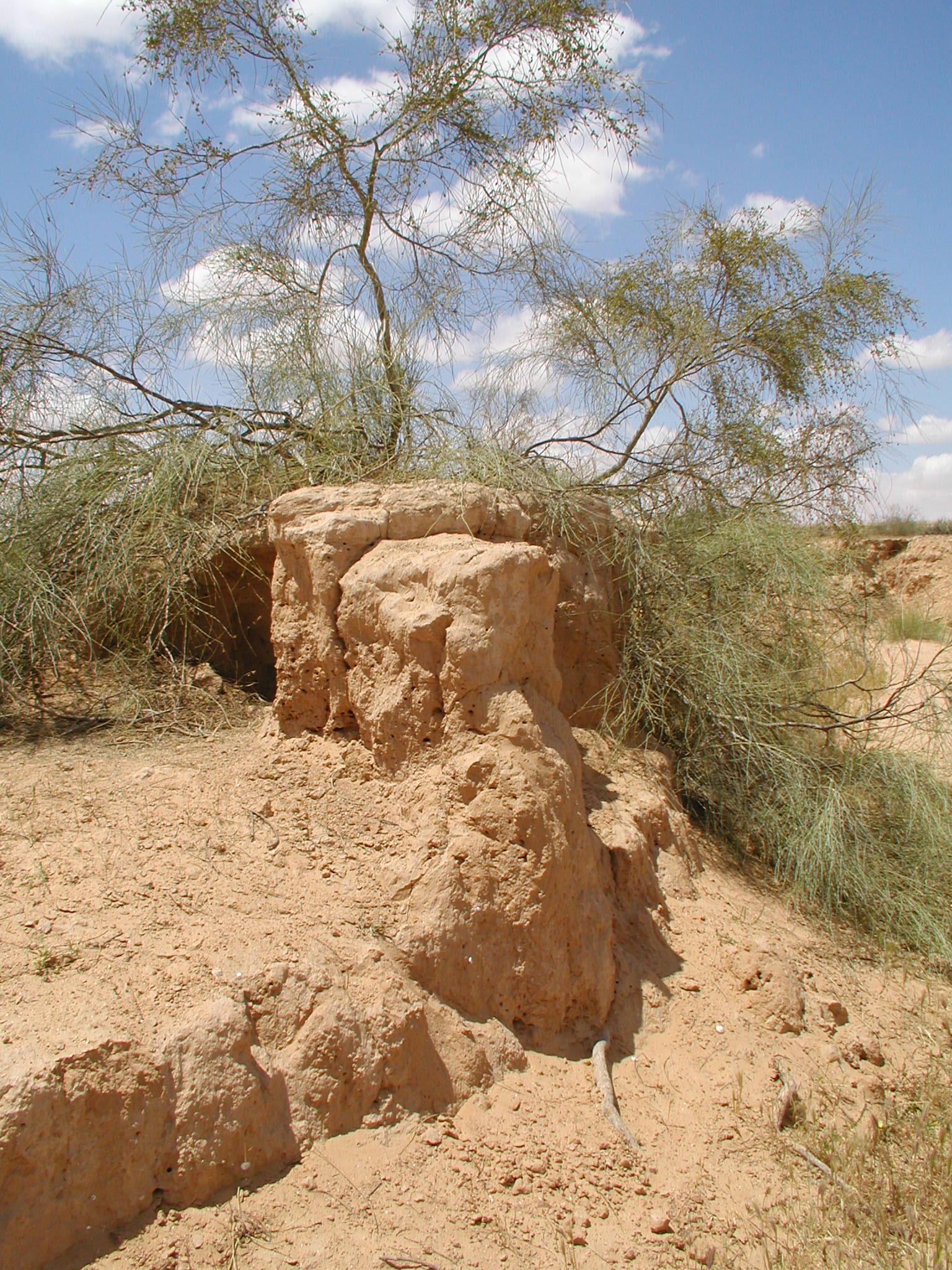
But more importantly, eradicating the saltcedar is not likely to result in the return of the native cottonwoods because the natural flood cycle upon which the cottonwood depends has been altered by man. The saltcedar thrives in the reduced water flow. Unless the water flow is restored, the native trees will not return no matter how many saltcedar are destroyed. Not only are we wasting our time and effort trying to eradicate saltcedar, we are also poisoning our water in the process.
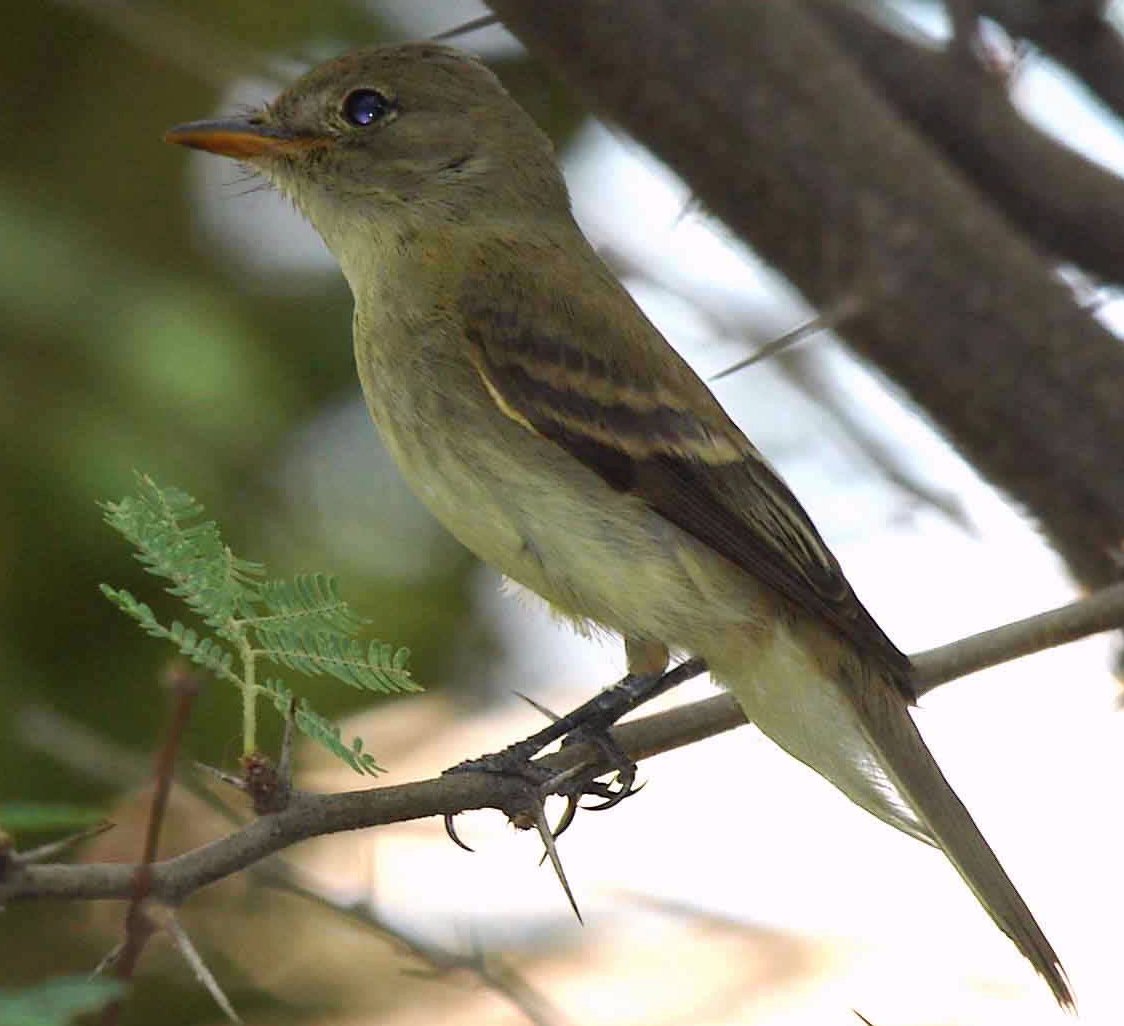
In our final example, cause and effect were not confused, and a restoration was successful. The Yuba Pass area in California is one of the most important migratory bird routes in the state. The breeding population of Willow flycatchers disappeared from one of the wet meadows east of the pass. The native willows upon which the flycatcher is dependent were disappearing from the meadow because channels caused by man along the edge of the meadow diverted water out of the meadow and dried it up. Ponderosa pines and sage, which prefer the drier conditions, were taking over the meadow. If native plant advocates had been in charge of remediating this situation their reaction may have been to eradicate the “invading” pines and sage. That would have been fruitless effort; conditions in the meadow were suitable for pines and sage, not for willows. But in this case biologists provided a more sophisticated solution. They eradicated no plants. They redirected the water from the channel back into its original slow flow through the meadow. The meadow is again wet, the willows are now thriving, and the Willow flycatcher has returned.
“Invasion biology” is an ideology, not a science. It frequently confuses cause with effect. A proper diagnosis of what may superficially appear to be an “invasion” requires an understanding of the complexity of nature. Most often the underlying reasons for an “invasion” are man-made conditions such as pollution and competition for scarce resources that are extremely difficult to fix. It may be convenient to scapegoat a plant or animal for what man has caused, but it is unlikely to reverse the conditions that create an opportunity for a non-native plant or animal that is better adapted to those new conditions.
(1) “Delta plan may do more harm than good,” Oakland Tribune, 11/5/10
“Effort Falters on San Francisco Bay Delta,” NY Times, 12/15/10
(2) http://www.sfgate.com/cgi-bin/article/article?f=/c/a/2010/12/11/EDG21GN1MJ.DTL
(3) http://www.sierraclub.org/sierra/200407/grand_canyon.asp
(4) Stromberg, JC 1998, “Dynamics of Fremont cottonwood and saltcedar populations along the San Pedro River,” Journal of Arid Environments, 40:133-155
(5) Anderson, BW 1998, “The Case for Salt cedar,” Restoration and Management Notes, 16: -130-134, 138


 Conservation Sense and Nonsense