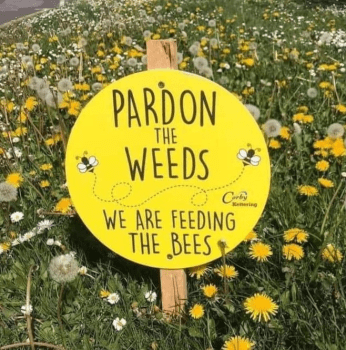
A recent trip to the Channel Islands off the coast of California inspires us to consider the pros and cons of restorations. Islands are particularly attractive targets for restorations. They often contain endemic species that do not exist anywhere else because they have adapted to unique conditions in isolation. And the relative isolation of islands implies that once non-native species of plants and animals are eradicated, re-introduction of those species can be prevented.
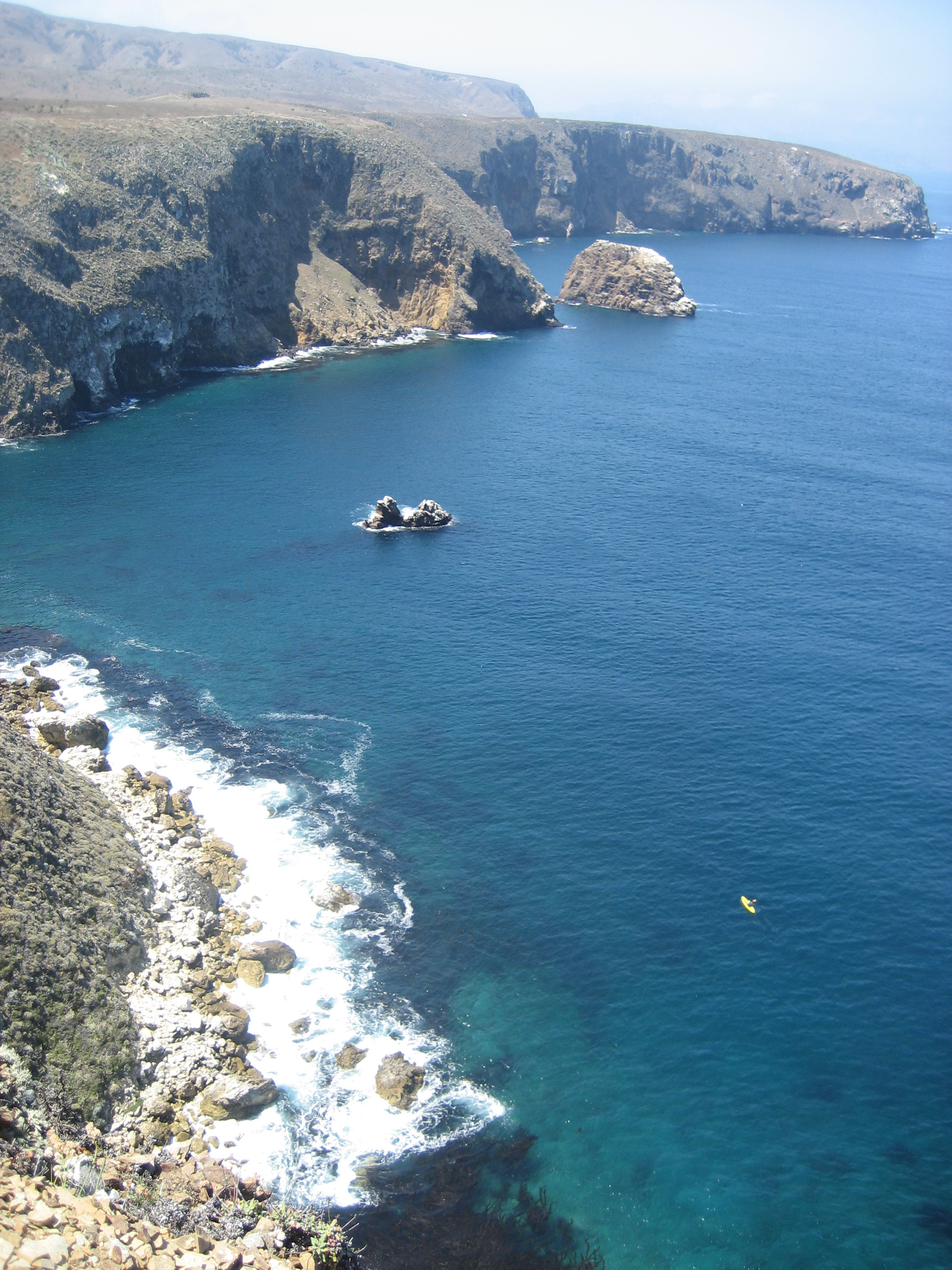
Some of the Channel Islands were inhabited by Native Americans as long as 13,000 years ago. Ranching by Europeans began on some of the islands in the 1850s. Europeans brought sheep, cattle, pigs, mule deer, and elk to some of the islands. Five of the eight Channel Islands were designated as a National Park about 30 years ago.
Restoration began in earnest in the 1990s when ranching operations were ceased and tens of thousands of sheep and cattle were either removed from the islands or destroyed. Black rats were eradicated from some islands after native mice were herded into protective enclosures so the rats could be poisoned. Rabbits were eradicated from another island. We don’t know how that was achieved.
The next big effort was the eradication of about 6,000 feral pigs. When this was accomplished by sharp shooters, the first unintended consequence of this ambitious restoration was revealed. It seems that the feral pigs had been the chief diet of a population of Golden Eagles, considered non-native to the Channel Islands. When the pigs were removed from their menu, they turned to the rare, endemic Channel Island Fox.
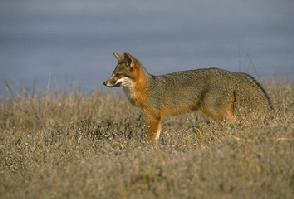
The population of Channel Island Foxes plummeted. Those that remained were captured so they could breed in protected conditions while the Golden Eagles were captured and removed to a remote location. The Channel Island Fox is making a come-back, but the Golden Eagles are apparently gone for good.
The eagle considered native to the Channel Island, the Bald Eagle, has been reintroduced. It apparently lives in peace with the Channel Island Fox because it eats fish.
Mule deer and elk are next up on the eradication agenda for fauna. Non-native plants are also doomed. Ice-plant and fennel are the top priorities for eradication by 2011. Herbicides and prescribed burns are used for this purpose.
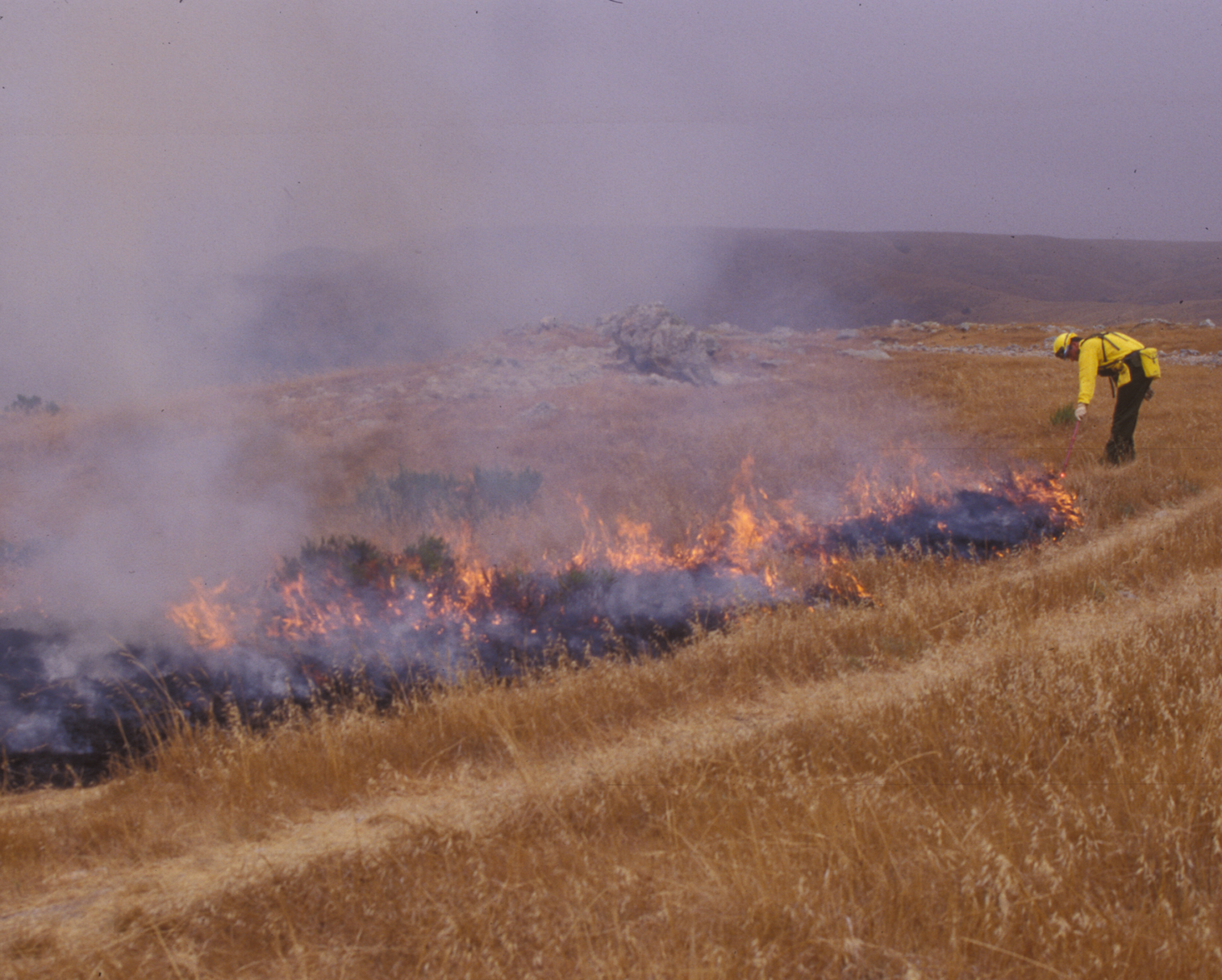
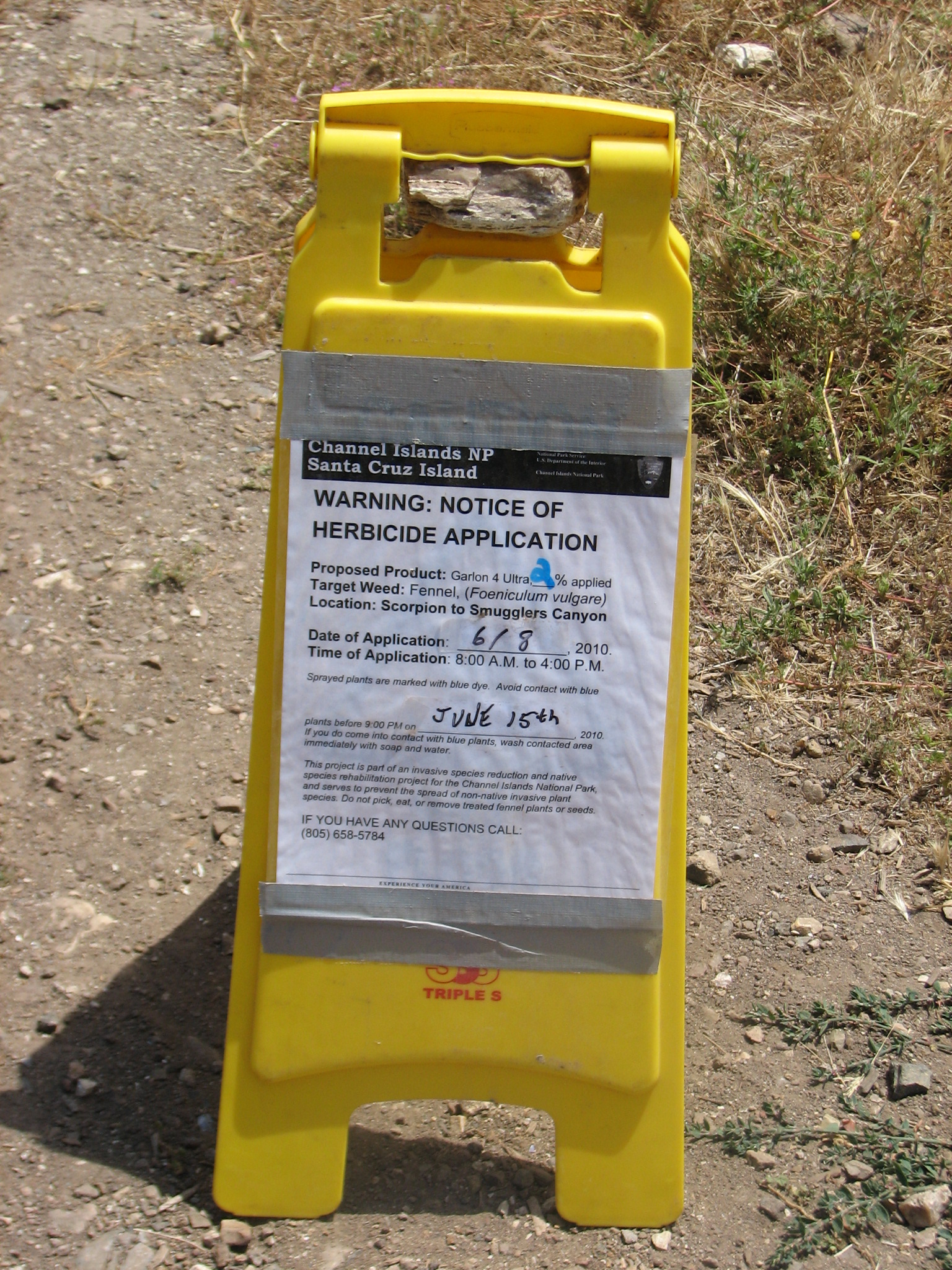
We were surprised to see notice of herbicide application for Garlon 4 Ultra during our visit to this fragile place. Someone dressed from head to toe in protective clothing was spraying this chemical on a steep hillside. We have reported the toxic effects of Garlon in our post about herbicides.
This is a complex ecosystem in which simplistic solutions—such as killing all the non-natives—can result in a big mistake. For example, do we know if there are native Anise Swallowtail Butterflies on the islands that are now dependent upon non-native fennel for their survival? Do we know how the application of Garlon will impact the survival of the rare, endemic Island Jay? The US Forest Service found in its risk assessment done for the EPA that the application of Garlon had a significant negative impact on the reproductive success of birds. Are those who decided to spray Garlon aware of this study?
We went to the Channel Islands with open minds. We thought the strongest arguments could be made for restorations on islands. However, when we learned of the thousands of animals who were sacrificed to this effort and the dangerous and toxic methods used to accomplish the restorations, we were not convinced. We nearly lost the Channel Island Fox because of the unforeseen consequences of killing feral pigs. Man would like to believe that he is capable of managing nature. But can he do so without causing more harm than good?

 Conservation Sense and Nonsense