Seeking Compassionate Conservation

Peter Keilty is a reader of Conservation Sense and Nonsense because he shares my interest in a constructive approach to conservation that is less deadly and destructive than current approaches often are.  Peter has written an article about the need for a more compassionate approach to conservation, which he has kindly offered as a guest post for Conservation Sense and Nonsense. 

Peter grew up in Belfast, Northern Ireland, which he sarcastically describes as a “hotbed of religious tolerance and progressive values.”  He moved to New York City in 2004 to pursue a legal career and has lived part of the year in the small city of Bee Cave, near Austin, Texas since 2012. 
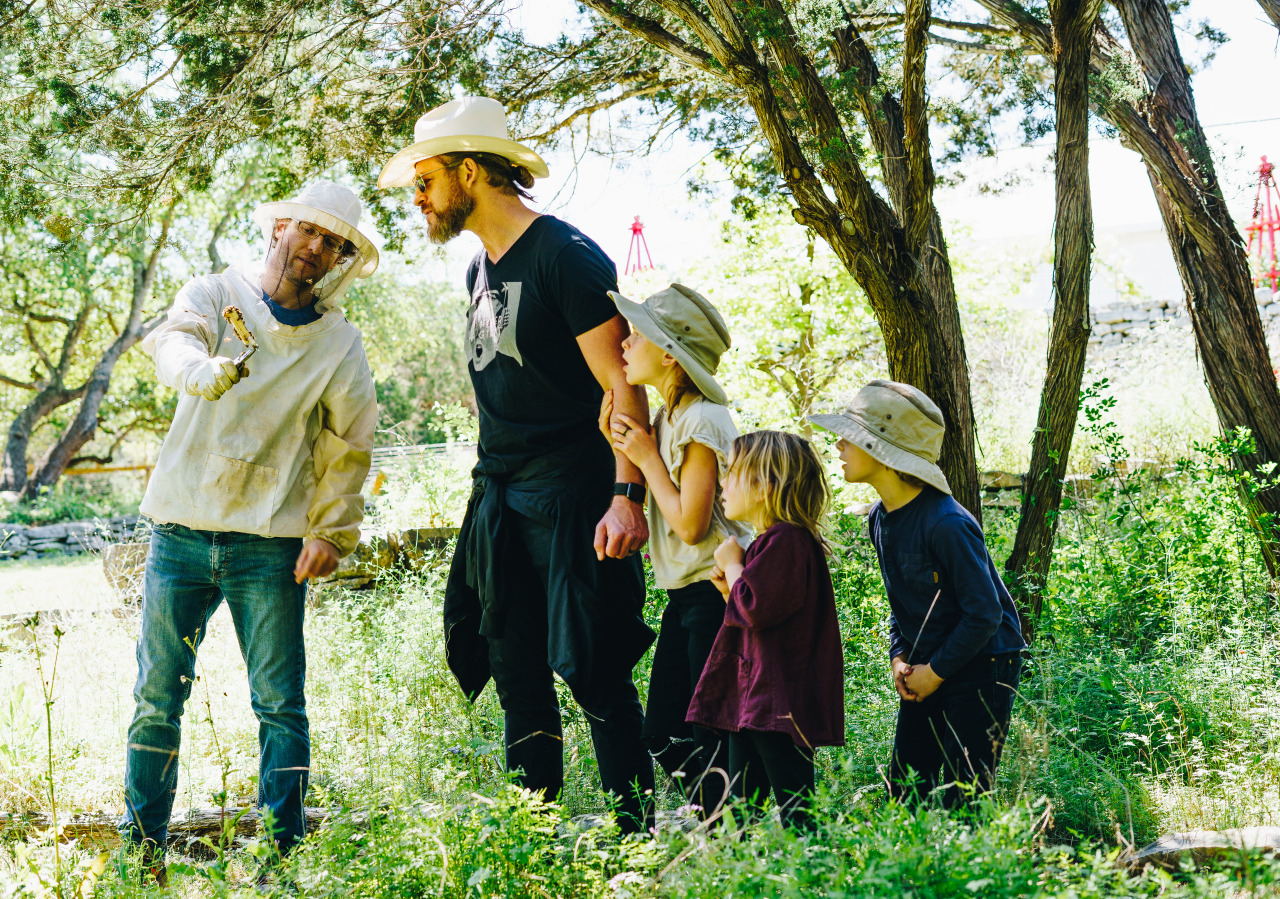
Peter Keilty talking about bees with a family. Source: Bees for All

His childhood experience in beekeeping inspired him to return to that interest when bee colony collapse became a public concern.  He keeps a honeybee hive on his small rural property primarily as a teaching tool to tell children about bees and how to help them by not using pesticides in their gardens, for example.  He takes his show on the road to the annual Books and Bees Festival in Bee Cave. 
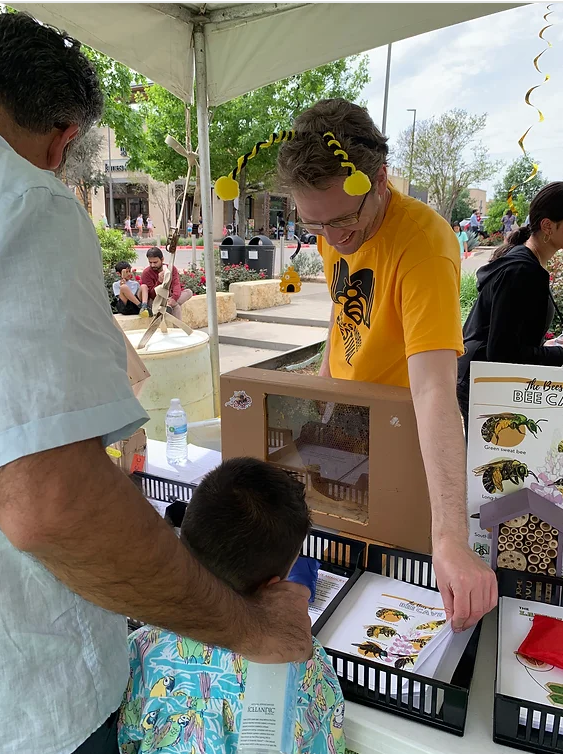
Peter Keilty at Books and Bees Festival. Source: Books and Bees Festival

Peter helped to convince the city of Bee Cave to pass a resolution that gives bees and pollinators honorary citizenship to encourage people to rethink their relationships with animals.  He also does some pro bono legal work in the realm of animal personhood and the rights of nature. 

Peter Keilty is a passionate defender of wildlife and he walks the talk. I am grateful that he has selected Conservation Sense and Nonsense for publication of his article about the need for a more compassionate approach to conservation.

-Conservation Sense and Nonsense


(Don’t) Kill Them With Kindness

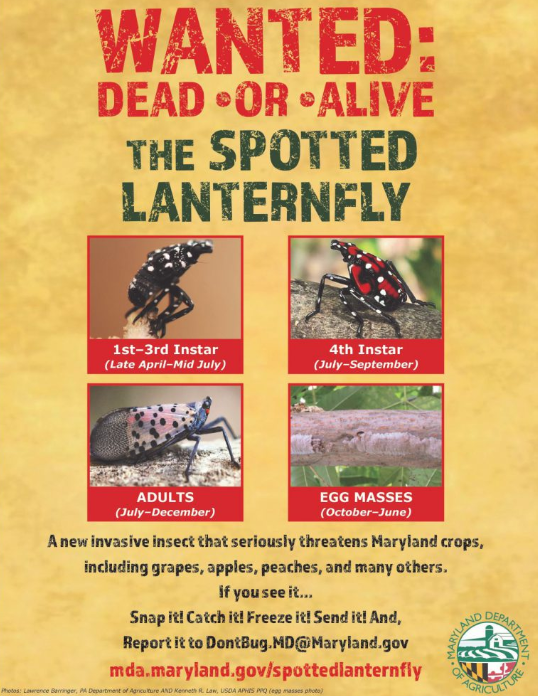
Crouching over her fresh kill, a little girl inspected the wreckage of a life ended. “I got it, Mommy!” she triumphed. Her mother congratulated her in the distracted way of an exhausted parent, before leading the child away. It was 2023 in New York City and the much-maligned lanternfly was at the forefront of public consciousness. Its “invasion” promised destruction not only to valuable crops, such as grapes, but also to the nation’s hardwood forests. If you like wine and trees, we were told, these guys are bad news. At the time I worried that the official response would be the mass application of pesticides, which would have posed significant collateral damage to other insects. Thankfully, this didn’t come to pass, but the long-term effects of the squash-on-sight policy, touted as a solution, could turn out to have a half-life much longer than any insecticide.

The public, rather than taking to the task grudgingly or – a boy can dream – with a measure of regret, jumped in feet-first. Bug-squishing competitions [1] became the norm and an app, Squishr, helped the smartphone generation “turn bug squishing into a game”. Many urban children’s first meaningful encounter with a wild creature may have been through the act of killing – even the youngest were taught not to spare a thought for this latest arrival, whose unwanted presence on our shores rendered its life worthless. That this generation might not grow into bug-loving adults seems more than possible, and the lesson it has imparted – the devaluation of lives based on national origin – is more insidious still.
Source: Maryland Department of Natural Resources

The fervor barely had time to die down before studies, led by Penn State [2], began to indicate that lanternflies do not pose significant risk to hardwood forests or even to homeowners’ ornamental trees. The public’s bloody work to save native trees on public lands had been unnecessary, but private agriculture was grateful. Every hateful, non-native bug ground underfoot had bought some time for their valued, non-native crops. Studies and articles on the issue or cruelty, however, were harder to locate. I initially put this down to the nature of the animal in question – not only an interloper but also a bloodless, hard-shelled insect. Surely we would not kill fellow mammals with such impunity.

Under New Zealand’s Predator Free 2050 initiative the public are engaged in a nationwide effort to “despatch” stoats, possums and even the UK’s most cherished animal, the hedgehog. As an archipelago that evolved without mammals, Aotearoa (the country’s indigenous name) became dominated by a varied suite of bird life, many of whom had no defenses against wily mammals, due to their flightless nature. The country has set itself the, some conservationists argue, highly unrealistic target of eliminating every one of these predators in a matter of decades. As a young nation, it is argued that this mobilization has helped consolidate their national identity by uniting them against a common group of “enemies,” much like in wartime. Ecologist and Kiwi Jamie Steer [3] is one of the few dissenting voices among his country folk. He has observed that the country’s crusade against introduced species which displace natives does not apply to all “invaders” – deer, ducks and trout are not targeted for extermination since they provide jobs and revenue. Unlike those who take a contrarian position to advance powerful interests, Mr. Steer has gained nothing from making his observations public – rather, he has faced ostracism by his peers, as well as verbal abuse and threats from members of the public. Author Laura McLauchlan [4], too, felt a dizzying level of cognitive dissonance when researching hedgehogs in both the UK and her native New Zealand. In England, her care for the creatures brought respect and acceptance from the community. Back home she was mocked and chided for daring to suggest that the annihilation of a long-established animal may not be the only way to move forward.

How could it be that questioning environmental orthodoxy, to ask if we might incorporate elements of compassion, could open someone to mockery and threats of physical violence? Attitudes toward the environment, although shaped by science, still require a certain level of belief. Once beliefs become entrenched, we feel invested in them and are loath to consider that there may be viable alternatives. James Murray of Business Green, writing for the Guardian [5] stated that: “Some environmentalists are guilty of the worst excesses of religion. There is a tendency to drown out legitimate criticism in the most forceful of terms (and) and inclination toward proselytization that can alienate many people…” Some of my encounters have been similarly fraught, especially in the no-holds-barred variety of discourse that is common online. When suggesting alternatives to the language used in comments about non-native species such as “they deserve murder” and “smash them with prejudice” the responses ran the gamut from dismissing me as a “hippie” to suggesting my mental health was not in order – “I hope you get better” read one comment, dripping with faux-concern.

Perhaps in response to such views, there now exists a nascent movement dubbed “compassionate conservation” which prioritizes kindness and views it as a strength, rather than a weakness. It is “an interdisciplinary field which promotes the treatment of all wildlife with respect, justice and compassion” [6] by combining conservation and animal welfare, two disciplines long viewed as being at odds. In any conservation action there will necessarily be winners and losers, and it has been an ongoing frustration for me that I operate in a field with no concrete “right” decisions. In choosing kindness as a compass point to guide our actions, however, it may be possible to navigate our dealings with other species while causing the least amount of harm.

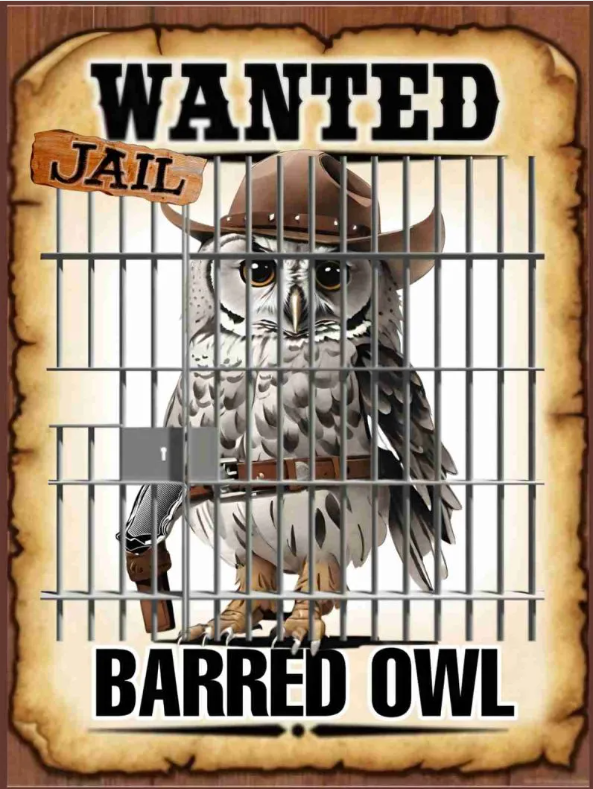
“Kindness” can be interpreted in many ways. For some, it could mean refusing to allow imperiled species to wink out of existence. For others, it could be tolerance or even acceptance of our other-than-human neighbors, regardless of their national origin. Actions such as glorifying the act of killing, prioritizing strict genetic purity or placing populations over the suffering of individuals, however, are unlikely to fall under its aegis. The US Fish and Wildlife Service (I use the word “service” reluctantly) has drawn widespread criticism for its plan to kill almost half a million barred owls in order to help spotted owls, which are being crowded out of their home range. Both animals are native to the United States, but the barred owl has been able to migrate west and encroach on its smaller relative. Perhaps due to the extreme charisma of owls, as well as the sickeningly high number of planned kills, this proposal has drawn outcry regardless of its, presumably, well-meaning intent. “Sparred” owls, the hybrid offspring of the two species, are also devalued due to their “impure” nature and are routinely “culled” – a word which hides behind a veneer of kindness.
Source: Animals 24-7

Valuing populations over individuals has no analogy in the human world, save for in some of the darkest periods of our history. We do not console ourselves over the loss of thousands of human lives to war or disease by noting that, nonetheless, a “robust” population of that racial or ethnic group still survives.

Valuing genetic purity or denouncing the admixture of different races evokes disgust when it is applied to our own species, and yet it is a cornerstone of modern conservation. When we place value on populations rather than individuals it is easy to justify cruelty to achieve our goals. Journalist Emma Marris argues that animals care nothing for genetic “purity” or even the continuation of their species as a fixed, unchanging snapshot in time – their worries, like ours, are focused on raising their young and making it through the day. It is unlikely an animal would ever view its death in a positive light, despite whatever lofty justifications we might make.

A kindness-centered approach to conservation will garner attacks from many directions. It will draw derision for its softness, perhaps even femininity, in that it demands that the element of suffering be factored into decisions of policy. It will be called vague, and too open to interpretation, and yet it provides a powerful compass in navigating an uncertain world, where doing our best for an animal might not actually be the best thing for that creature. Kindness applies not only in respect to how we treat our other-than-human kin, but also in our willingness to enter into respectful, open- minded discourse with each other about the future of these creatures. Being able to communicate without clinging to unhelpful beliefs will be crucial in forging a healthy future. In a complex world we can never know if we are doing quite the “right” thing, but decisions which prioritize kindness may temper our actions and help avoid cruel and, ultimately, ineffective measures. Kindness is truly viral, and it freely transfers from our interactions with other species to our dealings with each other. After all, can you think of a time that you practiced kindness and it steered you wrong? Lending money to family members does not count – that one is on you.

Peter Keilty
beesforall@gmail.com

Footnotes:

1. https://council.nyc.gov/joseph-borelli/2022/10/28/as-spotted-lanternflies-continue-to-plague-staten-island-residents-invited-to-insect-stomping-event-on-sunday/

2. https://www.psu.edu/news/research/story/invasive-spotted-lanternfly-may-not-damage-hardwood-trees-previously-thought/

3. https://independent.academia.edu/JamieSteer/

4. McLauchlan, Laura. 2024. Hedgehogs, Killing and Kindness. MIT Press.

5. Murray, James. 2012. Environmentalism is Not a Religion. The Guardian.

6. https://www.uts.edu.au/research-and-teaching/our-research/centre-compassionate-conservation/about-us/what-compassionate-conservation#:~:text=Compassionate%20conservation%20is%20an%20interdisciplinary,respect%2C%20justice%2C%20and%20compassion.


Update: According to the NY Times, the population of spotted lantern flies has virtually disappeared from many neighborhoods in NY City.  NYT doesn’t give the campaign to literally stomp-out lantern flies credit for this disappearance of lantern flies.  They offer a few other explanations, but none is more credible than this explanation for the waxing and waning of so-called “invasions” from the book, The Light Eaters:

“Natural systems are really complex. [There are always many variables operating simultaneously in nature.] Every single shift in these variables appears to cause a shift in the makeup of the neighborhoods.  A species that was formerly a minority becomes dominant, a dominant species suddenly becomes rare.  No single species wins for very long, and never long enough to take over or eliminate their neighbors…This isn’t survival of the fittest in the traditional sense.  Or rather, it is survival of the fittest, but “fittest” here doesn’t mean what we thought it meant—it’s not about whoever manages to demolish their neighbors.  This is more like survival for a while, until something changes.”

Humans need to be more patient with nature to solve problems for herself.  Instead of a full-on killing campaign, usually fueled by pesticides, humans need to step back and watch nature heal itself.

Webmaster, Conservation Sense and Nonsense
September 22, 2024
What is Compassionate Conservation?

Matt Chew has written another guest post for Million Trees about the International Compassionate Conservation Conference that recently took place in Australia, where he gave a presentation.  Dr. Chew is a faculty member of Arizona State University’s Center for Biology and Society and an instructor in the ASU School of Life Sciences.  He has written two popular posts for the Million Trees blog about the “restoration” industry and about the controversial projects that are eradicating tamarisk trees.

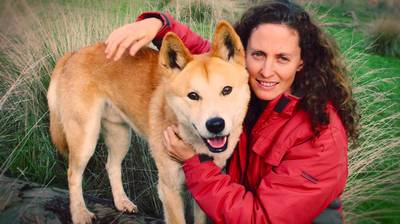
Arian Wallach, Dingo for Biodiversity Project

I was introduced to compassionate conservation by one of its proponents, Arian Wallach.  Dr. Wallach is the Project Director of the Dingo for Biodiversity Project in Australia.  Dingoes were the top predators of smaller animals in Australia for about 5,000 years until Europeans introduced new predators in the 19th century.  Colonists to Australia have been killing dingoes since they arrived because dingoes are also predators of their sheep. 

Eradicating top predators has serious consequences for the entire ecosystem.  In the case of dingoes, smaller predators introduced by colonists have taken that role and are now the target of poisonous campaigns to eradicate them.  For example, Australia recently made a commitment to kill 5 million cats with poison.  Killing dingoes has put Australia on the killing treadmill. 

We have examples in the United States of similar cascading effects of killing top predators.  When wolves and bears were killed in some of our national parks, populations of grazing animals such as deer and elk exploded.  Vegetation was browsed to death and ultimately the grazing animals were without sufficient food.

Dr. Chew tells us that defending top predators is one of several tenets of compassionate conservation.  Two important themes emerge from his description of the conference:

  • Traditional conservation tends to focus on the preservation of a species, sometimes at the expense of individual members of that species. Compassionate conservation invites us to re-evaluate that emphasis, to also take the lives of individual animals into consideration.  In an extremely individualistic society such as America, this would seem an entirely appropriate approach to conservation.
  • Modern methods of conservation tend to focus primarily on rare animals, sometimes at the expense of common animals. Common animals are often blamed for the fate of rare animals.  Shooting barred owls based on the belief that endangered spotted owls will benefit is an example of such projects. 

These are ethical questions that deserve our thoughtful consideration and Dr. Chew’s guest post invites us to think deeply about them.

Million Trees


The third International Compassionate Conservation Conference took place in Australia last November. Over 100 pre-registrants represented thirteen countries of current residence. Every occupied continent and a few archipelagoes were accounted for. Nearly half of the roster bore “Doctor” or “Professor” credentials. About two-thirds were Australian, one-sixth from the USA, and the remainder distributed in single digits. The final tally, including walk-in registrants, has not been compiled.

Some Background

Traditional resource conservationists and animal welfare advocates celebrate separate histories and espouse distinct philosophies. In a given circumstance their views may coincide, but they more often conflict. Sometimes it’s a mix of both. Professionals in either discipline are more attuned and (perhaps) committed to the distinctions than are members of the general public. Some advocates on both sides are more confrontational than others. Given all that, it may be unsurprising that the concept of compassionate conservation arose in the unique context of a British charity organized by the starring actors of the 1966 film Born Free. The predicament of Elsa the lioness they helped publicize provided a unique nexus of predator conservation and captive animal welfare to build on.  Their Born Free Foundation , which at one point actually trademarked the term “Compassionate Conservation” has helped underwrite three meetings: a symposium in Oxford, U.K. (2010); a conference in Vancouver, British Columbia (2015), and the most recent conference in Leura, New South Wales.

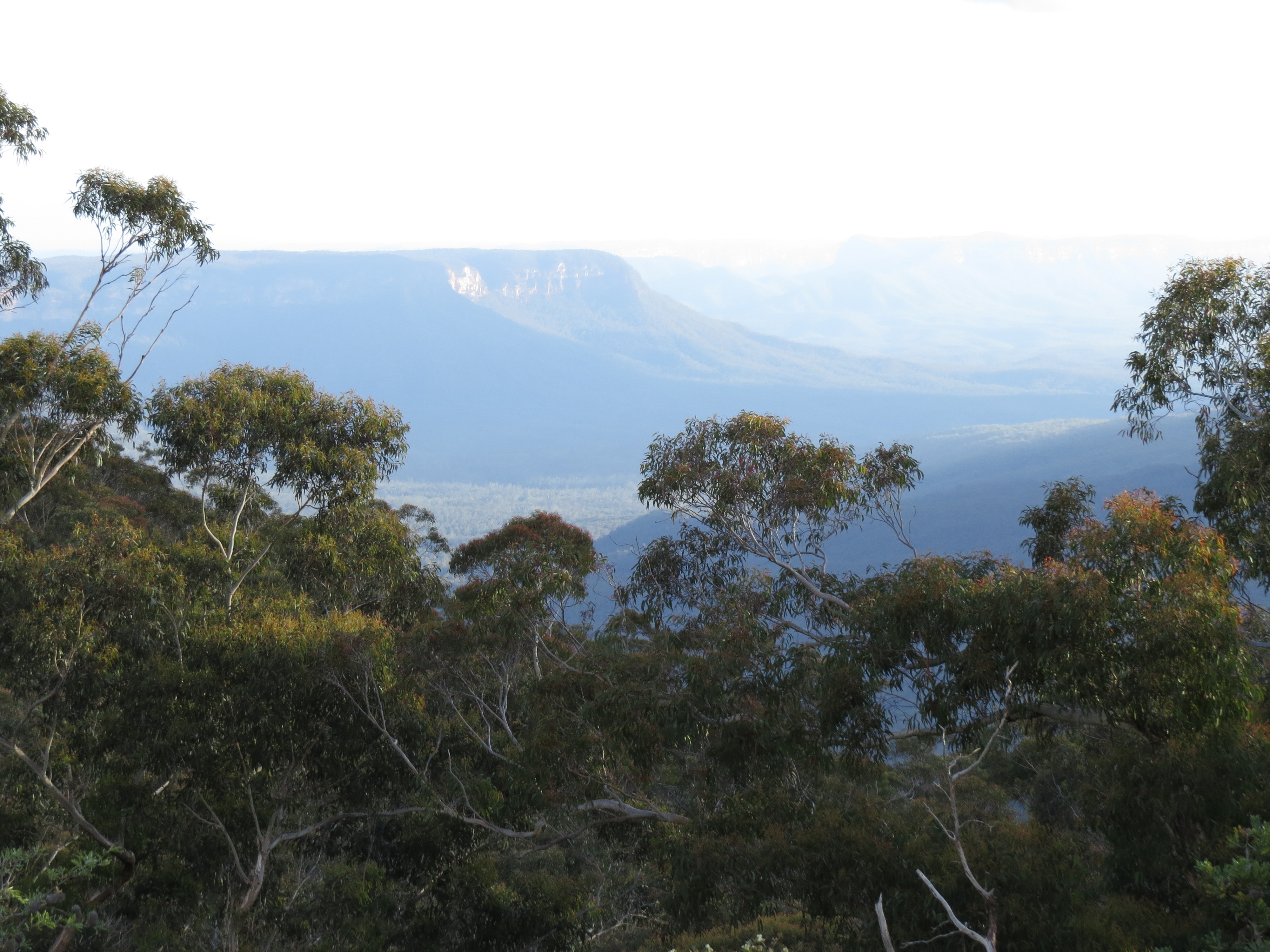
Leura, Australia

The latter two events were co-sponsored and organized by the Centre for Compassionate Conservation (Centre) at the University of Technology in Sydney (UTS). The Centre was founded in 2013 by UTS conservation biologist Dr. Daniel Ramp, who continues as its Director. His unusual goal, succinctly (indeed, laconically) stated, is “to better conserve nature by protecting the welfare of individual animals in captivity and in the wild.” The Centre currently lists a core management team of five, plus six affiliated researchers. Five conference attendees identified themselves as Centre Ph.D. candidates, and another as an unspecified Centre student. Before organizing the Centre, Daniel and most of his present colleagues comprised something called THINKK, focused more narrowly on ethical kangaroo conservation. Coincidentally, a documentary film emerging from that effort just opened in selected U.S. theaters.

Alloying animal welfare advocates and conservationists this way requires effort.  Alloying them into a fully coherent interest group is unlikely. Conservationists, including conservation biologists, are rarely concerned with the comfort or fates of individual organisms. For example, the Society for Conservation Biology is “dedicated to advancing the science and practice of conserving Earth’s biological diversity”. It emphasizes populations, species, biotic communities and other aggregations rather than individual organisms. This view accommodates Darwinian natural selection and economic sustainability of recreational and commercial exploitation, including so-called ecosystem services. Except where the population of some species is approaching zero and every extant individual contributes substantially to its genetic diversity, whether any of them are particularly well off beyond their ability to breed or produce gametes for propagation purposes is a subsidiary concern. By contrast, animal welfare begins with sentient organisms and recognizes fewer aggregate or emergent properties. Strictly speaking, to welfare advocates, preserving a species or population is secondary to protecting individuals from experiencing pain or suffering, especially that related to human actions or influences.

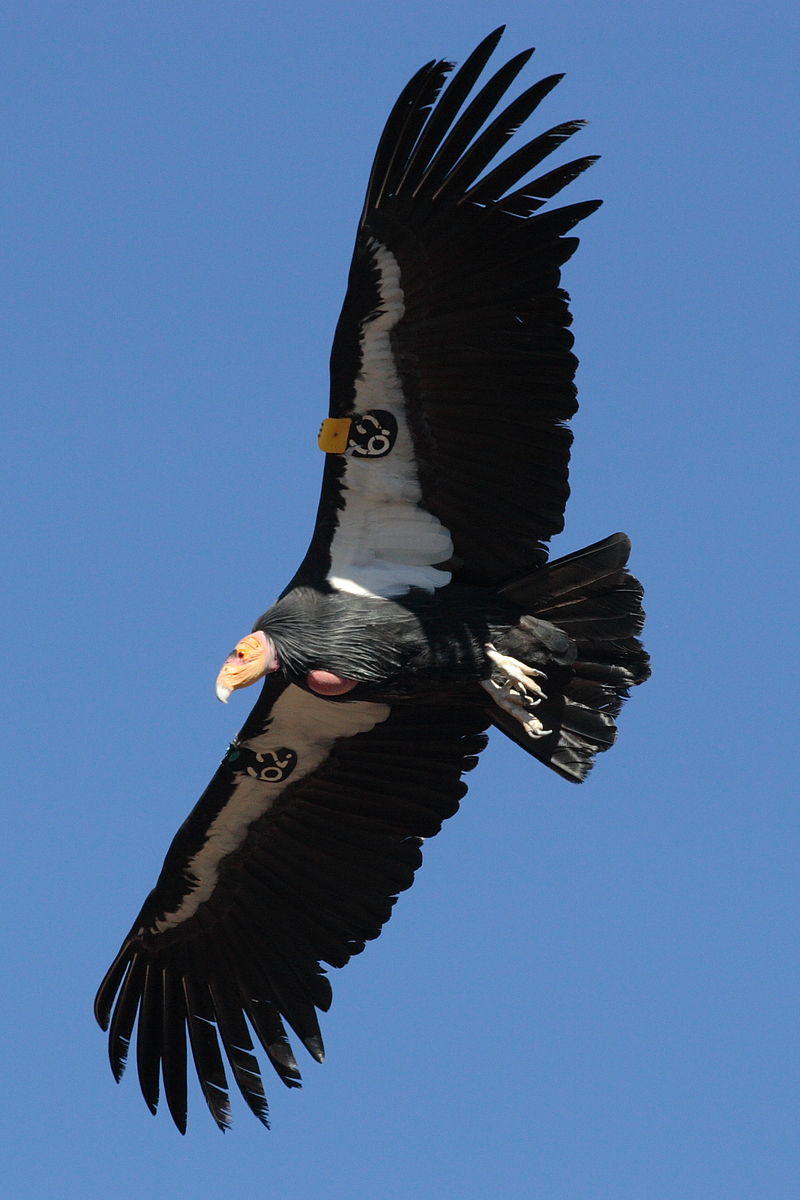
California Condor with tracking tags on wings

Logically extended, the difference between conservation and compassion can be illustrated by the California condor recovery effort. Condors incapable of breeding are useless to conservation biologists other than for public relations purposes. Any “display” animal is subject to the particular dangers inherent in repeated transportation and public contact. Presented as an example or representative of the taxon Gymnogyps californianus it nevertheless becomes a named or nicknamed individual entity in the minds of the people who “meet” it.  Once transferred permanently for display to (e.g.) a zoo, the welfare of a named, non-breeding condor takes on a significance that it never had before. Should it fall ill, hundreds or thousands of people will fret. Should it die unexpectedly, they will mourn and hold its keepers responsible. Meanwhile, potential breeding condors may be released to cope with hazards of “wild” survival their captive counterparts never face. The processes of breeding contribute further stresses and risks. The value of a display condor is tallied in goodwill and monetary contributions. The value of a breeder is tallied in viable offspring, much as the value of a laying hen is tallied in eggs produced. The contentment of a named bird is judged differently from that of a numbered one. Should “recovery” succeed, individual condors will someday become as anonymous as turkey vultures, their welfare officially unmonitored. With all that in mind, a compassionate conservation conference is necessarily a coalition exercise. A stable, hybrid entity like the UTS Centre remains exceptional.

In the Event

The three-day Leura schedule included ten presentation sessions, a poster session and six workshops. Each presentation session opened with a half-hour keynote talk from an invited speaker followed by a series of shorter contributions.

Presentations:

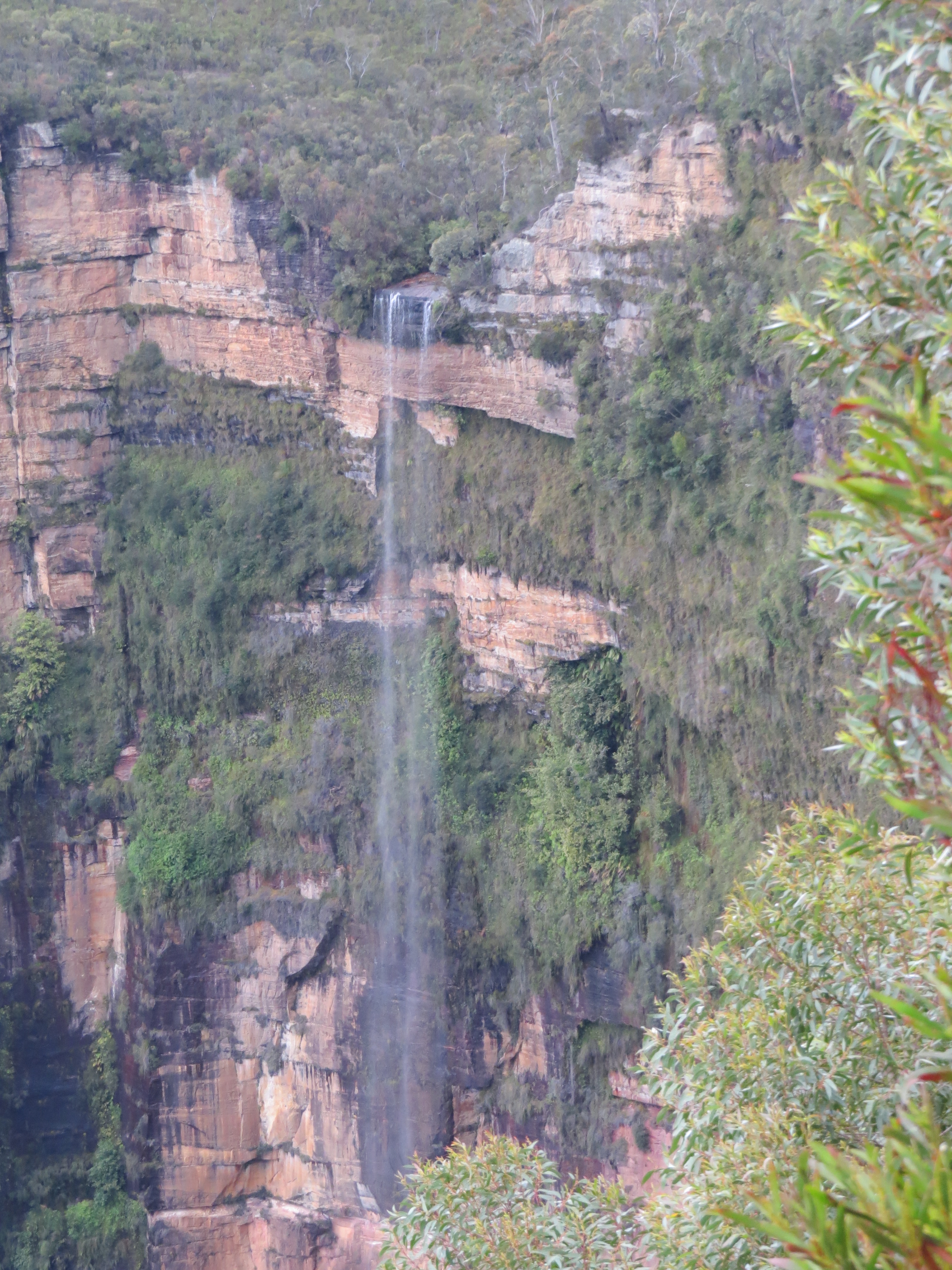
Australian waterfall

Presentation sessions were organized around conservation ethics (2); novel ecosystems (2); animal welfare science and issues (2); laws and policies; agriculture and wildlife, predator-friendly ranching and finally “cultivating compassion”. Keynote speakers (six men, four women) came from the USA (5), Australia (3), Malaysia (1) and the UK (1). Nine are university faculty or affiliates; two represent independent conservation NGOs (yes, we turned it up to 11). Few of us can comfortably label ourselves without hyphenating. Our credentials include (alphabetically) Animal Science, Conservation Biology, Ecology, English, Environmental Ethics, Environmental Science, Ethnography, Evolutionary Biology, History, Humanities, Law, Natural Resources, Philosophy, Wildlife Biology, and Zoology and doubtless some that I overlooked. Our keynote talks ranged from practical legal and management case studies to aspirational exhortations. That may not be a defensible continuum, but it will have to do.

A conference program with abstracts is available for download here. Since there were about sixty presentations over two and a half days, I can hardly even list them, much less say anything pithy about more than a few. Their diversity made for an intense, eclectic, even exhausting experience. The general quality of presentations struck me as higher than the average at many more traditional, disciplinary conferences. Perhaps it takes “more” of something or another to survive the rigors of interdisciplinary or multidisciplinary work.

What I can do is highlight a couple of impressive research projects of particular interest to Million Trees followers in the western U.S.  In his keynote address, Conservation as creative diplomacy: Raven and tortoise futures in the Mojave Desert, University of New South Wales Associate Professor of Environmental Humanities Thom van Dooren looked at “new technology” attempts to dissuade the big black birds from preying on juvenile, endangered reptiles. Artificial tortoises conceived as the equivalent to exploding, joke cigars featured heavily in this thought-provoking and entertaining analysis. Understanding introduced megafauna in the Anthropocene: Wild donkeys as ecosystem engineers in the Sonoran Desert by Arizona State University graduate turned Centre Ph.D. candidate Erick Lundgren showed how “feral” burros in western Arizona create water sources used by “native” wildlife by digging down to shallow aquifers in dry washes. Photos and infrared video made the case for this completely new and gratifying application of the term “ass holes” and discussion of the demonstrable positive effects of “alien” animals. An early presentation of Erick’s findings can be viewed here.

Posters:

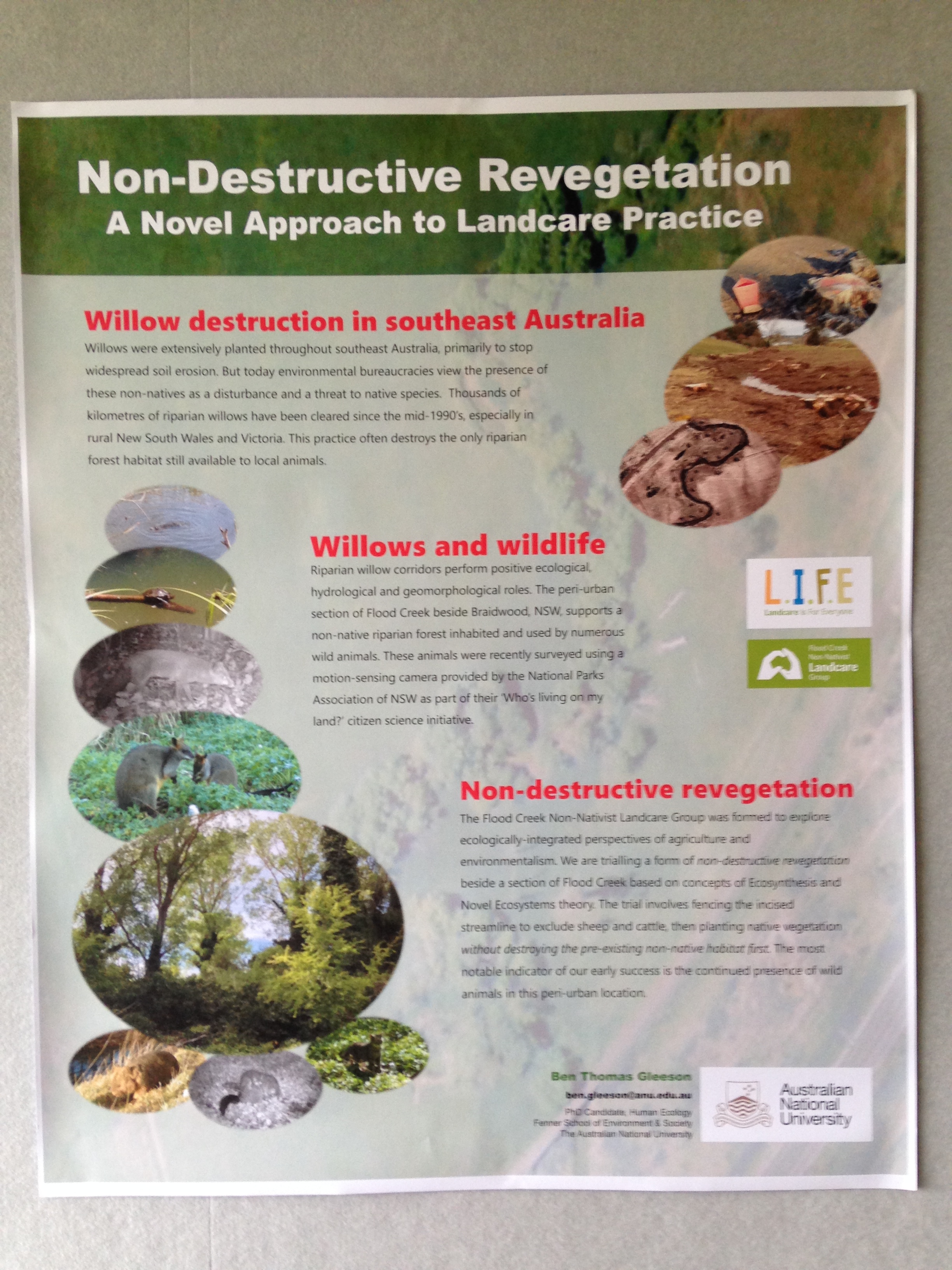
Poster of Non-Nativist Landcare

For readers unfamiliar with poster sessions, the basic idea is to summarize a project, argument or proposal in the minimum necessary words and graphics to convey the important ideas. Posters can be perused at the convenience of conference-goers, and (as in this case) can be strategically hung in proximity to coffee and snacks; but a period is usually specified for poster authors to literally stand by their work and answer questions. What constitutes a poster is evolving rapidly. Mechanically pasted-up arrangements have been superseded by single, large format prints, which in turn may soon give way to looped or even user-navigable videos on flat screen displays. Only a handful of posters were presented at Leura. One included a description of low-disturbance riparian revegetation techniques; another explained a new proposal to legally protect captive whales, porpoises and dolphins in the U.S.A.; a third took data-driven issue with Argentina’s official over(?)-emphasis on lethally suppressing European rabbit populations; and the fourth combined a poster with a video loop to demonstrate the surprising calmness of red foxes living in proximity to dingoes, their only wild predators.

Workshops:

Befitting a gaggle of academics, three of the six workshops initiated collaborations meant to produce papers for peer-reviewed publication. “Welfare in the wild” focuses on the challenges of assessing the condition of free-living wild animals, a necessity for practical compassionate conservation. “The Australian Wildcat Project” seeks to reframe feral cats as wild animals and find “compassionate and effective solutions” that supersede traditional (and ineffectual) lethal culling.  “Transforming wildlife management policies” envisions a compassionate alternative to the present Australian Pest Animal Strategy.

For attendees not leashed to the “publish or perish” treadmill, “A framework for human-wildlife health and coexistence in Asia” built on the related presentation session to propose guidelines for further research and development. “Predator friendly ranching skills and technologies” demonstrated an array of time-tested, new and proposed methods for keeping livestock without resorting to lethal predator control. “Bringing ethics into conservation with argument analysis” offered an introduction to rhetorical and logical analysis of the claims underlying conservation decision-making.

Reflections

Banksia in Australia

On July 31, 1947, Aldo Leopold finalized a paragraph that appeared about seven eighths of the way through his introduction to a proposed book of essays. It began “One of the penalties of an ecological education is that one lives alone in a world of wounds.” There, Leopold styled himself as “the doctor who sees the marks of death in a community that believes itself well, and does not want to be told otherwise”. Perhaps ironically, less than nine months later (at age 61) he succumbed to heart failure aggravated by the exertion of fighting a grass fire, leaving the still unpublished anthology in other hands. Nearly two decades on, editors transplanted the paragraph into the much-revised text of a Leopold essay titled “The Round River” for re-publication by Oxford University Press, where his overwrought sentiment blossomed into a gnostic axiom of conservation biology.

Practically anyone could recognize an injured animal. Only Leopold, selected colleagues and their presumptive heirs could diagnose the arcane injuries of populations, species, communities or ecosystems. The welfare of an organism didn’t “amount to a hill of beans” next to the integrity of the greater collective. It was a more than convenient fit into the value system of academic biology, where individuals are traditionally considered mere examples of taxa, available for collection, experimentation, or “scientific” interference pretty much at will.

As a group, biologists have likely devised more (and more esoteric) ways than anyone else to kill, injure or discomfit organisms. Way back in 1865, physiologist Claude Bernard, fountainhead of the indispensable idea of homeostasis, reflected, “the science of life…is a superb and dazzlingly lighted hall which may be reached only by passing through a long and ghastly kitchen.” Recipes beyond his darkest dreams have since been tested there. In that regard, conservation biology is unexceptional. Conservation biology in practice consists largely of subsidizing the (Darwinian) fitness of too-rare species by forcibly taxing that of too-common ones. The move from culinary to macroeconomic metaphors indicates only that we are now cooking on a vast, institutional scale. Both figuratively and literally, conservation biologists break a lot of eggs in service of making too-rare species more common and supposedly too-common ones more rare. Consistent with basic economic wisdom, individuals of scarce species are more highly valued than those of common species. But much of biology is still concerned with examining formerly living objects to find out what experimenting on them accomplished. The drafters of laws like the U.S. Endangered Species Act made “experimental, nonessential” individuals or populations available for scientific “take”. At best, such exceptions allow for research that might stave of extinction. At worst, they provide cover for otherwise anathema activities like “scientific whaling.”

What will become of compassionate conservation? I can’t answer that question. Its advent represents an interesting cross-pollination among otherwise ramifying points of view. I’m sympathetic to the basic aims of its proponents. My own work wasn’t really conceived to abet them; but if it does, I say “well and good.” There’s more than enough casually rationalized cruelty in the world already. 

Matt Chew