Humane wildlife removal is essential for anyone facing unwanted animal guests in their home. This approach focuses on safely relocating wildlife without causing harm, ensuring your peace of mind and the animals’ well-being. You may encounter raccoons in your attic or squirrels in your walls, and knowing your options can help resolve these situations effectively.
Understanding the importance of humane methods can guide your decision-making process. Many traditional removal techniques can lead to stress, injury, or even death for wildlife, which poses ethical concerns. By choosing humane wildlife removal, you protect the local ecosystem and create a safer environment for yourself and the animals.
As you navigate the complexities of wildlife interactions, you must consider the benefits of humane practices. Educating yourself will empower you to make choices that align with your values while ensuring effective solutions to wildlife issues.
Principles of Humane Wildlife Removal
Humane wildlife removal focuses on ethical practices and effective methods for managing animal populations without harm. Understanding these principles is crucial for environmental sustainability and animal welfare.
Ethical Animal Control
Ethical animal control prioritizes the well-being of wildlife while addressing human-animal conflicts. It involves assessing the situation to determine the most appropriate response, ensuring the chosen method minimizes stress and suffering for the animals involved.
Key practices include:
● Assessment: Evaluate the specific circumstances, including identifying the species and their behavior.
● Relocation: If necessary, relocate animals to suitable habitats away from urban areas, ensuring they can access food and shelter.
● Monitoring: Follow up on relocated animals to ensure they adapt well to their new environment.
Choosing ethical methods helps maintain ecological balance while respecting the lives of all creatures.
Non-Lethal Pest Management
Non-lethal pest management utilizes strategies that deter or remove animals without causing harm. This approach emphasizes prevention and humane removal techniques.
Important methods include:
● Exclusion: Seal entry points to prevent wildlife from accessing your property.
● Habitat Modification: Change the environment to make it less attractive, such as removing food sources or shelter.
● Repellents: Use eco-friendly substances that deter animals without harming them.
Implementing these practices fosters a respectful coexistence with wildlife, reducing conflicts and maintaining biodiversity in the area.
Methods and Techniques

Using humane techniques is essential when dealing with wildlife removal. This approach minimizes animal stress and ensures safe relocation or exclusion from your property. Below are effective methods for removing raccoons, squirrels, and opossums and safe practices for wildlife exclusion.
Update: There are regulations regarding trapping and relocating wild animals in California. Thanks to a reader who brought these regulations to my attention. This is a summary of those laws done by Google, using AI:
“In California, trapping and relocating wildlife is generally illegal. However, there are some exceptions and circumstances where relocation may be a better option than killing the animal. Here are some regulations regarding trapping and relocating wild animals in California:
- Trapping license. Only a licensed trapper can trap animals. Traps must have a state-issued and registered trap number.
- Trapping methods. Leg-hold traps are prohibited, except for government agencies to protect human health and safety. Poison is also not permitted.
- Trapped animals. Trapped animals must be released immediately on site or killed by the trapper. If the animal is not released, it must be killed by shooting if local ordinances, landowners, and safety permit. Government employees can use chemical euthanasia.
- Relocation. Written permission from the state is required to relocate trapped animals. Some say that relocating wildlife is often ineffective and can be detrimental to the animal. For example, relocating a squirrel in the winter could be fatal because it would no longer have access to its food cache. However, relocating an opossum, which often has no fixed home range, might be more acceptable.
- Nuisance wildlife. Nuisance wildlife that is trapped cannot be bought or sold. The pelts of animals caught in body-gripping traps also cannot be sold“
Raccoon Humane Removal
Raccoons are known for invading attics and basements. To remove them humanely, follow these steps:
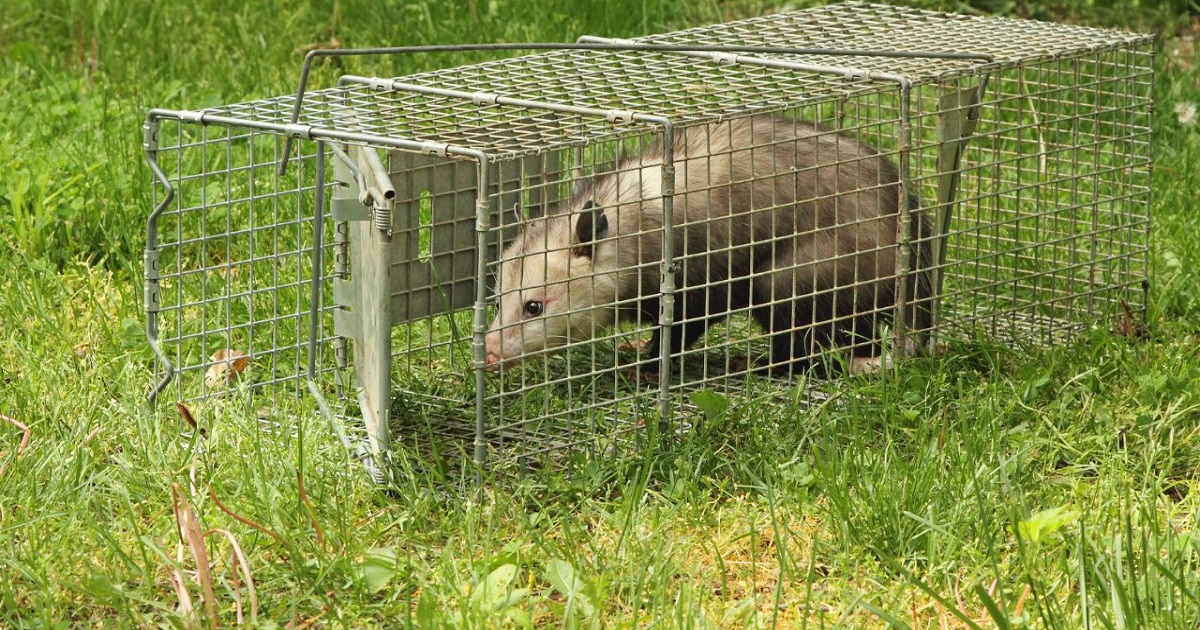
● Live Traps: To capture the raccoon safely, use a large, baited live trap. Common baits include fruits, cat food, or peanut butter.
● Check Traps Frequently: Inspect traps multiple times daily to prevent stress or injury to the trapped animal.
● Relocation: After capture, relocate the raccoon to a suitable habitat at least 10 miles away, avoiding urban areas.
● Prevent Access: Seal entry points with materials like hardware cloth or strong metal sheeting to prevent future invasions.
Squirrels: Humane Removal Methods
Squirrels can easily find their way into homes and may cause damage while searching for food or nesting sites. To manage their removal humanely, consider the following techniques:
● Live Traps: Live traps are an effective and humane method for capturing squirrels. Place them where you’ve noticed squirrel activity, such as near nests or feeding sites. Check the traps frequently to minimize stress for the captured animal.
● Baits: Use appealing baits like peanut butter, sunflower seeds, or fruits to attract squirrels to the traps. These tasty options can help ensure that the traps are successful.
● Seal Entry Points: To prevent squirrels from entering your home, identify and seal any cracks or gaps larger than a quarter-inch. This proactive measure can help keep them out and reduce the likelihood of future encounters.
By employing these humane removal methods, you can effectively manage squirrel populations while ensuring their welfare.
Opossum Humane Removal
Opossums are generally non-aggressive but can create a mess in your yard. Here’s how to remove them humanely:
● Live Traps: Like raccoons, use live traps baited with cat food or fruits.
● Monitor Traps: Check traps frequently to minimize stress and provide food and water if the capture lasts longer than a few hours.
● Release: Release them in a wooded area away from residential neighborhoods to allow for their natural behaviors.
● Keep Outdoor Spaces Clean: Remove pet food, garbage, and fallen fruit from yards to reduce attracting opossums.
Safe Wildlife Exclusion
Exclusion is a proactive approach to keeping wildlife away from your property. Consider these methods:
● Inspect and Seal: Regularly inspect your home for entry points and seal any holes or gaps with durable materials.
● Use Humane Deterrents: Utilize natural repellents like cayenne pepper or vinegar around entry points. Motion-sensitive sprayers can also startle wildlife.
● Outdoor Maintenance: Keep yards tidy by trimming bushes and removing debris. Store food in sealed containers.
● Regular Monitoring: Continuously check for signs of wildlife presence to address issues before they escalate.
Implementing these methods ensures effective, humane wildlife removal, protecting your home and the animals involved.
Wildlife Awareness and Control
Being aware of local wildlife dynamics can significantly reduce the risk of infestations. Employing safe wildlife exclusion methods ensures that animals are kept at bay without harming the ecosystem or the creatures themselves.
Preventing Infestation
To prevent infestations, it’s essential to identify and eliminate food and shelter sources around your property. Here are key strategies:
● Secure Garbage: Use tightly sealed bins to deter animals from scavenging.
● Seal Entry Points: Inspect your home for gaps in windows, doors, and vents. Use materials like steel wool or caulk to close these openings.
● Remove Attractants: Regularly clean up fallen fruit, birdseed, and pet food to minimize draw for wildlife.
● Trim Vegetation: Keep shrubs and trees away from structures to eliminate accessible pathways.
Implementing these steps fosters a less inviting environment for wildlife, reducing potential conflicts.
Promoting Coexistence
Promoting coexistence involves understanding wildlife behavior and utilizing humane animal deterrents. You can achieve this by:
● Using Natural Repellents: Certain scents, like citrus or vinegar, can deter animals without harming them.
● Installing Fencing: A well-placed fence can help keep larger wildlife at bay while allowing smaller beneficial creatures to pass.
● Educating Neighbors: Share information about wildlife awareness with your community to build a collective approach.
By adopting eco-friendly pest solutions, you protect your property and respect local ecosystems. This balance leads to a healthier environment for both wildlife and humans.
Closing Thoughts
Humane wildlife removal is essential for both safety and environmental balance. When dealing with unwanted wildlife, remember that effective solutions prioritize humane practices.
Choosing a reliable service makes a significant difference. Critter Stop specializes in humane wildlife removal, ensuring efficient and ethical techniques. Their commitment to customer satisfaction is evident through numerous positive reviews.
If you’re facing issues like ant infestation in your bedroom, contacting Critter Stop should be your first step. You can reach them at (214) 234-2616 for a free inspection. Making the call protects your home and promotes a responsible approach to wildlife management. Remember, professional assistance often leads to long-lasting results. Trust Critter Stop for high-quality work and great customer service.
Sam Patrick
Critter Stop
Dallas-Fort Worth, TX
Disclaimer: Conservation Sense and Nonsense has published this article as a guest post. It is not a paid advertisement. Although the article is consistent with the mission of Conservation Sense and Nonsense, its publication does not constitute an endorsement of Critter Stop because we have no personal experience with Critter Stop and we have not researched the quality or effectiveness of their services.
-Webmaster, Conservation Sense and Nonsense
 Conservation Sense and Nonsense