Chicago, another example of destructive “restorations”

We were first introduced to the native plant movement about 12 years ago when we began to notice that trees were being destroyed in our parks in San Francisco, but we couldn’t comprehend the scale of the project until we were finally successful in getting access to the first draft of the management plan for the Natural Areas Program in San Francisco.  Frankly, we were appalled by the planned destruction and restrictions on recreational access outlined in those plans. 

Hoping to understand the motivation for a project that didn’t make sense to us, we began to read about the native plant movement.  The first book we read was about “restoration” efforts in Chicago(1) which began in the late 1970s and apparently is one of the first projects in the country, influencing all others.  We were immediately struck by the similarities between our experiences in the Bay Area with those in Chicago.

  • The pre-settlement landscape was arbitrarily selected for replication in both places, despite an acknowledgement that the prairie and oak savannah were artificially maintained by frequent fires used by Native Americans.  Man had prevented the natural succession of grassland to shrubs and ultimately to forest.(2)
  • “Restorationists” in both places were essentially hobbyists, using trial-and-error strategies that rejected scientific methods of controlled experiments as too slow for their urgent mission.  The phrase “adaptive management” was adopted in San Francisco to describe these unscientific strategies.
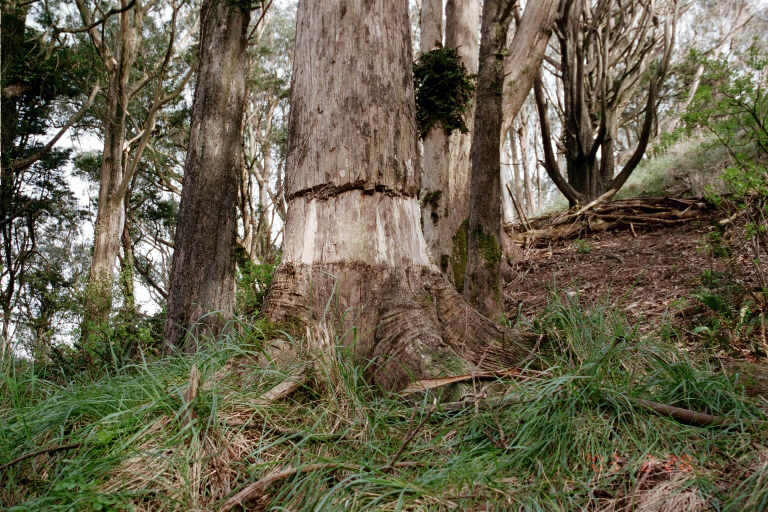
  • Stealth methods were used in both places to hide controversial practices from the public.(3)  Trees (in Chicago, both native and non-native trees) were girdled to kill them and the scars hidden from view.  In Chicago, all activities (broadcast and brush pile burns, herbicide use, etc) were conducted behind visual screens.  In San Francisco, volunteers use herbicides they are not authorized to use.
Girdled tree, San Francisco
  • In both cases, “restorationists” developed a sense of ownership of the land that denied alternate views or even the authority of the theoretically official managers of the land.  As one of the local leaders said in a public hearing in San Francisco, “We know what to do and we want you to leave us alone to do what needs to be done.”

In Chicago and in the Bay Area, the criticisms of these “restorations” are also similar:

  • We do not want to destroy healthy trees whether native or non-native
  • We do not want to use toxic herbicides
  • We do not want to pollute our air or take the unnecessary risks associated with prescribed burns
  • We do not want to kill animals whether they are native or non-native
  • We value the landscape that exists and we do not consider a landscape that is exclusively native superior to it.  We have an inclusive view of nature, based on an acknowledgement of its dynamic quality.  We reject the arbitrary division of nature into “good” and “bad.” 
  • We believe that our public lands are owned by everyone, not just those who choose to volunteer in them

Ten years ago, we were encouraged to learn that the critics of the Chicago “restorations” were successful in getting a moratorium in 1996 on destruction in the areas being contested.  The moratorium was theoretically for the purpose of negotiating a compromise between “restorationists” and their critics. 

When we were recently contacted by restoration critics in Chicago, we weren’t at all surprised to learn that the effort to reach agreement had failed. The moratorium was lifted in most places in 1999 with the exception of a small, contested area where the moratorium was lifted in 2006.  We weren’t surprised because although we have participated in many efforts to negotiate with “restorationists” we have found that they are unwilling to compromise. 

Every scrap of park land originally claimed as a “natural area” in San Francisco is still under the jurisdiction of the so-called “Natural Areas Program.”  Nearly 15 years after the inception of the Natural Areas Program, there is still no environmental impact review, yet herbicide use continues unabated and trees are destroyed when funds are found to pay for their removal.   And in the East Bay, grant funding of restoration projects has been delayed for over 5 years because project managers will not budge from their demand to clear-cut all non-native trees.

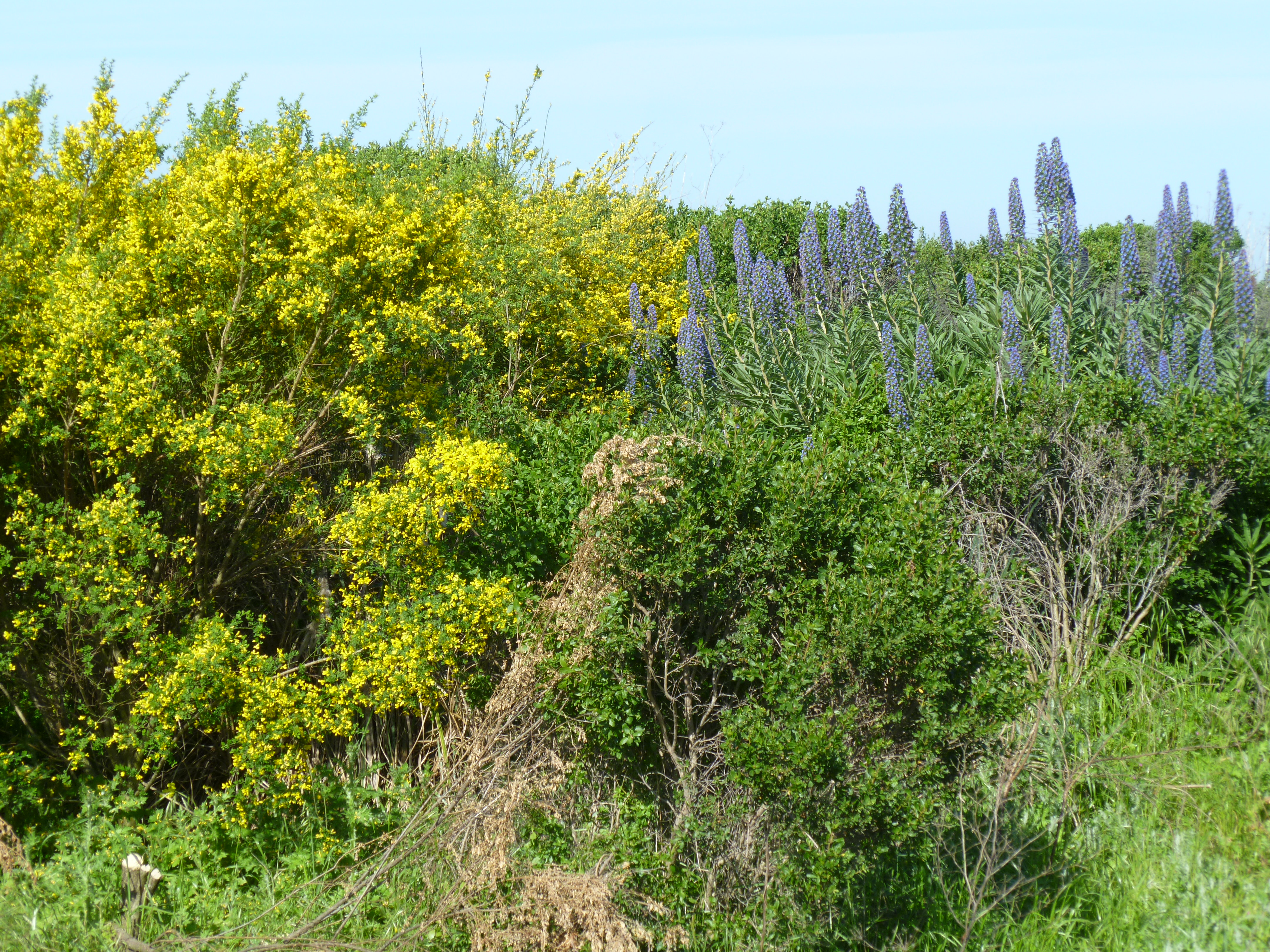
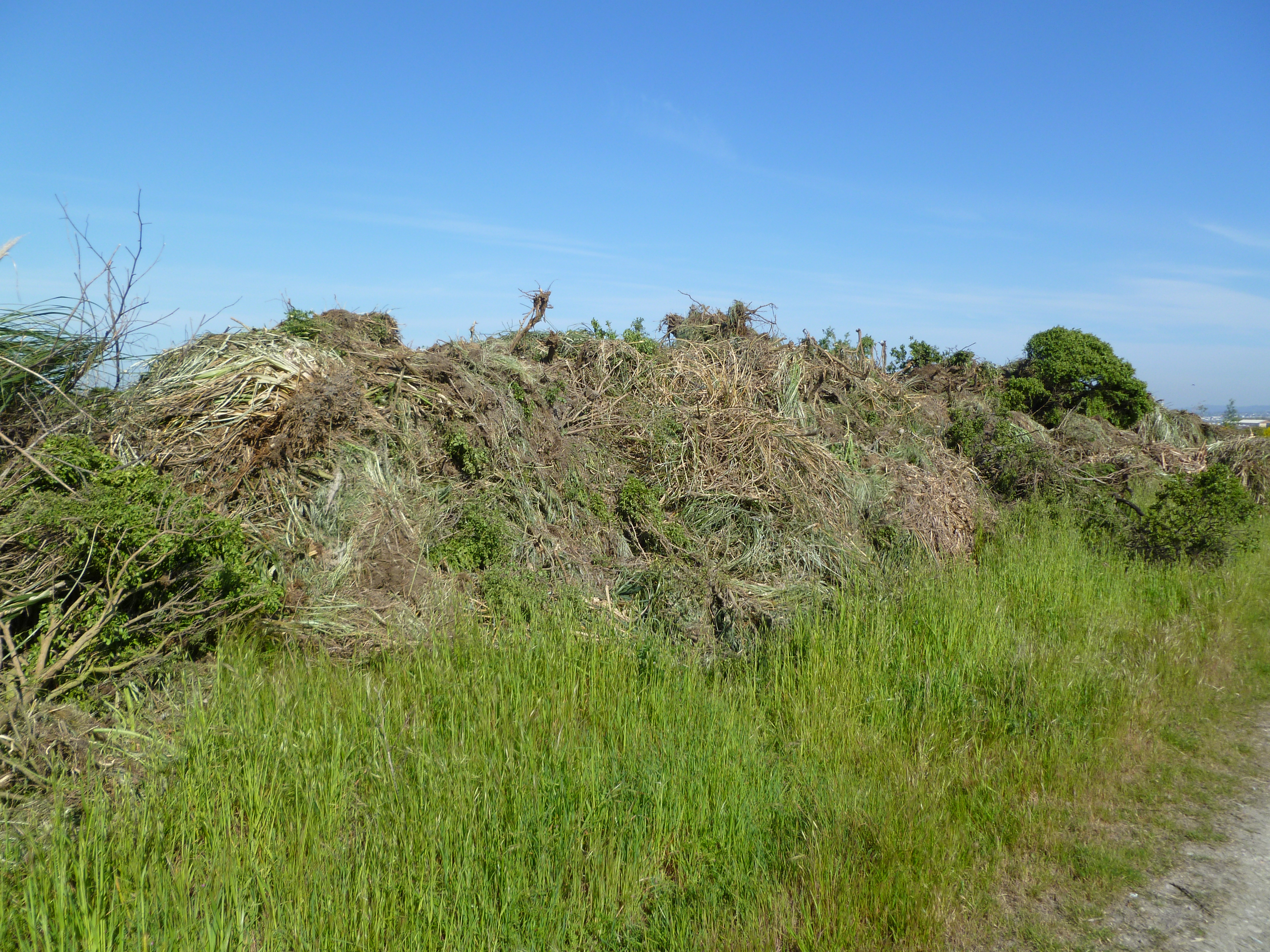
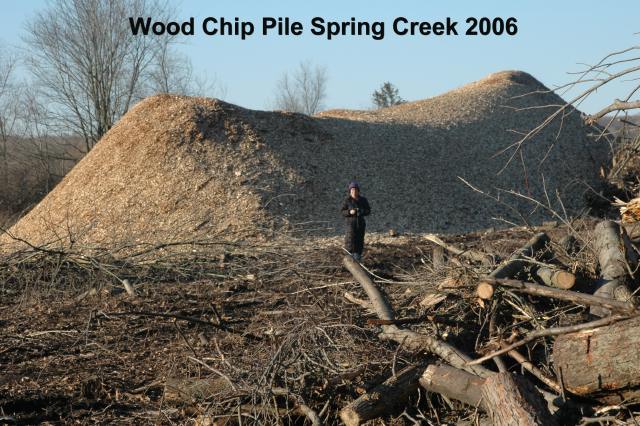
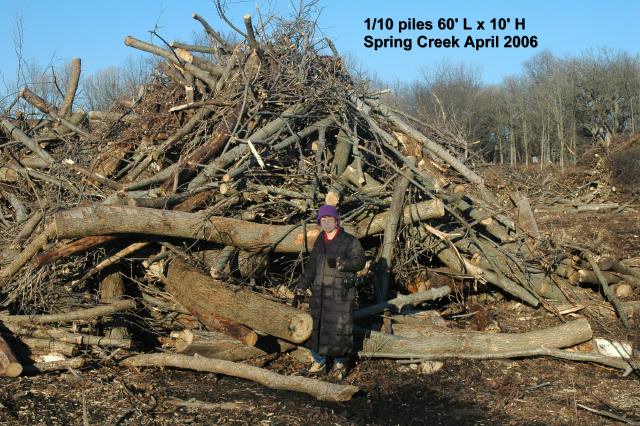
Here are photos of the consequences of the “restoration” effort in Chicago:

Photos courtesy Natural Forest Advocates, Chicago

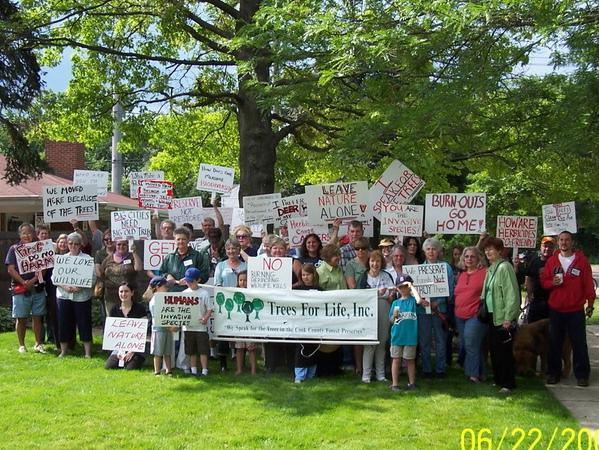
And here is a photo of one of the efforts to bring shame onto the destruction:

Since this photo was taken, the managers of public land have quit announcing prescribed burns and  work days in advance, hoping to prevent crowds such as this from gathering in protest.  Keeping their eyes and ears open, the critics gather as quickly as they can when they learn of a burn or a work day. 

We hope you will visit their website and sign their petition to encourage them in their challenging task. 

We are dedicated to preserving our public lands for the benefit of the animals that live in them and the humans who enjoy them.  We will use every means available to us to prevent as much destruction as we can.  We impatiently wait for science to catch up with our effort to bring this destructive movement to a halt by educating the public about the futility of trying to destroy deeply entrenched non-native species, the damage that is done in that futile effort, the value of a diverse ecology composed of both native and non-native plants and animals, and the changes in the environment that inevitably result in a changed landscape. 


(1) Restoring Nature, editors P. Gobster and B. Hull, Island Press, 2000

(2) Miracle Under the Oaks:  the revival of nature in America, William K. Stevens, Pocket Books, 1995

(3) Ibid.

Lies and Intimidation: SaveSutro receives apparent legal threat

The SaveSutro webmaster received a letter last week from a law firm representing the Sutro Stewards, apparently threatening to take legal action if the webmaster did not make the changes on the SaveSutro website that they demanded.  Please visit the SaveSutro website for the details of this apparent threat and the explanation of the SaveSutro webmaster about the posts in question, which makes it perfectly clear in our opinion, that such threats are unfair and without legal merit.

Although we consider this apparent threat of legal action against the SaveSutro webmaster appalling, we are not in the least surprised by it.  It is consistent with our long experience as critics of the destructive aspects of native plant “restorations.”  We have witnessed the heckling of critics at public hearings, even extending into the hallways of City Hall, where a critic was pursued by a name-calling native plant advocate.  We have heard a respected scientist from a reputable university accused of being “arrogant and condescending” by a native plant advocate reacting to the scientist’s assessment that local native plant restorations are not based on science and are unlikely to be successful.  After such public hearings, we have been called “nature haters” in a letter to the commissioners at the hearings and in media publications by native plant advocates pursuing their interests.

The “nature hater” accusation strikes us as being particularly ironic.  We have a more inclusive view of nature, even extending to humans who are as much a part of nature as any other animal or plant in our view.  We are unwilling to scapegoat immigrants for environmental problems and we consider “population control” inconsistent with the principles of our free society.  We are not comfortable with arbitrary divisions of nature into “good” and “bad” plants and animals.  And when these arbitrary classifications are extended to justify killing “bad” nature in the service of “good” nature, we are often horrified.  One native plant advocate, defending the use of toxic herbicides to kill non-native plants, explained that non-native plants are a “cancer on the land” and that native plant advocates are merely using “chemotherapy” to “cure” the environment.  Such a characterization of non-native plants makes us cringe.  And so, calling us “nature haters” seems to us an extreme case of psychological projection of the motives of native plant advocates onto the motives of their critics.

Unfortunately, such attacks are often successful with critics of native plant restorations because we have little at stake, besides our love of nature.  Many of us prefer to walk in peace in our park rather than to subject ourselves to the unpleasantness of advocating for its preservation.  Neither the SaveSutro webmaster, nor the MillionTrees webmaster receives any compensation for the information we provide to the public about the native plant movement.   We have only the satisfaction of knowing that we are performing a public service, while learning much interesting information about nature.

In contrast, many native plant advocates and their allies are earning their living from their involvement in the native plant movement.  Some are leaders or employees of non-profit and advocacy organizations such as the Sutro Stewards, Sierra Club, and Audubon Society.  Others are public employees of municipal, regional, or federal public lands, engaged in “restorations” and related activities.  Finally, there is an army of contractors servicing these organizations by taking down large trees with heavy equipment and spraying pesticides for organizations that don’t wish to expose their employees to the toxins.  They have much more at stake and they are therefore much more highly motivated.  So we should not be surprised at the lengths to which they are willing to go to protect their employment.

We will now tell the story of two businesses that were attacked by native plant advocates and their allies who tried to put them out of business.  They were not so easily intimidated because they had more to lose.  They fought back with facts and they were both vindicated, illustrating that although native plant advocates may have the upper hand strategically, they generally do not have the upper hand when it comes to the facts on the ground or the scientific principles to evaluate those facts.

In 2002 the Center for Biological Diversity (CBD) appealed a US Forest Service decision that renewed Arizona rancher Jim Chilton’s grazing permit on the Montana Allotment, a parcel of federal land in southern Arizona.  CBD included in their appeal, descriptions and photographs that purported to show extreme environmental degradation caused by Chilton’s grazing practices.  CBD’s allegations were also spread via a press release and their website, which included the photos.  Chilton responded that the photos were falsely labelled, often being of land not in his grazing allotment, including cows that were not his, and deliberately misled people about his management of land.

The US Court of Appeals said that the knowing misuse of this photograph was sufficient for the jury to find malice in the misrepresentation Source: Chilton Ranch website

One photo, taken of private land not in Chilton’s allotment, showed two cows lying on a dry, barren field, with a caption suggesting Chilton’s cattle caused the damage.  In fact, that field had hosted a three week long May Day festival about two weeks before the photo was taken.  Five to six hundred people attended the festival, some camping there. Several hundred cars, all-terrain vehicles, and recreational vehicles had used the location during the festival.  The CBD photographer knew this because he had attended the festival.

Chilton demanded the photos be taken down from CBD’s website.  CBD refused, and here they made their big mistake:  Chilton had the means to resist them.  He filed a defamation suit, and won.

The superior court judge and jury awarded him $600,000, including $500,000 punitive damages.  CBD appealed through the Arizona Court of Appeals (2006) and the Arizona Supreme Court (2007), but each level affirmed the decision:  CBD had lied about Jim Chilton in an attempt to throw him off the land he legally grazed by permit.

Kevin Lunny and his family operate the Drakes Bay Oyster Company (DBOC) at Drakes Bay in Marin County.  The National Park Service (NPS) wants him out of there.  To justify their position several NPS officials made public statements, and NPS published “Drakes Estero: A Sheltered Wilderness Estuary,” claiming scientific proof that the DBOC damaged the environment of Drakes Bay.  In particular, NPS alleged that DBOC caused sedimentation, damaged native eelgrass, caused a major decline in the harbor seal population, introduced exotic organisms, and adversely affected the species diversity of the bay.  Mr. Lunny, with the help of biologist Corey Goodman, disputed these NPS claims.

Following the intervention of Senator Dianne Feinstein, a committee of the National Academy of Sciences (NAS), composed of eleven eminent biologists from around the country, studied what was known scientifically about oyster culture in Drakes Bay.  In 2009 they issued a 128 page report, “Shellfish Mariculture in Drakes Estero, Point Reyes National Seashore, California.”    Their conclusion included:  “…the agency [NPS] selectively presented, over-interpreted, or misrepresented the available scientific information…” and, “…exaggerated the negative and overlooked potentially beneficial effects of the oyster culture operation.”  (p 72-73) This is the flat, understated way scientists write.  In everyday English, they found that NPS was using phony “science.”

The alleged disturbance of harbor seals by DBOC boats in Drakes Bay was particularly hotly contested.  Although the NAS committee found no evidence of DBOC disturbing the seals, they expressed a desire for more evidence, due to the “he said – she said” nature of volunteer monitoring reports.  They suggested time and date stamped photographs to document NPS claims. (p 47)  What they weren’t told by NPS was that NPS had such photographs.  NPS  had two and a half years of time and date stamped (once per minute) photographs of the operation of DBOC near the seals.  Those photographs were only revealed following a Freedom of Information Act request from Dr. Goodman.  The photographs show no disturbance of the seals by DBOC boats, and disturbances that NPS volunteers alleged were caused by DBOC boats were actually caused by kayaks.  (Point Reyes Light, Oct 21, 2010)  That is, NPS hid the clear-cut evidence that showed claims of harm caused by DBOC were false.

Drakes Estero. NPS photo

It remains to be seen if these revelations of fabricated “science” will save the oyster farm beyond 2012 when their lease ends.  However, if NPS chooses to close it down anyway, they will be unable to justify their decision by claiming that the oyster farm is damaging the environment.

We are confident that science will eventually prevail and we hope that the tide will turn before most of our trees, plants, and animals are destroyed.