The founding error of American environmentalism

The Sierra Club, like many American institutions, is trying to come to grips with systemic racism.  The Club was founded in 1892 under the leadership of John Muir who “…made derogatory comments about Black and Indigenous peoples that drew deeply on harmful racist stereotypes, though his views evolved later in his life,” according to Sierra Club executive director Michael Brune in his letter of July 2020 to Club members (available HERE).
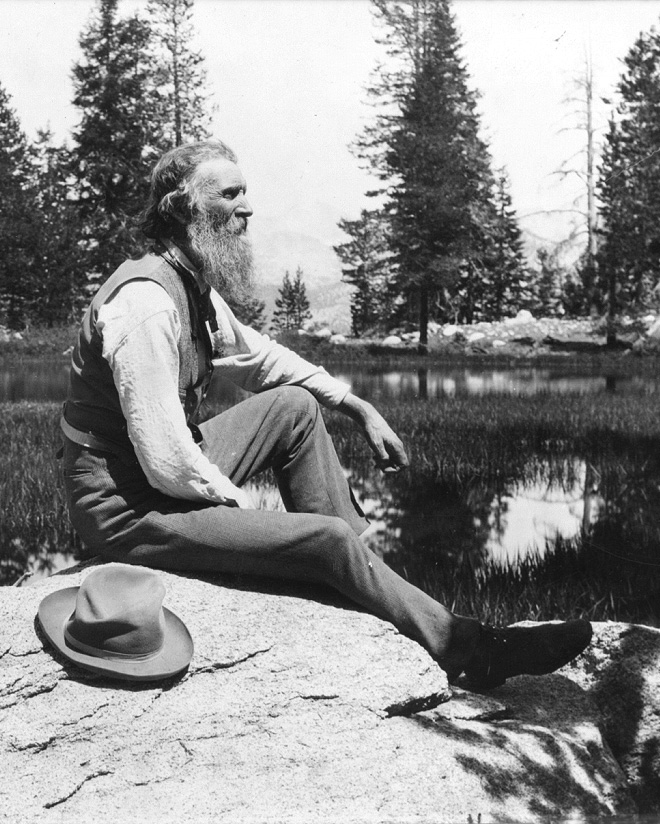
John Muir is the founder of the Sierra Club.

Author and activist, Rebecca Solnit, follows up on the roots of racism in the American environmental movement in the most recent edition of Sierra Magazine, the national magazine for Club members.  Her telling of events reveals the founding error of the native plant movement that was based on the mistaken assumption that European settlers were entering a pristine landscape that had been unaltered by humans.  The goal of the native plant movement has therefore been to replicate the pre-settlement landscape, presumed to be the ideal landscape.

Early settlers were well aware that they were entering occupied land.  After all, the settlers had to dispossess Native Americans to occupy the land.  But that reality was quickly forgotten, enabling “the lovers of the beauty of the American landscape who reimagined the whole continent before 1492 as an empty place where, as the Wilderness Act of 1964 puts it, ‘the earth and its community of life are untrammeled by man, where man himself is a visitor who does not remain.’” (1)

John Muir’s lack of respect for Indigenous culture prevented him from understanding that he was looking at the results of Indigenous land management when he admired Yosemite Valley:  “The word garden occurs over and over in the young John Muir’s rapturous account of his summer in the Sierra Nevada in 1869. ‘More beautiful, better kept gardens cannot be imagined,’ he declared. When he saw Yosemite Valley from the north rim, he noted, ‘the level bottom seemed to be dressed like a garden.’ He assumed he knew who was the gardener in the valley and the heights, the meadows and the groves: ‘So trim and tasteful are these silvery, spiry groves one would fancy they must have been placed in position by some master landscape gardener. . . . But Nature is the only gardener able to do work so fine.’” (1)

In fact, Yosemite Valley looked like a garden to John Muir, because it was a garden, the garden tended by Native Americans for thousands of years:

“Native Americans as hunters, gatherers, agriculturalists and horticulturalists, users of fire as a land-management technique, and makers of routes across the continent played a profound role in creating the magnificent North American landscape that Europeans invaded. Their use of fire helped maintain plants and spaces that benefited these first human inhabitants—including increasing animal populations, causing plants to put forth new growth in the form of straight shoots suitable for arrow making and basket making, and keeping forests open and underbrush down. In Yosemite Valley, burning encouraged oak trees and grasslands to flourish; conifers have since overtaken many meadows and deciduous groves. The recent fires across the West are most of all a result of climate change—but more than a century of fire suppression by a society that could only imagine fire as destructive contributed meaningfully.” (1)
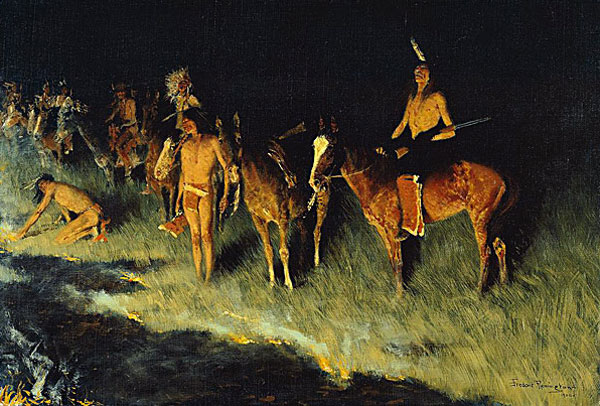
Native Americans setting grass fire, painting by Frederic Remington, 1908

Solnit correctly describes the consequences of this founding error on the development of environmentalism:  “Had he been able to recognize and convey that the places he admired so enthusiastically looked like gardens because they were gardens, the plants in them encouraged, the forests managed by the areas’ Native people, the history of the American environmental movement might have been different.”  (1)

Solnit believes there are three significant losses to American society and the environmental movement because of the initial lack of respect for Native Americans and their cultural practices.  The first was the greatest loss to Native Americans because disrespect for them as people and a functioning society made it easier to justify dispossessing and marginalizing them.  The second was the loss to American society that would have benefitted from understanding and emulating their accomplishments.  And the third loss was the founding error of American conservation policy that is based on the mistaken assumption that the pre-settlement landscape is the ideal landscape because it was unchanged by humans.

Several recent scientific studies have found that lands occupied by indigenous people in Australia, Brazil, and Canada have much more biodiversity than lands that have been designated as “protected areas” by governments.  Typically, indigenous people have been forced out of the protected areas, based on the assumption of traditional conservation that humans harm the environment.  As the Coordinator of Indigenous Organizations of the Amazon River Basin explains in a recent article in New York Times, “If you’re going to save only the insects and the animals and not the Indigenous people, there’s a big contradiction [because] we’re one ecosystem.”

A new conservation ethic

Our conservation goals require a major revision to right this wrong.  New goals must acknowledge that humans have altered every place on the planet for thousands of years.  New goals will acknowledge that nature is dynamic, that changes in nature are usually impossible to reverse, and that they have both positive and negative impacts. New goals will be adapted to the current environment, such as higher temperatures and drought.  New land management strategies can be informed by those used by Native Americans, but replicating the landscapes of 500 years ago will remain out of reach because underlying conditions have been fundamentally altered by evolution and the activities of modern society.

A new conservation ethic can honor the traditions of Native Americans as well as the sovereignty of nature.  We must stop damaging nature in the futile effort to replicate a landscape that was as much a human creation as the landscape of the Anthropocene era. 

(1) “Unfinished Business:  John Muir in Native America,” Rebecca Solnit, Sierra Magazine, March/April 2021

An Australian friend of eucalyptus

An Australian sheep farmer (we would say “rancher”), Jane Pye, spotted our defense of eucalyptus and got in touch:

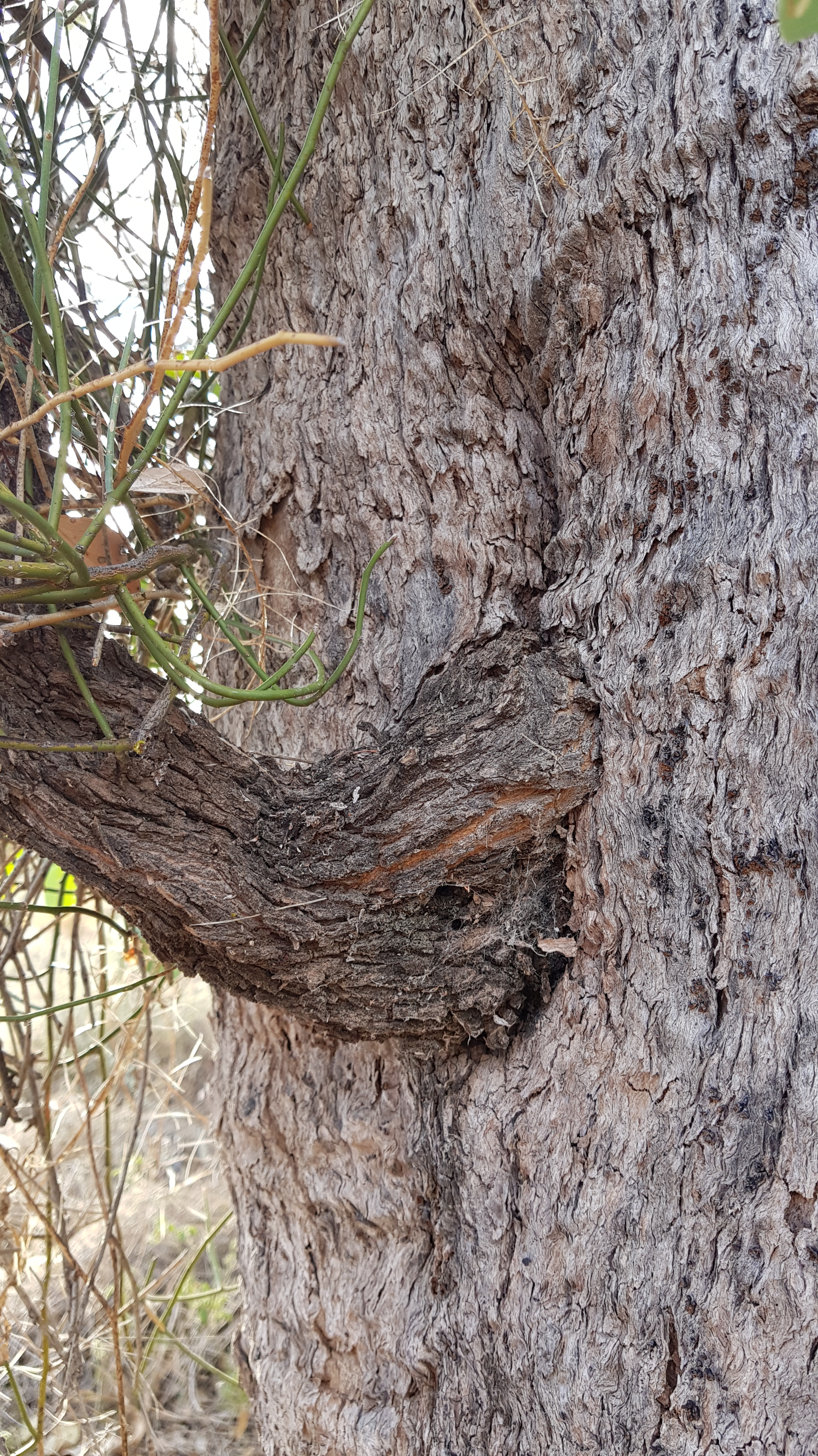
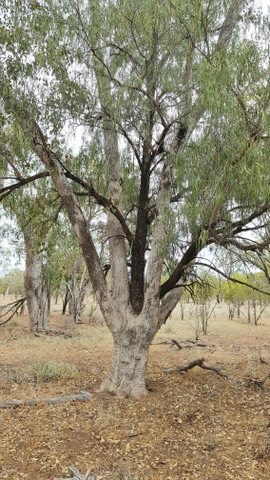
“G’day, I stumbled across the SFFA website researching ‘allelopathy’ in eucalypts and was amazed to find so much antipathy towards gum trees over there – like an arboreal cane toad! What I really wanted to know is do you have any evidence of ‘positive allelopathy’ re eucalypts?  I live in the Australian outback with areas of dry sclerophyll forest. The commonest eucalypt here (Eucalyptus populnea) is often surrounded by native scrub trees & bushes. Strangely some of these box trees also have other trees growing out of their trunks which I think were planted there by the traditional owners (Aboriginal). These Tree in Trees are found in clusters around the old indigenous campsites, which are in turn found around good natural water catchments or native wells.”

My article debunking the popular myth that eucalyptus is allelopathic was republished by the San Francisco Forest Alliance (SFFA).  The myth of allelopathy is that eucalyptus emits a chemical that prevents the germination of other species, eliminating competition with eucalyptus for resources such as water.  But Jane’s experience with eucalyptus goes beyond debunking allelopathy in eucalyptus.  She has documented many examples of different tree species that have seemingly been planted inside the cavities of eucalyptus trees.  The eucalypts are a sheltering host to the guest tree species.  Clearly, eucalyptus is not inhospitable to other plant species.

Wilga (Geijera parviflora) guest in Bimblebox (Eucalyptus populnea) host.
Apophyllum anomalum guest growing from Bimblebox (Eucalyptus populnea) host

Jane believes that these “trees in trees” were intentionally planted by indigenous Aboriginal “farmers.”  She believes that this is one of many techniques that were developed by Aboriginal people to manage the land and vegetation to provide food and cultural implements.  She explains on her website:

“After years of admiring and speculating about these scar trees, I have finally gotten around to photographing most of them. I spend many days in the paddocks mustering sheep and some of these trees are like old friends. They are an important link to our Aboriginal past and a reflection on how innovative and resilient these people were. Surviving out here west of Walgett with our unpredictable climate of harsh droughts and random floods is still tough but these people managed their environment and thrived.

“So I dedicate this website to Freddie Walford, an Aboriginal stockman we had who taught us some bush lore and like many of his people, died too young. I will always remember his natural affinity with livestock, his love of polocrosse and his quiet humour and grace. He never spoke much about the scar trees but did say if I was ever to see bones inside an old coolabah [Eucalyptus coolabah], I should go as fast as possible in the opposite direction! This website aims to increase knowledge and record these trees but not to display any pictures or information that is culturally secret or sacred.”

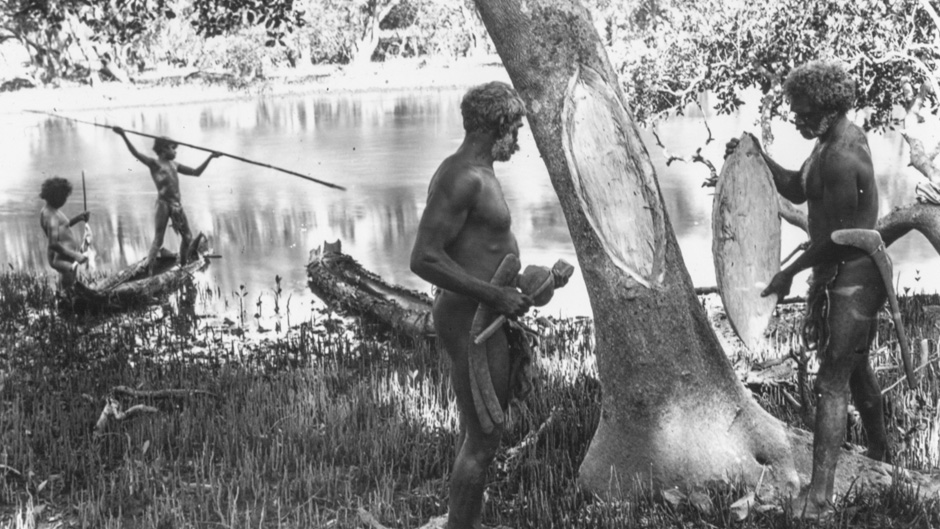
Australian aborigines. Photo by Thomas Dick, 1920

The land management practices of Australian Aborigines were very similar to those of indigenous Californians for much the same reason.  These were hunter-gatherer cultures living in similar climates with seasonal drought.  They moved around as seasons changed and their diets changed accordingly.  Both cultures used fire as one of their primary tools.  Periodic fires refreshed the grasses that fed the grazing animals they hunted.  The primary grazers in Australia were kangaroos and other marsupials; deer and other ungulates are the original grazers in California.

Native Americans setting grass fire, painting by Frederic Remington, 1908

The land management practices of indigenous people are enjoying a renaissance.  A recent study of Aboriginal land management in Australia said, “Indigenous agency and governance is driving innovations in land management worldwide that provide more equitable solutions and strategic approaches to looking after the lands, waters and all living things, particularly in the face of climate change.”

Such intentional burns are now seen as a way to keep the brushy fuels that carry fire to a minimum, reducing wildfire hazards.  Cal Fire’s new “Wildfire and Forest Resilience Plan” and the Governor’s recent annual budget proposal tell us that more prescribed burns are planned in California to reduce fuel loads and fire hazards:  “CAL FIRE will expand its fuels reduction and prescribed fire programs to treat up to 100,000 acres by 2025, and the California Department of Parks and Recreation and other state agencies will also increase the use of prescribed fire on high risk state lands.”

It has taken hundreds of years to appreciate the value of indigenous land management and its context in their culture.  When Europeans arrived in both America and Australia, settlers assumed that their culture was superior to indigenous culture.  Early settlers made no attempt to learn from indigenous people, which was the settler’s loss.  Indigenous people had learned to live off the land, in most cases without cultivating crops and without domesticated animals.  Rather, indigenous people learned what was edible and what had medicinal value.  The first European settlement in America, Jamestown, ended quickly with starvation, because the settlers weren’t able to understand what the land offered them.  In Australia, knowledge of indigenous land management was also delayed by the cultural taboos of the indigenous people that prohibited the revelation of many of their cultural practices outside their ancestral clans.

 Wildfire in Australia

Jane also had some interesting observations about wildfires in Australia that are consistent with our experience in California:

I’m sorry to hear eucalypt forests are being destroyed over there as they are wonderfully useful trees. We don’t have many fires in inland Australia. It’s more of a coastal / high rainfall problem. We just don’t get the fuel build up as it’s a semi-arid region and we have thousands of merino sheep eating the grass and shrubs. There have been no fires on this property in over a century and probably much longer. We also have efficient native grazers – kangaroos and wallabies and now also goats that are increasingly common as an alternative to sheep.”

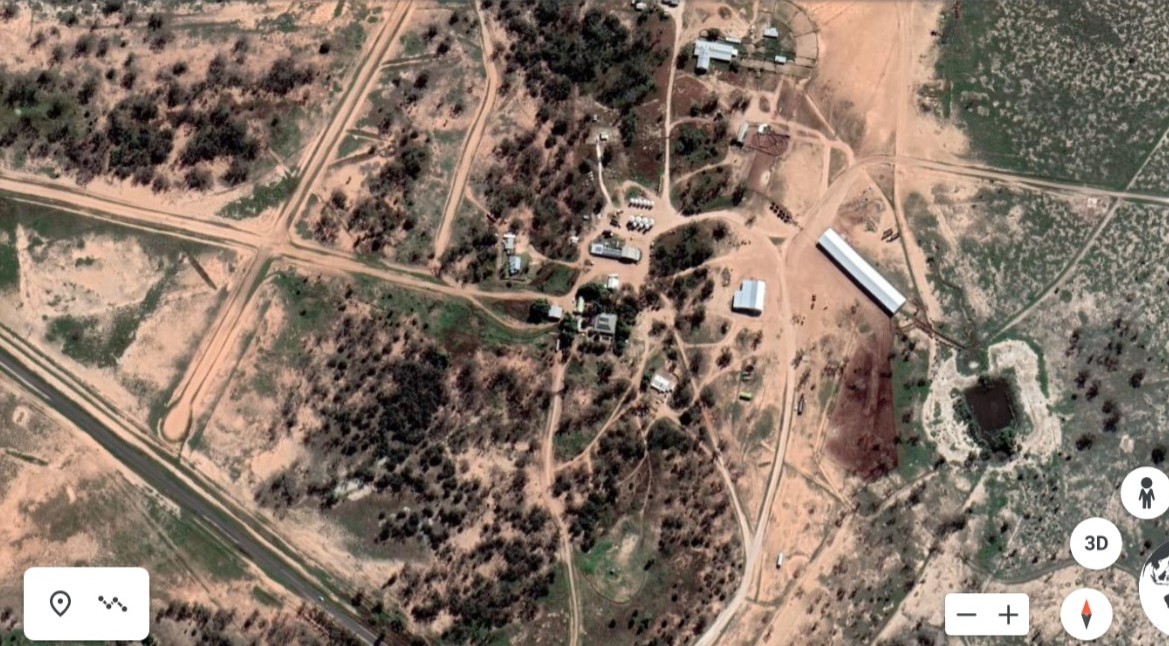
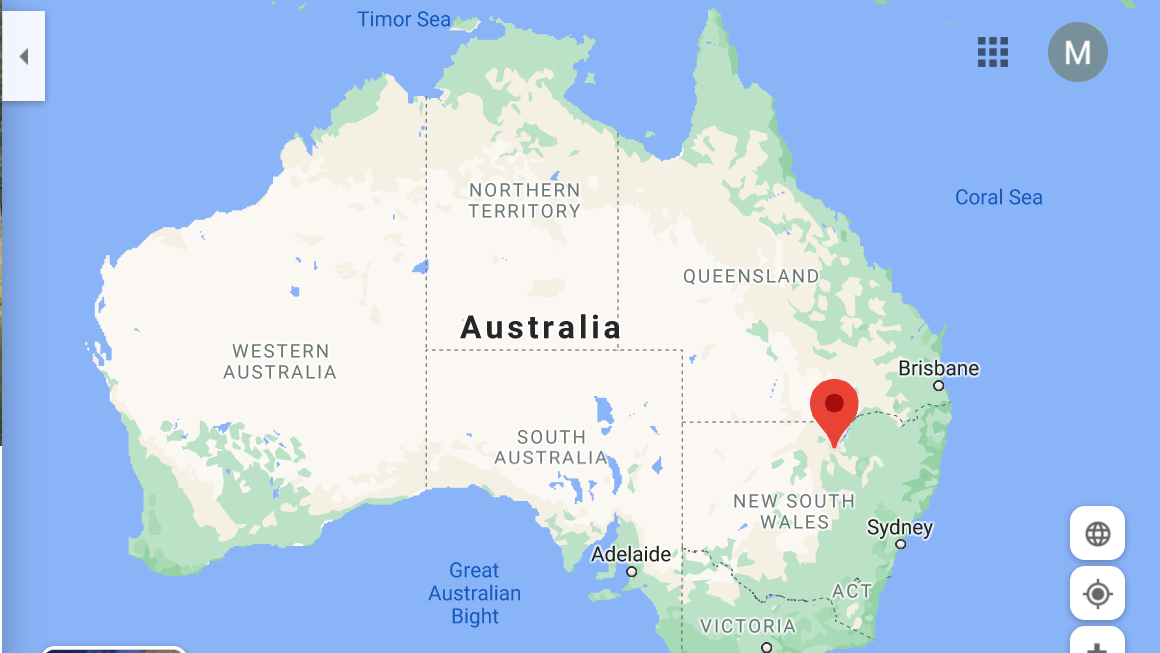
Jane Pye’s home. Gingie Station, Walgett, NSW, Australia. There are many places in California’s Central Valley that look much the same.

This is the strategy that I promote on this website.  If we reduce ground fuels that ignite easily, we can prevent most fires from igniting tree canopies that are harder to ignite.  Fire travels fast on the ground if given a continuous field of dry grass during the dry season.  Grazing animals are a far safer way of reducing these grassy ground fuels than the herbicides that are often used.  Herbicides leave a dead, dry thatch on the ground that is very flammable and grazing does not.

Walgett, Australia. Average Hi Temp 80 degrees. Average Lo Temp 54 degrees. Average rainfall 19 inches.

“Also we are very used to fire over here and many people regard those foolish enough to build in fire prone areas have only themselves to blame. Some of our small coastal towns are totally surrounded by National park and State forest and only have one road in – that’s why there were so many images of people sheltering on beaches last summer. It’s a hard issue but better hazard reduction burns and more fire fighting aircraft seem to be the way forward here. Also better fire retardant building materials.”

These observations are also consistent with the strategy that makes sense to me.  We must learn to live with fire because it is an essential element in Mediterranean ecosystems.  We can’t prevent it, but we can work around it with zoning that prevents building in extremely hazardous areas, using fire retardant building materials, and creating safe evacuation routes.

Thanks, mate!

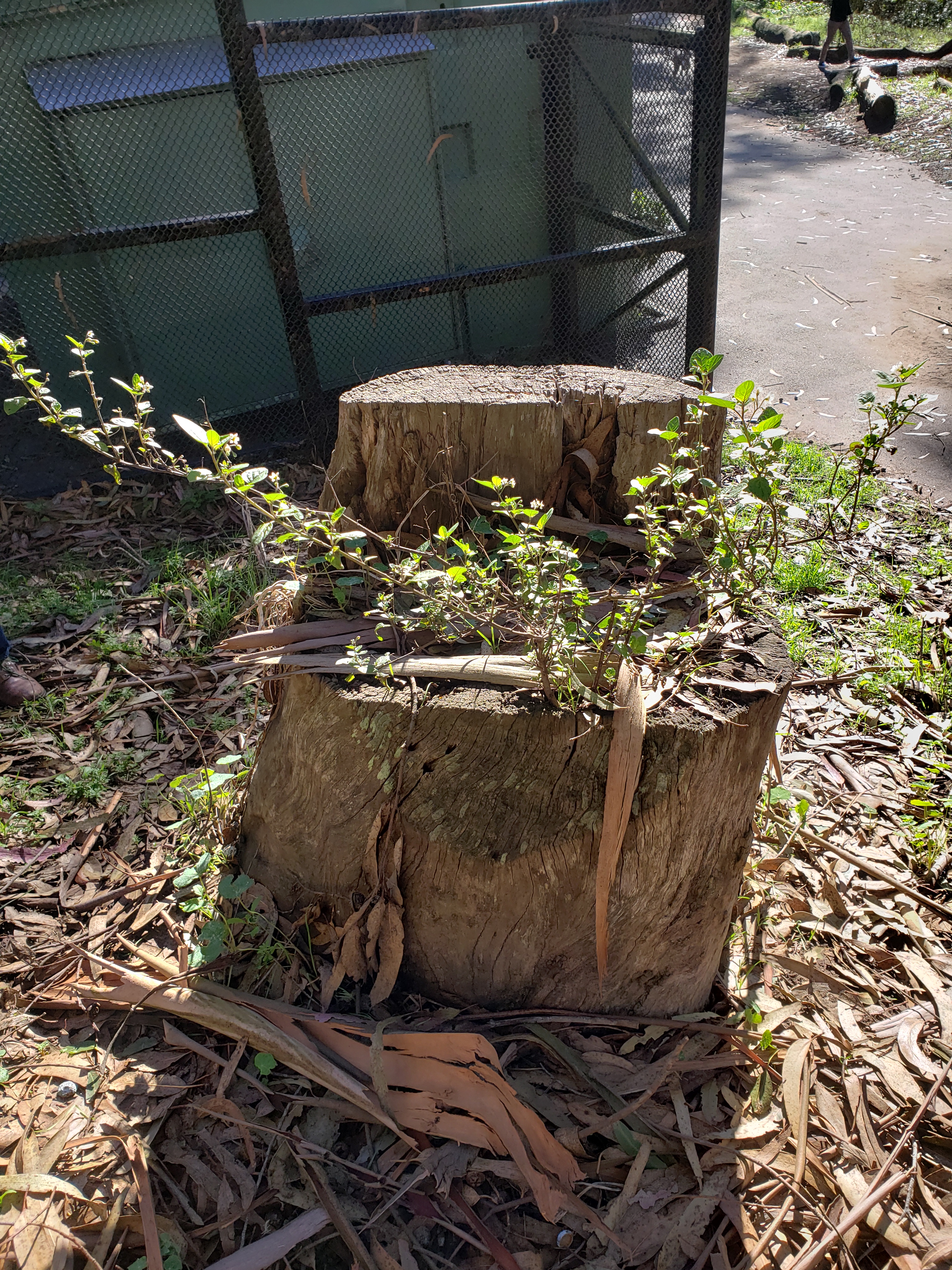
 Alerted by Jane, I noticed this woody shrub sprouting from a eucalyptus stump in Stern Grove a few days after I heard from Jane.  Clearly, eucalyptus does not retard the growth of other species.

Stern Grove, San Francisco

Many thanks to Jane for getting in touch with us.  Thanks for her admiration of eucalyptus and Aboriginal culture.  I’ve had some lovely email chats with Jane.  Perhaps you would like to drop her a line to thank her as well:  janepye6@gmail.com