Over 20 years ago a study was published about the economic costs of introduced species. The study by David Pimentel et.al. (1) claimed that the economic costs of introduced species in the United States are $137 billion per year. Despite many critiques of that study by academic scientists, the study remains a cornerstone of invasion biology and the “restoration” industry it spawned.
The study has been cited by other academic scientists over 4,500 times and an update of the study published in 2005 has been cited over 5,800 times. In addition to being influential with academic scientists, most media articles about “invasive species” begin with reference to that study and comments from native plant advocates on Conservation Sense and Nonsense often begin by quoting that study. In other words, the bloated estimate of the economic costs of introduced species in the US is a powerful tool that continues to fuel attempts to eradicate non-native plants and animals in the US. Therefore, a new study by Demetrio Boltovskoy et. al. (2) that critiques this estimate is of interest to us and we report that study to you today.
The abstract of the new study (2) outlines the critique of Pimentel’s study by an international (Argentina, Canada, Switzerland, and US) team of scientists:
“The economic costs of non-indigenous species (NIS) are a key factor for the allocation of efforts and resources to eradicate or control baneful invasions. Their assessments are challenging, but most suffer from major flaws. Among the most important are the following:
- the inclusion of actual damage costs together with various ancillary expenditures which may or may not be indicative of the real economic damage due to NIS;
- the inclusion of the costs of unnecessary or counterproductive control initiatives;
- the inclusion of controversial NIS-related costs whose economic impacts are questionable;
- the assessment of the negative impacts only, ignoring the positive ones that most NIS have on the economy, either directly or through their ecosystem services. Such estimates necessarily arrive at negative and often highly inflated values, do not reflect the net damage and economic losses due to NIS, and can significantly misguide management and resource allocation decisions.”
The Pimental study misrepresents the economic impact of introduced plant and animal species in the US. The most significant flaw in the evaluation of costs is that it does not take into consideration the benefits of introduced species. Pimentel’s formula for evaluating economic impacts of introduced species is simplistic:
Losses & Damages + Control Costs = Total Costs
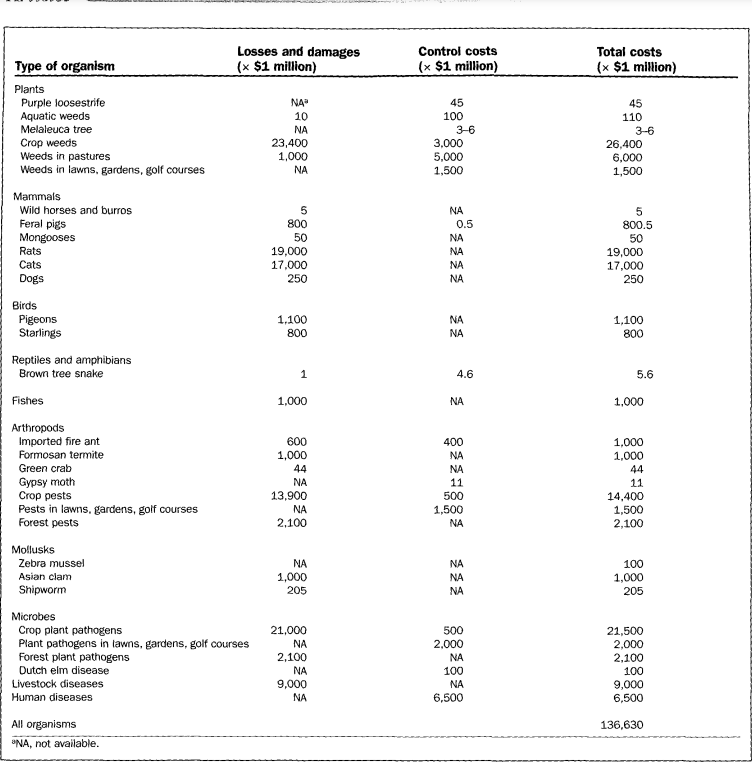
We need look no further than Pimentel’s study to see how the absence of economic benefits of introduced species in that equation distorts the evaluation of the economic impact of introduced species. Pimentel has included the pests of agricultural crops and livestock in his calculation of total economic costs of $137 billion per year. He calculates the cost of agricultural weeds, insect pests and pathogens as well as livestock diseases as $77.3 billion per year, which is 57% of his estimate of total costs of introduced species.
In the same study, Pimentel says that 98% of the “US food system” are introduced species (corn, wheat, rice, cattle, and poultry) and he reported that the value of those products was $800 billion per year at the time of his study in 2000. In other words, if the benefits of agricultural products had been included in Pimentel’s formula, the net benefit to the American economy of introduced species would be $663.4 billion per year ($800 billion of benefits – $136.6 billion of costs = $663.4 net benefit). (3) Similar calculations for most items on Pimentel’s hit list of introduced species would be required to accurately assess the economic costs of introduced species:

- The Boltovskoy study considers purple loosestrife an “innocuous species.” Studies have shown that purple loosestrife thrives where nutrient pollution feeds it and its presence reduces nutrient pollution, which is a benefit to the ecosystem in which it thrives. Poisoning loosestrife to control it increases pollutants in the ecosystem. Controlling the sources of nutrient pollution, such as leaky septic tanks and agricultural runoff, is the only long-term method to control purple loosestrife.
- Millions of starlings are killed in the US every year because they eat crops, but they also eat insect predators of crops. When the economic benefits of insect control by starlings are subtracted from the costs of crop predation, European countries choose not to kill starlings.
- Zebra and Quagga mussels are on Pimentel’s list of troublemakers because they clog the water intake pipes of industrial, water, and power plants. But there are substantial economic benefits of these mussels: “these invasive bivalves significantly clarify the water of lentic waterbodies, which can mitigate phytoplankton blooms, including toxic Cyanobacteria…lessening the costs of [purifying drinking] water, and enhancing recreational activities…” (2) They are also a major source of food for waterfowl and have contributed to significant increases in waterfowl populations. There are mechanical methods of preventing mussels from clogging water intake pipes.
- Cats are often the target of eradication efforts, and they also appear on Pimentel’s list. A fair assessment of the economic costs of cats should include their benefit as predators of rats and rabbits. Cats are a non-toxic method of rodent control. In their absence, rodenticides are used to kill rodents and rodenticides are known killers of birds. Do rodenticides kill as many birds as cats? Maybe.
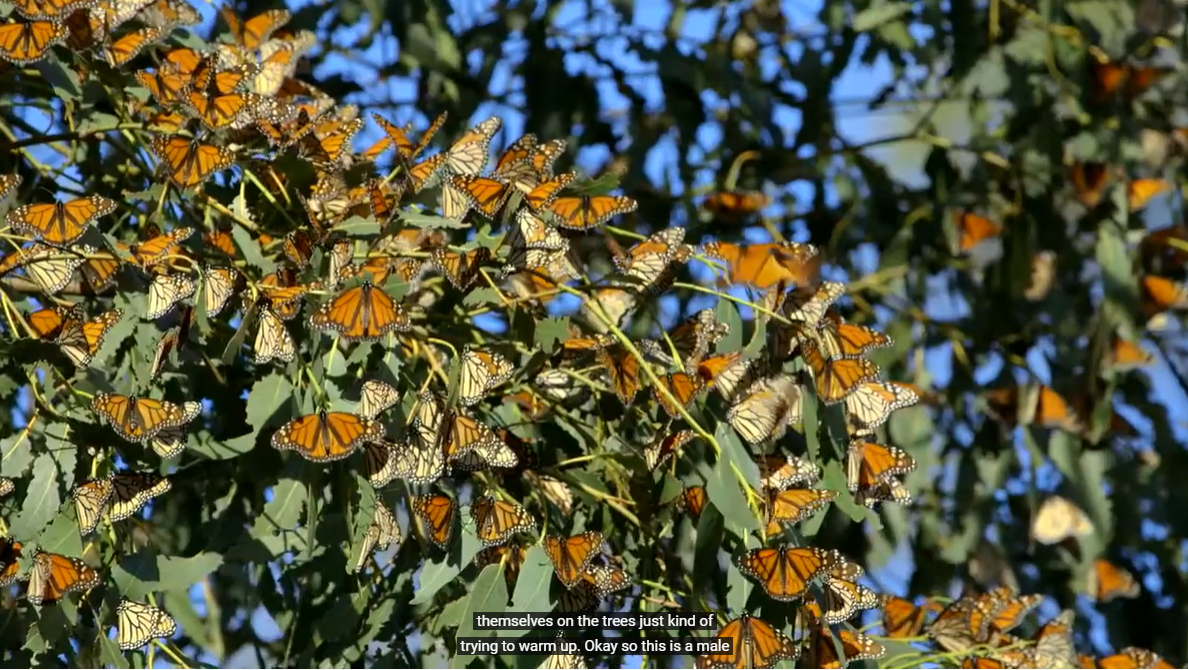
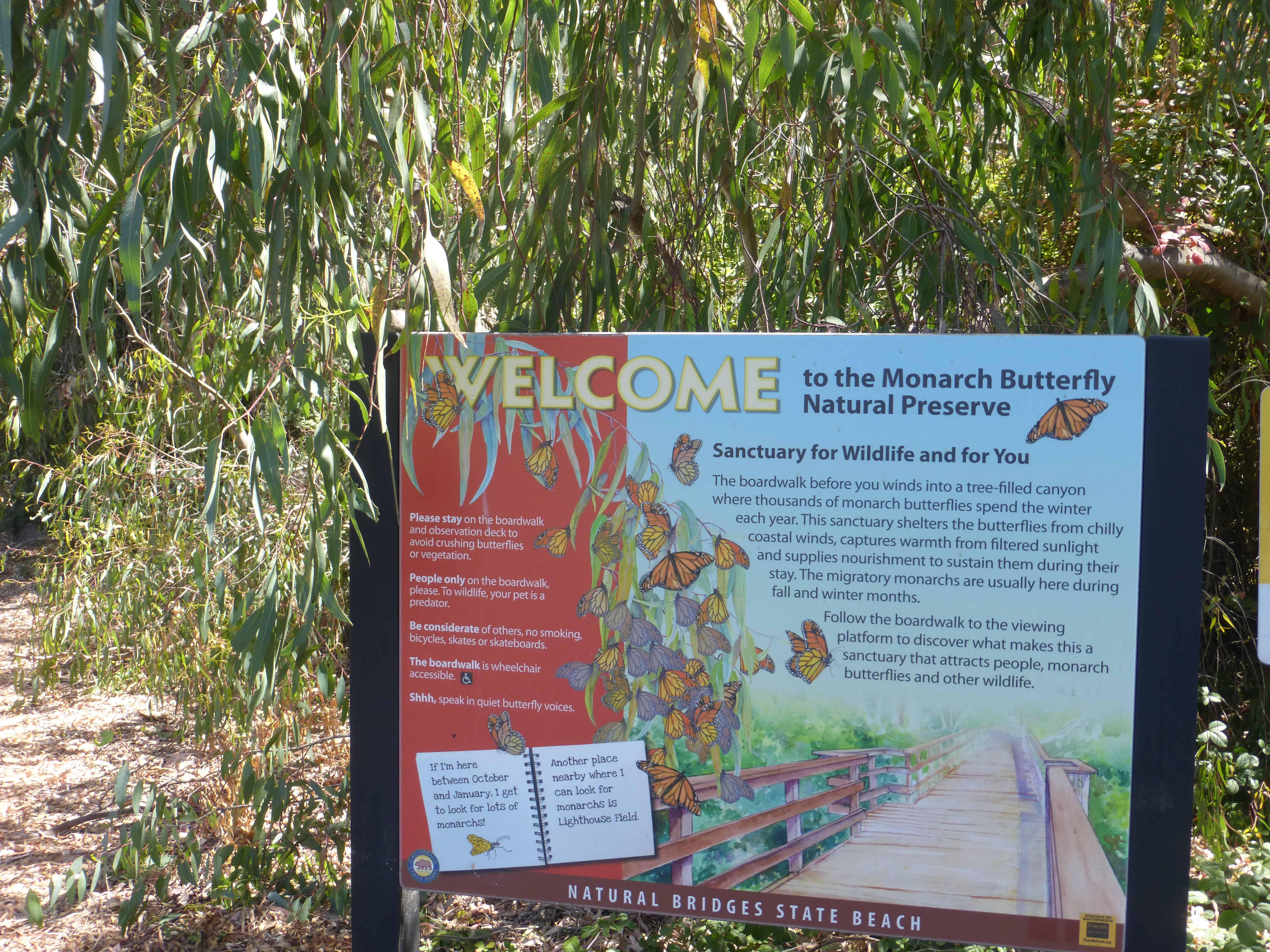
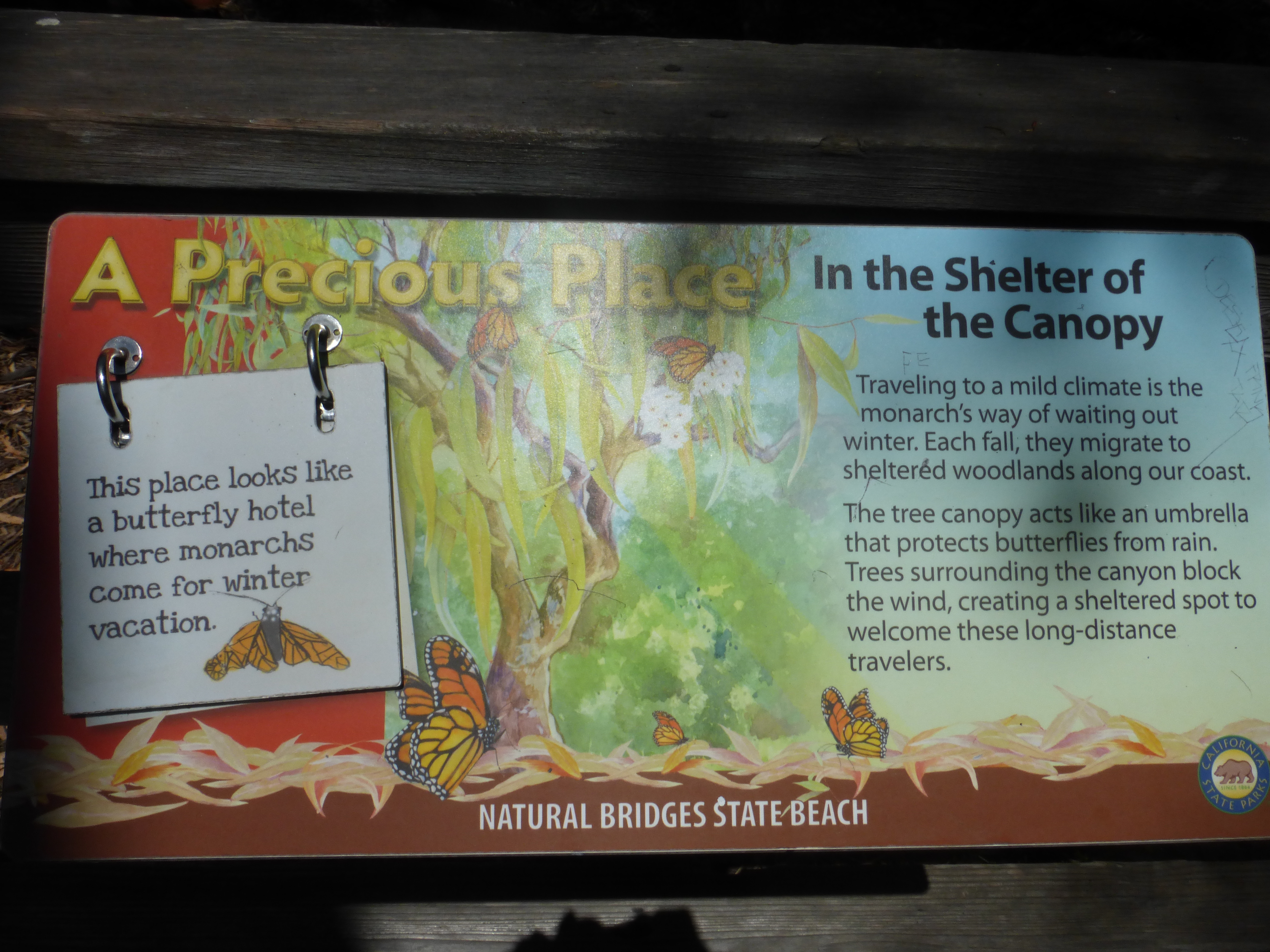
- Many introduced plants are providing valuable food and habitat for animals, including native animals. Eucalyptus that provide nectar during winter months, when little else is blooming, is essential to hummingbirds, bees, and other animals. Eucalyptus are the also the winter homes of migrating monarch butterflies in California. Yet, they are being destroyed by many public land managers because they are introduced. Likewise, many berry-producing plants that are important food sources for birds and other animals are being eradicated by native plant advocates.
Although the costs of control methods are included in Pimentel’s calculation of the economic costs of introduced species, the collateral damage of control methods are not. Here are a few examples of the collateral costs associated with methods used to control introduced species.
- Most herbicides used to kill agricultural weeds are indiscriminate killers of plants. Where native and non-native plants grow in proximity—as they do—native plants are as likely to be killed as non-native plants.
- The herbicides used to kill non-native plants are known to kill beneficial microbes and fungi in the soil. These fungal networks facilitate the transfer of nutrients and moisture from the soil to plants, reducing the need for synthetic fertilizer and irrigation.
- The fungal networks that are killed by herbicides also contribute to the transfer of carbon dioxide from the atmosphere to carbon storage in the soil, reducing greenhouse gas emissions causing climate change.
- Non-native trees that are destroyed are storing carbon that is released into the atmosphere, contributing to greenhouse gas emissions causing climate change.
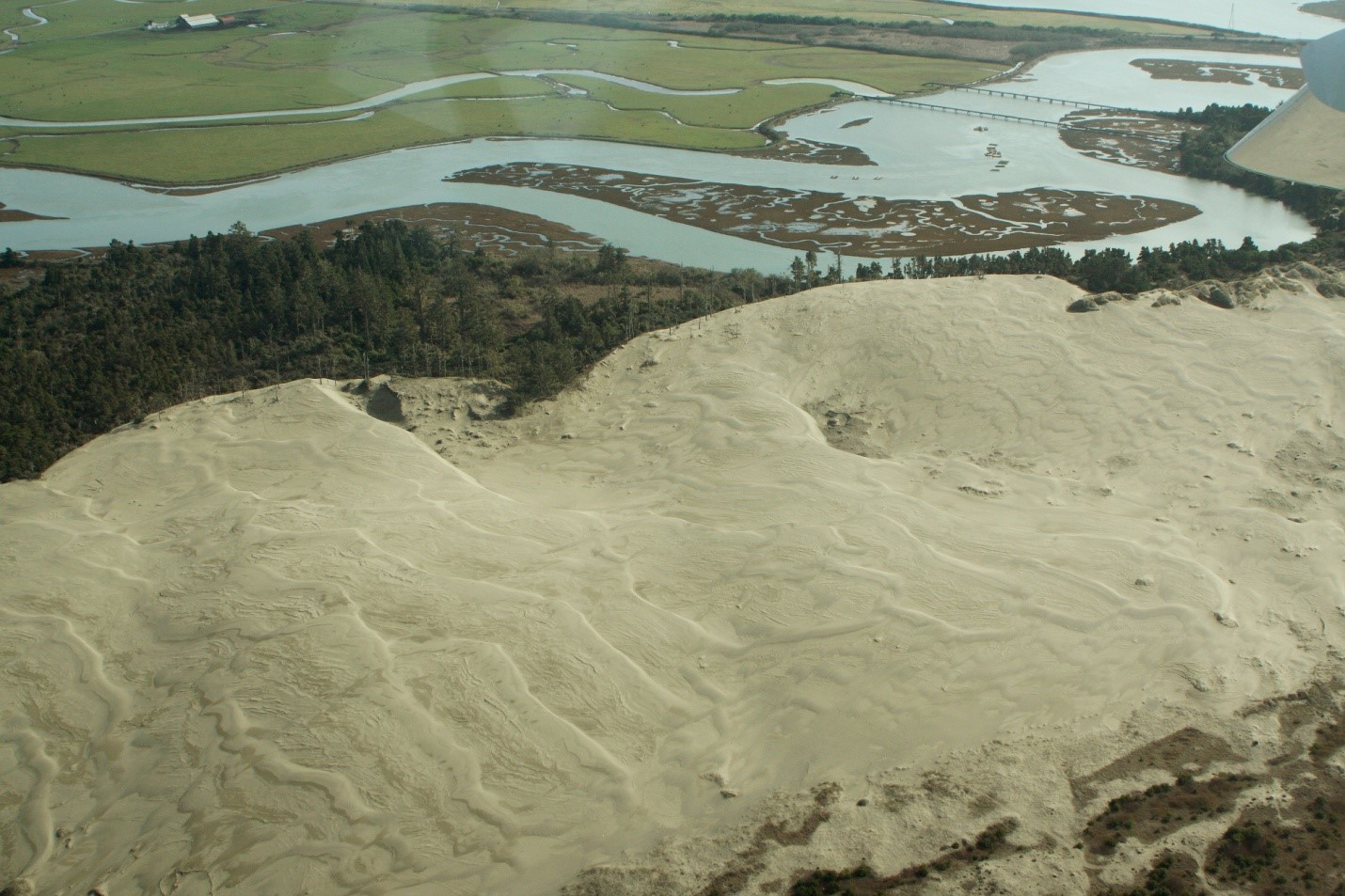
- Non-native plants are often performing valuable functions, such as erosion control. If native plants are not capable of performing those functions, the loss of non-native plants can cause environmental damage. For example, the eradication of ice plant and European beach grass has caused environmental damage in surrounding communities because native plants are not capable of stabilizing drifting sand.
In summary, a more accurate cost/benefit analysis of introduced species would look something like this:
(Losses & Damages + Control Costs) – Benefits – Damage of Control Methods = Total Cost or Benefit
In the absence of such an accurate assessment, scarce public resources will continue to be wasted on eradication projects that do more harm than good. “Admittedly, [such an accurate assessment] requires much more knowledge of the effectives of nonindigenous species, yet it does not justify using [Pimentel’s] numbers for weighting the risks and harms involved, let alone using them for engaging in potentially feckless and wasteful eradication and control initiatives.” (2)
- David Pimentel, et.al., “Environmental and Economic Costs of Nonindigenous Species in the United States,” BioScience, January 2000
- Demetrio Boltovskoy, et.al., “Misleading estimates of economic impacts of biological invasions: Including the costs but not the benefits,” Ambio, 2022
- It seems likely that Pimentel’s estimate of the value of agricultural products is the net value after costs of controlling agricultural pests are subtracted from gross value. In other words, a more accurate calculation of the economic benefit of agricultural products in Pimentel’s formula is probably $800 billion + $77.3 billion (pest control costs).






 Conservation Sense and Nonsense