Beyond the War on Invasive Species

Tao Orion is the author of Beyond the War on Invasive Species:  A Permaculture Approach to Ecosystem Restoration, the latest in the rapidly growing literature about the futile and destructive attempts to eradicate non-native species.  Ms. Orion will give a workshop at a PLACE for Sustainable Living on Thursday, September 17, 2015:

“Rethinking Invasive Species from a Permaculture Perspective”

Thursday, September 17, 2015, 6-8 pm

PLACE for Sustainable Living

1121 64th St, Oakland, CA 94608

Donations $12-$25 requested

Update:  This is the answer PLACE for Sustainable Living gave to a question about wheelchair accessibility:  “It is not wheel chair accessible yet – we have carried wheelchair persons up the steps with their wheelchairs – we can arrange for that. And the yard is filled with chipwood, wheel chairs have rolled over fine, but not sure if everyone in them can push through. Our friend, male, can push through fine.”  Please contact PLACE for Sustainable Living directly if you have specific questions about accessibility.  (addendum dated 9/10/15)

Update #2:  Ms. Orion’s presentation has been cancelled because the venue is not wheelchair accessible.  CUIDO (an organization which represents disabled people) asked that it be moved to a facility with wheelchair accessibility or cancelled.  Such a facility could not be found, so it has been cancelled.  

Update #3:  Some adjustments have been made in plans for Ms. Orion’s presentation which are apparently acceptable to at least some members of the disabled community.  Ms. Orion has therefore decided against cancelling it.  Sorry for the confusion.

Ms. Orion is visiting the Bay Area from the Willamette Valley in Oregon, where she has a small farm in the country.  She has a degree in agroecology and sustainable agriculture from UC Santa Cruz and she has studied at the Columbines School of Botanical Studies in Eugene, Oregon.  She teaches permaculture design at Oregon State University and a non-profit sustainable-living educational organization.  She has also worked as a permaculture designer for ecological restorations.

Beyond the War on Invasive Species
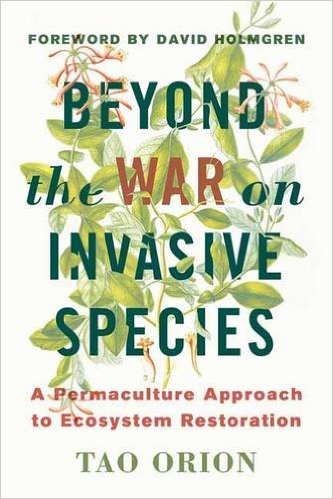
Beyond the War on Invasive SpeciesThe first chapter of Ms. Orion’s book is a breakthrough because it is an explicit indictment of pesticides used by so-called “restoration” projects.  Although previously published books were critical of invasion biology and the ecological industry it spawned, pesticides were barely mentioned in them.  In contrast, it is primarily the use of pesticides in ecological “restorations” that convinced Ms. Orion that the war on invasive species is doing more harm than good.

Concern about unwanted plants – AKA weeds – is as old as human engagement in agriculture, that is, thousands of years old. And most of the plant and animal species now considered “invasive” were introduced by humans to serve a variety of purposes, including aesthetics, such as mute swans and multiflora roses.  Some of these introduced plants and animals had unintended consequences such as competing with native plants and animals for available resources.  Concern – even regret – about these introductions has increased greatly in the past 25 years.  Attempts to manage these introductions has escalated from import limitations to fines and penalties and finally to attempts to eradicate plants and animals with pesticides.

The role of the pesticide industry in the escalating war on “invasive” species

Ms. Orion turns to the public record to make the case that the current focus on eradicating introduced species using pesticides was influenced by business interests.  She points out that the federal Invasive Species Advisory Committee is a consortium of academic, professional, and business interests, including at least two people who are employed by manufacturers of pesticides.  They make invasive species management policy recommendations to the National Invasive Species Council (NISC), created by Executive Order in 1999.  The federal government is spending over $1 billion annually on research and control of “invasive” species, including pesticide applications.

National Invasive Species Council

The NISC is modeled after the California Exotic Pest Plant Council, created in 1992.  That Council is now known as the California Invasive Plant Council (Cal-IPC).  Cal-IPC brought together representatives from government agencies and non-profit environmental organizations, as well as manufacturers of pesticides and spray equipment:  “Monsanto has sponsored Cal-IPC since its inception and both DuPont and Dow AgroSciences have also supported the group.”  (1)

The first annual conference of Cal-IPC in 1993 featured an employee of Monsanto, Dr. Nelroy Jackson.  Jackson’s presentation to Cal-IPC stated that “chemical weed control is the optimal method for control and removal of exotic plant species during…most native habitat restoration projects.” 

Jackson’s involvement in escalating attempts to eradicate introduced species is troubling, but is not the only example of such collaboration between the “restoration” industry and the manufacturers of pesticides.  The Weed Science Society, which advocates for “research, education, and awareness of weeds in managed and natural ecosystems,” has employees of Dow Agrosciences, Syngenta, and Dow Chemical on its board of directors.  Those manufacturers of pesticides, as well as Monsanto, Bayer Crop Science, Dupont, and BASF Corp are also donors to the weed society, at the highest levels of donations.

The manufacturers of pesticides also influence the “restoration” industry by investing and participating in the consulting firms that write environmental impact reports for ecological “restoration” projects, such as Tetra Tech (which wrote the draft Environmental Impact Report for San Francisco’s so-called Natural Areas Program).

The manufacturers of pesticides influence public policy regarding ecological “restoration” by making large tax-deductible contributions to many land-grant universities that conduct research on agriculture:  “A 2012 Report from Food and Water Watch found that nearly 25% of funding for agricultural research at public universities comes from private companies.”  (1) This is one of many reasons why there is so little research done on non-chemical approaches to ecological restoration.

As disturbing as this collaboration between the government and the pesticide industry is, the evidence of the relationships between trusted non-profit environmental organizations and corporate interests is even more so.  Nature Conservancy, National Audubon Society, and Ducks Unlimited all have close relationships with the manufacturers of pesticides and receive funding from them.

Ms. Orion then describes the use of pesticides by the “restoration” industry.  She also describes some of the damage pesticides are known to do, such as killing microbes in the soil and binding minerals in the soil.  She describes the persistence and mobility of pesticides in the environment.  She describes the inadequacy of testing and regulation of pesticides in the United States.  These issues are well known to the readers of Million Trees, so we won’t repeat them here, but new readers can click on the blue links to visit posts about those issues.

All introduced species are presumed to be harmful

Ms. Orion’s next chapters are more similar to the books that precede hers.  There are several examples of specific “invasions” that illustrate the point that “invasive” species are usually symptoms of changes in the environment, rather than causes of those changes.  Attempting to eradicate them does not reverse the changes in the environment and often causes more environmental damage.  “Invasive” species are often performing valuable ecological functions that are not understood until they are eradicated.  We have reported many examples of these issues and won’t repeat them here.  However, Ms. Orion’s telling of the history of Asian Carp in the Mississippi River and the Great Lakes was new to us and is well worth a retelling.

Song dynasty painting attributed to Liu Cai (c.1080–1120). Contains various types of fish and other marine animals, such as goldfish, perch, catfish, carp, minnows, bass, and shrimp.

Asian carp has been a mainstay in the diet of the Chinese for several thousand years, according to their historical literature.  Asian carp are well adapted to aquaculture techniques, so they have the potential to replace or supplement other sources of protein.  They were introduced to the Midwest in the early 1800s and they spread throughout the Mississippi River many decades ago.  Although they are prevalent in the Mississippi River, they have not driven any native fish to extinction.  Yet, despite their usefulness and the lack of evidence that they have caused any harm, they suddenly became the latest invasion crisis when it was feared they would soon enter the Great Lakes.  A government fisheries biologist put that fear into perspective:

“We are trying to keep invasive Chinese carps out of the Great Lakes, to protect an invasive (yet purposefully stocked) Pacific salmon fishery, which was stocked as a management tool to control hyper-abundant alewifes, another invasive fish species, because the native piscivore, the Lake Trout, was nearly wiped out by another invasive species, the sea lamprey, because people built the Welland Canal around Niagara Falls to promote intercontinental shipping deep into the Great Lakes basin.” (1)

It makes the head spin to follow the “logic” of this sequence of events, which we paraphrase, “we solved one problem by creating another, then we solved that problem by creating another…ad infinitum.“  This is an ecosystem that has been radically altered by man, including reversing the flow of the Chicago River which connects the Mississippi River to the Great Lakes to solve Chicago’s sewage problems.   The water is warmer, polluted with agricultural runoff, and there is no longer a seasonal, cleansing water surge.  These changes in the environment set the stage for the arrival of Asian Carp in the Great Lakes.  The habitat for native fish has been radically altered such that removal of Asian carp from the river is an irrelevant, inconsequential improvement of habitat needed by native fish.

Despite what would seem overwhelming evidence that Asian carp could be a valuable food source and that being rid of them is unlikely to benefit anyone, here is a brief list of what has been done so far to try to prevent them from entering the Great Lakes:
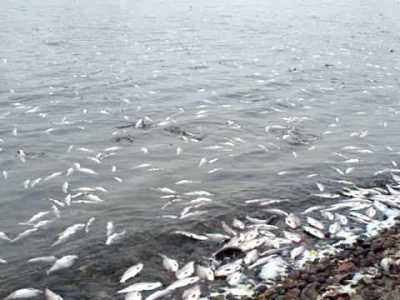
Fish kill using rotenone. http://www.encyclopedia.com/doc/1E1-X-rotenone.html
  • US Army Corps of Engineers constructed a submerged electric fence to shock and kill the fish as they enter the Great Lakes. The fence cost millions of dollars but is largely ineffective.
  • The Illinois Department of Natural Resources dumped 2,200 gallons of rotenone into sanitary and ship canals feeding into the Great Lakes. This poison kills all gilled animals. The result:  “Among the tens of thousands of dead fish, researchers found one Asian carp.” (1) This fiasco cost $3 million.
  • Other researchers have suggested a system of strobe lights and bubble and sound barriers to stop the northward migration of Asian carp.

Permaculture philosophy

Ms. Orion’s closing chapters reflect her training in permaculture design.  She considers the tending of the wild by Native Americans a model for ideal stewardship of the land.  And she advocates for land management strategies that reflect the realities of our changed environment and are sustainable into the future.  We will let her speak for herself:

“Holistic restoration planning requires an honest accounting of what has come to pass as well as a comprehensive view of what we can do about it.  The problems are complex, and the solutions are likely to be more so…Navigating from a paradigm that views invasive species as scourges to one that looks at them as opportunities for deeper ecological and economic engagement will take time and commitment, especially because the old paradigm is so entrenched politically, economically, and academically.  The tide is shifting though, as more and more of us are coming to realize that the herbicide-based eradication approach to restoration is outmoded—a futile attempt to regain an imagined past—and we need to be focusing our time, resources, and energy on adapting to the future.” (1)

Please show your support for Tao Orion and her book by attending her workshop on Thursday, September 17th.


(1) Tao Orion, Beyond the War on Invasive Species:  A Permaculture Approach to Ecosystem Restoration, Chelsea Green Publishing, 2015 

“Weed Whackers, Monsanto, glyphosate, and the war on invasive species”

coyote in oxalis field. Copyright Janet Kessler

Harper’s Magazine describes itself: “the oldest general-interest monthly in America, explores the issues that drive our national conversation, through long-form narrative journalism and essays…”  Harper’s has just published an article by Andrew Cockburn, an experienced investigative journalist with an impressive track-record of informing the public of some of the darkest secrets in our country.  The article is available here:  Cockburn – Weed Whackers

Invasion biology and the “restoration” industry it has spawned deserved his attention and we are indeed fortunate that he has brought his journalistic skills to this task.   The public is largely unaware of the billions of dollars of taxpayers’ money being wasted on futile attempts to eradicate “invasive” plants.  There is even less knowledge of the quantities of pesticides being used by these projects or the toxicity of those pesticides.

Mr. Cockburn has interviewed many of the key players in this crusade against nature, on both sides of the controversy.  And he has visited specific projects to illustrate one of his key points:  “invasive” species are symptoms of environmental change, not the cause of them.

This article ( Cockburn – Weed Whackers )  deserves to be read, so we will not summarize it further.  Please share it with your friends, whether they are native plant advocates or critics of invasion biology.  We are deeply grateful to Mr. Cockburn for his even-handed treatment of this controversial issue, which is dividing communities in the San Francisco Bay Area.

Mount Sutro Forest. Courtesy Save Sutro

Spartina eradication: Herbicides are their dirty little secret

This is a good news/bad news story about the eradication of non-native Spartina marsh grass and the impact it has had on the population of endangered California Clapper Rail:

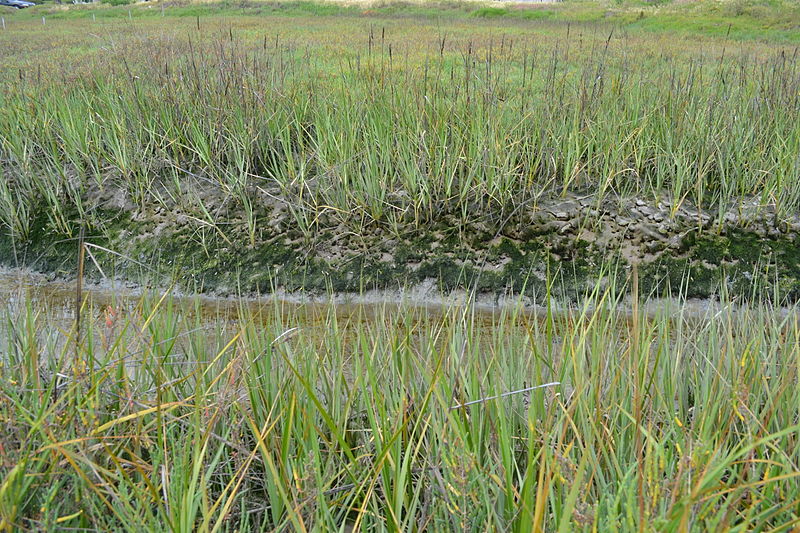
  • Spartina alterniflora, Smooth Cordgrass.  USDA photo
    Spartina alterniflora, Smooth Cordgrass. USDA photo

    The good newsUS Fish & Wildlife has temporarily halted efforts to eradicate non-native Spartina (Spartina alterniflora) in the San Francisco Bay Area because the population of endangered California Clapper Rail has declined by 50% during the period of eradication efforts from 2005 to 2011. (1)  This problem was identified several years ago and was attributed to the lack of cover for the rail as a result of eradication of non-native Spartina, which grows more densely, taller, and doesn’t die back in winter as the native Spartina does. (2)

  • The bad news:  US Fish & Wildlife attributes this negative impact on the Clapper Rail population on the slow recovery of native Spartina (Spartina foliosa). 
    Spartina foliosa - USFWS
    Spartina foliosa – USFWS

    They do not acknowledge that non-native Spartina provides superior cover compared to the native species.  Nor do they acknowledge that non-native Spartina was killed with herbicides.  Therefore, they do not consider the possibility that the slow recovery of native Spartina may be attributable to the herbicides that were used to kill the non-native plant.  They also continue to claim that the recovery of the endangered California Clapper Rail depends upon the return of native Spartina, despite the overwhelming evidence to the contrary.  The California Clapper Rail is a sub-species of Clapper Rail; the Clapper Rail is abundant on the East and Gulf Coasts and not endangered perhaps because of the superior cover provided by Spartina alterniflora on those coasts. (3)  Based on these fictions, US Fish & Wildlife proposes a new strategy that will simultaneously eradicate non-native Spartina while intensively planting native Spartina.  (1)

We have been following the Spartina eradication project since 2011.  For the benefit of new readers, we will review the issues with a few excerpts from previous posts on Million Trees.

Spartina alterniflora:  Treasured on the East Coast, reviled on the West Coast

Spartina alterniflora (Smooth Cordgrass) is a species of marsh grass native to the Atlantic and Gulf coasts of the United States, where it is considered a valuable plant making important contributions to the coastal ecology:

  • Its dense growth provides protection against storm surge and “erosion control along shorelines, canal banks, levees, and other areas of soil-water interface.” (4)
  • It filters nutrients, sediments and toxins from the water that flows off the land before reaching the ocean, acting as a natural water treatment facility.
  • It provides cover and food for birds, mammals and marine animals that live in the coastal marsh.

Where Smooth Cordgrass has died back in its native range, the dieback has been considered a serious environmental threat:

  • In 2001 the Governor of Louisiana declared a “state of emergency” when Smooth Cordgrass declined and the state obtained $3 million of federal funding to study and hopefully reverse the decline.  This study resulted in the development of a method of aerial seeding of Smooth Cordgrass to restore declining areas of marshland. (5)
  • A similar, but smaller dieback of Smooth Cordgrass in Georgia led to a collaborative research and on-going monitoring effort by 6 research institutions in Georgia.
  • Similar dieback of Smooth Cordgrass has been reported as far north as the coast of Maine.  A researcher at the Connecticut Agricultural Experiment Station is quoted in that report as saying, “In New Orleans, if their marshes were intact, the storm surge of Katrina would not have reached the levees.” (6)

 The war on Smooth Cordgrass on the West Coast

Smooth Cordgrass is not native on the Pacific Coast of the United States.  Therefore it is treated as an alien invader to be eradicated with herbicides:

  • $24 million was spent to eradicate Smooth Cordgrass in San Francisco Bay and Willapa Bay from 2000 to 2010 (7)
  • $16.3 million is projected to be spent on the entire West Coast from 2011 to 2020 (7)

Spartina is being eradicated with an herbicide, imazapyr.  This is a new herbicide about which little is known.  The analysis that was done to justify its use in the Spartina eradication project admits that no studies have been done on its effect on shorebirds, including the endangered Clapper Rail. 

The Material Safety Data Sheet mandated by the Environmental Protection Agency tells us that imazapyr is “not readily biodegradable.”  So, in the event that we eventually learn that this herbicide is harmful to shorebirds and/or to us, we probably should assume that it will still be in the environment in the nearly 200 sites in the San Francisco Estuary on which it has been sprayed.  Imazapyr is also being sprayed–sometimes from helicopters–in hundreds of places along the West Coast, including Oregon and Washington.

Imazapyr is often mixed with glyphosate by the Spartina eradication project.  Glyphosate is a non-selective herbicide.  That is, it kills any plant it is sprayed on at the right stage of its growth.  But imazapyr is far more insidious as a killer of plants because it is known to travel from the roots of the plant that has been sprayed to the roots of other plants.  For that reason, the manufacturer cautions the user NOT to spray near the roots of any plant you don’t want to kill.  For example, the manufacturer says explicitly that imazapyr should not be sprayed under trees, because that tree is likely to be killed, whether or not that was the intention. 

Furthermore, no tests have been conducted on the toxicity of combining multiple pesticides in a single application.  Therefore, we know nothing about the possible synergistic effects of combining imazapyr and glyphosate. 

These facts about the herbicides used to eradicate non-native Spartina bear repeating.  The main herbicide being used is known to be mobile in the soil and persistent in the environment.  The herbicide with which it is often mixed is an indiscriminate killer of any plant on which it is sprayed.  Therefore, the likelihood that these herbicides will prevent the establishment of the new plantings of native Spartina should be taken into consideration.  The entire enterprise seems deeply flawed, both harmful and futile. 

Bringing it home to the Bay Area

So, what does this have to do with you?  If you are concerned about pesticide use, you might be interested in the fact the East Bay Regional Park District (EBRPD) used 203 gallons of imazapyr in 2009 and 121 gallons in 2010 for the sole purpose of eradicating Spartina on their properties.  We don’t know how much imazapyr EBRPD used in 2011, 2012 and 2013, because they haven’t published a report of pesticide use since 2010.  Since their properties are only on the east side of the San Francisco Bay, we should assume that at least that much imazapyr was used by land managers on the west side of the Bay.

 Displacement of Clapper Rails in San Francisco

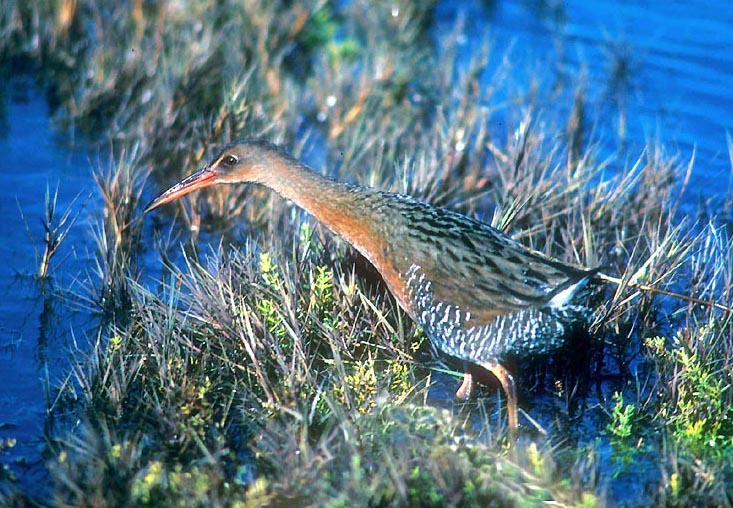
California Clapper Rail.  British Wikipedia
California Clapper Rail. British Wikipedia

In July 2011, a Clapper Rail was seen and photographed at Heron’s Head in southeastern San Francisco.  There was quite a bit of excitement about this sighting because a Clapper Rail had not been seen in San Francisco for decades.  That excitement dissipated when we learned more about where this bird came from, which provided a probable reason for its arrival.

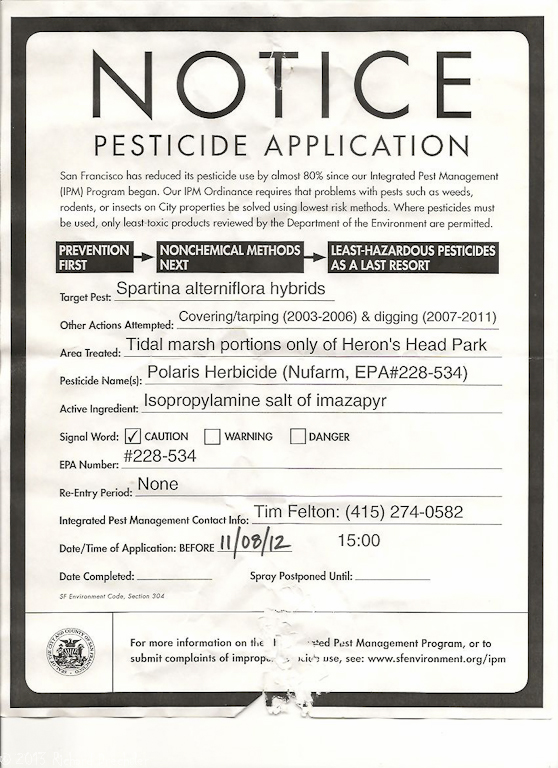
The Clapper Rail was wearing a radio collar that had been put on him and 109 other rails by the USGS to track their movements.  He had moved from Colma Creek, 11 km south of Heron’s Head, which is one of nearly 200 Spartina “control sites” in the San Francisco Estuary.  The bird sighted at Heron’s Head is one of three Clapper Rails that have left Colma Creek since 2007, when the radio collars were placed.  The Spartina control project has been going on for over 10 years, so we have no way of knowing how many Clapper Rails were displaced prior to 2007.  In 2012, non-native Spartina at Heron’s Head was sprayed with herbicides.  Where did the Clapper Rails go from there?  Was there anywhere left for them to hide?

Pesticide Application Notice, Heron's Head, 2012
Pesticide Application Notice, Heron’s Head, 2012

As our readers know, native plant advocates claim their “restoration” projects benefit wildlife.  They can offer no evidence for this claim.  But there is considerable evidence that proves them wrong.  The endangered California Clapper Rail is one such case.


(1)     Adam Lambert et.al., “Optimal approaches for balancing invasive species eradication and endangered species management,” Science, May 30, 2014, vol. 344 Issue 6187

(2)     “West Coast Governors’ Agreement on Ocean Health, Spartina Eradication Action Coordination Team Work Plan,” Released May 2010, page 12

(3)     Cornell Ornithology Lab:  http://www.allaboutbirds.org/guide/clapper_rail/id

(4)     “Smooth Cordgrass,” USDA/NRCS Plant Fact Sheet.

(5)  Dorset Hurley, “Geogia’s Marsh Die Back and Louisiana’s Marsh Browning,” Altamaha Riverkeeper

(6)  “What’s killing off our salt marshes,” Going Coastal Magazine, September 15, 2008

(7) “West Coast Governor’s Agreement on Ocean Health,” May 2010, page 5-6

Methods used by land managers to control “invasive” plants

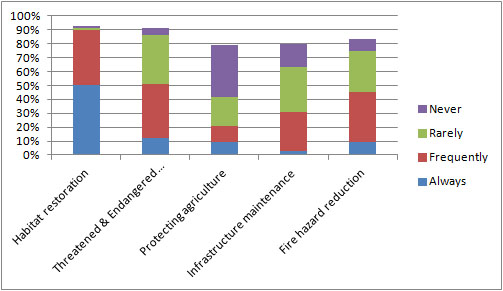
It’s not easy to find information about herbicide use by land managers.  We make inquiries and public records requests of all the managers of public lands in the Bay Area.  Despite these persistent efforts, we have never been confident that we have the complete picture.  We are therefore grateful for a recent survey conducted by the California Invasive Plant Council (Cal-IPC) of land managers—public and private—about the methods they use and for what purposes.  The following charts tell us what Cal-IPC learned from their survey.

Cal-IPC sent surveys to 100 land managers who described the lands they managed as follows:

Organization* Response
Local agency 54%
Federal agency 53%
State agency 48%
Land trust or other private landowner 40%
Private consultant 26%
Other (nonprofit, forestry company, utility, regional park district, conservation district) 27%
*multiple employers

How frequently are the following objectives part of land managers’ reason for managing invasive plants?

Cal-IPC Survey 5

Non-herbicidal methods used by land managers to control invasive plants

Method

Always 

Frequently

Rarely

Never

Pulling with hand tools

9%

76%

14%

1%

Digging with hand tools

8%

64%

24%

4%

Cutting with pruners or loppers

7%

59%

27%

7%

Weed whacking with string or plastic blade

7%

52%

27%

14%

Cutting with hand saw or chainsaw

3%

52%

34%

10%

Mowing with large equipment

3%

44%

26%

27%

Brushcutting with metal blade

2%

30%

37%

30%

Grazing

0%

29%

23%

47%

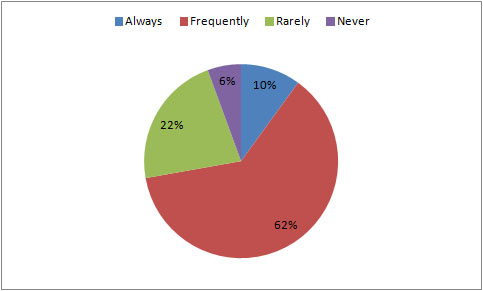
How often do land managers use herbicides for invasive plant control?

Cal-IPC Survey 4

What methods do land managers use to apply herbicides?

Method

Always 

  Frequently

Rarely

Never

Foliar spray – spray to wet

8%

69%

19%

4%

Foliar spray – thin line

1%

13%

30%

55%

Foliar spray – low volume/high concentration

1%

22%

35%

42%

Basel bark application

2%

17%

44%

37%

Cut stump application

4%

49%

35%

13%

Drill and inject application

1%

11%

30%

58%

Girdling or frilling application

1%

5%

43%

51%

Broadcast application

1%

23%

45%

31%

Wick application

2%

6%

44%

48%

Aerial application

0%

4%

13%

83%

What herbicides are used by land managers?

Active Ingredient Response Percent
Glyphosate (e.g. RoundUp, Aquamaster)

99%

Triclopyr (e.g. Garlon 3A, 4A)

74%

Aminopyralid (e.g. Milestone, VM)

50%

Clopyralid (e.g. Transline, Reclaim)

45%

Imazapyr (Chopper, Stalker, Habitat, Arsenal)

42%

Chlorsulfuron (e.g. Telar)

31%

Fluazifop (e.g. Fusilade)

20%

2,4-D (e.g. Amine 4, Weedar)

12%

Acetic acid

6%

Clove oil (e.g. Matran

5%

Pelargonic acid (e.g. Scythe)

2%

These charts were shown by the Executive Director of the California Invasive Council (Cal-IPC) at a meeting of the Integrated Pest Management Program in San Francisco on February 6, 2014.  He explained that the survey of land managers was conducted to assist Cal-IPC in preparation for a new edition of best management practices for managing invasive plant species in wildlands.  That publication will include risk assessments of the herbicides being used by land managers.  Cal-IPC is collaborating with the author of the risk assessments of potential herbicide use for the Marin Municipal Water District. We look forward to the publication of this document, which is anticipated in June 2014.  We hope that land managers will have confidence in the risk assessments of the herbicides they use, given the source of the information.

We make note of …..

According to this survey of land managers:

  • Ninety-four percent of land managers are using herbicides to control plants they consider “invasive.”  Sixty-two percent are using herbicides frequently.
  • Seventy-four percent of land managers are using Garlon, which is one of the most hazardous herbicides available on the market, as rated by the Environmental Protection Agency.
  • Many land managers are using Milestone and imazapyr which are known to be mobile in the soil as well as persistent in the environment according to the manufacturer’s label and the Environmental Protection Agency.
  • Foliar spray is the method used most frequently by land managers to apply herbicides.  This method of application has the potential to drift into non-target areas.

These practices are not adequately acknowledged in the environmental impact reports for the ecological “restoration” projects in the Bay Area.  Some environmental impact reports have not acknowledged the types of herbicides being used or the methods used to apply them.  None of the reports have acknowledged the quantities used by the projects nor have they acknowledged the toxicity of the herbicides.  The public is therefore unaware of the extent to which herbicides are being used by these projects and the risks associated with using them.

The international crusade against non-native plants

Some years ago we set up a few Google alerts on the topics we cover on Million Trees so that we would be informed of new developments.  One of those Google alerts was “invasive species.”  We receive a daily barrage of articles about the international crusade against non-native plants.  Once in a great while we are also treated to a small voice of reason in this otherwise unreasonable crusade. 

Nanaimo, Briish Columbia

Here is a letter to the editor of the Nanaimo News Bulletin in Nanaimo, British Columbia, Canada written by someone responding to a local attempt to eradicate non-native plants, AKA “invasive species.”  We could have written this letter ourselves.  It represents our viewpoint perfectly. 

Published: April 23, 2013 7:00 AM

“To the Editor,

Re: City leading attack on invasive plants, April 18.

Once they were weeds, and we got rid them when they were in our way.

Now they’re “invasive species”, and we’re urged to get rid of them even when they’re not in the way.

Why? Because they’re “alien.”

This, of course, is nonsense.

Nature doesn’t recognize man-made boundaries or discriminate between “native” and “alien” plants. Apart from a few well-known examples, most people don’t know the difference either. Most of the plants in our gardens are “alien.”

One of the favourite targets is Scotch broom. It’s claimed that broom crowds out native species, though we’re never told what they are. No wonder, since broom thrives on ground disturbed by human activity such as roadways and abandoned fields.

Far from being a nuisance, it’s a nitrogen-fixing plant that enriches the soil. One of the many myths spread about broom is that its pollen is an allergen.

Not so. A University of B.C. study has shown that its pollen grains are too large to cause an allergic reaction.

Now the City of Nanaimo wants to get rid of the blackberries that we look forward to in August and September. It’s the wrong kind of blackberry, apparently.

It has decided to designate May as “Invasive Plant Awareness Month” and is encouraging residents to remove the aliens from wherever they are.

Goodness knows what the city will look like after the eco-warriors have gone on the rampage with their brushhooks.

We do not live in an unchanging Garden of Eden. Nature is dynamic. Birds carry seeds over hundreds of miles and new plants grow where they didn’t grow before.

Human attempts to halt natural growth and development are arrogant and doomed to failure. By all means get rid of weeds on your property or on public land where they’re a nuisance.

Otherwise, let nature take its course, and don’t feel you’re somehow saving the planet by hacking away at a plant just because it’s on an “alien” hit list.

Gregory Roscow

Nanaimo”

If you share this viewpoint without expressing it when confronted with the relentless public relations campaign in support of destructive “restoration” projects, we urge you to speak up.  There are many of us who object to these destructive projects, but few are expressing their concern about the loss of ecologically valuable plants and trees. 

Many thanks to Mr. Roscow for his eloquent defense of defenseless plants in Nanaimo, British Columbia.

More evidence that eucalypts are not invasive

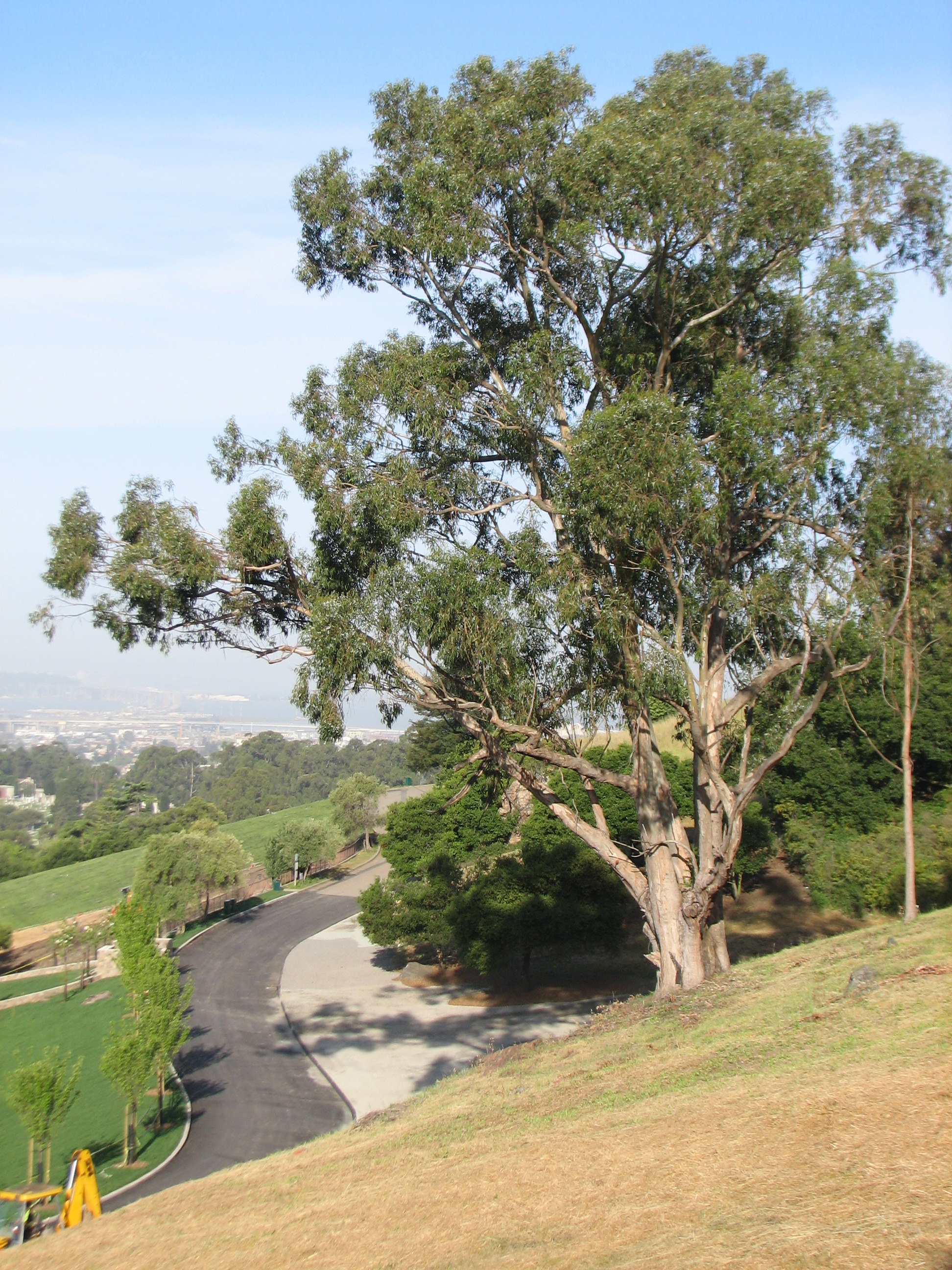
Eucalyptus, Mountain View Cemetery, Oakland

We have provided our readers with photographic evidence that eucalypts are not invasive in the San Francisco Bay Area (click here and here).  Now we are going to tell you about more confirmation of this fact from a reputable source that will be difficult for native plant advocates to ignore:  Encyclopedia of Biological Invasions.

The Encyclopedia was edited by Daniel Simberloff (U of Tennessee) and Marcel Rejmanek (UC Davis) and published by UC Berkeley Press in 2011.  Many of our readers will recognize Simberloff as a prominent scientist in invasion biology.  He is responsible for the “invasional meltdown” hypothesis which is central to invasion biology.  A recent survey of empirical tests of the hypotheses of invasion biology found that there is considerable support for the “invasional meltdown” hypothesis, but that support is declining. 

Professor Simberloff has aggressively defended the assumptions of invasion biology against scientists who think that a revision of those assumptions is required by recent empirical evidence.  When Professor Mark Davis and 18 of his colleagues in ecology signed a comment in the Nature journal entitled, “Don’t judge species on their origins,” Professor Simberloff promptly recruited 140 of his colleagues to publish a rebuttal. 

We establish Professor Simberloff’s credentials for our readers as a scientist who firmly believes that non-native species are a serious threat to biodiversity so that native plant advocates will consider him a credible source of information regarding eucalyptus.   

“Eucalypts” according to the Encyclopedia of Biological Invasions

According to the Encyclopedia of Biological Invasions, eucalypts are “some of the most important solid timber and paper pulp forestry trees in the world.”  There are about 40 million acres of eucalypts planted in tropical, sub-tropical, and temperate countries.  The predominant species of eucalyptus in the Bay Area, Blue Gum (E. globulus), is grown in 13 countries in addition to the US and Australia.  About 70 species of eucalypts are naturalized outside their native ranges. “However, given the extent of cultivation, eucalypts are markedly less invasive than many other widely cultivated trees and shrubs…they have been orders of magnitude less successful as invaders than pines and several other widely planted trees…Where eucalypts have invaded, they have very seldom spread considerable distances from planting sites, and their regeneration is frequently sporadic. “ (1)

Although the Encyclopedia admits to being puzzled by why eucalypts aren’t invasive, it offers “three major reasons for the limited invasiveness of eucalypts:”

Reason One:  Seed dispersal of eucalypts is limited

The seeds of eucalypts have no natural means of dispersal, such as fleshy tissue which can function as wings on the wind.  Tests have shown that the seeds “are dispersed over quite short distances.”  (1) “Seed dispersal is mainly by wind or gravity and is virtually limited to twice the tree height.” (2) 

The seeds of the Blue Gum are encapsulated in a woody pod which makes them inedible to birds and mammals.  So, the seeds of the Blue Gum are not dispersed by animals.

Reason Two:  High mortality of eucalyptus seedlings

Eucalyptus seedlings die quickly if they don’t establish roots in moist soil quickly.  If the soil is too moist they are susceptible to destruction by fungus.  If there is too much leaf litter or there is an understory, they are unlikely to find the quick access to the soil they need to survive.  There is a narrow range of conditions needed to successfully establish eucalyptus seedlings.

Reason Three:  Lack of compatible mycorrhizal fungi

Mycorrhizal fungi exist in the soil and sometimes form a symbiotic relationship with the roots of plants. They are often essential to the health of the plant because they facilitate the absorption of water and nutrients by the plant.  Some biologists speculate that the specific species of mycorrhizal fungi needed for successful seedling development have not been exported with the eucalypts to foreign soils. 

A balanced discussion of the pros and cons of eucalypts

Given the strong commitment of the authors of the Encyclopedia of Biological Invasions to invasion biology, we are impressed with its even-handed discussion of the ecological pros and cons of eucalypts as well as its recognition of the lack of hard data to support a particular conclusion:  “Conclusions about positive or negative environmental and economic impacts of eucalypts are often anecdotal, highly controversial and context dependent.”   

The authors suggest that eucalypts not be planted near streams as the moving water is a means of seed dispersal.  On the other hand, when planted on degraded soil, the eucalypts have provided a fuel source which reduces pressure on remnants of native forests.  Eucalypts have been a valuable source of nectar for honey production all over the world.  More birds are said to be found in native forests than eucalyptus forests in California.  However, three times as many salamanders are found in the eucalyptus forests compared to native forests in California. 

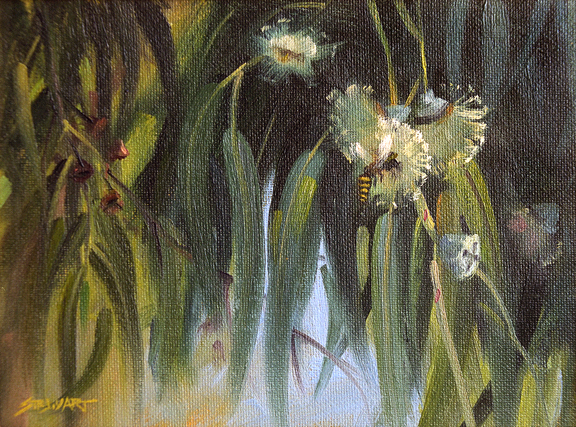
Eucalyptus and honeybee. Painting by Brian Stewart

The Encyclopedia also addresses the controversial question of whether or not eucalypts are allelopathic, which means chemicals in their roots or leaves suppress the germination of the seeds of other plants.  It reports that there is no conclusive evidence on this question.  However, the accumulation of leaf litter is probably a physical barrier to the germination of seeds in its understory, which is not an allelopathic method of suppressing competition.  This is clearly true of other trees as well.  For example, the tannins present in both oak and eucalyptus leaves prevent the rapid break down of the leaf litter which accumulates and creates a physical barrier to competing vegetation.  This is one of many examples of the characteristics that both native and non-native plants have in common.

The Encyclopedia attributes the flammability of the eucalyptus forest to leaf litter which is exacerbated in California by rare deep freezes.  These deep freezes cause die-back of eucalypts, contributing to fuel loads.   It makes no mention of the oiliness of leaves as a factor in flammability. 

There has not been such a deep freeze in the East Bay in over 20 years and 20-year intervals of such weather events have been historically typical.  These deep freezes do not occur on the San Francisco peninsula because its climate is moderated by the ocean and bay surrounding it.  Its climate is therefore warmer in winter and cooler in summer.  Therefore, this caveat about the flammability of eucalypts does not apply in San Francisco.

The myth lives on…..

Despite the fact that there is no evidence—scientific or experiential—that eucalypts are invasive, the myth lives on amongst the community of native plants advocates.  We will continue to provide the evidence that eucalypts are not invasive.  We hope that eventually the public will be sufficiently informed that they will become resistant to this claim of native plant advocates which is one of many myths used to justify the needless destruction of eucalypts.

****************************

(1)    Marcel Rejmanek and David Richardson, “Eucalypts,” in Encyclopedia of Biological Invasions, eds, Daniel Simberloff and Marcel Rejmanek, University of California Berkeley Press, 2011.

(2)    Craig Hardner, et. al., “The Relationship between Cross Success and Spatial Proximity of Eucalypts Globulus ssp. Globulus Parents,”  in Evolution, 212, 1998, 614-618.

Invasion Biology: The way forward

We’re following up on our previous post in which we reported that empirical studies do not support the hypotheses of invasion biology.  In that case, six hypotheses of invasion biology were tested by empirical studies and largely failed.  Furthermore, more recent studies are less supportive than older studies, indicating declining support for the assumptions of invasion biology.

Now we are going to tell you about a new publication by another team of scientists who challenged other assumptions about invasive plants and also conducted their own original research of one of the most basic assumptions of invasion biology:  that invasions are facilitated by disturbance.

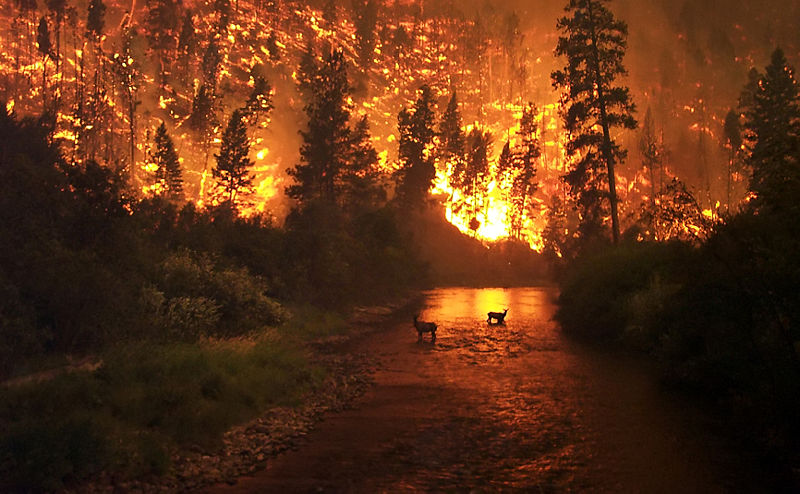
Wildfire, Bitterroot National Park, 2000. Wildfires are a type of disturbance that has increased with global warming and drought.

We introduced our readers to the leader of this research team, Professor Angela Moles, in a recent post about the mounting evidence that attempts to eradicate non-native species are futile.  Professor Moles (University of New South Wales, Australia ) gave a TED (Technology, Entertainment, Design) presentation in which she reported that introduced species have changed significantly since their introduction and that if they weren’t yet new species, they soon would be.  She proposed that non-native plants in Australia be granted citizenship.

Professor Moles collaborated with 21 scientists all over the world (Uganda, Indonesia, Mexico, USA, Australia, New Zealand, Japan, Argentina, Estonia, New Zealand) in the study that resulted in a recently published article entitled, “Invasions:  The trail behind, the path ahead, and a test of a disturbing idea.”  *

The trail of invasion biology

As the title suggests, the article begins by reporting that after 30 years and 10,000 publications, invasion biology has tested many assumptions and found inconsistent evidence to support them:

  • The search for traits of introduced plants that predict invasiveness has been a dead end:  “…it is not currently possible and will probably never be possible to predict which species are likely to become problem invaders on the basis of traits alone.  We therefore suggest that this is one area of invasion biology that merits less attention in the future.”
  • Invasion biology predicted that lack of genetic variability would hinder evolutionary adaptation in introduced species.  This assumption has not been supported by empirical studies:  “…rapid evolution has been repeatedly demonstrated in introduced populations, and the predicted reduction in genetic variance has not been observed.” 
  • Rapid evolution of introduced species has been well established by empirical studies:  “We have reached the point where additional case studies demonstrating rapid evolutionary change in introduced species are unlikely to have a major impact on our understanding of invasions.”  New research questions are needed.
  • There is little evidence to support the assumption that introduced plant species will cause extinction In native communities:  “…there are astonishingly few documented cases of native plants being driven to extinction by competition from introduced plants.  There is no evidence for any native species in the United States being driven to extinction even within a state, by competition from an introduced plant species.”

The way forward in invasion biology

Professor Moles and her team then tell us why invasion biology has not been able to prove the assumptions on which the theory is based.  The theory of invasion biology was based on untested assumptions that have been accepted as true although there is no empirical evidence to support them.  The goal for the future of invasion biology should be to identify these assumptions that have been accepted as dogma, test them, and abandon those that are not consistent with empirical facts. 

The authors of this study also, “…join a growing chorus, suggesting that our approach to invasion biology has been too simplistic.”  Studies have tended to focus on the features of introduced plants in isolation.  A more fruitful line of inquiry will consider the complex interactions between newly introduced species and their new environment:

“Rather than focusing on one factor at a time, we need to find ways (including multivariate analysis) to synthesize information about the recipient habitats/ communities, the characteristics of both resident species and the invaders, demographic processes, propagule pressure [measure of the number of species released into a region in which they are not native], the differences between current conditions and those with which the resident species evolved, evolutionary change to both native and introduced species, plasticity and feedbacks and interactions between different species and processes.”

You might say, “Phew! That sounds like a daunting task.”  And so it is, but this team of scientists takes it on with an elaborate and complex study of one of the most basic assumptions of invasion biology:  that disturbance facilitates plant invasions.

Does disturbance facilitate plant invasions?

“Disturbance is thought to facilitate invasion by simultaneously opening new ground for colonization, decreasing the competition from resident native species and releasing pulses of resources.”  The definition of “disturbance” has varied in different studies, but generally includes fire, grazing, agriculture, erosion, wind, and flood.  Empirical tests of this theory have produced mixed results.  Even when the results have been positive, they have not persisted over the long-term.

Because disturbance is a natural feature of all ecosystems, native species have adaptive features that enable them to respond to natural disturbances.  Therefore, the research team theorized that it is not disturbance per se which creates opportunity for invasions by introduced species, but rather changes in the disturbance regime.  Their research study was therefore designed to distinguish between the level of disturbance and changes in the level of disturbance.

Given the international composition of their research team, they were able to select 200 sites in eight countries.  They selected only those sites for which the natural patterns of disturbance were known.  Their research methods were statistically complex and a detailed description of them is beyond our comprehension and probably many of our readers, but we encourage those with the necessary scientific knowledge to read the article which is available on the internet.

Their analysis of these 200 sites led them to the conclusion that the change in disturbance regimes was far more predictive of the success of invasions than the level of disturbance but that both variables explained only 7% of the variation in the percent of cover or species richness contributed by introduced species.

In other words, one of the most basic assumptions of invasion biology did not pass an empirical test of its validity.  Invasions by introduced plants are largely unexplained by disturbance.

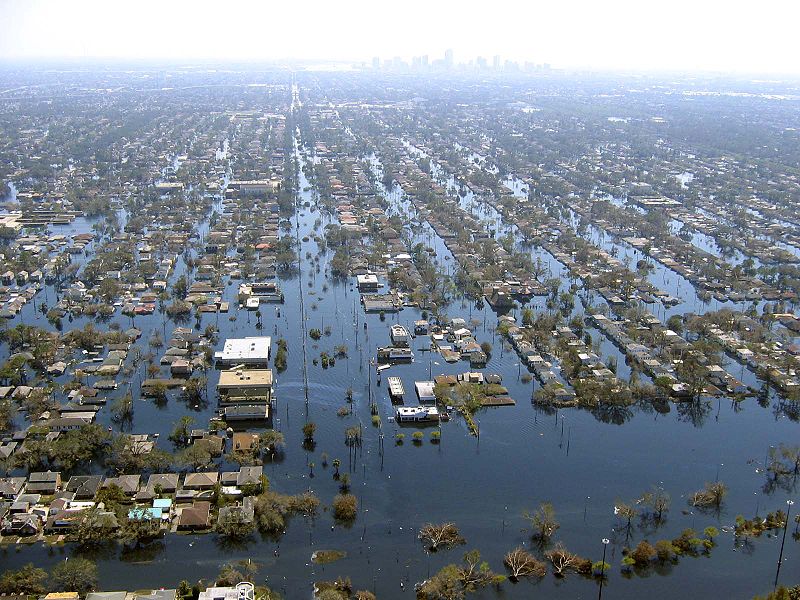
Post Katrina New Orleans. Floods are another type of disturbance that is likely to increase with climate change.

The future of invasion biology

Science is rapidly revising the assumptions of invasion biology.  We strongly believe that it is just a matter of time before science informs us that introduced species are here to stay and that this is not the terrible news we have been led to believe.  It is inevitable that this information will filter slowly from the scientific community to the community of native plant advocates.  We hope that they hear and accept this good news before our non-native trees are destroyed.

********************

*Moles, Angela, et. al., “Invasions:  The trail behind, the path ahead, and a test of a disturbing idea,” Journal of Ecology, British Ecological Society, 2012, 100, 116-`127.  All quotes are from this article

Integrating new species into the food web

Zebra mussels, open underwater with siphons out. Creative Commons

We have been reading panic-stricken news reports about zebra mussels for over 10 years, but we weren’t paying much attention until a recent news report that they have arrived in California.  We decided it was time to educate ourselves about this “invasive species.”

Zebra mussels and their close relative, the quagga mussel, arrived in the Great Lakes Region of the United States in 1988, probably in the ballast water of big ships.  Although they are native to southern Russia and Ukraine, they are now found throughout Europe and England.

The negative side of the ledger

What the mussels lack in size, they make up for in numbers.  Though they are tiny—about the size of a dime–they are prolific breeders capable of creating big colonies rapidly.  They are a fresh-water mussel which means they exist where there are often water treatment facilities that supply our drinking water.  Their larvae are microscopic so they can enter water treatment facilities through the intake pipes and clog the system. 

They filter huge quantities of water, consuming plankton (microscopic plants and organisms) depriving other animals of nutrition.  This filtering of the water also increases water clarity and light penetration, changing the entire ecosystem in complex and unpredictable ways.

The positive side of the ledger

Where the mussels have gained a foothold, they have quickly entered the food web.  A monitoring program was started soon after mussels were found at Long Point Bay in Lake Erie.  The first sampling done in 1991 found mussels in 27% of the sampling stations, an estimated 1,189 tons of mussels.  By 1992, mussels were found in 80% of the sites, an estimated 4,536 tons of mussels.  (1)

In 1992, the monitoring program also started conducting stomach analysis of ducks killed at Long Point Bay.  Three species of duck (Greater and Lesser Scaup and Bufflehead) were found to be feeding heavily on the mussels.  Between 1993 and 1995 the population of mussels declined significantly from the highpoint of 4,536 tons to only 758 tons in 1995.  The population of the duck predators increased correspondingly during the same period of time. (1)

The authors of this study speculate that the mussels were also depleting their food source at the peak of their population and that they had exhausted available attachment sites, but the scientists believe duck predation was the primary reason for the declining population of mussels.  As always, there are many variables operating simultaneously in the ecosystem, and it isn’t possible to isolate one from the others.  (2)

Ducks aren’t the only predators of the mussels.  Crayfish are apparently capable of consuming large quantities of the mussels.  And some fish eat the mussels.  One study found that yellow perch didn’t eat the mussels in 1994, but a later study in 2004 reported that the perch were eating the mussels.  Plankton waste from the mussels settles on the lake bottom and the bottom feeders benefit from that fall out.

There is a downside to this story, however.  Remember that the mussels filter the water as they eat.  In addition to filtering plankton, they also filter pollutants and contaminants.  Researchers assume that the predators of the mussels are consuming those pollutants which then become a part of the food chain.  The mussel-consuming ducks at Long Point Bay apparently had elevated levels of contaminants in their tissue compared to ducks that consume only aquatic plants. (2)

What should we do?

According to the news story about the mussels in a local paper, the California legislature is considering increasing the registration fee for boats which would raise about $5 to $8 million dollars.  Although the news story isn’t clear about how this money would be used, let’s assume for the sake of argument that it would be used to prevent the spread of these mussels beyond the 25 lakes in California where they are now found.  That would apparently involve more inspection of boats being put into the water where the mussels don’t presently exist.  If that’s the plan, we enthusiastically endorse it.  Prevention is the best medicine, as they say.

But once the mussels have arrived, all scientists agree that eradicating them is not a realistic option.  Therefore, dousing them with chemicals—which is one of the recommended treatments—will undoubtedly do more harm than good. 

New species quickly become a part of the landscape.  Our initial reaction to them tends to be negative because we are suspicious of change.  In fact, there may be benefits that aren’t immediately evident and even if there isn’t an immediate benefit, they are often integrated into the environment over time.  Their populations often stabilize once they have exhausted available resources.  We should be patient because nature is resilient and our time frame is much shorter than nature’s time frame.    

Are we learning this lesson?

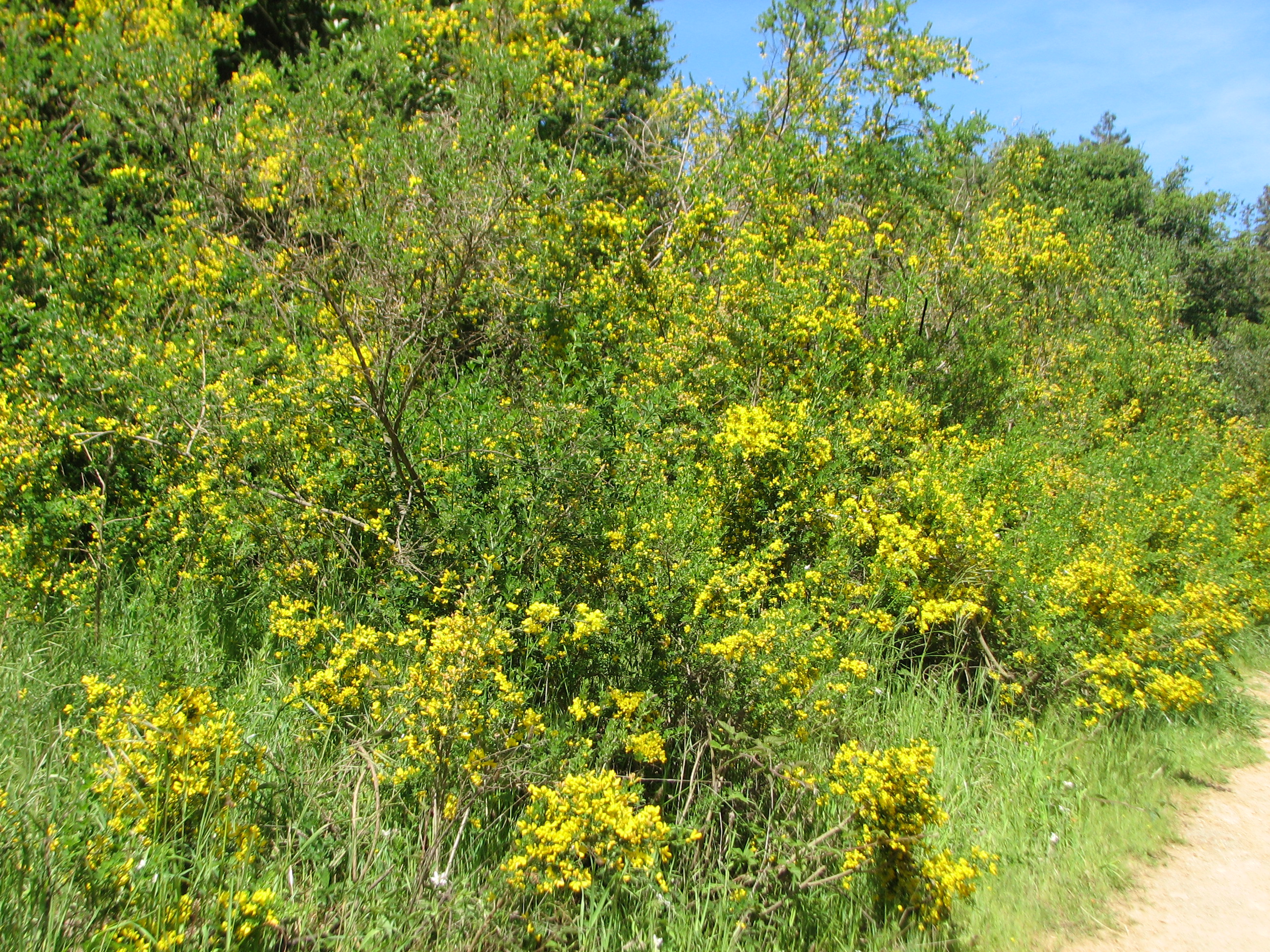
Broom, Redwood Park, Oakland, California

The California Invasive Plant Council (Cal-IPC) is dedicated to the eradication of non-native plants.  Scotch broom is one of their favorite targets for eradication.  Little progress has been made in this effort (see “Broom:  ‘I’ll be back’” and “Broom:  ‘I’m ba-ack’”) and recently Cal-IPC acknowledged this in their newsletter.  However, they urged their supporters not to lose heart because they reported that broom is now being browsed by herbivores.  So, what native plant advocates could not accomplish with manual labor and chemical warfare, the animals may accomplish by incorporating broom into their diets.  One hopes the animals aren’t eating broom doused with herbicides.

Cal-IPC also acknowledges in this article that broom does not grow in shade:  “Broom cannot tolerate heavy shade.  It usually established following logging or other activities that remove tree canopy.”  Could it be that they have finally noticed that the result of clear-cutting non-native trees in the East Bay hills is more broom, not more native plants?  We can only hope so.

There are pros and cons to every decision we make.  We don’t always know in advance what they are.  So, it pays to be cautious.  If we are patient, maybe nature will sort it out without our interference.  Particularly when our interference damages nature, we should exercise restraint.  We should give nature more credit for healing itself.  It has a much better track record than we do.

*******************************

(1)    Cox, George W., Alien Species and Evolution, Island Press, 2004

(2)    Petrie, Scott A., Knapton, Richard H., “Rapid Increase and Subsequent Decline of Zebra and Quagga Mussels in Long Point Bay, Lake Erie:  Possible Influence of Waterfowl Predation,” J. Great Lakes Research, 25(4) 772-782

The Sparrow Wars: America’s first “invasive species”

The public’s mania about “invasive species” often seems new to us.  It’s not.  In Peter Coates’ provocative book, American Perceptions of Immigrant and Invasive Species, we learn about one of the first episodes of public concern about an introduced species in American history, known as the “sparrow wars.”

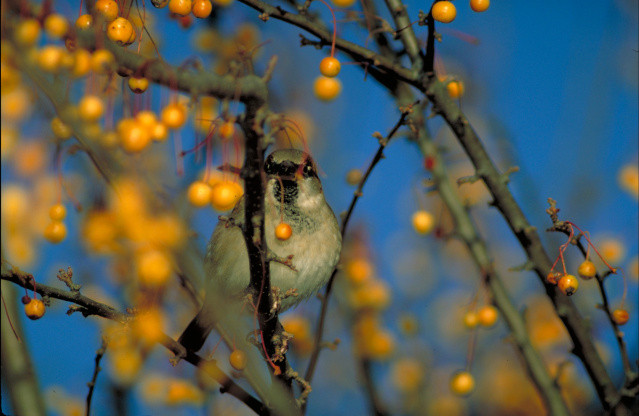
English sparrow. US Fish & Wildlife photo

Like many introductions of non-native species of plants and animals, the English sparrow (AKA house sparrow) was introduced to perform a practical function.  Elm trees on the East Coast were being defoliated by a voracious native caterpillar.  In 1852, The English sparrow was brought to America to rescue the trees from the caterpillars.  The sparrows thrived and were soon reviled by ornithologists who considered them alien invaders.

The debate between ornithologists and those with a more cosmopolitan view of nature is reported at length by Coates.  Long story short, the debate is reminiscent of what we hear today from nativists:

  • They feared that the English sparrow would compete with native species for food and habitat and that native species would lose this competition.
  • They considered native birds superior to the English sparrow which was considered dirty and a promiscuous breeder.
  • The English sparrows were city dwellers and were considered the bird equivalent of ghettoized immigrants.
  • The English sparrows were criticized for not eating enough of the caterpillars they were imported to eat.  They weren’t doing the job they were hired to do!

This debate raged on amongst birders for decades according to the historical record reported by Coates.  However, we no longer hear birders complain about the English sparrow, although we hear them complain about many other birds.

Update:  This post requires an update.  The New York Times published an op-ed in which a woman describes in horrific detail the monomaniacal attempts of her mother to exterminate all house sparrows in their neighborhood based on her belief that their eradication would benefit blue birds.  It is a blood-curdling story that contradicts my naïve belief that after nearly 200 years, the house sparrow has been accepted in America. 

Modern equivalents of the “sparrow wars”

Cherry-headed conure. Attribution: Share Alike

Birders in San Francisco are currently complaining about the cherry-headed conures, more commonly known as the parrots of Telegraph Hill.  They believe the parrots are depriving native birds of food and nesting places.  They object to their presence in a place where they “don’t belong.”

We were introduced to this mindset by an ominous encounter with a birder in Florida who is typical of the nativist viewpoint of the avian world.  The sound of gunfire drew us to a man with a shot gun on the lawn of our motel.  Starlings were falling around him, where he quickly finished them off with a vigorous stomp of his booted foot.  We were unfamiliar with the hatred of non-native species at that time and asked him why he was killing the birds.  He seemed stunned to be questioned.  He explained, as though speaking to retarded children, that the starlings were “trash birds” that must be killed.  Following a basic rule of survival, we walked away from a person wielding a gun.

Why was the English sparrow redeemed?

Returning to the English sparrow, why are they no longer the target of hostility from  birders?  We speculate that one reason may be that they have been here for a long time, nearly 200 years.  Just as human immigrants are often the target of prejudice and discrimination when they first arrive, they eventually become a routine part of our world.  We rarely think of the Irish or other Europeans as immigrants in America.

Another reason is that the population of English sparrows is actually declining:  “Since 1966 its North American population has declined by 2.5 percent annually.” (1) However, there is still an estimated population of 150 million in North America.

Ironically, the population of English sparrows is declining significantly in Britain, its ancestral home, where only 13 million are estimated to remain.  In 2000 the British press was full of stories about the sudden decline of their iconic bird, “Responding to the strong sense that an essential part of the nation’s natural heritage…was disappearing…”

The lessons of the sparrow wars

These are familiar themes to the readers of the Million Trees blog:

  • Some people fear newcomers to their world, whether those newcomers are people, animals or plants and that fear can result in destructive hatred.
  • Newcomers usually fit in eventually.  What is initially perceived as a threatening “invasion” rarely turns out to be a problem in the long run.
  • Because nature is dynamic, the new home of an introduced species sometimes becomes the only home of that species.  The movement of species is another way to ensure their survival.  In fact, there is a new movement amongst citizen “scientists” to move rare species which are threatened by changed climate conditions into new locations.  This is called “assisted migration.” (2)

 —————————————————————-

(1) Peter Coates, American Perceptions of Immigrants and Invasive Species, UC Press, 2007.  All quotes are from this book.

(2) Emma Marris, Rambunctious Garden, Bloomsbury, 2011.

Rush Limbaugh on “invasive species”

We have noted in previous posts the common ancestry of native plant and animal advocacy and anti-immigration sentiment.  The relationship between these sentiments goes all the way back to 1930s Germany when there was a concerted effort to rid Germany of non-native plants, as well as people perceived as alien.  We have also reported that some native plant advocates—though not all–in the San Francisco Bay Area are also strongly opposed to immigration. 

Rush Limbaugh. Creative Commons Attribution

Today we will provide another example of the connection between these two apparently related opinions.  Rush Limbaugh, the right-wing talk show host, has a track record of calling immigrants an “invasive species.”  The following Limbaugh quotes are provided by Media Matters for America, a web-based non-profit dedicated to “comprehensive monitoring, analyzing, and correcting conservative misinformation in the U.S. media.”

On April 1, 2005, Limbaugh described undocumented immigrants as an “invasive species,” saying:

LIMBAUGH: So invasive species like mollusks and spermatozoa are not good, and we’ve got a federal judge say, “You can’t bring it in here,” but invasive species in the form of illegal immigration is fine and dandy — bring ’em on, as many as possible, legalize them wherever we can, wherever they go, no matter what they clog up. So we’re going to break the bank; we’re going to bend over backwards. The federal judiciary is going to do everything it can to stop spermatozoa and mollusks from coming in, but other invasive species? We’re supposed to bend over and grab the ankles and say, “Deal with it.”

On August 15, 2011, Limbaugh said:

“[S]ome people would say we’re already under attack by aliens — not space aliens, but illegal aliens.”

Rush Limbaugh has been much in the news recently for his verbal attacks on a 30-year old female law student at Georgetown University who would like to have access to birth control.  In Limbaugh’s opinion she is a “slut,” and a “prostitute” who has “so much sex that she can barely walk.”  Women are not Limbaugh’s only target for abuse.  He routinely says equally nasty things about gay people, poor people, ethnic and racial minorities, and labor unions.

Native plant advocates who are also opposed to immigration might give some thought to the implications of their ideology.  Do they want to be associated with the likes of Rush Limbaugh?  If not, how do they explain the difference between the crusade against non-native plants and animals and the crusade against immigrants?