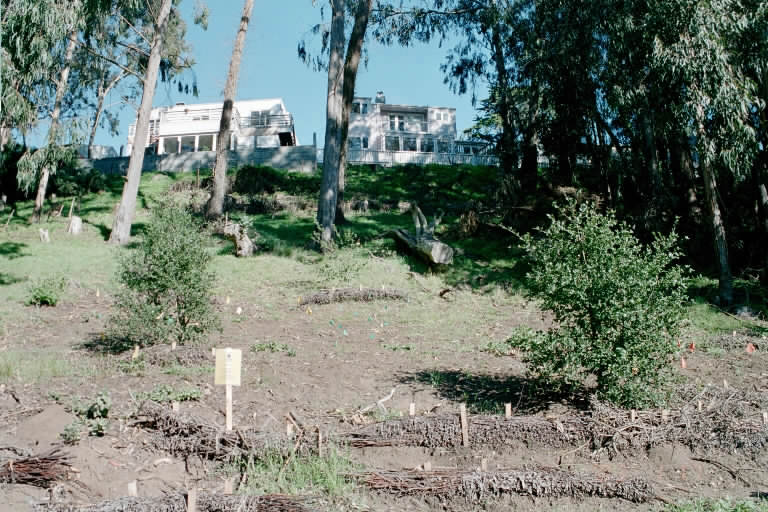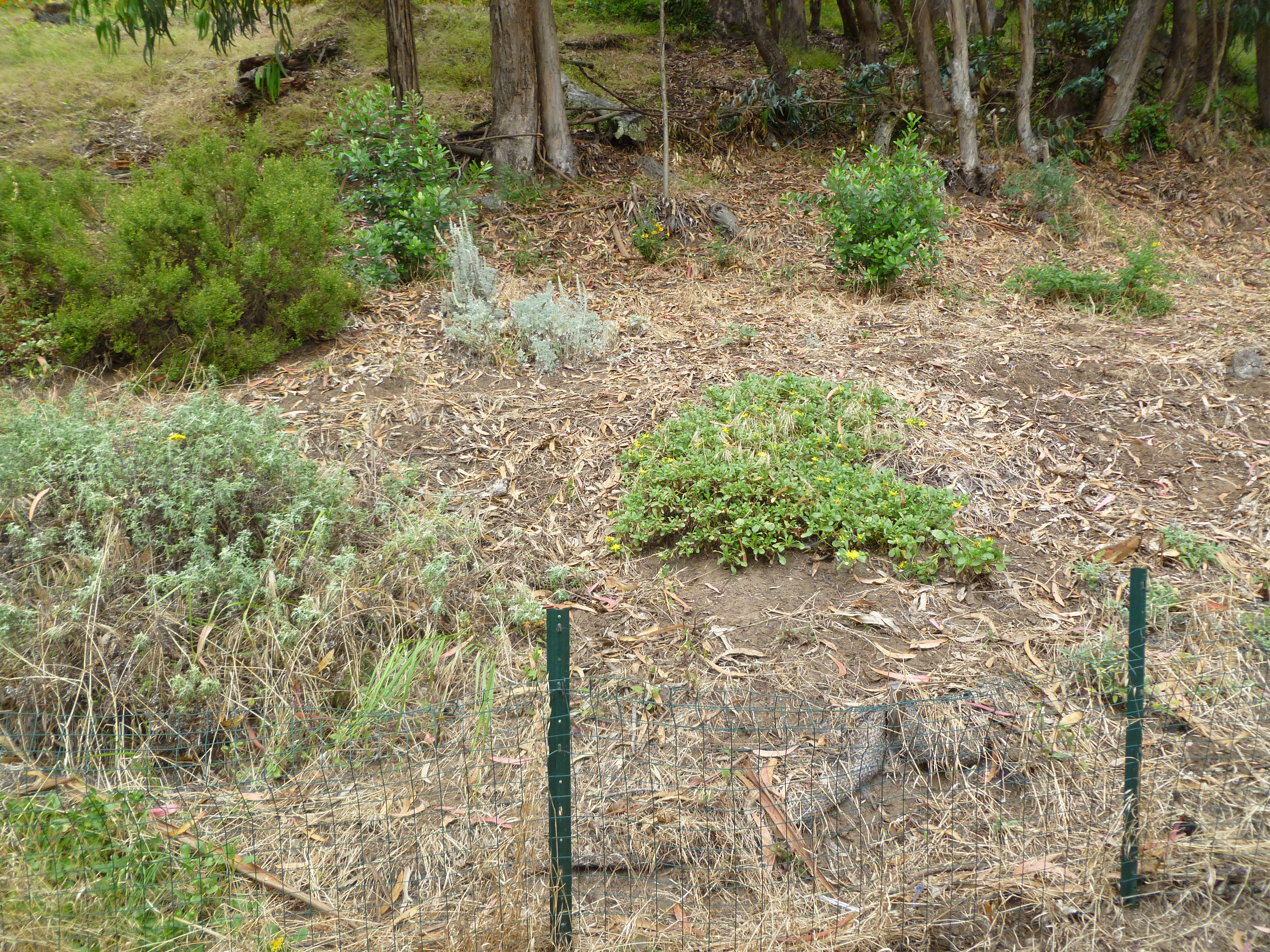
Environmental Impact Report for the Natural Areas Program is based on a HUGE mistake!

There is a HUGE mistake in the Environmental Impact Report (EIR) for the Natural Areas Program (NAP), which will fundamentally alter the public’s perception of the EIR.

The EIR says on page 2 in the Summary that the “Maximum Restoration Alternative” is the “Environmentally Superior Alternative.”  The statement on page 2 is WRONG!  The “Maintenance Alternative” is the “Environmentally Superior Alternative,” as explained on page 525-526 of the EIR.

When we first informed our readers of the publication of the Environmental Impact Report (EIR) for the Natural Areas Program (NAP) on September 9, 2011, we also announced that the EIR considers the “Maximum Restoration Alternative” the “Environmentally Superior Alternative.”  The “Maximum Restoration Alternative” proposes an aggressive expansion of the NAP that will destroy more trees, require more herbicide use, close more trails and other recreational access, and permit NAP to plant more legally protected species that could require more restrictions in the future.   When we announced this proposed expansion of the program, we were reporting what the EIR says on page 2 in the Summary of the EIR. 

So, we repeat, the statement on page 2 is wrongThe “Maximum Restoration Alternative” is NOT the “Environmentally Superior Alternative.”  The “Environmentally Superior Alternative” is the “Maintenance Alternative.”  The correct statement does not appear in the EIR until the very end of the document:

The Maximum Recreation and Maintenance Alternatives are the environmentally superior alternatives because they have fewer unmitigated significant impacts than either the proposed project or the Maximum Restoration Alternative. Between the Maximum Recreation Alternative and the Maintenance Alternative, the Maintenance Alternative would be the environmentally superior alternative for two reasons. While the two alternatives have the same number of significant and unavoidable impacts under CEQA, the Maintenance Alternative has fewer potential environmental effects than the Maximum Recreation Alternative. First, the Maintenance Alternative would not create new trails, the construction of which could result in impacts to sensitive habitats and other biological resources. Second, over time the Maximum Recreation Alternative would result in Natural Areas with less native plant and animal habitat and a greater amount of nonnative urban forest coverage. The Maintenance Alternative, on the other hand, would preserve the existing distribution and extent of biological resources, including sensitive habitats. For these reasons, the Maintenance Alternative is the environmentally superior alternative.” (EIR, page 525-526) (emphasis added)

The contradiction between what appears on page 2 of the EIR and page 526 was pointed out to the staff of the Planning Department responsible for managing the public comment period and certification of the EIR.  That staff member confirmed that the statement on page 2 is wrong and the statement on page 526 is correct.  However, she refused to correct the error until the public comment period is over and the Final Environmental Impact Report is published.

Unfortunately, this mistake and the refusal to correct it before the public comment period is complete will jeopardize the fairness of the process.  Native plant advocates are already recruiting their speakers for the public hearing by the Planning Commission on October 6, 2011, and the written comments which are due on October 17, 2011*.  They are urging their supporters to advocate for the “Maximum Restoration Alternative” and they are incorrectly informing them that this is the “Environmentally Superior Alternative.”  We have no reason to believe that they are aware of the mistake on page 2 of the EIR.  They are probably sincere in their belief that the “Maximum Restoration Alternative” is the “Environmentally Superior Alternative.”  Few readers are likely to read the entire EIR and will therefore be unaware of the mistake on page 2.

This mistake will mislead the public into supporting the “Maximum Restoration Alternative” that expands the destructive and restrictive aspects of the Natural Areas Program.  Furthermore, and perhaps more importantly, this expansion is NOT legal because it violates the requirements of the California Environmental Quality Act (CEQA), which requires that the “Environmentally Superior Alternative” have the least negative impact on the environment of all proposed alternatives:

§21002.  APPROVAL OF PROJECTS; FEASIBLE ALTERNATIVE OR MITIGATION MEASURES

The Legislature finds and declares that it is the policy of the state that public agencies should not approve projects as proposed if there are feasible alternatives or feasible mitigation measures available which would  substantially lessen the significant environmental effects of such projects,  and that the procedures required by this division are intended to assist public agencies in systematically identifying both the significant effects of proposed projects and the feasible alternatives or feasible mitigation measures which will avoid or substantially lessen such significant effects.”  CEQA Guidelines, page 2 (emphasis added)

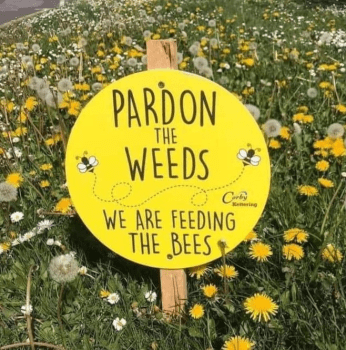
Pardon our paranoia….

 This is a huge mistake which could profoundly prejudice the public to support the “Maximum Restoration Alternative” which proposes an expansion of the Natural Areas Program.  We ask these rhetorical questions:

  •  Who wrote page 2 of the EIR, which incorrectly identifies the “Maximum Restoration Alternative” as the “Environmentally Superior Alternative” and why?
  • Why does the Planning Department refuse to correct this error before the public comment is complete?

If you attend the public hearing on October 6, 2011, please inform the Planning Commission of this error and write by the deadline of October 17, 2011*, in support of the “Maintenance Alternative” which will do less damage to the environment than the proposed project and the other proposed alternatives.  Here are the details about the opportunities for public comment:

“A public hearing on this Draft EIR and other matters has been scheduled by the City Planning Commission for October 6, 2011, in Room 400, City Hall, 1 Dr. Carlton B. Goodlett Place, beginning at 1:30 p.m. or later. (Call 558‐6422 the week of the hearing for a recorded message giving a more specific time.)”

 “Public comments will be accepted from August 31, 2011 to 5:00 p.m. on October 17, 2011^. Written comments should be addressed to Bill Wycko, Environmental Review Officer, San Francisco Planning Department, 1650 Mission Street, Suite 400, San Francisco, CA 94103. Comments received at the public hearing and in writing will be responded to in a Summary of Comments and Responses document.”

*[ETA:  The deadline for written comments has been extended to October 31, 2011, at the request of the Planning Commission.]
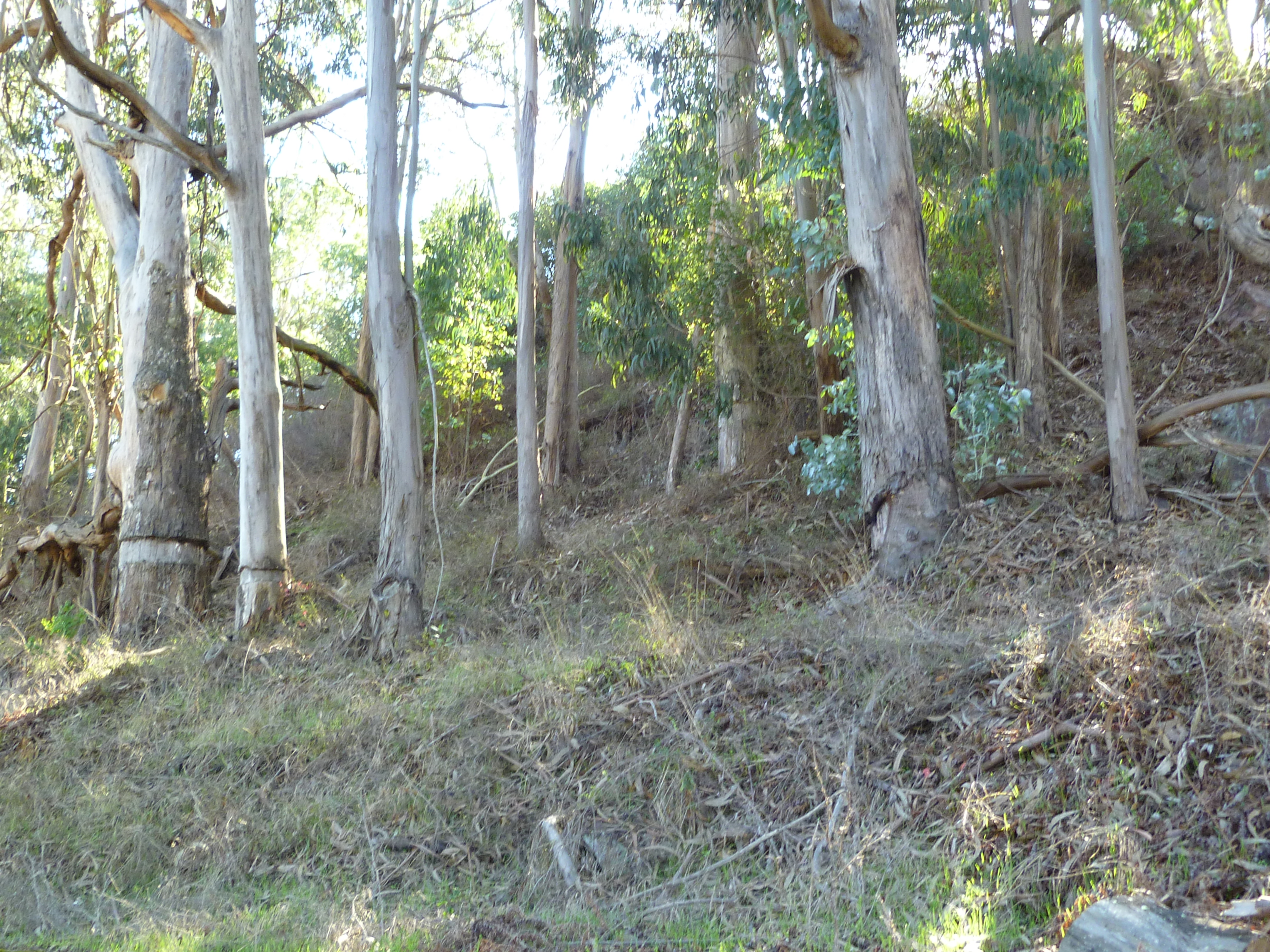
The Healthy Trees of San Francisco

The San Francisco Natural Areas Program (NAP) plans to destroy thousands of healthy trees in San Francisco’s parks.  The Draft Environmental Impact Review (EIR) for NAP’s destructive plan reaches the bizarre conclusion that removing thousands of trees will have no significant impact on the environment.   This conclusion is based on several fictional premises.  In a previous post we examined the fictional claim that all the trees that will be removed will be replaced within the natural areas by an equal number of trees that are native to San Francisco.  In this post we will examine another of the fictional premises:  that only dead, dying, hazardous, or unhealthy trees will be removed.

We have many reasons to challenge the truth of the claim that only dead, dying, hazardous or unhealthy trees will be removed:

  • The management plan for the Natural Areas Program tells us that young non-native trees under 15 feet tall will be removed from the natural areas.  By definition these young trees are not dead or unhealthy because they are young and actively growing.
  • The management plan has not selected only dead, dying, hazardous trees for removal.  Trees have been selected for removal only in so far as they support the goal of expanding and enhancing areas of native plants, especially grasslands and scrub.
  • The predominant non-native tree in San Francisco, Blue Gum eucalyptus lives in Australia from 200-400 years, depending upon the climate.(1)  In milder climates, such as San Francisco, the Blue Gum lives toward the longer end of this range. 
  • However, there are many natural predators in Australia that were not imported to California. It is possible that the eucalypts will live longer here:  “Once established elsewhere, some species of eucalypts are capable of adjusting to a broader range of soil, water, and slope conditions than in Australia…once released from inter-specific competitions and from native insect fauna…”(2)
  • The San Francisco Presidio’s Vegetation Management Plan reports that eucalypts in the Presidio are about 100 years old and they are expected to live much longer: “blue gum eucalyptus can continue to live much longer…”(3)
  • The Natural Areas Program has already destroyed hundreds of non-native trees in the past 15 years.  We can see with our own eyes, that these trees were not unhealthy when they were destroyed.

How have mature trees been selected for removal?

The EIR wants us to believe that only dead, dying, hazardous trees will be removed from the natural areas.  This claim is contradicted by the management plan that the EIR is claiming to evaluate.  Not a single explanation in the management plan for why specific trees over 15 feet tall have been selected for removal is based on the health of the trees.  Trees less than 15 feet tall will also be removed, but are not counted by the management plan.

  • Lake Merced:  The explanation for removing 134 trees is “To maintain and enhance native habitats, it is necessary to selectively remove some trees.”
  • Mt. Davidson:  The explanation for removing 1,600 trees is: “In order to enhance the sensitive species habitat that persists in the urban forest understory and at the forest-grassland ecotone, invasive blue gum eucalyptus trees will be removed in select areas. Coastal scrub and reed grass communities require additional light to reach the forest floor in order to persist “
  • Glen Canyon:  The explanations for removing 120 trees are:  “to help protect and preserve the native grassland” and “to increase light penetration to the forest floor”
  • Bayview Hill:  The explanation for removing 505 trees is:  “In order to enhance the sensitive species habitat that persists in the urban forest understory and at the forest-grassland ecotone, invasive blue gum eucalyptus trees will be removed in select areas.”
  • McLaren:  The explanation for removing 805 trees is:  “In order to enhance the sensitive species habitat that persists in the urban forest understory and at the forest-scrub-grassland ecotone, invasive trees will be removed in select areas. Coastal scrub and grassland communities require additional light to reach the forest floor in order to persist.”
  • Interior Greenbelt:  The explanation for removing 140 trees is:  “In order to enhance the seasonal creek and sensitive species habitat that persists in the urban forest understory, invasive blue gum eucalyptus trees will be removed in select areas.”
  • Dorothy Erskine:  The explanation for removing 14 trees is:  “In order to enhance the grassland and wildflower community, removal of some eucalyptus trees is necessary.”

In not a single case does the management plan for the Natural Areas Program corroborate the claim made in the EIR that only dead, dying, diseased, or hazardous trees will be removed.  In every case, the explanation for the removal of eucalypts is that their removal will benefit native plants, specifically grassland and scrub.  The author of the EIR has apparently not read the management plan or has willfully misrepresented it. 

The track record of tree removals in the natural areas

Although it’s interesting and instructive to turn to the written word in the management plan for the Natural Areas Program to prove that the EIR is based on fictional premises, the strongest evidence is the track record of tree removals in the past 15 years.  As always and in every situation, actions speak louder than words.

Hundreds of trees have been removed in the natural areas since the Natural Areas Program began 15 years ago.  We’ll visit a few of those areas with photographs of those tree removals to prove that healthy, young non-native trees have been destroyed.  This track record predicts the future:  more healthy young trees will be destroyed in the future for the same reason that healthy young trees were destroyed in the past, i.e., because their mere existence is perceived as being a barrier to the restoration of native grassland and scrub.

Girdled trees, Bayview Hill, 2010
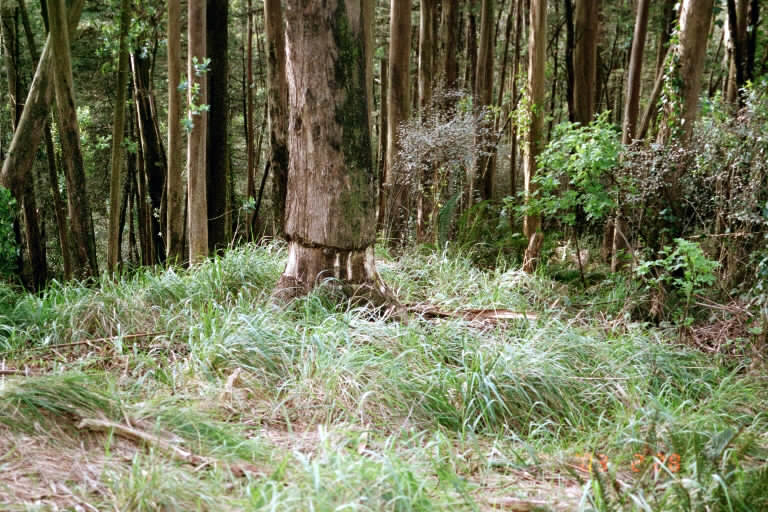
  • The first tree destruction by the Natural Areas Program and its supporters took the form of girdling about 1,000 healthy trees in the natural areas about 10 to 15 years ago.  Girdling a tree prevents water and nutrients from traveling from the roots of the tree to its canopy.  The tree dies slowly over time.  The larger the tree, the longer it takes to die.  None of these trees were dead when they were girdled.  There is no point in girdling a dead tree.

    One of about 50 girdled trees on Mt. Davidson, 2003
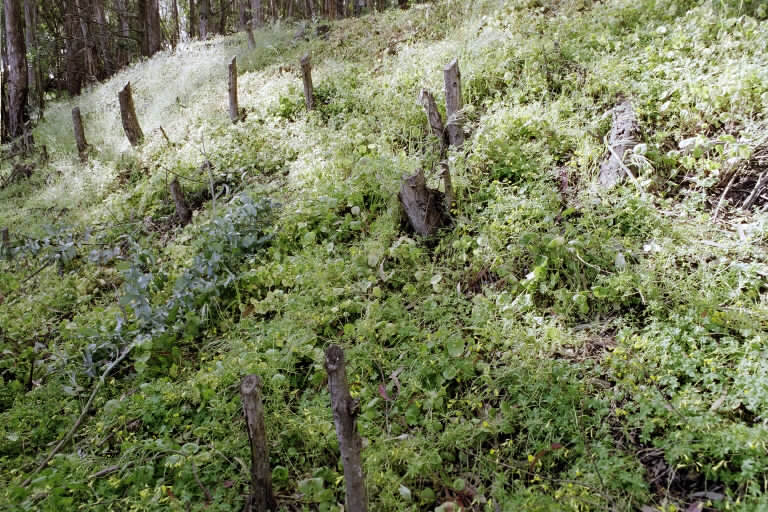
  • Many smaller trees that were more easily cut down without heavy equipment were simply destroyed, sometimes leaving ugly stumps several feet off the ground.

    Bayview Hill, 2002
  • About 25 young trees were destroyed on Tank Hill about 10 years ago.  The neighbors report that they were healthy trees with trunks between 6″ to 24″ in diameter and therefore fairly young trees.  The trees that remain don’t look particularly healthy in the picture because they were severely limbed up to bring more light to the native plant garden for which the neighboring trees were destroyed.  The neighbors objected to the removal of the trees that remain.  The Recreation and Park Department agreed to leave them until they were replaced by native trees.  Only 4 of the more than two dozen live oaks that were planted as replacements have survived.  They are now about 36″ tall and their trunks are about 1″ in diameter. 

    Tank Hill, 2002
  • About 25 young trees were destroyed in 2004 at the west end of Pine Lake to create a native plant garden that is now a barren, weedy mess surrounded by the stumps of the young trees that were destroyed.

    Pine Lake "Natural Area" 2011
  • About 25 trees of medium size were destroyed at the southern end of Islais Creek in Glen Canyon Park about 6 years ago in order to create a native plant garden. 
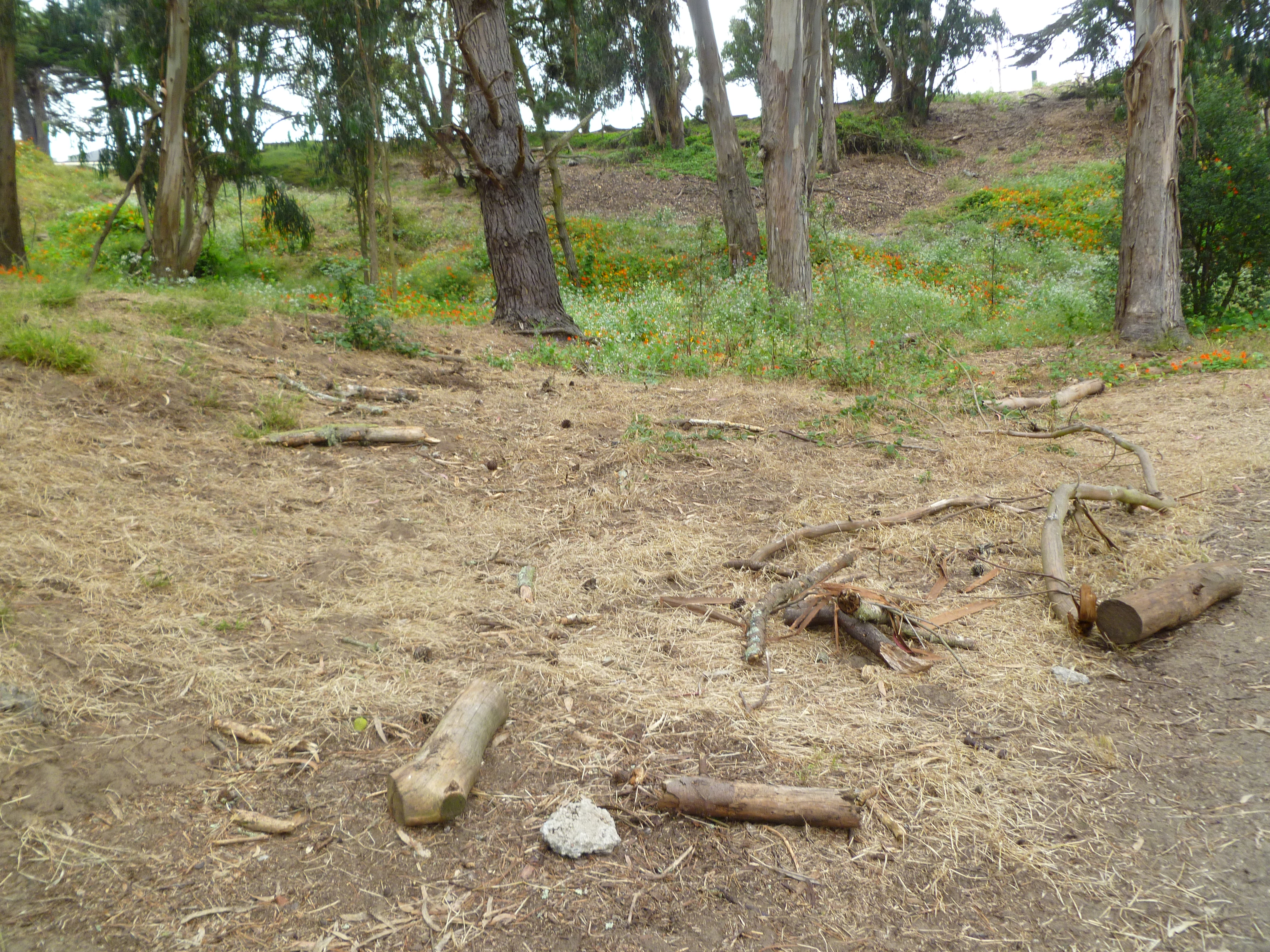
  • Many young trees were recently destroyed in the natural area called the Interior Greenbelt.  These trees were destroyed in connection with the development of a trail, which has recently become the means by which the Natural Areas Program has funded tree removals with capital funding.

    Interior Greenbelt Natural Area, 2010. Courtesy SaveSutro

There was nothing wrong with any of these trees before they were destroyed.  Their only crime was that they were not native to San Francisco.  There are probably many other trees that were destroyed in the natural areas in the past 15 years.  We are reporting only those removals of which we have personal knowledge.

If you care about the trees of San Francisco….

If you care about the trees of San Francisco, please keep in mind that the public will have an opportunity to comment on the proposal to remove thousands of trees in the city’s parks.  There will be a public hearing on October 6, 2011, and the deadline for submitting a written comment is October 17, 2011*.  Details about how to comment are available here.

*[ETA:  The deadline for written comments has been extended to October 31, 2011, at the request of the Planning Commission.]


(1) Jacobs, Growth Habits of the Eucalyptus, 1955, page 67

(2) Doughty,  The Eucalyptus, 2000, page 6

(3) San Francisco Presidio’s Vegetation Management Plan, page 28

Destroying the Trees of San Francisco

The San Francisco Natural Areas Program (NAP) plans to destroy thousands of trees in San Francisco’s parks.  The Draft Environmental Impact Report (EIR) for NAP’s destructive plan reaches the bizarre conclusion that removing thousands of trees will have no significant impact on the environment.   This conclusion is based on several fictional premises.  In this post we will examine one of those premises:   that all the trees that are removed will be replaced within the natural areas by an equal number of trees that are native to San Francisco.

The EIR supports this fictional premise by falsely reducing the number of trees that will be removed by:

  • Not counting trees less than 15 feet tall, despite the fact that the US Forest Service survey of San Francisco’s urban forest reports that the trunks of most (51.4%) trees in San Francisco are less than 6 inches in diameter at breast height, the functional equivalent of trees less than 15 feet tall.
  • Not counting the hundreds of trees that were destroyed prior to the approval of the NAP management plan at Pine Lake, Lake Merced, Bayview Hill, Glen Canyon parks, etc.
  • Not counting tree removals proposed by the “Maximum Restoration Alternative” which the EIR says is the “Environmentally Superior Alternative.” [ETA: The Planning Department later admitted that this is a mistake in the EIR.  The “Maintenance Alternative” is the “Enviromentally Superior Alterantive.”]

However, even artificially reducing the number of tree removals does not make “one-to-one” replacement a realistic goal.

The natural history of trees in San Francisco

The primary reason why we know that it will not be possible to grow thousands more native trees in the natural areas in San Francisco is that there were few native trees in San Francisco before non-native trees were planted by European settlers in the late 19th century.  San Francisco’s “Urban Forest Plan” which was officially adopted by the Urban Forestry Council in 2006 and approved by the Board of Supervisors describes the origins of San Francisco’s urban forest as follows:

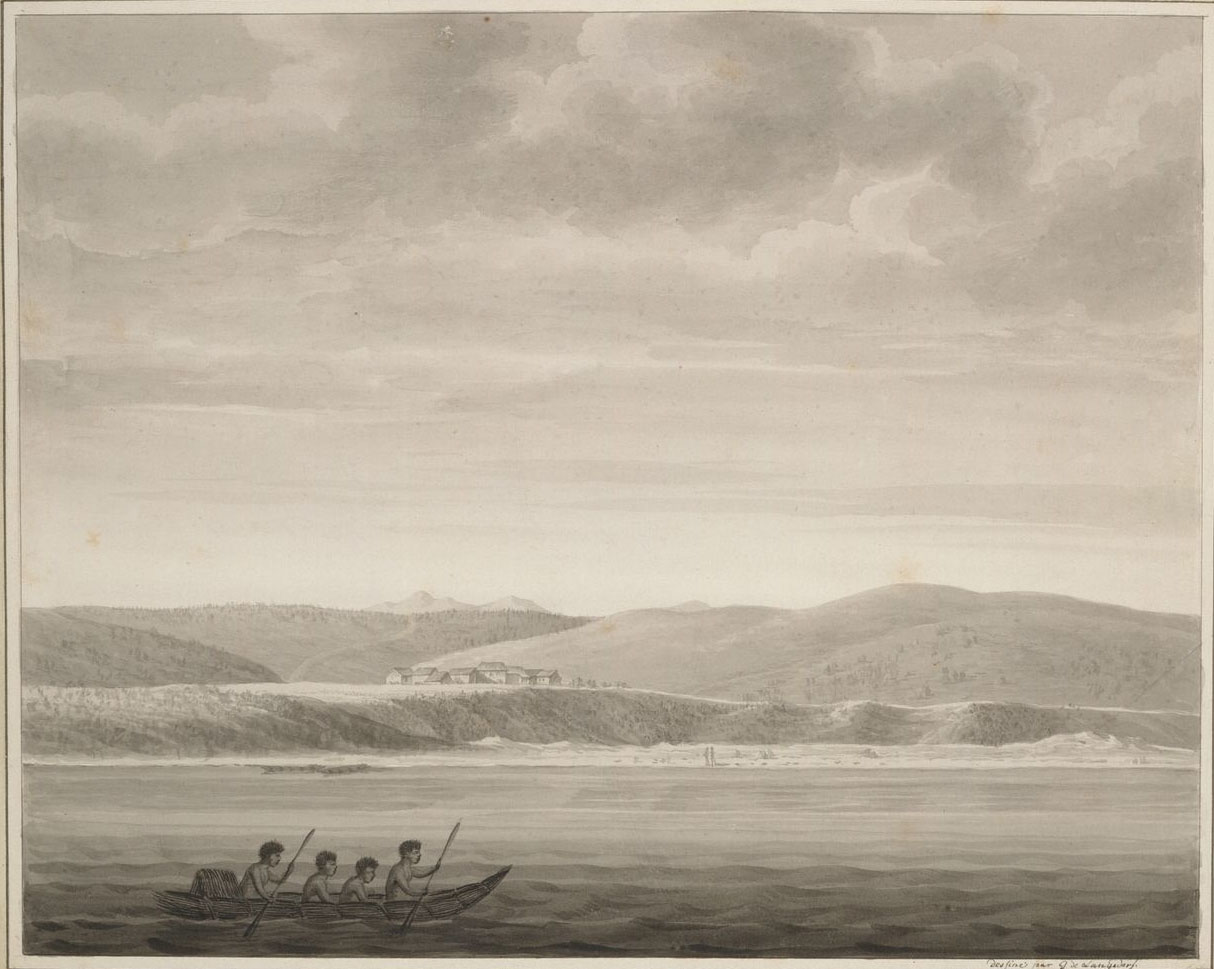
“No forest existed prior to the European settlement of the city and the photographs and written records from that time illustrate a lack of trees…Towards the Pacific Ocean, one saw vast dunes of sand, moving under the constant wind.  While there were oaks and willows along creeks, San Francisco’s urban forest had little or nothing in the way of native tree resources.  The City’s urban forest arose from a brief but intense period of afforestation, which created forests on sand without tree cover.”

San Francisco in 1806 as depicted by artist with von Langsdorff expedition. Bancroft Library

The horticultural reality of trees native to San Francisco

More importantly, the reality is that even if we want to plant more native trees in San Francisco, they will not grow in most places in San Francisco.  We know that for several reasons: 

  • There are few native trees in San Francisco now.  According to the US Forest Service survey of San Francisco’s urban forest only two species of tree native to San Francisco were found in sufficient numbers to be counted in the 194 plots they surveyed:  Coast live oak was reported as .1% (one-tenth of one percent) and California bay laurel 2.1% of the total tree population of 669,000 trees.
  • The city of San Francisco maintains an official list of recommended species of trees for use by the Friends of the Urban Forest and the Department of Public Works.  The most recent list categorizes 27 species of trees as “Species that perform well in many locations in San Francisco.”  There is not a single native tree in that category.  Thirty-six tree species are categorized as “Species that perform well in certain locations with special considerations as noted.”  Only one of these 36 species is native to San Francisco, the Coast live oak and its “special considerations” are described as “uneven performer, prefers heat, wind protection, good drainage.”  The third category is “Species that need further evaluation.”  Only one (Holly leaf cherry) of the 22 species in that category is native to San Francisco. 
  • Finally, where native trees have been planted by NAP to placate neighbors who objected to the removal of the trees in their neighborhood parks, the trees did not survive.

Will NAP plant trees that won’t survive?

Given what we know about the horticultural requirements of the trees that are native to San Francisco, what are we to think of the claim that all non-native trees removed by the Natural Areas Program will be replaced by native trees?  Is there any truth to this claim?  Will native trees be planted that won’t survive?  Or will they just not plant the trees that they claim will be planted?

We turn to the management plan for the Natural Areas Program for the answer to this question.  In fact, the management plan proves that NAP has no intention of planting replacement trees for the thousands of trees they intend to destroy.  The “Urban Forestry Statements” in Appendix F of the management plan contain the long-term plans for the natural areas in which trees will be destroyed.  All but one of these specific plans is some variation of “conversion of some areas of forest to scrub and grasslands.”  The exception is Corona Heights for which the plans are “converted gradually to oak woodland.”  The Corona Heights natural area is 2.4 acres, making it physically impossible to plant thousands of oaks in that location.

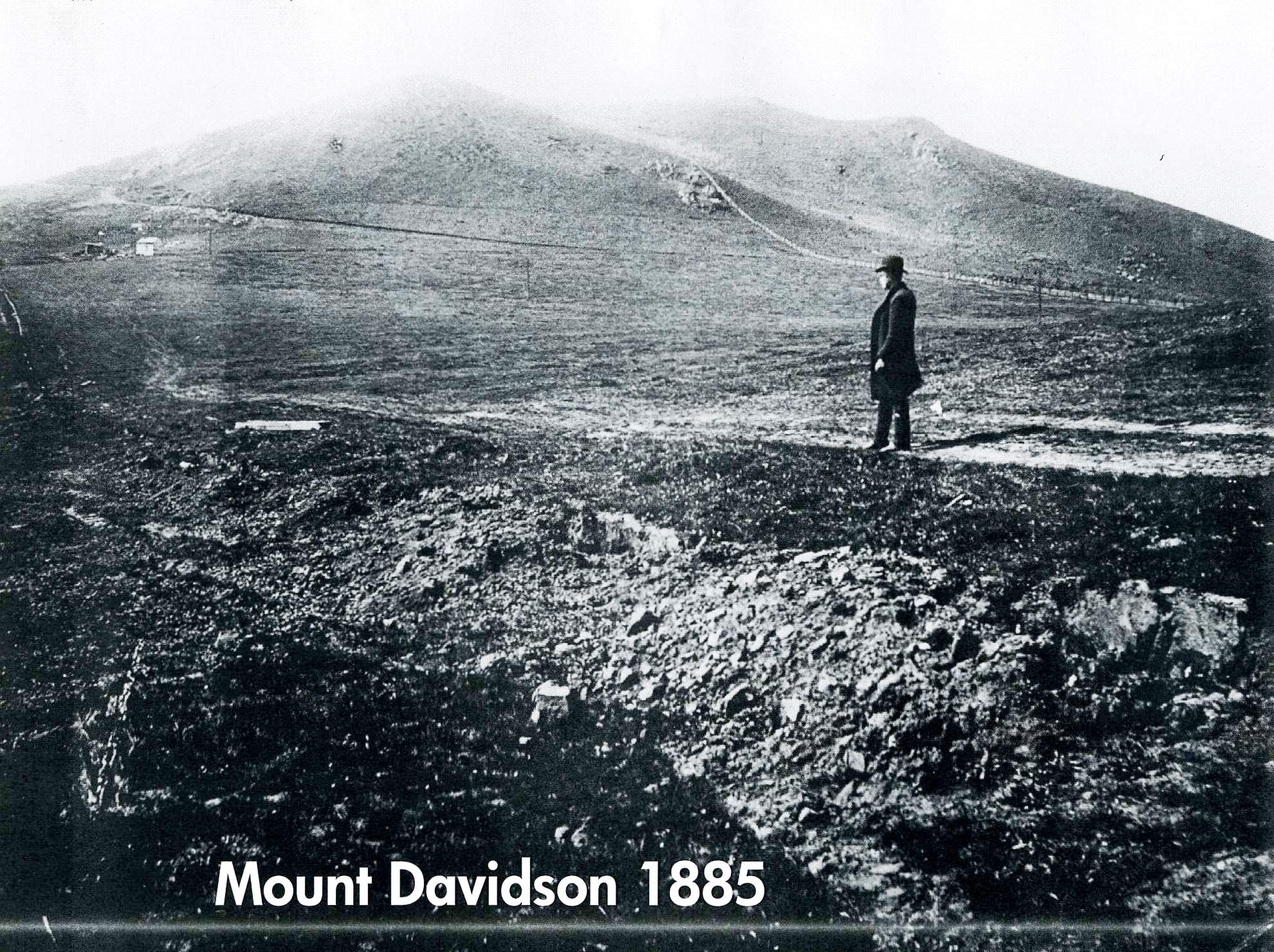
NAP plans to destroy 1,600 trees over 15 feet tall on Mt. Davidson and more if the EIR is approved.


Putting the magnitude of the proposed tree removals into perspective

It isn’t easy to confront public policies.  We all have better things to do.  So, before we leave this issue, let’s consider the magnitude of the loss of thousands of trees in San Francisco.  We turn to the survey of San Francisco’s urban forest by the US Forest Service to put the proposed tree removals into perspective:

  • There are only 669,000 trees in San Francisco, with a tree cover of only 11.9% of the land.  Of the 14 cities in the US reported by this survey, only Newark, New Jersey has a smaller tree canopy, covering 11.5% of the land.
  • Most of these trees are small:  51.4% have trunk diameters of less than 6” at breast height.
  • The highest densities of trees are found in San Francisco’s open spaces, such as parks.
  • The trees and shrubs of San Francisco remove 260 tons of air pollutants (CO, NO₂ , O₃, PM₁₀, SO₂) per year
  • The trees of San Francisco now store 196,000 tons of carbon.  Stored carbon is released into the atmosphere when trees are destroyed and as they decay as chips or logs on the ground.
  • In San Francisco, the blue gum eucalyptus stores and sequesters the most carbon (approximately 24.4% of the total accumulated carbon stored and 26.4% of annual rate of carbon sequestered).  Most of the trees that have been destroyed in the past and will be destroyed in the future by NAP are blue gum eucalyptus. 

If you care about the trees of San Francisco, please keep in mind that the public will have an opportunity to comment on the proposal to remove thousands of trees in the city’s parks.  There will be a public hearing on October 6, 2011, and the deadline for submitting a written comment is October 17, 2011*.  Details about how to comment are available here.

*[ETA:  The deadline for written comments has been extended to October 31, 2011, at the request of the Planning Commission.]
Environmental Impact Report of Natural Areas Program proposes aggressive expansion

Fifteen years after San Francisco’s Natural Areas Program (NAP) began operation and 5 years after its management plan was approved, the Draft Environmental Impact Report (EIR) has finally been published.  We will briefly summarize the history of NAP, describe the plans as they were approved in 2006, and conclude with a comparison between those plans and the proposal in the EIR to aggressively expand NAP.

The Management Plan for the Natural Areas Program

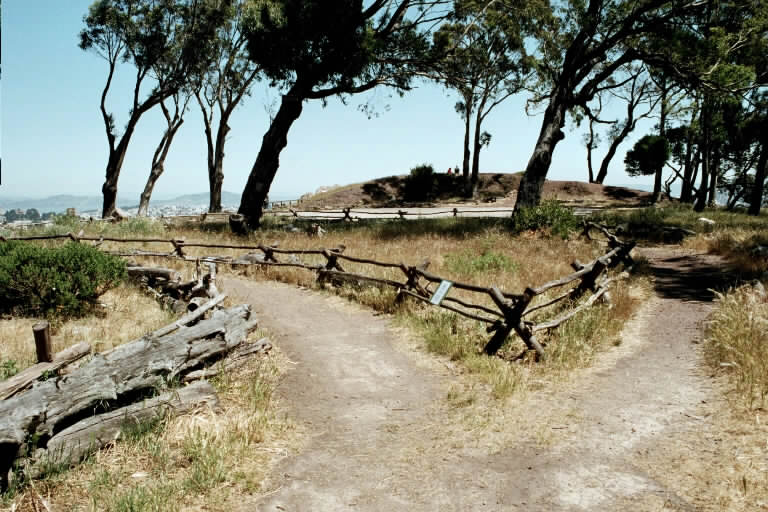
In 1995 the Recreation and Park Commission approved the designation of 31“natural areas” in parks managed by the city of San Francisco. This designation committed 25% of the city’s park acreage in San Francisco, 33% including the city of Pacifica to the Natural Areas Program.  

Most park visitors were unaware of this designation until 5 years later when they finally had access to a draft of the management plan after a lengthy battle to make it available.  At that point, many park visitors could see where the Natural Areas Program was headed and many of them reacted negatively to the prospect of the destruction of non-native trees and restrictions on recreational access in popular, heavily visited parks.

The result of the long debate with the public was a revised management plan that separated the natural areas into three “management areas.”  These management areas (MAs) set priorities for the restoration of parkland to native plants:  MA-1 was the highest priority, MA-2 the second priority, and MA-3 the lowest priority.  The appeal of these priorities to critics of NAP was the commitment that there would be no tree removals in the MA-3 areas and that no legally protected species would be planted or reintroduced there, which might require further access restrictions in the future.  Forty-two percent of the total 1,080 acres of natural areas was designated as MA-3.

The management plan* was approved in 2006, after two days of public hearings at which about 200 public comments were heard by the Recreation and Park Commission.  Supporters of NAP outnumbered critics of the program.  The main message of the critics of the program was that the acreage committed to natural areas should be reduced to places in which native plants existed, which would not include acreage designated MA-3.

There were two trivial caveats to the approval of the program:  defining the circumstances under which cats could be removed from the natural areas and specifying that tree removals must be done by the Urban Forestry Division of the Recreation and Park Department (RPD).  These are some of the main features of the approved management plan:

  • Tree removals.  18,500 trees over 15 feet tall were designated for removal in MA-1  and   MA-2 areas.   In addition, non-native trees under 15 feet tall would be removed in these areas, but were not quantified because the plan did not define them as “trees”
  • Trails.  10.3 miles of trails were designated for closure in these areas.  That represented 26% of all trails in the natural areas.
  • Dog Play Areas are those areas in parks that have been officially designated for off-leash recreation.  The NAP management plan identified several dog play areas that would be monitored for possible closure in the future if necessary to protect native plants.  Those dog play areas were in Bernal Hill, McLaren and Lake Merced parks. 
  • Golf Course at Sharp Park will be reconfigured to accommodate populations of two endangered species.

The Environmental Impact Report of the Natural Areas Program

Five years after the approval of the management plan, the Environmental Impact Report (EIR) has finally been published.  The EIR identifies 4 alternatives to move forward with the implementation of the plan. The EIR identifies the “Maximum Restoration Alternative” as the “Environmentally Superior Alternative” described as follows:

“This alternative seeks to restore native habitat and convert nonnative habitat to native habitat wherever possible throughout the Natural Areas, including all management areas.”

[ETA:  This article has been updated by a more recent post which reports that a mistake has been found in the Draft Environmental Impact Report (DEIR):  The “Maximum Restoration Alternative” is not the “Environmentally Superior Alternative” as the DEIR claims on page 2.  The “Maintenance Alternative” is the “Environmentally Superior Alternative” as the DEIR says on page 526.  The mistake on page 2 has been reported to the Planning Department.  The Planning Department has acknowledged the error on page 2 and has made a written commitment to correct the error in the Final Environmental Impact Report.  Unfortunately, this correction will not be made until the public comment period is over.]

In other words, the preferred alternative would do away with the priorities identified in the management plan and treat all three management areas the same.  These are the specific implications of this proposal as described by the EIR:

  • Trees.  Non-native trees would also be removed in the MA-3 areas.  The number of trees over 15 feet tall that will be removed will exceed 18,500, but the EIR does not quantify how many trees will be removed.
  • Trails.  More trails would be closed in the MA-1 and MA-2 areas, but the EIR is not specific about how many miles of trail will be closed.
  • Dog Play Areas.  All dog play areas in MA-1 and MA-2 areas would be closed.  This will close the dog play areas in Buena Vista and Golden Gate (Southeast) parks and what little remained of McLaren (Shelley Loop) and Bernal Hill after the closures mandated by the management plan.  Dog play areas in MA-3 areas will be monitored and closed in the future if necessary to protect native plants.  The EIR predicts that all of these closures in addition to the anticipated closures of GGNRA properties to off-leash dogs will result in heavier usage of the dog play areas that remain.
  • Golf Course at Sharp Park would be further reduced by expanded habitat for endangered species.
  • Other access restrictions.  Legally protected species will be introduced in MA-3 areas, which may require further restrictions on access in the future.

The other alternatives identified in the EIR are:

  • “No Project Alternative – Under this alternative, the SFRPD would continue with the management activities authorized under the 1995 management plan.”  This alternative will close the dog play areas that were monitored since the management plan was approved in 2006: the Mesa at Lake Merced, portions of Bernal Hill and McLaren (Shelley Loop).
  • “Maximum Recreation Alternative – This alternative seeks to restore and improve recreational access to the Natural Areas wherever it does not interfere with the continued existence of native species and federally or state-listed sensitive species.”
  • “Maintenance Alternative – This alternative seeks to maintain the current distribution of native and nonnative habitat and species throughout the Natural Areas.  Under this alternative there would be no conversion of nonnative habitat to native habitat; other features of the Natural Areas would be retained.”

Rewarding Failure

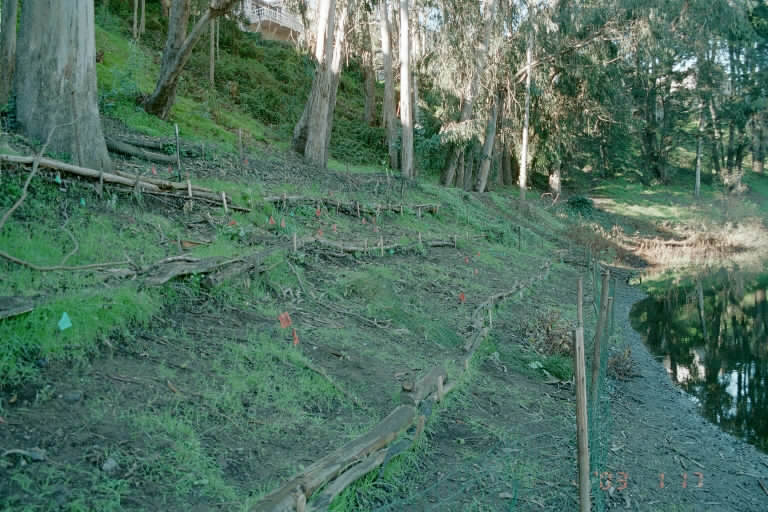
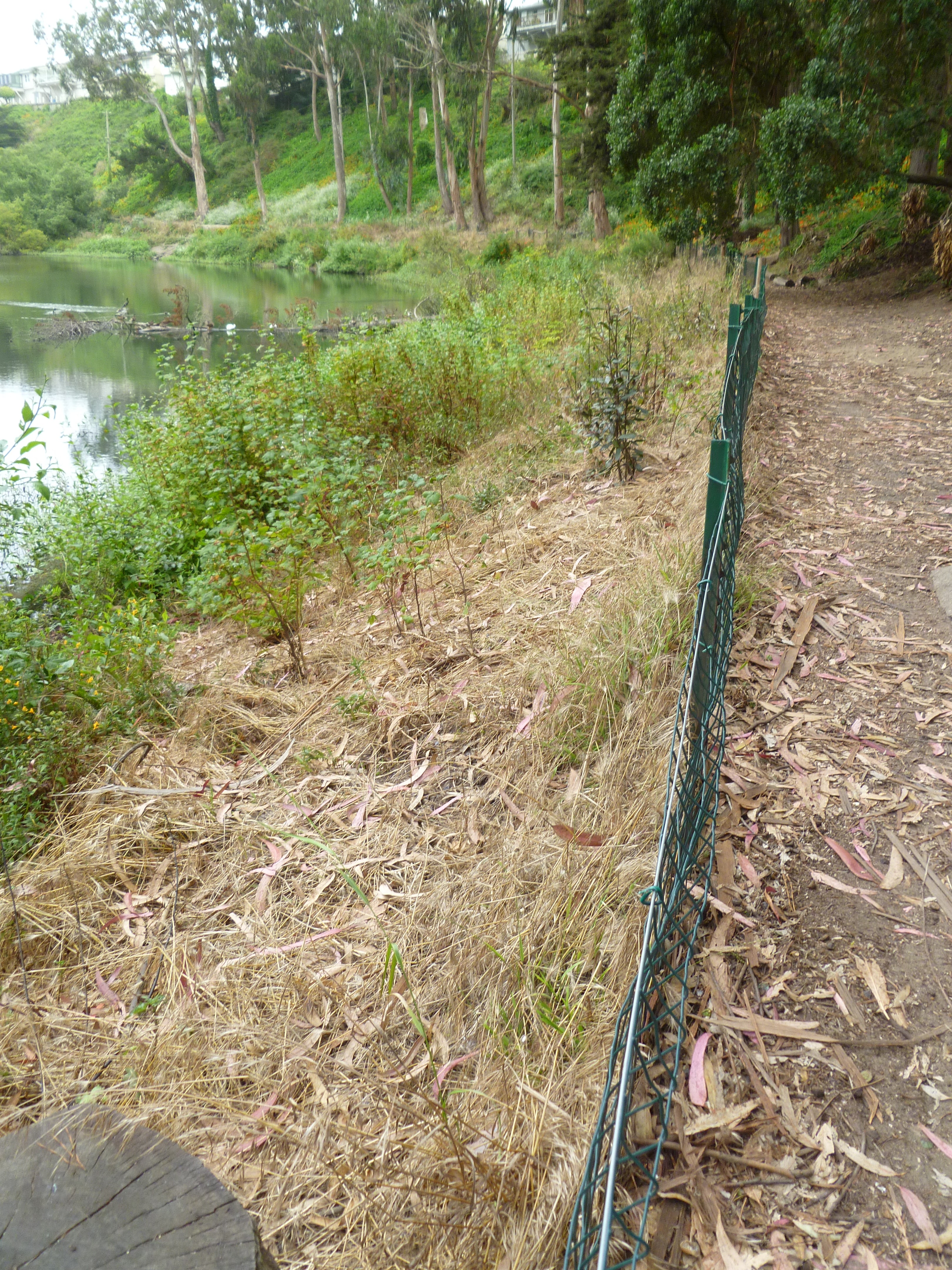
Park visitors who have been watching the restoration efforts of the Natural Areas Program for the past 15 years might be surprised that NAP apparently wishes to expand its restoration efforts.  Repeated clearing of non-native plants and planting of native plants has been spectacularly unsuccessful.  Here’s a photo history of the effort at Pine Lake in Stern Grove:

One of several clearing and plantings of south shore of Pine Lake, 2003
The results, south shore of Pine Lake, 2011
North shore of Pine Lake, 2003
 
Results, north shore Pine Lake, 2011

If NAP has been unable to successfully restore 58% of acres of natural areas (MA-1 and MA-2) they have been actively working on for the past 15 years, why would they want to expand their empire by adding MA-3 acreage to their agenda, committing them to actively restoring all 1,080 acres of natural areas?  Aren’t they biting off more than they can chew?

Where will the money come from to fund this expanded effort?

Although NAP and its many supporters believe that this lack of success is because they haven’t been adequately funded, the NAP staff is one of the only divisions in the Recreation and Park Department that hasn’t been cut in the past 10 years.  While other gardeners have been laid off, the NAP staff has remained the same size.  How many gardeners will it take to expand their restoration efforts to the MA-3 areas as the EIR proposes?  Remember that the MA-3 areas are 42% of the total NAP acreage.  Will NAP be given a 42% increase in their staff?  One wonders where the money for such an increase in staff would be taken from.

How much more herbicide will be used in this expanded effort?

Will a 42% increase in actively management NAP acreage require more herbicide use?  The Natural Areas Program applied herbicides to the so-called “natural areas” 69 times in 2010. Most of those applications were of the most toxic herbicide (Garlon) for which the Natural Areas Program was granted exceptional permission to use by the Department of the Environment.  How much more herbicide must be used by NAP if they actively manage the MA-3 areas?  The EIR is curiously silent on this question.

Public Comment Opportunities

The public will have two opportunities to comment on the EIR and its “environmentally superior alternative” which will aggressively expand the restoration efforts of the Natural Areas Program, require more tree removals and recreational access restrictions, probably cost much more, and probably increase the use of herbicides.

  • “A public hearing on this Draft EIR and other matters has been scheduled by the City Planning Commission for October 6, 2011, in Room 400, City Hall, 1 Dr. Carlton B. Goodlett Place, beginning at 1:30 p.m. or later. (Call 558‐6422 the week of the hearing for a recorded message giving a more specific time.)”
  • “Public comments will be accepted from August 31, 2011 to 5:00 p.m. on October 17, 2011*. Written comments should be addressed to Bill Wycko, Environmental Review Officer, San Francisco Planning Department, 1650 Mission Street, Suite 400, San Francisco, CA 94103. Comments received at the public hearing and in writing will be responded to in a Summary of Comments and Responses document.”
  • “If you have any questions about the environmental review of the proposed project, please call Jessica Range at 415‐575‐9018.”

*[ETA:  The deadline for written comments has been extended to October 31, 2011, at the request of the Planning Commission.]
If you have an opinion about the expansion of the Natural Areas Program proposed by the Environmental Impact Report  you would be wise to speak/write now.  It is your last opportunity to do so.

———————————

*Type in search box:  Natural Areas Program management plan