Bowling Alone with the Sierra Club

In 2000 Robert Putnam’s (Harvard University) masterpiece of American social science, Bowling Alone* was published.  He reported the significant decline of all forms of civic participation in American society and politics from the P.T.A. to voting.  Religious participation is the notable exception to this trend. 

We are deeply concerned about the increasing isolation of Americans from one another and we believe that the polarization of viewpoints, particularly in politics, is one of the consequences of this trend.  Only the highly motivated extremes of opinion are still engaged in the civic dialogue.  The middle ground is no longer represented in the debate.  However, we will focus on the topic that is relevant to Million Trees, that is, the implications for the environmental movement. 
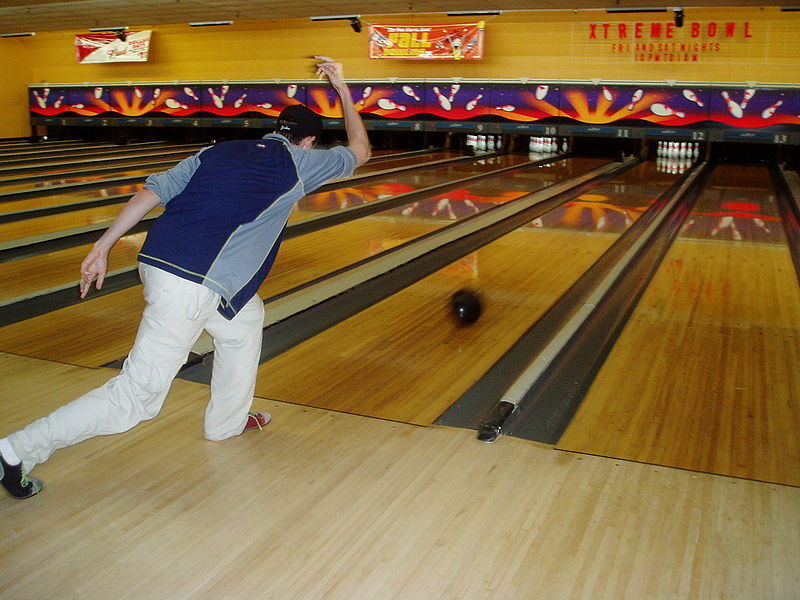
Bowling Alone. Attribution: Xiaphias

Membership in environmental organizations reached its peak in 1995, according to Bowling Alone after decades of enormous growth since the 1960s.  This peak was consistent with public opinion regarding environmentalism.  In 1990 three-quarters of Americans considered themselves “environmentalists.”  By the end of the decade, that percentage had dropped to only 50%. 

The growth in membership was achieved by the use of a new marketing tool known as direct mail.  Think about it.  How many invitations do you receive in the mail from non-profit organizations, asking you to contribute to a wide-range of worthy causes?   Typically these organizations spend between 20-30% of their budgets on such fund raising and the rate of return on these solicitations is only 1-3% of the cost depending upon the quality of the mailing list.  Using this technique, Greenpeace tripled its membership between 1985 and 1990 to 2.35 million.

What does “membership” mean?

After tripling its membership, Greenpeace lost 85% of its members in the next 8 years.  The drop-out rate after the first year is typically 30% in these organizations.  

In fact, most contributors to these organizations don’t even consider themselves “members” in the usual sense of that word.  The commitment to the organization doesn’t extend far beyond writing a check.  Only 8% of contributors to the Environmental Defense Fund, for example, described themselves as “active” in the organization. 

These organizations are therefore distinctly different from their historical antecedents.  Participants in the civil rights movement frequently put their lives on the line.  The social lives of Rotary Club members revolved around the Rotary lodge. 

Since few people are active participants in environmental organizations, they have become “bureaucratized,” meaning they are run by and for paid professionals.  Most members have little idea what policies the professional staff has adopted on their behalf. 

The Sierra Club

In 1989, a survey of Sierra Club members determined that only 13% of its members had attended even one meeting of the Sierra ClubThe Bay Area Chapter of the Sierra Club claims to have 10,000 members, but chapter leadership of a group (the chapter is broken into many geographical groups, such as the San Francisco Group)was elected by as few as 59 votes.  The top vote-getter in the Club’s most recent election received 327 votes in a Chapter-wide race, but only one chapter group (Northern Alameda County) had more candidates than there were available seats.  In other words, there was no competition for most of the leadership seats. 

Yet, the incumbents in these leadership positions are free to determine the local policies of the Sierra Club.  Here are a few recent examples of positions taken by the Bay Area Chapter of the Sierra Club:

The opinion of the membership is not asked when these policy positions are taken by the leadership.  However, if members read the chapter’s quarterly newsletter (The Yodeler) they have the opportunity to learn about them after the fact.

The influence of the Sierra Club

We believe that the influence of the Sierra Club exceeds the size of its membership.  The Sierra Club endorses candidates for political office.  These endorsements are highly sought after because politicians believe that the endorsement confers the votes of its membership.  This belief was recently tested in the race for mayor of San Francisco. 

State Senator Leland Yee sought and received the endorsement of the Sierra Club in his bid for mayor of San Francisco.  In the past, he had been critical of the Natural Areas Program.  His stated reason for that criticism was that the veneration of native plants was offensive to his roots as an immigrant.  In particular, the Chinese community suffered horrendous discrimination in California in the 19th Century.  The rhetoric of the native plant movement is reminiscent of the xenophobia from which the Chinese community has suffered historically. 

It seems unlikely that Senator Yee’s emotional reaction to nativism changed when he sought the endorsement of the Sierra Club, but he had to disavow that opinion in order to receive the Club’s endorsement.  He did so because he believed that the votes of Sierra Club members would help him to be elected mayor of San Francisco.  His bet did not pay off.  He did not win.  In fact, he came in fourth. 

We hope that political candidates in the future will heed this warning.  The Sierra Club may have many “members” but that membership does not necessarily confer votes.  The vast majority of “members” have no commitment to the policy positions taken by the Club.

An appeal to Sierra Club members

There were over 4,000 public comments on the Environmental Impact Study for the Dog Management Plan of the Golden Gate National Recreation Area (GGNRA).  The Dog Management Plan proposes to eliminate about 80% of existing off-leash areas, which are now only 1% of the 74,000 acres of GGNRA property.  The Sierra Club supports that plan.  There were thousands of comments from people with dogs who are presently enjoying the small areas now available to them for off-leash recreation.  Sixty-four of those people said they are Sierra Club members.  That’s enough members to elect someone to a leadership position in the Club.

If you are a member of the Sierra Club, here’s what you can do to influence the Club’s policies:

  • Inform yourself of the policies of the Sierra Club. 
  • If you don’t agree with those policies, we urge you to vote in the election of officers to the leadership positions in the Sierra Club.
  •  If you don’t know the policies of the candidates, ask them. 
  •  If there are no candidates that represent your viewpoint, find candidates who do.
  • If you can’t find a candidate you can support, it’s time to vote with your feet.
  • If you leave the Club tell them why. 

Quit Bowling Alone!

Attribution: GNU Free Documentation

*Putnam, Robert, Bowling Alone:  The Collapse and Revival of American Community, Simon & Schuster, New York, 2000.  All quotes in this post are from Bowling Alone unless otherwise noted.
“Museumification” of our parks separates children from nature

The Berkeley Meadow

We recently published an article about the Berkeley Meadow, a 72-acre fenced pen for native plants and animals.  In response, one of our readers alerted us to a video cartoon about the Berkeley Meadow which we recommend to you.  “Grandpa Takes the Kids to the Plant Zoo” captures the absurdity of this “restoration” project.

The sentiments expressed by the children in this video remind us of an article published in 2004 about similar restoration projects in Chicago and San Francisco.  “Urban Park Restoration and the ‘Museumification’ of Nature” was written by Dr. Paul Gobster after he visited the Bay Area as a visiting professor at UC Berkeley, collaborating with colleagues in landscape architecture.

Dr. Gobster is a social scientist with the US Forest Service, stationed in the Chicago area and the editor of a book* about the restoration movement there.  The restorations in Chicago are similar to those in the San Francisco Bay Area because both places were primarily grassland prior to the arrival of Europeans.   Restorations in both areas therefore require the destruction of most trees.  In the Chicago area, many of the trees are native because of the natural succession of grassland to shrubland and finally to forest.  The fires of Native Americans that sustained the grassland were stopped at the time of settlement.

In “Museumification,” Dr. Gobster expresses his opinion of the restorations in the San Francisco Bay Area and in Chicago:

“…it is my contention that little headway has been made in exploiting the key role urban parks might have in strengthening the ties between nature and culture.  To the contrary, some current attempts at ecological restoration in urban parks may distance people from the experience of nature even further than did earlier naturalistic designs, leading to a form of detached observation not unlike what one might experience in a museum.  Instead of providing a bridge between nature and the city…park restoration can lock nature inside the gates of paradise and leave people on the outside looking in.”

Dr. Gobster is particularly concerned about the impact of “museumification” of parks on children who should be the primary beneficiaries of our parks.  Their earliest experiences with nature may foster a lifelong interest in nature or an alienation from it.

“The wild and weedy nature that existed in many of these urban park areas prior to restoration provided [a setting for unstructured play]…Now displaced by a more ecologically diverse yet more fragile nature, these kinds of activities are discouraged just as they are in more manicured park settings.  Children are much less likely to attain satisfying nature experiences through passive forms of interaction and thus may be disproportionately affected by such changesThe result of this museumification is that we are creating a significant gap in the spectrum of nature experiences available to urban children precisely at the nearby places where children stand the best chances for getting acquainted with nature.  Thus while striving to achieve authenticity in the restoration of ecosystems we may be sacrificing the authenticity of children’s nature experiences.

Children discovering nature. NPS photo

In “Grandpa Takes the Kids to the Plant Zoo,” we see that the kids are uninterested in looking at the plants on the other side of the fence.  They ask Grandpa to take them elsewhere so they can play.  Grandpa must also ask them not to touch the few plants within reach because they have been sprayed with herbicides.  The park is not accessible to the kids because it is behind a fence and it has also been sprayed with herbicides, so it’s not a safe place for them to play.  In the East Bay Regional Park District, for example, herbicide use in its restoration projects (AKA “resource management”) increased 300% in 2009.  Herbicides had not been sprayed in the Serpentine Prairie prior to 2009, when it was fenced for “restoration.”  Now it is sprayed with herbicides, mowed, planted, and is due for periodic prescribed burns to prevent its succession to shrubs and subsequently to oak woodland.

When we alienate children from nature, we jeopardize the future of our parks.  If parks are not viewed as useful places, they will not enjoy the support needed to sustain them.  And if nature is not viewed as valuable, we undermine the public’s support for preservation of the environment.  As adults debate the merits of native plant restorations, they should keep in mind the needs of children because the future of our public lands is in their hands and children are unable to speak for themselves in the public policy arena. 


* Gobster & Hull, eds., Restoring Nature, Washington DC, Island Press, 2000

The Sierra Club redefines “recreation”

In the current edition of the newsletter of the local chapter of the Sierra Club, the Club explains why it doesn’t like the revised Recreation and Open Space Element (ROSE) of San Francisco’s General Plan.  The Club has a long list of complaints about the new ROSE, but the one that caught our eye was this particular criticism:

“The draft ROSE talks about the benefits of open space for physical fitness through exercise and recreation, but these one can do on city streets and in gyms.”

–          The Yodeler, June 29, 2011

In the same article, the Sierra Club redefines “recreation” as follows:

“…the draft [ROSE] neglects the values of respite, quiet contemplation, and undisturbed wildlife viewing… The document does not talk about the one thing that only parks can provide, the experience of nature.”  Ibid.

In other words, in the opinion of the Sierra Club, public parks are for the benefit of plants and animals.  The public is welcome to look at the plants and animals, so long as they do not disturb them in doing so.  However, if the public seeks more active forms of recreation, such as playing ball, hiking, or riding a bike, the Club invites them to take to the streets or join a gym.

Having debated park issues with the leadership of the Sierra Club many times and observing their advocacy closely, we are well aware of their rather narrow view of the purpose of parks.  However, we think it is unlikely that most Sierra Club members realize that their organization is actively trying to prevent all traditional forms of recreation in their parks.  We therefore shine a bright light on the role that the Sierra Club plays in turning urban parks into native plant museums.  In “Fortress Conservation:  The loss of recreational access” we described three specific examples of parks in the San Francisco Bay Area in which recreational access has been restricted as the result of advocacy and lawsuits by the Sierra Club and other organizations which share their view.

“Active” vs “Passive” Recreation

We were originally introduced to the Sierra Club’s objectives for our urban parks in the Bay Area with the terms, “active” and “passive” recreation.  The Sierra Club advocates for “passive” recreation, which it defined in its article about the ROSE as “respite, quiet contemplation, and undisturbed wildlife viewing.”

The Berkeley Meadow

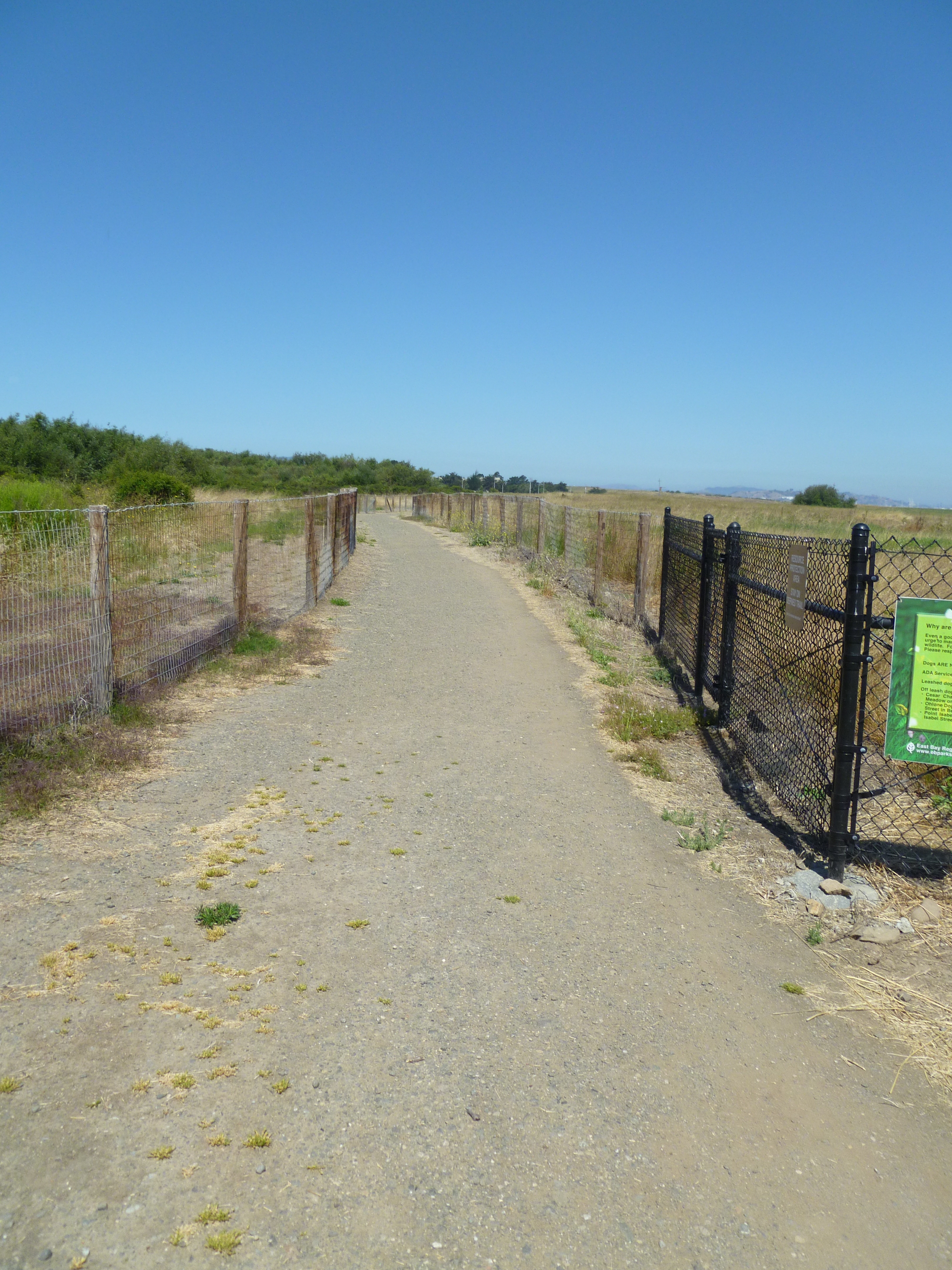
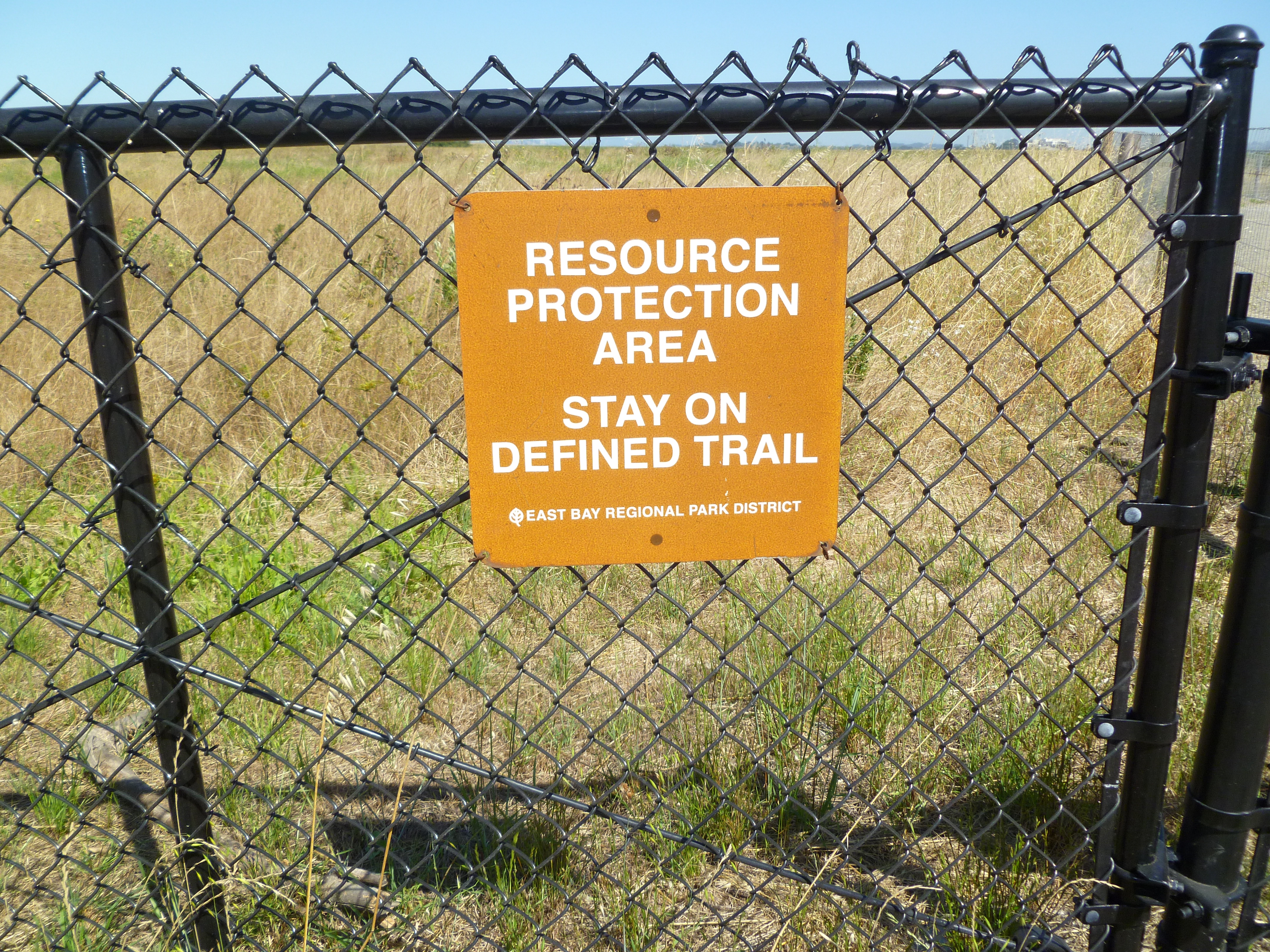
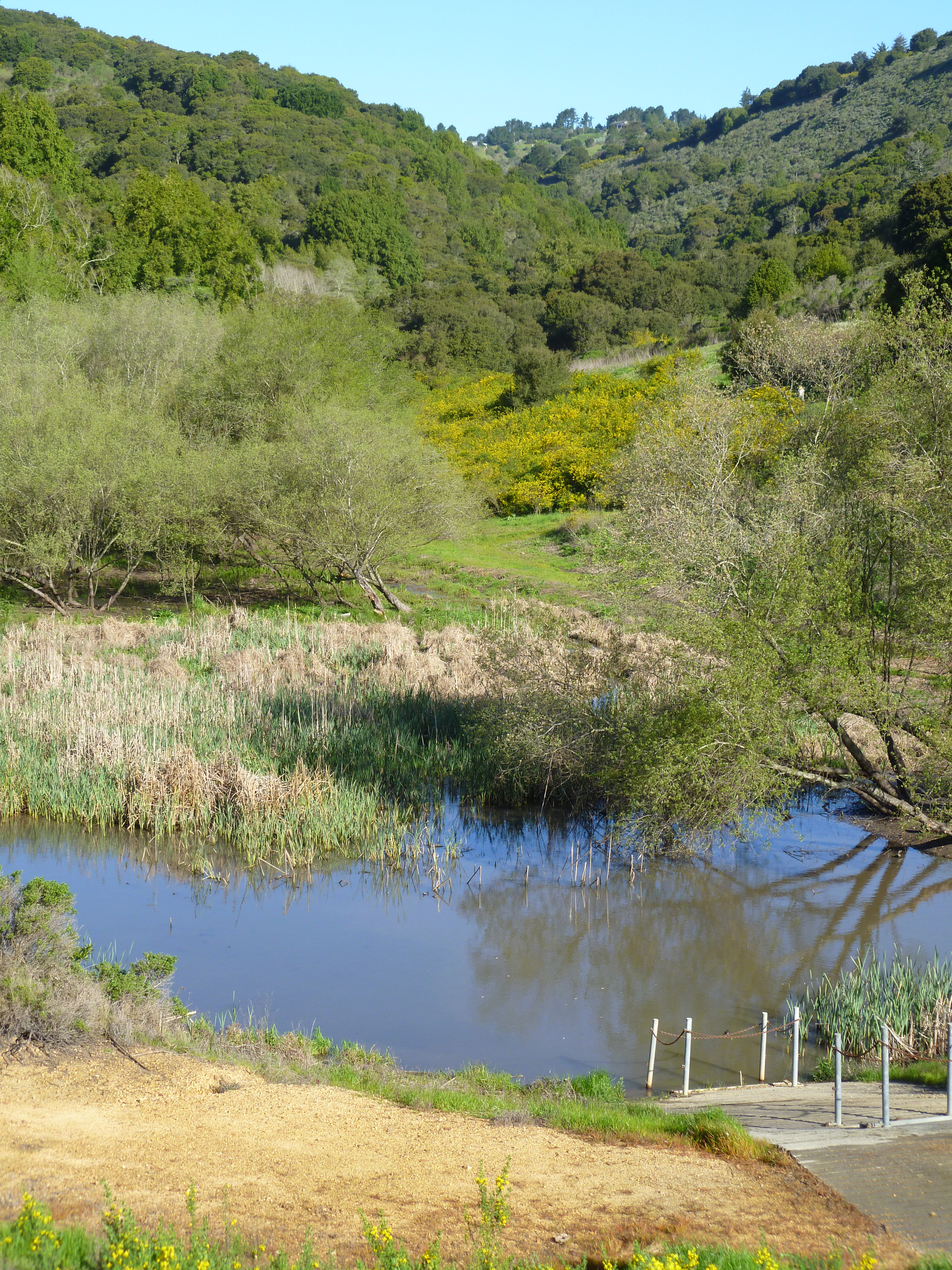
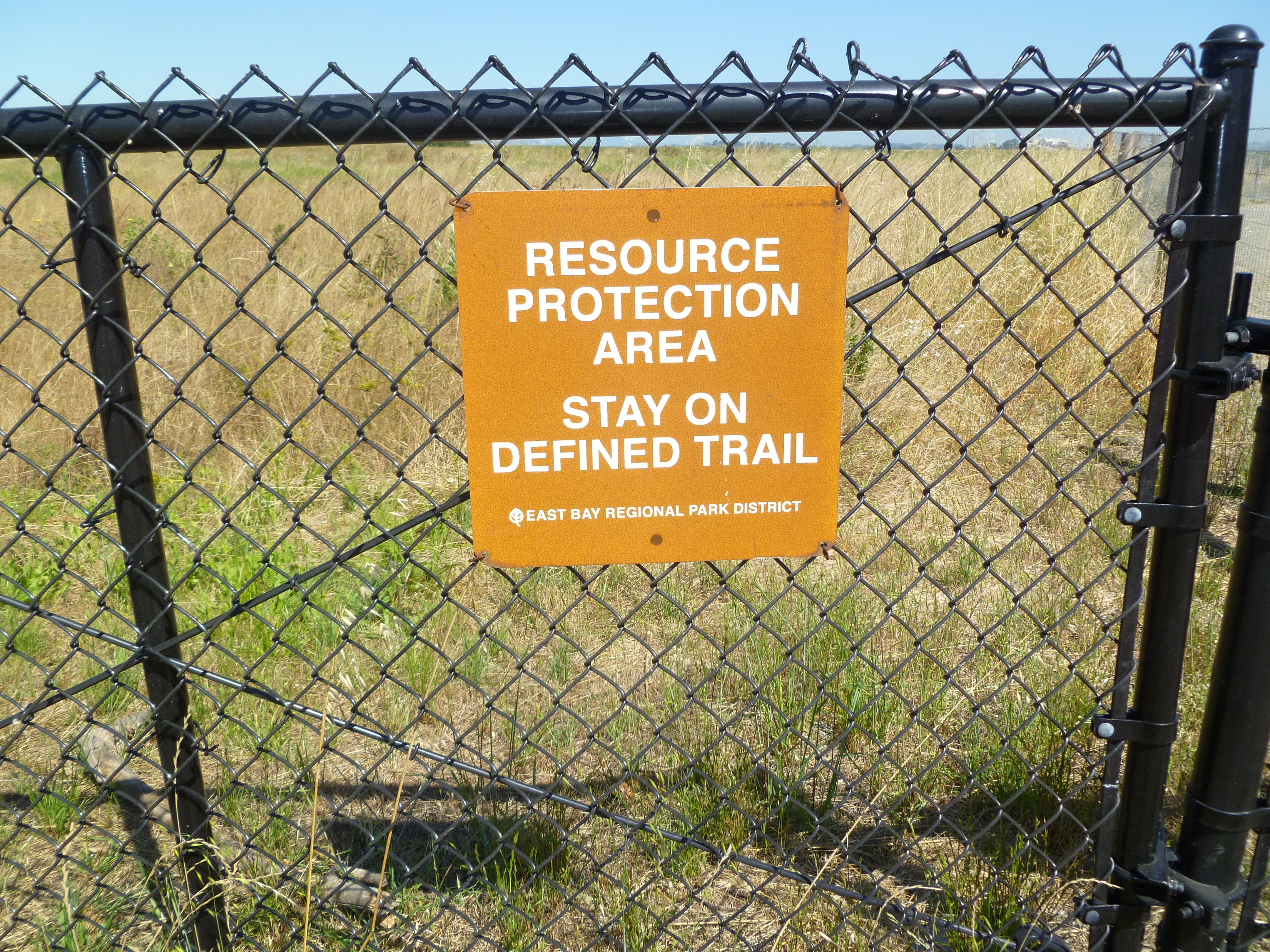
We visited a park today which is an example of what the Sierra Club has in mind.  The 72-acre Berkeley Meadow at the foot of University Ave in Berkeley is one of many parks in the Bay Area that reflects the wishes of the Sierra Club.  The Berkeley Meadow is part of the Eastshore State Park that is owned by the State of California, but operated by East Bay Regional Park District.  The Berkeley Meadow was at one time part of the San Francisco Bay, until it was created with landfill and used as a city dump until the 1960s.  The East Bay Regional Park District “restored” the meadow over a period of 5 years at a cost of $6 million.  It is now a huge fenced pen with a fenced trail running diagonally through it.  Bicycles and dogs on leash are both prohibited from using this fenced path.  One wonders what harm could come to the plants and animals that reside on the other side of the fence.  The meadow is predominantly non-native annual grassland, with willows in wetter portions of the meadow and some coyote bush scrub in the grassland.  (see video cartoon about the Berkeley Meadow:  “Grandpa takes the kids to the plant zoo.”)

The Berkeley Meadow

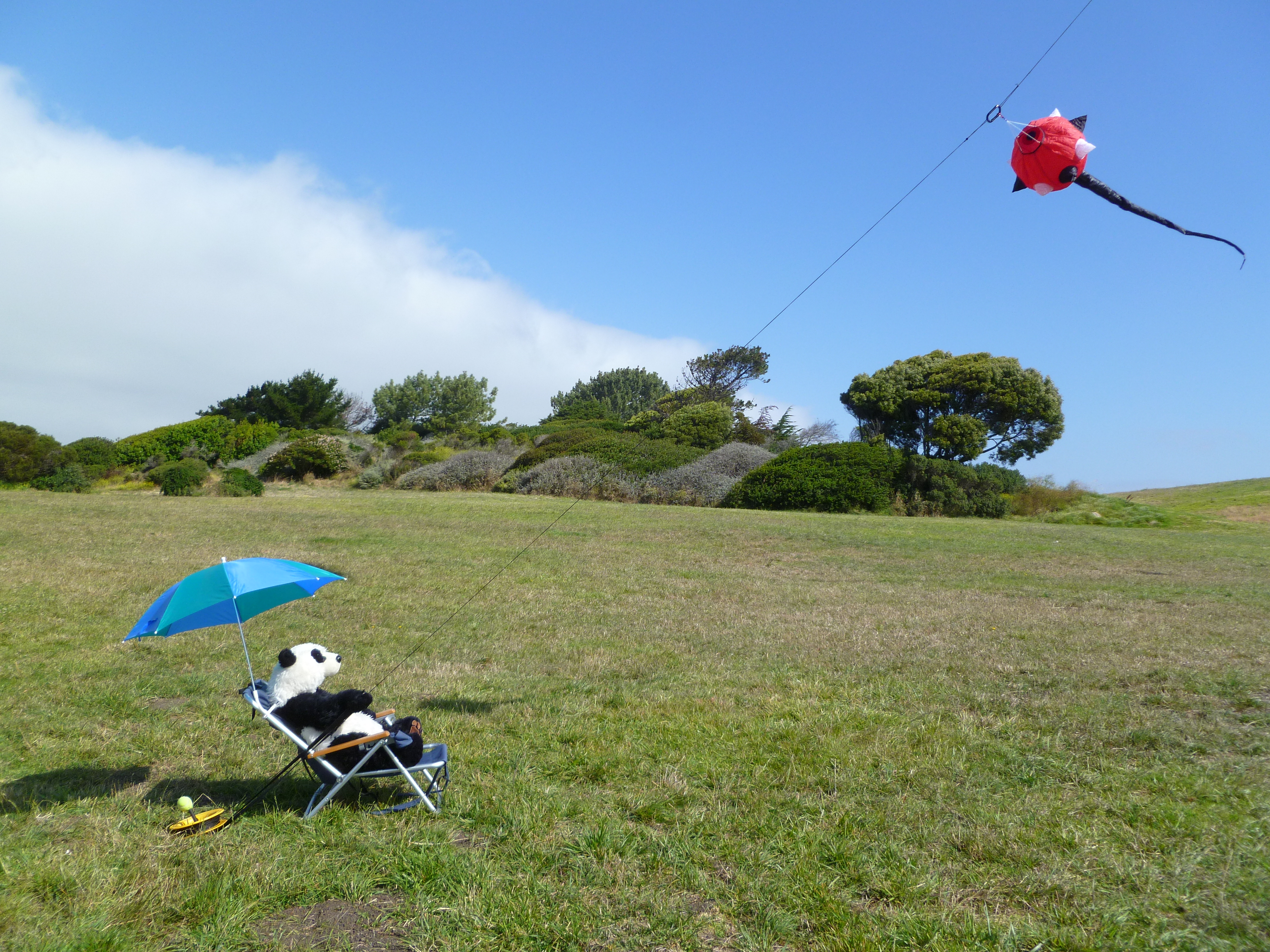
Cesar Chavez Park due west of the Berkeley Meadow provides a multiuse contrast.  Cesar Chavez Park is a Berkeley city park, NOT a park owned by East Bay Regional Park District.  This 90-acre park provides a wide variety of recreational opportunities, including a popular kite-flying area, an off-leash dog park, a restricted “natural area” (predominantly non-native plants), and a fenced area in which burrowing owls nest half of the year.  The unfenced paths are used by bicycles, joggers, people walking, some with dogs on leash.  Cesar Chavez is a successful park, enjoyed by a wide variety of visitors every day.  The Sierra Club made every effort to prevent this multi-use park from accommodating all forms of “active” recreation.

Multiuse recreation at Cesar Chavez Park: a panda flying a kite

Environmentalism has been hijacked by extremists

Let us be perfectly clear about our opinion of “active” vs “passive” recreation.  We do not object to parks such as the Berkeley Meadow in which human access is severely restricted.  What we object to is that the Sierra Club wishes to turn all parks in the Bay Area into native plant and animal reserves in which humans are not welcome, except as passive observers.  This is an example of the extremism that has earned environmentalists the reputation of being unreasonable.

In 2004, the authors of the controversial paper entitled, “Death of Environmentalism” reported that “The number of Americans who agreed that, ‘Most of the people actively involved in environmental groups are extremists, not reasonable people,’ leapt from 32 percent in 1996 to 41 percent in 2000.”  Peter Kareiva, Chief Scientist of the Nature Conservancy, in his recent talk in San Francisco sponsored by the Long Now Foundation (a summary of this talk is available on the Save Sutro website), reported that over half of those surveyed in 2011 now agree that “environmental groups are extremists, not reasonable people.”  This loss of support for environmentalism is a great tragedy, for there is much legitimate work to be done by environmental organizations which are now distracted by tangential issues such as creating native plant museums in our urban parks.

Facts about carbon storage in grasses do not support assumptions of native plant advocates

We have received many comments from native plant advocates regarding carbon storage.  These comments defend projects in the Bay Area to destroy non-native forests and “restore” native plants by claiming that native plants will actually sequester more carbon than the forest that they propose to destroy.  As always, we are grateful for comments that give us the opportunity to research the issues and report what we have learned about this complex and important subject.

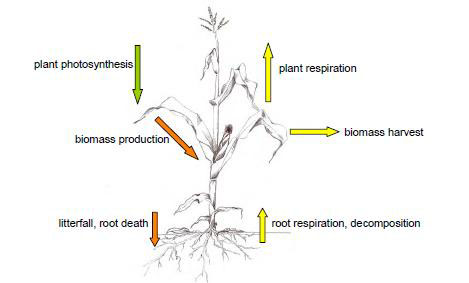
Carbon cycling in a terrestrial plant-soil system

The storage of carbon in plants and soil occurs as plants and soil exchange carbon dioxide (CO₂) with the atmosphere as a part of natural processes, as shown in the following diagram (1):

Green Arrow:  CO₂ uptake by plants through photosynthesis

Orange Arrows:  Incorporation of Carbon into biomass and Carbon inputs into soil from death of plant parts

Yellow Arrows:  Carbon returns to the atmosphere through plant respiration and decomposition of litter and soil Carbon.  Carbon in plant tissues ultimately returns to atmosphere during combustion or eventual decomposition.

Rates of carbon uptake and emissions are influenced by many factors, but most factors are related to temperature and precipitation:

  • Higher temperatures are associated with faster plant growth, which accelerates photosynthesis and carbon uptake.
  • Higher temperatures also accelerate decomposition of plant materials, thereby accelerating the return of stored carbon into the atmosphere.
  • The effect of moisture in the soil on decomposition can be graphed as a “hump.”  In extremely dry soils, decomposition is slow because the organisms that decompose vegetation are under desiccation stress.  Conditions for decomposition improve as moisture in the soil increases until the soil is very wet when lack of oxygen in the soil impedes decomposition.

Although temperature and precipitation are important factors in carbon storage, they don’t change appreciably when one type of vegetation is replaced with another.  Therefore, these factors aren’t helpful in addressing the fundamental question we are considering in this post, which is “Does native vegetation store more carbon than the forests that presently occupy the land in question?”

Where is carbon stored?

Source: U.S. EPA, 2018

Much of the carbon stored in the forest is in the soil.  It is therefore important to our analysis to determine if carbon stored in the soil in native vegetation is greater than that stored in non-native forests.  The answer to that question is definitely NO!  The carbon stored in the soil of native vegetation in Oakland, California is a fraction (5.7 kilograms of carbon per square meter of soil) of the carbon stored in residential soil (14.4 kilograms in per square meter of soil). (9)  Residential soil is defined by this study as “residential grass, park use and grass, and clean fill.”  This study (9) reports that the amount of carbon stored in the soil in Oakland is greater after urbanization than prior to urbanization because Oakland’s “wildland cover” is associated with “low SOC [soil organic carbon] densities characteristic of native soils in the region.”

Native plant advocates have also argued that the carbon stored in the soil of perennial native grasslands is greater than non-native trees because their roots are deeper.  In fact, studies consistently inform us that most carbon is found in the top 10 centimeters of soil and almost none is found beyond a meter (100 centimeters) deep. (1, 4) In any case, we do not assume that the roots of perennial grasses are longer than the roots of a large tree.

Another argument that native plant advocates use to support their claim that native perennial grasslands store more carbon in the soil than non-native trees is that native grasses are long-lived and continue to add carbon to the soil throughout their lives.  In fact, carbon stored in the soil reaches a steady state, i.e., it is not capable of storing additional carbon once it has reached its maximum capacity. (1)

It is pointless to theorize about why grassland soils should store more carbon than forest soils.  The fact is they don’t.  In all regions of the United States forest soils store more carbon than either grassland or shrubland soils.  (9, Table 5)

We should also describe Oakland’s native vegetation before moving on:  “Vegetation before urbanization in Oakland was dominated by grass, shrub, and marshlands that occupied approximately 98% of the area.  Trees in riparian woodlands covered approximately 1.1% of Oakland’s preurbanized lands…”  (5)  In other words, native vegetation in Oakland is composed of shrub and grassland.  When non-native forests are destroyed, they will not be replaced by native trees, especially in view of the fact that replanting is not planned for any of the “restoration” projects in the East Bay.

The total amount of carbon stored within the plant or tree is proportional to its biomass, both above ground (trunk, foliage, leaf litter, etc.) and below ground (roots).  Since the grass and shrubs that are native to the Bay Area are a small fraction of the size of any tree, the carbon stored within native plants will not be as great as that stored in the trees that are being destroyed.

Whether we consider the carbon stored in soil or within the plant, the non-native forest contains more carbon than the shrub and grassland that is native to the Bay Area.

Converting forests to grassland

If we were starting with bare ground, it might be relevant to compare carbon sequestration in various types of vegetation, but we’re not.  We’re talking about specific projects which will require the destruction of millions of non-native trees.  Therefore, we must consider the loss of carbon associated with destroying those trees.  It doesn’t matter what is planted after the destruction of those trees, nothing will compensate for that loss because of how the trees will be disposed of.

The fate of the wood in trees that are destroyed determines how much carbon is released into the atmosphere.  For example, if the wood is used to build houses the loss of carbon is less than if the wood is allowed to decompose on the forest floor.  And that is exactly what all the projects we are discussing propose to do:  chip the wood from the trees and distribute it on the forest floor, also known as “mulching.”  As the wood decomposes, the carbon stored in the wood is released into the atmosphere:  “Two common tree disposal/utilization scenarios were modeled:  1) mulching and 2) landfill.  Although no mulch decomposition studies could be found, studies on decomposition of tree roots and twigs reveal that 50% of the carbon is lost within the first 3 years.  The remaining carbon is estimated to be lost within 20 years of mulching.  Belowground biomass was modeled to decompose at the same rate as mulch regardless of how the aboveground biomass was disposed” (8)

Furthermore, the process of removing trees releases stored carbon into the atmosphere, regardless of the fate of the destroyed trees:  “Even in forests harvested for long-term storage wood, more than 50% of the harvested biomass is released to the atmosphere in a short period after harvest.”  (1)

Will thinning trees result in greater carbon storage?

Native plant advocates claim that thinning the non-native forest will result in improved forest health and therefore greater carbon storage.  In fact, the more open canopy of an urban forest with less tree density results in greater growth rates.  (3)  Although more rapid growth is associated with greater rates of carbon sequestration, rates of storage have little effect on the net carbon storage over the life of the tree.  (6)  Net carbon storage over the life of the tree is determined by how long the species lives and how big the tree is at maturity.  These characteristics are inherent in the species of tree and are little influenced by forest management practices such as thinning. (6)

More importantly, even if there were some small increase in carbon storage of individual trees associated with thinning, this increase would be swamped by the fact that over 90% of the urban forest will be destroyed by the proposed projects we are evaluating in the East Bay.  The projects of UC Berkeley and the City of Oakland propose to destroy all non-native trees in the project areas.  The project of the East Bay Regional Park District proposes to destroy all non-native trees in some areas and thin in other areas from 25 to 35 feet between each tree, reducing tree density per acre by at least 90%.  No amount of “forest health” will compensate for the loss of carbon of that magnitude.   

Responding to native plant advocates

  • The vegetation that is native to the Bay Area does not store more carbon above or below the ground than the non-native forest.
  • Chipping the trees that are destroyed and distributing the chips on the ground will not prevent the release of carbon from the trees that are destroyed.
  • Thinning the trees in our public lands will not increase the capacity of the trees that remain to store carbon.

 ————————————————————————————————–

Bibliography

  1.  Anderson, J., et. al., “The Potential for Terrestrial Carbon Sequestration in Minnesota, A Report to the Department of Natural Resources from the Minnesota Terrestrial Carbon Sequestration Initiative, February 2008.
  2. Birdsey, Richard, “Carbon storage and accumulation in United States Forest Ecosystems,” USDA Forest Service, General Technical Report WO-59, 1992
  3. Environmental Protection Agency, “Inventory of U.S. Greenhouse Gas Emissions and Sinks: 1990-2008,” April 15, 2010., EPA 430-R-10-006
  4. Fissore, C.,  et.al., “Limited potential for terrestrial carbon sequestration to offset fossil-fuel emissions in the upper Midwestern US,” Frontiers in Ecology and the Environment, 2009, 10.1890/090059
  5. Nowak, David, “Historical vegetation change in Oakland and its implication for urban forest management,” Journal of Arboriculture, 19(5): September 1993
  6. Nowak, David, “Atmospheric Carbon Reduction by Urban Trees,” Journal of Environmental Management, (1993) 37, 207-217
  7. Nowak, David. Crane, Daniel, “Carbon storage and sequestration by urban trees in the U.S.A.,” Environmental Pollution, 116 (2002) 381-389
  8. Nowak, David, et.al., “Effects of urban tree management and species selection on atmospheric carbon dioxide,” Journal of Arboriculture 28(3) May 2002
  9. Pouyat, R.V. (US Forest Service)., et.al., “Carbon Storage by Urban Soils in the United States,” Journal of Environmental Quality, 35:1566-1575 (2006)

Broom: “I’m ba-ack”

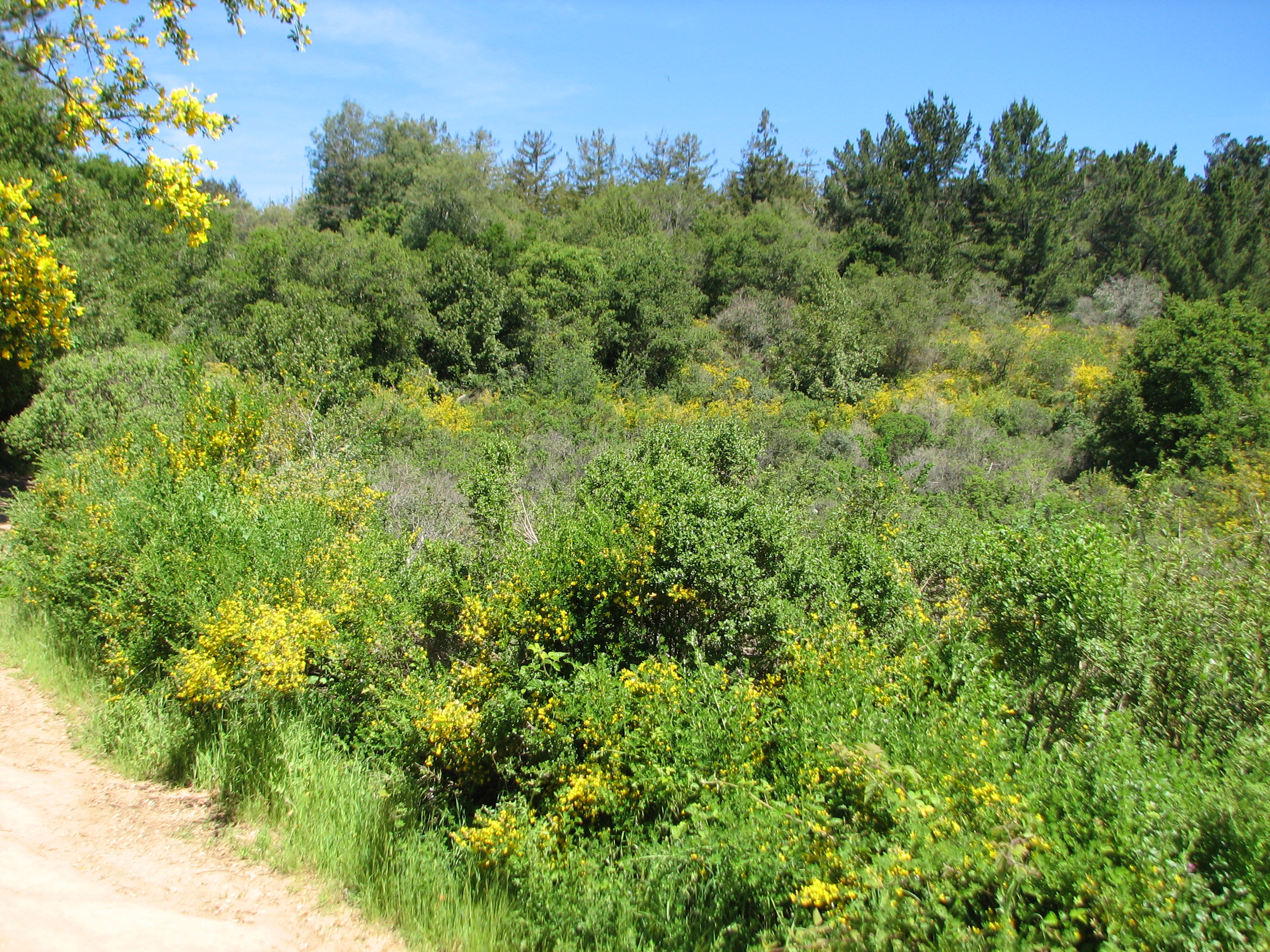
Leona Canyon, Spring 2011

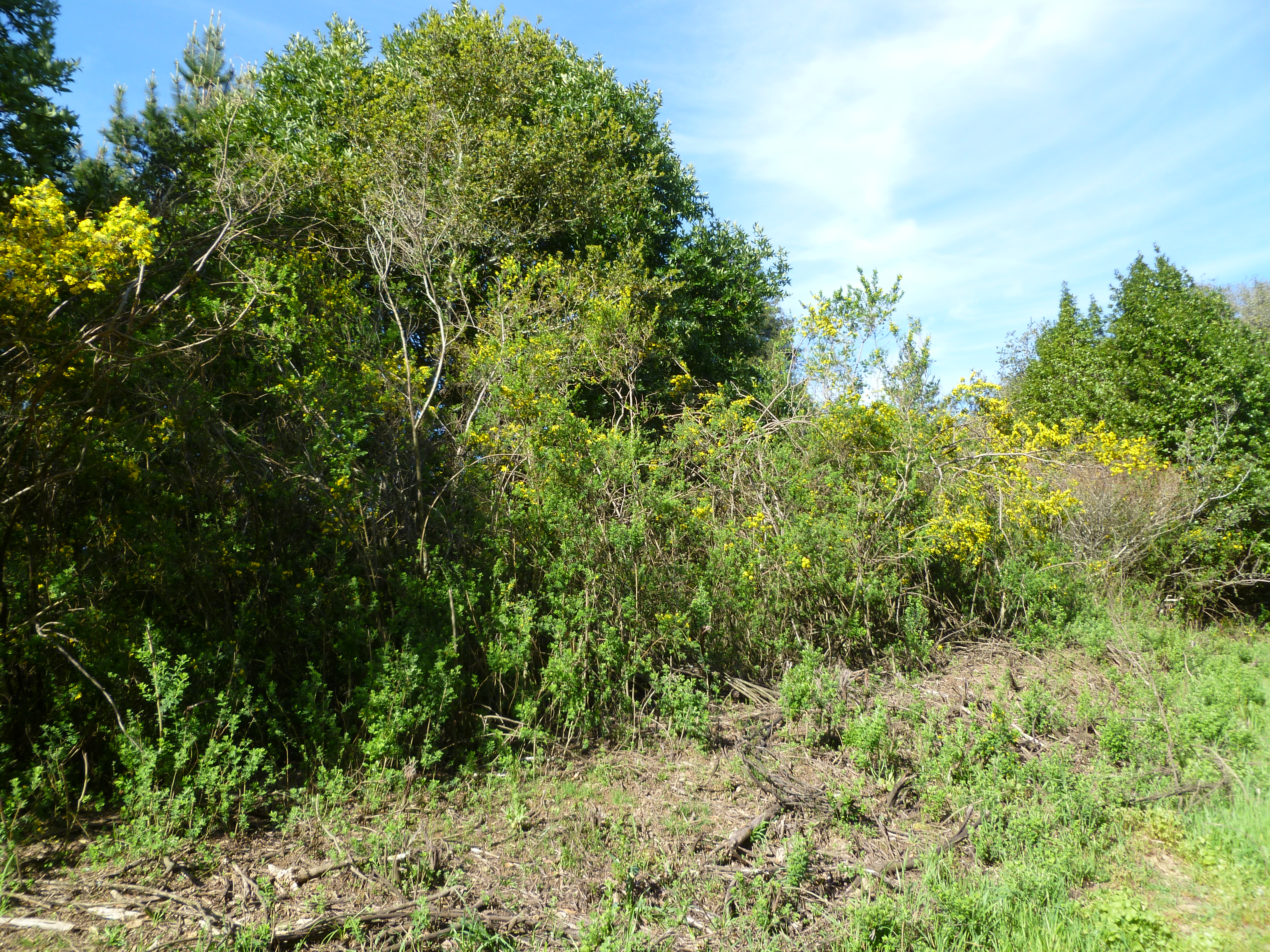
One of our first posts, nearly one year ago, was about attempts to eradicate broom (see “Broom:  I’ll be back!”).  It’s that time of year again, when the broom is blooming around the Bay Area, adding a dash of bright yellow color to our public lands.

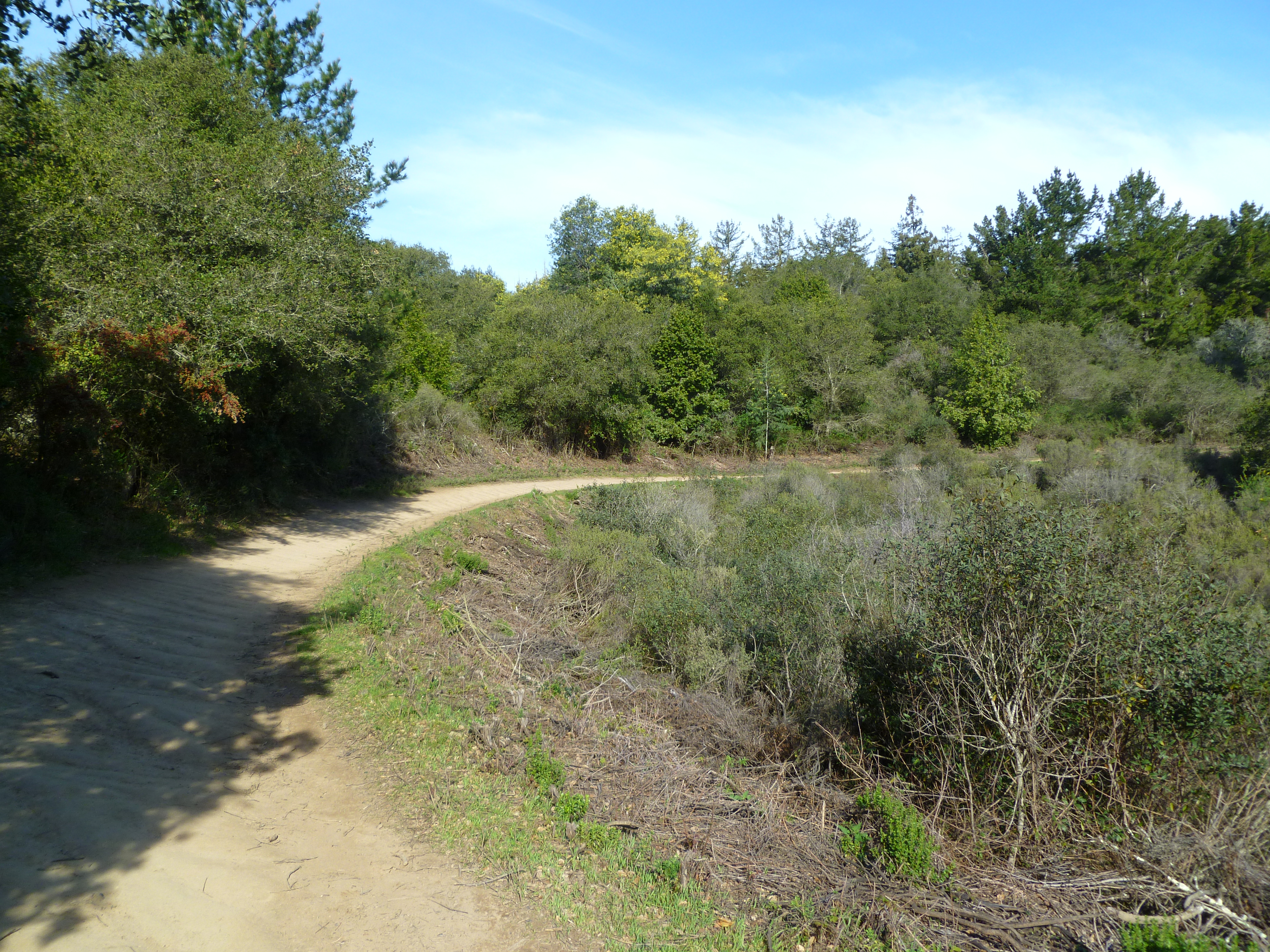
Despite continuing efforts to eradicate broom, it makes this annual comeback, regardless of the method used to kill it.  Mechanical destruction is one of the methods used.  In the photograph taken in fall 2010 of a trail in Redwood Park we see the unsightly result of such an attempt to eradicate the broom shown in our first post about broom in spring 2010.

Redwood Park, Spring 2010
Redwood Park, Fall 2010

The UC Davis Statewide Integrated Pest Management Program  predicts the results of this effort to eradicate broom:  “Brush rakes and bulldozers often leave pieces of rootstalks that readily can resprout…using large equipment to clear land creates a perfect environment for new seedling establishment, making follow-up control essential.”  So, we shouldn’t be surprised when we revisit this same site the next spring to find that although it is still unsightly, it is also covered with the resprouts of the broom.

Broom resprouts, Redwood Park, Spring 2011

Herbicides are also used to eradicate broom.  The East Bay Regional Park District uses Garlon for foliar spraying of broom, despite the public’s concern about herbicide use in our parks.  In contrast, Marin Municipal Water District (MMWD) has not used herbicides on its properties since 2005, in response to public protests.  In December 2010, the Marin Independent Journal reported that MMWD is considering using Roundup (which is considered less toxic than Garlon) for broom control, but that a proposal will not be made until 2012 at the earliest, after an environmental impact study that will consider all alternatives for “pest management.”

Even if we are willing to accept the health and environmental risks associated with herbicides, they are not a guarantee of success.  According to UC Davis, “One application of an herbicide does not always completely control brooms…Watch treated areas closely for at least a year, and retreat as necessary.”


Since the seeds of broom are known to live in the ground from 50 to 60 years, we should expect that it is very difficult to eradicate.  Unless we make a commitment to kill the plant above the ground every year for as long as the seeds live in the ground, we cannot expect to be successful in that effort.

We were therefore amused by this exchange that Jake Sigg had with one of the readers of his “nature newsletter” (December 20, 2010):

Reader:  “…We have been up there every year for about 3-1/2 years now…It has been quite instructive about how flat out difficult it is to reverse the process [of “displacement” of native plants].  Like most invaders, the non-native plants like it here and want to stay.  The broom in particular are [sic] astoundingly persistent in holding whatever territory that they have gained.  It sounds strange to say, that sometimes I think the project is an exercise in futility while at the same time is extremely satisfying work and will continue it into the indefinite future.”

Jake Sigg:  “…It is such a lop-sided struggle…And yet, we all keep going.  It is a paradox that I don’t understand.  While working I’m fully aware of the seeming futility of what we’re doing, and yet keep going—and enjoying it!!”

Jake Sigg and his readers would benefit from the advice of Mark Davis in his book, Invasion Biology.*  Professor Davis suggests that unless a non-native species causes great health or economic harm, we adopt the “LTL approach” i.e., “Learn to love ‘em” or at least “Learn to live with them.” 

If it is futile to eradicate a plant we don’t like, if that plant isn’t doing us or any other plant any harm, and if we are damaging our environment in our futile attempt, let’s change our attitude toward that plant.  If we can’t change the plant, it is still within our power to change ourselves.  Surely we can find something more fruitful to do that is equally satisfying such as planting more native plants rather than destroying non-native plants.

Broom is an especially good candidate for LTL.  It is green all year around.  It requires no care whatsoever.  And in the spring it treats us to a lovely carpet of bright yellow.   What’s not to love?


* Mark Davis, Invasion Biology, Oxford University Press, 2009, page 150

Oyster Bay: A preview of plans for the Albany Bulb

The Albany Bulb is the former dump of the city of Albany, CA.  It was built on landfill.  The East Bay Regional Park District (EBRPD) recently announced its intention to “restore” it as a native plant garden, though it admits that the word “restore” is a misnomer for a place that was never populated by native plants.  Presently, the Bulb contains an eclectic collection of art built from the junk that remains from the dump.  Non-native plants and trees thrive there with no care.  Please visit our post about the Albany Bulb for photos of this colorful and unique recreational and artistic resource. 

We recently had the opportunity to express our opinion of plans for the Albany Bulb in a conversation with the Assistant General Manager of Planning/Stewardship & Development of EBRPD.   We told the manager that it is pointless to destroy the Albany Bulb because it is an artificial place in which native plants are not more native than what grows there now without any care.  It is a heavily used place that does not require any “improvements.”  It is therefore a waste of money to destroy something that everyone loves just as it is.

The manager told us that we would also love the native plant garden once it is done.  He said that visitors often object to plans for changes in their park, but that when the project is done, they are always happy with it.  He urged us to visit Oyster Bay, a former dump for the city of San Leandro, also built on landfill.  He said it is now a beautiful native plant garden that everyone is delighted to visit.  And so, of course, we had to see this transformation because we want to know what is in store for the Albany Bulb.

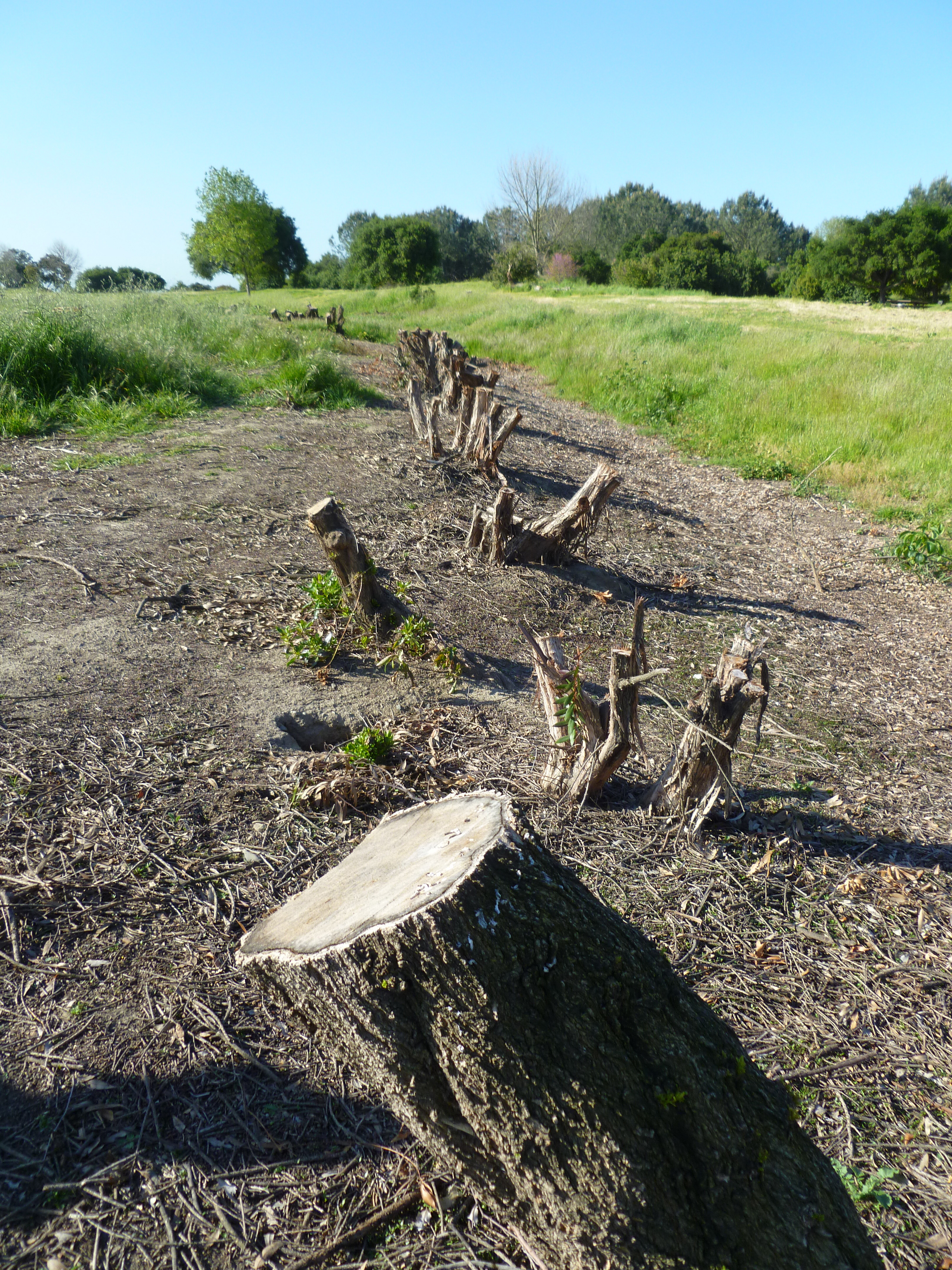
This is what we found at Oyster Bay. 

Oyster Bay, April 2011

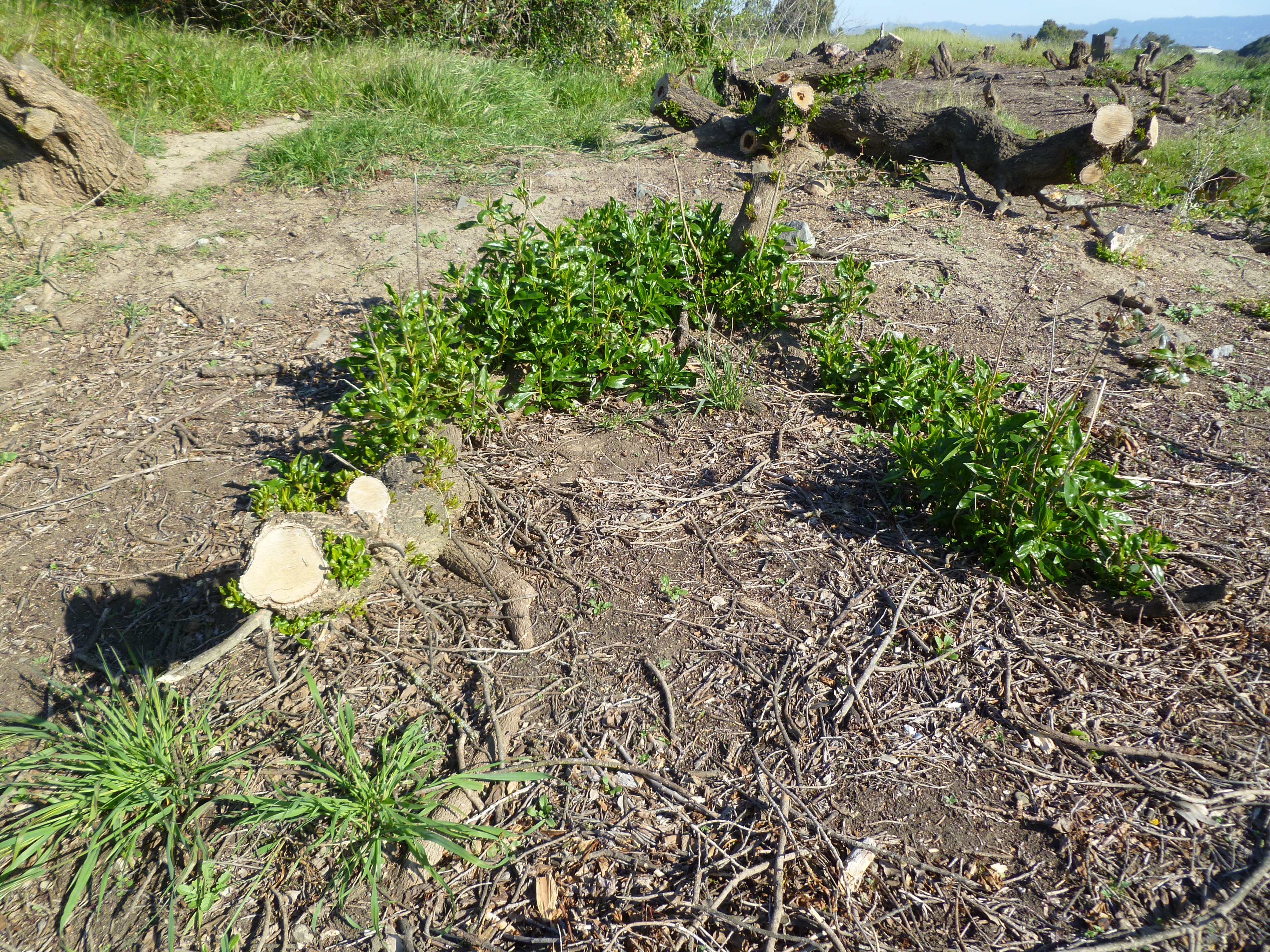
We found hundreds of stumps of trees that have been destroyed.  Many of the trees are now resprouting.  We wondered if the resprouts would be poisoned to prevent the trees from regenerating.  If not, we wondered how long it would take for the trees to return. 

Resprouts

The ground around the tree stumps was a labyrinth of the holes made by animals that had lived in them in the past.  The animals have moved on, perhaps to the cover provided by trees nearby. 

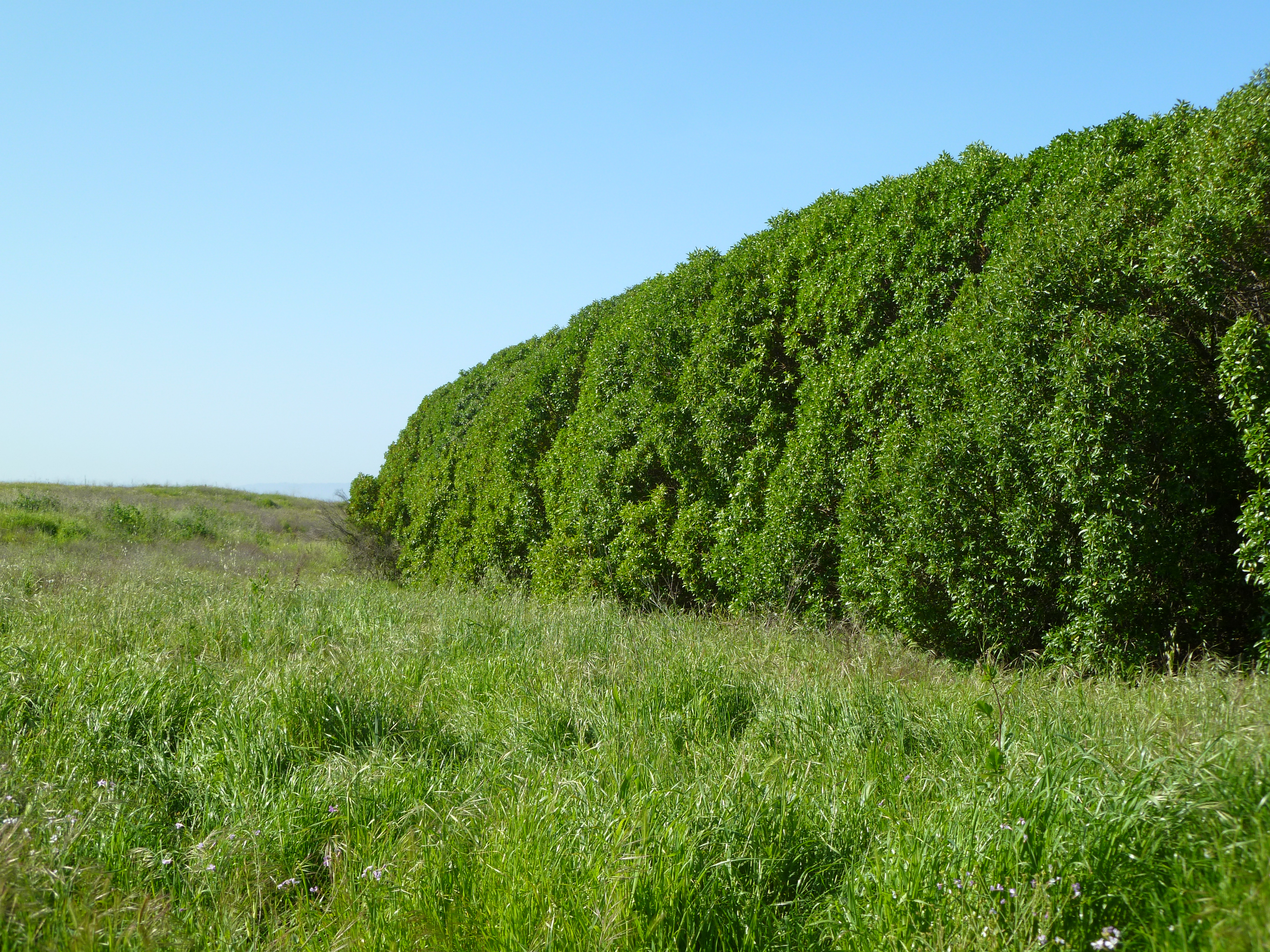
Pittosporum, Oyster Bay

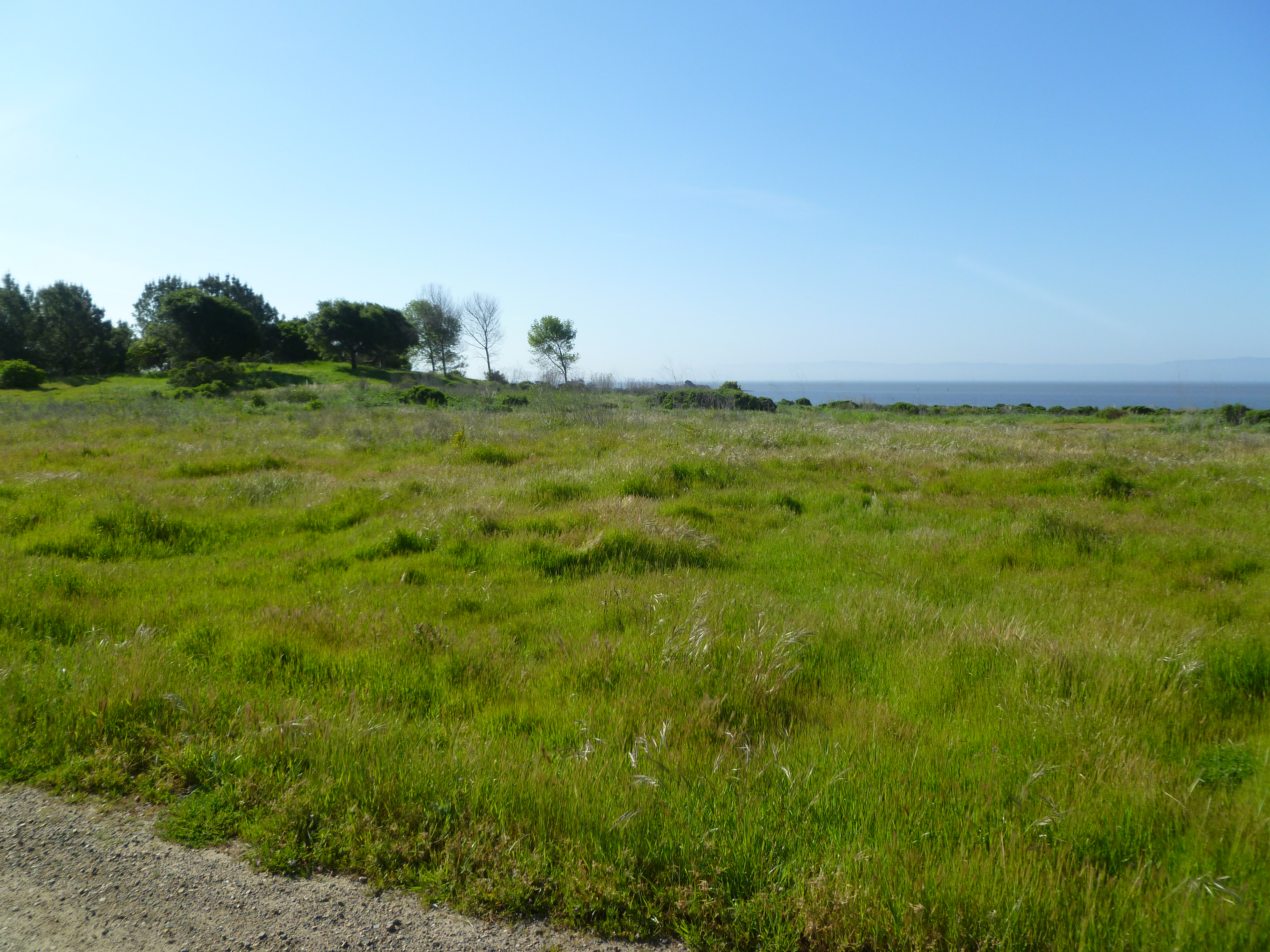
We found a green sea of non-native grass.

Non-native annual grass

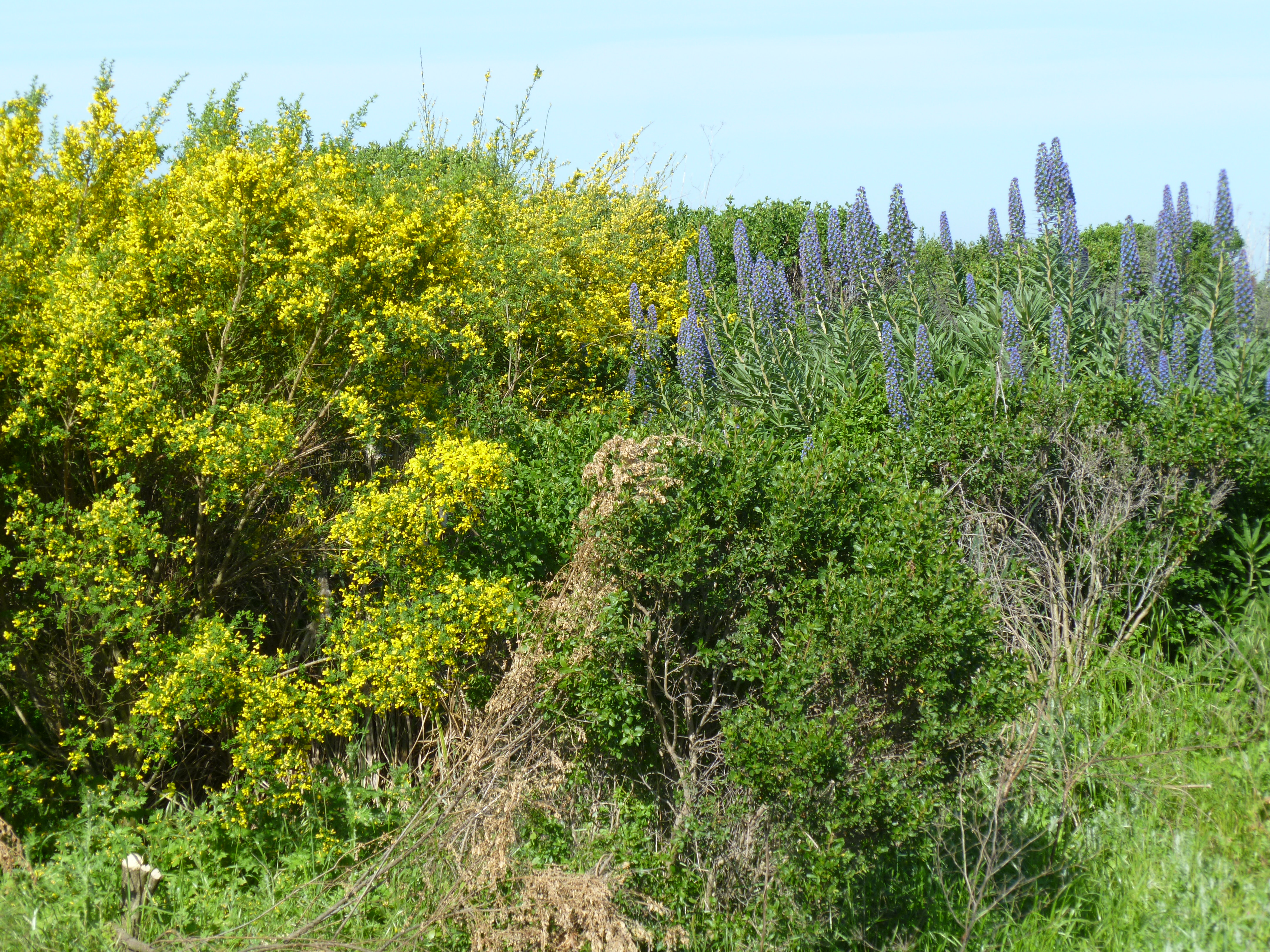
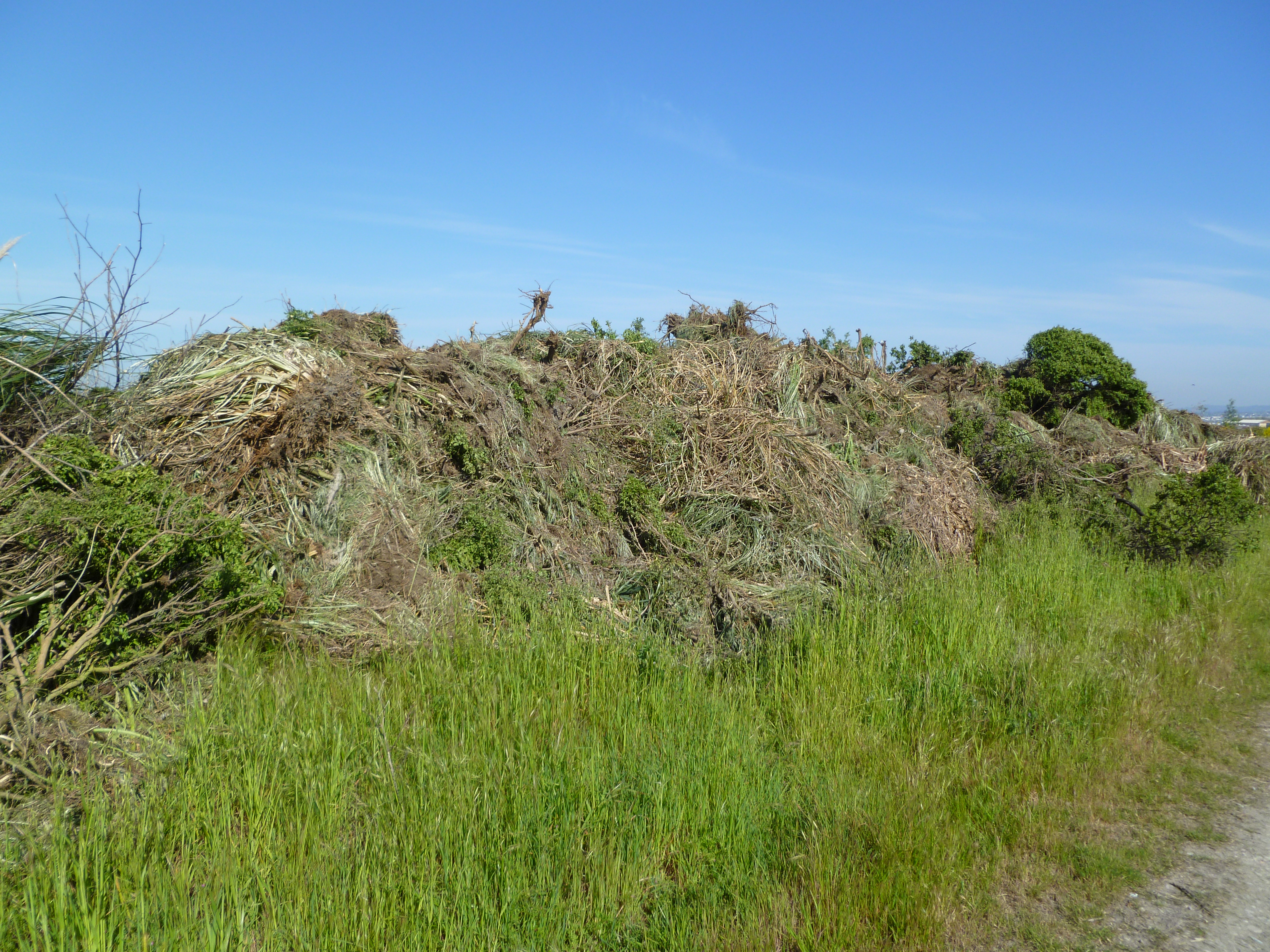
We found non-native broom and native coyote brush and close by huge piles of those same shrubs that have been mechanically cleared.  We don’t know why they have been mowed down.  We doubt that anyone would consider these debris piles a “park improvement.”

Non-native broom & Pride of Madeira, native coyote brush
One of many piles of destroyed vegetation

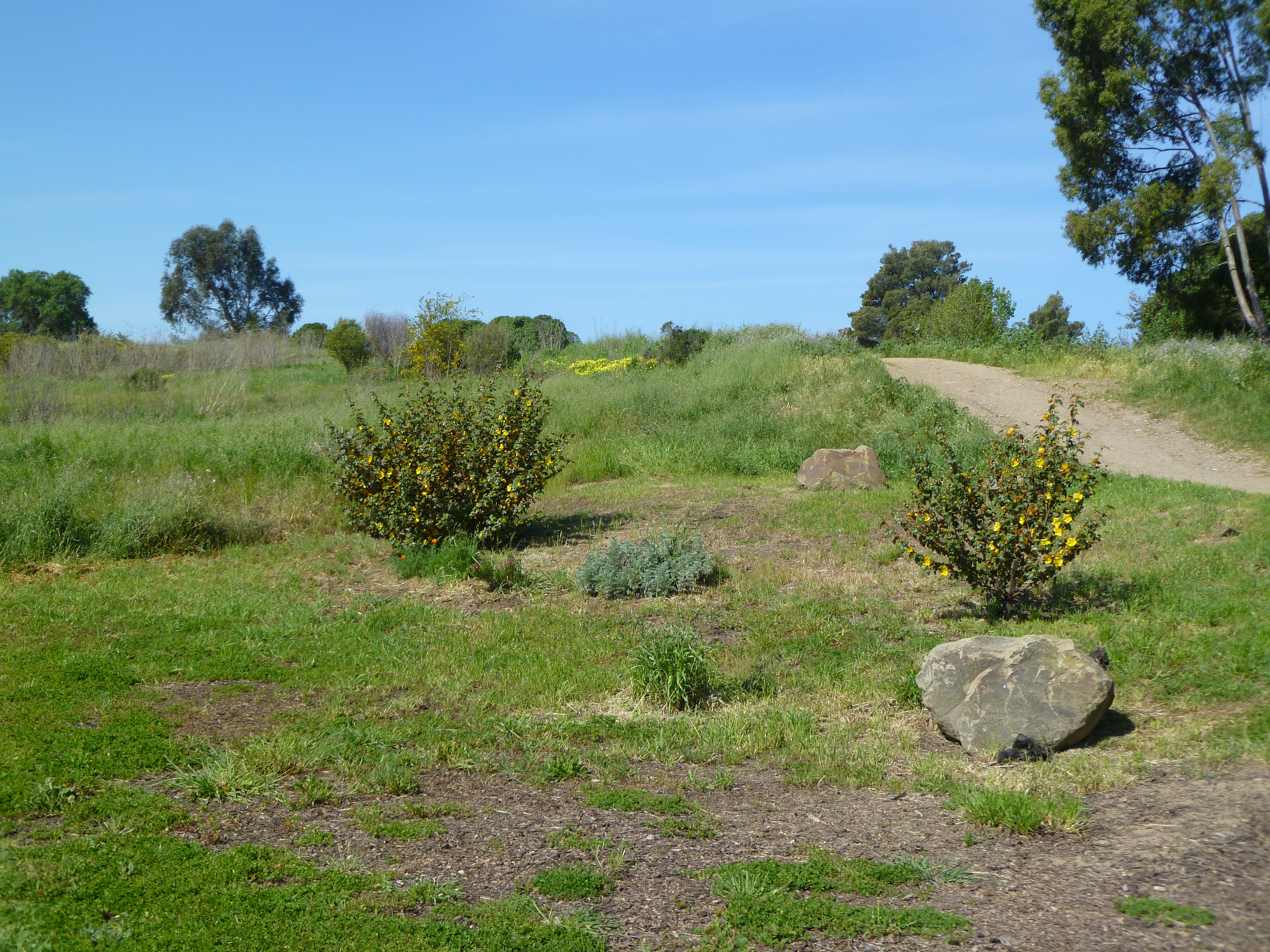
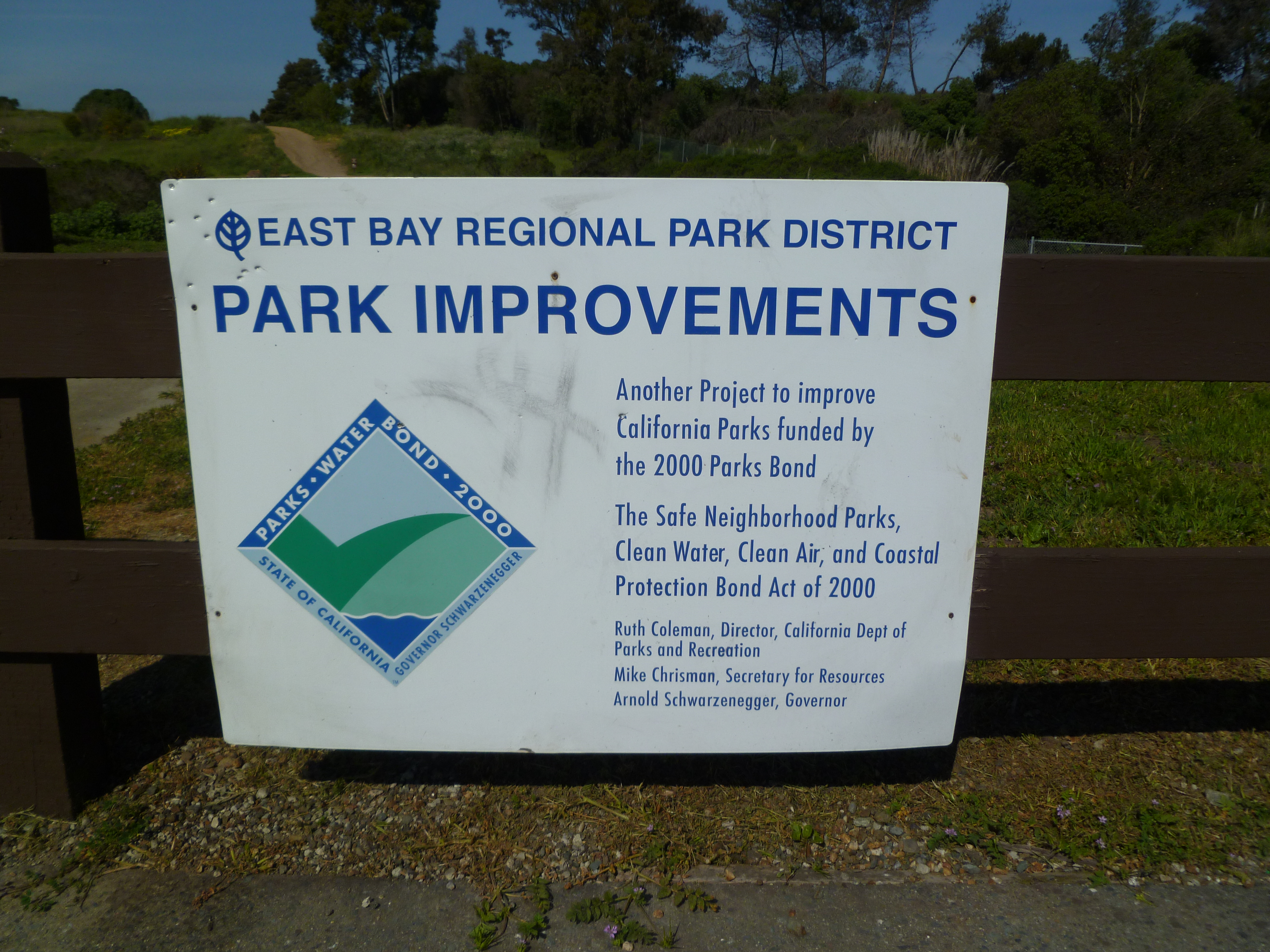
We found a small patch of native plants at the entrance of the park and a sign informing us that this scene of destruction is a “park improvement” project.

We also spoke to one of the few visitors we encountered on this beautiful spring Saturday.  We asked if they had been coming to the park for a long time.  They said that had.  We asked how they felt about the changes in the park, without giving them any clues as to our own assessment.  They readily volunteered that they didn’t understand why the trees were destroyed. 


A few native plants at the park entrance

Once again, we are reminded that beauty is in the eye of the beholder.  Assuming that the park manager with whom we spoke about Oyster Bay has actually seen this park, and that he sincerely believes that it is a lovely native plant garden, we must beg to differ.  Although it is a beautiful park, it has not been improved by the needless destruction of trees and vegetationThe beauty of this park derives from its diverse collection of predominantly non-native plants and trees.  We hope that it will not be further damaged by an agenda that is devoted to native plants, not to the enjoyment of park visitors. Likewise, the Albany Bulb is unlikely to be improved by destroying plants, trees, and art that is all doing just fine without any intervention by the East Bay Regional Park District.  We urge the Park District to LET IT BE! 

We don't think so!

Sudden Oak Death

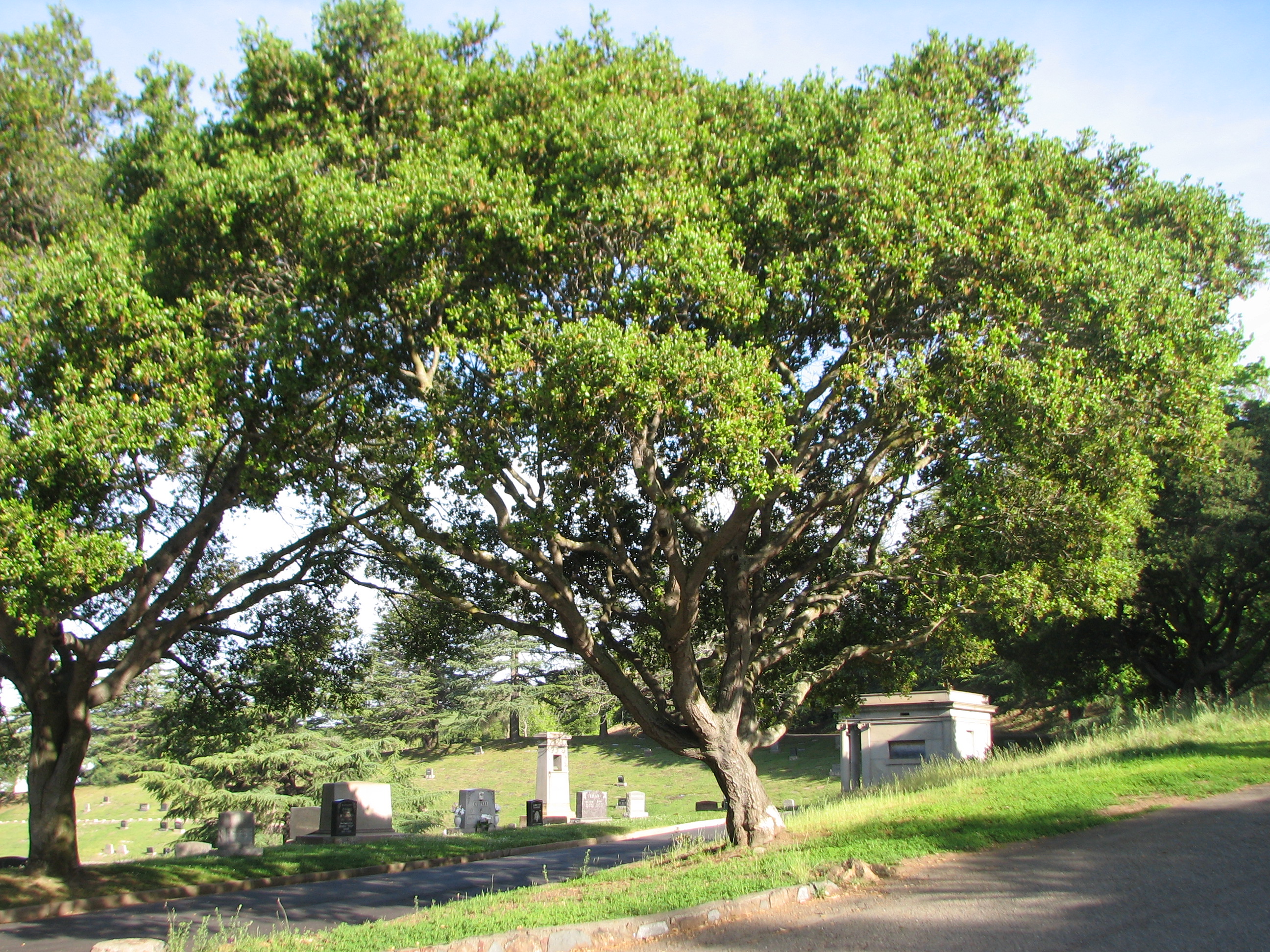
Coast live oak, Mountain View Cemetery, Oakland

The coast live oak that is native to the Bay Area is one of our favorite trees and we would be happy to see more of them.  However, the epidemic of Sudden Oak Death that is killing oaks in California and Oregon makes us question the wisdom of replacing non-native trees with oaks that may not survive that epidemic.  Since any dead tree is more flammable than any living tree, we are also skeptical about claims that restoration of the oak-studded grassland will reduce fire hazard in the Bay Area.

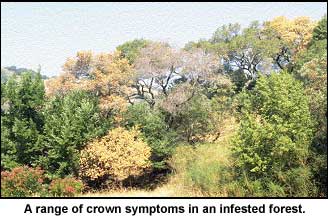
Sudden Oak Death, US Forest Service photo

 The pathogen (Phytophthora ramorum) that causes Sudden Oak Death (SOD) was reported  on the UC Berkeley campus in 2002.  At that time it also existed at the UC Botanical Garden and the researcher who identified the pathogen speculated that it probably existed throughout the East Bay.  By 2008, the SF Chronicle reported   that the infestation of SOD existed in several parks in the East Bay.  The researcher estimated that about 20% of all coast live oaks in the East Bay are infected with the pathogen that will eventually kill them.

In February 2008, the California Oak Mortality Task Force estimated  that ”millions of tanoak and coast live oak” have been killed by SOD in California.  Thirty four other species of trees and shrubs are also infected with the pathogen, including bay laurels and redwoods.  Although these species are not usually killed by the pathogen they are vectors of the disease.  The bay laurel is singled out by the scientific literature as being particularly effective at transmitting the pathogen to the oaks that are then killed.

The “Wildfire Hazard Reduction and Resource Management Plan” of the East Bay Regional Park District proposes to destroy most non-native trees on over 1,500 acres of parkland.  The “vegetation management goal” for most of these acres is the restoration of “oak-bay woodland.”  And so we ask these rhetorical questions:

  • What is the probability that coast live oak will survive the deadly SOD pathogen in the Bay Area?
  • Does the proximity of bay laurel to the local oak population increase the probability of infection?
  • If the oaks are killed by SOD will the risk of wildfire in the East Bay hills increase?
  • If the non-native trees are destroyed and the oaks are killed by SOD will the resulting landscape be entirely treeless?

We believe these are legitimate questions and when we have asked them of native plant advocates we have not heard an adequate answer.  We believe that eradicating non-native plants and trees without a clear understanding of the future of the natives, is irresponsible.

Open Letter to the Sierra Club

In this post we are writing an open letter to the Sierra Club about an article in their recent edition of the Yodeler, the newsletter of the Bay Area Chapter of the Club.  The article is available here

——————————————————————————————-

Dear Sierra Club,

We are writing about an article in the Yodeler about the “Wildfire Hazard Reduction and Resource Management Plan” of the East Bay Regional Park District.  A charitable description of that article is that it is misleading and inaccurate.

The most important flaw in the article is that it omits the most controversial issue in the “Wildfire Plan.”  It describes the methods used to eradicate non-native plants and trees as follows:  “Methods for removal include hand removal, grazing by cattle and goats, and limited controlled burns.”

In fact, herbicides are often used by EBRPD to kill non-native plants and trees.  The failure to mention this use of herbicides in the Yodeler cannot be dismissed as ignorance of this fact since it is described in detail in the “Wildfire Plan” and was the most frequently mentioned issue in the meeting of the EBRPD Board of Directors at which the Plan was approved.  The Sierra Club was represented at this meeting and surely noticed that many speakers expressed their concern regarding the use of herbicides officially designated “hazardous chemicals” by OSHA.  The toxicity of these herbicides is reported  here and here.

The description of controlled burns required by the Plan as “limited” is debatable.  We believe that the use of controlled burns for the sole purpose of restoring native plants is dangerously irresponsible.

At the recent meeting of the Executive Committee of the Board of Directors of the EBRPD, the “fuel management” plans for 2011 were presented and approved.  These plans included prescribed burns in 5 locations, on approximately 250 acres.  These burns were described by the Assistant Fire Chief as unrelated to reduction of fuel loads, but rather for the purpose of supporting restoration of native plants to the parks.  A representative of the California Native Plant Society expressed  gratitude to East Bay Regional Park District  for conducting these burns for the benefit of native plants.

We object to the use of controlled burns for this purpose because such burns have a history of causing major wildfires (reported here).  Some of these controlled burns will occur in areas with many acres of eucalyptus and Monterey pine that both the Sierra Club and the East Bay Regional Park District claim are highly flammable.  The burns are scheduled to occur during the height of the fire season.  Such burns also reduce air quality and release carbon and particulates into the air.

It baffles us that the Sierra Club endorses the use of dangerous herbicides and prescribed fires.  However, we aren’t surprised because the Club’s comments on the Draft EIR for the “Wildfire Plan” warned us that the Sierra Club considers the restoration of native plants a higher priority than the public’s safety.  The lawyer representing the Club said on behalf of the Club, “Perhaps the most serious problem with the Plan is that it explicitly makes the preservation and enhancement of wildlife a secondary concern, with minimizing fire danger the primary concern” and concluded, “However, the over-emphasis on decreasing wildfire risks at the expense of habitat values is disturbing.”

The Club’s priorities reveal a misanthropic agenda that betrays its original ideals and its commitment to the environment on behalf of all living creatures, including humans.

Million Trees

More Fire Factors: Fire Ladders and Embers

Recently, a local news program broadcast an interview about the legal suit filed by the Hills Conservation Network (HCN) against the “Wildfire Hazard Reduction and Resource Management Plan” of the East Bay Regional Park District (EBRPD).  Although both HCN and EBRPD are committed to reducing fire hazard, they disagree about how to achieve that goal.  The spokesperson for HCN said there is no “scientific or factual evidence” that eliminating the canopy of non-native trees will reduce fire hazard.  The spokesperson for EBRPD said the trees will be removed because they “burn intensely” and “loft embers into the wind, causing spot fires downwind” when their crowns begin to burn.  

Is there scientific or factual evidence to support the claims of EBRPD?  Are non-native trees more likely to burn than native trees and if so do they burn more intensely than native trees?  Are non-native trees more likely to loft embers than native trees?  This post will document the answers to these questions:  NO, NO, and NO!

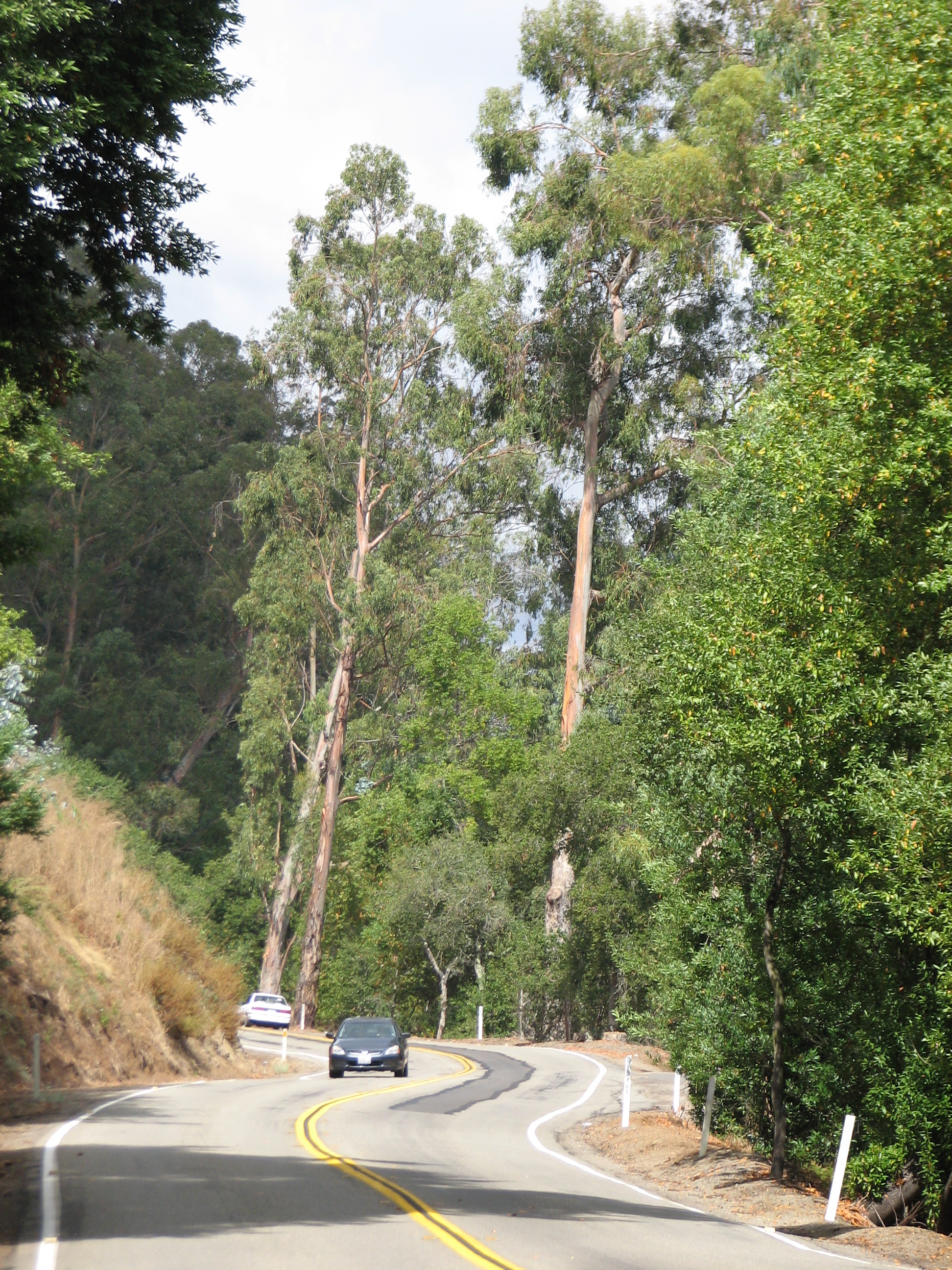
When fire spreads on the ground, through fine fuels such as grass, it bypasses trees unless there is a fire ladder to their canopy.  The fire ladder is composed of low branches that extend from the ground, into the canopy of the tree.  Tall eucalyptus trees usually do not provide such a fire ladder to their canopy.

We see a few of the eucalypts in the distance that EBRPD intends to destroy in Lake Chabot park. We notice that they are very tall and there is no fuel ladder to their canopy. In the foreground, on the right, we see some of the native bay laurels that EBPRD plans as replacements for the eucalypts. We notice that the bays are close to the road and that they grow to the ground, providing a fuel ladder to adjacent vegetation.

When tall trees, such as eucalypts have a fire ladder to their canopy, their lower limbs can be removed without harming the tree.  This method of reducing fire hazard has been used effectively in the Mountain View Cemetery in Oakland.  Obviously, this method of reducing fire hazard is cheaper and less destructive than destroying the trees and then killing their roots with poison.  This was one of the strategies suggested by the Hills Conservation Network during negotiations with EBRPD before they filed suit after negotiations failed.

The fire ladders on these eucalypts have been removed in the Mountain View Cemetery.

In a wind-driven firestorm the fire may rapidly spread high above the ground.  In that case, how likely is the canopy of eucalypts to ignite compared to other trees?  The firestorm of 1991 in the Oakland/Berkeley hills is an example of such a fire.  In our posts “FIRE!!! The Cover Story” and “The Power of a Legend” we have reviewed two official documents and one book about the 1991 fire which contain no evidence that eucalypts were responsible for that fire.   

Please click here to see a picture of an entire neighborhood of homes destroyed by a wildfire in the Scripps Ranch in 2003..  The burned homes are entirely surrounded by tall eucalyptus trees that are untouched by the fire.  Despite this obvious evidence that the eucalypts were blameless in this fire, native plant advocates seized upon this fire to demand that the eucalypts be destroyed.  The residents of Scripps Ranch fought back and for the moment, they have succeeded in preventing the destruction of their eucalyptus forest. 

The National Park Service is one of many managers of public lands that are engaged in massive restorations of native plants that frequently result in the destruction of non-native trees.  And as most managers of public lands, it attempts to justify the destruction of the trees by claiming that they are a fire hazard.  Reading the fine print of its literature about eucalyptus,  we find that their claims are not supported by the evidence.  Studying the table comparing the fuel loads of eucalyptus with native oaks and bays, we find that the table has been carefully constructed to support their case.  If logs–which would take 1,000 hours to ignite*–are removed from this table, the available fuel load of eucalyptus is not greater than that of native oaks.  Also, deeply embedded in the fine print, you find that the park service admits that the leaves of the eucalyptus are resistant to fire (“The live foliage [of the eucalypts] proved fire resistant, so a potentially catastrophic crown fire was avoided.”) 

We conclude that all evidence from past fires indicates that eucalypts are unlikely to ignite in a wildfire.  If they don’t ignite, they obviously will not “loft embers” to spread the fire.  The final question is, in the unlikely event that there is a crown fire in eucalyptus, how likely is it that embers will be produced that spread the fire downwind?  Although we don’t know the answer to that question, we have both scientific and experiential evidence that native trees are also capable of producing embers.

In “Ignition Behavior of Live California Chaparral Leaves,”  Steven Smith, Joshua Engstrom, Jordan Butler, Thomas Fletcher (Brigham Young University, Provo, Utah) and David Wiese (USDA, Forest Service) report the results of laboratory tests on four species of native plants and trees, including oaks.  They find that both native chamise and oaks loft embers absent any wind.  In the case of oaks, they report that “Many of the oak leaves had sharp points (i.e., spines) around the outer edge.  The oak leaves would ignite at these points, sometimes accompanied by small explosions of the points that led to the ejection of small brands.” 

The Marin Independent Journal in its report of the Angel Island Fire of 2008 tells us that embers from the burning oaks were responsible for nearly igniting the historic buildings on the island:  “’All the oaks up there were burning,” said the 28-year veteran of the department. “It was an ember shower that just rained on the entire building, and all the vegetation around us was burning.’”  As we reported in our post about the Angel Island Fire, most of the eucalyptus had been removed from the island about 12 years before the fire in 2008.  The fire stopped at the edge of the remaining 6 acres of eucalyptus.

There is overwhelming evidence that eucalyptus is not more flammable than native trees and has not played a role in the many wildfires in California.  The myth that eucalypts are responsible for wildfires is propagated by native plant advocates who use the fear of fire to justify the destruction of eucalypts.  Those who are willing to look closely at the evidence will see through this carefully constructed myth to the reality that destroying non-native trees will not reduce fire hazard.

*For a technical explanation of timelag, we quote from Sugihara’s Fire in California Ecosystems:  “The proportion of a fuel particle that contains moisture is a primary determinant of fire behavior…Timelag is the amount of time necessary for a fuel component to reach 63% of its equilibrium moisture content at a given temperature and relative humidity……1,000-hour fuels reflect seasonal changes in moisture.  The firewood analogy applies here as well.  Your large logs would take several months to dry if left out in the rain for the winter, yet kindling, if brought inside, would dry in a few hours.”

(UN)controlled Burns

Today’s SF Chronicle reports that yet another “controlled” (AKA “prescribed”) burn is responsible for a wildfire in California.  This fire in the Santa Cruz Mountains burned 485 acres in October 2009, injuring 4 of the 1,700 firefighters who fought it at a cost of $4 million.  That cost doesn’t include the claims for damages of the property owners who lost their homes.

This isn’t the only controlled burn that has caused major wildfires in California and elsewhere.  For historical perspective, let’s start with the Bandelier Monument Fire in New Mexico.  This fire, began in May 2000 as a prescribed burn and eventually burned over 45,000 acres, threatened the Los Alamos National Laboratory and destroyed 235 structures.  The Department of the Interior suspended all prescribed burns while an inquiry was conducted and policy was revised to theoretically prevent similar accidents.

Did revision of policy stop so-called controlled burns from causing wildfires in our national parks?  No, it did not.  In October 2009, the Big Meadow Fire in Yosemite began as a prescribed burn and eventually burned 7,425 acres.  NPS apparently hadn’t learned much from their bad experience 9 years earlier at the Bandelier Monument.

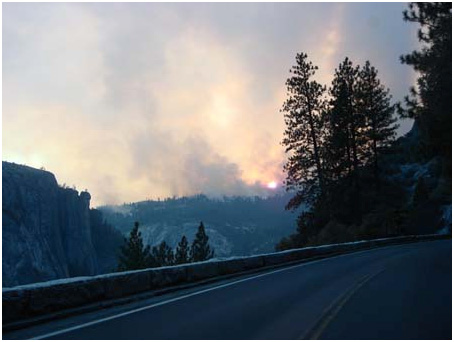
Yosemite Big Meadow Fire, NPS photo

The National Park Service isn’t the only manager of public land that has had bad luck with controlled burns.  In 2003, the California State Park Department was responsible for starting a fire on San Bruno Mountain in South San Francisco intended to burn 6 acres that eventually burned 72 acres and came perilously close to homes, according to the SF Chronicle.

We should not be surprised by the unpredictable results of prescribed burns.  Fire scientists at UC Berkeley conducted a series of experimental prescribed burns in chaparral in Northern California, hoping to arrive at a model of fire behavior that would improve the predictability of such burns.  They arrived at the conclusion that “…it is extremely difficult to predict with certainty where the fire will spread…For more than half of the transects installed, the flaming front did not traverse the transects as predicted…” (1)

You might ask, “If these prescribed burns keep causing major wildfires, why do we continue starting them?”  Good question, and we are going to answer that.  The conventional wisdom is that because fires have been suppressed in the past century or so, fuel has built up that has become extremely dangerous.  Theoretically, we must restore the “natural” fire cycle to prevent this dangerous build up of fuel that will inevitably cause a huge wildfire if we don’t reduce the fuel load with smaller (hopefully) fires.  Sounds like a good argument, but is it true?  Some scientists say it isn’t.

Jon E. Keeley, Ph.D. (Biologist, US Geological Service) says in “Fire Management in the California Shrublands,”

“Fire management of California shrublands has been heavily influenced by policies designed for coniferous forests, however, fire suppression has not effectively excluded fire from chaparral and coastal sage scrub landscapes and catastrophic wildfires are not the result of unnatural fuel accumulation. There is no evidence that prescribed burning in these shrublands provides any resource benefit and in some areas may negatively impact shrublands by increasing fire frequency. Therefore, fire hazard reduction is the primary justification for prescription burning, but it is doubtful that rotational burning to create landscape age mosaics is a cost effective method of controlling catastrophic wildfires.”

Obviously, there isn’t scientific consensus that prescribed burns reduce fire hazard, so perhaps there is another reason why we pursue this dangerous course.  Yes, there is, and once again we turn to the native plant movement to explain why we are harming our environment and posing unnecessary dangers to animals, including humans.

The scientific literature is rampant with evidence that periodic fire is essential to the health of native plants.  Here is an example from a renowned academic book about California’s ecology that has the status of a standard textbook:

“The [chaparral] community has evolved over millions of years in association with fires, and in fact requires fire for proper health and vigor.  Thus it is not surprising that most chaparral plants exhibit adaptations enabling them to recover after a burn.  Many species are sprouters; the aboveground parts may be killed, but new growth arises from roots or buds at the base of the stem…Other species have seeds that require fire in order to break dormancy; they will not germinate unless they have been heated.  The cones of some chaparral conifers open only after they have been heated.  Some herbaceous species will not germinate unless there is ash on the ground when it rains…In the absence of fire, a mature chaparral stand may become senile, in which case growth and reproduction are reduced.”  (Schoenherr, A Natural History of California, 1992, UC Press)

This is also an opportunity to show how the native plant agenda has been adopted by local managers of our public lands. The “Wildfire Hazard Reduction and Resource Management Plan” of the East Bay Regional Park District announces its intention to conduct prescribe burns for the following purposes:

  • “Grassland and Herbaceous Vegetation…broadcast burns in the summer or early fall [fire season] are known to favor native plants.” (page 128)
  • “Maritime Chaparral…This [native] vegetation type and the Manzanita it supports are also fire dependent. Without disturbance by fire the Manzanita does not reproduce, becomes decadent, and is replaced by shade tolerant species.” (page 132)
  • “North Coastal Scrub…This plant community [of native plants] is adapted to natural fire cycles, and most species found within this plant community resprout easily to rejuvenate individual specimens after fire, or require fire to trigger germination.”  (page 139)
  • “[Native] Coyote Brush Scrub…is adapted to natural fire cycles.  Most species resprout easily to rejuvenate individual specimens after fire, or requires fire to trigger germination.” (page 149)

Are any of these purposes related to reducing fire hazard?  You be the judge.

The management plan of San Francisco’s Natural Areas Program also announces its intention to use prescribed burns in the Initial Study (the first stage of environmental review under CEQA) of the program, but offers no information about the effect of these burns on the environment.  In a city such as San Francisco, in which there is no history of wildfire, we must assume that the sole purpose of these burns will be to benefit native plants.

Clearly controlled burns frequently cause major wildfires.  Fires, whether intentional or not, also release harmful particulates into the air and reduce air quality.  There is no evidence that controlled burns prevent wildfires.  Yet, there is considerable evidence that they benefit native plants.  We conclude that the primary purpose of controlled burns is to benefit native plants. 


(1) Scott Stephens, et. al., “Measuring the rate of spread of chaparral prescribed fires in Northern California,” Fire Ecology, Vol. 4, No. 1, 2008