Native Trees and Their Close Relatives

Over 10 years ago, Mark Speyer wrote one of the first guest articles for Conservation Sense and Nonsense about mulberry trees, one native to North America and the other introduced by American colonists because it is the host plant of silk worms.  That article was a hit!  It has been viewed by over 8,600 readers.  It is still entirely relevant to the mission of Conservation Sense and Nonsense and I recommend it to you.  You will find it HERE.
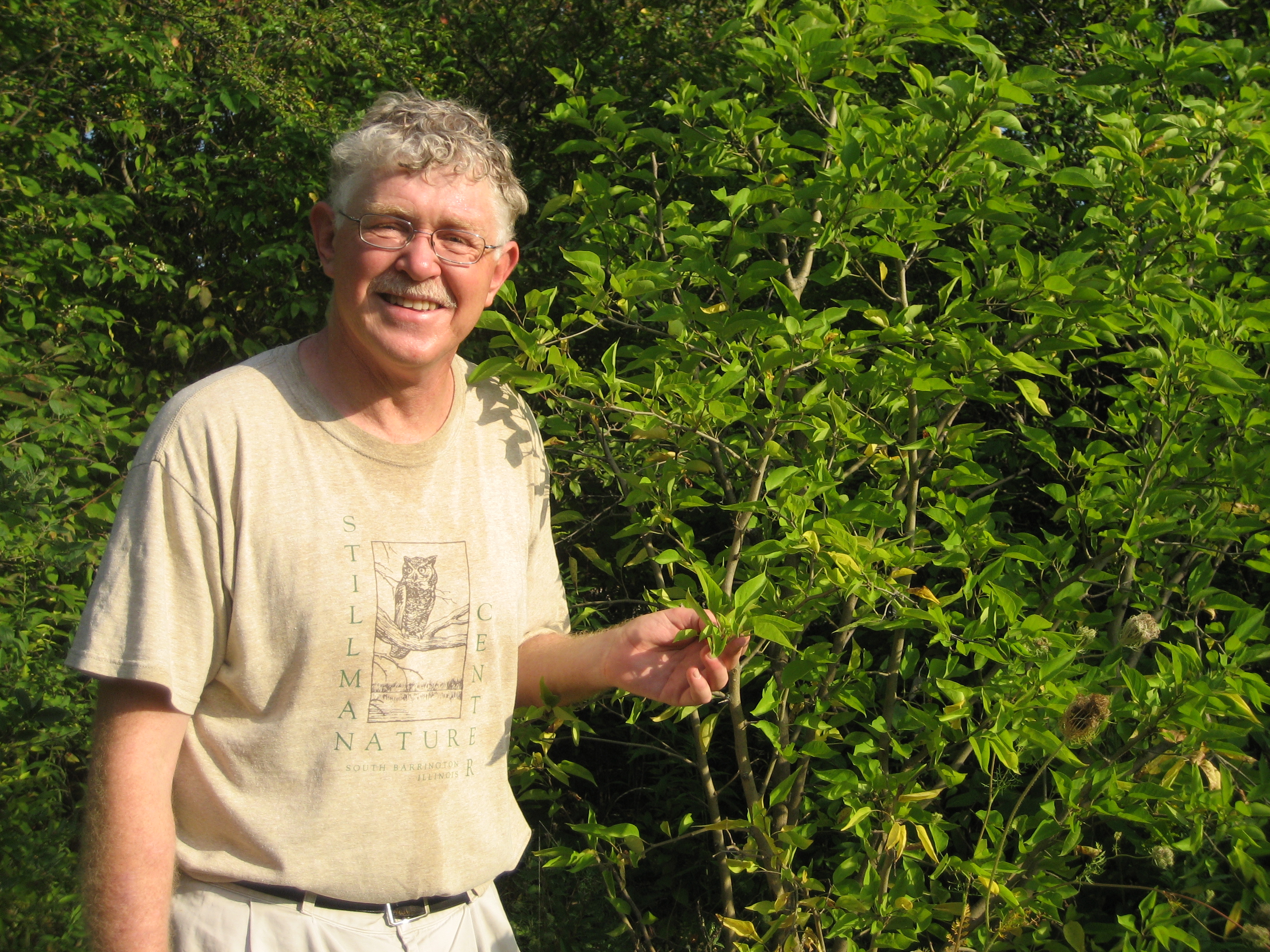
Mark Spreyer

I am grateful to Mark for giving me this opportunity to publish his guest article about willows, some native to North America and one introduced.  As in the case of introduced mulberry trees, some willow species are native to China. 

Much of China and North America have been in the same latitude since the evolution of angiosperms.  As a result of climate similarity and geographic proximity, many of our plant species considered native in Eastern North America are also native to China.  These paired species in the same genus are called disjuncts.  There are many woody disjuncts in China and North America (magnolias, persimmons, hickory, catalpa, dogwood, sweetgum, tuliptree, tupelo, sassafras, Virginia creeper, etc) as well as many herbaceous disjuncts (ginseng, lopseed, mayapple, skunk cabbage, etc.). 

They are different species from their Chinese counterparts because they have been separated long enough to change as a result of genetic drift and in response to a new environment, but are in the same genus and plant lineage and therefore chemically similar. These plant species made their way from China to North America by natural means, such as being carried by birds, animals, wind and ocean currents. 

In contrast, Chinese species of mulberries and willows were intentionally introduced to North America.  Mulberries were brought with the hope of making silk and weeping willows were brought to grace our gardens with their beauty.  Some say they don’t belong here because they were brought by humans.  Others say that is a meaningless distinction.  Whether brought by birds or brought by humans it is a distinction without a difference because humans are as much a part of nature as birds.

Mark Speyer is the Executive Director of the Stillman Nature Center in Barrington, Illinois.  He can be reached at:  stillmangho@gmail.com

WILLOWS IN THE WIND ©

       I’ve been writing nature columns for many years and I hope to write them for years to come but sometimes, the writing doesn’t come easy. The other evening, was one of those difficult times.

      As I reached for a bottle of aspirin to alleviate a headache, it hit me– willows.

You see the scientific name for the willow genus is Salix and the main ingredient in the original 1899 aspirin was salicin, an extract from willows.

      I’m not going to attempt to sort through the dozens of North American willows and their confusing hybrids. I don’t have enough aspirin for that. I’d like to concentrate on two of the willow trees, weeping and black, as well as a few of the willow shrubs.

Weeping Willow (Salix babylonica)         

      Unlike black willows, weeping willows aren’t native to this continent. The scientific name is somewhat misleading. This species originates from northern China, not the Middle East. Examples of Salix babylonica can be found growing along the famed Silk Road trade routes between China and Europe. The weeping willow arrived in Europe around 1730. It traveled to N. America courtesy of colonization. The weeping willow also landed on the W. Coast via Japan.
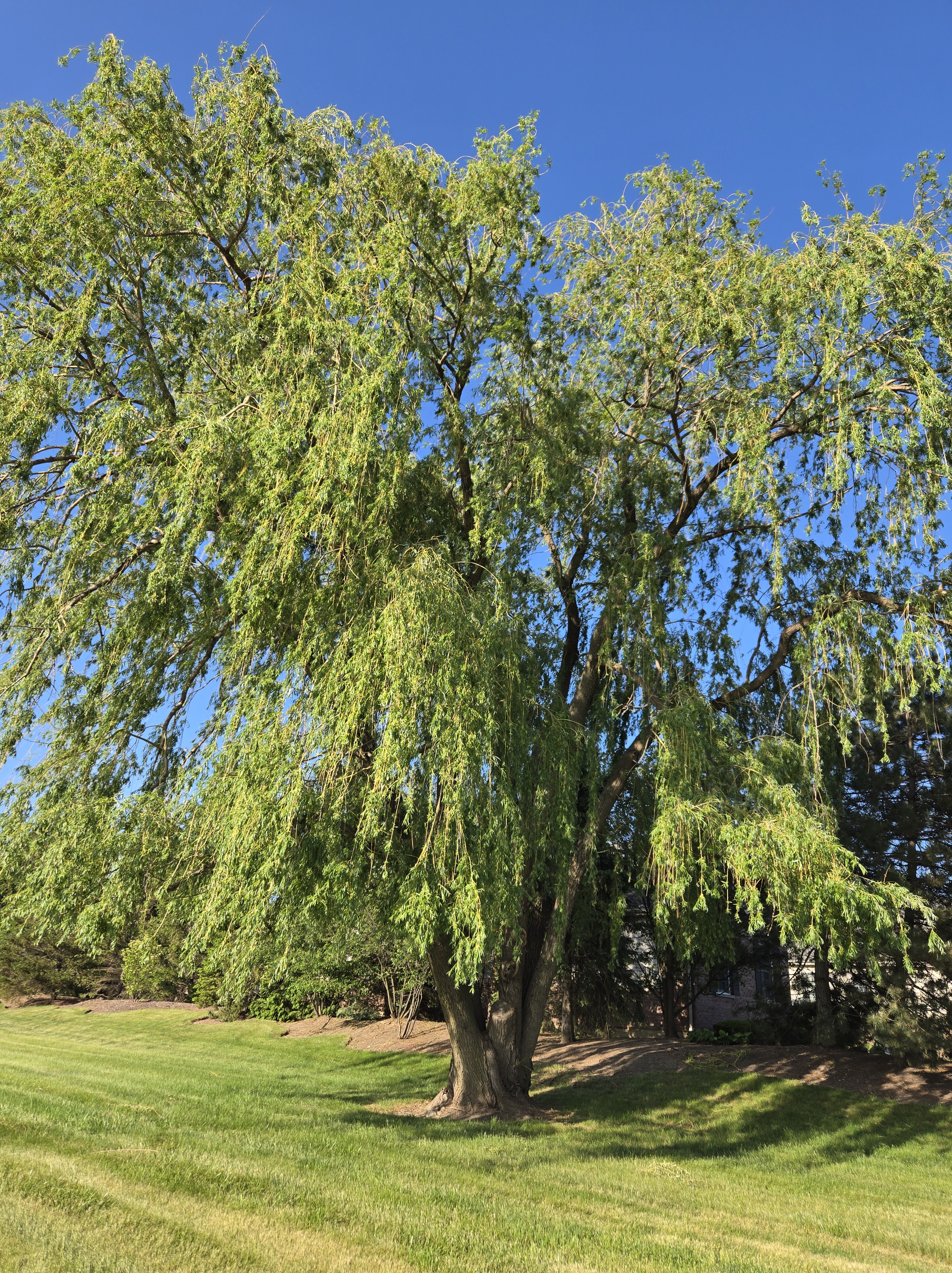
Weeping willow along a highway in suburban Chicago. Photo by Susan Allman

      Its graceful, long, slender, drooping branches makes the weeping willow an easy tree to identify. This pendulous growth habit earned this willow its common name. Not surprisingly, the tree is a popular choice for landscapers and gardeners. It is also the choice of pollinators such as specialized bees and butterflies. If planted in full sun, this rapid grower can reach a height of sixty feet.

           In addition, weeping willow tolerates soils that are somewhat acidic to alkaline. Finally, it thrives in low areas and wet spots where other trees might drown.  Decades ago, my father and I planted two weeping willows in a sunny wet pocket on the property. They grew fast and sucked up the water, just as we had hoped. You see they are designed to do just that.

         Like all willows, weeping willows are easily started from a sprig. Just stick it in some water and watch the rootlets sprout. When you think of where willows grow– along rivers, streams and other places prone to flooding– this asexual method of reproduction is a handy adaptation.

      If a flood washes away a bank and the willow that grew on it, odds are one of its branches will end up on a spit of mud or in a shallow pool downstream. With the passage of time, that branch will take root and a new willow will be on its way.

      In this country, most weeping willows are male clones and thus produce no fruit. Since reproduction for a willow is as easy as dropping a twig in running water, these clones can be found growing where no human planted them.

Black Willow (Salix nigra)

      Rather plant a native species? Then, this next tree is for you. While some may appreciate the graceful form of a weeping willow, give me the craggy old coot of the willow family, the black willow. One of the world’s largest willows, it varies in appearance with where it is growing. Along an eastern seaboard stream, it is a tree reaching a height of forty to fifty feet. In the southern reaches of the Mississippi River’s floodplain, a black willow can reach a height of 100 feet in a mere forty years.
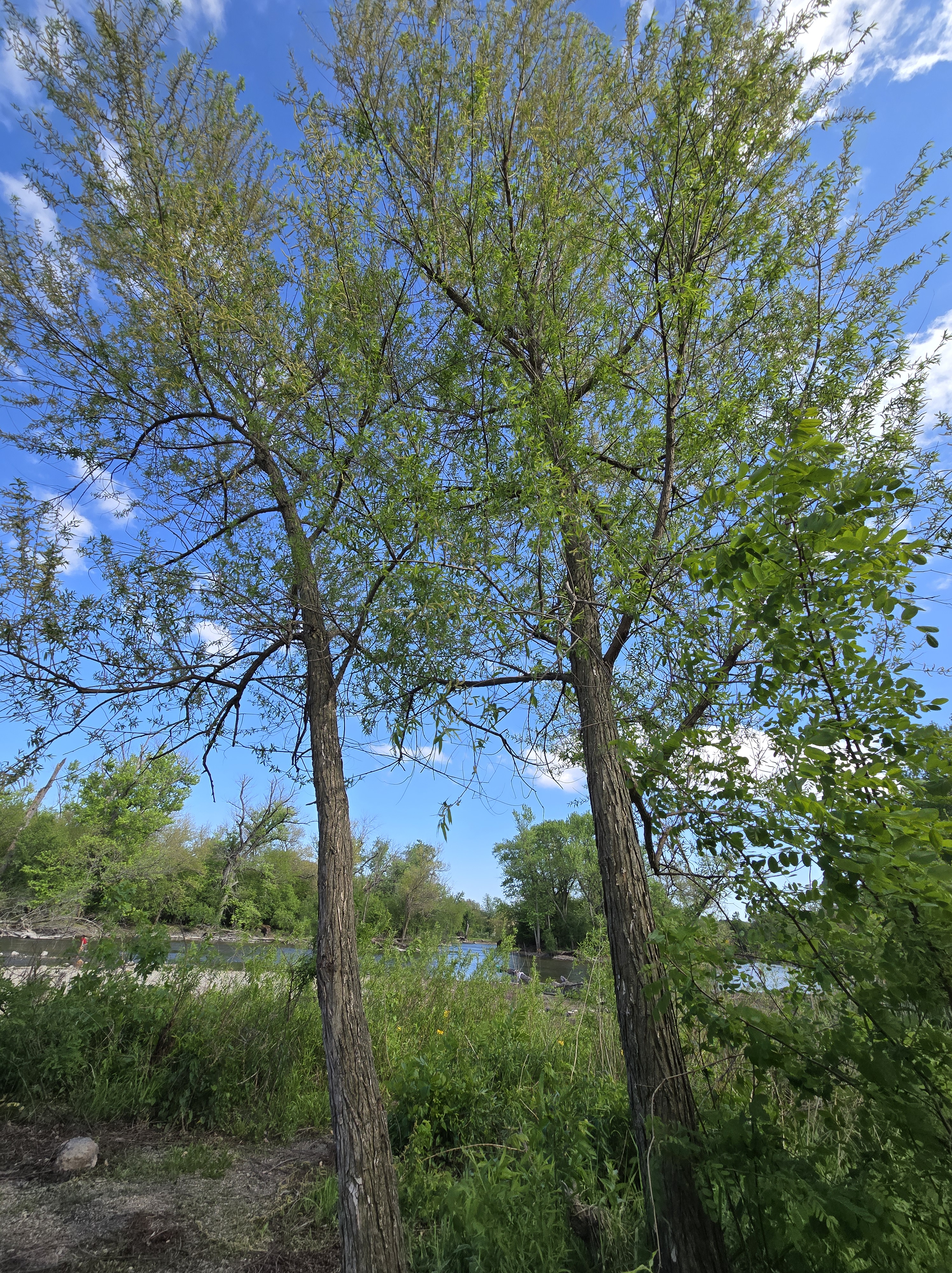
Two black willows near the Fox River in northern Illinois. Photo by Susan Allman.

      Here at the Stillman Nature Center we had a couple of sprawling specimens of our own. They had large forks, beginning low down, each fork leaned outward giving the tree a “slouching picturesqueness” as Donald Culross Peattie wrote.

      Black willow has many alternate names such as American, brittle, and, a favorite of mine, scythe-leaved willow. I like it because the botanical term for willows’ long narrow leaves is lanceolate or lance-shaped. Lances and scythes belong together, don’t you think?          

       Brittle is another appropriate name. Its slender reddish-brown twigs are flexible at first. As they age, the twigs become darker and brittle at the base. Anyone who has sat at a picnic table or parked a boat under a large black willow, will soon find these items decorated with fallen black willow twigs.    

   Unfortunately, willows are short-lived, rarely living past 85. But, as I’ve watched our willows here at Stillman, I have some questions about that figure.

     For example, one of our largest black willows came down in a heap some years ago. After the chainsaws were done, all that was left was the short, thick trunk and a few feet of each main branch that the trunk divided into.

      Was the tree dead? Not quite. As the years passed, flexible yellow branches grew from one of the large “dead” arms. Nutrients and water were obviously flowing from the roots and through the tissues of this “goner.”

      So when is a tree dead? A newspaper story provided an answer that fits our willows. The article was about the fate of a sequoia. At the time, the tree was at least 2,500 years old, “We don’t know if it’s dying or not,” said an interpretive ranger at Sequoia National Park, “One branch with green leaves connected by live tissue to one root is all that’s needed for a tree to be considered alive.”

      Of course, the Sequoia’s trunk remained standing unlike our willow’s old trunk that was down and decomposing.

               Shrubby Willows

      Most willows don’t have large trunks since they exist as shrubs. This is not the place to sort through them all. A partial list would include goat, Bebb, narrowleaf, sandbar, and, the florists’ favorite, pussy willow.                     
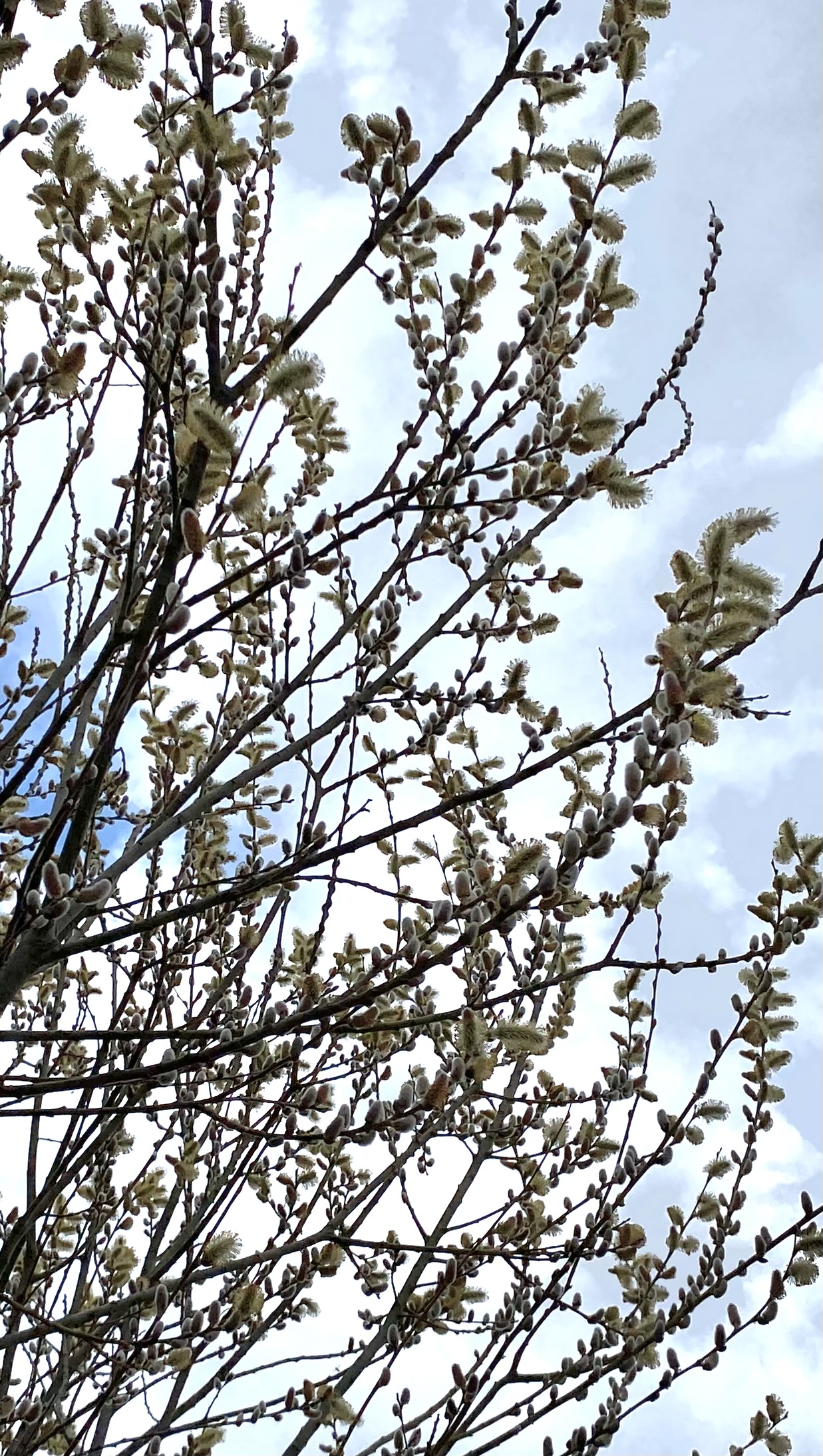
Pussy willow in spring. Photo by Lara Sviatko.

      The native pussy willow (Salix discolor) is a boreal species that can occasionally be found growing in northeastern Illinois. As you might have guessed, it inhabits wet areas such as floodplain forests, marshes, and shrubby swamps.

      Because willow thickets are within reach, deer, elk and domestic livestock will feed on willow leaves and twigs. This brings me back to where I started.       Peoples from N. America to ancient Greece made teas and other medicines from willow bark to treat joint pain and other ailments. So, are animals eating willows just to fill their stomachs or to ease their aches and pains as well? The next time I run into a talkative deer, I’ll ask.

Mark Speyer, Summer 2025
California’s Urban Greening Grant Program: An opportunity to speak for the trees

In September 2016, the State of California passed a law that allocated $1.2 billion to create a cap and trade program to reduce Greenhouse Gas (GHG) emissions.  The California Natural Resources (CNR) Agency was allocated $80 million to fund green infrastructure projects that reduce GHG emissions.  The CNR Agency is creating an Urban Greening Program to fund grants to cities, counties, and other entities such as non-profit organizations in URBAN settings.  75% of the funding must also be spent in economically disadvantaged communities.

These grants must reduce GHG emissions using at least one of these specific methods:

  1. Sequester and store carbon by planting trees
  2. Reduce building energy use from strategically planting trees to shade buildings
  3. Reduce commute, non-recreational and recreational vehicle miles travelled by constructing bicycle paths, bicycle lanes, or pedestrian facilities.

Clearly, planting trees is one of the primary objectives of this grant program.  That sounds like good news for the environment and everyone who lives in it until you read the draft program guidelines which are available HERE.

Unfortunately, as presently drafted, the grant program will NOT increase California’s urban tree canopies, because the program requires the planting of “primarily” native trees.   That requirement is explicitly stated several times in the draft guidelines, but there are also places in the draft where the reader might be misled to believe the requirement applies only to plants and not to trees.    Therefore, I asked that question of the CNR Agency staff and I watched the public hearing that was held in Sacramento on October 31st.  CNR Agency staff responded that the requirement that grant projects plant “primarily” native species applies to both plants and trees.

The good news is that the grant program guidelines are presently in draft form and the public has an opportunity to comment on them.  If you agree with me that we need our urban forest, you will join me in asking the CNR Agency to revise their grant program guidelines to remove restrictions against planting non-native trees.   Public comment must be submitted by December 5, 2016.  Send comments to:  Urban Greening Grant Program c/o The California Natural Resources Agency Attn: Bonds and Grants Unit 1416 Ninth Street, Suite 1311 Sacramento, CA 95814 Phone: (916) 653-2812, OR Email: urbangreening@resources.ca.gov Fax: (916) 653-8102

Here are a few of the reasons why limiting trees to native species will not increase tree canopies in urban areas in California:

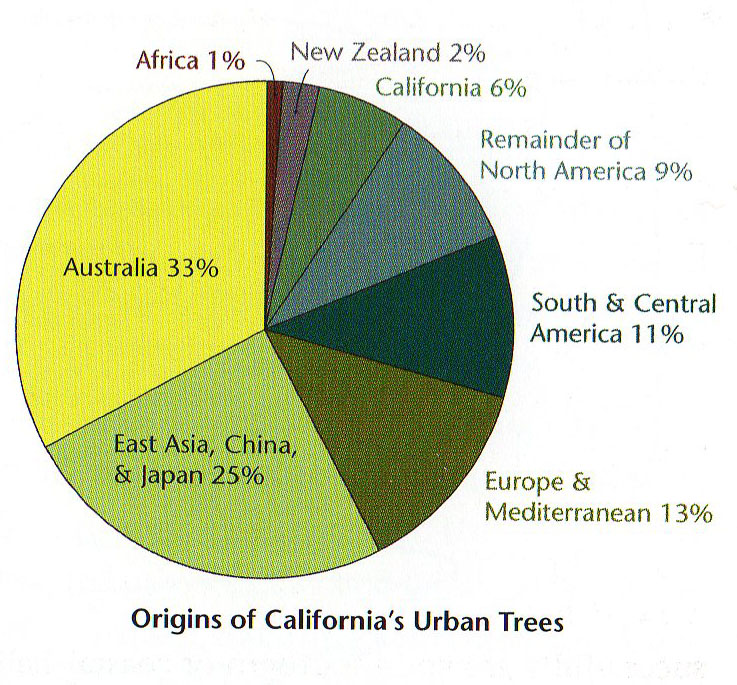
Many places in California were virtually treeless prior to the arrival of Europeans.  Non-native trees were planted by early settlers in California because most of our native trees will not grow where non-native trees are capable of growing.  According to Matt Ritter’s California’s Guide to the Trees Among Us, only 6% of California’s urban trees are native to California:

urban-trees-origins

Draft guidelines for the Urban Greening grants refers applicants to the California Native Plant Society for their plant palette (see page 24 of guidelines).  If applicants use this as the source of their plant palate, they will find few trees on those lists.  This is another way to understand that if you want trees in California, most of them must be non-native.

Most California native trees are not suitable as street trees because of their horticultural requirements and growth habits. 

  • The approved list of street trees for the City of San Francisco includes no trees native to San Francisco.  There are many opportunities to plant more trees in San Francisco because it has one of the smallest tree canopies in the country (12%).  The US Forest Service survey of San Francisco’s urban forest reported that 16% are eucalyptus, 8% are Monterey pine, and 4% are Monterey cypress.  None of these tree species is native to San Francisco.
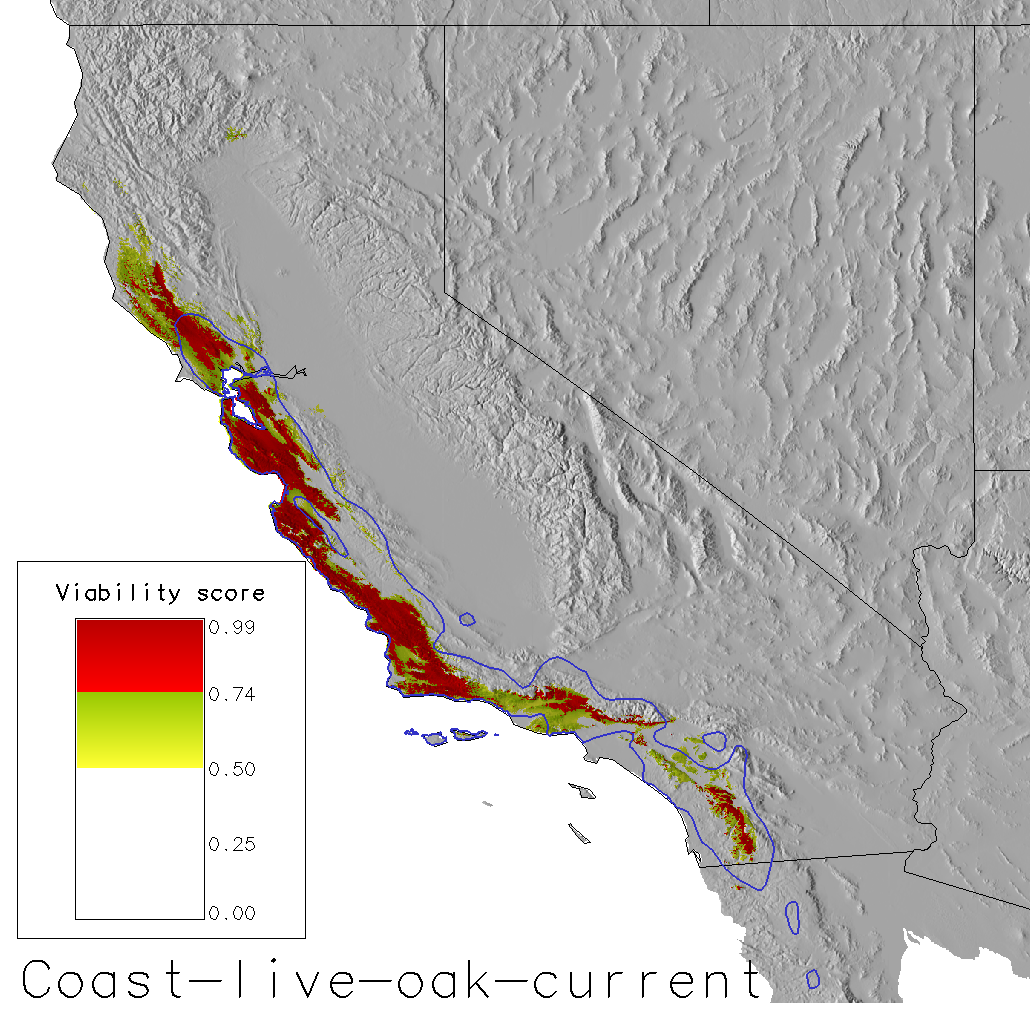
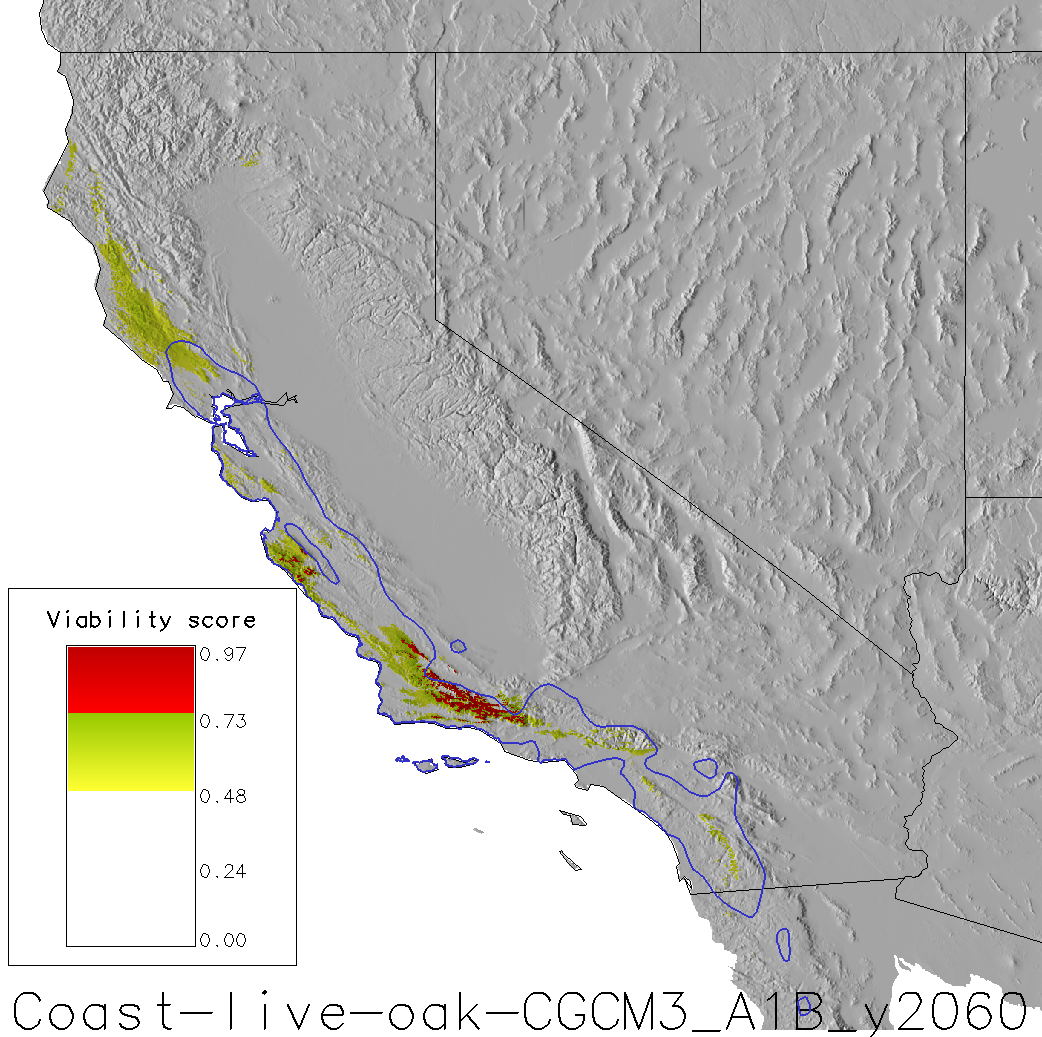
  • The approved list of street trees for the City of Oakland includes 48 tree species of which only two are natives. Neither seem appropriate choices:  (1) toyon is a shrub, not a tree and the approved list says it will “need training to encourage an upright form.”  It is wishful thinking to believe that toyon can be successfully pruned into a street tree; (2) coast live oak is being killed by the millions by Sudden Oak Death and the US Forest Service predicts coast live oaks will be virtually gone in California by 2060.

coast-live-oak-current

coast-live-oak-2060

Climate change requires native plants and trees to change their ranges if they are to survive.  One of the indicators of the impact of climate change on our landscapes is that 70 million native trees have died in California because of drought, insect infestations, and disease.  The underlying cause of these factors is climate change.

  • 66 million native conifers have died in the Sierra Nevada in the past 4 years because of drought and native bark beetles that have spread because winters are no longer cold enough to keep their population in check.  Update:  A new survey of California’s trees now reports that 102 million trees are now dead.  That’s one-third of California’s trees.  62 million trees died in 2016 alone, which is an accelerating rate of death.  These trees are still standing and they pose an extreme fire hazard.  These are NATIVE TREES being killed by a combination of drought and NATIVE BARK BEETLES.  
  • 5 million native oaks have died since 1995 because of Sudden Oak Death. A study of SOD by University of Cambridge said in spring 2016 that the SOD epidemic is “unstoppable” and predicted that most oaks in California would eventually be killed by SOD. The Oak Mortality Task Force reported the results of its annual survey for 2016 recently.  They said that SOD infections increased greatly in 2016 and that infections that were dormant in 2015 are active again.  This resurgence of the pathogen causing SOD is caused by increased rain in 2016.
  • Scientists predict that redwood trees will “relocate from the coast of California to southern Oregon” in response to changes in the climate.

If you care about climate change, please join us in this effort to create a grant program that will expand our urban forests and reduce the greenhouse gas emissions that are causing climate change.  Restrictions against planting non-native trees must be removed from grant guidelines in order to increase our tree canopies in California’s urban environments. 

Update:  Final guidelines for California State Urban Greening grant applications were published on March 1, 2017, and are available HERE.  That program will distribute $76 million to cities that reduce greenhouse gas emissions by planting trees or reducing fossil fuels emissions.  The deadline for grant applications is May 1, 2017.  There will be a workshop for applicants at the Lake Temescal Beach House (6500 Broadway, Oakland) on March 27, 2017.

Final guidelines are improved from the draft guidelines.  Draft guidelines would have required applicants to plant only native trees.  The State agency received 62 public comments on the draft.  27 of those comments asked that the guidelines be revised to permit planting non-native trees as well as native trees.  One of the 27 comment letters was signed by 33 tree-advocacy non-profit organizations. 

Final guidelines reflect the public’s opposition to prohibiting the planting of non-native trees, which would have severely limited the number of trees that would survive.  Native trees have specific horticultural requirements that limit the places where they can be planted.

Final guidelines now say that only “invasive” trees cannot be planted by grant projectsIf the granting agency uses the classification of the California Invasive Plant Council to determine “invasiveness,” applicants would not be allowed to plant 15 specific tree species.  However, the California Invasive Plant Council is revising its inventory of “invasive” plants, so we don’t know if the number of “invasive” trees will be increased by that revision.

Update #2:  The California Invasive Plant Council has published the proposed revision to its list of “invasive” species.  There were about 200 plants on the existing list.  Now they propose to add another 99 species.  Ten of those species are added based on their current impacts in California.  One of the ten is a tree (glossy privet).  87 of the species are proposed for addition “based on risk of becoming invasive” in the future in California.  Twelve of the 89 potentially invasive plants are trees. 

There were 15 trees on the original list of “invasive” species.  That means that the revised list of “invasive” trees will now include a total of 28 trees that cannot be planted by Urban Greening projects that are applying for grant funds. 

The revised inventory of “invasive” plants was just published.  Public comments can be submitted on the proposed revisions by May 8.  The proposed revisions and how to make comments on the proposal are available HERE

Personally, I object to the introduction of a new category of 89 plants that are not presently having any “impact” according to Cal-IPC but are predicted to in the future.  These revisions will increase the inventory of “invasive” plants by 50%.  It represents a significant escalation of the crusade against non-native plants in the California. 


Nativist bias is not entirely absent from the revised guidelines for the Urban Greening program.  Applicants are required to explain why they plan to plant non-native trees.  However, applicants are also required to have a certified arborist or comparable horticultural expert certify that the plant list is appropriate to the planting location.  Hopefully, that will prevent the wasteful planting of native trees where they will not survive. 

The healing power of trees

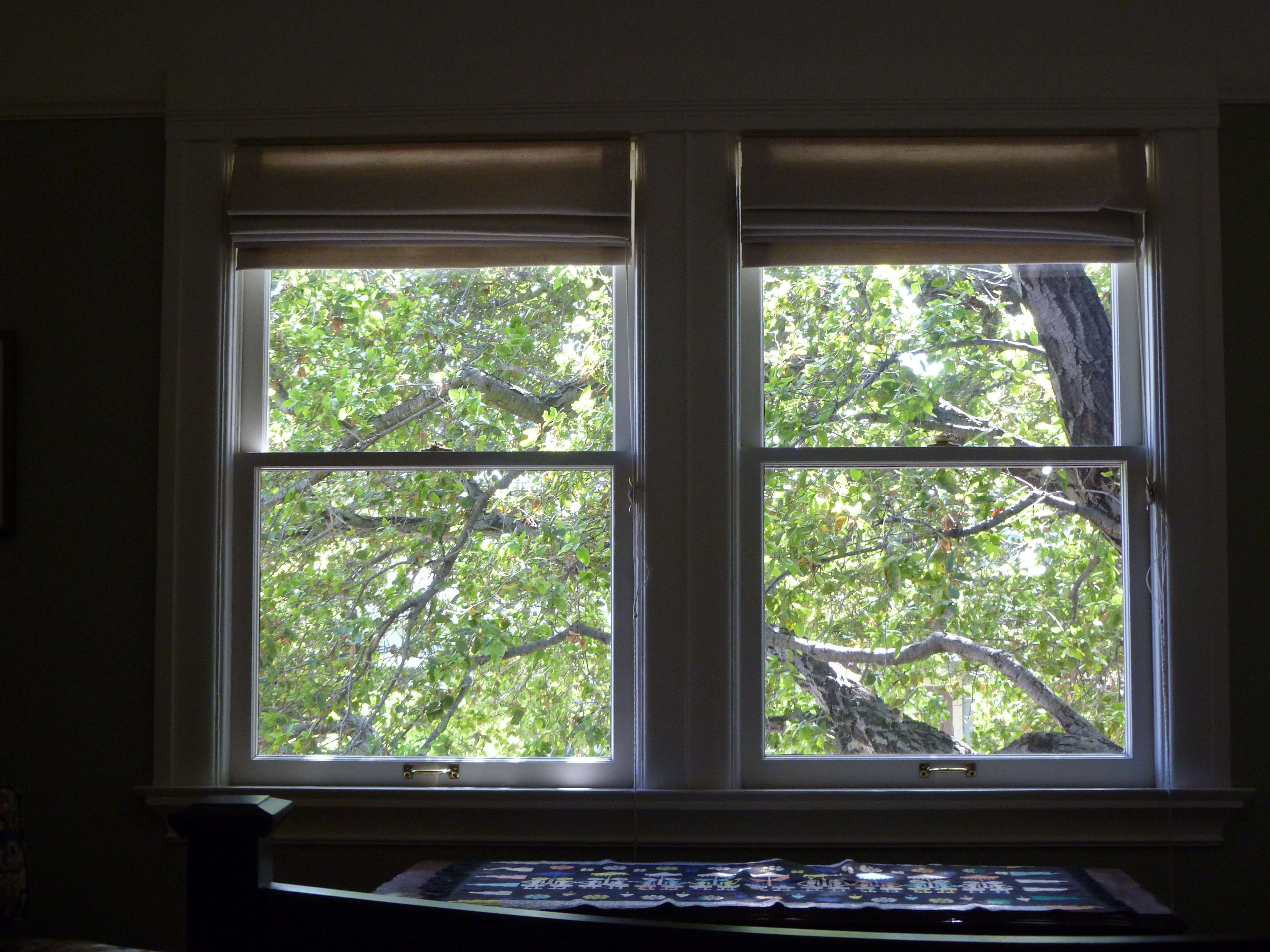
I am still recovering from a bad bout of pneumonia.  I spent a month in bed with little energy to do anything but look out the window.  Fortunately, that means that I was looking through the branches of my Coast Live Oak all day.  As the sun moved in the sky from the East to the West, the illumination on the tree branches changed the perspective.  In the late afternoon, when the light comes from the West, the deeply creviced bark of the tree was high-lighted.

The view from my bed:  Coast Live Oak
The view from my bed: Coast Live Oak

Robin and chicks
Robin and chicks

The birds are busy this time of the year, finding their nesting partners, staking out the territory for their nest and building it, then hunting for the insects that their nestlings require when they are young.  Even birds that will be primarily fruit and seed eaters as adults are fed insects as babies because they need the high quality protein.  Their activity in the tree contributed to my peaceful view.

I don’t know how much of a role this scene played in my recovery.  What I know is that it was the only source of pleasure in what was otherwise an unpleasant episode in my life.

“A Year in Trees”

I hadn’t planned to tell this personal story until reading an op-ed in the New York Times on Sunday, April 6, 2013, entitled “A Year in Trees.”  The author, Bill Hayes, tells us about the important role that the trees surrounding his apartment in New York City played in his recovery from his grief from the loss of his long-time partner in life.

Tree of Heaven is a handsome tree.

The species of the trees that were visible in the windows of his apartment was Tree of Heaven (Ailanthus altissima), a non-native tree that is despised by native plant fans who consider it an invasive weed.  This judgment did not influence Mr. Hayes’ appreciation for the trees, though he acknowledges that opinion.

Mr. Hayes watched those trees through their seasonal changes for the year he spent in that apartment, just as I watched my tree during the month I spent in bed.  He called it “Tree TV.”

One particular episode in that year of those trees illustrated the role they played in the healing of his profound grief: 

“…during a ferocious thunderstorm, I’d just managed to escape, I found the boughs being tossed about like rag dolls.  The branches thrashed violently—whipping back and forth, slamming against the windows with a thud, sliding down slowly before being lifted aloft again.  I was riveted.  The trees, clearly overmatched by the combination of winds, rain and lightning were not fighting this storm but yielding to it.” 

The trees were a metaphor for the final stage of grief, acceptance or a yielding to the sorrow that incorporates it into your life.  They were also a reminder of our resilience.

Scientific verification of the healing power of trees

These anecdotal stories are probably only meaningful to those who have had the experience.  However, there is much scientific evidence that these experiences of the healing power of trees are in fact universalWe have reported several such studies in an earlier post.

Now there is a new study which used a different technique to test the affect that trees have on people:

“New research out of Edinburgh [Scotland] supports the idea that spending time in green spaces with trees reduces stress and brain fatigue.  What makes this study different from earlier research is that it looks at real-time data from the brains of people while they were actually outside, moving through the city and the parks.  The study makes use of a recently developed lightweight, portable version of the electroencephalogram, a technology that studies brain wave patterns.” *

The loss of our urban forest will be the loss of our peace

Our urban forest shields us from the noise and visual chaos of the densely populated city.  It also protects us from the wind.  Destroying our urban forest will expose us to more noise and wind.  The landscape that native plant advocates wish to substitute for the urban forest is native grassland and dune scrub.  These landscapes will not provide a shield from the noise and chaos of the city.  In losing our urban forest, we will lose some of our peace.

********************************

*http://actrees.org/news/trees-in-the-news/research/more-research-on-the-calming-effect-of-being-among-the-trees/?utm_source=Alliance+for+Community+Trees+Contacts+List&utm_campaign=75afd2e626-Treebune_News_13_Apr_1&utm_medium=email