The National Academy of Sciences (NAS) has published its recommendations for a new approach to managing forests in the American West to adapt to the increasing frequency and intensity of wildfires in the changing climate. The authors of the NAS publication regarding adaptive forest management in the changing climate are 12 academic scientists from major public universities in 8 western states. (1)
Although the National Academy of Sciences was created by an Act of Congress in 1863, during the Lincoln administration, it is a non-governmental non-profit that receives no direct government funding. Its charge is “providing independent, objective advice to the nation on matters related to science and technology. … to provide scientific advice to the government ‘whenever called upon’ by any government department.” Members of the Academy serve without salary as “advisers to the nation.” Election to the National Academies is one of the highest honors in the scientific field. The independence of NAS is ensured by lack of governmental funding and salaries to its members. However, 85% of NAS funding is government grants and contracts. (2)
In other words, this publication is an important policy document, prepared by distinguished scientists and published by America’s most prestigious scientific institution. It deserves our attention and respect.
Why is a new forest management approach needed?
In the past, forest management policies have focused primarily on preventing fire, reducing fuel loads, and restoring burned areas. Given the increasing intensity and frequency of wildfires, there is a new understanding that these approaches are no longer adequate to address new conditions created by the changed and changing climate. The new approach recognizes that fuels reduction cannot alter regional wildfire trends and therefore must adapt ecosystems and residential communities to more frequent fires, including “planning residential development to withstand inevitable wildfire.” This represents a shift from restoring historical conditions, now considered unsustainable, to developing fire-adapted communities.
The authors of this publication tell us that managing forest fuels has been ineffective: “Mechanical fuels treatments on the US federal lands over the last 15 years totaled almost 7 million hectares, but the annual area burned has continued to set records. Regionally, the area treated has little relationship to trends in the area burned, which is influenced primarily by patterns of drought and warming.” Where fuels treatment was done, wildfires subsequently occurred: “10% of the total number of US Forest Service forest fuels treatments completed in the 2004-2013 period in the western United States subsequently burned in the 2005-2014 period.” This suggests that “most treatments have little influence on wildfire.”In any case, only 40% of wildfires occurred in forests since 1984, with most fires burning grasslands and shrublands. Clearly, these projects have been a waste of time, trees, and taxpayer money.
This area on the west side of Grizzly Peak Blvd is known as Frowning Ridge. It is one of the first areas that was clear-cut by UC Berkeley over 10 years ago. Destroying the trees did not prevent the grass and shrubs from igniting in the August 2017 fire. Pictures of that area before and after the trees were destroyed are available here: https://milliontrees.me/2013/06/08/guest-article-about-fema-projects-by-a-student-of-the-forest/ The fire in August 2017 was stopped when it reached the forest on the opposite side of the road.
Nor do the authors consider “thinning” of forests a viable method of reducing fire hazards because “when thinning is combined with the expected warming, unintended consequences may ensue, whereby regeneration is compromised and forested areas convert to non-forest.” When trees are thinned, the trees that remain are more vulnerable to wind and they lose the ability to share resources with the neighboring trees that have been removed.
Tilden Park, October 2016. East Bay Regional Park District has radically thinned this area to distances of 25 feet between remaining trees. This area is about 2 miles away from any residential structures. Cal Fire defines “defensible space” as 100 feet around structures.
There are two major reasons for increased wildfire hazards. More than 50% of the increase in areas burned by wildfire in the American West is attributed to climate change. The expansion of residential development into forested areas—called the Wildland-Urban-Interface (WUI)—is the second factor: “Between 1990 and 2010, almost 2 million homes were added in the 11 states of the western United States, increasing the WUI by 24%.” 35% of wildfires in the WUI since 2000 were in California, more than any other state.
What is the new management goal?
Whereas past policies were designed to maintain forest conditions to historical conditions, this is no longer considered a realistic goal. The recommended goal is now “supporting species compositions and fuel structure that are better adapted to a warming, drying climate with more wildfire.” Sounds like planting tree species that are adapted to new climate conditions, doesn’t it?
The other, equally important new goal is to reduce the vulnerability of communities to wildfire by “changing building codes to make structures more fire-resistant…and providing incentives, education, and resources to reduce vulnerability to future wildfire.” The only tree removals that make sense to the authors are those immediately around residential communities, “strategically located to protect homes and the surrounding vegetation.” That is the principle of creating “defensible space” immediately around structures: “fuels management for home and community protection will be most effective closest to homes…where ignition probabilities are likely to be high.”
Source: Cal Fire
These strategies are called “transformative resilience,” which “refers to planned fundamental change in response to drastically altered disturbances that have the potential to create broad-scale, systemic shifts in ecological states or radical shifts in values, beliefs, social behavior, and multilevel governance.” The authors of these policy recommendations acknowledge that such rapid and radical shifts in social and ecological transformation are rare and difficult to achieve. We certainly agree with that observation.
The urgently needed paradigm shift
Public policy and conventional wisdom is wedded to the past. The public is unable or unwilling to acknowledge the realities of climate change. They remain committed to “restoring” the landscape to an imagined pre-settlement ideal in the distant past. And public land managers remain committed to creating that fantasy landscape, by destroying existing landscapes and using herbicides to do so. They destroy the trees of the future and plant the trees of the past. And they destroy trees miles from any residential properties while property owners resist the creation of defensible space needed to protect their homes.
The authors of the NAS publication clearly state the risks of continuing down that path: “[Such policies] may be the easiest, most familiar path with the least uncertainty, but this approach is short-sighted and could come at the cost of adaptation to future wildfire as climate change continues.”
They also urge the public to wake up to this new reality: “Some ecosystems will survive and thrive as they adapt to novel future conditions, but not all. Embracing rather than resisting ecological change will require a significant paradigm shift by individuals, communities, and institutions and will challenge our conservation philosophies.”
Our safety and the future of our land are at stake. We must take our heads out of the sand and look forward instead of back to a past that is long gone and will not return. Since climate change is causing more wildfires, destroying more trees than necessary to achieve fire safety is counterproductive because deforestation is the source of about 10% of carbon emissions contributing to climate change.
The City of Oakland applied for a FEMA pre-disaster mitigation grant in 2005 to clear-cut all non-native trees on 122 acres of city owned property in the East Bay hills, based on the claim that it would reduce fire hazards. FEMA cancelled that grant in September 2016 in settlement of a lawsuit against the project.
The City of Oakland began the process of writing a new plan to reduce fire hazards in the hills by hiring a consultant to develop a Vegetation Management Plan in November 2016. The new plan will be much more comprehensive than the original plan, covering 1,925 acres of open space and 308 miles of roadside in Oakland. Oakland also made a commitment to an open public process to develop the plan. A survey of public opinion was conducted and two public meetings were held in 2017.
A draft of Oakland’s Vegetation Management Plan is now available HERE. There are detailed maps of the areas that will be covered by the plan. We suggest you take a look at those maps to determine what effect the plan will have on your neighborhood and the parks and open spaces you visit.
A public meeting about the draft was held on May 23, 2018 and written public comments will be accepted until June 11,2018. Comments may be submitted in the following ways:Download comment card; Email VMPcomments@oaklandvegmanagement.org; Mail:266 Grand Avenue, Suite 210, Attn: Ken Schwarz, Oakland, CA 94610. We hope you will participate in this public process that will determine the future of much of the landscape in the Oakland hills.
We are publishing an excerpt of the written public comment of one of our readers, which we hope will help you understand the issues and to write a comment of your own. Asterisks indicate where some detail has been omitted. You can see the entire public comment HERE: Oakland Draft Vegetation Management Plan – public comment
Million Trees
Ken Schwarz
Horizon Water & Environment
266 Grand Avenue, Suite 210
Oakland, CA 94610
I am broadly supportive of the Draft Vegetation Management Plan (DVMP) because:
It will create defensible space around structures in Very High Wildfire Hazard Severity Zones.
It will clear easily ignited vegetation on roadsides in places where fire hazards are greatest.
It sets priorities for implementation in places where fire hazards are greatest.
These three elements of the plan will reduce fire hazards while limiting destruction of trees and vegetation and being fiscally responsible.
My public comment will identify some weaknesses in the plan and make specific suggestions for improving the plan with the goal of minimizing fire hazards as well as collateral damage to the environment.
The 300-foot “buffer” zone is unnecessarily destructive.California law requires 100-feet of defensible space around structures. The DVMP proposes extending defensible space along roadsides and around structures to 300-feet, the length of a football field. Such a wide clearance of vegetation greatly exceeds California fire code and is therefore unnecessarily destructive. In a recently published op-ed in the Los Angeles Times, two academic scientists confirm our understanding of how to keep our communities safe: “The science is clear that the most effective way to protect homes from wildfire is to make homes themselves more fire-safe, using fire-resistant roofing and siding, installing ember-proof vents and exterior sprinklers, and maintaining “defensible space” within 60 to 100 feet of individual homes by reducing grasses, shrubs and small trees immediately adjacent to houses. Vegetation management beyond 100 feet from homes provides no additional protection.”[1]
The buffer zone should be eliminated, reduced in size, or reduced to Priority 3 so that it is less destructive and costly.
*************************
The description of herbicide use in the draft is unnecessarily vague, because it provides no information about what herbicides will be used and the health and environmental hazards of specific herbicides. Nor does it explain how, where, or why herbicides will be used.
Instead of providing that information, the plan describes the public’s opposition to herbicides as “social stigma,” which implies that our opposition is a baseless prejudice against herbicides. In fact, our opposition is based on scientific information about the dangers of herbicides and those dangers must be acknowledged by the final version of this plan.
The dangers of herbicides are well documented and well known. ****** Here is a brief list of some of the most recent studies that conclude that glyphosate products are very dangerous to the health of animals and humans:
The International Agency for Research on Cancer classified glyphosate as a “probable human carcinogen” in 2015. The IARC is composed of an international team of scientists convened by the World Health Organization of the United Nations.
The State of California responded to that news by requiring all glyphosate products sold in the State to be labeled as carcinogens. The State was sued several times by the manufacturer of Round Up—Monsanto–to prevent the labeling requirement. The State of California recently won in the state court of appeals[2]. Unless Monsanto appeals and wins in the State Supreme Court, all glyphosate products will be labeled as carcinogens in California.
US National Toxicology Program recently conducted tests on formulated glyphosate products for the first time. In the past, tests were conducted only on the active ingredient…that is glyphosate alone. The formulated products that are actually applied as weed killers contain many other chemicals, some of which are not even known. The head of the National Toxicology Program Laboratory, told TheGuardian newspaper the agency’s work is ongoing but its early findings are clear on one key point. “We see the formulations are much more toxic. The formulations were killing the cells. The glyphosate really didn’t do it,” DeVito said. A summary of the NTP analysis said that “glyphosate formulations decreased human cell ‘viability’, disrupting cell membranes. Cell viability was ‘significantly altered’ by the formulations, it stated.”[3]
The Global Glyphosate Study is being conducted by six scientific institutions all over the world. ******* This international consortium of scientific institutions recently published preliminary resultsof their study: “The results of the short-term pilot study showed that glyphosate-based herbicides (GBHs) were able to alter certain important biological parameters in rats, mainly relating to sexual development, genotoxicity and the alteration of the intestinal microbiome, at the ‘safe’ level of 1.75 mg/kg/day set by the U.S. Environmental Protection Agency (EPA).”[4] In other words, at doses deemed safe by the US EPA, significant negative health effects were found in animals used in testing.
The German Agriculture Minister announced on April 17, 2018 that she was finalizing a draft regulation to end use of the weed-killer glyphosate in household gardens, parks and sports facilities, and to set “massive” limits for its use in agriculture.[5] Germany is one of 25 countries that have issued outright bans on glyphosate, imposed restrictions or have issued statements of intention to ban or restrict glyphosate-based herbicides, including Roundup Countless US states and cities have also adopted such restrictions. [6]
Marin Municipal Water District quit using all pesticides in 2015. In a letter to East Bay Municipal Utilities District, a member of the Board of MMWD explains why that decision was made. (Attachment 2) MMWD hired scientists at UC Davis to conduct a study of the biological persistence of glyphosate. They found that glyphosate persisted for at least 84 days when applied to foliage, and perhaps longer after the study ended.
Garlon with the active ingredient triclopyr is more toxic than glyphosate. Garlon is the herbicide that is used to prevent eucalyptus and acacia from resprouting when the trees are destroyed. Its use was also specifically allowed for that purpose by Oakland City Council Resolution 79133. Although the DVMP does not mention its use, we assume—unless specifically told otherwise by the final version of the VMP—that Garlon will be used to control resprouts.
Triclopyr is an organochlorine product, in the same family of pesticides as DDT, which was banned in the US in 1972. Organochlorine products bioaccumulate and are very persistent in the environment. Nearly 50 years after it was banned, DDT is often found in the ground, in the water, and in people’s bodies.[7]
Organochlorine products are endocrine disrupters. The Pesticide Research Institute did a risk assessment of triclopyr for the California Invasive Plant Council. They reported that triclopyr “poses reproductive and developmental risks to female applicators.” [8]
The Pesticide Research Institute did a risk assessment of triclopyr for Marin Municipal Water District in which they informed MMWD that birds and bees are both harmed by triclopyr and mycorrhizal fungi in the soil are damaged by triclopyr.[9]
More research has been done on Round Up than on Garlon because it is more widely used. It is more widely used, partly because it is actually less dangerous than Garlon (it is also a non-selective plant-killer). Because of the toxicity of Garlon, several public land managers in the Bay Area have made a commitment to controlling resprouts without using herbicides: ******** Marin Municipal Water District, Marin County Parks and Open Space, UC San Francisco, and East Bay Municipal Utilities District (the supplier of our drinking water).
*************************
There is no evidence that eucalyptus is inherently more flammable than native trees. ******** Eradicating non-native trees and shrubs will not reduce fire hazards because they are not inherently more flammable than the native vegetation that will remain. Therefore, the reduction of fuel loads must be based on flammability, NOT the nativity of the flammable species. The nativity of plant species is irrelevant to reducing fire hazards and must be abandoned as criterion for destroying plants and trees.
Vegetation that burned in the North Bay fires of October 2017 was almost exclusively native. Source: Bay Area Open Space Council
I support the thinning of eucalyptus, acacia, Monterey pine and cypress to reduce fuel loads, as long as the canopy is intact.******** When the canopy is intact, the forest floor is shaded which retains moisture that retards ignition and suppresses the growth of easily ignited weeds. The DVMP proposes to thin the targeted non-native trees to distances of 35 feet, creating gaps in the canopy of 10 feet within the 300-foot “buffer zone.” The distance between the trees must be reduced to 25 feet to maintain the canopy. In addition to reducing fire hazards, maintaining the canopy will also be less destructive and will reduce the amount of stored carbon released into the atmosphere.
Tilden Park, October 2016. East Bay Regional Park District has thinned this area to distances of 25 feet between remaining trees. The forest floor is still shaded because the canopy is intact.
My greatest disappointment in the DVMP is its proposal to remove all individual non-native trees where they presently exist in native vegetation outside the “buffer zone.” ******** Removing non-native trees in riparian areas and in redwood groves as proposed by the DVMP is not fire hazard mitigation because fire hazards in those areas are minimal.
*****************************
Furthermore, destroying healthy trees damages the trees that remain because the herbicide that is used to prevent eucalyptus and acacia from resprouting is mobile in the soil and it is known to damage mycorrhizal fungi in the soil that is essential to the health of the native trees. ******* It is not possible to destroy isolated trees without damaging neighboring trees in close proximity. ****** Studies show that eucalyptus trees in native forests are not doing any damage to neighboring trees. ********
If individual non-native trees within native vegetation are not doing any environmental damage and do not increase risk of fire they should not be destroyed because destroying them WILL damage native vegetation. Please leave them alone!
Putting the DVMP into the long-term big picture
Finally, I suggest that we all take a step back from the details of the DVMP and consider the proposal in the context of the entire environment. The final VMP must minimize damage to the environment while mitigating fire hazards because:
The climate has changed and it will continue to change. When the climate changes, the vegetation changes. That is one of the axioms of ecology and it will continue to be. If non-native plants and trees are better adapted to the current and anticipated climate, we should abandon futile attempts to force plants to live where we want them to live.
If we want trees in California, we must look to the future, not the past. 130 million native conifers have died in California since 2010. 5-10 million oaks in California have been killed by Sudden Oak Death. The future of redwoods in California is in jeopardy because they require a lot of water and they don’t tolerate wind.
********************
A climate change specialist at the US Forest Service tells us in a recent study that native tree species are the most vulnerable to climate change. USFS found that native trees are more vulnerable to the changes in temperature, precipitation, growing season, and other effects of accumulating greenhouse gases. The assessment found that 88 percent of invasive tree species are expected to prove resilient in the changing climate, ranked with low vulnerability, compared to 20 percent of natives.[10]
We are contributing to climate change by destroying healthy trees that are storing tons of carbon that will be released into the atmosphere as the destroyed trees decay. The primary reason why wildfires are more frequent and more intense is because of the warmer, drier climate. Therefore destroying more trees than necessary increases fire hazards because we are exacerbating climate change by destroying more trees than necessary.
It is a fiction that destroying trees will release less carbon than the wildfires imagined by those who demand their destruction. According to a recently completed study at Oregon State University, “wildfire is not the biggest source of climate-warming carbon dioxide in Oregon forests—logging and wood products are.”[11]
*******************
The trees that will be destroyed in Oakland will not be used as lumber, which means they will contribute even more carbon to the atmosphere. Timber that is used for building retains its stored carbon until the building deteriorates or is destroyed.
The herbicides that are used to destroy vegetation and prevent trees from resprouting damage the soil and pose serious health risks to animals and humans. The more vegetation and trees the VMP destroys, the greater the damage caused by herbicides. Therefore, we must minimize the amount of vegetation that is destroyed as much as possible if herbicides are used.
We achieve nothing if the damage we do to the environment and to ourselves is greater than real or imagined reduction in fire hazards.
Catalina Island is dear to my heart because of several childhood vacations there. It was thrilling to return after 60 years and find it unchanged from my memories. Avalon, the small town of about 3,500 people, is still a quaint collection of little wooden shacks, painted bright colors. But as an adult, my recent visit to Catalina was broader and encompassed the entire island, which was unknown to me as a child. That broader perspective on Catalina is my focus today. (1)
Avalon Harbor, Catalina Island. Creative Commons
Catalina is one of the Channel Islands off the coast of Southern California. It rose from the ocean about 5 million years ago as the result of geologic processes lifting the ocean floor as tectonic plates collided. Like other oceanic islands (as opposed to those that broke off from continents), it was composed of barren rock for thousands of years. It took thousands of years to build soil needed to support plants. Then it took thousands of years to establish plants from the seeds blown in the wind from the mainland, brought by birds in their stomachs or adhered to their feathers and feet, or brought by waves carrying plants in storms. When plants gained a foothold, the island was able to support insects brought by wind and waves.
The process of populating Catalina with plants and animals accelerated with the arrival of American Indians about 10,000 years ago. Foxes were probably brought to Catalina by the Indians and oaks probably arrived as acorns brought by the Indians. Archaeological remains of Indian settlements indicate that there were as many as 2,500 Indians living on Catalina, using only the food and materials available on the island or the surrounding ocean.
Most of the plant and animal life on Catalina came from the mainland of California, only 22 miles away from the island. When plants and animals evolve in isolation from their ancestors, their gene pools gradually drift apart and are eventually distinct species. That’s why there are about 60 plant and animal species on Catalina that are endemic, meaning that they exist only on Catalina. This process of diverging evolution from mainland ancestors to unique island species is typical of all island ecosystems.
Europeans arrive on Catalina
Catalina was visited by Spanish explorers for the first time in 1542 and again in 1602. Although their visit was brief, it was fatal because they brought diseases to which Europeans were immune and the Indians were not. Most of the Indians on the island were killed by those diseases, a scenario that played out all over the New World in the 16th and 17th centuries.
Europeans tried to establish communities on the island in the 19th century, but their economic ventures were not successful. They brought sheep, cattle and goats. But there wasn’t sufficient forage for their herds and supplementing their diets by growing hay wasn’t economically viable. They tried mining, but found little of value. They introduced animals for hunting, such as mule deer and pigs.
Towards the end of the 19th century, Europeans made their first attempt to turn the island into a tourist destination. The first effort ended when the entire town of Avalon burned in a fire in 1915. That fire set the stage for the final chapter in the development of the island. William Wrigley Jr. was able to purchase the entire island in 1919 in the “fire sale” that resulted in a bargain price.
The Wrigley Era on Catalina
William Wrigley Jr. made his fortune manufacturing and selling chewing gum. He had the means to indulge his passion for the island, which he envisioned as a recreational paradise. He built a magnificent Art Deco casino in Avalon that opened in 1929 and turned the town of Avalon into a famous destination that attracted celebrities as well as one million visitors each year, arriving on the huge steamers Wrigley built to bring them to Catalina.
Bison on Catalina Island. Creative Commons
Many movies were made on Catalina and movie stars were frequent visitors to the island. One of the movies brought bison to the island to feature in their western themed story. The bison herd grew and eventually became another challenge to the survival of vegetation on the island.
The conservancy era on Catalina
When William Wrigley died, his heirs changed the direction of the island’s development. The island could have continued to grow into a tourist destination, but in 1972 Wrigley’s heirs decided that nearly 90% of the island would be turned into a nature reserve. The Catalina Island Conservancy was born. Access and development on conservancy land is restricted.
Catalina Island Conservancy land.
The conservancy has made big investments in restoring the island’s ecosystems and protecting endemic plant and animal species. Sheep and cattle were removed, which wasn’t difficult because those enterprises had largely failed. Feral pigs and goats were much harder to round up and were killed by hired sharp shooters. The extermination of the pigs and goats was as controversial on Catalina as it has been on other Channel Islands. A decade later, “with the quality of the island habitat rebounding and increased ecotourism revenue being realized by island businesses, the bitterness surrounding the pig and goat eradication is subsiding.Conservation, contrary to popular belief, is not one long group hug. This stuff can be hard.” (1) Indeed, “restorations” in the San Francisco Bay Area have caused one pitched battle after another for over 20 years. They might have been less heated battles if all opinions had been treated with equal respect, as they seem to have been on Catalina Island.
The population of mule deer is being controlled with hunting licenses. Most of the herd of 600 bison was given to an Indian reservation in South Dakota. The remaining herd of 150 is being controlled by a contraception program. Maintaining the small bison herd is considered a concession to their popularity with residents and tourists on the island.
Island fox. Catalina Island fox is a sub-species of the Island fox on other Channel Islands. USFWS
The Catalina Island Fox, an endemic species, was nearly wiped out by distemper virus introduced by a castaway raccoon. Fortunately, conservancy staff figured out why the population dwindled to only 100 foxes in time to save the foxes from extinction. A captive breeding and vaccination program returned the fox population to over 1,500 animals in 2011. A captive breeding program for the island’s bald eagles has also restored their population.
Invasive species
Like most restorations, the Catalina Island Conservancy is concerned about invasive species. However, their approach to controlling non-native plants is less extreme than many similar projects. They consider a species of broom (Genista linifolia) their highest priority for eradication. Although they have tried and will continue trying to control it they acknowledge that it may not be possible.
Genista linifolia is native to the Canary Islands. It was introduced to Catalina over 100 years ago when it was used to landscape the Saint Catherine Hotel when it was originally built in 1900. The conservancy launched the Avalon Grasses Initiative in 2016 to prevent similar introductions of grasses that have a high potential to spread on the wind—such as pampas and fountain grass–from gardens in Avalon to conservancy wildlands. Conservancy staff quietly patrol the gardens in Avalon, looking for these exotic grasses. When they find them they approach the property owner with their proposal to remove them and replace them with native plants. The 20 property owners who have agreed to this proposal express satisfaction with the substitution. This strategy seems to treat the property owners with respect. (2)
Over 200 species of non-native plants live on the island, but the conservancy considers only 35 of the species a problem. They describe their approach to non-native plants:
“The Catalina Island Conservancy has developed a thoughtful and comprehensive set of strategies for dealing with invasive plants. First, they realized that not all introduced plants are invasive and some are less likely to outcompete native species. Those considered invasive were ranked according to the magnitude of the problems they present, including how widespread they are, how fast they can spread and how damaging to the local native species they are. On the basis of this information, each highly ranked invasive species is being treated with the purpose of reducing its impact on the native communities, reducing its spread or eliminating the threat.” (1)
They acknowledge that “topical chemical treatments” are one of the methods they use to control plants they consider invasive, but details of their pesticide use are not available to me. The conservancy is a private entity that is not subject to public record laws.
My eucalyptus litmus test
Catalina Ironwood is one of few species of native trees on the Island. It is an endemic species, like most of the native trees on the island.
There are few species of native trees on Catalina Island and their population on the island is also very small. Therefore, most trees on the island were introduced. Eucalyptus (mostly Red River gum and blue gum) were introduced to the island in the 1920s by the Wrigley family for a variety of reasons: aesthetic, shade, wind break, erosion control of road cuts, etc. Eucalypts are still there and they are the predominant tree species on the island. Eucalyptus is found throughout the island, including the town of Avalon and several places on conservancy land, where they were planted.
The bark of Catalina ironwood is shredded, similar to the peeling bark of Blue Gum eucalyptus
The conservancy does not plan to eradicate eucalyptus on the island: “The eucalyptus trees…are non-native, but are not highly invasive. Because of their non-invasive growth pattern and their place in the cultural heritage of the Island, they are not targeted for replacement, except when they die of natural causes.” (3)
The myth that eucalypts are highly flammable that is used as an excuse to eradicate them in Northern California is not heard on Catalina Island. An enormous wildfire torched about 10% of the island in 2007. The fire started on conservancy land and spread to the outskirts of Avalon where it was finally extinguished after destroying several homes. The town was evacuated and its residents stood on the beach front watching the fire approach their homes. The eucalyptus trees that surround Avalon did not burn. In the conservancy description of the fire, no mention is made of eucalyptus. Although the fire was started by unsafe use of mechanized equipment, the conservancy describes fire as a natural and beneficial feature of the chaparral ecosystem of the island.
A street in Avalon is named “Eucalyptus Street.” In the background are some of the eucalypts that surround the town of Avalon.
A restoration that makes sense
I have been studying native plant restorations for over 20 years. I have finally found on Catalina a restoration that makes some sense to me.The restoration on Catalina Island has been more constructive than it is destructive. It has killed less and preserved more. It preserves eucalyptus because they aren’t doing any harm. It does not fabricate a cover story to justify killing eucalypts just because they aren’t native.
The conservancy also acknowledges that difficult choices must be made and that differing opinions must be respected. Recreational interests and aesthetic preferences are not always consistent with the goals of conservation. The conservancy preserves bison because people like to see them, despite the fact that they are not native to the island. Competing interests must be balanced if the restoration is to be supported by residents of the island: “We have realized that people are an intrinsic part of the nature of the island—an influential and fundamental component of the conservation effort.” (1)
Most of this article comes from this book (1) which was written by the leadership of the Catalina Island Conservancy:
Frank Hein & Carlos de la Rosa, Wild Catalina Island: Natural Secrets and Ecological Triumphs, Natural History Press, 2013
“Protecting Catalina’s Wildlands from Invasive Plants,” Catalina Island Conservancy Times, Fall 2017
East Bay Regional Park District is in the process of selecting the projects that will be funded by the renewal of Measure CC, the parcel tax that has funded park improvements. Measure CC will be on the ballot for renewal in November 2018 and will provide funding for “park improvements” for the next 15 years. YOUcan have some say about those projects by making your suggestions to the park districtby the end of December. Send your suggestions to publicinformation@ebparks.com.
The original parcel tax was passed in 2004. Over 22% of the money raised by that parcel tax was used to destroy healthy non-native trees in the parks. Meanwhile, many of our native trees, most notably our Coast Live Oaks, are dying of Sudden Oak Death. Destroying our non-native trees, while our native trees are dying, predicts a treeless future for the Bay Area. Since dead trees are more flammable than living trees, destroying living trees while leaving dead trees in the parks means that fire hazards are being increased.
We published a letter from a park advocate about Sudden Oak Death to the park district recently, which is available HERE. Today we are publishing an update from the park advocate who has learned more about the dead oak trees in East Bay parks. A scientist who is studying Sudden Oak Death in East Bay parks tells us that there are tens of thousands of dead oak trees in the parks and that the park district is not removing them. The dead trees are now fuel for fires in the parks.
It’s been a rough year and we are sorry to end it with this unhappy news about trees in the East Bay. We send you our best wishes for a better year in 2018. Thank you for your readership.
Source: Brice McPherson, December 7, 2017
TO: Rick Seal, Fire Chief; Robert Doyle, General Manager; Board of Directors
CC: publicinformation@ebparks.org
FROM: Park Advocate
RE: Please hire arborist/forester with Measure CC renewal
I attended the presentation of Brice McPherson to San Francisco IPM Technical Advisory Committee about Sudden Oak Death (SOD) on Thursday, December 7th. Mr. McPherson is Associate Specialist in “Organisms & the Environment” at UC Berkeley. He has been studying SOD since 2000 and more recently has inventoried the trajectory of the disease in 5 EBRPD parks and conducted experiments in those parks, with the park district’s permission.
Mr. McPherson began his study of SOD in Marin County, where SOD infections were first seen in 1994, before beginning his research in East Bay parks. Comparing the progression of the disease from Marin County to the East Bay has enabled Mr. McPherson to project the future of SOD in the East Bay.
Wildcat Canyon is the park in which Mr. McPherson has inventoried infected and dead trees most recently. In 2017, Mr. McPherson found that 16.2% of coast live oaks were infected and 20.5% were dead. The number of dead and dying oaks in Wildcat Canyon is staggering: 18,750 oaks are infected and 21,360 oaks are dead.
Source: Brice McPherson, December 7, 2017
The number of dead and dying trees in the other 4 East Bay parks that Mr. McPherson is studying is smaller. However, his inventories in those parks are much older. Since SOD infections have increased exponentially in 2016 and 2017, we should assume that his data underestimate the current status of oaks in those parks. As you probably know, the pathogen that causes SOD is spread by rain and wind. For that reason, the rate of SOD infections has soared during the past two wet winters.
Mr. McPherson predicts that the infection rate in Wildcat Canyon will increase 10.2% per year in the future, causing 10,600 new infections per year. Mr. McPherson predicts that +/- 50% of all coast live oaks will be lost in East Bay parks in the next 20 years, resulting in “major changes in stand structure.” In other words, most oak forests will be replaced by other vegetation types.
Source: Brice McPherson, December 7, 2017
In response to a question, Mr. McPherson said that the park district is not doing anything about the dead oak trees because there are not sufficient funds available to remove the dead trees. He was also asked how the dead wood can be removed without spreading the infection and/or creating piles of dead fuel throughout the parks. He could not answer that question.
This new information requires that I repeat what I have written to you on earlier occasions: “These changes in the environment require the park district to revise its strategies for fire hazard reduction because dead trees are significantly more flammable than living trees that contain more moisture…Removing trees infected with or killed by Sudden Oak Death should now be a higher priority than continuing to destroy healthy trees, as the park district has done in the past. Protocols for removing the dead wood must be developed because the wood is fuel when left on the ground…”
As you know, the park district has spent about $22 million dollars destroying healthy, living trees in the parks with Measure CC funding. If the park district has the money to destroy living trees based on the claim that it will reduce fire hazards, it obviously has the money to remove dead fuel in the parks.
Finally, we learned from Mr. McPherson that the park district does not employ a single certified arborist or forester. Given the resources the park district devotes to native plant “restorations” and spraying pesticides, surely it can also employ someone who knows something about trees. The landscape in the East Bay is undergoing a radical change to species that are adapted to current climate conditions that, sadly, will replace our beautiful oak forests. We need the guidance of qualified arborists to identify the most hazardous trees and make the transition to a new landscape. The employment of such expertise about trees would be a worthy expenditure of new Measure CC funding.
The public meetings held by East Bay Regional Park District about the renewal of Measure CC are over. Thanks to everyone who attended. Our viewpoint was well represented. We patiently waited in line to get our wishes on their flip charts and when they were read to the crowd, our message was loud and clear: “QUIT destroying healthy trees, DON’T use pesticides.”
If you weren’t able to attend the meetings, you can still tell the park district what you are hoping for in the renewal. Voters will be given an opportunity in 2018 to vote to continue for another 15 years the parcel tax that has been used for park improvements. The park district is inviting the public to submit written public comments about the projects they want to see funded by Measure CC. We will publish a series of such comments that we hope will inspire you to write your own comments.
Send your comments to publicinformation@ebparks.org. Depending on the subject, copies to specific members of the Board or the staff are also appropriate. You will find a list of staff and board members at the bottom of this post.
I understand that you are responsible for implementing the park district’s “Wildfire Hazard Reduction and Resource Management Plan.” Much of that plan has already been implemented and most of it was funded by Measure CC. Therefore, I am writing to ask that the plans to reduce wildfire hazards be revised, as required by the plan’s commitment to “Adaptive Management.”
Adaptive Management is the sensible strategy to make needed adjustments in plans as required by changes in conditions and in response to the results of completed portions of the projects. There are two significant changes in conditions that require adjustments to the plans:
The consequences of climate change are significantly worse than were evident when the plan was written in 2009. For example, a severe drought killed 102 million native conifers in California. Higher temperatures and other changes in the environment are altering our landscape. Plants and trees that lived here prior to European settlement are no longer adapted to the changed climate and further changes are anticipated in the future.
Sudden Oak Death has killed between 5 and 10 million oak trees in California and the pathogen causing Sudden Oak Death spread exponentially in 2016 and 2017 because of heavy rain. There are significant SOD infections throughout the park district, including in urban areas. HERE is a map of those infections in Alameda and Contra Costa counties.
These changes in the environment require the park district to revise its strategies for fire hazard reduction because dead trees are significantly more flammable than living trees that contain more moisture. HERE is a San Francisco Chronicle article that explains how Sudden Oak Death contributed to recent fires in the North Bay.
Removing trees infected with or killed by Sudden Oak Death should now be a higher priority than continuing to destroy healthy trees, as the park district has done in the past. Protocols for removing the dead wood must be developed because the wood is fuel when left on the ground; presently, the official protocol for the wood of trees killed by SOD is to leave it on the ground, in place. That practice is not consistent with EBRPD’s commitment to reduce fire hazards.
Scientists tell us that wildfires are becoming more frequent and more intense all over the world because of climate change. Therefore, addressing the causes of climate change should be the top priority of a program designed to reduce fire hazards. Since deforestation is the second greatest source of the greenhouse gases causing climate change, the park district should reconsider its program of destroying healthy trees storing carbon. The park district should also plant more trees, which have a future in our changed and changing climate and that will sequester carbon and reduce air pollution.
Thank you for your consideration. I will be looking for appropriate revisions of fuels management projects when making my decision about voting for renewal of Measure CC.
Send your comments regarding Measure CC renewal to publicinformation@ebparks.org
Send copies to staff and board members of East Bay Regional Park District
Robert Doyle, General Manager rdoyle@ebparks.org
Ana Alvarez, Deputy General Manager aalvarez@ebparks.org
Casey Brierley, Manager of Integrated Pest Management cbrierley@ebparks.org
Board of Directors:
Beverly Lane, Board President blane@ebparks.org
Whitney Dotson wdotson@ebparks.org
Dee Rosario drosario@ebparks.org
Dennis Waespi dwaespi@ebparks.org
Ellen Corbett ecorbett@ebparks.org
Ayn Wieskamp awieskamp@ebparks.org
Colin Coffey ccoffey@ebparks.org
In 2004, voters in Alameda and Contra Costa counties approved Measure CC, a parcel tax, to provide additional funding to East Bay Regional Park District for “Park Access, Infrastructure and Safety Improvements, Resource-Related Projects, and Reserve for Unknown Events.” Measure CC also stipulated that “the overall commitment to natural resources shall be no less than 30% of the revenue raised by the entire measure.” (1) Measure CC is projected to provide about $47 million in the 15 years of its life. (2)
The park district is planning to put Measure CC on the ballot for renewal next year. It’s time to look at how the park district spent our tax dollars and decide if we want to continue to give them our tax dollars for another 15 years. If you want Measure CC funding to be used differently, now is the time to tell East Bay Regional Park District what you want…BEFORE the ballot measure is written.
Fuels Management vs. Resource Management?
The park district budgeted $10.2 million of Measure CC funding for “fuels management,” about 22% of the total available funding from Measure CC. To date, the park district has appropriated $8.8 million of that budget allocation and spent $6.3 million.
The park district describes “fuels management:”“All vegetation/fuels management projects for fuels reduction are in coordination with the protection and enhancement of wildlife habitat in fuel break areas and are therefore considered to be resource related.” (2) In other words, the park district considers destroying vegetation and cutting down trees a part of its “commitment to natural resources.”
These descriptions of Measure CC projects illustrate the close relationship between fuels management and resource management:
“Assess and remove hazardous trees, promote native tree regeneration.” (2)
“Manage exotic plant species and promote fire resistant natives to reduce the risk of wildfires.” (2)
“Manage vegetation for fuels reduction in coordination with the protection and enhancement of wildlife habitat in fuel break areas to provide defensible space and meet Hills Emergency Forum flame length standard.” (2)
The park district’s policies and practices are based on mistaken assumptions:
Most monarchs in California spend the winter months roosting in eucalyptus trees. These trees are being destroyed in East Bay parks where monarchs have roosted in the past, such as Point Pinole.
There is no evidence that destroying non-native trees will “enhance wildlife habitat.” In fact, wildlife habitat is being destroyed by “fuels management” projects.
There is a wide range of opinions about the tree removals that the park district has done since their program began in 2011, after approval of the “Wildfire Hazard Reduction and Resource Management Plan” and the associated Environmental Impact Report. At one extreme, some people want the park district to destroy ALL non-native trees on its property. They consider “thinning” inadequate. The Sierra Club is in that camp and has sued to enforce their wishes. At the other extreme, some people don’t want any trees to be removed, although most would make an exception for dead and hazardous trees.
Tilden Park, Recommended Treatment Area TI001, June 5, 2016. This in one of the projects of East Bay Regional Park District, in process
After observing the park district’s tree removal projects, I have reached the conclusion that they represent a middle ground that I can accept because in many cases the canopy is intact and the forest floor is still shaded. The shade retains the moisture that retards fire ignition as well as suppresses the growth of weeds that ignite more easily during the dry season. In the 20+ years that I have defended our urban forest, I was always willing to accept a compromise and the park district’s methods look like a compromise to me. I still have concerns about tree removals and they are explained HERE. You must reach your own conclusions.
So, what’s the beef?
Unfortunately, coming to terms with the park district’s tree removals has not resolved my misgivings about how Measure CC money has been used. In a nutshell, I believe that the park district’s “resource management” projects are based on outdated conservation practices. I believe the park district is trying to re-create historic landscapes that are no longer adapted to environmental conditions. Their projects are often not successful because they do not take the reality of climate change into consideration, nor do they look to the future of our environment. They are stuck in the past.
One of the projects funded by Measure CC is typical: the effort to eradicate non-native spartina marsh grass from all park properties. The park district has been participating in the effort to eradicate all non-native spartina marsh grass from the entire West Coast for 14 years. In the first few years, EBPRD aerial sprayed from helicopters several hundred gallons of herbicide per year. Now the quantity of herbicide is about 25 gallons per year.
The reason why the rails have been harmed by the eradication of their habitat is that non-native spartina provides superior cover for the rail. The non-native species of spartina grows taller, more densely, and it doesn’t die back in the winter as the native species of spartina does. When the rail begins its nesting season, there is no cover for the birds. They are therefore being killed by their many predators.
The fact that non-native spartina provides superior cover for the birds is related to a second issue. Non-native spartina provides superior protection from winter storm surges compared to the native species which provides no protection, even when it grows and it is NOT growing.
The third issue is that eradicating non-native spartina has not resulted in the return of native spartina. Even when extensive planting has been done, native spartina does not provide habitat or storm surge protection in the San Francisco Bay Area. We should be asking if pouring hundreds of gallons of herbicide on the ground might be a factor in the unsuccessful attempt to bring native spartina back to the Bay Area.
Finally, recently published studies that compared native with non-native marsh grasses and aquatic plants with respect to the ecological functions they perform. These studies both say, “If you look at the role of exotic water plants in an ecosystem, you won’t find any significant differences compared to indigenous species.”
The spartina eradication project is an example of conservation that no longer makes sense. It damages the environment with herbicides. It destroys the habitat of rare birds. It exposes our shoreline to strong storm surges and rising sea levels. Native vegetation does not return when it is eradicated.
Looking forward, not back
The parks are very important to me. I visit them often and I treasure those visits. I would like to vote for Measure CC. I hope that the measure on the ballot will give me a reason to vote for it.
I will be looking for a revised definition of “resource management” in the ballot measure, one that acknowledges that climate change is the environmental issue of our time and that conservation must be consistent with the changes that have already occurred, as well as look forward to the changes that are anticipated in the future. Specifically, “resource management” must respect the landscape we have now, which means not trying to eradicate it, particularly by spraying it with herbicides. Resource management projects must be based on reality, rather than on fantasies about the past.
Opportunities to tell EBRPD what you want from Measure CC
East Bay Regional Park District is holding public meetings about Measure CC to give the public the opportunity to provide input regarding future park needs and priorities:
November 4, 10-12, Harrison Recreation Center, 1450 High St, Alameda
November 8, 2:30-4:30 pm, David Wendel Conference Center, 1111 Broadway, 19th Floor, Oakland
EBRPD asks that the public RSVP by sending an email to Monique Salas at msalas@ebparks.org or call 510-544-2008.
If you can’t attend, please send written feedback here: publicinformation@ebparks.org. Please tell East Bay Regional Park District what you want Measure CC funding to pay for.
Recent wildfires in the North Bay were devastating. 44 people were killed by the fires and over 8,000 structures were destroyed, including homes and businesses. We don’t want to portray that fire as anything other than a tragedy. However, for those with a sincere interest in fire safety, there are many lessons to be learned from that fire. If people will open their eyes and their minds to the reality of those fires, there are opportunities to reduce fire hazards revealed by those fires.
What burned?
Watching videos of the fires is the best way to answer the question, “What burned?” Here are two videos of the fires that we found on the internet by doing a search for “videos of wildfires in Napa and Sonoma counties.” If you weren’t watching the news during the fires, you might start by looking at these videos. There are many more videos on the internet of those fires.
Here’s what we can see in these videos:
The fire front moved rapidly through native conifers and oaks as well as through grassland and chaparral. After watching hours of these videos, we did not see any eucalyptus trees on fire.
Many homes burned without igniting the trees and vegetation around them. If the photo was taken while the home was still burning, the vegetation is rarely engaged in the fires. If the photo was taken after the home burned, much of the vegetation is burned as well. In other words, the vegetation was ignited by the burning homes, not vice versa.
In videos of actively burning homes, the air is filled with burning embers. The source of those embers cannot be determined from the videos.
Nothing in these videos suggests that native vegetation is less flammable than non-native vegetation. Nothing in these videos suggests that the vegetation is more flammable than the structures that burned.
CalFire has identified the specific locations where four of the fires originated. Two are in groves of oak trees and two are in grassland and chaparral. Photos of those specific locations are available HERE.
UPDATE: On November 16, 2017, the Bay Area Open Space Council held a symposium about the fires in the North Bay that was billed as a “Community discussion on the impacts of the recent wildfires.” Bay Nature magazine moderated a panel of experts representing CalFire and 8 managers of public and private open space reserves.
The Director of Conservation for the Bay Area Open Space Council showed a slide of the vegetation types that burned in the fires. With the exception of vineyards, only 2% of the burned vegetation was “urban.” All other vegetation was native grassland, chaparral, and native trees.
Vegetation that burned in the North Bay files of October 2017. Source: Bay Area Open Space Council
The speaker from CalFire said that we must learn to live with fire. He suggested that the way to accomplish that goal is with better land use planning, using fire and ember resistant building materials, creating defensible space, and improving the health of our forests.
The slides of the presenters and an audio recording of their presentations is available HERE.
What role did the weather play in the fire?
All sources of information about the fire reported that strong winds were the biggest factor in the rapid advance of the fire. The wind was associated with very high temperatures and it came from the east. This type of wind is called a Diablo Wind in Northern California. In Southern California it is called Santa Ana Winds. In the Mediterranean, it is called Mistral Winds.
In coastal Mediterranean climates such as California and the Mediterranean regions of France and Spain, the wind ordinarily comes off of the ocean. Because the ocean is cooler than the land, the wind is usually a source of moisture and cooler temperatures. During periods of high summer temperatures, the wind sometimes shifts direction and starts to blow off the hot interior, drying the vegetation and increasing temperatures.
Such winds were also the main cause of the wildfire in the Oakland/Berkeley hills in 1991. Jan Null was the lead forecaster for the National Weather Service in the Bay Area in 1991. He recently said of the 1991 fire: “At the time a fire starts, the really relevant conditions are the wind speeds, the temperature and the humidity. Again, the humidity goes to the dryness of the fuel. The temperatures also go to the dryness of the fuels and the wind speeds go to what the spread of the fire is. If we’d had that same Oakland Hills fire without any wind, we wouldn’t be talking about it now.”
Most wildfires in California are caused by strong, dry, hot winds. Everything burns in a wind-driven fire. Both native and non-native vegetation burns in a wind-driven fire. Homes in the path of a wind-driven fire are more likely to burn than the vegetation that surrounds the homes because the vegetation contains more moisture.
Why are wildfires becoming more frequent and more intense?
Wildfires in the west have become more severe because of increased temperatures and lower humidity at night. When it doesn’t cool off at night, the trees don’t have an opportunity to regain the moisture they have lost during the high daytime temperatures. In the past, firefighters could count on wildfires to die down at night. Now they can’t count on colder nights to make the fires less severe. (2) Since the fires in the North Bay started in the middle of the night and did the most damage that first night, this observation about warmer nights is particularly relevant to those fires.
The investigation of the recent wildfires in the North Bay is not complete, but early indications suggest that power lines probably ignited some of the fires. Some power poles fell over in the strong winds, causing the power lines to break and spark ignitions. Some trees were blown into the power lines, causing them to break or spark.
California State law requires that trees be pruned at least 4 feet from the power lines. Although PG&E says they are inspecting thousands of miles of power lines to identify potential interference with trees, these inspections are apparently not adequate. After the fires started, PG&E claimed they had removed 236,000 “dead and dying” trees and “destroyed or pruned” 1.2 million healthy trees in 2016. These destroyed trees contribute to climate change.
Apparently PG&E’s efforts to inspect and maintain power lines were inadequate and State laws intended to ensure the safety of power lines are not being enforced.
Did Sudden Oak Death contribute to the fire?
Sudden Oak Death (SOD) killed 5 million oak trees in California from 1994 to 2016, when that number was reported by a study. The study also said that the SOD epidemic could not be stopped and would eventually kill all oaks in California. More recent estimates are that 5 to 10 million oaks have been killed by SOD. (2)
SOD is caused by a pathogen that is spread by rain and wind. We had a great deal of rain in 2016 and 2017, which has greatly increased the spread of SOD. In the past, SOD has been mostly confined to wildlands. Now it is found in many urban areas, including San Francisco and the East Bay. In the most recent SOD survey done in spring 2017, new infections were found on the UC Berkeley campus, the UC arboretum, and the San Francisco Presidio. (2)
The scientist at UC Berkeley who conducts the annual survey of SOD infections reports that “A dramatic increase this year in the number of oaks, manzanita and native plants infected by the tree-killing disease known as sudden oak death likely helped spread the massive fires that raged through the North Bay…” (3)
The ranges of native plants and animals are changing because of climate change. They must move to find the climate conditions to which they are adapted. Native plant “restorations” that attempt to reintroduce plants where they existed 250 years ago, prior to the arrival of Europeans, do not take into consideration that the plants may no longer be adapted to those locations. That’s why many “restorations” are not successful.
If you haven’t seen the Sutro Forest, you should do so soon. The plans are to destroy about 50% of the trees and most of the understory.
Native plant advocates have their heads in the sand about Sudden Oak Death. The recently published Environmental Impact Report for San Francisco’s Sutro Forest announced UCSF’s intention to destroy about 50% of the non-native trees on Mount Sutro and replace some of them with native trees, including oaks and bays. Bays are the vector of the pathogen causing SOD. The EIR said NOTHING about Sudden Oak Death, nor did it acknowledge the existence of the disease in Golden Gate Park and the arboretum, less than a mile away from Mount Sutro. What’s the point of destroying healthy trees and replacing them with trees that are likely to die in the near future?
Where to go from here?
We are not powerless against bad decisions of public utilities and the forces of nature. There are things we can do to address these causes of wildfires in California:
We must address the causes of climate change. We must stop destroying healthy trees and we must plant more trees. We must choose species of trees that have a future in the changed climate. The trees must be adapted to current and anticipated climate conditions. We must quit destroying trees simply because they are not native. Non-native trees are not more flammable than native trees and many are better adapted to current climate conditions.
Improved regulation of utilities should minimize the need to destroy healthy trees, by undergrounding power lines in the most high-risk areas, improving insulation of the wires, replacing wooden power poles with metal and/or concrete poles, installing sensors that identify breaks in the power lines, etc.
Demonizing non-native trees is preventing us from addressing the causes of climate change and the closely related issue of increasing frequency and intensity of wildfires. Let’s open our eyes and our minds to the reality of wildfires in California and develop the policies that will reduce fire hazards.
First we must recapitulate the long history of UC Berkeley’s destruction of non-native trees on its property.
UC Berkeley (UCB) started destroying non-native trees on its property in the East Bay hills in 2000 and continued destroying trees until 2005, when it applied for FEMA grant funding to complete the destruction of all non-native trees. UCB published detailed reports of its first phase of tree destruction, which reported the destruction of about 18,000 trees on 150 acres on Panoramic Hill, Claremont Canyon, Frowning Ridge, Chaparral Hill, and Lower Strawberry Canyon.
UCB completed the first phase without completing an Environmental Impact Report, which is what enabled it to avoid informing the public in advance of the destruction. When UCB applied for FEMA funding it expected to be able to continue those projects without completing an environmental impact report. UCB’s FEMA grant application proposed to destroy 54,000 trees on 284 acres in Strawberry and Claremont canyons and Frowning Ridge. But the public was now alerted to UCB’s intentions and objected to the project being done without environmental review. After completing the Environmental Impact Statement required by federal law, the FEMA grant to UCB was cancelled after a successful legal challenge of the project.
UCB tried to implement its plans with its own funding without completing an Environmental Impact Report, as required by California State law. Again, they lost a legal challenge that prohibits it from implementing its plans without an EIR.
UCB’s most recent demonstration of its continued commitment to destroying all non-native trees on its property was a legal complaint filed in June 2017, which demands that FEMA reinstate the grants that were cancelled about one year ago. At the same time, UCB has launched a new public relations effort to convince the public to support its projects. In this post we will take a closer look at UCB’s recent round of propaganda.
New “informational” signs in Strawberry Canyon
We learned of new “informational” signs along the fire trail in Strawberry Canyon in July 2017, but we don’t know precisely when they were installed. Those who often visit Strawberry Canyon tell us the signs are recent. This sign about “biodiversity” is an example of the message UCB is sending to the public.
Many of the statements on this sign are inaccurate:
Monarch butterflies roosting in eucalyptus tree.
The sign claims that native plants “provide food and habitat for native wildlife” but that non-native plants “provide food and habitat for other non-native species.” Neither of these statements is accurate. If a native plant provides food and habitat for native wildlife, it also provides both to non-native wildlife. Conversely, if a non-native plant provides food and habitat for non-native wildlife, it also provides both to native wildlife. The notion that wildlife makes such distinctions is ridiculous. Wildlife does not know or care what humans consider native or non-native. If the plant is edible, it is food. If the plant provides cover, it is useful habitat.
The sign also claims that the roots of native plants are deep, but the roots of non-native plants are shallow. These are equally ridiculous statements. The depth of roots may vary, but that variation is completely unrelated to whether or not the plant is native.
According to a study of tree roots by Harvard’s forestry research institution, Arnold Arboretum, (1) tree roots vary little by species. The configuration of tree roots varies somewhat over the life of trees. Early in their life, trees often have a deep tap root, but the tap root is slowly replaced by a wide, lateral network of fine roots around the perimeter of the tree, usually far wider than the tree canopy. To the extent that the root system varies, it is more a reflection of soil conditions. If the soil is very compact or the tree is planted in a rock or concrete basin, the width of the root system will be physically constrained. If the tree is unstable in the ground, it is usually because of where it has been planted.
UC Alumni Magazine gins up fire hysteria
In June 2017, the UC alumni magazine published an article in defense of its plans to destroy all non-native trees in the East Bay hills. (Available here: UC Alumni Mag – Glen Martin interviews Scott Stephens) Curiously, this article appeared in an edition devoted to climate change and adaptation to the changing climate. You might think that concern about climate change would predict a greater respect for our urban forest, which stores the carbon that will contribute to greenhouse gases when the trees are destroyed. Again, don’t look for consistency in the nativist viewpoint. You won’t find it.
Here are a few of the absurd statements made in the article in the alumni magazine:
The article claims that the 150 acres where UCB destroyed trees over 15 years ago are now covered in native trees and shrubs that “came in” on their own when the trees were destroyed. All of these areas are easily visited and observed. They are occupied by non-native weeds and piles of wood chips. Here is a picture of one of those areas taken on August 6, 2017.
Site 29. The tall, dry weeds are the remains of poison hemlock that dominates this site where eucalyptus was destroyed by UCB. Shade is lost when trees are destroyed and weeds thrive in the full sun. The weeds dry out during dry summer months and become fuel for summer fires.
The article repeats the ridiculous claim that eucalypts are called “gasoline trees” in Australia. The word “gasoline” is not used in Australia. As in all British Commonwealth nations, what we call gasoline is called petrol. Calling eucalyptus trees “gasoline trees” is an American rhetorical device. A native plant advocate probably made it up, then it was shared in their closed community until it became a “fact” in their minds. It is a means of generating fear. It is a tool used by native plant advocates to support their demand to destroy all non-native trees in California.
The article describes the huge die off of native conifers in California, caused by climate change and related infestation of native bark beetles and it predicts that they will be replaced by different species of trees that are adapted to present climate conditions. These observations are made with no apparent understanding of how it contradicts UCB’s strategy here in the Bay Area. If the climate is changing in California and its landscape must change along with it, why is UCB trying to install the landscape that existed here 250 years ago?
This area on the west side of Grizzly Peak is known as Frowning Ridge. It is one of the first areas that was clear-cut by UC Berkeley over 10 years ago. Destroying the trees did not prevent the grass and shrubs from igniting in the August 2017 fire. Pictures of that area before and after the trees were destroyed are available here: https://milliontrees.me/2013/06/08/guest-article-about-fema-projects-by-a-student-of-the-forest/
UCB now writes in its alumni magazine that there was no major damage to property and no loss of life because of UC’s “fuels management program” that destroyed the trees. The fire risk to life and property was increasedby the “fuels management program,” as facts on the ground tell us. Scott Stephens, speaking for UCB, speculates that the fire “would have thrown embers miles ahead, starting hundreds of spot fires that would also burn explosively and merge. That’s what happened in 1991.”
In fact, that’s NOT what happened in 1991. The only source of embers identified by the FEMA Technical Report on the 1991 fire was “brush.” That report also says the maximum distance of the fire spread was less than 3 miles, so if embers started spot fires, they did not travel many miles.
A study by US Forest Service of embers starting spot fires during wildfires all over the world included the 1991 fire. The only known ember reported in the ‘91 fire was a wooden shingle from one of the homes that burned. That study said of urban fires in California, “In the wildland-urban interface fires in California—Berkeley in 1923, Bel-Air in 1961, Oakland 1991—wooden shingles which were popular in California as roof material, assisted fire spread. Wooden shingles increase fire hazard owing to both ease of ignition and subsequent firebrand production.” (2)
But here is the kicker to this rewriting of fire history by Scott Stephens. Less than a month ago, Stephens was interviewed about the many wildfires in California this year. He blamed the wildfires on the heavy rains that produced a lot of grass and he said forests are less likely to burn: “UC Berkeley Fire Science Professor Scott Stephens says most of the fires so far have been in grassland areas that were revived from the rain, then dried out early during triple-digit heat waves… He says forests are better at retaining moisture and the Sierra will be more resilient this year because of the rains.”
Stephens knows what is causing wildfires in California, but he chooses to misrepresent the fire in the East Bay Hills last week, presumably in the service of UCB’s desire to destroy our urban forest. Perhaps it is naïve of me to expect more from a faculty member at California’s most prestigious research and educational institution. But I find it disappointing.
Please join Million Trees in rejecting fear as the maker of public policy. Be suspicious when you are asked to be afraid of something. Are you being manipulated? Do the fear mongers have ulterior motives?
Thomas O. Perry, “Tree Roots: Facts and Fallacies,” Arnold Arboretum, Harvard University
Eunmo Koo, et. al., “Firebrands and spotting ignition in large-scale fires,” International Journal of Wildland Fire, 2010, 19, 818-843
On Wednesday, August 2, 2017, a fire started in the Berkeley/Oakland hills in the San Francisco Bay Area. This is an area with a history of catastrophic wildfires and so the media and the public paid close attention to the fire as firefighters fought to contain it.
The East Bay Times reported that the fire began on Grizzly Park Blvd near mileage sign marker 14 and spread to 20 acres until it was contained late Friday, August 4, 2017.
Dan Grassetti, the President of the Board of Directors of Hills Conservation Network, monitored the fire while it was in progress and when the road was opened again, he wrote the following report about the fire and what we can learn from it. We are grateful to Dan for the photos he took and for sharing his observations about the fire.
The Hills Conservation Network is a 501C3 non-profit which advocates for fire safety in the East Bay. Visit their website to see how they advocate for reducing fire hazards without clear cutting trees and using pesticides.
Million Trees
I was able to tour the site today and took some photos. The fire was split between an area that had previously been treated [by removing all eucalyptus] by UC and an adjacent area that still had some eucalyptus. The fire took out all the ground fuels, including the dead tree carcasses [logs] that Tom Klatt [of UC Berkeley] had left there from years ago. Apparently what the experts tell us about live trees not being fuel while dead trees being fuel is true! [Despite what Tom Klatt tells us about UC’s projects, which leave the logs on the ground.]
This area on the west side of Grizzly Peak is known as Frowning Ridge. It is one of the first areas that was clear-cut by UC Berkeley over 10 years ago. Destroying the trees did not prevent the grass and shrubs from igniting in the August 2017 fire. Pictures of that area before and after the trees were destroyed are available here: https://milliontrees.me/2013/06/08/guest-article-about-fema-projects-by-a-student-of-the-forest/When UCB destroys trees, they leave the logs lying on the ground. Note that some of those logs burned in the August 2017 fire.
You will note that the fire burned under a number of trees, including Monterey pines and eucalyptus without igniting them. This is the same pattern we have seen in every fire site we’ve walked since the ’91 disaster.
On the east side of Grizzly Peak where eucalypts are still standing, the fire burned the understory and scorched the trunks of the trees, but did not ignite the trees. We have seen that pattern several times in past fires since 1991.
The lessons seem clear. Roadside party sites attract folks who start fires. If you’re going to have these zones you pretty much have to create a vegetation free zone a goodly distance from these sites. What burns in a wild land fire are the ground level fine fuels. Tall trees provide shade which tends to lessen the amount of ground level fine fuels.
Dan Grassetti, Hills Conservation Network
August 5, 2017
Addendum: It’s foggy in the East Bay Hills today, August 6, 2017. At midday, Frowning Ridge is barely visible through the fog.
Across the road, in Tilden Park, the trail is muddy under the trees that are dripping the fog from above. The moist ground prevents fires from igniting and spreading.
A few trees were cut down by fire fighters on the east side of Grizzly Peak, in Tilden Park. Their stumps are visible.
The trees that were cut down have been cut into pieces and stacked beside the road. You can see that the bark of trees is charred by the fire in places, but the heart of the tree did not burn.
The Hills Conservation Network (HCN) has won the third legal battle against the many attempts to destroy the urban forest in the East Bay. Every lawsuit they have filed has resulted in significant victories that have prevented three public land managers from destroying as many trees as they wanted. We will briefly describe HCN’s early victories and end by telling you about their most recent victory. Finally, we will explain the implications of those legal successes for the threats to the urban forest that are still anticipated.
East Bay Regional Park District
Frowning Ridge after 1,900 trees were removed from 11 acres in 2004. This is one of UC Berkeley’s first projects to destroy all non-native trees on its properties.
When UC Berkeley clear cut all non-native trees on about 150 acres of their properties in the hills over 10 years ago, there was no opportunity for the public to object to those projects because there was no environmental impact review. Those projects were a preview of the damage that other public land managers intended and they helped to mobilize opposition to the projects when they were formally presented to the public.
The East Bay Regional Park District (EBRPD) published its “Wildfire Hazard Reduction and Resource Management Plan” in 2009. That plan proposed to radically thin and/or clear cut all non-native trees on several thousand park acres. Along with HCN, I was one of the members of the public who objected to those plans for many reasons: the loss of stored carbon and carbon storage going forward, the pesticides used to poison the non-native trees and vegetation, the increased fire hazard resulting from grassy vegetation that occupies the unshaded forest floor when the trees are destroyed.
Tilden Park, Recommended Treatment Area TI001, June 5, 2016. This in one of the projects of East Bay Regional Park District, in process.
EBRPD chose to ignore our objections and published an Environmental Impact Report based on the unrevised plans. We repeated our objections to the project when the EIR was published. The Hills Conservation Network filed their first lawsuit against the EBRPD EIR, which did not adequately address the environmental impacts of the plans. HCN and EBRPD engaged in a long and arduous negotiation which resulted in a settlement that saved many trees in Claremont Canyon and some in other project areas. EBRPD continues to implement their plans as revised by the HCN settlement.
UC Berkeley and City of Oakland
Meanwhile, UC Berkeley and City of Oakland wrote their own plans and applied to FEMA for grants to implement their plans. Their plans were more extreme than those of EBPRD. They proposed to clear cut ALL non-native trees on their project acres.
Once again, along with HCN, I asked that FEMA not fund those grants to UC Berkeley and City of Oakland because of the environmental damage they would do and the increased fire hazard that would result if the projects were implemented. FEMA’s response to our objections was to require an Environmental Impact Study (the federal equivalent of an EIR) for the projects.
I joined HCN in recruiting over 13,000 public comments on the Draft Environmental Impact Study (EIS). About 90% of those public comments were opposed to the projects. Despite that public opposition, the EIS was approved with a few small concessions. A few project acres would be “thinned” over a 10-year period, but ultimately all non-native trees would be destroyed on the project acres of UC Berkeley and City of Oakland.
HCN sued FEMA to prevent the funding of the projects as described by the EIS. The Sierra Club prevented any negotiation from taking place by counter-suing. The Sierra Club lawsuit demanded that EBRPD clear-cut ALL non-native trees. The Sierra Club was not satisfied with the radical thinning that EBRPD is doing on most project acres. These competing lawsuits produced a stalemate that lasted until September 2016, when FEMA cancelled all grant funding to UC Berkeley and City of Oakland in settlement of HCN’s lawsuit against FEMA.
That was truly a fantastic victory that was not anticipated. In fact HCN’s lawsuit only asked that UC Berkeley and City of Oakland scale back their plans to use the same “thinning” strategy being used by EBRPD. To this day, it feels like a gift.
Sierra Club’s lawsuit to force EBRPD to clear cut non-native trees on their property was dismissed by the same judge who approved the FEMA settlement. The Sierra Club has filed an appeal of that dismissal. Sierra Club remains fully committed to its agenda of destroying all non-native trees and using pesticides to prevent them from resprouting.
UC Berkeley’s response to losing FEMA grant
UC Berkeley attempted to satisfy CEQA requirements for an Environmental Impact Report for their FEMA project by writing an addendum to their Long Range Development Plan. They claimed that their Long Range Development Plan adequately evaluated environmental impacts of their planned tree removals. If they had succeeded, they would have been in a position to implement their plan without FEMA funding.
The Hills Conservation Network filed their third lawsuit against UC Berkeley on the grounds that a brief addendum to UC’s long-range development plan did not meet legal requirements for an EIR. The judge who heard arguments for a permanent injunction to delay implementation of the project until completion of a full EIR, agreed with HCN. He pointed out to UC Berkeley’s lawyer that the description of the project in the long-range development plan bore little resemblance to the project presently planned. The judge had done his homework.
The final chapter in this legal saga was that UC Berkeley attempted to avoid paying HCN’s legal fees. California’s environmental law (CEQA) requires that the losing party pay the legal fees of the winning party. This provision is intended to enable small citizen groups to challenge deep pocket corporations and institutions. HCN (and its legal representative) had been adequately compensated in its first two legal battles, but UC Berkeley thought it could refuse.
The judge thought otherwise. Not only did he require UC Berkeley to pay for its illegal attempt to avoid environmental impact review, he commended HCN for its public service: “The Court determines that Petitioners were a successful party in this action, and that this case resulted in enforcement of important public rights and conferred a significant benefit on the public.” Yes, indeed, HCN has performed a valuable public service and we are grateful for the judge’s recognition.
For the moment, we believe that UC Berkeley’s plans to destroy all non-native trees are on hold. They have several options. They can complete an EIR for the original plans. Or they can revise or abandon their plans. We will watch them closely.
Update: On June 14, 2017, UC Berkeley filed a lawsuit against FEMA and California Office of Emergency Services to reverse the settlement that cancelled the FEMA grants to destroy all non-native trees on UC Berkeley project acres. (Media report on UCB lawsuit is available HERE.) HCN is developing a legal strategy to address this latest move by UC Berkeley. UC Berkeley’s lawsuit implies that they are still committed to their original plans to destroy all non-native trees.
City of Oakland’s response to loss of FEMA grants
The reaction of City of Oakland to the cancellation of their FEMA grant was thankfully very different from UC Berkeley’s reaction. In November 2016, they signed a contract to write a vegetation management plan for the purpose of reducing fire hazards. That contract makes a commitment to conducting a complete public process, including an environmental impact review. The contractor has already held two public meetings and an on-line survey. We will participate in this process and we urge others to participate. Sign up HERE to be notified of the public meetings.
The Oakland Fire Department has announced the next public meeting regarding the development of the vegetation management plan on Thursday, June 29, 2017 to provide project updates and offer an opportunity to ask questions/provide feedback. Project staff will be available to give a summary of the community survey responses received in March/April 2017, and to provide an update on Vegetation Management Plan development, methodologies, and work completed and underway.
Public Meeting: June 29, 2017, 5:30 PM – 7:30 PM Richard C. Trudeau Conference Center
11500 Skyline Blvd
Oakland, CA 94619
These are the Oakland city properties that will be covered by the vegetation management plan: 1,400 acres of parks and open spaces and 300 miles of roadsides. Interactive map is available here: https://oaklandvegmanagement.org/
We are hopeful that Oakland’s vegetation management plan will be one that we can live with. The City of Oakland should understand that another lawsuit is an alternative if the vegetation management plan is as destructive as their original plans.
Although I contributed to the cost of HCN’s lawsuits (along with many others), I don’t have the stomach to engage in them. Therefore, I am deeply grateful to HCN for their courage and fortitude in preventing the total destruction of our urban forest. Although I was skeptical of legal challenges as the way to prevent the destruction of our urban forest, I am now a convert. The HCN lawsuits were the most effective tool we had.

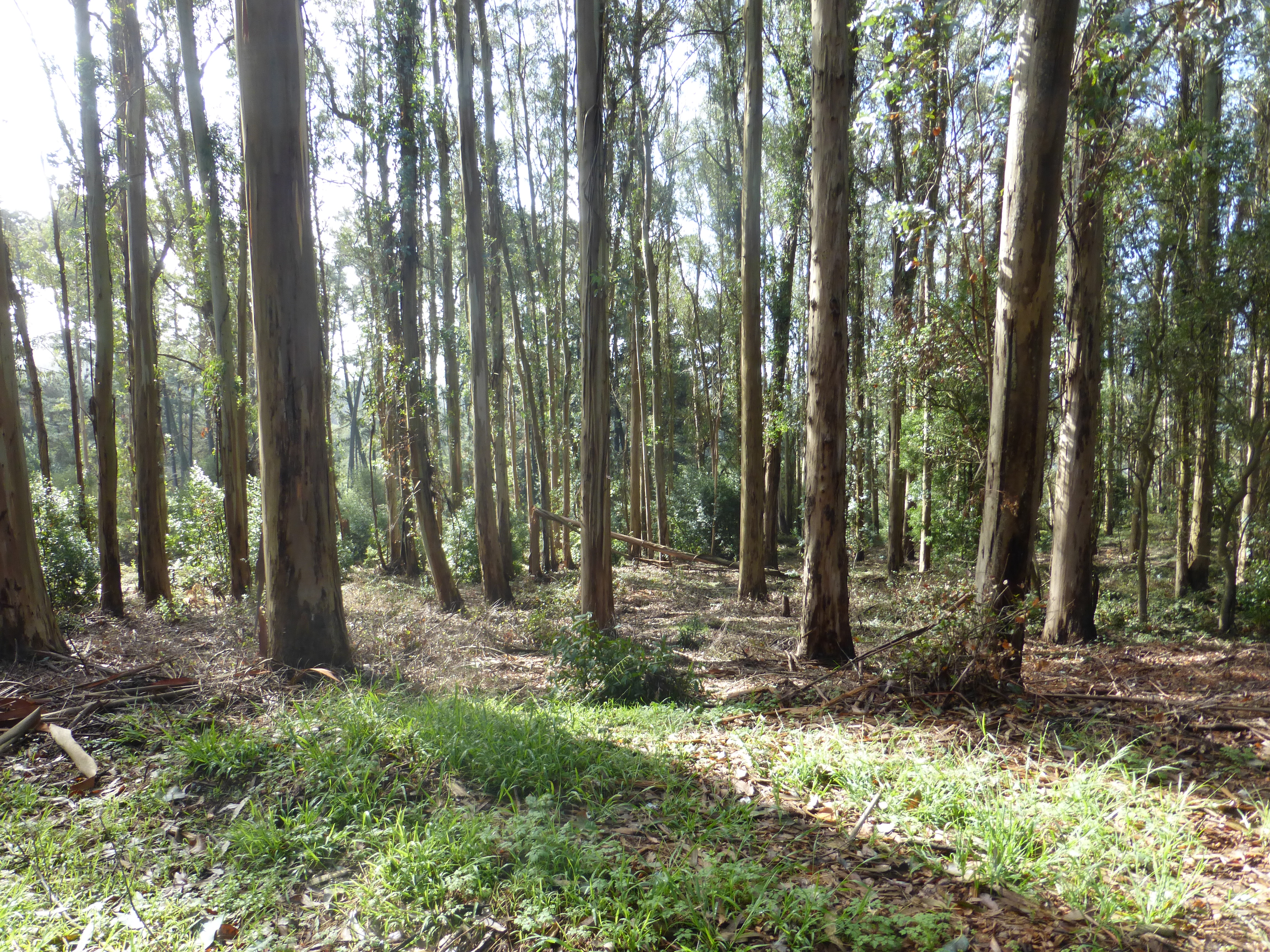
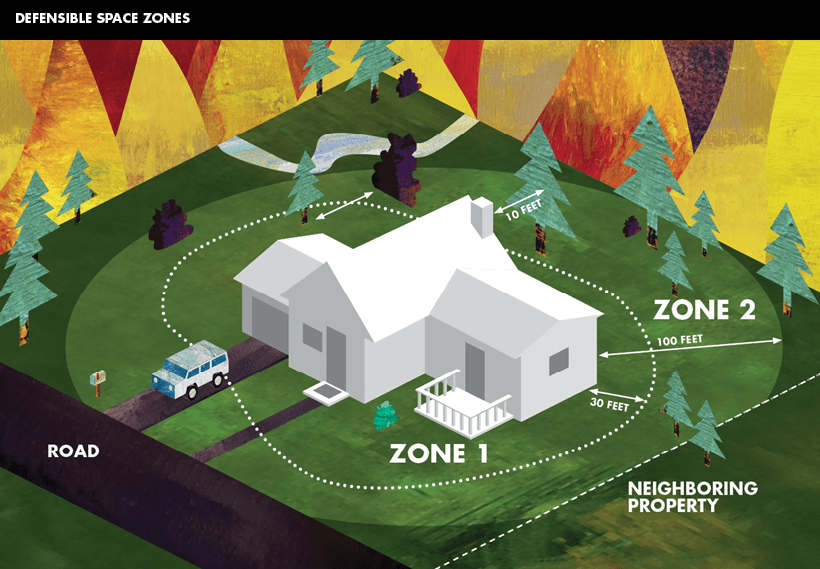
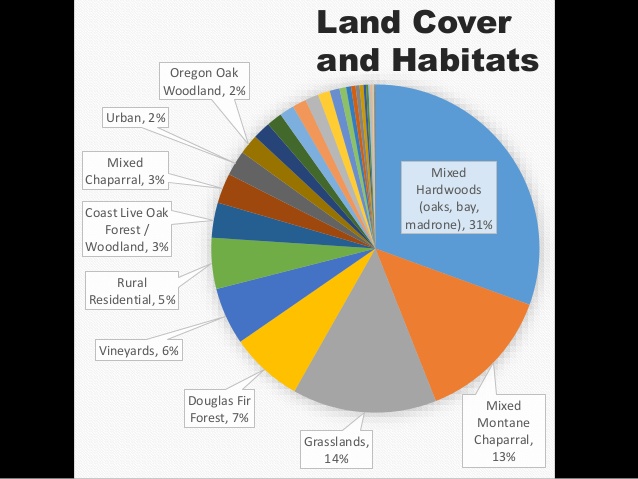
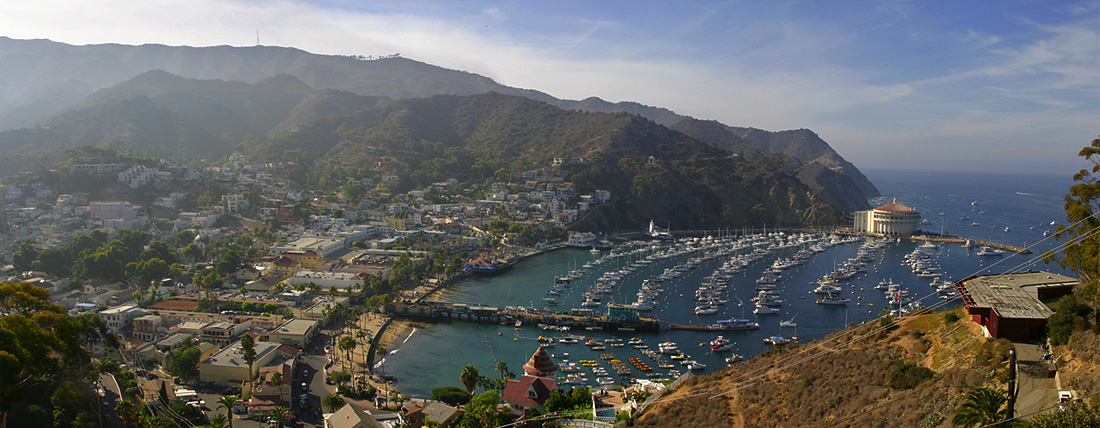
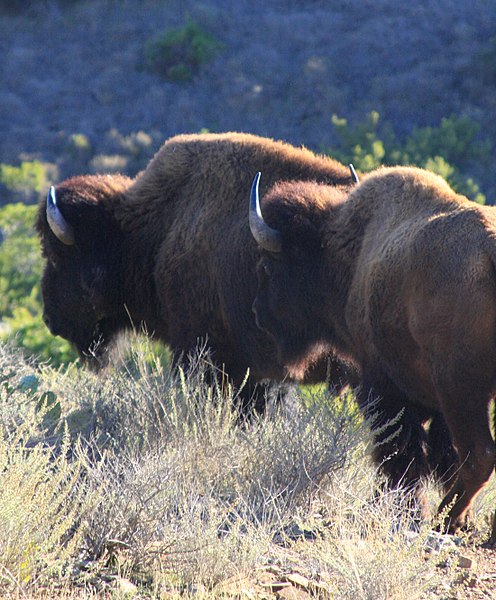
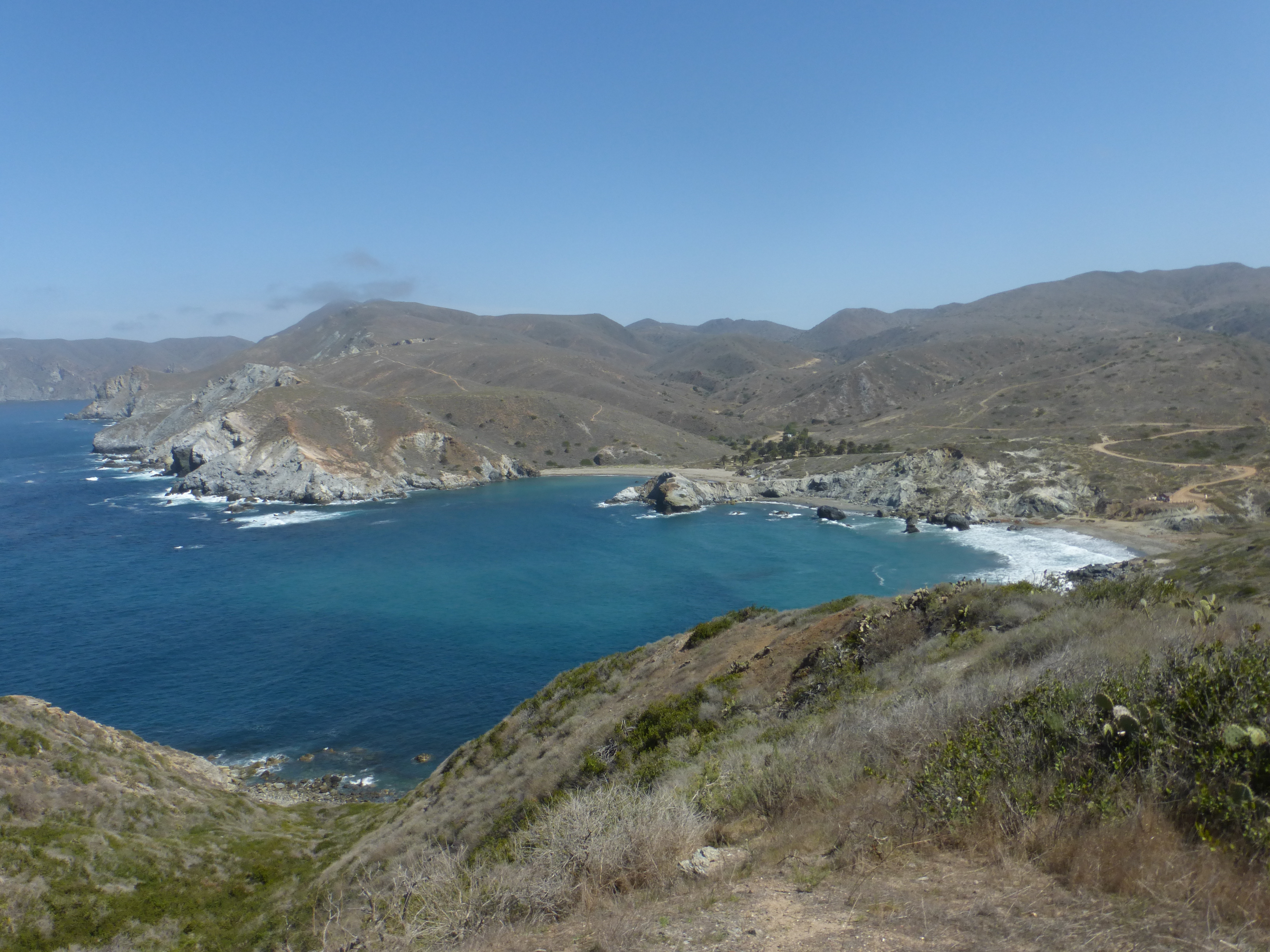
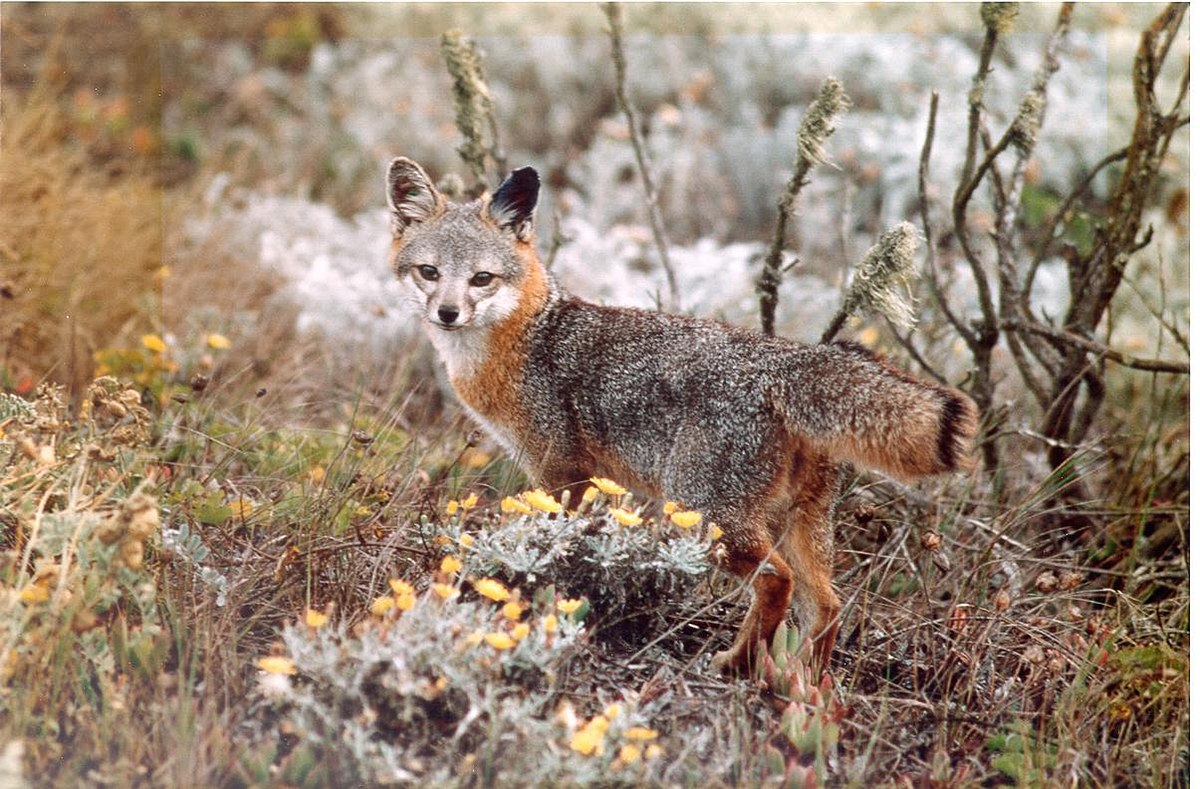
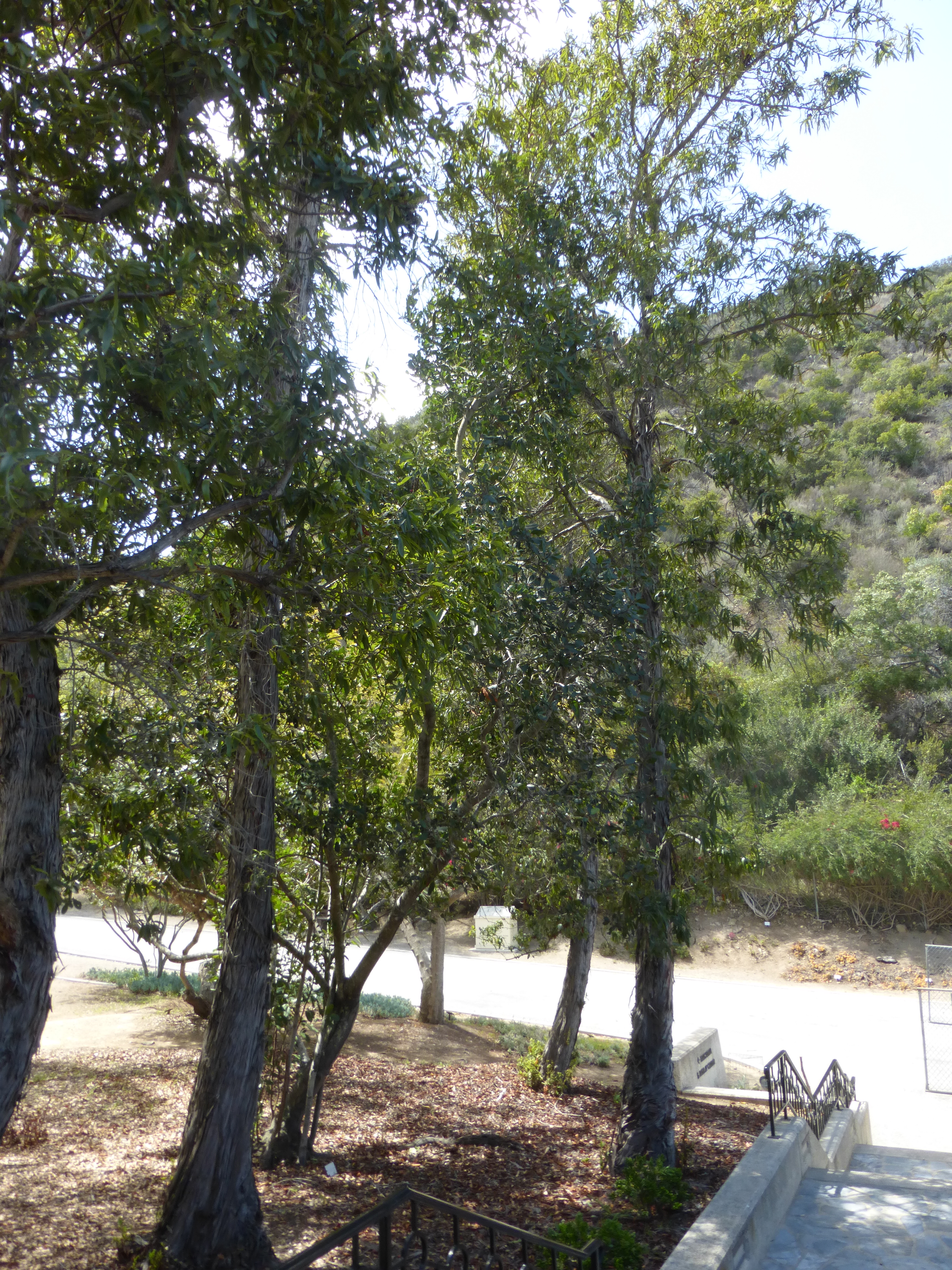
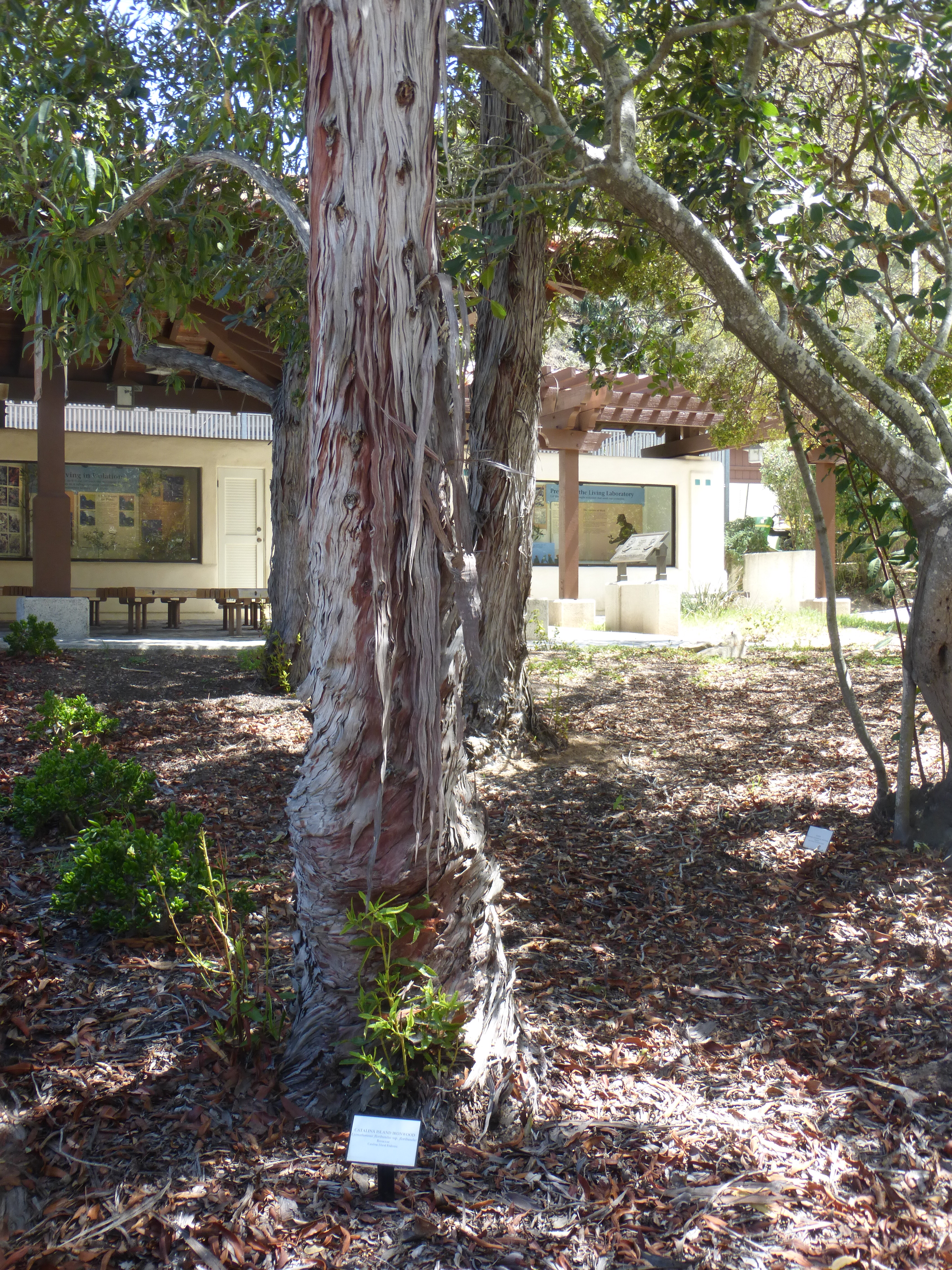
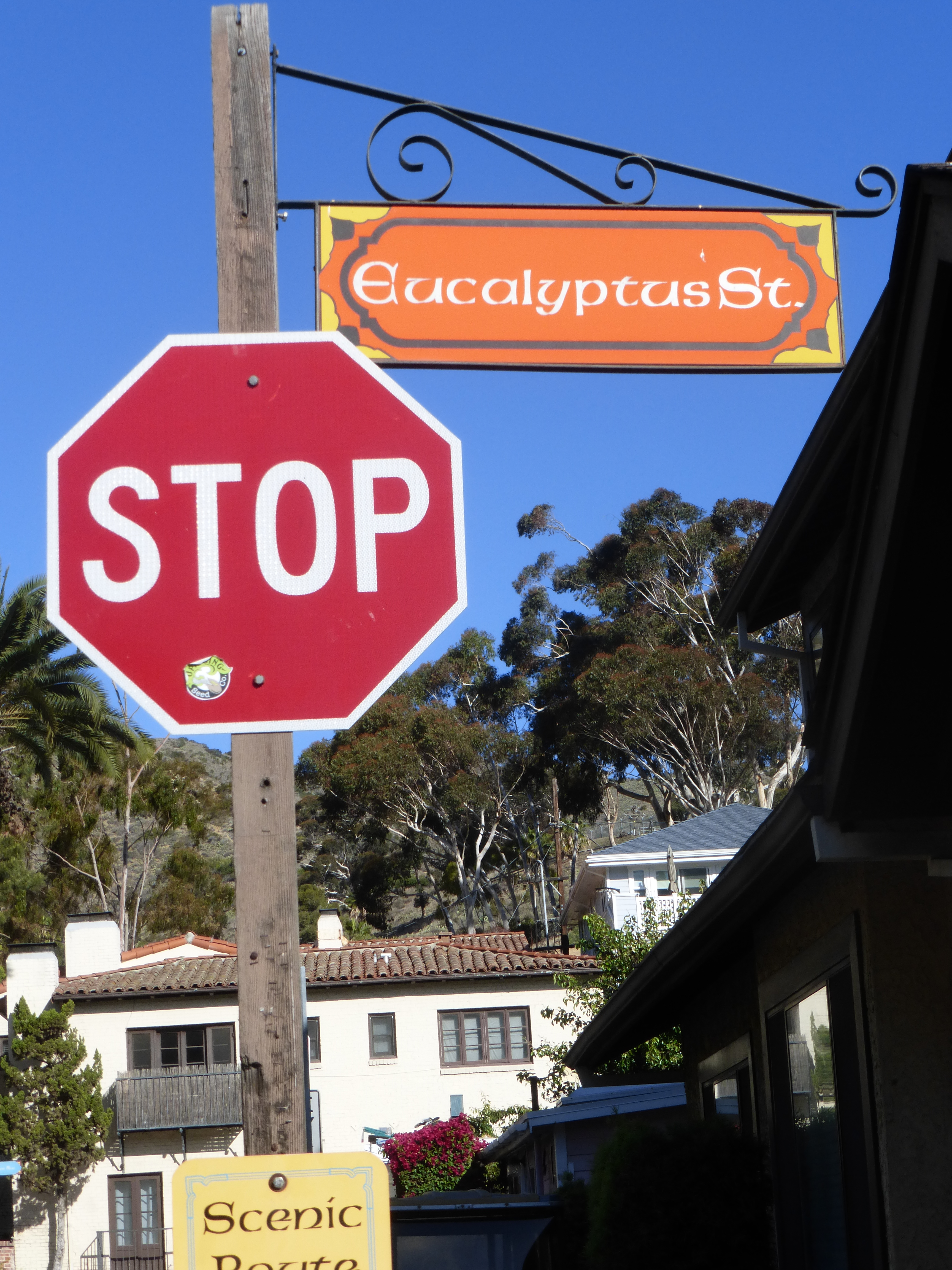
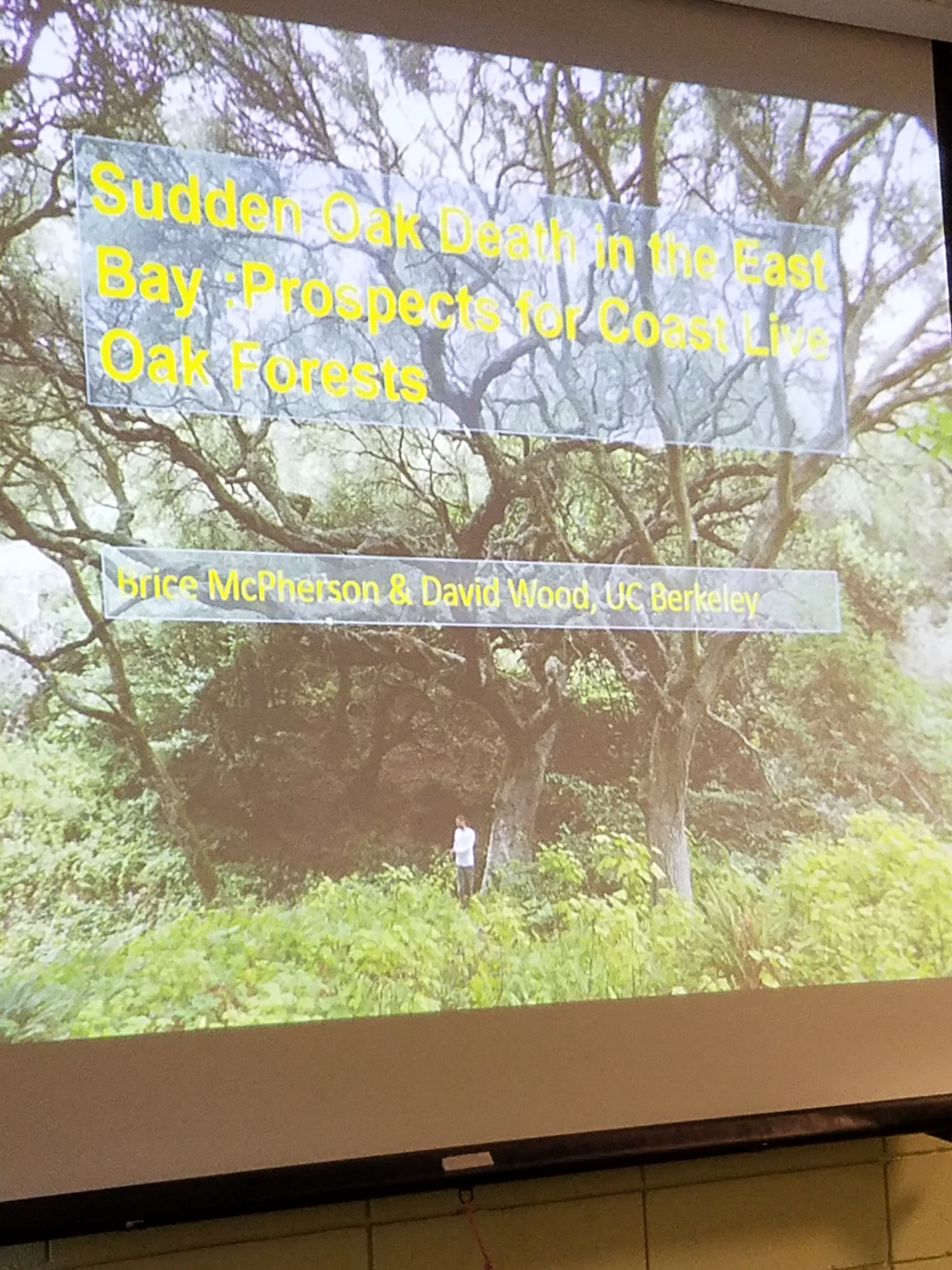
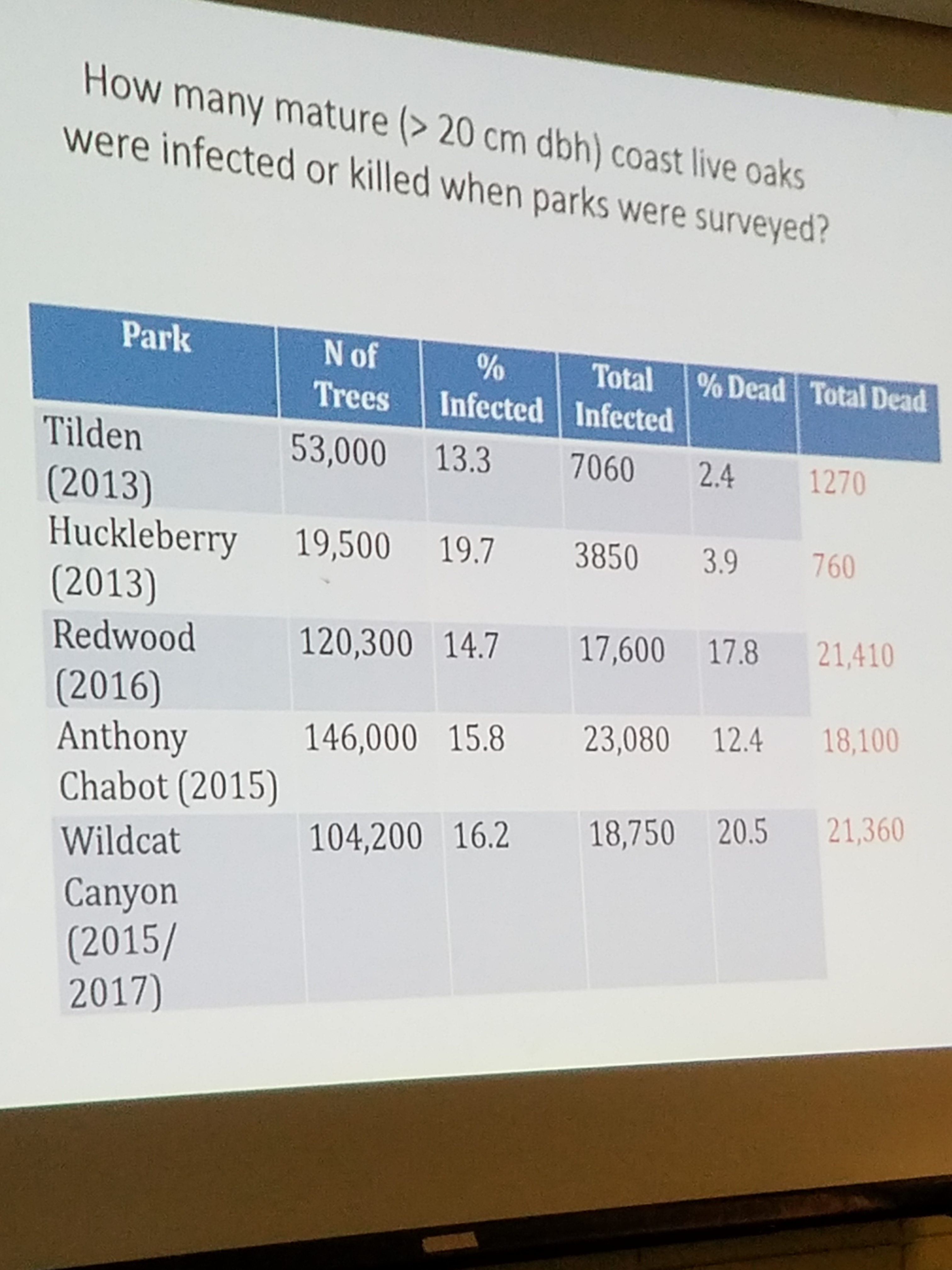
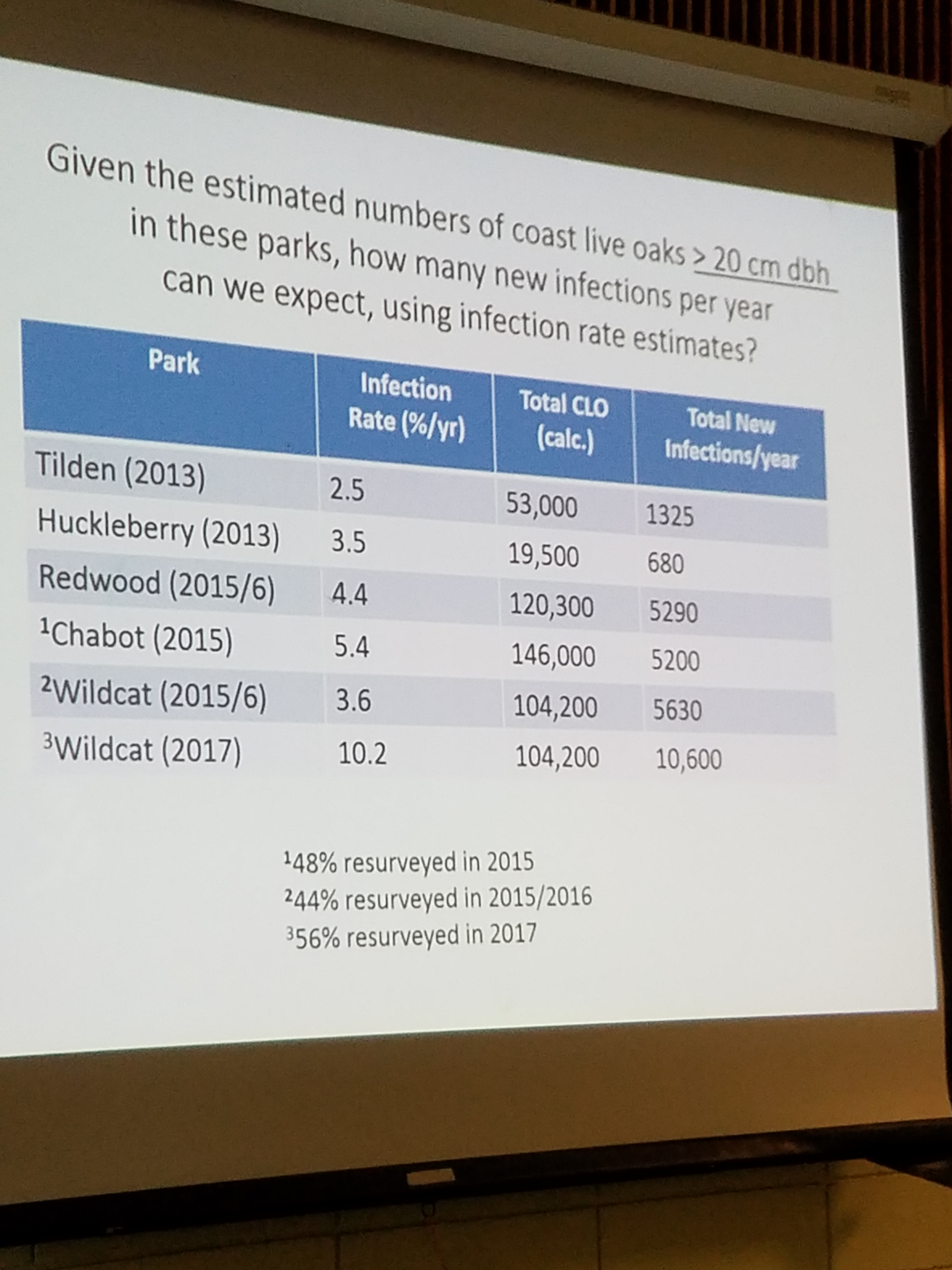

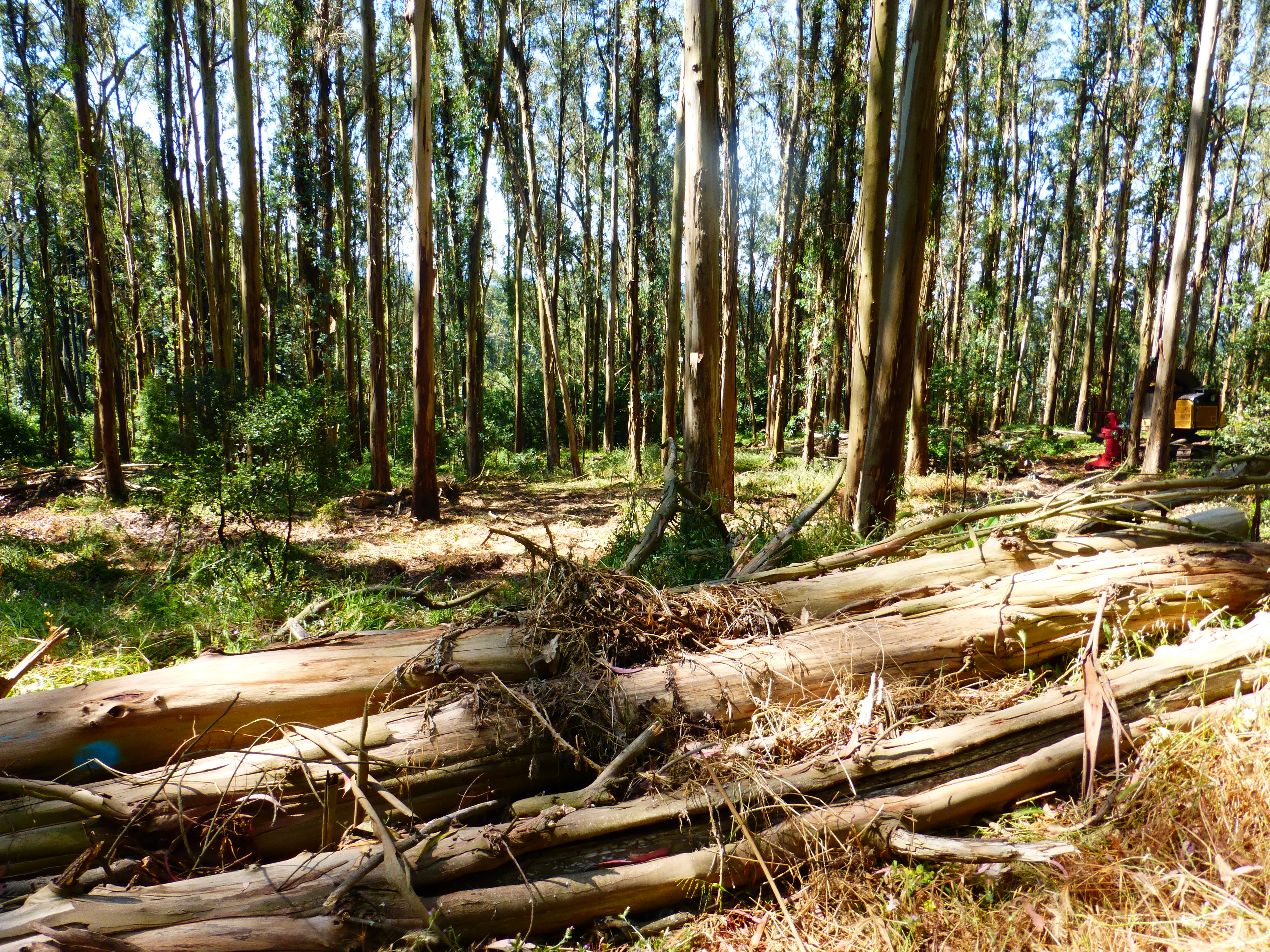

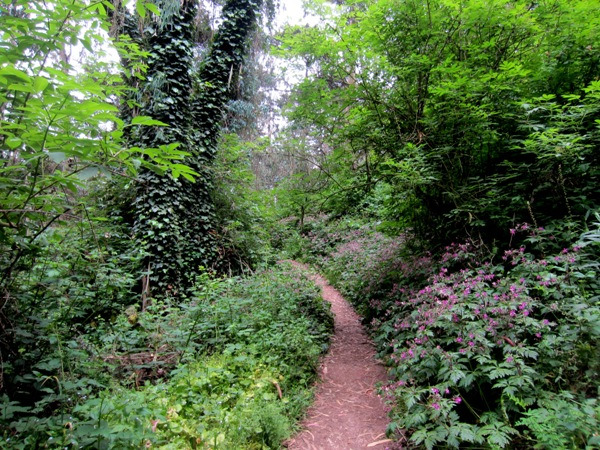

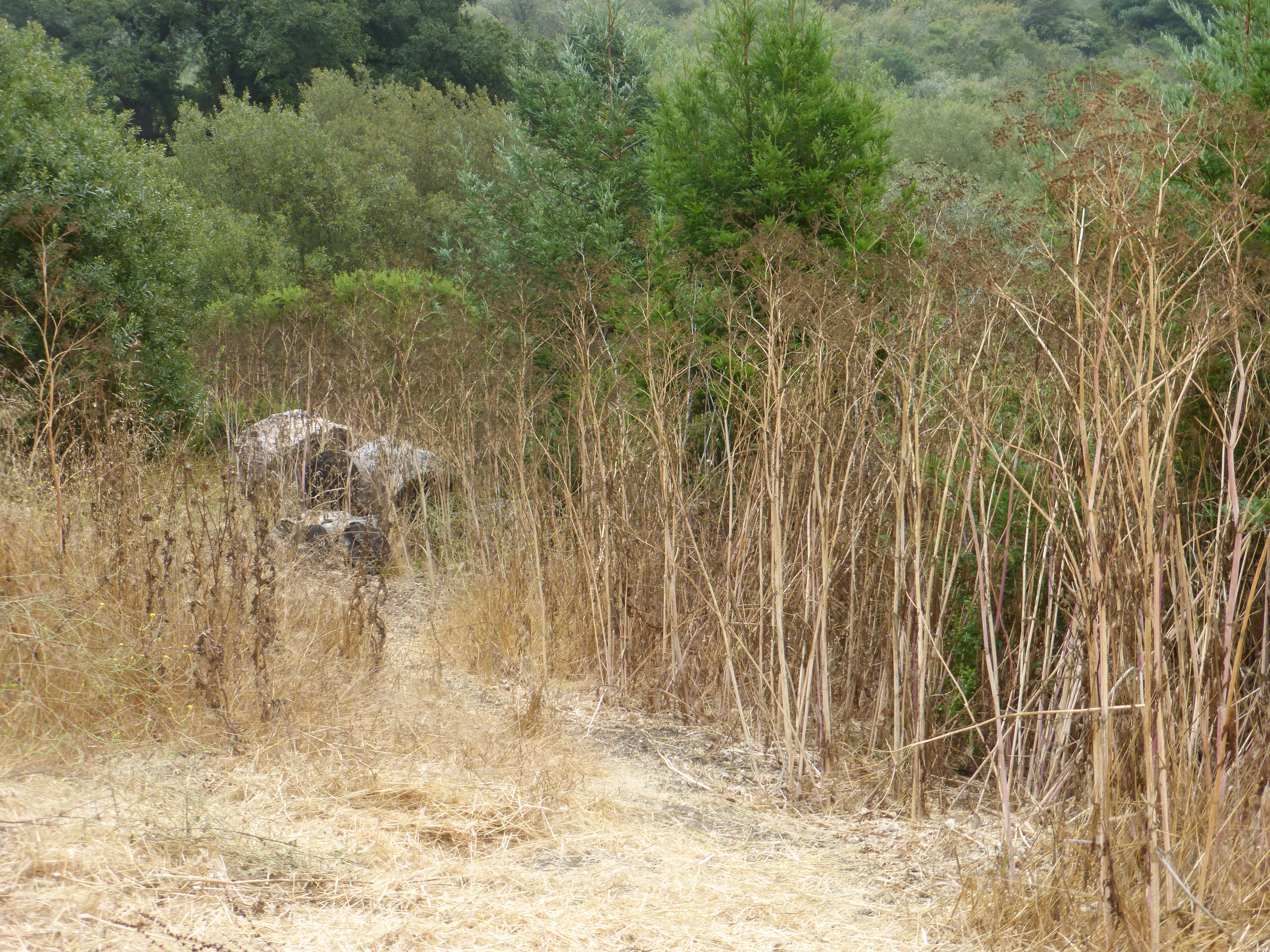
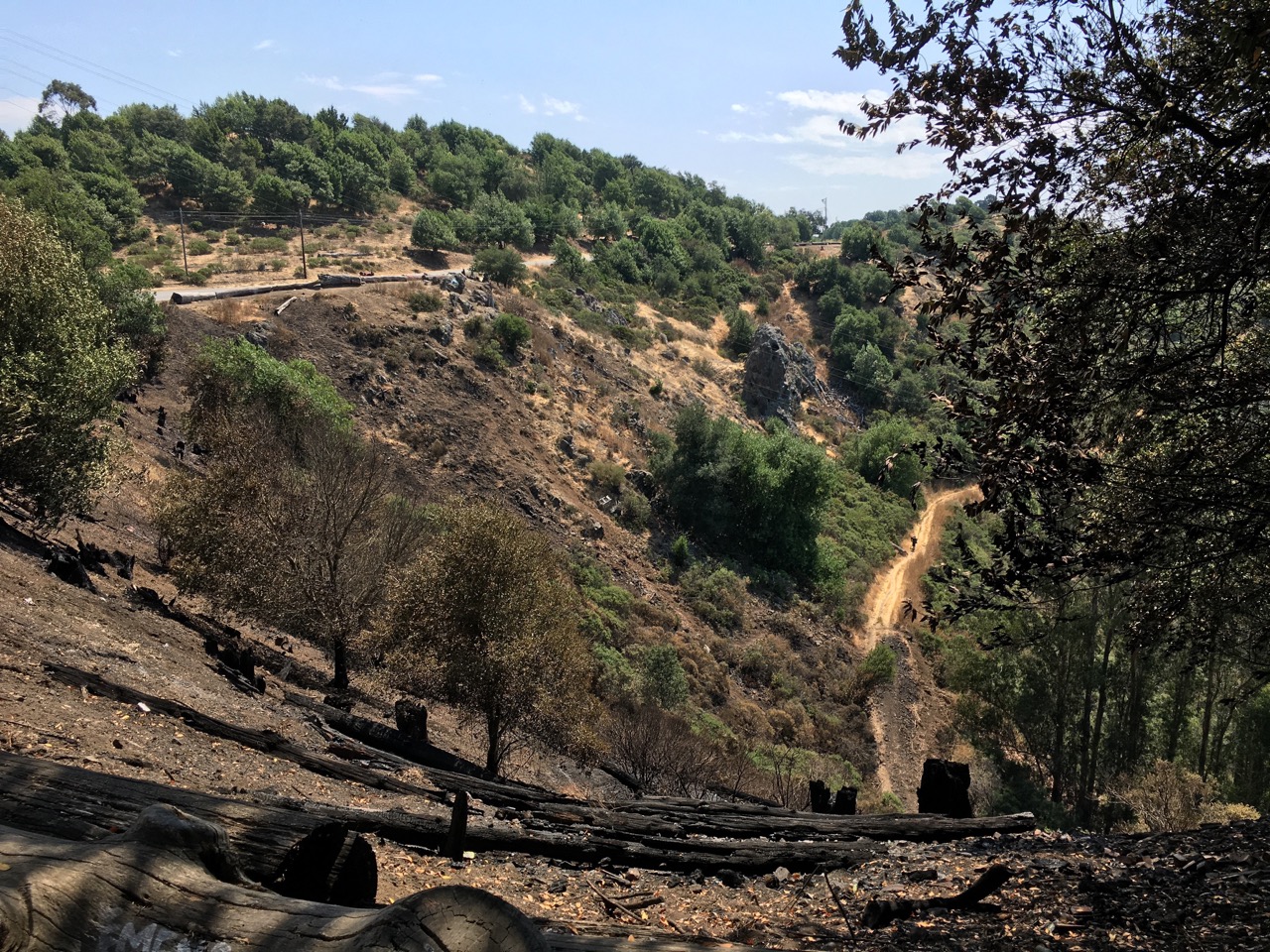
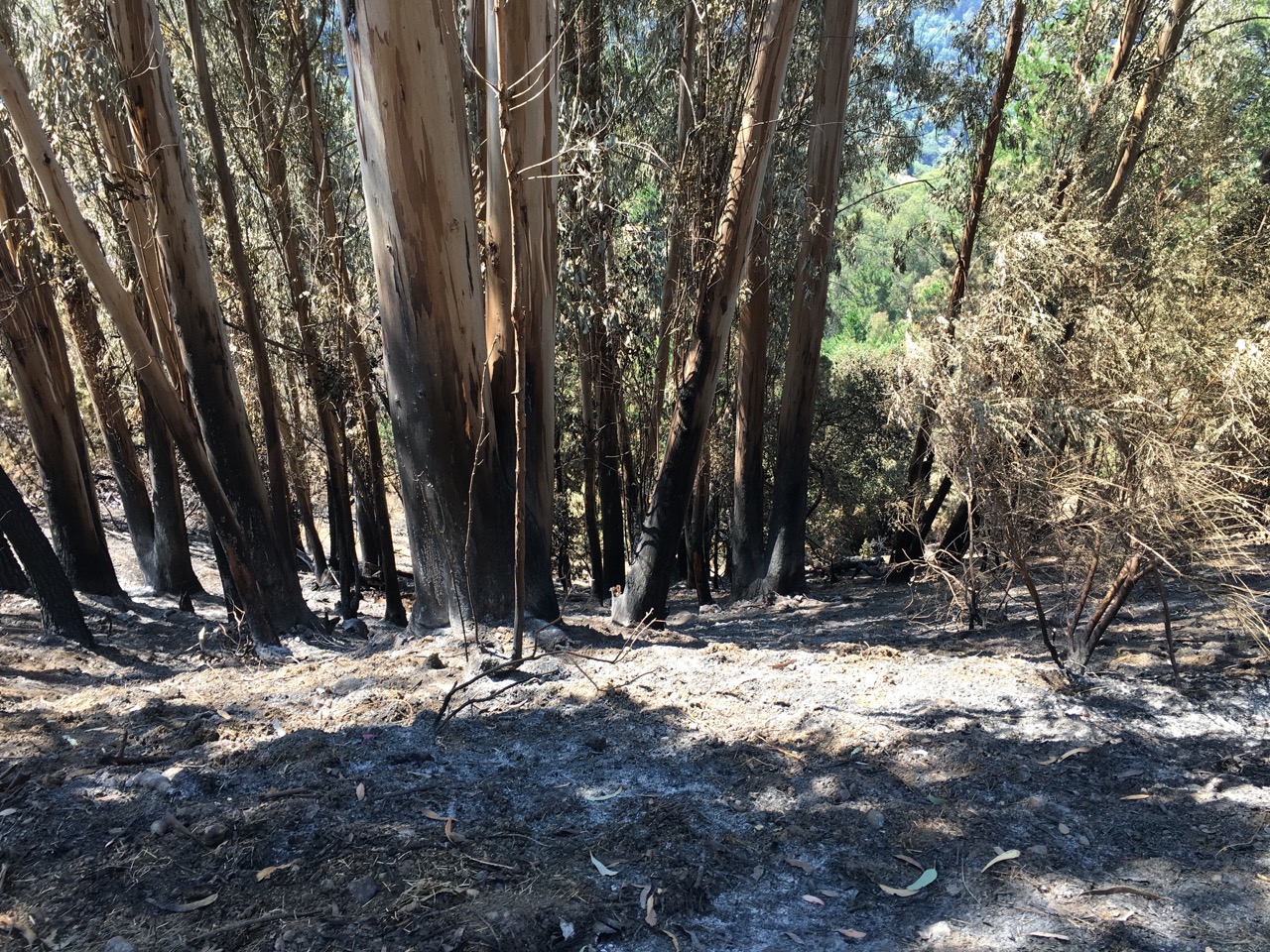
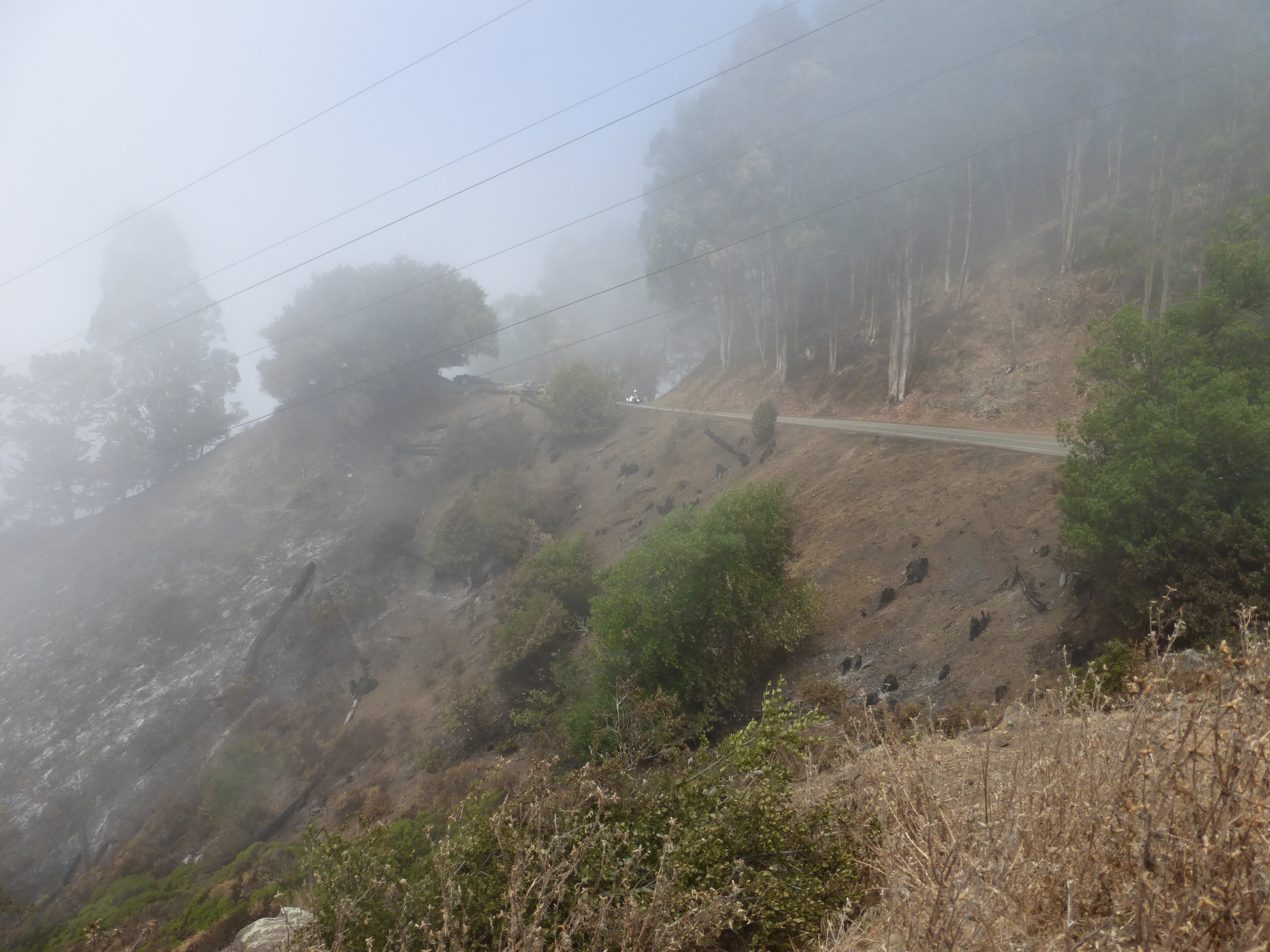
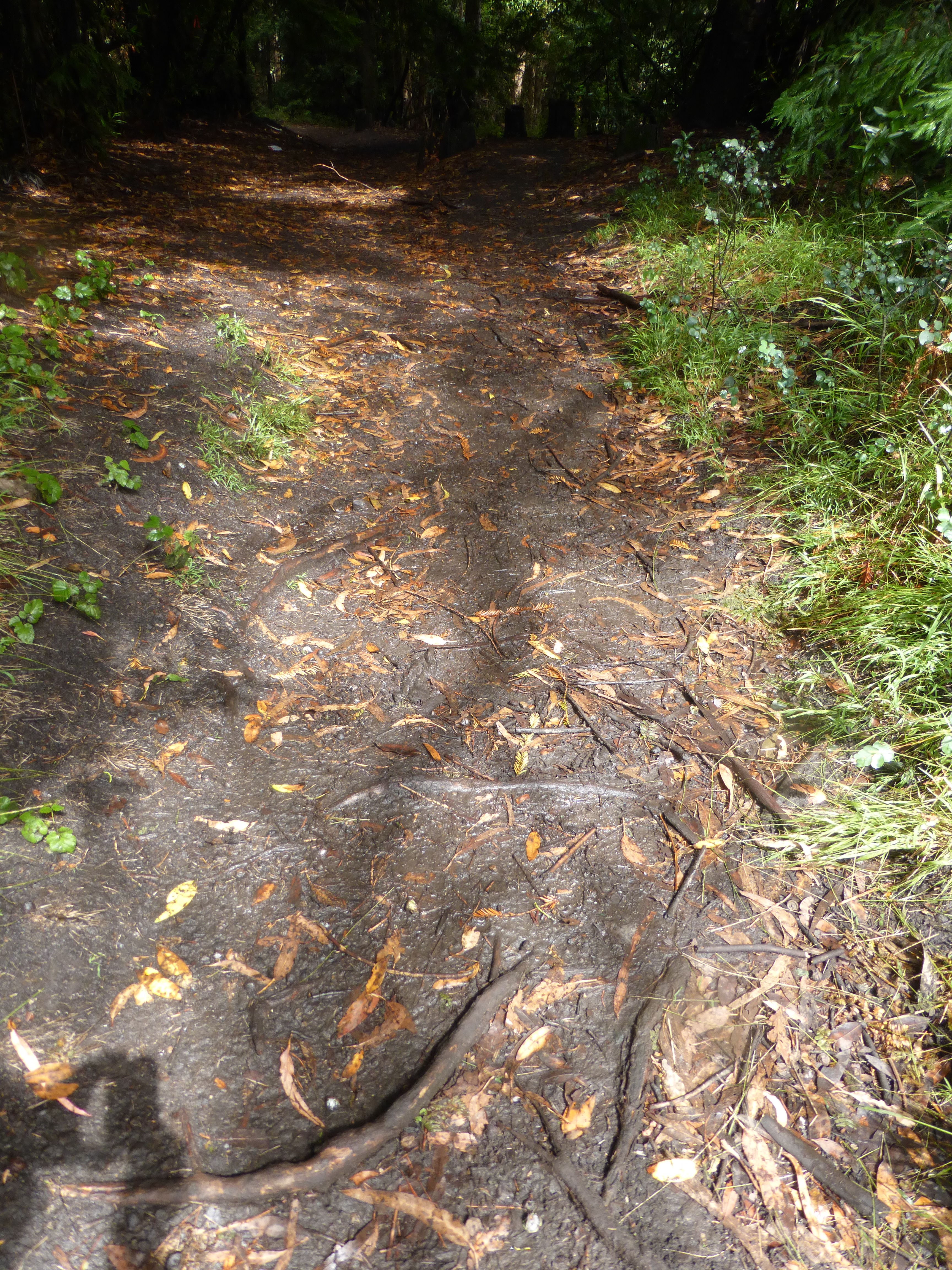
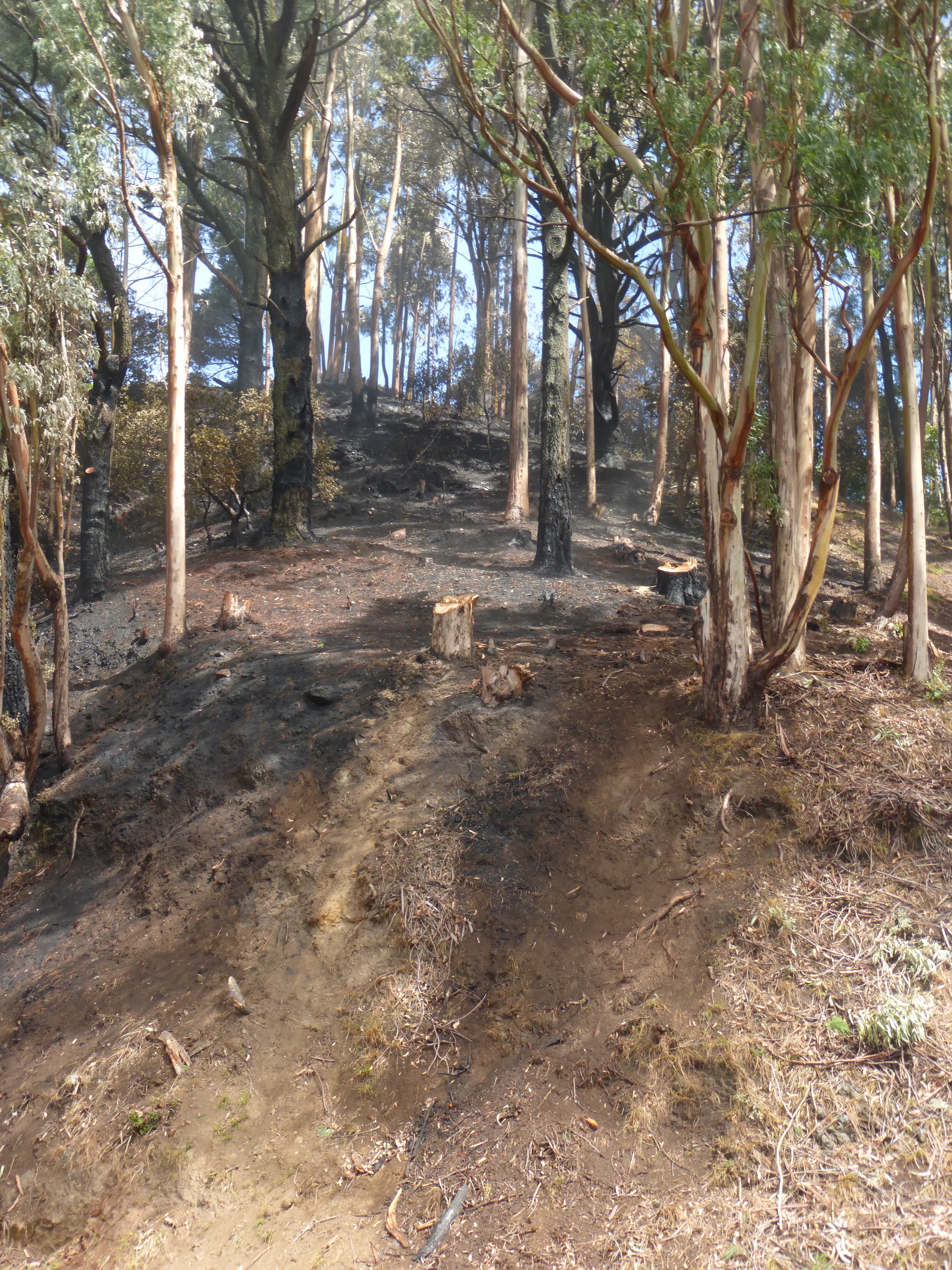
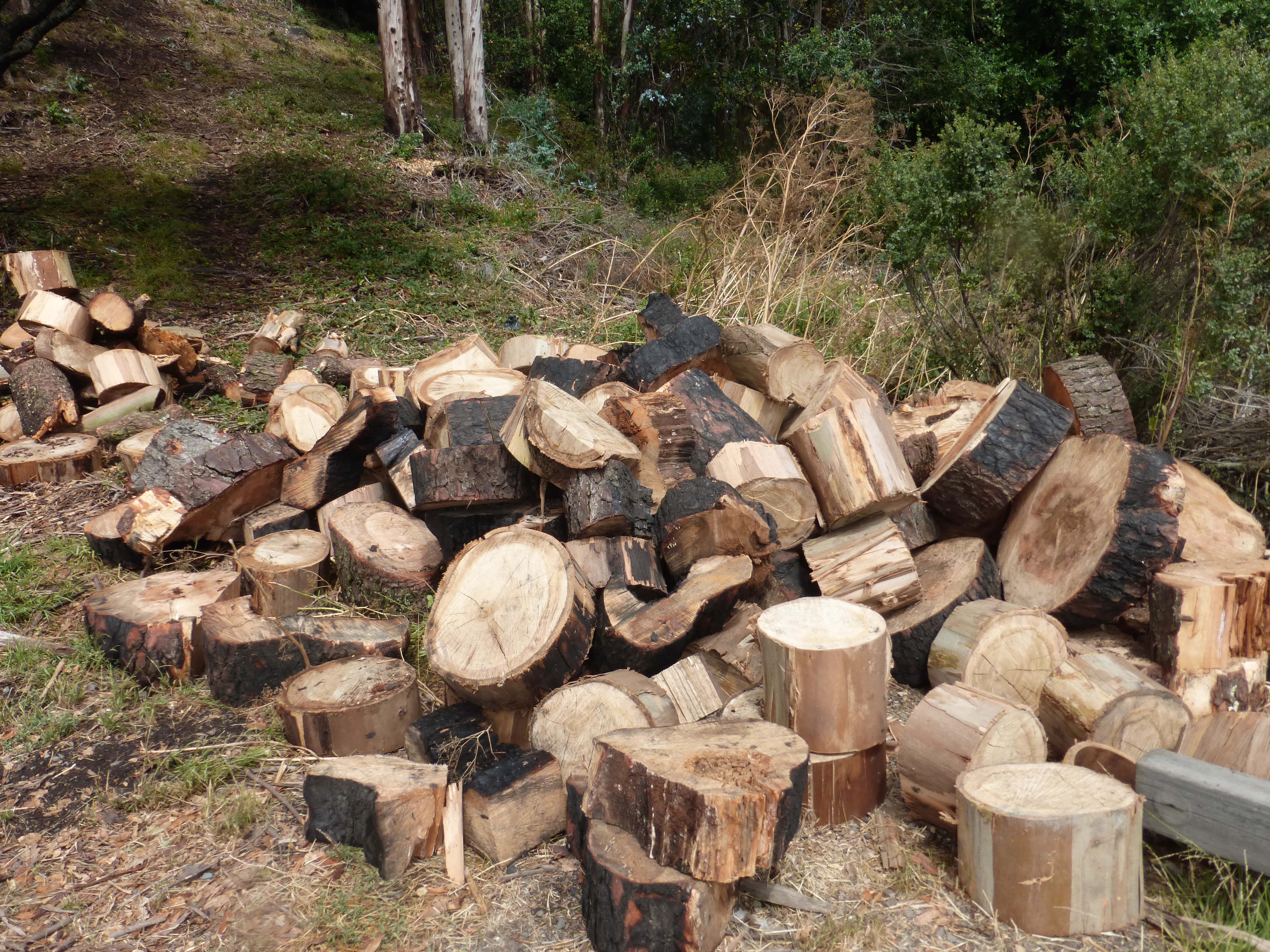
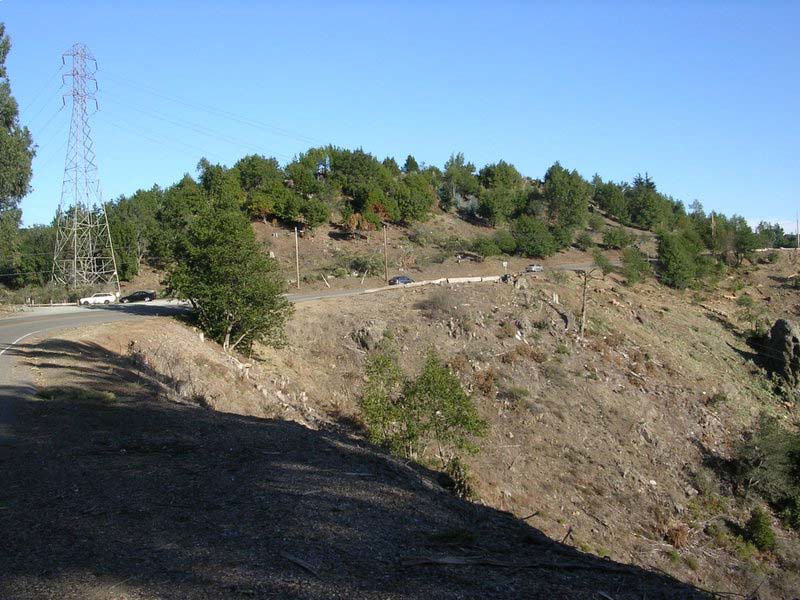
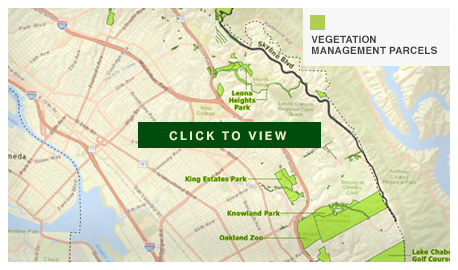
 Conservation Sense and Nonsense