“Instead of ‘controlling’ non-native plants, perhaps we should practice more ‘self-control’”

Juian Burgoff

Julian Burgoff wrote a guest post for Conservation Sense and Nonsense about the undervalued functions of non-native aquatic plants in 2023.  Necessary Nuisance explained that non-native aquatic plants perform valuable ecological functions.  Attempts to eradicate aquatic plants deprive aquatic animals of valuable habitat.  The herbicides used to kill aquatic plants also pollute the water, harming aquatic animals and killing non-target aquatic plants. 

Julian Burgoff is an avid bass angler and aspiring fisheries ecologist from western Massachusetts.  He recently received a master’s degree with the Massachusetts Cooperative Fish and Wildlife Research Unit at UMass- Amherst where he studied juvenile river herring growth, diets and habitat use in coastal Massachusetts lakes and estuaries.  He is passionate about lake ecology and the management of aquatic vegetation in lakes and hopes to work in a field related to lake conservation and warmwater fisheries management in the future.

I am grateful to Julian for giving us another opportunity to publish an article about a specific project that is trying to kill valuable aquatic plants with herbicides.  Thank you, Julian.

Conservation Sense and Nonsense


Hydrilla and the Connecticut River: Falling into the “Invasive” Trap

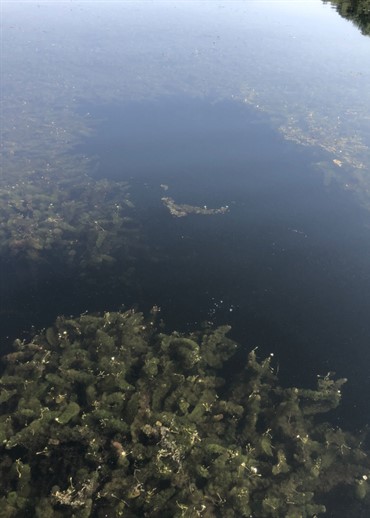
If you spend time on the tidal Connecticut River in summer, you will likely see thick green mats covering its shorelines, coves and backwaters. This is hydrilla — a non-native aquatic plant that’s long been demonized by state agencies and lake managers across the country.
One morning during a summer internship performing fisheries related fieldwork on the river, I saw a young doe on the bank nibbling on a clump of hydrilla exposed at low tide. I laughed to myself — I knew it was good fish habitat, but even deer like the stuff!

The “official” position was that it was choking the river, outcompeting native species, and impeding recreational use of the river. But as a passionate angler and ecologist who studies aquatic ecosystems, I’ve learned that what we (as western scientists) think about non-native species and their impacts — especially in the world of aquatic plants — often turns out to be driven more by ideology than by scientific evidence.

The War on Hydrilla

Hydrilla arrived in the Connecticut River around 2016 and has since spread through the lower mainstem and its tributaries. In response, the Connecticut Agricultural Experiment Station (CAES) and the U.S. Army Corps of Engineers (USACE) have launched an aggressive herbicide campaign that seeks to “restore” native aquatic plant communities and study the efficacy of using a cocktail of various herbicides to treat the areas of the river where the growth of hydrilla is most prolific. Over the past few summers and into next year, private contractors plan to treat hundreds of acres of river coves with a mix of chemicals, including diquat and florpyrauxifen-benzyl.

On paper, this might sound like responsible ecological stewardship — reducing non-native plant stands such that their native counterparts can flourish. But in my view, it’s another example of what resource managers in Minnesota have referred to as “the invasive trap”: the belief that any non-native species must be “harmful”, and that launching management campaigns to kill them must be ecologically and economically beneficial.

The problem is that this assumption is not based on data, but on the dogmatic assumptions of invasion biology that underpin the world view of many western scientists and management agencies.

Unexpected Ecosystem Services: What the Evidence Shows

Across the country, hydrilla has often played the opposite role of what managers might expect. In the Chesapeake Bay and its tributaries, researchers found that hydrilla helped stabilize sediments, clear up murky water, and create habitat for fish and invertebrates — even helping native aquatic plant stands return. In Florida lakes, scientists compared lakes with and without hydrilla and found no major differences in fish, bird, or aquatic plant diversity.

In other words, hydrilla didn’t destroy these ecosystems where it was introduced. It filled open niche space, performed valuable ecosystem services, and is now integrated into the food web, for better or for worse.

That’s not to say hydrilla should be introduced to new water bodies or can’t impact ecosystems in ways that are perceived as harmful. Like many aquatic plants (native and non-native), hydrilla can grow in thick stands that interfere with swimming or boating, alter water chemistry and change physical habitat suitability for aquatic organisms. But many of these impacts are human nuisances, not ecological disasters, and should be managed as such. In large, dynamic systems like the Connecticut River, hydrilla’s role is likely far more complex — and possibly beneficial — than its label as “one of the world’s most invasive aquatic plants” suggests.

The Risks of Herbicide Use to “Restore” Native Plant Communities

Despite the lack of evidence that hydrilla is causing ecological “harm” to the Connecticut River, the proposed management intervention — widespread herbicide use — carries significant ecological risk.

Diquat, one of the main herbicides being applied, is what’s called a contact herbicide: it kills whatever plant tissue it touches (including native plant taxa). Florpyrauxifen-benzyl is a systemic herbicide, meaning it’s absorbed into plants and disrupts their growth. When a large quantity of aquatic plants rapidly die, they decay and release nutrients into the water, which can fuel algal blooms that reduce water clarity. If water clarity is significantly reduced, the very native plants managers aim to “restore” can’t regrow.

Ironically, hydrilla often bounces back first because it’s more tolerant of poor water quality than many native species. This can lock managers into a costly, never-ending cycle: herbicide use → temporary die-off → algal bloom → hydrilla regrowth → more herbicides.

Similar outcomes have been observed in Florida, where researchers found a large-scale florpyrauxifen-benzyl treatment sharply reduced hydrilla abundance in a Florida lake, but the plant regained dominance within a year as reduced water clarity from the treatment hindered native plant recovery.

Cascading Food Web Effects

As primary producers, aquatic plants are essential to the foundation of food webs — sheltering young fish, providing surfaces for invertebrates to live, and supporting wildlife like waterfowl. When herbicides are used to kill aquatic plants, there are often complex indirect impacts to the integrity of aquatic food webs.

Diquat is known to be toxic to not just plants (native and non-native) but invertebrates (the tiny animals that feed fish), such as amphipods. Even at concentrations lower than what’s used in field applications, diquat has the potential to impact these organisms which in turn may reduce available habitat for organisms higher up the food web like fishes.

Diquat also contains bromide, a compound that researchers have linked to a neurological disease killing bald eagles in the southeastern U.S. The disease develops when a particular cyanobacteria grows on hydrilla plants and interacts with bromide — forming a toxin that bio-magnifies as it moves up the food web. Ducks eat the hydrilla, eagles eat the ducks, and the toxin accumulates, damaging the eagles’ brains.

While this phenomenon hasn’t yet been documented in the Connecticut River, applying bromide-based herbicides in a manner that is likely to contribute to algal blooms (including cyanobacteria blooms) is not an ecologically sound management practice.

What We Don’t Know

Despite the confidence behind these large-scale management interventions, there’s little data showing how hydrilla has actually affected biodiversity or water quality in the Connecticut River. To prove that hydrilla is causing ecological “harm”, we’d need long-term monitoring — decades of data on aquatic plants, fish, wildlife, and water quality — collected before and after hydrilla became established. These data likely don’t exist at the scale needed to make an informed, unbiased assessment. Yet herbicide applications in the name of ecological “restoration” are moving forward anyway. The “post-monitoring” required by the project plan mostly focuses on the “efficacy” of the treatment (e.g. how much hydrilla biomass is reduced) not on whether algae blooms occur or how invertebrate and fish communities are affected.

This is a common phenomenon with herbicide treatments: the indirect effects of the management intervention are simply too complex and too costly to quantify. Based on the current “post-monitoring” protocol, if it’s found that hydrilla biomass is reduced and that native aquatic plant communities continue to exist following treatment, the project will be considered a success.

Less is More: Observation Based Management

Sometimes, the most ecologically mindful (and most cost effective) management decision is to pause to let species interactions occur unmolested and find their own equilibrium rather than impose an imaginary concept of what a given ecological community “should” be.

Where hydrilla interferes directly with human activities — say, blocking a boat ramp or clogging a marina — mechanical removal or small, targeted herbicide treatments could be reasonable management interventions. But broad, river-wide herbicide use is neither justified by science nor a long-term sustainable solution to non-native aquatic plant management.

With non-native species introductions, the truth is that there is no going back. Climate change, nutrient loading, and decades of physical habitat alteration via damming etc. have already changed this river beyond what it was a few centuries ago. Plants and animals are constantly being introduced and adapting to a new reality — one where species origins and “native” vs. “non-native” status matter far less than their role in maintaining ecosystem functions.

Rather than pouring more chemicals into the water, perhaps we should pour our efforts into observing, monitoring, and trying to understand why certain plants succeed and how ecosystems adjust to change over time. Instead of “controlling” non-native plants, perhaps we should practice more “self-control” and let nature heal itself without the imposition of the human ego and its desire to constantly fight the expressions of the natural world in the Anthropocene.

Julian Burgoff
Amherst, MA
jburgoff@umass.edu
Invasion Biology: “We can do whatever we want”

Macaylla Silver discovered Conservation Sense and Nonsense on Facebook.  We instantly recognized one another as kindred spirits, battle scarred by our attempts to protect nature from pointless destruction in service of the ideology of invasion biology and the native plant movement it spawned. 

When confronted with the destruction of wild places we love, our reaction was very similar, and responses to our efforts were also similar.  First we turned to public policy for protection:  Are they really allowed to poison our public lands with pesticides to destroy harmless plants? With a few targeted “exceptions” to policy, the answer was always, “We can do whatever we want.”

Then we both decided the best course of action was to become experts about the “science” that is used to justify destroying harmless vegetation with herbicides.  And so, we took to the books and armed ourselves with the science that refutes invasion biology.  Once again, we hit the brick wall of “We can do whatever we want.”

And there Macaylla’s experience as an activist diverges with mine.  He has successfully stopped the poisoning of Leverett Pond (for the time being) by showing the neighbors of Leverett Pond with videos, the consequences of poisoning the pond. 

However, he concludes his story with the astute observation that stopping the destruction of Leverett Pond is unlikely to be the end of the story.  Life in the pond will continue to evolve, as it must.  As long as people continue to believe that evolution must be stopped, the futile attempt to prevent change will continue. Macaylla is hopeful that mistaken belief will fade.  I hope he is right.

We thank Macaylla for his efforts.  We wish him luck in preventing more herbicide applications in Leverett Pond.

Conservation Sense and Nonsense


“Let the Pond Be a Pond”

Massachusetts Wetlands Protection Act was created for the protection of the state’s wetlands. The goals of the law are to prevent pollution, maintain habitats for plants and wildlife, and protect groundwater, public and private water supplies.

Our Town Bylaws in Leverett, Massachusetts also included a ban on the use of herbicides for any use outside of domestic and agricultural use since 1973.

There are five colleges in the area. The town is filled with highly educated academics and retired academics. Leverett is quite ecologically minded in my opinion, this hill town of 2,000 people.

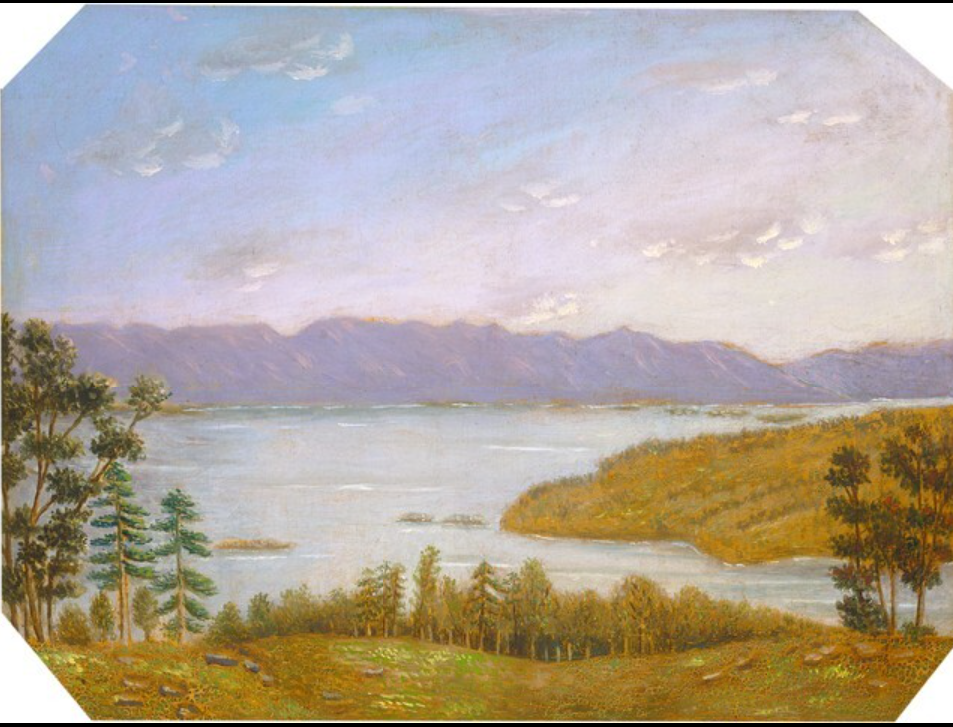
Leverett Pond, circa 1860-1880, Erastus Salisbury Field.  Public domain.

One day back in 2018, I found that the large body of water at the town’s center, Leverett Pond, was under ecological attack. Somehow, some way, a handful of land abutters on the shallow side of the pond were trying to rid the pond of “noxious weeds.”  This included floating leaved Waterlilies and Watershield, plants such as rootless carnivorous plants like Bladderworts, submerged weeds like Coontail, Waterweed and Milfoils.  Even Cattails and other plants growing on the pond’s edges were considered for removal.

Act One:  Isn’t there a law against this?


I thought I could stop this. I thought once the town’s people knew what was happening they would be outraged. I thought the state would step in, prevent the further destruction and maybe even fine the people who were poisoning the area and dredging large sections, all so they could in their words “have crystal clear water to look at.”

I thought it would be easy.  I have never been so wrong in my life. 

It was five years of continual meetings, letter writing, publishing newspaper letters and articles, and a large portion of the town thinking that somehow I was just trying to cause trouble. Or maybe they didn’t think I knew what I was talking about. Sure, I saw the destruction, but I was misinformed. They believed in their intent and factual details of why they were on a campaign of eradication.

The details of destruction used to convince the town’s Conservation Commission, Select Board, and state agencies came from two retired professors, neither with a degree in Environmental Ecology. Their plan contained the curveball of being designed to show off knowledge of several obscure subjects unknown to nearly everyone:

1.Limnology: The science of fresh water systems
2.Pesticides and their application to aquatic environments
3.The botany and identification of aquatic plants

Act Two:  Countering Pseudoscience with Science


While the wordsmithing of the two PHDs had merit and flow, my own research quickly showed that they had only a surface understanding of subjects.  In order to counter their statements and proposals, I decided that I would deeply learn all I could about limnology, pesticides and the life of aquatic plants. I would become an expert, the old fashion way: I would purchase books. Lots of them. I read extensive science based articles on pesticide families, collecting hard data and staying away from anything that was too opinionated. 

People began to realize that I knew more than expected, so much more that it was easy to forget that the vocabulary was rarely understood. I presented myself on equal footing with proponents of the project.  I asked the community and its policy makers to consider that dumping herbicide on the pond might not be the best thing, creating aporia, lingering doubts that this handful of lakefront owners may have hidden motives.

Act Three:  Invasion Biology at Work

Then came the videos. I purchased two kayaks, an underwater camera, and I used cameras I had purchased for bird photography. The videos contrasted the “before and after” of the years of degradation in 2019, 2020 and 2022. The videos got the state involved.   The state permits for dredging that the project applied for in 2010 were never received. This meant that the project had to reapply for permits for any further work after 2020. 

Up to this point, I thought I was fighting against ignorance and arrogance from a few landowners who came late to the pond’s available real estate and bought lots that were undesirable because of their shallowness and large amounts of aquatic flora and fauna. I would have been in heaven if I bought such an area, but they looked to “improve it.”  So they had set out to “manage” the water’s surface.

The two professors contacted a professional who specialized in finding ways around what was allowed by the Wetlands Protection Act. Leverett’s Conservation Commission reviewed the law and found that there were no ways around the law because the plant abundance, oxygen levels and fish life were all healthy, vibrant. Graphs, data, reams of older regurgitated documentation pointed to the same conclusion I had reached: Let the pond be a pond.

To show the reason why no further “management” permits would be issued to continue the project, the head of the Conservation Commission submitted his own reason: the project violated Town Bylaws. Clearly. 

Then it happened. Three members of the Conservation Commission had what I thought were very strange ideas about conservation.  One had a pesticide license. One looked at the pond for recreation purposes rather than an interest in environmental issues. Another felt strongly about eradicating plants that they couldn’t identify if asked.  One said, in defense of using pesticides, the blithe motto “If you can choose it, you can use it,” while the other two nodded in agreement. “We have to stop the growth of these plants before they destroy the pond. It will reach a tipping point where there will be no return,” said one, with great conviction.  “It could in the future make the fishery less healthy,” said another, without a shred of data.  I had no idea why such people would be put on such a Commission. 

The Conservation Commission voted three to two to allow the project to continue for another five years. The state admonished but did not intervene. I had been angry at the professors and their allies for their lack of concern. Now the Conservation Commission had let me, and the pond, down.

The decision of the Conservation Commission gave the pond abutters cover, so they could remove all the plants they wanted. The Commission gave herbicide sprayers a welcome mat in Leverett to earn big money for the applicators and companies that make a variety of toxins.

The decision gave the Conservation Commission, not its local intended use, protecting wetlands and freshwater, but a zealous conviction that they were acting on a world saving mission.  It was Invasion Biology at work, masquerading as “restoration,” AKA the “native plant movement.” Invaders needed to be destroyed, regardless of recklessness, collateral damage, complete destruction.

So destroying acres of plant life, to get at one plant, that is okay now.  They were Crusaders with a capital “C.” And like all crusades…it rarely ends well.

Act Four:  Pictures are worth thousands of words

In 2022, the herbicide sprayers came back, on a very windy day, on an airboat. It appeared that the targeted areas were being sprayed, yet large amounts were misted and blowing in the air as the airboat itself churned the water’s surface. It was, in a word, sloppy.

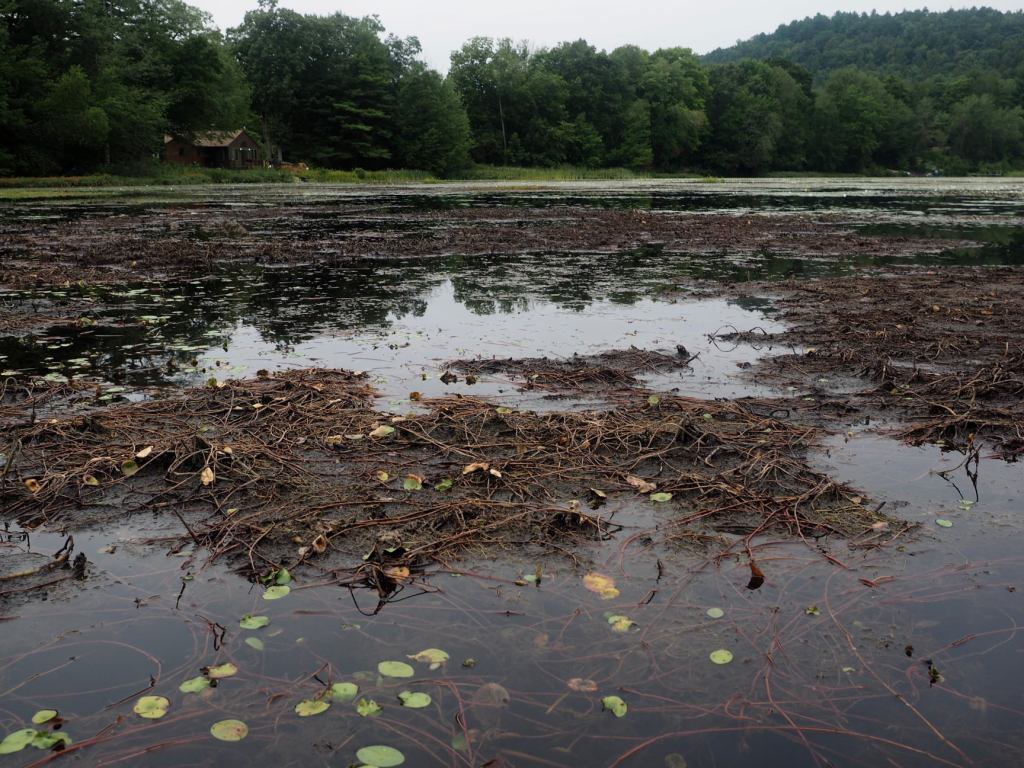
From my kayak, I videoed the spraying of the pond with herbicides from an air boat: the before, during, and the after of floating masses of dead vegetation. I got the resulting video shown to many. It had few words, an eerie soundtrack that suited the unreal transformation, from living beauty to full degradation, death and decay.  (see below)

Leverett Pond after herbicide spraying in 2022. Entire video available HERE.

For the next year, and the next they stopped spraying. Sure, they hired an aquatic harvester to clean around the area of their docks, but that was it.

In 2024, the promoters of the deadly project were apologetic. They promised that “no herbicides” would be used. Even an attempt to hand pull marginal plants failed.

The pond will continue to respond to changing climate conditions, as it must.  Plants are likely to return and the fear-mongers are likely to demand their destruction again.

Fear of so-called “invasive species” is being used as an excuse to use herbicides in the futile attempt to freeze ecosystems that replicate historical landscapes.  As climate conditions continue to change, the fantasy that humans can prevent evolution is likely to fade.   Perhaps the restoration movement will begin to realize the folly of trying to sort plants and animals into two simplistic groups:  native vs. non-native.

As Charles Mackay said in a book written in 1841, ” Men, it is said, think in herds; it will be seen that they go mad in herds, while they only recover their senses slowly, one by one.”

Macaylla Silver
Leverett, Massachusetts
Contact:  artargentia@gmail.com

A Necessary Nuisance: The Undervalued Functions of Non-native Aquatic Plants

Julian Burgoff

I am grateful to Julian Burgoff for giving Conservation Sense and Nonsense this opportunity to publish his guest article that adds to our extensive collection of articles about the benefits of non-native plants and the damage done by herbicides to needlessly destroy them. Julian Burgoff is an avid bass angler and aspiring fisheries ecologist from western Massachusetts. He is currently a master’s student with the Massachusetts Cooperative Fish and Wildlife Research Unit at UMass- Amherst where he studies juvenile river herring age, growth and habitat use in coastal Massachusetts lakes and estuaries. He is passionate about lake ecology and the management of aquatic vegetation in lakes and hopes to work in a field related to lake conservation and warmwater fisheries management in the future.

Conservation Sense and Nonsense


Natural resource managers and scientists in the United States often use divisive, warlike language when referring to both terrestrial and aquatic plants they consider to be “invasive” species, devolving the complexity of ecological interactions into good vs evil rhetoric. Like terminology used by the US government to define groups such as undocumented immigrants, nonnative “invasive” species are often referred to by natural resource managers and scientists in this country as “alien” and “exotic,” causing “nuisance infestations” and economic and ecological “harm.” This demonization of non-native species is illustrated by the title of a seminar conducted last spring by the State of Connecticut’s Agricultural Experiment Station Invasive Aquatic Plant Program regarding the relatively recent proliferation of Hydrilla Verticillata in the lower Connecticut River:

Despite the hyper-negative perception cast upon non-native species, the reality is that non-native organisms often provide important ecosystem services in highly altered landscapes and waterbodies that are often completely overlooked and highly undervalued by the scientific community.

Aquatic plants harbor an immense amount of aquatic life in lakes, ponds, and rivers. They stabilize lake and river bottoms, sequester/cycle nutrients, provide oxygen, improve water clarity, and serve as important habitats for all aquatic life from small macroinvertebrates (larval insects) and zooplankton (free-floating microorganisms) to large predatory fishes. The aquatic plant communities in lakes and rivers of the United States are subject to sustained stress via anthropogenic disturbances to land and water. Land use changes including corporate agriculture, development and expansion of impervious surfaces, wastewater pollution and damming of rivers have all contributed to dramatic changes in aquatic ecosystems and their aquatic plant communities since the colonial invasion of the North American continent.

Non-native aquatic plants have long been blamed for their supposed negative ecological impacts to lake and river ecosystems. As a response to eutrophication (i.e. nitrogen and phosphorous enrichment from human activities), non-native aquatic plants can grow in extremely dense stands that are perceived to outcompete native aquatic vegetation, decrease water quality (e.g. lower dissolved oxygen), and reduce foraging efficiency for predatory fish. While this may be accurate at various spatial/temporal scales, the prolific growth of non-native aquatic plants also serves a multitude of benefits for lake and river ecosystems and the organisms that they support.

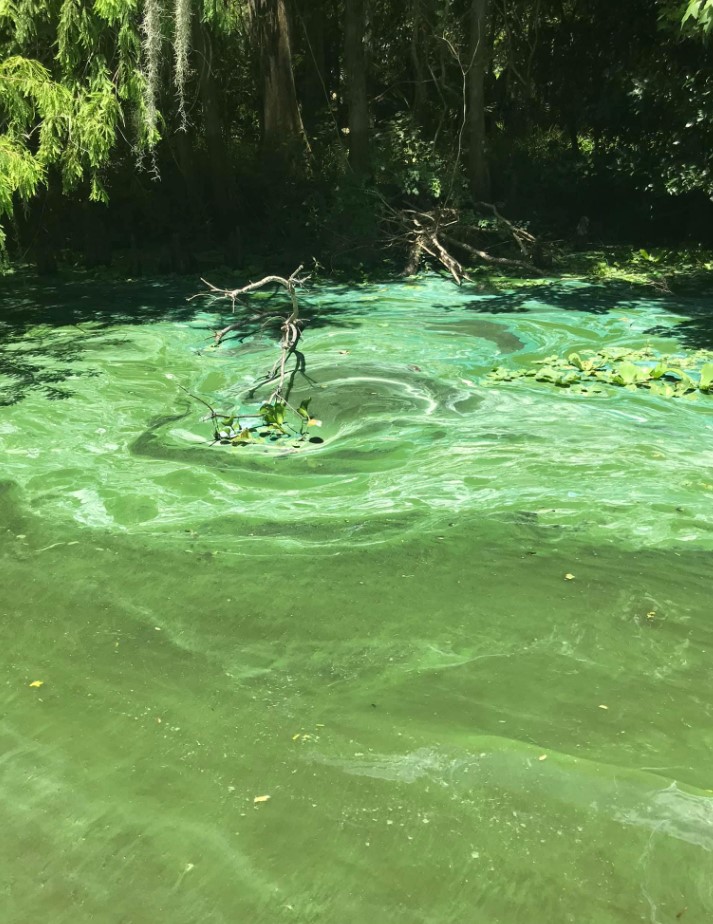
Non-native aquatic plants have a tremendous capacity to improve water quality in freshwater ecosystems. In tropical climates like Florida, floating plants such as Hyacinth (Eichhornia crassipes) and Water Lettuce (Pistia stratiotes) sequester nutrients from the water and produce allelochemicals (chemical compounds released by plants) that, along with physically shading areas of the water, can reduce harmful algal blooms.

Photo: Kevin Copple
Cyanobacteria bloom on Lake Hatchineha, Kissimmee, Florida

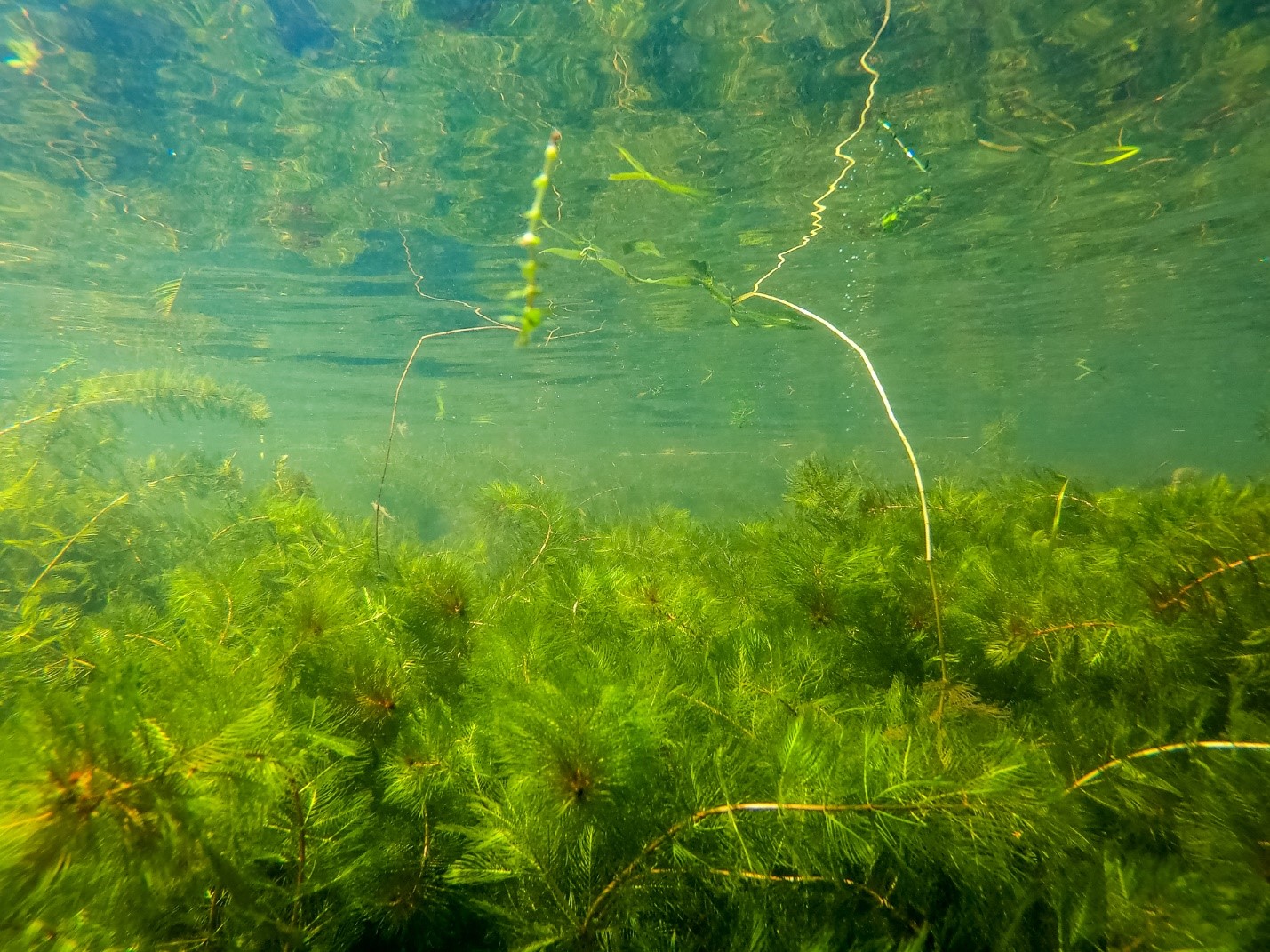
 In the northeast, Water Chestnuts (Trapa natans) provide similar ecosystem services in terms of shading, nutrient cycling, and competition with algal taxa. Non-native submerged aquatic plants such as Eurasian Milfoil (Myriophyllum spicatum) and Fanwort (Cabomba caroliniana) also compete with algae and cyanobacteria via allelopathy and physically collect suspended sediment and algae particles from the water column, improving water clarity.

Photo: Jody White
Eurasian Milfoil in a tidal tributary of the Potomac River
Dense Eurasian Milfoil in an urban central Massachusetts lake
Dense stands of Fanwort with holes/edges of clear water in an otherwise turbid, hyper-eutrophic Central Massachusetts lake

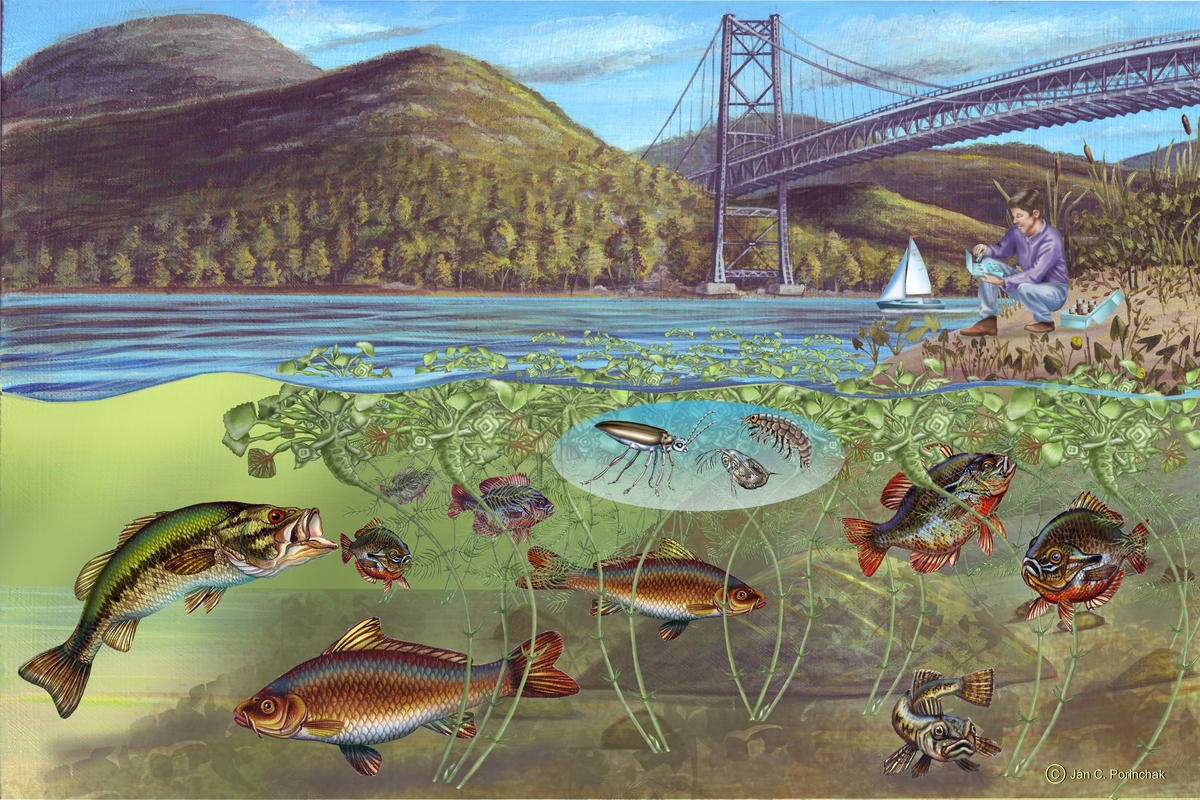
All of these plants provide habitat for a diverse array of macroinvertebrates and zooplankton, and thus contribute essential prey resources to feed the higher organisms up the food web like fishes.

Source: https://www.caryinstitute.org/eco-inquiry/teaching-materials/hudson-river-ecology/water-chestnut-high-tide-day
Depiction of the interactions between plants, macroinvertebrates, zooplankton and fishes underneath beds of water chestnut on the Hudson River

Not all fisheries and aquatic ecologists are blind to the ecosystem services provided by non-native aquatic plants. Researchers following the recovery of submerged aquatic vegetation on the Potomac River and Upper Chesapeake Bay since the 1980s have documented the important role that hydrilla played in reestablishing water clarity and facilitating the regrowth of native aquatic plants such as Eel grass (Vallisneria americana) and Coontail (Ceratophyllum demersum). Long-term assessments of aquatic plant communities in these ecosystems failed to reveal the catastrophic impacts to native flora and fauna biodiversity claimed by the Connecticut Invasive Aquatic Plant Program. Similarly, a study regarding the impacts of hydrilla on the biodiversity of plants, fish and waterfowl in 39 Florida lakes conducted on multiple time scales found no significant effects on metrics of ecological health. A quote from the abstract of this article depicts the main findings:

“Our conclusions support the hypothesis that hydrilla in these Florida lakes has occupied a mostly vacant ecological niche and has not affected the occurrence or relative composition of native species of aquatic plants, birds, and fish.”

“Lack of exotic hydrilla infestation effects on plant, fish and aquatic bird community measures,” Mark Hoyer, et. al.

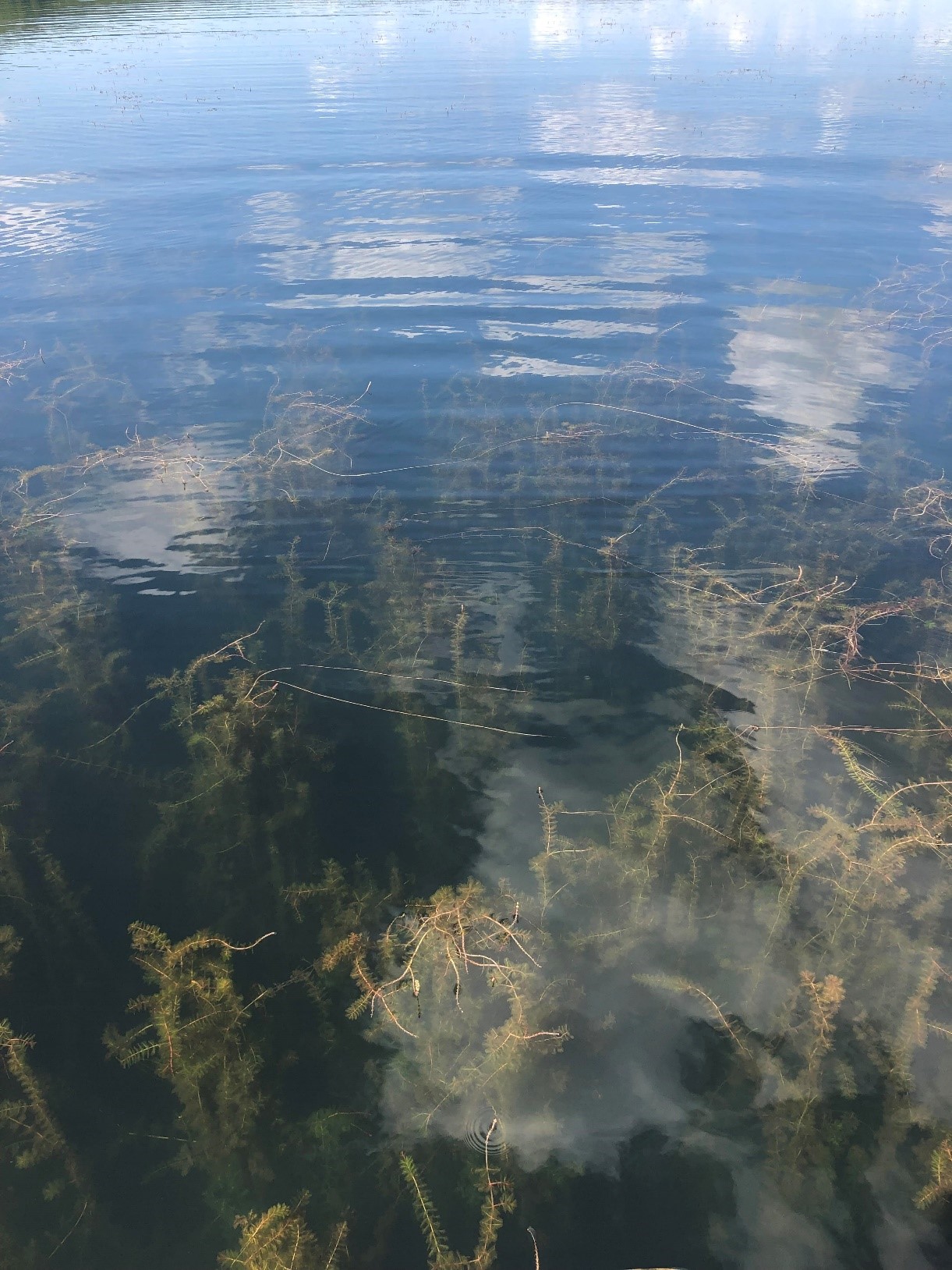
There seems to be a common pattern with aquatic plant “invasions”. Water quality suffers due to human activities which affect the ability for native plants to grow, opening a niche for more tolerant species to proliferate and this in turn often remediates conditions enough to allow native taxa to reestablish. Where native aquatic plant communities remain intact and water quality remains high, the degree to which “invasion” of non-native aquatic plants occurs is often buffered by the integrity of the existing native plant communities. The notion that non-native aquatic plants enter an ecosystem and completely overtake the native plant community is rarely, if ever, an actual phenomenon realized in nature. In my view, the trouble comes when humans seek to selectively intervene with species interactions and try to control aquatic plant communities with quick fixes like herbicides and algicides as band-aids to cover up the consequences of poor water quality. These “management” efforts often result in a net loss of ecosystem services, biodiversity, habitat, and water quality.  The pictures below illustrate this phenomenon.

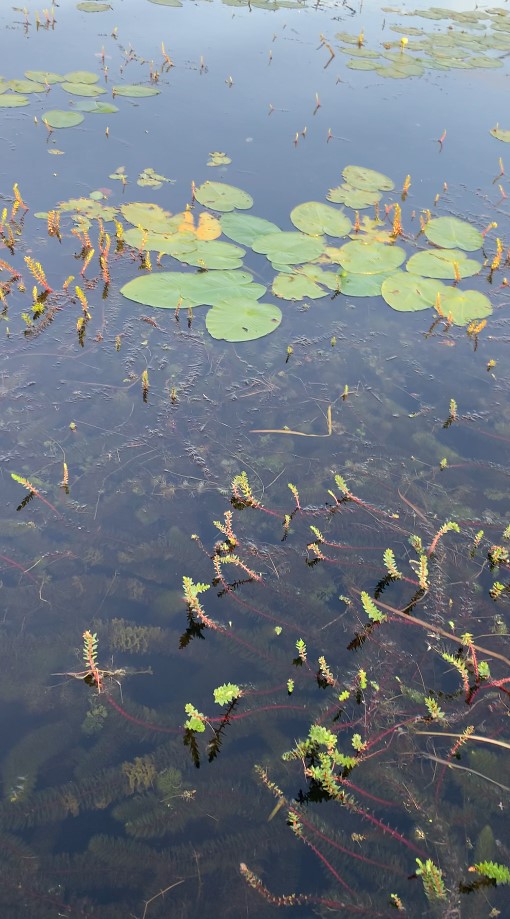
Variable-leaf Milfoil (Myriophyllum heterophyllum) growing amongst native Yellow Water-lily (Nuphar lutea) in an eastern Massachusetts lake
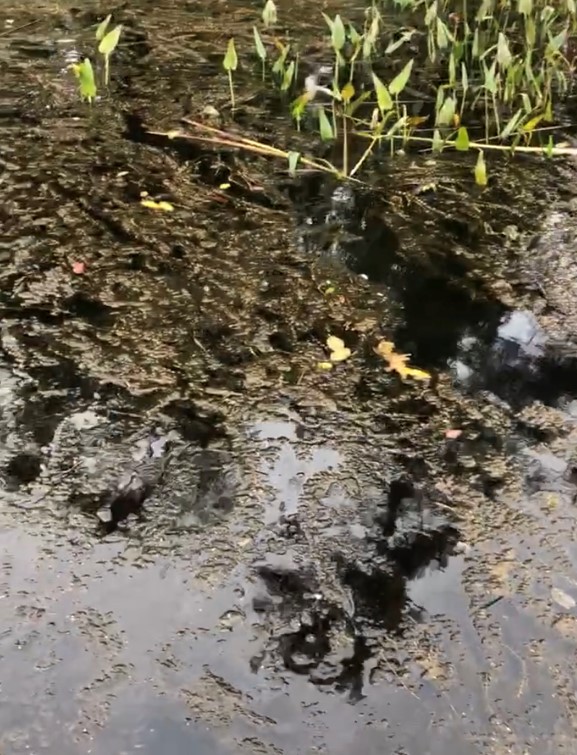
Variable Milfoil left to rot after a chemical herbicide treatment in a neighboring eastern Massachusetts lake

Where I live in Massachusetts there are dozens of small ponds and lakes that are sprayed with herbicides annually to treat “nuisance” aquatic vegetation. Most aquatic plant “control” here is driven by the desires of lakefront property owners who are concerned with their property values and want to transform the lakes they live on into swimming pools (full of toxic cyanobacteria, I suppose). A select few private lake management companies (e.g., Solitude Lake Management) enjoy a monopoly over the lake management market in this region and are endorsed by herbicide manufacturers to put chemicals into our water in the name of ecological “restoration”. Unfortunately, there is often extremely limited pre and post water quality monitoring, and almost never in-depth pre and post monitoring for impacts to indicators of biotic health (native plant communities, zooplankton/macroinvertebrate communities, fish etc.) following these treatments.

 While this issue is not studied nearly enough by independent scientists (i.e. those not representing institutions funded by chemical manufacturers), numerous studies have shown that lake herbicide treatments can have negative impacts to water quality, native plant communities, zooplankton communities, fish and wildlife. I have witnessed firsthand the negative consequences of herbicide use to “control” non-native aquatic plants ever since I was a kid. I’ve seen numerous lakes with abundant milfoil populations turn from crystal clear water to pea soup, with dense cyanobacteria blooms following chemical treatment.

Some of the healthiest lakes are those which have never been subjected to large-scale herbicide treatments. One such lake, Lake Bomoseen, is one of the most important fisheries in the state of Vermont, offering trophy Brown Trout, Largemouth Bass and Smallmouth Bass angling opportunities. Since the 1980s, the lake has supported an abundant population of Eurasian Milfoil. An excellent example of the ecosystem services achieved by allowing species interactions to occur unmolested over time, Lake Bomoseen supports an extremely healthy native aquatic plant community in addition to the dense stands of Eurasian Milfoil present around the lake. In 2022, the Lake Bomoseen Association, comprised of select individuals who own property around the lake, requested a permit from the Vermont Department of Environmental Conservation for the use of an herbicide ProcellaCOR to treat the entire littoral zone (i.e. the area of the lake where plants grow) of the lake over a 3-year period. This spurred a tremendous amount of public dissent. Lakefront property owners, local anglers, and hundreds of Vermont citizens concerned with the use of chemicals in the lake have united and made their voices heard on the issue. The Vermont Fish and Wildlife Department submitted a review of the treatment application to the Vermont DEC, stating that the proposed treatment was a threat to the health of the lake and the integrity of its fish populations. An excerpt from the review sums up the position of the VT Fish and Wildlife on this proposed treatment:

“Lake Bomoseen supports high-quality sportfish fisheries that rely on a diverse healthy aquatic plant community, which may be harmed by wide-scale application of pesticide, thus impacting these sportfish populations and the public benefits they support. The pesticide application at the scale proposed presents a risk to fishing as a public benefit.”

Vermont Fish and Wildlife

The proposal is still under review by the VT DEC, which if approved, would be the largest lake-wide herbicide treatment ever conducted in the state of Vermont. More information about this issue and how you can support the folks fighting to stop this treatment can be found here.

My observations of aquatic plant communities and their importance as habitat for fish have led me to pursue a career in fisheries and aquatic ecology. Before I had ever read a single piece of scientific literature, I had internalized many of the complex interactions between fish and aquatic plants based off of intuition derived from thousands of hours of on the water experience fishing in eutrophic, heavily vegetated Massachusetts ponds and lakes. To this day I am obsessed with fishing in thick aquatic vegetation. In the summer months on a hot sunny day I will actively seek out lakes with the densest aquatic plants I can find to chase after big bass hiding in the matted cover. I share this passion with thousands of anglers across the country.

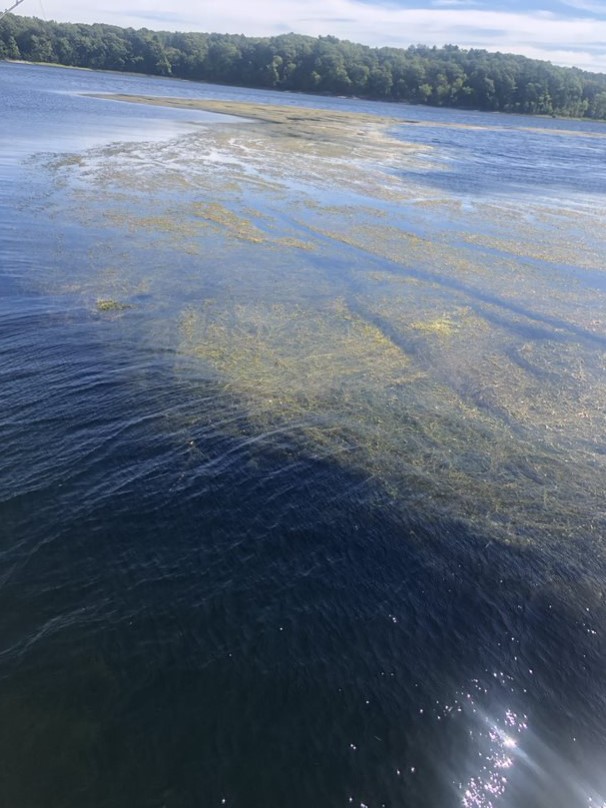
Native aquatic plants can grow in dense stands, too. This is a cavernous mat of Elodea canadensis over +/- 9ft of water in a bay on southern Lake Champlain
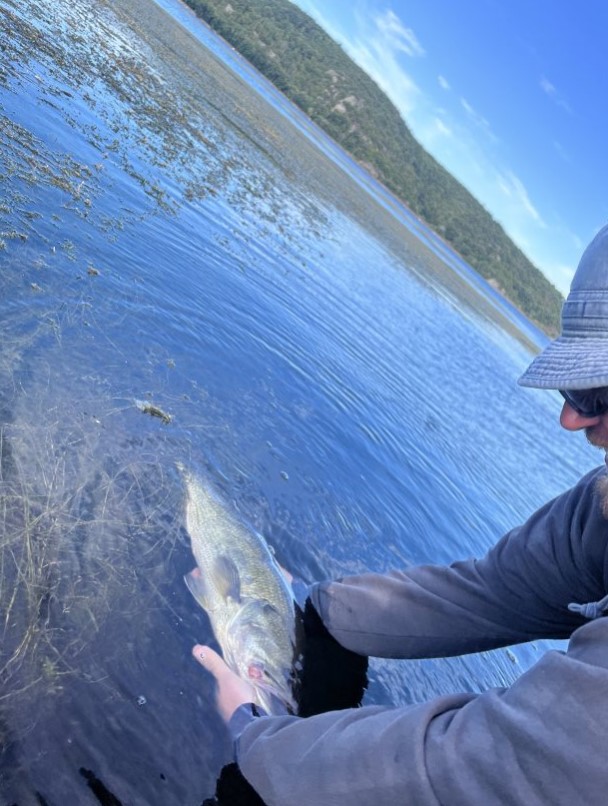
Releasing a Largemouth Bass extracted from the canopy pictured above

Next time you go to your local lake or river, spend some time looking at the aquatic plants that inhabit that body of water. If you have the opportunity, go under the water to observe how fish utilize and interact with stands of aquatic plants. Notice all the life that resides within the plants and try to appreciate the organisms that you encounter, regardless of where in the world they may have originated.

Julian Burgoff
jburgoff@umass.edu
Amherst, MA