I always attend the conferences of the California Invasive Plant Council (Cal-IPC) and the California Native Plant Society because I feel obligated to understand their viewpoint so I can accurately report on the controversies of invasion biology. Ironically, the more I learn about the native plant movement and the “restoration” industry it spawned, the less sense it makes. The October 2024 Symposium of the California Invasive Plant Council has provided more evidence that attempts to eradicate well-established non-native landscapes and replace them with native plants are futile.
Tricks of the “restoration” trade
Every Cal-IPC Symposium has wrestled with the question of whether or not it’s possible to convert non-native grassland to native grassland. A study of 37 grassland “restorations” in coastal California addresses that question. (1) It’s really quite simple. All you need to do is define success as 25% native plants after “restoration” and limit post-project monitoring to 5 years or less: “Monitoring is done ≤5 years after project-implementation, if at all, and rarely assesses the effects of management practice on project success.”
It also helps if public land managers in charge of the projects won’t allow the academic researcher to enter the land to conduct a survey of the results. 43% of the projects that were studied were “statutory,” i.e., they were mandated by laws such as county general plans or legally required mitigation for projects elsewhere that Environmental Impact Reports determined were harmful to the environment. 30% of the managers of the statutory projects would not allow the academic researcher to survey their projects.
It is also easier to achieve success if the project goal is downgraded mid-project as were many of the statutory projects because they weren’t able to meet the original goal.
Project managers can also reduce their risks of failure by planting a small number of native species that are particularly easy to grow: “Ninety-two percent of restoration managers preferentially use one or more of the same seven [native] species.” Seven projects planted only one native species.
According to the study, the result of planting only a few hardy native plants is “biotic homogenization.” Call it what you will, but this risk-averse strategy is inconsistent with claims that the goal of native plant restorations is to increase biodiversity.
The study did not ask project managers about the methods they used to eradicate non-native plants or plant native plants. The study tells us nothing about the methods that were used or whether or not some methods were more effective than others. Since results of the projects were all very similar, should we assume that the methods that were used didn’t matter?
The presentation of this study concluded with this happy-face slide. (see below) It looks like a cartoonish marketing ad to me:
Harmless aquatic plants being pointlessly eradicated
A USDA research ecologist stationed at UC Davis made a presentation about the most effective way to kill an aquatic plant with herbicides, but that wasn’t the message I came away with.
Jens Beets told us about a species of aquatic plant that is native to the East and Gulf coasts of the US, but is considered a “noxious weed” in California, solely because it isn’t native. He said the plant is considered very useful where it is native. (see below)
Where Vallisneria americana is native, it is considered a valuable plant for habitat restoration because it is habitat for vertebrates and invertebrates and it stabilizes soil and water levels. The canvasback duck is named for this plant species because it is preferred habitat for the native duck that is found in California during the winter.
Vallisneria americana looks very similar to other species in the genus considered native in California. For that reason, native species of Vallisneria have been mistakenly killed with herbicide because applicators didn’t accurately identify the target plant as native. Jens Beets recommended that genetic tests be performed before plants in this genus are sprayed with herbicide.
This story probably sounds familiar to regular readers of Conservation Sense and Nonsense. The story is identical to the pointless and futile effort to eradicate non-native species of Spartina marsh grass in the San Francisco Bay. The species being eradicated in California is native to the East and Gulf coasts, where it protects the coasts from extreme storm surges and provides valuable habitat for a genus of bird that is plentiful on the East Coast, but endangered in California. The 20-year effort to eradicate non-native Spartina has killed over 50% of the endangered bird species in the San Francisco Bay.
Throwing good money after bad
Because the hybrid is indistinguishable from the native species of Spartina on the West Coast, 7,200 genetic tests have been performed in the past 12 years before hybrid Spartina was sprayed with herbicide. Taxpayers have spent $50 million to eradicate Spartina over 20 years. Recently, California state grants of $6.7 million were awarded to continue the project for another 10 years. A portion of these grants is given to the California Invasive Plant Council to administer the grants.
Plants are sprayed with herbicide because they aren’t native, not because they are harmful. Even if the target species is needed by birds and other animals, it is still killed and animals along with it. The target species looks the same as the native species and only genetic testing can identify it is as a non-native. The non-native is the functional equivalent of the native. It is only genetically different because natural selection has adapted it to the conditions of a specific location.
Pesticide regulation in the US is a hit or miss proposition
The final session of the symposium was a carefully orchestrated apologia for herbicides, a defensive tirade that suggested Cal-IPC believes its primary tool is in jeopardy. Two presentations were made by employees of regulatory agencies. Their assignment was to reassure the public that pesticides are safe because they are regulated by government agencies.
The fact that many countries have banned pesticides that are routinely used in the US does not speak well for our regulatory system. America’s pesticide regulators rarely deny market access to new pesticides. A recent change in policies of California’s Department of Pesticide Regulation made a commitment to the continued use of pesticides for another 25 years.
In 1996, Congress ordered the U.S. Environmental Protection Agency (EPA) to test all pesticides, used on food, for endocrine disruption by 1999. The EPA still doesn’t do this today. Twenty-five years later, the EPA has not implemented the program, nor has it begun testing on 96% of registered pesticides. In 2022, an organization that represents farm workers sued the EPA to conduct the legally mandated evaluation of chemicals for endocrine disruption. The lawsuit has forced the EPA to make a commitment to conduct these evaluations of chemicals for hormone disruption.
The Cal-IPC presenters got some badly needed push back from attendees. One attendee informed the audience that all the testing of herbicides is bought by the manufacturers, not the regulators who don’t do any testing. Another attendee pointed out that herbicides have not been evaluated for the damage they are doing to the soil, damage that makes it difficult to grow native plants in the dead soil. The “pesticide regulator” agreed with those observations.
Fire safety or native plant restoration?
The Interim Deputy Director of the Laguna Canyon Foundation was the final presenter for the Symposium, speaking on a Friday afternoon at 4:30 pm, when there were less than 100 attendees left of the 690 registrants. His presentation was about the blow back that his organization gets from the public about herbicide applications. Criticism of herbicides escalated after a wet year that increased vegetation considered a fire hazard. This photo (below) is an example of the visible effects of fuels management by Laguna Canyon Foundation using herbicides.
It seems likely that a fuels management project was selected for this presentation because it’s easier to justify herbicide use for fuels management than for eradicating harmless plants solely because they aren’t native.
I recently supported Oakland’s Vegetation Management Plan that will use herbicides for the first time on 300 miles of roadsides and 2,000 acres of public parks and open space in Oakland. Previously, herbicide applications were only allowed on medians in Oakland. I tracked the development of the Vegetation Management Plan for 7 years through 4 revisions to avoid nativist versions of fuels management such as leaving dead thatch after herbicide applications on grassland or destroying non-native trees, while leaving highly flammable bay laurel trees behind or destroying broom, while leaving more flammable coyote brush behind.
However, using herbicides for the sole purpose of killing non-native plants is much harder to justify. The irrational preference for native species has put us on the pesticide treadmill. Every plant species now targeted for eradication with herbicides should be re-evaluated, taking into consideration the following criteria:
Is it futile to attempt to eradicate a plant species that has naturalized in an ecosystem?
Will the attempt to eradicate the plant species do more harm than good?
Is the targeted plant species better adapted to current environmental and climate conditions?
Is the targeted non-native plant making valuable contributions to the ecosystem and its animal inhabitants?
If these questions cannot be satisfactorily answered, the bulls-eye on the targeted plant should be removed. Limiting the number of plants now being sprayed with herbicide is the only way to reduce pesticide use. If the plant isn’t a problem, there is no legitimate reason to spray it with herbicide.
Pot calls kettle black
The Cal-IPC presentation was a detailed criticism of the public’s complaints about herbicides used in their community. The intention of the presentation was to arm herbicide applicators with defenses against the public’s complaints. Herbicide applicators were encouraged to recognize these arguments (below) and participate in the “education” of the public about the righteousness of their task.
The presenter then showed a series of slides making specific accusations, such as these: (see below)
Those who object to the pointless destruction of nature can also cite distortions and misrepresentations of facts (AKA lies) by those who engage in these destructive projects;
Nativists fabricated a myth that eucalyptus kills birds to support their demand that eucalyptus in California be destroyed. There is no evidence that myth is true.
Nativists also fabricated a myth that burning eucalyptus in the 1991 firestorm in the East Bay cast embers that started spot fires 12 miles away from the fire front. There is no evidence that myth is true.
The EPA justified the dumping of rodenticides on off-shore islands by inaccurately claiming that the rodenticides do not end up in the water, killing marine animals. There is ample evidence that island eradications have killed many marine animals because rodenticide lands in the water when applied by helicopters.
USFWS justified the killing of 500,000 barred owls in western forests by claiming they are an “invasive species.” In fact, barred owls migrated from the East to the West Coasts via the boreal forests of Canada. These forests were not planted by humans and have existed since the end of the last Ice Age, some 10,000 years ago. The arrival of barred owls on the West Coast was a natural phenomenon. Barred owls are therefore not “invasive species.” In a rapidly changing climate, many animals must move to survive.
Nativists claim that most insects are “specialists” that require native plants. That claim is a gross exaggeration of the dependence of insects on native plants, which are sometimes confined to a family of plants containing thousands of both native and non-native species.
Pesticide applicators also complain about “personal attacks.” They are not alone. I (and others) have been called “nature haters,” “chemophobes,” and “climate change deniers.” Pesticide applicators feel abused. So do I.
I could go on. The list of bogus claims of the superiority of native plants and animals is long and getting longer as more and more public money is available to conduct misnamed “restorations.” Suffice to say, there is plenty of misinformation floating around invasion biology and most of it is used to defend destructive “restoration” projects. The war on nature is also a war of words.
The program for the Cal-IPC 2024 Symposium is available HERE. Abstracts and presentation slides have not yet been posted to the website, but they will eventually be available to the general public.
I always attend the conferences of the California Invasive Plant Council (Cal-IPC) and the California Native Plant Society because I feel obligated to understand their viewpoint so I can accurately report on the controversies of invasion biology. Ironically, the more I learn about the native plant movement and the “restoration” industry it spawned, the less … Continue reading “Defining “Success” So That “Success” Can Be Achieved”
I always attend the conferences of the California Invasive Plant Council (Cal-IPC) and the California Native Plant Society because I feel obligated to understand their viewpoint so I can accurately report on the controversies of invasion biology. Ironically, the more I learn about the native plant movement and the “restoration” industry it spawned, the less sense it makes. The October 2024 Symposium of the California Invasive Plant Council has provided yet more evidence that attempts to eradicate well-established non-native landscapes and replace them with native plants are futile.
Tricks of the “Restoration” Trade
Every Cal-IPC Symposium has wrestled with the question of how to convert non-native grassland to native grassland. A study of 37 grassland “restorations” in coastal California answers that question. (1) It’s really quite simple. All you need to do is define success as 25% native plants after “restoration” and limit post-project monitoring to 5 years or less: “Monitoring is done ≤5 years after project-implementation, if at all, and rarely assesses the effects of management practice on project success.”
It also helps if public land managers in charge of the projects won’t allow the academic researcher to enter the land to conduct a survey of the results. 43% of the projects that were studied were “statutory,” i.e., they were mandated by laws such as county general plans or legally required mitigation for projects elsewhere that Environment Impact Reports determined were harmful to the environment. 30% of the managers of the statutory projects would not allow the academic researcher to survey their projects.
It is also easier to achieve success if the project goal is downgraded mid-project as were many of the statutory projects because they weren’t able to meet the original goal.
Project managers can also reduce their risks of failure by planting a small number of native species that are particularly easy to grow: “Ninety-two percent of restoration managers preferentially use one or more of the same seven [native] species.” Seven projects planted only one native species.
According to the study, the result of planting only a few hardy native plants is “biotic homogenization.” Call it what you will, but this risk-averse strategy is inconsistent with claims that the goal of native plant restorations is to increase biodiversity.
The study did not ask project managers about the methods they used to eradicate non-native plants or plant native plants. The study tells us nothing about the methods that were used or whether or not some methods were more effective than others. Since results of the projects were all very similar, should we assume that the methods that were used didn’t matter?
The presentation of this study concluded with this happy-face slide. (see below) It looks like a cartoonish marketing ad to me:
Harmless aquatic plants being pointlessly eradicated
A USDA research ecologist stationed at UC Davis made a presentation about the most effective way to kill an aquatic plant with herbicides, but that wasn’t the message I came away with.
Jens Beets told us about a species of aquatic plant that is native to the East and Gulf coasts of the US, but is considered a “noxious weed” in California, solely because it isn’t native. He said the plant is considered very useful where it is native. (see below)
Where Vallisneria americana is native, it is considered a valuable plant for habitat restoration because it is habitat for vertebrates and invertebrates and it stabilizes soil and water levels. The canvasback duck is named for this plant species because it is preferred habitat for the native duck that is found in California during the winter.
Vallisneria americana looks very similar to other species in the genus considered native in California. For that reason, native species of Vallisneria have been mistakenly killed with herbicide because applicators didn’t accurately identify the target plant as native. Jens Beets recommended that genetic tests be performed before plants in this genus are sprayed with herbicide.
This story probably sounds familiar to regular readers of Conservation Sense and Nonsense. The story is identical to the pointless and futile effort to eradicate non-native species of Spartina marsh grass in the San Francisco Bay. The species being eradicated in California is native to the East and Gulf coasts, where it protects the coasts from extreme storm surges and provides valuable habitat for a genus of bird that is plentiful on the East Coast, but endangered in California. The 20-year effort to eradicate non-native Spartina has killed over 50% of the endangered bird species in the San Francisco Bay.
Throwing good money after bad
Because the hybrid is indistinguishable from the native species of Spartina on the West Coast. 7,200 genetic tests have been performed in the past 12 years before hybrid Spartina was sprayed with herbicide. Taxpayers have spent $50 million to eradicate Spartina over 20 years. Recently, California state grants of $6.7 million were awarded to continue the project for another 10 years. A portion of these grants are given to the California Invasive Plant Council to administer the grants.
Plants are sprayed with herbicide because they aren’t native, not because they are harmful. Even if the target species is needed by birds and other animals, it is still killed and animals along with it. The target species looks the same as the native species and only genetic testing can identify it is as a non-native. The non-native is the functional equivalent of the native. It is only genetically different because natural selection has adapted it to the conditions of a specific location.
Pesticide regulation in the US is a hit or miss proposition
The final session of the symposium was a carefully orchestrated apologia for herbicides, a defensive tirade that suggested Cal-IPC believes its primary tool is in jeopardy. Two presentations were made by employees of regulatory agencies. Their assignment was to reassure the public that pesticides are safe because they are regulated by government agencies.
The fact that many countries have banned pesticides that are routinely used in the US does not speak well for our regulatory system. America’s pesticide regulators rarely deny market access to new pesticides. A recent change in policies of California’s Department of Pesticide Regulation made a commitment to the continued use of pesticides for another 25 years.
In 1996, Congress ordered the U.S. Environmental Protection Agency (EPA) to test all pesticides used on food for endocrine disruption by 1999. The EPA still doesn’t do this today. Twenty-five years later, the EPA has not implemented the program, nor has it begun testing on 96% of registered pesticides. In 2022, an organization that represents farm workers sued the EPA to conduct the legally mandated evaluation of chemicals. The lawsuit has forced the EPA to make a commitment to conduct these evaluations of chemicals for hormone disruption.
The Cal-IPC presenters got some badly needed push back from attendees. One attendee informed the audience that all the testing of herbicides is bought by the manufacturers, not the regulators who don’t do any testing. Another attendee pointed out that herbicides have not been evaluated for the damage they are doing to the soil, damage that makes it difficult to grow native plants in the dead soil. The “pesticide regulator” agreed with those observations.
Fire safety or native plant restoration?
The Interim Deputy Director of the Laguna Canyon Foundation was the final presenter for the Symposium, speaking on a Friday afternoon at 4:30 pm, when there were less than 100 attendees left of the 690 registrants. His presentation was about the blow back that his organization gets from the public about herbicide applications. Criticism of herbicides escalated after a wet year that increased vegetation considered a fire hazard. This photo (below) is an example of the visible effects of fuels management by Laguna Canyon Foundation using herbicides.
It seems likely that a fuels management project was selected for this presentation because it’s easier to justify herbicide use for fuels management than for eradicating harmless plants solely because they aren’t native.
I recently supported Oakland’s Vegetation Management Plan that will use herbicides for the first time on 300 miles of roadsides and 2,000 acres of public parks and open space in Oakland. Previously, herbicide applications were only allowed on medians in Oakland. I tracked the development of the Vegetation Management Plan for 7 years through 4 revisions to avoid nativist versions of fuels management such as leaving dead thatch after herbicide applications on grassland or destroying non-native trees, while leaving highly flammable bay laurel trees behind or destroying broom, while leaving more flammable coyote brush behind.
However, using herbicides for the sole purpose of killing non-native plants is much harder to justify. The irrational preference for native species has put us on the pesticide treadmill. Every plant species now targeted for eradication with herbicides should be re-evaluated, taking into consideration the following criteria:
Is it futile to attempt to eradicate a plant species that is deeply entrenched in plant communities?
Will the attempt to eradicate the plant species do more harm than good?
Is the targeted plant species better adapted to current environmental and climate conditions?
Is the targeted non-native plant making valuable contributions to the ecosystem and its animal inhabitants?
If these questions cannot be satisfactorily answered, the bulls-eye on the targeted plant should be removed. Limiting the number of plants now being sprayed with herbicide is the only way to reduce pesticide use. If the plant isn’t a problem, there is no legitimate reason to spray it with herbicide.
Pot calls kettle black
The Cal-IPC presentation was a detailed criticism of the public’s complaints about herbicides used in their community. The intention of the presentation was to arm herbicide applicators with defenses against the public’s complaints. Herbicide applicators were encouraged to recognize these arguments (below) and participate in the “education” of the public about the righteousness of their task.
The presenter then showed a series of slides making specific accusations, such as these: (see below)
Those who object to the pointless destruction of nature can also cite similar distortions and misrepresentations of facts (AKA lies) by those who engage in these destructive projects;
Nativists fabricated a myth that eucalyptus kills birds to support their demand that eucalyptus in California be destroyed. There is no evidence that myth is true.
Nativists also fabricated a myth that burning eucalyptus in the 1991 firestorm in the East Bay cast embers that started spot fires 12 miles away from the fire front. There is no evidence that myth is true.
The EPA justified the dumping of rodenticides on off-shore islands by inaccurately claiming that the rodenticides do not end up in the water, killing marine animals. There is ample evidence that island eradications have killed many marine animals because rodenticide lands in the water when applied by helicopters.
USFWS justified the killing of 500,000 barred owls in western forests by claiming they are an “invasive species.” In fact, barred owls migrated from the East to the West Coasts via the boreal forests of Canada. These forests were not planted by humans and have existed since the end of the last Ice Age, some 10,000 years ago. The arrival of barred owls on the West Coast was a natural phenomenon. Barred owls are therefore not “invasive species.” In a rapidly changing climate, many animals must move to survive.
Nativists claim that most insects are “specialists” that require native plants. That claim is a gross exaggeration of the dependence of insects on native plants, which are sometimes confined to a family of plants containing thousands of both native and non-native species.
Pesticide applicators also complain about “personal attacks.” They are not alone. I (and others) have been called “nature haters,” “chemophobes,” and “climate change deniers.” Pesticide applicators feel abused. So do I.
I could go on. The list of bogus claims of the superiority of native plants and animals is long and getting longer as more and more public money is available to conduct misnamed “restorations.” Suffice to say, there is plenty of misinformation floating around invasion biology and most of it is used to defend destructive “restoration” projects. The war on nature is also a war of words.
(1) Justin Luong, et.al., “Lessons learned from an interdisciplinary evaluation of long-term restoration outcomes on 37 coastal grasslands in California.” Biological Conservation, February 2022.
I spoke to California’s Wildlife Conservation Board at their August 2024 meeting about the Invasive Spartina Project. I asked the Board not to fund the eradication of non-native spartina and its hybrid, using herbicide. This project, which began 20 years ago, had cost over $50 million by 2023. (1) Non-native spartina, native to the East and Gulf coasts (2), provides crucial habitat for Clapper rails (3), closely related to our endangered Ridgway rails.
Source: Cornell Laboratory of Ornithology
Non-native spartina grows taller, denser, and doesn’t die back in winter as native spartina does. Because early aerial spraying of herbicide eradicated most non-native spartina by 2010, Ridgway rail populations declined by 50% due to habitat loss. (4)
The project was temporarily paused in 2014 to plant native marsh plants and stabilize rail populations. When the project was resumed in most places the rail population continued to decline from 2018-2023. There were approximately 1,200 Ridgway rails in the Bay estuary before the project began. (5) The most recent survey in 2022 found about 500. (6)
Native pickleweed was planted based on the mistaken assumption it would benefit endangered salt marsh harvest mice. Recent studies show there are more mice in areas with less pickleweed and they eat both native and non-native plants. (7)
For the past 10 years, the focus has been on eradicating a hybrid of spartina, though it is indistinguishable from native spartina and 7,200 genetic tests were required from 2010 to 2022 to identify it. Hybridization is a natural evolutionary process that supports natural selection. (8)
Hybrid spartina could help to protect the Bay’s shoreline as sea level rises and extreme storm events cause erosion. Where it is eradicated, gaps in vegetation are difficult to revegetate because the herbicide (imazapyr) that is used is very mobile and persistent in the soil. Imazapyr is also a non-selective herbicide that kills both native and non-native plants growing closely together, as they do in the San Francisco Bay Estuary. (9)
Although others spoke with me, there were an equal number of people who spoke in favor of granting nearly $7 million to continue the project for another 10 years. Some of the funding is granted to California Invasive Plant Council to administer the grants. Several of those speakers (including Marin Audubon) actually claimed that the project is benefiting endangered Ridgway rails, despite the fact that the project has killed at least 600 of them by destroying their nesting habitat and probably contaminating the food they eat, such as crustaceans and mollusks.
You might wonder why an organization such as Marin Audubon, which is committed to protecting birds, would advocate to continue a project that has killed at least 600 endangered birds, until you remember that Marin Audubon is also supportive of the project that plans to kill 500,000 barred owls. Marin Audubon also wants the Barred Owl Management Strategy to be mandatory instead of voluntary as proposed by USFWS.
Source: Staff Report for Invasive Spartina Project, WCB Board Meeting, August 22, 2024
The Wildlife Conservation Board approved grants to the Invasive Spartina Project with one dissenting vote. The dissenting Board member voted, “Hell, NO!” Her term on the Board will end after the May 2025 meeting. She does not expect to be reappointed. Her departure will be the end of the effort to prevent the Wildlife Conservation Board from granting funds to projects that use pesticides. It’s another dead end for those who advocate on behalf of wildlife and against the use of pesticides on public lands.
Funding sources to continue the Invasive Spartina Project are the Greenhouse Gas Reduction Act and Climate Change Resilience fund. These funding sources are as inappropriate as the project itself. Destroying vegetation does not reduce greenhouse gas emissions. Destroying non-native vegetation that grows taller, denser, and doesn’t die back in winter does not make our shoreline more resilient as sea-levels rise and winter storms become more intense.
Invasive Spartina Project is typical, not unique
The Invasive Spartina Project is typical of other “restoration” projects in California that have been trying, unsuccessfully, to eradicate non-native plants for 20 years and more. Thanks to the California Invasive Plant Council (Cal-IPC), we now have survey data that tells us where these projects have been done and for how long. (10)
Cal-IPC sent more than 300 survey questionnaires to “practitioners” who had registered for Continuing Education credits for Cal-IPC classes and “land manager staff of organization throughout California.” Over 100 practitioners replied to the survey. This graph depicts their replies to the question, “Approximately how many total years have you applied herbicides throughout your career?”
Source: California Invasive Plant Council
Clearly, the Invasive Spartina Project is one of many “restoration” projects that have been applying herbicides for 20 years or more. And the Invasive Spartina Project has secured State funding to continue spraying herbicides for another 10 years. Spraying herbicides on public lands has created stable, life-long employment for an army of weed warriors.
The survey also tells us where herbicides are being sprayed:
Source: California Invasive Plant Council
Virtually all (89%) herbicide applicators are spraying herbicides in “natural areas”—which we assume are wildlands—where no attempt has been made to plant native plants. Most projects are more destructive than they are constructive. Nearly 50% of herbicide applicators are spraying in public parks. 70% of herbicide applicators spray in “restoration areas,” presumably to sustain the native plants that were planted. If they are using non-selective herbicides, such as glyphosate and imazapyr, they are probably killing native plants too.
There are many other revelations in this survey and the details are available in the Cal-IPC publication (10):
Only 1.9% of respondents had not used herbicides or been part of a project that used herbicides.
The top three application methods were spot spraying (100%), cut stump (87%), and broadcast spray (70%).
40% of respondents were not calibrating their herbicide use. “Calibration is the process of adjusting and measuring the amount of pesticide that a piece of equipment will apply to a target area. It’s an important step in the pesticide application process to ensure that the equipment is applying the correct amount of pesticide at the right rate and in a uniform manner.” (Google search)
28% of respondents had never received calibration training. 20% of respondents said they did not calibrate their herbicide application because “they did not know how.” Cal-IPC often claims that herbicides are being applied “judiciously.” If you don’t know how to apply herbicides, you are unlikely to apply them “judiciously.”
The Forever War on Non-Native Plants
Cal-IPC’s survey of “restoration” practitioners confirms our observations of their efforts in the past 25 years in the San Francisco Bay Area:
Attempts to eradicate non-native plants are a Forever War that has poisoned our public lands without eradicating non-native plants or restoring native vegetation, in most cases.
The war is futile because it is attempting to stop evolution, which is trying to help flora and fauna adapt to the changing climate and environment. Humans cannot stop evolution, nor should we try. The Forever War is a losing battle against evolution, which has sustained life on Earth for 3.7 billion years, without human “assistance.”
The plants that we are trying to kill are also adapting to the poisonous war we pointlessly wage against them. They have evolved and will continue to evolve resistance to the poisons we spray on them. Herbicides are less effective than they were 40 years ago and they will be continuously less effective.
We are poisoning ourselves and other animals in our futile attempt to kill the plants that feed them. Claims that wildlife eat only native plants is a fiction and a lie that sustains an industry with vested economic interests in that myth.
Many pesticide applicators are not properly trained or they are not following legally mandated instructions for pesticide applications on product labels. They are hurting themselves when they don’t wear legally required personal protection equipment. They are hurting the environment and everyone who lives in it when they use too much pesticide because they have not calibrated their applications as required by the product label. When they don’t post pesticide application notices in advance of their applications, they deprive the public of the opportunity to protect themselves by avoiding the area. Even when they do, such signs would not be helpful to wildlife.
The money that is wasted on this Forever War could be used to address a multitude of other pressing needs. For example, the lead pipes in Oakland that are delivering drinking water contaminated with lead to children in our public schools could be replaced with a fraction of what has been spent to eradicate non-native spartina marsh grass in the past 20 years. (11) It’s no wonder that the public does not trust the American government:
USDA Plant Database: Spartina alterniflora When the Invasive Spartina Project began, the USDA Plant Database map of this species indicated that the species was introduced on the West Coast. The current version of the map shows that this species is now native to the West Coast.
Adam Lambert et.al., “Optimal approaches for balancing invasive species eradication and endangered species management,” Science, May 30, 2014, vol. 344 Issue 6187
“Effects of Predation, Flooding, and Contamination on Reproductive Success of California Clapper Rails (Rallus Longirostris Obsoletus) in San Francisco Bay,” Steven E. Schwarzbach, Joy D. Albertson, Carmen M. Thomas, The Auk, 1 January 2006
“In 2018, Oakland Unified School District (OUSD) estimated that it would cost $38 million to fix lead contamination in its schools. This included $22 million to replace water lines and $16 million to replace drinking water and sink fixtures. The OUSD blamed the aging infrastructure for the high lead levels and sought help from the state and federal government.” (Google Search)
Dana Milbank is a political columnist for the Washington Post. He broke out of his political mold on April 7, 2023 to write an article about gardening published by the Post, which repeats every myth of the nativist ideology.
A team of dismayed critics of invasion biology has responded to excerpts of Milbank’s column:
Marlene A. Condon is a garden writer based in Virginia and the author of The Nature Friendly Garden. She has a degree in physics. Her entire critique of Milbank’s column is available on her website. Her comments address the reader.
Carol Reeseis a retired Extension Horticulture Specialist who conducted her 27 year career from the University of Tennessee’s West Tennessee AgResearch and Education Center in Jackson, where a large and diverse display garden gave her the opportunity to observe biodiversity in action on an enormous range of plant species from other parts of the world. She describes herself as a farm raised country girl tomboy who has looked at the natural world in hundreds of settings and landscapes, natural and manmade, and read countless books and articles. She has written for several magazines, newspapers, articles for Garden Rant as well as university publications. Her speaking engagements around the country have allowed her to engage with many other green industry professionals. Dana Milbank’s column prompted her to email him directly with her concerns, directly addressing some of his assertions. I publish some excerpts here from her emails sent directly to Milbank.
Conservation Sense and Nonsense is the webmaster of this website. I have studied invasion biology and the native plant movement it spawned for over 25 years. I’ve watched forests of healthy, non-native trees in California be destroyed and replaced by weedy grassland. I have used what I have learned to advocate for a less destructive approach to restoration, a word I am reluctant to use to describe projects that use herbicides to eradicate harmless plants and trees. My comments are addressed to the reader.
What follows are excerpts from Dana Milbank’s column with responses from Marlene Condon, Carol Reese, and Conservation Sense and Nonsense, just three of many skeptics of invasion biology. To summarize the point of our criticism:
Insects are not dependent on native plants. They are just as likely to use related non-native plants in the same genus or even plant family with similar chemical properties and nutritional value.
While some non-native plants have potential to be harmful, many are beneficial. There are pros and cons to both native and non-native plants and that judgment varies from one animal species to another, including humans. For example, we don’t like mosquitoes, but they are important food for bats and birds.
All plants, whether native or non-native convert carbon dioxide to oxygen and store carbon. Destroying them contributes to greenhouse gases causing climate change.
When the climate changes, vegetation must also change. Many non-native plants are better adapted to current climate and environmental conditions in disturbed ecosystems.
Conservation Sense and Nonsense
“I’m no genius about genuses, but your garden is killing the Earth” By Dana Milbank Washington Post, April 7, 2023
Milbank: I did almost everything wrong.
Reese: I’m so sorry you thought this!
Milbank: For 20 years, I found the latest, greatest horticultural marvels at garden centers and planted them in my yard: sunny knock-out roses, encore azaleas, merlot redbud, summer snowflake viburnum, genie magnolia, firepower nandina
In between them flowed my lush, deep-green lawn. I hauled sod directly from the farm and rolled it out in neat rows. I core-aerated, I conditioned, I thatched, I overseeded, I fertilized. I weeded by hand, protecting each prized blade of tall fescue from crabgrass and clover.
In this season, a symphony of color performs in my yard. The fading daffodils, cherry blossoms, saucer magnolias, hyacinths and camellias meet the arriving tulips, lilacs, creeping phlox and azaleas, with the promise of rhododendrons, peonies, hydrangeas, day lilies and roses to debut in the coming weeks.
But this year, the bloom is off the rose. And the hydrangea. And the rhododendron. And all the rest. It turns out I’ve been filling my yard with a mix of ecological junk food and horticultural terrorists.
Condon:When Mr. Milbank posits that he’s “been filling his yard with a mix of ecological junk food and horticultural terrorists,” he’s channeling the kind of words Bringing Nature Home author Doug Tallamy loves to employ: Biased expressions that implant negative images in the reader’s mind so he will become yet another minion of this scientist. Nowadays you can’t read a garden or environmental column without being accosted with the same words or variations thereof, as if everyone has become a mouthpiece for Doug Tallamy, which I’ve never seen done more obviously than in this column by Dana Milbank.
Conservation Sense and Nonsense: Milbank’s lengthy list of “bad” plants in his garden paints with too broad a brush. For example, instead of identifying a particular species of hydrangea and rhododendron, Milbank condemns an entire genus. Both hydrangea and rhododendron genera have several native species within the genus. Most (all?) species of phlox are also native to North America.
Milbank: When it comes to the world’s biodiversity crisis — as many as 1 million plant and animal species face near-term extinction because of habitat loss ― I am part of the problem. I’m sorry to say that if you have a typical urban or suburban landscape, your lawn and garden are also dooming the Earth.
Reese:YIKES! This is pretty extreme, and dare I say inaccurate? No, home gardeners are part of the solution, no matter the plants in their garden. Doom will come from lack of diverse green space. Doom will come from climate warming as a result, as well as from pollution, tillage, factory farming and development.
Milbank: I came to understand the magnitude of my offenses after enlisting in nature boot camp this spring. I’m in “basic training” with the state-sponsored Virginia Master Naturalist program. While others sleep in on rainy weekend mornings, my unit, the Arlington Regional Master Naturalists, has us plebes out in the wetlands distinguishing a yellow-bellied sap sucker from a pileated woodpecker.
I’m no genius with genuses, but I know a quercus from a kalmia, and because of my gardening experience, I began the program with confidence. Instead, I’ve discovered that all the backbreaking work I’ve done in my yard over the years has produced virtually nothing of ecological value — and some things that do actual harm.
A few of the shrubs I planted were invasive and known to escape into the wild. They crowd out native plants and threaten the entire ecosystem. Our local insects, which evolved to eat native plants, starve because they can’t eat the invasive plants or don’t recognize the invaders as food.
Anise swallowtail on non-native fennel. Courtesy urbanwildness.org “Papilio zelicaon, the anise swallowtail, typically has one to two generations in the mountains and foothills of California where it feeds on native apiaceous hosts. However, along the coast, in the San Francisco Bay Area and the urbanized south coastal plains and in the Central Valley, P. zelicaon feeds on introduced sweet fennel, Foeniculum vulgare, and produces four to six or more generations each year… the use of exotics has greatly extended the range of P. zelicaon in lowland California.” SD Graves and A Shapiro, “Exotics as host plants of the California butterfly fauna,” Biological Conservation, 2003.
Reese:It sounds so logical, but is sooo inaccurate. Ask any entomologist that has spent their careers “fighting pests” on valued crop or ornamental plants. Remember Pangea [when all continents were fused into one]? More recently, have you thought about the exchange of plants and animals across Berengia when we were still connected to Asia? We can trace those relationships/kinships of our plants to Asian/Eurasian plants now through DNA. They eventually differentiated into species (a continuum of change caused by climate and geologic pressures until we [Man] declare it as a different species, though biologically it is still basically the same nutritional makeup)
Condon also dissects Milbank’s statement:
“They crowd out native plants and threaten the entire ecosystem.” Read virtually any description of where you find so-called invasive plant species and you will find the word “disturbed.” This tells you the soil profile has been negatively impacted by people, animals, or weather, and usually means the topsoil is gone. Only very tough plants—known as colonizers—can grow in disturbed areas because the soil is nutrient-poor and is typically compacted. Consequently, these areas may fill with a mix of native and nonnative plants, or mainly one or the other—but every single plant is a colonizer that is working to rehabilitate the land for the benefit of the native plants that require topsoil in which to grow. “Invasiveness” is nothing more than a derogatory word used by people with contempt for alien-plant colonization. Conclusions: Alien plants can’t “crowd out” native plants because once the soil is disturbed and thus degraded, most of our native plants can’t grow there and thus are not there to be crowded out. As for “threatening the entire ecosystem,” to the contrary, alien colonizers are helping to restore it.
“Our local insects, which evolved to eat native plants, starve because they can’t eat the invasive plants or don’t recognize the invaders as food.” This oft-repeated distorted premise comes straight out of Bringing Nature Home, in which Doug Tallamy deceptively writes about “an excellent demonstration of how restricted a specialist’s [an insect with particular food preference] diet is.” Tallamy tells the story of Eastern Tent caterpillars on a cherry tree denuded of its own leaves but hosting a Japanese Honeysuckle vine. He writes that the caterpillars didn’t recognize the honeysuckle as food (sound familiar?) But, of course, they didn’t because this species of insect can only eat plants in the Rose Family, which does not include honeysuckle. What Doug Tallamy doesn’t tell the reader is that the tent caterpillars could certainly have eaten the so-called invasive Multiflora Rose, which I’ve documented in the photo below. Conclusion: Native insects did not evolve to eat only local (native) plants, but rather can typically feed upon dozens, if nothundreds or thousands, of plants related to each other by family classification, even though they grow in other countries.
Tent caterpillar on multiflora rose. Photo by Marlene Condon.
Milbank: This in turn threatens our birds, amphibians, reptiles, rodents and others all the way up the food chain. Incredibly, nurseries still sell these nasties — without so much as a warning label.
Reese:As I read, I also watch the many birds on my lawn, the fence lizards on my decks, the insects humming among the flowers in my diverse collection of native cultivars and introduced plants.
Hummingbird in eucalyptus flower. Eucalyptus blooms from November to May. It is one of the few sources of nectar and pollen for birds and bees during the winter months when little else is blooming. Courtesy Melanie Hoffman
Eucalyptus leaf litter makes excellent camouflage for this garter snake. Courtesy Urban Wildness
Milbank: Most of my other plants, including my beloved lawn, are ecological junk food.
Reese:Now, now! Many (most) natives do not supply useful forage either. All plants supply some benefit. They provide shelter, create, improve and anchor soil, cleanse air and water, make oxygen and cool the planet. The plant must be judged on benefits versus detriments in each situation. If a nonnative plant is the only thing that will flourish in bombed out rubble, or contaminated soil, if it is providing many benefits, shall we rip it out because caterpillars won’t eat it? If we let it get established, will it ready the site for other species with more benefits to become established? Shall we get out of the way and let nature do what she does, which is heal herself?
Milbank: The trees, shrubs and perennials are mostly “naturalized” plants from Asia or Europe or “cultivars,” human-made varieties of native plants bred to be extra showy or disease resistant but lacking genetic diversity or value to animals. I, like other gardeners I know, planted them after mistaking them for their native cousins. They’re not doing harm, but neither are they doing anything to arrest the spiral toward mass extinction.
Reese:Please know that the most influential native plant botanical garden in the country (Mt. Cuba Center) has trialed the cultivars of native plants for their ecological benefits and found as should be expected, that each cultivar must be judged on its own merits. Some are better than the straight native as in the coneflowers where ‘Fragrant Angel’ scored tops for pollinators and many others were very close to being as good as straight species. These cultivars were even better than the other species of Echinacea tested. BTW, I grow E. purpurea, pallida, paradoxa, tennesseensis and laevigata as well as many cultivars. Remember that cultivars should also be judged on not just nutritional value, but other factors that increase benefits, such as length of bloom period, numbers of blooms, drought resistance, heat tolerance, hardiness, ease of production (cost) and durability. Please ask to speak to Sam Hoadley there as he leads the research on beneficial cultivars and has completed and undertaken several studies of different native species. Great guy and great speaker.
Please be aware that many cultivars originated as naturally occurring deviations in seedling populations, and as we know this actually diversifies the genetic pool, allowing Mother Nature to select the better form. We sometimes agree with her, and other times we may move along that diversifying form by crossing it with others that are demonstrating genetic variance. Logically, this actually furthers the cause of a broader genetic pool that can help in today’s crisis in showing which can cope and flourish.
Milbank: To get a sense of my missteps, I asked Matt Bright, who runs the nonprofit Earth Sangha, a native-plant nursery in Fairfax County (and a lecturer on botany for my nature boot camp) to walk through my yard with me.
He took aim at my day lilies: “I would remove them all. Those have also become badly invasive.”
He spied my creeping jenny on a slope: “Another nasty invasive.”
He condemned to death my rose of Sharon shrubs (natural areas “have really been torn up by these guys”) and my innocuously named summer snowflake viburnum.
Worst was my row of nandinas — “heavenly bamboo” — along the foundation. “You definitely want to remove it,” he advised. Its cyanide-laced berries poison birds.
Condon:This tactic is typical of the followers of Tallamy who want folks to perceive supposedly invasive plants as “bad” even though no evidence exists to support their accusations, especially in this instance. Mr. Milbank and Mr. Bright, who obviously supplied this information, have misspoken here. A study out of the University of North Carolina, Chapel Hill, published in 2022, explains that Cedar Waxwings are the only birds that might be poisoned, and that’s only going to happen if someone grows so many nandinas that these birds consume large numbers of fruits in a single feeding bout. If you grow just one or even a few plants, you are not going to poison waxwings.
Conservation Sense and Nonsense: Here in California, most berry-producing, non-native plants are considered “invasive” based on the assumption that birds eat the berries and spread the plants. Nandina was briefly on the list of invasive plants in California until knowledgeable people informed the California Invasive Plant Council that birds don’t eat the toxic berries. Nandina was removed from the invasive plant inventory long ago.
Bumblebee on Cotoneaster, Albany, CA. Cotoneaster is one of many berry-producing non-native plants on the list of invasive plants in California. Himalayan blackberries are another target for eradication in California. They are frequently sprayed with herbicide in public parks where children and other park visitors eat the blackberries.
I also have personal experience with nandina and cedar waxwings. Flocks of waxwings visited my holly trees in San Francisco every year. They did not touch my three nandina plants.
California buckeye (Aesculus californica) is an example of a native tree that is toxic. Its flowers are toxic to honeybees and its big brown seeds for which it is named were used by Indigenous people to stun fish to make them easier to catch. The bark, leaves, and fruits contain neurotoxic glycoside aesculin. Every negative characteristic attributed to some non-native plant species is equally true of some native plant species. No one mentions buckeye’s toxic characteristics because it’s a beautiful native tree. Photo Sacramento Tree Foundation
Condon: I’ve had a Rose of Sharon (Hibiscus syriacus) growing in my yard since I moved to my home in Virginia almost 40 years ago. In all this time, only one seedling from the plant I brought here has ever “volunteered” to become a second yard denizen. During the past 37 years, pollinators have fed at the original plant and then also at its offspring. What I’ve found by experience in my yard is that few plants can successfully move into a space that’s already filled with other plants. (Proving what physics tells us–that no two physical objects can occupy the same space). I’ve brought home numerous so-called invasive plants, only to have them disappear or simply stay put where I planted them. That’s because hundreds, if not thousands, of plants fill my yard.
Conservation Sense and Nonsense: Virginia is one of only four states in which rose of Sharon is considered invasive. Condon’s experience with rose of Sharon in Virginia suggests that lists of “invasive plants” are either inaccurate or are serving another purpose (perhaps both). The longer the list of “invasive plants” the more work is created for the “restoration” (AKA eradication) industry.
Rose of Sharon is not considered invasive in California. This is a reminder that the behavior of plants varies because of the wide range of climate and environmental conditions. Nearly one third of the plants on California’s list of invasive plants are not considered invasive in California. They are on the list because they are considered invasive in Hawaii, a state with a warmer, wetter climate than California. In naming rose of Sharon as a dangerous invasive, a media resource with a national readership has made a generalization that red-lines more plants than necessary. They become targets for eradication with herbicide and they deprive us of the biodiversity that is particularly important in a changing climate in which biodiversity ensures resiliency.
Milbank: Bright did praise two “good” species I have that contribute to biodiversity: a sycamore and a catalpa as well as a “great” American elm and a “phenomenal” dogwood. (I couldn’t take much pride in them, though, because all four were here long before I arrived.) And Bright assured me I wasn’t a particularly egregious offender; my one-sixth acre lot in town is typical of the urban/suburban landscape.
● ● ●
Lawns, and those useless, ubiquitous cultivars of trees, shrubs and perennials sold by the major garden centers, aresquelching the genetic variety nature needs to adapt to climate change.
Reese:It’s actually the opposite. We need more plants in the mix. We need “the tumult of nature” to decide. We aren’t the jury, and we continue to interfere with our well-intended assumptions that we know best.
Lawns are full of wildlife when management is minimal. Mow. That’s all. Mow judiciously when “lawn weeds” are blooming. Watch birds feed on the many insects in the lawn including lepidopteran larvae. Realize that many moths pupate underground. Think of your lawn as haven for them and for the grubs birds relish as millions of acres across our country are being tilled for factory farms. Remember that the best habitat is mixed. Open areas bordered by wooded areas and most species love the borders. Our suburban landscapes are ideal if we just stop killing things.
Milbank: The resulting loss of native plants in our fragmented urban and suburban landscapes deprives both plants and wildlife of the contiguous habitats they need to breed and, over time, to migrate in response to climate change.
The deck is stacked against nature in this fight.
● ● ●
If possible, you should remove the nastiest of the invasive plants if you have them: burning bush, Japanese barberry, Asian bush honeysuckle, English ivy, callery (Bradford) pear and a few others.
But leave the rest of your plants alone, for now. Tallamy ultimately wants to cut lawn acreage in half, but “there is room for compromise,” he said. Think of your noninvasive plants and cultivars as “decorations.”
Janet Davis, who runs Hill House Farm & Nursery in Castleton, Va., has a similar message for the purists who make you feel bad about your blue hydrangea. “Don’t give me crap about something that’s not native but not invasive,” she said. “I’m never going to tell you you can’t have your grandmother’s peony.”
Thus absolved, I shed my guilt about my yard full of ecological empty calories. I kept my hydrangeas, azaleas and roses but pulled out the truly bad stuff. I dug up the nandinas and replaced them with native winterberry holly, red chokeberry and maple-leaf viburnum. I removed the rose of Sharon and substituted American hazelnut and witch hazel. I uprooted the invasive viburnum and planted a native arrowwood viburnum in its place.
I also took a small step in the painful task of killing my beloved lawn. I used landscape fabric to smother about 400 square feet of turf. In its place, I planted a smattering of canopy trees (two white and two northern red oaks), understory trees (ironwood, eastern redbud), shrubs (wild hydrangea, black haw viburnum) and various perennials and grasses (Virginia wild rye, blue-stemmed goldenrod, American alumroot, woodrush, spreading sedge).
My 38 plants cost $439 at Earth Sangha. But these natives, adapted to our soil and conditions, don’t require fertilizer, soil amendments or, eventually, much watering. Over time, I’ll save money on mulch and mowing.
Reese:This one is so oft repeated and so very wrong. It depends on the plant, and it depends on the site. Plants in the wild require no input to succeed whether native or not because we have not messed up the soil and we have let the natural cycles of plant debris/decay improve the soil as it was meant to, creating a live, moist, interaction of microorganisms that work symbiotically to support the plant, which, btw has also been selected by nature for that site. It has absolutely nothing to do with origins. In fact, why would nonnative plants become “invasive” if they did not adapt as well or better than the native plants? I want to snort with laughter!
Milbank: Right now, my seedlings look pretty sad. Where once there were healthy lawn and vibrant shrubs, there is now mud and scrawny sprigs poking from the ground every few feet. I put up chicken wire to keep the kids (and me) from trampling them. The carcasses of my invasive plants lie in a heap on the gravel.
Condon: This statement supports my contention that ridding your yard (and, in the case of government, natural areas and parks) of “invasive” plants destroys habitat, leaving our wildlife high and dry. Follow the advice of Doug Tallamy, via Dana Milbank (and many others) and you make the environment far less hospitable to our wildlife by removing plants that supplied habitat NOW when our critters need it to survive.
Conservation Sense and Nonsense: This description of Milbank’s ravaged garden is consistent with my 25 years of observing native plant “restorations” on public land. They all begin with destruction, usually accomplished with herbicides. The first stage of these projects is often described as “scorched earth.” Years later, there is rarely habitat comparable to what was destroyed. Colored flags usually outnumber plants.
This is what a native plant garden on Sunset Blvd in San Francisco looked like after two years of effort: more colored flags than plants. The sign claims it is “pollinator habitat.” Since when do pollinators eat flags?
Milbank: But in a couple of seasons, if all goes well, my yard will be full of pollinators, birds and other visitors in need of an urban oasis. Years from now, those tender oak seedlings, now 6-inch twigs, will stretch as high as 100 feet, feeding and sheltering generations of wild animals struggling to survive climate change and habitat loss.
Conservation Sense and Nonsense: Destroying harmless vegetation contributes to climate change by releasing carbon stored in the living vegetation and reducing the capacity to sequester more carbon. Above-ground carbon storage is proportional to the biomass of the living vegetation. Destroying large, mature plants and trees releases more greenhouse gases in the atmosphere than the young plants and trees can sequester. Meanwhile, the climate continues to change and the native plants that Milbank prefers are less and less likely to be adapted to conditions. Native plant ideology is a form of climate-change denial.
A small forest of non-native trees was destroyed in a San Francisco park to create a native plant garden. Nine months later, this is what the project looked like: a tree graveyard.
Milbank: I won’t be alive to see it. Yet even now, my infant oaks give me something the most stunning cherry blossom never could: a sense of hope.
Conservation Sense and Nonsense: I feel bad for Dana Milbank. He has been successfully guilt-tripped into believing he has damaged the environment. He hasn’t, but destroying his harmless garden WILL damage the environment.
We hope he will find his way back to a less gloomy outlook on nature, which will outlast us all in the end. Altered perhaps, but always knowing best what it takes to survive. The way back from the cliff he is standing on is through a study of evolutionary change through deep time to appreciate the dynamic resilience of nature, which may or may not include humans in the distant future. Our message is “Embrace the change because change will enable survival.”
Suggested reading for those standing on the steep cliff created by nativism in the natural world:
I have attended the annual symposiums of the California Invasive Plant Council (Cal-IPC) for 5 years. I have always learned something new and the most recent symposium in November 2022 was no exception. This year there was a lot of important information about herbicides that are widely used to eradicate non-native plants.
Several presentations reviewed the California laws that regulate pesticide use in California. (Slides for one of those presentations are available HERE.) The laws are designed to reduce risks of exposure to both applicators and the public.
The presentations emphasized the importance of legally mandated personal protective equipment (PPE) for applicators. The minimum PPE required by California law is protective eyewear and chemically resistant gloves:
Source: 2022 Cal-IPC Symposium
The toxicity of pesticides is rated by federal law as “Caution,” “Warning,” or “Danger,” with “Danger” indicating the most toxic and “Caution” the least toxic. These ratings are defined as signal words. Signal words of “Warning” or “Danger” require the applicator to also wear protective coveralls, in addition to protective eyewear and gloves.
Other types of PPE may be required by the product label, shown in this picture:
Source: 2022 Cal-IPC Symposium
Comparing the toxicity of organic and synthetic herbicides
Signal words can be used to compare the acute toxicity of different products. For example, the signal word on glyphosate products is “Caution,” indicating that it is considered less acutely toxic than other herbicides with higher toxicity ratings of “Warning” or “Danger.” Signal words are not a measure of long-term health damage of pesticides, such as cancer or kidney damage. Epidemiological studies of long-term health effects of pesticides are hotly disputed and are usually dismissed by the manufacturers of pesticides.
When glyphosate products were rated as a “probable human carcinogen” by the World Health Organization and tens of thousands of product liability lawsuits were filed by users of glyphosate products with cancer, there was a public backlash against the use of glyphosate partly because it is the most widely used herbicide on the market. Glyphosate is found in most of our food and in the urine of most people. The health damage done by glyphosate is the result of 40 years of widespread use by agriculture. Glyphosate’s “Caution” signal word does not reflect the long-term effects of its use.
What is the difference between synthetic and organic pesticides? In general, organic products are derived strictly from sources in nature with little or no chemical alteration. Synthetic pesticides are products that are produced from chemical alteration.
Are organic pesticides less toxic than synthetic pesticides? The general public tends to assume that organic pesticides are less toxic than synthetic pesticides, such as glyphosate. Based on the signal words the EPA assigns to pesticides to evaluate toxicity, organic pesticides are not necessarily less toxic than some synthetic pesticides. Remember the signal words are “Danger” (the most toxic), “Warning,” and “Caution” (the least toxic.)
Several presentations at the Cal-IPC conference compared the toxicity of organic and synthetic pesticides, using signal words as a proxy for toxicity. This is a slide from one of the presentations:
I also compared the signal words of the organic products used by Marin County and East Bay Regional Park District. Although they are using some organic products not evaluated by the presentation at the Cal-IPC Symposium, many of the organic products they are using have a “Warning” signal word, which means the EPA considers them more toxic than glyphosate.
Clearly organic herbicides are not necessarily less toxic than synthetic herbicides and many organic herbicides are more toxic than glyphosate.
Comparing the efficacy of organic and synthetic herbicides
Here are the results of the field trial (one organic herbicide was removed from the field trial when glyphosate was reported as an undisclosed ingredient in the product):
WeedZap and Fireworxx are the organic herbicides used in the field trial. The organic herbicides used in the field trial were found to be less effective than synthetic herbicides considered equally toxic.
“Organic herbicides kill weeds that have emerged but have no residual activity on those emerging subsequently. Further, while these herbicides can burn back the tops of perennial weeds, perennial weeds recover quickly.”
“These organic products are effective in controlling weeds when the weeds are small but are less effective on older plants.” The organic herbicides were significantly less effective when weeds were more than 12 days old.
“…broadleaf weeds were easier to control [with organic herbicides] than grassy weeds.”
Comparing the cost of organic and synthetic herbicides
The field study comparing organic and synthetic herbicides also compared the costs of these different product types:
In other words, organic herbicides are considerably more expensive than synthetic herbicides.
The publication of the UC Nursery and Floriculture Alliance agrees: organic herbicides “are expensive and may not be affordable…Moreover, because these materials lack residual activity, repeat applications will be needed to control perennial weeds or new flushes of weed seedlings.”
Clearly, organic herbicides are not a substitute for synthetic herbicides because they are not less toxic, not as effective, and are very expensive. Cal-IPC considers that assessment of organic herbicides a justification for continued use of synthetic herbicides. I consider it an argument for declaring a truce in the war on “invasive” species. We have waged that war for over 30 years. We have not won that war. In fact, we lose ground every year. We have done more damage to the environment with our chemicals than the “invasive” species did. We have reached a dead end.
Herbicides and Climate Change
The most valuable lesson I learned at the Cal-IPC Symposium was that climate change is making herbicides less effective. Higher temperatures and higher levels of CO₂ are reducing the effectiveness of herbicides. This revelation was mentioned only briefly in a presentation by Regional Invasive Species and Climate Change (RISCC) Management Networks. A search of the scientific literature substantiated that revelation:
”Herbicide effectiveness in controlling invasive plants under elevated CO2: Sufficient evidence to rethink weeds management:” “We found that responses of the weed species to herbicide under elevated CO2 were species-specific… However, the C3 [cool season] grasses tended to be the most sensitive to herbicide application followed by the herbs and C4 [warm/hot season] grasses while shrubs and vines demonstrated the highest resistance. Our results highlight the need for broader testing to determine the species most likely to exhibit increased tolerance to herbicide in the future in order to improve management options beforehand and thus offset a future liability.”
These studies are just a small selection of the studies that respond to a search for “impact of heat and CO₂ levels on herbicide efficacy.” They all point to yet another reason why the chemical crusade on introduced plants is a dead end.
Climate change is a reality and it is here to stay. Climate change has changed the ranges of where native plants can survive and it has made it impossible to destroy the non-native plants that are capable of surviving in the changed climate. Switching from one poison to another will not overcome the forces of evolution, which dictate that vegetation changes when the climate changes.
Over 20 years ago the governors of California, Oregon, and Washington made a commitment to eradicate non-native spartina marsh grass on the entire West Coast of the country. Intensive aerial spraying of herbicide killed over 95% of non-native spartina about 10 years ago, but the project continues in the San Francisco Bay. The goal is now the eradication of hybrid spartina that grows at the same marsh elevations as native spartina and is so visually similar that it requires 500 genetic tests every year to determine that it is a hybrid before it is sprayed with herbicide (1). This article will explain why the Invasive Spartina Project in the San Francisco Bay Estuary is now a zombie project, a project that is dead, but is not being allowed to rest in peace.
Click on the picture to see the presentation of the Invasive Spartina Project to the California Invasive Plant Council on June 11, 2021. This is the source of some of the information in this article. Answers to questions at the end of the presentation are particularly important.
Hybridization is the boogey man of plant nativism
Hybrid spartina is being hunted because it outcompetes native spartina. Nativists fear the loss of native spartina as a distinct species. Rather than seeing the potential for a new, improved species of spartina, they see it as a loss of biodiversity, rather than an increase in biodiversity.
Non-native spartina is also accused of “invading” mudflats where some animal species require that type of environment. However, that accusation is contradicted by these photos where native spartina has been planted on mudflats at Eden Landing. The source of these photos is the June 2021 presentation of the Invasive Spartina Project.
Hybridization is an important evolutionary tool that frequently increases biodiversity by creating new species on the margins of ranges where closely related species encounter one another. For example, hybridization is credited with creating over 500 species of oaks all over the world that are well-adapted to their respective microclimates. The rapidly changing climate and the globalization of trade have created more opportunities for hybridization and resulting speciation.
“With the growing availability of genomic tools and advancements in genomic analyses, it is becoming increasingly clear that gene flow between divergent taxa can generate new phenotypic diversity, allow for adaptation to novel environments, and contribute to speciation. Hybridization can have immediate phenotypic consequences through the expression of hybrid vigor. On longer evolutionary time scales, hybridization can lead to local adaption through the introgression of novel alleles and transgressive segregation and, in some cases, result in the formation of new hybrid species.”
Restoration and expansion of wetlands is extremely important as we prepare for anticipated rising sea levels. If hardier, denser, stronger hybrid species of marsh grass are available why would we reject that opportunity? Nativist ideology should not deprive us of this opportunity.
Native species are not inherently superior to species that are better adapted to present environmental conditions. The rapidly changing climate requires corresponding changes in vegetation to adapt to present conditions. Extreme weather events are natural selection events that kill species that are no longer adapted to the climate. We cannot stop evolutionary change, nor should we try.
Why does this matter?
If herbicides were not required to eradicate hybrid spartina perhaps I could shrug and move on. Hundreds of gallons of imazapyr herbicide were used by East Bay Regional Park District to aerial spray non-native spartina for the first few years of the eradication project. In 2020, EBRPD used 43 gallons of imazapyr for “ecological function,” a nebulous category that includes spartina eradication.
When the Invasive Spartina Project (ISP) made a presentation to the California Invasive Plant Council in June 2021, the public asked several questions about the toxicity of the herbicide (imazapyr) that is used to eradicate spartina (1). The ISP mistakenly claimed that imazapyr is not harmful to humans and wildlife because it uses a different metabolic pathway to kill plants that does not exist in animals. They probably believe that claim, but they are wrong.
A similar claim was made for glyphosate for 40 years. We now know that the claim about a “unique pathway” for glyphosate existing only in plants is not true. In 2020, plaintiffs in a class-action suit against Monsanto alleging that it falsely advertised that the active ingredient in Roundup only affects plants were awarded $39.5 million. The settlement also requires that the inaccurate claim be removed from the labels of all glyphosate products: “…[plaintiff] says Monsanto falsely claimed through its labeling that glyphosate, the active ingredient in Roundup, targets an enzyme that is only found in plants and would therefore not affect people or pets. According to the suit, that enzyme is in fact found in people and pets and is critical to maintaining the immune system, digestion and brain function.”
I asked Beyond Pesticides for help to determine if the exclusive pathway claim was true of imazapyr. Beyond Pesticides informs me that both imazapyr and glyphosate use metabolic pathways that exist in animals. I summarize their response: “You asked about the ALS pathway that is the target of imazapyr—is there a comparison to glyphosate? [According to] the research I found, I think the comparison is valid. This early paper appears to clearly state that ALS is a pathway found in yeast and bacteria as well as plants (2). Another early paper which identified ALS as coming from bacteria, fungi, and plants (3).” These pathways exist in bacteria that reside in our bodies and perform important functions, particularly in our digestive and immune systems. When we damage those bacteria, we are damaging our health.
Please note that both of these studies of imazapyr are nearly 40 years old. If pesticides were being evaluated and regulated, the public and the users of imazapyr might know that it is harmful to animals. I provided this information to the Invasive Spartina Project. They responded that their use of imazapyr is legal. Unfortunately, they are right. Because there is no regulation of pesticide use in the United States, the Invasive Spartina Project has the legal right to use it. But is it ethical? I asked the Invasive Spartina Project to quit making the inaccurate claim that imazapyr kills plants, but cannot harm animals. They did not respond to that request.
Unfortunately the judicial system is our only recourse to take dangerous chemicals off the market. For example, chlorpyrifos that is known to damage children’s brains was finally banned as the result of a court order. The EPA refused to ban chlorpyrifos, but a lawsuit finally resulted in a judge requiring that the EPA either provide studies proving its safety or ban its sale. The EPA could not prove its safety, so it had no choice but to finally ban it.
The only issue that temporarily brought the spartina eradication project to a halt was the impact it has had on endangered Ridgway rail. Ridgway rail is a close relative to the Clapper rail on the East and Gulf coasts where the spartina species considered non-native here (S. alterniflora) is native. Clapper rails are abundant where S. alterniflora resides.
“Fig. 2. In marshes where invasive Spartina was present in large densities, populations declined rapidly commensurate with the amount of Spartina removed [from 2005 to 2011].” (4)
The eradication of Ridgway rail breeding habitat in the San Francisco Bay reduced the rail population significantly by 2011, according to the US Geological Service and the US Fish and Wildlife Service (4). The loss of rails was greatest where the most non-native spartina was killed with herbicide. In response, USFWS mandated a moratorium on eradication in areas where rails were nesting (5). According to the ISP 2020 survey of rails in the project areas, the rail population rebounded where eradication was stopped. When treatment resumed in 2018, the number of Ridgway rails in the previously restricted areas declined by 9% in the following year. That outcome was predicted by the USFWS Biological Opinion: “In the 2018 Biological Opinion, the Service estimated that rails inhabiting the nine previously-restricted sub-areas may be lost due to mortality or exhibit decreased reproductive success due to loss of hybrid Spartina cover when treatment of these sub-areas resumed.”
Clearly, the endangered Ridgway rail has been harmed by spartina eradication, as USGS and USFWS concluded in their analysis that was published in 2016 (4):
“California [now known as Ridgway rail] rail survival was higher prior to invasive Spartina eradication than after eradication or compared to survival in a native marsh. The combined indication of these studies is that tall vegetation structure provides California rails with both higher quality nesting substrate and refuge cover from predation, particularly during high tides. Thus, habitat structure provided by invasive Spartina in heavily infested marshes may facilitate California rail survival, and continued efforts to remove invasive Spartina from tidal salt marshes could lead to further California rail population declines….” (4)
Given that Ridgway rail is protected by the Endangered Species Act, it is difficult to understand why this project is allowed to continue. Much like the unregulated use of pesticides, it will probably take a lawsuit to enforce the Endangered Species Act on behalf of endangered Ridgway rail. When government is not functional, the judicial system can sometimes compensate.
Let’s bury this zombie project
The US Geological Service and the US Fish and Wildlife Service have put their finger on the failure of the Invasive Spartina Project. The same could be said of many other pointless eradication projects:
“Removing the source of that novel habitat without addressing pre-existing native habitat quality limitations threatens to re-create an ailing landscape for California rails by dogmatically adhering to specific management approaches. In essence, the conservation community is choosing the winners and losers in this ecosystem by failing to solve the underlying problems that will support a healthy species community with all constituent members.” (4)
The spartina eradication project serves no useful purpose. In fact, it damages the environment and the animals that live in it. We cannot stop evolution, nor should we try. Let natural selection determine the plant species that are best adapted to our environment and the animals that live in it. Not only would we benefit from better protection for our coastline from rising sea levels, we could reduce our exposure to dangerous pesticides that are harmful to our health, as well as improve habitat for wildlife. This project is doing more harm than good.
M.L. Casazza, et.al., “Endangered species management and ecosystem restoration: finding the common ground,” Ecology and Society, 2016, 21(1):19. http://dx.doi.org/10.5751/ES-08134-210119
Adam Lambert et.al., “Optimal approaches for balancing invasive species eradication and endangered species management,” Science, May 30, 2014, vol. 344 Issue 6187
There are chemical and non-chemical approaches to native plant restoration. Neither succeeds. Non-chemical methods are labor-intensive, which makes them prohibitively expensive. Chemicals are cheaper and they kill non-native plants, but they don’t restore native plants because they kill them and damage the soil. Either strategy must be repeated continuously to be maintained. This article is the 25-year story of reaching the conclusion that neither chemical nor non-chemical approaches are capable of restoring native plants on a landscape scale. Where do we go from here?
In 2014, the California Invasive Plant Council (Cal-IPC) conducted a survey of land managers to learn what methods they were using to control plants they considered “invasive.” The Cal-IPC survey reported that herbicides are used by94% of land managers and 62% use them frequently. Glyphosate was the most frequently used herbicide by far. In 2014, no other eradication method was used more frequently than herbicides.
Frequency of herbicide use by land managers in California to kill “invasive” plants. Source California Invasive Plant Council, 2014
We have learned a great deal about the dangers of herbicides since 2014.
The World Health Organization has categorized the most frequently used herbicide—glyphosate—as a probable carcinogen.
The manufacturer of glyphosate, Monsanto-Bayer, was successfully sued by terminally ill users of glyphosate. These product liability lawsuits resulted in multi-million dollar awards for damages. The awards were reduced on appeal but ultimately upheld. Monsanto has agreed to pay more than $10 billion to settle close to 100,000 product liability claims.
The US Environmental Protection Agency has finally published its Biological Evaluation (BE) of the impact of glyphosate products(all registered formulations of glyphosate products were studied) on endangered animals (mammals, birds, amphibians, reptiles, fish, invertebrates) and plants. The BE reports that 1,676 endangered species are “likely adversely affected” by glyphosate products. That is93% of the total of 1,795 endangered species evaluated by the study. Both agricultural and non-agricultural uses of glyphosate products were evaluated by the BE. Although only endangered plants and animals were evaluated by the BE, we should assume that all other plants and animals are likewise harmed by glyphosate because the botanical and physiological functions of plants and animals are the same, whether or not they are endangered.
How have land managers responded to the dangers of herbicides?
Herbicides used by Natural Resource Division of San Francisco Recreation and Parks Department. Source San Francisco Forest Alliance based on public records of pesticide use
Chris Geiger, director of the integrated pest management program at the San Francisco Department of the Environment, told San Francisco Public Press that although the city has reduced its use of glyphosate outside parks, it won’t ban glyphosate because it hasn’t found a more efficient or safer alternative for controlling some weeds. He said, “In habitat management, there are certain plants you cannot remove from a natural area by hand.”
San Francisco’s IPM program recently published “Pest Prevention by Design Guide” that illustrates the bind they are in with respect to promoting native plants while trying to reduce pesticide use. On the one hand, the Guide promotes the use of native plants in landscape design plans by making the usual claim that “Native species are generally best suited to supporting local insect populations and ecosystems.” On the other hand, the Guide recommends the use of “pest resistant” species that are not eaten by insects and grazing animals and are capable of outcompeting weeds. Can’t have it both ways, folks!!
East Bay Regional Park District has made a commitment to phase out the use of glyphosate in developed areas such as parking lots, playgrounds and picnic areas. However, EBRPD remains committed to using glyphosate and other herbicides to eradicate non-native plants on undeveloped park land. In 2020, no glyphosate was used in developed areas, but about 23 gallons of glyphosate were used to eradicate non-native plants on undeveloped park land. Twenty-one gallons of triclopyr were also used to eradicate non-native shrubs and to prevent non-native trees from resprouting after they were cut down. They continued the 15-year effort to eradicate spartina marsh grass with imazapyr. A few other selective herbicides were used on other eradication projects. (2)
In the San Francisco Bay Area, most land managers are still committed to using herbicides, particularly in so-called “natural areas,” regardless of the damage herbicides do to human health, wildlife, and native plants. In fact, the City of Oakland is planning to begin using herbicides on 2,000 acres of public parks and open spaces for the first time to implement its vegetation management plan. The vegetation management plan is both a fuels reduction program and a “resource protection” program, which is a euphemism for native plant “restoration.”
“It is estimated that if the City were to rely on hand removal and mechanical treatments in place of herbicide, it would cost the City up to 40 times more to treat these areas than under the VMP. The cost for herbicide treatments, not including any associated physical treatments, is approximately $250-$500 per acre. This reflects a range of potential vegetation conditions, vegetation types, and densities. The cost for hand removal and mechanical treatments is estimated at approximately $1,000-$4,000 per acre, using the same range of site-specific conditions.” (page 5-9)
In other words, herbicides are the preferred method of killing non-native plants because it is the cheapest method. However, there is another reason why herbicides are preferred to non-chemical methods. There isn’t a non-chemical method that is more effective than using herbicides.
Looking for an alternative to herbicides
As we should expect, new information about glyphosate has increased the public’s awareness of the dangers of pesticides. California Invasive Plant Council has responded to the public’s growing awareness and concern about the herbicides to which they are exposed in our public parks and open spaces. They recently published a comprehensive 300-page brochure entitled “Best Management Practices for Non-Chemical Weed Control.” (1) Many highly qualified land managers participated in the preparation of this credible publication. The Cal-IPC brochure is credible because it frankly admits that no method of eradication is without problems. Irrigation and intensive planting are required for good results, but without continuing regular maintenance the results are only temporary. Few land managers have the resources needed for success.
If you wonder why herbicides are the preferred method of eradicating non-native plants, reading Cal-IPC’s brochure about non-chemical methods will tell you why. There is no non-chemical method that achieves better results than using herbicide.
Herbicides are not a magic bullet
Herbicides are the most frequently used method of killing non-native plants, but using herbicides does NOT result in a native landscape.“Lessons learned from invasive plant control experiments: a systematic review and meta-analysis,” analyzed 355 studies published from 1960 to 2009 to determine which control efforts were most effective at eradicating the target plants and which method was most successful in restoring native plants. The analysis found that “More than 55% of the studies applied herbicide for invasive plant control.” Herbicides were most effective at reducing invasive plant cover, “but this was not accompanied by a substantial increase in native species,” because, “Impacts to native species can be greatest when programs involve herbicide application.” It’s not possible to kill non-native plants without simultaneously killing native plants and damaging the soil.
Reaching a dead—and deadly—end
Public land managers in the San Francisco Bay Area have been trying to restore native landscapes for over 25 years. Every project begins by eradicating non-native plants, usually with herbicides. Our public parks have been poisoned repeatedly, but native landscapes have not replaced the plants that were killed. Meanwhile, we have learned that herbicides are dangerous to our health and animals who live in our parks.
Oyster Bay is a park in San Leandro that was built on a former garbage dump on landfill in the San Francisco Bay. The garbage was capped with barren soil and many acres were planted with native bunch grass, as shown in these photos. This “restoration” method is called competitive planting. The bunch grasses did not survive and the ground was quickly colonized by weeds that were then sprayed with herbicides.
The only viable alternative to using herbicides to “restore” native plants is to change the goals for native plant restorations such that herbicides won’t be required:
An exclusively native landscape cannot be achieved where native plants have never existed, such as the many parks along the bay waterfront that were built on landfill. It is an unrealistic goal.
Given that no effective method of achieving this unrealistic goal has been found after 25 years and the most popular method is poisoning our environment, it is time to stop trying.
Smaller, achievable goals must be set. Landscape scale projects should be abandoned and replaced with small scale projects where native plants already exist.
Smaller areas can be managed without using herbicides because they will be affordable to manage with labor-intensive methods that are more expensive.
If smaller projects are more successful, they will be less controversial. The projects are unpopular partly because they aren’t successful.
(1) California Invasive Plant Council is offering free video training for non-chemical methods of killing “invasive” plants on May 4, 2021, 1-5 pm. Sign up HERE.
(2) 2020 IPM Report, East Bay Regional Park District available HERE.
Daniel Simberloff gave the keynote address to the symposium of the California Invasive Plant Council (Cal-IPC), entitled “Invasive Species Denialism and the Future of Invasion Management.” Simberloff is the most vocal academic defender of invasion biology. His presentation to Cal-IPC contains interesting clues about more effective strategies for the critics of invasion biology, of which I am one. In a nutshell, Simberloff dismisses critics easily with a few waves of his hand, but he stumbles when faced with the economic and ecological costs of the methods used to eradicate so-called “invasive species.” He can defend the theoretical hypotheses of invasion biology, but he finds it difficult to defend the “restoration” industry that invasion biology spawned, specifically the use of pesticides.
Simberloff opened his presentation with this rogue’s gallery of the critics of invasion biology. Some readers will recognize some of these “deniers.” If not, you might recognize some of the many books the “deniers” have published.
Simberloff categorized the criticisms of invasion biology then flipped them off, one by one. Keep in mind as you read Simberloff’s summary that it does not do justice to the actual criticisms of invasion biology.
Critics say that most non-native species aren’t harmful.
Simberloff says we don’t know how harmful non-native species are because few are studied, their impacts are often subtle, and there is often a time lag before they become harmful. He believes that all non-native plants are potentially harmful to ecosystems.
Critics say that some non-native species are beneficial.
Simberloff says that critics only report the benefits, while ignoring the negative impacts of non-native species. (Actually, most critics are proposing a cost/benefit analysis that acknowledges both positive and negative impacts.)
Critics say that invasion biology is xenophobic.
Simberloff says that if you’re looking for xenophobia, you often see it. He calls this the “law of instrument” or if your instrument is a hammer, everything looks like a nail. (Frankly, I didn’t understand the point he was trying to make, but I have tried to describe it accurately based on what he said.)
Critics say that trying to eradicate non-native species is futile.
Simberloff says this argument ignores the progress that has been made in the technology of eradication methods. He used the “early detection and rapid response” strategy as an example of progress in eradicating non-native plants. That strategy focuses on small populations of non-native plants, basically acknowledging the futility of trying to eradicate large areas of well-established non-native plants.
Much of Simberloff’s presentation was devoted to describing many developments in genetic engineering, such as CRISPR to drive species to extinction and gene silencing. All of the examples of such developments were aimed at killing insects (such as mosquitoes) and animals (such as rats and mice), with one exception. He was particularly enthusiastic about island eradications of which there are hundreds, and hundreds more on the drawing boards. Only one gene-editing project on plants is trying to develop a genetic method to eradicate phragmites.
Things finally became interesting, when Simberloff took questions: “Dan, you mention the “futility” argument, but what about the notion that the cost in environmental damage (e.g, pesticide use and nontarget impacts) is too high for some well-established invaders?” Simberloff’s answer to this question was surprising and encouraging to critics of pesticide use to kill non-native species:
“Absolutely, it’s a huge problem, not only on non-target species, but also the fact that evolution of resistance leads to greater use of pesticides before they are useful and leads to greater impact on non-target species. I didn’t talk about this, but yes, of course the cost both economically and ecologically might be too great even if management eradication is feasible. But that’s not what denialism is about. Denialism willfully denies that there are impacts or they confound arguments about values as if it is an argument about science.”
The Executive Director of Cal-IPC recognized the dangers of Simberloff’s answer because pesticides are the primary tool used by the “restoration” industry and much of the conference was devoted to telling over 650 employees of the “restoration” industry about new developments in pesticide use. Those new developments are not good news to those who are concerned about the dangers of pesticides. For example, a new “drizzle” technique increases the concentration of the active ingredient and lowers the volume of the application, increasing toxicity of the application. Another alarming presentation described the use of drones to spray herbicides on hundreds of acres of phragmites in the Suisun Marsh.
The absence of good alternatives to pesticide use in eradication projects is another source of pressure on the “restoration” industry and therefore on Cal-IPC:
Jon Keeley’s presentation about the interaction of fire, fire prevention, and plant invasions included the observation that using prescribed burns to eradicate non-native plants results in more non-native plants, not more native plants.
A land manager in Southern California acknowledged that pressures to reduce pesticide use threaten the future of his project: “Natural herbicides result in more time intensive and costly weed control, with less confidence of success. Where herbicide application is completely restricted, other weed control methods like hand weeding or mowing can be implemented successfully, but they often fall short of herbicide in effectiveness. This resulting reduction in effective weed control must be taken into account in future plans for habitat restoration and management, and our existing programs will have to reevaluate the proposed efforts, cost of those efforts, and expectations for success, both short and long term.” (Scott McMillan, abstract)
Finally, with the exception of a few timid questions from participants, no mention was made about the threat of climate change on the future of native ecosystems. Simberloff likened critics of invasion biology to “climate change deniers.” In fact, it’s fair to say that those who demand that we replicate native ranges existing 250-500 years ago are more accurately called climate change deniers.
The Executive Director of Cal-IPC tried to save the day by portraying those who oppose pesticides as extremists, based on what he considers “unscientific” studies. But Simberloff wouldn’t take the bait. He wasn’t willing to dismiss the concerns about pesticides. Instead, Simberloff passed the buck:
“I’ll beg off on answering that question on grounds that I’m not a social scientist or psychologist. This is not my area of expertise. There is some reason for the extremists because Monsanto has sometimes lied to us and there have been problems associated with pesticides. I leave this question to policy scientists.”
Simberloff reveals the flaw in the “restoration” industry
As a critic of invasion biology and the use of pesticides, I have always been frustrated that critics of invasion biology do not use the damage done by eradications as a reason for their criticism. With the exception of Tao Orion’s Beyond the War on Invasive Species, none of the books written by critics have used this argument. It is a missed opportunity and Simberloff’s presentation to Cal-IPC is an indication that it is the strongest argument against eradication projects that are inspired by invasion biology.
Invasion biology is a theoretical construct. It does no harm to ecosystems until it justifies the use of harmful methods to eradicate non-native species. I humbly ask that critics of invasion biology wake up to this opportunity. Pesticides are a winning argument against “restoration” projects that eradicate non-native plants. Any cost/benefit analysis of new eradication projects should include the ecological and economic costs of pesticides in the equation.
Beyond Pesticides points the way forward
I try not to leave the field without offering a compromise because opposition without solutions is not constructive. I offer this sage advice from Beyond Pesticides about case-by-case evaluations of weed invasions that will reduce damage to ecosystems. Beyond Pesticides responded to this question: “I’m working on a pesticide policy in my community and am interested in how you might suggest we deal with “invasive” species. Can you point us in the right direction? Martin, Boston, MA.” This is BP’s thoughtful answer:
“It’s Beyond Pesticides position that invasives, or opportunistic species, should be dealt with on a case-by-case basis, with established priorities and a plan. With any unwanted species, there needs to be an understanding of the ecological context. We need to be asking the right questions: What role is the plant currently playing in a landscape—what niche is it currently filling? If we remove this plant, what will fill that niche? Will we be replanting the right native species to fill that niche? What are the detrimental impacts of letting it spread? Is there a way we can isolate it to stop its spread? Can we ever remove this plant altogether, or will we be working at control indefinitely? These are important questions that we need to be asking before we even consider management methods. Regarding policy, requiring an individualized invasive species management plan seems to be the right answer, though unfortunately many pesticide reform policies sidestep the issue and simply exempt invasives to avoid opposition. Just like all organic approaches, we’ll want to place a focus on prevention and working with ecological systems, rather than against them, making even least-toxic pesticide use a last resort. There is a strong potential to undermine the stability of an ecosystem if we simply go in and immediately break out the strongest tools in the toolbox without a plant replacement strategy. On a turf system with common weeds a simple answer is grass plants. But, in forested areas already subject to intrusion (from construction/logging, etc.), rights-of-way, and urban areas, the focus is on alternative vegetation or ground cover. Sometimes, little should be done except simple mechanical cutting to keep these species in balance. This is an interesting and, at times, contentious issue that environmentalists grapple with, so there is certainly room for fresh ideas on how to approach opportunistic species without the use of toxic pesticides. For more information, we encourage you to watch the talk given at Beyond Pesticides 37th National Pesticide Forum in New York City by Peter Del Tredici, PhD, senior research scientist at Harvard’s Arnold Arboretum (www.bp-dc.org/ invasives).”
Over 20 years ago, my initial reaction to native plant “restorations” was horror at the destruction of healthy trees. It took some years to understand that pesticides are used by most projects to prevent the trees from resprouting and to control the weeds that thrive in the sun when the trees are destroyed. Herbicides are a specific type of pesticide, just as insecticides and rodenticides are also pesticides.
Because pesticide application notices are not required by California State law for most of the herbicides used by “restoration” projects, the public is unaware of how much herbicide is needed to eradicate non-native vegetation, the first step in every attempt to establish a native plant garden. California State law does not require pesticide application notices if the manufacturer of the herbicide claims that their product will dry within 24 hours.
Herbicides used to eradicate non-native plants
In 2014, the California Invasive Plant Council conducted a survey of 100 land managers to determine what methods they use to kill the plants they consider “invasive.” The result of that survey was a wakeup call to those who visit our parks and open spaces. 62% of land managers reported that they frequently use herbicides to control “invasive” plants. 10% said they always used herbicides. Only 6% said they never use herbicide. Round Up (glyphosate) is used by virtually all (99%) of the land managers who use herbicides. Garlon (triclopyr) is used by 74% of those who use herbicide.
Pesticide use by land managers in California. Source California Invasive Plant Council
Land managers in the Bay Area use several other herbicides in addition to Garlon and Round Up. Products with the active ingredient imazapyr (such as Polaris) are often used, most notably to kill non-native spartina marsh grass. Locally, the San Francisco Estuary Invasive Spartina Project (ISP) “defines a need for a zero tolerance threshold on invasive Spartina in the San Francisco Bay.” 2,000 acres have been repeatedly sprayed with herbicides on East and West sides of the San Francisco Bay since the project began. The result of this project has been bare mud where the imazapyr was aerial sprayed from helicopters the first few years of the project with annual spot spraying continuing 15 years later. Imazapyr is very mobile and persistent in the soil. That is the probable reason why attempts to replace the non-native species with the native species were unsuccessful. The loss of both native and non-native marsh grass has eliminated the nesting habitat of the endangered Ridgway rail, decimating the small population of this endangered bird in the Bay Area.
Pesticide Application Notice, Heron’s Head, 2012
Aminopyralid (brand name Milestone) is also used. Although it is considered less toxic than other herbicides, it is the most mobile and persistent in the soil. New York State banned the sale of Milestone because of concern about contaminating ground water.
With this knowledge of widespread use of herbicides by land managers, we followed up with specific land managers in the Bay Area to determine the scale of local herbicide use. East Bay Regional Park District significantly reduced their use of Round Up for facilities maintenance in 2018, in response to the public’s concerns after multi-million dollar product liability settlements of lawsuits from users who were deathly ill after using glyphosate products. In 2019, the Park District announced that it would phase out the use of Round Up in picnic areas, camp grounds, parking lots, and paved trails.
Source: East Bay Regional Park District
At the same time, the Park District restated its commitment to using herbicide to control plants they consider “invasive.” Unfortunately, the Park District’s use of herbicide for “resource management projects” has skyrocketed and is by far its greatest use of herbicides. “Resource management project” is the euphemism the Park District uses for its native plant “restorations” that begin by eradicating non-native vegetation such as spartina marsh grass and 65 other plant species.
These trends in pesticides used by East Bay Regional Park District continued in 2019. Glyphosate use continued to decline by 82% since reduction strategies began in 2016. Use of Garlon (active ingredient triclopyr) to control resprouts of non-native trees and shrubs increased 23% since 2017. Use of Polaris (active ingredient imazapyr) to eradicate non-native spartina marsh grass increased 71% since 2017. “Resource management projects” have been renamed “ecological function.”
San Francisco Recreation and Parks Department (SFRPD) reduced use of herbicide briefly in 2016, after glyphosate was classified as a probable carcinogen. However, herbicide use has since increased, particularly in the 32 designated “natural areas” where SFRPD is attempting to “restore” native plants by eradicating non-native plants. In 2019, SFRPD applied herbicides 243 times, the most since 2013. Of these, 144 applications were in the so-called “natural areas” (this includes properties of the Public Utility Commission, San Francisco’s water supplier, managed in the same way; i.e., eradicating plants they don’t like). Though the “natural areas” are only a quarter of total city park acres in San Francisco, nearly half the herbicides measured by volume of active ingredient were used in those areas.
Data source: San Francisco Recreation and Parks Department. Graphic by San Francisco Forest Alliance
San Francisco’s Parks Department has been using herbicides in these areas for over 20 years. Plants that are repeatedly sprayed with herbicides eventually develop resistance to the herbicide, just as over use of antibiotics has resulted in many bacteria that are resistant to antibiotics.
Spraying Garlon on Twin Peaks in San Francisco, February 2011
The more pressure the public puts on land managers to restrict the use of herbicides, the more vociferous native plant advocates have become in defense of herbicides. In October 2017, California Invasive Plant Council published a position statement regarding glyphosatethat justified the continued use of glyphosate, despite its classification as a probable human carcinogen by the World Health Organization.
Mounting public pressure to ban the use of glyphosate has also pushed land managers to try newer herbicides as substitutes (e.g., Axxe, Lifeline, Clearcast). Less is known about these products because less testing has been done on them and we have less experience with them. It took nearly 40 years to learn how dangerous glyphosate is!
Why are we concerned about herbicides?
The World Health Organization classified glyphosate (the active ingredient in Round Up) as a probable human carcinogen in 2015. That decision suddenly and radically altered the playing field for the use of glyphosate, which is the most heavily used of all herbicides.
Since that decision was made, many countries have issued outright bans on glyphosate, imposed restrictions on its use or have issued statements of intention to ban or restrict glyphosate-based herbicides. Countless US states and cities have also adopted such restrictions. Locally, the Marin Municipal Water District (MMWD) made a commitment to not using pesticides—including glyphosate—in 2015. MMWD had stopped using pesticides in 2005 in response to the public’s objections, but engaged in a long process of evaluating the risk of continuing use that resulted in a permanent ban in 2015.
In 2020, plaintiffs in a class-action suit against Monsanto alleging that it falsely advertised that the active ingredient in Roundup only affects plants were awarded $39.5 million. The settlement also requires that the inaccurate claim be removed from the labels of all glyphosate products: “…[plaintiff] says Monsanto falsely claimed through its labeling that glyphosate, the active ingredient in Roundup, targets an enzyme that is only found in plants and would therefore not affect people or pets. According to the suit, that enzyme is in fact found in people and pets and is critical to maintaining the immune system, digestion and brain function.”
What little research is done on the effect of pesticides on wildlife indicates that pesticides are equally toxic to animals.New research finds that western monarch milkweed habitat contains a “ubiquity of pesticides” that are likely contributing to the decline of the iconic species: “’We expected to find some pesticides in these plants, but we were rather surprised by the depth and extent of the contamination,’ said Matt Forister, PhD, a butterfly expert, biology professor at the University of Nevada, Reno and co-author of the paper…’From roadsides, from yards, from wildlife refuges, even from plants bought at stores—doesn’t matter from where—it’s all loaded with chemicals. We have previously suggested that pesticides are involved in the decline of low elevation butterflies in California, but the ubiquity and diversity of pesticides we found in these milkweeds was a surprise,’ Dr. Forister said.”
Both glyphosate (Round Up) and triclopyr (Garlon) are known to kill mycorrhizal fungi that live on the roots of plants and trees, facilitating the transfer of moisture and nutrients from the soil to the plants. The absence of mycorrhizal fungi makes plants more vulnerable to drought because they are less able to obtain the water they need to survive.
Glyphosate is known to bind minerals in the soil, making the soil impenetrable to water and plants more vulnerable to drought.
Both glyphosate and triclopyr also kill microbes in the soil that contribute to the health of soil by breaking down leaf litter into nutrients that feed plants.
Despite knowing that glyphosate probably causes cancer in humans and that many herbicides cause significant environmental damage, native plant advocates continue to push land managers to use toxic chemicals to kill non-native plants and trees. They do so because herbicides are the cheapest method of eradicating vegetation. They do not have the person-power to eradicate all the vegetation that is being killed by herbicides. Using herbicides enables native plant advocates to claim larger areas of parkland and open space than they would be able to without using herbicides.
(1) Montellano, et.al., “Mind the microbes: below-ground effects of herbicides used for managing invasive plants,” Dispatch, newsletter of California Invasive Plant Council, Winter-Spring 2019-2020.
The California Invasive Plant Council held their 27th annual conference in Monterey in November. It was their biggest conference, with about 400 attendees and more sponsors than ever before. Clearly the industry that promotes the eradication of non-native plants is alive and well. However, a closer look at the conference presentations suggests otherwise. Eradication efforts are growing, but eradication success is not and establishing a native landscape after eradication is proving elusive.
A few common themes emerged from the presentations:
Eradication cannot be accomplished without using pesticides.
When eradication is achieved with pesticides, non-natives are rarely replaced by native plants.
Planting natives after non-natives are eradicated reduces re-invasion, but secondary invasions of different non-native plants are common.
“Managing” forests with prescribed burns did not result in more biodiversity than leaving the forest alone.
Goals of these eradication projects have shifted in response to these failures to achieve original goals:
Replacement plantings after eradication are sometimes a mix of natives and non-natives.
Inability to establish native grassland has given way to different goals.
Language used to describe the projects are evolving to be more appealing to potential volunteers.
Here are a few examples of presentations that illustrate these themes:
Eradicating beach grass in Point Reyes National Seashore
About 60% of sand dunes in the Point Reyes National Seashore were covered in European beach grass when the eradication effort began in 2000. The goal of the project was to restore native dune plants and increase the population of endangered snowy plovers that nest on bare sand.
The project began by manually pulling beach grass from 30 acres of dunes at Abbott’s Lagoon. The grass grew back within one year, presumably because the roots of the beach grass are about 10 feet long. Manually pulling the grass from the surface does not destroy the roots.
A new method was devised that was more successful with respect to eradicating the beach grass. The grass and its roots were plowed up by bulldozers and buried deep in the sand. The cost of that method was prohibitively expensive at $25,000 to $30,000 per acre and the barren sand caused other problems.
The barren dunes were mobile in the wind. Sand blew into adjacent ranches and residential areas, causing neighbors of the park to object to the project. The sand also encroached into areas where there were native plants, burying them. The bare sand was eventually colonized by “secondary invaders.” Different non-native plants replaced the beach grass because they were more competitive than the desired native plants.
In 2011, the National Park Services adopted a third strategy for converting beach grass to native dune plants. They sprayed the beach grass with a mixture of glyphosate and imazapyr. At $2,500 to $3,000 per acre, this eradication method was significantly cheaper than the mechanical method.
However, it resulted in different problems that prevented the establishment of native dune plants. The poisoned thatch of dead beach grass was a physical barrier to successful seed germination and establishment of a new landscape. Where secondary invaders were capable of penetrating the dead thatch, the resulting vegetation does not resemble native dunes.
Presentation at California Invasive Plant Council conference regarding attempt to eradicate European beach grass at Point Reyes National Seashore
The concluding slides of this presentation were stunning. They said it is a “Restoration fallacy that killing an invader will result in native vegetation.” My 20 years of watching these futile efforts confirm this reality. However, I never expected to hear that said by someone actually engaged in this effort. The presenter mused that such projects are like Sisyphus trying to roll a boulder up hill.
Presentation at California Invasive Plant Council conference regarding attempt to eradicate European beach grass at Point Reyes National Seashore
Attempting to plant Douglas fir after eradication of broom
Over a period of 5.5 years, broom was eradicated in plots in Oregon by spraying glyphosate. The plots were then planted with Douglas fir seedlings that soon died. They were replanted the following year and died in the second year.
There were two theories about why the plantings failed, both broadly described as “legacy” effects in the soil left by the broom. One theory is that nitrogen levels were too high for successful growth of Douglas fir. That theory is consistent with the fact that broom is a nitrogen fixer. That is, broom—like all legumes—have the ability to transfer nitrogen in the atmosphere to nitrogen in the soil with the help of bacteria that facilitate that transfer. Nitrogen generally benefits plant growth, but there can also be too much nitrogen.
The second theory is that Douglas fir requires a specific suite of mycorrhizal fungi for successful growth. Mycorrhizal fungi live in roots of plants and trees. They transfer moisture and nutrients from the soil to the plants. Plants with a healthy suite of mycorrhizal fungi are more drought tolerant because they extract more moisture from the soil.
Neither of these theories has been successfully proven by this project. They remain unanswered questions. We were struck that the researchers had not considered the possibility that the repeated use of glyphosate could have been a factor in the failure of the Douglas fir. Glyphosate is known to kill bacteria in the soil. Could it also kill mycorrhizal fungi? (We know that triclopyr kills mycorrhizal fungi.) That possibility was not considered by this project. Did the project consider that glyphosate also changes the consistency of the soil by binding certain minerals together? It is more difficult for roots and water to penetrate the hard soil. Were soil samples taken before and after repeated applications of glyphosate to determine how the soil had been changed by pesticide applications?
The published abstract for this project made this observation: “It is typically assumed that once an invasive species is successfully removed, the impact of that species on the community is also eliminated. However, invasive species may change the environment in ways that persist, as legacy effects, long after the species itself is gone.” In fact, it seems likely that the pesticides used to eradicate the “invasive” species could also be the source of the “legacy effects.”
Does “managing” a forest result in greater biodiversity in the understory?
California State Parks tested that hypothesis by conducting prescribed burns in some of their forests in the Sierra Nevada 20 years ago, while leaving other portions of the forest “unmanaged.”
The abstract for this presentation describes the goals and expectations for the prescribed burns: “Prescribed fire is a tool used to reduce fuels in the forests in the Sierra Nevada and mimic the low and moderate severity wildfires that burned before the onset of fire suppression. A manager’s hope is that prescribed fire will create the disturbance necessary to stimulate the development of species rich understory communities and increase species richness, compared to unburned forests, which are often viewed as species depauperate.”
Twenty years after the burns, abundance and species composition of the understory in the burned areas were compared to the unburned areas. They found little difference in the biodiversity of the understory of burned areas compared to unmanaged forests:
“Species richness was highly variable within burned and passively managed areas but was not statistically different.”
“Passively managed areas did not appear to be depauperate in understory species diversity compared to areas managed with prescribed fire.”
“Fire did not appear to reduce or enhance species richness numbers in burned areas, as compared to passively managed areas.”
No fires occurred in either the burned areas or the unmanaged areas during the 20-year period. Therefore, this study did not test the theory that prescribed burning reduces fire hazards in forests. This study found no significant differences in diversity of forest understory resulting from prescribed burns.
There are significant risks associated with prescribed burns. They cause air pollution and they frequently escape the controlled perimeter of the fire, becoming wildfires that destroy far more than intended. This study does not provide evidence that would justify taking those risks. In fact, available evidence supports the “leave-it-alone” approach to land management.
Moving the goal posts
If at first you don’t succeed, you have the option of redefining success. Here are a few of the projects presented at the conference that seemed to take that approach.
Make projects so small that success can be achieved
Eric Wrubel introduced himself as the National Park Service staff who is responsible for prioritizing invasive plants for removal in the National Parks in the Bay Area (GGNRA, PRNS, Muir Woods, and Pinnacles). His work is based on the premise that the most successful eradications are those that are small. The bigger the infestation, the greater the investment of time and resources it takes to eradicate it and the smaller the likelihood of success. This is illustrated by a graph showing this inverse relationship between the size of the invasive population and the success of eradication.
Source: Rejmanek and Pitcairn, “When is eradication of an exotic pest plant a realistic goal?,” 2002
The process of prioritizing eradication projects began over 10 years ago with a survey of over 100 species of plants considered invasive. Cal-IPC’s “watch list” was used to identify the plants that are not yet widely spread in California, but considered a potential problem in the future. Cal-IPC’s risk assessment was the third element in the analysis. Plants with “High” risk ratings by Cal-IPC were put higher on the priority list than those with “Moderate” or “Limited” ratings. Plants that did not exist elsewhere in the region or watershed were also given higher priority, based on the assumption that re-invasion was less likely.
This is the list of eradication projects in the National Parks in the Bay Area that was presented at the conference of the California Invasive Plant Council. The projects marked with the red symbol for crossing out are completed projects. Nearly half of the plants on this hit list are not considered invasive in California.
The priority list showed that the highest priority eradication projects were quite small. Some were just a few acres. Buddleia jumped out as the 7th highest priority on only 13 acres. Buddleia was recently added to a new category of plants on Cal-IPC’s “invasive” inventory. It is not considered invasive in California, although it is considered invasive elsewhere.
In placing buddleia on its “hit list,” Cal-IPC illustrates one of the fundamental weaknesses of its evaluation method. Cal-IPC does not evaluate pros and cons of non-native plants. Only traits considered negative are taken into consideration.
Monarch sanctuary in Monterey, California. November 2018
Buddleia is one of the most useful nectar plants for pollinators in California. We took the time to visit the monarch butterfly sanctuary in Monterey while attending the conference. The monarchs are arriving now to begin their winter roost in the eucalyptus, Monterey pine and cypress in this small grove. At the entrance to the sanctuary a sign instructs visitors to plant only native milkweed as the monarch’s host plant and only native flowers for nectar. Fortunately whoever planted the flowering shrubs in the sanctuary didn’t follow the advice of the sign-makers. They planted buddleia and other flowering non-natives such as bottle-brush. Several species of butterflies and hummingbirds were enjoying those plants in the Sanctuary. Strict adherence to the native plant agenda is not beneficial to wildlife because animals do not share our prejudices.
Monarch nectaring on butterfly bush. butterflybush.com
Acknowledging the difficulties of converting non-native annual grass to native perennial grass
Pinnacles National Park acquired 2000 acres of former ranchland in 2006. The park wanted to convert the non-native annual grasses and yellow-star thistle on the former ranch to perennial bunch grasses and oak woodland. They were able to reduce the amount of yellow-star thistle by burning and spraying with herbicide, but cover of native species remained low. Conversion of grasses from non-native annuals to native perennial grass has been tried many times, in many places, and for long periods of time. These projects were notoriously unsuccessful.
The project at Pinnacles has changed its goal to plant forbs (herbaceous flower plants) instead of grasses and they report that they are having some success. They justify that shift in goal on soil analysis that suggests forbs were more prevalent than perennial grasses in inland valleys in California than previously thought.
This change in goal could be described as “adaptive management,” which adjusts methods and goals in response to observable outcomes of existing methods. You could also call it “trial and error.” We would like to see more land managers make such adjustments to their strategies, rather than doing the same thing over and over again and expecting a different outcome.
Recruiting volunteers with appealing messages
There were several presentations about effective methods of recruiting volunteers to participate in restoration projects. Some of their messages seem to acknowledge that the language used in the past may have alienated some potential volunteers. Speaking from personal experience, I can confirm that observation. Here are just a few of the cringe-worthy native plant mottos that I hope have been abandoned in favor of a more positive message:
“That plant doesn’t belong here.”
“That is a good plant and the other is a bad plant.”
“The invasive landscape is sick and requires chemotherapy.” (to justify the use of pesticides)
“That’s a trash bird.” (said of common, introduced birds, such as starlings and house sparrows)
The speaker advised those who work with volunteers to focus on why an unwanted plant is a problem rather than where it comes from. Unfortunately, the list of problems is heavily influenced by the preferences of native plant advocates. If their criticisms are not accurate, or they don’t acknowledge the advantages of the plant, little has been achieved by using euphemisms. Here are a few of the inaccurate criticisms made of eucalyptus:
“Eucalyptus kills birds.” This was one of the most ridiculous accusations, but is still occasionally heard among native plant advocates.
“Eucalyptus is very invasive.” Cal-IPC rates invasiveness of eucalyptus as “Limited.” They spread only when planted beside streams or swales that carry their seeds downstream and in very foggy coastal locations with a lot of wind to carry the seeds.
What was missing?
Ecological restoration is a major industry. Thousands of people are employed by the industry, which is funded by many different sources of public money. Whether individual projects are successful or not, the industry will survive and thrive as long as it is funded. Greater care should be taken to design and implement projects that will be successful.
Stepping back from the conference presentations of specific restoration projects, here are a few issues that were conspicuously absent from the conference.
Pesticides are being widely used by the restoration industry. When projects don’t achieve desired outcomes, pesticides should be considered as a factor. Did pesticides alter the soil? Were beneficial microbes and fungi killed? How persistent was the pesticide in the soil? How mobile was the pesticide in the soil? Was pesticide applied in the right manner? Could aerial drift account for death of non-target plants? There are many other useful questions that could be asked.
Update:The California Invasive Plant Council has published “Land Manager’s Guide to Developing an Invasive Plant Management Plan.” It says very little about the disadvantages of using herbicides to eradicate plants they consider “invasive” other than a vague reference to “unintended consequences,” without discussion of what they are or how to avoid them.
However, it does give us another clue about why eradication efforts are often unsuccessful. When herbicides are used repeatedly, as they have been in the past 20 years, weeds develop resistance to them: “The International Survey of Herbicide Resistant Weeds (2018) reports there are currently 496 unique cases (species x site of action) of herbicide-resistant weeds globally, with 255 species…Further, weeds have evolved resistance to 23 of the 26 known herbicide sites of action and to 163 different herbicides.” The Guide therefore recommends that land managers rotate herbicides so that the “invasive” plants do not develop resistance to any particular herbicide. The Guide gives only generic advice to use “herbicide X” initially and “herbicide Y or Z” for subsequent applications.
In other words, the California Invasive Plant Council continues to promote the use of herbicides to kill plants they consider “invasive.” They give advice about ensuring the effectiveness of herbicides, but they do not give advice about how to avoid damaging the soil, killing insects, and harming the health of the public and the workers who apply the herbicides. May 20, 2019
Are workers who apply pesticides being adequately trained and supervised by certified applicators? The safety of workers should be one of many goals of restoration projects.
When non-native plants are eradicated, serious thought should be given in advance to the probable outcome. Will native plants return? Will wildlife be harmed? Will the risks of failure outweigh the potential benefits of success?
Is climate change taken into consideration when planning the replacement landscape? Are the plants that grew in the project location 200 years ago still adapted to that location? Is there enough available water?
If new plantings require irrigation to be established, what is the water source? Is it recycled water with high salt content that will kill many plants, including redwoods?
Does the project team have sufficient horticultural knowledge to choose plants that can survive in current conditions? Does the project team know the horticultural needs of the plants they are planting? Is there enough sunlight, water and wind protection for the trees they are planting?
The public is investing heavily in the “restoration” of ecosystems. We can only hope that our investment is being used wisely and that projects will not do more harm than good. Cal-IPC can play a role in raising the questions that have the potential to improve projects and enable them to succeed. The long-term survival of the “restoration” industry depends on it.
Most quotes are from abstracts of presentations published in the conference program.
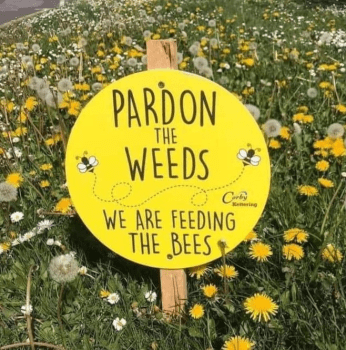

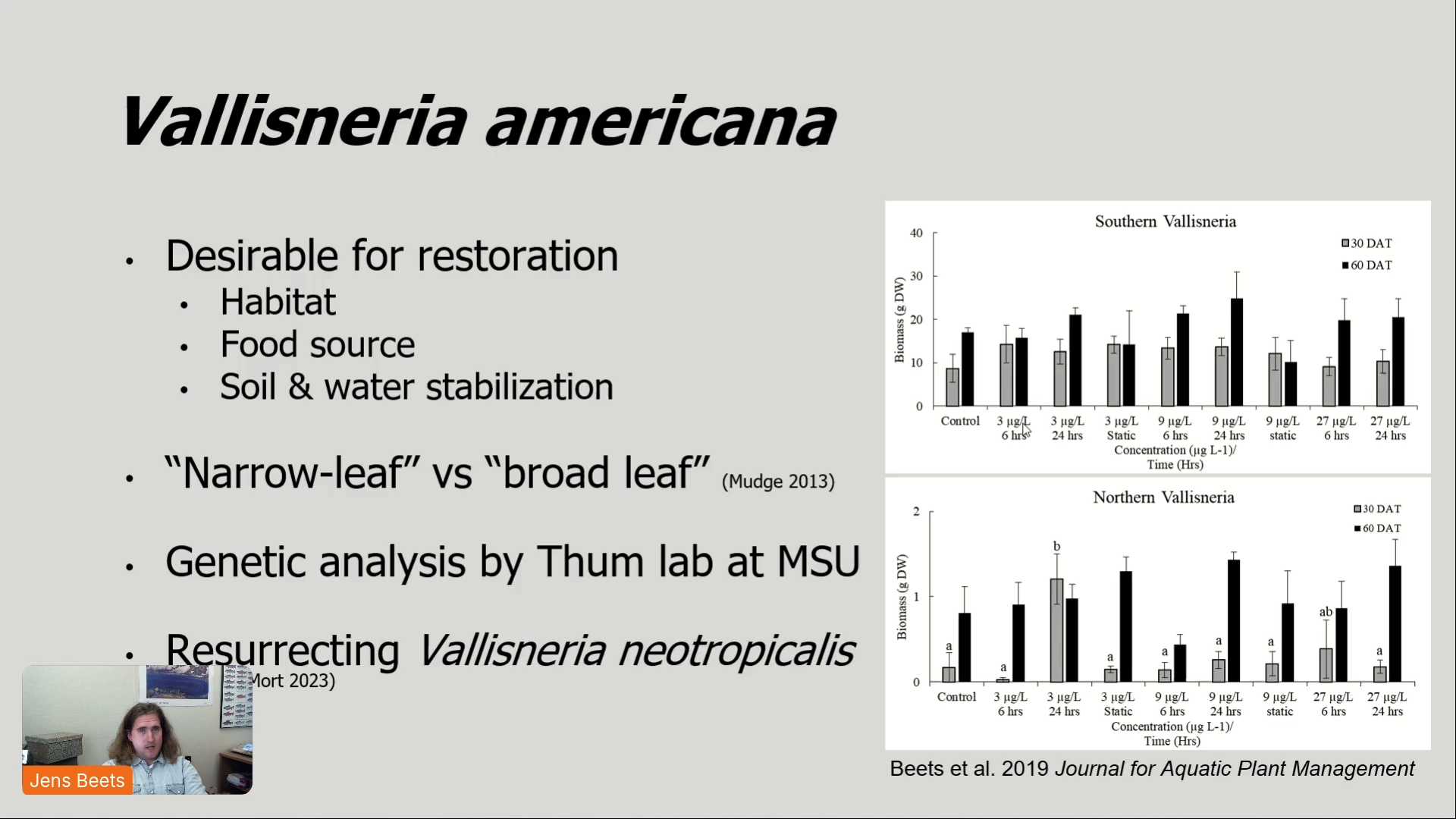
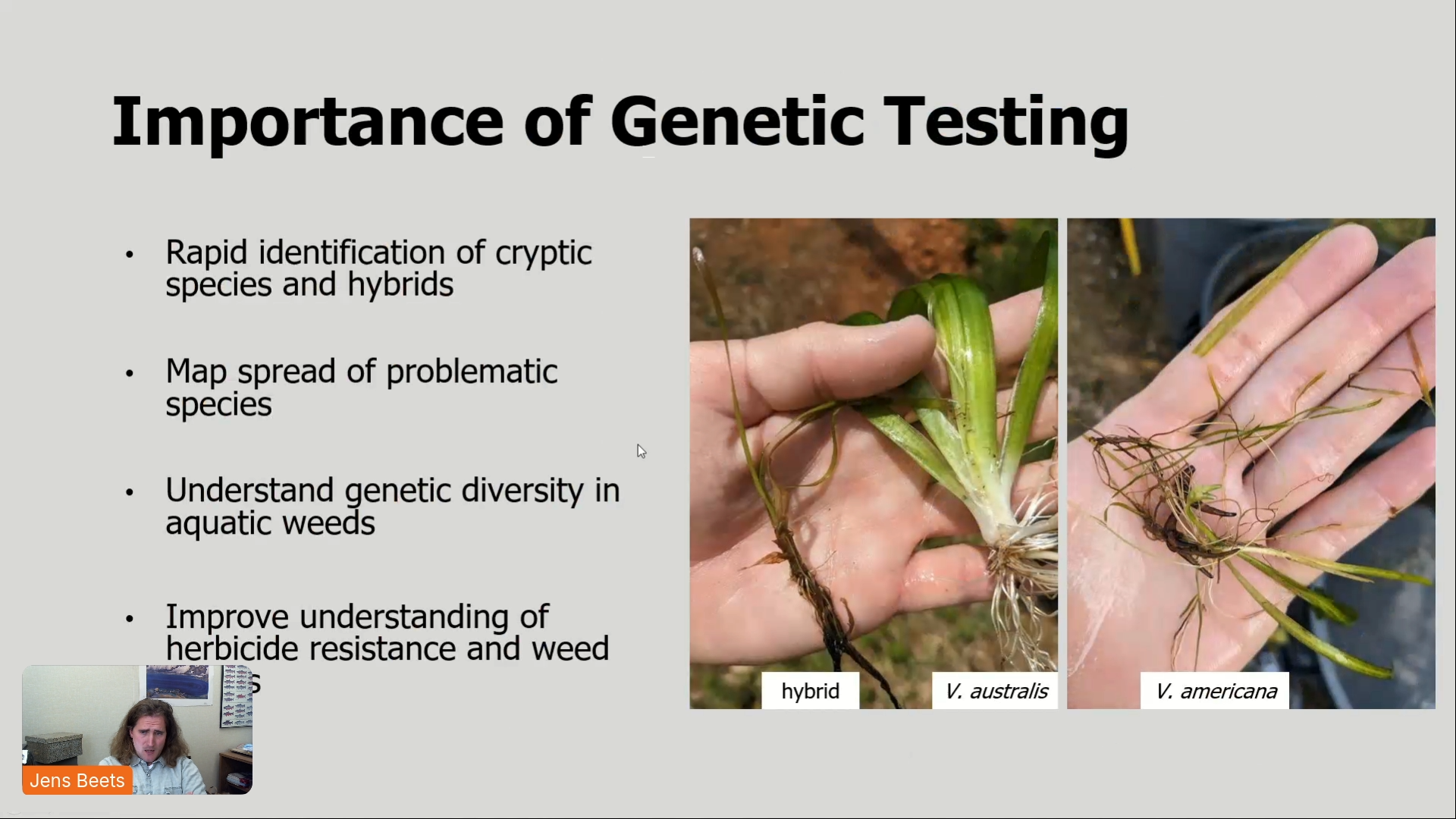
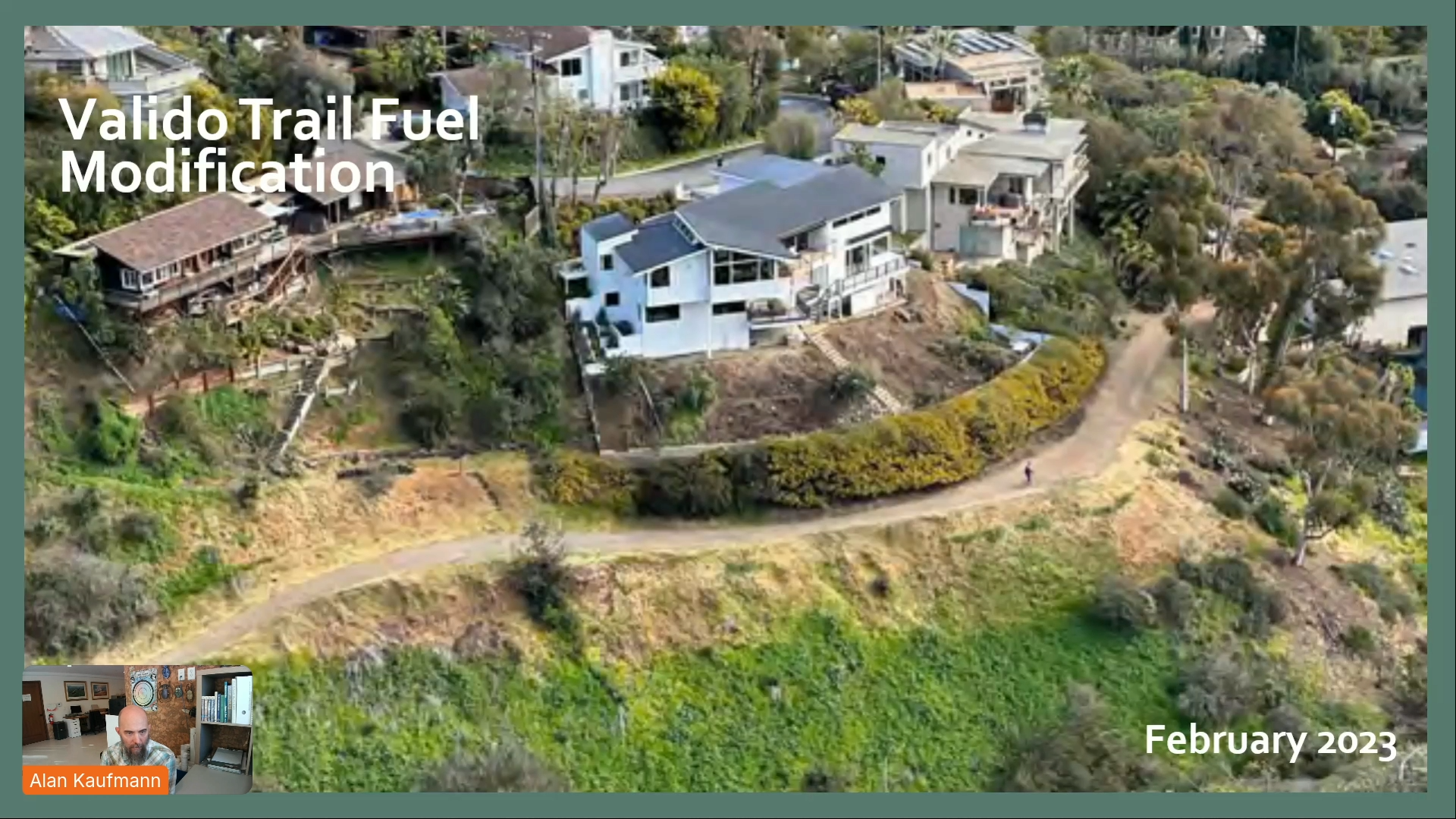
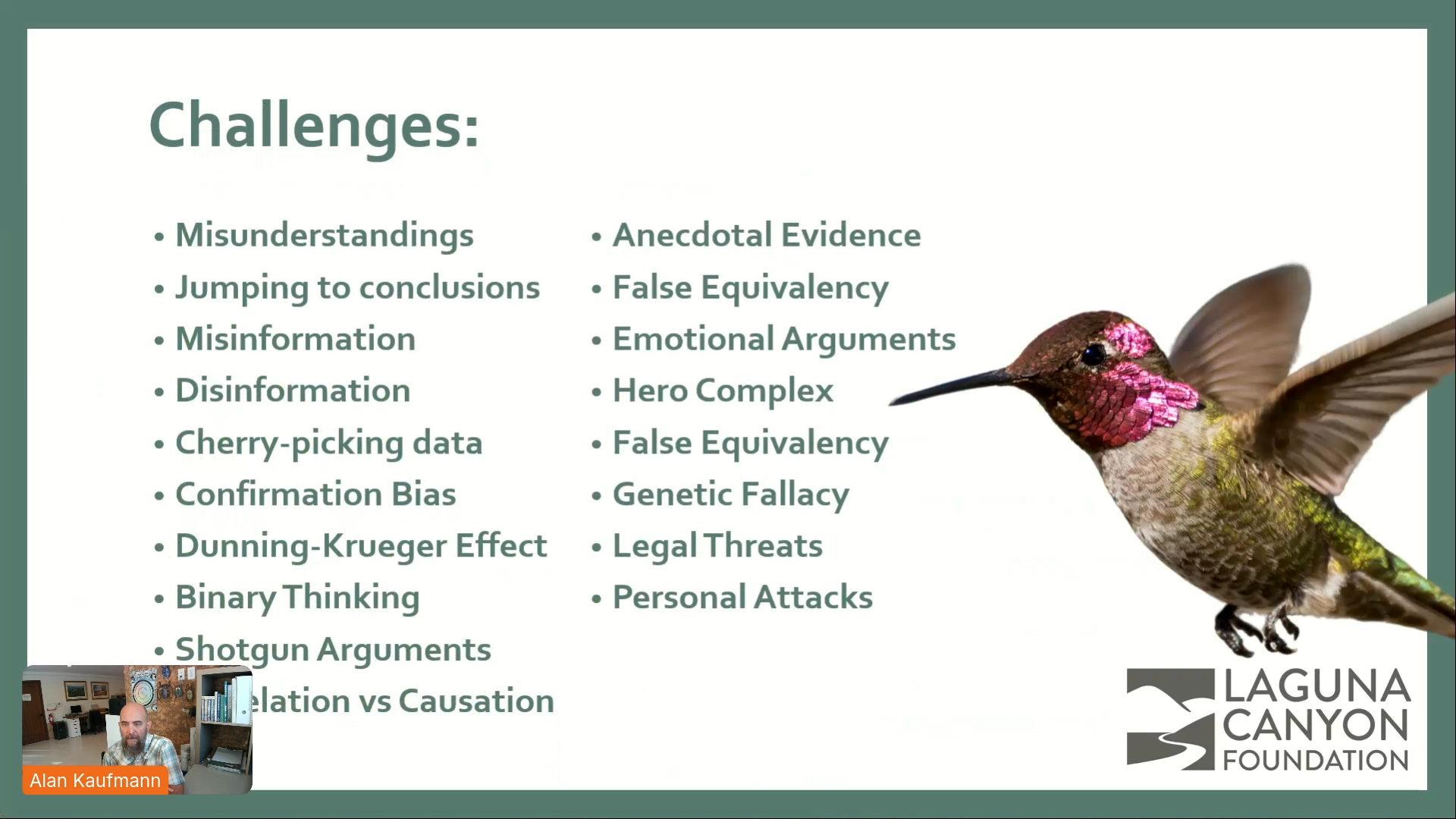
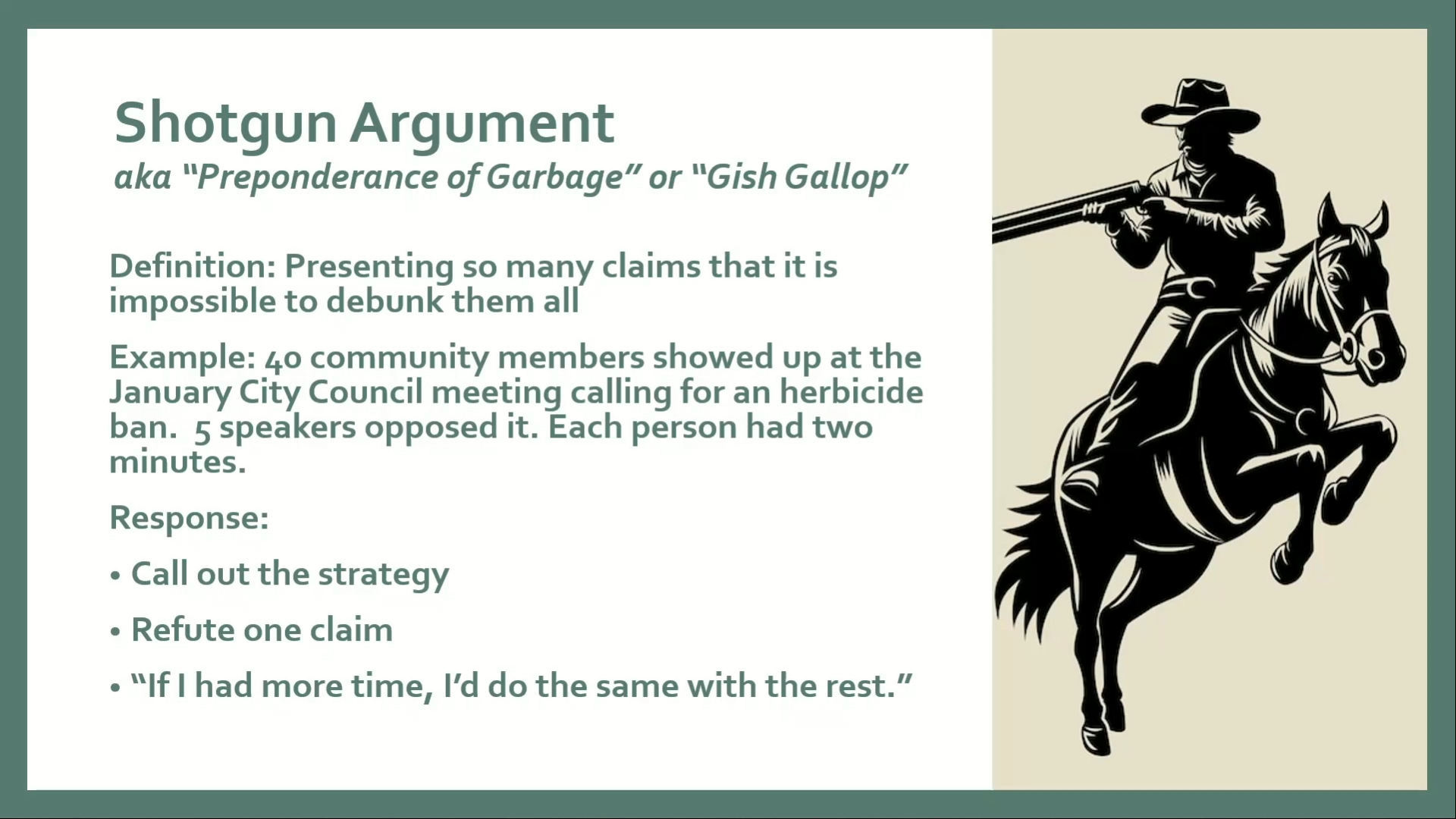
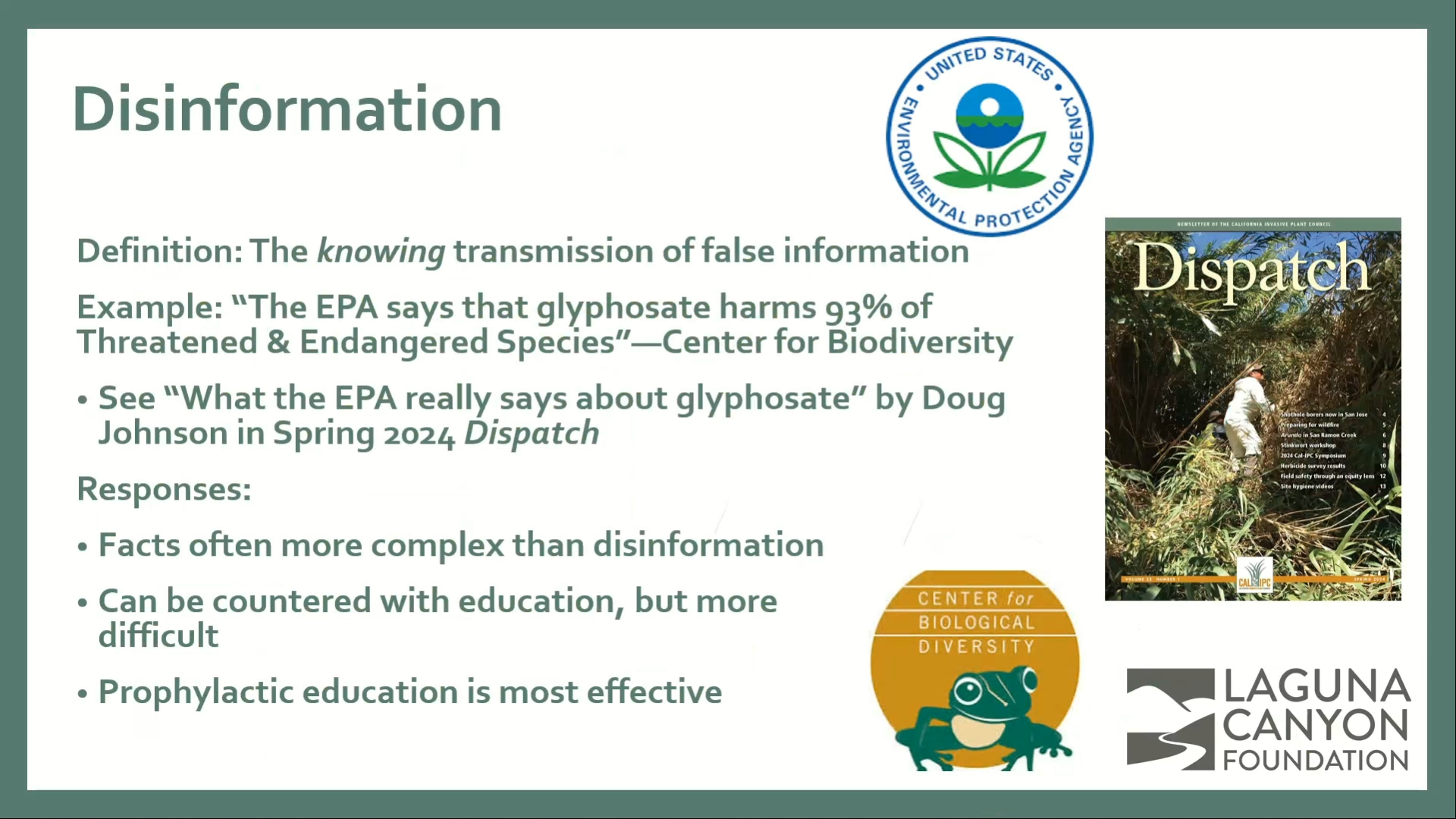
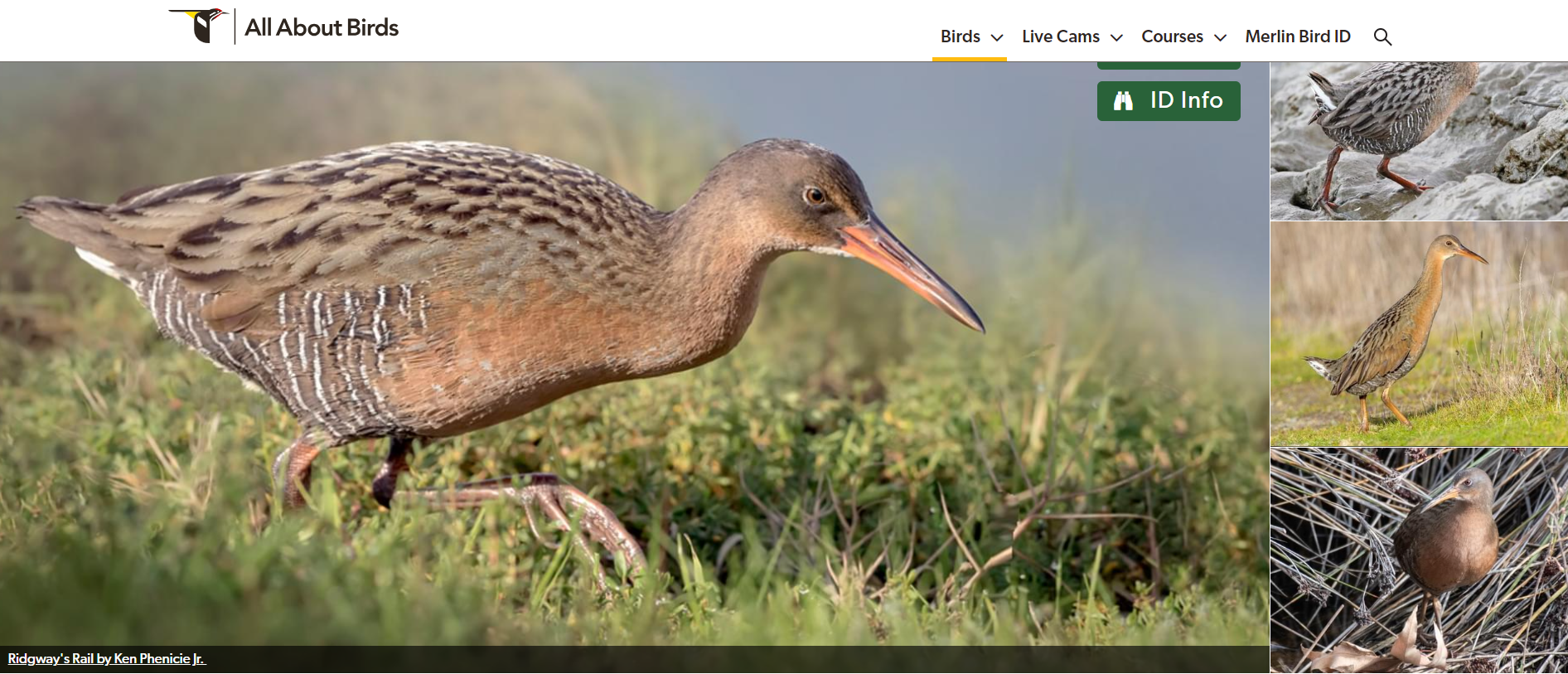
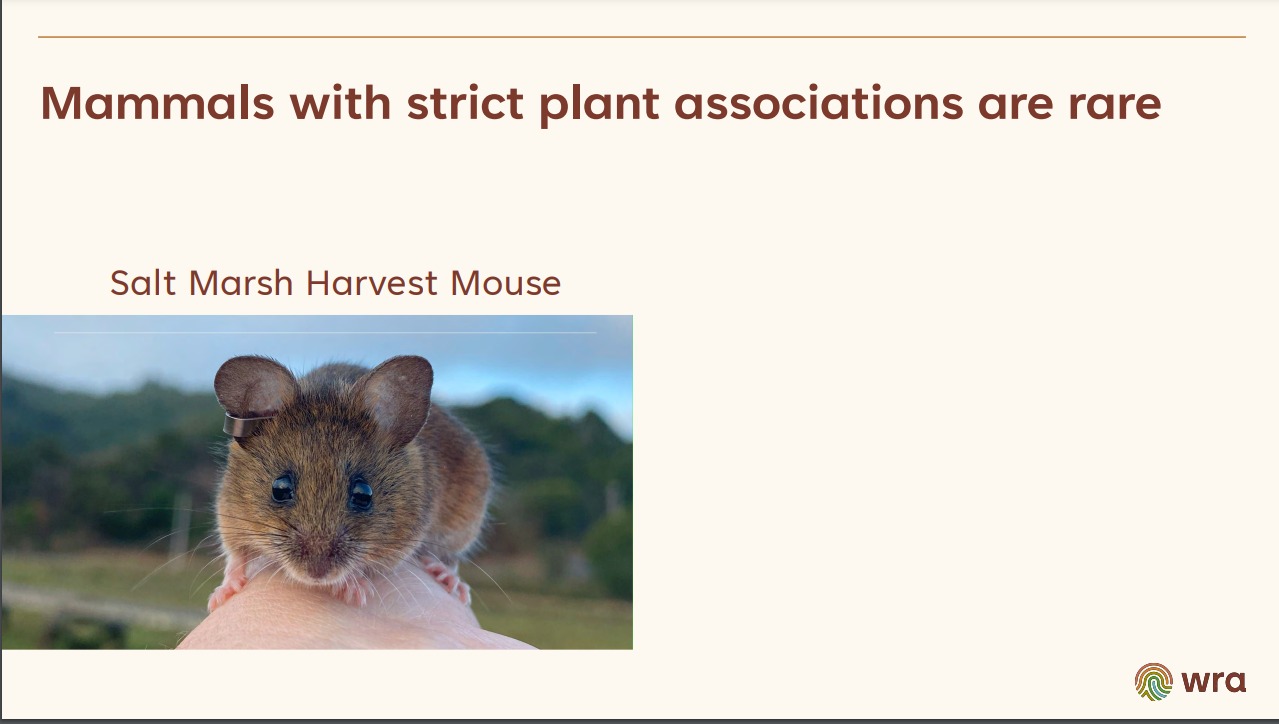
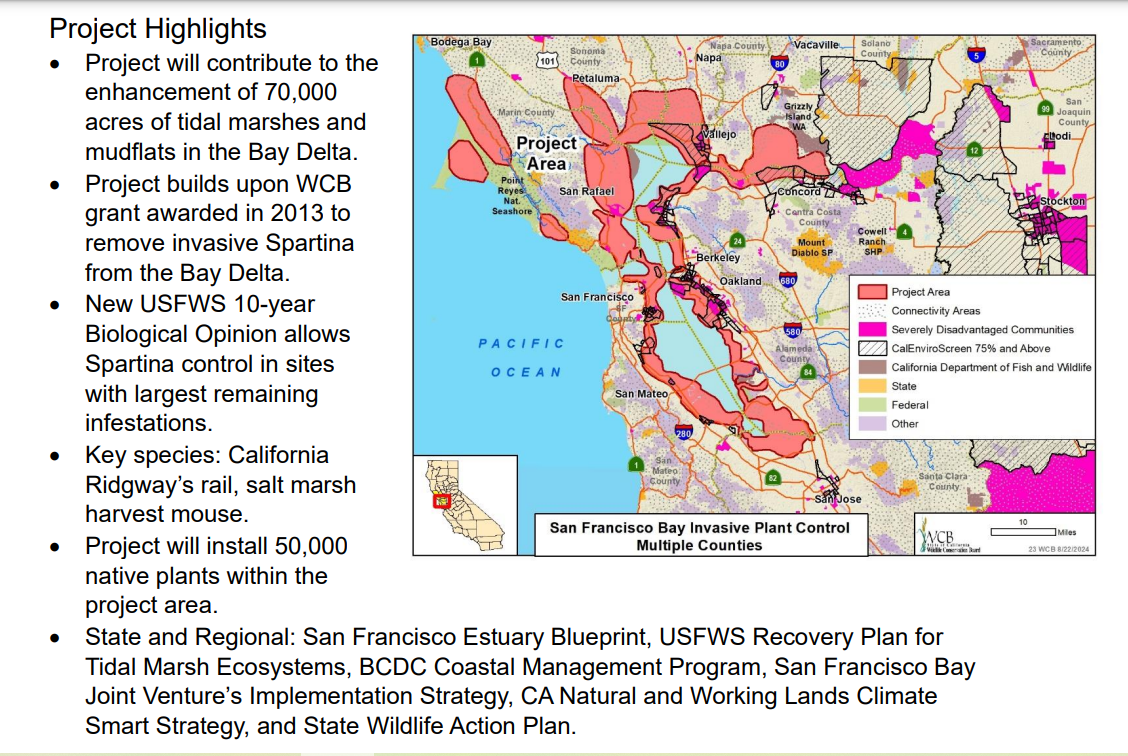
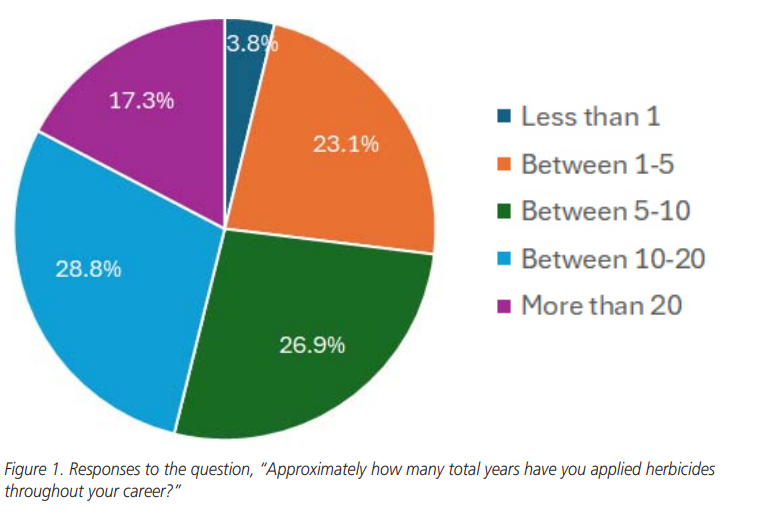
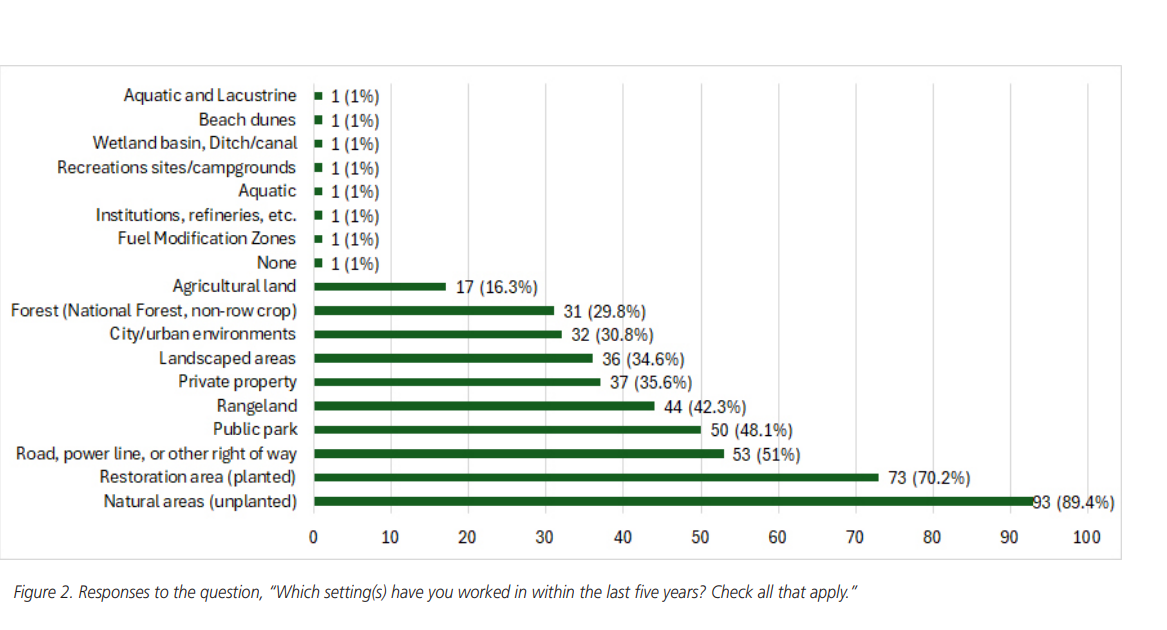
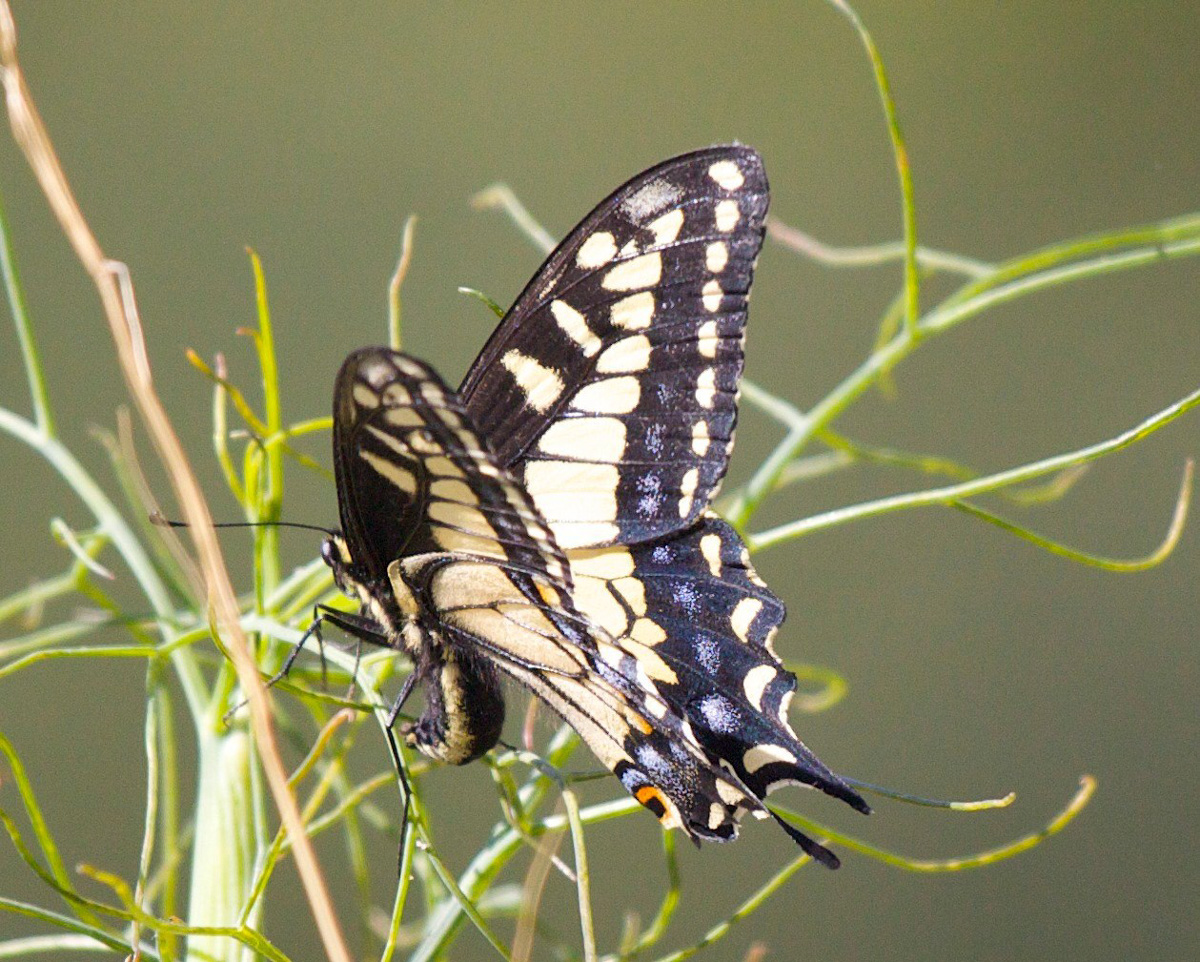
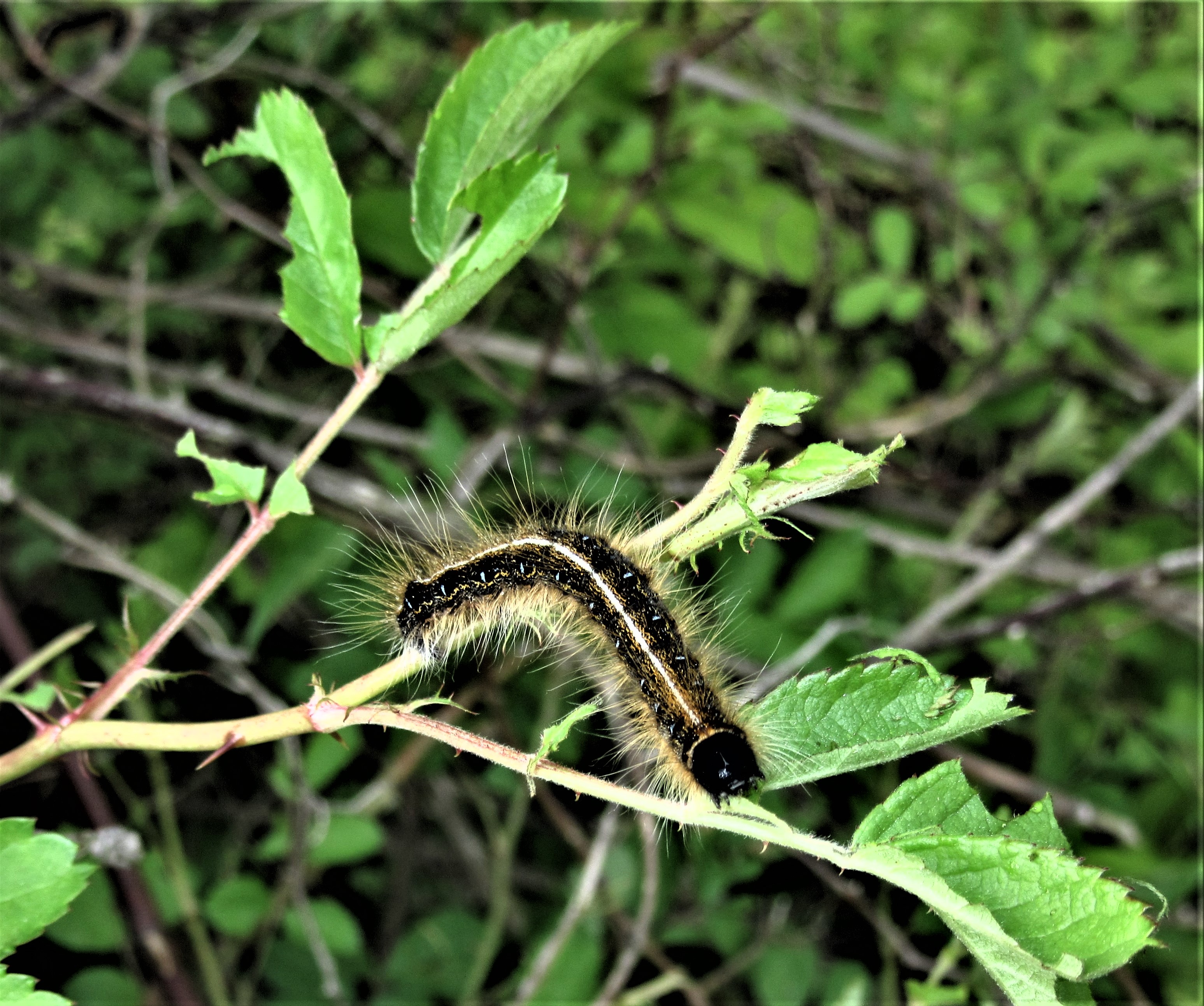



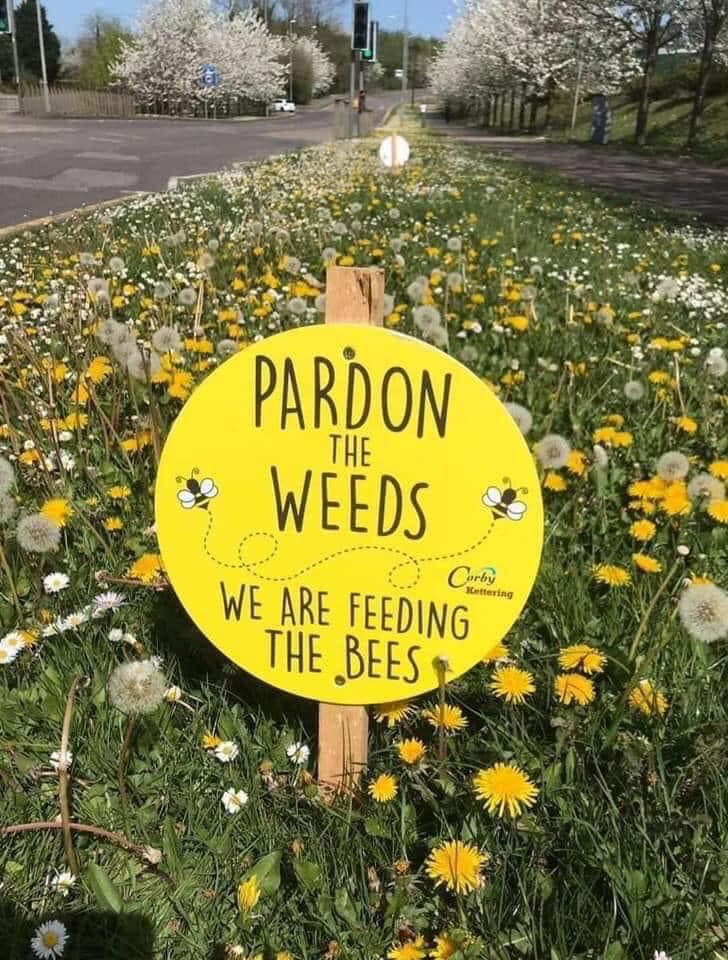
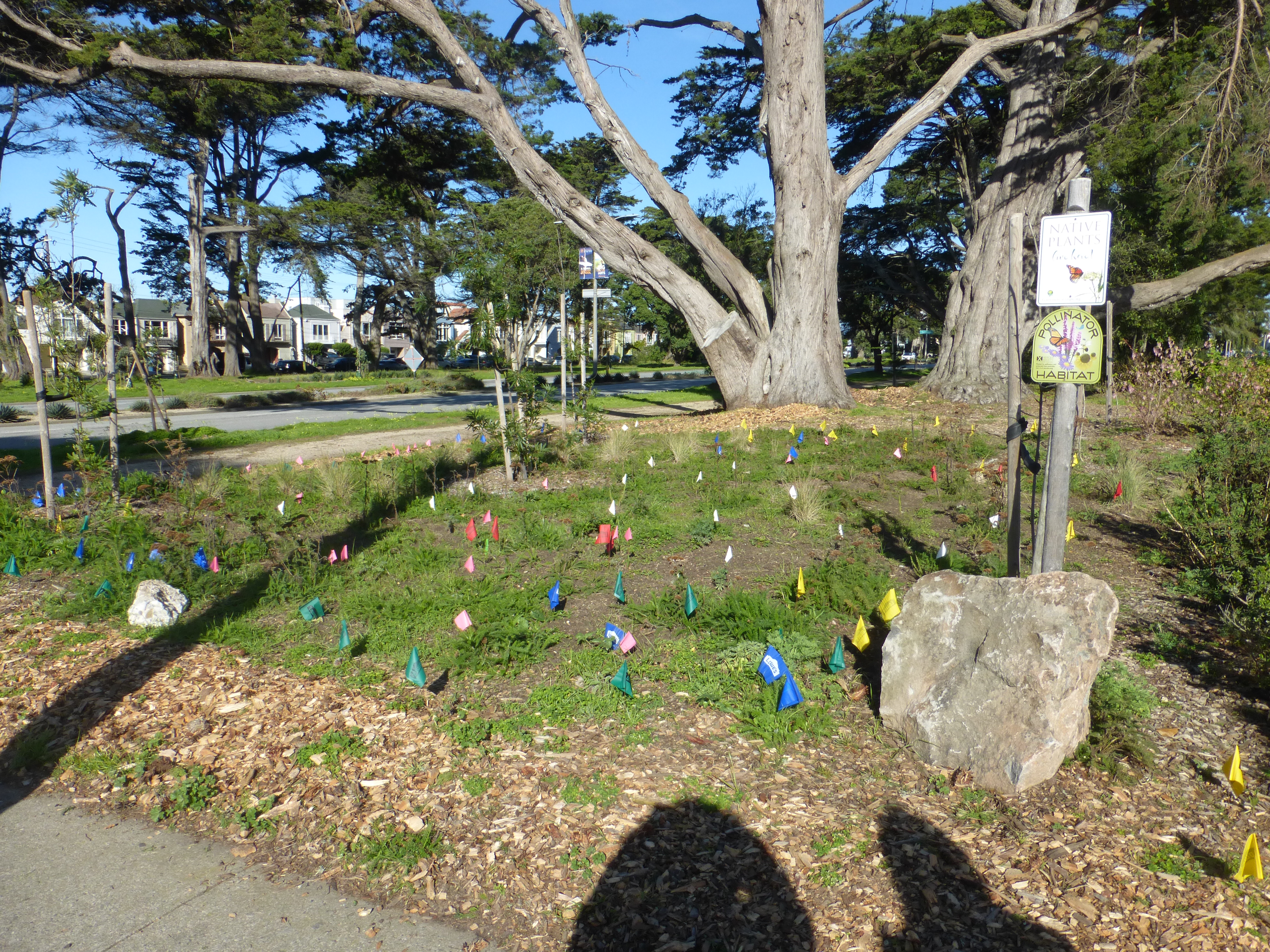
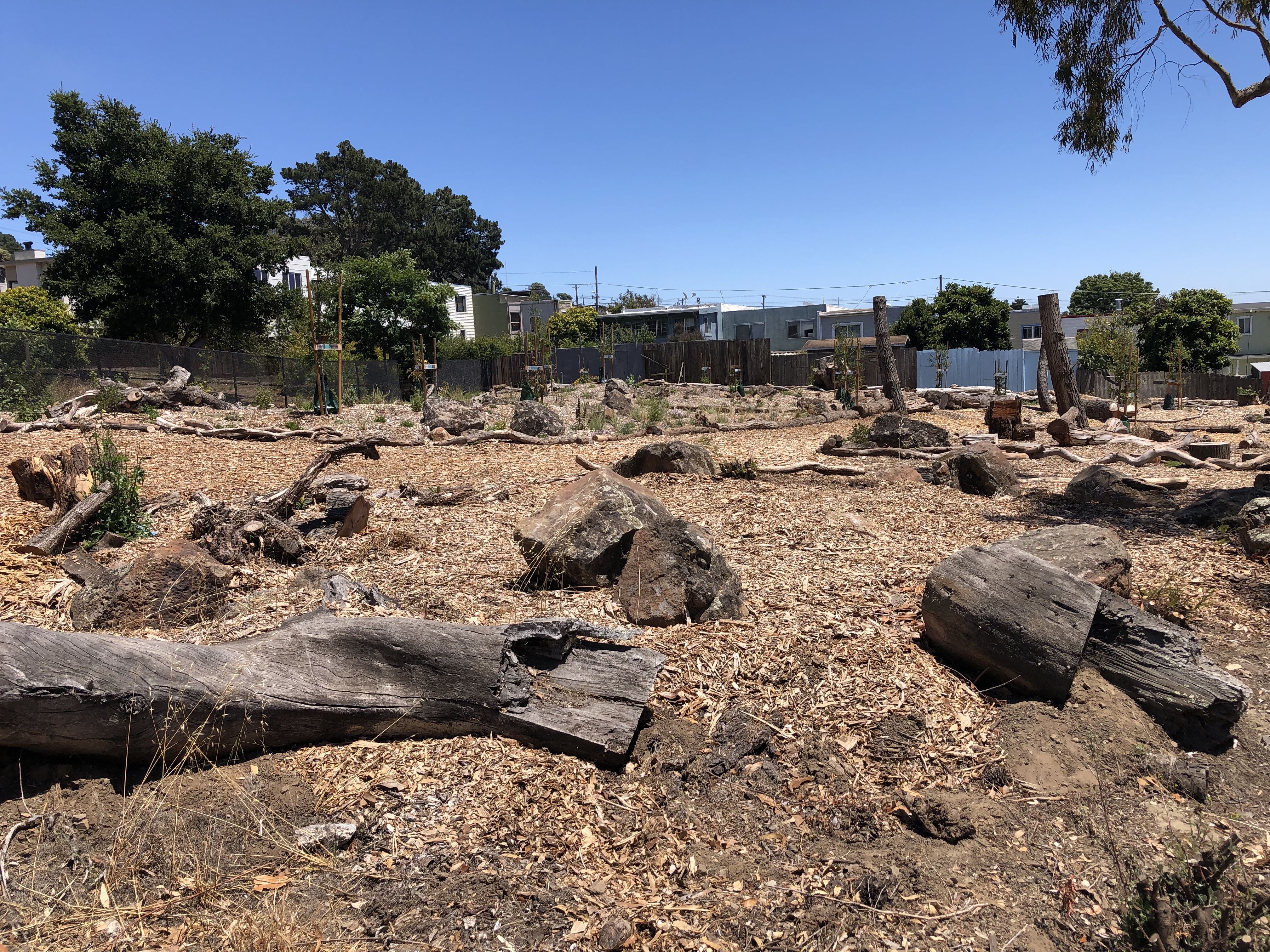


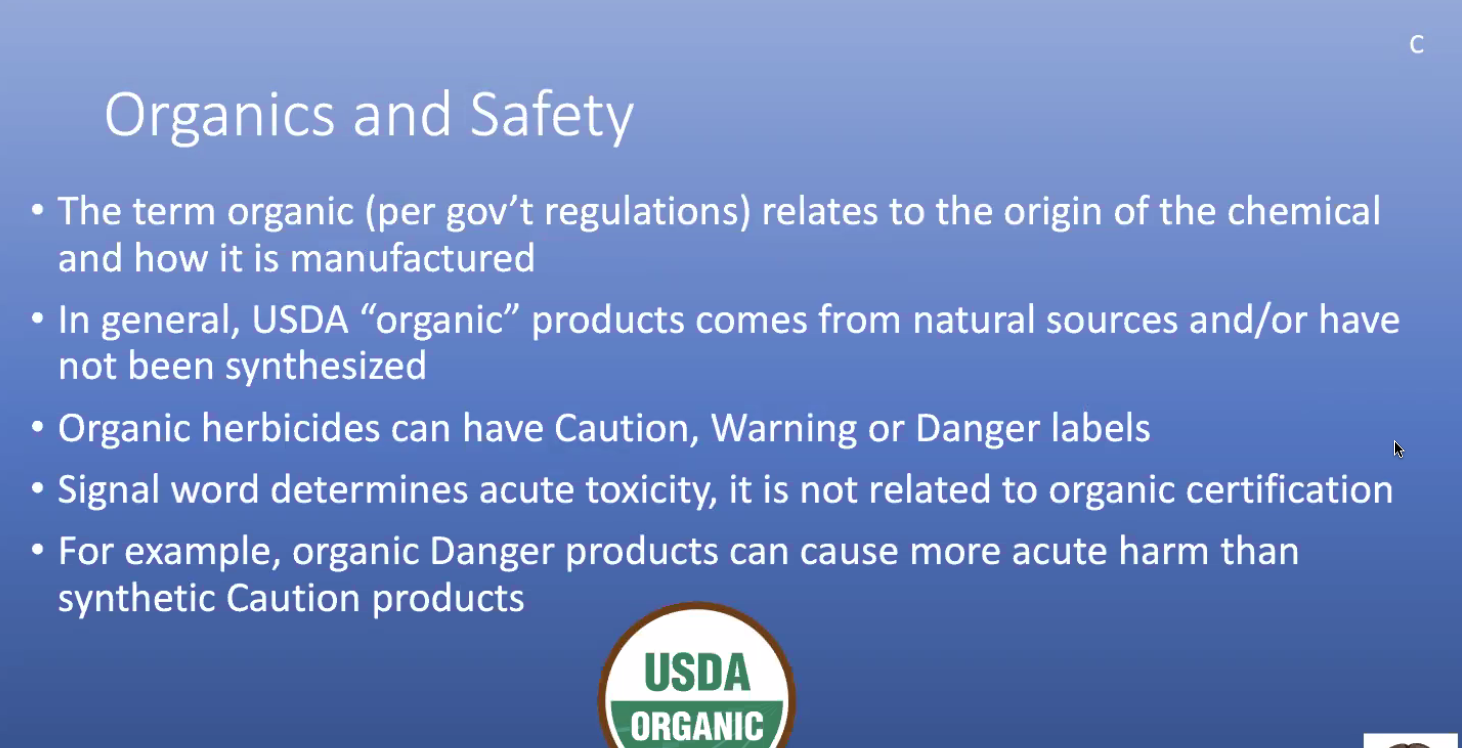


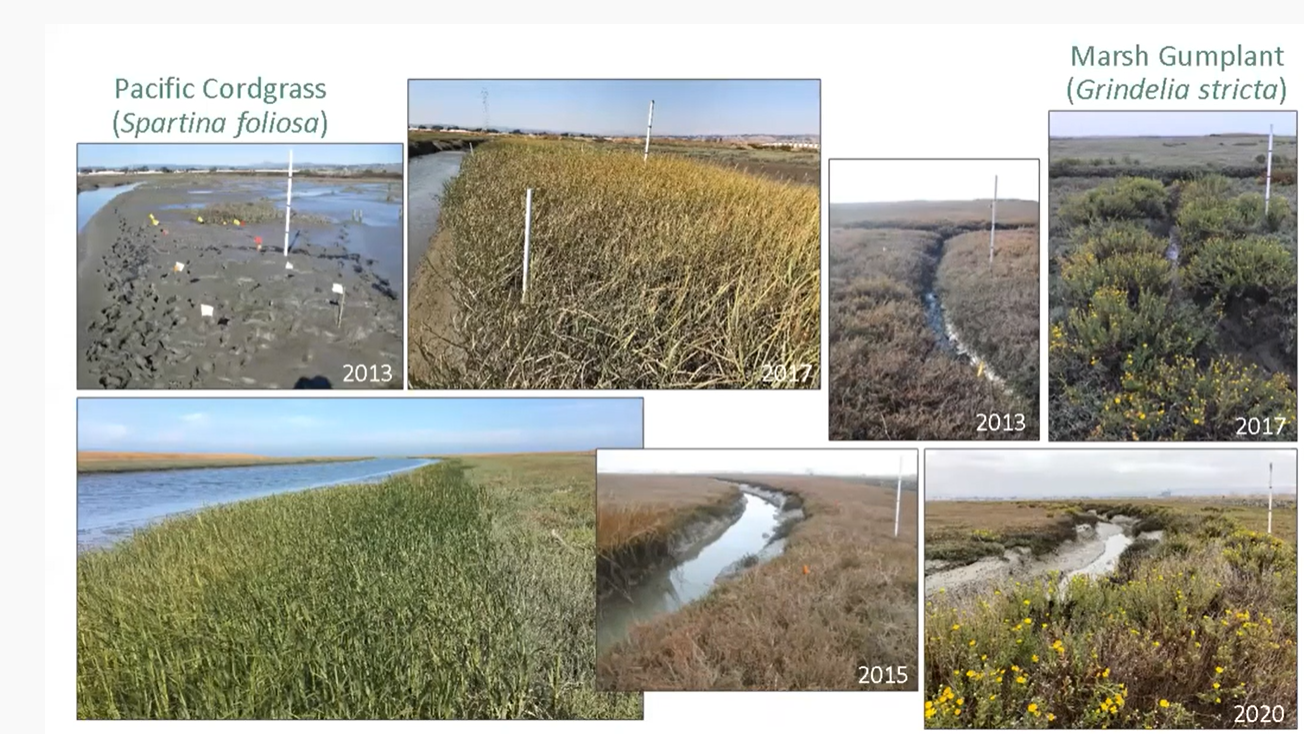
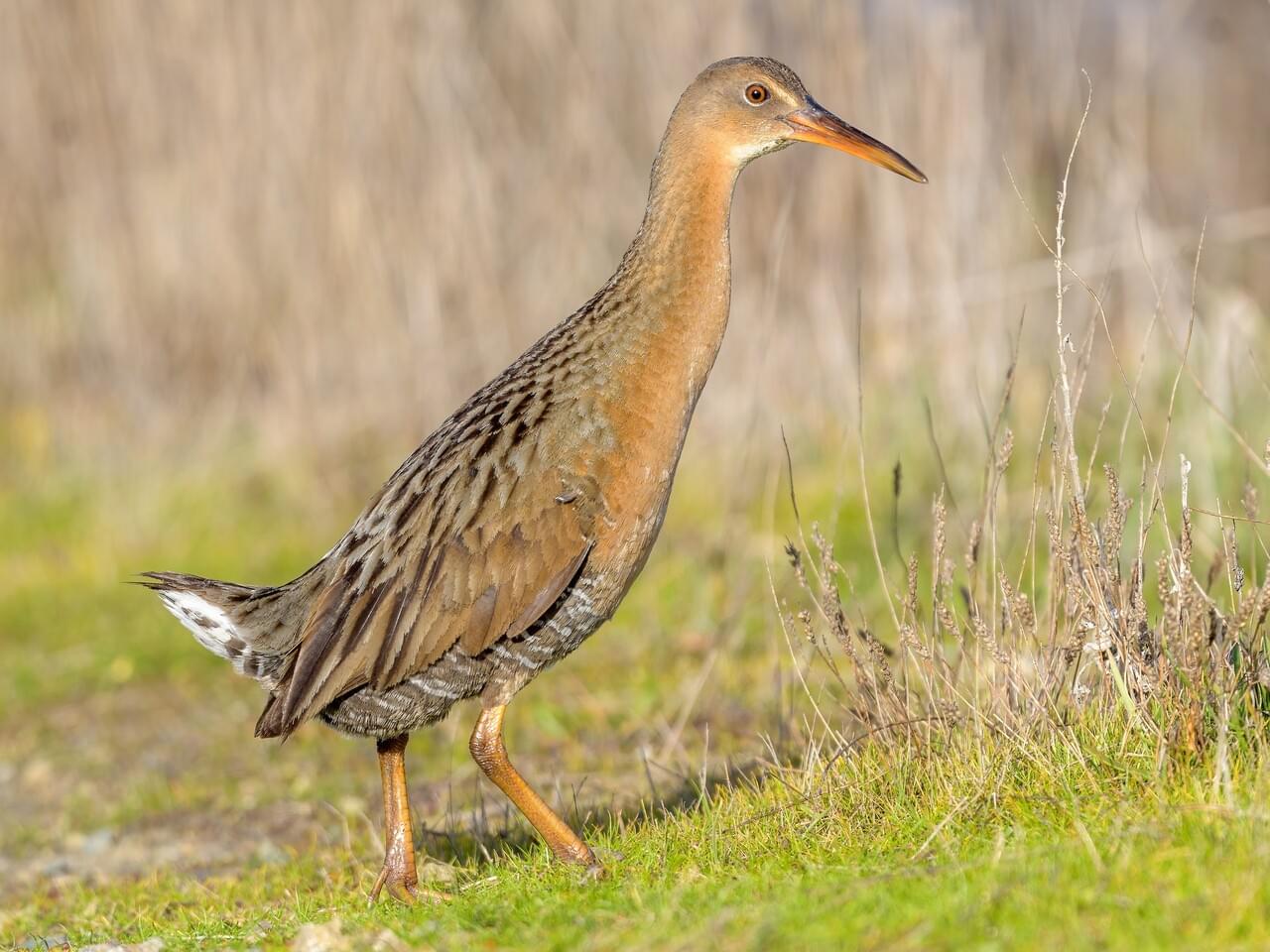
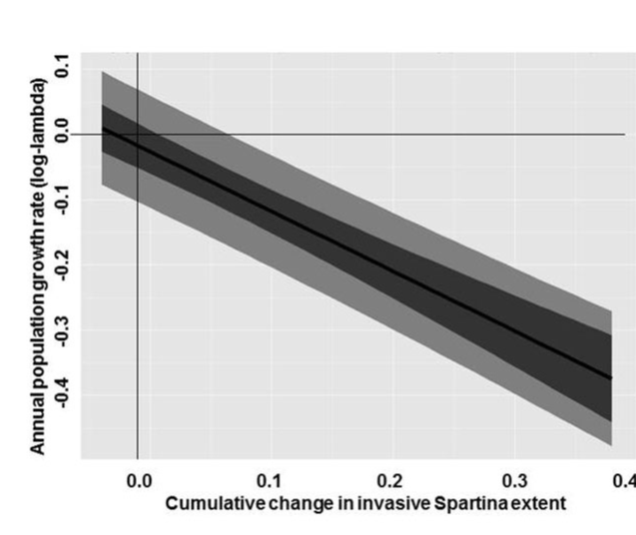
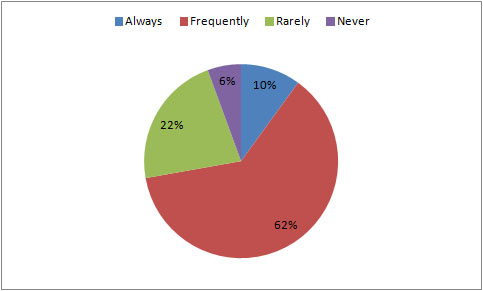
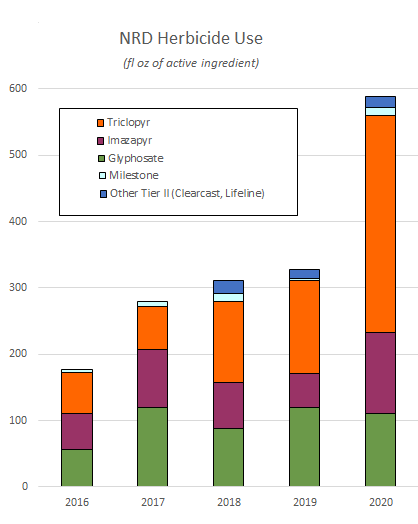

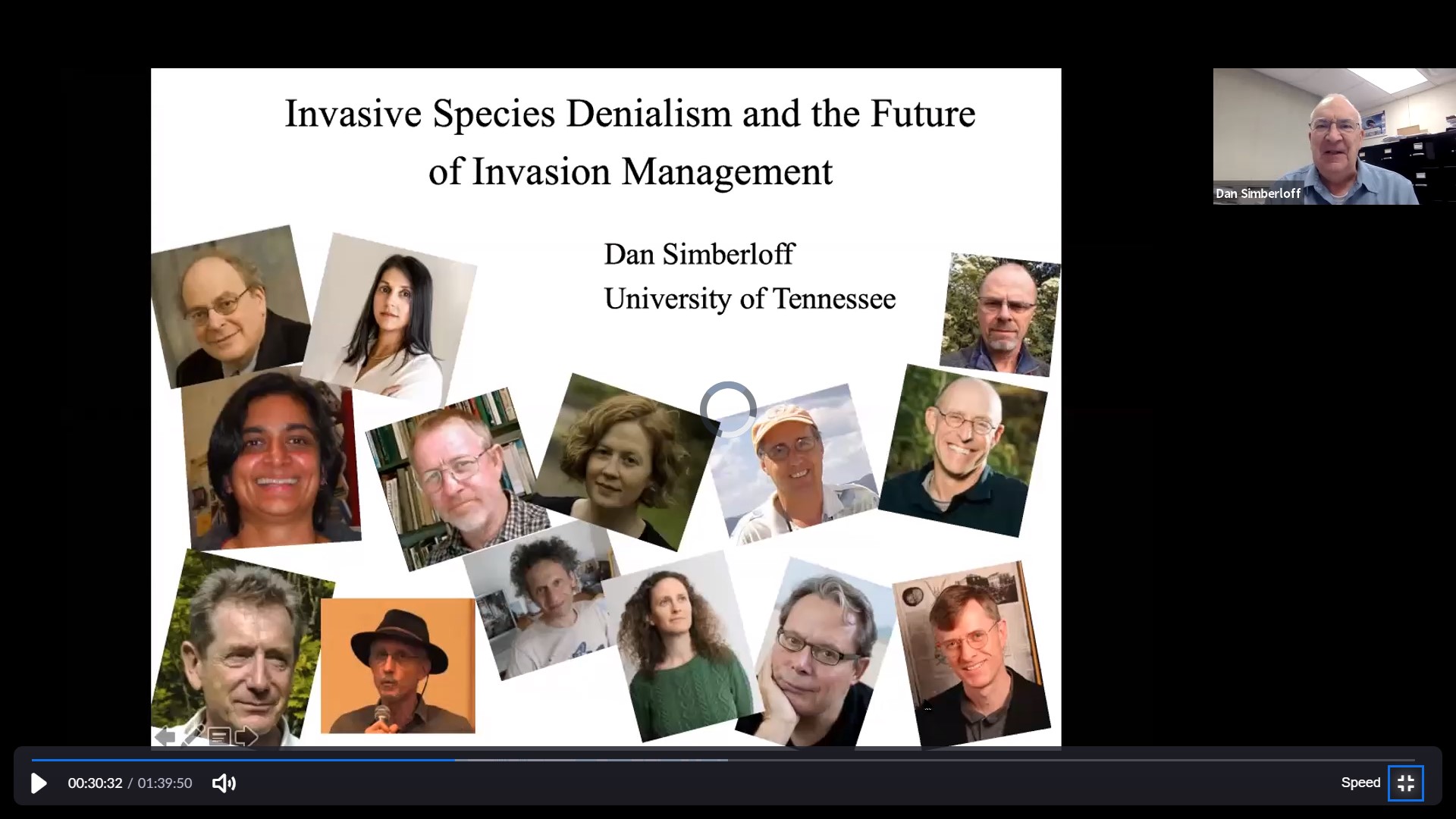
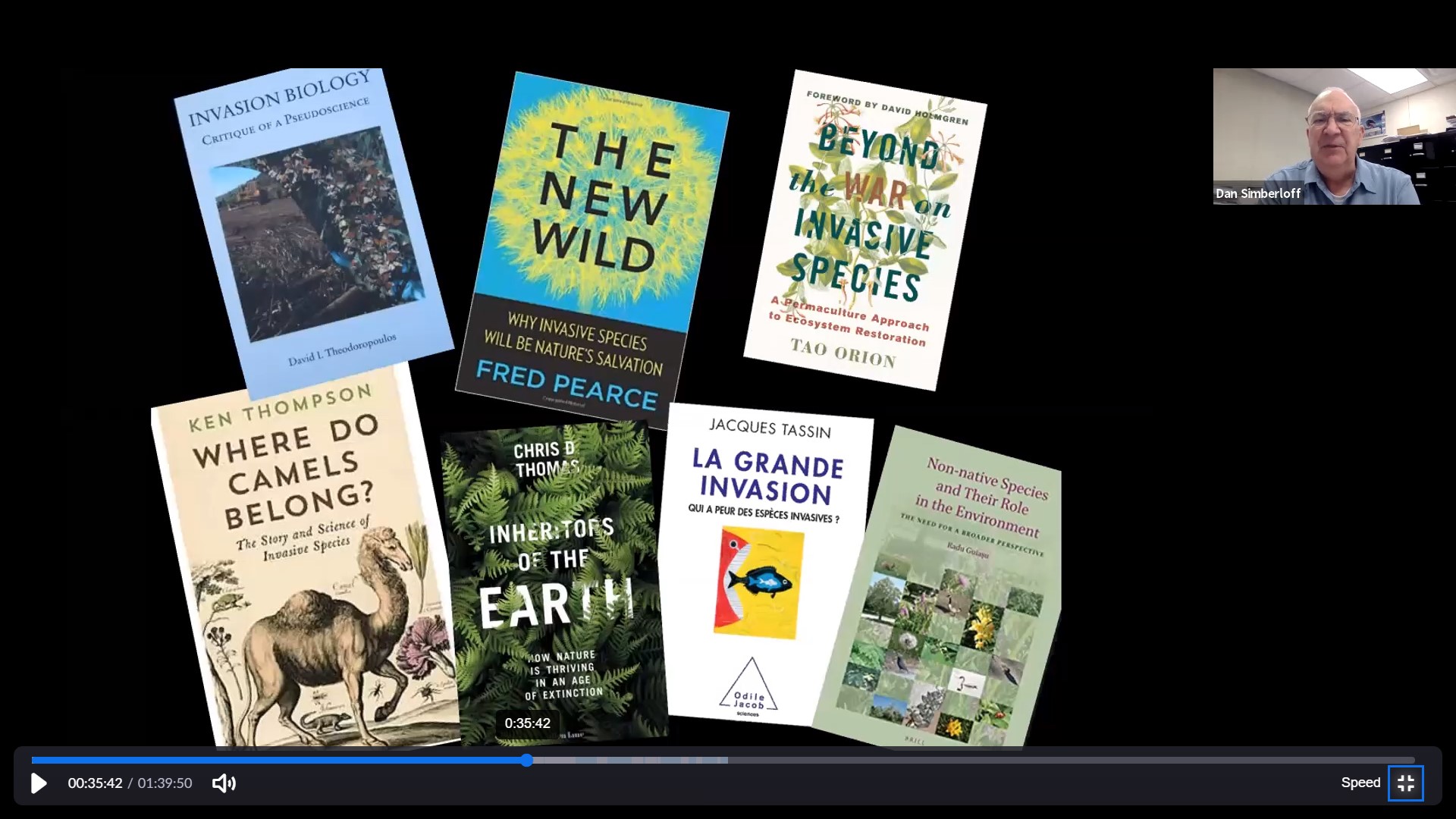
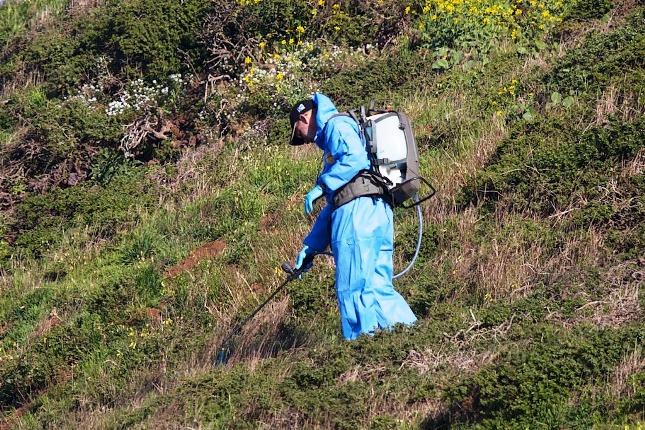
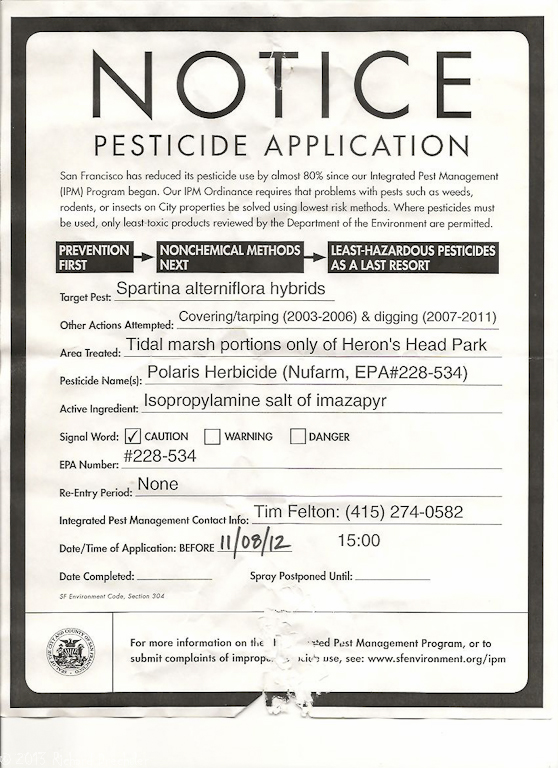


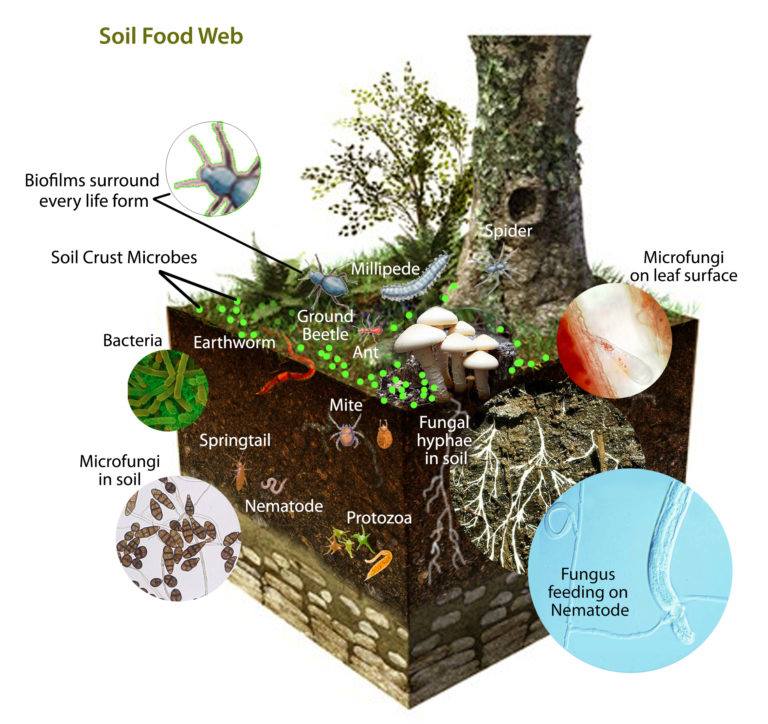

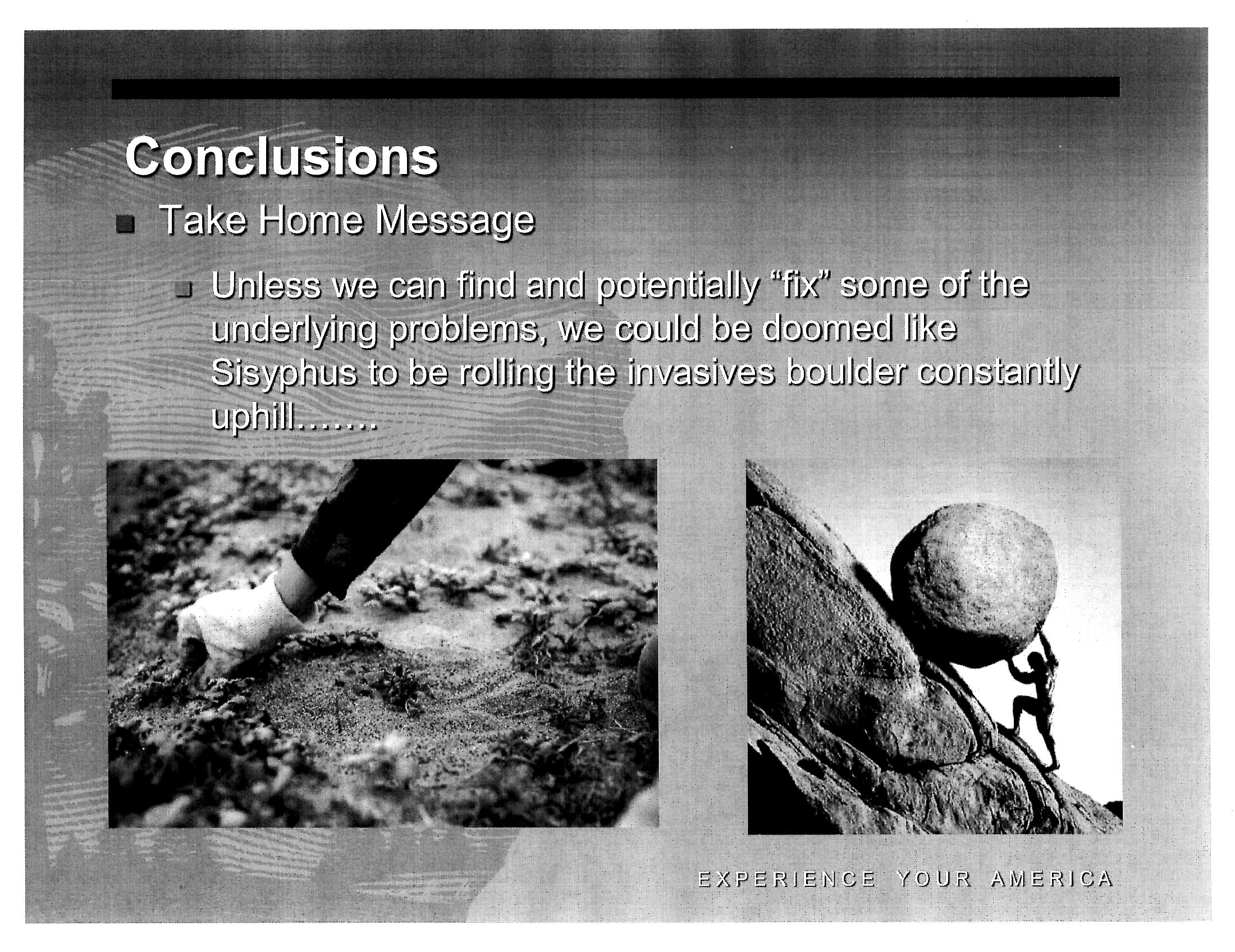


 Conservation Sense and Nonsense