TAKING ACTION: The Forest Action Brigade requests correction of the public record regarding lifespan of eucalyptus

The Forest Action Brigade (FAB) has given Million Trees permission to publish their letter to the Park Advisory Committee of the East Bay Regional Park District.  FAB asks that the public record be corrected regarding the lifespan of eucalyptus and related issues.  The Park Advisory Committee was given misinformation regarding the status of eucalyptus trees in the parks by the Acting Fire Chief.  

The Park District does not have a single certified arborist or forester on staff.  The Park District needs such expertise to inform the park staff and to avoid making mistakes, such as destroying healthy trees and planting trees where they will not survive because the horticultural conditions for the trees are not suitable.

When the public was given the opportunity to make suggestions for projects to be included in the renewal of Measure CC parcel tax, hiring a qualified arborist was one of the suggestions that park advocates made.  That suggestion was ignored, as were most of our suggestions.  The Park District is responsive to a narrow constituency, such as the Sierra Club, Audubon Society, and California Native Plant Society.  

Please join us in objecting to the unnecessary destruction of healthy trees in our parks:  Park Advisory Committee c/o sclay@ebparks.org; Board of Directors c/o ybarial@ebparks.org.


June 20, 2018

Park Advisory Committee
East Bay Regional Park District

Dear Members of PAC,

On May 21, 2018, Acting Fire Chief Aileen Theile explained the park district’s strategy regarding eucalyptus removal and its justification for that strategy to the Parks Advisory Committee:

“Tsutsui asked about the life cycle of the eucalyptus plantation. Theile replied they have a lifespan of 50-60 years, and most of the trees were planted about 50-60 years ago. Those planted 50 years ago are failing on a regular basis. Theile continued eucalyptus trees actually do not do well in plantations. They need to compete for sunlight and the trees within the grove are weak. If the outer trees begin to fail, the inner trees are unable to withstand the wind because they have historically been protected by the outer trees. The Park District is trying to remove the fuel ladder, by creating a break between surface fuels and fires that get up into the tree canopy. Tsutsui asked how long is mitigation needed. Theile explained there will probably not be many eucalyptus plantation trees left in the next 50 years.” (Minutes of PAC meeting, 5/21/18)

We are writing to correct several misstatements of fact in Chief Theile’s testimony to the Park Advisory Committee:

Theile:  “[eucalyptus] have a lifespan of 50-60 years…”

That statement is not accurate.  It is an extreme underestimate of the lifespan of eucalyptus.

Blue gum eucalyptus and all other species of eucalyptus are native to Australia.  They were brought to California shortly after the Gold Rush of 1849.  Since they haven’t been in California 200 years, we don’t know how long they will live here.  But how long they live in Australia is obviously relevant to answer that question because longevity is specific to tree species.  We can expect some variation by climate, but not much, and the climate of Australia is similar to the climate in California with wet, mild winters and hot, dry summers.

We know that blue gums live in Australia about 200-400 years because Australian scientists tell us that:

Growth Habits of the Eucalypts by M.R. Jacobs, (Institute of Foresters of Australia, 1955, 1986): Blue Gum eucalyptus lives in Australia from 200-400 years, depending upon the climate.” In milder climates, such as San Francisco, the Blue Gum lives toward the longer end of this range.

That reference was corroborated by John Helms, Professor Emeritus of Forestry at UC Berkeley and an Australian who said in response to our question about blue gums in California, “Blue gums would commonly live for 200 – 400 years, although I presume that some might live longer.”

We also asked the Australian National Botanic Gardens.  They said, “It’s possible that the average lifespan of a native species growing in the wild in Australia would differ to the average lifespan of the same species introduced in northern California, since introduced plants can often “escape” their natural predators when such introductions occur.”

In other words, since eucalyptus trees have more predators in Australia than they do in California, we should expect them to live longer here.  This is called the “predator release” hypothesis.  Ironically, that hypothesis is used by nativists to support their claim that eucalyptus is invasive in California. It’s only logical to apply that hypothesis to the question of how long blue gums will live in California.

However, using actual experience in Australia to predict the future of blue gums in California requires some speculation.  Therefore, we turn to the question of how long they have lived in California for guidance.  There are countless examples of eucalyptus in California over 150 years old that are still very much alive and well.  Here are a few local examples:

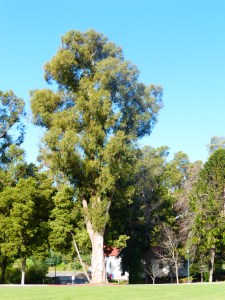
  • Eucalyptus, Mills College, Oakland 2015

    The Grinnell Eucalyptus Grove on the UC Berkeley campus was planted in 1877. Most of that grove is still alive and well.  https://www.berkeley.edu/news/multimedia/2004/01/trees.html

  • Eucalyptus was planted as a windbreak at Mills College shortly after it relocated to Oakland in 1871.  Those trees are very much alive.
  • Mountain View Cemetery in Oakland, California was designed by Frederick Law Olmsted in the 1860s.  Like most of the East Bay, the site was treeless. Olmsted’s design was an eclectic collection of mostly non-native trees, including blue gums.  The cemetery is on steep, windward facing hills, where the windbreak provided by blue gums is particularly valued.
  • There are equally old blue gum eucalyptus on the Stanford Campus and many other places on the San Francisco peninsula. 2.2 miles of El Camino Real planted with blue gum eucalyptus in the 1870s were put on the National Register of Historic Places in 2012.

Cal Poly maintains a website that evaluates trees in California, called SelecTree.  SelecTree states that the lifespan of blue gum eucalyptus is “greater than 150 years.”  That estimate is the longest category for longevity on the SelecTree website. (https://selectree.calpoly.edu/)  It is the same estimated lifespan for Coast Live Oak and many other trees, according to SelecTree.

Theile:  “…most of the [eucalyptus] trees were planted about 50-60 years ago.”

That is also an inaccurate statement.  The Park District’s “Wildfire Hazard Reduction and Resource Management Plan” (2009) states, “In the early 1900s, plantations of eucalyptus and pine were planted for hardwood production and to forest the primarily grass-covered hills in preparation for coming real estate development.”  (page 5)

The first master plan for the Park District was published in 1930:  “Proposed Park Reservation for East Bay Cities.”  That publication contains photos of eucalyptus at Lake Chabot, Skyline Ridge and Wildcat Canyon.  https://www.ebparks.org/civicax/filebank/blobdload.aspx?BlobID=23514

Theile:  “Those planted 50 years ago are failing on a regular basis.”
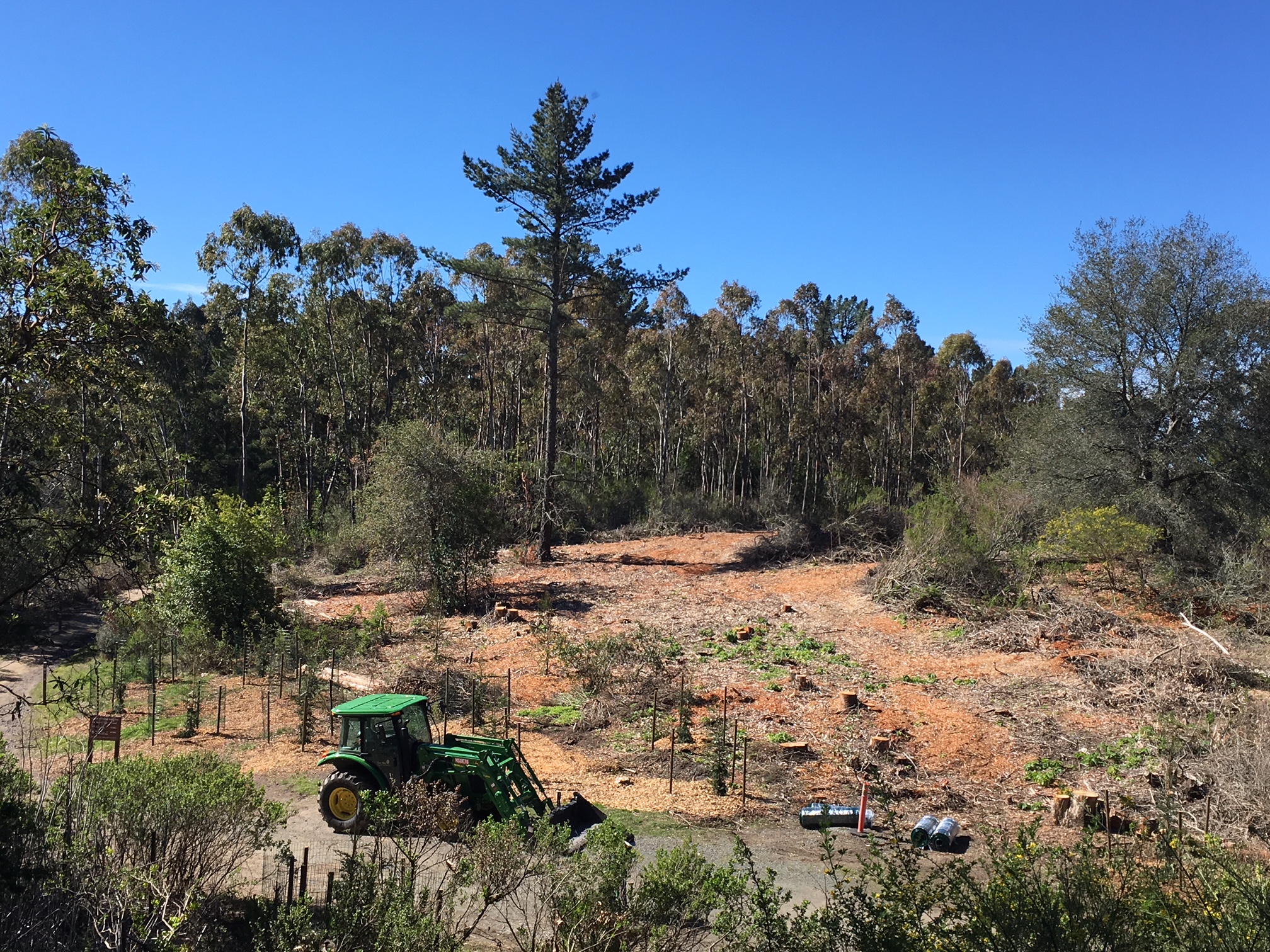
Sibley Volcanic Reserve. Photo by Larry Danos, March 2018

If that statement is accurate, we have no evidence of its accuracy.  In the past 9 months, eucalyptus trees have been destroyed throughout the Park District.  When visitors inquire, they are told the trees were hazardous.  In some cases, the areas were supposed to be thinned in accordance with the Park District’s “Wildfire…Plan.”  At Sibley Volcanic Reserve, for example, large areas of over an acre were clear cut in March 2018 where the plan was to thin.  We know the trees weren’t dead because the stumps of the trees were sprayed with herbicide, as indicated by blue dye.  If the trees were in fact dead, it would not have been necessary to spray the stumps with herbicide to prevent their resprouting.  We asked for an arborist’s evaluation of the condition of the trees before they were destroyed.  We received no response to our request for this information.  In other words, claims that eucalyptus trees are dead or dying are unsubstantiated.  Available evidence suggests that healthy trees are being needlessly destroyed.

Tree failures are most likely to occur where the Park District has thinned the trees.  The trees that remain are subjected to more wind.  The herbicide that is used to prevent the destroyed trees from resprouting is mobile in the soil and it damages the soil by killing beneficial microbes and the mycorrhizal fungi that are essential to tree health.  The roots of the trees are intertwined, enabling the herbicide to damage the roots of the trees that remain.  If, indeed, there are tree failures, they are undoubtedly being caused by the Park District’s tree removals and associated herbicide use.

Theile:  “…eucalyptus trees actually do not do well in plantations.”

This is an inaccurate statement.  In fact, densely planted trees protect one another from the wind and they share available resources.  Peter Wohlleben in The Hidden Life of Trees explains:

“…in nature, trees operate less like individuals and more as communal beings. Working together in networks and sharing resources, they increase their resistance…This is because a tree can be only as strong as the forest that surrounds it…Their well-being depends on their community, and when the supposedly feeble trees disappear, the others lose as well.  When that happens, the forest is no longer a single closed unit.  Hot sun and swirling winds can now penetrate to the forest floor and disrupts the moist, cool climate.”

“Theile explained there will probably not be many eucalyptus plantation trees left in the next 50 years.”

That is apparently an expression of the Park District’s willful intentions.  The eucalyptus trees will be gone in 50 years because the Park District apparently intends to destroy them all, not because they are dead or dying.  Rather because that’s what the Park District wants to do.

For the record, we state our purpose:
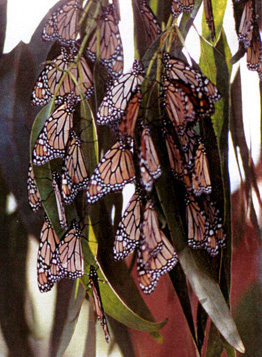
Monachs in eucalyptus, Pacific Grove Museum

We are opposed to the unnecessary destruction of healthy trees, because it serves no useful purpose.  Trees deep inside our parks pose no fire hazard to residential areas.  They are storing thousands of tons of carbon that will contribute to climate change when released into the atmosphere.  Wildfires are becoming more intense and frequent because of climate change.  Therefore destroying hundreds of thousands of trees causes wildfires rather than mitigating them.  The trees perform many other useful functions.  They provide food and habitat for birds, bees, and butterflies.  They reduce air pollution.  They provide shade and protection from wind, making visitors to the parks more comfortable.  The herbicide use associated with tree destruction damages the environment and is an unnecessary health hazard to wildlife and the public.

[redacted]

Please add this letter to the record of the Park Advisory Committee meeting of May 21, 2018.

Thank you.

Forest Action Brigade

CC: EBRPD Board of Directors; Aileen Theile
Putting another eucalyptus myth to rest: Lifespan of blue gum eucalyptus

When the native plant movement began in earnest, about 25 years ago, its proponents weren’t expecting blowback from those who value the existing landscape.  As far as they were concerned, the trees had to be destroyed solely because they “don’t belong here.”

When they started destroying our predominantly non-native urban forest, they learned that it wasn’t going to be as easy as they thought.  They began to defend their destructive projects with cover stories to convince the public who didn’t share their devotion to native plants that it is necessary to destroy non-native trees because they are a threat to public safety and to wildlife.

One by one, we have debunked the myths that were used to justify the destruction of our urban forest:

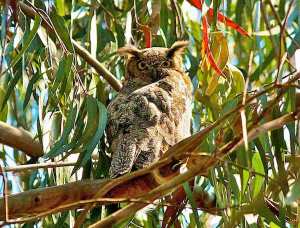
Great horned owl in eucalyptus. Courtesy urbanwildness.org

About 20 years ago, one of the first myths was that eucalyptus trees kill birds. It is an absurd claim that is completely unsupported by reality.  With a lot of careful research, we were eventually successful in convincing the public that birds are not harmed by eucalyptus.  In fact, many bird species are dependent upon the trees for safe nesting and winter nectar.   That myth is dead.

The claim that eucalyptus and other non-native trees are more flammable than native trees was a powerful narrative that was more difficult to kill. As wildfires have increased in frequency and intensity in California, that claim is no longer credible because most wildfires occur in native vegetation.  Again, this myth was eventually disproved by reality.

More recently, we have finally put to rest the claim that “nothing grows under eucalyptus.” This myth was based on a theory that eucalyptus emits allelopathic chemicals that prevent the growth of plants in the eucalyptus forest.  Thanks to a recent, rigorous study done at Cal Poly, we know with confidence that the allelopathy story is another myth.

It was not surprising that the nativists, having run out of bogus justifications, created a new narrative.  In parks that the East Bay Regional Parks District had been planning to thin, we began to see clear cuts.  When we inquired about why it was necessary to destroy ALL of the trees, we were told they were hazardous.  Then, in the minutes of a meeting of East Bay Regional Park District Park Advisory Committee , we saw the claim that eucalyptus lives only 50-60 years.  Simultaneously, this claim was made in San Francisco by proponents of destroying all eucalyptus trees there.

We eventually tracked down the source of that lifespan estimate to a website called SelecTree, which originally said that the longevity of blue gums is only 50-150 years.  We knew that isn’t an accurate estimate because of how long blue gums live in Australia and how long they have already lived in California.  We provided that information to the authors of SelecTree and were able to get the estimate corrected to “greater than 150 years.”  That’s not nearly long enough, but it is the longest lifespan estimate available on that website and it corresponds with many other trees, including native Coast Live Oak.

In the process of researching the lifespan of eucalyptus, we learned several interesting stories about blue gums that have lived in California for 150 years and are still going strong.  We would like to share some of this information with our readers today.

Blue gum eucalyptus lives in Australia 200-400 years

Blue gum eucalyptus and all other species of eucalyptus are native to Australia.  They were brought to California shortly after the Gold Rush of 1849.  Since they haven’t been in California 200 years, we don’t know how long they will live here.  But how long they live in Australia is obviously relevant to answer that question because longevity is specific to tree species.  We can expect some variation by climate, but not much, and the climate of Australia is similar to the climate in California with wet, mild winters and hot, dry summers.

We know that blue gums live in Australia about 200-400 years because Australian scientists tell us that:

Growth Habits of the Eucalypts by M.R. Jacobs, (Institute of Foresters of Australia, 1955, 1986): Blue Gum eucalyptus lives in Australia from 200-400 years, depending upon the climate.” In milder climates, such as San Francisco, the Blue Gum lives toward the longer end of this range.

That reference was corroborated by John Helms, Professor Emeritus of Forestry at UC Berkeley and an Australian who said in response to our question about blue gums in California, “Blue gums would commonly live for 200 – 400 years, although I presume that some might live longer.”

We also asked the Australian National Botanic Gardens.  They said, “It’s possible that the average lifespan of a native species growing in the wild in Australia would differ to the average lifespan of the same species introduced in northern California, since introduced plants can often “escape” their natural predators when such introductions occur.”

In other words, since eucalyptus trees have more predators in Australia than they do in California, we should expect them to live longer here.  This is called the “predator release” hypothesis.  Ironically, that hypothesis is used by nativists to support their claim that eucalyptus is invasive in California.  (California Invasive Plant Council rates the “invasiveness” of blue gum as “limited.”)  It’s only logical to apply that hypothesis to the question of how long blue gums will live in California.

Many healthy blue gums in California are 150 years old

However, using actual experience in Australia to predict the future of blue gums in California requires some speculation.  Therefore, we turned to the question of how long they have lived in California for guidance.  We found several interesting local stories about blue gums that were planted in California 150 years ago and remain healthy and vigorous today.

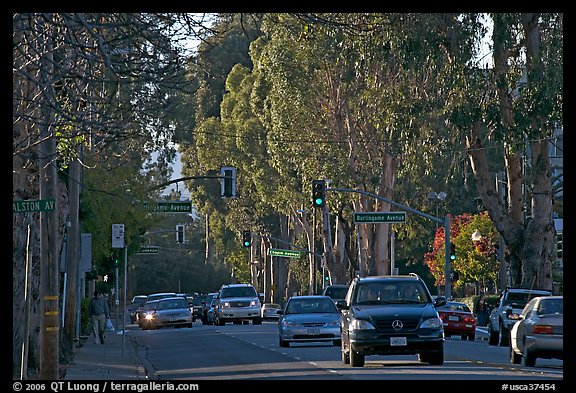
There are many examples of blue gums being planted as street trees in California about 150 years ago.  One of the most well-known examples is the city of Burlingame on the San Francisco peninsula. When the City was founded in the 1870s, John McLaren was hired to plant trees to provide a much needed windbreak because the City was nearly treeless, as was the entire San Francisco peninsula.  McLaren planted over 500 eucalyptus (blue gum and manna) along the main highway through Burlingame, along with a row of English elms.  John McLaren was subsequently hired by the city of San Francisco, where he planted many more eucalypts while serving as superintendent of the parks department for 53 years.

The eucalypts in Burlingame are still thriving, but the elms have been dead for about 60 years.  SelecTree says the longevity of English elms is “greater than 150 years,” the longest category of longevity published by SelecTree and completely open-ended.

El Camino Real bordered by Eucalyptus trees. Burlingame, SF Bay area, California, USA

The people of Burlingame greatly value their eucalypts and designated them as “heritage trees” in 1975 under a local ordinance.  That local legal status did not protect them from several attempts by Caltrans to destroy the trees.  The people of Burlingame came to the defense of the trees and were eventually successful in getting permanent legal status to protect 2.2 miles of the trees.  That section of El Camino Real in Burlingame lined with eucalyptus was listed on the National Register of Historic Places in 2012.

Caltrans is now working cooperatively with the people of Burlingame to address safety concerns while “also keeping an eye to the prized grove of eucalyptus trees along the street.”  A task force was formed in 2018 to discuss these issues.  The City of Burlingame remains committed to the preservation of these trees, which suggests that they have a future there. (1)

The life span of street trees is generally much shorter than trees planted as forests because they are subjected to more wind and polluted air of heavily traveled roads, such as El Camino Real.  Although blue gums have passed the test of those challenging conditions with flying colors, they have not been planted as street trees for decades.  Their out-sized scale makes them unsuitable for that purpose.  If blue gums can survive as street trees on heavily traveled roads, they can surely survive longer in the protection of their neighbors in forests.

Blue gums at Stanford University

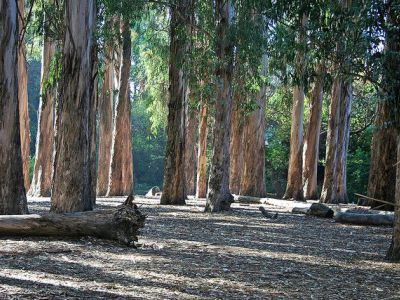
The blue gums on the campus of Stanford University are another example of 150 year-old blue gums that are very much alive.  Although blue gums were included in the campus landscape design of Frederick Law Olmsted in the 1880s, many of the blue gums actually predate his design:  “Several hundred mighty giants on the campus date back prior to 1870 when Leland Stanford acquired several farm properties, one of which already had avenues of gum trees.  They are mostly Tasmanian blue gums and red gums with a sprinkling of manna trees.”

Eucalyptus on Stanford campus

That description of the old blue gums was written in 1971.  The trees are still alive and well.  I worked on the Stanford campus for 10 years and walked among those trees at every opportunity.

An even older Olmsted design in Oakland

Mountain View Cemetery in Oakland, California was designed by Frederick Law Olmsted in the 1860s.  Like most of the East Bay, the site was treeless.  Olmsted’s design was an eclectic collection of mostly non-native trees, including blue gums.  The cemetery is on steep, windward facing hills, where the windbreak provided by blue gums is particularly valued.

Eucalyptus in Mountain View Cemetery, planted on an unirrigated windward facing hill. 2017

Update:  This venerable old giant was destroyed in September 2018, along with about 150 other trees of different species, including oaks. I did not protest before or after the trees were destroyed because they were on private land and their removal makes way for more grave sites. However, I will mourn its loss.

Olmsted designed a straight avenue through the cemetery lined with magnolia trees.  Many of the magnolia trees have died and those that remain are in poor condition.  SelecTree claims that the life span of Southern magnolia is “greater than 150 years,” which is contradicted by our local experience.

The current owner of the cemetery destroyed many of the blue gums about 5 years ago, in the middle of the extreme drought.  He replaced many of the blue gums with redwoods.  The redwoods are irrigated and are still surviving.  I did not object to the removal of the blue gums because they are on private property.  I confine my advocacy to healthy trees on public land.

Long live the blue gums!

SelecTree has revised its listing of blue gum longevity based on the information we provided.  The myth that our blue gums are dying of old age will not die as easily.  We will have to repeat this information many times and in many different venues, just as we did for every other myth.  If and when that particular myth dies, we can be sure there will be another waiting in the wings.  Ideologies stubbornly persist, despite contradictory evidence.  And yet, we just as stubbornly persist in defense of our urban forest.


(1) Here is the public record, on which my report about the trees in Burlingame is based:

Endangered Species Law is under fire

Like most of our federal laws and regulations intended to protect the environment, the Endangered Species Act is under fire because the political party now in power is opposed to government regulations that impose any perceived limitations on economic activity.  There are a number of laws grinding their way through the legislative process that would revise, if not gut the ESA.*

I have mixed feelings about the threats to weaken the ESA because there is widespread agreement that the law could be improved.  When it was created, over 40 years ago, it was based on the scientific knowledge available at the time.  For example, recently available molecular analysis has greatly improved our ability to accurately identify species.

Climate change was but a glimmer on the distant horizon 40 years ago.  Now most people understand that climate change will cause many extinctions that the ESA is powerless to prevent.  Emaciated polar bears standing on small islands of ice are the poster children for the impact of climate change on rare animals.

The political threats to the ESA have focused the attention of the media on specific examples of endangered species and the efforts to prevent their extinction.  Each one illustrates a different issue with the existing law.

Attempts to solve one problem cause other problems

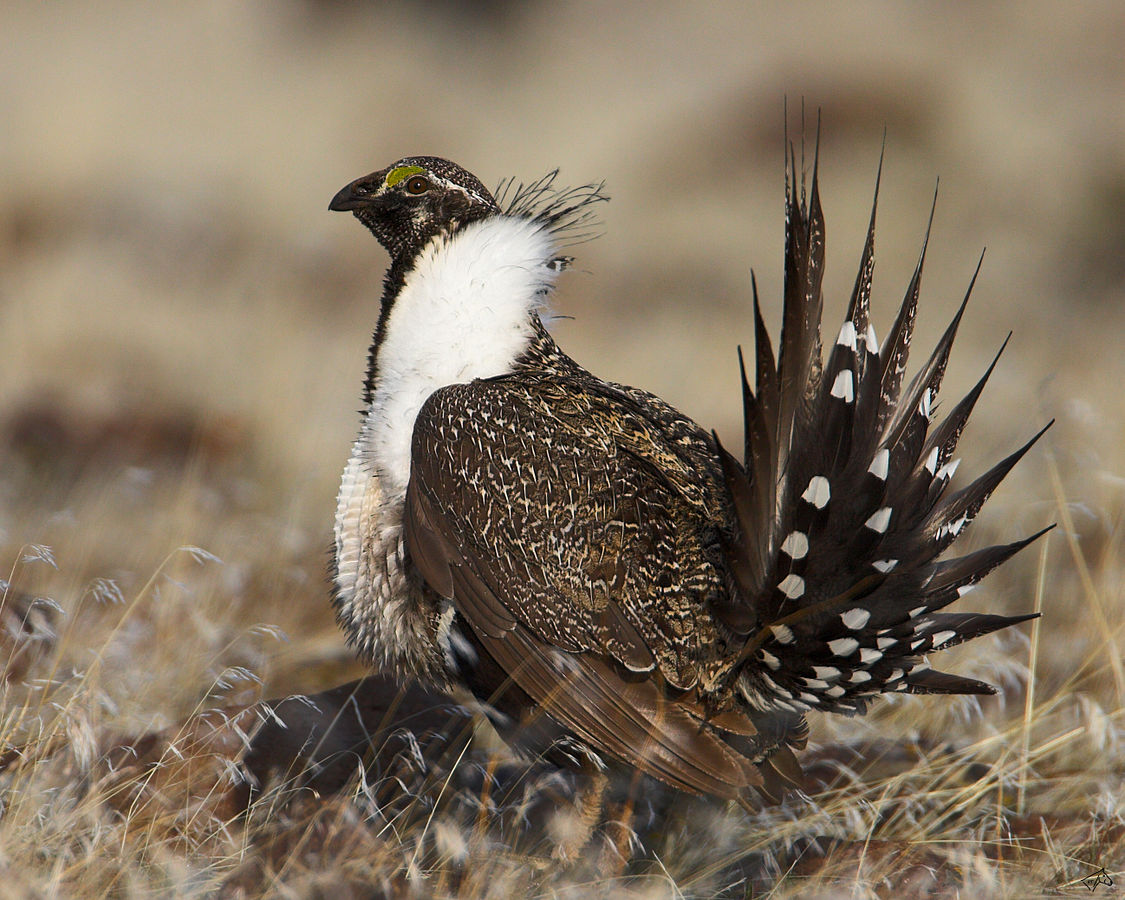
Greater sage grouse

The Greater sage grouse is a critically endangered bird (although not officially designated as such) that requires sagebrush for its home.  In an effort to expand habitat for the grouse, land managers destroyed native junipers that were spreading into grouse habitat.  A few years later they determined that destroying the trees did not produce the desired habitat.  Instead, non-native annual grasses have colonized the bare ground and many sapling junipers are growing from the seed bank left by the trees that were destroyed. (1)

Instead of calling the tree destruction a failed experiment, the scientists now propose to escalate the eradication effort.  They now plan to use herbicides and prescribed burns to eradicate the non-native annual grasses.  Given the persistence of herbicides in the soil, more sagebrush may not be the ultimate outcome.  And the sage grouse are unlikely to benefit from either poisoned vegetation or fires in their habitat.

Some extinctions are the unintended consequence of misguided “conservation” efforts

When European rabbits were intentionally imported to Australia, predictably the population quickly exploded.  A virus was then intentionally imported to kill the rabbits.  Like many biocontrols, the virus spread into the native range of the rabbits about 20 years ago, including into Spain.

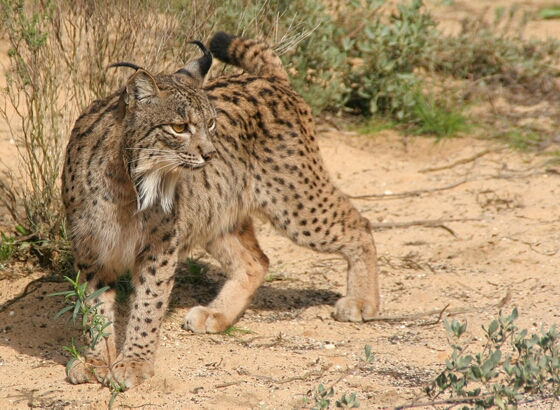
Iberian lynx. Creative Commons

The Iberian lynx is very rare partly because it is a picky eater.  Curiously, rabbits are the strongly preferred prey of the Iberian lynx.  There were enough rabbits available for the lynx until the rabbits were wiped out by the virus that was unintentionally imported to Spain.  The population of Iberian lynx plummeted to only 100 known individuals.  That’s when the EU version of the ESA kicked into action.

The Iberian lynx is now bred in captivity, a complex and challenging process likened to “having a nursery for rich kids in which you have a teacher for each kid.”  Needless to say that is an expensive proposition.  Releasing the lynx back into the wild required that 50,000 rabbits (costing $12.30 each) be simultaneously released into lynx territory.  The project cost $42 million over a period of 7 years.  (2)

The Spanish environmental official responsible for the project was visibly irritated when asked about the cost of the program.  He said “some ‘ignorant’ pundits were drawing unflattering comparisons between how much was being spent on the lynx compared to funding allocated to offset social issues such as unemployment.”  The strongest defenses of extreme efforts to save rare species are made by those who earn their living on them. (2)

Growing number of “conservation reliant” species

An article in the New York Times magazine recently asked this rhetorical question, “Should some species be allowed to die out?”  (3) The article focused on Hawaii because it is a place where heroic efforts have been made to save endangered species.  Nearly 50% of 1,280 federal endangered species are in Hawaii.  Over 80% of all endangered species are considered “conservation reliant,” a term used to describe the plants and animals that are permanently on life support.  They will not survive if not permanently tended by humans in hothouses and animal shelters.

Hawaii has the most endangered species because they evolved in isolation in a distant place with no interaction with the outside world until about 700 years ago.  That isolation cannot be recreated without stopping all trade and travel to and from Hawaii.  That is clearly not going to happen.  If the underlying conditions that cause extinctions cannot be reversed, no amount of human effort is likely to prevent the extinction.

Although I consider most of these efforts futile, that is not the conventional wisdom.  There are over 300 comments on the article in the NY Times that are overwhelmingly supportive of the ESA and the heroic efforts to save rare species.

Confiscation of private land

Dusky gopher frog

The ESA enables the government to designate both public and private land as “critical habitat” for endangered animals.  The US Supreme Court has agreed to hear a case about the application of the Endangered Species Act that enabled the federal government to designate 1,600 acres of private land as critical habitat for an endangered frog. That designation will prevent the land owner from developing the land or using it for a different purpose other than providing POTENTIAL habitat for a frog that has not been seen in that part of the country since 1965.  US Fish & Wildlife also concedes that the frog cannot live on the land in its present condition and requires modification to accommodate the needs of this frog.  (4)

Needless to say, private land owners aren’t enthusiastic about the loss of the use of their land for purposes other than supporting a specific rare animal.

Assisted migration?

Torreya taxifolia near Cincinnati, Ohio

Torreya taxifolia, commonly known as Florida nutmeg, was classified as endangered in 1984.  It was attacked by a fungal blight about 70 years ago that has decimated its population in its small native range on the Florida panhandle.  It is an example of one of the major obstacles to keeping rare plants alive because it is very difficult to propagate:

Unlike most plants, the tree has so-called recalcitrant seeds, which cannot be preserved in conventional seed banks because they can’t survive drying. This necessitated the development of a tissue-culture system for the species called somatic embryogenesis. Embryos are surgically removed from fully developed seeds, then cultured in vitro to encourage the formation of multiple embryos. These can be safely preserved in a new cryogenic storage unit obtained by Atlanta Botanical Garden, in which the resulting plantlets are coaxed into a state of suspended animation at -321° Fahrenheit in liquid nitrogen.” (5)

This labor-intensive method of germinating the seeds of Torreya taxifolia has enabled scientists to grow Torreya in several botanical gardens in places distant from its native range.  Tree activists want to introduce the tree to wildlands in distant locations where the fungal pathogen that is killing the tree in its native range doesn’t exist.  This is called “assisted migration,” a controversial strategy that is prohibited by the ESA.  Moving endangered plants and animals requires the approval of the US Fish and Wildlife Service, permission they have so far denied for Torreya.

The ESA defines the criteria for recovery and removal of endangered status.  The plant must be living on its own “in the wild” and must successfully reproduce naturally for at least two generations.  Given the circumstances of this rare tree and many other “conservation reliant” species, it seems they are permanently doomed to be permanently legally protected endangered species.

The ESA’s reluctance to enable the movement of species from their native ranges is inconsistent with the realities of climate change.  When the climate changes, the vegetation changes.  To prevent that from happening is to doom the vegetation and the animals that require the vegetation to extinction.  The ESA has become an obstacle to survival, rather than a tool to ensure survival.

Improving the Endangered Species Act?

In summary, the Endangered Species Act can be improved to achieve its original purpose as a means of preventing extinctions of plants and animals, as illustrated by the examples listed above:

  • Actions intended to help a rare species should not inflict further damage on the environment, such as biocontrols, pesticides, and killing other animals considered competitors.
  • Plant and animal species that require permanent human intervention to survive should be removed from life support after decades of such intensive care. Humans often make that choice for themselves at the end of life and it is widely considered a humane choiceTriage is an ethical strategy in the medical profession and it should be in conservation as well.
  • Private property rights should be respected by the Endangered Species Act. The political cost of such confiscations are too high a price to pay for the meager benefits to the species in question.
  • If the underlying cause of an extinction is a fundamental change in the environment that cannot or will not be changed, it is pointless to aim conservation efforts at symptoms of the change, rather than causes of the change. For example, if melting Arctic ice opens a corridor between the Atlantic and Pacific oceans, it is pointless to try to prevent the movement of sea life between those oceans.
  • Plants and animals that can no longer survive in their native ranges because of changes in conditions, should be carefully considered for introduction to places with suitable conditions.

This wish list has nothing to do with the legislative effort to weaken the ESA.  That political effort is in the service of economic interests, such as fossil fuel exploitation and mining, and is not intended to benefit the rare plants and animals presently protected by the law. 


* “But under the Trump administration, at least 63 separate legislative efforts to weaken the [ESA] act have been undertaken since January 2017, according to the Centre for Biological Diversity.”  New York Times, April 22, 2018.

  1. http://www.argusobserver.com/news/tree-removal-could-spread-invasive-grasses/article_88eba0da-2a5b-11e8-862a-6734dbe7a90a.html
  2. https://www.nytimes.com/2018/03/31/world/europe/iberian-lynx-spain-portugal.htmlhttps://www.nytimes.com/2018/03/31/world/europe/iberian-lynx-spain-portugal.html
  3. https://www.nytimes.com/2018/03/13/magazine/should-some-species-be-allowed-to-die-out.html?hpw&rref=magazine&action=click&pgtype=Homepage&module=well-region&region=bottom-well&WT.nav=bottom-well
  4. https://www.cnn.com/2018/01/22/politics/dusky-gopher-frog/index.html
  5. https://e360.yale.edu/features/for-endangered-florida-tree-how-far-to-go-to-save-a-species-torreya


Action Opportunity: Draft of Oakland’s Vegetation Management Plan

The City of Oakland applied for a FEMA pre-disaster mitigation grant in 2005 to clear-cut all non-native trees on 122 acres of city owned property in the East Bay hills, based on the claim that it would reduce fire hazards.  FEMA cancelled that grant in September 2016 in settlement of a lawsuit against the project. 

The City of Oakland began the process of writing a new plan to reduce fire hazards in the hills by hiring a consultant to develop a Vegetation Management Plan in November 2016.  The new plan will be much more comprehensive than the original plan, covering 1,925 acres of open space and 308 miles of roadside in Oakland.  Oakland also made a commitment to an open public process to develop the plan.  A survey of public opinion was conducted and two public meetings were held in 2017. 

A draft of Oakland’s Vegetation Management Plan is now available HERE.  There are detailed maps of the areas that will be covered by the plan.  We suggest you take a look at those maps to determine what effect the plan will have on your neighborhood and the parks and open spaces you visit.

 A public meeting about the draft was held on May 23, 2018 and written public comments will be accepted until June 11, 2018. Comments may be submitted in the following ways: Download comment card; Email VMPcomments@oaklandvegmanagement.org; Mail:  266 Grand Avenue, Suite 210, Attn: Ken Schwarz, Oakland, CA 94610.  We hope you will participate in this public process that will determine the future of much of the landscape in the Oakland hills.

We are publishing an excerpt of the written public comment of one of our readers, which we hope will help you understand the issues and to write a comment of your own.  Asterisks indicate where some detail has been omitted.  You can see the entire public comment HERE: Oakland Draft Vegetation Management Plan – public comment

 Million Trees


Ken Schwarz
Horizon Water & Environment
266 Grand Avenue, Suite 210
Oakland, CA 94610

I am broadly supportive of the Draft Vegetation Management Plan (DVMP) because:

  • It will create defensible space around structures in Very High Wildfire Hazard Severity Zones.
  • It will clear easily ignited vegetation on roadsides in places where fire hazards are greatest.
  • It sets priorities for implementation in places where fire hazards are greatest.

These three elements of the plan will reduce fire hazards while limiting destruction of trees and vegetation and being fiscally responsible.

My public comment will identify some weaknesses in the plan and make specific suggestions for improving the plan with the goal of minimizing fire hazards as well as collateral damage to the environment.

The 300-foot “buffer” zone is unnecessarily destructive.  California law requires 100-feet of defensible space around structures.  The DVMP proposes extending defensible space along roadsides and around structures to 300-feet, the length of a football field.  Such a wide clearance of vegetation greatly exceeds California fire code and is therefore unnecessarily destructive.  In a recently published op-ed in the Los Angeles Times, two academic scientists confirm our understanding of how to keep our communities safe:  “The science is clear that the most effective way to protect homes from wildfire is to make homes themselves more fire-safe, using fire-resistant roofing and siding, installing ember-proof vents and exterior sprinklers, and maintaining “defensible space” within 60 to 100 feet of individual homes by reducing grasses, shrubs and small trees immediately adjacent to houses. Vegetation management beyond 100 feet from homes provides no additional protection.”[1]

The buffer zone should be eliminated, reduced in size, or reduced to Priority 3 so that it is less destructive and costly. 

*************************

The description of herbicide use in the draft is unnecessarily vague, because it provides no information about what herbicides will be used and the health and environmental hazards of specific herbicides.  Nor does it explain how, where, or why herbicides will be used.

Instead of providing that information, the plan describes the public’s opposition to herbicides as “social stigma,” which implies that our opposition is a baseless prejudice against herbicides.  In fact, our opposition is based on scientific information about the dangers of herbicides and those dangers must be acknowledged by the final version of this plan.

The dangers of herbicides are well documented and well known. ****** Here is a brief list of some of the most recent studies that conclude that glyphosate products are very dangerous to the health of animals and humans:

  • The International Agency for Research on Cancer classified glyphosate as a “probable human carcinogen” in 2015. The IARC is composed of an international team of scientists convened by the World Health Organization of the United Nations.
  • The State of California responded to that news by requiring all glyphosate products sold in the State to be labeled as carcinogens. The State was sued several times by the manufacturer of Round Up—Monsanto–to prevent the labeling requirement.  The State of California recently won in the state court of appeals[2].  Unless Monsanto appeals and wins in the State Supreme Court, all glyphosate products will be labeled as carcinogens in California.
  • US National Toxicology Program recently conducted tests on formulated glyphosate products for the first time. In the past, tests were conducted only on the active ingredient…that is glyphosate alone. The formulated products that are actually applied as weed killers contain many other chemicals, some of which are not even known. The head of the National Toxicology Program Laboratory, told The Guardian newspaper the agency’s work is ongoing but its early findings are clear on one key point. “We see the formulations are much more toxic. The formulations were killing the cells. The glyphosate really didn’t do it,” DeVito said. A summary of the NTP analysis said that “glyphosate formulations decreased human cell ‘viability’, disrupting cell membranes. Cell viability was ‘significantly altered’ by the formulations, it stated.”[3]
  • The Global Glyphosate Study is being conducted by six scientific institutions all over the world. ******* This international consortium of scientific institutions recently published preliminary resultsof their study: “The results of the short-term pilot study showed that glyphosate-based herbicides (GBHs) were able to alter certain important biological parameters in rats, mainly relating to sexual development, genotoxicity and the alteration of the intestinal microbiome, at the ‘safe’ level of 1.75 mg/kg/day set by the U.S. Environmental Protection Agency (EPA).”[4]  In other words, at doses deemed safe by the US EPA, significant negative health effects were found in animals used in testing.
  • The German Agriculture Minister announced on April 17, 2018 that she was finalizing a draft regulation to end use of the weed-killer glyphosate in household gardens, parks and sports facilities, and to set “massive” limits for its use in agriculture.[5] Germany is one of 25 countries that have issued outright bans on glyphosate, imposed restrictions or have issued statements of intention to ban or restrict glyphosate-based herbicides, including Roundup  Countless US states and cities have also adopted such restrictions. [6]
  • Marin Municipal Water District quit using all pesticides in 2015. In a letter to East Bay Municipal Utilities District, a member of the Board of MMWD explains why that decision was made.  (Attachment 2)  MMWD hired scientists at UC Davis to conduct a study of the biological persistence of glyphosate.  They found that glyphosate persisted for at least 84 days when applied to foliage, and perhaps longer after the study ended.

Garlon with the active ingredient triclopyr is more toxic than glyphosate.  Garlon is the herbicide that is used to prevent eucalyptus and acacia from resprouting when the trees are destroyed.  Its use was also specifically allowed for that purpose by Oakland City Council Resolution 79133.   Although the DVMP does not mention its use, we assume—unless specifically told otherwise by the final version of the VMP—that Garlon will be used to control resprouts.

  • Triclopyr is an organochlorine product, in the same family of pesticides as DDT, which was banned in the US in 1972. Organochlorine products bioaccumulate and are very persistent in the environment.  Nearly 50 years after it was banned, DDT is often found in the ground, in the water, and in people’s bodies.[7]
  • Organochlorine products are endocrine disrupters. The Pesticide Research Institute did a risk assessment of triclopyr for the California Invasive Plant Council.  They reported that triclopyr “poses reproductive and developmental risks to female applicators.” [8]
  • The Pesticide Research Institute did a risk assessment of triclopyr for Marin Municipal Water District in which they informed MMWD that birds and bees are both harmed by triclopyr and mycorrhizal fungi in the soil are damaged by triclopyr.[9]

More research has been done on Round Up than on Garlon because it is more widely used.  It is more widely used, partly because it is actually less dangerous than Garlon (it is also a non-selective plant-killer).  Because of the toxicity of Garlon, several public land managers in the Bay Area have made a commitment to controlling resprouts without using herbicides: ******** Marin Municipal Water District,  Marin County Parks and Open Space, UC San Francisco, and East Bay Municipal Utilities District (the supplier of our drinking water).

*************************

There is no evidence that eucalyptus is inherently more flammable than native trees. ******** Eradicating non-native trees and shrubs will not reduce fire hazards because they are not inherently more flammable than the native vegetation that will remain.  Therefore, the reduction of fuel loads must be based on flammability, NOT the nativity of the flammable species.  The nativity of plant species is irrelevant to reducing fire hazards and must be abandoned as criterion for destroying plants and trees.

Vegetation that burned in the North Bay fires of October 2017 was almost exclusively native. Source: Bay Area Open Space Council

I support the thinning of eucalyptus, acacia, Monterey pine and cypress to reduce fuel loads, as long as the canopy is intact.  ******** When the canopy is intact, the forest floor is shaded which retains moisture that retards ignition and suppresses the growth of easily ignited weeds. The DVMP proposes to thin the targeted non-native trees to distances of 35 feet, creating gaps in the canopy of 10 feet within the 300-foot “buffer zone.”  The distance between the trees must be reduced to 25 feet to maintain the canopy.  In addition to reducing fire hazards, maintaining the canopy will also be less destructive and will reduce the amount of stored carbon released into the atmosphere.

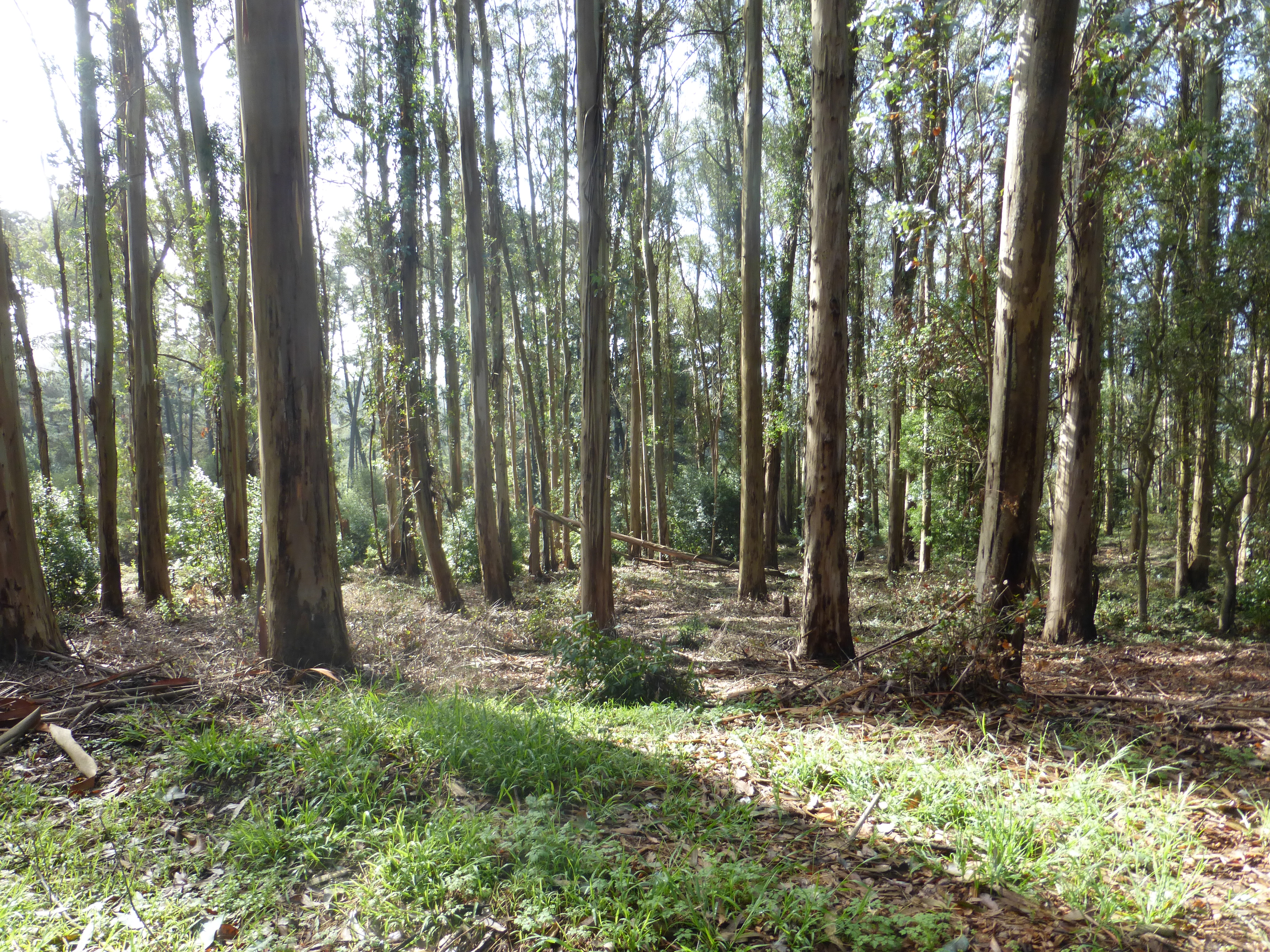
Tilden Park, October 2016. East Bay Regional Park District has thinned this area to distances of 25 feet between remaining trees. The forest floor is still shaded because the canopy is intact.

My greatest disappointment in the DVMP is its proposal to remove all individual non-native trees where they presently exist in native vegetation outside the “buffer zone.” ******** Removing non-native trees in riparian areas and in redwood groves as proposed by the DVMP is not fire hazard mitigation because fire hazards in those areas are minimal.

*****************************

Furthermore, destroying healthy trees damages the trees that remain because the herbicide that is used to prevent eucalyptus and acacia from resprouting is mobile in the soil and it is known to damage mycorrhizal fungi in the soil that is essential to the health of the native trees.  ******* It is not possible to destroy isolated trees without damaging neighboring trees in close proximity. ****** Studies show that eucalyptus trees in native forests are not doing any damage to neighboring trees. ********

If individual non-native trees within native vegetation are not doing any environmental damage and do not increase risk of fire they should not be destroyed because destroying them WILL damage native vegetation.  Please leave them alone!

 Putting the DVMP into the long-term big picture

Finally, I suggest that we all take a step back from the details of the DVMP and consider the proposal in the context of the entire environment.  The final VMP must minimize damage to the environment while mitigating fire hazards because:

  • The climate has changed and it will continue to change. When the climate changes, the vegetation changes.  That is one of the axioms of ecology and it will continue to be.  If non-native plants and trees are better adapted to the current and anticipated climate, we should abandon futile attempts to force plants to live where we want them to live.
  • If we want trees in California, we must look to the future, not the past. 130 million native conifers have died in California since 2010. 5-10 million oaks in California have been killed by Sudden Oak Death. The future of redwoods in California is in jeopardy because they require a lot of water and they don’t tolerate wind.

********************

A climate change specialist at the US Forest Service tells us in a recent study that native tree species are the most vulnerable to climate change. USFS found that native trees are more vulnerable to the changes in temperature, precipitation, growing season, and other effects of accumulating greenhouse gases. The assessment found that 88 percent of invasive tree species are expected to prove resilient in the changing climate, ranked with low vulnerability, compared to 20 percent of natives.[10]

  • We are contributing to climate change by destroying healthy trees that are storing tons of carbon that will be released into the atmosphere as the destroyed trees decay. The primary reason why wildfires are more frequent and more intense is because of the warmer, drier climate.  Therefore destroying more trees than necessary increases fire hazards because we are exacerbating climate change by destroying more trees than necessary.
  • It is a fiction that destroying trees will release less carbon than the wildfires imagined by those who demand their destruction. According to a recently completed study at Oregon State University, “wildfire is not the biggest source of climate-warming carbon dioxide in Oregon forests—logging and wood products are.”[11]

*******************

The trees that will be destroyed in Oakland will not be used as lumber, which means they will contribute even more carbon to the atmosphere.  Timber that is used for building retains its stored carbon until the building deteriorates or is destroyed.

  • The herbicides that are used to destroy vegetation and prevent trees from resprouting damage the soil and pose serious health risks to animals and humans. The more vegetation and trees the VMP destroys, the greater the damage caused by herbicides.  Therefore, we must minimize the amount of vegetation that is destroyed as much as possible if herbicides are used.

We achieve nothing if the damage we do to the environment and to ourselves is greater than real or imagined reduction in fire hazards.

Thank you for your consideration.

Resident of
Oakland, California
June 2018


[1] http://www.latimes.com/opinion/op-ed/la-oe-hanson-miller-governor-fire-orders-20180525-story.html

[2] https://www.sfgate.com/news/article/State-can-label-widely-used-herbicide-as-possible-12849147.php

[3] https://www.theguardian.com/us-news/2018/may/08/weedkiller-tests-monsanto-health-dangers-active-ingredient

[4]https://sustainablepulse.com/2018/05/22/monsanto-in-epic-fail-with-attempted-attack-on-global-glyphosate-study/?utm_source=newsletter&utm_medium=email&utm_campaign=gmos_and_pesticides_global_breaking_news&utm_term=2018-05-23#.WwhUfkgvyUl

[5] https://sustainablepulse.com/2018/04/17/germany-moving-ahead-with-plans-to-restrict-weed-killer-glyphosate/?utm_source=newsletter&utm_medium=email&utm_campaign=gmos_and_pesticides_global_breaking_news&utm_term=2018-04-18#.WwhWWUgvyUl

[6] https://www.baumhedlundlaw.com/toxic-tort-law/monsanto-roundup-lawsuit/where-is-glyphosate-banned/

[7] https://www.sciencealert.com/ddt-consistently-found-in-humans-study

[8] https://www.pesticideresearch.com/site/pri-resource-centers/weed-management-resource-center/herbicide-risk-comparisons/workers/

[9]http://www.marinwater.org/DocumentCenter/View/254/HRA_Chap4_Triclopyr_1_1_2010

[10] https://www.forbes.com/sites/jeffmcmahon/2018/04/15/hug-your-native-trees-goodbye-thanks-to-climate-change/#4ad4a4176abd

[11] https://www.hcn.org/articles/climate-change-timber-is-oregons-biggest-carbon-polluter