California Natural Resources Agency has published the draft of “Pathways to 30X30 California” and has invited the public to comment on the draft by February 15, 2022. “Pathways to 30X30” is the last in a series of documents that defines the program before implementation in February 2022, when distribution will begin of $15 Billion dollars to public and non-governmental agencies to fund specific projects.
To recap the process that began in October 2020 with the passage of an Executive Order:
In October 2020, Governor Newsom signed Executive Order N-82-20 “enlisting California’s vast network of natural and working lands – forests, rangelands, farms, wetlands, coast, deserts and urban greenspaces – in the fight against climate change. A core pillar of Governor Newsom’s climate agenda, these novel approaches will help clean the air and water for communities throughout the state and support California’s unique biodiversity.” The program and its implications are described by Conservation Sense and Nonsense HERE.
California Natural Resources Agency held a series of public workshops in summer 2021 that were theoretically an opportunity for the public to participate in the process of defining the program. Conservation Sense and Nonsense identified potential opportunities as well as pitfalls of the program HERE.
California Natural Resources Agency published the first draft of implementation plans in fall 2021. Conservation Sense and Nonsense published its favorable opinion of the first draft that is available HERE.
The draft of the final implementation document is disappointing. My public comment on the draft of “Pathways to 30X30” is below. To preview it briefly here, this is its concluding paragraph: “California’s 30X30 initiative had great potential to improve the environment rather than damaging it further. Instead, draft “Pathways to 30X30” suggests that opportunity may be squandered. Of course, the proof will be in the projects, but for the moment it looks as though the lengthy public process may have been a charade intended to benefit the “restoration” industry, not the environment or the public.”
Please consider writing your own public comment by February 15, 2022.
Letter via postal mail: California Natural Resources Agency, 715 P Street, 20th Floor, Sacramento, CA 95814;
Voice message: 1 (800) 417-0668.
There will be a virtual meeting on Tuesday, February 1, 2022, 3-6 pm in which the public will be invited to make 2 minute comments. Register HERE.
TO: California Natural Resources Agency
RE: Public comment on draft “Pathways to 30X30”
I have attended the public workshops regarding the 30X30 initiative and sent written feedback when given the opportunity. I am therefore in a position to tell you that the “Draft Pathways to 30X30” is a significant retreat from principles defined by previous drafts because it is so vague that it is meaningless. Any project could be approved within its limitless boundaries. The document puts CNRA in the position to do whatever it wishes, including violate principles defined in previous draft documents.
My public comment is a reminder of commitments made in previous drafts and a request that they be reinstated in the final version of the Draft “Pathways to 30X30” document:
“Pathways to 30X30” must confirm its commitment to reducing the use of pesticides on public lands. The draft mentions the need to “avoid toxic chemicals” only in the context of working lands. That commitment must also be made for public parks and open spaces because widespread pesticide use is exposing the public and wildlife to dangerous pesticides and killing harmless plants while damaging the soil.
Unlike the previous draft, “Climate Smart Strategy,” “Pathways to 30X30” requires the exclusive use of native plants, which contradicts the commitment to “promote climate-smart management actions.” The ranges of native plants have changed and must continue to change because native plants are no longer adapted to the climate. We cannot reduce greenhouse gas emissions causing climate change if we cannot plant tree species that are capable of surviving in our changed climate, as acknowledged by previous draft documents. As Steve Gaines said in the January 12th public meeting regarding “Pathways to 30X30,” “We must help species move [because the changing climate requires that they do].”
There are significant omissions in “Pathways to 30X30” that epitomize my disappointment in this draft:
The draft kicks the can down the road with respect to integrating climate change into consideration of projects funded by the initiative: “Designations have not yet been established that emphasize climate benefits such as carbon sequestration or buffering climate impacts. While the definition of conserved lands for 30×30 builds upon existing designations, it will be important to integrate climate…” (pg 26) Climate change is the underlying cause of most problems in the environment, yet “Pathways to 30X30” dodges the issue by declining to take the issue into consideration as it distributes millions of grant dollars to projects that are toxic band aides on the symptoms of climate change.
The 30X30 initiative made a commitment to protecting 30% of California’s land and coastal waters. At 24%, we are close to that goal for land, but at only 16% we are far from the goal for coastal waters. Yet, the draft declines to protect more marine waters: “MPA [Marine Protected Areas] Network expansion will not be a component of meeting the State’s 30×30 marine conservation goals.” (pg 29, deeply embedded in fine print) The excuse for this omission is that the decadal review of existing MPAs won’t be completed for another year. That is not a legitimate reason for refusing to designate new MPAs. The evaluation of existing MPAs can and should be completed and inform the management of new MPAs going forward.
The lack of guidance in “Pathways to 30X30” is particularly dangerous because California law has recently been revised to exempt projects considered “restorations” from CEQA requirements for Environmental Impact Reports for three years, ending January 1, 2025. An Environmental Impact Report is the public’s only opportunity to preview planned projects and challenge them within the confines of CEQA law. The public is effectively shut out from the process of distributing millions of grant dollars of the public’s tax money by this blanket exemption on CEQA requirements for an EIR.
The Draft of “Pathways to 30X30” writes a big blank check for projects that will potentially increase the use of pesticides on our public lands and increase greenhouse gas emissions by destroying plants and trees that sequester carbon and are capable of surviving our current and anticipated climate.
California’s 30X30 initiative had great potential to improve the environment rather than damaging it further. Instead, draft “Pathways to 30X30” suggests that opportunity may be squandered. Of course, the proof will be in the projects, but for the moment it looks as though the lengthy public process may have been a charade intended to benefit the “restoration” industry, not the environment or the public.
Matt Ritter is a professor of biology at Cal Poly San Luis Obispo and Director of Cal Poly Plant Conservatory. He is the author of several books about California’s unique flora, including A Californian’s Guide to the Trees Among Us. He is considered an expert on the horticulture, ecology and taxonomy of the Eucalyptus genus.
Click on picture to view Professor Ritter’s presentation
In October 2021, Professor Ritter gave a presentation to the California Urban Forests Council, entitled “Underutilized Species for the Future of Urban Wood and Urban Forestry.” He began by explaining why it is important to identify new tree species for our urban forest.
“Baja is moving to Oregon,” said Ritter to set the stage. Within 50-80 years trees living in California now will no longer be adapted to the anticipated warmer, drier climate. Trees killed by wildfire in California are not returning. Forests are quickly converting to grassland and shrub. As of 2018, California had lost 180 million trees to drought, disease, bark beetles, heat, and wildfire, which is nearly 5% of the total tree population in California. Adding subsequent years to date, we have probably lost 7% of all of our trees.
Trees in urban areas will help Californians cope with warmer conditions because they cool our cities and reduce energy consumption. Fewer trees will mean a lower quality of life, for us and for birds. The loss of our trees reduces carbon storage, which contributes to more climate change.
Ritter then explained why we must diversify tree species in our urban forests.
There are over 60,000 tree species in the world and only 7% of tree species are found in urban areas around the world. In California our urban forests are even less diverse. There are only 234 tree species on average in California’s urban forests. The average number of approved tree species for planting in California’s municipalities is only 49 and few species on those approved lists are native to California.
Diversity of tree species ensures greater resiliency that enables our urban forests to survive changing conditions.
Only 9% of tree species in California’s urban forests are native.
The native ranges of tree species in California’s urban forest.
An inventory of Oakland’s urban forest (street trees, medians, and landscaped parks only) was recently completed. With 535 tree species, the diversity of Oakland’s urban forest is greater than average for California. With 14% native trees, Oakland’s urban forest is more native than average. There are 59 species on Oakland’s list of approved trees, of which only 4 are native to Oakland. The most significant finding of Oakland’s tree inventory is that our urban forest is only 64% “stocked,” meaning that of existing tree wells, only 64% are currently planted with trees. When trees die in Oakland, they aren’t being replaced. I don’t doubt there is a will to plant trees in Oakland. I assume it is a question of means in a city with more pressing needs than resources.
Ritter and his colleagues at Cal Poly have created a website called SelecTree to help Californians choose the right tree for the right site and conditions. There are 1,500 tree species described on SelecTree, using 60 characteristics, such as drought tolerance. SelecTree rates blue gum eucalyptus “medium” for drought tolerance, the same rating as native coast live oak and bay laurel. Ritter clarified that drought tolerance on SelecTree is a measure of how much water the tree species uses. Claims that eucalyptus uses more water than native trees is bogus, like most bad raps about eucalyptus.
Ritter recommended specific tree species, based on their drought and heat tolerance. He said that when diversifying our urban forests “we have to think about Australia” because it is the hottest, driest, flattest, and oldest place on the planet, which is another way of saying that tree species in Australia have survived terrible conditions that are comparable to the challenging conditions in urban environments.
Ritter recommended oak species that are native to Texas; eucalyptus and closely related tree species; and several tree species in the legume family, especially acacia. In each case he mentioned the suitability of tree species based partly on the quality of its wood. Apparently, I’m not the only person in California who is disturbed by huge piles of wood chips wherever trees have been destroyed. Ritter also thinks we should be thinking about how we can use wood when trees are destroyed, rather than building potential bonfires.
Obstacles to diverse urban forests in California
When Professor Ritter took questions from the audience, we learned that the main obstacle to a diverse urban forest in California, adapted to our climate conditions, is the myopic focus of native plant advocates:
Question: “Are we introducing new pathogens to our natives by importing new species?”
Answer: There are many laws and rules that restrict the importation of plants to prevent that from happening. We also import only the seeds of plants, not grown plants. The seeds are sterilized and they don’t carry the pathogens that may exist on grown plants in their native ranges.
Question: “Do we know how quickly birds and insects adapt to new species?”
Answer: “No we don’t, but who cares? We are facing a climate emergency. We have 50 years before life in our cities becomes hell. We have a responsibility to protect the quality of life in our cities. We should stop developing the wild, but cities are different.”
Ritter anticipated a question that is often a concern of native plant advocates by saying we should not be concerned about “weediness,” AKA “invasiveness.” He said, “That should be far down on our list of priorities of what to worry about. We need to be primarily concerned about what tree species will grow in our changed climate.”
Rhetorical Question: “But insects need native plants!”
Answer: Ritter instantly recognized the mantra of Doug Tallamy. He replied that it is not well established that there are more insects living on native plants than on introduced plants. He mentioned a single study that inventoried plant and animal species in eucalyptus compared to oak forests, presumably Dov Sax’s study which concluded: “Species richness was nearly identical for understory plants, leaf-litter invertebrates, amphibians and birds; only rodents had significantly fewer species in eucalypt sites. Species diversity patterns…were qualitatively identical to those for species richness, except for leaf-litter invertebrates, which were significantly more diverse in eucalypt sites during the spring.”
Rhetorical Question: “We are still dealing with a legacy of blue gum eucalyptus in the Bay Area. Why should we repeat that mistake?”
Answer: Ritter agreed that blue gum eucalyptus is “inappropriate” in many places where it was planted in the Bay Area, but we’re not planting blue gums. There are 800 eucalyptus species and many are ideal for our conditions. He said, “Why not plant eucalyptus? It would be dumb not to plant suitable eucalyptus species just because it shares a name.”
Ritter added that, “Planting only natives just doesn’t work in San Francisco. There would be no trees in Southern California because we don’t have very many native trees in California.” The pre-settlement coast of California was virtually treeless in most places and that’s a fact. For example, a study of historic vegetation in Oakland, California reported that only 2% of pre-settlement Oakland was forested with trees. “Vegetation before urbanization in Oakland was dominated by grass, shrub, and marshlands that occupied approximately 98% of the area.” (1)
San Francisco in 1806 as depicted by artist with von Langsdoff expedition. Bancroft Library
Oakland as a case in point
The San Francisco Chronicle recently published an article about a guerilla tree-planter in Oakland who is planting native oak trees on public land, wherever he wants. Oakland’s Director of Tree Services, David Moore, gently suggests that many of these tree plantings are ill-advised: “‘There is a part of all of us that loves with our hearts the coast live oak tree because of its heritage, the symbolism of our city, and just the legacy that they have,’ Moore said. ‘But we have to diversify, and we are diversifying to other ones that are recommended to be more adaptable to climate change…The reality is that we have created a world that is not the native conditions of these plants,’ Moore said. ‘If we want trees to survive in these non-native conditions, we have to pick trees from around the world that can survive these conditions.’…Moore said oaks, while beautiful, are not the ideal tree for today’s hot, dry and cramped urban landscape. Without careful and costly maintenance, he said, oaks could destroy sidewalks, block light from street lamps and grow their branches into streets and walkways, creating hazards for motorists and pedestrians. The city still plants oaks, but mainly in parks rather than streets because that’s where they do better, Moore said…”
Stalemate
So, here we are. We have a pressing need for a more diverse urban forest that is adapted to present and anticipated conditions, but we are paralyzed by the ideological commitment of native plant advocates who are demanding that we destroy our urban forest because it is predominantly non-native. In a recent edition of Nature News, Jake Sigg said, “Hysterical tree planting is worse than a waste of time and resources…”
I am grateful to Professor Ritter for being bluntly frank with members of the arborist community who should know better. Dare we hope they learned something from that presentation?
I wish you Happy New Year. Please join me in my hope for a more peaceful year. Thank you for your readership.
My last article of the year is a guest post by Marlene A. Condon, the author/photographer of The Nature-friendly Garden: Creating a Backyard Haven for Plants, Wildlife, and People (Stackpole Books; information available HERE.) You can read her blog In Defense of Nature.
Merry Christmas !
Million Trees
A birds-eye view of the University of Virginia (UHall seen in first photo) in Charlottesville, Virginia, makes clear that there are plenty of native trees to be found in developed areas.
The novelist E. L. Doctorow, in a 1989 conversation with PBS journalist Bill Moyers, said, “When ideas go unexamined and unchallenged for a long enough time, they become mythological and very, very powerful. They create conformity. They intimidate.”
He could have been speaking about the current environmental narrative regarding so-called invasive plants. Anyone who speaks out feels the wrath of the folks pushing their fictional environmental manifesto; I’ve lost jobs because of these people.
Most neo-scientists and -environmentalists, having arrived late to the party, have no clue as to why some alien plants exist in profusion along roadways, in former farm fields, and along trails in forests. The popular notion that native plants would otherwise be filling those areas is easily accepted by people who don’t possess knowledge of soil science, or who lack experience with gardening and/or closely observing the natural progression of plants in unmanaged, disturbed areas.
Knowing the prior history of the land is essential to understanding why particular nonnative plants fill some areas. Road building discomposes soil. Trail development/use and cows/farming-equipment moving over the land compact soil. Only “colonizer plants”—those capable of thriving under the altered and nutrient-poor conditions of these sites—can grow there.
Usually such areas, after many years, support a mix of native and nonnative pioneers, but sometimes alien plants outnumber the natives because they are best suited to the constraints imposed by the physical attributes of the site. Anyone (no Ph.D. required) can verify this statement by taking the time to observe the progression of plants in an area not revegetated by people. Doing so would make clear that alien plants do not “push out” native plants by “invading” and “taking over”, but rather, they fill disrupted areas where few native plants can successfully grow.
Yet, the desire by scientists and environmentalists is so great to get folks to remove supposedly invasive plants from the environment that we now have tall tales being spread. Herewith a sampling of some of the most egregiously untrue declarations regarding alien plants.
Johnny Randall, Director of Conservation Programs at the North Carolina Botanical Garden (University of North Carolina at Chapel Hill) wrote a New Hope [North Carolina] Audubon blog post called “Invasive Plants Are NOT for the Birds.”
He writes that, “The scientific literature on invasive plants and bird-dispersal is moderate but growing, and almost all of the research warns that this is a serious and multi-layered phenomenon. First off – birds either do not discriminate between native and invasive plants or often prefer invasives over natives. One reason for this is that a large proportion of invasives are high in carbohydrates, whereas the natives are often higher in protein and lipids/fats. Birds are consequently (pardon the analogy) choosing candy bars over cheeseburgers, which could affect bird nutrition, particularly during fall migration”.
The suggestion that birds are choosing “autumn olive berries [that] are sugary sweet treats, the junk food of the bird diet” is echoed by many people. This quote, from a letter to the editor of The Crozet Gazetteby Susan A. Roth, William Hamersky, and Manuel T. Lerdau, Ph.D., is supposedly based upon a study published by the Wilson Journal of Ornithology in March, 2007, entitled “Fruit Quality and Consumption by Songbirds during Autumn Migration”.
Yet this study states that “Most common fruits on Block Island [where the study took place in Rhode Island] contained primarily carbohydrates…and little protein…and fat.” As the research paper’s authors were mainly speaking of native plants, this statement directly contradicts that of Mr. Randall that natives are often higher in proteins and fats than so-called invasives.
Additionally, the research paper’s authors state that “fruit selection by birds on Block Island was not simply related to differences in macronutrient composition between fruits…studies of wild and captive songbirds have shown that some species preferentially select high-fat fruits…or high-sugar fruits…”, which hardly implies that Autumn Olive fruits are a necessarily inferior food choice, as declared by Roth, et al.
A variety of foods exists to serve a variety of purposes. Turning sugar into something “bad” for birds comes as a result, perhaps, of this same application to human nutrition. But sugar is not in and of itself, “bad”. A runner in need of glucose who eats some jelly beans gets a quick burst of energy to continue exercising. There’s absolutely nothing wrong with that.
Sugar is only a problem if it’s eaten in excess, as might be done by children. But birds are not children; if they feel the need for protein and fat, they will search for insects and fruits that offer what they need.
Furthermore, Director Randall wrote that “Researchers have also shown that many invasive plants have fruits that persist longer than do native plant fruits into the fall and winter. The invasives are therefore available when our natives are not.”
In a world of disappearing habitat for wildlife because of human development, the fact that fruits on invasive plants are available when native-plant fruits are depleted should be seen as a positive rather than a negative.
Charlottesville, Virginia, residential area, has so many trees that you can’t see the roadways interspersed among them. In other words, insects and birds aren’t disappearing because alien plants have replaced native trees.
“Recent research published by Narango et al., in the October 22, 2018, issue of the Proceedings of the National Academy of Science demonstrates that native plants are best for birds. The research showed that yards landscaped with the usual garden center plants, which are mostly nonnative ornamentals, could not support a stable population of chickadees. Yards where native plants composed at least 70 percent of the plantings were able to do so. This is because native plants host more insects than non-natives and therefore provide the necessary high-protein food that birds need to feed their chicks.” [from a letter to the editor of The Crozet Gazetteby Susan A. Roth, William Hamersky, and Manuel T. Lerdau, Ph.D.]
Narango’s study cannot be generalized to all birds, although many people have made the mistake of claiming it can. This study applies only to chickadees and certain other birds that inhabit forest because such species are dependent upon the native plants (trees) that comprise our forestland. In other words, if you want forest birds to reproduce in your yard, your yard must be forest. For a fuller explanation, please read “Chickadee Chicanery” at In Defense of Nature.
“These invasive species not only impact our forests, wetlands and streams, but also our economy, health and safety. They kill the trees that shade our homes and that our kids play hide-and-seek around. They increase the presence of other disease-spreading species like ticks. They diminish visibility along trails where safety is important”. [quote from an article from the Central Ohio Partnership for Regional Invasive Species Management at a Nature Conservancy-sponsored website]
The only “forests” where you will see alien-plant species are those that are either managed improperly (overly thinned and thus allowing too much sunlight to reach the ground under the trees) or those that are actually “woods” in the process of succession (transforming from a field to a forest that has not yet reached maturity). “Invasive” plant species are sun-loving and therefore do not inhabit shady mature forests.
As for killing trees, if “they” refers to vines (a common complaint in the eastern U.S.) one must ask, why was the homeowner unable (or unwilling) to keep a vine from killing a tree in his yard that his “kids play hide-and-seek around”? However, if “they” refers to nonnative animals and/or diseases killing trees, that is a different situation altogether, which is not the point of this article. It’s unfortunate the writer did not make clear what “they” referred to. As far as I can tell, there’s no proof that “invasive” plants, in general—as stated above—increase the presence of organisms such as ticks. A study published in Environmental Entomology
purportedly shows that barberry-infested plots support more mice and thus ticks than plots in wooded areas with no barberry.
However, the “no barberry” plots were severely browsed by deer and thus “little understory vegetation was present.” In other words, these scientists compared two completely different habitats, which explains the greater number of ticks in the shrubby (Japanese Barberry) area that provided “questing habitat [for] blacklegged ticks [whereas] little other suitable vegetation exist[ed] in [the] severely browsed forests.”
“Questing habitat” refers to plants upon which ticks can wait at the appropriate height to grab onto an animal that comes by. Obviously, ticks are not going to be found in an area with little understory vegetation as they have nowhere to sit and wait for their quarry.
And we’re to believe “invasive” plants diminish visibility along trails, and native plants don’t? It sounds more like the folks who are supposed to be maintaining the trails have been derelict in their duties!
It’s clear that scientists and journalists are doing everything they can to assure that government and the general public view so-called invasive plants in a negative light. Yet, to my knowledge, no study condemning “invasive plants” exists that has the least bit of merit.
In Fuzz, Mary Roach treats a serious subject with a light touch, intended to entertain. Whether you are amused or horrified, Fuzz will inform you of the fatal consequences of animals threatening or inconveniencing humans. In every case, choices made by humans are the cause of these interactions. In most cases, animals pay for these encounters with their lives. When animals are spared, adjustments in human behavior are needed.
Hungry Bears
Bears became a problem for us when we occupied their territory and intercepted their travel corridors with our own corridors. Our relationship with bears became lethal when they learned that we are an easy source of food. We created that association partly by feeding them in our National Parks for 60 years by making huge, open garbage dumps available to them. That policy was abruptly abandoned in the 1960s when NPS made a commitment to “restoring natural processes.” NPS mistakenly assumed bears would disappear into the forest quietly and without incident. Predictably, the bears took to raiding campsites and vehicles. There were many grisly deaths of hikers and campers before NPS realized they had created a situation requiring active management. Bear proof containers and trash bins were developed and requirements to use them were rigorously enforced.
Bears being fed by visitors at Yellowstone National Park
Dangerous encounters with bears in wild places are still common. Relocating problem bears to distant, uninhabited locations is rarely successful. Many quickly find their way back. Those that stay are likely to engage in the same behavior and the pressure on them to do so is greater because they are in unfamiliar territory. Bears are reluctantly killed only after they hurt people.
Mary Roach visited Aspen, Colorado, where there are many bears and wealthy animal lovers as well as unlimited resources to prevent fatal conflicts between them. Home owners who experience bear break-ins are coached about how to harden their homes against entry. They are also encouraged to reconsider their landscaping preferences to avoid favorite foods of bears, such as plants that produce berries, fruit, and acorns. The poor sods tasked with keeping the citizens of Aspen safe from wild animals were horrified when the city planted crabapple trees downtown. Patrolling restaurants late at night to enforce requirements that they secure their garbage is another of their thankless tasks.
When birds get in the way
Farmers have been at war with birds for as long as humans have engaged in agriculture, some 10,000 years. Crows, grackles, blackbirds, and starlings are often targets of efforts to eliminate them in agricultural areas. Between 1939 and 1945 about 3.8 million crows in Oklahoma were killed by dynamiting their roosts. A study of that effort found no evidence that either the population of crows or crop production was affected by that campaign because nature adjusts: “Destroy a chunk of a population, now there’s more food for the ones who remain. Through a variety of physiological responses—shorter gestation periods, larger broods, delayed implantation—a well-fed individual produces more offspring than one that’s struggling or just getting by.” This balancing act is known to be true of many other species, such as coyotes and rodents.
Dynamiting rookeries has been abandoned, but the National Wildlife Research Center continues to search for effective methods to deter birds. Many methods of scaring birds have been tried and found to be only temporarily frightening. “It is easy to scare birds away, but much tougher to keep them away.” Scarecrows are the traditional method used by farmers. Research suggests that scarecrows may actually attract birds, because birds associate them with food, like the golden arches on the highway is a signal to pull off for a burger.
When the twin towers collapsed on 9/11, there was a real world test of our ability to haze birds. About 2,000 human corpses were scattered among the debris of the towers. Within 3 days, the gulls arrived to scavenge in the debris. Harmless explosions were used to scare the gulls. When the gulls became accustomed to the explosions, those guarding the human remains resorted to shooting and killing the gulls. Twenty-three gulls were shot and their remains were hung in effigy over the debris pile as a warning to their brethren.
These experiences with hazing birds should be a lesson to those who plan to dump 1.5 tons of rodenticide on the Farallon Islands to kill mice. There are about 250,000 gulls living on the Farallon Islands and they are expected to eat poisoned mice, but the perpetrators of this deadly project want us to believe they can scare the gulls away from the islands before two poison drops about 21 days apart. Given that mice are expected to survive for 21 days after being poisoned, and the poison is expected to be effective for over 100 days, how can we believe that hazing will be effective long enough to save the gulls? Must we shoot gulls to save other gulls? Is this the Hobson’s choice “restorationists” ask us to make?
Human attitudes toward animals
Humans are ambivalent about wild animals. We have an abstract sympathy for animals that can quickly dissolve when animals get in our way or we feel threatened by them. Our sympathy is universal, but is often influenced by cultural attitudes. India is a place where we can observe this conflict between our sympathies and our physical need for food and safety.
Hindu deity Krishna and his cow companion. Attribution
Hinduism is the predominate religion in India and respect for animals is a central theme in Hindu life. Many of the gods in the Hindu pantheon are animals. Ganesh, the elephant god, symbolizes wisdom, understanding, and an astute intellect. Hanuman, the monkey god, is a central character in the Hindu epic Ramayana. Cows are sacred in India and roam freely through suburban neighborhoods where poor people share the food they have with revered cows. The line between humans and animals is obscured by the Hindu belief in reincarnation. The cow wandering in the neighborhood could be your departed uncle returned to Earth in the exalted status of a sacred cow. He must have had good karma!
As we should expect, many Indians make every effort to spare the lives of animals, even when they are destructive. Elephants must travel long distances to find the great quantities of vegetation they eat and their corridors are often obstructed by human activities. Elephants often resort to eating and trampling crop fields of poor farmers, who quite rightly are outraged by their loss. Indian officials who are responsible for the lives of the elephants are deeply committed to protecting people and elephants. They try to create refuges for the elephants to minimize their raids on agricultural crops. With a growing population and diminishing wild land, this is a challenging task.
Monkeys are difficult to control partly because they are very intelligent. In a national park with many naïve visitors, monkeys have learned to pilfer valuable objects from tourists, such as glasses and phones, and then barter with the tourists for food that is equally valuable to the monkey.
Attempts to prevent deadly tiger attacks are particularly sad because they are often fatal for both humans and tigers. Tigers are stealthy hunters at night and even in daylight. School children walking to school are attractive prey for tigers as well as women who must walk into the forest alone at night to relieve themselves where there are no available latrines. Animal rangers try to mitigate for these encounters by building latrines and urging children to walk to school in groups.
When a tiger kills, human sympathy is stretched beyond its capacity to tolerate loss. Angry mobs sometimes kill the first tiger they encounter after such incidents. Rangers counsel patience while they hunt for the culprit and confirm its guilt with a DNA test. Rangers are willing to kill a tiger that has been confirmed as a killer.
The need for tolerance
Mary Roach manages to give us a happy ending by visiting a feed lot where beef and dairy operations send their cattle to be raised. The grain elevator where animal feed is stored is swarming with mice, but the fellow who runs the feed lot just shrugs them off: “In the grand scheme of things, the wind probably blows away more than the mice eat. You know, so I’m not sure that’s a huge problem.” He has barn cats to keep mice out of his vehicles where they can chew up wiring. Other than that, he doesn’t see much point in pursuing the mice.
Mary Roach sees hope in this encounter: “To me, he represents a possible future where people may be frustrated by wild animals that get up in your business but they’re living with them. In that possible future, people’s reaction to the damage brought about by wildlife is something akin to acceptance.”
A timely reminder
I publish this article today as a reminder that on Thursday, December 16, 2021, the California Coastal Commission will consider the approval of the project on the Farallon Islands that will aerial dump 1.5 tons of rodenticide on the marine sanctuary to eradicate mice. If you are ready to accept the existence of mice where they have lived in peace with hundreds of thousands of birds and marine mammals for nearly 200 years, please consider writing a public comment or making an oral comment at the hearing. Here’s how to do it.
Send written comments to the Commission here: EORFC@coastal.ca.gov. The deadlineto send a written comment is 5 pm, Friday, December 10, 2021. You can also submit a request to speak on agenda item 11b at the meeting HERE. The deadline to request to speak is 5 pm, Wednesday, December 15, 2021.
All quotes are from Fuzz by Mary Roach (W.W. Norton & Company, 2021)
US Fish and Wildlife proposes to aerial bomb 1.5 tons of rodenticide on the Farallon Islands to kill mice that do not harm birds, as explained in articles published earlier by Conservation Sense and Nonsense. The California Coastal Commission declined to approve the project in 2019. At the request of US Fish and Wildlife, the California Coastal Commission will reconsider the Farallon Islands project at their meeting on December 16, 2021. It’s time to make your opinion of this project known to the Coastal Commission. The Environmental Impact Statementfor the project explains the project and its anticipated impacts.
Click on this pictures of the Farallon Islands to see a video prepared by the Ocean Foundation about the islands and the proposed project.
Below is my message to the Coastal Commission. Beyond Pesticides has also provided a sample comment letter that is available HERE. Please consider sending your own comment to the Commission here: EORFC@coastal.ca.gov. The deadlineto send a written comment is 5 pm, Friday, December 10, 2021. You can also submit a request to speak on agenda item 11b at the meeting HERE. The deadline to request to speak is 5 pm, Wednesday, December 15, 2021.
Update: The project on the Farallon Islands that will aerial drop 1.5 tons of rodenticide to kill mice that have lived there for over 200 years was approved by the California Coastal Commission on December 16, 2021. Speakers in opposition to the project did an outstanding job. Jane Goodall recorded a message against the project. The vote was 5-3. Doubtful Commissioners asked some excellent questions and did not receive clear answers from US Fish & Wildlife. As the meeting wore on over 7 hours, the project made less and less sense.https://www.sfchronicle.com/climate/article/California-Coastal-Commission-approves-mouse-16709056.php
Dear California Coastal Commission,
Please take my comments into consideration when evaluating the proposed project on the Farallon Islands. I hope the Coastal Commission will confirm their lack of support of the project at your December 2021 meeting.
Thank you for your consideration.
Public Comment on Farallon Islands project
I am opposed to the plans to aerial bomb rodenticides on the Farallon Islands to eradicate mice for several reasons:
The project admits that hundreds of non-target birds will be killed by the rodenticide, either directly or by eating poisoned mice. In September 2020, California banned the use of the rodenticide that will be used by this project because of the deadly impact on non-target wildlife, yet an exemption was created that will enable its use by this project. The promoters of this project cannot deny that hundreds, if not thousands of non-target animals will be killed by this project. That outcome is now confirmed by California State Law and by similar projects elsewhere in the world.
The EIS clearly states that mice are not harming birds or chicks, the claimed beneficiaries of this project. The EIS clearly states that a small population of burrowing owls is blamed for eating birds and chicks of other bird species. Removing the owls from the Farallon Islands is the non-toxic solution to the perceived problem. Yet, “…translocation of burrowing owls in lieu of eradicating mice was not considered as an alternative.” (pg 47) The EIS then contradicts itself by offering translocation as mitigation for anticipated collateral bird mortality: “Migrant species including burrowing owls would be transported off the island released into suitable habitat on the mainland.” (pg 73) Translocation is possible, but eradicating non-native mice is clearly the objective, not protecting bird species. The mice are prey to many bird species. Their loss will harm birds, not help them.
The food web on the Farallon Islands has not been adequately studied. The project plan reports that the mice are a source of food for burrowing owls. However, the project plan has not identified all of the predators of the mice. Therefore, the project has not evaluated the extent to which the entire food web would be disrupted by the elimination of a major source of prey for birds of prey. All predators of the mice are at risk of eating the poisoned mice and being killed by the poison. Details on that issue are provided below.
These are the inadequacies of the EIS for this project:
Resident Burrowing Owls should be removed from Farallon Islands
The owls are the predators of the ashy storm petrel, not the mice. Therefore, the owls are the obvious target for removal. Given their small number relative to the large population of mice, their removal would be easier and less deadly to every animal living on the islands.
This strategy was successfully used by the National Park Service to save the endangered Channel Island Fox on the Channel Islands. Golden Eagles were not considered “native” to the Channel Islands. They arrived in the 1990s because of feral pigs and goats that had been introduced to the islands. When NPS took over management of the islands, they removed the feral pigs and goats, but not the Golden Eagles. Deprived of the food the eagles came for, the eagles turned to preying on the Channel Island Fox, nearly driving it to extinction. From 1999 to 2006, the eagles were trapped and moved off the island: “In order to mitigate golden eagle predation on island foxes, The Santa Cruz Predatory Bird Research Group, with the support of the Park Service and The Nature Conservancy, relocated golden eagles to distant sites on the California mainland. A total of 44 golden eagles, including 10 eaglets born on the islands, were trapped and relocated, and monitoring indicates that none have returned.” NPS considers the removal of eagles the primary factor in saving the Channel Island Fox from extinction. The 44 birds that were removed were more than 4 times more numerous than the 8-10 burrowing owls on the Farallon Islands. They are enormous carnivorous birds, compared to the pint-sized, ground-dwelling burrowing owls.
Please note that the threat to the fox posed by Golden Eagles was created by the removal of the prey of the Golden Eagles without adequate analysis and understanding of the food web. NPS should have predicted that the loss of the preferred prey of Golden Eagles would disrupt the food web in ways that could have been predicted. Now other “experts” are poised to make a similar mistake at the expense of thousands of rare birds and marine mammals on the Farallons.
The EIS has not adequately analyzed the food web on the Farallon Islands and has therefore not identified the environmental impact of eradicating an important source of food for the animals that live on the island.
This depiction of a fresh-water aquatic food web is an example of the complexity of food webs. The food web on the Farallon Islands is probably very different, but remains largely unknown because the EIS does not analyze it or describe it. Source: Creative Commons-Share Alike
According to the EIS, there are many birds of prey on the Farallon Islands, most migrating, but some resident: falcons, hawks, kites, eagles, owls, and kestrels. Most of the migrating raptors are on the island in the fall, when the mouse population is at its peak. The EIS acknowledges that the raptors probably eat mice on the island, but dismisses that as a significant issue. However, it would be a significant factor in evaluating environmental impact if migrating raptors compensate for the loss of mice as their prey by preying on birds or salamanders. The EIS does not address the important question of what birds of prey will eat if mice are eradicated.
Given that mice are expected to survive for 21 days after being poisoned, and the poison is expected to be effective for over 100 days, it is more likely that many birds of prey will be killed by eating poisoned dead or dying mice. The number of days the rodenticide is expected to be effective exceeds the known limits of hazing effectiveness. For that reason, the EIS says the project will “attempt” to capture raptors present on the island prior to and during bait application. An unsuccessful “attempt” will result in the death of raptors.
There are also many animals living on the Farallons that could eat the poison or the poisoned mice, but not killed by the poison, such as invertebrates and Dungeness crabs. Although they are not killed, they would be contaminated by the poison they eat and become killers of the animals that eat them, such as birds and marine mammals.
The EIS states that many of the insects that live on the Farallons are detritivores that feed on decomposing carcasses, such as the poisoned mice. Then they become killers of the warm-blooded animals that eat them. The Farallon Islands are located within the Dungeness crab fishery. If they are contaminated by poison pellets or fish, they could become killers throughout the fishery. According to the EIS, “Adult crabs are opportunistic feeders, but prefer clams, fish, isopods and amphipods. Cannibalism is common. Several species of predators feed on Dungeness crabs, especially the pelagic larvae and small juveniles, including octopuses, larger crabs and predatory fish such as salmon, flatfishes, lingcod, cabezon and various rockfishes. They are numerous in offshore areas of the Gulf of the Farallones, and support one of the most productive fisheries in California.”
A similar mistake was made by a rat eradication project on the Palmyra atoll. The first attempt to eradicate the rats in 2002 failed partly because Palmyra’s abundant land crabs outcompeted the rodents for the poisonous bait. The crabs’ physiology allowed them to eat the poison—the anticoagulant brodifacoum—without ill effect. The reason why this attempt failed was that the “experts” who designed this poison drop did not realize that the rats lived in the coconut palms and didn’t spend much time on the ground. In other words, the poison wasn’t dropped where the rats lived. The second drop was delivered to the crowns of the palms: “The crowns became a convenient platform for stashing cotton gauze sacks of poison bait, delivered by workers firing slingshots or dangling from helicopters.” This project is now focused on eradicating 30,000 adult palms and over 2 million juvenile palms from Palmyra using herbicide. These island eradications have repeatedly demonstrated that they are not successful and they ultimately put land managers on a perpetual pesticide treadmill. The result is a poisoned environment that is dangerous to every living plant and animal on the island.
Ironically, the explosion of the mouse population on the Farallons was the unintended consequence of inadequate understanding of the food web: “House mice and other animals such as cats and rabbits were introduced to the island when ships landed there in the 19th century. While the cats and rabbits have been removed, the mice population has exploded to an estimated 60,000, or about 500 mice per acre.” One of the primary predators of the mice was removed, which resulted in increased population of their prey, the mice. Now USFWS proposes to eradicate the prey, which will have unintended consequences, such as the death of the predators who will eat the poisoned mice, or the predators of the mice eating bird eggs and chicks instead, or predators not having adequate food, or all of the above.
Rodenticides are known killers of birds of prey
This article published by Beyond Pesticides explains how birds of prey are killed by rodenticides: “While a rodent is likely to die from this poison, ingesting it also turns it into a sort of poison Trojan horse for any predator that may take advantage of its slow decline. An eagle that eats a poisoned rodent at the edge of death will be the next to succumb to the anticoagulant effects ‘Humans need to understand that when those compounds get into the environment, they cause horrible damage to many species, including our national symbol, the bald eagle,’” said the scientist who conducted a study of eagle deaths that found: “‘The vast majority of bald and golden eagles in the United States are contaminated with toxic anticoagulant rodenticides, according to research published earlier this month.’”We know that 46 bald eagles and over 420 seabirds were killed by the rat eradication attempt on Rat Island in Alaska, but we don’t know how many more were contaminated with rodenticide and are handicapped by sub-lethal effects.
Source: Beyond Pesticides
Temporary Results
One of many reasons the mouse eradication project on the Farallon Islands is controversial is that similar projects all over the world are not successful. Some are not successful in the short run and are immediately done again. Lehua is one of the Hawaiian Islands on which extermination was attempted and failed. An evaluation of that attempt was published in 2011 to determine the cause of the failure so that a subsequent attempt would be more successful. That evaluation included this report on the success of similar attempts all over the world: “An analysis of 206 previous eradication attempts against five species of rodents on islands using brodifacoum or diphacinone is presented in an appendix to this report. For all methods, 19.6% of 184 attempts using brodifacoum failed, while 31.8% of 22 attempts using diphacinone failed.” The Farallons project plans to use brodifacoum.
Some are not successful in the long run. Rodenticides were aerial bombed on the Lord Howe Islands in Australia in 2019 at a cost of $16 million. Two years later, two rats (one male and one pregnant female) have been found. Genetic tests will determine if they arrived from elsewhere or are descendants of the original population. An article in The Guardian explains the elaborate effort on Lord Howe to find new rats and exterminate them. This strategy might work on an inhabited island, such as Lord Howe, but it is not an effective strategy on the Farallons because it is not inhabited, has only occasional visitors, and its steep, rocky terrain is not easily monitored. New mice or rats could be undetected on the Farallons long before anyone would know it.
This is an example of one of the fundamental truths of the “restoration” industry: The work is NEVER done. It must be done repeatedly. The cost is daunting, the collateral damage to non-target animals often unacceptable, the results only temporary. The cost-benefit ratio is unfavorable.
Ethical considerations
For the record, I would like to clearly state my objection to the Farallons project. I consider it unethical to kill one species of animal based on a presumed benefit to another animal species. In this case, the chosen scapegoat is considered a non-native animal that has lived on the Farallon Islands for nearly 200 years and is therefore fully integrated into the food web. There are hundreds of thousands of sea birds and mammals living on the Farallons. They are the best testament to the fact that mice have not been harmful to birds and other animals on the Farallons.
Hundreds of non-target animals will be killed by this project because of the toxicity of the rodenticide and the random manner in which it will be applied on the island. The project will clearly do a great deal of harm to all life on the Farallons and its benefits are obscure at best. Please do not endorse this pointless, deadly project.
“Restoration” professionals aggressively defend their use of herbicides because it is their preferred method to eradicate non-native plants. Herbicides are the primary method of killing non-native plants because it is the cheapest method. When the California Invasive Plant Council conducted a survey of land managers about the methods they use, they learned that 62% of those surveyed reported using herbicides regularly. Only 6% of land managers said they don’t use herbicides.
This evaluation is the result of a long-fought battle with the EPA. The settlement of a lawsuit brought by Center for Biological Diversity and Pesticide Action Network in 2016 required the EPA to conduct this evaluation. A draft of the biological evaluation was published about one year ago and the final version one year later confirms the findings reported by the draft version. Thank you CBD and PAN for your persistence!
Significance of EPA’s biological evaluation
The public tends to believe the law protects all wildlife, but that is not the case. The fact is, legal protection only applies to species designated by US Fish & Wildlife Service as threatened or endangered. If a project is known to kill wildlife, there is no legal recourse unless the species has been officially designated as endangered or threatened.
The more herbicide we use, the more likely wildlife is to become endangered and therefore eligible for endangered status. Monarch butterflies are a case in point. Their dwindling population is attributed to the widespread use of herbicides on weeds that provide nectar and pollen needed by all pollinators, including monarchs. Monarchs and bees are also directly harmed by insecticides such as neonicotinoids.
Hence, the EPA’s responsibility to conduct a scientific evaluation of the effect of herbicides on wildlife applied only to legally protected species. However, it is essential to understand that the finding applies equally to all plants and animals, whether they are legally protected or not because the physiological processes of all species are similar. For example, all legally protected amphibians are “likely adversely affected” by glyphosate, according to the EPA’s biological evaluation. We must assume that all amphibians—whether protected or not—are also adversely affected by glyphosate.
California red-legged frogs are legally protected as an endangered species. Source: USGSPacific chorus frogs are not legally protected because they aren’t designated as threatened or endangered. Attribution
What’s to be done about pesticides that harm wildlife?
According to Sustainable Pulse the next official step is: “The EPA’s evaluations now go to the U.S. Fish and Wildlife Service and National Marine Fisheries Service in the final step of the consultation process to determine what on-the-ground conservation measures are needed to minimize harm to these species and ensure these pesticides do not push any endangered species towards extinction”
Defenders of wildlife and the public lands on which they live should not stop there. These are the logical consequences of the fact that the most widely used herbicides should not be used on our public lands:
Where pesticides have been banned, they are often accompanied by exemptions for ecological “restorations.” For example, when rodenticides were banned in California in 2020, exemptions were made for projects claiming to “restore” habitat. When UC Berkeley banned the use of glyphosate on lawns and playing fields, they exempted glyphosate use off-campus to “restore” habitat. When East Bay Regional Parks banned glyphosate for use in developed areas such as parking lots and picnic areas, they exempted glyphosate use to “restore” habitat. These exemptions should be rescinded because they are harmful to wildlife living on undeveloped public land. Wildlife does not live on parking lots and playing fields. Wildlife lives in undeveloped areas vegetated with both native and non-native plants.
The State of California recently granted a 3-year exemption from CEQA requirements for environmental impact review for projects claiming to “restore” habitat. Available HERE; see (11) This exemption should be revised so that projects that use pesticides are not eligible for exemption from CEQA requirements.
Native plant advocates and “restoration” professionals must quit claiming that projects using herbicides will benefit wildlife, because clearly, they DON’T!
“It’s a vivid portrayal of the land and its people, a snapshot of a not-so-distant time…And it’s a glorious book — an assured novel that’s gorgeously told.” –New York Times
Damnation Spring is a novel based on the true history of herbicide use by the timber industry in America and elsewhere. The story begins in the late-1970s shortly after environmental legislation started to regulate the timber industry. At that time the timber industry had been using Agent Orange for many years to destroy the forest understory and build roads in preparation for clear-cuts as well as after clear-cuts to eliminate competition for tree seedlings.
After a century of clearcutting, this forest, near the source of the Lewis and Clark River in Clatsop County, Oregon, is a patchwork. In each patch, most of the trees are the same age. Photo by Walter Siegmund
The story takes place in a small community of loggers in Northern California. Their employer is fighting with the federal government for permission to clear cut one of the last old growth forests in Northern California. It’s a desperately poor community, partly because logging is a seasonal business that provides erratic employment at its best. The dangerous work orphans many children and disables those who survive their injuries. It is physically challenging work best performed by young men, not the community of aging loggers without any retirement benefits that would enable them to retire. It’s a dead-end job in an all-but-dead community.
The visible threats to this community are real, but the long-term threat is less visible. Agent Orange has contaminated the drinking water of the community. It’s a deadly herbicide that persists in the environment and in our bodies. It causes miscarriages and birth defects that are inherited by subsequent generations. It causes cancer and many other sub-lethal health issues such as frequent nose-bleeds. America’s use of Agent Orange in Vietnam has sickened, killed and disabled several generations of Vietnamese and American Veterans of the Vietnam War.
US Army helicopter spraying Agent Orange over Vietnam. Public Domain
But Damnation Spring is a novel, so where is the drama? The drama is created by the division between the loggers who desperately cling to their dead-end employment and their wives who have experienced repeated miscarriages, still births, and disabled children. Many wives have experienced more loss than they can tolerate and are ready to object to the poisoning of their water by the herbicides used to facilitate logging. Their objection is threatening to prevent the timber company from getting the approval needed to continue their clear cuts.
The result is violent intimidation of the families who are prepared to object to the logging methods that are poisoning them. The homes of these families are burned and they are threatened if they don’t fall into line to support the continued logging of the remaining forest. Damnation Spring weaves this toxic mix of conflict into an engaging story with many sympathetic characters. It is a rewarding book to read.
Although Agent Orange is no longer used by the timber industry, the basic strategy of the timber industry remains. Glyphosate is most commonly used by the industry to aerial spay herbicide after forests are clear cut. The theory is that this reduces competition for the replanted forest. Since glyphosate and other herbicides are known to damage the soil, it’s doubtful that the new forest benefits from this dousing of the ground.
This is a familiar scenario that is not unique to the timber industry. Coal miners are a case in point. It’s a dangerous occupation with no future. Yet, coal miners are as wedded to the jobs that damage their lungs as the loggers in the Pacific Northwest are to theirs. It seems that these poor communities are unable to imagine a better future for themselves. They resist efforts to regulate their industries. The regulations are intended to make their jobs safer and improve their environment by reducing pollution and the global warming it causes. Have we failed to offer them the alternatives that could improve their lives?
California has made a $15 Billion budget commitment to address climate change and protect biodiversity. The California Natural Resources Agency (CNRA) held a series of workshops to explain the initiative and give the public an opportunity to provide feedback to CNRA. Sixteen hundred Californians participated in those workshops, including me.
California Natural Resources Agency recently published a draft of the first installment of implementation plans: “Natural and Working Lands Climate Smart Strategy.” The public is invited to comment on this draft. The deadline for comment is November 9, 2021. There are three ways you can send your comments and feedback: Email: CaliforniaNature@Resources.ca.gov; Letter via postal mail: California Natural Resources Agency, 715 P Street, 20th Floor, Sacramento, CA 95814; Voice message: 1 (800) 417-0668.
Update: The deadline for public comment has been extended to Wednesday, November 24, 2021.
Below is the comment that I submitted today. I focused my attention on the portions of the draft that are relevant to my urban home, such as developed land and urban forests. My comment may not be relevant to your concerns, so I encourage you to write a comment of our own. If you find issues in the draft that I haven’t mentioned please post a comment here to alert other readers.
TO: California Natural Resources Agency
RE: Public Comment on “Natural and Working Lands Climate Smart Strategy”
Thank you for this opportunity to comment on the draft of California’s Climate Smart Land Stretegy.
I find much to like in the draft of California’s Climate Smart Land Strategy. In particular:
The draft makes a commitment to reduce pesticide use on public lands, for example:
Priority nature-based solutions for developed lands:
“low-chemical management of parks and open spaces in and around cities to beneft underserved communities who are often the most negatively affected by health impacts related to air pollution and extreme heat caused by urban heat islands.”
“Prioritize protection of public safety by ecologically treating vegetation near roads and energy infrastructure.”
“Utilize safer, more sustainable pest management tools and practices to combat invasive species and accelerate the transition away from harmful pesticides.”
The draft makes a commitment to expanding, maintaining and preserving urban forests:
Priority nature-based solutions for developed lands:
“Increase development and maintenance of both urban tree canopy and green spaces to moderate urban heat islands, decrease energy use, and contribute to carbon sequestration.”
“Maintain urban trees to provide vital ecosystem services for as long as feasible”
The State of California defines the urban forest broadly and the draft acknowledges its importance in climate smart land management:
“California Public Resources Code defines urban forests as “those native or introduced trees and related vegetation in the urban and near‐urban areas, including, but not limited to, urban watersheds, soils and related habitats, street trees, park trees, residential trees, natural riparian habitats, and trees on other private and public properties.” Urban forests are our opportunity to apply climate smart land management in the places most Californians call home. The character of urban forests is diverse, which heavily influences the localized selection of management options and outcomes related to both carbon storage and co-benefits.”
The draft acknowledges that suitability to a specific location and climate are the appropriate criteria for planting in the urban forest. Because native ranges are changing in response to changes in the climate, whether or not a tree is native to a specific location is no longer a suitable criterion.
“Utilize place-based tree and plant selection and intensity, to ensure the species selection process considers climate, water, and locally-specific circumstances.”
The draft acknowledges the importance of forests to maintain carbon sinks to reduce greenhouse gas emissions that cause climate change. The urgent need to address climate change must trump nativists’ desire to replicate treeless historical landscapes.
“Healthy forests can serve as reliable carbon sinks, both because they are able to store significant amounts of carbon and because they are at a lower risk of carbon loss due to climate impacts such as wildfire and drought. After large, high-severity fires, some of California’s forests may convert to shrublands and grasslands59 that are not capable of supporting the same level of carbon storage as forests.”
“…shrublands and chaparral store substantially less carbon, and the dynamics of their growth and disturbance are less well known.Evidence indicates that shrublands in California are burning more frequently than they would have historically, leading to degraded conditions, possible conversion to grasslands, and reduced carbon storage in above ground biomass.”
Making these commitments operational implies that the State must also make these commitments:
The State of California should not fund projects that destroy healthy trees for the sole purpose of replicating treeless historical landscapes, especially on developed lands.
The State of California should not fund projects that destroy functional landscapes and healthy trees, particularly by using herbicides.
Suggested improvements in the draft
These commitments in the draft should be revised:
“Implement healthy soils practices, including through native plant landscaping and mulch and compost application.”
The word “native” should be deleted because the nativity of a plant is irrelevant to soil health. Introduced plants do not damage soil, but using herbicides to kill them does damage the soil by killing beneficial microbes and mycorrhizae.
“Increase drought-tolerant yards and landscaping through, for example, native plant species replacements and lawn removal and by adopting, implementing and enforcing the State’s Model Water Efficient Landscaping Ordinance.”
The word “native” should be replaced by “drought-tolerant,” which would include many native species, but not all. Redwoods are an example of a native tree that is definitely not drought-tolerant. Many species of drought-tolerant plants have been introduced to California from other Mediterranean climates that are well adapted to our climate and the anticipated climate in the future.
California’s urban forest is predominantly non-native because these are the tree species that are adapted to our climate and can survive harsh urban conditions. Professor Matt Ritter of CalPoly is the source of these data. He presented this slide at a conference of the California Urban Forest Council on October 14, 2021.
“Where appropriate and applicable, Departments should rely on the Class 33 categorical exemption for small habitat restoration projects in the CEQA Guidelines”
Such exemptions should not be granted to projects that will use pesticides because they will damage the environment, including the soil, and the wildlife that lives there. Such a specific limitation is consistent with commitments in the draft to reduce pesticide use in parks and open spaces around cities because those are the places where such small projects (5 acres or less) are likely to be proposed. Such a limitation on the use of this exemption to CEQA requirements should be added to the final draft because it does not explicitly exist in the code.
The importance of setting priorities
The strength of the draft is its emphasis on addressing the sources of climate change. All projects funded by this initiative must be consistent with that over-riding mission because climate change is the primary threat to all ecosystems. Reducing the sources of greenhouse gases causing climate change is a prerequisite for protecting biodiversity.
I appreciate the mention of opportunities to remediate brownfields, but I believe a broader commitment to addressing sources of pollution is needed:
“Ensure brownfield revitalization supports community efforts to become more resilient to climate change impacts by incorporating adaptation and mitigation strategies throughout the cleanup and redevelopment process. These efforts also increase equity, as many climate vulnerable communities live close to brownfields and other blighted properties.”
Julie Bargmann was recently awarded the Oberlander Prize in Landscape Architecture for her ground-breaking work to bring blighted land back to useful life in the heart of post-industrial cities. Her work is unique because it transforms abandoned industrial land into beautiful public space while honoring and preserving its history. She brings new meaning to the word “restoration.” She does not begin by destroying functional landscapes. She provides a model for a new approach that is particularly important to underserved inner-city communities. I live in Oakland, where I see many such opportunities to restore public land to useful life without the scorched-earth strategies commonly used by ecological “restorations.”
Julie Bargmann projects. Source: NPR News Hour
When ecological restorations are funded without addressing sources of pollution, valuable resources are often wasted. The recent oil leak from an oil platform off the coast of Southern California is a case in point. Millions of dollars were spent restoring a wetland that was doused with oil for the second time. Yet, some of the oil platforms in California waters are no longer productive, but have not been safely decommissioned. This is putting the conservation cart before the horse.
We are about to make enormous investments in the expansion of wetlands, as we should. At the same time, we should address the sources of pollution that will despoil those wetlands, such as many miles of impaired waters in the watersheds that drain into the wetlands. For example, the draft touts seagrasses as carbon sinks and acknowledges pollution as one of the major threats to seagrass: “The leading causes of seagrass loss are nutrient pollution, poor water clarity, disease, and disturbance.”
At every turn, climate smart solutions should stay focused on the underlying causes of problems in the environment, rather than cosmetic solutions that don’t address those causes. Quibbling about whether or not marsh grass is native or non-native is like arguing about the color of the lifeboat. Let’s focus on whether or not a landscape is functional as a carbon sink.
In conclusion
The draft gives me hope that the State of California can do something useful with our tax dollars to address climate change without damaging the environment further. The draft shows the influence of learned hands with good intentions. Now let’s see specific projects funded that are consistent with the goals defined by the draft. That’s where the rubber meets the road.
Over 20 years ago the governors of California, Oregon, and Washington made a commitment to eradicate non-native spartina marsh grass on the entire West Coast of the country. Intensive aerial spraying of herbicide killed over 95% of non-native spartina about 10 years ago, but the project continues in the San Francisco Bay. The goal is now the eradication of hybrid spartina that grows at the same marsh elevations as native spartina and is so visually similar that it requires 500 genetic tests every year to determine that it is a hybrid before it is sprayed with herbicide (1). This article will explain why the Invasive Spartina Project in the San Francisco Bay Estuary is now a zombie project, a project that is dead, but is not being allowed to rest in peace.
Click on the picture to see the presentation of the Invasive Spartina Project to the California Invasive Plant Council on June 11, 2021. This is the source of some of the information in this article. Answers to questions at the end of the presentation are particularly important.
Hybridization is the boogey man of plant nativism
Hybrid spartina is being hunted because it outcompetes native spartina. Nativists fear the loss of native spartina as a distinct species. Rather than seeing the potential for a new, improved species of spartina, they see it as a loss of biodiversity, rather than an increase in biodiversity.
Non-native spartina is also accused of “invading” mudflats where some animal species require that type of environment. However, that accusation is contradicted by these photos where native spartina has been planted on mudflats at Eden Landing. The source of these photos is the June 2021 presentation of the Invasive Spartina Project.
Hybridization is an important evolutionary tool that frequently increases biodiversity by creating new species on the margins of ranges where closely related species encounter one another. For example, hybridization is credited with creating over 500 species of oaks all over the world that are well-adapted to their respective microclimates. The rapidly changing climate and the globalization of trade have created more opportunities for hybridization and resulting speciation.
“With the growing availability of genomic tools and advancements in genomic analyses, it is becoming increasingly clear that gene flow between divergent taxa can generate new phenotypic diversity, allow for adaptation to novel environments, and contribute to speciation. Hybridization can have immediate phenotypic consequences through the expression of hybrid vigor. On longer evolutionary time scales, hybridization can lead to local adaption through the introgression of novel alleles and transgressive segregation and, in some cases, result in the formation of new hybrid species.”
Restoration and expansion of wetlands is extremely important as we prepare for anticipated rising sea levels. If hardier, denser, stronger hybrid species of marsh grass are available why would we reject that opportunity? Nativist ideology should not deprive us of this opportunity.
Native species are not inherently superior to species that are better adapted to present environmental conditions. The rapidly changing climate requires corresponding changes in vegetation to adapt to present conditions. Extreme weather events are natural selection events that kill species that are no longer adapted to the climate. We cannot stop evolutionary change, nor should we try.
Why does this matter?
If herbicides were not required to eradicate hybrid spartina perhaps I could shrug and move on. Hundreds of gallons of imazapyr herbicide were used by East Bay Regional Park District to aerial spray non-native spartina for the first few years of the eradication project. In 2020, EBRPD used 43 gallons of imazapyr for “ecological function,” a nebulous category that includes spartina eradication.
When the Invasive Spartina Project (ISP) made a presentation to the California Invasive Plant Council in June 2021, the public asked several questions about the toxicity of the herbicide (imazapyr) that is used to eradicate spartina (1). The ISP mistakenly claimed that imazapyr is not harmful to humans and wildlife because it uses a different metabolic pathway to kill plants that does not exist in animals. They probably believe that claim, but they are wrong.
A similar claim was made for glyphosate for 40 years. We now know that the claim about a “unique pathway” for glyphosate existing only in plants is not true. In 2020, plaintiffs in a class-action suit against Monsanto alleging that it falsely advertised that the active ingredient in Roundup only affects plants were awarded $39.5 million. The settlement also requires that the inaccurate claim be removed from the labels of all glyphosate products: “…[plaintiff] says Monsanto falsely claimed through its labeling that glyphosate, the active ingredient in Roundup, targets an enzyme that is only found in plants and would therefore not affect people or pets. According to the suit, that enzyme is in fact found in people and pets and is critical to maintaining the immune system, digestion and brain function.”
I asked Beyond Pesticides for help to determine if the exclusive pathway claim was true of imazapyr. Beyond Pesticides informs me that both imazapyr and glyphosate use metabolic pathways that exist in animals. I summarize their response: “You asked about the ALS pathway that is the target of imazapyr—is there a comparison to glyphosate? [According to] the research I found, I think the comparison is valid. This early paper appears to clearly state that ALS is a pathway found in yeast and bacteria as well as plants (2). Another early paper which identified ALS as coming from bacteria, fungi, and plants (3).” These pathways exist in bacteria that reside in our bodies and perform important functions, particularly in our digestive and immune systems. When we damage those bacteria, we are damaging our health.
Please note that both of these studies of imazapyr are nearly 40 years old. If pesticides were being evaluated and regulated, the public and the users of imazapyr might know that it is harmful to animals. I provided this information to the Invasive Spartina Project. They responded that their use of imazapyr is legal. Unfortunately, they are right. Because there is no regulation of pesticide use in the United States, the Invasive Spartina Project has the legal right to use it. But is it ethical? I asked the Invasive Spartina Project to quit making the inaccurate claim that imazapyr kills plants, but cannot harm animals. They did not respond to that request.
Unfortunately the judicial system is our only recourse to take dangerous chemicals off the market. For example, chlorpyrifos that is known to damage children’s brains was finally banned as the result of a court order. The EPA refused to ban chlorpyrifos, but a lawsuit finally resulted in a judge requiring that the EPA either provide studies proving its safety or ban its sale. The EPA could not prove its safety, so it had no choice but to finally ban it.
The only issue that temporarily brought the spartina eradication project to a halt was the impact it has had on endangered Ridgway rail. Ridgway rail is a close relative to the Clapper rail on the East and Gulf coasts where the spartina species considered non-native here (S. alterniflora) is native. Clapper rails are abundant where S. alterniflora resides.
“Fig. 2. In marshes where invasive Spartina was present in large densities, populations declined rapidly commensurate with the amount of Spartina removed [from 2005 to 2011].” (4)
The eradication of Ridgway rail breeding habitat in the San Francisco Bay reduced the rail population significantly by 2011, according to the US Geological Service and the US Fish and Wildlife Service (4). The loss of rails was greatest where the most non-native spartina was killed with herbicide. In response, USFWS mandated a moratorium on eradication in areas where rails were nesting (5). According to the ISP 2020 survey of rails in the project areas, the rail population rebounded where eradication was stopped. When treatment resumed in 2018, the number of Ridgway rails in the previously restricted areas declined by 9% in the following year. That outcome was predicted by the USFWS Biological Opinion: “In the 2018 Biological Opinion, the Service estimated that rails inhabiting the nine previously-restricted sub-areas may be lost due to mortality or exhibit decreased reproductive success due to loss of hybrid Spartina cover when treatment of these sub-areas resumed.”
Clearly, the endangered Ridgway rail has been harmed by spartina eradication, as USGS and USFWS concluded in their analysis that was published in 2016 (4):
“California [now known as Ridgway rail] rail survival was higher prior to invasive Spartina eradication than after eradication or compared to survival in a native marsh. The combined indication of these studies is that tall vegetation structure provides California rails with both higher quality nesting substrate and refuge cover from predation, particularly during high tides. Thus, habitat structure provided by invasive Spartina in heavily infested marshes may facilitate California rail survival, and continued efforts to remove invasive Spartina from tidal salt marshes could lead to further California rail population declines….” (4)
Given that Ridgway rail is protected by the Endangered Species Act, it is difficult to understand why this project is allowed to continue. Much like the unregulated use of pesticides, it will probably take a lawsuit to enforce the Endangered Species Act on behalf of endangered Ridgway rail. When government is not functional, the judicial system can sometimes compensate.
Let’s bury this zombie project
The US Geological Service and the US Fish and Wildlife Service have put their finger on the failure of the Invasive Spartina Project. The same could be said of many other pointless eradication projects:
“Removing the source of that novel habitat without addressing pre-existing native habitat quality limitations threatens to re-create an ailing landscape for California rails by dogmatically adhering to specific management approaches. In essence, the conservation community is choosing the winners and losers in this ecosystem by failing to solve the underlying problems that will support a healthy species community with all constituent members.” (4)
The spartina eradication project serves no useful purpose. In fact, it damages the environment and the animals that live in it. We cannot stop evolution, nor should we try. Let natural selection determine the plant species that are best adapted to our environment and the animals that live in it. Not only would we benefit from better protection for our coastline from rising sea levels, we could reduce our exposure to dangerous pesticides that are harmful to our health, as well as improve habitat for wildlife. This project is doing more harm than good.
M.L. Casazza, et.al., “Endangered species management and ecosystem restoration: finding the common ground,” Ecology and Society, 2016, 21(1):19. http://dx.doi.org/10.5751/ES-08134-210119
Adam Lambert et.al., “Optimal approaches for balancing invasive species eradication and endangered species management,” Science, May 30, 2014, vol. 344 Issue 6187
This article about the polarized views of conservation and how similar they are to our polarized politics was published by Conservation Sense and Nonsense 7 years ago. It is truer now than it was then. Where are the moderates in American society who are willing to work together to find a way forward? Conflict produces stalemate. We can’t address the very real issues in the environment on such an antagonistic battle ground.
We recently posted an article about our on-going debate with the Audubon Society regarding its misguided support for the projects that are destroying the urban forest in the San Francisco Bay Area. That article provided a few examples of our widely divergent views of nature:
We don’t see how birds will benefit from the destruction of tens of thousands of trees and countless plants that provide food and cover for birds and animals.
We don’t enjoy walking in nature with a judgmental eye, which points fingers at plants and animals that others claim “don’t belong there.” We are unwilling to divide nature into “good” and “bad” categories.
We don’t think humans have the right to pass a death sentence on wild animals because they prefer another animal, which they claim will benefit from the death of a potential competitor.
We don’t consider a “managed” forest a “more natural forest.” We don’t think humans are capable of improving what nature can accomplish without our interference. We don’t think a public park that is routinely sprayed with herbicides can be accurately described as a “natural area.”
However, these widely divergent viewpoints about nature are not inconsistent with the extremes of our polarized politics in America. Just as we don’t expect to change the minds of those at the opposite end of the political spectrum, we don’t expect to change the minds of those who view nature through the darkly colored lens of nativism. Just as elections for public office are decided by the independents in the middle of the political spectrum, the debate about the future of our public lands will be decided by those who have not yet formed an opinion about what is best for nature. Today’s post is addressed to them. We will tell the “independents” about two recent op-eds published by The New York Times which represent the two extreme viewpoints about nature. Both op-eds use sparrows as representatives of the natural world, which we hope will make the differences in these viewpoints starker and therefore clearer.
First a word about how important the “independents” are to the debate about the ecological “restorations” which are dictated by invasion biology. Political independents are usually not more than a third of the electorate. But, a survey conducted by University of Florida suggests the majority of the public are still open to learning more about “invasive species.” They report that 62% of Floridians they surveyed said they are not knowledgeable or only slightly knowledgeable about invasive species. Ironically, the same survey claimed that “a majority voiced support for raising sales tax to combat invasive species.” One wonders why voters who acknowledge that they know nothing or next to nothing about invasive species would be willing to tax themselves to combat something they don’t understand. In any case, if Floridians are typical, the majority of the public needs to know more about invasion biology. We hope they have access to balanced information that is not written by those who make their living killing animals and poisoning our public lands. Million Trees was created over four years ago for that purpose.
Some time ago, we told the story of how sparrows were brought to America in the 1850s by people who believed they would eat the insects that were killing trees. We concluded that article by saying that 150 years later house sparrows are no longer despised as alien intruders. We were wrong.
House sparrow, Cornell Ornithology Lab
In May 2014, the New York Times published an op-ed entitled “The Truth About Sparrows.” The op-ed was written by Peyton Marshall, whose mother was an exterminator of house sparrows. This was no idle pastime for Ms. Marshall’s mother. It was her mission.
Eastern bluebird, public domain
Mom’s crusade against house sparrows began when Ms. Marshall was a child. Mom loved bluebirds at a time when their population was dwindling in the east where they lived. Mom decided that house sparrows were to blame and so she took it upon herself to kill every house sparrow that had the misfortune of entering her yard or within reach of it.
Mom began by trapping the house sparrows. “Good” birds caught in the traps were freed, but the house sparrows were put into plastic garbage bags and asphyxiated. Mom started the family car in the garage and wrapped the open end of the garbage bag around the tailpipe. When the birds did not die, she consulted her husband who informed her that the car was a diesel and would not produce enough carbon monoxide to kill the birds.
So, mom took her operation on the road. She helped elderly ladies with their groceries in the parking lot in exchange for a shot at their tailpipe. When dropping off her children for play dates and birthday parties, she asked their parents if she could make brief use of their cars to kill birds. Polite parents watched in horror as they became accessories to this execution.
Ms. Marshall concludes her story by noting that the population of bluebirds has rebounded since she was a child. But mom continues to trap house sparrows in her yard and now uses a less public means of killing them: “Now, she uses a carving knife and cutting board, at her leisure, in the privacy of her own kitchen.”
Although Ms. Marshall doesn’t say so, we doubt that the recovery of the bluebird population has much to do with the extermination of house sparrows in her mother’s backyard. The recovery of the bluebird population is attributed to building nest boxes that substitute for the dead trees which are their preferred nest sites. There are few dead trees in urban and suburban areas because people consider them hazardous and unsightly. Once again, animals pay the price for the choices of humans.
The New York Times published “What the Sparrows Told Me” in August 2014. It is a fitting antidote to the grisly tale of the sparrow exterminator.
Trish O’Kane, the author, was a human rights investigative journalist in Central America for 10 years before moving to New Orleans to teach journalism. Less than a month after arriving in New Orleans, she and her family were displaced by hurricane Katrina in 2005. Four months after the hurricane, she rented a room in a dry part of town so that she could return to her teaching job. It was a hard time for everyone in New Orleans, but her gloom was deepened by learning of her father’s terminal cancer which would kill him in a matter of months.
Ms. O’Kane had never had an interest in birds before, but she knew she needed “to focus on something beautiful, something positive, something alive,” and so she did:
“I bought two bird feeders. Each morning I sat on that back stoop and watched those sparrows. Instead of wondering what was going to happen to the city, to the Gulf Coast, to the planet, I started wondering why one sparrow was hogging all the seed. I started thinking about their resilience, their pluck, their focus on immediate needs. If they couldn’t find food, they went somewhere else. If they lost a nest, they built another. They had no time or energy for grief. They clung to the fence in raggedy lines heckling one another like drunken revelers on Bourbon Street. Their sparring made me laugh.“
Audubon Park, New Orleans. Public domain
Ms. O’Kane started holding her classes in Audubon Park, named for John James Audubon. Her students began to find the same solace in watching the birds going about their business, finding a way to survive, carrying on. And that gave her and her students the strength and the will to do the same at a time when life was hard in New Orleans.
Ms. O’Kane is now a doctoral student in environmental studies at University of Wisconsin, Madison. She has found a way to connect her interest in human rights with her new found interest in birds. She teaches an undergraduate course in environmental justice in which she pairs undergraduate students with middle school students in a mentoring program called Nature Explorers. Many of the middle school children are immigrants from Central America. She finds that they enjoy learning about the birds that migrate between Central America and Wisconsin, just as their families did. The birds, like the people of America, are citizens of the world.
Ms. O’Kane tells us that many of her undergraduate students are frightened of the future of our planet. She likes to start each new class with the story of the sparrows in New Orleans: “I tell them that the birds are a gift to help them get through each day, a way to enjoy the world while we change it so that young people, everywhere, have a chance.”
Whose eyes do you choose to look through?
It’s no secret that our viewpoint regarding nature is more closely aligned with Ms. O’Kane’s. If you haven’t yet taken a stand on the issue of what plants and animals are welcome in your ideal nature, think for a moment. Which of these starkly different viewpoints do you prefer?
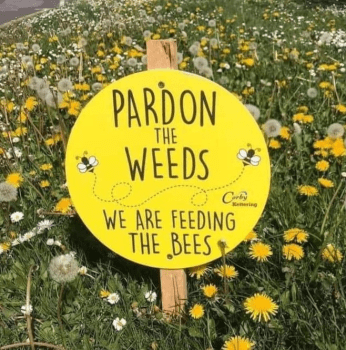


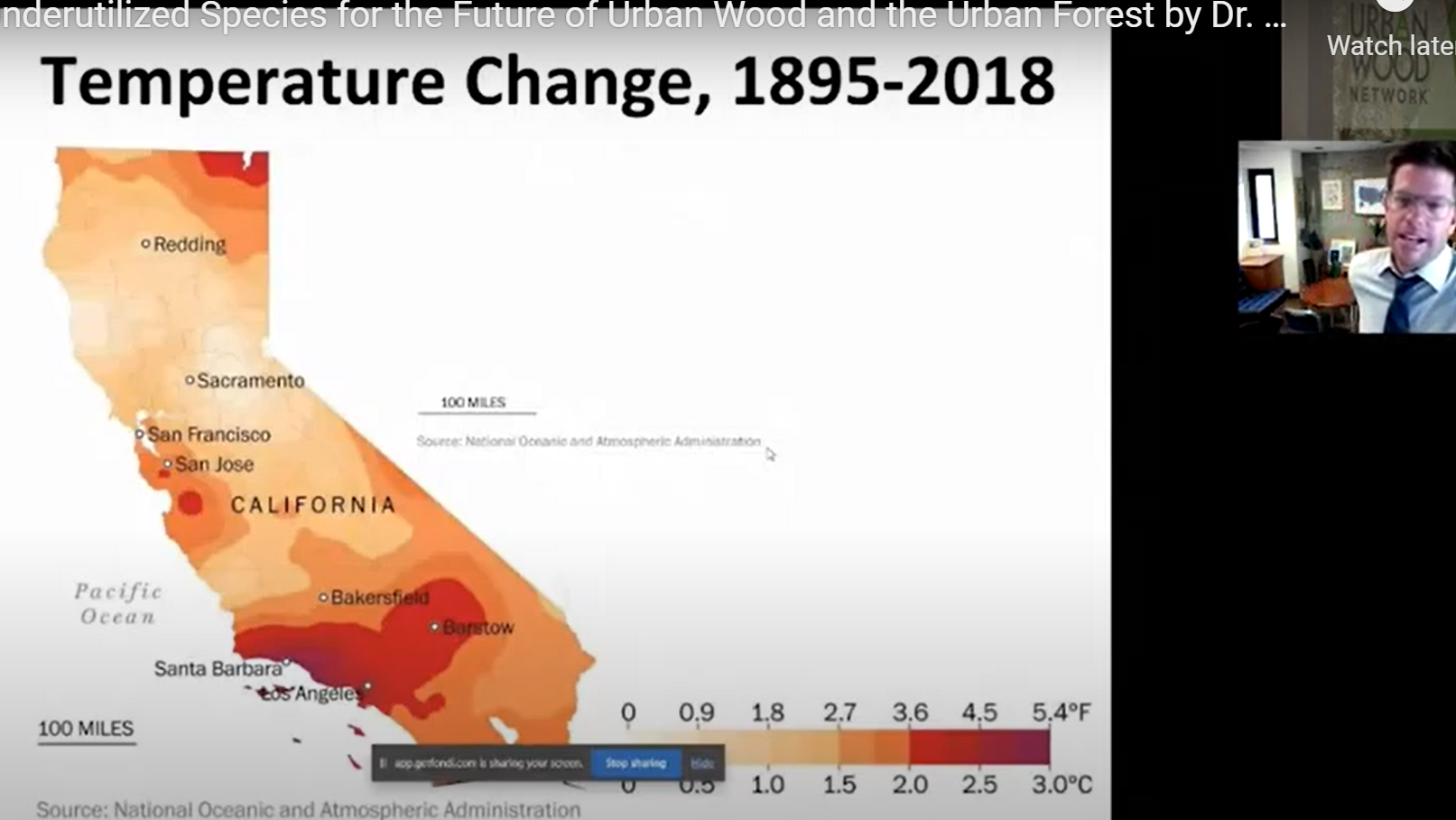
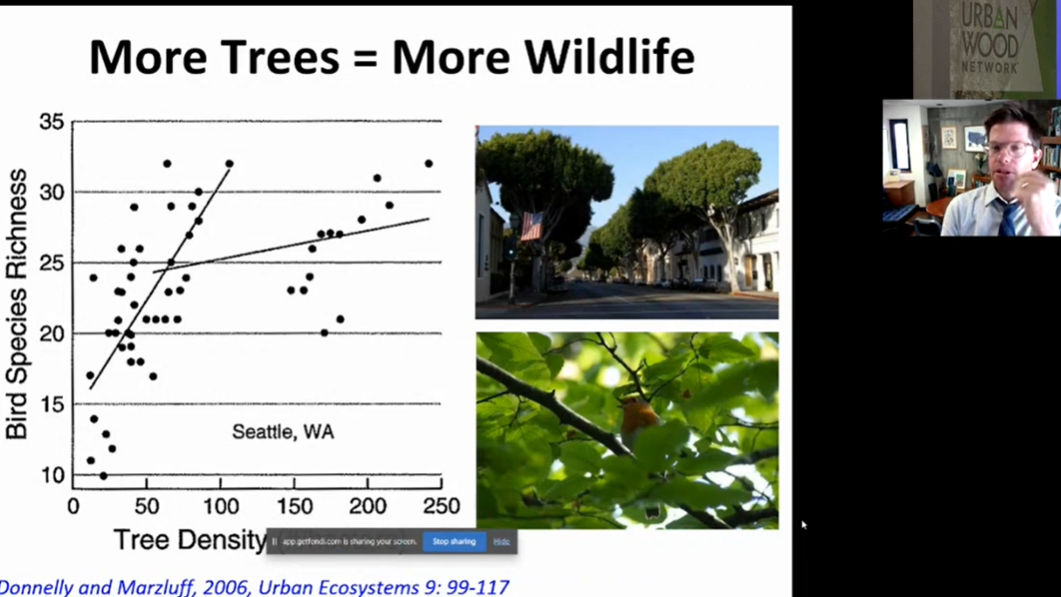
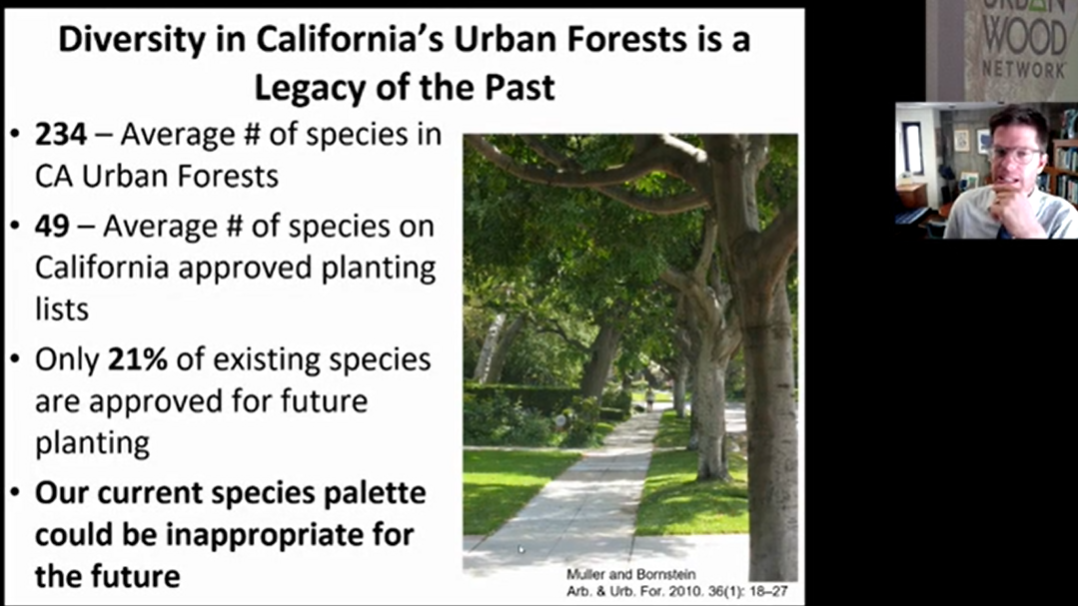
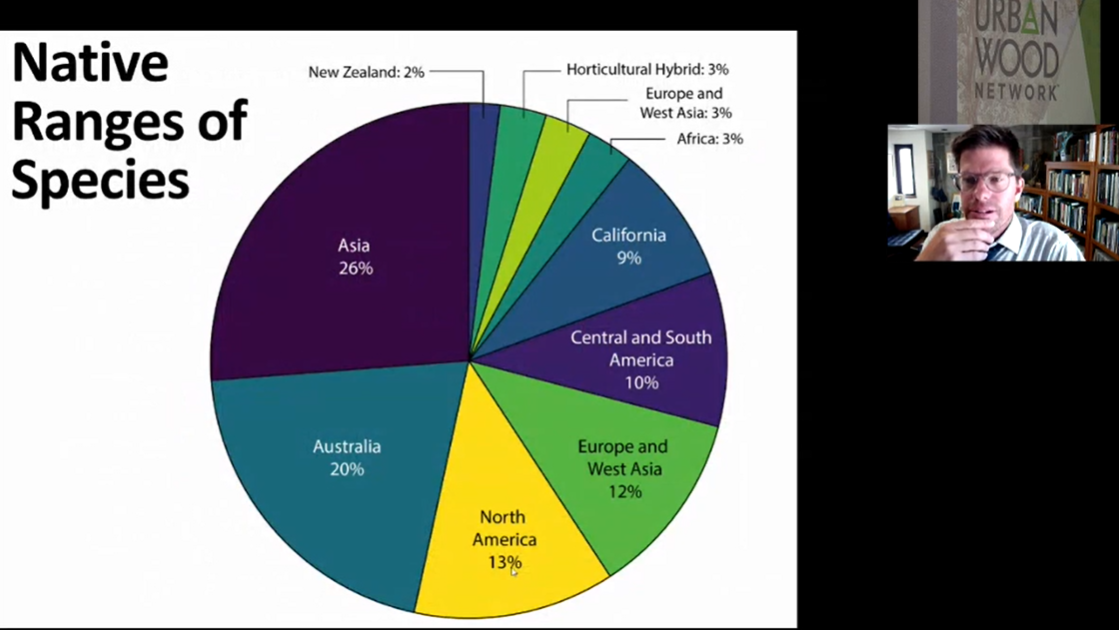
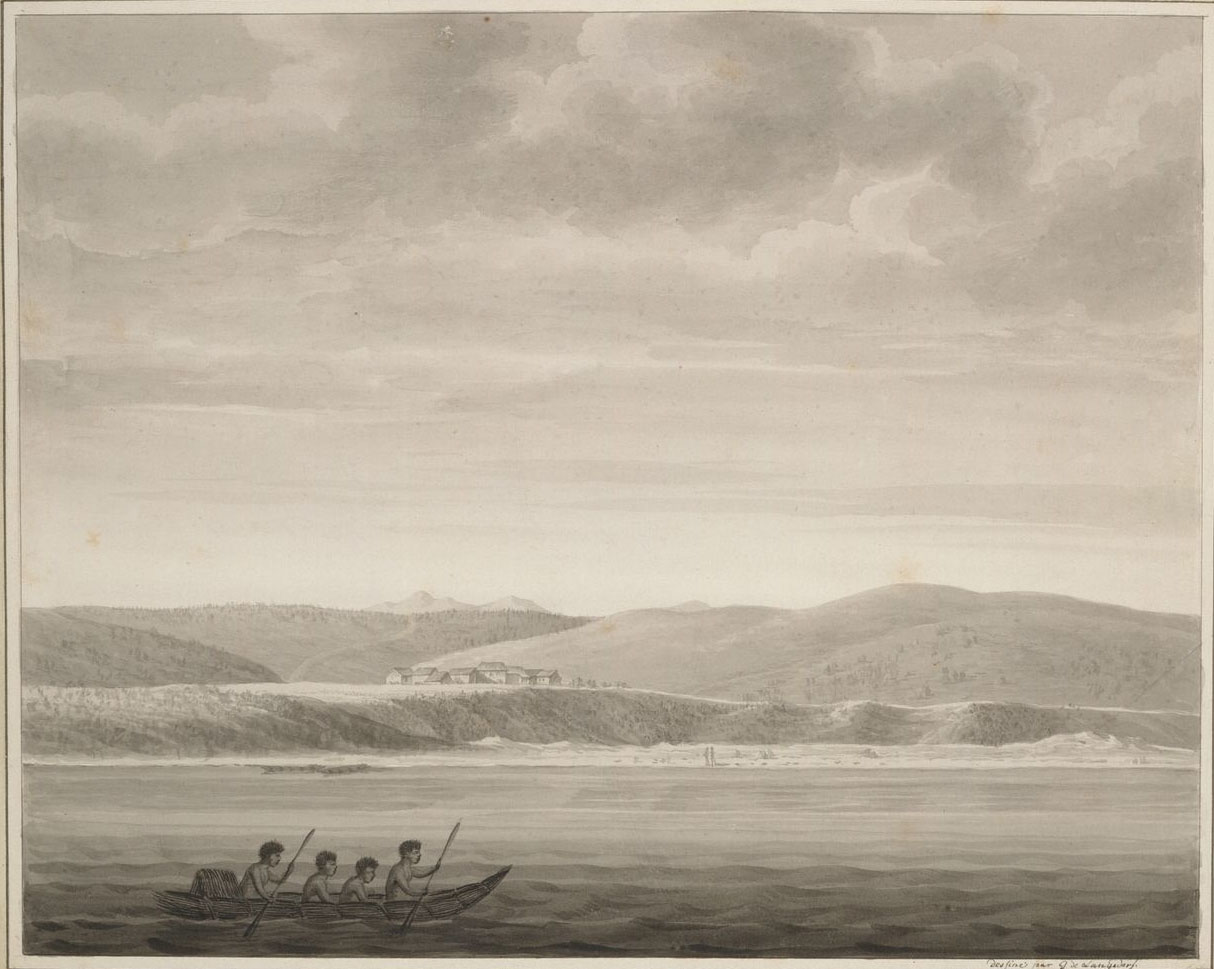



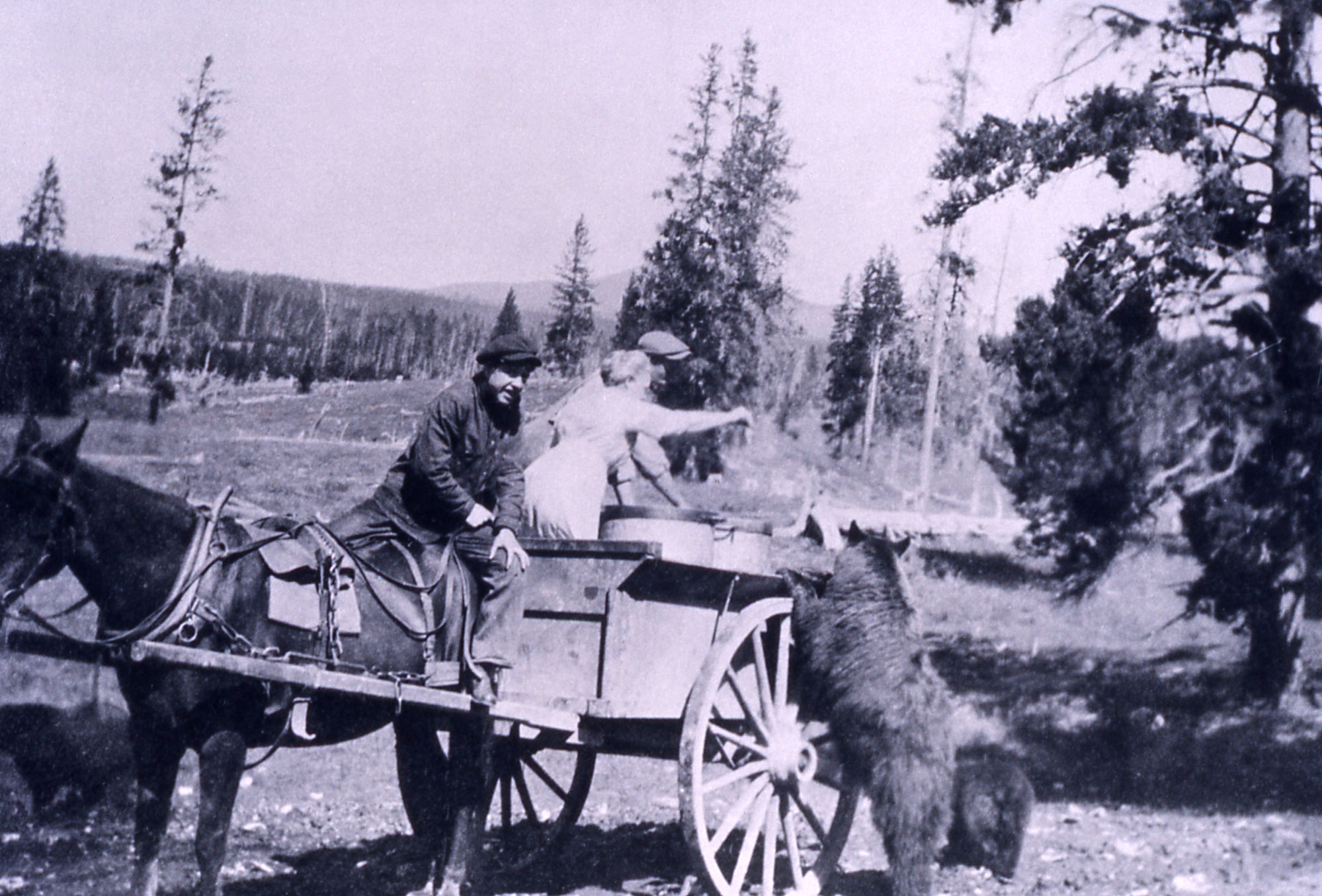


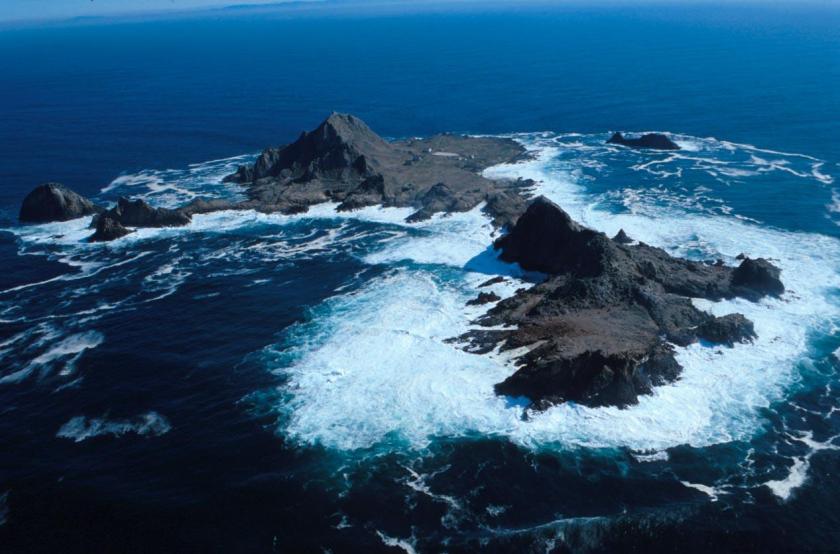

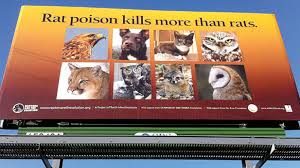
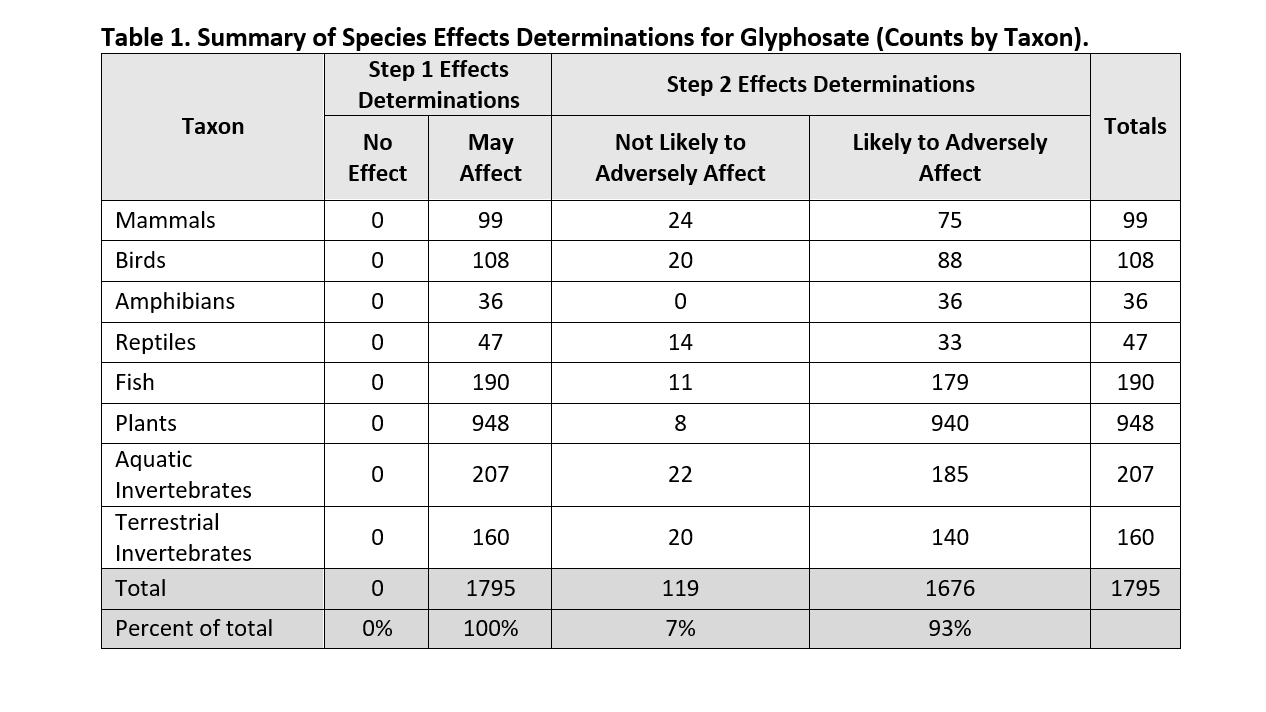
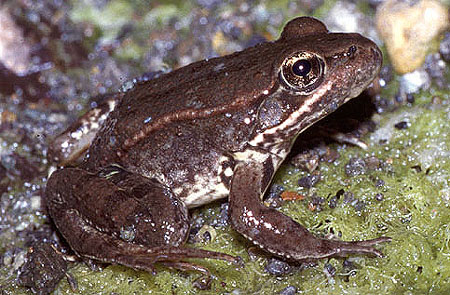
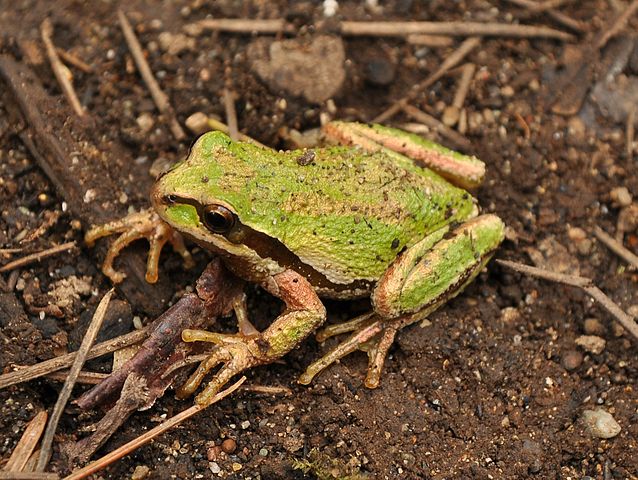


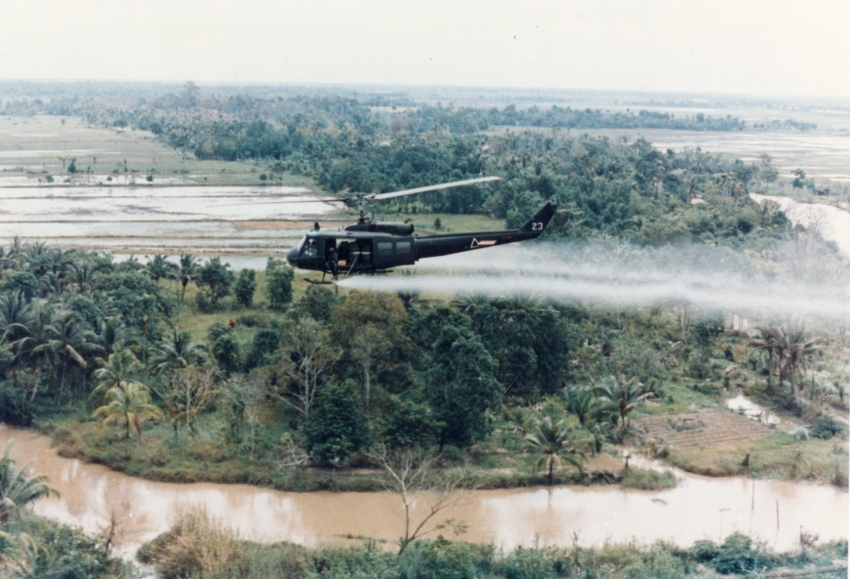
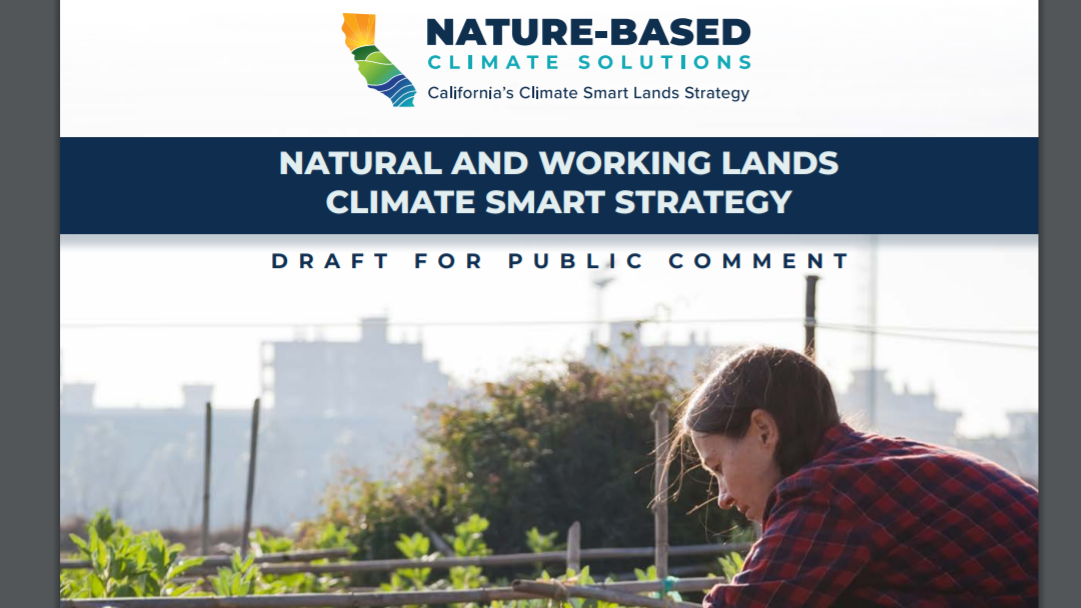

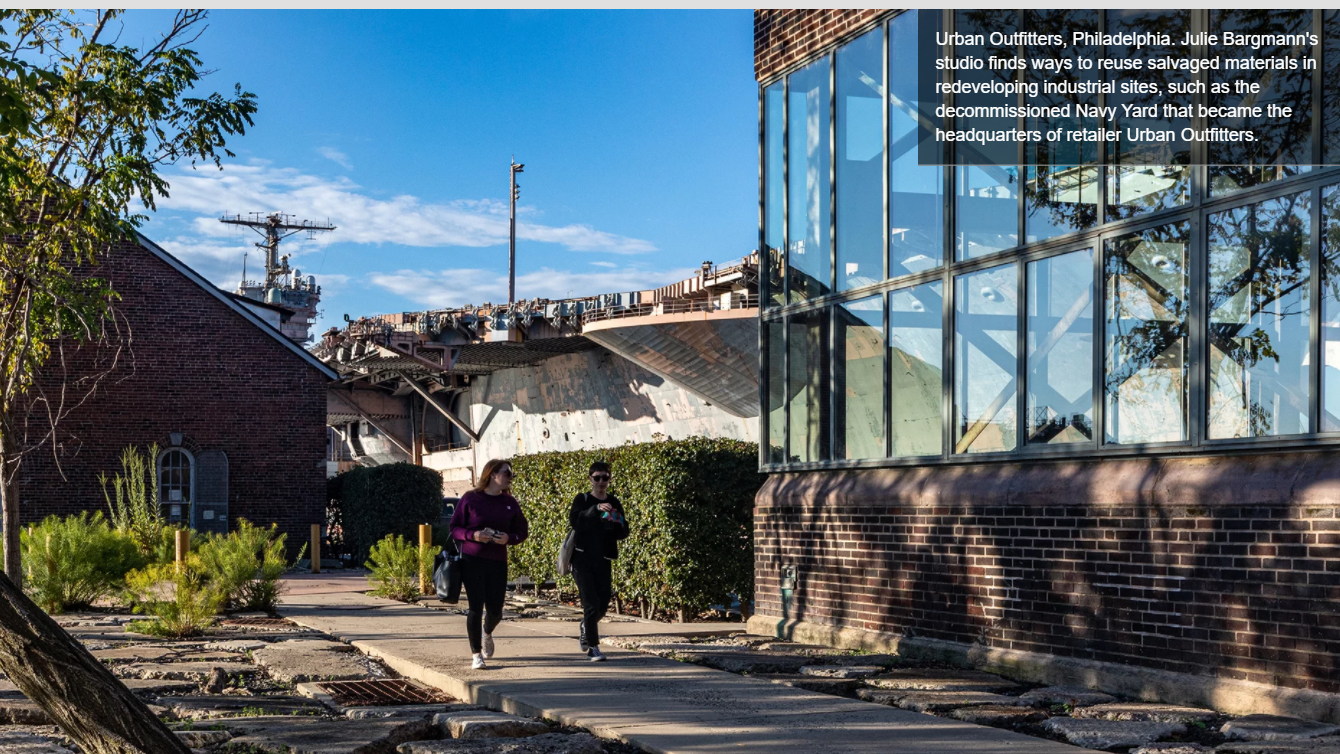
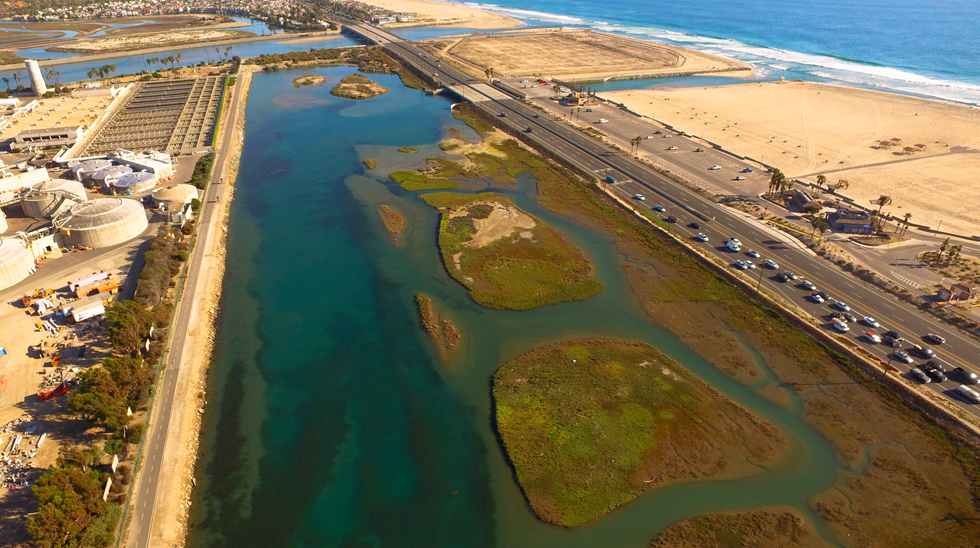
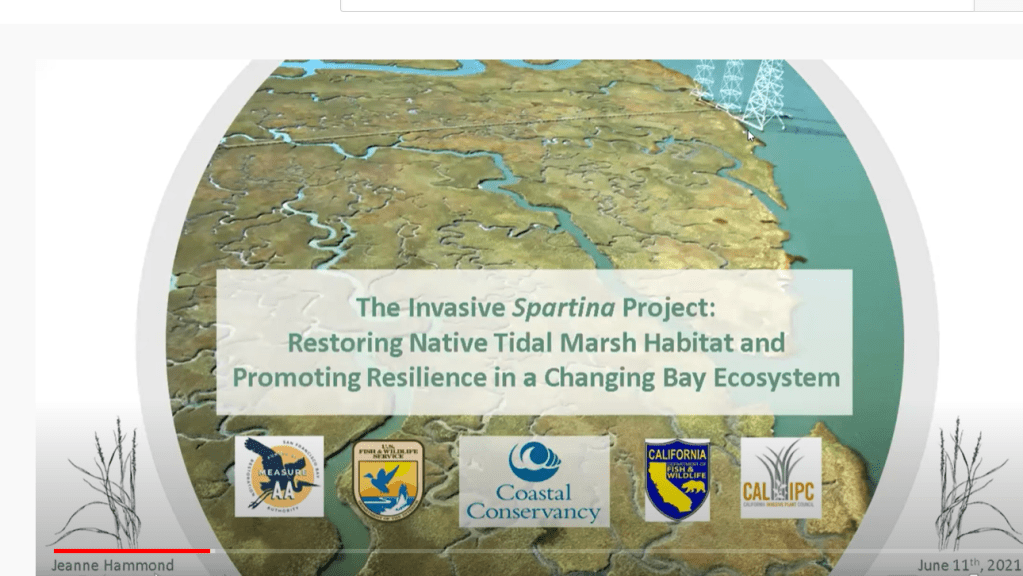
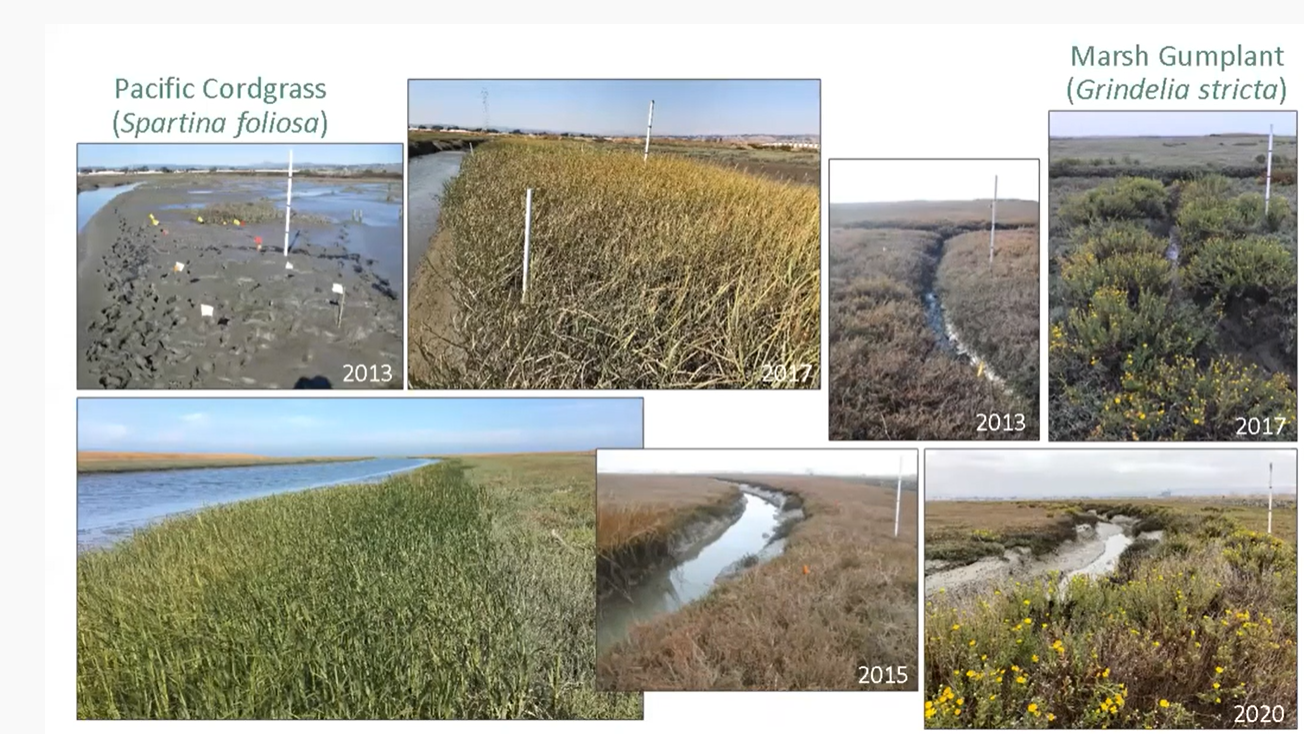
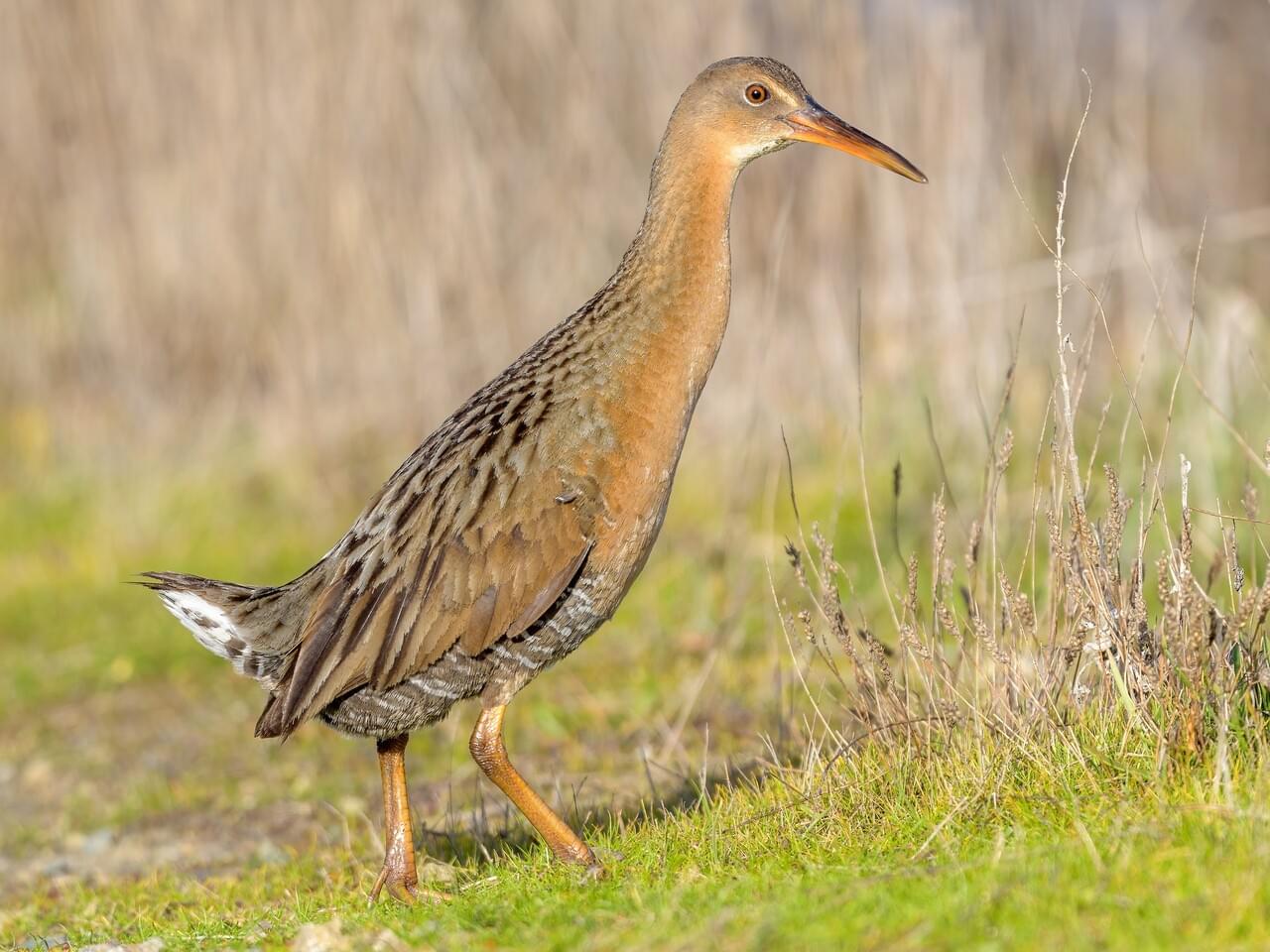
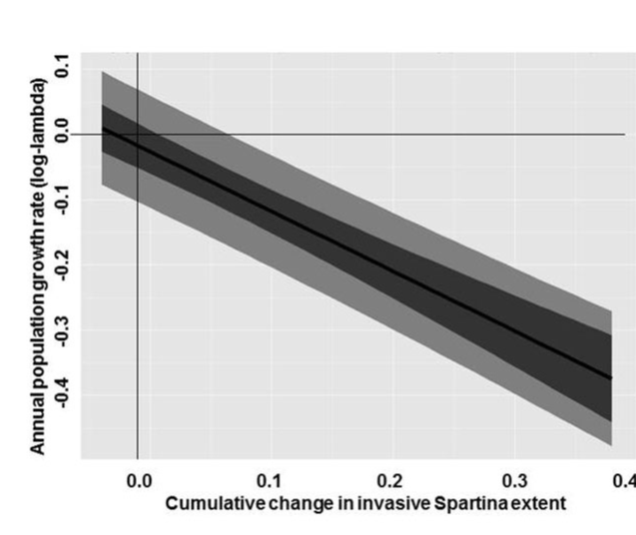

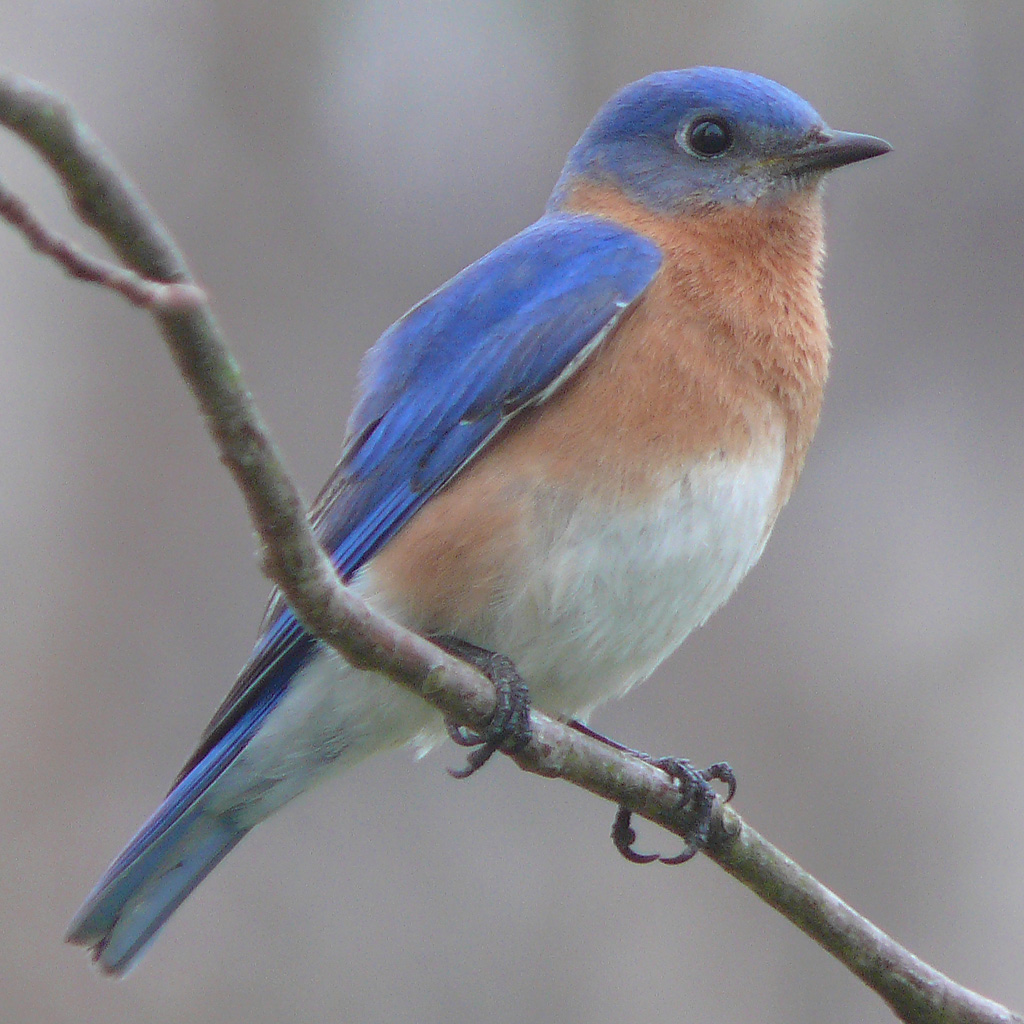
 Conservation Sense and Nonsense