I am publishing my letter to the Albany City Council about the City’s plans to destroy most of the eucalyptus forest on Albany Hill. I am publishing it in three segments because it is long. The first segment explained why it is not necessary to destroy the forest. The second segment explained the consequences of destroying the forest. The third and final segment explains why it is unlikely that the forest can be replaced by native trees.
Now you have my version of the full story. If this is a place or an issue you care about, please consider writing a letter of your own to the City Council of the City of Albany.
Conservation Sense and Nonsense
Albany Hill. Source: Google Earth
December 5, 2022
Albany City Council 1000 San Pablo Ave. Albany, CA 94706
Dear Albany City Council:
SEE Part I and Part II of Appealing to the City of Albany to save its eucalyptus forest. Part III is the concluding segment:
The uncertain fate of monarchs on Albany Hill is a suitable introduction to my final issue. The proposed plans for Albany Hill claim the destroyed eucalyptus forest will be replaced by new trees. I will explain why it is unlikely that the eucalyptus forest can be replaced by another forest. Plans for a newly planted forest are described in various ways, some of which seem contradictory:
“[Margot] Cunningham’s [Albany’s Natural Areas Coordinator] team is pursuing grants to cut down most of the blue gums and plant the city’s side of the hill with a mix of native species and more drought tolerant trees for monarchs to roost.” (1)
“WHEREAS, the City is investigating consultants to design a plan to remove eucalyptus in a way that retains and restores more fire-resilient native plant communities and minimizes soil disturbance and soil erosion.” (2)
“More droughty Eucalyptus species can be planted to preserve the butterfly habitat.” (3)
“This plan will include but is not limited to: plantings of other tall trees in areas of the hill where monarchs have traditionally clustered; survey of the existing native understory which will be allowed to grow after eucalyptus removal; and analysis and design of additional plants of Albany Hill-sourced native plants.” (4)
Somehow, this diverse, drought-tolerant, fire-resilient, tall, native (with droughty eucalyptus species?) forest is expected to survive without irrigation: “If drought-tolerant tree species are planted as seedlings, in the fall with sufficient planting site preparation and adequate rain fall, minimal if any irrigation will be required.” (5)When predicting the fate of the existing eucalyptus forest, the plans assume that the drought will continue. When predicting the fate of a replacement forest, the plans assume that the drought will end.
Most public land managers irrigate newly planted trees (whether native or non-native) for at least 3 years. Established trees rarely require irrigation to survive because they have extensive root systems that have better access to moisture in the soil than newly planted trees without extensive root systems. Tree species that are drought-tolerant when mature trees, require irrigation as they grow their root systems. Replacing healthy trees that don’t require irrigation with new trees that require irrigation seems an unwise choice in the middle of an extreme drought.
The City of Albany should have learned that lesson when they built Peggy Thomsen Pierce Street Park at the western foot of Albany Hill. Only native trees were planted in that park. They weren’t irrigated. Five years after the park opened in 2017, most of the trees are dead (see below):
Peggy Thomsen Pierce Street Park, November 2022. Conservation Sense and Nonsense
The City of Albany’s list of approved street trees is a valuable source of information about what tree species are capable of growing in Albany. A tree species that cannot survive conditions for street trees is also unlikely to survive on the ridgeline of Albany Hill, where wind conditions are extreme and there is little moisture. There are about 65 tree species approved for planting as street trees in Albany. Five are native to California, but only three are native to the Bay Area. Native big leaf maples are said to be “in decline.” Buckeyes aren’t suitable street trees, but may be suitable for open space. None of the listed native trees are suitable monarch habitat for a variety of reasons: canopy too dense to provide sufficient sunshine; deciduous therefore bare in winter; short stature, etc.
Historically, areas on Albany Hill that are now forested with eucalyptus were treeless because native trees are not adapted to the challenging climate conditions. If the eucalyptus forest on Albany Hill is destroyed, Albany Hill is likely to be treeless again. That is the horticultural reality of Albany Hill.
In conclusion:
It is not necessary to destroy the eucalyptus forest on Albany Hill because it is not dead.
Destroying the eucalyptus forest on Albany Hill will increase fire hazards and safety hazards.
Destroying the eucalyptus forest will destroy habitat of monarch butterflies.
Plans to replace the eucalyptus forest with native trees are unrealistic.
Please consider reinstating the 2012 Albany Hill Creekside Master Plan. It is still a good plan that will not do unnecessary damage to Albany Hill and its human and animal visitors.
cc: Albany Fire Chief Albany Natural Areas Coordinator Albany Urban Forester Creekside Science
Update: Shortly after I sent my letter to officials of the City of Albany about their plans to destroy most eucalyptus on Albany Hill, they revised their plans because of two updated reports that were done in November and December 2022. Basically, they no longer plan to destroy most eucalyptus on Albany Hill for two main reasons:
Eucalyptus trees are the overwintering habitat of monarch butterflies. They cannot be replaced by native trees of short stature without the open canopy that filters sunlight but also provides a windbreak the monarchs need.
Epicormic sprouts on the eucalyptus trees indicate they are recovering from drought and are expected to survive and eventually replace their canopies.
These are the sources of information that corroborate my brief summary of the main reasons Albany is no longer planning to destroy most eucalyptus trees on Albany Hill:
They still intend to remove dead trees to reduce fuel loads, to which I have no objection. Some dead eucalyptus may be replaced with more drought tolerant species of eucalyptus from Western Australia.
To be clear, I don’t think my letter about their original plans for Albany Hill were influential in their revising their plans. My letter is consistent with the advice they received from an ecologist with expertise in monarch butterflies and a consultant in fuels management. Credit belongs to the preference of monarchs for eucalyptus and to eucalyptus for being indestructible.
Resolution No. 2021-105. A resolution of the Albany City Council, authorizing the appropriation of funds to the Albany Hill Eucalyptus Project in the amount of $100,000
I am publishing my letter to the Albany City Council about the City’s plans to destroy most of the eucalyptus forest on Albany Hill. I will publish it in three segments because it is long. The first segment explains why it is not necessary to destroy the forest. The second segment will explain the consequences of destroying the forest. The final segment will explain why it is unlikely that the forest can be replaced by native trees.
Conservation Sense and Nonsense
Albany Hill. Source: Google Earth
December 5, 2022
Albany City Council 1000 San Pablo Ave Albany, CA 94707
RE: Albany Hill Eucalyptus Project
Dear Albany City Council:
I have a sentimental attachment to the City of Albany because I lived there for 5 years at the beginning of my marriage. We still enjoy regular visits to the city’s beauty spots of Albany Hill and the Albany Bulb, as well as Albany’s great restaurants.
As you know, many public land managers have destroyed eucalyptus trees, but the City of Albany was not planning to destroy the eucalyptus forest on Albany Hill until recently. According to the 2012 “Albany Hill Creekside Master Plan,” the eucalyptus forest would be “phased out” slowly over time by removing hazardous trees as necessary to ensure public safety, removing new seedlings where the forest interfaces with native oak woodland, and not replacing trees that die of old age. I expressed my support for this approach to management of the eucalyptus forest on Albany Hill on my website, Conservation Sense and Nonsense.
The recently published Bay Nature article about Albany Hill alerted me to Albany’s new plans to destroy most of the eucalyptus forest on Albany Hill. I’ve studied the documents about these new plans and I’m writing to express my reservations about the feasibility of the plans. I ask for your consideration of these concerns:
Is it necessary to destroy the eucalyptus forest on Albany Hill?
What are the consequences of destroying the eucalyptus forest?
Is it possible to replace the eucalyptus forest with native trees?
All plants and trees in California are showing signs of drought stress and many are dead because of drought stress, especially in unirrigated parks and open spaces. Eucalyptus trees are not immune to drought stress, although they are coping better than some species that require more water, such as redwood trees.
Native Madrone, north side of Cerritos Creek, 2013. Conservation Sense and Nonsense
SAME Native Madrone on north side of Cerritos Creek is now dead, November 2022. Conservation Sense and Nonsense.
According to the San Francisco Chronicle, over 160 million native conifers have been killed by bark beetles in California’s Sierra Nevada in the past 10 years. As the climate continues to warm, bark beetles are moving north and west into coastal counties. The worst outbreak has been in Lake County, followed by Napa County. 15-25% of conifers on the east side of Napa Valley are dead. Drought conditions are so extreme that oaks are succumbing to drought stress: “That’s how you know things are kind of really bad, when you see oaks succumb to drought stress.’”
Plans to destroy most eucalyptus on Albany Hill are based on observed die-back of the eucalyptus tree canopy. The trees were studied by Matteo Garbelotto’s pathology lab at UC Berkeley. Their report described the impact of the infection:“First, symptoms observed in Eucalyptus were more markedly limited to the foliage and twigs. Leaf blight and twig necrosis were the only symptoms common across all the six areas surveyed and sampled. Branch and stem cankers, wood discoloration and fungal mats were present, but generally were site-specific or shared by trees only in 2 or 3 cases. Extensive heartrot (i.e. decay of the stem core) was not observed in any tree, although, some wood decay was observed both at the base of stems and on branches.”
The City of Albany’s application for a grant from the California Coastal Conservancy assumes that the eucalyptus trees will never recover: “The scientific analysis…determined the trees were in irreversible decline due to drought stress and resulting vulnerability of pathogen attack…” Since all unirrigated trees and plants are showing the same signs of stress, such a verdict would obligate us to destroy most trees in our open space. Given the remarkable regenerative abilities of eucalyptus, they are more likely to survive than most tree species.
Top of Albany Hill, 2015. Conservation Sense and Nonsense
Top of Albany Hill, November 2022. The tops of the canopy are a little thinner than they were in 2015, but not significantly. Conservation Sense and Nonsense
These symptoms were caused by a fungus that infects most eucalyptus in California. The fungus does not usually cause visible damage. Damage is now visible because the trees are stressed by drought. The situation is similar to the death of native conifers in California; native bark beetles have always been present but are now capable of killing the conifers because the trees are weakened by drought. The difference is that it’s not clear the fungus is capable of killing eucalyptus.
Eucalyptus has remarkable regenerative ability to resprout after it has been cut down or burned. One of the goals of the proposed project is a “fire-resilient” ecosystem, which suggests a landscape that is capable of recovering from the inevitable wildfires in a Mediterranean climate. In fact, eucalyptus is a fire-resilient tree species because it resprouts after it is burned. When it is under stress, it drops mature leaves and recovers by producing epicormic sprouts. Eucalyptus trees on the top of Albany Hill are covered in epicormic sprouts, which indicate the trees are not dead and they are trying to recover. Albany’s plans to destroy most of the eucalyptus forest on Albany Hill is based on the mistaken assumption that the trees will eventually die. That is an assumption that is not consistent with the present status of the trees on Albany Hill or with comparable situations in the Bay Area.
Part II of my letter to the Albany City Council will be published tomorrow. Part II will describe the negative consequences of destroying the eucalyptus forest on the top of Albany Hill. Please visit again tomorrow for the next segment of my letter to the Albany City Council. Thank you for your visit today.
Update: Shortly after I sent my letter to officials of the City of Albany about their plans to destroy most eucalyptus on Albany Hill, they revised their plans because of two updated reports that were done in November and December 2022. Basically, they no longer plan to destroy most eucalyptus on Albany Hill for two main reasons:
Eucalyptus trees are the overwintering habitat of monarch butterflies. They cannot be replaced by native trees of short stature without the open canopy that filters sunlight but also provides a windbreak the monarchs need.
Epicormic sprouts on the eucalyptus trees indicate they are recovering from drought and are expected to survive and eventually replace their canopies.
These are the sources of information that corroborate my brief summary of the main reasons Albany is no longer planning to destroy most eucalyptus trees on Albany Hill:
They still intend to remove dead trees to reduce fuel loads, to which I have no objection. Some dead eucalyptus may be replaced with more drought tolerant species of eucalyptus from Western Australia.
To be clear, I don’t think my letter about their original plans for Albany Hill were influential in their revising their plans. My letter is consistent with the advice they received from an ecologist with expertise in monarch butterflies and a consultant in fuels management. Credit belongs to the preference of monarchs for eucalyptus and to eucalyptus for being indestructible.
I have attended the annual symposiums of the California Invasive Plant Council (Cal-IPC) for 5 years. I have always learned something new and the most recent symposium in November 2022 was no exception. This year there was a lot of important information about herbicides that are widely used to eradicate non-native plants.
Several presentations reviewed the California laws that regulate pesticide use in California. (Slides for one of those presentations are available HERE.) The laws are designed to reduce risks of exposure to both applicators and the public.
The presentations emphasized the importance of legally mandated personal protective equipment (PPE) for applicators. The minimum PPE required by California law is protective eyewear and chemically resistant gloves:
Source: 2022 Cal-IPC Symposium
The toxicity of pesticides is rated by federal law as “Caution,” “Warning,” or “Danger,” with “Danger” indicating the most toxic and “Caution” the least toxic. These ratings are defined as signal words. Signal words of “Warning” or “Danger” require the applicator to also wear protective coveralls, in addition to protective eyewear and gloves.
Other types of PPE may be required by the product label, shown in this picture:
Source: 2022 Cal-IPC Symposium
Comparing the toxicity of organic and synthetic herbicides
Signal words can be used to compare the acute toxicity of different products. For example, the signal word on glyphosate products is “Caution,” indicating that it is considered less acutely toxic than other herbicides with higher toxicity ratings of “Warning” or “Danger.” Signal words are not a measure of long-term health damage of pesticides, such as cancer or kidney damage. Epidemiological studies of long-term health effects of pesticides are hotly disputed and are usually dismissed by the manufacturers of pesticides.
When glyphosate products were rated as a “probable human carcinogen” by the World Health Organization and tens of thousands of product liability lawsuits were filed by users of glyphosate products with cancer, there was a public backlash against the use of glyphosate partly because it is the most widely used herbicide on the market. Glyphosate is found in most of our food and in the urine of most people. The health damage done by glyphosate is the result of 40 years of widespread use by agriculture. Glyphosate’s “Caution” signal word does not reflect the long-term effects of its use.
What is the difference between synthetic and organic pesticides? In general, organic products are derived strictly from sources in nature with little or no chemical alteration. Synthetic pesticides are products that are produced from chemical alteration.
Are organic pesticides less toxic than synthetic pesticides? The general public tends to assume that organic pesticides are less toxic than synthetic pesticides, such as glyphosate. Based on the signal words the EPA assigns to pesticides to evaluate toxicity, organic pesticides are not necessarily less toxic than some synthetic pesticides. Remember the signal words are “Danger” (the most toxic), “Warning,” and “Caution” (the least toxic.)
Several presentations at the Cal-IPC conference compared the toxicity of organic and synthetic pesticides, using signal words as a proxy for toxicity. This is a slide from one of the presentations:
I also compared the signal words of the organic products used by Marin County and East Bay Regional Park District. Although they are using some organic products not evaluated by the presentation at the Cal-IPC Symposium, many of the organic products they are using have a “Warning” signal word, which means the EPA considers them more toxic than glyphosate.
Clearly organic herbicides are not necessarily less toxic than synthetic herbicides and many organic herbicides are more toxic than glyphosate.
Comparing the efficacy of organic and synthetic herbicides
Here are the results of the field trial (one organic herbicide was removed from the field trial when glyphosate was reported as an undisclosed ingredient in the product):
WeedZap and Fireworxx are the organic herbicides used in the field trial. The organic herbicides used in the field trial were found to be less effective than synthetic herbicides considered equally toxic.
“Organic herbicides kill weeds that have emerged but have no residual activity on those emerging subsequently. Further, while these herbicides can burn back the tops of perennial weeds, perennial weeds recover quickly.”
“These organic products are effective in controlling weeds when the weeds are small but are less effective on older plants.” The organic herbicides were significantly less effective when weeds were more than 12 days old.
“…broadleaf weeds were easier to control [with organic herbicides] than grassy weeds.”
Comparing the cost of organic and synthetic herbicides
The field study comparing organic and synthetic herbicides also compared the costs of these different product types:
In other words, organic herbicides are considerably more expensive than synthetic herbicides.
The publication of the UC Nursery and Floriculture Alliance agrees: organic herbicides “are expensive and may not be affordable…Moreover, because these materials lack residual activity, repeat applications will be needed to control perennial weeds or new flushes of weed seedlings.”
Clearly, organic herbicides are not a substitute for synthetic herbicides because they are not less toxic, not as effective, and are very expensive. Cal-IPC considers that assessment of organic herbicides a justification for continued use of synthetic herbicides. I consider it an argument for declaring a truce in the war on “invasive” species. We have waged that war for over 30 years. We have not won that war. In fact, we lose ground every year. We have done more damage to the environment with our chemicals than the “invasive” species did. We have reached a dead end.
Herbicides and Climate Change
The most valuable lesson I learned at the Cal-IPC Symposium was that climate change is making herbicides less effective. Higher temperatures and higher levels of CO₂ are reducing the effectiveness of herbicides. This revelation was mentioned only briefly in a presentation by Regional Invasive Species and Climate Change (RISCC) Management Networks. A search of the scientific literature substantiated that revelation:
”Herbicide effectiveness in controlling invasive plants under elevated CO2: Sufficient evidence to rethink weeds management:” “We found that responses of the weed species to herbicide under elevated CO2 were species-specific… However, the C3 [cool season] grasses tended to be the most sensitive to herbicide application followed by the herbs and C4 [warm/hot season] grasses while shrubs and vines demonstrated the highest resistance. Our results highlight the need for broader testing to determine the species most likely to exhibit increased tolerance to herbicide in the future in order to improve management options beforehand and thus offset a future liability.”
These studies are just a small selection of the studies that respond to a search for “impact of heat and CO₂ levels on herbicide efficacy.” They all point to yet another reason why the chemical crusade on introduced plants is a dead end.
Climate change is a reality and it is here to stay. Climate change has changed the ranges of where native plants can survive and it has made it impossible to destroy the non-native plants that are capable of surviving in the changed climate. Switching from one poison to another will not overcome the forces of evolution, which dictate that vegetation changes when the climate changes.
The California Native Plant Society (CNPS) held a conference in October for the first time since 2018. There were two main themes of the conference:
Money: The State of California is making a huge investment in the environment with many interrelated goals:
“30 X 30” is shorthand for the goal of protecting 30% of California’s land and coastal waters by 2030.
Developing “nature-based solutions” to address the threats of climate change.
Vegetation and forest management to reduce wildfire hazards.
Protecting and enhancing California’s biodiversity.
Fire: The frequency and intensity of wildfire is of concern to all Californians, but the California Native Society has a particular interest in fire because it is viewed as a tool to enhance native plant abundance and control the spread of non-native plants that outcompete native plants.
Money
If attendance were the sole measure of success, the conference was a resounding success. The conference was sold out with record-breaking attendance of 1,200 people. That’s a 50% increase in attendance since 2018, when 800 people attended. People came to learn about the many opportunities for public funding of their “restoration” projects and they were not disappointed.
Jennifer Norris, Deputy Secretary for Biodiversity and Habitat for the California Natural Resources Agency (CNRA) was one of the keynote speakers. She and many other staff of CNRA made presentations at the conference to inform the community of native plant advocates about the many new opportunities to obtain grants for their projects. This slide (below) shown at the conference, itemized by state agencies the $1.631 Billion budget for just the 30 X 30 portion of the CNRA’s environmental grant programs. It does not include Cal-Fire funding for forestry projects to reduce wildfire hazards and address climate change. Nor does it include $10 million of new funding for Weed Management Areas, which funds projects that attempt to eradicate non-native plants and $10 million of new funding for the state council for invasive species. State funding is also supplemented by new federal funding in support of a national goal of achieving 30 X 30.
But money isn’t the only element of this state program that native plant advocates are excited about. They have also been gifted a three-year moratorium on requirements for Environmental Impact Reports for their projects. There will therefore be no requirements for a public process to review plans and comment on them.
An anxious applicant for state grant funding asked a speaker representing the Wildlife Conservation Board about a rumor that projects using herbicides would not be funded. The speaker’s reassuring answer was, “We are not rejecting projects using herbicides.” Applicants are being asked to complete a questionnaire about herbicides they plan to use, but the speaker was quick to add, “We have not rejected any [such applications] so far.” She assured the audience that “You are all careful” in your use of herbicides.
Huge buckets of money are being distributed with no restrictions on the use of herbicides and no vetting process such as an environmental impact review with opportunities for the public to comment. It seems inevitable that some of the projects will unintentionally do more harm than good, and the public will have nothing to say about which projects are funded.
Fire
Alexii Sigona was the first keynote speaker for the conference. He is a member of the Amah Mutsun-Ohlone Tribal Band (not a federally recognized tribe) and a Ph.D. candidate at UC Berkeley in the Department of Environmental Science. He explained that there are 600 recognized members of the Amah Mutsun Band in a wide region around Pescadero, Hollister, and San Juan Bautista. They collaborate with organizations such as CNPS because they don’t have the resources to manage their ancestral tribal lands. He described some of the projects they engage in:
Landscape scale removal of “invasive” plants.
Plug planting of 120,000 native grass plants.
Creating “native hedgerows” for food sources.
Removal of native Douglas Firs “encroaching” on grassland. They have removed 5,000 native Douglas fir trees. He acknowledged that this project caused some concern about erosion and aesthetics. Removal of native Douglas fir was mentioned by several other speakers during the conference. It is an example of the preference of native plant advocates for grassland because it is the pre-settlement vegetation. Native coyote brush is another target of eradication projects that attempt to prevent natural succession of grassland to other vegetation types.
There is great interest among native plant advocates in the land management practices of Native Americans because controlled burns were Native Americans’ most important tool to maintain grassland species needed for food and for their prey. Controlled burns are important to native plant advocates because they believe they are beneficial to native plants and help to control non-native plants. Prescribed burns are also currently popular with many public land managers and they are the current fad among many fire scientists.
Two presentations at the conference suggest that prescribed burns are not compatible with the preservation of native chaparral, nor are they capable of converting non-native grassland to native grassland.
This (above) is the concluding slide of Jon E. Keeley’s presentation. Dr. Keeley is a respected fire scientist with US Geological Service with expertise in chaparral species. He explained that 60% of native chaparral species (notably manzanita and ceanothus) are obligate seeders that do not resprout after fire and therefore depend on the existence of their dormant seed bank for regeneration. In recent decades the fire interval in chaparral has decreased due to climate change and associated drought. In many places, the fire interval has become too short to establish the seed bank needed for regeneration. In those places Dr. Keeley has observed vegetation type conversion to non-native annual grasses.
Dr. Keeley Is concerned that vegetation type conversion from forests in some cases and shrublands in others to non-native annual grassland may be the result of shortening fire intervals further “because of the upsurge in state and federal programs to utilize prescription burning to reduce fire hazard.” (1) This concern extends to some conifer species that do not resprout. Some are serotinous conifers whose cones are sealed shut and do not release their seeds in the absence of fire.
This is a familiar theme for much of Dr. Keeley’s research. He asks that land managers balance the conflicting goals of resource management and fire hazard reduction.
This (above) is the concluding slide (sorry for the poor quality of my photo) of a presentation about a 20-year effort at the Santa Rosa Plateau Ecological Reserve to convert non-native annual grassland to native grassland, using annual (sometimes bi-annual) prescribed burns. Many different methods were used, varying timing, intensity, etc. The abstract for this presentation reports failure of the 20-year effort: “Non-native grass cover significantly decreased after prescribed fire but recovered to pre-fire cover or higher one year after fire. Native grass cover decreased after prescribed fire then recovered to pre-burn levels within five years, but never increased over time. The response of native grass to fire (wild and prescribed) was different across time and within management units, but overall native grass declined.” (1)
The audience was audibly unhappy with this presentation. One person asked if the speaker was aware of other places where non-native grass was successfully converted to native grass. The speaker chuckled and emphatically said, “NO. I am not aware of any place where native grasses were successfully reintroduced.”
Another questioner prefaced her question with the admission that “I’m new here and all this is new to me.” Then she suggested that Native Americans are having some success using prescribed fire and that they should be consulted. The speaker graciously replied that she planned to do so.
Keep in mind that Native Americans weren’t historically using prescribed fire to convert annual grasses to native grasses. Their burns were intended to maintain native grassland in the absence of competing non-native annual grassland. Their objectives were different and they were operating in a very different climate and environment.
Estimates of the pre-settlement population of Native Americans in Californiarange from 138,000 to 750,000. The population of Native Americans is estimated to have been reduced to as few as 25,000 after the arrival of Europeans due to disease and violence. There are now over 39 million Californians and only 630,000 of them were Native Americans in the 2020 census. Land management practices that are suitable for a population of less than 1 million seasonally migrating Californians are not necessarily suitable for a population of over 39 million sedentary Californians.
The futility of trying to eradicate non-native plants
The Invasive Spartina Project (ISP) is another 20-year eradication project that is doomed to failure. The presentation about the ISP was bravely made by Dr. Debra Ayres, one of the creators of the ISP in 1998. With intensive effort and hundreds of gallons of herbicide (imazapyr), non-native spartina marsh grass has been greatly reduced in the San Francisco Bay, but the hybrid of non-native S. alterniflora and native S. foliosa persists. Dr. Ayres explained why:
The spartina hybrid is reproductively stronger in every way than either of its parent species. Dr. Ayres predicts that the hybrid will eventually replace both of its parent species:
If the goal of this project was to eradicate non-native spartina, hybrid spartina will accomplish that goal. You might think that this prediction would end the futile attempt to eradicate the hybrid, but you would be wrong. There is no intention of abandoning this 20-year project. More funding is assured by the California Coastal Conservancy and the project continues to provide well-paid jobs.
Dr. Ayres ended her presentation with this enigmatic statement: “Evolution doesn’t stop just because we think it has to.”She seems to acknowledge that humans cannot stop evolution, yet she seems to recommend that we continue to try doing so. If those positions seem contradictory, that’s because they are. The bottom line is that as long as public funding continues to be available, this project will continue.
A central theme of the nativist agenda is the futile desire to prevent hybridization because it has the potential to replace a species considered “native.” They fail to understand that hybridization is an important evolutionary tool that helps plant and animal species adapt to changes in environmental conditions by favoring traits that are better adapted to new conditions. Humans cannot stop evolution, nor should we try.
San Francisco
I have a special interest in San Francisco because I lived there for nearly 30 years. The native plant movement is very strong in San Francisco and there were several presentations about the success of the movement at the conference.
Sunset Blvd being built on barren sand in 1931
One of the projects is trying to turn Sunset Blvd on the western side of San Francisco into a native plant garden. I lived in that district and am therefore familiar with Sunset Blvd as the major north-south traffic artery through the district. It is important as the only wind break in the windiest district of the city, which is only 13 short blocks from the ocean. The district is virtually treeless because of wind conditions and the pre-settlement landscape of barren sand. Sunset Blvd is therefore the oasis of the Sunset District. In the past, it was the only place to take a long walk in the shelter of the tall Monterey pines and cypress and tall-shrub understory. The lawn beneath the trees was the only place for children to play close to their homes.
San Francisco’s Department of Public Works (DPW) is responsible for maintaining the medians in San Francisco. It was therefore DPW’s responsibility to replace the wind break on Sunset Blvd that is dying of old age. That’s not what they chose to do. They are replacing the lawn with native shrubs and the tall trees with small native trees that won’t provide shelter from the wind.
The spokesperson for DPW acknowledged that the project is controversial. Neighbors of Sunset Blvd valued the sheltered recreational space provided by the 2.5 mile-long and wide median. Native plant advocates and their allies want to create a wildlife corridor through the western edge of the city. The spokesperson for DPW said that their plans are a compromise between these different viewpoints. I don’t know if the neighbors agree, but I can say that native plant advocates are thrilled with the new native plant gardens on Sunset Blvd based on their presentation at the CNPS conference.
Planting Sunset Blvd. with native plants, December 2020
Native plant advocates prevailed on Sunset Blvd because CNPS bought or raised all the native plants and provided volunteers to plant them and maintain them for 3 years. DPW couldn’t look their gift horse in the mouth. DPW hired 6 new gardeners to support maintenance of Sunset Blvd. This is an example of how the money that is flowing into such projects will transform many places into native plant gardens.
Sunset Blvd and Taraval, spring 2022
So, let’s look at the result of these projects. Presenters of these projects showed many beautiful pictures of newly planted native gardens on Sunset Blvd (above). The pictures were taken in spring, when native plants briefly flower. But that’s not what these places look like most of the year. They will look better if they are irrigated year-round, but that would defeat the purpose of replacing the lawn to reduce water usage. Unlike native plants, lawn turns brown during the dry season if it isn’t watered, but it is still functional as walkable ground.
Here’s what that garden at Sunset Blvd and Taraval looks like most of the year:
Sunset Blvd & Taraval, October 23, 2022
There was also a presentation by a spokesperson from San Francisco’s Public Utilities Commission (PUC) about the creation of rain gardens in San Francisco. San Francisco’s sewer system was built long ago when regulations did not require the separation of street run off from residential sewage. When it rains, the sewage treatment plant is overwhelmed by street run off. The sewage treatment plant releases untreated sewage and run off into the ocean, in violation of federal standards for water treatment.
Rain garden on Sunset Blvd as shown at the CNPS Conference
Rain Garden on Sunset Blvd in August 2022. They aren’t pretty year around.
The PUC is developing rain gardens to redirect street run off away from sewage treatment plants into the ground so that treatment plants are not overwhelmed during heavy rain. The San Francisco Chronicle recently reported that 151 rain gardens have been installed so far. It seems a very good idea, but native plant advocates are not happy with the rain gardens because the PUC has not made a commitment to plant exclusively native plants in the rain gardens. The audience pressured the speaker about this issue. He advised them to lobby the PUC to make a commitment to plant only native plants in the rain gardens. I have no doubt that they will take his advice. Given their influence and their access to public funding, I would be surprised if the PUC continues to resist their demands.
Conclusion
I have undoubtedly exhausted your patience, although there is much more I could tell you about, including several projects that look promising because they are exploring the importance of soil health to achieve successful results.
The conference themes in 2022 were consistent with the previous two conferences I have attended since 2015. This is my summary of the fundamental errors of the nativist agenda in the natural world. They are as apparent in 2022 as they were in 2015:
The futility of trying to eradicate non-native plants that are better adapted to current environmental conditions.
The futile and harmful attempts to prevent natural succession and hybridization.
The contradictory goals of fuels management and resource management.
The lack of understanding that vegetation changes when the climate changes. The ranges of native plants have changed and will continue to change. The pre-settlement landscape of the 18th century cannot be recreated.
The lack of understanding of the importance of soil health to ecological restoration and associated ignorance (or denial) of the damage that pesticides do to the soil.
(1) Abstracts for all presentations are available on the CNPS website.
“The way out of the depression and grief and guilt of the carbon cul-de-sac we have driven down is to contemplate the world without us. To know that the Earth, that life, will continue its evolutionary journey in all its mystery and wonder.” — Ben Rawlence in The Treeline
Ben Rawlence, the author of The Treeline: The Last Forest and the Future of Life on Earth, visited forests in Arctic regions to report the impact of climate change on forests and indigenous communities who inhabit those regions. The climate is changing more drastically and quickly in Arctic regions, compared to temperate regions because rapidly melting ice is no longer reflecting light back into the atmosphere. The dark ocean waters and forest canopy are absorbing heat, accelerating global warming. As ice retreats on land and melts into oceans, mosses and lichens grow on bared ground and the forest spreads northward aided by elevated levels of carbon dioxide, which increases photosynthesis, boosting plant growth.
Rawlence visited Arctic regions in Scotland, Norway, Siberia, Alaska, Canada, and Greenland. Source: CIA World Fact Book
As forests advance north, hybridization enables the selection of the species best adapted to the changed and rapidly changing conditions: “Sorbus are found all around the boreal region, from Scandinavia to Siberia, and everywhere have shown an ability to adapt by hybridizing vigorously. The capacity to hybridize is a survival strategy, a useful skill for the Anthropocene, and the rowan is a survivor par excellence.” (1)
While forests advance north, the southern edge of forests in northern latitudes is dying in the warming climate from drought, wildfires, insects and pathogens that are fostered by warmer temperatures. Where permafrost is melting in warming temperatures, trees are drowning in water. Boreal forests in Arctic regions are a pock-marked mosaic of dead and dying trees, burned skeletons in some places, standing dead, clothed in brown canopies in other places.
NASA satellite photo of dozens of wildfires in Eastern Siberian forests in July 2022
These changes in vegetation have an impact on every other living inhabitant of Arctic regions. Where vast herds of caribou and reindeer lived in the past and indigenous people migrated to follow them, changes in vegetation have drastically reduced their numbers. Where winter snow was dry and crisp in the past, reindeer could dig to find lichen that sustained them during the winter. Snow is wetter during warmer winters and episodically freezes to form a hard crust, making lichen inaccessible to reindeer.
Range of reindeer (Rangifer tarandus) known as caribou in North America.
Indigenous people such as Sámi in Norway and Nganasen in Siberia no longer migrate to follow reindeer herds. Rawlence visits these communities and reports that they are fatalistic about the changes in the environment. They understand why their lives have changed and they anticipate more changes in the future, but they also understand that they are powerless to change this trajectory. Inuits in Alaska must periodically move homes to escape rising sea levels, yet they support the development of fossil fuels in Alaska because their primary source of income is tax revenue from the fossil fuel industry: “Sure, there’s change. There are cherry trees in Fairbanks. But everyone has five hundred dollars a month in their pockets. We haven’t paid state income tax for thirty years and there’s zero unemployment. It still looks pretty nice.” (1) Rawlence calls this the hydrocarbon compromise.
On a trip to Norway in 2017, one of our stops on an organized excursion above the Arctic circle was to visit this staged performance by a Sámi with his sole reindeer.
Global significance of changes in Arctic regions
Those who live in temperate regions, such as the US, might wonder what these changes in Arctic regions have to do with us. Out of sight, out of mind. Those who are inclined to shrug at the news about the Arctic would be wise to read The Treeline to understand the impact of changes in the Arctic on the entire world.
Impact on marine life
Rising sea levels are the most immediate and obvious consequence of melting ice sheets and glaciers as well as warming ocean temperatures. Water trapped in ice and snow is fresh water. Adding fresh water to the oceans lowers salinity with consequences for the circulation of nutrients in the ocean: “Siberia’s rivers are discharging 15 percent more water into the ocean than a decade ago…This seems to be changing the salinity of the Arctic Ocean, and may in turn affect the Arctic pump. This is the process by which salty water sinks to the bottom, causing a cycle in which the deeper water mixes with nutrients from the sea floor and rises again to the surface feed phytoplankton.”Phytoplankton are the foundation of the marine food web: “This stimulation of plankton growth is also the reason the entry points to the Arctic Ocean…are among the richest feeding grounds on earth for marine animals and birds.” (1)
As forests die in riparian corridors that feed into the ocean, phytoplankton are also robbed of the iron needed to reproduce and divide: “Iron made available by trees is the foundation of the food web in the ocean.” (1)
Impact on global weather
Weather on the planet is a finely tuned balance of air and ocean currents that are easily disrupted by small changes in temperature and chemical composition of the atmosphere. The loss of sea ice changes the course of ocean currents that alter food webs and atmospheric currents associated with ocean currents. The loss of trees disrupts air currents that carry moist air from oceans to continental interiors, causing drought. The chaotic weather events that we now experience are the result of these disruptions in the delicate balance of air and water currents that determine our weather.
The seasonal pulse of oxygen in the spring when deciduous trees leaf out is muddled by unseasonal heat that suppresses photosynthesis. Trees close the pores of their leaves (stomata) to reduce the loss of moisture as protection against the heat, which stops photosynthesis, in turn stopping the conversion of carbon dioxide to oxygen. Tree growth stops without photosynthesis. Seasonal patterns of life are disrupted such as the nesting season of birds and the availability of insects that must coincide with nesting season for reproductive success. The daily pulse of temperatures from day to night is shallow and indistinct. Warmer nights no longer provide a respite from the stress caused by high heat during the day.
Consequences of thawing permafrost
Long before the last ice age that ended about 10,000 years ago, northern latitudes now dominated by ice were covered in dense forest. The remains of those forests now buried by ice are frozen peatlands called permafrost. Carbon stored by plants during their lifetimes is returned to the atmosphere when the plant dies and decomposes in dry climates. Peatlands are unique in accumulating carbon in layers of dead vegetation that does not decompose in the watery bogs that limit surface oxygen. “Canada’s Hudson Bay Lowlands, the largest intact peatland in the world, stores as much as five times more carbon than the equivalent area in the Amazon rainforest.” (2)
Warming temperatures and wildfires in the boreal forests of Canada, Alaska, and Siberia are thawing permafrost, destabilizing infrastructure such as roads and gas pipelines. According to Rawlence, Conoco Phillips, which is drilling for oil in Alaska, is refrigerating permafrost to prevent fracturing their pipelines.
The nightmare scenario that could be triggered by the sudden release of carbon dioxide and methane by thawing permafrost in Siberia, is described by a Dutch climate scientist in The Treeline: “There is twice as much greenhouse gas—carbon dioxide, methane, and nitrous oxide—stored in the permafrost as currently is in the atmosphere, enough to accelerate warming exponentially and effectively end life on earth as we know it if it were released at once…’The larger public still thinks that climate change will be gradual. They are not alive to the fact that it will be abrupt and what that means in terms of climate disasters and the suffering of our children.’” (1)
A Caveat
The author of The Treeline, Ben Rawlence, is a British writer. His previous books were Radio Congo: Signals of Hope From Africa’s Deadliest War about civil war in Congo and City of Thorns: Nine Lives in the World’s Largest Refugee Camp about a refugee camp in Somalia. He was a researcher for the Africa division of Human Rights Watch. He is not a trained ecologist or botanist.
The Treeline reflects Rawlence’s background and lack of background. He is passionate about the dire consequences of climate change, but his inadequate botanical knowledge requires readers to beware. Professor Art Shapiro wrote a review available on Amazon that details some of the inaccuracies in The Treeline and puts these issues in perspective: “Reading this book is like listening to a great symphony while one instrument, say an oboe, is infuriatingly out of tune.” (3) I took Professor Shapiro’s advice and read The Treeline for the big picture, not for the details, of which many are speculative in any case. Our understanding of the consequences of climate change is imperfect. Still, I believe The Treeline is well worth reading and Rawlence’s elegant writing is also a reward.
Ben Rawlence, The Treeline: The Last Forest and the Future of Life on Earth, St. Martin’s Press, 2022
In American Eden, Victoria Johnson tells the remarkable story of an American physician, David Hosack, who brought knowledge of the medicinal properties of plants to America at the end of the 18th century. The medicinal properties of plants have been known to humans for thousands of years, but incorporating that knowledge into modern medical science began only in the 18th century.
Traditional knowledge of the medicinal properties of plants was closely tied to many religious superstitions. The Doctrine of Signatures seemed a logical botanical belief at a time when plants were one of man’s few medicinal tools and religion was a powerful influence in human society. The Doctrine of Signatures, which was actively promoted by the church in 17th century Europe, was based on a belief that God had “signed” plants with certain suggestive shapes and colors to inform humans of their medicinal properties. For example, a heart-shaped leaf was considered God’s message to us that a particular plant would be beneficial to the human heart and this message was strengthened by a flesh-colored flower. Every plant was believed to be useful in some way if man could only discern its use. Else why would they have been created, since the Garden of Eden was created for the benefit of man? The church encouraged man’s study of plants as a way to worship God’s creation. (2)
David Hosack
Medical science was equally burdened with harmful, often deadly, medical practices such as bleeding and prescribing mercury. When David Hosack began practicing medicine in New York at the end of the 18th century he was acutely aware of the limitations of the tools of his profession. He could see the promise of prescribing plant extracts to his patients, but he was frustrated by his limited knowledge of plants, their uses and his access to them.
He decided that learning more about botany and horticulture were the prerequisites for developing the medicines his patients needed. He went to England and Scotland where he studied for two years under the tutelage of the pioneers of the botanical science that was beginning to transform medicine.
The development of the Linnaean system of classifying species earlier in the 18th century enabled a more systematic study of plants based on their close relationships and similarities. Physicians and apothecaries had for centuries relied on inaccurate rules to try to divine the medicinal properties of specific plants. Medicinal properties cannot be determined by a particular color, shape, or smell. Linnaeus’s new framework classified plants into orders, classes, families, genera, and species, groups with similar medicinal properties because they were chemically similar. Plants in the same order were expected to share some of the same medical properties. Plants in the same class share more properties, families still more and the most similarity is found within a genus. “By way of example, Linnaeus noted that the various known species of Convolvulus, a genus in the bindweed family that included morning glories, all appeared to have purgative effects on the body.” (1)
In Scotland and England the knowledge of the medical uses of plants and the classification of plants according to the Linnaean system led to the development of botanical gardens where new plants with these properties could be studied and medical students were taught to identify the plants and learn their medical uses. These botanical gardens enabled the incorporation of botanical knowledge into medical knowledge. The gardens collected plants from all over the world that were recognized as the close relatives to plants from closer to home and were considered equally valuable as potential therapeutic drugs.
These botanical gardens fostered a cosmopolitan view of plants that actively sought and welcomed new plants from the regions of the world that were being newly explored. The Linnaean classification system made it possible for new plants to be incorporated into the global family of plants. We have lost this sense of a global family of plants. Instead of classifying plants according to their membership in families, orders, and classes, the plant world has been artificially divided into two meaningless categories: native and non-native. These categories prevent us from understanding the close relationships between plants. The native plant movement has turned most of the plant world into aliens. Just as dividing the human race into white and non-white is prejudicial and harmful, dividing the plant world into native and non-native is equally pernicious.
The Consequences of Putting Plants into “Native” Strait-Jackets
Milkweed is an example of the consequences of classifying plants based on their native status. There are about 200 species of milkweed in the Asclepias genus and they are distributed broadly across Africa, North America, and South America. There are a few species of milkweed native to the Bay Area, but the most popular species of milkweed, tropical milkweed (Asclepias curassavica), is not. It is popular with home gardeners because it is a strikingly beautiful plant and it is evergreen, unlike our native milkweed, which is deciduous, therefore not available in winter months.
Monarch butterflies are dependent upon milkweed as its host plant. They lay their eggs on milkweed and their caterpillars eat milkweed. In the past, monarchs in California spent the winter roosting in trees along the coast of California. They did not breed during the winter. They moved inland during summer months where they bred.
Because of global warming, monarchs have begun to breed during the winter months in California and the existence of tropical milkweed in gardens in coastal California has made that possible: “the [monarch] population boom in the Bay Area had not been seen before. It was unusually warm that fall, which may have accounted for the numbers. And tropical milkweed, which unlike native milkweed flowers through the winter and creates a suitable habitat for breeding, was abundant in gardens.” (3)
Scientists with a commitment to the survival of monarchs have welcomed this development: “But the growth of local, breeding monarchs is seen, at least by some, as a sign of the resilience of the monarchs, their ability to find new ways to persist in the face of an increasingly threatened migration. Might we be seeing the growth of a resident population of monarchs in the Bay Area?” (3)
“Hugh Dingle, a retired University of California at Davis entomology professor who has studied monarch butterfly migration for more than two decades, said the bans are “basically a wasted effort” and that the focus should be on larger threats such as pesticide and herbicide use. All species of milkweed carry parasites that can affect monarch populations, Dingle said.”
“Arthur Shapiro, a UC Davis professor who has studied monarch butterflies for the past six decades, described the rationale behind the bans as “hogwash.” Shapiro, Dingle and other researchers said winter breeding among monarch butterflies is a relatively new behavior and one influenced by warmer winter temperatures caused by climate change.”
“David James, an associate entomology professor at Washington State University who has studied monarch butterfly breeding and migration in the Bay Area, said there is a case to be made about the tropical milkweed as being a vital resource for the monarchs in a changing climate.”
“Leslie McGinnis, a UC Berkeley doctoral candidate studying monarch populations and working with gardeners in the East Bay, said the bans take a “simplistic view” of the threats that monarchs face, including the fact that many native milkweed plants supplied to nurseries can also be sprayed with pesticides. The bans, she said, can work to disenfranchise or demonize people that have tropical milkweed who instead could be partners in working to help restore monarch populations.”
Native plant advocates are wedded to a past that is long gone. The climate has changed and it will continue to change. Monarchs and other animals are trying to adapt to the changed conditions. Their survival depends on their ability to adapt. The native plant movement has become a form of climate change denial. Their irrational hatred of introduced plants is damaging the environment with herbicides and harming wildlife.There is no evidence that tropical milkweed is harmful to monarchs.
Update: Professor Art Shapiro has kindly offered this addition to the many benefits of tropical milkweed, which is also a reminder that both native and non-native plants often have medicinal properties: “Asclepias curassavica is known as “cancerillo” in rural Latin America and a root extract is reputed to have anti-cancer properties. It has a huge number of ethnobotanical uses. Because steroid cardenolides are highly toxic, it should not be used except under the guidance of an expert herbalist. I do not know if the alleged anti-cancer activity has been formally investigated. Virtually every rural peasant I have asked about it in Colombia, Mexico, Peru, Argentina and Chile knows its reputation.” Thank you, Professor Shapiro, for this useful information. Professor Shapiro has traveled widely in Latin America to visit his butterfly friends. October 1, 2022
Elgin Botanical Garden
David Hosack studied under the tutelage of the botanical pioneers in England who taught physicians how to use plants to treat their patients. When he returned home in 1794 he was determined to establish a botanical garden in New York that would be available to medical students at Columbia College, where he taught. The botanical garden was needed to collect plants from all over the globe, including the unsettled regions of the new nation. That was his life’s work.
Hosack began his venture by trying to convince Columbia College that a botanical garden was needed to educate physicians and supply them with the medicines they needed for their patients. It was his intention to collect plants from all over the world to study their medicinal properties and make more therapeutic remedies available to physicians and their patients. Every plant in the world was potentially useful in his opinion. He named the garden Elgin Botanical Garden after his father’s home town in Scotland.
Elgin Botanical Garden, 1810
When Hosack was unable to convince Columbia College to make this investment for their medical school, he built the garden himself at his expense. He also tirelessly recruited plant specimens from all over the world. Although he built a world-class institution, he was draining his personal resources. He tried and eventually convinced the State of New York to buy the garden from him. The State acquired the garden, but did not provide for its maintenance. Hosack lost control over the management of the garden and it was quickly gutted by unscrupulous managers who sold the collection for personal gain. The garden was in ruins when Hosack died in 1835. The garden is commemorated by a small plaque on the Rockefeller Center that occupies the ground where the Elgin Botanical Garden was built.
The Historical Context
The story of David Hosack’s extraordinary accomplishments takes place within the context of early American history. Hosack knew every major player in American politics, government, literature, science, and business. He was personal friends with both Alexander Hamilton and Aaron Burr. He was asked by Hamilton to attend the duel with Aaron Burr and he attended his death after the duel in 1804. Hosack had strong feelings about the obligations of physicians to remain neutral in all political matters. Although he had a strong affection for Hamilton, he maintained his friendship with Aaron Burr until his death. Burr’s sad story appears many times in American Eden, as he descends into a life of obscurity because of his role in Hamilton’s death, a choice he is said not to have regretted.
Many other important people appear in the story as Hosack befriends them and often plays a role in their success. Napoleon Bonaparte’s botanist is among those who revered Hosack. When Napolean sent him to America to collect new plants, Hosack took him under his wing. He studied plants at the Elgin Botanical Garden while earning his degree as a physician. Hosack and Alire Raffeneau Delile had a life-long correspondence. Hosack’s son, Dr. Alexander Hosack, visited Delile in France after his father’s death. Delile recognized him instantly as Hosack’s son and embraced him warmly. He showed Alexander Hosack his prized possession, his long correspondence with David Hosack.
David Douglas, the Scottish botanist who named many American native plant species during his expeditions in America was a friend of Hosack. Douglas visited California where he named Douglas fir and Douglas iris, among others. Douglas studied with Hosack and later acknowledged his importance to American botany by naming a new genus of wildflower he found in the Western US Hosackia, as a tribute to his favorite American.
Hosackia oblongifolia
American Eden is a rewarding book for many reasons, including an intimate glimpse into the lives and events of early America. It is also a reminder of the heavy price of botanical ignorance that is relevant to the horticultural controversies of today.
American Eden: David Hosack, Botany, and Medicine in the Garden of the Early Republic, Victoria Johnson, W.W. Norton & Company, 2018
Weeds: In Defense of Nature’s Most Unloved Plants, Richard Mabey, Profile Books Ltd, London, 2010
San Francisco Forest Alliance (SFFA) is a 501(c)4 not-for-profit organization with a mission of inclusive environmentalism. SFFA fights to protect our environment through outreach and providing information. SFFA opposes the unnecessary destruction of trees, opposes the use of toxic herbicides in parks and public lands, and supports public access to our parks and conservation of our tree canopy.
With permission, Conservation Sense and Nonsense is republishing SFFAs annual report on pesticide use by San Francisco’s Recreation and Park Department. The report separates pesticide use in so-called “natural areas” from other park areas and finds that most pesticides are used in “natural areas.” Conservation Sense and Nonsense is grateful to SFFA for compiling and reporting this important information.
Conservation Sense and Nonsense follows pesticide use by the East Bay Regional Park District (EBRPD), where the pattern of pesticide use is similar to San Francisco’s Recreation and Park Department. EBRPD has restricted spraying of glyphosate pesticides in developed areas of the park while continuing to use pesticides in naturalized areas to eradicate non-native plants. In other words, most pesticide use in the public parks of the San Francisco Bay Area is devoted to eradicating non-native plants.
Conservation Sense and Nonsense
As we usually do, we compiled the pesticide usage data for San Francisco Recreation and Parks Department for 2021. (We exclude Harding Park – but not the other golf courses – from this analysis because it’s externally-managed under a PGA contract to be kept tournament-ready at all times.) We’re pleased to note that SFRPD has reduced its pesticide usage in comparison to 2020 and 2019.
NATIVE PLANT AREAS USE MORE OF THESE TOXIC HERBICIDES
But this is not true of the Natural Resources Division (this includes PUC areas managed in the same way – i.e. use of toxic herbicides against plants they dislike). Their usage has risen and is the highest it’s ever been from 2016.
The Natural Resources Department (NRD, formerly the Natural Areas Program or NAP) is the entity that is trying to bring “native” plants to more than a thousand acres of our parks, cuts down trees and restricts access to people and their pets. NRD, which accounts for perhaps a fourth of the land area, used over 70% of the pesticides measured as active ingredients in fluid ounces.
NRD – and PUC lands that they are managing the same way – continued to increase their use of triclopyr since the new pesticide Vastlan has been designated Tier II (More Hazardous) instead of Garlon, which was Tier I (Most Hazardous). In both herbicides, the active ingredient is triclopyr. They also increased their usage of imazapyr, and continued to use Roundup, though in smaller quantities than before.
Here are the two earlier graphs lined up to show the comparison. The Native Plant areas used more herbicides in 2021 than they had ever used in the last six years – or that the other SFRPD departments together used in the same time. Their failure to reduce usage in 2021 is in stark contrast to the more than 50% drop in the other SFRPD.
SFRPD Other (i.e. other than the Native plant areas) uses mainly Polaris (imazapyr) and Clearcast ( ammonium salt of imazamox). The native plant areas, NRD / SFPUC, use large amounts of triclopyr, (Garlon and Vastlan), as well as some glyphosate (Roundup).
A FAILING STRATEGY
The NRD’s continually growing usage of the herbicides is a sign that this strategy is failing. They have been using hazardous chemicals on some 50 target species of plants year after year. Theoretically, the point of using toxic herbicides on unwanted species is to allow the desired species to replace them. Instead, the growing usage of these chemicals shows that if anything, the situation is only made worse.
This stands to reason; “invasive” plants are successful because they are better adapted to current conditions. If they are destroyed with herbicides, the replacement is likely to be the next best adapted (thus, invasive) species. Given 50 target species, the bench is deep. This leads to a vicious cycle of hazardous herbicide use, clearly visible in the graph above.
PESTICIDES COME TO SHARP PARK
For many years since we started compiling these data, Sharp Park has been off-limits for pesticides. We’ve seen very minimal usage – maybe 3 or 4 times over all the years. It’s home to the red-legged frog, and the San Francisco garter snake.
In 2021, that changed. In the space of one year, pesticides were applied 9 times. We did anticipate this would happen as NRD extended its grip on this park.
TIER HAZARD RATINGS
San Francisco’s Department of the Environment (SFEnvironment) assigns Tier hazard ratings to the various pesticides it uses. Tier III is Least Hazardous, Tier II is More Hazardous, and Tier I is Most Hazardous. Over the years we have been following this usage, we have seen various chemicals being moved from one Tier to another. Milestone was moved from Tier I to Tier II; Glyphosate (Roundup, Aquamaster) from Tier II to Tier I; and triclopyr (Garlon, Garlon 4 Ultra, Turflon, Vastlan) from Tier I to Tier II (for Vastlan and Turflon). Avenger was moved from Tier II to Tier III, which we think makes sense and makes analysis easier. We analyze the usage of Tier I and Tier II herbicides.
REDUCE OR ELIMINATE HERBICIDE USE
SF Forest Alliance has been trying to encourage SFRPD to reduce or eliminate Tier I and Tier II herbicide use. Some years ago, it appeared that pesticide usage was declining, especially after the Roundup revelations. When we wrote our Pesticides report for 2016, the other areas of SFRPD had slashed their herbicide use; the NRD accounted for 74% of pesticide usage. The 2021 data have renewed our hope that SFRPD’s other departments will adopt a cautious approach to the use of toxic herbicides. Unfortunately, this does not appear true of the nativist departments, NRD / PUC.
Every year, the San Francisco Forest Alliance also makes public comment at the annual review of San Francisco’s Integrated Pest Management program. Conservation Sense and Nonsense is grateful for SFFA’s vigilance of pesticide use in San Francisco’s public parks. Below is an excerpt from SFFA’s public comment to the Commission on the Environment regarding San Francisco’s IPM program.
Conservation Sense and Nonsense
Once again we are sending our comments emphasizing the self-evident truth that high toxicity herbicides are dangerous, unnecessary, and should never be used…
Below are the points we have repeated year after year for many years:
Herbicidal chemicals are more toxic, more persistent, more mobile and more dangerous than their manufacturers disclose;
The aesthetic or ideological “danger” from “weeds” is not a risk to health and welfare;
Scientific studies associate exposure to herbicides with cancer, developmental and learning disabilities, nerve and immune system damage, liver or kidney damage, reproductive impairment, birth defects, and disruption of the endocrine system;
There is no safe dose of exposure to those chemicals because they persist in soil, water, and animal tissue, so even low levels of exposure could still accumulate and harm humans, animals, and the environment;
Especially vulnerable individuals include infants, children, pregnant women, the elderly, people with compromised immune systems and chemical sensitivities;
Toxic runoff from herbicides pollute streams and groundwater, and therefore the drinking water sources;
Herbicides are harmful to pets and wildlife – including threatened and endangered species, plants, and natural ecosystems;
Herbicides are harmful to soil microbiology and contaminate soil into the future, reducing biodiversity in sensitive areas…
At 13.7% of tree canopy coverage, San Francisco has one of the smallest tree canopies of any major city in the country. When San Francisco’s Urban Forestry Council (UFC) announced its goal of planting 30,000 new street trees in the next 20 years, it seemed a modest goal. Yet, Jake Sigg, the leader of native plant advocates in San Francisco, immediately objected to even this modest goal in his Nature News. He announced the meeting of the UFC to consider the proposal and pronounced it a bad idea:
“JS: Let’s start taking climate change seriously. There is a prejudice—it is nothing more than that—that trees sequester more carbon than other life forms. That is a simplistic view that, when looked at more closely, is found wanting. To counter climate change we need to remove carbon from the air and put it where it will be for a millennium or more. Removing it for a few decades or a century is pointless.
“There are many reasons to plant trees on San Francisco streets, and many of our streets need them. Climate change is not a stand-alone phenomenon; it is intimately related to diversity of biological elements. That argues for planting native plants to invite dispossessed wildlife back into the city and you do that by planting the plants they need. There are trees, shrubs, and perennials that ought to line our street to function in this way. Carbon removal should not be a factor in our street plantings—biodiversity should be Number 1.”
Jake Sigg, Nature News, July 2, 2022
Yes, Jake, biodiversity is important because a diverse ecosystem is more resilient in a changing climate, but destroying all non-native plants does not make an ecosystem more diverse. Climate change is the greatest long term threat to biodiversity, which makes addressing climate change a prerequisite to preserving biodiversity.
I attended the Urban Forestry Council meeting of July 5, 2022, when this proposal was considered. I was expecting to hear objections from Jake Sigg’s followers. Instead, the handful of written public comments objected to the meager commitment to plant only 30,000 new trees in San Francisco in the next 40 years. I learned more about the plan to plant more street trees in San Francisco:
There are presently an estimated 125,000 street trees in San Francisco.
Because the mortality of street trees is high, the expectation is that 50,000 street trees would need to be planted in the next 20 years to replace dead street trees.
According to the Urban Forestry Council it costs $1,500 to plant a tree and an additional $2,500 to water it for three years until it is established.
4,000 trees would need to be planted every year to keep pace with expected tree mortality and to add 30,000 more street trees.
These goals exist only on paper. Between 1,500 and 2,000 trees per year are being planted in the city and no funding has been identified to increase this number. After delivering this bad news about the sorry state of San Francisco’s urban forest, one member of the UFC spoke some much needed common sense. Nicholas Crawford said we should “hold onto shabby trees” that are established and storing carbon. He suggested that San Francisco should not remove trees that are at least stable because there are no trees to replace them.
Existing trees in our urban forest are more valuable than ever. They are storing more carbon than a replacement tree will store for at least 20 years. They don’t need to be irrigated because they have the root and fungal networks needed to supply the tree with the moisture it needs. Existing trees have proven themselves. The fact that they are alive and well after 10 years of extreme drought proves they are adapted to current climate conditions. So why destroy them?
Jake Sigg acknowledged the value of forests to address the challenges of climate change in a recent newsletter: “In order to have an impact on climate we need to stop deforestation and preserve, strengthen, and restore what is already here.” (Nature News, July 6, 2022) But that principle does not apply to San Francisco for Sigg and his followers because the trees of San Francisco are predominantly non-native and they place a higher value on restoring pre-settlement treeless grassland and coastal scrub. Because of the power and influence of the native plant movement in San Francisco our urban forest is being destroyed and planting trees is resisted.
Tree destruction on Mount Sutro, January 2021. Courtesy San Francisco Forest Alliance
McLaren Park: A Case Study
Today Conservation Sense and Nonsense will visit a relatively new project in McLaren Park that has destroyed non-native trees in order to create a small native plant garden. We drill down into the project to understand why San Francisco’s urban forest is being destroyed. We visit this project because it is an example of many similar projects that are planned in San Francisco.
This is one of many attempts to plant native plant gardens on Sunset Blvd in San Francisco. The functional windbreak of Monterey cypress is dying of old age. Rather than replace the windbreak, native shrubs are being planted on Sunset Blvd that will not function as a windbreak in the windiest district in San Francisco. The lack of maintenance that you see here is typical of these gardens, which makes them unpopular with neighbors.
At 312 acres, McLaren Park is one of the largest parks in San Francisco. Fifty-three percent (165 acres) of McLaren Park is designated as a “natural area,” which means that a commitment was made nearly 25 years ago to transform it into a native plant garden. The new native plant garden that we visit today is not actually inside one of the designated “natural areas.” The reach of the native plant movement in San Francisco extends far beyond the 1,100 park acres of “natural areas” that were claimed in 1998.
The new native plant garden is located in the southeast corner of McLaren, south of the community garden at the intersection of Visitation Ave and Hahn St. This is a photo of some of the trees that were destroyed to create the native garden:
The plans for the native plant garden say that 18 non-native trees would be destroyed and 6 native trees would be retained. The plan claims that tree removals of all non-native trees were based on “professional assessments.” Such “assessments” are routinely used by the Recreation and Park Department to justify the removal of non-native trees. Photos of the trees indicate otherwise. Retention of only native trees suggests that assessments aren’t even-handed. The claim does not pass the smell test.
Plans for the native plant garden indicate that more native trees will be planted:
The trees will need to be irrigated for at least 3 years to establish their root systems and ensure their survival. The entire garden will need to be irrigated if it is to survive. Let’s be clear: an established grove of trees with an understory of annual grasses that did not require irrigation or maintenance was destroyed and replaced with new plants and trees that will require irrigation. Is that a suitable use of scarce water resources during an extreme drought that is expected to get worse, if not be a permanent change in the climate? That is the question we consider today.
About 9 months later, the “native plant garden” looks more like a tree graveyard:
McLaren Native Plant Garden, July 2022
Some of the newly planted trees are holly leaf cherry. Signs on the trees indicate that the project was paid for with a CAL FIRE grant. One wonders how a garden full of dead wood is less flammable than a garden full of living trees.
Granted, the native plant garden is likely to look better as plants grow. However, it will only look better if it is irrigated and taken care of. Why should we expect it to be taken better care of than the existing garden that required no maintenance? Wishful thinking will not make it so.
Update March 29, 2024:
This video of the native plant garden was made on March 27, 2024. It still looks like a tree graveyard, nearly 2 years after a functional forest was destroyed to create a native plant garden.
The death grip of nativism
Climate change is the environmental issue of our time. We are seemingly incapable of doing anything substantive to address climate change. Political gridlock prevents us from controlling the greenhouse gas emissions causing climate change. The Supreme Court recently ruled that the Environmental Protection Agency does not have the authority to regulate polluting emissions from power plants.
We focus on the preservation of our forests because it is the only tool we have left to absorb carbon emissions from the fossil fuels to which we are wedded. Native plant advocates have taken that tool away from us. Our urban forests are being destroyed and replaced with grassland and scrub. Claims that grassland and scrub store more carbon than forests are ridiculous. Those claims earn native plant advocates the label of climate change deniers. As the drought continues to plague California, established landscapes that required no water are being destroyed and replaced with native plants that require irrigation.
“I am sick to death of being told you must use natives, especially if a butterfly has no more interest in it than a fire hydrant.” –Professor Arthur Shapiro, Bay Nature, June 2022
Monarch butterfly populations are studied and quantified during the winter, when they are roosting in the shelter of trees, and during the summer breeding season in warmer climates. These studies tell different stories. The breeding population in North America seems to be holding steady since the 1990s in many parts of the country, but the over-wintering population has been steadily dwindling during the same period. As an academic ecologist recently told the New York Times, “’So it’s not really a production problem,’ said Dr. Davis, an author of the new paper. ‘We don’t have fewer monarchs. We have fewer monarchs reaching the wintering colonies.’”
The most recent study of the breeding population of monarchs is based on a huge data set of 135,000 observations in 403 different sites in North America, partly collected by volunteers of the North American Butterfly Association (NABA) annual summer butterfly count since 1993. The analysis of current population trends reveals interesting clues about the future of monarchs and probably many other butterfly species:
The study “used federal data to estimate how much glyphosate was being used in the area around each survey site. They found that in some regions, especially in parts of the Midwest, glyphosate use was associated with declines in abundance.”
“But they also documented a countervailing force: climate change. In the northern part of the United States, increasing temperatures were correlated with increases in monarch abundance. This effect was especially pronounced in the Midwest, suggesting that the warming climate might have partly offset the effects of glyphosate in that region.”
The study of monarch breeding populations in North America found that the Southwest was one of the regions in the US where monarch population declines were greatest. That finding is consistent with the study of academic entomologists, Matt Forister and Arthur Shapiro, of butterfly populations in the West. They analyzed data from over 40 years of counting butterfly populations (including NABA data) to learn that 450 butterfly species in western states have declined 1.6% per year in the past 20 years, for a cumulative total of 25% fewer butterflies. Although there are several factors—such as habitat loss and pesticides—their study determined that the strongest factor was climate change, particularly warmer temperatures in the fall.
Professor Shapiro explained during an interview on KALW why extreme heat is harmful to butterflies, although the reasons have not been proven yet. Monarchs are one of the butterfly species that is dormant during winter months. They breed in spring when temperatures begin to warm and days become longer. Warmer winter temperatures are reducing the length of dormancy, which increases their need for year-around food and weakens them if there is inadequate food. Extreme heat and drought have an impact on plants, reducing available food for all butterflies.
Studies of Migrating Monarchs
How do studies of migrating monarchs compare to studies of breeding populations in North America? There are two major migrations of monarchs in North America. The migration east of the Rocky Mountains spends the winter in Mexico and the migration west of the Rockys spends the winter on the coast of California. Both of the overwintering populations have plummeted since the 1990s until the winter of 2022 when the population stabilized in Mexico and increased substantially in California.
The increase in the California monarch migration was described by Jessica Griffiths in an article published by the Sierra Club’s national magazine. That article is significant for several reasons. The particular roosting site where the population increase was greatest was a eucalyptus grove in Pismo Beach, California: “We are standing in a eucalyptus grove on a small patch of undeveloped land bordered by farms near the town of Pismo Beach, on the central California coast. The air smells faintly of brussels sprouts and compost, with an overlay of something like Vicks VapoRub—the distinct scent of eucalyptus. Griffiths gazes up at the branches and smiles. There are so many butterflies.” The irony is that Jessica Griffiths is the author of a deeply flawed study that claims that monarchs prefer native conifer trees to eucalyptus trees for their winter roost. One wonders if Jessica Griffiths experienced cognitive dissonance as she counted 17,845 monarch butterflies roosting in a eucalyptus grove where only nine monarchs roosted the previous year.
Jessica Griffiths provides an important clue to changes in the monarch migration in the Sierra Club article. She says monarchs roost in the trees until the temperature rises to about 55⁰ Fahrenheit, when their body temperatures rise enough that they can actively seek the nectar they need to survive. She says, “They are basically solar powered,” which is another way of saying they are cold-blooded animals that require the heat of the sun to be active. In the eucalyptus groves that monarchs prefer as their winter roost in California, nectar is close at hand because eucalyptus blooms during winter months, at a time when little else is blooming.
When the climate changes, entire ecosystems change with it
When days become shorter in the fall, monarchs in California stop breeding and begin their migration to the coast. Breeding resumes when days become longer in the spring. But hours of daylight are not the only determinant of the monarch breeding season. Warmer temperatures at night are triggering the monarch breeding season earlier than in the past. In fact, some entomologists hypothesize that many monarchs are now breeding year around. The presence or absence of milkweed does not trigger the breeding season, which is determined by hours of daylight and temperature.
If the warming climate enables monarchs to breed year around, why would we object? The more monarchs, the merrier, right? Unfortunately, hobbyist naturalists DO object to altering the timing and location of the breeding of monarchs. This is a Letter to the Editor of the Yodeler, the newsletter of the San Francisco Bay Chapter of the Sierra Club:
Sierra Club Yodeler, Summer 2022
The author of the letter to the editor of the Yodeler asks us NOT to plant milkweed near the coast or monarch overwintering sites, presumably because she doesn’t want the monarch’s breeding season to begin when and where it has not occurred in the past. The fact is, the climate has changed and monarchs are responding to those changes. Who are we to argue with monarchs about what they need to do to survive?
Bay Nature has published an article about monarchs seen in Marin County during their breeding season, where they have over-wintered in the past, but not bred historically. The warming climate and the availability of perennial tropical milkweed is making Marin County suitable breeding habitat: “A lot of people have this feeling that without the migration, the monarch is nothing,” says James. “That’s not necessarily true. If we got rid of the migration, the butterflies could still continue. For humans, that would be a pity. But in the ecology of things…it’s not that bad.” The author of the article welcomes monarchs to Marin County, “A new Bay Area neighbor, adapting to a changing world, making do with what is available, as we all must.”
The monarch migration is not sacrosanct. Monarch butterflies also live in Central and South America, in the Caribbean, in Australia, and even in parts of Europe and New Guinea. But all of these monarch populations are sedentary, meaning they stay in one place and don’t migrate. If changes in climate enable monarchs to live and breed year around, why would we want to prevent them from doing so?
If monarchs can find what they need year around, why should they be forced to migrate? Migration is physically demanding, depleting the physical resources of an animal. If survival of a species doesn’t require migration, more physical resources are available for other functions, such as increased reproduction or less need for food to fuel the migration. Images of struggling human migrants come to mind. Wouldn’t they all be better off if circumstances at home would enable them to stay home?
A comparable change has occurred in the life cycle of Anise Swallowtail butterflies. Prior to the introduction of non-native fennel to California, Anise Swallowtails bred only once each year because its native host plant—closely related to non-native fennel–was not available during most of the year. Non-native fennel is a perennial plant that is available year-around, making it possible for Anise Swallowtails to breed throughout the year. Thanks to non-native fennel, we enjoy the company of many more Anise Swallowtails. We should not think of the life cycles of plant and animal species as immutable. Rather, they are constantly changing to adapt to changes in their environment and adaptation is what will ensure their survival.
Native vs. Non-native Milkweed?
Hobbyist naturalists also ask that we plant only native milkweed, the host plant for monarch caterpillars. Such restrictive advice is not beneficial to the survival of monarch populations. Although a popular opinion among hobbyists, advice against planting non-native milkweed for monarchs is contradicted by scientific sources:
“…there is little evidence to support the idea that planting Tropical Milkweeds will weaken Monarch populations and NO evidence to support the idea that Tropical Milkweeds are “trapping” Monarchs and stopping them from migrating…”American Butterflies, magazine of the North American Butterfly Association
A study of lifespan of monarchs breeding on non-native milkweed compared to native milkweed found that monarchs raised on tropical milkweed (A. curassavica) lived as long or longer than monarchs raised on other species of milkweed. They were less likely to be infected, and once infected, tolerated the infection well. (Leiling Tao et.al., “Disease ecology across soil boundaries: effects of below-ground fungi on above-ground host—parasite interactions,” Proceedings of Royal Society of Britain, 282: 2015.1993.)
An article from the UC Davis Bug Squad says they plant tropical milkweed and two species of native milkweed. Monarchs have a strong preference for tropical milkweed: “In July, we collected 11 caterpillars from the narrowleaf [native] milkweed; we rear them to adulthood and release them into the neighborhood. But in the numbers game, the tropical milkweed won. From July through today, we have collected a whopping 43 eggs or caterpillars from [non-native] A. curassavica. How many from [native] A. speciosa? Sadly, none.”
Hobbyists theorize that tropical milkweed harbors more parasites than native milkweed because tropical milkweed is a perennial plant, which suggests that parasites could accumulate from one year to the next. If gardeners are concerned about the potential for accumulation of parasites, they are advised to cut tropical milkweed back during winter months. Because tropical milkweed is a perennial, it is available for monarch breeding earlier in the spring than annual native milkweed. If monarchs breed earlier in the spring, tropical milkweed accommodates earlier breeding.
How to help monarchs
The future of monarchs is uncertain, just as the future of all life in our changing climate is uncertain. I am betting that monarchs have a future partly because they have survived many changes in the environment for some 50 million years since butterflies evolved from moths. We can best help monarchs by staying out of their way. They would also probably benefit if we would stop destroying their habitat, particularly eucalyptus trees and tropical milkweed.
Vegetation changes as the climate changes and animals follow the vegetation they need as they must to survive. Breeding season of butterflies and other wildlife is also likely to change with the climate. The rebounding monarch population is probably another case of animals moving to find what they need. We should not stand in their way. They know what they need better than we do.
“The world’s forests will be restored not by trying to recreate the past, but by providing the space for such forests to find their own new future.” –Fred Pearce
Fred Pearce is the author of The New Wild, which challenged the conventional wisdom that native species are inherently superior to non-native species and the closely related assumption that all non-native species are competitors of native species. The New Wild is the most effective of the many critiques of invasion biology, which made his latest book required reading (for me).
A Trillion Trees: Restoring Our Forests by Trusting in Nature (1) examines the popular notion that planting one trillion trees around the world can deliver us from the death grip of climate change. Once again, Fred Pearce challenges the conventional wisdom. The claim that planting a trillion trees can compensate for our continuing burning of fossil fuels is an oversimplification, but with much truth at its core.
Forest Accounting: Debits and Credits
Pearce begins by reminding us of the ecological value of forests and the role they play in reducing greenhouse gas emissions causing climate change. In addition to absorbing carbon dioxide from the atmosphere during photosynthesis, forests also release water into the atmosphere in the form of water vapor. Trees pump moisture from the ground into their leaves where excess moisture is transpired from pores (stomata) in leaves, moistening the atmosphere and returning moisture to the Earth as rain. In a time and place where extreme drought is a major issue, this is a strong argument for retaining our forests.
On a global scale, forests are responsible for carrying moisture from coastal forests irrigated by moist sea breezes into drier regions on streams of moisture transpired by forests, Pearce calls flying rivers. Where coastal forests are destroyed, this moisture delivery system is interrupted, resulting in drought in interior regions. Observational data confirms this cycle: “Air coming from forested areas delivered more than twice as much rain as deforested areas. Forests make rain; taking them away creates if not deserts, then certainly aridity.”
The aerial river of moisture transpired by forests is carried by the wind and forests contribute to the wind. Transpiration emits buoyant water vapor that condenses to water as it rises and cools. Liquid water takes up much less space than water vapor, causing a pressure drop where water vapor becomes liquid water, resulting in wind. Some scientists believe that this “biotic pump” creates stronger wind than the winds that are created by cool ocean breezes meeting hot continental air. These theories are controversial, but Pearce finds them credible.
All trees emit volatile organic compounds, commonly abbreviated VOCs. VOCs neutralize a chemical known to neutralize methane, resulting in increased methane emissions from forests. Methane is the most potent greenhouse gas, although it does not persist in the atmosphere as long as carbon dioxide.
Source: Wikipedia
Although forests create their own cooling environment with shade and moisture, they also absorb heat from the sun. Albedo is the technical term used to measure light reflection and absorption. Because dark colors absorb heat and light colors reflect heat, this balance of cooling and heating factors varies. In Northern and Southern latitudes where winter snows reflect sunlight, dark forest canopies absorb more sunlight than treeless snow-covered ground. Likewise, desert sand reflects more light than dark forest canopy. Measuring the net effect of the many intervening factors such as albedo on climate change is controversial, even speculative at this time.
Evaluating Planting Projects
Pearce visited tree planting projects around the world and concluded that many are counterproductive in the short term and others are not sustainable in the long term.
Some projects are planting plantations of fast growing trees such as eucalyptus and pine with the intention of logging them within about 10 years to produce timber, pulp, or biofuels. The short term objectives of these projects do not address the long term problem of climate change.
Some projects are planting single tree species that aren’t necessarily well adapted to local conditions. The resulting monoculture is more vulnerable to disease, insects, and changed climate conditions.
Many huge projects exist only on paper. Elaborate plans don’t necessarily produce new forests.
Israel’s strong commitment to planting trees on its desert land illustrates the pros and cons of tree-planting projects. Trees are important in Jewish culture. Jews around the world celebrate an annual holiday of trees, Tu BiShvat. A national nonprofit group created in 1901 bought land to support the Zionist cause and has planted 250 million trees on a quarter-million acres in the desert in what is now Israel.
One such project has planted 4 million Aleppo pines on the slopes of Mount Hebron near Tel Aviv since 1964. Aleppo pines grow naturally in wetter Mediterranean regions. They cope with drought by growing only briefly during spring rains in Israel and are dormant during most of the dry, hot year. There are limits to this adaptation. A year-long drought in 2010 killed 10% of the forest. Because of the slow growth of the forest, the carbon storing capacity of the forest has yet to match the heat the forest absorbs that would otherwise be reflected by light-yellow desert sands. Scientists who study this forest do not expect the forest to attain net cooling advantage for another 80 years. There is some doubt that the forest will live that long, given rapidly rising temperatures and associated drought.
Deforestation and Rewilding
Pearce also visited places where forests are being destroyed in Indonesia, South America, and Africa. In Indonesia, the economic value of the trees themselves is the primary motivation for destroying forests. In Brazil, the primary goal of deforestation is to convert forests to pastures for livestock and agricultural fields for commodity crops that feed animals.
Developed nations have exported much of their agricultural and animal production to undeveloped nations. As agricultural land in developed nations is abandoned, forests have regenerated. In New England, for example forest cover was only 30% by the mid-19th century after 200 years of timber exploitation and clearance of agricultural land. Industrialization brought farmers into cities and marginal agricultural land was abandoned. Today most of New England is forested again. As that transition from an agricultural to an industrial economy was made in developed nations, forests in undeveloped nations were destroyed to produce agricultural products exported to developed nations.
Deforestation in Para State, Brazil. Source: Wikimedia Commons
In Brazil, the rewilding of agricultural land is already occurring. Forests were cleared and seeded with grass for cattle pastures, but the poor soil is quickly exhausted and grass won’t grow after a couple of years. These abandoned pastures recover their forests even on exhausted soil, but they won’t be mature rainforests again for many years. When forests cleared for agricultural crops lose most of their rainfall, agricultural crops fail.
Pearce visited agricultural communities in Africa that have figured out that it isn’t necessary to destroy forests in order to grow crops. Farmers had to ignore the dictates of their government to clear their land before planting crops to learn that planting crops within groves of trees is just as productive. The trees provide shade and moisture that shelter crops as well as create a more comfortable home for the community.
Forests that are embedded in indigenous communities are more safeguarded than forests in so-called protected areas, where indigenous people have been evicted. If forests are sustainably used by the community, the community has a direct economic interest in its preservation. When indigenous people are evicted from forests, a handful of salaried rangers can’t provide the same level of surveillance, making forests more vulnerable to poaching and corrupt encroachment. People have tended their forests for eons and community forestry is an extension of that relationship. They understand the forest as no outsider could.
Pearce’s Message
Pearce believes that protecting the forests we have and allowing forests to regenerate naturally where agricultural land can be abandoned is preferable to planting trees because:
Planting trees where trees have never grown in the past is not likely to create a sustainable forest. If soil and climate conditions have not supported trees in the past, it is probably an unsuitable location for trees.
Huge projects that plant millions of trees are often creating monocultures of a single species of fast-growing trees. Such monocultures are vulnerable to pathogens, insect infestations, and changes in climate. Forests that regenerate naturally are more diverse, although they aren’t necessarily the same species as in the past because of epidemics of pests and pathogens. “However clever the foresters were, the planted trees were less well suited to the space they were occupying than those chosen by nature” and “Natural regeneration helps species to shift and adapt to climate change.”
Newly planted trees require more support than a forest that is regenerating from roots and seedbanks. They must be irrigated while they are establishing the fungal networks that give them access to moisture in the soil. They don’t benefit from moisture and carbon resources shared by their mature neighbors. They aren’t members of an existing, sharing community of trees.
Much of what is done in the name of “conservation” is destructive. Pearce makes a strong case for natural recovery rather than active intervention in natural processes: “Most of the fifteen-percent increase in forest cover across the eastern United States in the past four decades has come from natural regeneration rather than planting.” However, urban areas in America have lost 175,000 acres of trees cover each year for the past decade, according to the US Forest Service. We have experienced such loss of our urban forests here in the San Francisco Bay Area.
Bringing it home
Pearce’s message is consistent with my personal experience based on observations of tree-planting projects in the San Francisco Bay Area. Our urban forests are being destroyed for many reasons: to make way for development, to reduce fire hazards, and to eradicate non-native trees. Little planting is done when trees are destroyed. The tree species that are planted are often not suitable for the location. When new trees aren’t irrigated regularly, they don’t survive.
Point Isabel is one of many parks in the East Bay Regional Park District where redwoods have been planted that died because they are not well adapted to places where they are directly exposed to salty, ocean winds.
More effort should be devoted to preserving forests because replacing them is largely a fiction.
When East Bay Regional Park District acquired Oyster Bay in San Leandro, they destroyed the wind breaks of non-native trees. Over 10 years later, the attempt to create a wind break of native trees at Oyster Bay has made little progress. This is another coastal location with salty ocean winds that are not hospitable to native tree species. Most of coastal California was treeless grassland prior to European settlement.
Fred Pearce, A Trillion Trees: Restoring Our Forests by Trusting in Nature, Greystone Books, 2021. All quotes in this article are from this book.
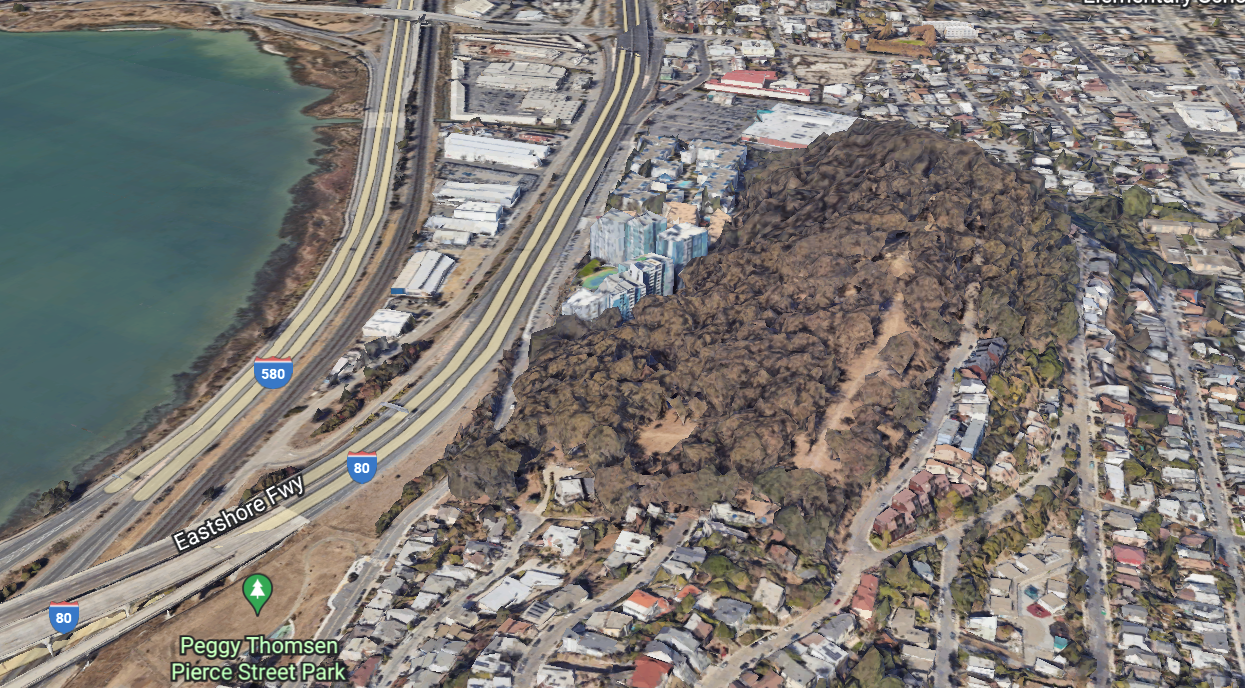
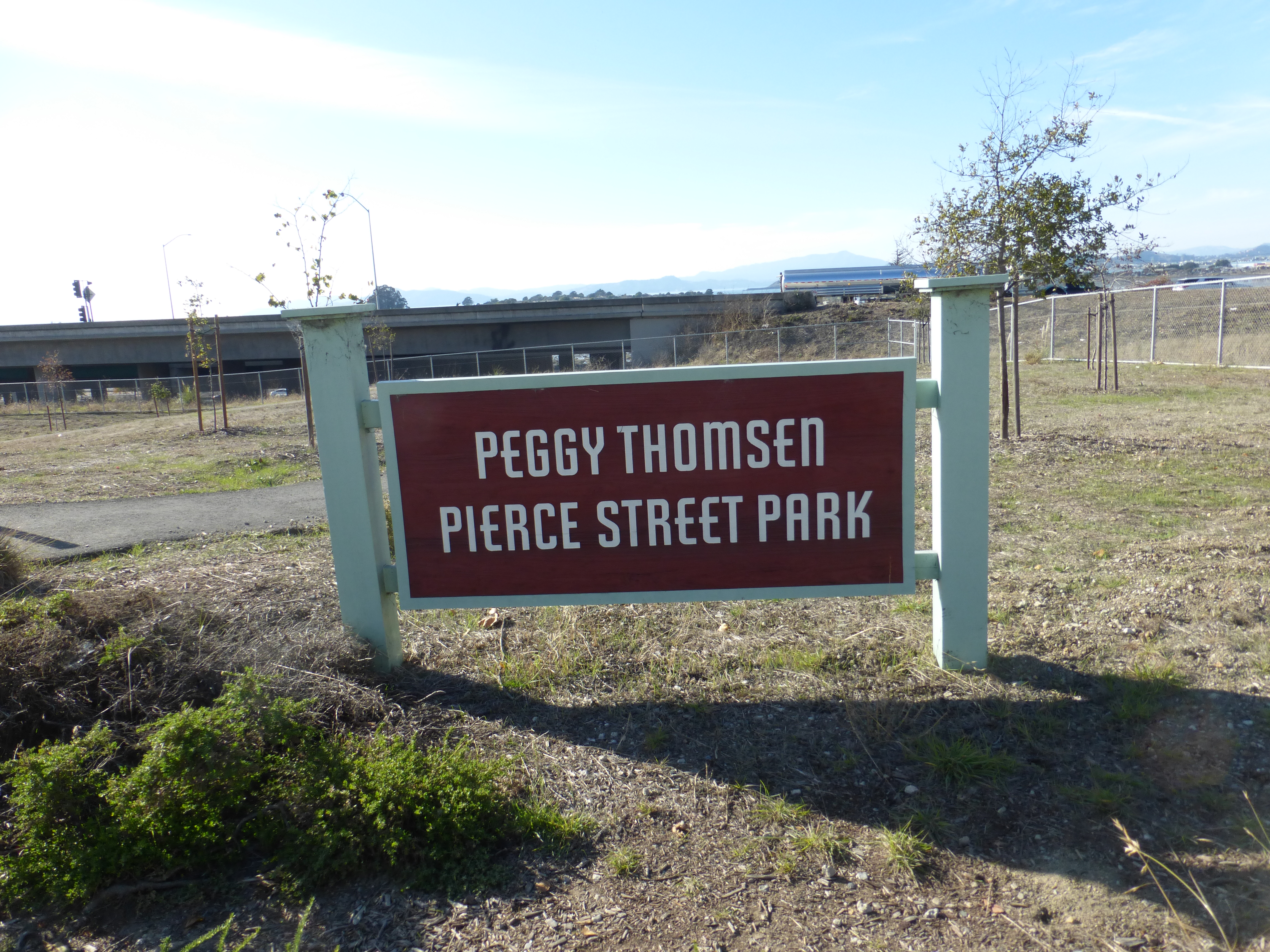
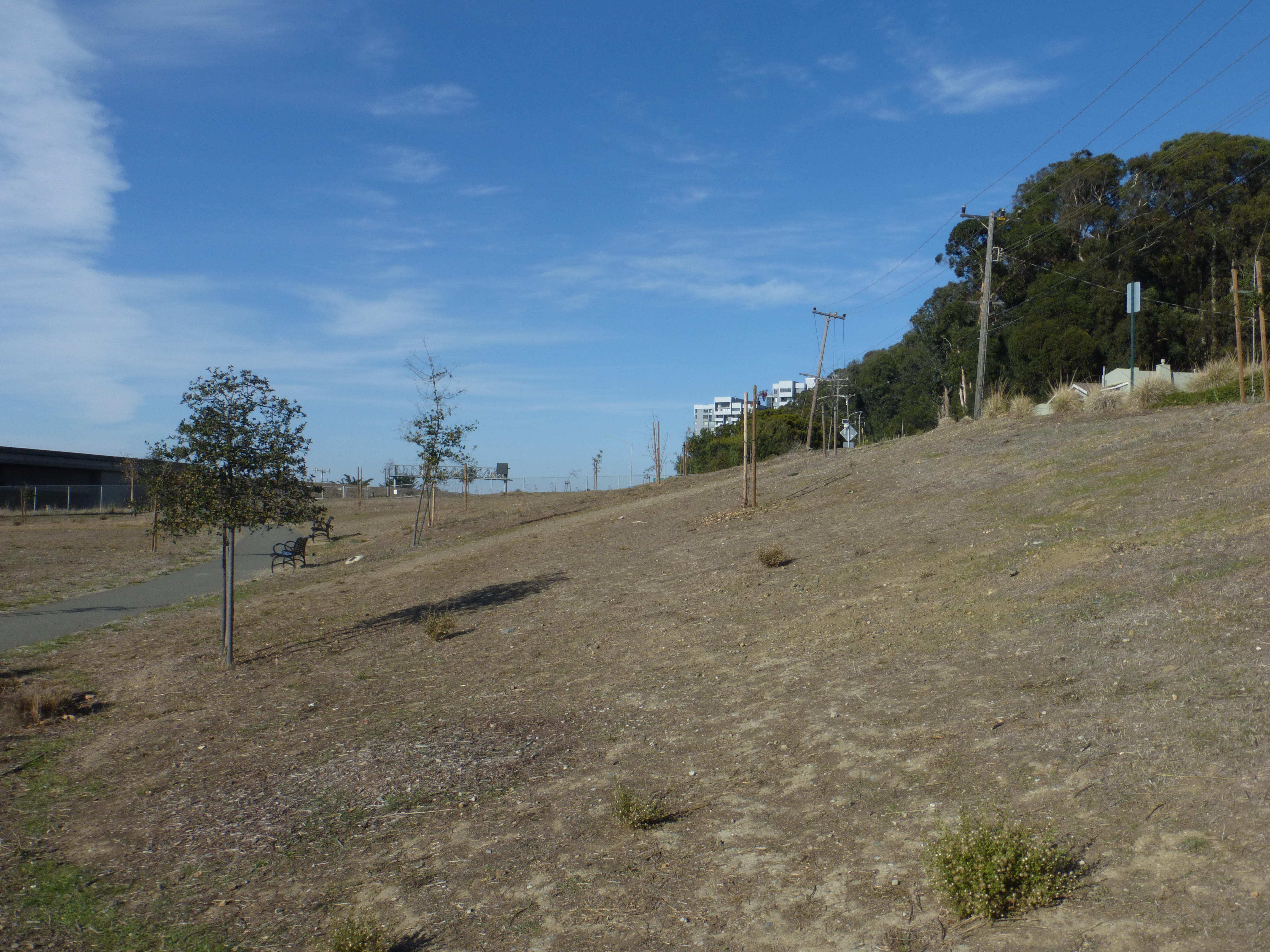
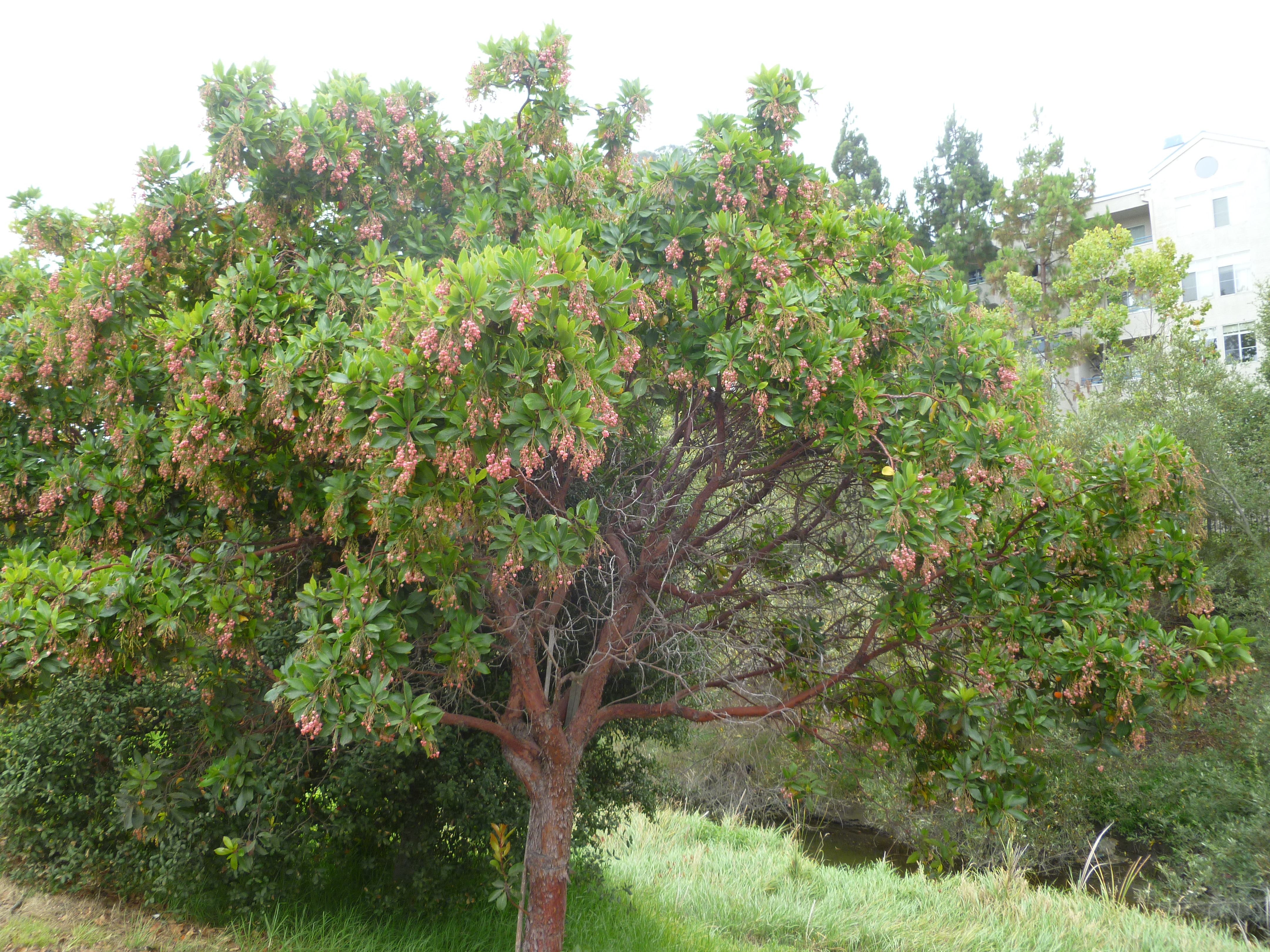
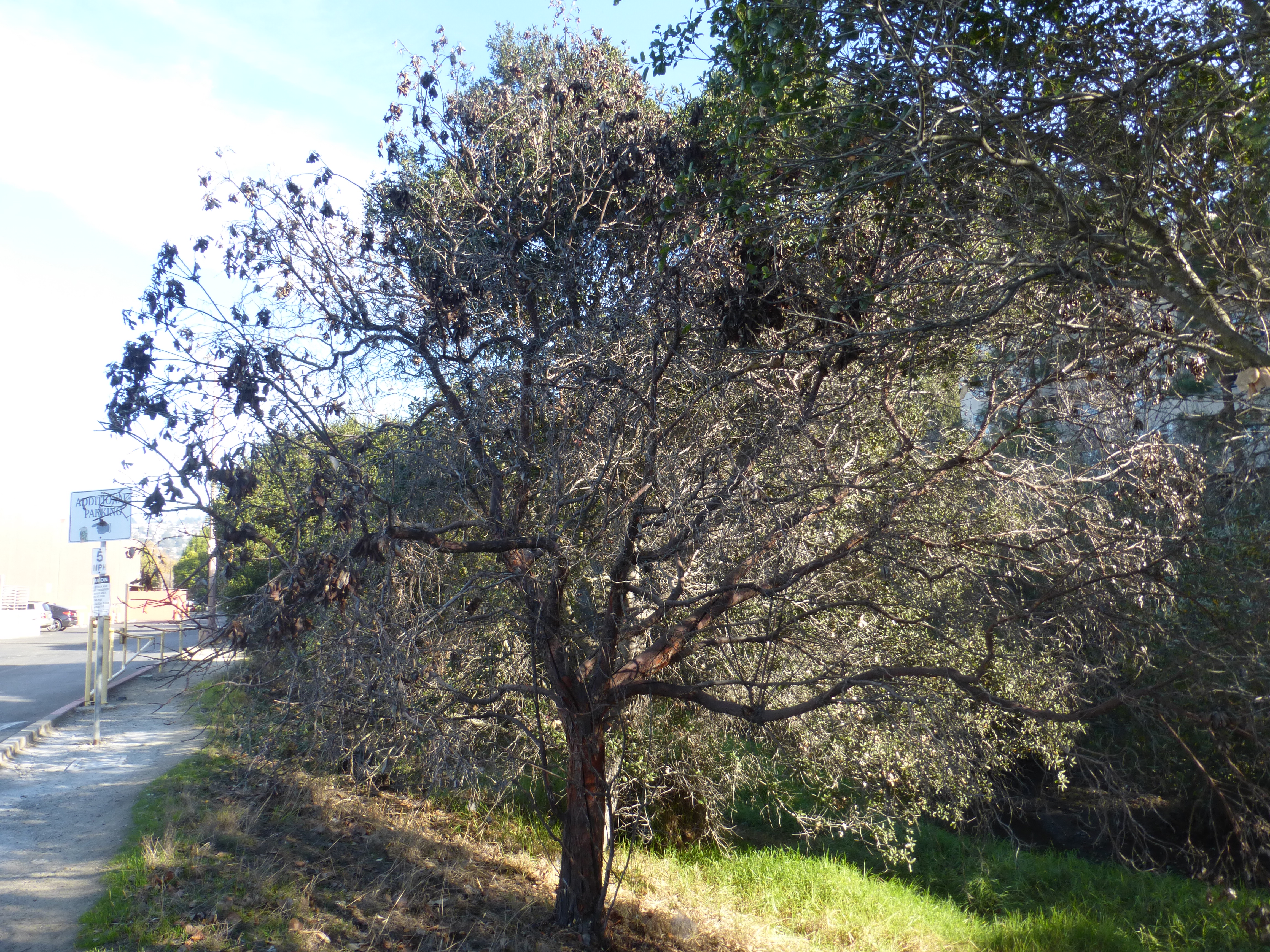




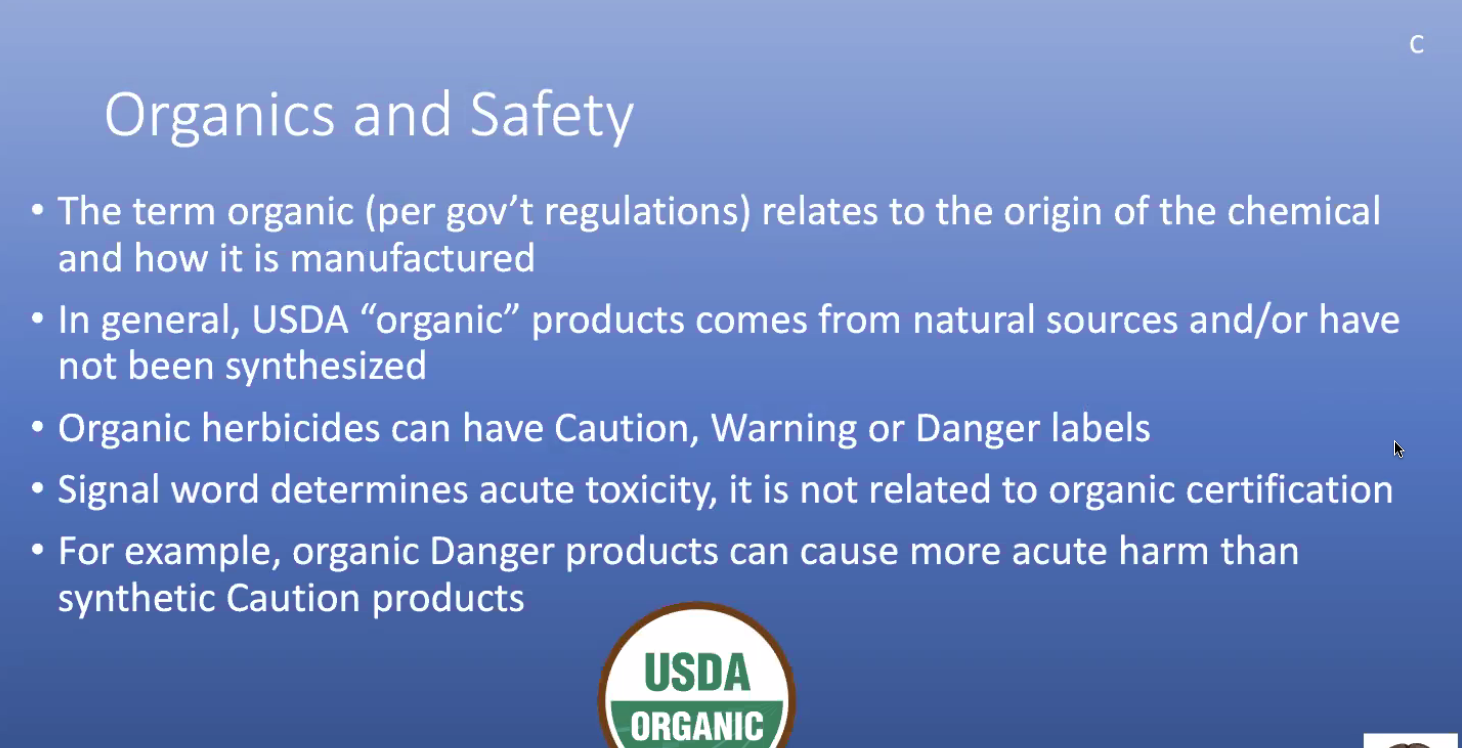


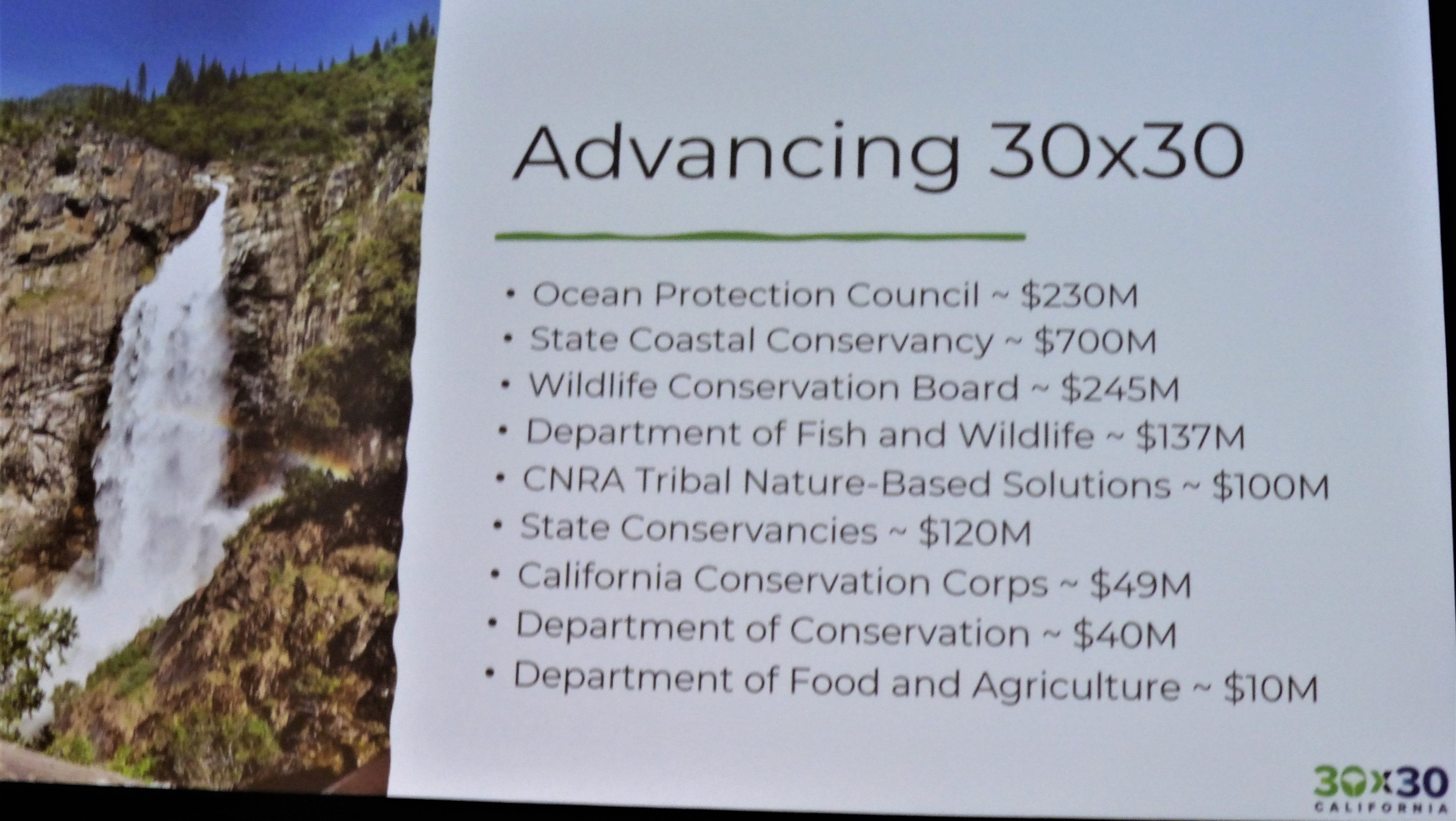
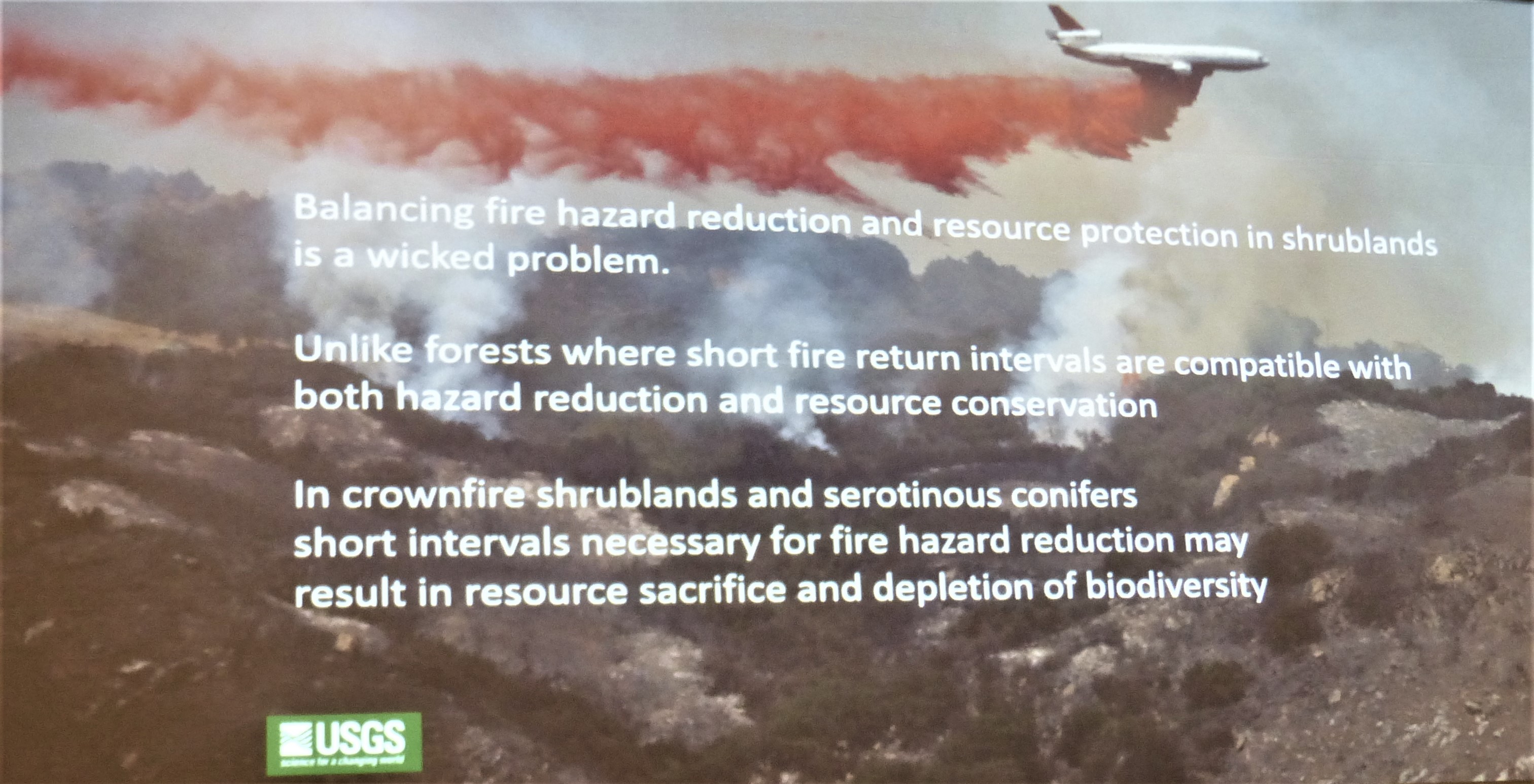
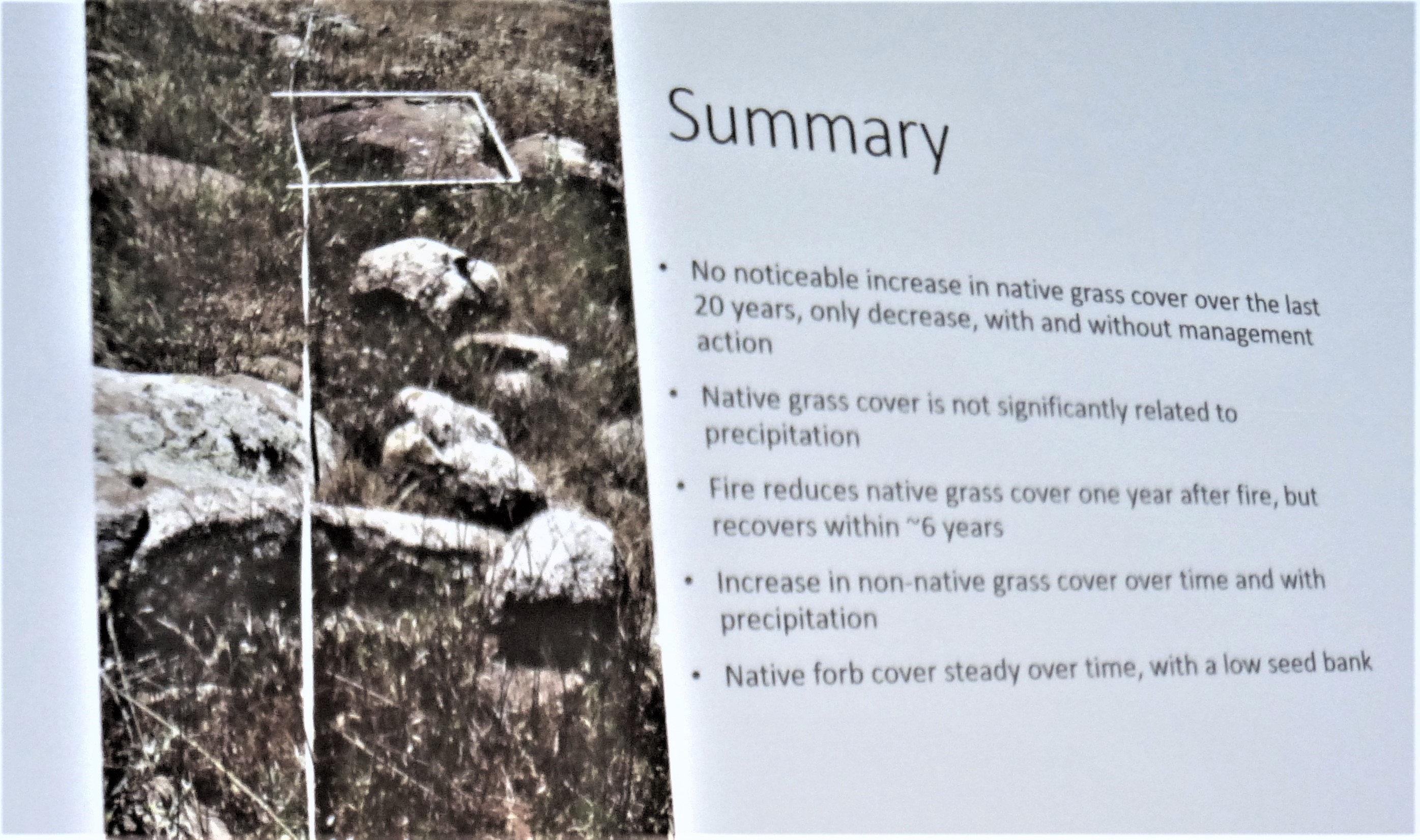
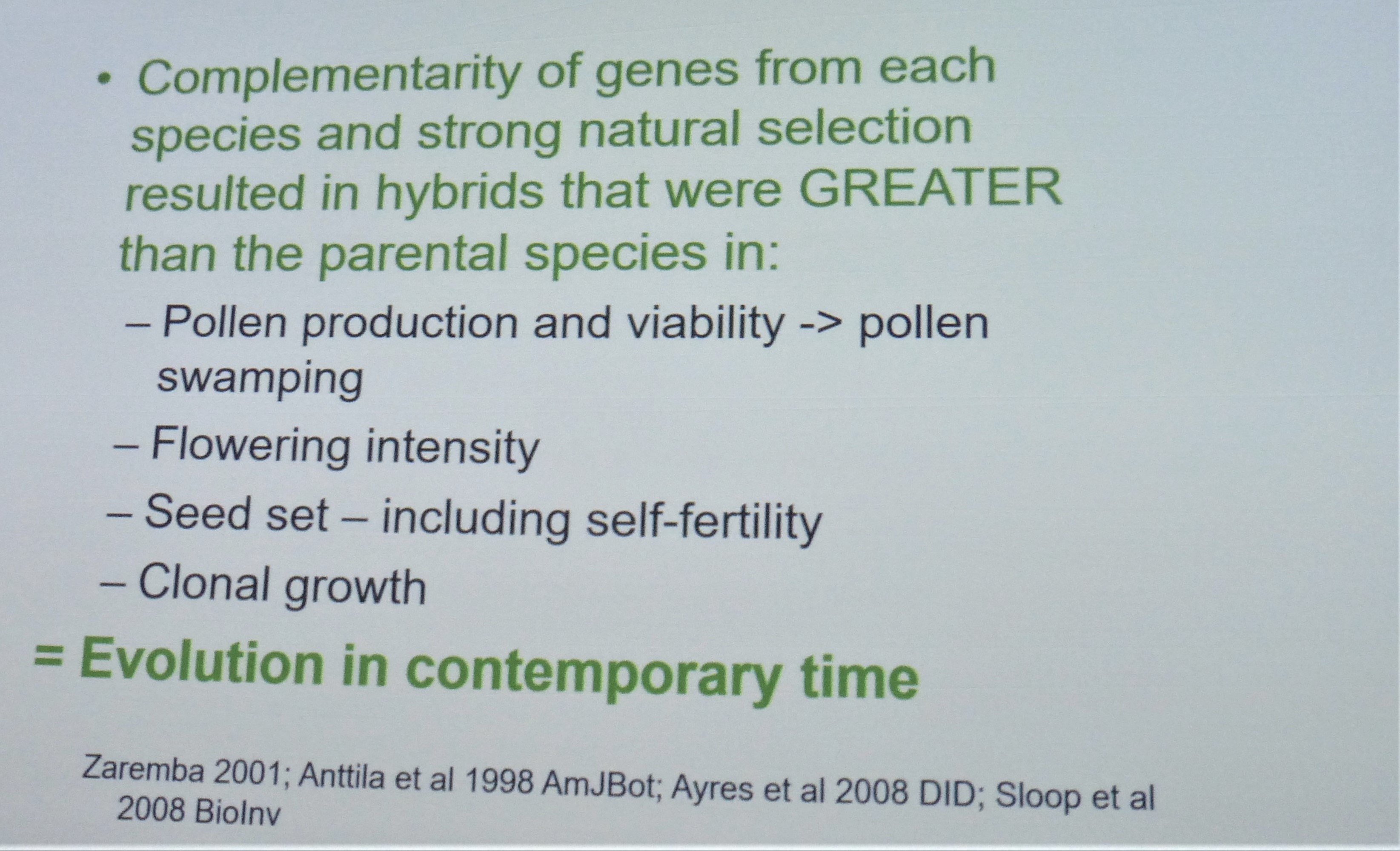
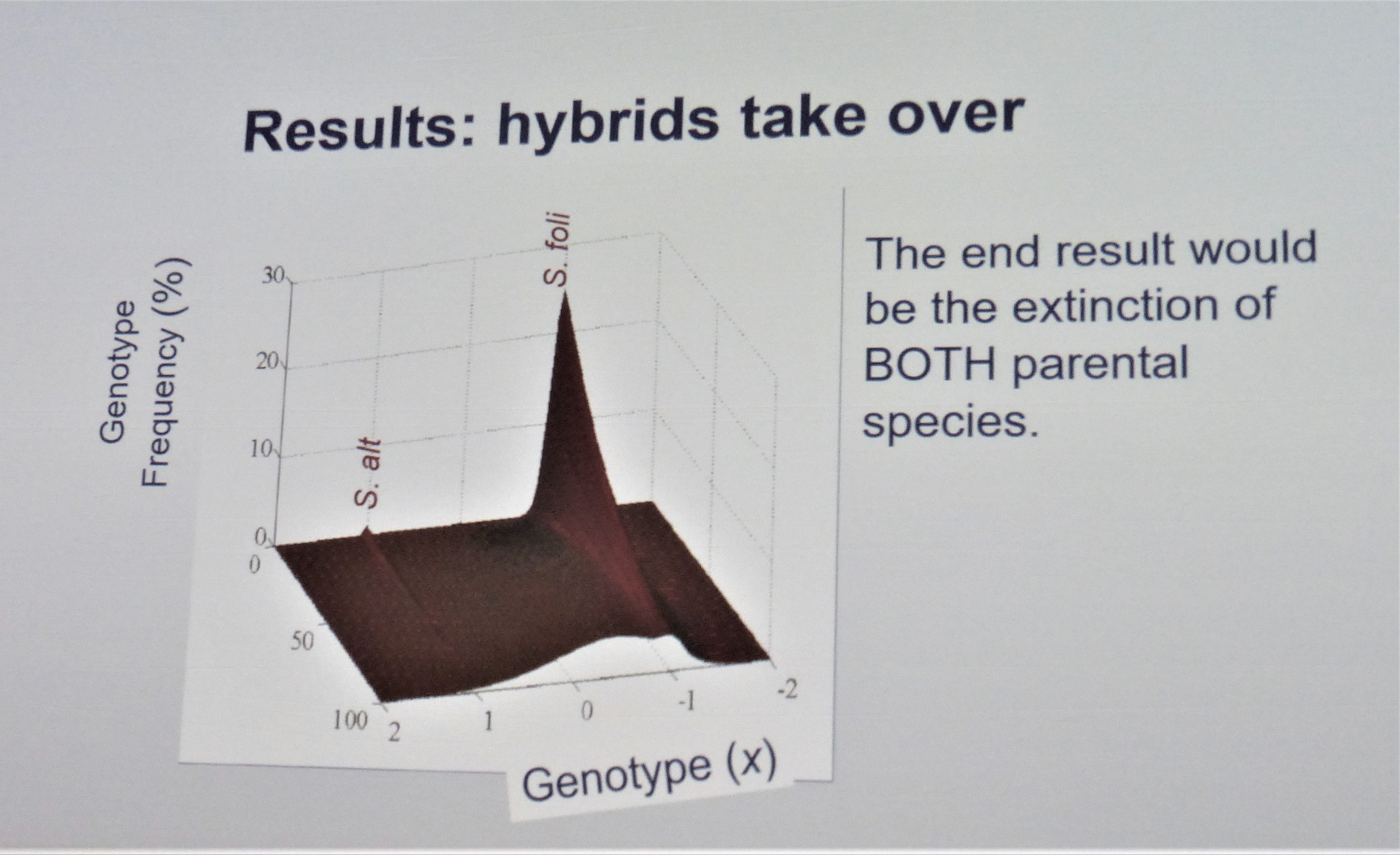
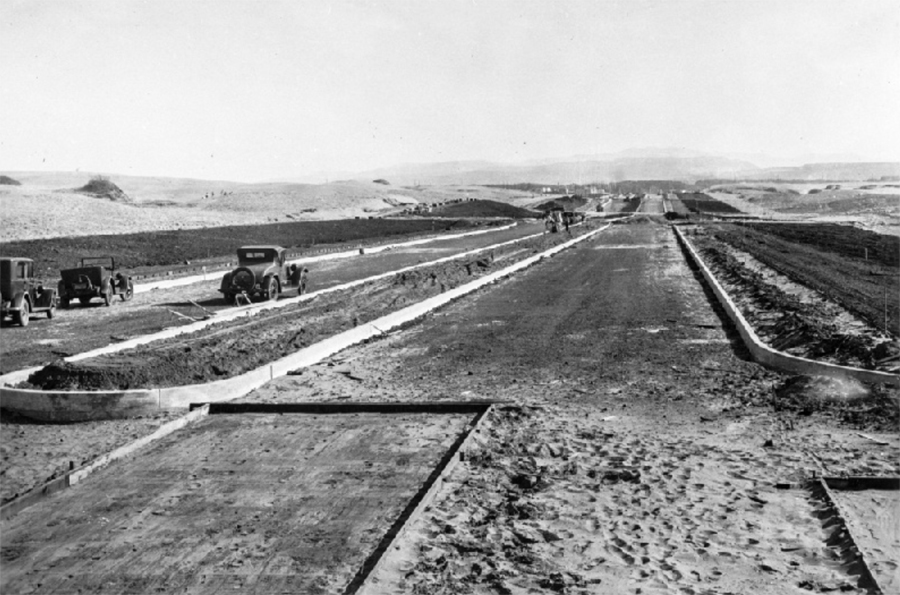
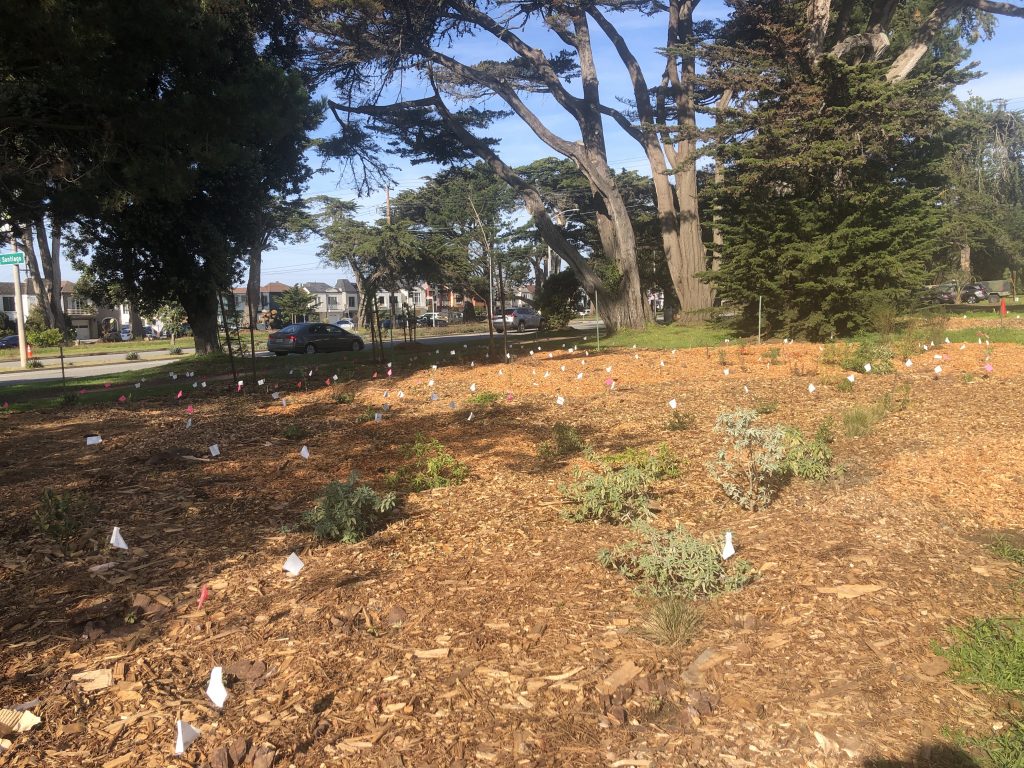
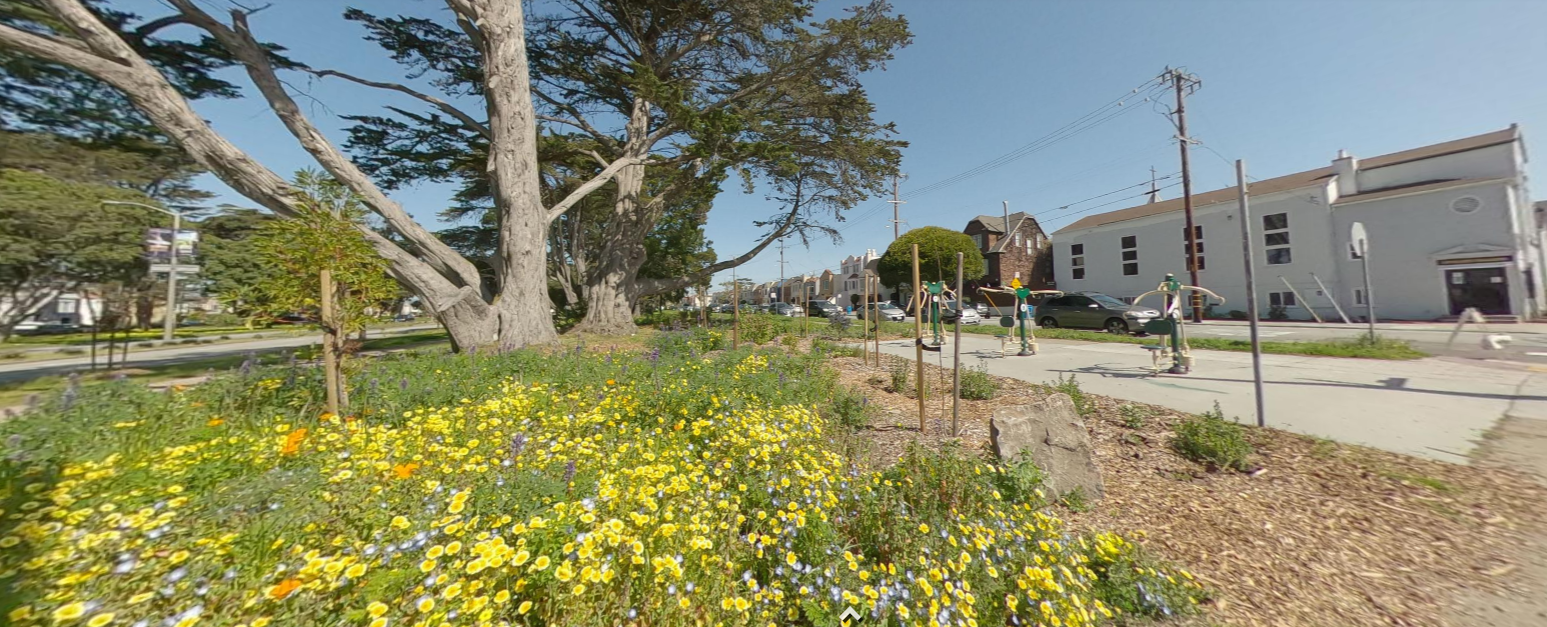
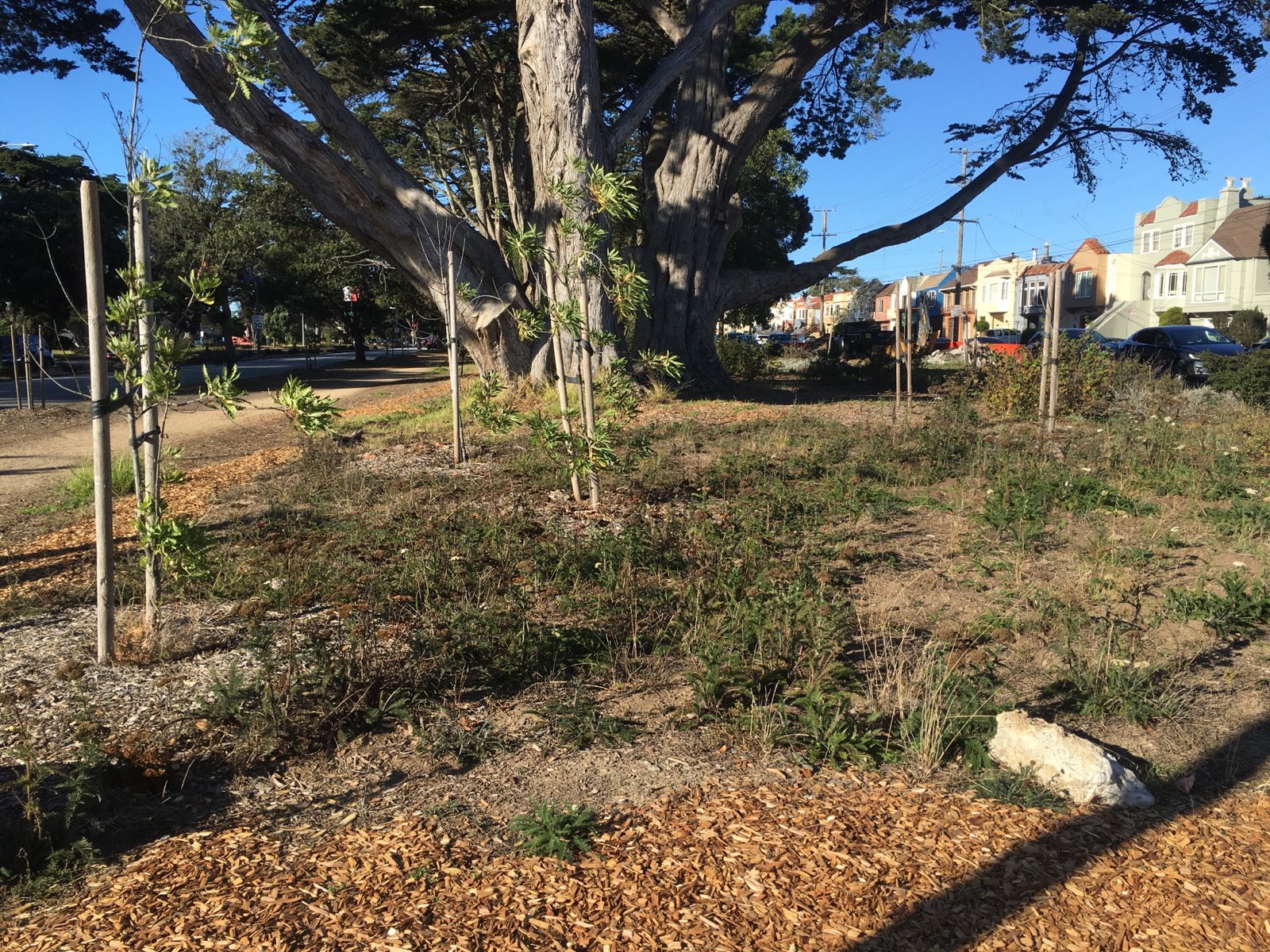
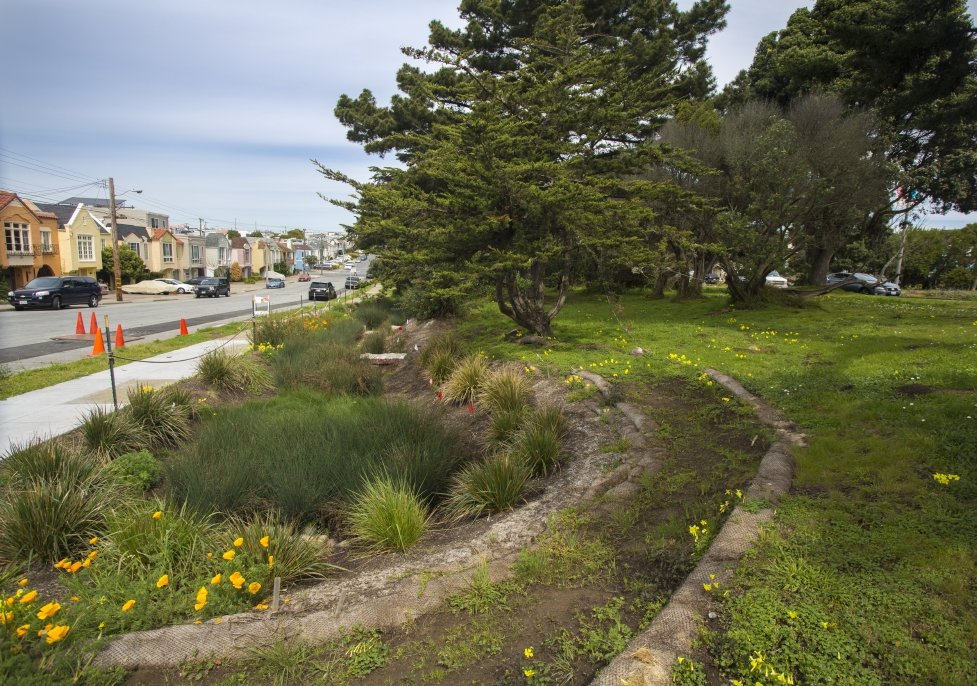
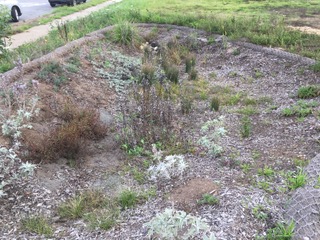
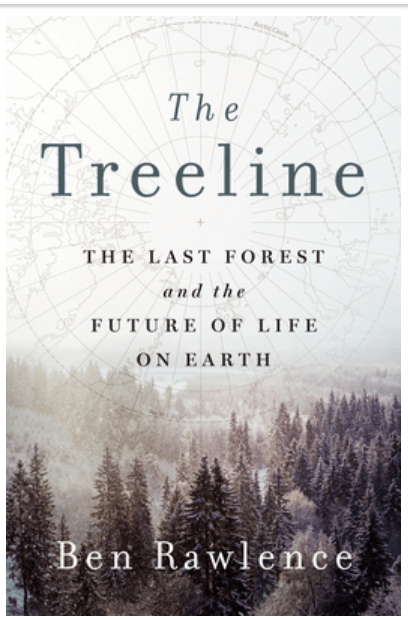
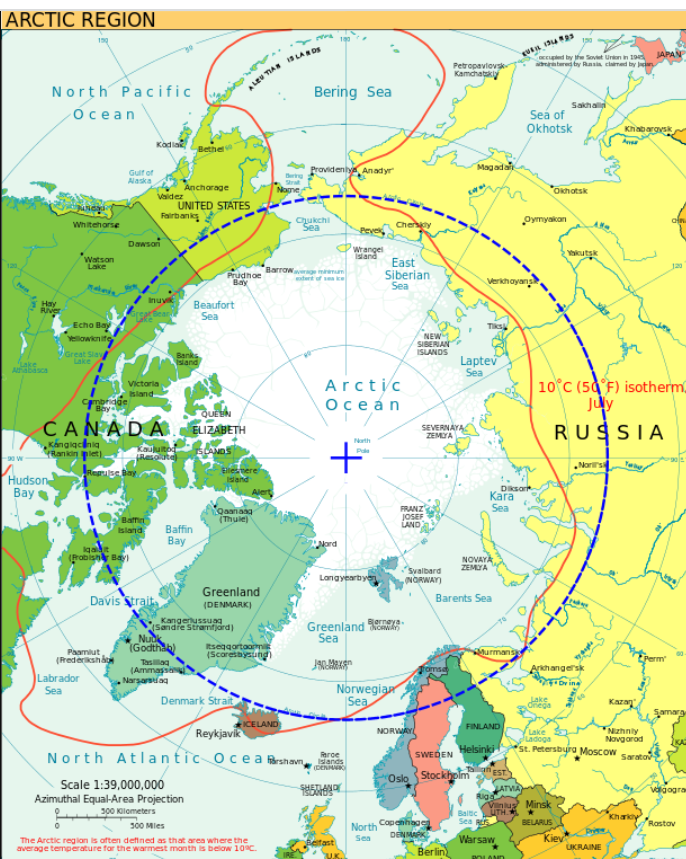
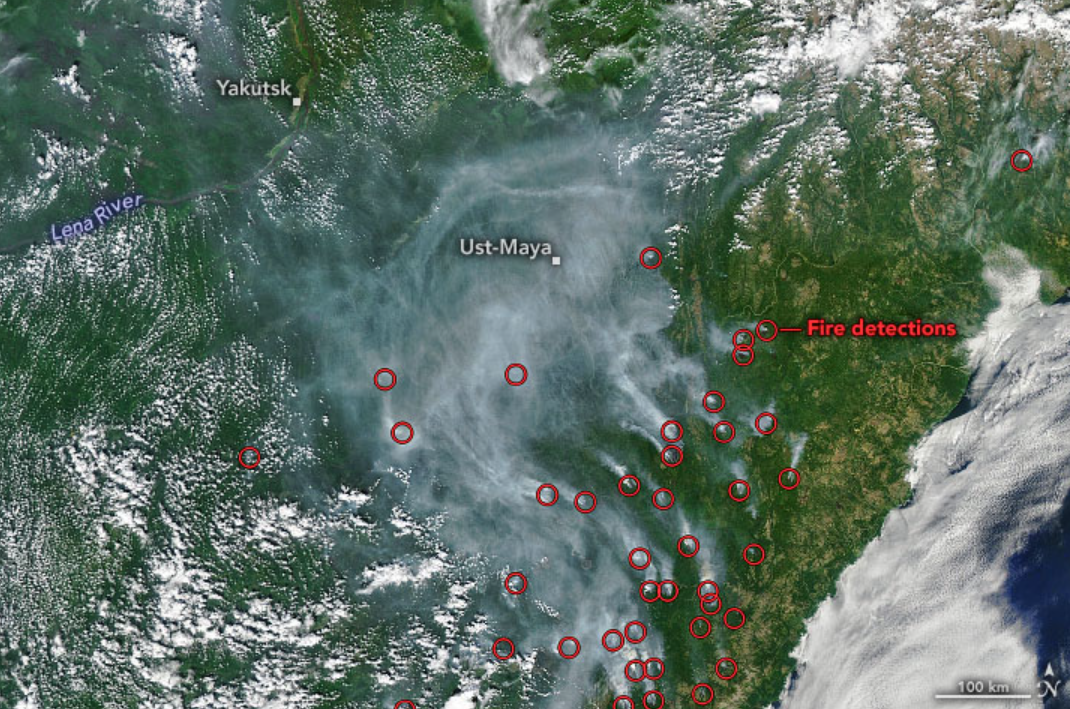

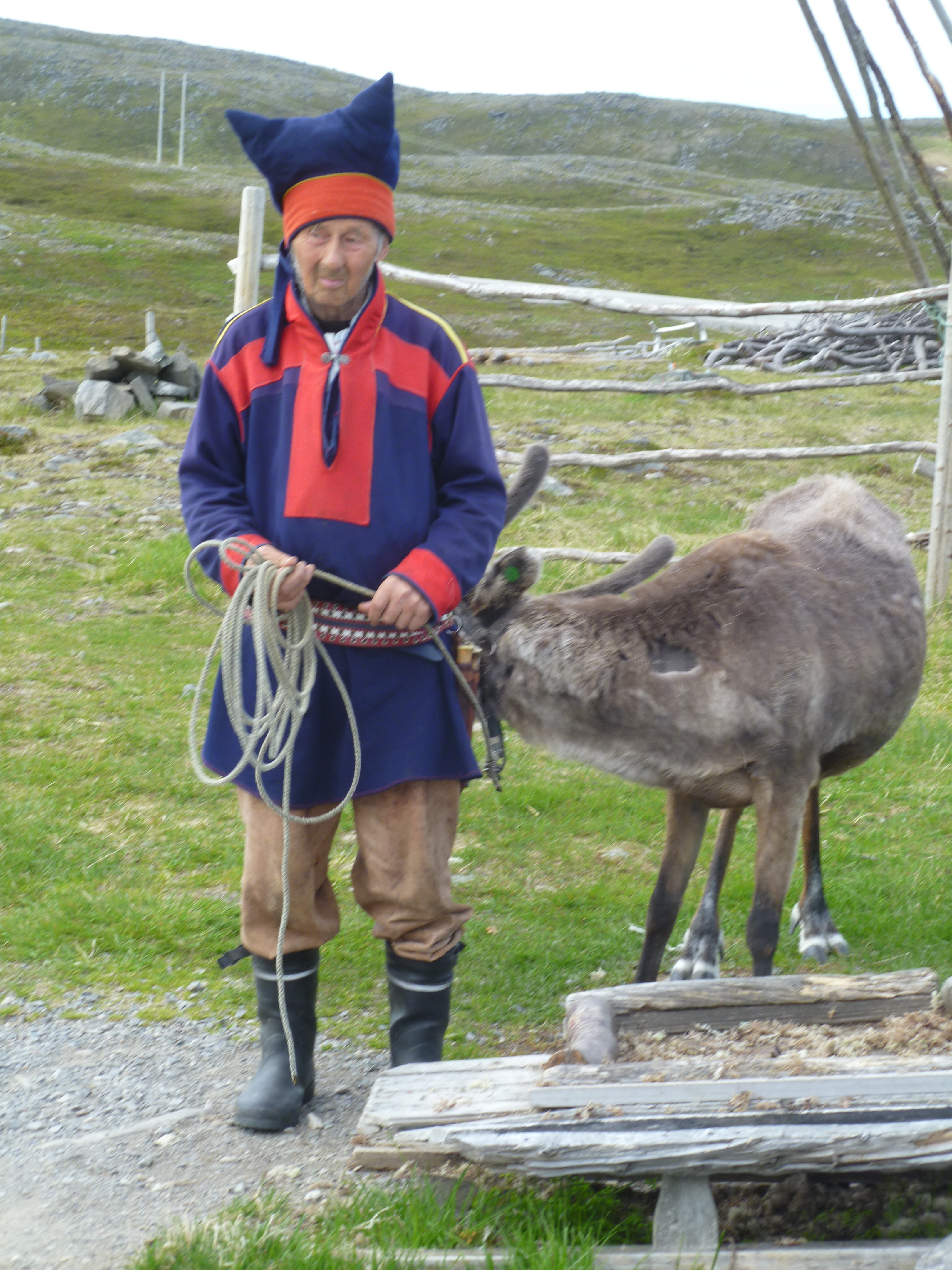

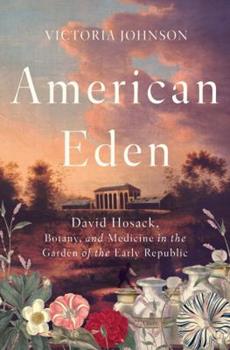
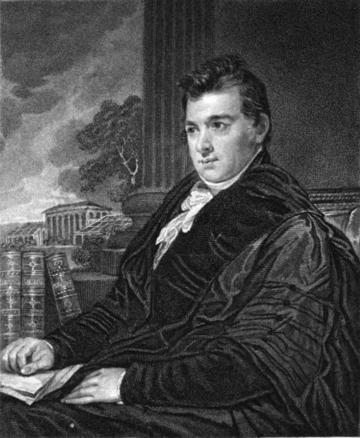
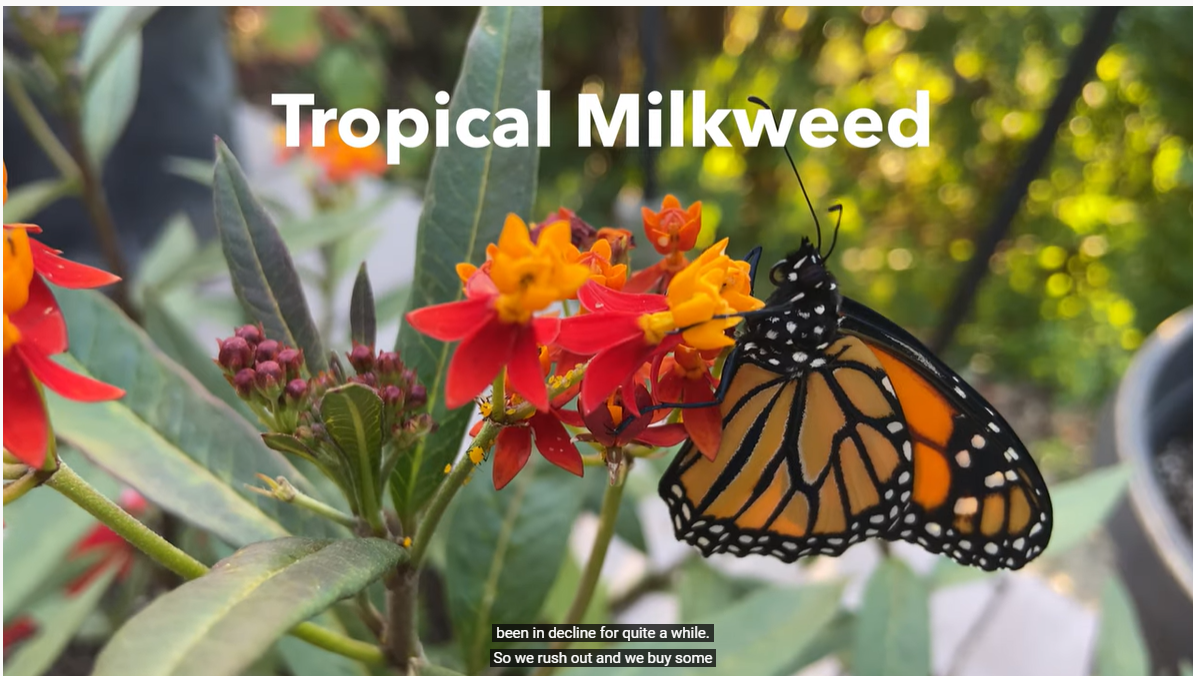

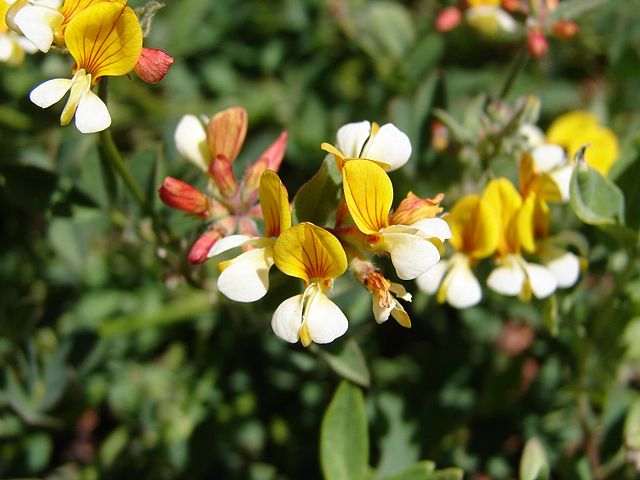
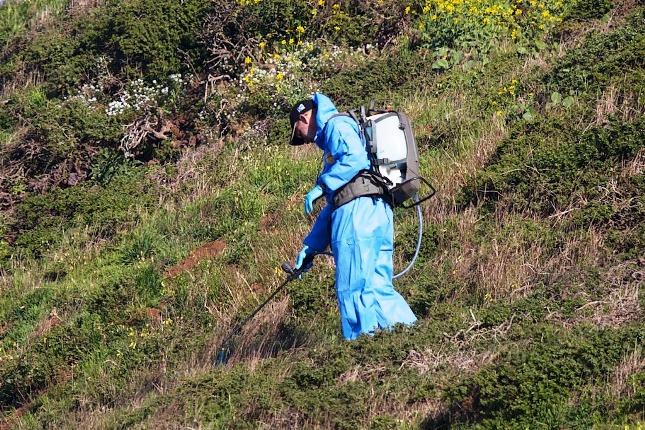


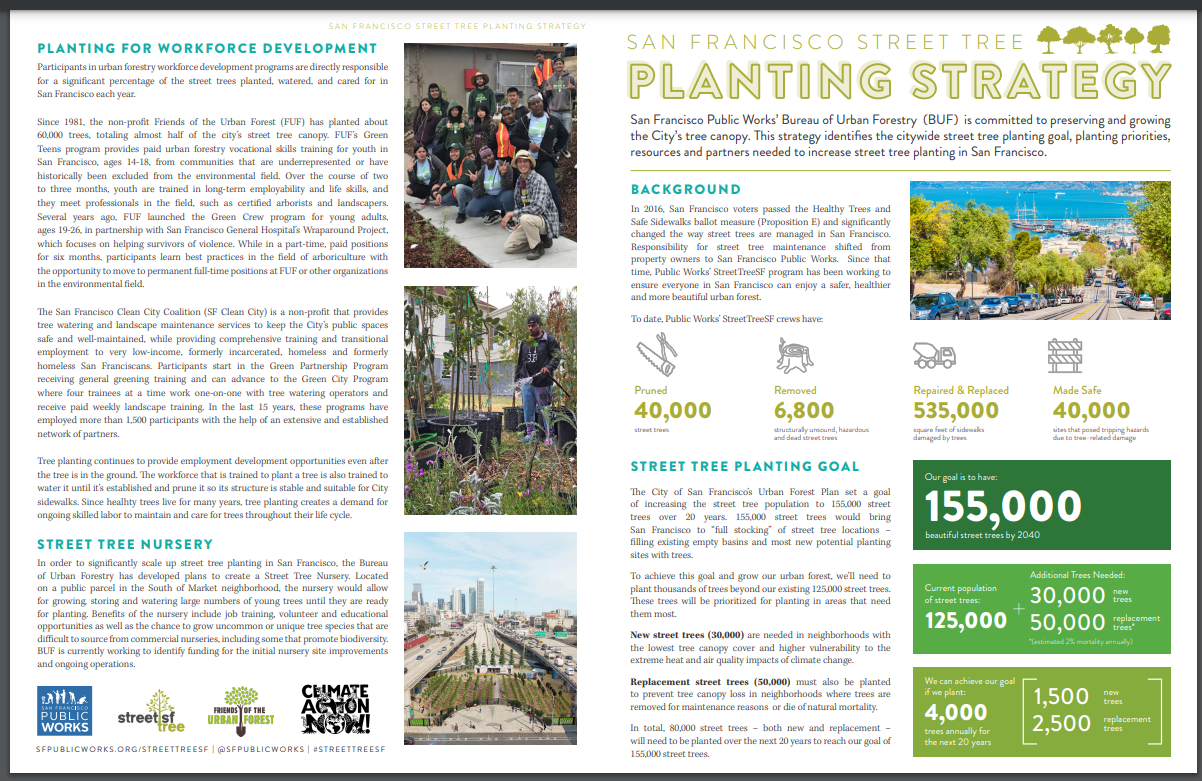
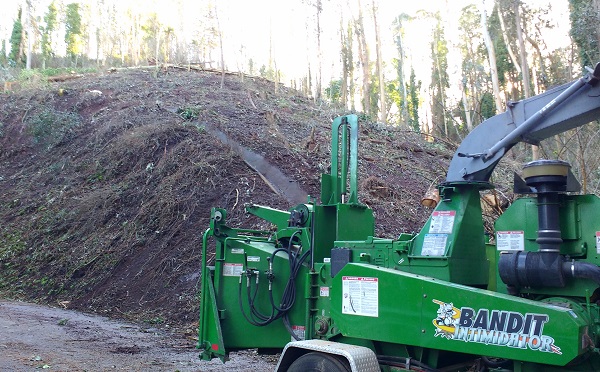
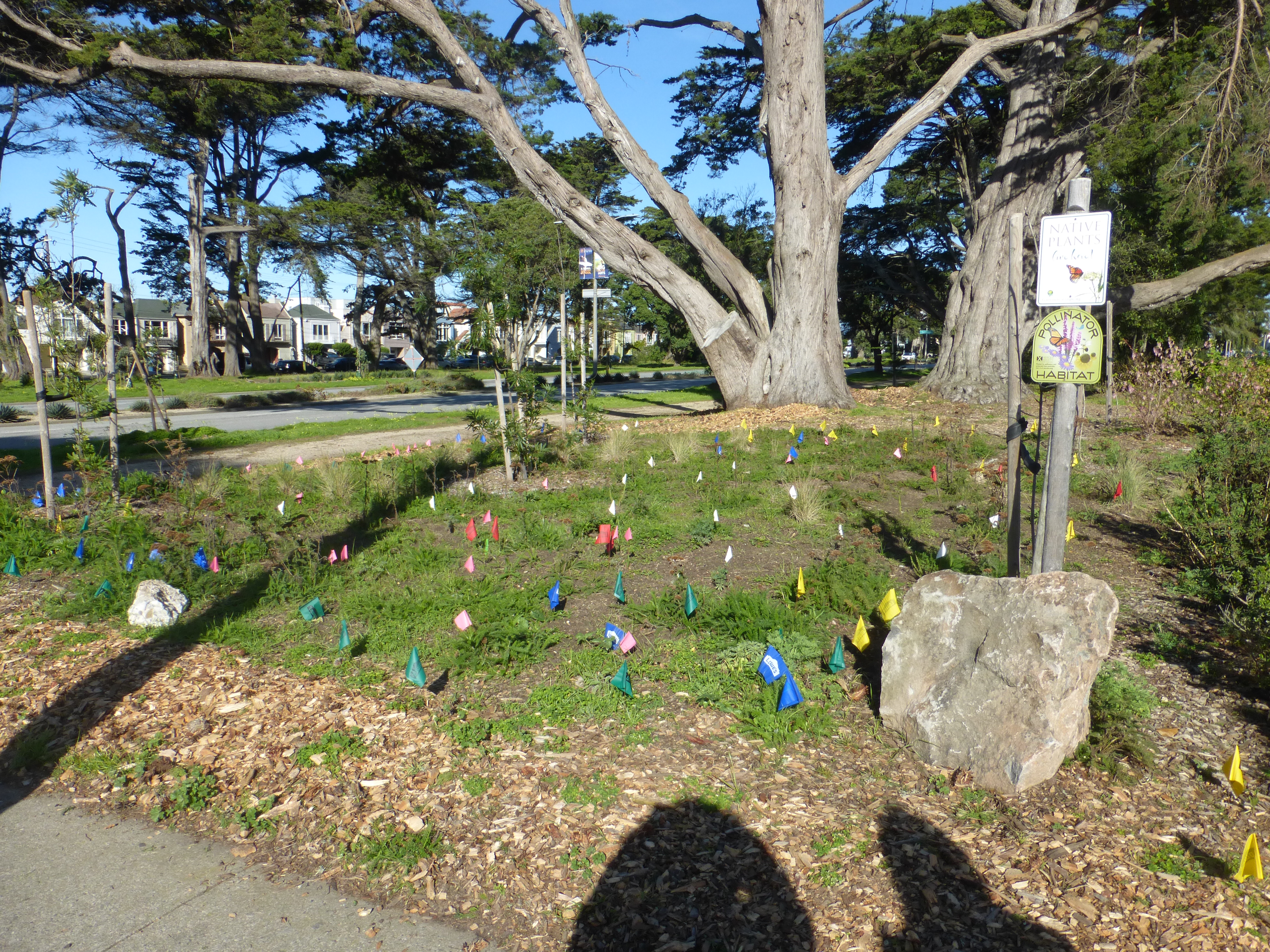
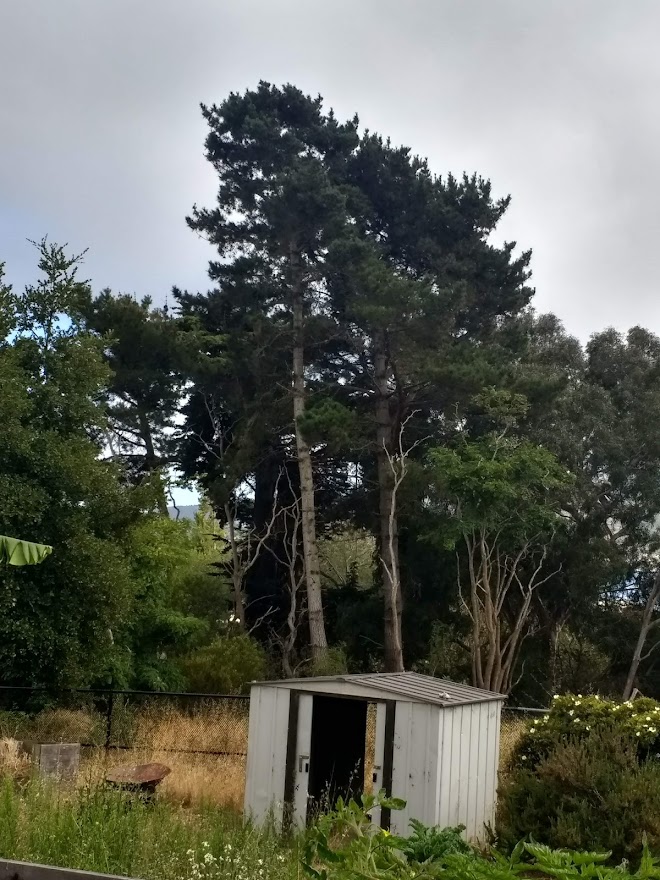
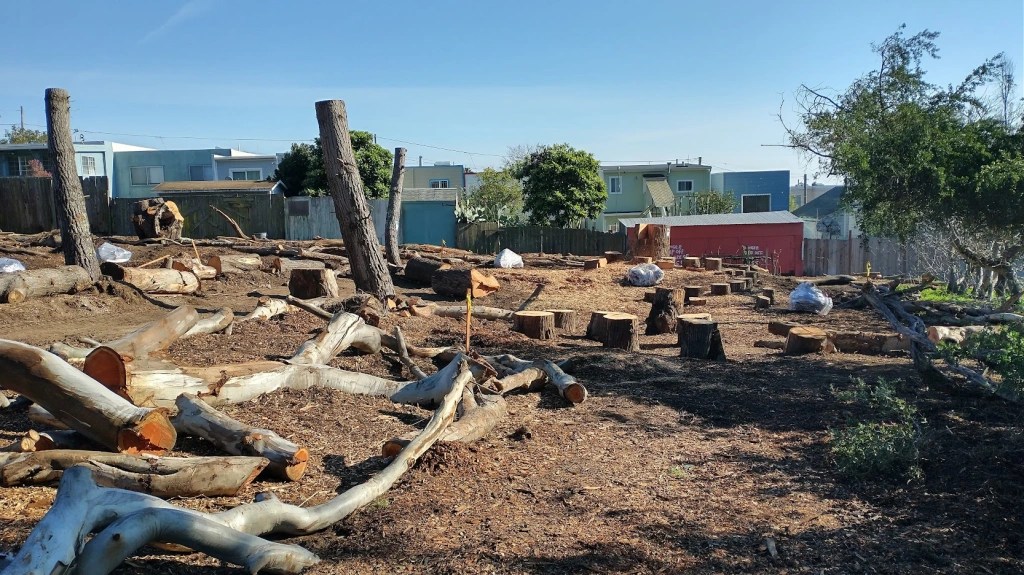
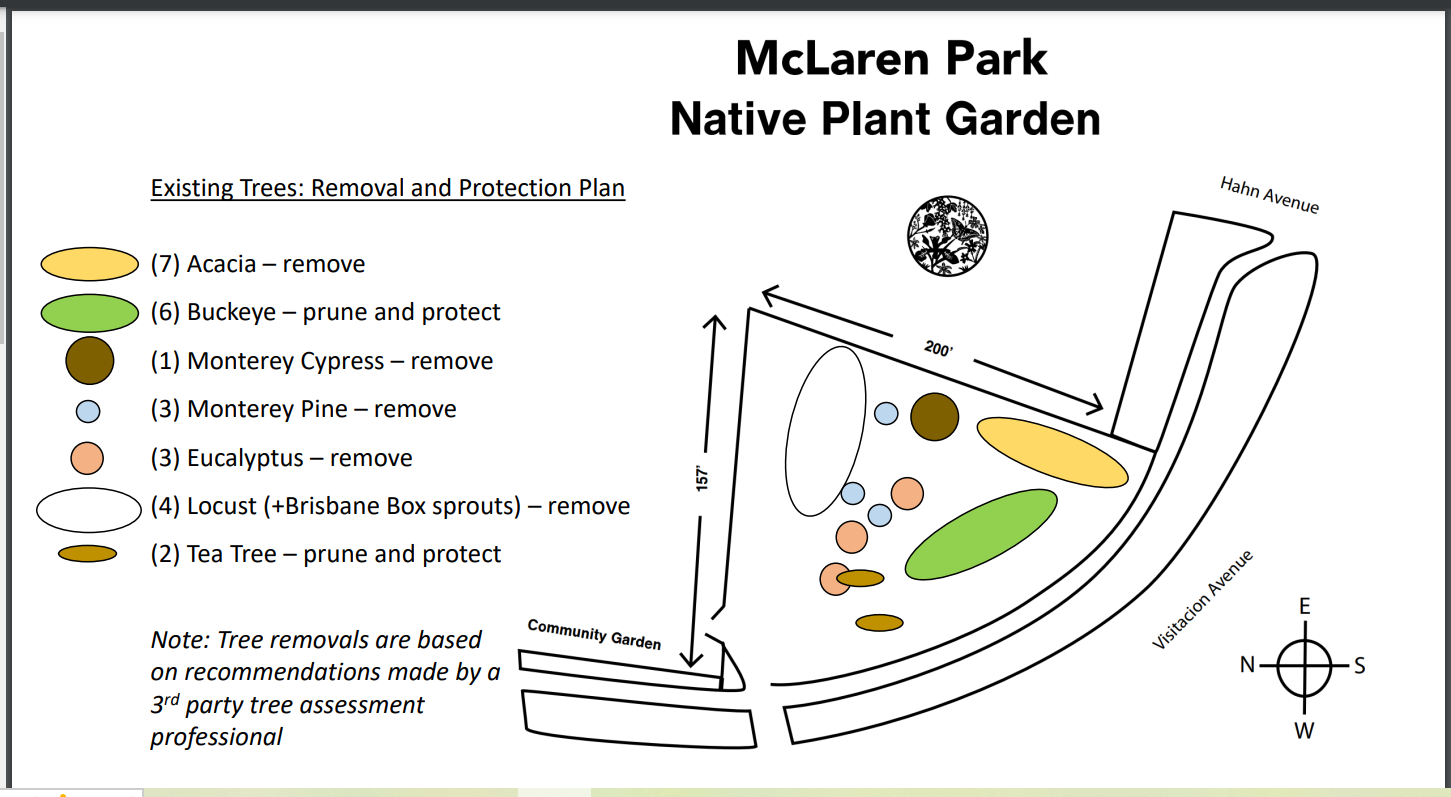
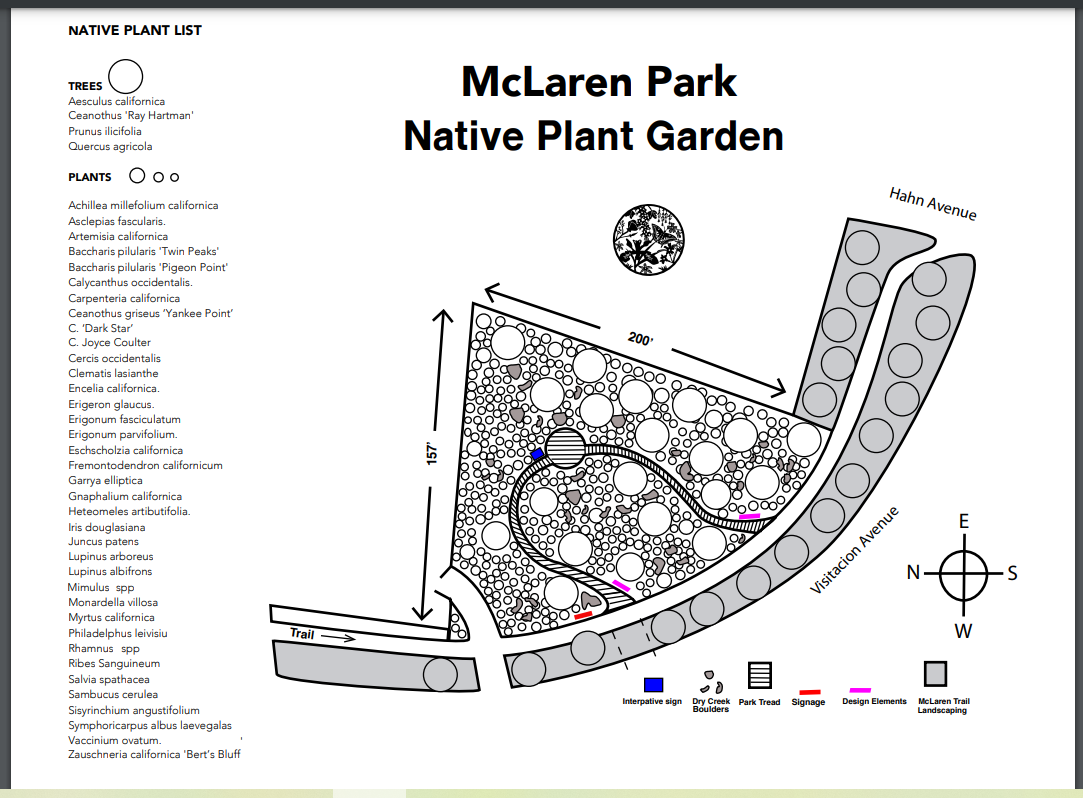
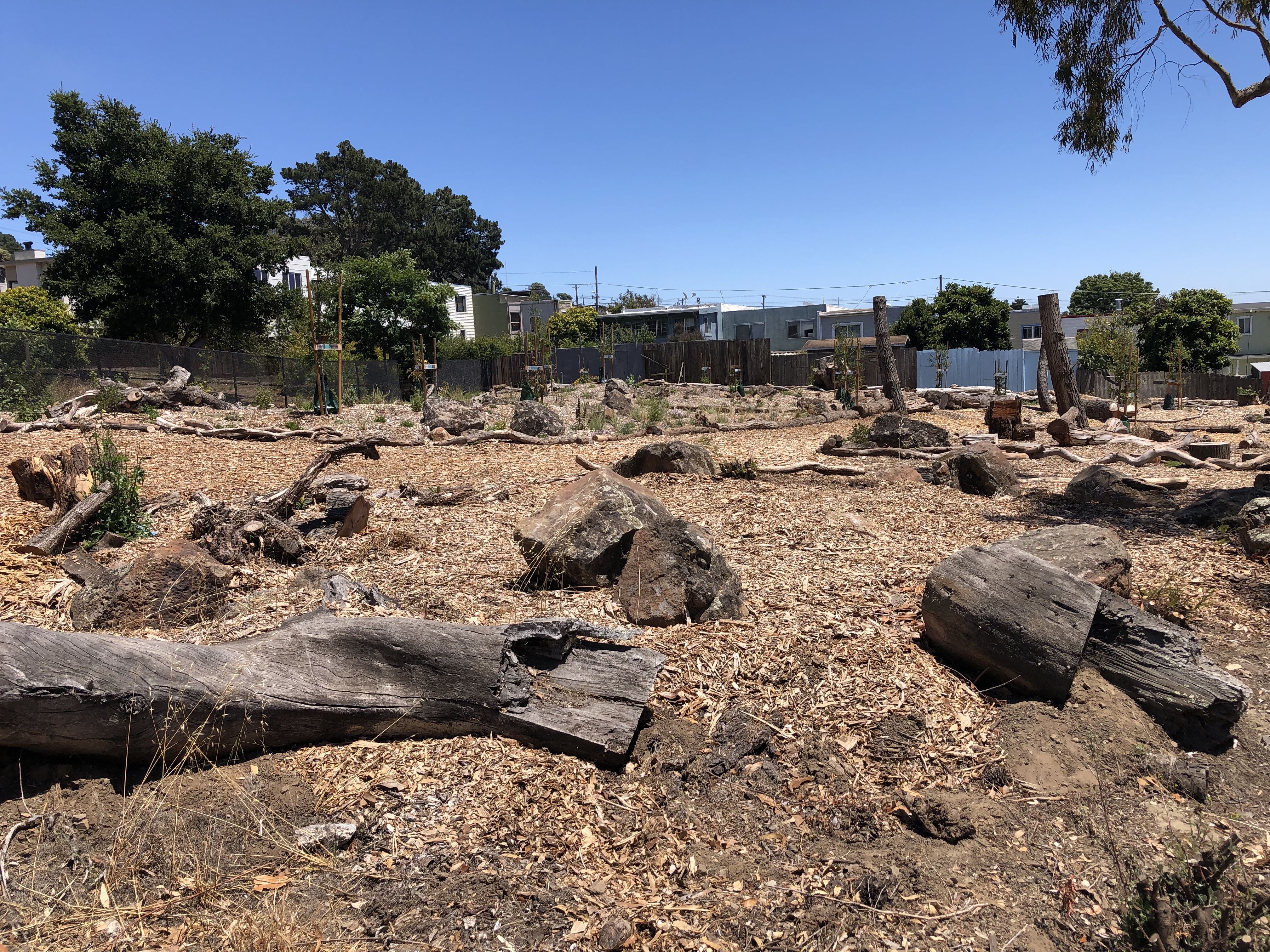
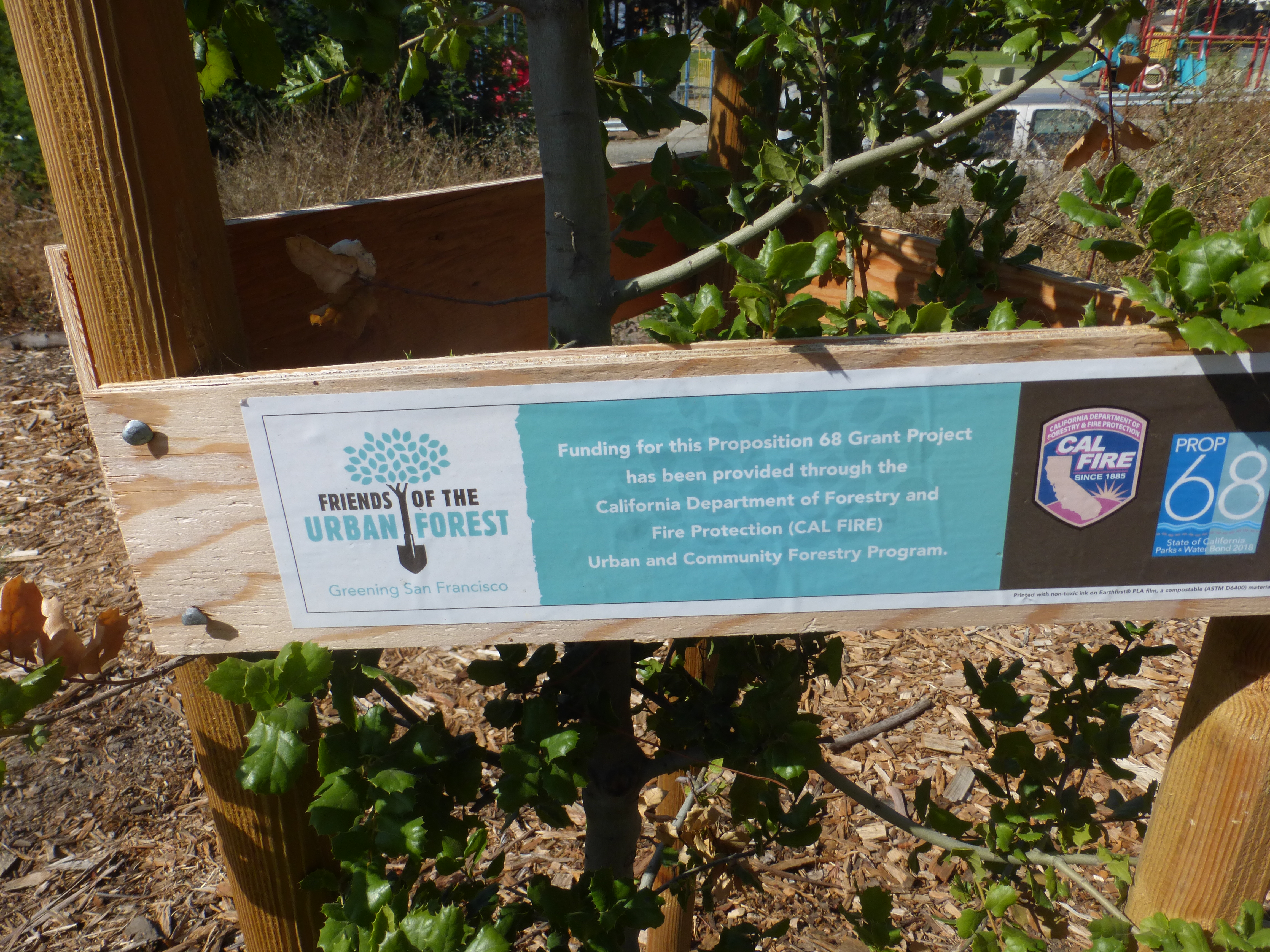
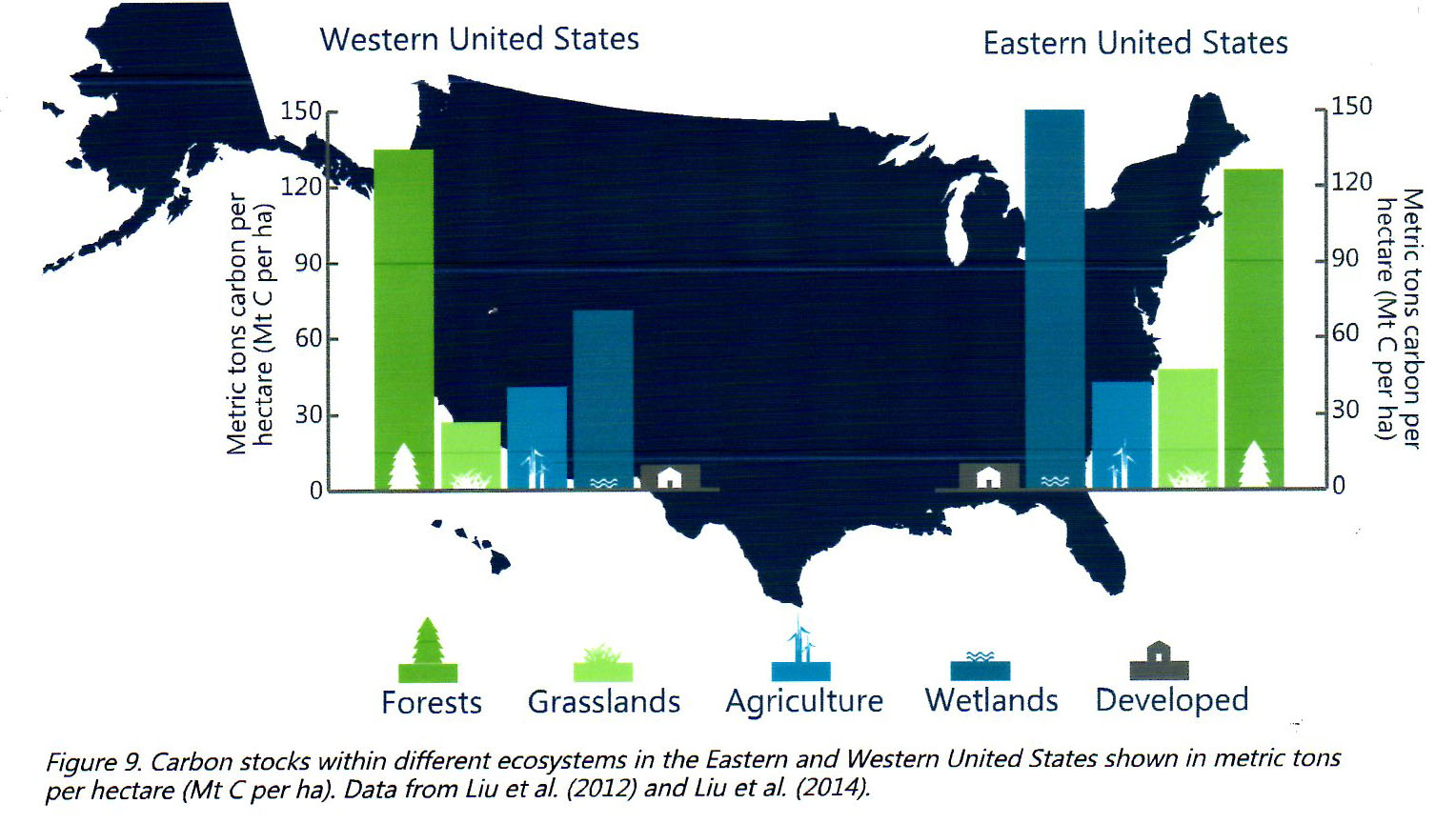

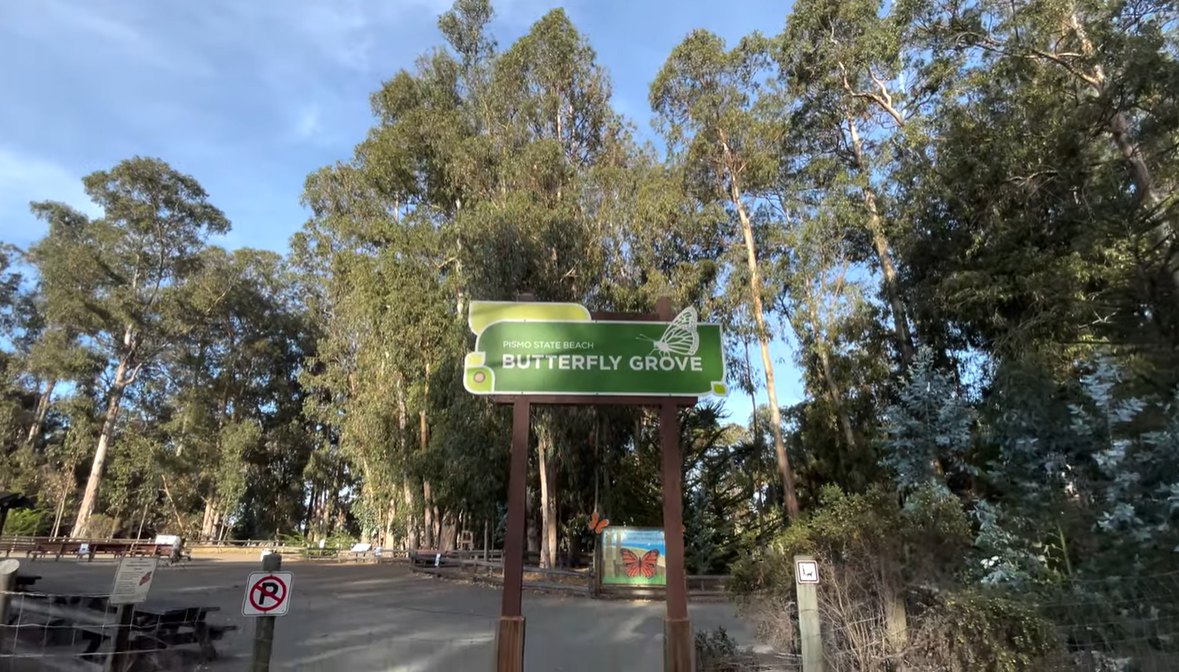
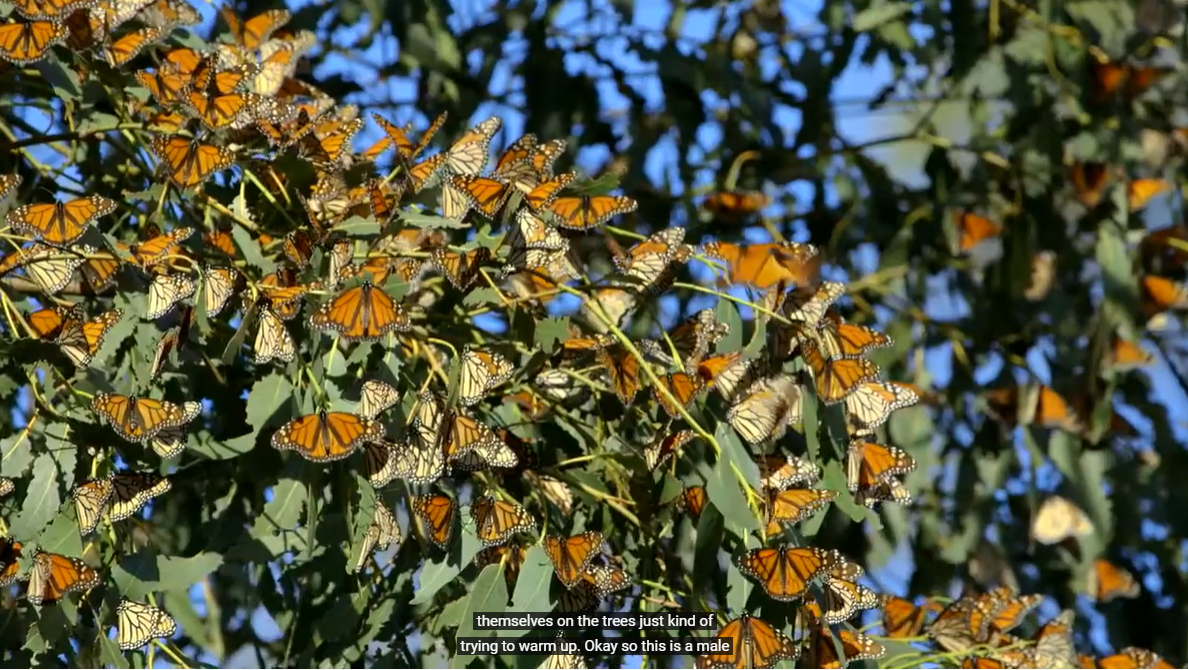


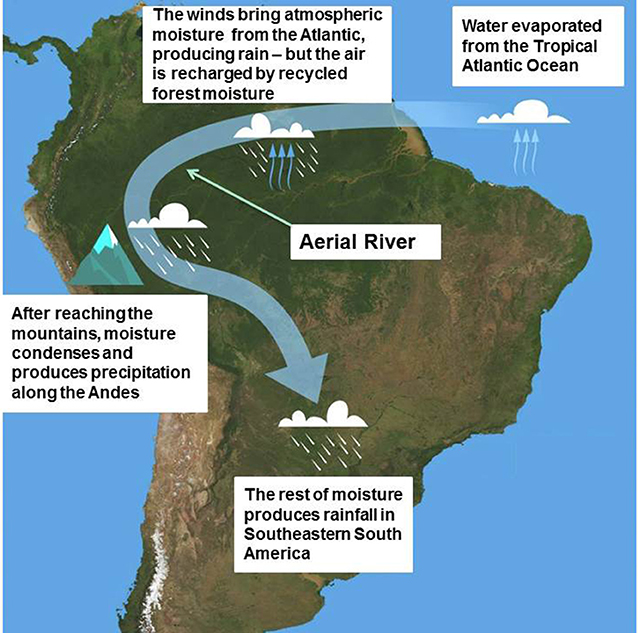


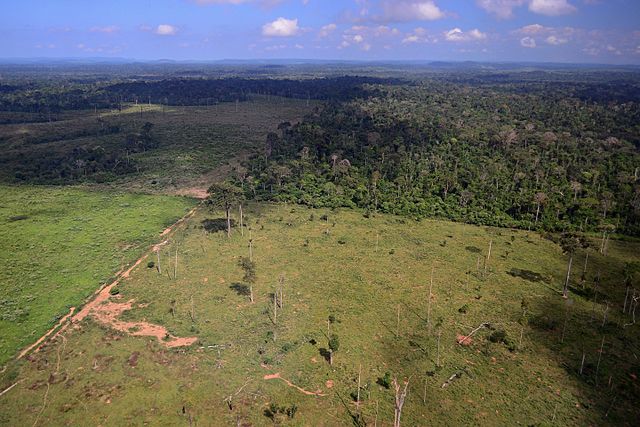

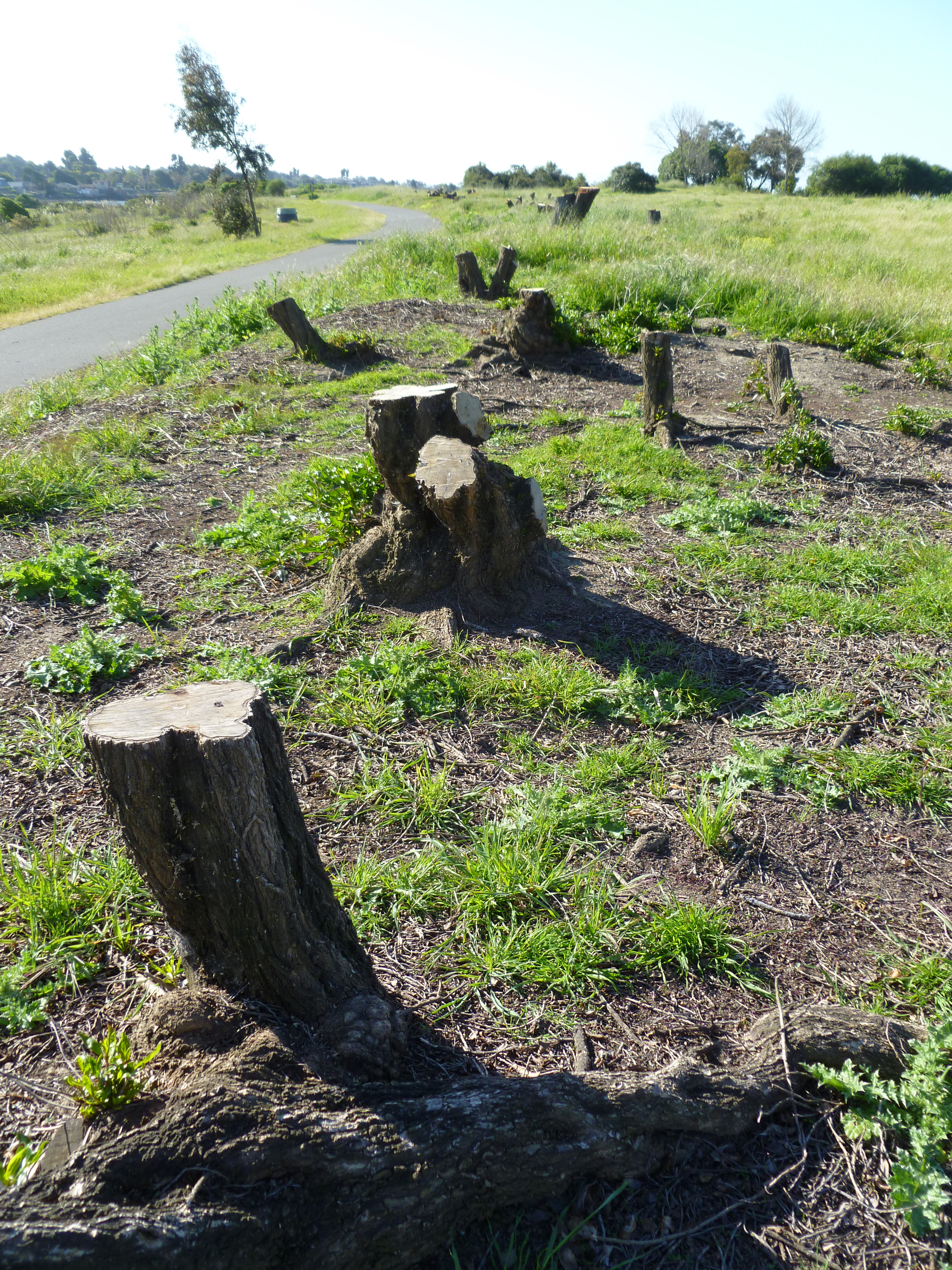

 Conservation Sense and Nonsense