I am pleased to publish the following report of one of our readers who attended the conference of the California Native Plant Society in Los Angeles at the beginning of February 2018.
Million Trees
I attended the last conference of the California Native Plant Society in San Jose in January 2015. It was interesting to note a few significant new themes in the recent conference in 2018. Both fire and climate change were much more prominent themes in the recent conference. While both are relevant to the future of native plants, neither seemed to have any effect on the “restoration” goals of the native plant movement. For example, there were several presentations about massive die offs of native oak trees, resulting from higher temperatures, drought, and disease. These presentations ended with urgent pleas to plant more oaks. That seemed a fundamental contradiction and a denial of the reality of climate change. When the climate changes, the landscape changes, but native plant advocates are not willing to acknowledge that. In fact, the greater the threats to native plants, the greater the commitment to their preservation and “restoration.”
Beautiful pictures support nativist ideology
The conference began on a low point for me, but a high point for most attendees of the conference. The keynote speaker was Doug Tallamy. He was introduced as a “rock star” of the native plant movement, and indeed he is. His presentation was very effective in delivering his message, which is that most insects are “specialists” with mutually exclusive relationships with native plants that evolved over “tens of thousands of years.” If you believe that claim, you also believe that the absence of native plants will result in the absence of insects and ultimately the collapse of the entire food web.
Most native plant advocates believe that gloomy scenario, but few scientists still do, which creates a tension within this community of native plant advocates composed predominantly of amateur “botanists” and a smattering of academic ecologists. For example, one of the first presentations after Tallamy’s keynote was an academic ecologist from UC Berkeley who advocated for accommodating the movement of plants outside of historical native ranges to accommodate climate change. (1) He said that restoring only with local natives is “maladaptive” and that a bioregional perspective is needed to create sustainable landscapes. Allowing Monterey pines to grow in the San Francisco Bay Area, where they have grown in the past and are presently deemed “native” just 150 miles away, seems a good example of such a broader definition of “native.” An amateur nativist, parroting Tallamy, asked this hostile question: “But if we move the plants how will wildlife survive?” The academic delivered this tart dose of reality: “There are few mutually exclusive relationships in nature. Wildlife will also move and will adapt to changes in vegetation.”
Science debunks a myth about eucalyptus
The high point of the conference for me was a presentation by Jennifer Yost, Assistant Professor at Cal Poly, San Luis Obispo. She and her graduate student studied the claim that nothing grows under blue gum eucalyptus trees because of allelopathic chemicals emitted by eucalyptus that suppress the germination of other species of plants. Two studies of this hypothesis were done in the 1960s, but the analytical methods used by those studies were misleading.
CNPS Conference 2018
Rigorous methods used by Yost’s team included planting seeds of 5 native plant species in the soil of eucalyptus forests and comparing germination rates of seeds planted in the soil of oak woodlands. They also tested the effect of blue gum volatile leaf extracts, and water-soluble leaf extracts on germination and early seedling growth.
They concluded, “In these experiments, we found that germination and seedling growth of the species tested were not inhibited by chemical extracts of blue gum foliage, either at naturally-occurring or artificially concentrated levels.” (2)
CNPS Conference 2018
Yost observed that the lack of allelopathic effects of blue gum on the soil implies that blue gum forests theoretically can be successfully planted with native plants after removal of the trees. However, she cautioned that those who destroy the blue gums should carefully consider what will replace them. Will an aggressive non-native weed quickly colonize the bare ground? If so, what is the benefit of destroying the blue gums?
Nativism dies hard because of lack of scientific studies
There appeared to be three distinct groups of people in the crowd of about 900 conferees. There was a large contingent of grey-haired volunteers who are the backbone of every native plant “restoration.” They are the dedicated weed pullers. There is an equally large contingent of young people who are making their living writing the “restoration” plans and directing the activities of the volunteers. The smallest contingent is a few academic scientists who study the underlying issues in their ivory tower. The goals and conclusions of these three groups are increasingly divergent as scientific studies disprove the assumptions of the citizen “scientists.”
The tension between science and the citizenry is as evident within the native plant movement as it is in American politics at the present time. The general public rejects scientific evidence at its peril. The rejection of science will not end well. In the case of uninformed nativism in the natural world, the result will be a barren, poisoned landscape.
“Climate change and open space conservation: Lessons from TBC3’s researcher-land manager partnerships in the San Francisco Bay Area,” David Ackerly1, Naia Morueta-Holme5, Sam Veloz3, Lisa Micheli2, Nicole Heller4 1University of California, Berkeley, Berkeley, CA, USA, 2Pepperwood, Santa Rosa, CA, USA, 3Point Blue Conservation Science, Petaluma, CA, USA, 4Peninsula Open Space Trust, Palo Alto, CA, USA, 5University of Copenhagen, Copenhagen, Denmark
Art Shapiro is no stranger to the long-time readers of Million Trees. Professor Shapiro is Distinguished Professor of Ecology and Evolution at UC Davis, and a renowned expert on the butterflies of California. He is the author of a seminal, frequently cited study of California butterflies that reported the results of 30 years of observing butterflies in his research transects. (1) He summarized this study in his Field Guide to the Butterflies of the San Francisco and Sacramento Valley Regions:
“California butterflies, for better or worse are heavily invested in the anthropic landscape [altered by humans]. About a third of all California butterfly species have been recorded either ovipositing [laying eggs] or feeding on nonnative plants. Roughly half of the Central Valley and inland Bay Area fauna is now using nonnative host plants heavily or even exclusively. Our urban and suburban multivoltine [multiple generations in one year] butterfly fauna is basically dependent on ‘weeds.’ We have one species, the Gulf Fritillary that can exist here only on introduced hosts. Perhaps the commonest urban butterfly in San Francisco and the East Bay, the Red Admiral is overwhelmingly dependent on an exotic host, pellitory. And that’s the way it is.”
Professor Shapiro has given us permission to reprint his Amazon review of the most recently published critique of invasion biology, Inheritors of the Earth, by Professor Chris Thomas (University of York, United Kingdom). We recommend Professor Thomas’s book to our readers. Although it is learned, it is accessible to the general public. This book is another step forward in the long march to acceptance of the reality of existing landscapes that are adapted to present climate conditions.
Million Trees
2011 Chris Thomas published a paper in the journal “Trends in Ecology and Evolution” entitled “Translocation of species, climate change, and the end of trying to recreate past ecological communities.” I immediately e-mailed him (April 11, 2011): “I have been delivering the same message in my advanced courses in Community Ecology and Biogeography for years, and have found the students by-and-large highly receptive, especially when they have internalized the overwhelming evidence for wild fluctuations in climate and vegetation since the end of the Ice Age 10-20,000 years ago. But over and over I have been told ‘but of course that is not the Party line…restoration ecology,’ blah, blah….Thank you for giving me a respectable citation, since merely citing one’s self can never do.” He e-mailed back: “…the conservation community in Britain seems mainly to be treating me with bewildered patience! I think that it will take time for everyone to become re-programmed to accept change as a reality.”
But of course change is not only a reality, it is the norm in ecology. Belief in equilibrium states and a “balance of nature” has been a dogma without a rationale beyond sentimentalism for many decades. There are coevolved segments of communities that are intimately synchronized and interdependent (say, figs and fig wasps or yuccas and their moth pollinators), but a great deal of any community is the product not of coevolution but of what Dan Janzen calls “ecological fitting,” whereby things haphazardly thrown together by the vicissitudes of geology, climate or commerce just happen to click. We are surrounded all over the globe by functioning communities and ecosystems with little to no history in geologic time. For about 40 years I have asked my students on their final exam how one might go about telling the difference between coevolved communities and “communities” assembled by chance. It is an exceedingly difficult question.
So this book is an expansion of the TREE [Trends in Ecology and Evolution] paper, and its message is vital. Resources for conservation are limited, and one must prioritize. The vast majority of naturalized alien species are harmless and many may be potentially beneficial. The ones that are genuinely harmful should be fought tooth and nail, but of course we do that anyway–we call it “pest management” and “public health.” The blanket indictment of “invasive species” makes no more sense than the blanket condemnation of human immigrants. Of course, when we say this, Thomas and I and Fred Pearce and “that Marris woman!” are immediately called out as shills for the extractive industries or the nursery industry or the Bilderbergers or the Zelosophists (conspiracy theory villains!!) or some despicable cartel of nature-haters. Pure poppycock. Truth-tellers attract trolls. That’s just the way it is.
Quite a few years ago a group of us took a prominent visiting British ecologist (not Thomas) on a field trip to the Sierra Nevada. We had half a dozen grad students and a few faculty crammed in a van. On the way up, one of the students sort-of apologized for the predominance of naturalized alien plant species in the lower foothill landscape. Our guest demurred forcefully: “Why must you consider this some kind of tragedy? Why don’t you see it as an opportunity for all kinds of evolutionary novelty to arise?” Indeed.
Thomas asks (p. 104): “How long will it be before the environmental police force of ecologists and conservationists is prepared to step back and decriminalize introduced species that have had the temerity to be successful?” An excellent question.
Stevie Nicks got over her fear of change: “Time makes you bolder…children get older…I’m getting older too.” Maybe conservationists can mature after all.
Arthur Shapiro
Professor Thomas’s book is very much in the mainstream. The Economist magazine included it in their list of important books published in 2017. It is one of only a few books in the category of “Science and technology” and it is at the top of the list. The Economist says of the book, “Humans have consigned species to extinction at an alarming rate. But hybridization and speciation is happening quickly too. An ecologist at the University of York shows how humans are bringing about a great new age of biological diversity. Extinctions ain’t what they used to be.”
The New York Times published a review of “Inheritors…” on New Year’s Eve. The reviewer summarizes Thomas’s main argument: “He argues that new species are arriving and evolving faster than old species are dying out globally…Instead of the sixth extinction, it’s a sixth genesis.” The reviewer faults Thomas for not portraying the “wonder of nature” and for giving oceans short shrift. But, the reviewer concludes with this observation about the unhelpful role that humans often play in conservation efforts: “It is human concerns that determine everything here on Earth now. An animal that arrived in a particular location hundreds or thousands of years ago is fine with us, while a more recent immigrant, like garlic mustard, is cause for alarm and extensive campaigns to extirpate the interloper. Nostalgia is deadly, as people kill to preserve or restore some ill-remembered but more natural past, and we disdain new species as weeds.” That observation about human attempts to control nature says it all. Plants and animals are not to blame for the damage we are doing to satisfy our ideological commitment to the distant past. They are symptoms of change, not the cause of change.
Happy New Year!
Million Trees
Update: Professor Thomas gave a presentation to the Long Now Foundation in San Francisco on June 19, 2018. HERE is a video of the introduction to his presentation.
And HERE is a presentation at the National Academy of Sciences, “Moving Times for the World’s Biodiversity.” If you haven’t read his book, his presentation is a good summary of the issues he covers in his book. MT
Anise Swallowtail butterfly in non-native fennel. Courtesy urbanwildness.org
Arthur M. Shapiro, “Exotics as host plants of the California butterfly fauna,” Biological Conservation,110, 413-433, 2003
East Bay Regional Park District is preparing to put a parcel tax on the ballot in 2018 that will extend the funding of park improvements for another 15 years. The public has been invited to tell the park district what improvement projects should be funded by the parcel tax in the future. We are publishing a series of such public comments that we hope will inspire the public to submit their own suggestions to the park district.
TO: publicinformation@ebparks.org
CC: Board of Directors
FROM: Park Advocate
RE: Suggestion for Measure CC Projects
Climate change is the environmental issue of our time. The climate has changed and it will continue to change. If park improvement projects are going to be successful, they must have realistic goals that take into consideration the changes that have occurred and the changes anticipated in the future.
The restoration of native grassland is an example of a project that is not realistic, given current environmental conditions. Grassland in California has been 98% non-native annual grasses for over 150 years. Mediterranean annual grasses were brought from Mexico to California by the cattle of the Spaniards in the early 19th century.
David Amme is one of the co-founders of The California Native Grass Association and was one of the authors of East Bay Regional Park District’s “Wildfire Hazard Reduction and Resource Management Plan” while employed by EBRPD. In an article he wrote for Bay Nature he listed a few small remnants of native grasses in the East Bay and advised those who attempt to find them, “As you go searching for these native grasses, you’ll see firsthand that the introduction of the Mediterranean annual grasses is the juggernaut that has forever changed the balance and composition of our grasslands.” That article is available HERE.
The park district seems to understand the futility of trying to transform non-native annual grassland to native bunch grasses. Here are two signs in two of the EBRPD’s parks that acknowledge the reality of California’s grassland.
Serpentine Prairie, April 2017Tilden Park, Inspiration Point, October 2016
Yet, despite this acknowledgement, the park district continues to expand its efforts to transform the parks into native grassland. Park visitors recently observed a failed experiment to introduce native grasses to one of the parks. Six plots of ground were fenced. Two of the plots were control plots in which whatever non-native weeds had naturalized were allowed to grow unmolested. Two of the plots were mulch/seeded with native grasses and two of the plots were fabric/seeded with native grasses. There was no observable difference in plant composition or abundance between the seeded and unseeded plots. There was no observable difference in the outcome of the two different seeding methods that were used. In other words, native grasses were not successfully introduced to this park. My correspondence with the EBRPD employee who was responsible for this project is attached.
Albany Bulb, April 2017Albany Bulb, April 2017
The park in which this experiment was conducted is Albany Bulb. Albany Bulb is the former garbage dump of the City of Albany. It was built on landfill in the bay. The soil is not native and there were never any native plants on it. It does not seem a promising candidate for a native plant “restoration.” Unfortunately, Albany Bulb is not an atypical park along the bay. There are many other parks along the bay that were built on landfill and in which the park district is attempting to establish native plant gardens. This does not seem a realistic objective for these parks.
Albany Bulb April 2018
Update: One year after the experimental planting of native wildflowers at Albany Bulb, there is no evidence of that effort. The trail-sides are mowed weeds and the upslope from the trail is studded with blooming non-native oxalis and wild radish.
Albany Bulb. Non-native wildflowers. April 2018
Albany Bulb will soon be closed to the public for a major “improvement” project. Albany Landfill Dog Owners Group and Friends expects the park to be closed for about one year. They are unsure if the park will allow dogs off leash when the park re-opens. More information about the “improvement” project is available on their website: http://www.aldog.org/announcements-2. They suggest that you sign up on their website to be notified of the progress of the project and the status of the re-opening of the park.
This is not to say that there aren’t many worthwhile park improvement projects that are both realistic and needed.Dredging Lake Temescal is an example of a worthy project. As you know, Lake Temescal was a popular place for people to swim until recently. In the past few years it often has been closed to the public because of toxic algal blooms. The algal blooms are caused by two closely related factors. The water is warmer than it was in the past because of climate change and the lake is shallower than it was in the past because of sediment deposited into the lake.
Black crowned night heron in algal bloom, Lake Temescal, April 2017
The park district has tried to address this issue by using various chemicals to control the growth of the algae. Although that has occasionally been successful for brief periods of time, it is not a long term solution to the problem. Furthermore, it is a good example of why the park district uses more chemicals than necessary. If the park district would address the underlying cause of the problem—that is, the depth of the lake—it would not be necessary to keep pouring chemicals into the lake. Dredging Lake Temescal should be a candidate for Measure CC funding.
And so I return to the point of this suggestion for Measure CC: Please plan projects that take into consideration the reality of climate change, that address the underlying causes of environmental issues, and that have some prospect for success.
Thank you for your consideration.
Send your comments regarding Measure CC renewal to publicinformation@ebparks.org
Send copies to staff and board members of East Bay Regional Park District
Robert Doyle, General Manager rdoyle@ebparks.org
Ana Alvarez, Deputy General Manager aalvarez@ebparks.org
Casey Brierley, Manager of Integrated Pest Management cbrierley@ebparks.org
Board of Directors:
Beverly Lane, Board President blane@ebparks.org
Whitney Dotson wdotson@ebparks.org
Dee Rosario drosario@ebparks.org
Dennis Waespi dwaespi@ebparks.org
Ellen Corbett ecorbett@ebparks.org
Ayn Wieskamp awieskamp@ebparks.org
Colin Coffey ccoffey@ebparks.org
The public meetings held by East Bay Regional Park District about the renewal of Measure CC are over. Thanks to everyone who attended. Our viewpoint was well represented. We patiently waited in line to get our wishes on their flip charts and when they were read to the crowd, our message was loud and clear: “QUIT destroying healthy trees, DON’T use pesticides.”
If you weren’t able to attend the meetings, you can still tell the park district what you are hoping for in the renewal. Voters will be given an opportunity in 2018 to vote to continue for another 15 years the parcel tax that has been used for park improvements. The park district is inviting the public to submit written public comments about the projects they want to see funded by Measure CC. We will publish a series of such comments that we hope will inspire you to write your own comments.
Send your comments to publicinformation@ebparks.org. Depending on the subject, copies to specific members of the Board or the staff are also appropriate. You will find a list of staff and board members at the bottom of this post.
I understand that you are responsible for implementing the park district’s “Wildfire Hazard Reduction and Resource Management Plan.” Much of that plan has already been implemented and most of it was funded by Measure CC. Therefore, I am writing to ask that the plans to reduce wildfire hazards be revised, as required by the plan’s commitment to “Adaptive Management.”
Adaptive Management is the sensible strategy to make needed adjustments in plans as required by changes in conditions and in response to the results of completed portions of the projects. There are two significant changes in conditions that require adjustments to the plans:
The consequences of climate change are significantly worse than were evident when the plan was written in 2009. For example, a severe drought killed 102 million native conifers in California. Higher temperatures and other changes in the environment are altering our landscape. Plants and trees that lived here prior to European settlement are no longer adapted to the changed climate and further changes are anticipated in the future.
Sudden Oak Death has killed between 5 and 10 million oak trees in California and the pathogen causing Sudden Oak Death spread exponentially in 2016 and 2017 because of heavy rain. There are significant SOD infections throughout the park district, including in urban areas. HERE is a map of those infections in Alameda and Contra Costa counties.
These changes in the environment require the park district to revise its strategies for fire hazard reduction because dead trees are significantly more flammable than living trees that contain more moisture. HERE is a San Francisco Chronicle article that explains how Sudden Oak Death contributed to recent fires in the North Bay.
Removing trees infected with or killed by Sudden Oak Death should now be a higher priority than continuing to destroy healthy trees, as the park district has done in the past. Protocols for removing the dead wood must be developed because the wood is fuel when left on the ground; presently, the official protocol for the wood of trees killed by SOD is to leave it on the ground, in place. That practice is not consistent with EBRPD’s commitment to reduce fire hazards.
Scientists tell us that wildfires are becoming more frequent and more intense all over the world because of climate change. Therefore, addressing the causes of climate change should be the top priority of a program designed to reduce fire hazards. Since deforestation is the second greatest source of the greenhouse gases causing climate change, the park district should reconsider its program of destroying healthy trees storing carbon. The park district should also plant more trees, which have a future in our changed and changing climate and that will sequester carbon and reduce air pollution.
Thank you for your consideration. I will be looking for appropriate revisions of fuels management projects when making my decision about voting for renewal of Measure CC.
Send your comments regarding Measure CC renewal to publicinformation@ebparks.org
Send copies to staff and board members of East Bay Regional Park District
Robert Doyle, General Manager rdoyle@ebparks.org
Ana Alvarez, Deputy General Manager aalvarez@ebparks.org
Casey Brierley, Manager of Integrated Pest Management cbrierley@ebparks.org
Board of Directors:
Beverly Lane, Board President blane@ebparks.org
Whitney Dotson wdotson@ebparks.org
Dee Rosario drosario@ebparks.org
Dennis Waespi dwaespi@ebparks.org
Ellen Corbett ecorbett@ebparks.org
Ayn Wieskamp awieskamp@ebparks.org
Colin Coffey ccoffey@ebparks.org
In 2004, voters in Alameda and Contra Costa counties approved Measure CC, a parcel tax, to provide additional funding to East Bay Regional Park District for “Park Access, Infrastructure and Safety Improvements, Resource-Related Projects, and Reserve for Unknown Events.” Measure CC also stipulated that “the overall commitment to natural resources shall be no less than 30% of the revenue raised by the entire measure.” (1) Measure CC is projected to provide about $47 million in the 15 years of its life. (2)
The park district is planning to put Measure CC on the ballot for renewal next year. It’s time to look at how the park district spent our tax dollars and decide if we want to continue to give them our tax dollars for another 15 years. If you want Measure CC funding to be used differently, now is the time to tell East Bay Regional Park District what you want…BEFORE the ballot measure is written.
Fuels Management vs. Resource Management?
The park district budgeted $10.2 million of Measure CC funding for “fuels management,” about 22% of the total available funding from Measure CC. To date, the park district has appropriated $8.8 million of that budget allocation and spent $6.3 million.
The park district describes “fuels management:”“All vegetation/fuels management projects for fuels reduction are in coordination with the protection and enhancement of wildlife habitat in fuel break areas and are therefore considered to be resource related.” (2) In other words, the park district considers destroying vegetation and cutting down trees a part of its “commitment to natural resources.”
These descriptions of Measure CC projects illustrate the close relationship between fuels management and resource management:
“Assess and remove hazardous trees, promote native tree regeneration.” (2)
“Manage exotic plant species and promote fire resistant natives to reduce the risk of wildfires.” (2)
“Manage vegetation for fuels reduction in coordination with the protection and enhancement of wildlife habitat in fuel break areas to provide defensible space and meet Hills Emergency Forum flame length standard.” (2)
The park district’s policies and practices are based on mistaken assumptions:
Most monarchs in California spend the winter months roosting in eucalyptus trees. These trees are being destroyed in East Bay parks where monarchs have roosted in the past, such as Point Pinole.
There is no evidence that destroying non-native trees will “enhance wildlife habitat.” In fact, wildlife habitat is being destroyed by “fuels management” projects.
There is a wide range of opinions about the tree removals that the park district has done since their program began in 2011, after approval of the “Wildfire Hazard Reduction and Resource Management Plan” and the associated Environmental Impact Report. At one extreme, some people want the park district to destroy ALL non-native trees on its property. They consider “thinning” inadequate. The Sierra Club is in that camp and has sued to enforce their wishes. At the other extreme, some people don’t want any trees to be removed, although most would make an exception for dead and hazardous trees.
Tilden Park, Recommended Treatment Area TI001, June 5, 2016. This in one of the projects of East Bay Regional Park District, in process
After observing the park district’s tree removal projects, I have reached the conclusion that they represent a middle ground that I can accept because in many cases the canopy is intact and the forest floor is still shaded. The shade retains the moisture that retards fire ignition as well as suppresses the growth of weeds that ignite more easily during the dry season. In the 20+ years that I have defended our urban forest, I was always willing to accept a compromise and the park district’s methods look like a compromise to me. I still have concerns about tree removals and they are explained HERE. You must reach your own conclusions.
So, what’s the beef?
Unfortunately, coming to terms with the park district’s tree removals has not resolved my misgivings about how Measure CC money has been used. In a nutshell, I believe that the park district’s “resource management” projects are based on outdated conservation practices. I believe the park district is trying to re-create historic landscapes that are no longer adapted to environmental conditions. Their projects are often not successful because they do not take the reality of climate change into consideration, nor do they look to the future of our environment. They are stuck in the past.
One of the projects funded by Measure CC is typical: the effort to eradicate non-native spartina marsh grass from all park properties. The park district has been participating in the effort to eradicate all non-native spartina marsh grass from the entire West Coast for 14 years. In the first few years, EBPRD aerial sprayed from helicopters several hundred gallons of herbicide per year. Now the quantity of herbicide is about 25 gallons per year.
The reason why the rails have been harmed by the eradication of their habitat is that non-native spartina provides superior cover for the rail. The non-native species of spartina grows taller, more densely, and it doesn’t die back in the winter as the native species of spartina does. When the rail begins its nesting season, there is no cover for the birds. They are therefore being killed by their many predators.
The fact that non-native spartina provides superior cover for the birds is related to a second issue. Non-native spartina provides superior protection from winter storm surges compared to the native species which provides no protection, even when it grows and it is NOT growing.
The third issue is that eradicating non-native spartina has not resulted in the return of native spartina. Even when extensive planting has been done, native spartina does not provide habitat or storm surge protection in the San Francisco Bay Area. We should be asking if pouring hundreds of gallons of herbicide on the ground might be a factor in the unsuccessful attempt to bring native spartina back to the Bay Area.
Finally, recently published studies that compared native with non-native marsh grasses and aquatic plants with respect to the ecological functions they perform. These studies both say, “If you look at the role of exotic water plants in an ecosystem, you won’t find any significant differences compared to indigenous species.”
The spartina eradication project is an example of conservation that no longer makes sense. It damages the environment with herbicides. It destroys the habitat of rare birds. It exposes our shoreline to strong storm surges and rising sea levels. Native vegetation does not return when it is eradicated.
Looking forward, not back
The parks are very important to me. I visit them often and I treasure those visits. I would like to vote for Measure CC. I hope that the measure on the ballot will give me a reason to vote for it.
I will be looking for a revised definition of “resource management” in the ballot measure, one that acknowledges that climate change is the environmental issue of our time and that conservation must be consistent with the changes that have already occurred, as well as look forward to the changes that are anticipated in the future. Specifically, “resource management” must respect the landscape we have now, which means not trying to eradicate it, particularly by spraying it with herbicides. Resource management projects must be based on reality, rather than on fantasies about the past.
Opportunities to tell EBRPD what you want from Measure CC
East Bay Regional Park District is holding public meetings about Measure CC to give the public the opportunity to provide input regarding future park needs and priorities:
November 4, 10-12, Harrison Recreation Center, 1450 High St, Alameda
November 8, 2:30-4:30 pm, David Wendel Conference Center, 1111 Broadway, 19th Floor, Oakland
EBRPD asks that the public RSVP by sending an email to Monique Salas at msalas@ebparks.org or call 510-544-2008.
If you can’t attend, please send written feedback here: publicinformation@ebparks.org. Please tell East Bay Regional Park District what you want Measure CC funding to pay for.
Recent wildfires in the North Bay were devastating. 44 people were killed by the fires and over 8,000 structures were destroyed, including homes and businesses. We don’t want to portray that fire as anything other than a tragedy. However, for those with a sincere interest in fire safety, there are many lessons to be learned from that fire. If people will open their eyes and their minds to the reality of those fires, there are opportunities to reduce fire hazards revealed by those fires.
What burned?
Watching videos of the fires is the best way to answer the question, “What burned?” Here are two videos of the fires that we found on the internet by doing a search for “videos of wildfires in Napa and Sonoma counties.” If you weren’t watching the news during the fires, you might start by looking at these videos. There are many more videos on the internet of those fires.
Here’s what we can see in these videos:
The fire front moved rapidly through native conifers and oaks as well as through grassland and chaparral. After watching hours of these videos, we did not see any eucalyptus trees on fire.
Many homes burned without igniting the trees and vegetation around them. If the photo was taken while the home was still burning, the vegetation is rarely engaged in the fires. If the photo was taken after the home burned, much of the vegetation is burned as well. In other words, the vegetation was ignited by the burning homes, not vice versa.
In videos of actively burning homes, the air is filled with burning embers. The source of those embers cannot be determined from the videos.
Nothing in these videos suggests that native vegetation is less flammable than non-native vegetation. Nothing in these videos suggests that the vegetation is more flammable than the structures that burned.
CalFire has identified the specific locations where four of the fires originated. Two are in groves of oak trees and two are in grassland and chaparral. Photos of those specific locations are available HERE.
UPDATE: On November 16, 2017, the Bay Area Open Space Council held a symposium about the fires in the North Bay that was billed as a “Community discussion on the impacts of the recent wildfires.” Bay Nature magazine moderated a panel of experts representing CalFire and 8 managers of public and private open space reserves.
The Director of Conservation for the Bay Area Open Space Council showed a slide of the vegetation types that burned in the fires. With the exception of vineyards, only 2% of the burned vegetation was “urban.” All other vegetation was native grassland, chaparral, and native trees.
Vegetation that burned in the North Bay files of October 2017. Source: Bay Area Open Space Council
The speaker from CalFire said that we must learn to live with fire. He suggested that the way to accomplish that goal is with better land use planning, using fire and ember resistant building materials, creating defensible space, and improving the health of our forests.
The slides of the presenters and an audio recording of their presentations is available HERE.
What role did the weather play in the fire?
All sources of information about the fire reported that strong winds were the biggest factor in the rapid advance of the fire. The wind was associated with very high temperatures and it came from the east. This type of wind is called a Diablo Wind in Northern California. In Southern California it is called Santa Ana Winds. In the Mediterranean, it is called Mistral Winds.
In coastal Mediterranean climates such as California and the Mediterranean regions of France and Spain, the wind ordinarily comes off of the ocean. Because the ocean is cooler than the land, the wind is usually a source of moisture and cooler temperatures. During periods of high summer temperatures, the wind sometimes shifts direction and starts to blow off the hot interior, drying the vegetation and increasing temperatures.
Such winds were also the main cause of the wildfire in the Oakland/Berkeley hills in 1991. Jan Null was the lead forecaster for the National Weather Service in the Bay Area in 1991. He recently said of the 1991 fire: “At the time a fire starts, the really relevant conditions are the wind speeds, the temperature and the humidity. Again, the humidity goes to the dryness of the fuel. The temperatures also go to the dryness of the fuels and the wind speeds go to what the spread of the fire is. If we’d had that same Oakland Hills fire without any wind, we wouldn’t be talking about it now.”
Most wildfires in California are caused by strong, dry, hot winds. Everything burns in a wind-driven fire. Both native and non-native vegetation burns in a wind-driven fire. Homes in the path of a wind-driven fire are more likely to burn than the vegetation that surrounds the homes because the vegetation contains more moisture.
Why are wildfires becoming more frequent and more intense?
Wildfires in the west have become more severe because of increased temperatures and lower humidity at night. When it doesn’t cool off at night, the trees don’t have an opportunity to regain the moisture they have lost during the high daytime temperatures. In the past, firefighters could count on wildfires to die down at night. Now they can’t count on colder nights to make the fires less severe. (2) Since the fires in the North Bay started in the middle of the night and did the most damage that first night, this observation about warmer nights is particularly relevant to those fires.
The investigation of the recent wildfires in the North Bay is not complete, but early indications suggest that power lines probably ignited some of the fires. Some power poles fell over in the strong winds, causing the power lines to break and spark ignitions. Some trees were blown into the power lines, causing them to break or spark.
California State law requires that trees be pruned at least 4 feet from the power lines. Although PG&E says they are inspecting thousands of miles of power lines to identify potential interference with trees, these inspections are apparently not adequate. After the fires started, PG&E claimed they had removed 236,000 “dead and dying” trees and “destroyed or pruned” 1.2 million healthy trees in 2016. These destroyed trees contribute to climate change.
Apparently PG&E’s efforts to inspect and maintain power lines were inadequate and State laws intended to ensure the safety of power lines are not being enforced.
Did Sudden Oak Death contribute to the fire?
Sudden Oak Death (SOD) killed 5 million oak trees in California from 1994 to 2016, when that number was reported by a study. The study also said that the SOD epidemic could not be stopped and would eventually kill all oaks in California. More recent estimates are that 5 to 10 million oaks have been killed by SOD. (2)
SOD is caused by a pathogen that is spread by rain and wind. We had a great deal of rain in 2016 and 2017, which has greatly increased the spread of SOD. In the past, SOD has been mostly confined to wildlands. Now it is found in many urban areas, including San Francisco and the East Bay. In the most recent SOD survey done in spring 2017, new infections were found on the UC Berkeley campus, the UC arboretum, and the San Francisco Presidio. (2)
The scientist at UC Berkeley who conducts the annual survey of SOD infections reports that “A dramatic increase this year in the number of oaks, manzanita and native plants infected by the tree-killing disease known as sudden oak death likely helped spread the massive fires that raged through the North Bay…” (3)
The ranges of native plants and animals are changing because of climate change. They must move to find the climate conditions to which they are adapted. Native plant “restorations” that attempt to reintroduce plants where they existed 250 years ago, prior to the arrival of Europeans, do not take into consideration that the plants may no longer be adapted to those locations. That’s why many “restorations” are not successful.
If you haven’t seen the Sutro Forest, you should do so soon. The plans are to destroy about 50% of the trees and most of the understory.
Native plant advocates have their heads in the sand about Sudden Oak Death. The recently published Environmental Impact Report for San Francisco’s Sutro Forest announced UCSF’s intention to destroy about 50% of the non-native trees on Mount Sutro and replace some of them with native trees, including oaks and bays. Bays are the vector of the pathogen causing SOD. The EIR said NOTHING about Sudden Oak Death, nor did it acknowledge the existence of the disease in Golden Gate Park and the arboretum, less than a mile away from Mount Sutro. What’s the point of destroying healthy trees and replacing them with trees that are likely to die in the near future?
Where to go from here?
We are not powerless against bad decisions of public utilities and the forces of nature. There are things we can do to address these causes of wildfires in California:
We must address the causes of climate change. We must stop destroying healthy trees and we must plant more trees. We must choose species of trees that have a future in the changed climate. The trees must be adapted to current and anticipated climate conditions. We must quit destroying trees simply because they are not native. Non-native trees are not more flammable than native trees and many are better adapted to current climate conditions.
Improved regulation of utilities should minimize the need to destroy healthy trees, by undergrounding power lines in the most high-risk areas, improving insulation of the wires, replacing wooden power poles with metal and/or concrete poles, installing sensors that identify breaks in the power lines, etc.
Demonizing non-native trees is preventing us from addressing the causes of climate change and the closely related issue of increasing frequency and intensity of wildfires. Let’s open our eyes and our minds to the reality of wildfires in California and develop the policies that will reduce fire hazards.
It is my pleasure to publish a guest post about dune “restorations” in Humboldt County that began about 30 years ago. Like most “restorations,” these projects are primarily destroying non-native plants. More often than not, they don’t plant native plants to replace the plants they destroy, although the stated goal is to “restore” native plants.
Uri Driscoll tells us why the non-native plants were planted over 100 years ago and the consequences of removing them. According to Mr. Driscoll’s Facebook page, he has lived in Arcata, Humboldt County since 1983. He has had a life-long interest in outdoor recreation, horses, organic farming, and conservation. He is a member of Arcata’s Open Space and Agriculture Committee.
If you live in the San Francisco Bay Area, you might think these projects are not relevant to us. In fact, they have everything to do with us because there are many similar projects here and the issues with those projects are similar.
Bird’s eye view of San Francisco in 1868. US Library of Congress
The San Francisco peninsula was about one-third barren sand dunes when Europeans first arrived at the end of the 18th century. About 30 years ago, native plant advocates decided they wanted whatever open space that still remains on the peninsula to be returned to pre-settlement conditions, including sand dunes where they existed in the past.
These are the sand dunes in San Francisco where Golden Gate Park was built by creating a windbreak by planting trees. The windbreak stabilized the sand dunes and made it possible to plant and sustain vegetation behind the protection of the windbreak. San Francisco Public Library, historical photo collection.Pacheco & 32nd Ave, San Francisco, 1943. San Francisco Public Library, historical photo collection
As residential neighborhoods in San Francisco were developed, iceplant and European beach grass were planted on the sand dunes to hold the sand in place. Native dune plants are not capable of stabilizing sand for long, before strong winds move the sand beneath them. In fact, the long term survival of native dune plants is dependent upon these disturbances.
Iceplant has been removed from several sand hills in residential neighborhoods, dumping sand on the properties at the base of the hills. The Great Highway, which separates Ocean Beach from the residential Sunset District is often closed because of drifting sand after removal of beach grass.
In fact, everyone living on the coast of California should have an interest in the preservation of our sand dunes because they are our first line of defense against rising sea levels and the intense storms associated with climate change. If non-native plants and trees are needed to maintain the stability of our sand dunes, so be it. Competing agendas must take a back seat to the safety of our coastal communities.
Million Trees
Stable Dunes or Native Plants?
The North and South Spits of Humboldt County are the physical barrier between Humboldt Bay and the Pacific Ocean. After the introduction of European beach grass (Ammophila arenaria) in the early 1900’s there has been a substantial stabilizing effect on the dunes as they grew wider and taller. Prior to the establishment of the grass our dunes consisted of wide expanses of unvegetated, open, moving sand. This is in sharp contrast to the variety of plant cover we have today.
Humboldt Bay
In the 1980s public land managers began removing European beach grass with the goal of restoring native vegetation. This is the story of the consequences of their projects.
Foredunes (the sand ridges parallel to and closest to the shore) with open, actively moving sands have a very high potential for accelerated erosion. The foredunes of the North Spit and South Spit are still extremely vulnerable to accelerated erosion caused by disturbances to the vegetation. A beach and dunes management plan and Environmental Impact Report (EIR) was developed in 1993 to address such issues.
Of greater concern, waves have washed over the foredunes on both spits where waves have breached the foredune where vegetative cover had been removed. Repeated overwash events would significantly and immediately impact the only access road to the South Spit and the municipal water main and water treatment facilities on the North Spit.
These dunes could again be set in motion by removal of the protective cover of native and non-native vegetation. Indeed, the intention to remobilize dunes was identified in the Conditional Use Permit application Bureau of Land Management (BLM) submitted for vegetation removal at Table Bluff County Park, a portion of the South Spit. However, those intentions are contrary to the local Humboldt Bay Beach and Dune Management Plan and accompanying EIR.
The danger is that the South Spit’s dune topography is characterized as typically low and narrow. With erosion and subsequent lowering of the foredune that occurs following vegetation removal, the right combination of concurrent high-magnitude seismic subsidence and wave attack could cause collapse of the land barrier between the Ocean and Humboldt Bay. With anticipated sea level rise we would see this risk multiply.
Source: 2008-2014 BLM monitoring report
The problem is that the previous and on-going work to remove European beach grass from the North and South Spits (in the effort to restore natural conditions and processes) has not and does not provide for the immediate re-establishment of other comparable vegetative cover to trap moving sand and prevent accelerated dune erosion. By not including this mandated mitigation measure, there is a real, legitimate potential for significant, cumulative environmental impact.
Why was European beach grass introduced?
The important thing to understand is that this specific type of beach grass (Ammophila arenaria) was introduced in Humboldt County in the early 1900’s. It was done in order to stabilize dunes to protect growing communities and infrastructure. It had the additional benefit of creating extensive coastal wetlands and wildlife habitat. By collecting sand from the beach the grass builds protective and multiple parallel ridges and accompanying deflation planes. These depressions behind the ridges act as sheltered nurseries for new plant and animal life. This process can take several decades but is reversed rapidly after the grass is removed. Such an effect has happened not only in Humboldt County but also in Point Reyes where valuable wetlands and organic pastures have been smothered by destabilized sand.
Why was European beach grass removed?
When the efforts to remove the non-native, albeit naturalized grasses began in the early 1990’s invasive biology was in its infant stages. Not much was known about the impacts from the eradication efforts of dominant species. But to some it was important to return coastal areas to the pre-beach grass era so native plants would not be out-competed.
Every movement needs a poster child. About this same time a cute little shore bird named the western snowy plover became just that. Even though it is registered as a threatened species on the west coast, other parts of the country and Mexico have significant and stable populations. We were told by local biologist Ron LaValley that the non-native grass needed to be removed to recover the local plover’s population. This claim contradicted his original report showing plover eggs nestled in the non-native grass. He was later convicted and sent to jail for falsifying data and embezzling a million dollars from similar projects involving the spotted owl.
Recognizing that manual eradication was very expensive and time consuming, California State Parks decided to bulldoze 40+ acres of Little River State Beach to provide plover breeding areas. Unfortunately, as Humboldt State Professor Mark Colwell noted in his 2008 report “importantly, eggs often fail to hatch in restored areas.” This is largely because ravens and crows find it easy to locate the nests in open sand areas.
The Lanphere-Christenson Dunes Refuge director Eric Nelson determined during a 2016 Climate Ready project that the foredunes were being excessively eroded by the 25 California Conservation Corp (CCC) workers who were digging out beach grass. His decision to spray glyphosate and imazapyr instead of hand removal was carried out despite public opposition. It remains unclear whether, despite acknowledging excessive erosion from manual eradication efforts, the refuge will return to using that method again.
Lanphere Dunes and Mad River Slough
The public takes notice of the consequences
Some of us who live near these project areas and use them for recreation started noticing native tree mortality and changes to the landforms caused by removing the stabilizing grasses. We started doing some initial research. We began looking into coastal development permits, beach and dunes management plans and monitoring reports. Our findings revealed the project areas that actually had permits also had mitigation requirements. Those included immediate replanting and strict monitoring to make sure topography and landforms were not altered. When we inquired about the monitoring and replanting programs we found those to be significantly deficient and in some cases non-existent.
Taking action
Our next step was to approach the various regulatory agencies. US Fish and Wildlife Service, California Department of Fish and Wildlife and the State Water Board should be interested in the freshwater wetland infill we were witnessing. The Harbor District and the municipal water district have a major interest in securing the two 42-inch industrial water mains protected by the same beach grass that was being removed. The Manila Community Service District maintains a waste water treatment facility on the dunes. We thought the California Coastal Commission would certainly want to know that these unauthorized alterations to coastal landforms were taking place. We felt sure the County planning department that issued some of the permits would take enforcement action.
The town of Manila’s water treatment facility
We brought photo and research documents from Oregon and Washington (2 and 3), made presentations and had meetings, site visits and sent email communications to no avail.
We stepped back and took a look at the board of directors for the non-profit called Friends of the Dunes (FOD) that has been promoting the grass removal from the very beginning. They had grown from a small, broken down 400 square foot building with a net worth of about $20,000 in 2004 to 60 + acres of ocean front property with a 3000 square foot building and a net worth of over $3.4 million in 2014. The board of directors at the time consisted of employees of most of the agencies listed above. We understood then why we were running into so many road blocks.
Our community is well known for environmental activism. So why the hesitation of local environmental organizations like the North Coast Environmental Center (NEC), Environmental Protection Information Center, and Bay Keeper to call out such impacts caused by bulldozers, herbicide spraying and wetland infilling? We can only presume that the banner of “restoration” has been used as a blindfold.
Some significant successes….more to do
We have had worthy successes. Through our efforts the California Coastal Commission has asked the Bureau of Land Management (BLM) for a new determination to address the impacts related to the Ocean Day activities involving 1000 school children digging grasses from the dunes. So far, the BLM does not think it needs to provide that. BLM puts on the event but the Coastal Commission bankrolls it. We do not know yet what the Commission’s response will be to that refusal.
The town of Manila has stopped grass removal activities in its management area and has supported the planting of native pine trees (Pinus contorta, contorta) in the dunes, which we did last February.The County planning department is engaged and acknowledges that there has been no contract with the California Conservation Corp or BLM for prior grass removal at the County Park and will not allow any more vegetation removal until a Memorandum of Understanding is developed.
The Coastal Commission has committed to reviewing the authorization allowances for BLM’s grass removal over the rest of the South Spit. The existing Plan states a two-acre area would be subjected to grass removal strictly for monitoring purposes not the mile long area subjected to eradication to date. BLM contends that authorization extends over the whole 800-acre Spit but have not been able to provide supporting documents.
The North Coast Environmental Center and even the Friends of the Dunes (FOD) took a position against spraying herbicides on the dunes.
Former board members of the FOD that are regulatory agency officials have resigned their director positions.
Communities around the country are hosting events to plant beach grasses like the ones that have been removed here. Recognition of the incredible value of stabilized dunes is becoming more wide spread. The “non-native” label is becoming more questioned.
Setting new goals and looking ahead
For us on the North Coast of California we need a much more cost effective and precautionary approach than tearing out plants that have beneficial attributes.We need to allow the beach grass to do its job of stabilizing and protecting our dunes. As we allow it to do that, the beach grass “declines in vigor” (4). When that happens, other plant and animal species utilize those protections from the harsh winds and tides of the Pacific and establish heathy vibrant wildlife habitat. Our local and migratory wildlife depend on it. And so do we.
Uri Driscoll, Arcata, California
We commend the people of Humboldt County for paying attention to the damage that is being done to their public land and we congratulate them on the progress they have made to prevent further damage. We are impressed with the methodical approach they have taken to convincing public land managers to reconsider the goals of the project and the methods being used to accomplish them.
We wish them the best of luck with their efforts. We are grateful to Uri Driscoll for taking the time and trouble to share this story with our readers.
Million Trees
(1) South Spit Interim Management Plan 2002.
(2) Evaluating Coastal Protection Services Associated with Restoration Management of an Endangered Shorebird in Oregon, U.S.A. Lindsey Carrol
The Hills Conservation Network (HCN) has won the third legal battle against the many attempts to destroy the urban forest in the East Bay. Every lawsuit they have filed has resulted in significant victories that have prevented three public land managers from destroying as many trees as they wanted. We will briefly describe HCN’s early victories and end by telling you about their most recent victory. Finally, we will explain the implications of those legal successes for the threats to the urban forest that are still anticipated.
East Bay Regional Park District
Frowning Ridge after 1,900 trees were removed from 11 acres in 2004. This is one of UC Berkeley’s first projects to destroy all non-native trees on its properties.
When UC Berkeley clear cut all non-native trees on about 150 acres of their properties in the hills over 10 years ago, there was no opportunity for the public to object to those projects because there was no environmental impact review. Those projects were a preview of the damage that other public land managers intended and they helped to mobilize opposition to the projects when they were formally presented to the public.
The East Bay Regional Park District (EBRPD) published its “Wildfire Hazard Reduction and Resource Management Plan” in 2009. That plan proposed to radically thin and/or clear cut all non-native trees on several thousand park acres. Along with HCN, I was one of the members of the public who objected to those plans for many reasons: the loss of stored carbon and carbon storage going forward, the pesticides used to poison the non-native trees and vegetation, the increased fire hazard resulting from grassy vegetation that occupies the unshaded forest floor when the trees are destroyed.
Tilden Park, Recommended Treatment Area TI001, June 5, 2016. This in one of the projects of East Bay Regional Park District, in process.
EBRPD chose to ignore our objections and published an Environmental Impact Report based on the unrevised plans. We repeated our objections to the project when the EIR was published. The Hills Conservation Network filed their first lawsuit against the EBRPD EIR, which did not adequately address the environmental impacts of the plans. HCN and EBRPD engaged in a long and arduous negotiation which resulted in a settlement that saved many trees in Claremont Canyon and some in other project areas. EBRPD continues to implement their plans as revised by the HCN settlement.
UC Berkeley and City of Oakland
Meanwhile, UC Berkeley and City of Oakland wrote their own plans and applied to FEMA for grants to implement their plans. Their plans were more extreme than those of EBPRD. They proposed to clear cut ALL non-native trees on their project acres.
Once again, along with HCN, I asked that FEMA not fund those grants to UC Berkeley and City of Oakland because of the environmental damage they would do and the increased fire hazard that would result if the projects were implemented. FEMA’s response to our objections was to require an Environmental Impact Study (the federal equivalent of an EIR) for the projects.
I joined HCN in recruiting over 13,000 public comments on the Draft Environmental Impact Study (EIS). About 90% of those public comments were opposed to the projects. Despite that public opposition, the EIS was approved with a few small concessions. A few project acres would be “thinned” over a 10-year period, but ultimately all non-native trees would be destroyed on the project acres of UC Berkeley and City of Oakland.
HCN sued FEMA to prevent the funding of the projects as described by the EIS. The Sierra Club prevented any negotiation from taking place by counter-suing. The Sierra Club lawsuit demanded that EBRPD clear-cut ALL non-native trees. The Sierra Club was not satisfied with the radical thinning that EBRPD is doing on most project acres. These competing lawsuits produced a stalemate that lasted until September 2016, when FEMA cancelled all grant funding to UC Berkeley and City of Oakland in settlement of HCN’s lawsuit against FEMA.
That was truly a fantastic victory that was not anticipated. In fact HCN’s lawsuit only asked that UC Berkeley and City of Oakland scale back their plans to use the same “thinning” strategy being used by EBRPD. To this day, it feels like a gift.
Sierra Club’s lawsuit to force EBRPD to clear cut non-native trees on their property was dismissed by the same judge who approved the FEMA settlement. The Sierra Club has filed an appeal of that dismissal. Sierra Club remains fully committed to its agenda of destroying all non-native trees and using pesticides to prevent them from resprouting.
UC Berkeley’s response to losing FEMA grant
UC Berkeley attempted to satisfy CEQA requirements for an Environmental Impact Report for their FEMA project by writing an addendum to their Long Range Development Plan. They claimed that their Long Range Development Plan adequately evaluated environmental impacts of their planned tree removals. If they had succeeded, they would have been in a position to implement their plan without FEMA funding.
The Hills Conservation Network filed their third lawsuit against UC Berkeley on the grounds that a brief addendum to UC’s long-range development plan did not meet legal requirements for an EIR. The judge who heard arguments for a permanent injunction to delay implementation of the project until completion of a full EIR, agreed with HCN. He pointed out to UC Berkeley’s lawyer that the description of the project in the long-range development plan bore little resemblance to the project presently planned. The judge had done his homework.
The final chapter in this legal saga was that UC Berkeley attempted to avoid paying HCN’s legal fees. California’s environmental law (CEQA) requires that the losing party pay the legal fees of the winning party. This provision is intended to enable small citizen groups to challenge deep pocket corporations and institutions. HCN (and its legal representative) had been adequately compensated in its first two legal battles, but UC Berkeley thought it could refuse.
The judge thought otherwise. Not only did he require UC Berkeley to pay for its illegal attempt to avoid environmental impact review, he commended HCN for its public service: “The Court determines that Petitioners were a successful party in this action, and that this case resulted in enforcement of important public rights and conferred a significant benefit on the public.” Yes, indeed, HCN has performed a valuable public service and we are grateful for the judge’s recognition.
For the moment, we believe that UC Berkeley’s plans to destroy all non-native trees are on hold. They have several options. They can complete an EIR for the original plans. Or they can revise or abandon their plans. We will watch them closely.
Update: On June 14, 2017, UC Berkeley filed a lawsuit against FEMA and California Office of Emergency Services to reverse the settlement that cancelled the FEMA grants to destroy all non-native trees on UC Berkeley project acres. (Media report on UCB lawsuit is available HERE.) HCN is developing a legal strategy to address this latest move by UC Berkeley. UC Berkeley’s lawsuit implies that they are still committed to their original plans to destroy all non-native trees.
City of Oakland’s response to loss of FEMA grants
The reaction of City of Oakland to the cancellation of their FEMA grant was thankfully very different from UC Berkeley’s reaction. In November 2016, they signed a contract to write a vegetation management plan for the purpose of reducing fire hazards. That contract makes a commitment to conducting a complete public process, including an environmental impact review. The contractor has already held two public meetings and an on-line survey. We will participate in this process and we urge others to participate. Sign up HERE to be notified of the public meetings.
The Oakland Fire Department has announced the next public meeting regarding the development of the vegetation management plan on Thursday, June 29, 2017 to provide project updates and offer an opportunity to ask questions/provide feedback. Project staff will be available to give a summary of the community survey responses received in March/April 2017, and to provide an update on Vegetation Management Plan development, methodologies, and work completed and underway.
Public Meeting: June 29, 2017, 5:30 PM – 7:30 PM Richard C. Trudeau Conference Center
11500 Skyline Blvd
Oakland, CA 94619
These are the Oakland city properties that will be covered by the vegetation management plan: 1,400 acres of parks and open spaces and 300 miles of roadsides. Interactive map is available here: https://oaklandvegmanagement.org/
We are hopeful that Oakland’s vegetation management plan will be one that we can live with. The City of Oakland should understand that another lawsuit is an alternative if the vegetation management plan is as destructive as their original plans.
Although I contributed to the cost of HCN’s lawsuits (along with many others), I don’t have the stomach to engage in them. Therefore, I am deeply grateful to HCN for their courage and fortitude in preventing the total destruction of our urban forest. Although I was skeptical of legal challenges as the way to prevent the destruction of our urban forest, I am now a convert. The HCN lawsuits were the most effective tool we had.
On December 15, 2016, the San Francisco Planning Commission approved the Environmental Impact Report for the Natural Areas Program and the Recreation and Parks Commission approved the management plan for the Natural Areas Program. The public hearing was over 6 hours long and is available for viewing HERE. Although we watched the hearing, we won’t try to summarize it here because readers can watch it if they wish. Rather we will comment on a few conspicuous observations about the hearing.
The most noteworthy feature of the hearing was that virtually all of the supporters of the EIR and the Natural Areas Program were allowed to speak first. Critics of the program were called on last. If you have spoken at such a hearing, you know that speakers submit a speaker’s card on which they indicate their support or opposition for the agenda item when they arrive. Typically, speakers are called in the order in which they arrive at the hearing. This usual procedure was apparently not followed in this case.
The main disadvantage of not being called upon in the order in which speakers arrive is that when a hearing is 6 hours long, many people with other responsibilities—such as work or family obligations—are forced to leave before their names are called. In the case of this hearing, I heard a number of names called of people whom I knew to be critics of NAP, who did not speak, presumably because they waited their turn but weren’t called in the order of their arrival.
Another conspicuous feature of this hearing was that the vast majority of speakers in favor of the EIR and the management plan either work directly for the program or are affiliated with it. Many supporting speakers were representatives of non-profits that conduct similar projects or they bring children into the parks to “educate” them about native plants. Their presence at the hearing was therefore a work responsibility which enabled them to spend an unlimited amount of time at the hearing.
This is an illustration of the biggest obstacle to the realization that nativism is a destructive agenda based on outdated scientific hypotheses for which there is no empirical evidence. In a word, “restoration” ecology is now a multi-million dollar industry in which many people are employed. Therefore, there is vested economic interest in continuing such efforts whether or not they are successful or beneficial.
Criticisms of the Natural Areas Program and its EIR
The speakers who opposed the approval of the management plan and its EIR were members of the general public who are neighbors of the so-called “natural areas.” They mentioned the destruction of trees (and the subsequent loss of sequestered carbon) and the use of herbicides as their primary objection to the plans. Another important issue was the restrictions on recreational access such as the closure of 10 miles of trails and the requirement that all access be confined to the trails that remain. These are issues with which our readers are familiar, so we won’t elaborate.
Comments based on personal experience with specific “natural areas” seemed most effective. One fellow said he had participated as a volunteer in several big plantings of native plants in a natural area. The plants died each time and presently few plants have survived several attempts to “restore” this so-called natural area. This experience had led this speaker to conclude that attempts to “restore” this park to native plants were futile.
A neighbor of Glen Canyon Park showed pictures of the impact on her neighborhood of the destruction of trees in the park several years ago. Her neighborhood has lost its windbreak and therefore dust from the bare ground is blowing into their homes. Their beautiful view of the trees has been replaced by bare ground.
The Natural Areas Program began 20 years ago and has been fully staffed and funded since its inception. Therefore, it should be judged by what it has accomplished. It has closed trails, destroyed trees, and built fences. It has repeatedly destroyed vegetation with herbicides and planted those areas with native plants. The native plants have died, in some cases several times in 20 years. In other words, it has little useful to show for 20 years of investment of effort and money. Since it has not been successful after 20 years, it seems insane to invest another 20 years of money and effort. Remember that one definition of insanity is doing the same thing over and over and expecting a different outcome.
Support for the Natural Areas Program
We hesitate to use the word “lie” to describe the justifications for the Natural Areas Program, but after listening to hours of testimony by its supporters, we will use that word to describe a few of their claims:
The most effective lie is that all the trees they destroy will be replaced with native trees. In fact, no such commitment is made in the management plan, which says explicitly that the natural areas will be converted to grassland and dune scrub. This “replacement” fiction is mentioned in the EIR. However, the EIR makes no commitment to planting the replacement trees in the areas or even the same parks where the trees are destroyed. This important caveat to the commitment to replace the trees was not mentioned by any of the speakers in support of the plans, including NAP’s leadership. In the case of the 15,000 trees that will be destroyed at Sharp Park, calling those removals anything other than a clear-cut is a lie.
Inaccurate descriptions of NAP’s use of herbicides also qualify as lies. The executive director claimed during the hearing that only 2.67 quarts of “active ingredient” were used in the natural areas in 2016. In fact, public records requests inform us that NAP used 1 gallon (4 quarts) of active ingredient from January 2016 to October 2016. The “active ingredient” is only a fraction of the amount of the formulated product. The “inert” ingredients in the formulated product are often considered hazardous. In other words, reporting only the volume of active ingredient underestimates the amount of herbicide being applied. The number of pesticide applications done by NAP is another way to evaluate the magnitude of pesticides used by NAP. From January 2016 to October 2016, pesticides were applied in the natural areas 111 times, which is 85% of all pesticide applications in park areas other than Harding Park (which is a golf course maintained to professional competition standards with contractual obligations regarding turf maintenance). A full report of NAP’s pesticide use is available HERE.
Courtesy San Francisco Forest Alliance
Claims that the forest in the natural areas will be “managed” for forest health are false. The management plan says explicitly that the trees will be removed for the purpose of expanding native plant gardens that require full sun. These areas will not be “thinned” as supporters claim. Rather they will be removed along the leading edge of the forest in order to create more unshaded ground for planting native plants. The health of the trees is not the criterion for their removal. These tree removals will not benefit the forest.
However, most of the statements made by supporters are not lies. Rather they are faithful repetitions of an ideology that most of them probably believe. Here are a few examples:
Nativists believe that native animals require native plants. There is no empirical evidence to support that belief. All empirical studies find equal numbers of insects, birds, amphibians, etc., using non-native plants.
Nativists claim that native pollinators require specific native plants. With few exceptions this belief is mistaken. The monarch butterfly, for example, is as willing and able to use one of the many non-native species of milkweed as it is a native species. Some butterflies require a specific genus of plant as its host, but a genus is typically composed of hundreds of species of which many are not native.
Nativists believe that the immutable relationship between specific animals and specific plants has evolved over “thousands of years.” They are mistaken. Animals adapt much more quickly to changes in the environment. Many changes in plants and animals have been observed over a period of years, rather than a period of centuries, let alone millennia.
Many of the supporters of the NAP plans mentioned that native plants would somehow mitigate climate change. This is a mysterious notion that I cannot explain. If we are destroying tens of thousands of trees that store tons of carbon, how can we claim this will reduce climate change? The grassland that is the goal of these “restoration” projects will store a small fraction of the amount of carbon stored by the trees. Is this absurd claim a reflection of ignorance about carbon storage? Or is it a strategy intended to confuse the public? Whatever the motivation, the claim that native plants mitigate climate change is NOT true.
The nativists apparently do not understand that the ranges of native plants and animals have changed in response to changes in the climate and they will continue to change. They aren’t stopping climate change by planting native plants. In fact, climate change requires that the concept of “native” be redefined. That’s why their projects are unrealistic and futile because they are based on a climate that no longer exists.
The epilogue
The San Francisco Forest Alliance has announced its intention to appeal the certification of the Environmental Impact Report to the San Francisco Board of Supervisors. This appeal will be heard sometime in 2017. You will be notified of the hearing if you will subscribe to the Forest Alliance website: http//sfforest.org.
Meanwhile, the Forest Alliance will ask the City of San Francisco to prohibit the use of the most toxic herbicides in the city’s parks. There will be two public hearings regarding the city’s pesticide policies and practices:
Monday, December 19, 2016, 5 pm. This is a public hearing by San Francisco’s Integrated Pest Management (IPM) Program. Details about that hearing are available HERE.
Tuesday, January 24, 2017. The Commission on the Environment will consider the recommendations of the IPM Program at this hearing. The Forest Alliance will publish the details of that hearing when they are available.
Best Wishes for a BETTER 2017
The certification of the EIR and the approval of the NAP management plan is not the holiday gift that we were hoping for. In fact, the entire year of 2016 wasn’t much of a gift to those who believe government has an important and valuable job to do. We look forward to a better year in 2017 and we wish our readers all the best for the New Year.
On December 15,2016, the San Francisco Planning commission will hold a public hearing to consider certification of the Environmental Impact Report for the Natural Areas Program. If the EIR is certified, the Recreation and Park Commission will consider formally adopting the management plan for the Natural Areas Program at the same hearing. The Recreation and Park Commission will have the option of adopting one of the alternatives to the management plan. The San Francisco Forest Alliance will ask that the Maintenance Alternative be adopted by the Recreation and Park Commission because it is the “environmentally superior” alternative which will destroy the least number of trees and use the least amount of pesticides.
If you can attend this hearing and make public comment, please contact the SF Forest Alliance (sfforestnews@gmail.com) for the details about where and when the hearing will take place. If you can’t attend the hearing, please consider sending an email to the Recreation and Park Commission (recpark.commission@sfgov.org) by Monday, December 12, 2016 (the deadline for submission of written public comments to be included in the agenda packet of the commissioners).
We lived in San Francisco for nearly 30 years and our local park was designated a “natural area” in 1997. Based on our experience with the Natural Areas Program, we have sent the following email to the Recreation and Park Commission. We hope that our letter will help you write your own public comment.
Subject: Approve the Maintenance Alternative for SNRAMP
Dear Recreation and Park Commissioners,
Since the Natural Areas Program was created 20 years ago, hundreds of healthy trees have been destroyed and over one thousand trees died slowly after being surreptitiously girdled by vandals calling themselves native plant advocates in the 32 so-called “natural areas.” Hundreds of gallons of herbicide have been sprayed on harmless plants, many that provided valuable habitat and food for wildlife. Trails have been closed and big signs installed instructing park visitors to stay on the trails that remain. Fences have been installed in some parks to enforce those restrictions.
This sign in a “natural area” has been altered to express the public’s opinion of the Natural Areas Program. Courtesy San Francisco Forest Alliance.
After all that destruction and restriction, what has been accomplished? Non-native plants have been repeatedly eradicated in the “natural areas” and native plants were planted. These native plant gardens have repeatedly failed: the native plants die and the non-native plants return, in some cases many times. Native trees have been planted in a few “natural areas” but most have died, despite being irrigated during an extreme drought. After wasting millions of dollars and the associated labor, there is little to show for that investment after 20 years.
Therefore, I am writing to ask the Recreation and Park Commission to vote to adopt the Maintenance Alternative as provided by the Environmental Impact Report that was 10 years in the making. The Maintenance Alternative would enable the Recreation and Park Department to continue to take care of the “natural areas” they have already created, but it would prevent further tree destruction, further restrictions on recreational access, and require fewer pesticide applications.
Besides the obvious lack of success of the Natural Areas Program after 20 years of effort, there are many other reasons why it would be wise for the Recreation and Park Department to quit throwing good money after bad money. Here are some of those reasons:
The Natural Areas Program was predicated on the mistaken assumption that native plants are superior to non-native plants as habitat for animals. In fact, in the past 20 years multitudes of empirical studies have been conducted that prove that wildlife has no preference for native plants. Wildlife is just as likely to use non-native plants as they are native plants.
The Natural Areas Program also assumed that greater biodiversity would be achieved by eradicating non-native plants. They were mistaken in that assumption as well. Studies have been conducted all over the world in the past 20 years that find no decrease in plant biodiversity resulting from introduced plants.
The climate has changed since Europeans arrived in the Bay Area in 1769 and it will continue to change. The plants that existed here in the distant past are no longer adapted to current conditions. The ranges of native plants and animals must change if they are to survive in the long run. Therefore, demanding that historical landscapes be re-created serves no useful purpose.
The native trees of California are dying by the millions. The US Forest Service informs us that 102 million native conifers have died in the Sierra Nevada in the past 6 years. University of Cambridge recently published a study about Sudden Oak Death in which they reported that 5 million oak trees have died in California since 1995 and that the epidemic is “unstoppable.” There are SOD infections in Golden Gate Park and the Arboretum. The US Forest Service tells us that Coast Live Oaks will be virtually gone from California by 2060. A study of redwoods predicts that its native range will shift north into Oregon by the end of this century. In other words, if we want trees in California, many of them will have to be non-native trees adapted to a hotter, drier climate.
Environmental conditions in a densely populated urban area such as San Francisco are also incompatible with the unrealistic goals of the Natural Areas Program. The heat island effect of urban areas exacerbates climate change. Increased levels of soil nitrogen caused by the burning of fossil fuels promotes the growth of weeds.
The Natural Areas Program was a good idea that has outlived its usefulness. We may try to keep it alive for sentimental reasons, but expanding it would be rewarding failure. Please adopt the Maintenance Alternative.
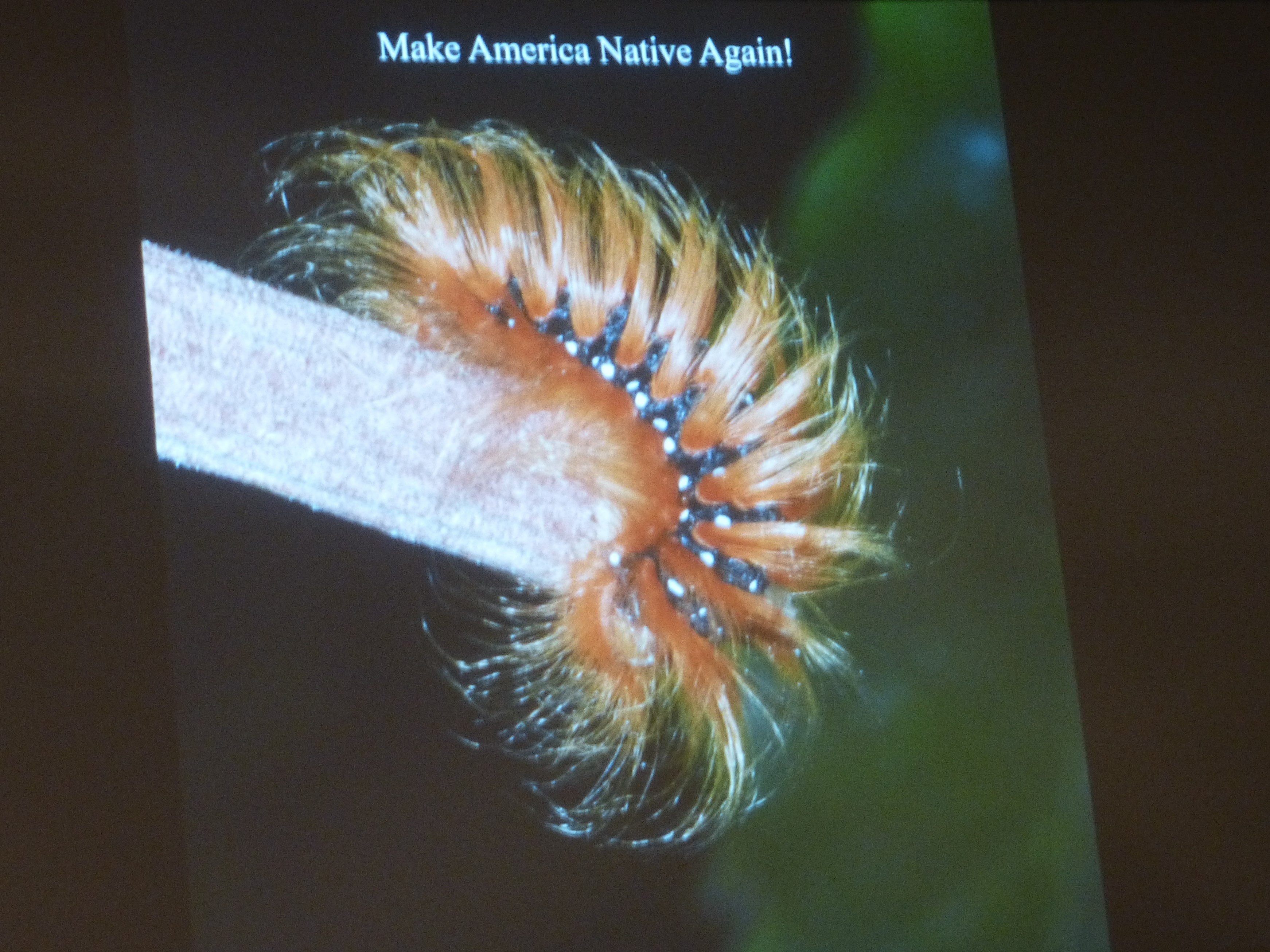
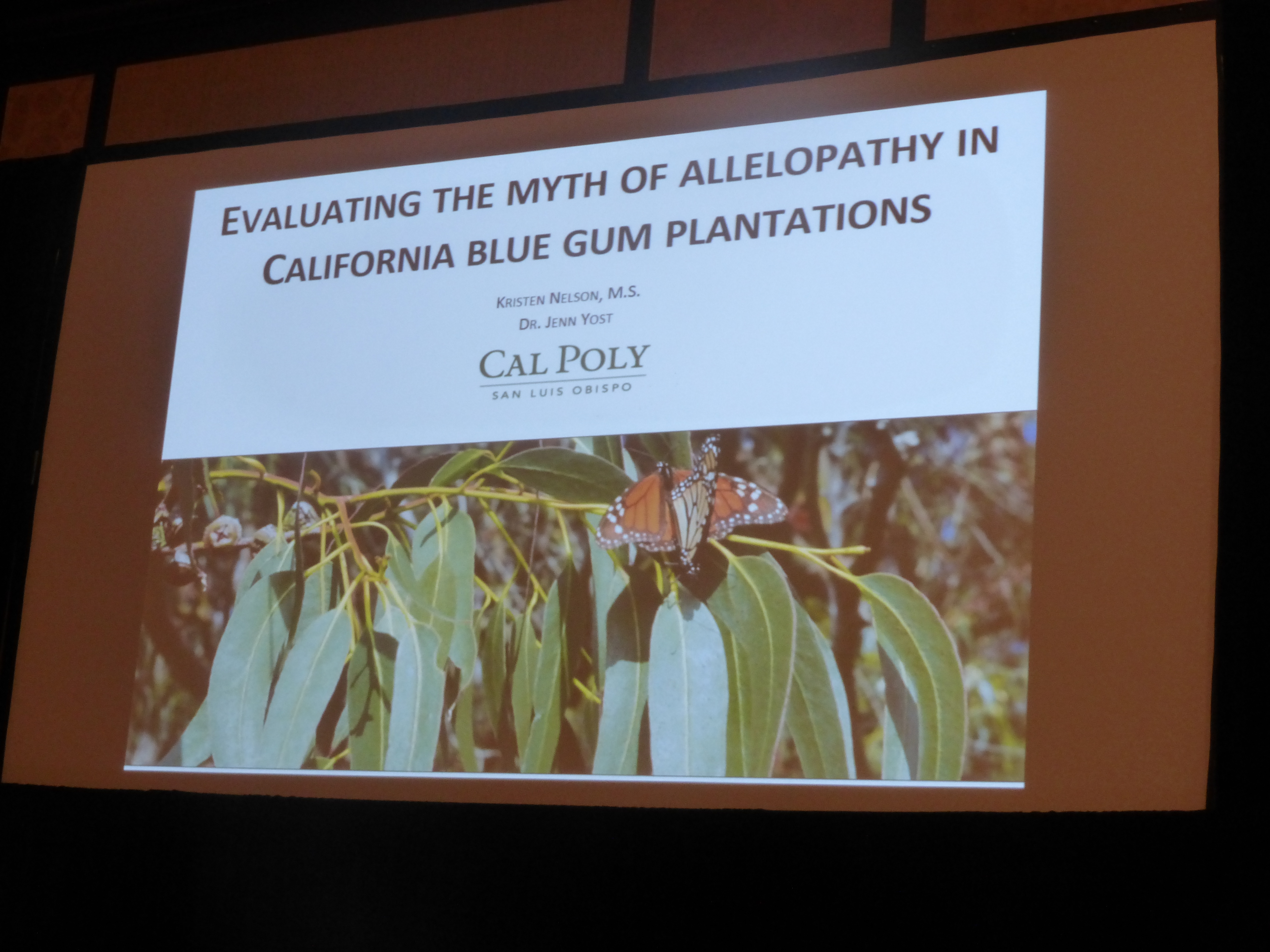
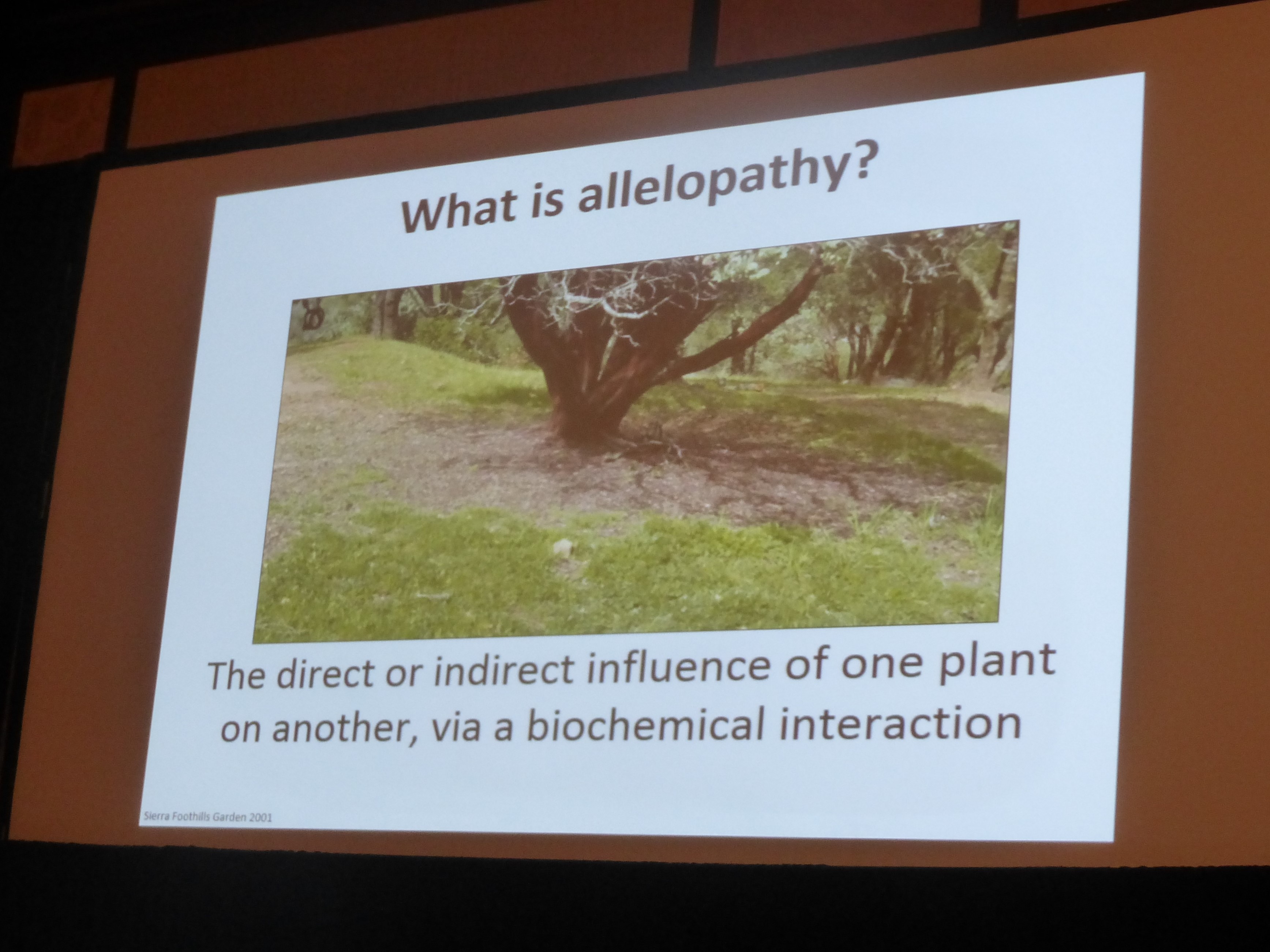
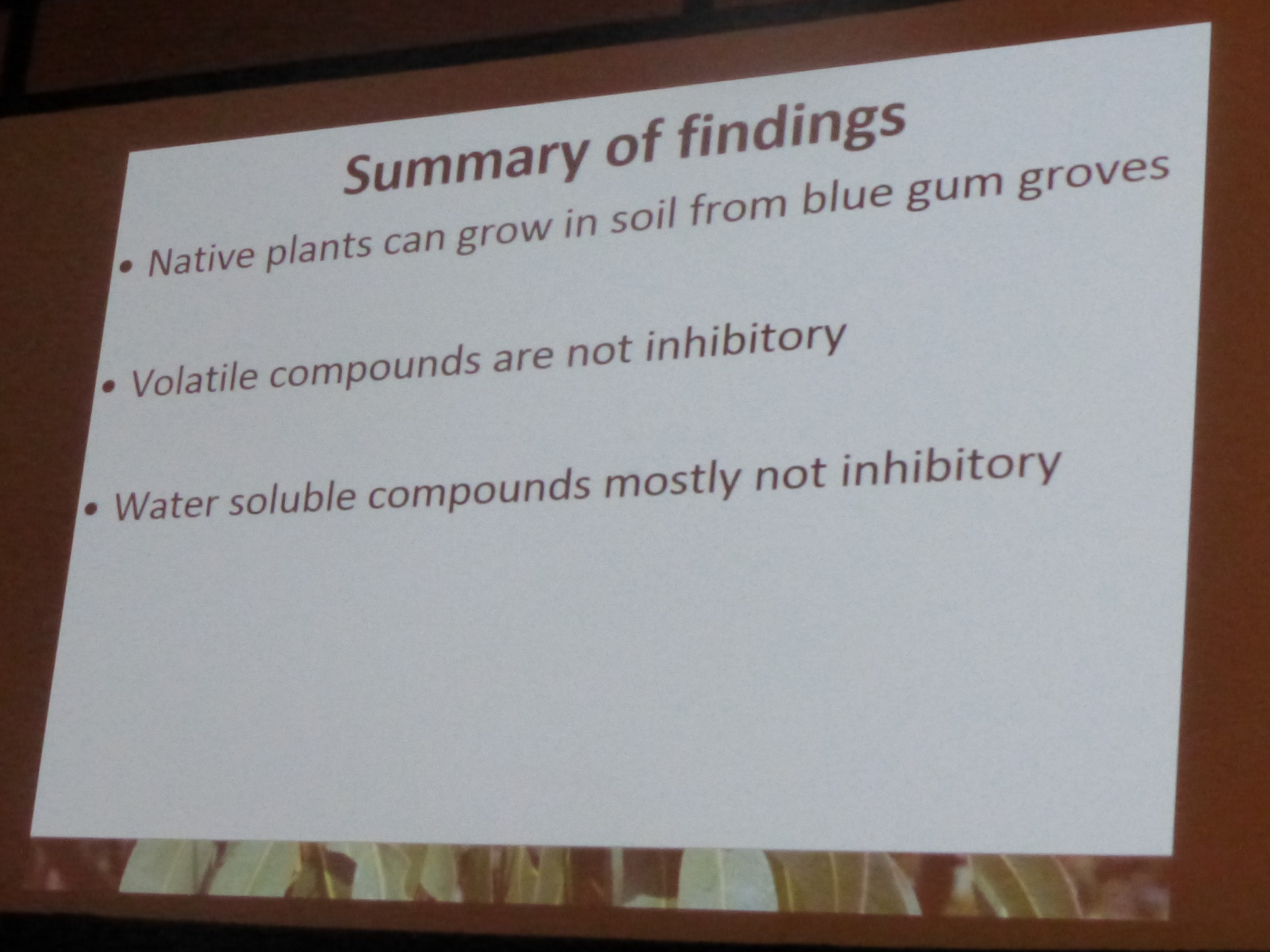

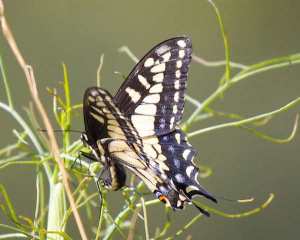
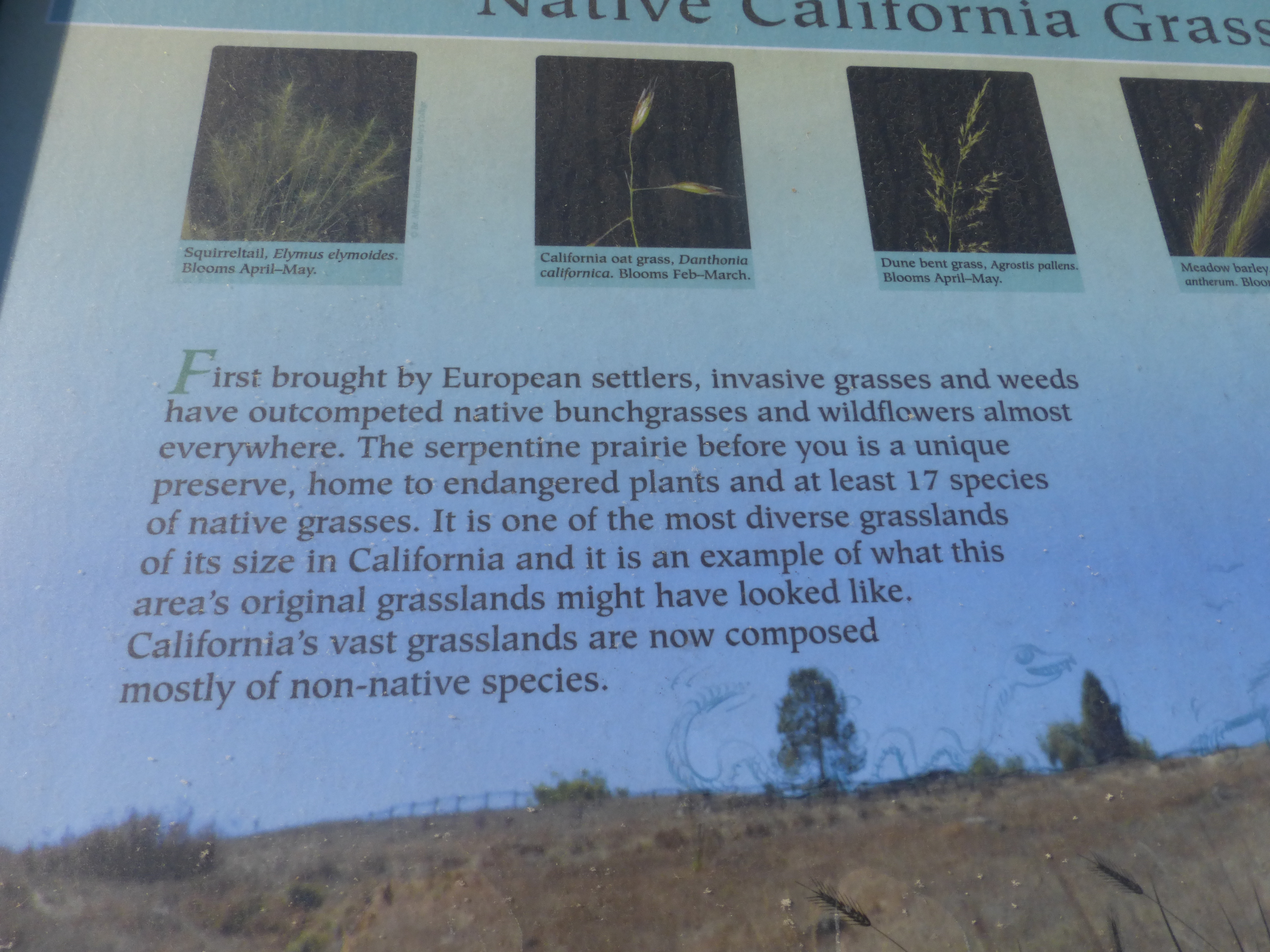
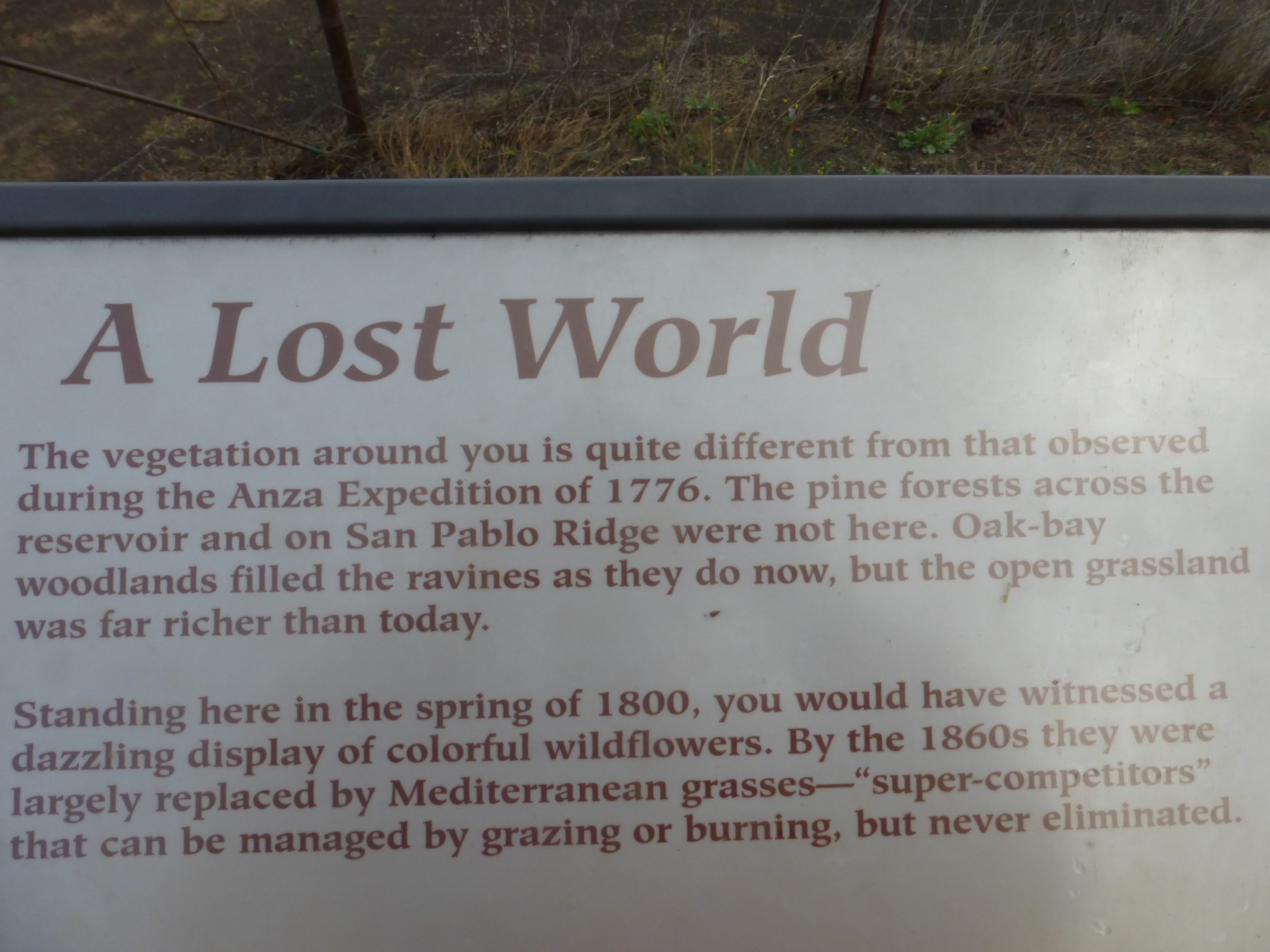
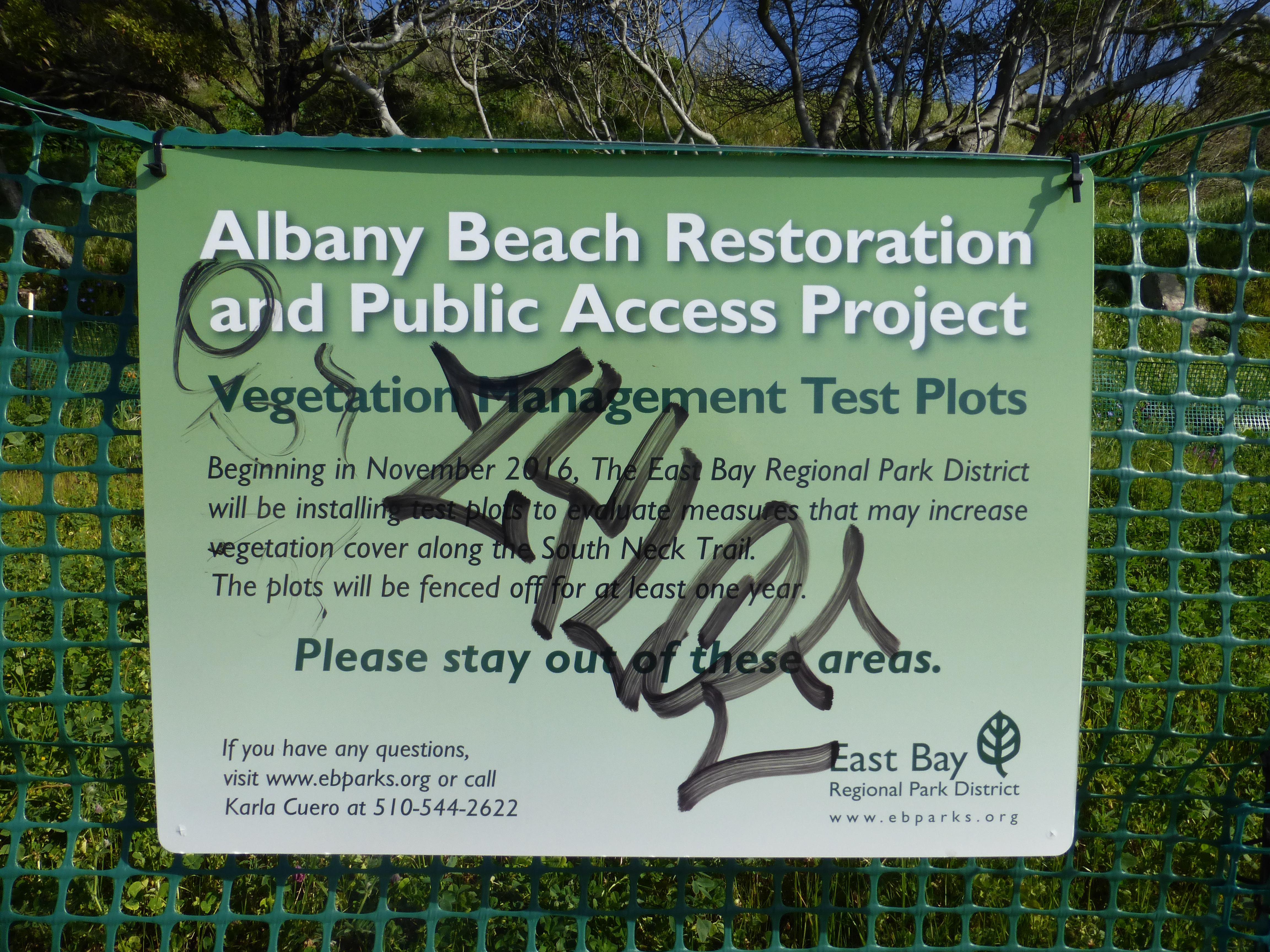
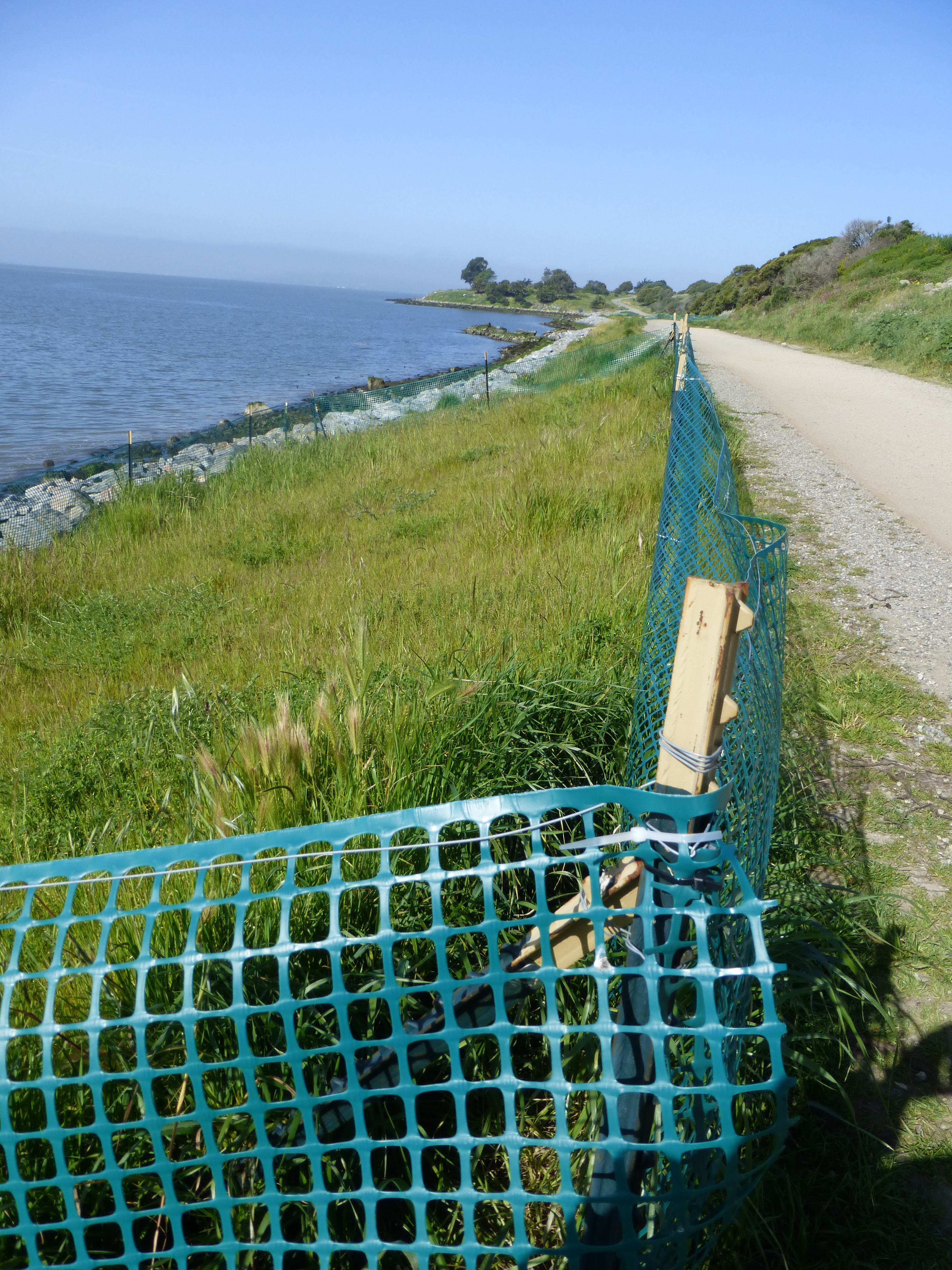
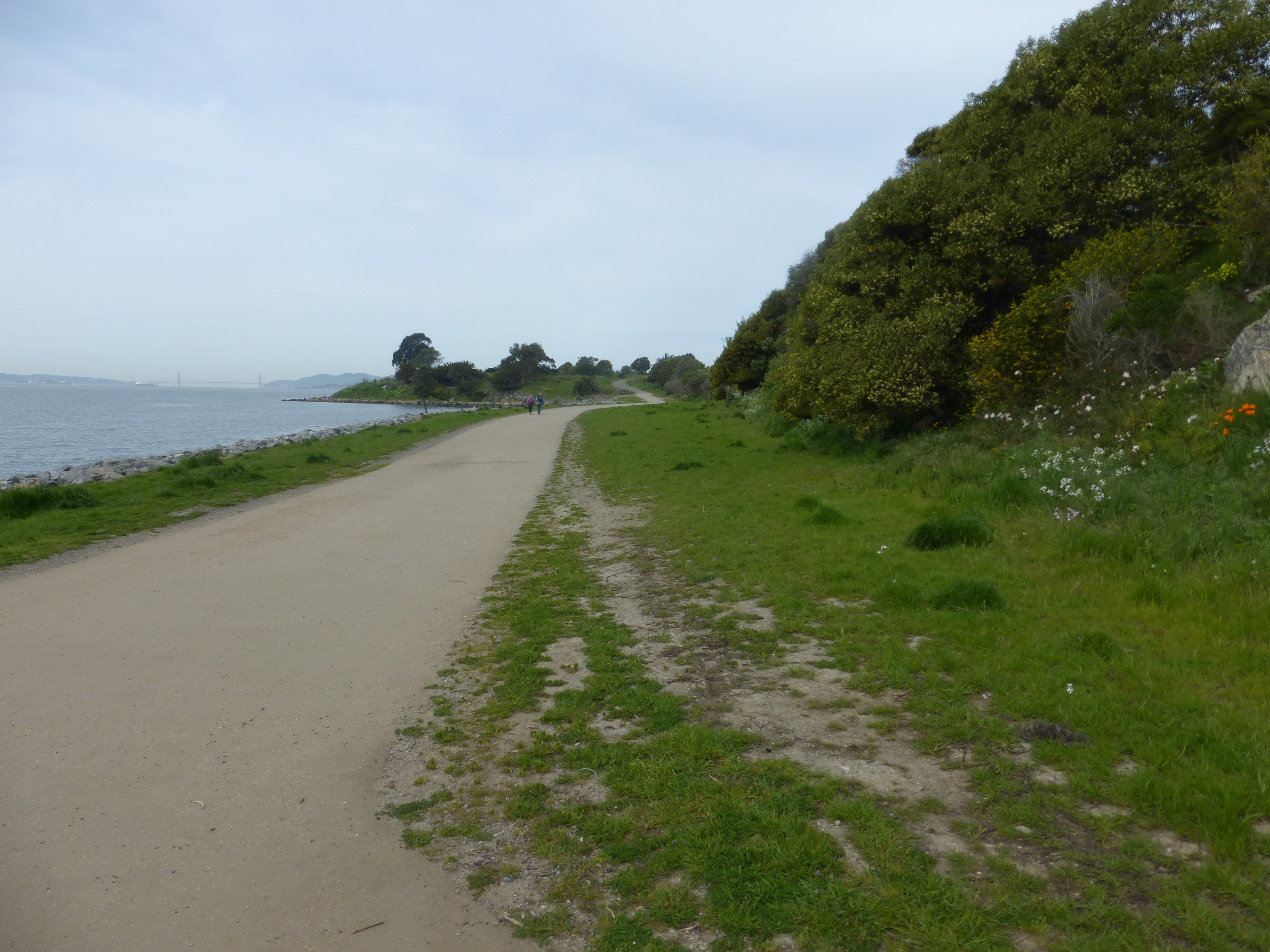
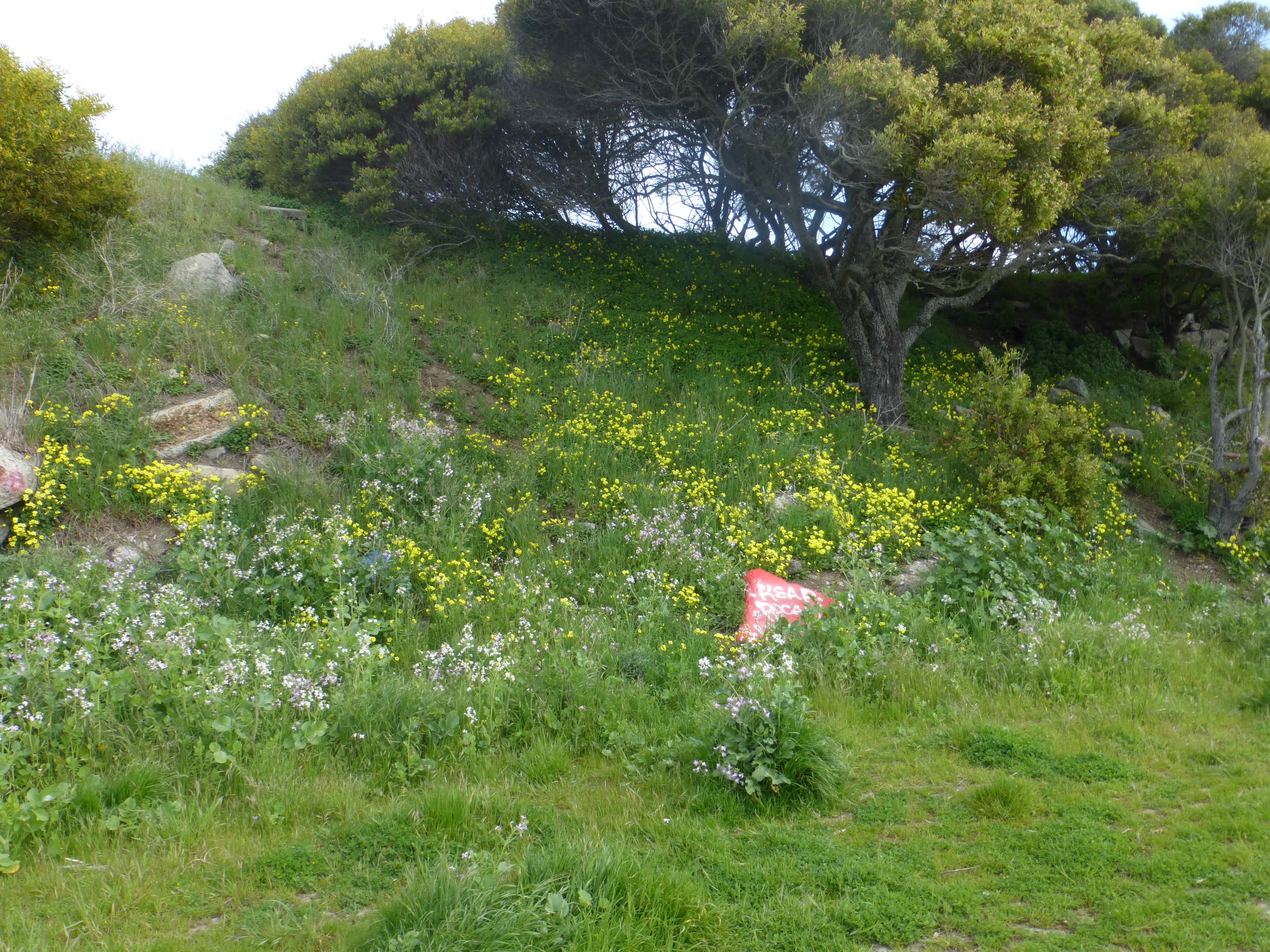
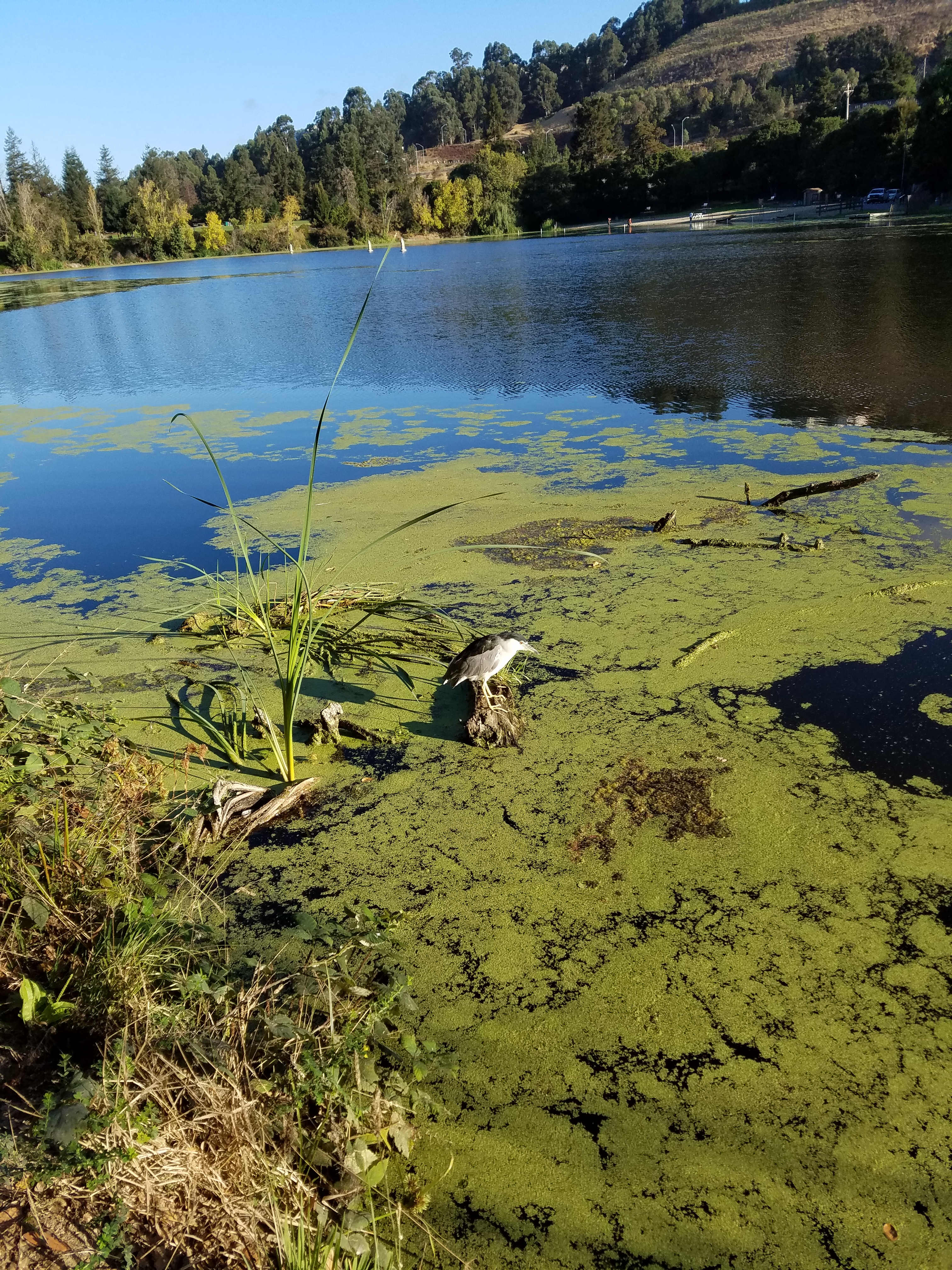

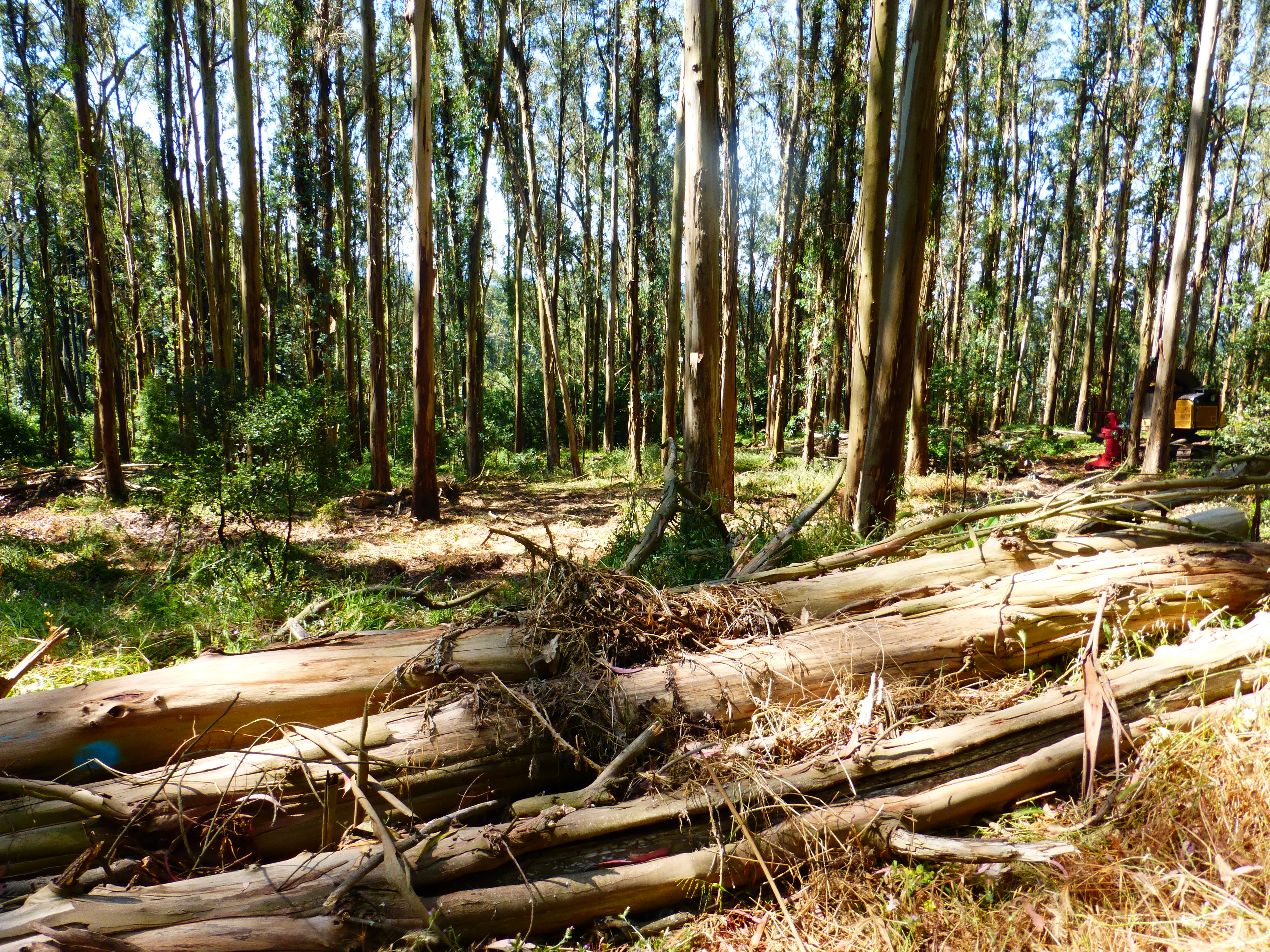

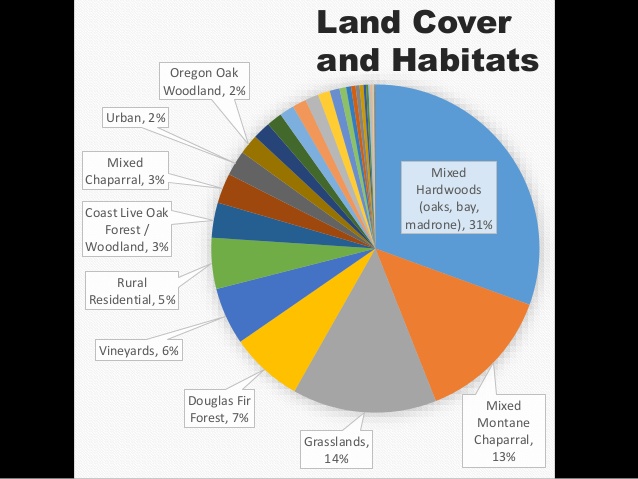
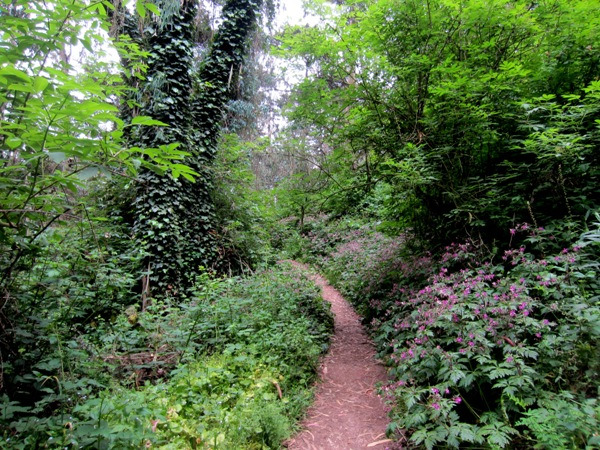
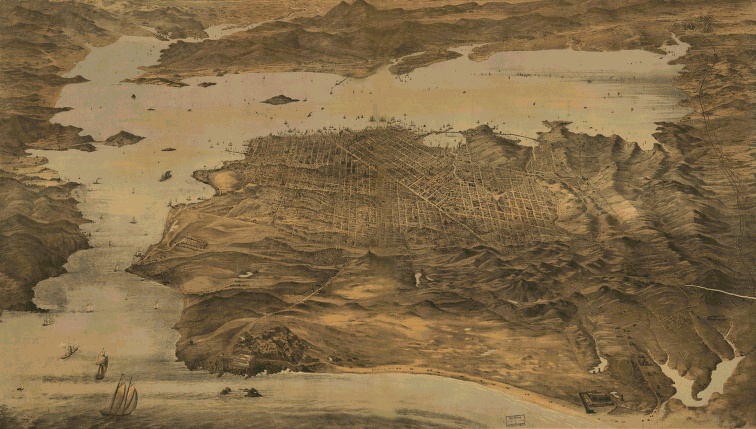
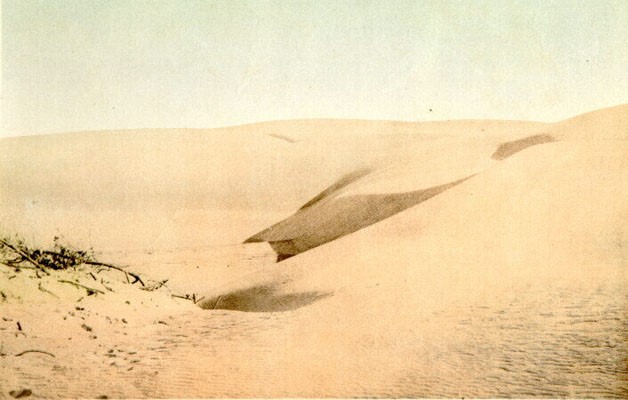
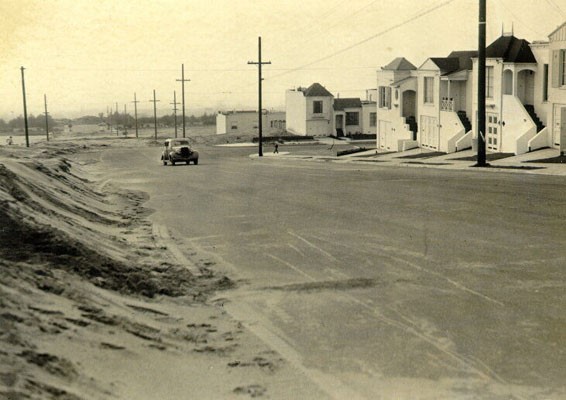
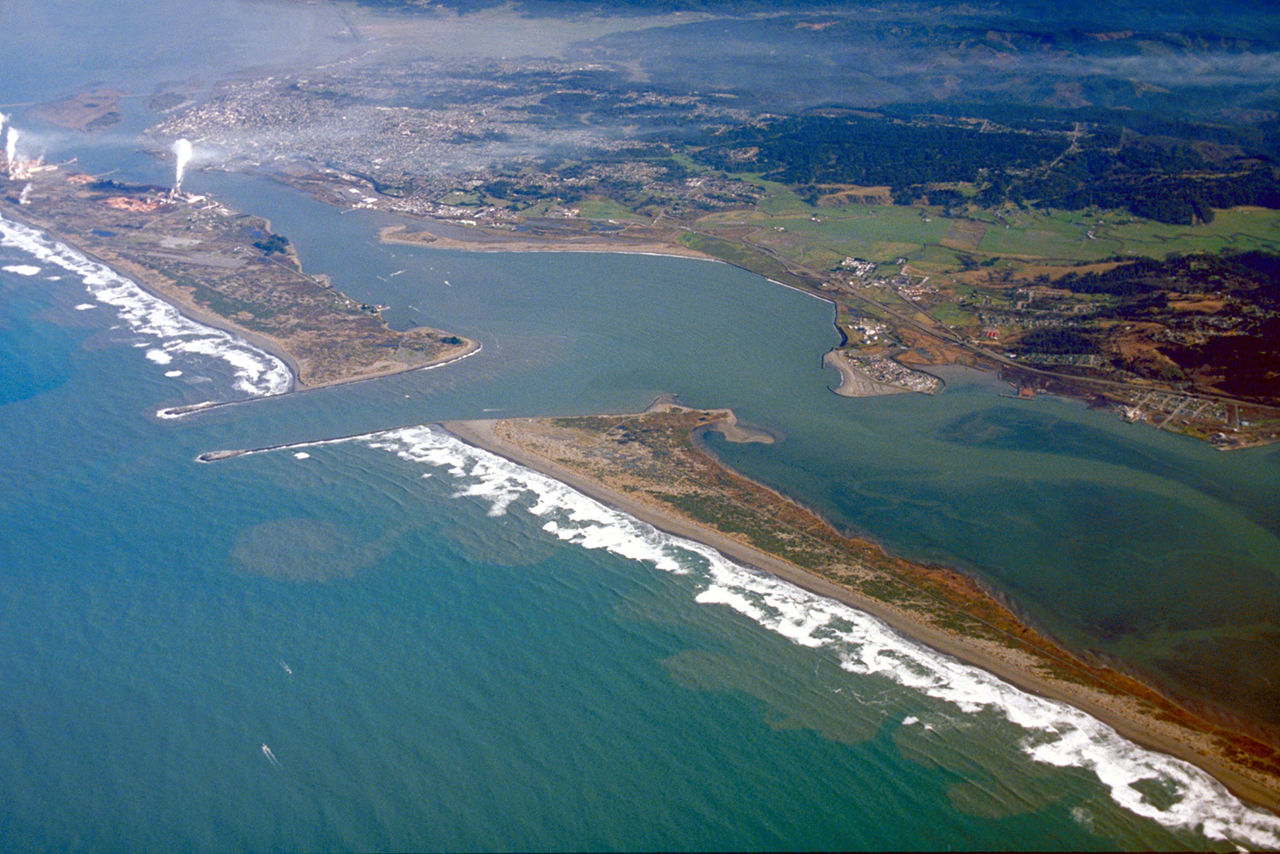
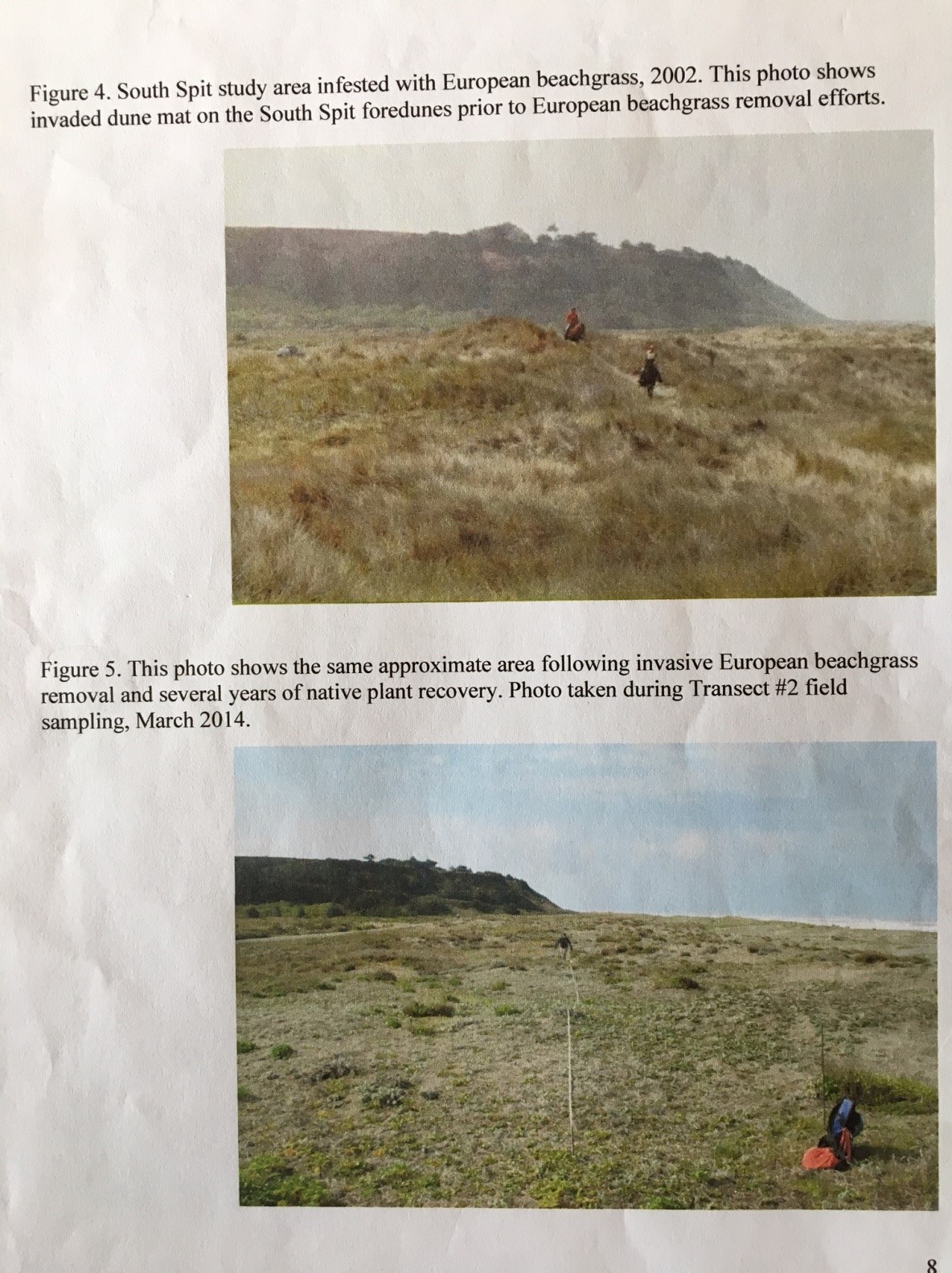
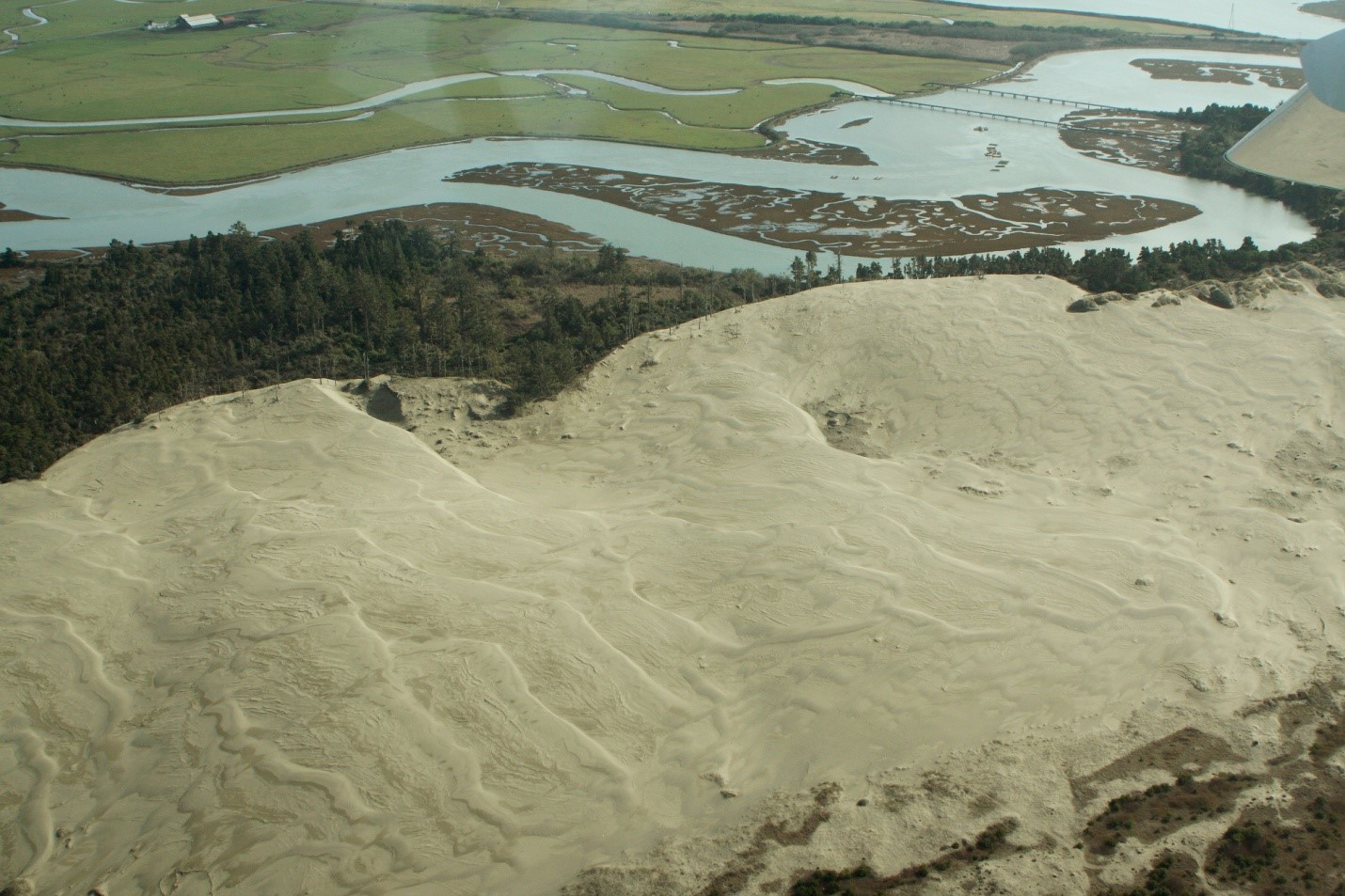
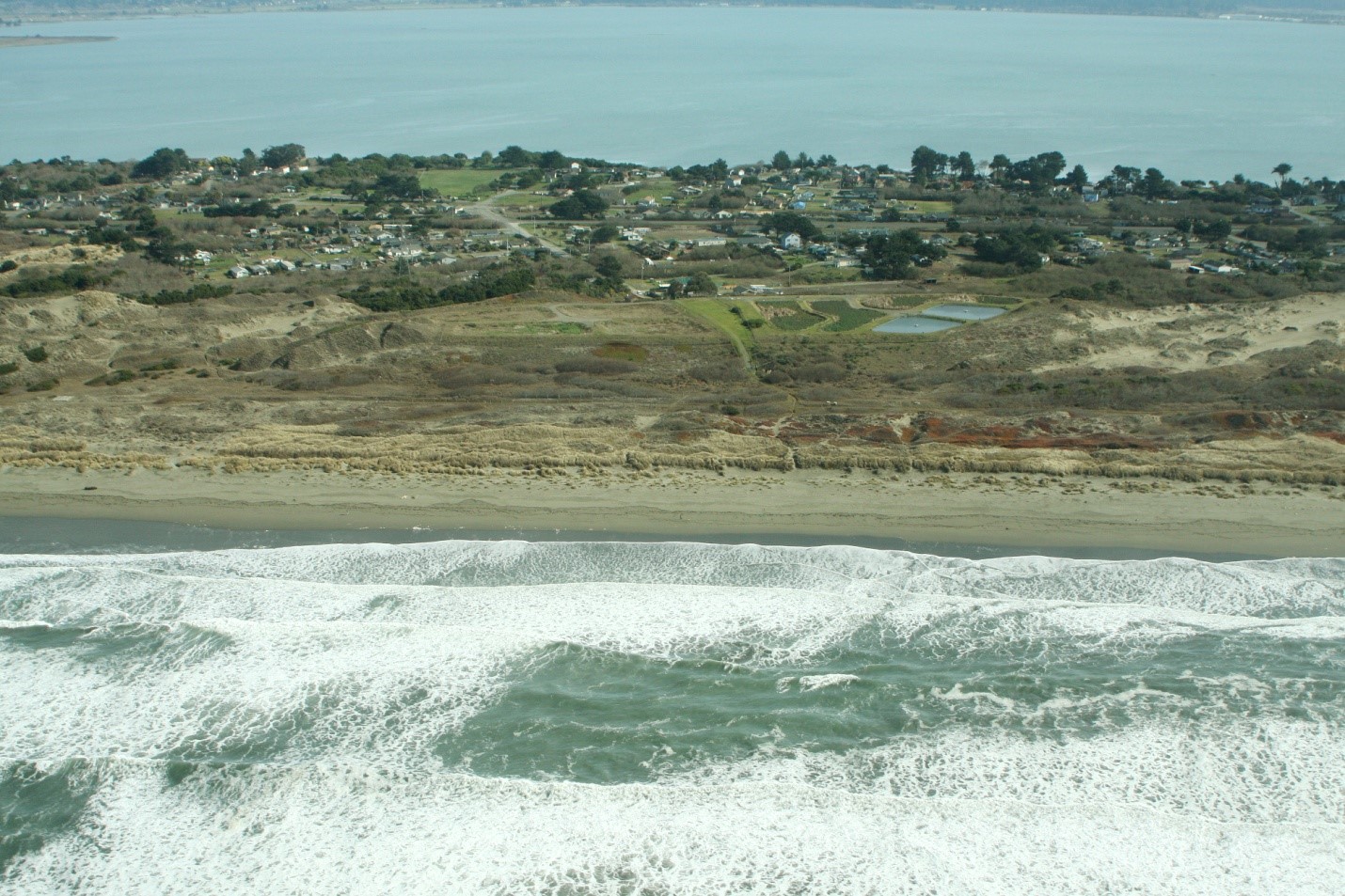
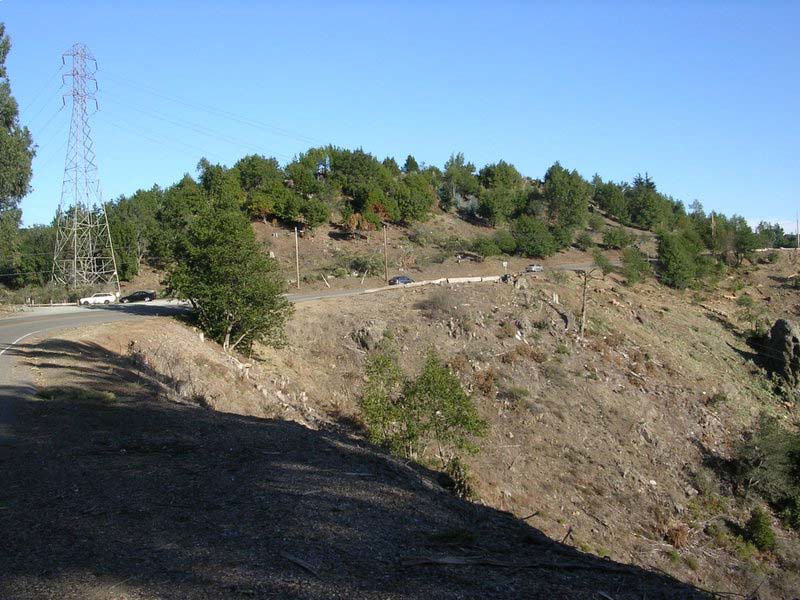
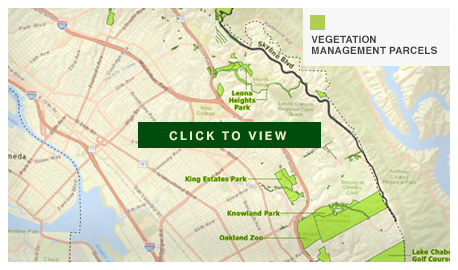
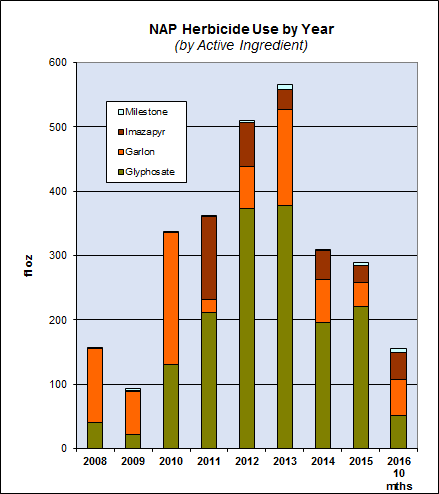

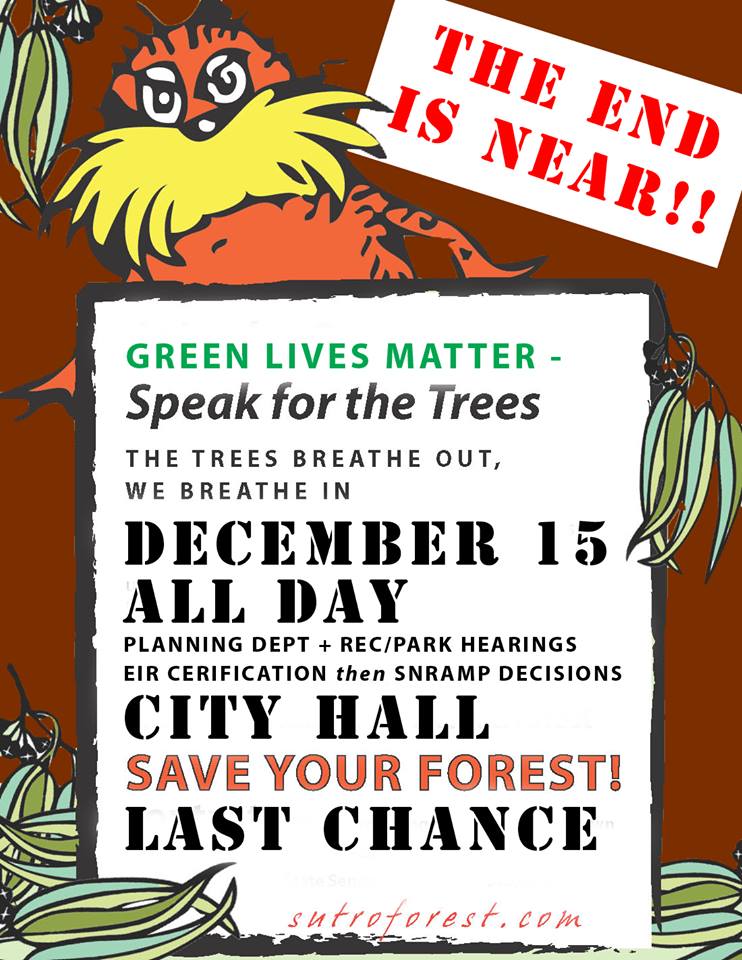
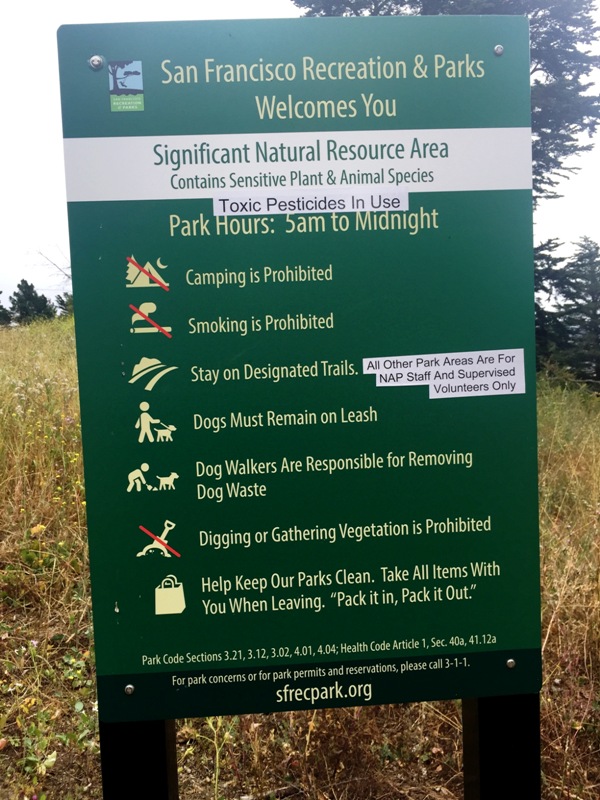
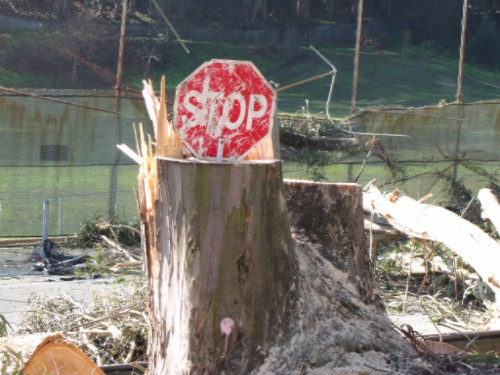
 Conservation Sense and Nonsense