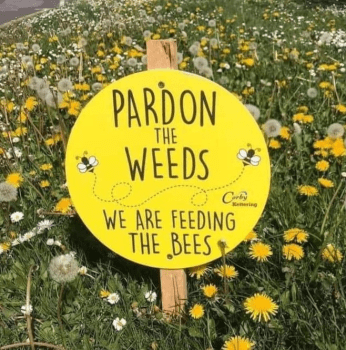
The founding error of American environmentalism

The Sierra Club, like many American institutions, is trying to come to grips with systemic racism.  The Club was founded in 1892 under the leadership of John Muir who “…made derogatory comments about Black and Indigenous peoples that drew deeply on harmful racist stereotypes, though his views evolved later in his life,” according to Sierra Club executive director Michael Brune in his letter of July 2020 to Club members (available HERE).
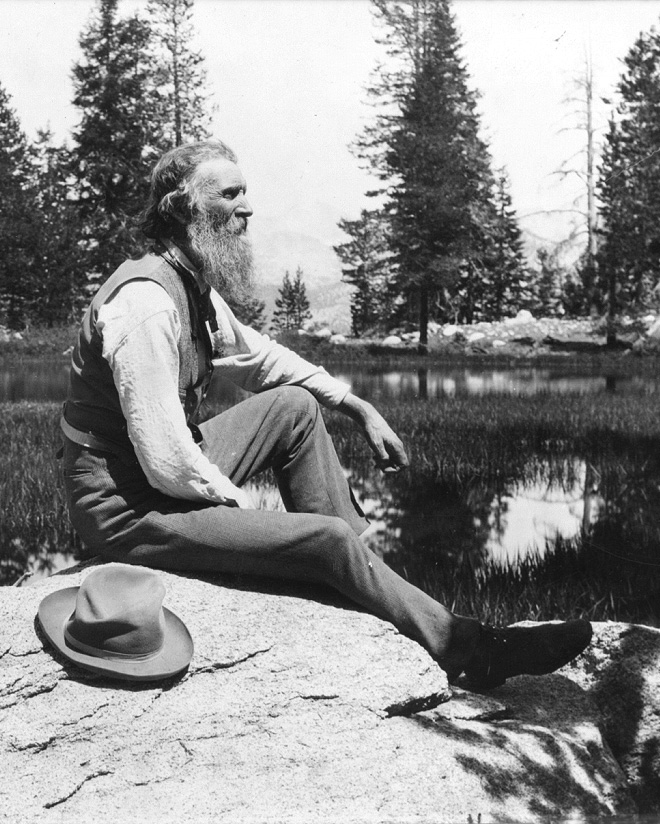
John Muir is the founder of the Sierra Club.

Author and activist, Rebecca Solnit, follows up on the roots of racism in the American environmental movement in the most recent edition of Sierra Magazine, the national magazine for Club members.  Her telling of events reveals the founding error of the native plant movement that was based on the mistaken assumption that European settlers were entering a pristine landscape that had been unaltered by humans.  The goal of the native plant movement has therefore been to replicate the pre-settlement landscape, presumed to be the ideal landscape.

Early settlers were well aware that they were entering occupied land.  After all, the settlers had to dispossess Native Americans to occupy the land.  But that reality was quickly forgotten, enabling “the lovers of the beauty of the American landscape who reimagined the whole continent before 1492 as an empty place where, as the Wilderness Act of 1964 puts it, ‘the earth and its community of life are untrammeled by man, where man himself is a visitor who does not remain.’” (1)

John Muir’s lack of respect for Indigenous culture prevented him from understanding that he was looking at the results of Indigenous land management when he admired Yosemite Valley:  “The word garden occurs over and over in the young John Muir’s rapturous account of his summer in the Sierra Nevada in 1869. ‘More beautiful, better kept gardens cannot be imagined,’ he declared. When he saw Yosemite Valley from the north rim, he noted, ‘the level bottom seemed to be dressed like a garden.’ He assumed he knew who was the gardener in the valley and the heights, the meadows and the groves: ‘So trim and tasteful are these silvery, spiry groves one would fancy they must have been placed in position by some master landscape gardener. . . . But Nature is the only gardener able to do work so fine.’” (1)

In fact, Yosemite Valley looked like a garden to John Muir, because it was a garden, the garden tended by Native Americans for thousands of years:

“Native Americans as hunters, gatherers, agriculturalists and horticulturalists, users of fire as a land-management technique, and makers of routes across the continent played a profound role in creating the magnificent North American landscape that Europeans invaded. Their use of fire helped maintain plants and spaces that benefited these first human inhabitants—including increasing animal populations, causing plants to put forth new growth in the form of straight shoots suitable for arrow making and basket making, and keeping forests open and underbrush down. In Yosemite Valley, burning encouraged oak trees and grasslands to flourish; conifers have since overtaken many meadows and deciduous groves. The recent fires across the West are most of all a result of climate change—but more than a century of fire suppression by a society that could only imagine fire as destructive contributed meaningfully.” (1)
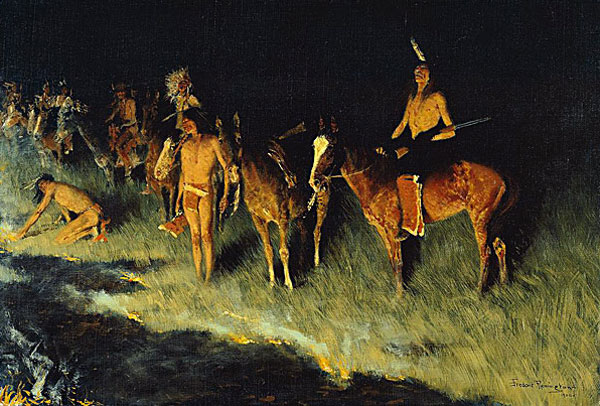
Native Americans setting grass fire, painting by Frederic Remington, 1908

Solnit correctly describes the consequences of this founding error on the development of environmentalism:  “Had he been able to recognize and convey that the places he admired so enthusiastically looked like gardens because they were gardens, the plants in them encouraged, the forests managed by the areas’ Native people, the history of the American environmental movement might have been different.”  (1)

Solnit believes there are three significant losses to American society and the environmental movement because of the initial lack of respect for Native Americans and their cultural practices.  The first was the greatest loss to Native Americans because disrespect for them as people and a functioning society made it easier to justify dispossessing and marginalizing them.  The second was the loss to American society that would have benefitted from understanding and emulating their accomplishments.  And the third loss was the founding error of American conservation policy that is based on the mistaken assumption that the pre-settlement landscape is the ideal landscape because it was unchanged by humans.

Several recent scientific studies have found that lands occupied by indigenous people in Australia, Brazil, and Canada have much more biodiversity than lands that have been designated as “protected areas” by governments.  Typically, indigenous people have been forced out of the protected areas, based on the assumption of traditional conservation that humans harm the environment.  As the Coordinator of Indigenous Organizations of the Amazon River Basin explains in a recent article in New York Times, “If you’re going to save only the insects and the animals and not the Indigenous people, there’s a big contradiction [because] we’re one ecosystem.”

A new conservation ethic

Our conservation goals require a major revision to right this wrong.  New goals must acknowledge that humans have altered every place on the planet for thousands of years.  New goals will acknowledge that nature is dynamic, that changes in nature are usually impossible to reverse, and that they have both positive and negative impacts. New goals will be adapted to the current environment, such as higher temperatures and drought.  New land management strategies can be informed by those used by Native Americans, but replicating the landscapes of 500 years ago will remain out of reach because underlying conditions have been fundamentally altered by evolution and the activities of modern society.

A new conservation ethic can honor the traditions of Native Americans as well as the sovereignty of nature.  We must stop damaging nature in the futile effort to replicate a landscape that was as much a human creation as the landscape of the Anthropocene era. 

(1) “Unfinished Business:  John Muir in Native America,” Rebecca Solnit, Sierra Magazine, March/April 2021

An Australian friend of eucalyptus

An Australian sheep farmer (we would say “rancher”), Jane Pye, spotted our defense of eucalyptus and got in touch:

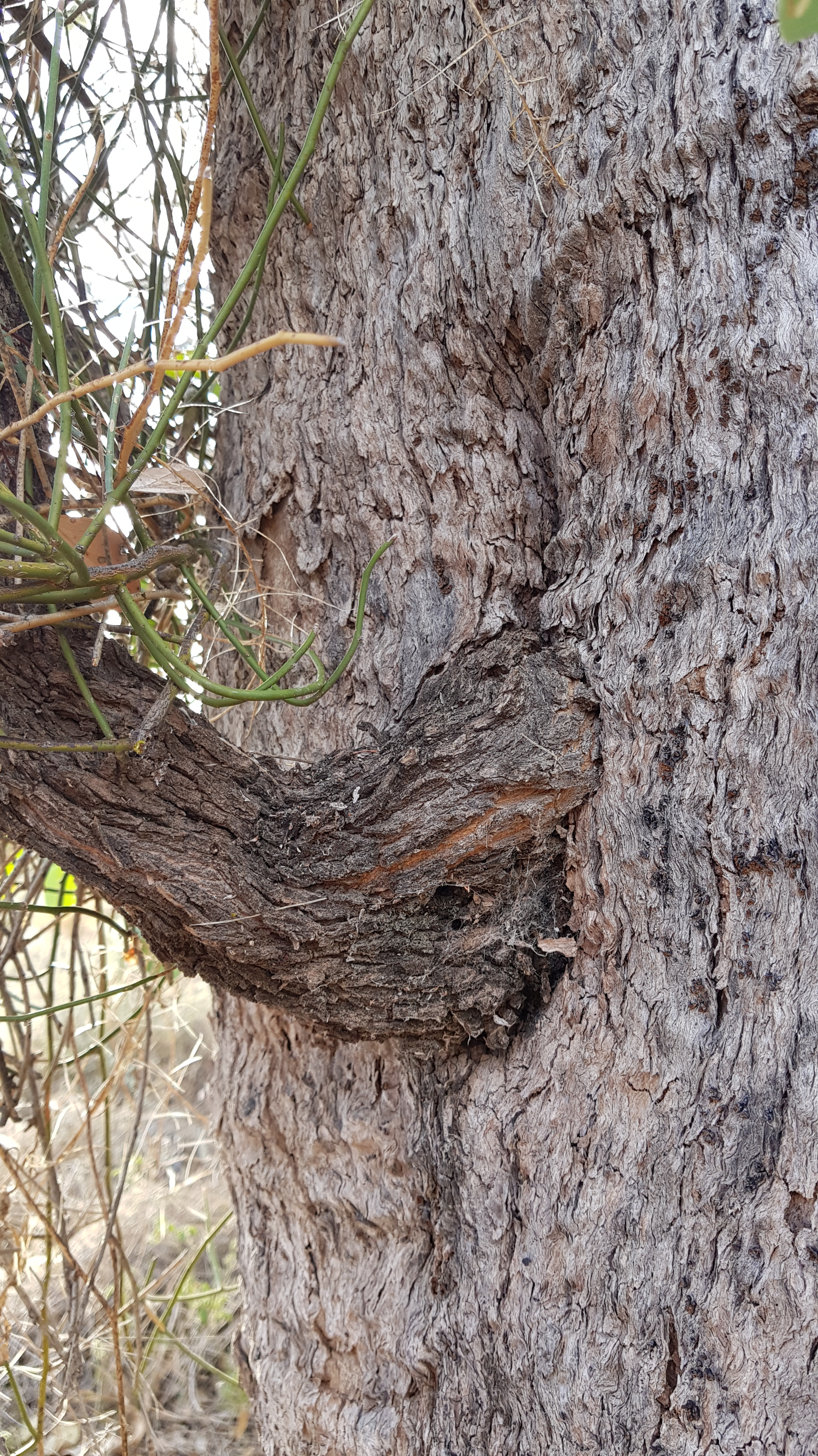
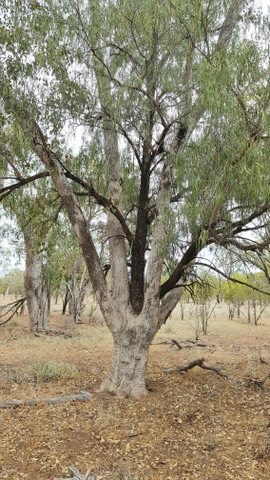
“G’day, I stumbled across the SFFA website researching ‘allelopathy’ in eucalypts and was amazed to find so much antipathy towards gum trees over there – like an arboreal cane toad! What I really wanted to know is do you have any evidence of ‘positive allelopathy’ re eucalypts?  I live in the Australian outback with areas of dry sclerophyll forest. The commonest eucalypt here (Eucalyptus populnea) is often surrounded by native scrub trees & bushes. Strangely some of these box trees also have other trees growing out of their trunks which I think were planted there by the traditional owners (Aboriginal). These Tree in Trees are found in clusters around the old indigenous campsites, which are in turn found around good natural water catchments or native wells.”

My article debunking the popular myth that eucalyptus is allelopathic was republished by the San Francisco Forest Alliance (SFFA).  The myth of allelopathy is that eucalyptus emits a chemical that prevents the germination of other species, eliminating competition with eucalyptus for resources such as water.  But Jane’s experience with eucalyptus goes beyond debunking allelopathy in eucalyptus.  She has documented many examples of different tree species that have seemingly been planted inside the cavities of eucalyptus trees.  The eucalypts are a sheltering host to the guest tree species.  Clearly, eucalyptus is not inhospitable to other plant species.

Wilga (Geijera parviflora) guest in Bimblebox (Eucalyptus populnea) host.
Apophyllum anomalum guest growing from Bimblebox (Eucalyptus populnea) host

Jane believes that these “trees in trees” were intentionally planted by indigenous Aboriginal “farmers.”  She believes that this is one of many techniques that were developed by Aboriginal people to manage the land and vegetation to provide food and cultural implements.  She explains on her website:

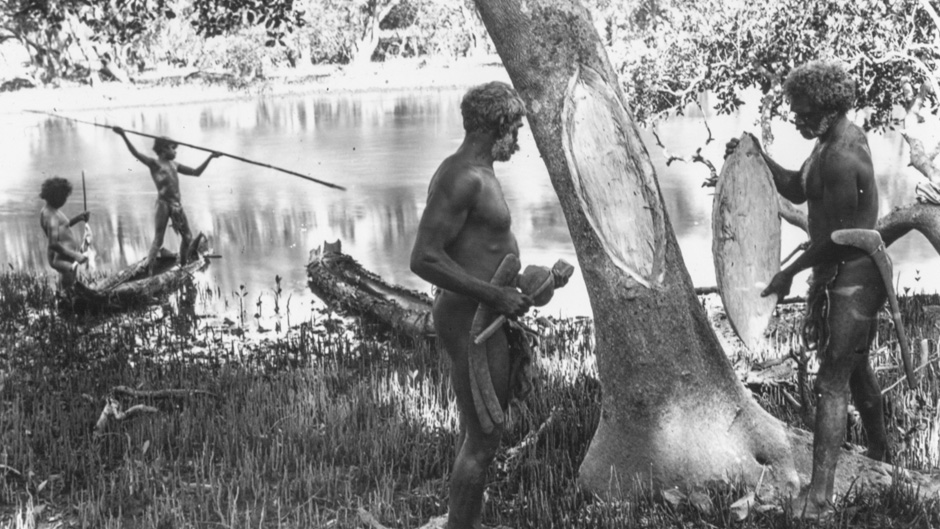
“After years of admiring and speculating about these scar trees, I have finally gotten around to photographing most of them. I spend many days in the paddocks mustering sheep and some of these trees are like old friends. They are an important link to our Aboriginal past and a reflection on how innovative and resilient these people were. Surviving out here west of Walgett with our unpredictable climate of harsh droughts and random floods is still tough but these people managed their environment and thrived.

“So I dedicate this website to Freddie Walford, an Aboriginal stockman we had who taught us some bush lore and like many of his people, died too young. I will always remember his natural affinity with livestock, his love of polocrosse and his quiet humour and grace. He never spoke much about the scar trees but did say if I was ever to see bones inside an old coolabah [Eucalyptus coolabah], I should go as fast as possible in the opposite direction! This website aims to increase knowledge and record these trees but not to display any pictures or information that is culturally secret or sacred.”

Australian aborigines. Photo by Thomas Dick, 1920

The land management practices of Australian Aborigines were very similar to those of indigenous Californians for much the same reason.  These were hunter-gatherer cultures living in similar climates with seasonal drought.  They moved around as seasons changed and their diets changed accordingly.  Both cultures used fire as one of their primary tools.  Periodic fires refreshed the grasses that fed the grazing animals they hunted.  The primary grazers in Australia were kangaroos and other marsupials; deer and other ungulates are the original grazers in California.

Native Americans setting grass fire, painting by Frederic Remington, 1908

The land management practices of indigenous people are enjoying a renaissance.  A recent study of Aboriginal land management in Australia said, “Indigenous agency and governance is driving innovations in land management worldwide that provide more equitable solutions and strategic approaches to looking after the lands, waters and all living things, particularly in the face of climate change.”

Such intentional burns are now seen as a way to keep the brushy fuels that carry fire to a minimum, reducing wildfire hazards.  Cal Fire’s new “Wildfire and Forest Resilience Plan” and the Governor’s recent annual budget proposal tell us that more prescribed burns are planned in California to reduce fuel loads and fire hazards:  “CAL FIRE will expand its fuels reduction and prescribed fire programs to treat up to 100,000 acres by 2025, and the California Department of Parks and Recreation and other state agencies will also increase the use of prescribed fire on high risk state lands.”

It has taken hundreds of years to appreciate the value of indigenous land management and its context in their culture.  When Europeans arrived in both America and Australia, settlers assumed that their culture was superior to indigenous culture.  Early settlers made no attempt to learn from indigenous people, which was the settler’s loss.  Indigenous people had learned to live off the land, in most cases without cultivating crops and without domesticated animals.  Rather, indigenous people learned what was edible and what had medicinal value.  The first European settlement in America, Jamestown, ended quickly with starvation, because the settlers weren’t able to understand what the land offered them.  In Australia, knowledge of indigenous land management was also delayed by the cultural taboos of the indigenous people that prohibited the revelation of many of their cultural practices outside their ancestral clans.

 Wildfire in Australia

Jane also had some interesting observations about wildfires in Australia that are consistent with our experience in California:

I’m sorry to hear eucalypt forests are being destroyed over there as they are wonderfully useful trees. We don’t have many fires in inland Australia. It’s more of a coastal / high rainfall problem. We just don’t get the fuel build up as it’s a semi-arid region and we have thousands of merino sheep eating the grass and shrubs. There have been no fires on this property in over a century and probably much longer. We also have efficient native grazers – kangaroos and wallabies and now also goats that are increasingly common as an alternative to sheep.”

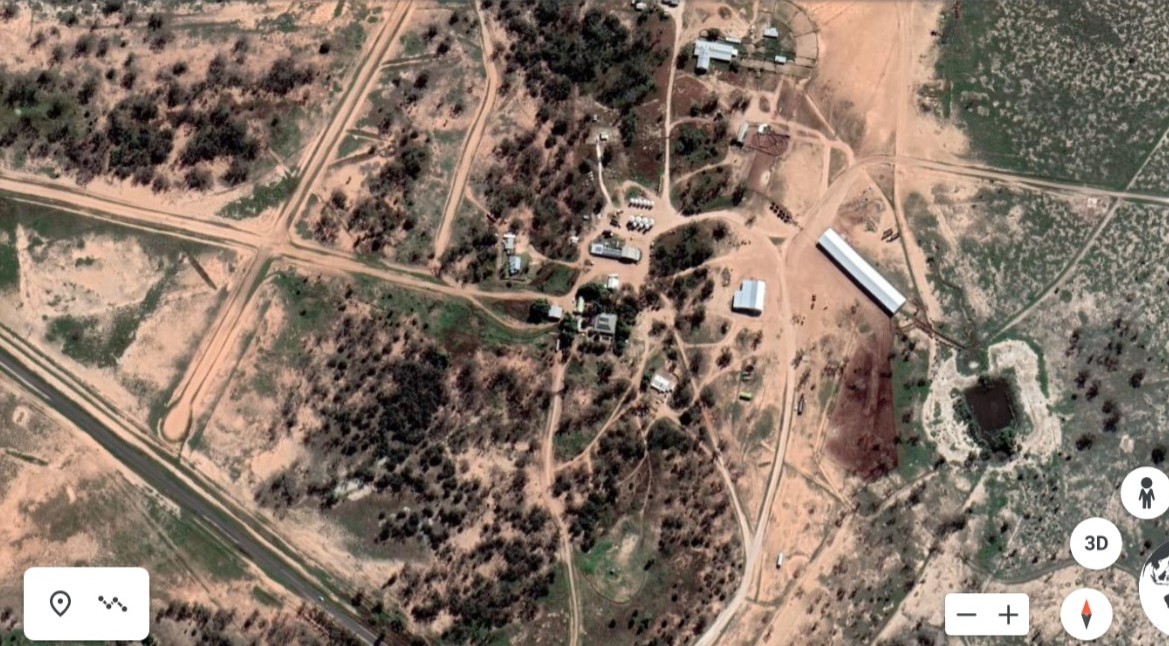
Jane Pye’s home. Gingie Station, Walgett, NSW, Australia. There are many places in California’s Central Valley that look much the same.

This is the strategy that I promote on this website.  If we reduce ground fuels that ignite easily, we can prevent most fires from igniting tree canopies that are harder to ignite.  Fire travels fast on the ground if given a continuous field of dry grass during the dry season.  Grazing animals are a far safer way of reducing these grassy ground fuels than the herbicides that are often used.  Herbicides leave a dead, dry thatch on the ground that is very flammable and grazing does not.

Walgett, Australia. Average Hi Temp 80 degrees. Average Lo Temp 54 degrees. Average rainfall 19 inches.

“Also we are very used to fire over here and many people regard those foolish enough to build in fire prone areas have only themselves to blame. Some of our small coastal towns are totally surrounded by National park and State forest and only have one road in – that’s why there were so many images of people sheltering on beaches last summer. It’s a hard issue but better hazard reduction burns and more fire fighting aircraft seem to be the way forward here. Also better fire retardant building materials.”

These observations are also consistent with the strategy that makes sense to me.  We must learn to live with fire because it is an essential element in Mediterranean ecosystems.  We can’t prevent it, but we can work around it with zoning that prevents building in extremely hazardous areas, using fire retardant building materials, and creating safe evacuation routes.

Thanks, mate!

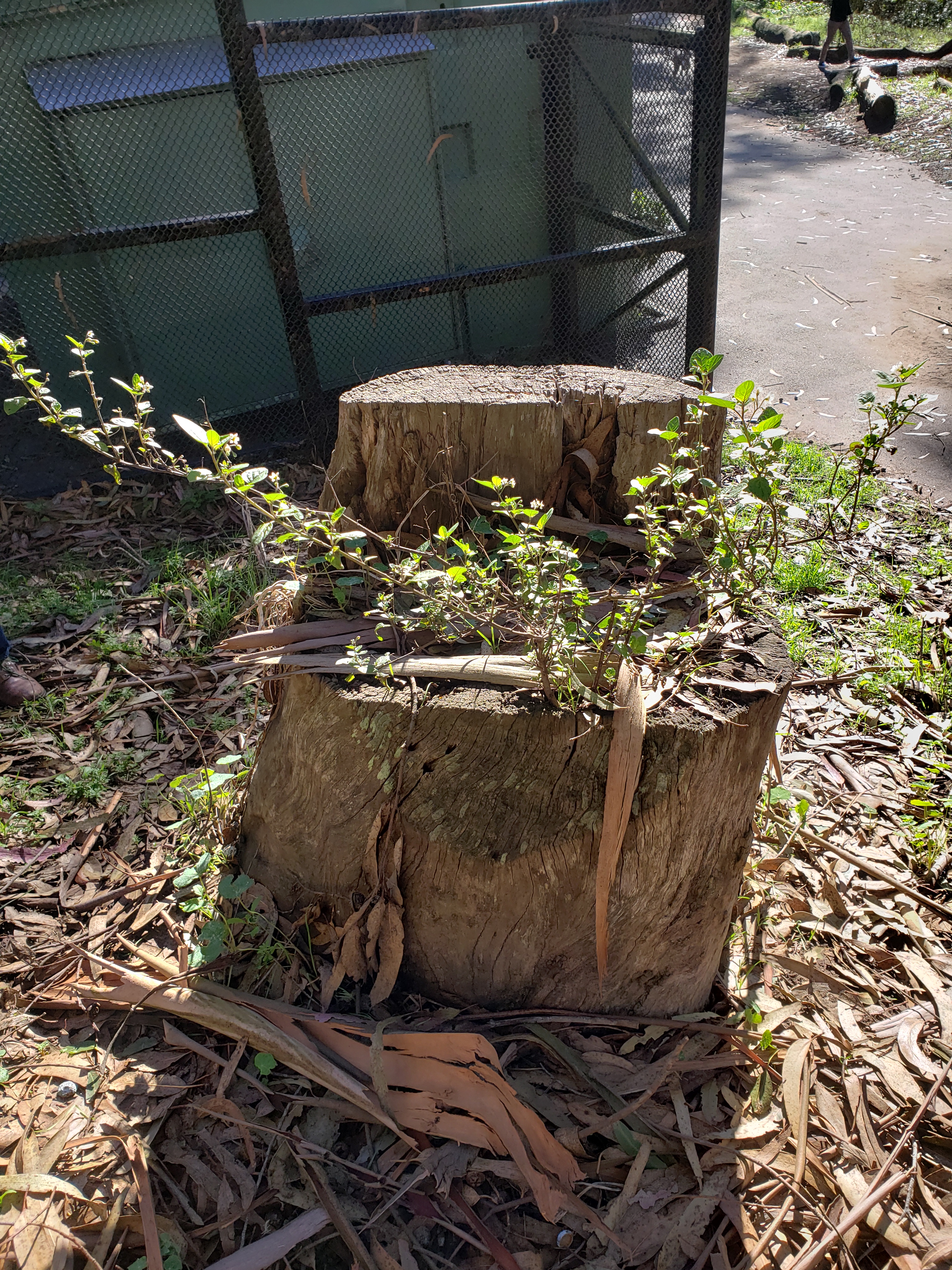
 Alerted by Jane, I noticed this woody shrub sprouting from a eucalyptus stump in Stern Grove a few days after I heard from Jane.  Clearly, eucalyptus does not retard the growth of other species.

Stern Grove, San Francisco

Many thanks to Jane for getting in touch with us.  Thanks for her admiration of eucalyptus and Aboriginal culture.  I’ve had some lovely email chats with Jane.  Perhaps you would like to drop her a line to thank her as well:  janepye6@gmail.com

Nobody cares where a pretty wildflower is from

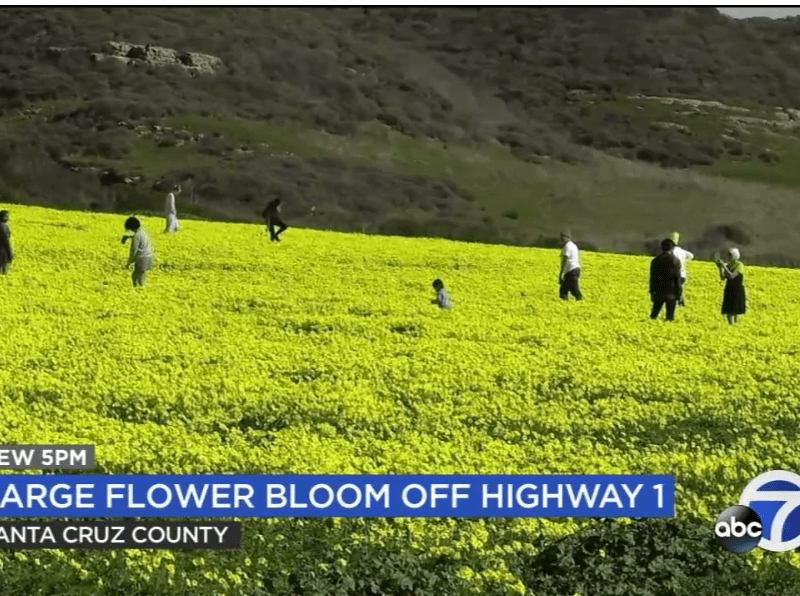
The feel-good ending of the local news broadcast on Channel 7 (ABC) on February 17, 2021, featured this video of a huge field of oxalis (Bermuda buttercup, Oxalis pes-caprae) blooming on the roadside of Highway 1 in Santa Cruz County.  People were stopping along the road to admire the bright yellow blooms of spring and photograph them.  No one said anything about where the plant “belongs,” and no bad words were spoken about this useful plant that native plant advocates love to hate.

Click on the picture to activate the video

Despite its beauty and utility, oxalis is sprayed with one of the most toxic herbicides on the market in public parks and open spaces in the Bay Area.  San Francisco’s Recreation and Parks Department has been spraying oxalis in several public parks for over 15 years.  San Francisco Forest Alliance (SFFA) published a brilliant article about this pointless and destructive crusade that was republished by Conservation Sense and Nonsense in 2015.  That article about the many benefits of oxalis is one of the most popular articles on this blog; it has been viewed by over 10,000 readers and many more on the SFFA website.  We invite you to visit it and we summarize it briefly here:

  • Oxalis blooms briefly in early spring and dies back before summer begins, leaving the ground to other plants. It does not kill other plants, rather it co-exists briefly during its annual bloom.
  • Oxalis is very useful to pollinators and its tuberous roots (bulbils) are eaten by ground dwelling animals such as gophers.
  • Oxalis is called sour-grass because of its pleasant-tasting tang and it is often eaten by children.
  • Triclopyr is the active ingredient in the herbicide that is used on oxalis during its blooming season. It damages the soil by killing beneficial fungi and microbes, and it is toxic to many animals.

The annual poisoning of oxalis on Mount Davidson was recently videotaped by Ron Proctor and published by the San Francisco Forest Alliance. A crew of 5 men was hired to do the deed.  Ironically, this spraying of oxalis on Mount Davidson in San Francisco was taking place at the same time that tourists were admiring oxalis in a neighboring county.

Click on picture to activate the video.

Oxalis is not an isolated example of a non-native plant that is admired by the public, but hated by native plant advocates and public land managers who do their bidding.  As a member of the Sierra Club, I receive emails alerting me to opportunities to advocate for the protection of the environment.  The most recent email featured a picture of a yellow wildflower in the foreground of a photograph of a Bay Area landscape:

The yellow wildflower in the foreground is Black Mustard (Brassica nigra).  I responded to the Sierra Club’s email:

“The plant in the foreground of your photograph appears to be Brassica nigra:  ‘Brassica nigra, or black mustard, is an annual plant cultivated for its black or dark brown seeds, which are commonly used as a spice. It is native to tropical regions of North Africa, temperate regions of Europe, and parts of Asia.’ Wikipedia

“I hope the use of this photo in this Sierra Club email to its members means that the Sierra Club is finally prepared to accept the reality of the presence of non-native plants in our public parks and open spaces.  The Sierra Club’s support for unnecessary and destructive eradication projects has been regrettable, particularly because they require the use of harmful herbicides.  I hope this email is an indication that the Sierra Club is finally ready to reconsider this futile crusade.”

I received this disappointing reply from the Sierra Club:  The staffer who puts together our newsletter isn’t a plant buff and wouldn’t have known the difference. But I am a plant buff and review the newsletter and know the difference between a mustard and a native plant. I somehow just overlooked that photo entirely. Thanks for bringing it to my attention. I’ll be more careful in my review of the newsletter in the future (look more carefully at the photos). And we’ll change the online version.”

The beauty and resilience of weeds

Dandelion by Mona Caron. Click on the picture to see more murals by Mona Caron.  Mona is a Swiss artist who became a muralist in her adoptive hometown San Francisco, California.  She is best known for her multi-story murals celebrating the rebellious resilience of weeds.

 The Bottom Line

The general public doesn’t care where plants came from.  The public recognizes and values beauty wherever it is found.  Unfortunately, our public lands are in the death grip of the native plant movement and environmental organizations that should be objecting to the use of herbicides in our public parks and not promoting that destructive agenda.  The crusade against non-native plants has been responsible for spraying our public lands with dangerous pesticides for over 20 years.  They have little to show for their toxic crusade, perhaps because the herbicides damage the soil and make the survival of native plants even less likely.


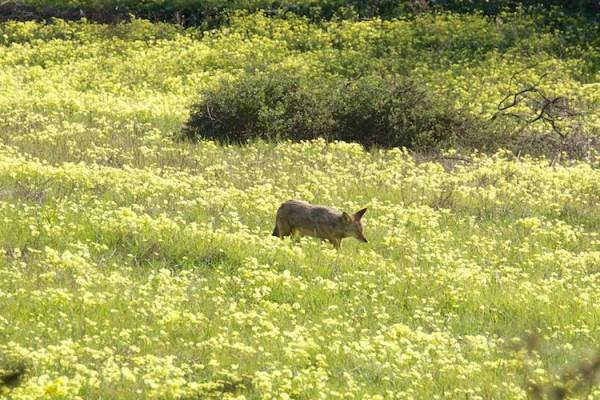
The featured photo at the top of this article was taken in Glen Canyon, another public park in San Francisco where oxalis has been sprayed annually for many years.  The copyright photo of a coyote in a field of oxalis was taken by Janet Kessler and is shown with her permission.

Fact vs. Fiction: The real threats to native plants in California

The enduring fiction of the native plant movement is that the existence of non-native plants threatens the existence of native plants by “crowding out” native plants.  If that were true, we should expect to see some evidence of such a causal relationship after 250 years of steadily increasing numbers of non-native plant species.  But we don’t. 

Marcel Rejmanek (UC Davis) is the author of the most recent report on plant extinctions in California, published in 2017.  At that time there were 13 plant species and 17 sub-species native to California known to be globally extinct and another 30 species and sub-species extirpated in California but still found in other states.  Over half the globally extinct taxa were reported as extinct over 100 years ago.  Although grassland in California had been converted to Mediterranean annual grasses by grazing domesticated animals decades before then, most of the plants now designated as “invasive” in California were not widespread over 100 years ago.

Most of the globally extinct plant species had very small ranges and small populations.  The smaller the population, the greater the chances of extinction.  Most of the globally extinct plants were originally present in lowlands where most of the human population and habitat destruction are concentrated. Although there are many rare plants at higher altitudes, few are extinct.  Plants limited to special habitats, like wetlands, seem to be more vulnerable to extinction. The primary drivers of plant extinction in California are agriculture, urbanization and development in general.

Non-native plants are the innocent bystanders to disturbance

“Invasive species” are mentioned only once in the inventory of extinct plants published by California Native Plant Society and only in combination with several other factors. However, the identity of this “invasive species” is not clear.  Rejmanek suggests that the “invasive species” rating refers to animal “invasions” by predators and grazers.  He says, “Indeed, one needs quite a bit of imagination to predict that any native plant species may be driven to extinction by invasive plants per se.” (1)

Although climate change is not cited as the cause of any of the known plant extinctions in California, Rejmanek predicts that climate change is likely to be a factor in the future, not only because of the impact of drought and higher temperatures, but also because non-native plants may be better adapted to changed conditions.

There are over 1,000 naturalized non-native plant species in California.  Their presence is associated with human disturbance.  Naturalized non-native plants are a symptom of disturbance, not the cause.  The impact of non-native plants on native plants cannot be separated from other factors that created the conditions for success of non-native plants.

Specialized insects are exaggerated

Another popular fiction among native plant advocates who love to hate non-native plants is that specialized insects—especially pollinators—require specific native plant species. Again, the record of plant extinctions in California does not support that myth:  “…there is no indication that the loss of pollinators was an important factor in plant species extinctions in California. [For example, one of the native plant species extirpated in California] has many documented non‐specialized pollinators. There does not seem to be any particular dispersal mode associated with presumably extinct plants in California.” (1)

Putting plant extinctions into context

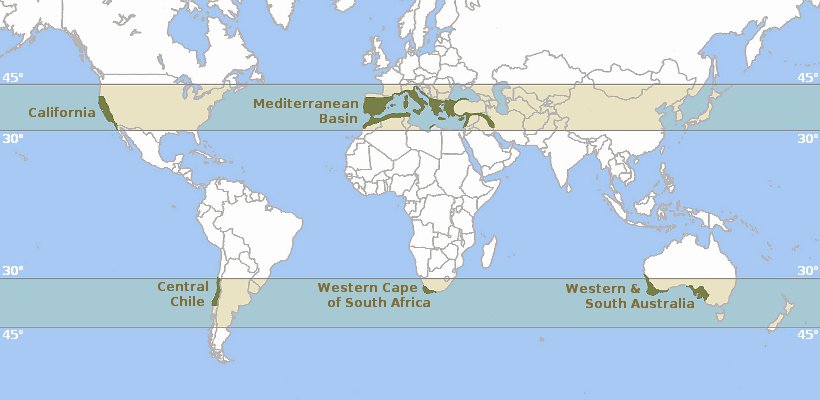
Mediterranean Climates are found in coastal temperate zones. Mediterranean climates are characterized by hot dry summers and mild wet winters.

Setting sub-species aside, there are 5,280 identified native plant species in California and 28 known extinctions of native plant species, including 15 plant species known to still exist in other states.  Only .53% of California native plants are known to be extinct in California, about one-half of one-percent.  Does that seem like a lot?  Rejmanek compared the extinction rate in California with other Mediterranean climates.  The extinction rate of native plants in California is similar to those in the European Mediterranean Basin, South Africa, and Australia, but a little greater than the rate in Chile, where there are fewer endemic plants that exist only in Chile.  Endemism is associated with small native ranges and small populations that are more vulnerable to extinction.

Why are there many endemic plants in California?

About 40% of native plant species in the California Floristic Province are endemic, found only in California and in most cases only in small areas within California, including our off-shore islands.  Their small populations in isolated geographic areas, sometimes within unique ecosystems, such as alkaline sinks, make them particularly vulnerable to extinction.

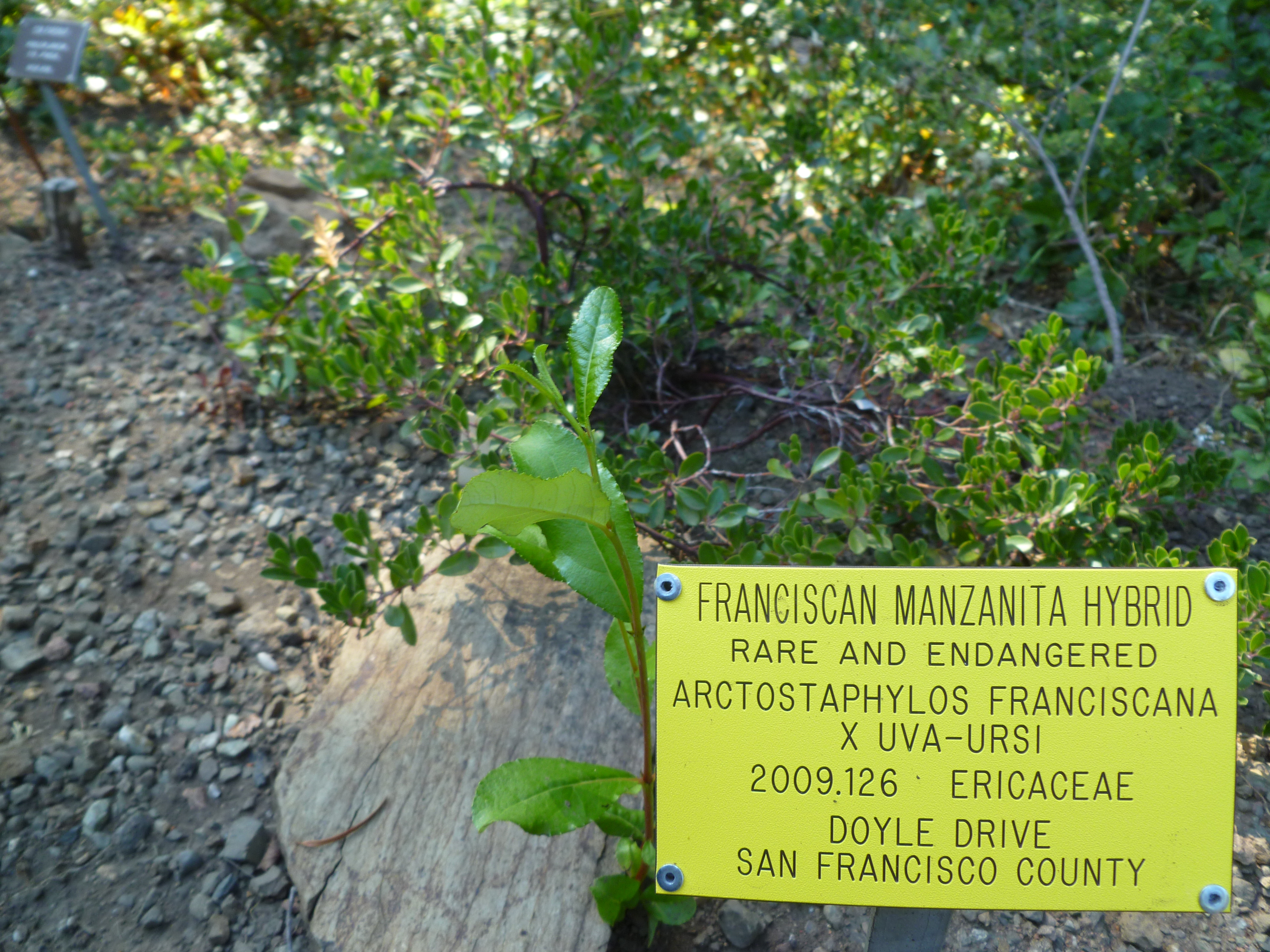
The evolutionary history of endemic plant species explains why there are so many in California.  Endemic plants are close relatives to plants that exist elsewhere and are sometimes plentiful where they came from.  For example manzanita is a genus of chaparral shrub that is plentiful in California, but there are also many rare endemic manzanita species that occur only in small areas and small populations.  There are several endangered manzanita species in the Bay Area (pallid, Raven’s, Franciscan).

Franciscan manzanita is one of 2 endangered manzanita species in San Francisco. There is one individual plant left of each of these two manzanita species. There are many endemic plants and insects in San Francisco and several are now extinct. San Francisco has a complex, diverse geology and topography and it is surrounded on 3 sides by water, creating many small, isolated microclimates in which many endemics have evolved.

The geography of California explains why the evolution of a plant species diverged from its plentiful ancestors to become an endemic species in a small geographic area.  Plants move around in a wide variety of ways, most natural, without the aid of humans.  Their seeds are dispersed by animals and birds that eat them or inadvertently carry them to another location.  Sometimes their seeds are carried on the wind or brought to islands by storms and currents.

When a plant arrives in a new location that is isolated from its original home and therefore cannot mate with its relatives, it begins its own, independent evolutionary history.  Each successive generation is reacting to its new environment, rewarding its fitness with its new home with a successful new generation.  Each generation rolls the genetic dice, its genome drifting away from its ancestors in a random way.  Occasionally a mutation will occur that alters the evolutionary trajectory.  Eventually, the plant in its new home is sufficiently genetically distinct that taxonomists are ready to call it a separate species.  Naming a new species is a judgment call, often questioned by some taxonomists, called “lumpers” as opposed to the “splitters” who are ready to name it a new species.

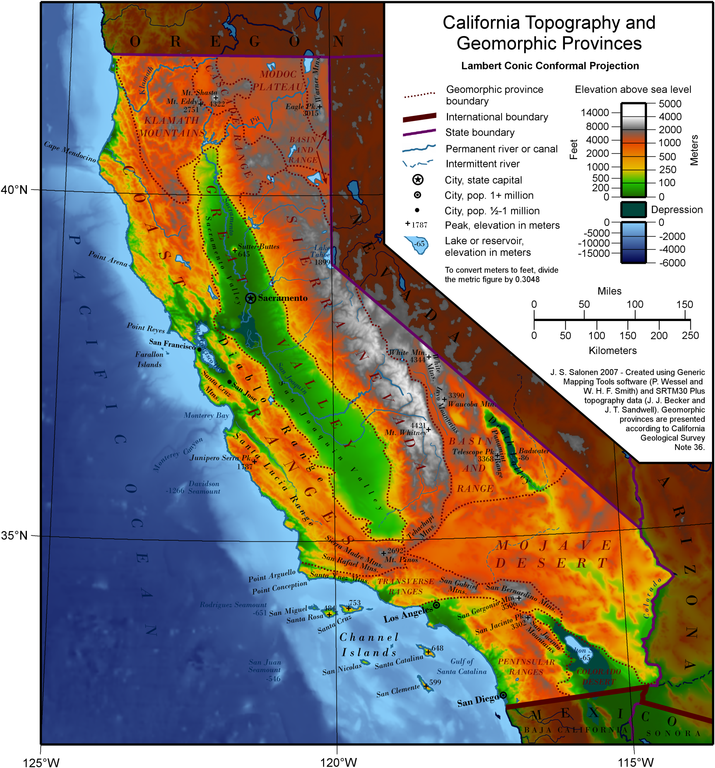
The factors that result in endemic species are many, but broadly speaking they are mobility and, ironically, isolation.  California is one of the most geographically diverse states in the country, with corridors for mobility, but many barriers that create isolation.  Gordon Leppig describes California’s geographic diversity in Beauty and the Beast:  California Wildflowers and Climate Change, published by California Native Plant Society:  “The state’s natural wonders include five deserts, the highest and lowest points in the continental United States, the third-longest state coastline (about one thousand miles), the most national parks (nine), the most federally designated wilderness areas (more than 140), the highest percentage of wilderness in the contiguous United States (14%), the most diverse conifer assemblage outside the Himalayas, the most federally listed species….”  The multitude of different ecosystems with unique microclimates produces one of the most diverse floras in the world.

Click on the picture to watch the movement of tectonic plates over one billion years. Watch California slowly emerge as the jigsaw puzzle takes shape. California is the edge of two tectonic plates that collide and grind past one another perpetually, uplifting and dropping the land into fractured geomorphic pieces.

Human activities penetrate the barriers that created genetic isolation in the past.  Our roads become corridors for the biological exchange that threatens small, isolated pockets of rare plants.  Trade and travel has ended the isolation of off-shore islands.  Our roads and dams also create new barriers for mobility.  In other words, we are altering pre-settlement corridors and creating new ones.  We should expect consequences for our ecosystems for the changes we have made.

Given the number of rare and endemic plants in California and the changes in the environment required to accommodate nearly 40 million human Californians, it seems that extinction of less than one-half of one percent of native plants is a surprisingly small loss. 


(1) Marcel Rejmanek, “Vascular plant extinctions in California: A critical assessment,” Diversity and Distributions, Journal of Conservation Biogeography, 2017

Migration: Life on the move

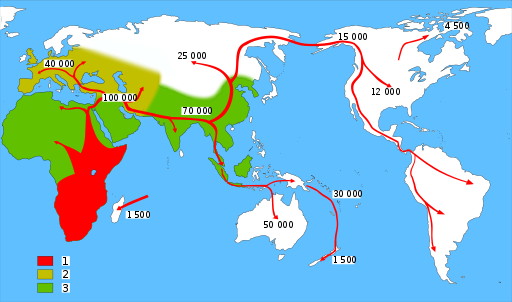
Sonia Shah’s recently published book, The Next Great Migration: The Beauty and Terror of Life on the Move, takes a deep dive into the past to trace the ancient history of migrating life on Earth. For as long as life has existed on Earth, life has been on the move, as needed to survive the constantly changing environment in which all plants and animals live.

1 Homo sapiens
2 Neanderthals
3 Homo erectus

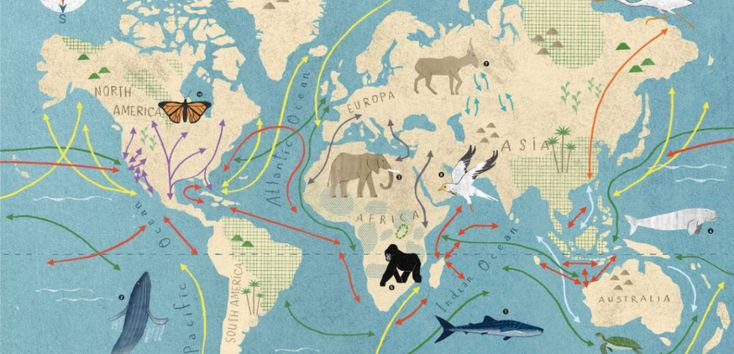
Shah’s is an ambitious attempt to tell this story, not confined to human migration, but encompassing plants and animals as well because all of these migrations are connected. Scientists speculate the earliest migrations of human ancestors, some 100,000 years ago out of Africa, were in pursuit of the migrating animals that humans hunted.  On balance, the movements of plants and animals are beneficial to life on Earth because they are necessary to survive. When they aren’t beneficial, the problems are usually short-lived and humans are usually unable to stop them because nature is more powerful than we are.

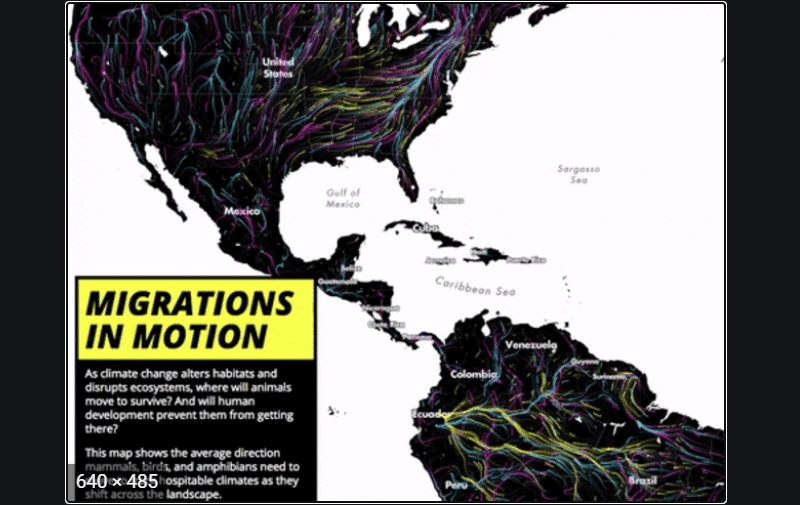
Click on map for animated movement of animals in response to changing climate conditions.

Migrations are even more frequent at a time of rapid and extreme climate change. As crops fail in the withering heat and drought caused by global warming, farmers are abandoning their farms to find the food they need to survive. Hence, Shah’s prediction that we are about to witness the “next great migration” because of the challenges of climate change. When the climate changes, the vegetation changes. When the vegetation changes, animals must move to find the food they need. Humans wish to put ourselves in a special category that denies our kinship with animals. But we are as dependent upon our food as any animal and the changing climate will challenge our existence as much as other forms of life.

Shah also traces the brief history of human knowledge of migrations about which little was known before the development of the scientific tools to study it.  Paleontology could dig up fossils that would raise more questions than answers about the residents of deep time, but it wasn’t until the development of molecular analysis that fossils could inform scientists of the evolutionary history of and close relationships among plants and animals that reflect migrations in the distant past.  New technology is capable of tracing the movements of animals that were unknown in the distant past, when animals seemed to mysteriously disappear at the end of one season and returned at the beginning of another season.

Invasion Biology is based on ignorance of migration

The fact that animal migration was largely unknown led to some fundamental misunderstandings about nature, including the unfortunate rise of nativism in the natural world that was spawned by the mistaken hypotheses of invasion biology. Shah explained the consequences of inadequate knowledge of migration in a recently published article in New York Times Magazine:

“When scientists considered movements across barriers and borders, they characterized them as disruptive and outside the norm, even in the absence of direct evidence of either the movements themselves or the negative consequences they purportedly triggered…Influential subdisciplines of biological inquiry focused on the negative impact of long-distance translocations of wild species, presuming that the most significant of these occurred not through the agency of animals on the move but when human trade and travel inadvertently deposited creatures into novel places.  The result, experts in invasion biology and restoration biology said, could be so catastrophic for already-resident species that the interlopers should be repelled or, if already present, eradicated, even before they could cause any detectable damage.”

In turn, Invasion Biology spawned pointless and destructive eradication projects

Conservation Sense and Nonsense has followed the destructive and futile attempts to eradicate plants and animals that nativists say “don’t belong here:”

  • Hawaii is an extreme case of attempts to eradicate non-native plants and animals: frogs, owls, egrets, seals, fruit trees, mangroves, parrots, etc.  These eradication projects often do more harm than good.  The “logic” for these projects is muddled, partly because the Hawaiian Islands emerged from the sea as barren volcanoes.  The question of “what belongs there” is a matter of opinion and debate in Hawaii and elsewhere.
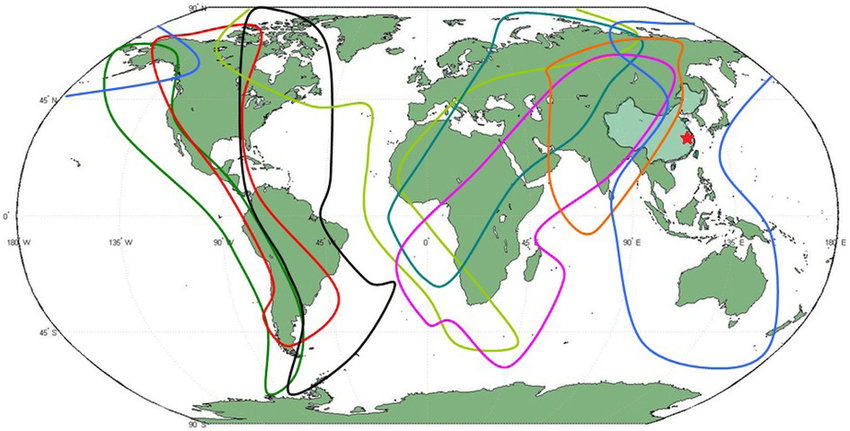
Bird migration routes

Migration enables survival

I hope that improved knowledge of migration will help people understand that migration is a natural phenomenon that is essential to the survival of all life on Earth.  Migration enables life to adapt to changes in the environment, facilitating evolution and reducing frequency of extinction.

Final chapter for Oakland’s Vegetation Management Plan? Maybe not.

The draft Environmental Impact Report (DEIR) for Oakland’s Vegetation Plan (OVMP) has been published.  When the DEIR is approved and funding is identified, implementation will finally begin after a process that began four years ago.  The plan and its EIR are available HERE.  The deadline for public comments on the DEIR is January 22, 2021.  The email address for submitting public comments is DEIR-comments@oaklandvegmanagement.org

The primary purpose of the plan is to reduce fire hazards in High Fire Hazard Zones in Oakland by reducing fuel loads on about 2,000 acres of public land and 300 miles of roadside.  Although there were many issues, the primary battle lines were drawn by these issues at the beginning of the process and they remain:

  • On one side, some people were concerned by the scale of tree removals that were considered and the herbicides that would be needed to control the resprouts of the trees after removal. If the plan as proposed is approved, herbicides will be permitted in places where they were prohibited in the past.
  • On the other side, some survivors of the 1991 Oakland wildfire and native plant advocates who are their allies, want all non-native trees to be destroyed and replaced with native plants. They are not satisfied with plans to thin trees around structures and roadsides.

The consequences of destroying Oakland’s urban forest

The survivors of the 1991 fire in Oakland asked that the OVMP be radically revised at a public hearing about the OVMP DEIR on December 16, 2020.  They called their version of a vegetation management plan Alternative 5.  It is an alternative that does not exist in the DEIR.  These are the major elements of what they asked for:

  • They ask that all non-native trees be destroyed everywhere in the treatment areas. They ask that the trees be clear-cut rather than thinned, as proposed by the plan. They ask that tree removals not be confined to defensible space around structures, as proposed by the plan.
  • They ask that removed trees and non-native vegetation be replaced with native trees and vegetation.
  • They ask that roadside clearance of vegetation occur 100 feet from both sides of the road rather than 30 feet as the OVMP proposes.
  • They expressed concern about dead trees. They are apparently unaware of the epidemic of Sudden Oak Death that has killed 50 million native oaks in the past 15 years and is spreading rapidly.

The OVMP DEIR is responsive to some of these concerns. 

  • The OVMP DEIR makes a commitment to seeding areas that are steep and barren after vegetation removal with seeds of native plants. The purpose of this seeding is to minimize the potential for erosion.
  • The OVMP DEIR makes a commitment to replant trees removed in riparian areas as required by Oakland’s ordinance to protect creeks.
  • The OVMP makes a commitment to remove all dead trees in treatment areas. Sudden Oak Death (SOD) is the probable cause of the dead trees described at the public hearing.  SOD has been found in many treatment areas in the plan:  Garber Park, Shepherds Canyon, Dimond Canyon Park, Joaquin Miller Park, Leona Heights Park, Knowland Park, and Sheffield Village. (OVMP DEIR 3.4-87)

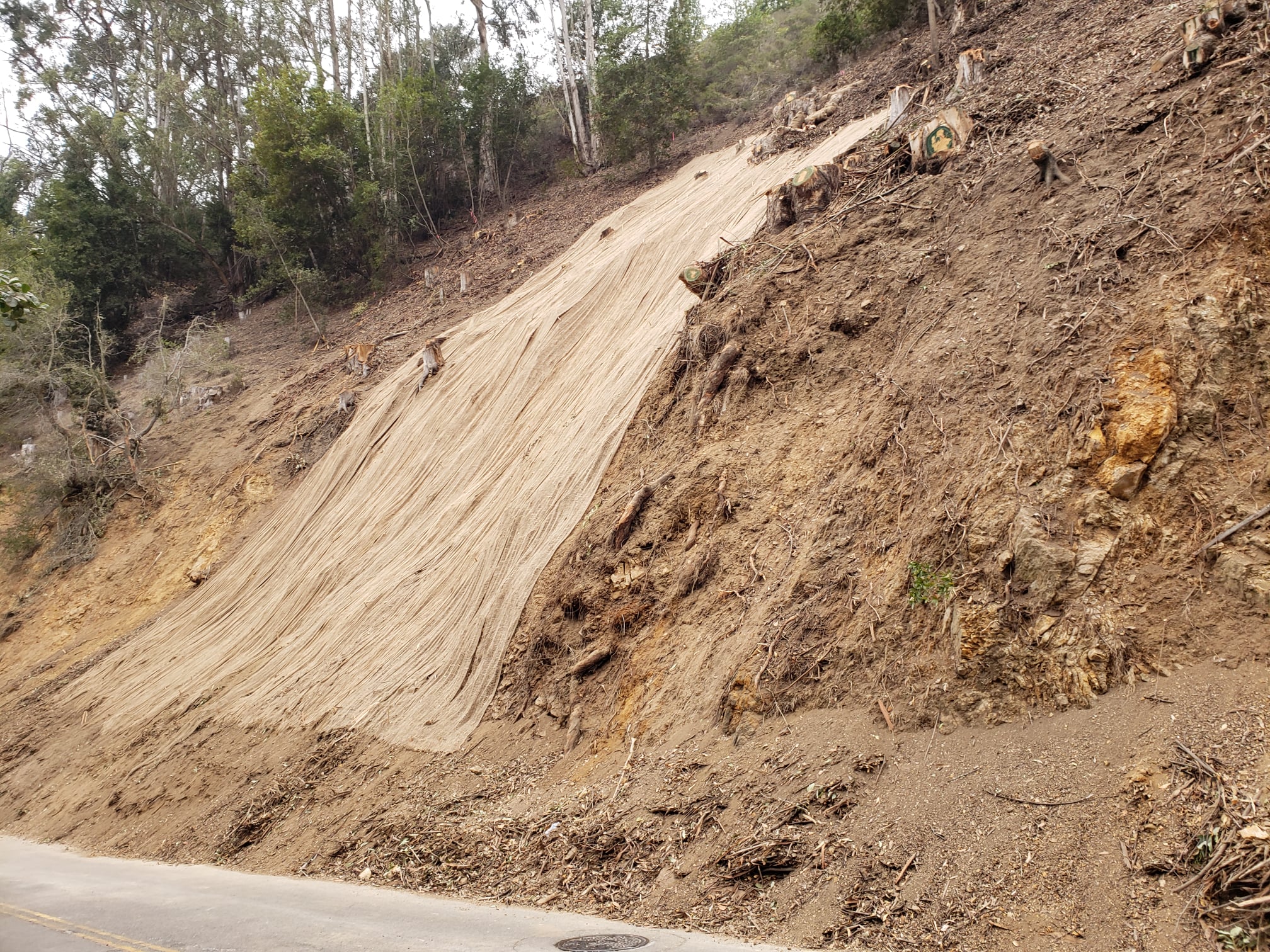
Increasing roadside clearance to 100 feet would increase the acreage of roadside tree removals and vegetation required by the OVMP by 233%.  The consequences of such extensive removals can be seen on Claremont Ave, west of Grizzly Peak.  These removals were done by UC Berkeley.  Catastrophic erosion after intense rainfall looks inevitable.

Claremont Ave, West of Grizzly Peak Blvd. November 2020

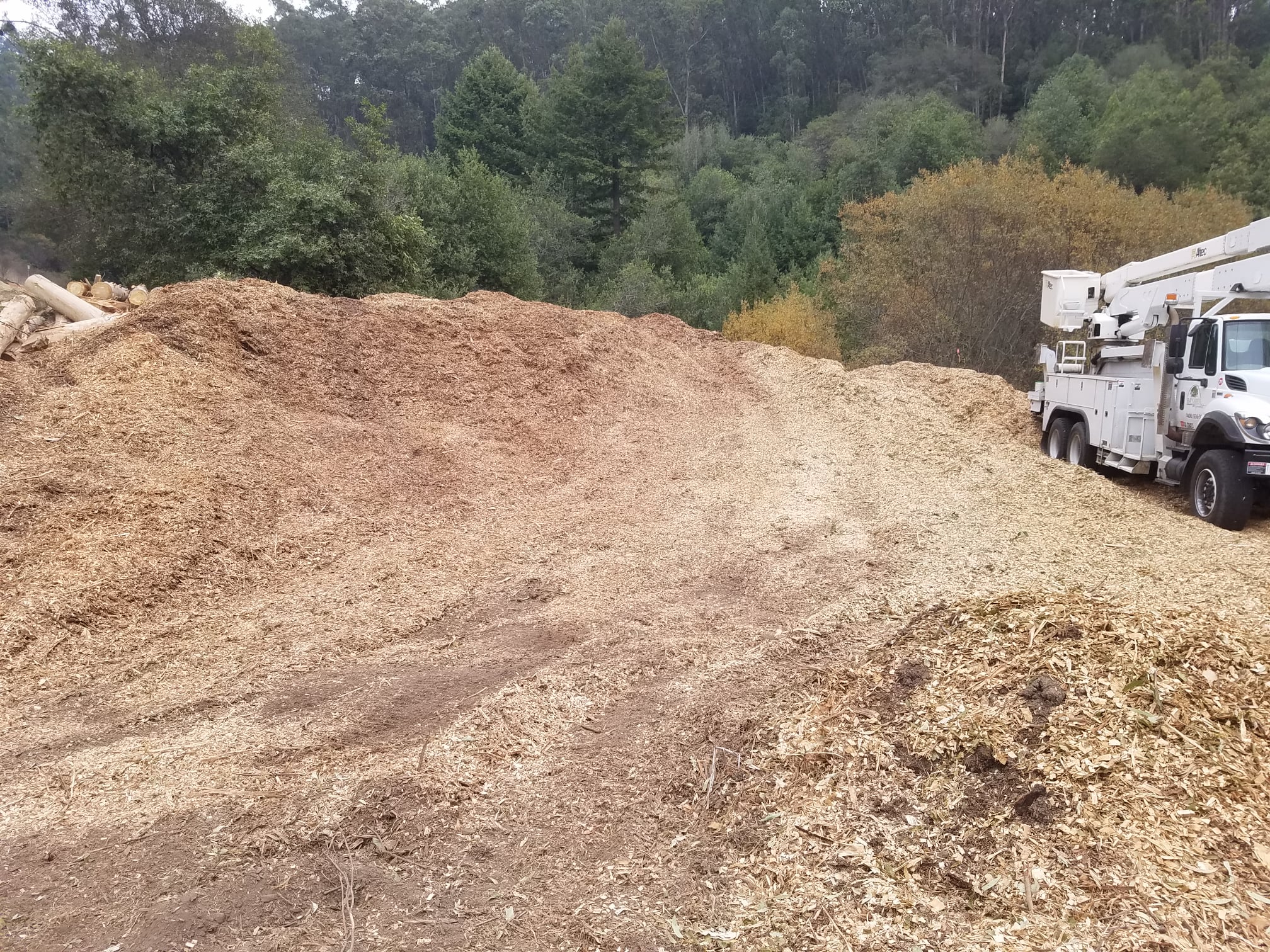
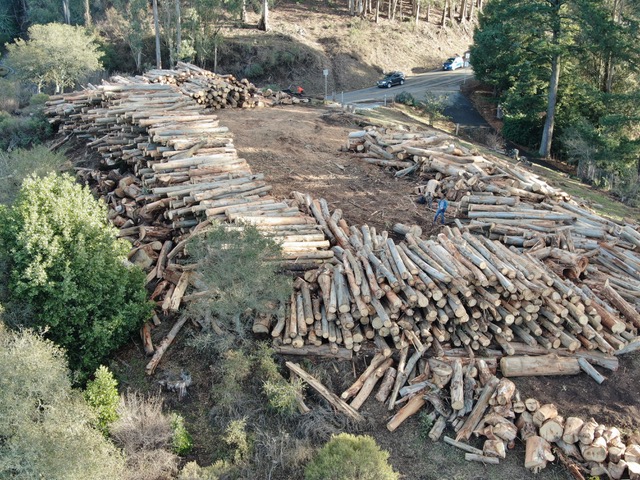
Huge piles of wood chips and logs must be disposed of.  Such piles of wood chips are known fire hazards until they are spread or disposed of.  The wood chip piles resulting from roadside clearance on Claremont Ave cannot be spread because the quantity exceeds available land.  UC Berkeley has made a commitment to build a biofuels plant to burn the wood chips to generate electricity for campus facilities.  The OVMP does not make a commitment to build a biofuels plant to properly dispose of wood chips and it mandates a limit of 6 inches of wood chip mulch on the ground. Please look at these pictures of some of the wood debris created by clearcutting less than one mile of roadside on Claremont Ave.  Then consider that the OVMP proposes to treat 300 miles of roadside.  Multiply these piles of wood chips and logs by 300 to consider the consequences of “Alternative 5.”

Update:  Since publishing this article, I have learned that UC Berkeley has NOT built a biofuels plant to dispose of the wood debris to meet Cal Fire grant requirements for reducing greenhouse gas emissions.  Nor does UC Berkeley intend to build a biofuels plant.  The disposition of the wood debris from this project has not yet been determined.  This is the final paragraph of my formal complaint to Cal Fire about this project:  “In conclusion, the grant application for this project makes a commitment to reducing greenhouse gas emissions that is based on the assumption that a biofuels plant will generate electricity from the wood debris.  Such a plant has not been built and UC Berkeley apparently does not intend to build such a plant.  Other claims made in the grant application about carbon storage are based on inaccurate claims about carbon storage.  Grant guidelines state, “Failure to meet the agreed upon terms of achieving required GHG reduction may result in project termination and recovery of funds.”  In other words, Cal Fire should terminate this project and recover any funds that have been remitted to UC Berkeley.  The project is a misuse of grant funds because it will increase fire hazards and increase greenhouse gas emissions.  Without imputing motives, on the face of it, the grant application looks fraudulent.” The full story of how this project has violated grant guidelines as well as the description of the project itself in the grant application is told HERE.  January 18, 2021 

One of many piles of wood chips, Claremont Ave, November 2020
One of many piles of logs, Claremont Ave., December 2020. Photo by Doug Prose, courtesy Hills Conservation Network.

Oakland does not want a biofuels plant because it will significantly increase pollution.  Sierra Club Magazine reports that “The manufacturing of biomass-energy wood pellets requires drying the logged material in a wood-fired process, then pressing the dried wood into pellets—and every step emits significant amounts of air pollution. According to the Environmental Integrity Project study, the emissions from the facilities include fine particulate matter, nitrogen oxides, carbon monoxide, and volatile organic compounds. Wood-pellet manufacturing emits a form of soot and dust called PM 2.5, which can pass deep into the lungs and depress lung function, worsen asthma, and cause heart attacks. Volatile organic compounds, when exposed to sunlight, transform into ozone, which is especially dangerous to children and the elderly.”

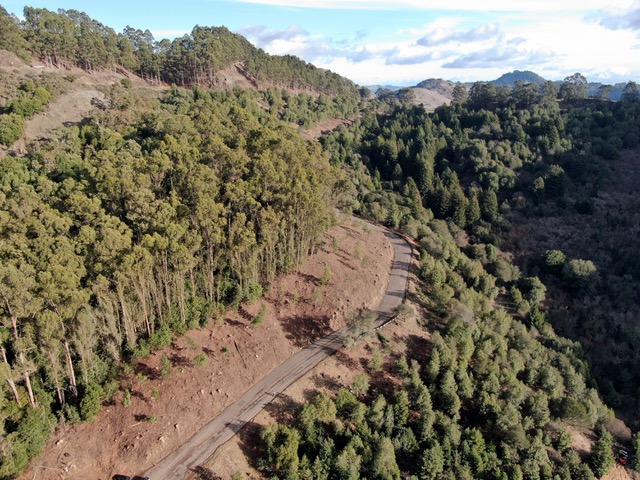
This aerial view of the clear cut on Claremont Ave makes it clear that this is a native plant “restoration,” not fire hazard mitigation.  The north side of the road has been clear cut 100 feet from the road where the trees were non-native.  There has been no comparable clearance on the south side of the road where the trees are native.  The native trees are predominantly native bay laurels that are known to be highly flammable.  The leaves of bay laurel contain more oil than the leaves of eucalyptus and the branches grow to the ground, providing a fire ladder to the tree canopy.  If fire hazard mitigation were the goal of this project, both sides of the road would have been treated the same.

This picture of the Claremont Ave project was taken from the west December 2020.  Photo by Doug Prose, courtesy Hills Conservation Network.

The cost of Alternative 5 would be prohibitive. The plan would need to be rewritten and a new EIR prepared.  The first plan took four years to prepare; the second will take nearly as long after new funding is secured for it. Funding for implementing the OVMP has not been identified.  The City of Oakland is currently running an annual budget deficit of $62 million.  Budget cuts are planned to address the deficit, including 10 mandatory furlough days for police and firemen.

One of many reasons why I love my home, Oakland, is its deep commitment to equity.  If Oakland had the resources to fund restoration of approximately 2,000 acres of public land and 300 miles of roadside to native vegetation, it is unlikely to spend those resources in the wealthiest communities in Oakland on a project that would bring little benefit for the poorest communities in Oakland.  Oakland’s Equitable Climate Action Plan (ECAP) is a case in point.  Its forestry section is devoted to planting trees in the poorest neighborhoods that suffer the most air pollution and have the fewest trees, as it should be.

I am sympathetic to the survivors of the 1991 Oakland fire as well as to those who have been injured by chemicals to which they were exposed.  Fire survivors have had a traumatic experience that has irrevocably altered their perception about the causes of wildfire.  There are also other survivors of the 1991 fire who watched native redwoods and oaks burn.  Their understanding of wildfire is therefore different, but it is more consistent with the wildfires of the past 5 years that have occurred in predominantly native vegetation.  Native vegetation in California is fire adapted and fire dependent.  Non-native vegetation is not inherently more flammable than native vegetation.

Public Policy requires compromise

Thinning of non-native forests and herbicide treatment to prevent resprouting is not without risks.  We will lose some of our protection from wind.  The trees that remain will be more vulnerable to windthrow.  There may be some erosion in steep areas.  The herbicide that is usually used to prevent resprouts (triclopyr) kills tree roots by traveling from the freshly cut stump through the roots of the tree.  The roots of trees are intertwined with the roots of their neighbors that are often damaged by the herbicide and sometimes killed.  The herbicide kills mycorrhizal fungi that live on the roots as well as microbes in the soil.  Their loss reduces the health of the soil, handicapping the survival of remaining and new plants. This damage to soil is one of many reasons why native plant “restorations” are frequently unsuccessful after scorched earth eradications. Both triclopyr and imazapyr are on the list (California Code of Regulations 6800) of pesticides that have “the potential to contaminate groundwater” because they are very mobile and persistent in the soil.

I accept these risks in the interests of reducing fire hazards.  I have asked for a few tweaks to the plan, including continuing to prohibit foliar spraying of herbicides in public parks and open spaces.  These are the compromises that must be made to make public policy.  We cannot paralyze ourselves by letting the perfect be the enemy of the good.  Oakland needs a Vegetation Management Plan that is effective, affordable, and safer than other alternatives.  That’s what the Oakland Vegetation Management Plan is. 

Doug Tallamy’s Blame Game

The fact that insect populations are declining in many places around the world is well known, but the reasons for the decline are not well known.  Where there is uncertainty, there is speculation and where there is speculation, there is debate.

Doug Tallamy recently stepped into that debate by publishing a review article about insects and their use of plants.  The article is a mind-numbing list of studies that find both positive and negative relationships between insects and non-native plants.

Tallamy contends those studies add up to support for his belief that non-native plants are bad for insects and native plants are good for insects.  He suggests that declining populations of native plants should be considered one of the reasons for declining populations of insects, but then he goes one step further. Tallamy suggests that non-native plants are responsible for declining populations of native plants.  It follows that Tallamy blames non-native plants for the disappearance of insects.

My interpretation of the studies in Tallamy’s review is different.  The studies tell me that there is too much variation in insect-plant relationships to generalize about the relative value of native vs. non-native plants to insects.  A more accurate conclusion would be that sometimes insects make a successful transition from a native to a non-native plant—especially in the absence of a native in the same lineage—and sometimes they don’t…or at least they haven’t yet.

Anise swallowtail butterfly is one of many insects that have made a successful transition from a disappearing native plant to an introduced non-native plant in the same lineage. Prior to that transition, swallowtails were able to lay eggs only once a year, when the native was available. The introduced non-native is available year around, which enables the swallowtail to lay its eggs year around. Courtesy urbanwildlife.org

Since evolution is a process and not a historical event, these insect/plant relationships will continue to change.  There are many studies that document such transitions and Tallamy cites some of them in his review.  Tallamy assumes insects will be forever handicapped, if not killed, by whatever deficiencies there are in the non-native substitute.  I assume the insect is more likely to adapt and eventually evolve to cope with those deficiencies.  Both our assumptions are just guesses.  Tallamy considers nature immutable, while I consider it dynamic.  Where Tallamy sees doom and gloom, I see opportunity.

Professor Art Shapiro’s (Distinguished Professor of Evolution and Ecology, UC Davis) assessment of Tallamy’s review article is less equivocal than mine.  Keep in mind when reading his assessment that he is far more knowledgeable than I am:

  1. “There is little evidence known to me of alien plants (‘invasives’) competitively displacing natives in ‘communities’ except in highly disturbed environments, except in the case of ‘ecological engineer’ species like Japanese honeysuckle, Himalayan Blackberry, climbing fern in Florida, Purple Loosestrife, etc. — things that drastically alter the ground rules for structuring the vegetation by smothering or prompting fire.

  2. “The use of natives and non-natives by insects has a long and venerable history, going back to T.R.E. Southwood and his comparisons of insect faunas on British trees to Godwin’s history of the British flora, Azevedo’s student study at SF State, etc. — demonstrating overall that enemies accumulate in time on naturalized aliens, but it may be a very slow process if there is no phylogenetic or chemical bridge to their colonization. Experiments using haphazardly-selected species to examine acceptability are basically silly, and very easy to ‘stack’ if one knows one’s phytochemistry.

  3. “As I have repeatedly pointed out, ‘weed’ eradication would lead rapidly to the extirpation of nearly all of the non-tree-feeding urban and suburban butterfly fauna in lowland California (and many other places).”

Why are insect populations declining?

A 2017 study revealed a shocking 76 percent decline in the biomass of flying insects over 27 years in protected areas in Germany.  The German study does not offer specific explanations for the significant decline in insects, but it speculates about probable cause: Agricultural intensification (e.g. pesticide usage, year-round tillage, increased use of fertilizers and frequency of agronomic measures) that we could not incorporate in our analyses, may form a plausible cause. The reserves in which the traps were placed are of limited size in this typical fragmented West-European landscape, and almost all locations (94%) are enclosed by agricultural fields. Part of the explanation could therefore be that the protected areas (serving as insect sources) are affected and drained by the agricultural fields in the broader surroundings (serving as sinks or even as ecological traps). Increased agricultural intensification may have aggravated this reduction in insect abundance in the protected areas over the last few decades.”  Presumably “protected areas” in Germany are not landscaped with non-native plants, rendering the use of this study to corroborate Tallamy’s hypothesis irrelevant.

A comprehensive review of 73 reports of declining insect populations around the globe was published in 2019. These studies report the reasons for declining populations: “The main drivers of species declines appear to be in order of importance: i) habitat loss and conversion to intensive agriculture and urbanization; ii) pollution, mainly that by synthetic pesticides and fertilisers; iii) biological factors, including pathogens and introduced species; and iv) climate change. The latter factor is particularly important in tropical regions, but only affects a minority of species in colder climes and mountain settings of temperate zones.” The “introduced species” are usually insects rather than plants.

In a Yale e360 article about Tallamy’s review, one commenter offers his opinion that the over-population of deer and their preference for eating native vegetation is likely a greater threat to native plants than the existence of non-native plants that provide an alternative source of food for deer, thereby reducing predation of native plants.  Tallamy seems to agree that deer are a problem for native plants, while rejecting deer as a greater threat to native plants than the existence of non-native plants.

The list of reasons for declining insect populations is long and will probably get longer as more research is done.  If the existence of non-native plants is on that list, it is unlikely to be higher on a prioritized list than the pesticides that are being used to eradicate non-native plants.  The more herbicide that is used to eradicate non-native plants, the more harm is done to insects.

EPA Biological Evaluation of glyphosate is a black eye for native plant “restorations” that use herbicide

The Environmental Protection Agency has finally published its Biological Evaluation (BE) of the impact of glyphosate products (all registered formulations of glyphosate products were studied) on endangered animals (mammals, birds, amphibians, reptiles, fish, invertebrates) and plants. The BE reports that 1,676 endangered species are “likely adversely affected” by glyphosate products. That is 93% of the total of 1,795 endangered species evaluated by the study. Of the total of 792 critical habitats of endangered species, 759 (96%) were “likely adversely affected” by glyphosate products.  Most of those critical habitats probably contain predominantly native plants that are clearly not benefiting from herbicides used to kill their competitors.

Both agricultural and non-agricultural uses of glyphosate products were evaluated by the BE. Although only endangered plants and animals were evaluated by the BE, we should assume that all other plants and animals are likewise harmed by glyphosate because the botanical and physiological functions of plants and animals are the same, whether or not they are endangered. Herbicides, specifically glyphosate products, are used by the majority of projects that attempt to eradicate non-native plants. As a result, the crusade against non-native plants is undoubtedly a far more important factor in the decline of insect populations than their mere existence.

Why are native plant populations declining?

There are many reasons why native plant populations are declining, but there is little evidence that non-native plants are the cause of declining populations of native plants. Many of the causes of declining insect populations are also causes of declining populations of native plants. A recent study reports that 65 taxa of native plants in the US and Canada are thought to be extinct. The study did not report a single case in which the extinction was caused by the existence of non-native plants. Sixty-four percent of extinct plants were single-site endemics. The same drivers cited by recent insect studies appear on the list of causes of plant extinctions. Nearly half of the extinctions occurred more than 100 years ago, long before introduced plants were considered an issue.

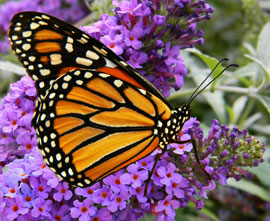
Butterfly bush is a host plant of Variable checkerspot butterflies. It is also an important source of nectar for butterflies and bees. It is being eradicated on public land because it is not a native plant. butterflybush.com

My New Year’s Wish

Nature is too complex to be reduced to a single cause for changes in the environment.  Human knowledge is insufficient to identify all of the causes.  That’s why we make many mistakes when trying to fix a perceived problem in nature.  Our own priorities influence our evaluation of changes in the environment.  We should not automatically assume that a change is a problem or that it must be reversed.

The existence of novel ecosystems is a case in point.  They can as easily be seen as positive or negative.  If a native plant or animal is no longer adapted to changes in the environment, such as climate change, we should be grateful that a non-native substitute is capable of tolerating the change.  Where some see enemies, others see friends.

I wish you all a very happy New Year in 2021.  I can’t wish 2020 a fond farewell.  I can only say good riddance!  I am hopeful for a more peaceful year, one in which we befriend our enemies and work together for a better world for nature and for humanity.  I am grateful for your readership.

“Grasses and Perennials: Sustainable planting for shared spaces”

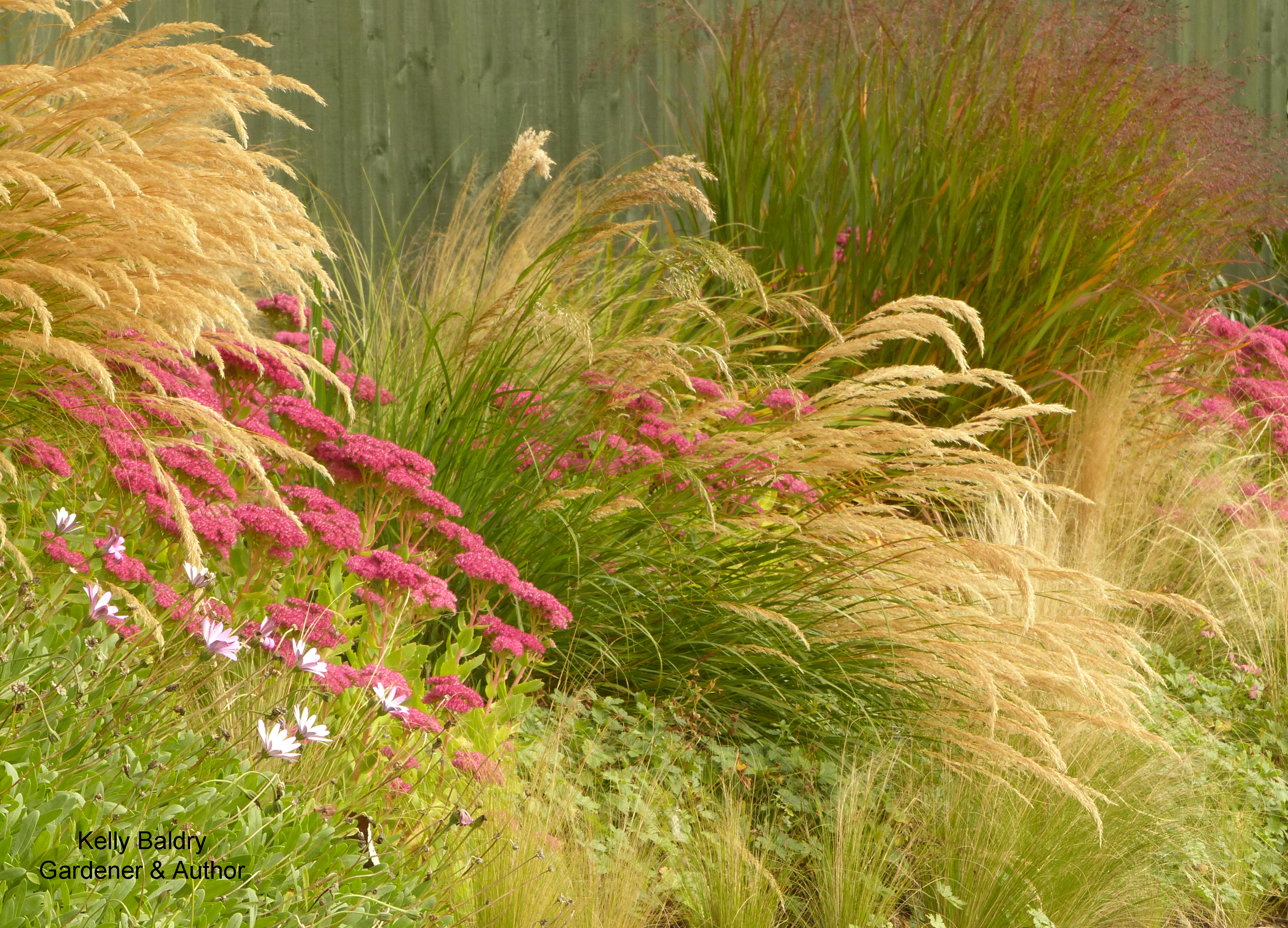
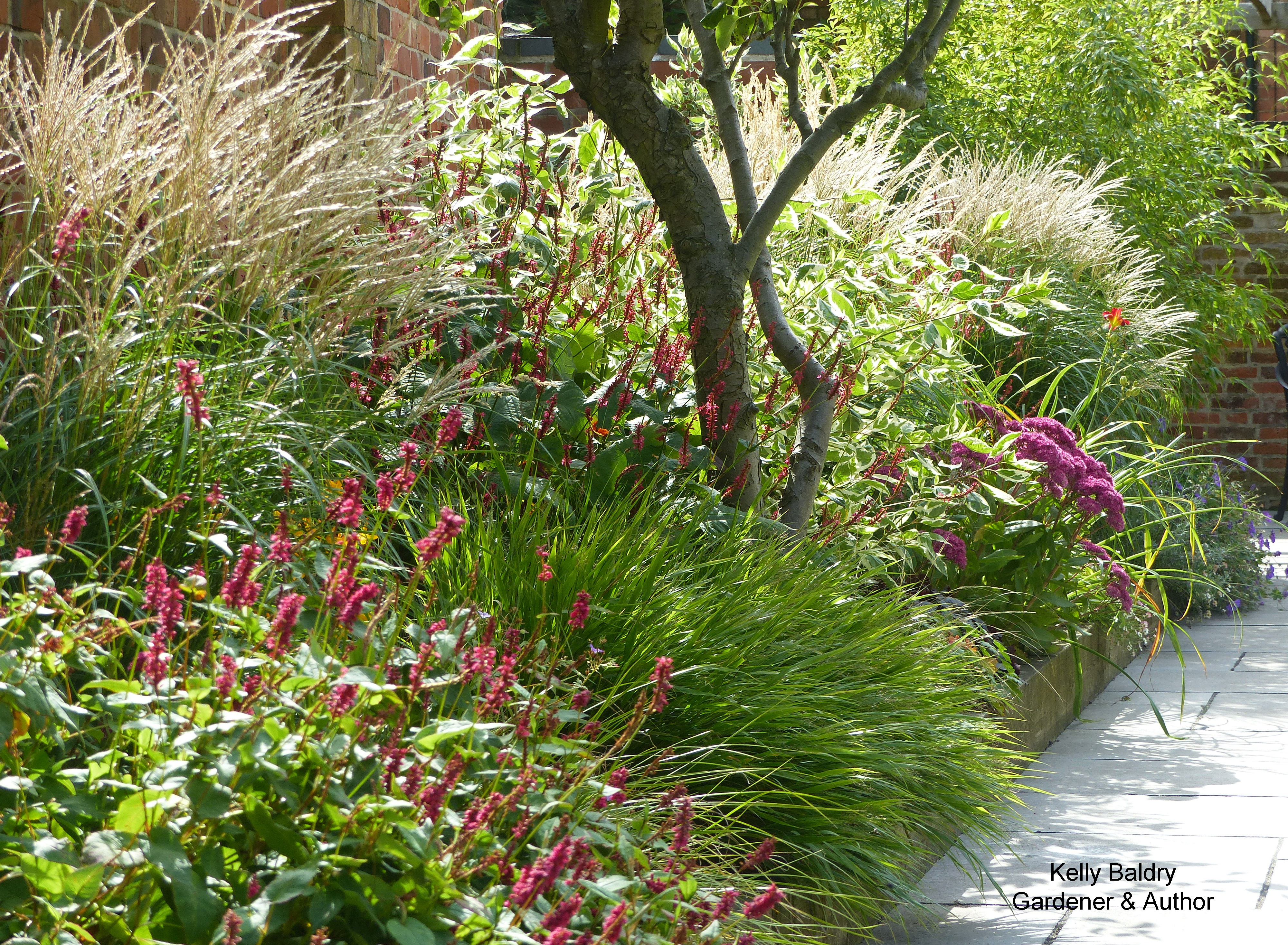
Earlier this year, several comments on the Garden Rant website drew my attention to the Conservation Sense and Nonsense blog. The well informed scientific based comments of the Conservation Sense webmaster resonated with me – our gardening should be built on fact and best practice, not dogma or belief. I garden in England, the United Kingdom – and here we just don’t have the same intensity of debate surrounding native plants and restoration projects. Instead, we have a rich diversity of plants, drawn from all over the world; and our gardens are based on the principles of freedom of expression and individual design.

There is an emerging movement here, advocating the use of sustainable plant communities, taking design to the next level by creating functional ecological plantings – for nature, not just human enjoyment. This is a natural progression, utilising suitable plants from anywhere in the world, already growing in the equitable English climate. That said, our weather has been more challenging over the last few years, with increasing volatility and unpredictability; which makes appropriate plant selection even more important.

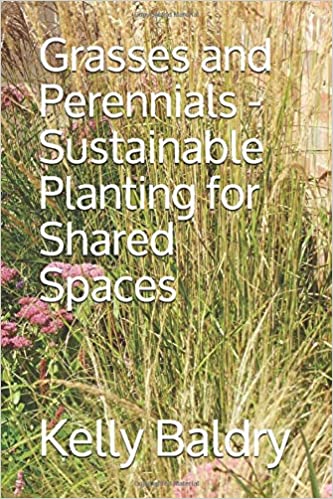
To encourage the use of a wide range of well-chosen plants, I decided to share my knowledge and experience in a short book, called “Grasses and Perennials – Sustainable Planting for Shared Spaces,” available from Amazon in print and digital download. The book is the culmination of fifteen years professional landscaping, working to establish plant communities that hold a person’s interest, if only for a few moments – the difference between the forgettable, and the noteworthy. My passion is planting spaces that the public see and work at every day; but the principles in the book apply equally well to domestic gardens, as do all the plants I’ve listed. The book also brings science and reason to the debate around the use of native plants, and gives practical hints and tips for managing successful, sustainable plantings.

Here is a taster quote from Chapter 3 – Functional Space:
“Rather than relying on plants considered native to the British Isles, I will use any plant with potential, from anywhere, provided it will establish within a community of compatible plants. There is currently a mistaken assumption that native plants (as opposed to non-native plants, often labelled as exotics), are ideally suited to geographic region of origin and pollinators, without question. In reality, native plants may succumb to freshly introduced pathogens and react poorly to a swiftly altering climate.

“The insistence by some designer’s on using solely native plants, is effectively a determination that a given moment in time (usually in the past), is somehow ecologically superior – and overlooks the positive and scientific arguments for planting non-natives. There is little point constructing plantings based solely on region of origin, rather than usefulness and resilience. Plant communities alter all the time and nature is never static; and the definition of native plants is also somewhat subjective – we cannot know for certain how plants were moved and used by early humans. Can we safely assume that a plant is native to a given environment simply because a plant hunter happened to discover it there – probably quite recently in terms of our evolution?”

Kelly Baldry, United Kingdom

Hybridization, a post script

We recently published an article in defense of hybridization, inter-breeding of two different species.  Conservation Sense and Nonsense defends hybridization because it is under fire from the native plant movement.  Many projects that needlessly destroy non-native plants (or one locally perceived as such) do so to prevent them from hybridizing with a native plant, which has the potential to cause a localized loss of a variant of a  native plant species.

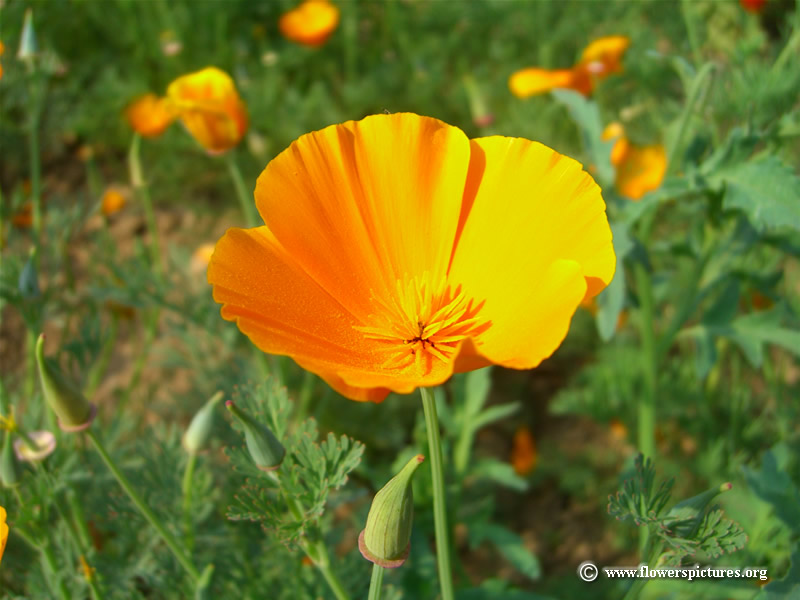
This classic California poppy is eradicated in the Presidio in San Francisco because of fear it could hybridize with a sub-species of poppy that is considered “native” to the Presidio.

We are revisiting the topic because The Economist magazine recently published a comprehensive article about recent discoveries of the prevalence of hybrids among both plants and animals.  Until the advent of DNA analysis in the 1970s, the extent to which plant and animal species were the result of inter-breeding was largely unknown.  Also, conventional wisdom was that such inter-breeding was usually an evolutionary dead-end because offspring were often sterile, as exemplified by mules, the offspring of horses and donkeys.  In general, the consequences of hybridization were assumed to be negative.

Recent advances in DNA analysis have largely disproved these assumptions.  Hybridization is not only common, it can result in the creation of new species more rapidly than other forces of evolution, such as mutation and natural selection:  “Hybridisation also offers shortcuts on the long march to speciation that do not depend on natural selection at all.” (1)

Both the positive and negative effects of hybridization are real. In plants, the effects of hybridization are often beneficial because of plants’ unusually flexible genetics.  Plants, for instance, are frequently polyploid—meaning that each nucleus contains genomic copies in greater multiples than those of animals.  Polyploidy provides spare copies of genes for natural selection to work on, providing additional possibilities for selection.

Polyploidy confers another advantage. It creates a barrier to breeding with either parent species. That gives a new, emerging species a chance to establish itself without being reabsorbed into one of the parental populations. Recent evidence suggests that hybridization between two plant species in the distant past, followed by a simple doubling of the number of chromosomes in their offspring, may be responsible for much of the diversity in flowering plants that is seen today.

Plants seem to benefit from hybridization more often than animals. “For many animals, however—and for mammals in particular—extra chromosomes serve not to enhance things, but to disrupt them. Why, is not completely clear. Cell division in animals seems more easily confounded by superfluous chromosomes than it is in plants, so this may be a factor. Plants also have simpler cells, which are more able to accommodate extra chromosomes. Whatever the details, animal hybrids appear to feel the effects of genetic incompatibility far more acutely than do plants.” (1)

The Economist provides many important examples of hybridization among animal species, most notably the history of hybridization of our species, Homo sapiens.  We are now the sole surviving species of genus Homo.  Our genome contains the relicts of the genes of other members of our genus that are now extinct, which indicates hybridization with other hominoid species.  The modern human genome contains 1-4% of Neanderthal genes. 

The Economist article concludes, “This is a more complex conception of evolutionary history, but also a richer one. Few things in life are simple—why should life itself be?”   Keep your eyes and your mind open to new scientific knowledge that improves our understanding of life.

The bottom line

Biodiversity is the mantra of the native plant movement.  Native plant advocates claim that the primary purpose of saving native plants is preserving biodiversity.  But is it?  When non-native plants are eradicated, aren’t we depriving native plants of the opportunity to breed with a hardy new comer?  Are we preventing the creation of a new species by eliminating potential mates?  Are we dooming the native plant that is not adapted to survive the changing climate by depriving it of the opportunity to improve its survivability?


  1. The Economist, “Match and mix, hybrids and evolution,” October 3-9, 2020, page 67-70.  Available here:  Economist – hybridization and evolution


Barred owls in the cross-hairs of “restorationists”

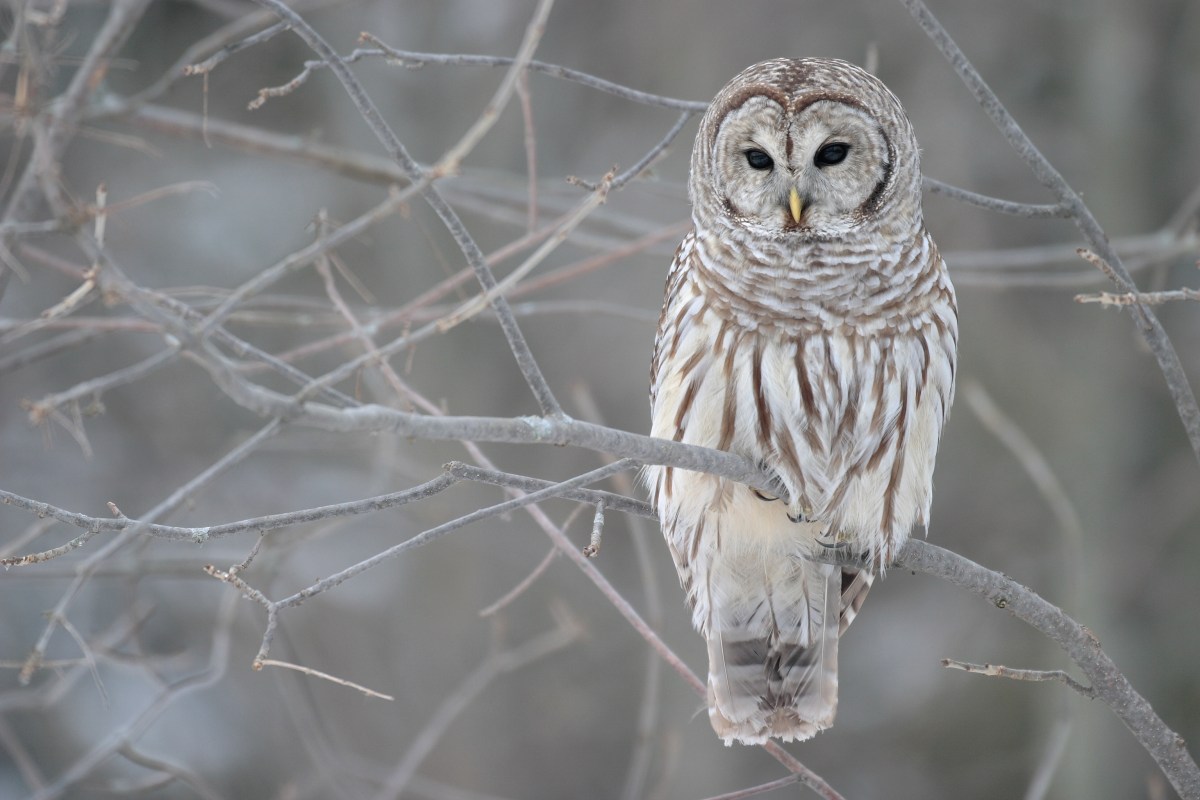
There is a community of birders in Central Park in New York City who are famous around the country because the New York Times often reports on significant events in their community.  If you are a birder you know that the arrival of a rare bird in your vicinity generates a lot of excitement.  In the case of the barred owl, its arrival in Central Park was such an event.  Ironically, elsewhere in the country, the barred owl isn’t unusual because it is a species that is rapidly expanding its range and becoming a target for eradication where it is perceived as an “invader.”  The article in the New York Times was oblivious to this irony, so I took on the task of telling NYT readers about it.  Here is the dialogue that my comment generated in NYT.

[My Comment]
Oakland, CA Nov. 17

Barred owls are expanding their range. Good thing this barred owl didn’t show up here in the San Francisco Bay Area where barred owls are being shot because they are considered competitors with a rare, legally protected bird. The legally protected owl is so rare that logging was stopped in many western forests. The timber industry figured out how to place the blame on the barred owl. They hired someone to conduct a study to prove that the mere presence of the barred owl was correlated with the dwindling population of the rare owl. The study resulted in a program to shoot barred owls and the timber industry was once again allowed to log in the forests where the rare owl used to live. Here on the west coast, barred owls are one of the scapegoats that enable the fiction that endangered species are being protected. [1]

[Response]
Vancouver, BC

The “rare owl” is the Spotted Owl. When mates are scarce it will actually interbreed with the Barred Owl – another threat to its continued existence. Of course the scarcity of the Spotted Owl is human-caused as you point out – the presence of Barred Owls just accelerates their disappearance

[My First Reply]
Oakland, CA Nov. 17

Yes, I know the species that is legally protected. Ironically, spotted owls would benefit greatly by hybridizing with barred owls because it is a hardier species. Hybridization is a natural, evolutionary process that often improves the survivability of the species that are breeding with more common species in order to breed. Advances in molecular analysis are reporting that hybridization is more common than previously thought and that it results in better adaptation to the environment, increasing chances for survival. Nativist attempts to prevent hybridization is futile and harmful. We can’t stop evolution, nor should we try,

[Second Response]
Vancouver, BC Nov. 17

You didn’t originally mention what the “rare owl” is called. Other people might like to know what you were talking about. Extensive hybridization with a far more numerous species will not “strengthen” the spotted owl as a species. On the contrary it will lead to the disappearance of the spotted owl as a separate species, as its genetics are swamped by those of the larger population. That’s what happened to the southeastern Red Wolf in the 1960s – when their numbers dropped very low, they began mating with coyotes, the last act in their genetic disappearance as a wolf species. “Nativism”, a political concept, has zero to do with this biological phenomenon. You say, “Hybridization is a natural, evolutionary process that often improves the survivability of the species” Well yes, in the face of human disturbance and habitat destruction, animals better adapted to the disturbed/replaced habitat will survive better… but the more sensitive species may eventually disappear, one way or another. Pigeons and rats are models of survivability – they’re highly adapted to commensal life with people – they thrive in human-altered landscapes. I wouldn’t casually class human-caused extinction as “evolution”, i.e. as a natural phenomenon and no cause for concern.

[My Second Reply]
Oakland, CA Nov. 17

The expanding range of barred owls is not caused by humans. It is also a natural phenomenon. The purpose of shooting barred owls is to enable the continued timber harvesting in the forests where spotted owls lived in the past. In other words, if “natural” processes are your goal, you might want to start by stopping the harvesting of the forests that spotted owls lived in. Spotted owls are choosing barred owls as their breeding partners. What’s more “natural” than that? Here is an article in Economist Magazine about the evolutionary value of hybridization: The Economist, “Match and mix, hybrids and evolution,” October 3-9, 2020, page 67-70. It’s not an idea that originates with me. Many articles like it are based on molecular analysis that traces the evolutionary history of hybridization for 500 million years of life on Earth.

You say, “’Nativism’, a political concept, has zero to do with this biological phenomenon.” I disagree. Nativism begins with a human prejudice against plants and animals (including humans) perceived as foreign. It becomes political when it becomes government policy and law, as it has in the case of shooting barred owls. That program was initiated and administered by US Fish and Wildlife. Likewise, attempts to abolish all forms of human immigration to the US is a policy of the federal government. I seem to have attracted the attention of members or admirers of the “restoration” industry. I’m glad. You should know that your deadly projects are not universally admired. They are misguided and they are usually based on specious reasoning masquerading as “science.” When they kill animals and use pesticides to kill plants, they are damaging the environment and the animals that live in it.

[Another Responder Steps in]
Bloomfield, NJ Nov. 18

Barred owls moved north and west in the late 20th century because of the forestation of what was historically prairie and other treeless habitats. That’s about as clearly “caused by humans” as anything.

[And receives assistance from Vermont]
Middlebury, VT Nov. 18

Yellow Barred Owls only occur on the West Coast because Europeans planted trees across the great plains as windbreaks and parkland, allowing the owls to spread across the formerly treeless region. Prior to that, the species was confined to the East Coast–their expansion to the Pacific is entirely the result of human interferance in the ecosystem. They should not be in the West and their removal, along with strong habitat protection, is the best hope for the Northern Spotted Owl to survive as a species.

[I got the last word]
Oakland, CA Nov. 18

The forests in which barred owls live along the West Coast were not planted. They are native conifer forests. As for pre-settlement prairie now occupied by forests, they are the result of natural succession from grassland to shrubland and ultimately forests in the absence of indigenous burning and grazing by native ungulates. They weren’t planted either. In the view of the “restoration” industry, natural processes such as succession, hybridization, and evolution are not consistent with the goal of re-creating a pre-settlement landscape. It’s a fool’s errand, even in the absence of a rapidly changing climate which makes it delusional. The only thing constant about nature is change. There’s nothing natural about humans killing animals they have decided “don’t belong there.”

According to this map of barred owl distribution, the route the barred owl took from the East to the West Coast was via the boreal forests of Canada. Source: Cornell Ornithology Lab

Addendum:  The barred owl is the pin-up photo for the January page of Audubon’s 2021 calendar.  Here’s what Audubon says about the conservation status of the barred owl:  “The rich baritone hooting of the Barred Owl is a characteristic sound – one that some birders may already hear less of due to loss of parts of the bird’s southern swamp habitat to climate-related threats, including wildfires, spring heat waves, and urbanization.  Audubon is passing clean energy legislation in the South, including landmark solar energy bills in Arkansas and South Carolina, ensuring a healthier future for these states and birds, like the Barred Owl, that depend on them.” 

We often find contradictions between the national policies of environmental organizations such as Audubon and their local chapters.  In this case local Audubon chapters are actively engaged in shooting barred owls that are expanding their range into cooler, northern climates, while the national organization understands that the barred owl must change its range to survive climate change.  Well-meaning people often don’t have the big picture when making conservation decisions and they are resistant to changes in nature. The instinct seems to be to freeze nature into place.  Nature won’t stand for that.  January 2021


[1] Green Diamond Resource Co, a lumber company managing timberland in Humboldt, Del Norte and Trinity counties, is the author of the plan to “manage” barred owls in their forests. (“Managing” or “removing” barred owls is the euphemism used to describe the killing of barred owls by shooting them.) Lowell Diller, a biologist and contractor for the Green Diamond Resource Co., was responsible for the “study” that resulted in the “management” plan. He designed the study and literally executed it by shooting barred owls. When interviewed by the Bay Area News Group, Green Diamond Resource Co. explained, “When you can protect and sustain a business and jobs and also conserve the northern spotted owl,” he said, “why not do it?” (source: “California biologists shoot scores of bully owls to protect endangered spotted owls,” East Bay Times, August 15, 2016)