Alexander von Humboldt: “The Invention of Nature”

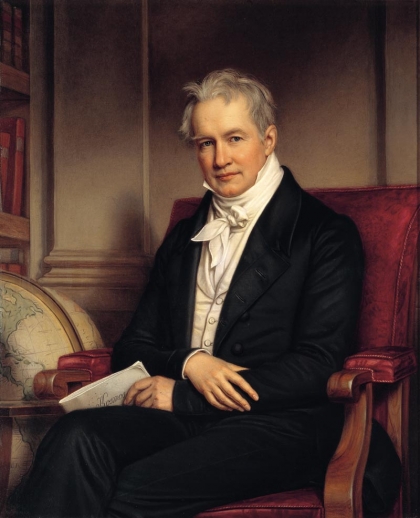
Portrait of Alexander von Humboldt by Joseph Stieler, 1843

Alexander von Humboldt made so many contributions to science that we cannot do him justice here.  We will therefore focus on his study of nature and put his accomplishments in that area into the context of historical events and his personal views of those events.  We draw from Andrea Wulf’s The Invention of Nature in this article. (2)

Humboldt is considered the originator of the scientific concept of biogeography, “the study of the distribution of species and ecosystems in geographic space and through (geological) time.” (1)  In other words, biogeography attempts to explain why species are where they are.  It is therefore relevant to the mission of Million Trees, which is to make the case that species belong wherever they persist without human management and without regard to how they got there.

The journey begins

Alexander von Humboldt was born in 1769 in what was then Prussia and is now Germany.  Under the thumb of a domineering mother, he was required to spend most of his twenties as a mining inspector.  In that capacity, he mastered the science of geology that he put to good use throughout his long life.

At the age of 27, he was freed from his obligations to his mother by her death.  With the help of his inheritance he began his travels to satisfy his intense curiosity about the world.  He brought along on his journeys the tools of measurement that existed at that time.  He made detailed recordings of his measurements wherever he went and they were the basis of comparing the many places he visited.

His journey began in the mountains of Europe and they became the baseline of his comparisons throughout his journeys.  But his movements in Europe were hampered by the political situation.  Revolutionary France was expanding its empire with a series of wars in Europe that prevented him from visiting many places of interest to him.  After several failed attempts to join voyages to other places, the King of Spain granted Humboldt a passport to the Spanish colonies in South America to collect the flora and fauna of the New World.

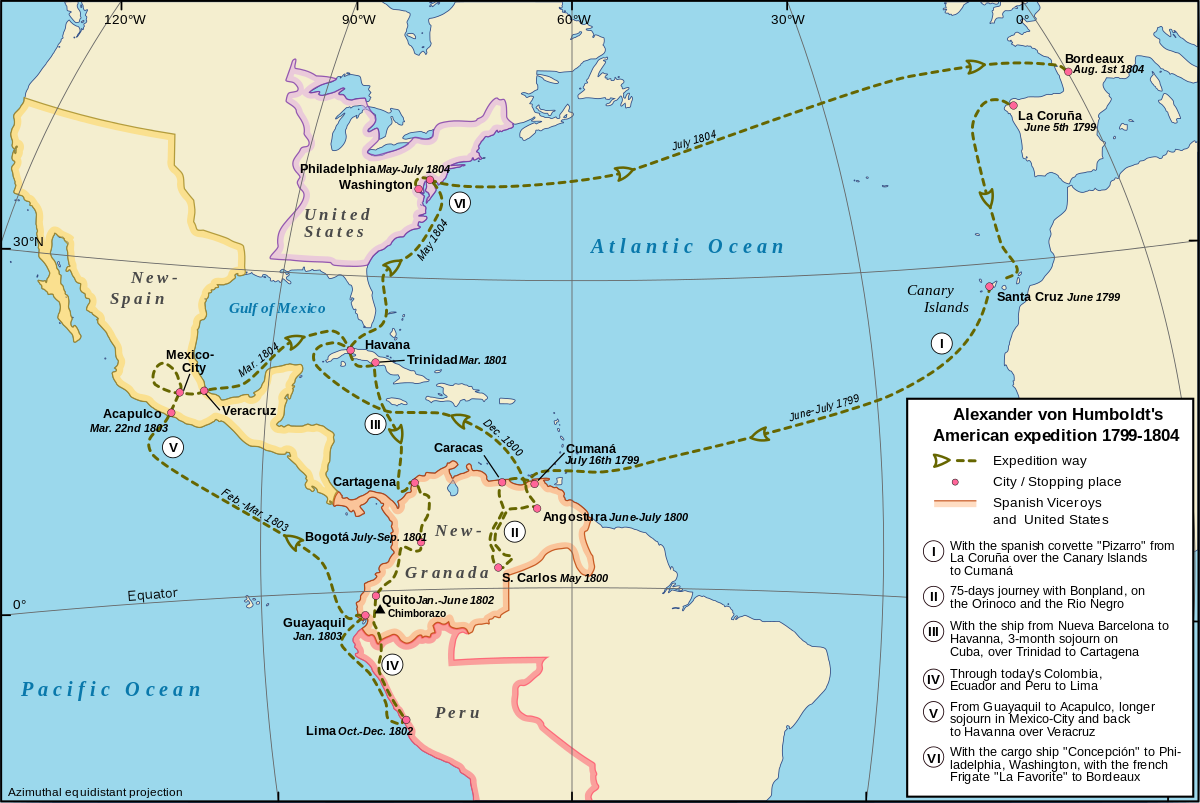
Humboldt set sail from Spain in June 1799, along with “a great collection of the latest instruments, ranging from telescopes and microscopes to a large pendulum clock and compasses—forty-two instruments in all, individually packed with protective velvet-lined boxes—along with vials for storing seeds and soil samples, reams of paper, scales and countless tools.” (2)

Journey of Alexander von Humboldt in the New World, 1799-1804. Creative Commons - Share Alike
Journey of Alexander von Humboldt in the New World, 1799-1804. Creative Commons – Share Alike

Finding unity in nature

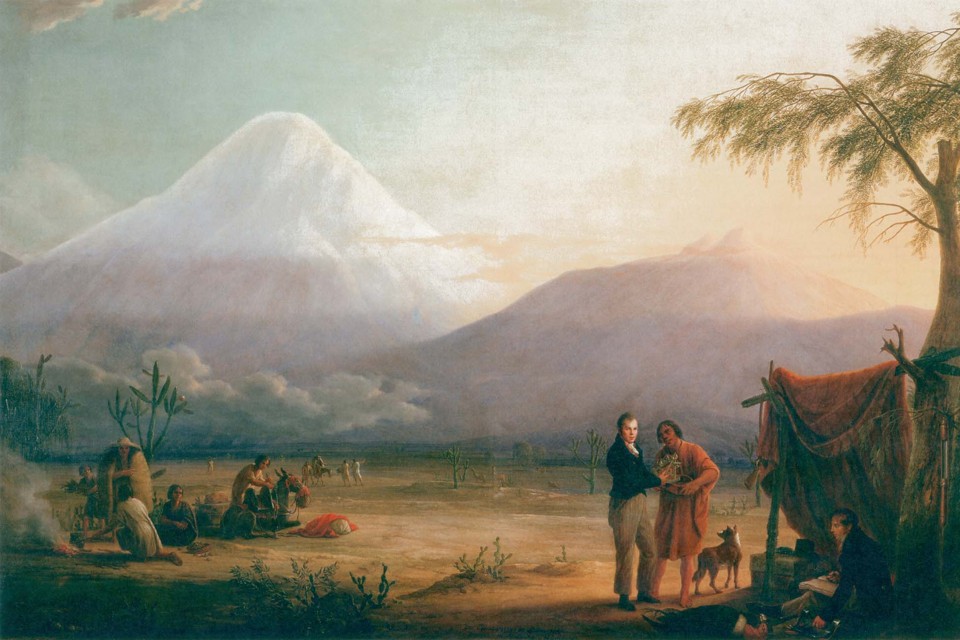
Alexander von Humboldt collecting plants at the foot of Chimborazo. Painting by Friedrich George Weitsch

Humboldt and his companions climbed every mountain they encountered, taking precise measurements of altitude, temperature, and samples of soil and plants as they gained altitude.  As he accumulated data from each climb he began to see a pattern in what he encountered.  Humboldt’s new, revolutionary idea of nature fell into place for him as he climbed Chimborazo in Ecuador to an unprecedented height of 19,413 feet, about 1,000 feet shy of the summit:  “Nature, Humboldt realized, was a web of life and a global force…Humboldt was struck by this ‘resemblance which we trace in climates the most distant from each other.’ (2)

Humboldt's Naturegemälde
Humboldt’s Naturegemälde

Humboldt called the graphic depiction of his theory Naturegemälde which means roughly “painting of nature.”  His drawing shows that plants are distributed according to their altitudes and latitudes, from subterranean mushroom species to the lichens that grow below the snow line.  In similar latitudes, palms grow in the tropical zone at the foot of the mountain.  Oaks and shrubs prefer the temperate climate above the tropical zone.  Naturegemälde illustrated for the first time that “nature is a global force with corresponding climate zones across continents.” (2)

Addendum:  In 2012 – 210 years after Humboldt climbed Chimborazo – a scientific expedition surveyed the vegetation on Chimborazo and compared that survey to Humboldt’s survey in 1802.  They found that the vegetation has moved to higher altitudes on average 500 meters.   This movement of plants to higher elevations (and latitudes in other examples) is a response to climate change, which requires plant and animal species to move in order to survive.  It is one of many examples of why the concept of “native plants” is meaningless at a time of rapid climate change. (3)

Humboldt’s theory of the unity of nature, connected in a global web of life, required an interdisciplinary approach of which few of his contemporaries were capable.  He drew equally from his fund of knowledge about astronomy, botany, geology, and meteorology.  Sadly, as human knowledge has expanded exponentially in over 300 years, an interdisciplinary approach to science has become unattainable.  Scientific inquiry has become increasingly narrowly specialized, preventing the global view that informed Humboldt’s studies.  The “big picture” is lost in the compartmentalization of science into isolated, specialized scientific disciplines.

Socio-political context of Humboldt’s travels

We cannot fully appreciate Humboldt’s scientific accomplishments without mentioning his interest in and concern for the human realm.  Humboldt was 20 years old when the French Revolution occurred in 1789.  He was thrilled and delighted by the prospect of liberty and equality for the French people.  His admiration for the French made Paris his home for much of his life.  He believed that science would thrive in such an atmosphere of freedom of thought and action.

As Humboldt travelled in the New World, he brought this standard of freedom and liberty along with him.  New Spain was lacking in that regard.  He believed that the cultural accomplishments of the indigenous people were sadly devalued.  He was disgusted by the oppression of the indigenous people and the lack of basic human rights of the colonists.  He observed the consequences of this oppression in the colonial landscape.  Mineral riches were ravaged and forests were razed for the cash crops that impoverished the settlers.  The colonial government required them to grow monocultures such as indigo (blue dye), in lieu of the crops needed to feed the population.

Humboldt was one of the first scientists to observe the destructive consequences of deforestation.  Forests were cleared for agricultural fields.  Wood was the fuel of the time, providing heat and light.  Later forests would fuel ships, trains and industrial steam engines.  Where forests were cleared, the land quickly dried out because trees recycle water into the atmosphere.  Erosion and desertification are the eventual consequences of deforestation.

For the same reason that Humboldt admired the French Revolution, he also admired the new American republic that had only recently gained its independence from Britain and was founded on democratic principles.  He went far out of his way to visit the United States to consult with the young democracy.

Thomas Jefferson was the President at the time and they spent much valuable time together.  The Spanish jealously guarded all useful information about New Spain because the United States was clearly a rival in the New World.  Humboldt brought the Americans much useful information about their competitor because he not only wished to be helpful to their young enterprise, he firmly believed in universal access to information.

However, there was one horrible blot on the reputation of the United States that made Humboldt queasy.  He abhorred slavery in his own country as well as in the United States.  As much as he enjoyed the company of Thomas Jefferson and respected his intelligence, he was scandalized by the scale of enslavement on Jefferson’s Virginia plantation.

Humboldt’s concern for the welfare of humans extended to all races, ethnicities, and classes.  Just as he embraced all nature as worthy of his attention, his view of humanity was equally generous and inclusive.  We venture to guess that he would be as mystified by the pointless distinction between “native” and “non-native” plants and animals as we are.

Humboldt’s legacy

When Humboldt returned to Europe in 1804 at the age of 35, his reputation as an important scientist was already established by the correspondence in which he had engaged during the 5-year voyage.  He returned with the detailed record of his travels, including specimens:

“[He] returned with trunks filled with dozens of notebooks, hundreds of sketches and tens of thousands of astronomical, geological and meteorological observations.  He brought back some 60,000 plant specimens, 6,000 species of which almost 2,000 were new to European botanists—a staggering figure, considering that there were only 6,000 known species by the end of the eighteenth century.” (2)

He spent 21 years publishing over 30 volumes about his 5-year journey in the New World.  Not only were these books widely read, they influenced many of the greatest scientists and thinkers who succeeded him:

  • Charles Darwin’s correspondence with Humboldt and many references to Humboldt’s publications in his own work are evidence of Humboldt’s influence on Darwin’s work. Just as Humboldt’s journey inspired his theory of the unity of nature, Darwin’s journey around the globe was the inspiration for his theory of evolution.  Readers of Darwin’s early work observed the similarity of his writing style with that of Humboldt.
  • Humboldt was equally influential in the writings of Henry David Thoreau. Thoreau published an unsuccessful book shortly after his two-year reclusive experience on Walden Pond.  Then he learned from Humboldt’s books to observe and record the workings of nature, which eventually transformed his writings into the nature writing that made him famous.  The records he kept of the climate on Walden Pond are still used as a reference point for the climate change that has occurred in the past 150 years.
  • George Perkins Marsh is considered the first American environmentalist. His book Man and Nature was the first to express alarm in 1864 about American deforestation.  The writings of Humboldt were the first to alert Marsh to this issue and as they did for Humboldt this issue was brought into focus by extensive travels.  Marsh could see America’s future in Egypt where thousands of years of intensive agriculture left the land bare and unproductive.

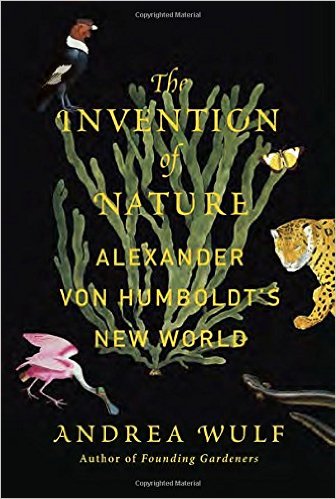
Invention of NatureThis is but a short list of important scientists all over the world who were influenced and inspired by the writings of Alexander von Humboldt long after his death in 1859 at the age of 89.  We encourage our readers to read Andrea Wulf’s The Invention of Nature:  Alexander von Humboldt’s New World for the full story.  We have reported on other books by Andrea Wulf—The Brother Gardeners and The Founding GardenersMs. Wulf turns botanical history into a gripping story.

What is Humboldt’s message to Million Trees?

Alexander von Humboldt delivers a powerful message that fits well with our mission.  He saw the world and its inhabitants as fitting together in a harmonious and comprehensible manner.  He was always looking for the connections between seemingly disparate elements in nature and finding them wherever he looked.  His egalitarian hopes for humanity fit perfectly with his perception of nature as working together to make a web of life with humans as a part of that web.

We would like to think that Million Trees shares the Humboldtian viewpoint and we hope that our readers agree.  We hope that the New Year will bring more harmony to nature and those who live within it.


(1) Wikipedia https://en.wikipedia.org/wiki/Biogeography

(2) Andrea Wulf, The Invention of Nature:  Alexander von Humboldt’s New World, Alfred A. Knopf, New York, 2015

(3) Morueta-Holme N, Engemann K, Sandoval-Acuña P, Jonas JD, Segnitz RM, Svenning JC, “Strong upslope shifts in Chimborazo’s vegetation over two centuries since Humboldt,”  Proc Natl Acad Sci U S A. 2015 Oct 13;112(41):12741-5.  Available HERE.


Subirdia: Birds adapt to the Anthropocene

christmas-holly-4This article is our Christmas present to our readers.  We celebrate the holidays with good news about the birds living in cities all over the world.

Subirdia was written by John Marzluff, an academic ornithologist at University of Washington. (1)  He reports many years of his research and that of his graduate students about the birds that live in urban and suburban Seattle as well as surrounding forest reserves.  He also reports on countless studies of bird populations in similar settings all over the world.  All of those studies reach remarkably similar conclusions.

It took me a long time to read this book because its introduction was off-putting.  Virtually every plant and animal was preceded by the qualifier of “native” or “non-native.”  The implication of the introduction was that the most important feature of every plant and animal is whether or not it is native.  As our readers know, we consider the nativity of plant and animal species largely irrelevant.  All plants and animals are at home in our ideal nature.

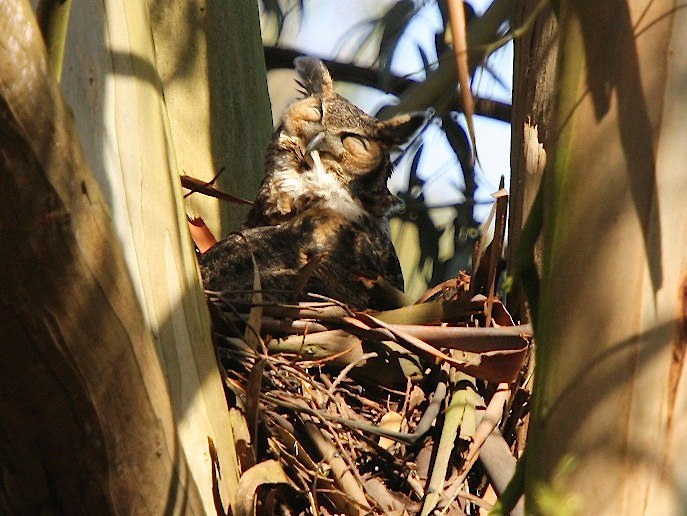
Owl nesting in eucalyptus, courtesy urbanwildness.com

When I finally got around to reading Subirdia I was pleasantly surprised.  Although the author has a preference for native plants and animals, in fact, his research and that of others does not justify his obsession.  Where birds are actually found in the greatest numbers is where the habitat is most diverse, not necessarily exclusively native.

Suburbia is very birdy

The conventional wisdom is that cities are inhospitable places for birds and other wildlife.  After all, haven’t we paved over much of their habitat, interrupted their movements by fragmenting their habitat, and drained or covered water resources? In fact, bird populations in urban areas all over the world are both plentiful and diverse.

After years of counting numerous bird species in his hometown of Seattle, the author of Subirdia wondered if Seattle might be unique because it is heavily forested.  After conducting similar surveys in 10 cities around the world, Marzluff is convinced that birds are successfully adapting to rapid urbanization of human society.  The urban centers of cities in North and Central America, New Zealand and Europe support an average of 23 bird species.  He found the least number of bird species (11) in Auckland, New Zealand and the greatest number (31) in St. Andrews, Scotland.

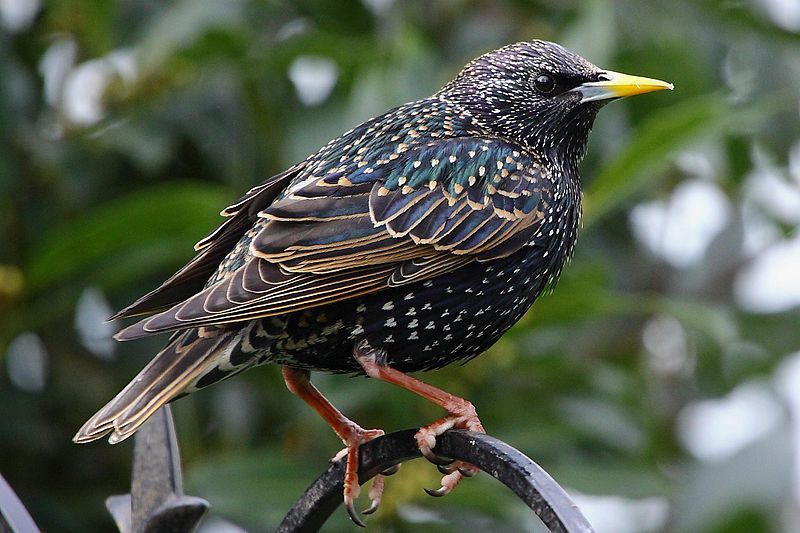
Starling in breeding plumage. Creative Commons - Share Alike
Starling in breeding plumage. Creative Commons – Share Alike

Another popular myth about the loss of bird diversity in the Anthropocene is that the globalization of human civilization produces “homogenized” nature.  That is, many people believe that bird populations may not be in decline, but there are a few hardy species that dominate everywhere.  Again, Marzluff’s studies do not corroborate that belief.  Five bird species are found in cities all over the world (house sparrows, starlings, Canadian geese, mallard ducks, and rock pigeons).  However, these ubiquitous species are not the predominant bird species he found in cities.  Of the 151 different bird species he found in the 10 cities he visited, 75% of them were unique to each of the cities.   “Homogenization is barely perceptible.” (1)

Comparing bird populations in cities with nature reserves

Marzluff also compared bird populations in cities with undeveloped nature preserves.  Once again, cities still look like good homes for birds.  He finds twice as many bird species in Ketchikan, Alaska as in the nearby wildlands along the Naha River, “a remote wilderness fifty miles away…that required powerboat, kayak, and hiking to attain.” (1)

He also visited Yellowstone National Park, a 2.2 million acre protected area within an undeveloped ecosystem of nearly 20 million acres, where he counted 26 bird species in four days.  From there, he flew to New York City where he counted 31 bird species in Central Park in only three days.  Historical records of bird surveys in Central Park and Yellowstone National Park indicate that about 200 bird species have been found in both parks since the late 19th century.  “From a bird’s perspective, a large park created by human hands or by nature is not all that different.”  (1)

Accommodating birds in cities

Marzluff’s concluding chapters advise city dwellers how to encourage and support birds.  His “ten commandments” for accommodating birds make no mention of planting native plants or eradicating non-native plants:

  • “Do not covet your neighbor’s lawn.”
  • “Keep your cat indoors.”*
  • “Make your windows more visible to birds that fly near them.”
  • “Do not light the night sky.”
  • “Provide food and nest boxes.”
  • “Do not kill native predators.”
  • “Foster a diversity of habitats and natural variability within landscapes.”
  • “Create safe passage across roads and highways.”
  • “Ensure that there are functional connections between land and water.”
  • Enjoy and bond with nature where you live, work, and play!”

Marzluff expresses a strong preference for native plants throughout his book, but his research in Seattle is inconsistent with that preference:  “The forests of Seattle and its suburbs now embrace 141 species of trees, including 30 native species and ornamentals from North and South America, Europe, Asia, and Africa.  Some are problematic invaders, but in total they provide a diverse menu of foods and nesting and roosting sites for birds.”  (1)

Why a preference for natives?

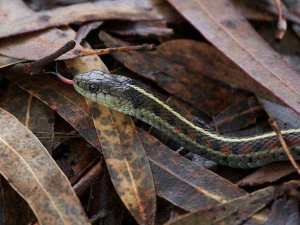
Garter snake in eucalyptus leaf litter. Courtesy Urban Wildness

Another academic scientist in Washington State, Linda Chalker-Scott, directly addresses the vexing question of why public policies which mandate the use of native plants have proliferated despite the lack of evidence that they are superior in any way.  She focuses on this question:  “Do native and nonnative woody species differ in how they affect species diversity?”  Her literature search found 120 studies from 30 countries that quantified the biodiversity of birds, insects, mammals, reptiles, and other plants in woody plants and trees in urban landscapes.

The analysis of these studies reveals that “the science does not support the supposition that native plantings are required for biodiversity…it is clear that an automatic preference for native trees when planning in urban areas is not a science-based policy.” (2) The assumption that native plants are superior to non-native plants is based on these misconceptions:

  • The definitions of native and alien species are value judgments, not science-based concepts.
  • Native plants are often poorly suited to environmental conditions in urban areas, such as compacted soil and changes in the climate. Conversely, introduced plants are often well suited to these urban conditions.
  • Many introduced plants provide valuable ecological benefits. For example, they often provide food, pollen, and nectar resources during winter months when native plants are dormant.
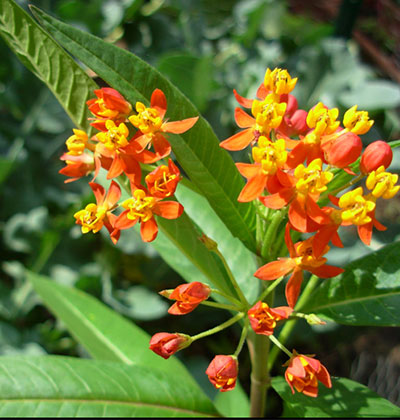
  • Tropical milkweed is not native to California. (Asclepias curassavica) Creative Commons
    Tropical milkweed is not native to California. (Asclepias curassavica) Creative Commons

    Doug Tallamy is the academic scientist most closely associated with the native plant ideology. His claim that insects require native plants is based on his mistaken assignment of nativity to an entire genus, when only a few species within that genus are actually native.  For example, there are over 35 species of milkweed in the genus Asclepias, but only two species are native to California.  Most members of the milkweed family are useful to monarch butterflies.  It is therefore not accurate to claim that monarchs require native plants.  They have lived all over the world for over 200 years in some places where there are no native species of milkweed.

Chalker-Scott’s meta-analysis of 120 studies concurs with Mr. Marzluff:  “The published research overwhelmingly identifies diversity, structure, and function as the most important vegetation characteristics for enhancing community biodiversity…In fact, sometimes landscapes require the inclusion of exotic trees and control of natives to maintain diversity.” (2)

Doing more harm than good

Our readers know that we do not begrudge the preference of native plant advocates for native plants.  We encourage them to plant whatever they want.  We only ask that they stop destroying the plants they don’t like.  That request is based on our belief that they are doing far more harm to our public lands than any perceived benefit of native plants.  Much of that harm is caused by the widespread use of herbicides to destroy non-native vegetation.  These herbicides are known to damage the soil and they migrate in the soil, damaging neighboring plants that are not targeted.  These issues are surely a factor in the conspicuous lack of success of their “restorations.”  There is also mounting evidence of the toxicity of herbicides to bees, birds, and other animals including humans.

But there is another, equally important reason why we object to the futile attempts to eradicate non-native plants.  They are providing valuable habitat for wildlife.  Even when they are replaced by native plants after being destroyed, the animals that depended upon them are not necessarily restored to the landscape.  In fact, few projects plant natives after the eradication of non-natives.

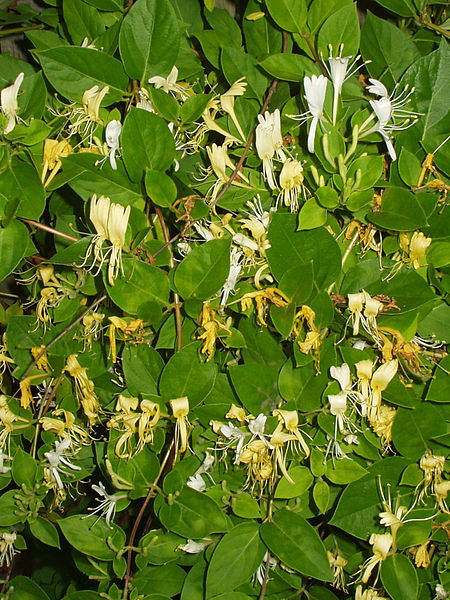
Japanese honeysuckle. Attribution William Rafti

A recently published study (3) of the removal of Amur honeysuckle (Lonicera maackii) is an example of the loss of valuable habitat.  The hypothesis of this study was that “invasion of urban habitats by exotic plants was the underlying mechanism driving changes in bird-plant networks.”  The study tested this hypothesis by comparing forest plots dominated by honeysuckle with those in which honeysuckle had been removed and the surrounding forest habitat replicated.  They measured nesting birds, nest predators, and nest survival.

They found that the lowest overall nest survival rates were found in the plots in which honeysuckle had been removed.  In other words, “…removal of invasive honeysuckle from urban forests did not restore network structure to that of rural landscapes.”  The authors concede, “This finding was not consistent with our original hypothesis that invasion of forests by the exotic Amur honeysuckle was responsible for the urban-associated changes in bird-plant networks.”  They conclude, “The degree to which native communities can be restored following removal of exotic plants remains unclear.” 

Actually, we think it is quite clear that eradicating non-native plants does not benefit man or beast. We marvel that the fantasy persists that there is some theoretical benefit to killing harmless plants, despite the consistent lack of evidence of any benefit and the considerable evidence of the harm of such attempts. 


*Like most ornithologists, Marzluff comes down hard on cats as killers of birds in his book.  However, he cites just one study about predation of fledglings.  The study used radio transmitters to determine the fate of 122 newly fledged birds over a period of two years.

The results do not justify the demonization of cats:  “Only 20 percent of radio-tagged birds died during our study.  Birds such as Cooper’s hawks and mammals such as Townsends’ chipmunks, ermine, and Douglas squirrels were the most likely predators.  The most notorious of all bird predators, the out-of-the-house cat, was implicated in only one death, though we could never be entirely sure which mammal or which bird had killed the fledging.”  (1) Marzluff credits a neighborhood coyote for controlling the cat population.  Frankly, that doesn’t make sense.  Chipmunks and squirrels are just as likely to be prey for the coyotes.

We have reported on similar studies which reach the same conclusions.  A meta-analysis of 8 studies of nest predators of song birds in North America used video cameras to identify the predators of 242 depredation events.  Only one of those nest predators was a cat.

We have no objection to the general advice to keep your cat indoors. (We have never had a cat and don’t plan to.)  However, we think that estimates of birds killed by cats are greatly exaggerated.  Humans seem to have an unfortunate desire to look for scapegoats and cats seem to fit the bill for bird lovers.

  1. John M. Marzluff, Welcome to Subirdia, Yale University Press, 2014
  2. Linda Chalker-Scott, “Nonnative, Noninvasive Woody Species Can Enhance Urban Landscape Biodiversity,” Arboriculture & Urban Forestry, 2015, 41(4): 173-186
  3. Amanda D. Rodewald, et. al., “Does removal of invasives restore ecological networks? An experimental approach,” Biological Invasions, March 2015

The Economist: “You can garden in a garden. You cannot garden nature.”

For those who may not be familiar with The Economist magazine, let us introduce this venerable publication to you.  The Economist is a weekly news magazine published in Britain continuously since 1843.  It has a readership of over 1.5 million and about half of its readers are in America.  Its viewpoint is fiscally and politically moderate (it endorsed Ronald Reagan and Bill Clinton) and socially liberal (it supports same-sex marriage and immigration).  It is widely read by the business community and public policy makers.  In other words, it is an influential, mainstream source of information.

Therefore, The Economist’s recent articles about invasion biology represent a significant step forward in the effort to stop the pointless and damaging crusade against harmless non-native plants and animals.  The following is an excerpt from the editorial version of a longer article in the December 5, 2015 edition of The Economist.  We have added emphasis and a few photos.


“In Defense of Invaders”

“EVERYBODY loves to hate invasive species. Americans battle rampant plants such as kudzu, a Japanese vine; Europeans accuse the American grey squirrel of spreading disease and damaging forests. As The Economist went to press, a scientific committee was expected to sign off on Europe’s first invasive-species blacklist. Cross-border trade in 37 species will be banned (the list is bound to grow longer as conservationists add more troublemakers). Where it is not already too late to wipe out these alien invaders, EU member states will be required to do so.

“Europeans are restrained in comparison with other countries. The international list of invasive species—defined as those that were introduced by humans to new places, and then multiplied—runs to over 4,000. In Australia and New Zealand hot war is waged against introduced creatures like cane toads and rats. In 2013 New Zealand used helicopters to drop a poison known as 1080 on 448,000 hectares of land—an area about the size of Yosemite and Sequoia national parks put together. Just four public objections were recorded.

“Some things that are uncontroversial are nonetheless foolish. With a few important exceptions, campaigns to eradicate invasive species are an utter waste of money and effort—for reasons that are partly practical and partly philosophical.

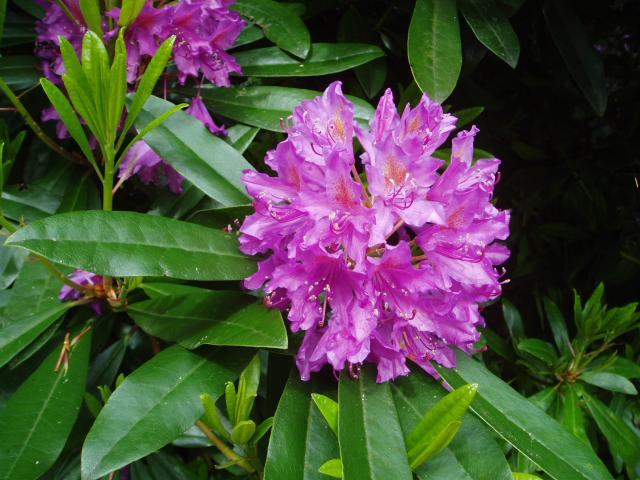
Rhodedenron ponticum, one of only a dozen plants considered invasive in Britain. Wikimedia Commons

“Start with the practical arguments. Most invasive species are neither terribly successful nor very harmful. Britons think themselves under siege by foreign plants like Japanese knotweed, Rhododendron ponticum and Himalayan balsam. In fact Britain’s invasive plants are not widespread (see article), not spreading especially quickly, and often less of a nuisance than vigorous natives such as bracken. The arrival of new species almost always increases biological diversity in a region; in many cases, a flood of newcomers drives no native species to extinction. One reason is that invaders tend to colonise disturbed habitats like polluted lakes and post-industrial wasteland, where little else lives. They are nature’s opportunists.

Honeybee in non-native wild mustard

New arrivals often turn out to be useful, even lovely. Americans fret about the decline of a vital crop-pollinator known as the American honey bee. Apis mellifera is actually an invader from the Old World: having buzzed from Africa to Europe, it was brought to America by colonists and went wild. Invasive plants provide food and nests for vulnerable natives; invasive animals can help native species by killing their predators, as the poisonous cane toad has done in Australia.

Another practical objection to the war on invasive species is that they are fiendishly hard to eradicate. New Zealand will not get rid of its rats any more than Britain could wipe out its grey squirrels. Culls tend to have a short-term effect at best. It is, however, sometimes possible to get rid of troublesome immigrants on tiny oceanic islands. Because the chances of success are higher, and because remote islands often contain rare species, efforts there are more worthwhile.

“The philosophical rationale for waging war on the invaders is also flawed. Eradication campaigns tend to be fuelled by the belief that it is possible to restore balance to nature—to return woods and lakes to the prelapsarian idyll that prevailed before human interference. That is misguided. Nature is a perpetual riot, with species constantly surging, retreating and hybridising. Humans have only accelerated these processes. Going back to ancient habitats is becoming impossible in any case, because of man-made climate change. Taking on the invaders is a futile gesture, not a means to an achievable end.

“No return to Eden”

“A rational attitude to invaders need not imply passivity. A few foreign species are truly damaging and should be fought… It makes sense to keep out pathogens… Fencing off wildlife sanctuaries to create open-air ecological museums is fine, too….You can garden in a garden. You cannot garden nature.”

Monarch myths revisited

Debunking the myths of nativism—especially those that justify the eradication of non-native trees—is the task we have assigned ourselves, which requires us to revisit a few of the misconceptions about monarch butterflies in California.

Monarch Butterfly. Creative Commons

When application for endangered status for monarchs was filed in August 2014, a few new monarch myths emerged and have since been faithfully repeated by native plant advocates who are demanding the eradication of our urban forests.  The monarch migration in California is using predominantly non-native trees, which should afford those trees some protection.  Unfortunately, it has only produced more convoluted theories that deny the value of non-native plants and trees to monarchs.

Myth #1:  The California migration of monarch butterflies prefers native trees for their winter roost. 

Monarch butterflies roosting in eucalyptus tree.

A study of the trees used by monarch butterflies for their winter roost in over 300 different sites in California reported that the vast majority of monarchs are using eucalyptus:

“Three types of trees were used most frequently by roosting monarchs:  eucalyptus (75% of the habitats primarily Eucalyptus globulus), pine (20% of the habitats; primarily Pinus radiata), and cypress (16% of the Cupressus macrocarpa).  Twelve other tree species were identified…with a combined prevalence of only 10%.” (Three different studies by different authors are the source of these data, therefore they don’t add up to 100%.) (1)

Unfortunately, this fact has been obscured by a small study of a few selected sites used by monarchs during their migration.  Griffiths and Villanova (2) observed the monarch migration in a few sites in Monterey and San Luis Obispo counties.  They report that the monarchs moved around among three tree species including eucalyptus, suggesting to them that Monterey pine and cypress are equally important to the monarchs.  While we don’t doubt that this may be true, we don’t think we can generalize from this study because it was conducted in the small native range of Monterey pine and cypress.

The California migration of monarchs spends the winter months roosting in tall trees in 17 counties along the coast of California, from Mendocino County in the north to San Diego County in the south. (1) Most of that expanse is outside the native range of Monterey pine and cypress.  Griffiths and Villanova do not acknowledge that both Monterey pine and cypress are being eradicated outside their native range for the same reason that eucalyptus is being eradicated, i.e., they are considered “alien invaders” where they have been planted outside their native range.  Here in the San Francisco Bay area, for example, 500 Monterey pines were destroyed on the Marin headlands a few years ago and an untold number of Monterey pines will be destroyed by the FEMA projects in addition to those that have already been destroyed here.

If, in fact, monarchs do have a preference for Monterey pines and cypress for their winter roost, they do not have that option outside of the small native range of those trees in Monterey County. 

For the record, we should tell you that we are just as opposed to the pointless destruction of Monterey pine and cypress outside their small native range as we are opposed to the destruction of eucalyptus.

There is paleontological evidence (fossil cones) that Monterey pines lived in the San Francisco Bay Area several times in the distant past.  That finding was reported (4) in Fremontia, the journal of the California Native Plant Society.  The author asked that Monterey pines be allowed to remain where they lived in the past because the species is threatened in its small native range.  Unfortunately, her advice has been ignored by native plant advocates, who continue to demand that all Monterey pines be destroyed where they have been planted outside their present native range.  This extreme viewpoint is one of the reasons why native plant advocates have earned their reputation as fanatics.

Myth #2:  The California migration of monarch butterflies used exclusively native trees before eucalyptus was planted in California.

Those who wish to discount the value of eucalyptus to overwintering monarchs often assume the California monarch migration predates the planting of eucalyptus in California in mid-19th century.  That assumption supports their claim that all of our eucalyptus can be destroyed without having a negative impact on monarch butterflies.   In fact, there is no historical record of the monarch migration until the mid-19th century.  The historical record of the monarch migration was reported by Vane-Wright (3), who tells us the California monarch migration is probably a 19th century expansion of the range of the eastern monarch migration, from east of the Rocky Mountains to Mexico.  Recent molecular analysis of the monarch migration confirms that the eastern and western migration of monarchs in North America are genetically identical, suggesting that the populations might be dispersing east and west from their Mexican winter roost. (5)

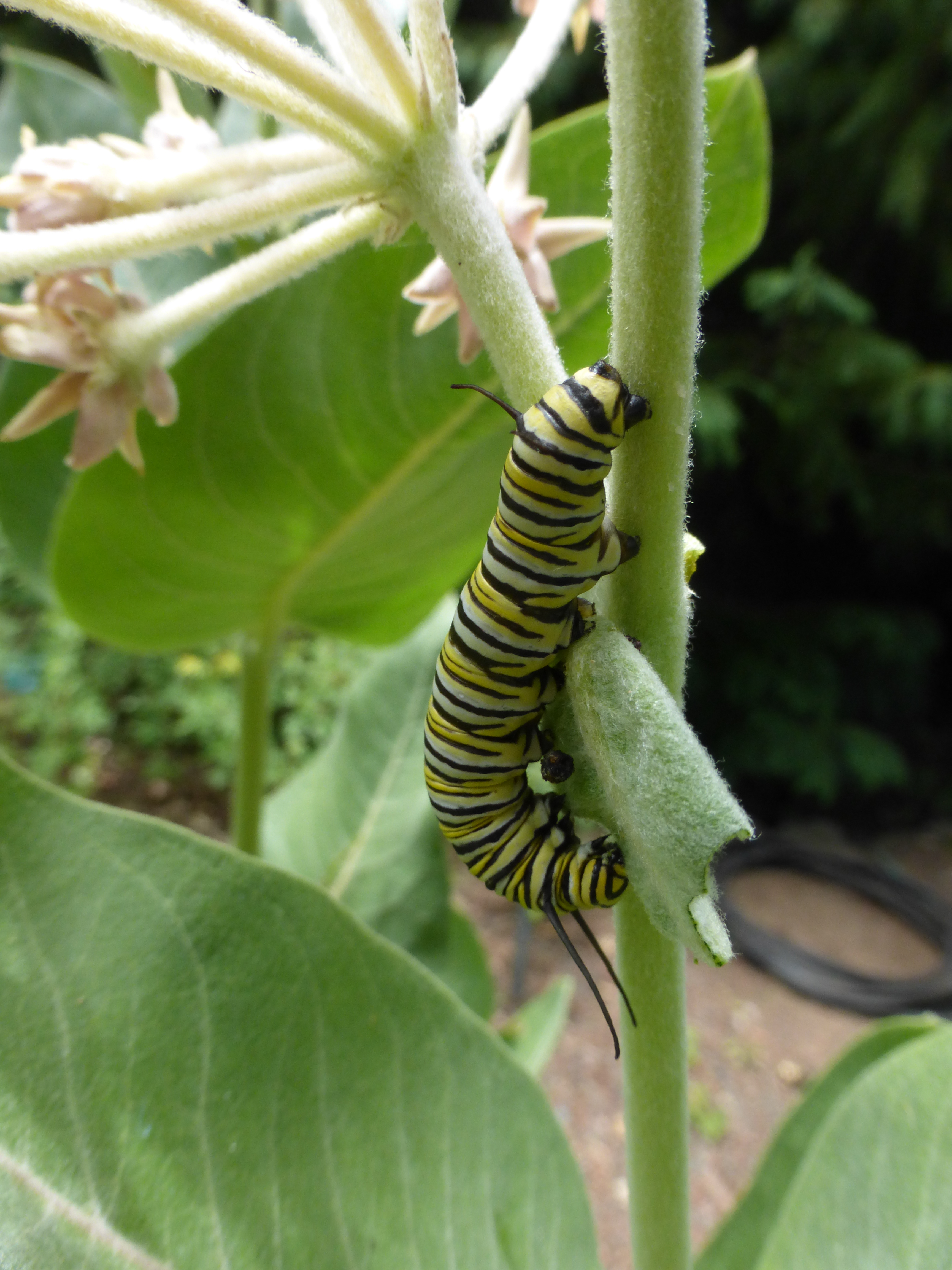
Monarch caterpillar on milkweed. Tilden Botanical Garden

Monarch butterflies are not usually eaten by birds because their host plant contains a toxin that makes birds sick and the monarch’s warning colors broadcast that fact.  The warning colors of butterflies that are toxic to birds are often mimicked by other species of butterflies to confer that protection.  There is a monarch mimic, the Viceroy, in the eastern US, which occurs in California only in a tiny bit of riparian habitat in southeast California.  “The lack of mimics suggests the [monarch] may not have been here long enough for any to evolve.” (6)

Myth #3: Non-native species of milkweed is harmful to monarch butterflies.

Monarch butterflies lay their eggs on milkweed and their larvae, the caterpillar, feeds exclusively on milkweed.  Many native plant advocates believe that the monarch requires a native species of milkweed.  They are mistaken in that assumption.  Wikipedia lists over 35 species of milkweed (genus Asclepias) all over the world and many are known to be used by the widely dispersed populations of monarchs.

The dispersal of monarchs from their original range in North America is approximately 200 years old, according to molecular analysis of populations across the Pacific Ocean (Hawaii, Samoa, Fiji, New Caledonia, New Zealand, Australia) and across the Atlantic (Spain, Portugal, Morocco).  These dispersals are assumed to have been aided by human transportation of both milkweeds and monarchs and extreme weather events.  “For example, monarchs were recorded in Australia in 1870 and were most probably carried there on cyclonic winds from a source population in New Caledonia.” (7)  These populations do not migrate and are therefore genetically distinct from the ancestral population of North American monarchs as a result of genetic drift.

In many of the homes of new populations of monarch butterflies there was no native species of milkweed before being introduced simultaneously with the monarch populations.  Although there are numerous members of the milkweed family native to Australia, monarchs do not appear to utilize the native species, preferring the introduced species of milkweed.

Tropical milkweed (Asclepias curassavica) Creative Commons

In California, a tropical species of milkweed is popular with gardeners (Asclepias curassavica).  Unlike the native species of milkweed, tropical milkweed does not die back in winter.  Gardeners therefore tend to prefer the tropical milkweed because it makes a colorful contribution to their gardens year around.

Of course, native plant advocates prefer native species of milkweed and they justify their preference by claiming that tropical milkweed is harmful to monarchs.  They claim that the monarch parasite (Ophryocystis elektroscirrha) can accumulate on tropical milkweed because it doesn’t die back during the winter.  Tropical milkweed is the only milkweed available in winter.  The parasite disrupts some winter breeding of monarchs, but that breeding would not occur in the absence of tropical milkweed.  If more monarchs are the goal, tropical milkweed is making a contribution to the monarch population.

New scientific research debunks the myth that tropical milkweed is harmful to monarchs.  Leiling Tao et.al. (8) studied monarch lifespans when they fed on a variety of milkweed species.  They looked at both resistance to monarch parasite (O. elktroscirrha) infection and tolerance once infected.  They found a complex interaction between species of milkweed the monarchs fed on and the amount of mycorrhizal fungi on the roots of the milkweed.  But one result was clear:  monarchs raised on tropical milkweed (A. curassavica) lived as long, or longer than, monarchs raised on other species of milkweed.  They were less likely to be infected, and once infected, tolerated the infection well.  In short, there is nothing about tropical milkweed as a host that is detrimental to monarch survival in the presence of parasites.

Native plant advocates also speculate that tropical milkweed can disrupt the migratory patterns of monarchs because it is available when native milkweed is not available.  Given that monarchs have persisted for 200 years all over the world, using exclusively non-native milkweed and without migrating, this seems an unnecessarily pessimistic concern.  Neither native milkweed species, nor migration are essential to the survival of monarchs as a species.

Peek under the cover story

As we often do on Million Trees, we have taken a peek under the cover story being used by native plant advocates to justify the eradication of non-native plants and trees.  Once again, we find a lot of pessimistic speculation, but little evidence that eradicating non-native plants will benefit wildlife, or conversely that wildlife can only survive in native habitat.  Yes, it was a tedious journey to that conclusion and we thank you for your patience if you have persevered to our optimistic conclusion that wildlife is far more resourceful and resilient than nativism wishes to believe.


(1) Dennis Frey and Andrew Schaffner, “Spatial and Temporal Pattern of Monarch Overwintering Abundance in Western North America,” in The Monarch Butterfly Biology and Conservation, Cornell University Press, 2004.

(2) Jessica Griffiths and Francis Villablanca, “Managing monarch butterfly overwintering groves:  Making room among the eucalyptus,” California Fish and Game 101(1): 40-50; 2015. Summary also available HERE.

(3) Richard Vane-Wright, “The Columbus Hypothesis:  An Explanation for the Dramatic 19th Century Range Expansion of the Monarch Butterfly,” in Biology and Conservation of the Monarch Butterfly,Natural History Museum of Los Angeles County, 1993.

(4) Constance Millar, “Reconsidering the Conservation of Monterey Pine,” Fremontia, Vol. 26, No. 3, July 1998

(5) Justine I. Lyons, et. al., “Lack of genetic differentiation between monarch butterflies with divergent migration destinations,” Molecular Ecology, (2012) 21, 3433-3444

(6) Art Shapiro, Field Guide to Butterflies of the San Francisco Bay and Sacramento Valley Regions, California Natural History Guides, UC Press, 2007.

(7) Amanda Pierce, et. al., “Serial founder effects and genetic differentiation during worldwide range expansion of monarch butterflies,” Proceedings of the Royal Society of Britain, 281: 2014.2230.

(8) LeilingTao, et. al., “Disease ecology across soil boundaries:  effects of below-ground fungi on above-ground host—parasite interactions,” Proceedings of Royal Society of Britain, 282: 2015.1993.

Sierra Club cannot hide behind its smokescreen

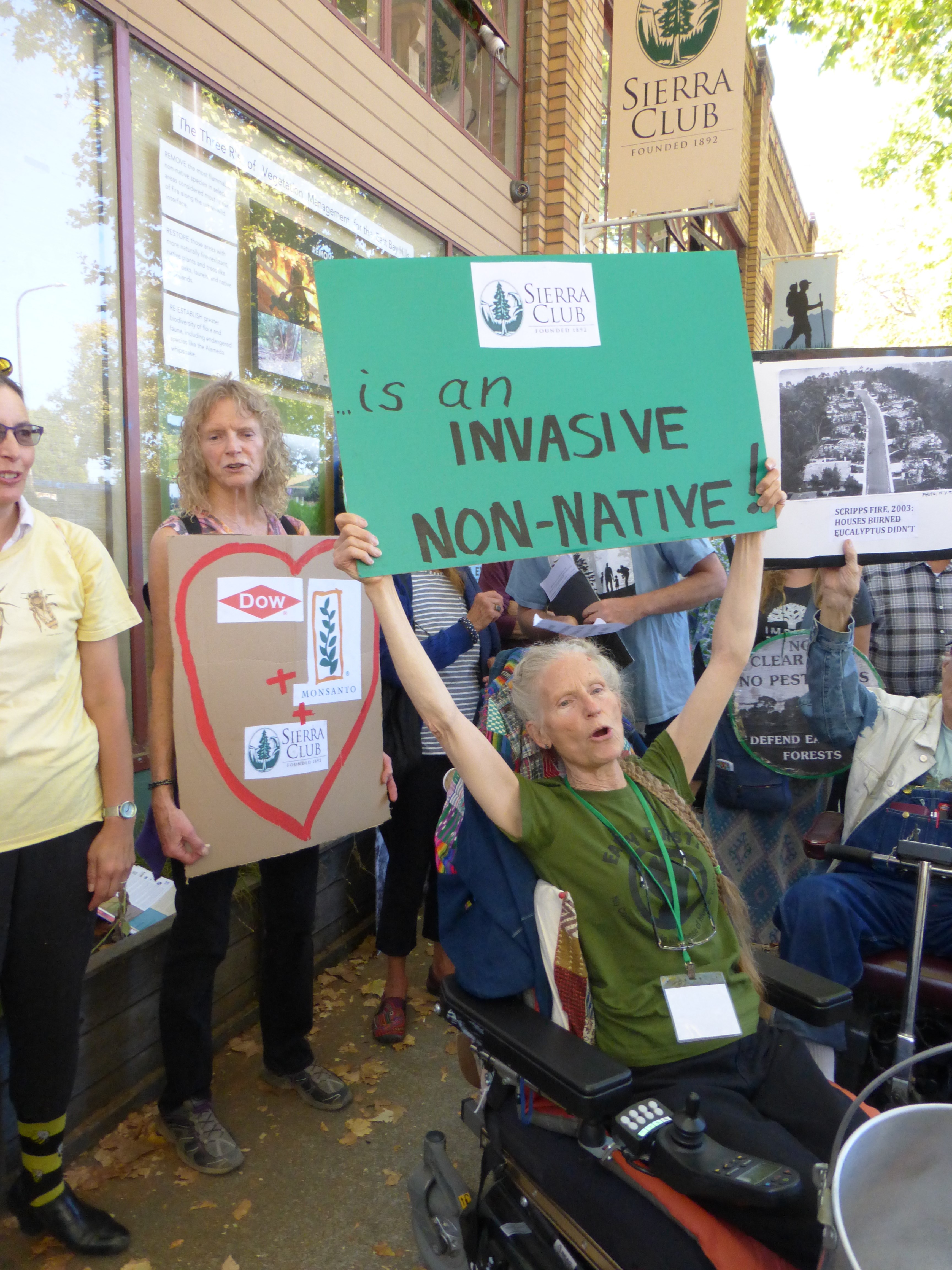
On August 25, 2015, opponents of the projects in the East Bay Hills which will destroy hundreds of thousands of trees staged a protest at the headquarters of the Bay Area chapter of the Sierra Club and delivered a petition.  The petition (available HERE) asks the Sierra Club to quit advocating for deforestation and pesticide use in the San Francisco Bay Area and to drop its lawsuit which demands eradication of 100% of all non-native trees on 2,059 acres of public land in the East Bay.  The protest was successful as measured by the size of the crowd and the even-handed media coverage of the protest.

Sierra Club protest, August 25, 2015. About 80 people attended the peaceful protest.

Update:  HERE is a 14 minute video of the demonstration at Sierra Club headquarters on August 25, 2015.  The video includes an attempt to discuss the issue with a Sierra Club staff member.  Note the factual rebuttals to some of the claims the staff member makes in that conversation.  Also, note the final rallying cry, “Poll your membership on this issue.”  We will report soon on the follow up to that request.  Please stay tuned.  

However, although the protest has produced a flurry of defensive propaganda from the Sierra Club, it has not created new opportunities for dialogue with them.  We tried to get the issue on the agenda of the Conservation Committee following the protest and once again our request was denied. We were also denied the opportunity to publish a rebuttal to articles in their newsletter about the projects. It is still not possible to post comments on the on-line version of the Yodeler, although each article dishonestly invites readers to “leave a comment.”

And so, open letters to the Sierra Club are the only means of communication available to us.  Here are our replies to the latest round of propaganda published in the Yodeler on September 16, 2015 (available HERE).  Excerpts from the Sierra Club article are in italics and our replies follow.


“The preferred strategy for vegetation management in the East Bay hills entails removing the most  highly flammable, ember-generating trees like eucalyptus in phases — only in select areas considered most at risk for fire along the urban-wild interface.”

Preferred by whom?  Neither fire experts nor the public think this project is a good idea, let alone the Sierra Club’s more extreme version of the project demanded by its suit.  Over 13,000 public comments on the Environmental Impact Statement were sent to FEMA, of which 90% were opposed to this project according to FEMA.  More recently, a petition in opposition to this project has over 64,000 signatures on it.  This project is NOT the “preferred strategy for vegetation management in the East Bay hills.”

Eucalyptus is not more flammable than many other trees, including native trees: 

  • A study by scientists in Tasmania found that the leaves of blue gum eucalypts were more resistant to ignition than other species of Tasmanian vegetation tested. The study credits the “hard cuticle” of the leaf for its ability to resist ignition. (1)
  • The National Park Service, which has destroyed tens of thousands of eucalypts and other non-native trees, states that eucalyptus leaves did not ignite during a major fire on Mount Tam.  (2)
  • The leaves of native bay laurel trees contain twice as much oil as eucalyptus leaves (3)  and the fuel ladder to their crowns is much lower than eucalyptus, increasing the risk of crown fires. The “Wildfire Hazard Reduction and Resource Management Plan” of the East Bay Regional Park District states explicitly that bay laurel is very flammable and recommends selective removal.
  • Eucalyptus contributed more fuel to the 1991 fire in Oakland because a deep and prolonged freeze the winter before the fire caused eucalyptus and other exotic vegetation to die back. The dead leaf litter was not cleaned up, which contributed to the fire hazard.  Such deep freezes are rare in the Bay Area.  There has not been such a freeze for 25 years and another is unlikely in the warming climate.

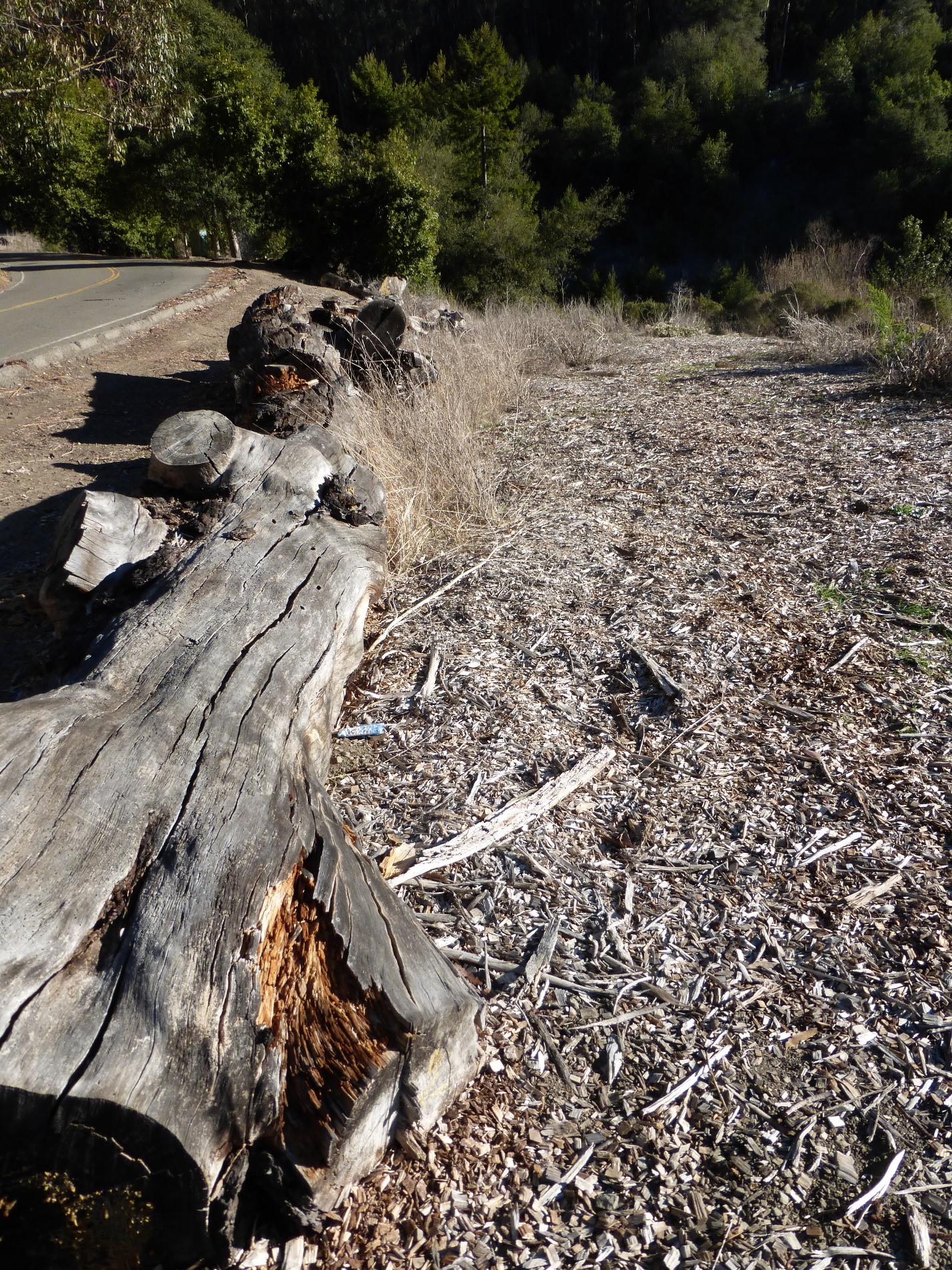
    Eucalyptus logs line the roads where UC Berkeley has destroyed trees. Do they look less flammable than living trees?
    Eucalyptus logs line the roads where UC Berkeley has destroyed trees. Do they look less flammable than living trees?
  • Ordinarily, eucalyptus does not contribute more fuel to the forest floor than native oak-bay woodland. This is confirmed by the National Park Service, which includes logs in the calculation of fuel loads. (2) Logs are extremely difficult to ignite.  The so-called “fire hazard mitigation projects” are leaving all the eucalyptus logs on the ground when the trees are destroyed, suggesting that they aren’t considered a fire hazard.  The National Park Service also separates the fuel loads of oaks and bays, which when combined are equal to the fuel load of eucalyptus.  Since our native woodland in the East Bay is a mixture of oaks and bays, it is appropriate to combine them when comparing their fuel loads to eucalyptus.
  • Eucalypts are sometimes blamed for casting more embers than native trees because they are taller than the oak-bay woodland. However, redwoods are as tall, if not taller, and they were also observed burning in the 1991 fire:  On Vicente Road, “Two redwoods up the street caught fire like matchsticks.” (4)  Yet, the Sierra Club is not suggesting that redwoods be destroyed to eliminate the risk of casting embers.

The Sierra Club now says the trees will be removed “in phases,” yet in its suit against the FEMA grants it objects to the phasing of tree removals.  The main focus of their suit is opposition to the “unified methodology” which proposes to remove trees over the 10 year period of the grant on only 29 acres of the total project acreage of 2,059.  To those who objected to this project, that small concession is little consolation, but for the Sierra Club it was a deal-breaker.  Their suit demands that all non-native trees be removed immediately on all project acres. 

If the Sierra Club withdraws its suit against the FEMA projects, it is free to tell another story, as it attempts to do in its Yodeler article.  As long as that suit remains in play, the Sierra Club is stuck with that version of reality.

“Once the flammable non-native trees are removed, less flammable native species can reclaim those areas and provide for a rebound of biodiversity. This model of fire prevention can summarized as the the [sic] “Three R’s”:

REMOVE the most flammable non-native trees in select areas most at risk for fire;

RESTORE those areas with more naturally fire-resistant native trees and plants; and

RE-ESTABLISH greater biodiversity of flora and fauna, including endangered species like the Alameda whipsnake.”

This is a stunning display of ignorance of the project as well as the natural history of the San Francisco Bay Area:

  • The FEMA projects do not provide for any planting or funding for planting after the trees are removed. FEMA’s mission is fire hazard mitigation, not landscape transformation.  The scientists who evaluated the FEMA projects said that a native landscape is not the likely result of the project:  “However, we question the assumption that the types of vegetation recolonizing the area would be native.  Based on conditions observed during site visits in April 2009, current understory species such as English ivy, acacia, vinca sp., French broom, and Himalayan blackberry would likely be the first to recover and recolonize newly disturbed areas once the eucalyptus removal is complete.  These understory species are aggressive exotics, and in the absence of proactive removal there is no evidence to suggest that they would cease to thrive in the area, especially the French broom which would be the only understory plant capable of surviving inundation by a 2-foot-deep layer of eucalyptus chips.” (5)
  • The US Forest Service evaluation of the FEMA projects stated that the resulting landscape would be more flammable than the existing landscape: “Removal of the eucalyptus overstory would reduce the amount of shading on surface fuels, increase the wind speeds to the forest floor, reduce the relative humidity at the forest floor, increase the fuel temperature, and reduce fuel moisture.  These factors may increase the probability of ignition over current conditions.” (6)
  • The US Forest Service evaluation predicts that the resulting landscape will be “a combination of native and non-native herbaceous and chaparral communities.” Despite the overwhelming evidence that wildfires in California start and spread rapidly in herbaceous vegetation such as dry grass, the myth persists that all non-native trees must be destroyed to reduce fire hazards.  An analyst at CAL FIRE has explained to the Center for Investigative Reporting that the reason why wildfires were so extreme this summer is because of the heavy rains in December 2014, which grew a huge crop of grass:  “The moisture did little to hydrate trees and shrubs. But it did prompt widespread growth of wild grasses, which quickly dry out without rain.  ‘They set seed, they turn yellow and they are done,’ said Tim Chavez, a battalion chief and fire behavior analyst with CAL FIRE. ‘All that does is provide kindling for the bigger fuels.’” (7) We know that more dry grass starts more wildfires, yet the Sierra Club demands that we destroy the tree canopy that shades the forest floor and produces leaf litter, which together suppress the growth of the grasses in which fires ignite. 
  • The claim that native plants are “naturally fire resistant” is ridiculous. Native vegetation in California—like all Mediterranean climates—is fire adapted and fire dependent. The wildfires all over the west this summer occurred in native vegetation.  There are over 200 species of native plants in California that will not germinate in the absence of fire and persist for only 3-5 years after a fire. (8) Although all native vegetation is not equally flammable, many species are considered very flammable, such as coyote brush, bay laurel, and chamise.  To say otherwise is to display an appalling ignorance of our natural history.

    When did "environmentalism" devolve into demonizing trees?
    When did “environmentalism” devolve into demonizing trees?
  • There is no evidence that the destruction of our urban forest will result in greater “biodiversity.” There are many empirical, scientific studies that find equal biodiversity in eucalyptus forest compared to native forests.  There are no studies that say otherwise, yet the Sierra Club and their nativist friends continue to make this claim without citing any authority other than their own opinions.  (9, 10, 11)  Bees, hummingbirds, and monarch butterflies require eucalyptus trees during the winter months when there are few other sources of nectar. Raptors nest in our tall “non-native” trees and an empirical study finds that their nesting success is greater in those trees than in native trees.

The Sierra Club’s 3Rs can best be summarized as “repeat, repeat, repeat.”  Their 3Rs are based on 3 Myths:  (1) eucalyptus trees are the most serious fire hazard; (2) “native” vegetation is categorically less flammable than “non-native” vegetation, and (3) native vegetation will magically return to the hills when trees are clearcut and the hills are poisoned with herbicide.  All available evidence informs us that these are fictions that exist only in the minds of the Sierra Club leadership and their nativist friends.

 “The Sierra Club’s approach does NOT call for clearcutting. Under “Remove, Restore, Re-establish” thousands of acres of eucalyptus and other non-natives will remain in the East Bay hills. Our proposal only covers areas near homes and businesses where a fire would be most costly to lives and property. In fact, removing monoculture eucalyptus groves and providing for the return of native ecosystems will create a much richer landscape than the alternative — thinning — which requires regularly scraping away the forest floor to remove flammable debris.”

The Sierra Club’s suit against FEMA demands that all eucalyptus and Monterey pine be removed from 2,059 acres of public property.  While it is true that the project acres are not 100% of all land in the East Bay, with respect to the project acres, it is accurate to describe the Sierra Club’s suit as a demand for an immediate clearcut of all non-native trees.

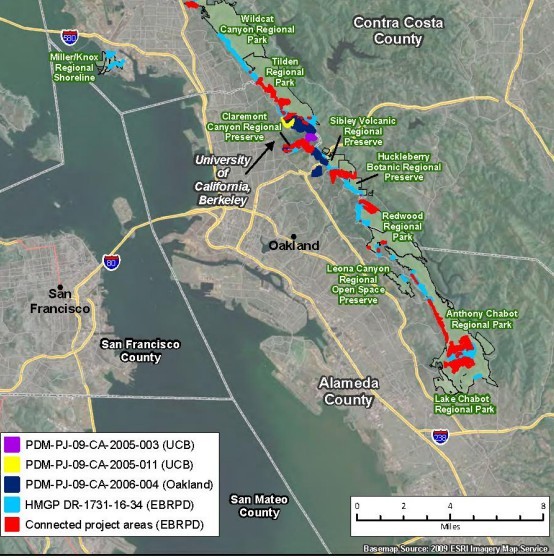
FEMA Project Areas
FEMA Project Areas

Most of the project acres are nowhere near homes and buildings.  They are in parks and open spaces with few structures of any kind.  CAL FIRE defines “defensible space” required around buildings to reduce property loss in wildfires.  CAL FIRE requires property owners to clear flammable vegetation and fuel within 100 feet of structures.  Using that legal standard, the FEMA project should not require the removal of all trees from project acres.

As we said earlier, Sierra Club’s description of the landscape that will result from the removal of the tree canopy is contradicted by scientists who evaluated the FEMA project.  And their prediction that “thinning” would “require regularly scraping away the forest floor to remove flammable debris” is not consistent with the predictions of those scientists who have advised that the loss of shade and moisture resulting from the complete loss of the tree canopy will encourage the growth of flammable vegetation and require more maintenance than the existing landscape.

“Our preferred approach does NOT focus on eucalyptus merely because they are non-natives. Rather, it is because they pose a far higher fire risk than native landscapes. Eucalyptus shed ten to fifty times more debris per acre than grasslands, native live oak groves, or bay forests — and that debris, in the form of branches, leaves, and long strips of bark, ends up draped in piles that are a near-optimal mixture of oxygen and fuel for fire. Eucalyptus trees ignite easily and have a tendency to dramatically explode when on fire. Also, eucalyptus embers stay lit longer than embers from other vegetation; coming off trees that can grow above 120 feet tall, those embers can stay lit as the wind carries them for miles.”

The Sierra Club’s suit demands the eradication of Monterey pine as well as eucalyptus.  The scientists who evaluated the FEMA projects stated that there is no evidence that Monterey pine is particularly flammable and they questioned why they were targeted for eradication:  “The UC inaccurately characterizes the fire hazard risk posed by the two species however…Monterey pine and acacia trees in the treatment area only pose a substantial fire danger when growing within an eucalyptus forest [where they provide fire ladders to the eucalyptus canopy].  In the absence of the eucalyptus overstory, they do not pose a substantial fire hazard.”  (5)  It is not credible that the Sierra Club’s demand that these tree species be entirely eradicated has nothing to do with the fact that they are not native to the Bay Area.  If flammability were truly their only criterion, they would demand the eradication of native bay laurel trees.  If fear of lofting embers from tall trees were their only concern, they would demand the eradication of redwoods.

As we said earlier, redwoods looked as though they were exploding when they ignited in the 1991 fire.  And we are seeing wildfires all over the west this fire season in which native trees look as though they are exploding when they ignite.  That’s what a crown fire looks like, regardless of the species.

It defies reason to think that an ember is capable of traveling miles and still be in flames on arrival.  In fact, Sierra Club’s suit says “non-native trees can cast off burning embers capable of being carried up to 2,000 feet in distance.”  That’s a fraction of the distance the Sierra Club now claims in its hyperbolic description of the issues in the Yodeler.  Surely we can all use a little common sense to consider how unlikely it is that a fragment of a tree small enough to be carried in the wind could travel miles while remaining on fire.  Likewise, we must ask why fragments of eucalyptus trees are likely to burn longer than any other ember of equal size.  We are not provided with any reference in support of these fanciful claims other than the opinions of the authors.

“Any herbicide use to prevent the regrowth of eucalyptus once they’ve been cut down (they quickly sprout suckers otherwise) would be hand applied in minimal amounts under strict controls. Any herbicide application must undergo a full environmental review to prevent impacts on humans, wildlife, and habitat. There are also methods other than herbicide that can be used to prevent regrowth, and the Sierra Club encourages the agencies that manage the land where fire mitigation occurs to explore these alternatives to find the most sustainable, responsible option.”

Once again, the Sierra Club is stuck with the public record which describes the FEMA projects:

  • East Bay Regional Park District has stated in the Environmental Impact Statement for the FEMA project that it intends to use 2,250 gallons of herbicide to prevent the regrowth of eucalyptus.  (12)  This estimate does not include the herbicides that will be used by UC Berkeley or the City of Oakland.  Nor does it include the herbicides that will be needed to kill flammable non-native vegetation such as fennel, hemlock, broom, radish, mustard, etc.  Surely, we can all agree that thousands of gallons of herbicide cannot be accurately described as “minimal.”
  • The Sierra Club now seems to be suggesting that further environmental review will be required for herbicide use by this project. They are mistaken in that belief.  The Environmental Impact Statement for this project is completed and it admits that the project will have “unavoidable adverse impacts” on “human health and safety” and that there will be “potential adverse health effects of herbicides on vegetation management workers, nearby residents, and users of parks and open space.”  The Sierra Club’s smoke screen cannot hide that conclusion.
  • The FEMA grants have been awarded to the three public land owners and they explicitly provide for the use of herbicides to prevent eucalyptus and acacia from re-sprouting. There is nothing in the Environmental Impact Statement that indicates that “methods other than herbicide can be used to prevent regrowth,” as the Sierra Club now belatedly opines in its latest propaganda.  If the Sierra Club wants other methods to be considered, we could reasonably expect they would make such a demand in their suit against FEMA, along with all their other demands.  They do not make such a demand in their suit.  Therefore, claims that other methods are being explored are not credible.
  • Sierra Club’s claim that herbicides will be applied “with strict controls” is not credible because there is no oversight of pesticide application or enforcement of the minimal regulations that exist in the United States. After 25 years of working for the EPA, E.G. Vallianatos wrote in 2014 of his experience with pesticide regulation in Poison Spring:  “…the EPA offered me the documentary evidence to show the dangerous disregard for human health and the environment in the United States’ government and in the industries it is sworn to oversee…powerful economic interests have worked tirelessly to handcuff government oversight.”

The Sierra Club has also explicitly endorsed the use of herbicides in the public comments they have submitted on these projects and in other articles in the Yodeler:

  • Sierra Club’s written public comment on Scoping for the FEMA EIS: “We are not currently opposed to the careful use of Garlon as a stump treatment on eucalyptus or even broom when applied by a licensed applicator that will prevent spread into adjacent soils or waters.”  Norman La Force (on Sierra Club letterhead), September 12, 2010
  • “There is no practical way to eliminate eucalyptus re-sprouting without careful use of herbicides.” Yodeler, May 25, 2013

Obfuscation and insincere backpedaling

The latest Yodeler article about the FEMA projects is a lot of hot air.  It makes claims about the issues for which it provides no evidence and for which considerable contradictory evidence exists.  It contradicts previous statements the Sierra Club has made.  Most importantly, as long as Sierra Club’s suit remains in play, the demands the Sierra Club makes in that public document cannot be denied.  If the Sierra Club wishes to back away from its previous positions, it must start by withdrawing its suit, which demands that 100% of all non-native trees in the FEMA project areas be destroyed immediately.  Withdrawal of the suit would be a most welcome start on the long healing process that is required to mend the damage the Sierra Club has done to its reputation as an environmental organization in the San Francisco Bay Area.  However, the Sierra Club will not be able to reclaim its status as an environmental organization without renouncing all pesticide use on our public lands. 

The Sierra Club has isolated itself from reality.  Its leadership refuses to speak with anyone with whom they disagree.  They have become the victims of incestuous amplification.  They apparently do not read the documents they use to support their opinions.  For example, the Sierra Club suit claims the California Invasive Plant Council (Cal-IPC) has classified blue gum eucalyptus as “moderately” invasive.  In fact, Cal-IPC’s rating of blue gum eucalyptus is “limited.”  This reflects the fact that a study of aerial photographs of Bay Area parks and open spaces, taken over a 60 year period find that eucalyptus and Monterey Pine forests were smaller in the 1990s than they were in the 1930s.  (13)

We will send our petition soon to the national leadership of the Sierra Club.  If you have not yet signed our petition, we hope you will consider doing so now. 


  1. Dickinson, K.J.M. and Kirkpatrick, J.B., “The flammability and energy content of some important plant species and fuel components in the forests of southeastern Tasmania,” Journal of Biogeography, 1985, 12: 121-134.
  2. “The live foliage proved fire resistant, so a potentially catastrophic crown fire was avoided.” http://www.nps.gov/pore/learn/management/upload/firemanagement_fireeducation_newsletter_eucalyptus.pdf
  3. Ron Buttery et. al., “California Bay Oil. I. Constituents, Odor Properties,” Journal Agriculture Food Chemistry, Vol. 22, No 5, 1974.
  4. Margaret Sullivan, Firestorm: the study of the 1991 East Bay fire in Berkeley, 1993
  5. URS evaluation of UCB and Oakland FEMA projects
  6. FEMA DEIS – evaluation of US Forest Service
  7. https://www.revealnews.org/article/rampant-california-wildfires-can-be-blamed-on-last-decembers-rain/?utm_source=Reveal%20Newsletters&utm_campaign=2d4c52ebf5-The_Weekly_Reveal_09_24_159_23_2015&utm_medium=email&utm_term=0_c38de7c444-2d4c52ebf5-229876797
  8. Jon Keeley, Fire in Mediterranean Ecosystems, Cambridge University Press, 2012
  9. https://milliontrees.me/2011/02/04/biodiversity-another-myth-busted-2/
  10. https://milliontrees.me/2013/04/09/biodiversity-of-the-eucalyptus-forest/
  11. https://milliontrees.me/2013/11/22/invertebrates-such-as-insects-are-plentiful-in-the-eucalyptus-forest/
  12. See Table 2.1 in Appendix F: http://www.fema.gov/media-library-data/1416861356241-0d76d1d9da1fa83521e82acf903ec866/Final%20EIS%20Appendices%20A-F_508.pdf
  13. William Russell and Joe McBride, “Vegetation Change and Fire Hazard in the San Francisco Bay Area Open Spaces,” Landscape and Urban Planning, 2003

H is for Hawk: A journey into the natural world

H is for HawkOnce in a great while we treat ourselves to a diversion from our beat in ecology, but we rarely stray far from the natural world.  In the case of H is for Hawk, we were attracted by rave reviews and a bird as the central character.  The author, Helen Macdonald, is an academic historian and poet.  Her writing is exquisite and her intimate relationship with her hawk is informed by a lifetime of experience as a falconer.

Helen finds herself in the grip of a profound grief at the loss of her much-loved father, who died suddenly and prematurely.  After stumbling about for some months, she assigns herself a difficult task as her path out of despair.  Although she has trained many birds of prey since childhood, she has never trained a goshawk because of their fearsome reputation as both vicious and temperamental.

She seeks guidance from a classic book by T.H. White, best known for his novels about the legends of King Arthur.  He has a brief, but intense relationship with a goshawk which he describes in grim detail in The Goshawk.  He blunders through an ultimately failed attempt to train his goshawk.  His confrontational attempt to tame the wild bird informs Helen’s partnership with her hawk.

Helen retreats to a dark apartment with a freezer full of dead chicks to feed Mabel, the unlikely name she chooses for her goshawk.  It is a long, slow process of gaining the bird’s trust, requiring patience and intense focus.  First trips outdoors are fraught with peril.  Hunting is first done on a long leash, to ensure the bird’s return.  When the bird is freed from the leash to hunt on her own, we share Helen’s terror that the bird may not return.

Helen must run as fast as she can to follow the bird as it chases its prey.  She is often confronted by dense thickets as the bird soars above her, oblivious to the obstacles Helen encounters on the ground.  It is after such a heart-pounding chase that Helen has an encounter with humans, which is the point of this post.

Origins of the inhabitants

At the end of a challenging hunt, Helen and Mabel encounter a herd of deer.  Helen describes the scene:

“The running deer and the running hare.  Legacies of trade and invasion, farming, hunting, settlement.  Hares were introduced, it is thought, by the Romans.  Fallow deer certainly were.  Pheasants, too, brought in their burnished hordes from Asia Minor.  The partridges possessing this ground were originally from France, and the ones I see here were hatched in game-farm forced-air incubators.  The squirrel on the sweet chestnut?  North America.  Rabbits?  Medieval introductions.  Felt, meat, fur, feather, from all corners.  But possessing the ground, all the same.”

On this bucolic scene, a couple appears and admires the herd of deer:  “The deer.  Special, aren’t they, those ones.  Rare…A herd of deer.  Doesn’t it give you hope?  Isn’t it a relief that there’re things still like that, a real bit of Old England still left, despite all those immigrants coming in?”

The encounter with the deer is ruined for Helen by this xenophobic comment:

It is a miserable walk.  I should have said something.  But embarrassment had stopped my tongue.  Stomping along, I start pulling on the thread of darkness they’d handed me.  I think of the chalk-cult countryside and all its myths of blood-belonging, and that hateful bronze falcon, of Göring’s plans to exclude Jews from German forests.  I think of the Finnish goshawks that made the Brecklands home, and of my grandfather, born on the Western Isles, who spoke nothing but Gaelic until he was ten.  And the Lithuanian builder I’d met collecting mushrooms in a wood who asked me, bewildered, why no one he’d met in England knew which were edible, and which were not.  I think of all the complicated histories that landscapes have, and how easy it is to wipe them away, put easier, safer histories in their place.”

She goes on to describe historical landscapes in Britain, both distant and recent, but changing always.  She concludes, “Old England is an imaginary place, a landscape built from words, woodcuts, films, paintings, picturesque engravings.”  Our brief life span denies us any meaningful perspective on the landscape, nor are we capable of imagining future landscapes.  In our rapidly changing climate, the landscape will surely be radically different, yet many are unwilling to predict that change.  Some demand the historical landscape that is no longer adapted to the present climate, let alone the one predicted for the near future.

We find in Helen MacDonald a kindred spirit.  We enjoy and appreciate the landscape and its inhabitants that exist now, regardless of their origins.  They are all welcome in our natural world.

Adventures in the Anthropocene

Adventures in the AnthropoceneAdventures in the Anthropocene:  A Journey to the Heart of the Planet We Made is, indeed, a journey. (1) Its author, Gaia Vince, traveled the globe for two years to witness first-hand the impact of human civilization on the planet.  It is an even-handed account, in which grim realities are described but are balanced with optimistic predictions of the innovations that will ultimately enable us to cope with them.

Ms. Vincent takes us to remote corners of the Earth where undeveloped communities are further impoverished by climate change and related changes in the environment.  Rising temperatures and reduced rainfall have forced many agricultural communities off their ancestral lands and into a more marginal existence.  In Bolivia, for example, former farmers have been displaced into brutal mines where life span is typically shortened by health and safety hazards.  Some Pacific and Indian Ocean islands have been drowned by rising sea levels, forcing mass evacuations onto those that remain.  Their protective reefs are dissolving in the increasingly acidic ocean.

Meanwhile, enterprising people are responding to threats their communities are facing.  In the Indian Himalayas, for example, artificial glaciers are being created to replace those that are melting.  Glaciers were the irrigation system that enabled agriculture in marginal conditions.  Torrential downpours caused by climate change are frozen on dammed, flat plains to create artificial glaciers that perform the same function.  In a remote village in Nepal, a villager returns from his Western education to bring his impoverished community into the 21st century by creating a wi-fi network that provides internet access.  The internet brings education to a village that could not afford teachers.  It is powered by a small hydroelectric generator in a glacial stream.  The stream is expected to disappear when the glacier melts in a decade or two, a problem yet to be solved.

These stories and a multitude of others are both sobering and inspiring, but we will focus on the issues relevant to Million Trees.

Harvesting fog with trees

The coast of Peru is one of the driest places on the earth.  There are places in Peru where no rain has been recorded.  The city of Lima is near the coast and its climate is similar to San Francisco.  There is little rain, but there is a great deal of fog.  Lima, like many cities in undeveloped countries, is surrounded by shanty towns in which poor people build make-shift shacks and live without modern services such as water, power, and sewage systems.

Demonstrating once again, that poverty is sometimes the mother of invention, the people of one of these shanty towns are attempting to grow a forest on their sand dune.  The trees are being irrigated with water harvested by huge fog nets, which are also supplying the community with drinking and washing water.  Within four years, the community expects the trees to be large enough to harvest the fog without the help of the fog nets, “producing a self-sustaining run-off that will replenish ancient wells and provide water for the community for the first time in 500 years.” (1)

Sutro forest on a typical summer day. Courtesy Save Sutro Forest.

This is a familiar scenario to the readers of Million Trees.  Fog drip in the eucalyptus forests in San Francisco has been measured at over 16 inches per year.  In the driest months of the year, soil moisture in San Francisco’s eucalyptus forest has been measured at over 10%, while soil moisture in grassland was only 2% and 4% in shrubs.  (2)

The value of forests and the dangers of deforestation

Each chapter of Adventures in the Anthropocene is devoted to a different ecosystem.  Each ecosystem is introduced with a description of the importance of that ecosystem and the way in which is it being compromised by the activities of humans in the Anthropocene.  Here are a few excerpts from the chapter about forests, which will be familiar to the readers of Million Trees.

  • “Forests play an important role in local and global climate. The world’s forests absorb 8.8 billion tonnes of carbon dioxide each year through photosynthesis—about one-third of humanity’s greenhouse gas emissions.”
  • “…their canopies provide shelter from the sun and wind, making forests much wetter, cooler environments than surrounding treeless areas. This nurtures streams and rivers, provides habitat for a range of amphibians and other life, helps cool the regional and global atmosphere, and recycles water.”
  • “Although forests help create the climate, they are also exquisitely sensitive to it—and the smaller a forest gets, the less resilient it is. When trees are chopped down, sunlight enters in the gap and dries the soils. Drought upsets the forests’ delicate water cycle—trees start to die and the entire ecosystem can tip from rainforest to grass-dominated savannah.”
  • “Deforestation emits carbon dioxide from soils and decaying plant matter, and is responsible for around 20% of all carbon dioxide emissions.”

One point bears repeating because it is relevant to our local version of deforestation.  In some cases, native plant advocates have succeeded in their demand to destroy 100% of our urban forest because it is predominantly non-native.  In other cases, they have only been able to convince land managers to “thin” the forests, although “thinning” does not seem an accurate description of destruction of 90% of the trees.  In any case, we should all understand that the ultimate likely outcome of the “thinning” strategy is an eventual clear-cut because “when trees are chopped down, sunlight enters in the gap and dries the soils….trees start to die and entire ecosystem can tip” from forest to grassland.  The drying of the soil is only one factor in this prediction.  The remaining trees also will be vulnerable to wind throw.  And the herbicides used to prevent the destroyed trees from resprouting are mobile in the soil and are likely to damage the trees that remain.  Plans to “thin” the forest are either based on ignorance or are a strategy designed to achieve the same goals as a clear-cut with less public opposition.

Are invasive species a problem?

We were gratified that there was barely a mention of “invasive” species in the detailed accounts of the impact of human civilization on the planet.  The conventional wisdom that “invasive” species are one of the primary causes of species extinction is waning and this book reflects that fact. 

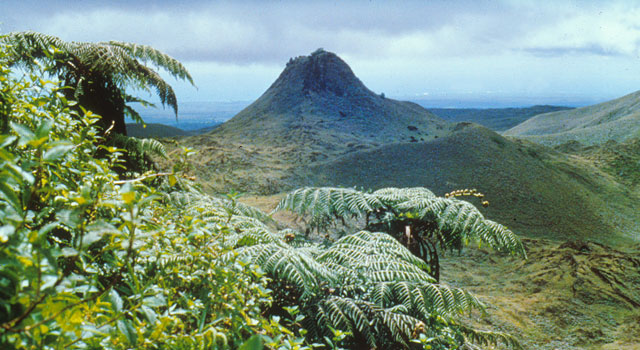
Galapagos Islands
Galapagos Islands

The pros and cons of introduced plant species are debated in the context of the Galapagos Islands, where biodiversity is worshipped because it was instrumental in Darwin’s theory of evolution.  Ms. Vince interviewed the conservationist who has been battling invasive plant species on the Galapagos for 20 years.  He recently decided that attempts to eradicate introduced plants are futile and he now calls them native plants.  His surrender to this reality is controversial, but he is resolute.  He is supported in this decision by scientists who have studied novel ecosystems and find ecological value in them.  The rebuttal to such defense of novel ecosystems is that the globalization of ecosystems is homogenizing the world’s biota.

Ms. Vince concludes that proponents of eradicating non-native plants are losing the battle against the “McDonaldization” of nature:  “From the Galapagos to Hawaii, conservationists are switching tack and starting to embrace the introduced species of Anthropocene ecosystems…” because “In some places, invasives have enhanced the landscapes, reducing erosion, providing handy cash crops or food and habitat for other wildlife.”

We can only hope that our local version of “conservation” in the San Francisco Bay Area will catch up with this new realistic perspective in time to save our urban forests from being needlessly destroyed.

Epilogue

The final chapter of Adventures in the Anthropocene is an epilogue, which takes place in 2100 in London.  The author’s son muses at the age of 87 about which of his mother’s many predictions occurred in the 21st Century.  As we would expect, it was a tumultuous century, one in which drastic changes were made to accommodate the changing climate.

We notice that 22nd Century vegetation of London is tropical:  “Now, carpets of sedges and mosses fill the spaces, interspersed by grasses grazed by capybara, and the planted fig and mango trees, noisy with wild birds.”     We marvel that people claiming to be environmentalists are blissfully unaware of the fact that the native plants they are demanding we restore are not adapted to current climate conditions, let alone the climate foreseen in the near future.

We conclude with the final paragraph of Adventures in the Anthropocene, because it is the most optimistic prediction in this excellent book:

…the world has become a kinder place.  The terrible wars, the famines, the terrorism, extremism and hate, the drownings and deaths of hundreds of thousands of migrants the humanitarian crises…they seem to be over now…The great global mix-up of people that has occurred as a result of climate migration, urbanization, and online networks has produced a new, socially mobile, egalitarian society.  The world’s giant cities force people to live together in close but diverse communities, and it has generated a spirit of cooperation.”

We look forward to a time of greater equality for humanity as well as for the natural world, when the meaningless and unnecessary distinction between native and non-native will be retired from our vocabulary.


(1) Gaia Vince, Adventures in the Anthropocene:  A Journey to the Heart of the Planet We Made, Milkweed Editions, 2014

(2) Kevin M. Clarke, et. al., “The influence of urban park characteristics on ant communities,” Urban Ecosyst, 11:317-334, 2008

Beyond the War on Invasive Species

Tao Orion is the author of Beyond the War on Invasive Species:  A Permaculture Approach to Ecosystem Restoration, the latest in the rapidly growing literature about the futile and destructive attempts to eradicate non-native species.  Ms. Orion will give a workshop at a PLACE for Sustainable Living on Thursday, September 17, 2015:

“Rethinking Invasive Species from a Permaculture Perspective”

Thursday, September 17, 2015, 6-8 pm

PLACE for Sustainable Living

1121 64th St, Oakland, CA 94608

Donations $12-$25 requested

Update:  This is the answer PLACE for Sustainable Living gave to a question about wheelchair accessibility:  “It is not wheel chair accessible yet – we have carried wheelchair persons up the steps with their wheelchairs – we can arrange for that. And the yard is filled with chipwood, wheel chairs have rolled over fine, but not sure if everyone in them can push through. Our friend, male, can push through fine.”  Please contact PLACE for Sustainable Living directly if you have specific questions about accessibility.  (addendum dated 9/10/15)

Update #2:  Ms. Orion’s presentation has been cancelled because the venue is not wheelchair accessible.  CUIDO (an organization which represents disabled people) asked that it be moved to a facility with wheelchair accessibility or cancelled.  Such a facility could not be found, so it has been cancelled.  

Update #3:  Some adjustments have been made in plans for Ms. Orion’s presentation which are apparently acceptable to at least some members of the disabled community.  Ms. Orion has therefore decided against cancelling it.  Sorry for the confusion.

Ms. Orion is visiting the Bay Area from the Willamette Valley in Oregon, where she has a small farm in the country.  She has a degree in agroecology and sustainable agriculture from UC Santa Cruz and she has studied at the Columbines School of Botanical Studies in Eugene, Oregon.  She teaches permaculture design at Oregon State University and a non-profit sustainable-living educational organization.  She has also worked as a permaculture designer for ecological restorations.

Beyond the War on Invasive Species

Beyond the War on Invasive SpeciesThe first chapter of Ms. Orion’s book is a breakthrough because it is an explicit indictment of pesticides used by so-called “restoration” projects.  Although previously published books were critical of invasion biology and the ecological industry it spawned, pesticides were barely mentioned in them.  In contrast, it is primarily the use of pesticides in ecological “restorations” that convinced Ms. Orion that the war on invasive species is doing more harm than good.

Concern about unwanted plants – AKA weeds – is as old as human engagement in agriculture, that is, thousands of years old. And most of the plant and animal species now considered “invasive” were introduced by humans to serve a variety of purposes, including aesthetics, such as mute swans and multiflora roses.  Some of these introduced plants and animals had unintended consequences such as competing with native plants and animals for available resources.  Concern – even regret – about these introductions has increased greatly in the past 25 years.  Attempts to manage these introductions has escalated from import limitations to fines and penalties and finally to attempts to eradicate plants and animals with pesticides.

The role of the pesticide industry in the escalating war on “invasive” species

Ms. Orion turns to the public record to make the case that the current focus on eradicating introduced species using pesticides was influenced by business interests.  She points out that the federal Invasive Species Advisory Committee is a consortium of academic, professional, and business interests, including at least two people who are employed by manufacturers of pesticides.  They make invasive species management policy recommendations to the National Invasive Species Council (NISC), created by Executive Order in 1999.  The federal government is spending over $1 billion annually on research and control of “invasive” species, including pesticide applications.

National Invasive Species Council

The NISC is modeled after the California Exotic Pest Plant Council, created in 1992.  That Council is now known as the California Invasive Plant Council (Cal-IPC).  Cal-IPC brought together representatives from government agencies and non-profit environmental organizations, as well as manufacturers of pesticides and spray equipment:  “Monsanto has sponsored Cal-IPC since its inception and both DuPont and Dow AgroSciences have also supported the group.”  (1)

The first annual conference of Cal-IPC in 1993 featured an employee of Monsanto, Dr. Nelroy Jackson.  Jackson’s presentation to Cal-IPC stated that “chemical weed control is the optimal method for control and removal of exotic plant species during…most native habitat restoration projects.” 

Jackson’s involvement in escalating attempts to eradicate introduced species is troubling, but is not the only example of such collaboration between the “restoration” industry and the manufacturers of pesticides.  The Weed Science Society, which advocates for “research, education, and awareness of weeds in managed and natural ecosystems,” has employees of Dow Agrosciences, Syngenta, and Dow Chemical on its board of directors.  Those manufacturers of pesticides, as well as Monsanto, Bayer Crop Science, Dupont, and BASF Corp are also donors to the weed society, at the highest levels of donations.

The manufacturers of pesticides also influence the “restoration” industry by investing and participating in the consulting firms that write environmental impact reports for ecological “restoration” projects, such as Tetra Tech (which wrote the draft Environmental Impact Report for San Francisco’s so-called Natural Areas Program).

The manufacturers of pesticides influence public policy regarding ecological “restoration” by making large tax-deductible contributions to many land-grant universities that conduct research on agriculture:  “A 2012 Report from Food and Water Watch found that nearly 25% of funding for agricultural research at public universities comes from private companies.”  (1) This is one of many reasons why there is so little research done on non-chemical approaches to ecological restoration.

As disturbing as this collaboration between the government and the pesticide industry is, the evidence of the relationships between trusted non-profit environmental organizations and corporate interests is even more so.  Nature Conservancy, National Audubon Society, and Ducks Unlimited all have close relationships with the manufacturers of pesticides and receive funding from them.

Ms. Orion then describes the use of pesticides by the “restoration” industry.  She also describes some of the damage pesticides are known to do, such as killing microbes in the soil and binding minerals in the soil.  She describes the persistence and mobility of pesticides in the environment.  She describes the inadequacy of testing and regulation of pesticides in the United States.  These issues are well known to the readers of Million Trees, so we won’t repeat them here, but new readers can click on the blue links to visit posts about those issues.

All introduced species are presumed to be harmful

Ms. Orion’s next chapters are more similar to the books that precede hers.  There are several examples of specific “invasions” that illustrate the point that “invasive” species are usually symptoms of changes in the environment, rather than causes of those changes.  Attempting to eradicate them does not reverse the changes in the environment and often causes more environmental damage.  “Invasive” species are often performing valuable ecological functions that are not understood until they are eradicated.  We have reported many examples of these issues and won’t repeat them here.  However, Ms. Orion’s telling of the history of Asian Carp in the Mississippi River and the Great Lakes was new to us and is well worth a retelling.

Song dynasty painting attributed to Liu Cai (c.1080–1120). Contains various types of fish and other marine animals, such as goldfish, perch, catfish, carp, minnows, bass, and shrimp.

Asian carp has been a mainstay in the diet of the Chinese for several thousand years, according to their historical literature.  Asian carp are well adapted to aquaculture techniques, so they have the potential to replace or supplement other sources of protein.  They were introduced to the Midwest in the early 1800s and they spread throughout the Mississippi River many decades ago.  Although they are prevalent in the Mississippi River, they have not driven any native fish to extinction.  Yet, despite their usefulness and the lack of evidence that they have caused any harm, they suddenly became the latest invasion crisis when it was feared they would soon enter the Great Lakes.  A government fisheries biologist put that fear into perspective:

“We are trying to keep invasive Chinese carps out of the Great Lakes, to protect an invasive (yet purposefully stocked) Pacific salmon fishery, which was stocked as a management tool to control hyper-abundant alewifes, another invasive fish species, because the native piscivore, the Lake Trout, was nearly wiped out by another invasive species, the sea lamprey, because people built the Welland Canal around Niagara Falls to promote intercontinental shipping deep into the Great Lakes basin.” (1)

It makes the head spin to follow the “logic” of this sequence of events, which we paraphrase, “we solved one problem by creating another, then we solved that problem by creating another…ad infinitum.“  This is an ecosystem that has been radically altered by man, including reversing the flow of the Chicago River which connects the Mississippi River to the Great Lakes to solve Chicago’s sewage problems.   The water is warmer, polluted with agricultural runoff, and there is no longer a seasonal, cleansing water surge.  These changes in the environment set the stage for the arrival of Asian Carp in the Great Lakes.  The habitat for native fish has been radically altered such that removal of Asian carp from the river is an irrelevant, inconsequential improvement of habitat needed by native fish.

Despite what would seem overwhelming evidence that Asian carp could be a valuable food source and that being rid of them is unlikely to benefit anyone, here is a brief list of what has been done so far to try to prevent them from entering the Great Lakes:

Fish kill using rotenone. http://www.encyclopedia.com/doc/1E1-X-rotenone.html
  • US Army Corps of Engineers constructed a submerged electric fence to shock and kill the fish as they enter the Great Lakes. The fence cost millions of dollars but is largely ineffective.
  • The Illinois Department of Natural Resources dumped 2,200 gallons of rotenone into sanitary and ship canals feeding into the Great Lakes. This poison kills all gilled animals. The result:  “Among the tens of thousands of dead fish, researchers found one Asian carp.” (1) This fiasco cost $3 million.
  • Other researchers have suggested a system of strobe lights and bubble and sound barriers to stop the northward migration of Asian carp.

Permaculture philosophy

Ms. Orion’s closing chapters reflect her training in permaculture design.  She considers the tending of the wild by Native Americans a model for ideal stewardship of the land.  And she advocates for land management strategies that reflect the realities of our changed environment and are sustainable into the future.  We will let her speak for herself:

“Holistic restoration planning requires an honest accounting of what has come to pass as well as a comprehensive view of what we can do about it.  The problems are complex, and the solutions are likely to be more so…Navigating from a paradigm that views invasive species as scourges to one that looks at them as opportunities for deeper ecological and economic engagement will take time and commitment, especially because the old paradigm is so entrenched politically, economically, and academically.  The tide is shifting though, as more and more of us are coming to realize that the herbicide-based eradication approach to restoration is outmoded—a futile attempt to regain an imagined past—and we need to be focusing our time, resources, and energy on adapting to the future.” (1)

Please show your support for Tao Orion and her book by attending her workshop on Thursday, September 17th.


(1) Tao Orion, Beyond the War on Invasive Species:  A Permaculture Approach to Ecosystem Restoration, Chelsea Green Publishing, 2015 

“Weed Whackers, Monsanto, glyphosate, and the war on invasive species”

coyote in oxalis field. Copyright Janet Kessler

Harper’s Magazine describes itself: “the oldest general-interest monthly in America, explores the issues that drive our national conversation, through long-form narrative journalism and essays…”  Harper’s has just published an article by Andrew Cockburn, an experienced investigative journalist with an impressive track-record of informing the public of some of the darkest secrets in our country.  The article is available here:  Cockburn – Weed Whackers

Invasion biology and the “restoration” industry it has spawned deserved his attention and we are indeed fortunate that he has brought his journalistic skills to this task.   The public is largely unaware of the billions of dollars of taxpayers’ money being wasted on futile attempts to eradicate “invasive” plants.  There is even less knowledge of the quantities of pesticides being used by these projects or the toxicity of those pesticides.

Mr. Cockburn has interviewed many of the key players in this crusade against nature, on both sides of the controversy.  And he has visited specific projects to illustrate one of his key points:  “invasive” species are symptoms of environmental change, not the cause of them.

This article ( Cockburn – Weed Whackers )  deserves to be read, so we will not summarize it further.  Please share it with your friends, whether they are native plant advocates or critics of invasion biology.  We are deeply grateful to Mr. Cockburn for his even-handed treatment of this controversial issue, which is dividing communities in the San Francisco Bay Area.

Mount Sutro Forest. Courtesy Save Sutro

The Sierra Club must STOP advocating for deforestation and pesticide use in San Francisco Bay Area

Monarch butterflies over-winter in California's eucalyptus groves
Monarch butterflies over-winter in California’s eucalyptus groves

Million Trees is sponsoring a petition to the national leadership of the Sierra Club in collaboration with San Francisco Forest Alliance.  The petition asks the Sierra Club to quit advocating for the destruction of the urban forest and the use of pesticides in the San Francisco Bay Area.  It also asks the Sierra Club to withdraw its suit against FEMA, which demands the destruction of 100% of all “non-native” trees (eucalyptus, Monterey pine, acacia).  This is an on-line petition which can be signed HERE.  If you are signing this petition and you are a present or former member of the Sierra Club, please mention it in your comments.

sign petition to sierra club

There will be a demonstration by supporters of this petition at the headquarters of the San Francisco Bay Area Chapter of the Sierra Club on Tuesday, August 25, 2015, at 4 pm, 2530 San Pablo Ave, Suite I, Berkeley, CA.  Please join us if you can.

If you are a regular reader of Million Trees, you probably understand why we are making this request of the Sierra Club.  For the benefit of newer readers, we recap the long history of trying to convince the San Francisco Bay Area Chapter of the Sierra Club that its support for the destruction of our urban forest, as well as the pesticides used to prevent its return, contradicts the mission of the Sierra Club as a protector of the environment.

  • This “open letter” was sent to the leadership of the local chapter of the Sierra Club. It informs the Sierra Club of many misstatements of fact in the chapter’s newsletter about the “Wildfire Hazard Reduction and Resource Management Plan” of the East Bay Regional Park District.
  • This article is about the Sierra Club’s public comment on the “Wildfire Hazard Reduction and Resource Management Plan” of the East Bay Regional Park District. The Sierra Club instructs EBRPD to put the “restoration of native plant communities” on an equal footing with fire hazard reduction.  It also specifically endorses the use of pesticides for this project.  In other words, native plants are more important than public safety in the opinion of the Sierra Club. 
  • This “open letter” is about misstatements of fact in the chapter newsletter about San Francisco’s Natural Areas Program. We wrote that “open letter” because the newsletter refused to publish our letter to the editor.
  • This article is about misstatements of fact in the chapter newsletter about the FEMA projects in the East Bay Hills. This incident occurred during the brief period of time when the on-line version of the newsletter was accepting on-line comments.  That opportunity to communicate with the chapter enabled a correction of inaccurate statements in the newsletter.

Sierra Club’s suit against FEMA, which demands the destruction of 100% of all “non-native” trees in the East Bay Hills was the proverbial straw that broke the camel’s back.  Chronic annoyance at the club’s endorsement of destructive and poisonous projects was suddenly elevated to outrage.  HERE is the Club’s description of its suit, which is available in its on-line newsletter.  Attempts to communicate our outrage to the Club by posting comments on that article failed.  That is, the Club is no longer publishing comments it doesn’t like, thereby cutting off any means of communicating with them.  Our petition is the only means of communication left to us.  The text of the petition follows and it can be signed HERE.  Please distribute this petition to your friends and neighbors who share our concern about the destruction and poisoning of our public lands in the San Francisco Bay Area.


Title:     Sierra Club must STOP advocating for deforestation and pesticide use in San Francisco Bay Area

Petition by:        Million Trees and San Francisco Forest Alliance

To be delivered to:
Michael Brune, Executive Director, Sierra Club, michaelbrune@sierraclub.org
Aaron Mair, President, Board of Directors, Sierra Club, aaronmair@gmail.com

We are environmentalists who ask the Sierra Club to quit advocating for the destruction of the urban forest and the use of pesticides in the San Francisco Bay Area.  We also ask that the Sierra Club withdraw its suit against FEMA, which demands the destruction of 100% of all “non-native” trees (eucalyptus, Monterey pine, acacia).  If you are signing this petition and you are a present or former member of the Sierra Club, please mention it in your comments.

Over the past 15 years, tens of thousands of trees have been destroyed on public lands in the San Francisco Bay Area.  Now hundreds of thousands of trees in the East Bay are in jeopardy of being destroyed by a FEMA grant to three public land managers.  The Bay Area Chapter of the Sierra Club has actively supported all of these projects and now it has sued FEMA to demand the destruction of 100% of all “non-native” trees.

These projects have already used hundreds of gallons of herbicide to prevent the trees from resprouting and to kill the weeds that grow when the shade of the canopy is destroyed.  Now, the FEMA project intends to use thousands of gallons of herbicide for the same purpose.  These herbicides (glyphosate, triclopyr, imazapyr) are known to be harmful to wildlife, pets, and humans.

This environmental disaster will release tons of carbon into the atmosphere, thereby contributing to climate change.  It will destroy valuable habitat for wildlife, introduce poisons into our watershed, cause erosion, and eliminate our windbreak.  We call on the national leadership of the Sierra Club to prevent the active participation of the Bay Area Chapter of the Sierra Club in this environmental disaster.

Petition background:

The San Francisco Bay Area was virtually treeless prior to the arrival of Europeans.  The landscape was predominantly grassland, scrub, and chaparral.  Trees grew only in ravines where they were sheltered from the wind and water was funneled to them.  The trees that were brought from other areas of California and from other countries were chosen because they are the species that are best adapted to our local conditions.  John Muir, the Founder of the Sierra Club, also planted these tree species around his home in Martinez and was as fond of those trees as many of us are still today.

The Sierra Club has now turned its back on this cosmopolitan view of nature in favor of returning our landscape to the pre-settlement landscape of grassland, scrub, and chaparral.  This approach has led to the destruction of tens of thousands of trees and the use of herbicides to prevent them from resprouting.

In the East Bay, native plant advocates have also falsely claimed that “non-native” trees are more flammable than native plants.  Although fire hazard reduction was the stated purpose of the FEMA grants, fire hazards will be increased by the clear-cuts of our urban forest for the following reasons:

  • Tons of dead, dry wood chips will be scattered on the ground to a depth of 24 inches.
  • The fog drip which is condensed by the tall trees moistens the ground and will be lost when the canopy is destroyed. The ground vegetation will therefore be drier and more likely to ignite.
  • The tall trees provide a windbreak which has been demonstrated repeatedly to be capable of stopping a wind-driven fire, which is typical of California wildfires.
  • The project does not intend to plant any replacement plants or trees. Therefore, the most likely colonizers of the bare ground are annual grasses which ignite easily during the dry season and in which most fires in California start and spread.
Hummingbird in eucalyptus flower.  Courtesy Melanie Hoffman
Hummingbird in eucalyptus flower. Courtesy Melanie Hoffman

Many empirical studies document the rich biodiversity of our urban forest today.  Bees, hummingbirds, and monarch butterflies require eucalyptus trees during the winter months when there are few other sources of nectar.  Raptors nest in our tall “non-native” trees and an empirical study finds that their nesting success is greater in those trees than in native trees.

In short, the Bay Area Chapter of the Sierra Club is promoting an environmental disaster that is adamantly opposed by tens of thousands of people.  FEMA received over 13,000 public comments on its draft Environmental Impact Statement, over 90% in opposition to this project, according to FEMA’s own estimate.  The signers of this petition are also opposed to this project as presently described by FEMA grant applications and its Environmental Impact Statement.

Environmentalists in the San Francisco Bay Area have been denied due process by the local chapter of the Sierra Club.  The Bay Area Chapter has blocked every effort to communicate with them:  they ignore our emails, block our comments on their blog, refuse our letters to the editor of their newsletter, and do not answer our phone calls.  We believe that the national leadership has an obligation to consider our complaint because the actions of the local chapter are inconsistent with the mission of the Sierra Club.  The local chapter is actively contributing to climate change and endorsing the use of toxic pesticides in our environment.