We celebrated July 4th with a walk in the woods. Huckleberry Botanic Regional Preserve in Oakland is a true remnant of native vegetation that is unique among the collection of 73 parks of the East Bay Regional Park District. The trail guide describes the conditions that created this ecosystem and enabled its survival while other native ecosystems have not survived:
Huckleberry is “a relic plant association found only in certain areas in California where ideal soil and climatic conditions exist. The vegetation association finds its roots in past climates and geologic history. The plants originated in the distant past along the southern coast of California when the climate was more moist and tempered by the cool coastal fog. Today, similar vegetation is found on the islands off the Santa Barbara coast and in isolated pockets on the mainland coast from Point Conception to Montara Mountain south of San Francisco.”
A view from Huckleberry Botanic Preserve of hills to the east. Source: East Bay Regional Park District
The preserve was created partly to protect an endangered species of manzanita, specifically pallid manzanita. There are 107 species and sub-species of manzanita, of which 95 are native to California. The ranges of most of these species are extremely small because manzanita hybridizes freely and therefore adaptive radiation has resulted in a multitude of species, sub-species, and varieties that are adapted to micro-climates. Many of these species are locally rare and 10 species of manzanita have been designated as endangered, two of which are limited to the San Francisco peninsula: Raven’s manzanita and Franciscan manzanita.
Manzanita is vulnerable to extinction partly because its ranges are small and partly because it is an “obligate seeder,” which means it can only be propagated in the wild from seed. The seed of manzanita is germinated by fire. However, the exact relationship between fire and germination is not known. Many complex experiments have been conducted on the few viable seeds produced by Raven’s manzanita, which was designated as endangered in 1979. Various combinations of fire, heat, cold, smoke, liquid smoke, etc., were tried and failed to determine exactly what triggers germination of manzanita seeds. The suppression of fire in the past 150 years has contributed to the decline of small manzanita populations in California.
Some endangered species of manzanita are available in commercial nurseries because they can be easily cloned, which means they are genetically identical. These commercially available manzanita species remain technically endangered because the criteria for endangered status requires that they be grown from seed in the wild to be eligible for removal of endangered status.
Pallid manzanita in the Huckleberry Botanic Reserve are not doing well:
And some pallid manzanita is dead:
The sign explains that as pallid manzanita dies, it creates space in the understory for chinquapin and it predicts that more competitive huckleberry will eventually “overgrow and kill” chinquapin. The sign describes this process as natural succession. It doesn’t accuse huckleberry of being invasive. If huckleberry were non-native, it probably would be considered “invasive.”
Chinquapin has a distinctive nut, which is encased in a bristly shell. My hiking companion said he and his brothers used to eat the tasty nut when camping in Mineral King in Sequoia National Park. The bristly shell doesn’t make it easy to access the nut, but birds and wildlife find a way:
Huckleberry is appropriately the namesake of this botanic reserve. In some portions of the narrow trail huckleberry creates tall, dense hedges on either side of the trail:
Because the Huckleberry Botanic Preserve is a relic of native vegetation that has been undisturbed by fire and development for hundreds of years, it is an excellent place to see huge native trees compared to much younger and therefore smaller native trees in other public parks in the San Francisco Bay Area.
Mature bay laurel trees in Huckleberry Preserve are an opportunity to witness the competitive strategy of this tree species. When it achieves some height as it grows, its branches fall over and often put down new roots that grow new vertical trunks. This prostrate posture of bay laurels gives them a competitive advantage over other plants in the understory. Mature bay laurels occupy huge expanses of space around them that create shade and make it difficult for other plants to become established in the shade. The prostrate posture of bay laurels also makes it more flammable because the fire ladder to its canopy extends to the ground. Crush a bay laurel leaf in your hands to smell its aromatic oils that also contribute to the flammability of bay laurels:
This madrone tree in Huckleberry Reserve is the biggest I’ve ever seen:
In early July some woody and herbaceous shrubs were still blooming. In this case, sticky monkey flower in the foreground and pink flowering current in the background:
Huckleberry Botanic Reserve is a unique gem in East Bay Regional Park District. I hope you will have an opportunity to see it and that you will appreciate it as much as I do.
Although I have stopped writing original articles for Conservation Sense and Nonsense, I am still actively engaged in local environmental issues. When there are opportunities to influence public policies that affect the environment, I often participate.
Today, I am sharing my public comment on the update of the strategic plan of California’s Wildlife Conservation Board (WCB) in the hope that it might inspire you to write your own comment on the draft plan, which is available HERE. The deadline for submitting comments is May 16, 2025. Comments may be sent to this email address: wcb@wildlife.ca.gov
The mission of the Wildlife Conservation Board is to “protect, restore and enhance California’s spectacular natural resources for wildlife and for the public’s use and enjoyment…” In service of that mission, WCB awards grants of millions of dollars every year for “restoration” projects. According to WCB’s annual report for 2024, WCB awarded $93.5 million for “habitat restoration and enhancement of 5,000 acres” of land in California in 2024.
Source: “WCB 2024 Year in Review”
Over the life of the updated strategic plan, from 2025 to 2030, the Wildlife Conservation Board will distribute grants of $1.02 billion ($204 million per year) from funding made available by Proposition 4, the $10 billion “California Climate Bond,” which was approved by voters in November 2024. Because most federal funding of climate and ecological restoration has been cancelled by the Trump administration (and being litigated, as we speak), the “California Climate Bond” will be one of the few sources of funding for these projects.
This is my public comment on the strategic plan update for California’s Wildlife Conservation Board:
WCB Strategic Plan Update
Thank you for this opportunity to comment on the draft of WCB’s update of its strategic plan (SP). I am writing to suggest that WCB consider the addition of a few over-arching principles that would apply to all of its programs. These principles would enhance the plan’s stated goals of climate resilience and biodiversity protection by ensuring projects are evaluated based on their actual ecological outcomes rather than adherence to historical conditions.
All projects funded by WCB should be more constructive than they are destructive. For example, a project that proposes to destroy more habitat than it creates should be less competitive than a project that will create more habitat than it destroys. A project that reduces carbon storage by destroying vegetation does not “reduce and remove carbon pollution,” as the SP proposes.
Projects that do not propose to use pesticides to destroy habitat should be more competitive than those that use pesticides because pesticides damage the soil and are harmful to wildlife and human life. The success of projects is jeopardized by pesticide use.
Projects that apply for additional funding for a continuing project must address the fundamental question of the viability of the project. In other words, if a project has been funded for 20 years, WCB should consider if the goals of the project are still realistic in a rapidly changing climate and environment (e.g., Invasive Spartina Project).
Projects should be consistent with the basic principles of science, such as:
The scientific definition of biodiversity includes both native and non-native plants and animals.
Hybridization is one of the tools of evolution that enables adaptation and speciation in response to changes in the climate and the environment.
The flammability of vegetation varies, but the variation is unrelated to the nativity of the plant. Native plants are not inherently less flammable than non-native species.
The native ranges of California’s native plants have changed in response to the changing climate and they must continue to change if they are to survive.
Our changing environment dictates that historical landscapes cannot be replicated. Humans cannot stop evolution, nor should we try.
I recommend that the WCB consider incorporating these principles into its project evaluation criteria to ensure that funded projects align with current ecological knowledge and maximize benefits for California’s biodiversity in a changing climate. Incorporating these principles into the SP would strengthen the plan’s objectives related to climate resilience (C2.1, C2.2), biodiversity protection (B1.1, B2.1), and program evaluation (D2.1, D2.2).
In support of these principles, I offer the following scientific studies for your consideration:
On pesticides damaging soil and harming wildlife and human health
Wan et al. (2025): Pesticides affect a diverse range of non-target species and may be linked to global biodiversity loss. This study presents a synthesis of pesticide (insecticide, herbicide and fungicide) impacts on multiple non-target organisms across trophic levels based on 20,212 effect sizes from 1,705 studies. For non-target plants, animals (invertebrate and vertebrates) and microorganisms (bacteria and fungi), we show negative responses of the growth, reproduction, behavior and other physiological biomarkers within terrestrial and aquatic systems. Negative effects were more pronounced in temperate than tropical regions but were consistent between aquatic and terrestrial environments. Results question the sustainability of current pesticide use and support the need for enhanced risk assessments to reduce risks to biodiversity and ecosystems.
Klein et al. (2024): New Roundup formulations are 45 times more toxic to human health,on average, following long-term, chronic exposures. The study identified eight Roundup products in which Bayer has replaced glyphosate with combinations of four different chemicals: diquat dibromide, fluazifop-P-butyl, triclopyr, and imazapic. All four chemicals pose greater risk of long-term and/or reproductive health problems than glyphosate, based on the EPA’s evaluation of safety studies. Diquat dibromide and imazapic are banned in the EU. Diquat dibromide – present in all the new formulations – is 200 times more toxic than glyphosate in terms of chronic exposure and is classified as a highly hazardous pesticide. New Roundup formulations pose significantly more harm to the environment. The chemicals replacing glyphosate in Roundup are significantly more likely to harm bees, birds, fish, earthworms, and aquatic organisms, on average. They are also significantly more persistent in the environment and more likely to leach down into groundwater, increasing the risk of contaminating waterways and drinking water.
On biodiversity including non-native species:
Schlaepfer et al. (2011): This pivotal paper challenges the automatic negative classification of non-native species by documenting their potential conservation benefits. The authors present evidence that some non-native species provide ecosystem services, habitat, and resources for native species, particularly in human-modified landscapes where native species may struggle. They advocate for conservation approaches that evaluate species based on their ecological functions rather than origin alone.
Mascaro et al. (2012): This study examines novel forests in Puerto Rico dominated by the non-native Castilla elastica tree. The research demonstrates that these novel ecosystems maintain key ecological processes such as productivity, nutrient cycling, and carbon storage at levels comparable to native forests. The findings suggest that novel ecosystems composed of non-native species can maintain essential ecosystem functions even after native tree species decline.
On hybridization as an adaptive mechanism:
Hamilton & Miller (2016): This paper reframes hybridization as a potential adaptive resource rather than a conservation threat. The authors present evidence that hybridization can introduce genetic variation that helps species adapt to changing environmental conditions, particularly relevant in the context of climate change. They suggest that conservation strategies should sometimes protect hybrid zones as sources of evolutionary potential rather than trying to eliminate them.
Fitzpatrick et al. (2015): This study examines how hybridization challenges traditional conservation approaches based on species preservation. The authors argue that hybridization is a natural evolutionary process that can generate biodiversity and adaptive potential. They present a framework for evaluating conservation value that considers genetic, ecological, and evolutionary factors rather than focusing solely on taxonomic “purity.”
On flammability unrelated to nativity:
Zouhar et al. (2008): This comprehensive technical report examines relationships between non-native plants and fire regimes. While acknowledging that some non-native plants can alter fire behavior, the report emphasizes that flammability is determined by plant structure, chemistry, and arrangement rather than nativity status. It provides detailed case studies showing both native and non-native plants can increase or decrease fire risk depending on specific traits.
Pausas & Keeley (2014): This study documents abrupt changes in fire regimes that occur independently of climate changes. The authors demonstrate that shifts in vegetation structure and fuel characteristics—which can be caused by both native and non-native species—are often more important determinants of fire behavior than plant origin. The research challenges simplistic assumptions about the relationship between native plants and fire resilience.
On changing native ranges:
Pecl et al. (2017): This influential paper documents how species are naturally shifting their ranges in response to climate change. The authors present global evidence of species redistributions across latitudinal, longitudinal, and elevational gradients. The study emphasizes that these range shifts are necessary adaptations to changing conditions and argues that conservation strategies need to accommodate these natural movements rather than trying to maintain historical distributions.
Bonebrake et al. (2018): This paper synthesizes research on climate-driven species redistribution and its implications for conservation. The authors highlight how traditional conservation approaches focused on preserving species in their historical ranges are becoming increasingly unviable under climate change. They advocate for more dynamic approaches that facilitate range shifts and species movements as adaptive responses to changing conditions.
On novel ecosystems and historical conditions:
Hobbs et al. (2014): This seminal paper introduces a framework for categorizing landscapes as historical, hybrid, or novel ecosystems. The authors argue that many ecosystems have been irreversibly altered by human influences and climate change, making restoration to historical conditions impossible in many cases. They advocate for pragmatic management approaches that focus on ecosystem functions and services rather than historical composition.
Stralberg et al. (2020): This study examines climate refugia in North America’s boreal forests. The research demonstrates that even supposedly pristine ecosystems will undergo significant changes due to climate change, with some areas serving as temporary refugia. The authors emphasize that conservation strategies need to recognize the transient nature of these refugia and plan for ongoing ecological transitions rather than static preservation.
In Conclusion
As you know, the mission of the Wildlife Conservation Board is to “protect, restore and enhance California’s spectacular natural resources for wildlife and for the public’s use and enjoyment…” In addition, the Wildlife Conservation Board “envisions a future in which California’s wildlife, biodiversity and wild places are effectively conserved for the benefit of present and future generations.” My suggestions for improvements in the draft strategic plan are consistent with the mission of the WCB.
There was a time when academic scientists believed that the goal of conservation was to replicate historical landscapes by destroying plants and animals that were not here prior to European settlement. Although many of these plants and animals found their way to California by natural means, without human assistance, they were perceived as “alien invaders” that didn’t belong here. The assumption was that ecosystems can achieve an equilibrium state that represents an ideal that can be sustained by preventing change. Science has long ago abandoned that notion in favor of acknowledging that nature is constantly changing in response to constant change in the environment.
The belief that destroying such “alien invaders” would restore the landscape persisted for decades. In many cases, no replanting was done after introduced plants were destroyed. After poisoning our public land for decades, it has become clear to those who are not ideologically committed to historical landscapes that the original goal is not attainable because the plants and animals that survive are those that are best adapted to current environmental conditions, particularly the rapidly changing climate that is expected to continue to change. In most cases, the newcomers are performing the same ecological functions of their predecessors and the harm that was presumed is usually balanced by benefits of their existence.
Most academic scientists acknowledge this reality, but cultural lag has left the public behind as science has moved on. Non-profit organizations that survive by the grace of their donors, have contributed to the pressure on public land managers such as the Wildlife Conservation Board. Academic scientists are unwilling to participate in such grass-roots policy politics and their publications are often incomprehensible and inaccessible to the public and public land managers, leaving public land managers at the mercy of those with the least amount of information and the most amount of passionate belief.
The Wildlife Conservation Board has a responsibility to the public to inform itself of the consequences of conservation practices that are damaging the environment and are no longer realistic. I respectfully ask that the WCB read the scientific studies I have provided and take them into consideration as it distributes over a billion taxpayer dollars made available by the passage of Proposition 4.
Conservation Sense and Nonsense May 1, 2025
References for cited studies
On pesticides harming soil and damaging wildlife and human health:
Schlaepfer, M.A., Sax, D.F., & Olden, J.D. (2011). The potential conservation value of non-native species. Conservation Biology, 25(3), 428-437.
Mascaro, J., Hughes, R.F., & Schnitzer, S.A. (2012). Novel forests maintain ecosystem processes after the decline of native tree species. Ecological Monographs, 82(2), 221-228.
On hybridization as an adaptive mechanism:
Hamilton, J.A., & Miller, J.M. (2016). Adaptive introgression as a resource for management and genetic conservation in a changing climate. Conservation Biology, 30(1), 33-41.
Fitzpatrick, B.M., Ryan, M.E., Johnson, J.R., Corush, J., & Carter, E.T. (2015). Hybridization and the species problem in conservation. Current Zoology, 61(1), 206-216.
On flammability unrelated to nativity:
Zouhar, K., Smith, J.K., Sutherland, S., & Brooks, M.L. (2008). Wildland fire in ecosystems: fire and nonnative invasive plants. General Technical Report RMRS-GTR-42-vol. 6. USDA Forest Service.
Pecl, G.T., et al. (2017). Biodiversity redistribution under climate change: Impacts on ecosystems and human well-being. Science, 355(6332).
Bonebrake, T.C., et al. (2018). Managing consequences of climate-driven species redistribution requires integration of ecology, conservation and social science. Biological Reviews, 93(1), 284-305.
On novel ecosystems and the impossibility of recreating historical conditions:
Hobbs, R.J., et al. (2014). Managing the whole landscape: historical, hybrid, and novel ecosystems. Frontiers in Ecology and the Environment, 12(10), 557-564.
Stralberg, D., et al. (2020). Climate-change refugia in boreal North America: what, where, and for how long? Frontiers in Ecology and the Environment, 18(5), 261-270.
I am publishing an article today that was published by the San Francisco Forest Alliance, with permission. Many thanks to SFFA for reporting about the continuing assault on San Francisco’s urban forest.You can express your opinion about these tree removals by calling 800-801-2661 Ext 4.
There’s a lot of deforestation on both sides of Clarendon Avenue, above the Laguna Honda, and on the slope below Laguna Honda Hospital. This time it’s courtesy of SFPUC – San Francisco Public Utilities Commission (which our followers would recall is managed in the same way as SFRPD – San Francisco Recreation and Parks Department’s “Natural Resources Division.”)
Indeed, Lisa Wayne, who for many years spearheaded the SFRPD effort, moved to SFPUC in 2021.
Note: All pictures in this post copyright Anastasia Glikshtern
SAN FRANCISCO FOREST ALLIANCE WROTE TO SFPUC
San Francisco Forest Alliance is following up with SFPUC for evidence that the trees have indeed been evaluated as hazardous. We also pointed out that the bird nesting season has started on February 1 (it runs through August 31, 2025). It appears that the work continued through mid-February.
This forest added much to the beauty, privacy, and air quality of the neighborhoods around it. It’s historic: This charming article by Rex Bell described it in 2011 and compared it to the same places in 1896, where it was described as “A Genuine Old-Fashioned Country Road Within the Limits of the City of San Francisco.”
RISKS AND ISSUES
Quite aside from the historic beauty of this urban forest, and the many benefits of urban trees , there are issues of risk. One is slope stability – and we wonder if SFPUC actually assessed the risk of that steep slope above Clarendon Avenue being destabilized by this deforestation. The second is flammability. This is an area of the city that gets summer fog, and the fog moisture harvested by these trees kept the area below damp and cool. Now it will be dry and covered in fine fuels; we can only hope we do not face a hot dry summer any time soon.
Finally, since SFPUC uses herbicides as freely as does SFRPD’s Natural Resources Division, we can expect a lot more pesticides flowing into the groundwater.
San Francisco seems to have moved forward quickly with its war on trees. They have been felled everywhere where the urban forest exists in the city: Mount Sutro, McLaren Park, and now Clarendon Avenue. Ironically, they call it “Restoration.”
The horrific wildfire in Los Angeles in January 2025 has spawned another round of panic throughout California, as we try to come to terms with our increasing vulnerability to fire caused by the rapidly changing climate. It was another opportunity for Jake Sigg to gin up support for his life-long campaign to destroy all eucalyptus trees in San Francisco. He wrote a letter* to the new Mayor and Fire Chief in San Francisco making exaggerated claims of fire hazards in San Francisco and asking, once again, that San Francisco destroy all eucalyptus in the city. I wrote my own letter* to the Mayor and Fire Chief, debunking Jake’s exaggerations and shared my letter with Jake.
This exchange was a continuation of a debate that Jake and I have engaged in for 25 years. I wrote an article about this issue 15 years ago for Death of a Million Trees, the predecessor to Conservation Sense and Nonsense. Friends in San Francisco have asked me to republish that article to reassure San Franciscans that Jake’s alarming claims can be safely ignored. I am glad to oblige today.
Conservation Sense and Nonsense
Fire!!! The Cover Story
Native plant advocates have used many different arguments to justify the destruction of non-native trees (eucalypts are the primary target) and we will examine them all on Death of A Million Trees. However, their most effective argument has been a bogus claim that non-native trees and plants are more flammable than native vegetation. This justification has been effective because fear is a powerful motivator for all public policy.
Perhaps, if this generalization about the flammability of non-native plants and trees were true, we wouldn’t be having this debate. However, it isn’t true and we will explain why it isn’t.
The most frequently cited “evidence” of the flammability of eucalypts is the 1991 firestorm in the Oakland/Berkeley hills. The conventional wisdom is that eucalypts were the cause of that fire. The role the eucalypts played in the 1991 fire in the East Bay is greatly exaggerated.
As FEMA notes in its analysis of that fire, the fire started in dry grass (“On…October 19, 1991…a brush fire was reported…the vegetation on the slope was mostly grass with some brush and a few trees.”) and only leapt out of control when a spark reached nearby brush (On October 20, 1991, “Very suddenly, the fire flared up…Burning embers had been carried from one of the hot spots to a patch of tinder dry brush.”). When a wildfire is accelerated by high wind, everything will burn, including eucalyptus. That does not mean the eucalypts were the cause of the fire.
The Scripps Ranch Fire of 2003 burned 150 homes but none of the Eucalyptus surrounding those homes.
FEMA identified the sources of fuel for the fire as follows: “The northeast portions of the fire area had more wildland fuels, while in the south and western areas, the homes were the major fuels. In effect, the more severe slopes in the north and eastern portions of the fire area required the use of native species. The more moderate slopes and deeper soil in the south and southwest areas allowed for the introduction of more ornamental type species.” In other words, FEMA considered native chaparral and the homes themselves the primary fuel source for the fire.
Nor does the FEMA report identify the eucalypts as the sole source of the flaming brands and embers that helped to spread the fire: “The Oakland hills are covered with dense growths of trees, supplemented by grasses and thick brush. The east face is exposed to the more arid climate…and is predominantly covered by grasslands and brush. These particular trees and brush are highly vulnerable to rapid fire spread and release massive amounts of thermal energy when they burn. They also create flying brands, which are easily carried by the wind to start new spot fires ahead of a fire front.” Whenever the FEMA report mentions these fire brands as factors in the spread the fire, the eucalypts are not specifically identified as the source.
Addendum, 3/1/25: Jake Sigg has variously reported that eucalyptus embers have started spot fires 12, 18, and most recently 24 miles from the fire front.Sigg’s claim that eucalyptus bark can carry fire long distances is not supported by fire science research. A comprehensive US Forest Service study of spotting ignition by lofted firebrands, which examined 245 extinguished fires, experiments, and observations of 48 wildfires worldwide (including the 1991 Oakland Hills fire), found that the maximum spotting distance ever observed was 2.4 kilometers (approximately 1.5 miles).
The FEMA Technical Report on the 1991 fire in Oakland and Berkeley includes a map of the ultimate size of the burn area, which was 2 miles long and 1-1/2 miles wide. No spot fires were started outside the burned area (see map below).
The only specific mention of eucalypts as a factor in the 1991 fire in the FEMA report is related to the deep freeze that occurred the winter preceding that fire: “The unprecedented drought was accompanied by an unusual period of freezing weather, in December 1990, which killed massive quantities of the lighter brush and eucalyptus. Dead fuel accumulated on the ground in many areas and combined with dropped pine needles and other natural debris to create a highly combustible blanket. Due to the fiscal cutbacks, governmental programs to thin these fuels and create fuel breaks were severely curtailed, so the fuel load was much greater than normal by the second half of 1991.” Such freezes, sufficiently deep and sustained, causing eucalypts (and other plants) to die back are very rare in the Bay Area and have not occurred since 1991.
Weather is an important factor in creating the conditions for fires. In addition to deep freezes resulting in dead leaf litter, high winds from the hot interior—called Diablo winds in the Bay Area—are an important factor. As a peninsula surrounded by water on three sides, San Francisco is not subject to the same severe wind conditions experienced in other parts of California where wind-driven catastrophic fires have occurred. The wind causing wildfires in coastal California blow from the hot interior and are funneled by the steep canyons of coastal mountain ranges. The San Francisco Bay acts as a shield to protect San Francisco from these Diablo/Santa Ana winds. The prevailing wind in San Francisco comes from the ocean, creating a climate that is milder and moister than places East of San Francisco Bay, with a history of wind-driven wildfires.
University of California at San Francisco (UCSF) applied for a FEMA pre-disaster mitigation grant to remove eucalypts from Mt. Sutro, based on a claim that these trees are a fire hazard. FEMA’s scientists were able to evaluate UCSF’s grant applications. Their knowledge of the local conditions led to questions about the grant applications which ultimately resulted in UCSF’s withdrawal of their applications for fire mitigation grants.
Sutro Forest on a typical summer day. The summer fog condenses water that moistens the forest floor and retards fire ignition. Courtesy Save Sutro Forest.
Addendum, 3/1/25: The map of San Francisco pictured below is from a recent Chronicle article about limited fire hazards in San Francisco. Crocker-Amazon neighborhood at the southern border of the city is the only small area considered a “high fire hazard” by Cal-Fire. There are NO “very high fire hazard” zones in San Francisco. New stricter vegetation clearance standards proposed by Governor Newsom applies only to very high fire hazard zones.
Cal Fire is updating the official maps of fire hazard severity zones. The SF Chronicle reported: “In Berkeley, Cal Fire’s new modeling decreased the number of acres listed as “very high” fire risk from 1,269 to 454.” However, Berkeley’s fire chief took issue with some of the changes. Cal Fire’s revised map is a draft and local jurisdictions may challenge some of the changes. The final version of the maps is expected at the end of the year.
Berkeleyside reported similar reductions in very high fire hazard zones in Oakland: “While Berkeley and neighboring Oakland saw their overall hazard acreage significantly reduced — Oakland by nearly 35%…” These are the cities where the fire in 1991 destroyed 3,400 homes and killed 25 people. The revised fire maps of fire severity zones show increased acreage of very high fire hazards in other cities in the Bay Area, such as San Jose, Half Moon Bay, Orinda, Sausalito, as well as Sonoma and Napa counties.
The fire on Angel Island in October 2008, is an example of the bogus claims of the flammability of eucalypts. According to an “environmental scientist” from the California state park system, 80 acres of eucalypts were removed from Angel Island over 12 years ago. Only 6 acres of eucalyptus remain. (“Rains expected to help heal Angel Island,” SF Chronicle, October 14, 2008). The fire that burned 400 acres of the 740 acres of Angel Island stopped at the forest edge: “At the edge of the burn belt lie strips of intact tree groves…a torched swath intercut with untouched forest.”(“After fire, Angel Island is a park of contrasts,” SF Chronicle, October 15, 2008). It was the grassland and brush that burned on Angel Island and the park rangers were ecstatic about the beneficial effects of the fire: “The shrubs—coyote brush, monkey flower and California sage—should green up with the first storms…The grasses will grow up quickly and will look like a golf course.” Ironically, the “environmental scientist” also tells the Chronicle that the eucalyptus forest was highly flammable, though it played no part in this fire and there was no history of there ever having been a fire in the eucalypts prior to their removal.
Although the Chronicle was determined to blame the fire on the eucalypts, the Marin Independent Journal reported otherwise: “All the oaks up there were burning,” said the 28-year veteran of the department. “It was an ember shower that just rained on the entire building, and all around us was burning.”
Wildfire on Angel Island, 2008. Wikipedia Creative Commons
The fire on Angel Island is not an isolated event. Rather it is typical of recent wildfires throughout California: “It is estimated that no more than 3 percent of the recent 2007 fires…occurred in forests…the remaining 97 percent occurred in lower elevation shrublands and urban areas, burning native shrublands such as chaparral and sage scrub, non-native grasslands and urban fuels…” (Statement by Jon E. Keeley, USGS, before agencies of the US Senate, 2007)
Native plant advocates attempt to support their assumption about the flammability of eucalypts by citing specific characteristics such as shreddy bark and volatile oils. Shreddy bark and volatile oils are characteristics of many plants, both native and non-native. They are not characteristics exclusive to eucalypts: “The [chaparral] community has evolved over millions of years in association with fires, and in fact requires fire for proper health and vigor…Not only do chaparral plants feature adaptations that help them recover after a fire, but some characteristics of these plants, such as fibrous or ribbonlike shreds on the bark, seem to encourage fire. Other species contain volatile oils.” (A Natural History of California, Schoenherr, UC Press, 1992)
Shreddy bark of manzanita
Madrone and Manzanita are examples of native plants with “ribbonlike shreds on the bark” that are highly flammable. Coyote brush and bay laurels are examples of native species that contain highly flammable oils.
Shreddy bark of Madrone
A book about the 1991 wildfire in the Oakland/Berkeley hills illustrates the power of the legend that non-natives are more flammable than natives. In Firestorm: the study of the 1991 East Bay fire in Berkeley (Margaret Sullivan, 1993) states repeatedly that native plants and trees were involved in that fire. Every tree mentioned in the following quotes from that book is native to the Bay Area:
“…flames surging through the dry underbrush and live oaks that line the street…”
“…neighborhoods…are built into the contours of the grassy hills and live-oak-and-laurel studded canyons…”
“…hillsides covered in seasonal grasses or had overlooked ravines of oak and madrone…were devastated by the fire.”
On Vicente Road, “Two redwoods up the street caught fire like matchsticks.”
“Roble Road and… Roble Court, derive their name from the…Spanish word for the live oak tree that grows densely there…the devastation on lower Roble…was fairly complete…”
In the single mention of the role of eucalypts in the fire, the fire skips over the tree canopy: “The fire swept right over [the houses] scorching the crowns of surrounding eucalyptus trees.” And the Monterey pine—also targeted for eradication by native plant advocates—plays a similar role in a nearby location: “Across the street a grove of Monterey pines shields the white clapboard buildings of the private Bentley School…”
After presenting all this evidence about the role of native plants in the fire, the book concludes with the legend that non-natives are more flammable than natives: “Gardens of drought tolerant and fire-resistant California native plants have become symbols of the rebirth of the fire communities.” This statement is illustrated with a photo of native chamise. Chamise is one of the most flammable plants in the native chaparral community:
“The relationship between fire and Chamise is illustrated by the plant’s tendency to ‘encourage’ burning. A thermometer was placed within a Chamise shrub as a fire approached, and the following changes were documented. At about 200⁰F the plant began to wilt as its temperature approached the boiling point of water. At about 400⁰F the plant began to emit combustible gases such as hydrogen, alcohol, and methane. At about 600⁰F the shrub smoldered and began to turn black. At about 800⁰F the plant burst into flames! This species must have evolved in association with frequent fires to have reached the point where it seems to encourage burning.” (A Natural History of California, Schoenherr)
Anyone with a rudimentary knowledge of the natural history of California could provide any number of such invidious comparisons between native and non-native plants with respect to their flammability. We hope the examples we have provided illustrate that flammability characteristics of plants are unrelated to whether the plants are native or non-native. The assumption that non-native plants are more prone to fire than native plants is fallacious.
“How could intelligent beings seek to control a few unwanted species by a method that contaminated the entire environment and brings the threat of disease and death even to their own kind?” – Rachel Carson
I am pleased to publish a guest article about a grassroots effort to reduce the use of pesticides in Malibu, California, a community of about 10,000 on the coast of Southern California. Malibu is famous as the residence of Hollywood celebrities and executives and surfers attracted by 21 miles of beaches with world-class surfing conditions.
City of Mallibu. Wikipedia – Creative Commons
The author, Kian Schulman, and her husband, Joel Schulman, are founding members of the Malibu-based nonprofit Poison Free Malibu, a group that has had much success protecting local wildlife, children and pets in the Santa Monica Mountains and throughout California by educating the public and policy makers about the dangers associated with pesticides.
I hope the impressive accomplishments of Poison Free Malibu will inspire readers to participate in such efforts in your community in 2025.
Happy New Year! Best wishes for a more peaceful 2025.
Conservation Sense and Nonsense
Grassroots Power is a Strong Voice!
In the fight against harmful pesticides, the coastal community of Malibu, California is a model for the power of grassroots activism and persistent community engagement, which has significantly reduced the use of pesticides in Malibu.
Chemical companies like Bayer (Monsanto), Dow, Syngenta, and others have expanded beyond agricultural markets, targeting “invasive” and “non-native” species in nature preserves with toxic pesticides. The Santa Monica Mountains surrounding Malibu are replete with “invasive species,” targets for eradication with herbicides, downplayed by claims of so-called Integrated Pest Management policies.
The Santa Monica Mountains are wildfire prone. In December 2024, the Franklin Fire threatened the campus of Pepperdine University in Malibu, burned over 4,000 acres, multiple homes, and displaced many residents. Various methods of fuels management are available, but herbicide is the primary tool because it is the cheapest method. I ask, “What is the price tag to our health and the entire ecosystem?”
The Pesticide Problem
The impacts of pesticide exposure on our health are profound. Pesticide exposure has been linked to a rising tide of serious health problems, including cancer, Parkinson’s disease, diabetes, reproductive failures, developmental disorders, and autism. (1)
Pesticides and other chemicals can persist in soil for decades, contaminating soil and watersheds with toxic breakdown products. In 2021, Scientific American published an article about a meta-analysis of nearly 400 studies that examined 275 soil organisms and 294 different pesticides. In 70% of those experiments, pesticides were found to harm the organisms that are critical to maintaining healthy soils. Tens of thousands of subterranean species of invertebrates, nematodes, bacteria and fungi are filtering our water, recycling nutrients, and helping to regulate the planet’s temperature. The EPA, which is responsible for approving chemicals for the market, is not presently required by law to test the effects of chemicals on the soil.
The widespread use of these poisons are also harming wildlife. Rodent poisons used to kill small rodents don’t stop there. Other non-target animals are often killed as well, either by eating the bait directly or eating the poisoned rodents. Many top predators, such as mountain lions and bald eagles, have been killed by rodent poisons that work their way up the food chain.
Market size of rodenticides in the US, 2014 to 2025 (in million US dollars)
Malibu’s Transformative Journey
In 2012, local activists began investigating the city’s pesticide use, discovering a shocking reality. Malibu’s parks and public spaces were being treated with a cocktail of toxic chemicals, including glyphosate (RoundUp), 2,4-D, triclopyr (Garlon), pre-emergents and others, often applied in areas where children and pets play.
RoundUp being sprayed in a Malibu public park while child cycles nearby.
Protecting Wildlife
Poison Free Malibu was activated in 2012, after a mountain lion was found dead in a local park with rodent poison detected in the autopsy. Reducing rodent poison exposure has always been one of our primary objectives. All top predators of rodents are at risk of rodent poisoning: “The vast majority of bald and golden eagles in the United States are contaminated with toxic anticoagulant rodenticides…” (2)
Poison Free Malibu addressed this issue in a variety of ways:
We asked local businesses selling rodent poisons to quit selling them. No stores in Malibu now sell rodent poisons.
We asked businesses and organizations to remove bait boxes from their premises.
We approached 10 neighboring cities to suggest that they pass resolutions banning the use of rodent poisons in their communities. Animals are on the move, so broader protections are needed for them.
We helped pass three state bills to prohibit the use of 3 specific rodent poisons in California. Unfortunately, these laws have exceptions, including one for using rodent poisons on off-shore islands to kill rodents. The pesticide industry was quick to respond to the new restrictions by promoting other, still allowed but extremely dangerous rodent poisons such as bromethalin and cholecalciferol. Both of these have NO antidote, endangering wildlife and pets. According to the National Park Service, bromethalin was detected in 10 out of 16 mountain lions tested in the Santa Monica Mountains from July 2020 to August 2022.
We helped to pass a Dumpster Lid Lock Ordinance in Malibu. In both commercial and residential areas, this ordinance was key to eliminating rodent issues.
Changing Public Policy
As we learned about the extensive use of a wide range of pesticides in Malibu it became clear that a broader effort was needed. We petitioned our city for an Earth Friendly Management Policy, which bans the use of all toxic chemical pesticides in EPA 1, 2, and 3 categories of toxicity. The city now relies on organic solutions, environmental enrichment, and “Expel, Deter, and Repel” tactics.
There is a National Park and a State Park in Malibu that also use pesticides on our public lands. We had to negotiate directly with those organizations that are not subject to our city policies. Following numerous meetings with State and National officials, we reached an agreement to establish hand weed-pulling events. This initiative has proven highly successful.
Public Education
The support of the public is needed to achieve changes in public policy. Educating the public about the dangers of pesticides is therefore an important part of our strategy:
We reached out to school systems, other local cities, and counties, to bring these issues to their attention. Many have adopted pesticide-free policies, most recently Ojai just on December 10, 2024.
We received grants from our city and county to help us with our outreach efforts, such as developing coloring books, distributing hundreds of yard signs, and putting up billboards throughout Los Angeles.
Not the end of the story
Despite these many important accomplishments, our work is never done. Legislative hurdles to our progress exist because of opposition from various government agencies, such as the Wildlife Conservation Board, the Department of Pesticide Regulation, the Environmental Protection Agency, CalTrans, and the California Department of Food and Agriculture. There is regrettable opposition from many non-profit organizations that champion the use of pesticides to kill so-called “invasive” species, such as the California Invasive Plant Council and the American Chemistry Council, a trade association representing manufacturers of chemicals.
Our work is never done, but the grassroots movement in Malibu proves that collective action can transform seemingly insurmountable challenges into opportunities for positive change.
This is my last article of 2024, and the last for the foreseeable future. However, I still welcome guest posts that are consistent with the mission of my website. If you have a story to tell, please contact me at mildredtrees@gmail.com.
Clarification: I published this article prematurely on November 28th in error. I republish the article today to clarify my intentions.
Although I have accomplished little in 25 years of environmental activism, I can point to a few achievements that I am proud of.
I was successful in getting the “invasiveness” of eucalyptus downgraded from “Moderate” to “Limited” by the California Invasive Plant Council. There were a few specific issues that were deleted from Cal-IPC’s assessment of eucalyptus. The assessment no longer claims that eucalyptus kills birds. Cal-IPC also removed the claim that eucalyptus leaves are allelopathic, i.e., they do not emit a chemical that suppresses the growth of an understory. However, these improvements in Cal-IPC’s assessment of eucalyptus had no apparent effect on the demands of native plant advocates to destroy all eucalyptus in California.
I am proudest of our achievements to improve pesticide applications by the supplier of our drinking water in the East Bay, EBMUD. With the help of a video and a photo, a small team of collaborators convinced the leadership of EBMUD that their staff did not know how to apply herbicides. The leadership of EBMUD deserves equal credit for this accomplishment because they listened and they acted. EBMUD is now conducting annual training of its staff about proper application of pesticides, herbicide application notices are being posted, and an annual report of pesticide use is presented to the Board and posted on-line for the public to see. As a result of these efforts, herbicide applications were reduced by one-third, but have since plateaued.
When the SelecTree website published by CalPoly San Louis Obispo claimed that blue gum eucalyptus lives only 50 years, it became another tool nativists used to support their demands to destroy blue gums in California. I was able to give CalPoly the evidence needed to disprove this inaccurate claim. Blue gums have lived in California since the 1860s and many of the original plantations are still alive. Eucalypts are known to live in Australia from 200-400 years. It’s difficult to determine the age of eucalyptus because trees growing in mild climates such as ours do not have clear growth rings used to determine age. SelecTree initially changed the lifespan estimate to 150 years, which was the maximum lifespan for the entire SelecTree database of trees in California. Since then, SelecTree has deleted all lifespan estimates because they weren’t able to find reliable sources of this information. The correction of blue gum lifespan on SelecTree relieved some of the pressure to destroy them.
I also claim small credit for the final version of Oakland’s Vegetation Management Plan, which is a compromise with native plant advocates who wanted all non-native trees on public land in Oakland to be destroyed and replaced with native trees. The consultant who wrote the plan also deserves credit for listening and reading studies I sent to him about the flammability of trees. Non-native plants and trees are not inherently more flammable than native trees. We live in a Mediterranean climate in which vegetation is fire adapted and fire dependent. It took 7 years and 4 revisions to reach a compromise that satisfied the nativists. The plan will destroy all eucalyptus less than 31” in circumference on 2,000 acres of public land and 300 miles of roadside. The plan will also use herbicides on public land where it has been prohibited since 1998, when herbicide spraying was confined to road medians. Although the plan is destructive, its approval after 7 years of pointless delay will finally enable Oakland to mitigate fire hazards with fuels reduction without destroying all non-native trees on public land.
These were small victories and they were difficult to accomplish. I won’t bore you with a list of hundreds of my failed efforts to protect public lands from needless destruction. My most recent failure was an appeal to California’s Wildlife Conservation Board, which is theoretically responsible for protecting California’s wildlife. Despite the effort of a small team of collaborators, the WCB granted another 10 years of funding for an eradication project that has killed over 50% of an endangered bird species in the San Francisco Bay after 20 years of spraying herbicides, destroying the bird’s habitat and its food.
I hope these few achievements and multitudes of failures will help to convey why I am pulling back from my 25-year effort to defend our urban forest and our public lands. In a word, it is unrewarding work.
Good sources of information about invasion biology and the “restoration” industry
I have 535 subscribers on Conservation Sense and Nonsense and over 1,000 followers on Meta (Facebook). In addition, my articles on Conservation Sense and Nonsense have been read by over 500,000 people who found them with internet searches over the 15 years that Conservation Sense and Nonsense has existed.
I intend to keep posting occasional news items to Facebook and I welcome my readers to follow me there. I also encourage my readers to follow other sources of reliable information about the issues I have covered. I leave the field in the good hands of those who still have the courage to fight what seems like a losing battle:
Beyond Pesticides is a reliable source of information about pesticides. I recommend that you subscribe to BP’s Action Alerts that inform us of opportunities to engage with decision makers about new policy decisions regarding pesticides.
For home gardeners looking for advice about creating gardens that are beautiful as well as respectful of the environment and the animals that live in our gardens, I recommend that you subscribe to Garden Rant.
For readers who love all plants, both native and non-native, I recommend the Substack of Kollibri terre Sonnenblume. His articles are deeply researched, informative, and beautifully written. His knowledge of plants far exceeds anything I have learned about plants because he works directly with them as an integral part of his life and he is an astute observer.
Right turn at the crossroads
After a long, bumpy trip to the crossroads of the 2024 presidential election, the American people made a hard right turn on Election Day. Voters have re-elected President-elect Donald Trump and given him control of all branches of government with which to implement his agenda.
As Trump approached the crossroads he also acquired some allies who will be influential in crafting his agenda. Wunderkind Elon Musk, who is already a major government contractor in space exploration and telecommunications, is likely to influence and benefit from policies in those—and other—areas. Billionaire “tech-bros” have convinced Trump to promote crypto currency. Robert F. Kennedy, Jr. is likely to influence the future of our policies regarding health, such as the availability of drugs and vaccines.
This is to say that although we can’t predict specific policy decisions, we can predict that there will be significant changes in the functioning of the federal government. We know that Republicans have been trying for years to defund, if not eliminate, many federal agencies.
The Environmental Protection Agency and the Department of the Interior have long been Republican targets for budget cuts. And the US Supreme Court has collaborated with this effort by reducing the power of federal agencies to implement policies that aren’t specifically authorized by federal laws.
We should probably expect that federal funding for many so-called “restoration” projects will evaporate, such as the USFWS plan to shoot 500,000 barred owls in Western Forests or the USFWS plan to dump rodenticides on hundreds of off-shore islands to kill non-native animals. Likewise, the theoretical ability of the EPA to evaluate new pesticides for access to the market is likely to end altogether, to the extent that regulation exists at all.
On the other hand, State funding of “restoration” projects is unlikely to decrease. California voters have approved Proposition 4, which will provide $10 billion of bonds for water, wildfire, and land protection in California. The federal government is expected to withdraw funding for ecological “restoration” while California state government is likely to replace the lost federal funding.
Becoming an observer
We are headed into a long period of radical change. It is an opportunity to hunker down and watch the changes play out. That is my plan for the foreseeable future.
Although environmentalism had little explicit role in the rightward shift in American politics, it probably played a role on the margins. The electorate’s rejection of environmentalism as a priority policy goal requires some deep reflection.
Does environmentalism contribute to the political divide between urban and rural voters?
Proposition J in Sonoma County would have shut down many agricultural operations that raise animals. Most of these agricultural operations are certified organic and they are central to the economy of Sonoma’s rural community. Proposition J was easily defeated by an agricultural community that could have been destroyed by an extremist version of environmentalism. However, a similar Proposition DD in Berkeley passed narrowly in a community with a more diverse economy.
Has environmentalism contributed to the high cost of housing and the growing homeless population?
The San Francisco Bay Area Chapter of the Sierra Club has a track record of suing to prevent the building of new housing. The Chapter’s support for this agenda reflected the opinions of entrenched elected leaders who were recently displaced by a coalition of housing advocates. One of the displaced leaders explained how this coup has changed the Chapter’s approach to new housing. The changed leadership is now reflected in the Chapter’s political endorsements of housing advocates, such as State Senator Scott Wiener.
The insurance industry in California is in trouble. Major insurance companies have left California. Some have quit insuring homes. The companies that remain have cancelled thousands of policies insuring homes. Premiums of the policies that remain have increased significantly and are expected to increase further. California’s wildfires have increased the costs of the insurance industry and California has not allowed the insurance industry to anticipate increased risks of wildlife in setting premium prices for home insurance. Insurance is required to finance new building and home buyers cannot get a mortgage without property insurance. The 7-year delay of Oakland’s Vegetation Management Plan is an example of how extreme versions of environmentalism have handicapped fire hazard mitigation.
Statement of Purpose
I am a moderate Democrat who voted for the Democratic candidate for president in 2024. I am disturbed by the sudden and extreme lurch to the political right. I also see it as an opportunity for all Americans to think deeply about how we reached this point. I intend to do more listening and less talking. I hope to find something more rewarding to do.
I leave the field knowing that nativism in the natural world will be defeated eventually by evolution, as natural selection “chooses” the plants and animals capable of surviving in a radically altered climate. Nativism in the natural world is ultimately a dead end. Nature moves forward, not backward. Activism, such as mine, will not successfully deliver that message to the ideologues who continue to destroy the plants and animals most likely to survive, but nature will, because nature always bats last.
Thank you for your readership. Best wishes for happy holidays and a more peaceful new year in 2025.
I always attend the conferences of the California Invasive Plant Council (Cal-IPC) and the California Native Plant Society because I feel obligated to understand their viewpoint so I can accurately report on the controversies of invasion biology. Ironically, the more I learn about the native plant movement and the “restoration” industry it spawned, the less sense it makes. The October 2024 Symposium of the California Invasive Plant Council has provided more evidence that attempts to eradicate well-established non-native landscapes and replace them with native plants are futile.
Tricks of the “restoration” trade
Every Cal-IPC Symposium has wrestled with the question of whether or not it’s possible to convert non-native grassland to native grassland. A study of 37 grassland “restorations” in coastal California addresses that question. (1) It’s really quite simple. All you need to do is define success as 25% native plants after “restoration” and limit post-project monitoring to 5 years or less: “Monitoring is done ≤5 years after project-implementation, if at all, and rarely assesses the effects of management practice on project success.”
It also helps if public land managers in charge of the projects won’t allow the academic researcher to enter the land to conduct a survey of the results. 43% of the projects that were studied were “statutory,” i.e., they were mandated by laws such as county general plans or legally required mitigation for projects elsewhere that Environmental Impact Reports determined were harmful to the environment. 30% of the managers of the statutory projects would not allow the academic researcher to survey their projects.
It is also easier to achieve success if the project goal is downgraded mid-project as were many of the statutory projects because they weren’t able to meet the original goal.
Project managers can also reduce their risks of failure by planting a small number of native species that are particularly easy to grow: “Ninety-two percent of restoration managers preferentially use one or more of the same seven [native] species.” Seven projects planted only one native species.
According to the study, the result of planting only a few hardy native plants is “biotic homogenization.” Call it what you will, but this risk-averse strategy is inconsistent with claims that the goal of native plant restorations is to increase biodiversity.
The study did not ask project managers about the methods they used to eradicate non-native plants or plant native plants. The study tells us nothing about the methods that were used or whether or not some methods were more effective than others. Since results of the projects were all very similar, should we assume that the methods that were used didn’t matter?
The presentation of this study concluded with this happy-face slide. (see below) It looks like a cartoonish marketing ad to me:
Harmless aquatic plants being pointlessly eradicated
A USDA research ecologist stationed at UC Davis made a presentation about the most effective way to kill an aquatic plant with herbicides, but that wasn’t the message I came away with.
Jens Beets told us about a species of aquatic plant that is native to the East and Gulf coasts of the US, but is considered a “noxious weed” in California, solely because it isn’t native. He said the plant is considered very useful where it is native. (see below)
Where Vallisneria americana is native, it is considered a valuable plant for habitat restoration because it is habitat for vertebrates and invertebrates and it stabilizes soil and water levels. The canvasback duck is named for this plant species because it is preferred habitat for the native duck that is found in California during the winter.
Vallisneria americana looks very similar to other species in the genus considered native in California. For that reason, native species of Vallisneria have been mistakenly killed with herbicide because applicators didn’t accurately identify the target plant as native. Jens Beets recommended that genetic tests be performed before plants in this genus are sprayed with herbicide.
This story probably sounds familiar to regular readers of Conservation Sense and Nonsense. The story is identical to the pointless and futile effort to eradicate non-native species of Spartina marsh grass in the San Francisco Bay. The species being eradicated in California is native to the East and Gulf coasts, where it protects the coasts from extreme storm surges and provides valuable habitat for a genus of bird that is plentiful on the East Coast, but endangered in California. The 20-year effort to eradicate non-native Spartina has killed over 50% of the endangered bird species in the San Francisco Bay.
Throwing good money after bad
Because the hybrid is indistinguishable from the native species of Spartina on the West Coast, 7,200 genetic tests have been performed in the past 12 years before hybrid Spartina was sprayed with herbicide. Taxpayers have spent $50 million to eradicate Spartina over 20 years. Recently, California state grants of $6.7 million were awarded to continue the project for another 10 years. A portion of these grants is given to the California Invasive Plant Council to administer the grants.
Plants are sprayed with herbicide because they aren’t native, not because they are harmful. Even if the target species is needed by birds and other animals, it is still killed and animals along with it. The target species looks the same as the native species and only genetic testing can identify it is as a non-native. The non-native is the functional equivalent of the native. It is only genetically different because natural selection has adapted it to the conditions of a specific location.
Pesticide regulation in the US is a hit or miss proposition
The final session of the symposium was a carefully orchestrated apologia for herbicides, a defensive tirade that suggested Cal-IPC believes its primary tool is in jeopardy. Two presentations were made by employees of regulatory agencies. Their assignment was to reassure the public that pesticides are safe because they are regulated by government agencies.
The fact that many countries have banned pesticides that are routinely used in the US does not speak well for our regulatory system. America’s pesticide regulators rarely deny market access to new pesticides. A recent change in policies of California’s Department of Pesticide Regulation made a commitment to the continued use of pesticides for another 25 years.
In 1996, Congress ordered the U.S. Environmental Protection Agency (EPA) to test all pesticides, used on food, for endocrine disruption by 1999. The EPA still doesn’t do this today. Twenty-five years later, the EPA has not implemented the program, nor has it begun testing on 96% of registered pesticides. In 2022, an organization that represents farm workers sued the EPA to conduct the legally mandated evaluation of chemicals for endocrine disruption. The lawsuit has forced the EPA to make a commitment to conduct these evaluations of chemicals for hormone disruption.
The Cal-IPC presenters got some badly needed push back from attendees. One attendee informed the audience that all the testing of herbicides is bought by the manufacturers, not the regulators who don’t do any testing. Another attendee pointed out that herbicides have not been evaluated for the damage they are doing to the soil, damage that makes it difficult to grow native plants in the dead soil. The “pesticide regulator” agreed with those observations.
Fire safety or native plant restoration?
The Interim Deputy Director of the Laguna Canyon Foundation was the final presenter for the Symposium, speaking on a Friday afternoon at 4:30 pm, when there were less than 100 attendees left of the 690 registrants. His presentation was about the blow back that his organization gets from the public about herbicide applications. Criticism of herbicides escalated after a wet year that increased vegetation considered a fire hazard. This photo (below) is an example of the visible effects of fuels management by Laguna Canyon Foundation using herbicides.
It seems likely that a fuels management project was selected for this presentation because it’s easier to justify herbicide use for fuels management than for eradicating harmless plants solely because they aren’t native.
I recently supported Oakland’s Vegetation Management Plan that will use herbicides for the first time on 300 miles of roadsides and 2,000 acres of public parks and open space in Oakland. Previously, herbicide applications were only allowed on medians in Oakland. I tracked the development of the Vegetation Management Plan for 7 years through 4 revisions to avoid nativist versions of fuels management such as leaving dead thatch after herbicide applications on grassland or destroying non-native trees, while leaving highly flammable bay laurel trees behind or destroying broom, while leaving more flammable coyote brush behind.
However, using herbicides for the sole purpose of killing non-native plants is much harder to justify. The irrational preference for native species has put us on the pesticide treadmill. Every plant species now targeted for eradication with herbicides should be re-evaluated, taking into consideration the following criteria:
Is it futile to attempt to eradicate a plant species that has naturalized in an ecosystem?
Will the attempt to eradicate the plant species do more harm than good?
Is the targeted plant species better adapted to current environmental and climate conditions?
Is the targeted non-native plant making valuable contributions to the ecosystem and its animal inhabitants?
If these questions cannot be satisfactorily answered, the bulls-eye on the targeted plant should be removed. Limiting the number of plants now being sprayed with herbicide is the only way to reduce pesticide use. If the plant isn’t a problem, there is no legitimate reason to spray it with herbicide.
Pot calls kettle black
The Cal-IPC presentation was a detailed criticism of the public’s complaints about herbicides used in their community. The intention of the presentation was to arm herbicide applicators with defenses against the public’s complaints. Herbicide applicators were encouraged to recognize these arguments (below) and participate in the “education” of the public about the righteousness of their task.
The presenter then showed a series of slides making specific accusations, such as these: (see below)
Those who object to the pointless destruction of nature can also cite distortions and misrepresentations of facts (AKA lies) by those who engage in these destructive projects;
Nativists fabricated a myth that eucalyptus kills birds to support their demand that eucalyptus in California be destroyed. There is no evidence that myth is true.
Nativists also fabricated a myth that burning eucalyptus in the 1991 firestorm in the East Bay cast embers that started spot fires 12 miles away from the fire front. There is no evidence that myth is true.
The EPA justified the dumping of rodenticides on off-shore islands by inaccurately claiming that the rodenticides do not end up in the water, killing marine animals. There is ample evidence that island eradications have killed many marine animals because rodenticide lands in the water when applied by helicopters.
USFWS justified the killing of 500,000 barred owls in western forests by claiming they are an “invasive species.” In fact, barred owls migrated from the East to the West Coasts via the boreal forests of Canada. These forests were not planted by humans and have existed since the end of the last Ice Age, some 10,000 years ago. The arrival of barred owls on the West Coast was a natural phenomenon. Barred owls are therefore not “invasive species.” In a rapidly changing climate, many animals must move to survive.
Nativists claim that most insects are “specialists” that require native plants. That claim is a gross exaggeration of the dependence of insects on native plants, which are sometimes confined to a family of plants containing thousands of both native and non-native species.
Pesticide applicators also complain about “personal attacks.” They are not alone. I (and others) have been called “nature haters,” “chemophobes,” and “climate change deniers.” Pesticide applicators feel abused. So do I.
I could go on. The list of bogus claims of the superiority of native plants and animals is long and getting longer as more and more public money is available to conduct misnamed “restorations.” Suffice to say, there is plenty of misinformation floating around invasion biology and most of it is used to defend destructive “restoration” projects. The war on nature is also a war of words.
The program for the Cal-IPC 2024 Symposium is available HERE. Abstracts and presentation slides have not yet been posted to the website, but they will eventually be available to the general public.
I always attend the conferences of the California Invasive Plant Council (Cal-IPC) and the California Native Plant Society because I feel obligated to understand their viewpoint so I can accurately report on the controversies of invasion biology. Ironically, the more I learn about the native plant movement and the “restoration” industry it spawned, the less … Continue reading “Defining “Success” So That “Success” Can Be Achieved”
I always attend the conferences of the California Invasive Plant Council (Cal-IPC) and the California Native Plant Society because I feel obligated to understand their viewpoint so I can accurately report on the controversies of invasion biology. Ironically, the more I learn about the native plant movement and the “restoration” industry it spawned, the less sense it makes. The October 2024 Symposium of the California Invasive Plant Council has provided yet more evidence that attempts to eradicate well-established non-native landscapes and replace them with native plants are futile.
Tricks of the “Restoration” Trade
Every Cal-IPC Symposium has wrestled with the question of how to convert non-native grassland to native grassland. A study of 37 grassland “restorations” in coastal California answers that question. (1) It’s really quite simple. All you need to do is define success as 25% native plants after “restoration” and limit post-project monitoring to 5 years or less: “Monitoring is done ≤5 years after project-implementation, if at all, and rarely assesses the effects of management practice on project success.”
It also helps if public land managers in charge of the projects won’t allow the academic researcher to enter the land to conduct a survey of the results. 43% of the projects that were studied were “statutory,” i.e., they were mandated by laws such as county general plans or legally required mitigation for projects elsewhere that Environment Impact Reports determined were harmful to the environment. 30% of the managers of the statutory projects would not allow the academic researcher to survey their projects.
It is also easier to achieve success if the project goal is downgraded mid-project as were many of the statutory projects because they weren’t able to meet the original goal.
Project managers can also reduce their risks of failure by planting a small number of native species that are particularly easy to grow: “Ninety-two percent of restoration managers preferentially use one or more of the same seven [native] species.” Seven projects planted only one native species.
According to the study, the result of planting only a few hardy native plants is “biotic homogenization.” Call it what you will, but this risk-averse strategy is inconsistent with claims that the goal of native plant restorations is to increase biodiversity.
The study did not ask project managers about the methods they used to eradicate non-native plants or plant native plants. The study tells us nothing about the methods that were used or whether or not some methods were more effective than others. Since results of the projects were all very similar, should we assume that the methods that were used didn’t matter?
The presentation of this study concluded with this happy-face slide. (see below) It looks like a cartoonish marketing ad to me:
Harmless aquatic plants being pointlessly eradicated
A USDA research ecologist stationed at UC Davis made a presentation about the most effective way to kill an aquatic plant with herbicides, but that wasn’t the message I came away with.
Jens Beets told us about a species of aquatic plant that is native to the East and Gulf coasts of the US, but is considered a “noxious weed” in California, solely because it isn’t native. He said the plant is considered very useful where it is native. (see below)
Where Vallisneria americana is native, it is considered a valuable plant for habitat restoration because it is habitat for vertebrates and invertebrates and it stabilizes soil and water levels. The canvasback duck is named for this plant species because it is preferred habitat for the native duck that is found in California during the winter.
Vallisneria americana looks very similar to other species in the genus considered native in California. For that reason, native species of Vallisneria have been mistakenly killed with herbicide because applicators didn’t accurately identify the target plant as native. Jens Beets recommended that genetic tests be performed before plants in this genus are sprayed with herbicide.
This story probably sounds familiar to regular readers of Conservation Sense and Nonsense. The story is identical to the pointless and futile effort to eradicate non-native species of Spartina marsh grass in the San Francisco Bay. The species being eradicated in California is native to the East and Gulf coasts, where it protects the coasts from extreme storm surges and provides valuable habitat for a genus of bird that is plentiful on the East Coast, but endangered in California. The 20-year effort to eradicate non-native Spartina has killed over 50% of the endangered bird species in the San Francisco Bay.
Throwing good money after bad
Because the hybrid is indistinguishable from the native species of Spartina on the West Coast. 7,200 genetic tests have been performed in the past 12 years before hybrid Spartina was sprayed with herbicide. Taxpayers have spent $50 million to eradicate Spartina over 20 years. Recently, California state grants of $6.7 million were awarded to continue the project for another 10 years. A portion of these grants are given to the California Invasive Plant Council to administer the grants.
Plants are sprayed with herbicide because they aren’t native, not because they are harmful. Even if the target species is needed by birds and other animals, it is still killed and animals along with it. The target species looks the same as the native species and only genetic testing can identify it is as a non-native. The non-native is the functional equivalent of the native. It is only genetically different because natural selection has adapted it to the conditions of a specific location.
Pesticide regulation in the US is a hit or miss proposition
The final session of the symposium was a carefully orchestrated apologia for herbicides, a defensive tirade that suggested Cal-IPC believes its primary tool is in jeopardy. Two presentations were made by employees of regulatory agencies. Their assignment was to reassure the public that pesticides are safe because they are regulated by government agencies.
The fact that many countries have banned pesticides that are routinely used in the US does not speak well for our regulatory system. America’s pesticide regulators rarely deny market access to new pesticides. A recent change in policies of California’s Department of Pesticide Regulation made a commitment to the continued use of pesticides for another 25 years.
In 1996, Congress ordered the U.S. Environmental Protection Agency (EPA) to test all pesticides used on food for endocrine disruption by 1999. The EPA still doesn’t do this today. Twenty-five years later, the EPA has not implemented the program, nor has it begun testing on 96% of registered pesticides. In 2022, an organization that represents farm workers sued the EPA to conduct the legally mandated evaluation of chemicals. The lawsuit has forced the EPA to make a commitment to conduct these evaluations of chemicals for hormone disruption.
The Cal-IPC presenters got some badly needed push back from attendees. One attendee informed the audience that all the testing of herbicides is bought by the manufacturers, not the regulators who don’t do any testing. Another attendee pointed out that herbicides have not been evaluated for the damage they are doing to the soil, damage that makes it difficult to grow native plants in the dead soil. The “pesticide regulator” agreed with those observations.
Fire safety or native plant restoration?
The Interim Deputy Director of the Laguna Canyon Foundation was the final presenter for the Symposium, speaking on a Friday afternoon at 4:30 pm, when there were less than 100 attendees left of the 690 registrants. His presentation was about the blow back that his organization gets from the public about herbicide applications. Criticism of herbicides escalated after a wet year that increased vegetation considered a fire hazard. This photo (below) is an example of the visible effects of fuels management by Laguna Canyon Foundation using herbicides.
It seems likely that a fuels management project was selected for this presentation because it’s easier to justify herbicide use for fuels management than for eradicating harmless plants solely because they aren’t native.
I recently supported Oakland’s Vegetation Management Plan that will use herbicides for the first time on 300 miles of roadsides and 2,000 acres of public parks and open space in Oakland. Previously, herbicide applications were only allowed on medians in Oakland. I tracked the development of the Vegetation Management Plan for 7 years through 4 revisions to avoid nativist versions of fuels management such as leaving dead thatch after herbicide applications on grassland or destroying non-native trees, while leaving highly flammable bay laurel trees behind or destroying broom, while leaving more flammable coyote brush behind.
However, using herbicides for the sole purpose of killing non-native plants is much harder to justify. The irrational preference for native species has put us on the pesticide treadmill. Every plant species now targeted for eradication with herbicides should be re-evaluated, taking into consideration the following criteria:
Is it futile to attempt to eradicate a plant species that is deeply entrenched in plant communities?
Will the attempt to eradicate the plant species do more harm than good?
Is the targeted plant species better adapted to current environmental and climate conditions?
Is the targeted non-native plant making valuable contributions to the ecosystem and its animal inhabitants?
If these questions cannot be satisfactorily answered, the bulls-eye on the targeted plant should be removed. Limiting the number of plants now being sprayed with herbicide is the only way to reduce pesticide use. If the plant isn’t a problem, there is no legitimate reason to spray it with herbicide.
Pot calls kettle black
The Cal-IPC presentation was a detailed criticism of the public’s complaints about herbicides used in their community. The intention of the presentation was to arm herbicide applicators with defenses against the public’s complaints. Herbicide applicators were encouraged to recognize these arguments (below) and participate in the “education” of the public about the righteousness of their task.
The presenter then showed a series of slides making specific accusations, such as these: (see below)
Those who object to the pointless destruction of nature can also cite similar distortions and misrepresentations of facts (AKA lies) by those who engage in these destructive projects;
Nativists fabricated a myth that eucalyptus kills birds to support their demand that eucalyptus in California be destroyed. There is no evidence that myth is true.
Nativists also fabricated a myth that burning eucalyptus in the 1991 firestorm in the East Bay cast embers that started spot fires 12 miles away from the fire front. There is no evidence that myth is true.
The EPA justified the dumping of rodenticides on off-shore islands by inaccurately claiming that the rodenticides do not end up in the water, killing marine animals. There is ample evidence that island eradications have killed many marine animals because rodenticide lands in the water when applied by helicopters.
USFWS justified the killing of 500,000 barred owls in western forests by claiming they are an “invasive species.” In fact, barred owls migrated from the East to the West Coasts via the boreal forests of Canada. These forests were not planted by humans and have existed since the end of the last Ice Age, some 10,000 years ago. The arrival of barred owls on the West Coast was a natural phenomenon. Barred owls are therefore not “invasive species.” In a rapidly changing climate, many animals must move to survive.
Nativists claim that most insects are “specialists” that require native plants. That claim is a gross exaggeration of the dependence of insects on native plants, which are sometimes confined to a family of plants containing thousands of both native and non-native species.
Pesticide applicators also complain about “personal attacks.” They are not alone. I (and others) have been called “nature haters,” “chemophobes,” and “climate change deniers.” Pesticide applicators feel abused. So do I.
I could go on. The list of bogus claims of the superiority of native plants and animals is long and getting longer as more and more public money is available to conduct misnamed “restorations.” Suffice to say, there is plenty of misinformation floating around invasion biology and most of it is used to defend destructive “restoration” projects. The war on nature is also a war of words.
(1) Justin Luong, et.al., “Lessons learned from an interdisciplinary evaluation of long-term restoration outcomes on 37 coastal grasslands in California.” Biological Conservation, February 2022.
We spent a few days in a small family-owned resort in Sierra City in mid-July. It’s an area we know well because we have visited many times in the past 25-years and taken many birding and geology courses at the nearby San Francisco State University Sierra Nevada Field Station.
It has been about 12 years since our last visit and we were expecting to see significant changes after a decade of drought. Our previous visits were also earlier in the summer, during nesting season in June, when birds are more active and vocal. As expected, the weather was much warmer than previous visits.
The Setting
Sierra City sits at the base of Sierra Buttes at 4,200 feet elevation. Sierra Buttes tower above at 8,560 feet. The Buttes are the remains of the lava flow of an ancient volcano. The soft rock surrounding the lava flow eroded away long ago and the harder rock has been sculpted several times by glaciers during past ice ages. The glaciers sculpted rocks on the valley floor into the basins of many lakes that remain today.
Sierra Buttes
This area was occupied by a hunter-gatherer culture of Indigenous people for thousands of years. They migrated according to the seasonal harvests of plants and animals until Europeans arrived in 1850 to mine for gold. The first generation of the owners of the resort arrived as miners. When gold was exhausted, ranching became the family enterprise. When the recreational treasures of the area were discovered in the 1960s, the family converted the ranch to a resort in 1967. The economy of this area has evolved, just as its flora and fauna have.
Fire Hazard Mitigation?
The most significant change we observed since we were last in the Sierras is the massive timber operations. In the 12 miles from Sierra City to Yuba Pass at 6,700 feet, we saw roadside clearings created by cutting young trees. Huge piles of small-diameter logs and wood chips were stacked in the clearings (see below).
Chapman Creek Campground
These clearings looked like fire hazard mitigation partly because of their proximity to the road and to campgrounds, but also because they destroyed small trees, which are more likely to ignite than big trees. On the other hand, the piles of logs and wood chips are more flammable than any living tree, big or small.
Thinning the forests is also a strategy to reduce competition for available moisture at a time of extreme drought. Extreme drought stress in the conifer forests of the Sierra Nevada is one of the primary causes of tree mortality in California in the past decade.
Commercial Logging?
When we reached the summit of the road at Yuba Pass, we saw another clearing that used a different strategy than those we had passed. The campground at Yuba Pass was entirely clear cut of all of its trees, big and small. Lonely picnic tables were surrounded by the stumps of large trees. Appropriately, the campground was closed and its bathroom locked (see below). No one would want to camp there now.
This destruction of the campground at Yuba Pass looks like a fire hazard mitigation project gone bad or a commercial logging operation at the expense of a campground at an important trail head that is used for winter cross-country skiing and summer hiking.
We visited the bar at our resort at the end of the day to get the perspective of the locals about these logging operations on Highway 49. We learned that they are controversial with the locals, but there is no vocal opposition to them in a small community of only 200 year-round residents. (The bartender said the community was more concerned about AT&T’s threats to disconnect their landline phones because the community does not have a cell phone tower.)
However, the public’s reaction to the destruction of the campground at Yuba Pass was much stronger than to the thinning of young trees. The rumor is that the contractor who clear cut the campground at Yuba Pass did not do what they were supposed to do. The Yuba Pass project is considered a rogue operation by the locals.
We also learned that the piles of logs and wood chips will eventually be hauled away to be used as biofuels to generate electricity. As the wood is burned, the carbon stored in the wood will be released into the atmosphere, contributing to greenhouse gases that cause climate change. Some of the dead wood has already been removed. Nine months after the trees were destroyed, much still remains to be removed. Meanwhile, the piles are clearly a fire hazard. Fire hazards are increased in the short term by dead wood and in the long term by contributing to global warming.
Tree Mortality
At Yuba Pass, we began to see first-hand the tree mortality in the Sierra Nevada we had been reading about in the media for years. We saw many dead red firs as well as one of the symptoms of more red fir deaths in the near future.
Adjacent to dead red fir trees, younger red fir trees were heavily loaded with cones, which are an indication that the tree is making a last gasp for survival of the species by trying to produce a big, new generation of trees (see above).
As we drove over the summit to the eastern side of the Sierra Nevada we could see the scale of the death of red and white firs. The eastern side of the Sierras is drier than the gently-sloping western side, which receives the moist air from the ocean. The Sierras drop steeply on the eastern side to the Great Basin, which extends into Nevada as a dry, hot desert. (see below)
Dead conifers at Yuba Pass in October 2022. Source: Sierra Nevada Conservancy
Until 2022, tree mortality in the Sierra Nevada range was confined to southern and central portions of the range and at lower elevations. An aerial survey of trees in the northern portions of the range in October 2022 found 28 million dead red and white firs at higher elevations. Red and white firs are higher elevation conifers and were therefore harder hit than lower elevation conifers in this portion of the range.*
Ecological “restorations” are never done
We visited a restoration project on the eastern side of Yuba Pass at Carmen Meadow. The project was done about 20 years ago. We wanted to see how it was progressing.
The meadow had been the home of rare willow flycatchers until it dried out, killing the willows that were home to the flycatchers. A berm had been built as the roadbed of a railroad. The berm diverted water into the creek, digging its channel lower than the meadow, draining water from the meadow into the creek. A check-dam was built to divert water channeled by the berm from the creek into the meadow, restoring water to the meadow. The flycatchers returned when the willows returned.
We had last seen Carmen Meadow over 12 years ago. Although willows remained, there were also young Jeffrey pines on the perimeter of the meadow as well as dotted throughout the meadow. Thus, natural succession from pond, to meadow, to forest is in progress. (see below) Restoration projects are never done because nature is dynamic and evolution is never done.
Carmen Meadow
Must this natural succession of the Carmen Meadow be stopped? That is probably a matter of opinion. My readers know that my opinion is probably “NO.” In defense of my opinion, I offer my readers an alternative scenario.
Willow flycatchers are also rare in the Southwest, where the loss of water also caused the loss of willows that are home to the flycatchers. But, in Southwestern desert, the solution is not so easy and painless as diverting water into Carmen Meadow.
Water in the Southwest has been diverted from riparian areas for agriculture and drinking water for large and growing residential communities. As you might imagine, few are willing to divert water supporting human activities to support a rare bird.
In the Southwest, willow flycatchers solved their own problem by making the necessary transition from willows to non-native tamarisk trees that require significantly less water than willows. And in this case, native plant advocates resisted this transition by trying to eradicate tamarisk solely because they are not native trees. The birds were willing and able to transition to a non-native tree, but the nativists wouldn’t accommodate their preference.
The Message
We had a wonderful time on our brief trip to Sierra City at Yuba Pass. We hope to go again and we expect to see more changes when we do. We took these messages away with us.
Yes, the Sierra Nevada range is changing, but it remains beautiful. We encourage you to visit and if you have, visit again because it is never the same twice.
There is a fine line between fire hazard mitigation and commercial logging and it isn’t always clear what the objective is.
The short-term objectives of any landscape project are sometimes at odds with the long-term objectives.
On September 1st, I told readers that Oakland would soon publish a revised Vegetation Management Plan to reduce fire hazards in Oakland by managing vegetation on 2,000 acres of city-owned property and 300 miles of roadside. I also shared with readers my anxiety that the revised plan would be more destructive than the previous version of the plan in response to criticism of that version.
The 4th revision of Oakland’s Vegetation Management Plan and its revised Draft Environmental Impact Report was published on September 20th. These documents are available HERE. There will be a public hearing about the plan by Oakland’s Planning Commission on November 1st. The deadline for submitting written comments on the plan is November 4th. Comments can be submitted by email DEIR-comments@oaklandvegmanagement.org or by mail to Montrose Environmental, attention Ken Schwarz, 1 Kaiser Plaza, Suite 340, Oakland CA 94612.
Update: The deadline for commenting on the Vegetation Management Plan has been extended to Monday, November 6, 2023, at 5 PM.
The Oakland Planning Commission held a public hearing about the VMP on Wednesday, November 1, 2023. There was no expressed opposition to the VMP at the hearing. Representatives of Claremont Canyon Conservancy, North Hills Community Association, and Oakland Fire Safe Council spoke in support of the plan.
One speaker said that Oakland Fire Department and the consultant who wrote the plan successfully “threaded the needle” that made agreement possible. She also said that “of course, we wish all the eucalyptus were gone, but we understand that is expensive.”
All members of the Planning Commission expressed their admiration and support for the VMP.
Below is a map of the VMP project areas. Figure 2.2 in the revised plan also shows detailed maps of roads in VMP project areas, with property ownership adjacent to roads indicated, which require different vegetation management standards.
The authors of the plan have made it easy for you to read the revised version by underlining additions and striking out deletions. If you have read earlier versions of the plan, you won’t need to read it all again, because revisions are minimal. They are briefly summarized on page 1-2 of the plan:
“Expanded the Revised Draft VMP area to encompass the area from 30 feet to 100 feet of the edge of roadsides in the City’s VHFHSZ [Very High Fire Hazard Severity Zone] where dead and dying trees (as determined by a Certified Arborist, Licensed Forester, or Fire Safety Expert) are present on City owned property and could strike the road if they fell.
“Updated the vegetation management standards as follows:
Expanded the zone recommended for 3-inch maximum height of grasslands after treatment from 30 feet to 75 feet from habitable structures.
Clarified that, where feasible, horizontal crown spacing should adhere to the California Department of Forestry and Fire Protection’s (CAL FIRE’s) most recent defensible space standards (presently codified in Pub. Res. Code Section 4291).
“Updated treatment standards for eucalyptus stands to increase the trunk diameter of single-stem eucalyptus recommended for removal from 8 inches to 10 inches, and to recommend removal of trees that pose an unreasonable fire and/or life safety risk, based on the determination of a Certified Arborist, Licensed Forester, or Fire Safety Expert.
“Updated treatment standards for closed-cone pine-cypress stands to include removal of trees that pose an unreasonable fire and/or life safety risk, based on the determination of a Certified Arborist, Licensed Forester, or Fire Safety Expert.”
If you need a reminder of vegetation management standards in the previous version, you can find them on Table 2-4. Basically, the VMP will thin trees and vegetation and remove dead trees and fire ladders to canopies in management areas. The most significant revision of those vegetation management standards is the expansion of clearance of dead and dying trees from 30-100 feet from the edge of 300 miles of roadsides on city-owned property. The management standards defined by the previous version were acceptable to me and the proposed revision of those standards are also acceptable to me.
However, I am sorry to see that more eucalyptus will be removed because the diameter size standard for removal has been increased from 8 to 10 inches (circumference is greater than 31 inches). The flammability of eucalyptus has been exaggerated by native plant advocates who want all non-native trees to be destroyed. California’s native vegetation is fire adapted and fire dependent. Many of our most prominent native plants—such as ceanothus and manzanita–will not germinate in the absence of fire. The planned removal of isolated non-native trees within stands of native trees is unnecessary because it will not reduce fire hazards. The VMP should be a fire hazard reduction plan, NOT a native plant restoration.
Although I recognize that dead trees are important for the long-term health of forests because they provide food and habitat for insects and birds as well as recycle nutrients into the soil, we can’t indulge that preference in very high fire hazard zones in high-density population areas that are being treated by Oakland’s Vegetation Management Plan. As always, we must set priorities and the public’s safety must be a high priority.
Like most public policy, the revised Vegetation Management Plan is a compromise between two extremes. One extreme wanted all non-native trees to be destroyed in the management areas as well as within 100 feet from the edge of 300 miles of roadside. They also wanted Oakland to make a commitment to replace those trees with native vegetation. The opposite extreme wanted no trees to be destroyed and no herbicides to be used to control vegetation or prevent destroyed trees from resprouting.
The revised Vegetation Management Plan is the compromise I had hoped for. Specifically, I had hoped that fire hazards could be reduced in Oakland without destroying more trees than necessary to mitigate fire hazards. The thinning strategy that the VMP proposes has been used successfully by the East Bay Regional Park District for over 10 years. It leaves the canopy intact so the forest floor is shaded, which suppresses the growth of weeds and keeps the forest floor moist, which retards ignition.
I had hoped that herbicides would not be used in public parks, but did not achieve that goal. However, I am grateful that the revised plan makes many efforts to protect the public, their pets, wildlife and goats grazing in project areas from exposure to the herbicides that will be used. (Improvements in these protections are described on pages 2-81, 3.3-29, 3.3-32) There are also extensive new protections for monarch butterflies and a rare species of bee (see page 3.4-86).
If your interests in the Vegetation Management Plan are different from mine, I urge you to read the plan and form your own opinion. I hope you will be able to support the revision because it is going to be attacked by the same extreme interests that have prevented Oakland from adopting and implementing a fire hazard mitigation plan for over 7 years. Expressing our support might help to get the VMP over the finish line after years of delay caused by gridlock. I would welcome you to the middle ground that I occupy. It’s lonely here in the middle. We don’t have much of an audience above the noise made by the extremes, but we have the capacity to enable public policy to be made if we speak up in defense of compromise. If we want to reduce wildfire hazards in Oakland, we must compromise.
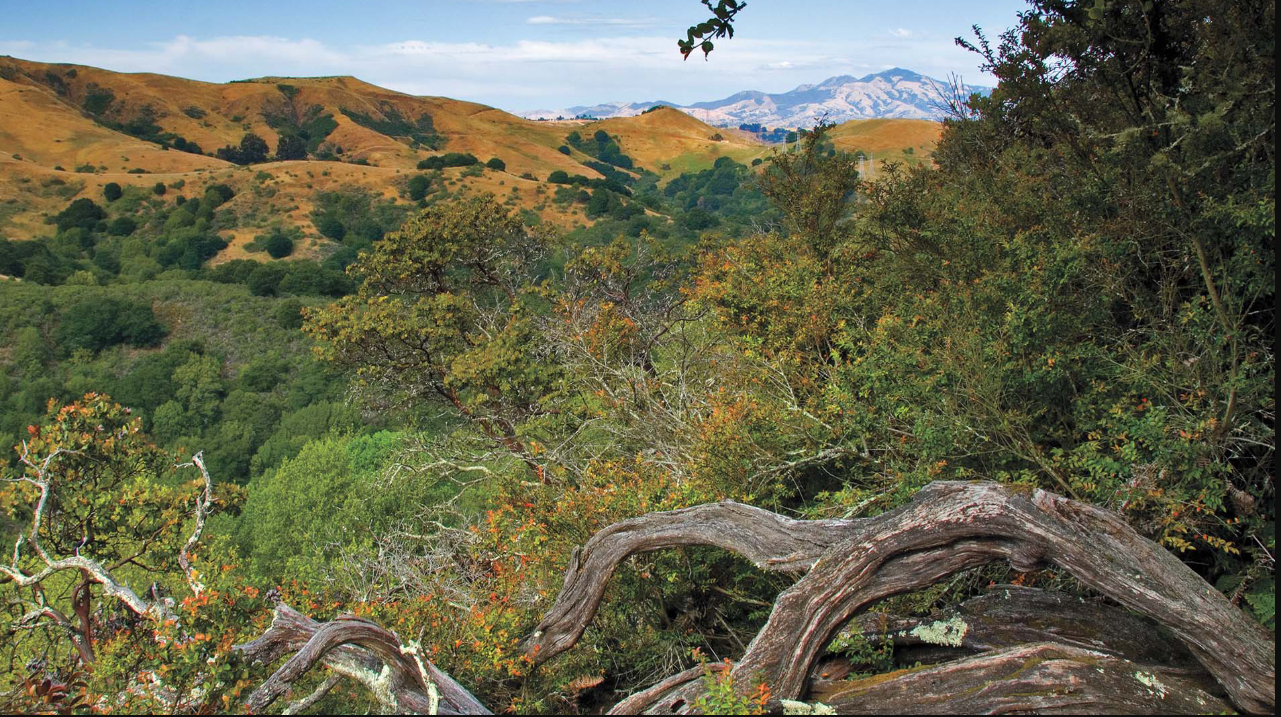
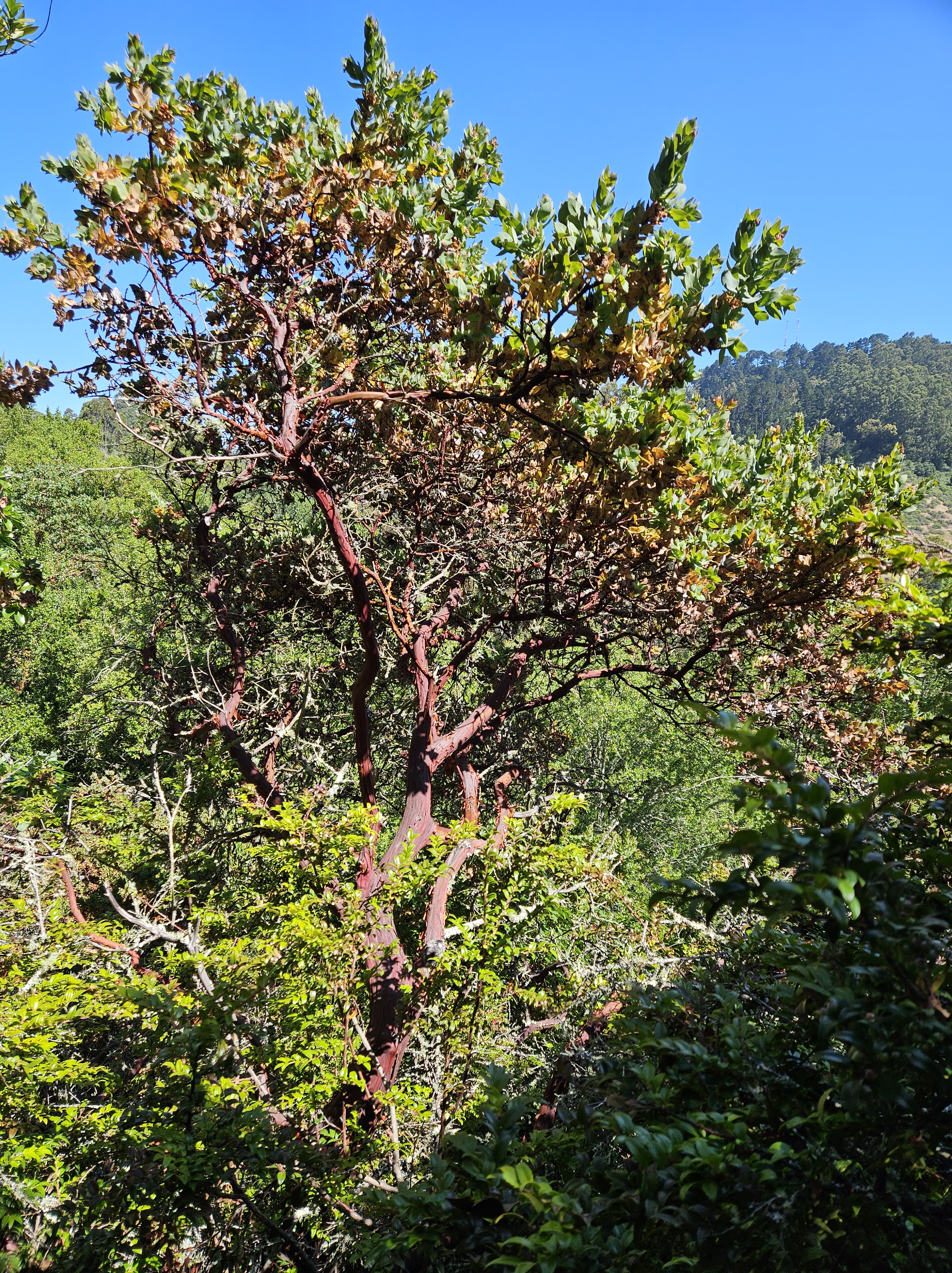
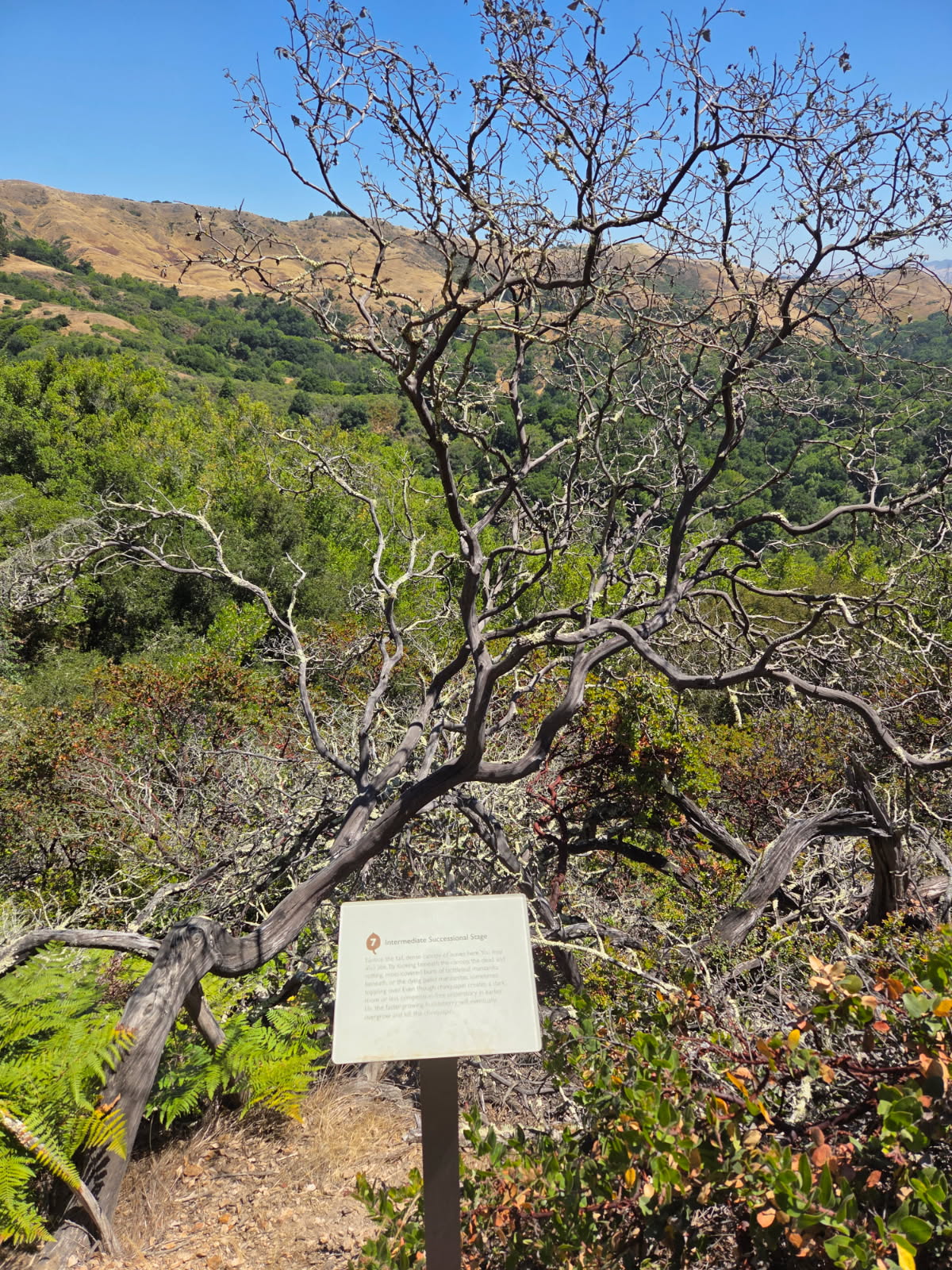
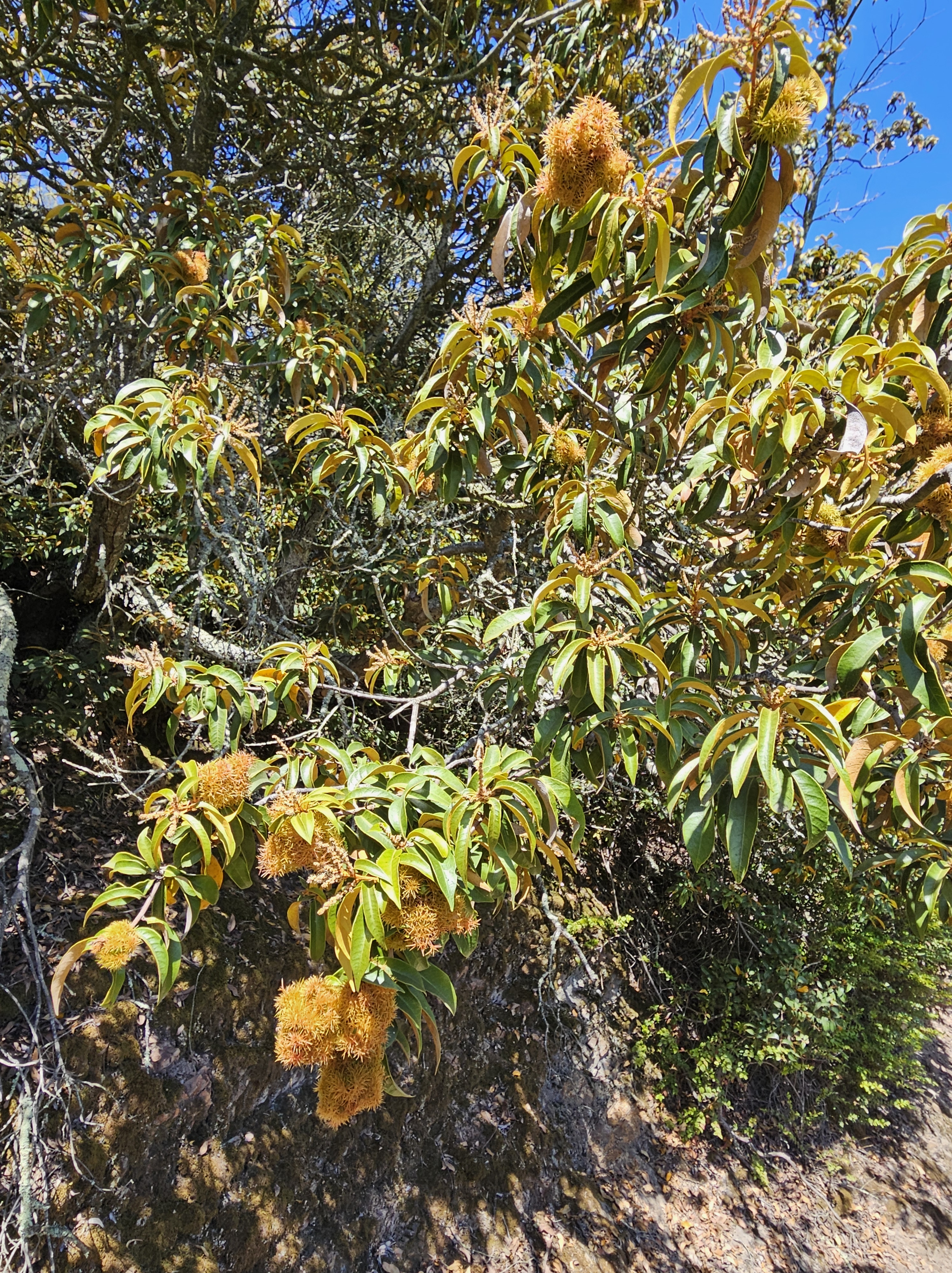
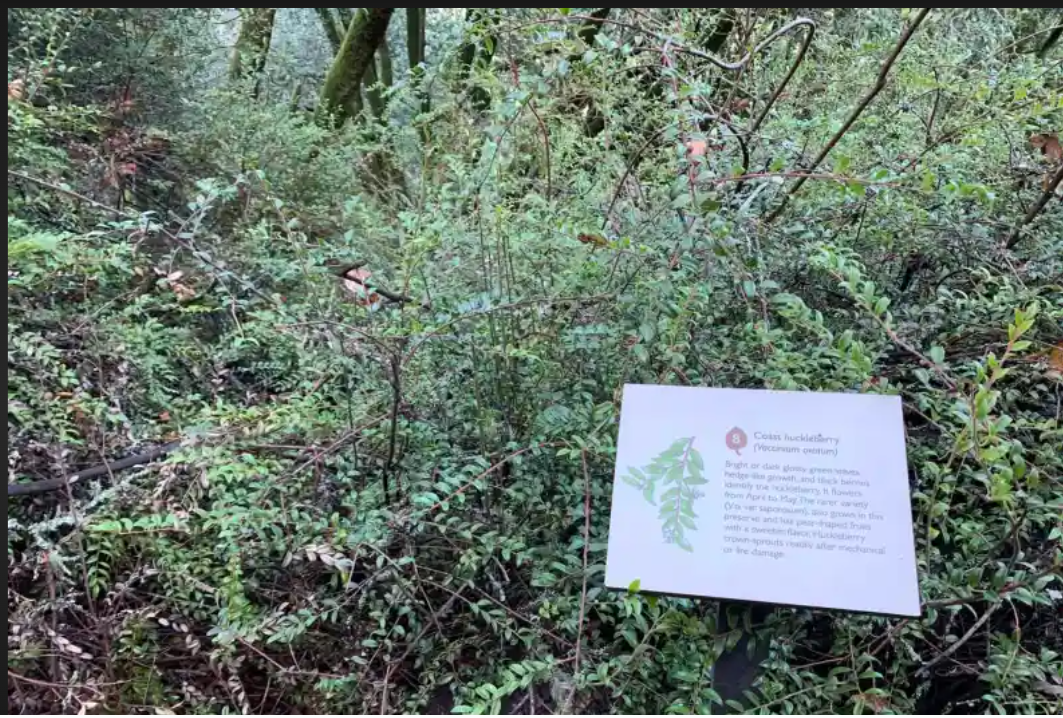
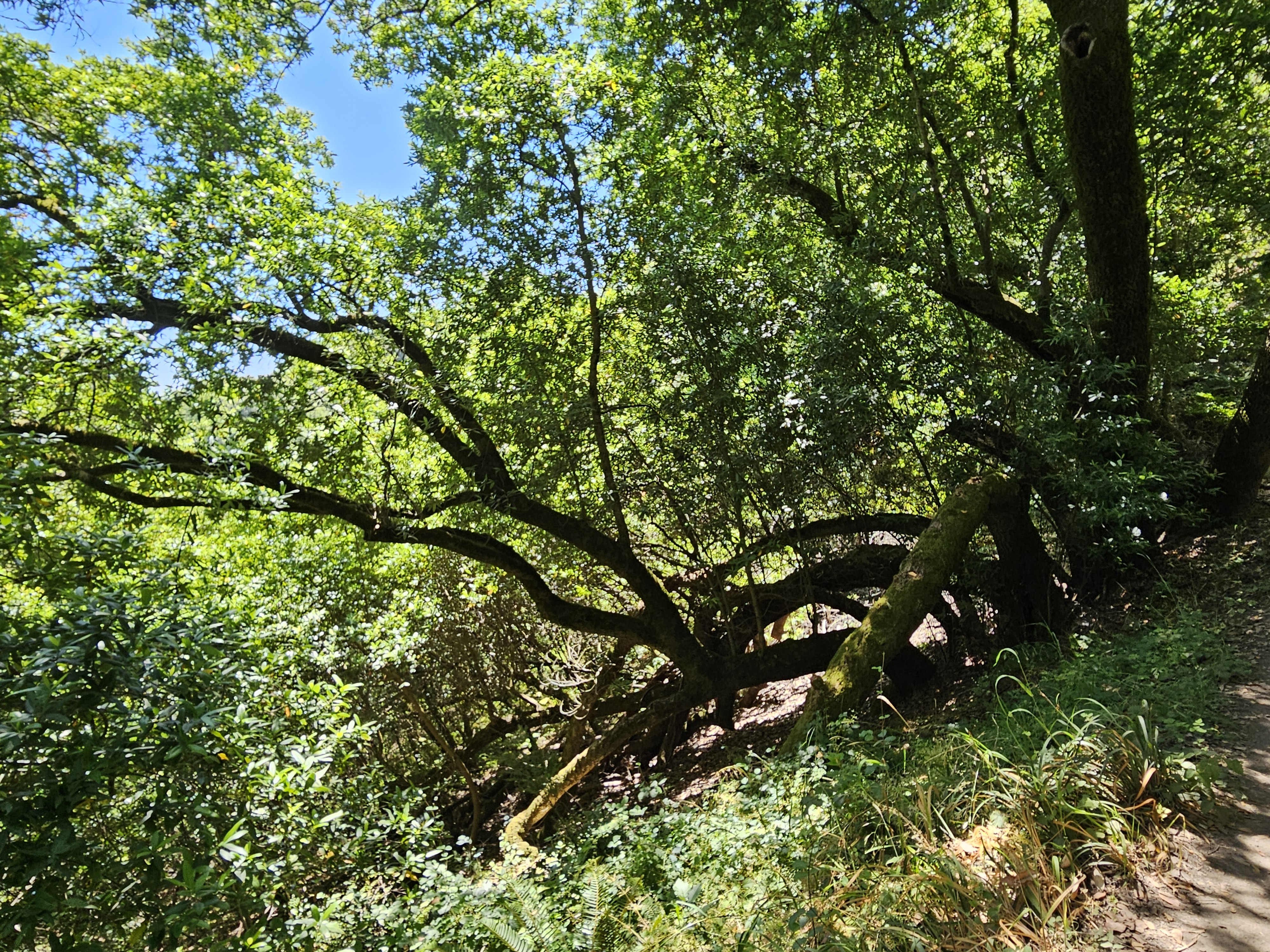
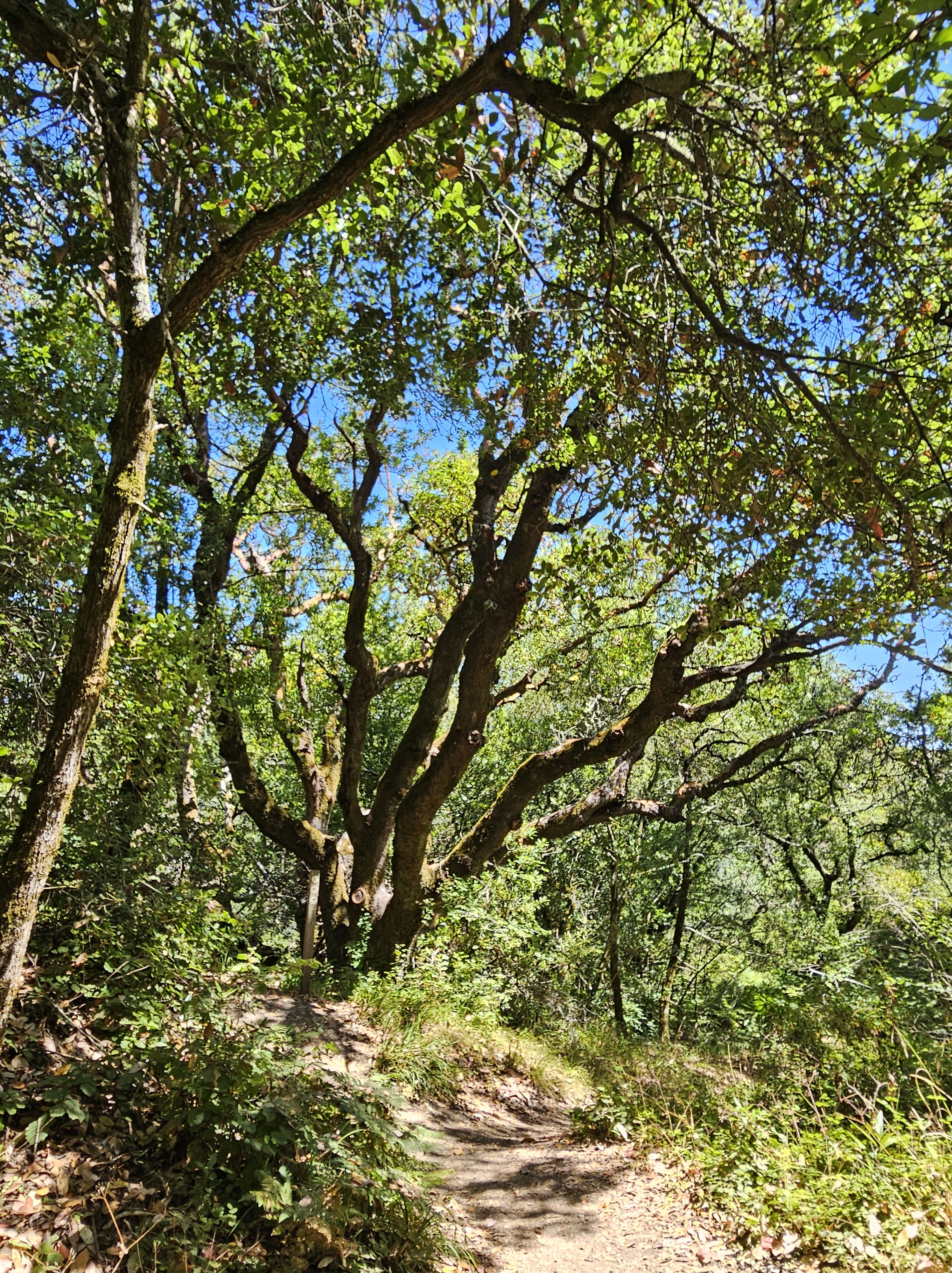
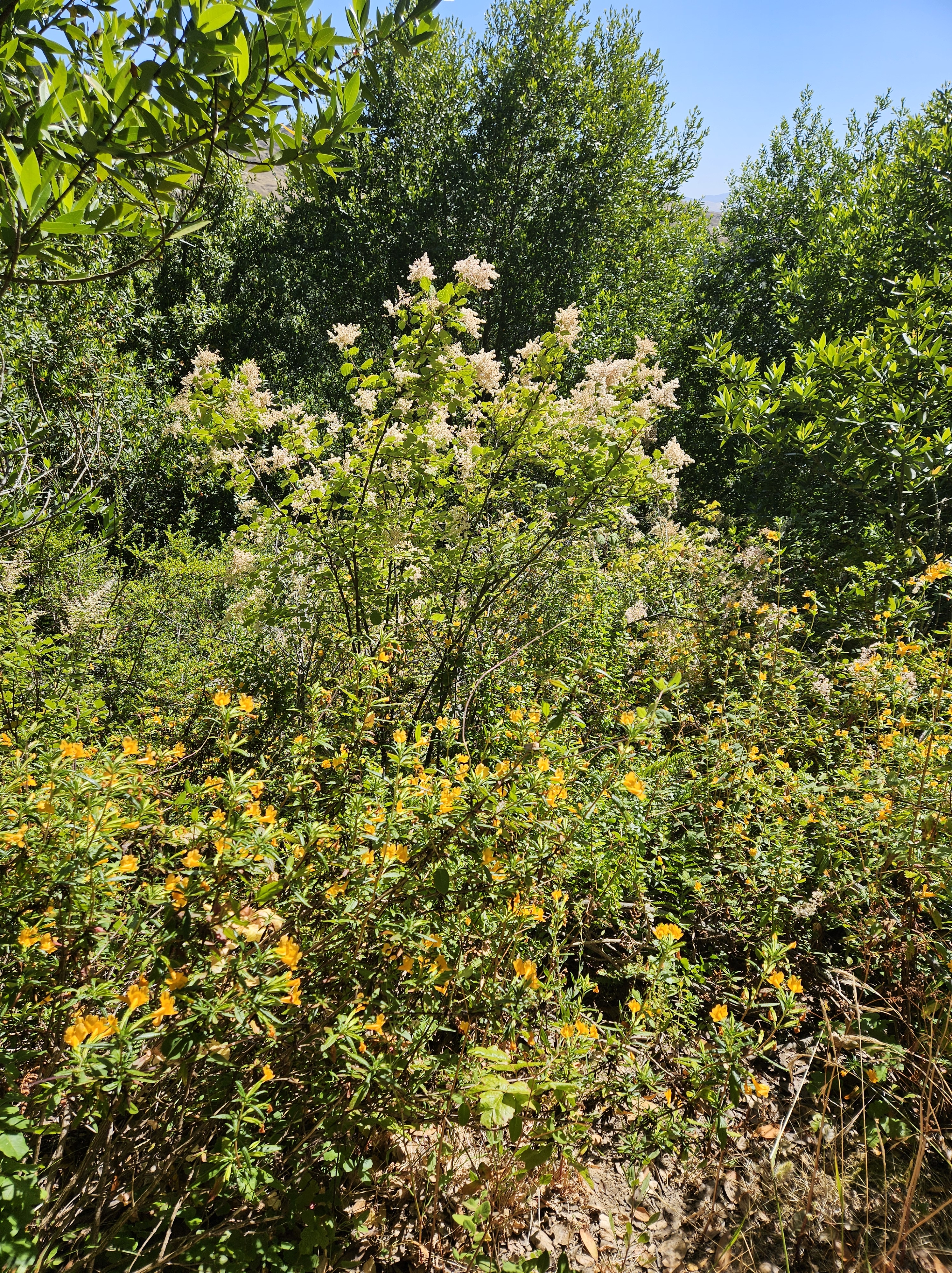
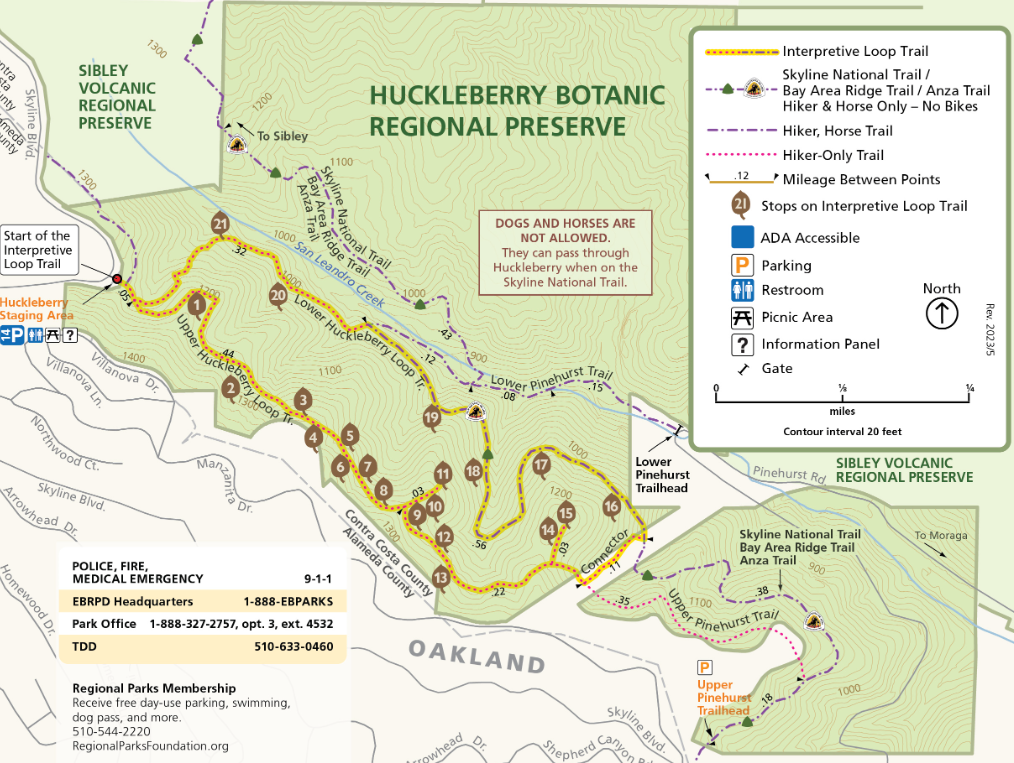
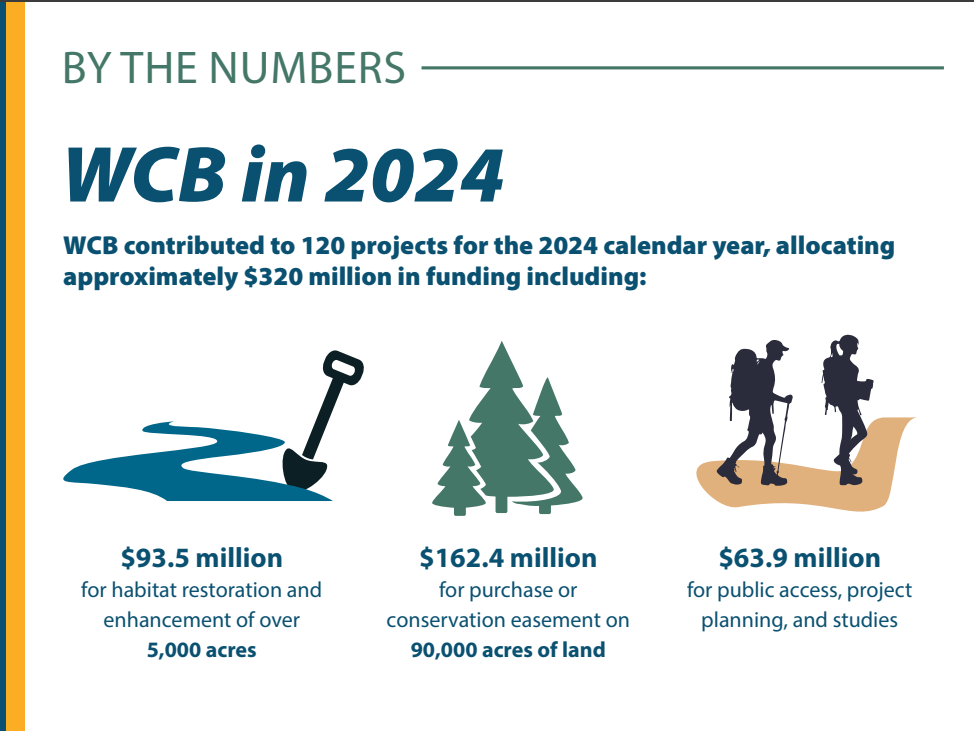
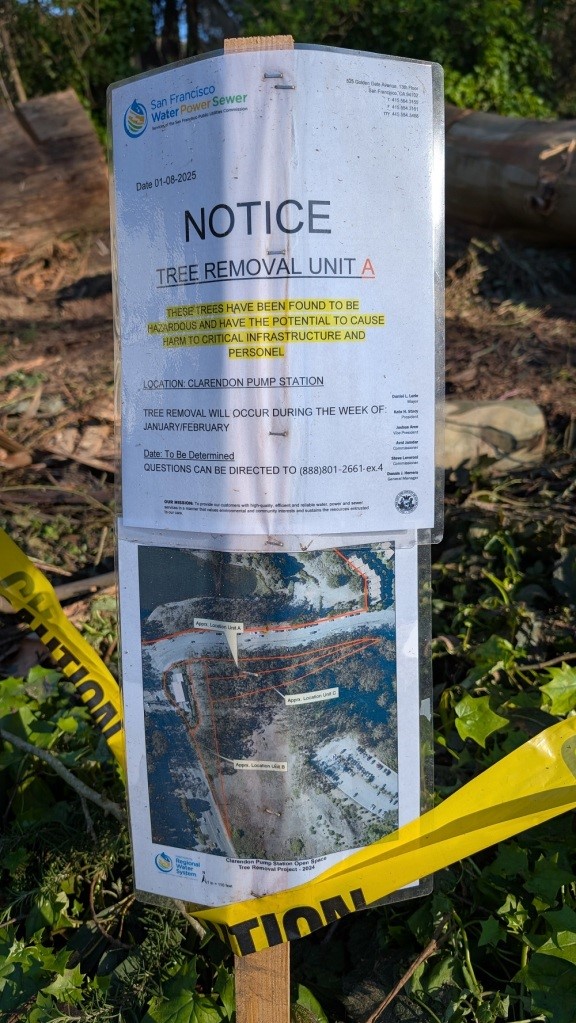
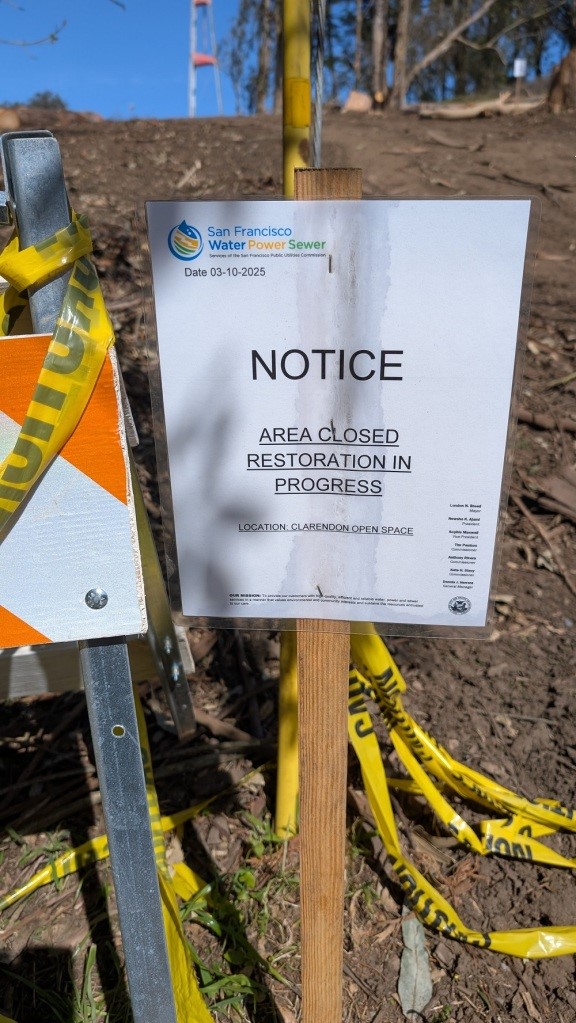
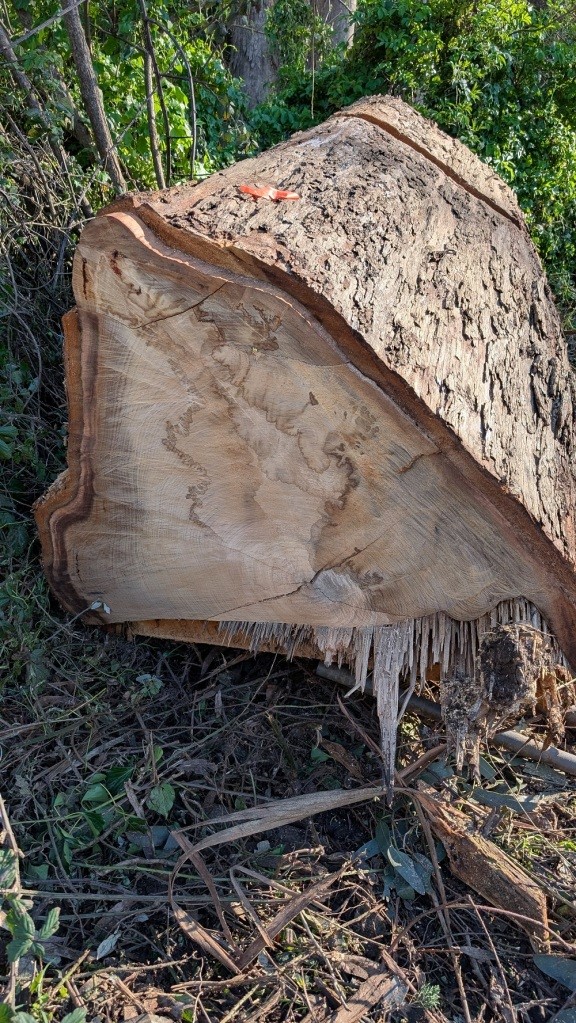
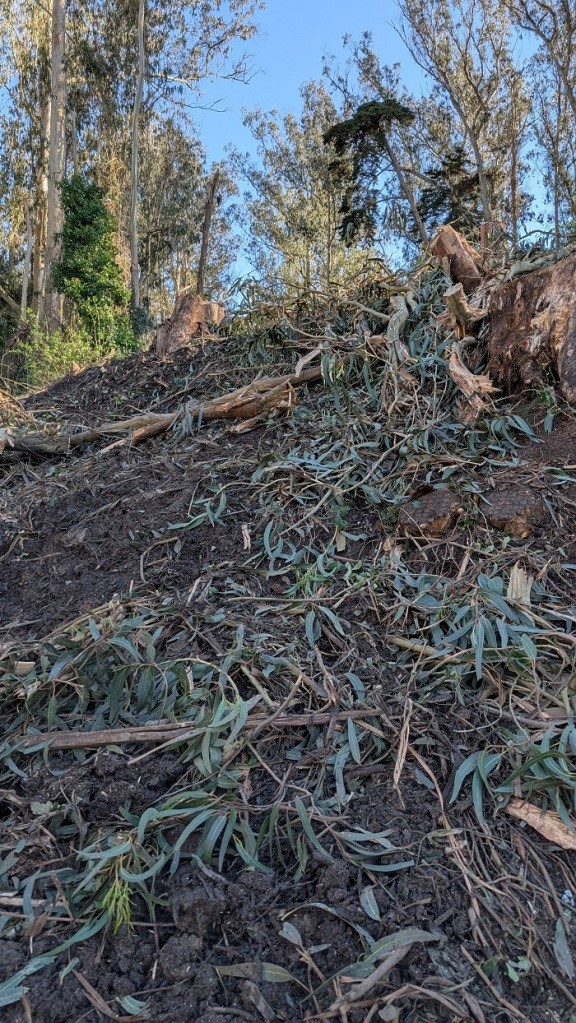
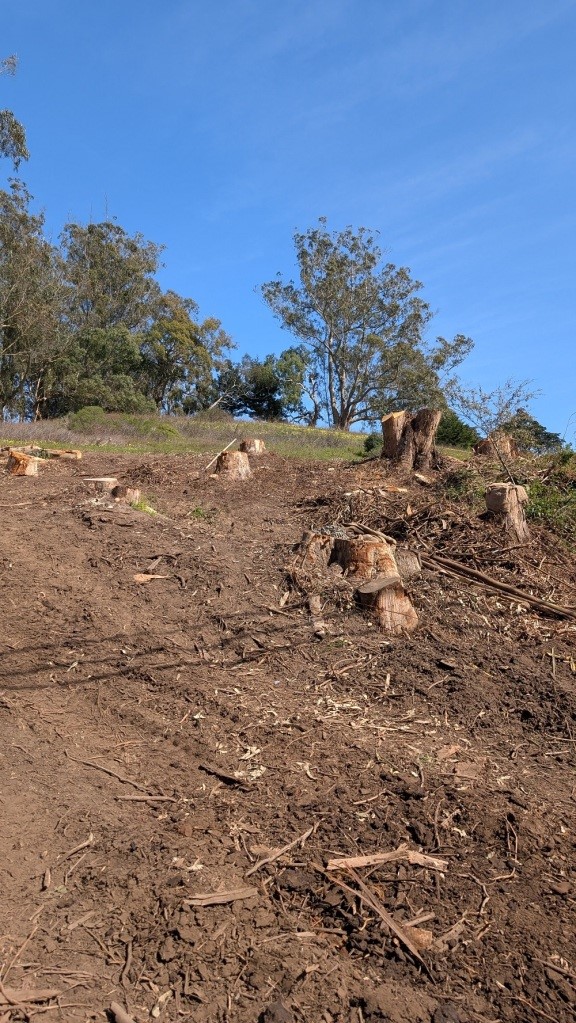
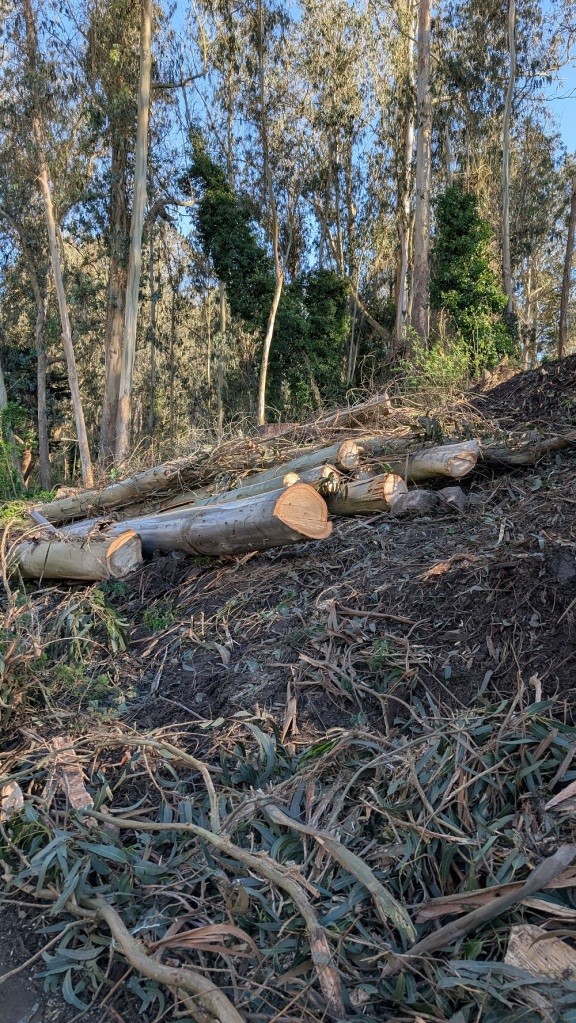
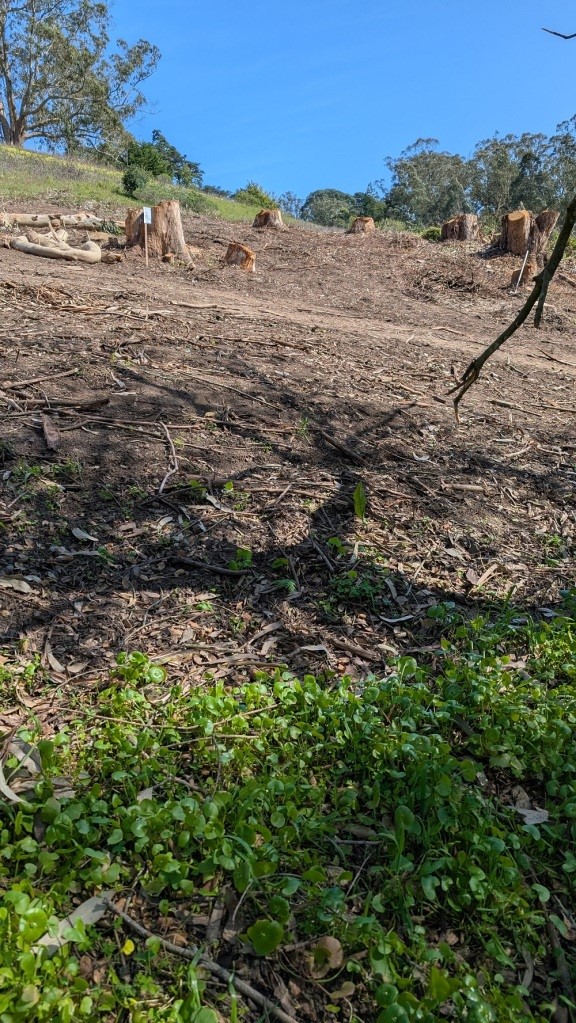
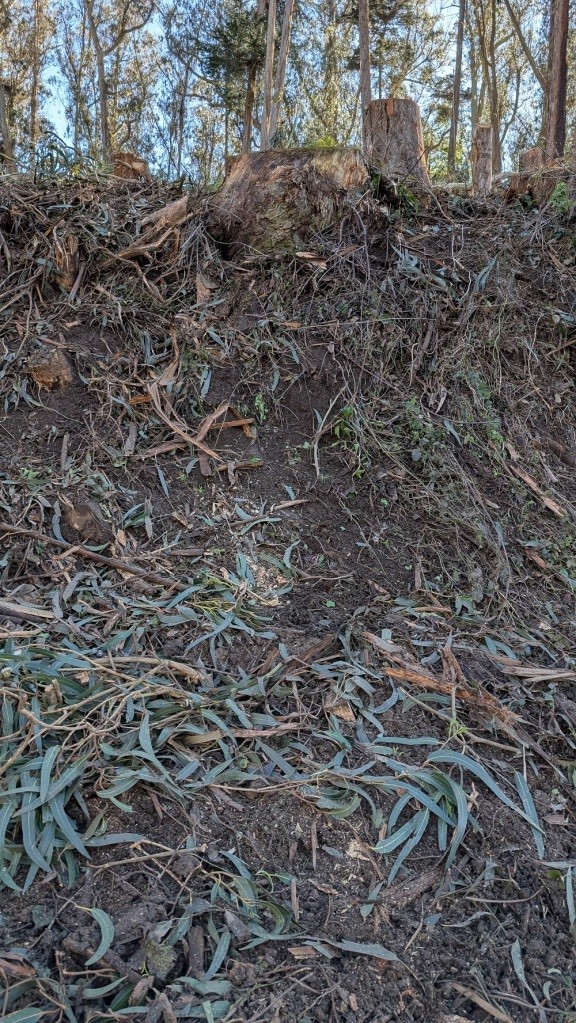
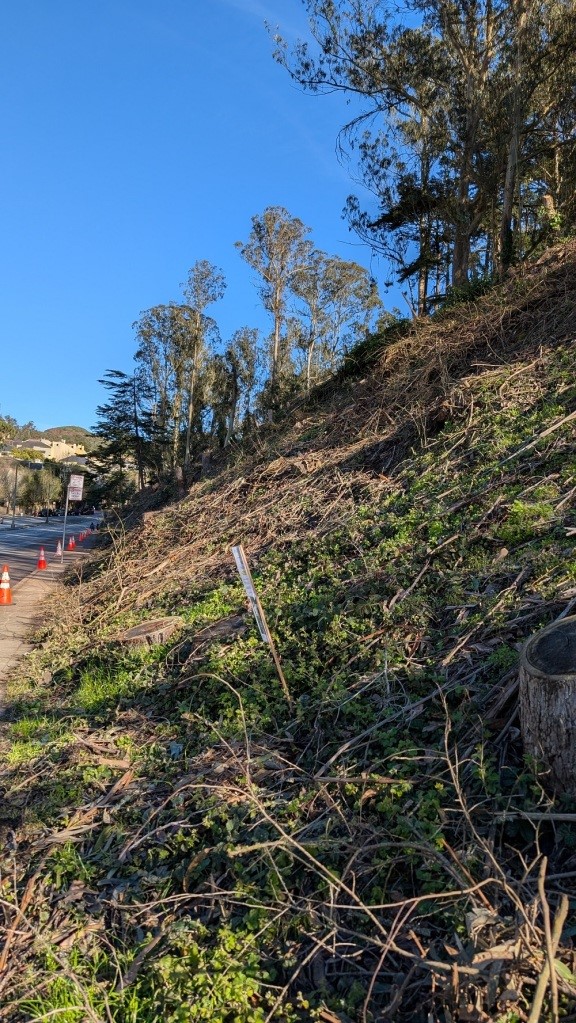

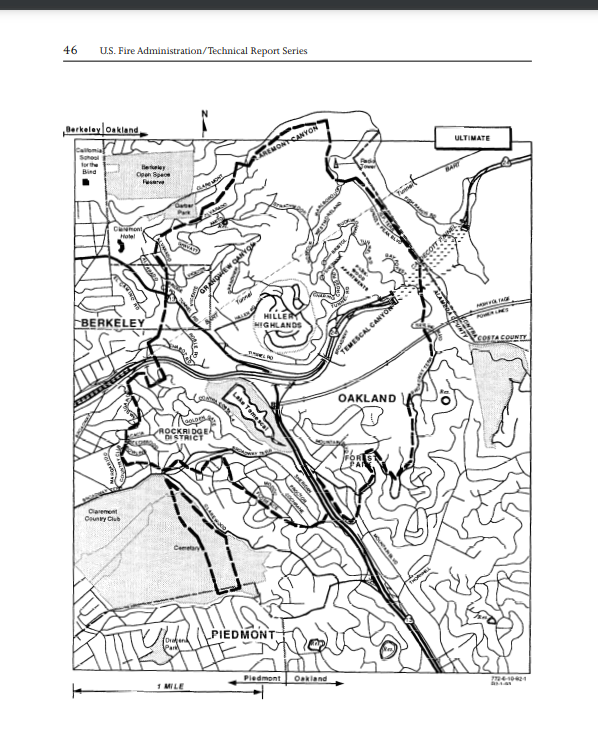
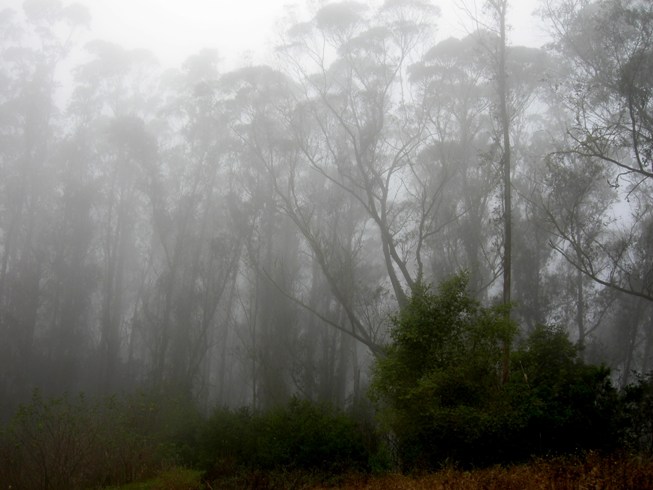
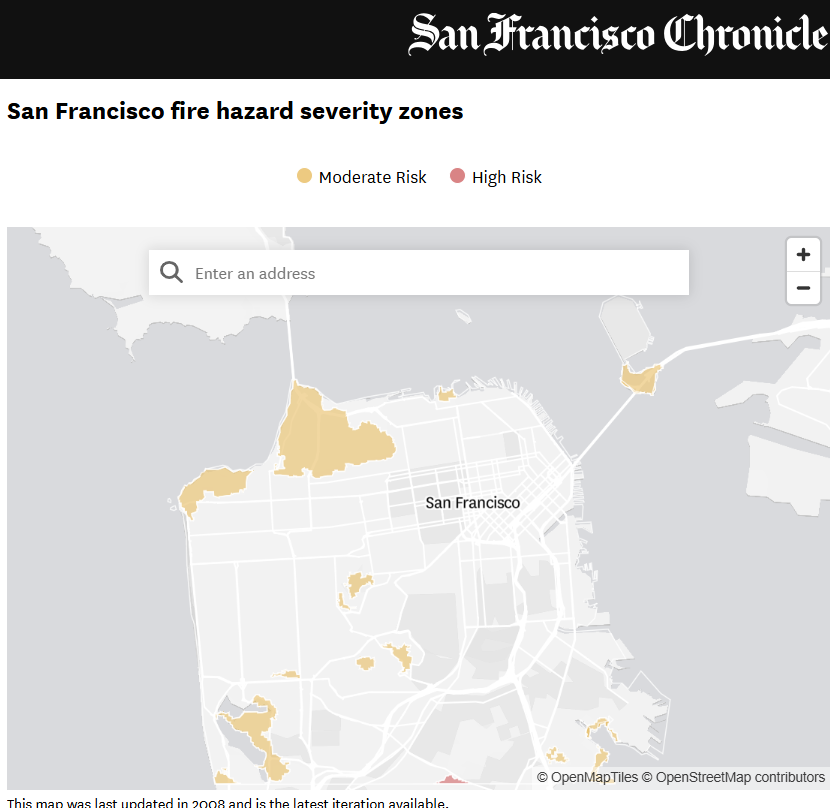
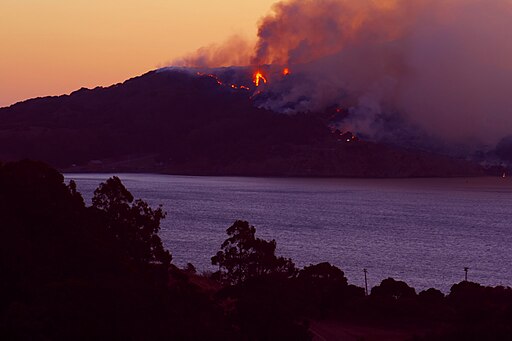
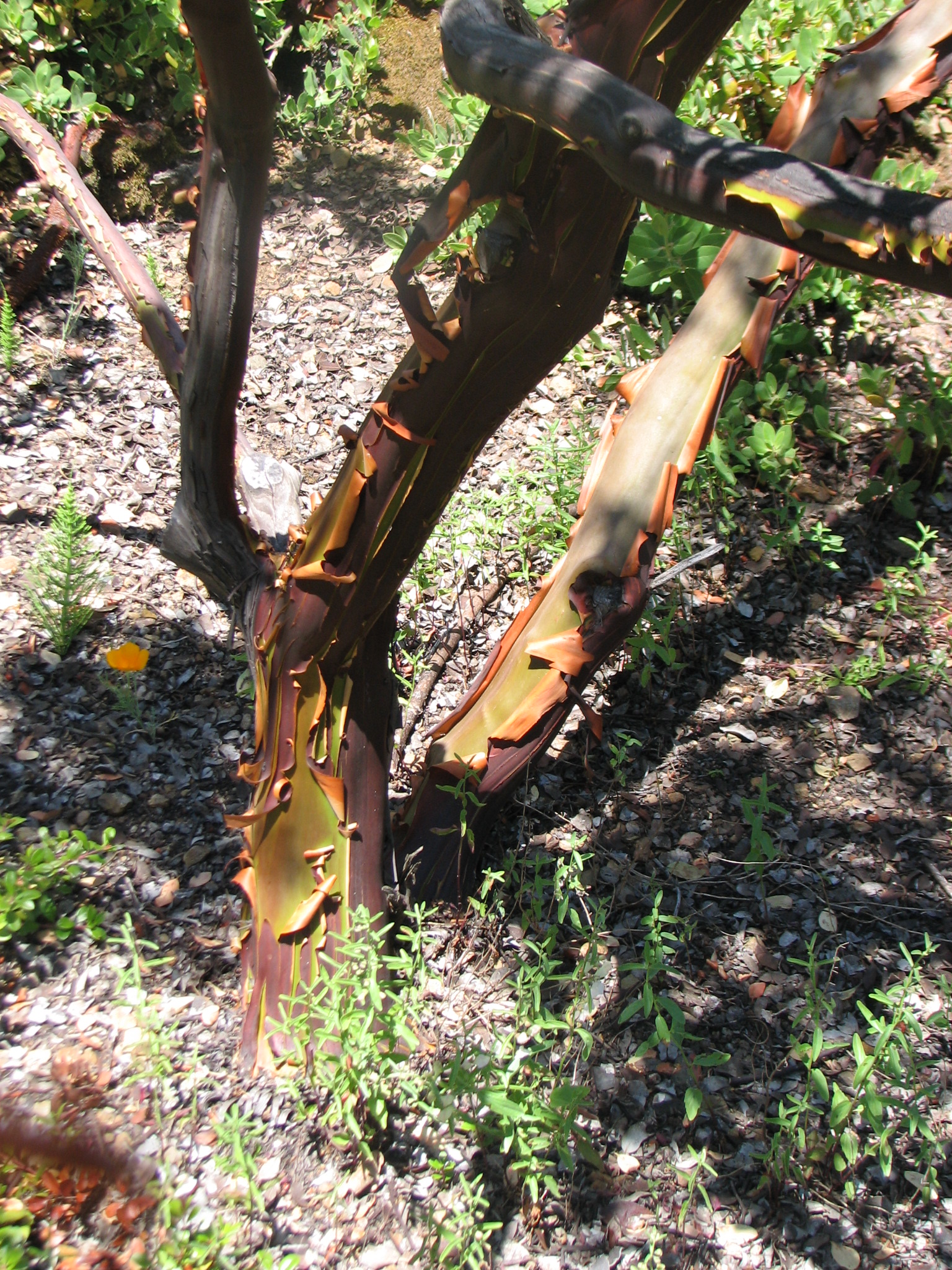
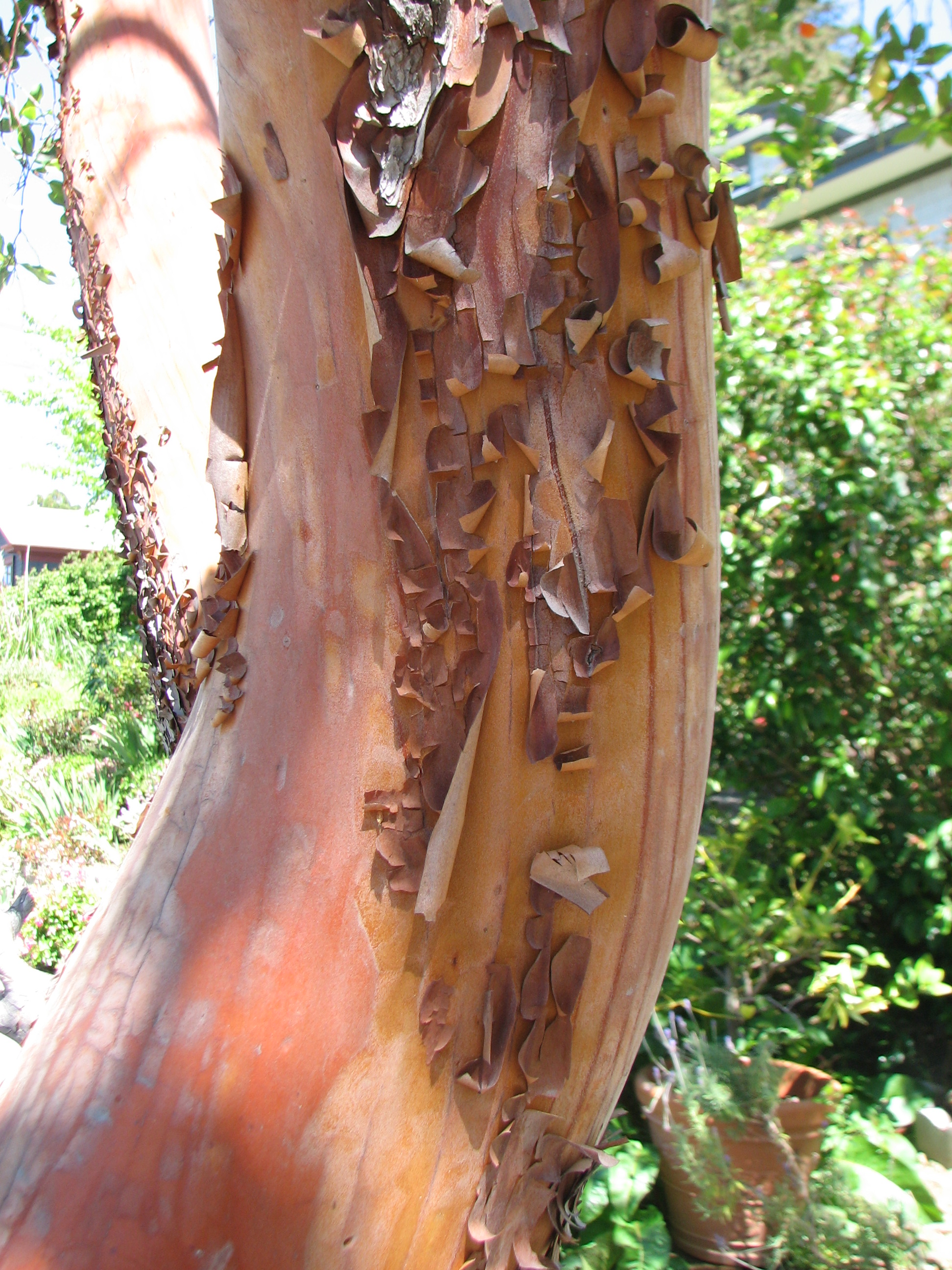
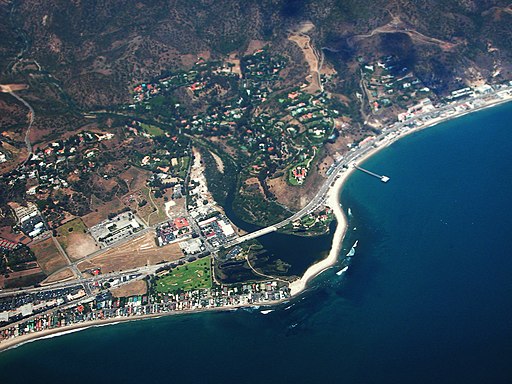
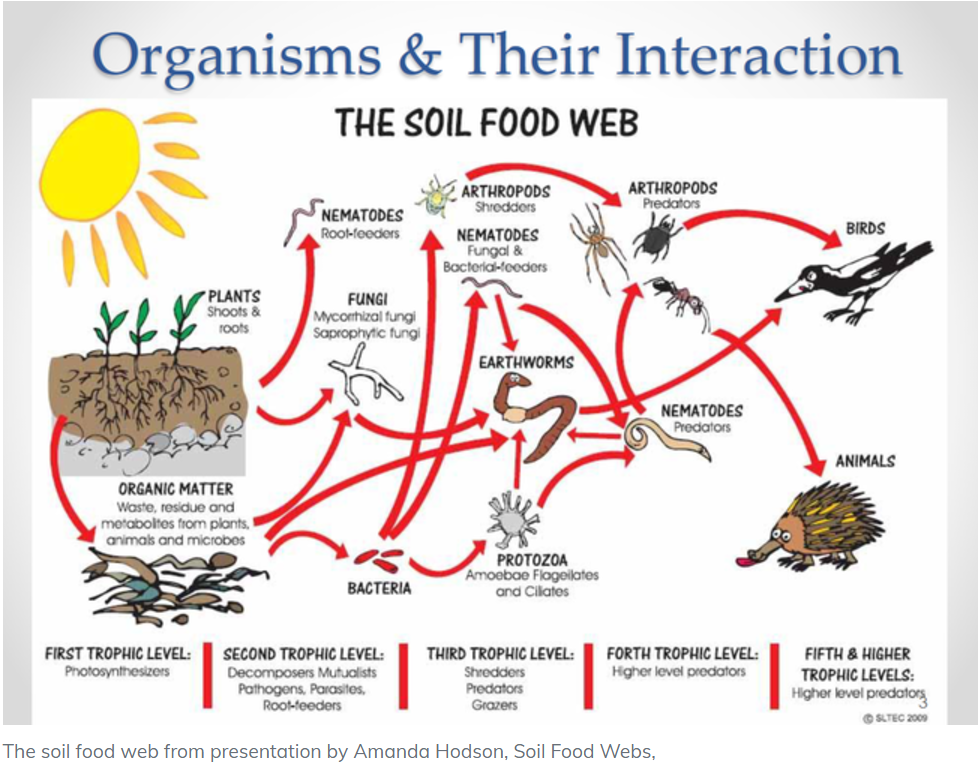
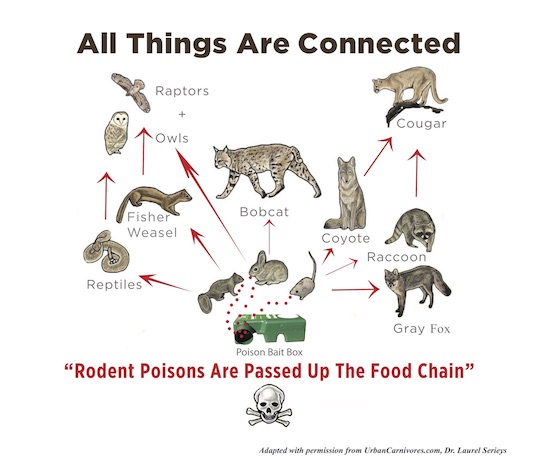
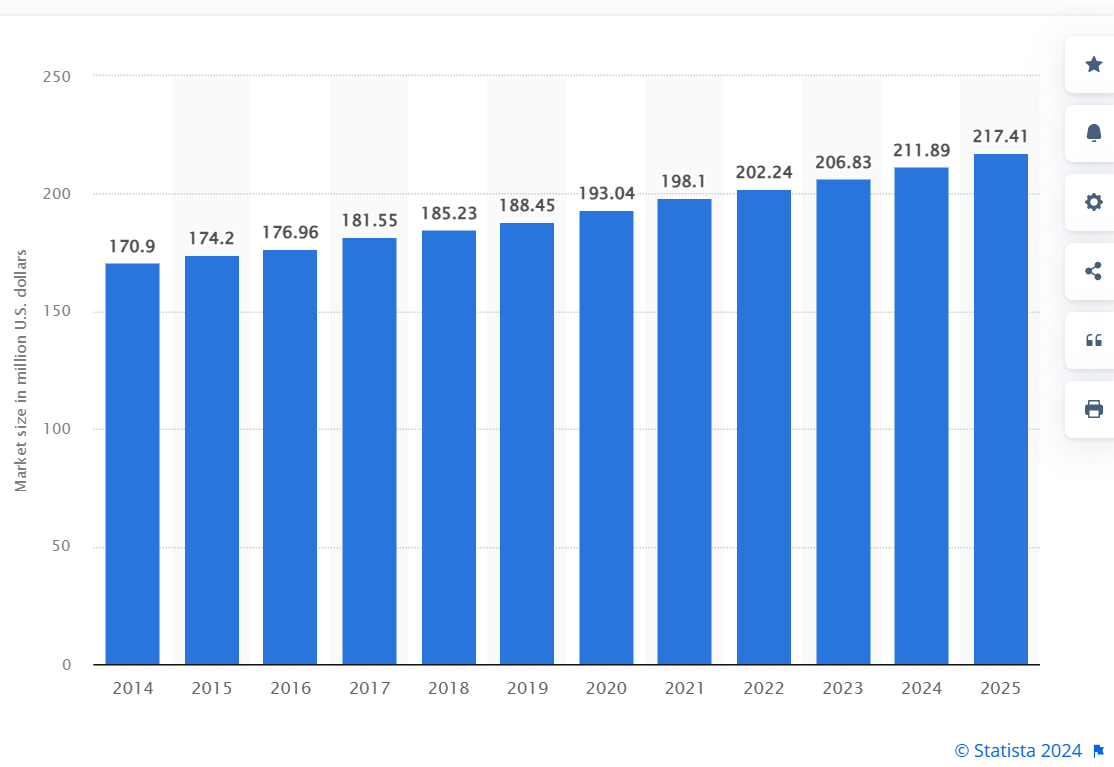
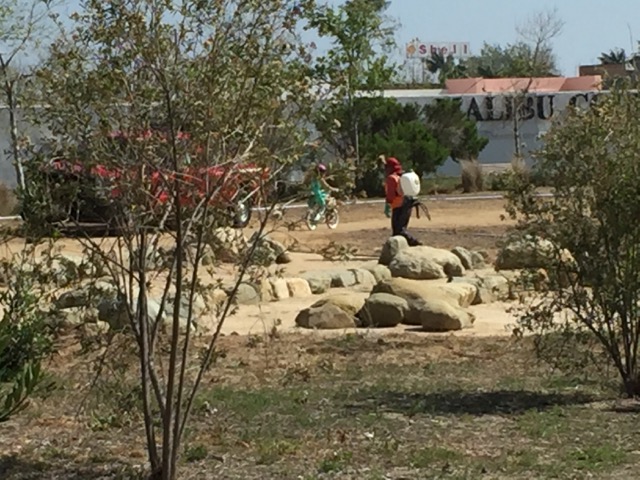
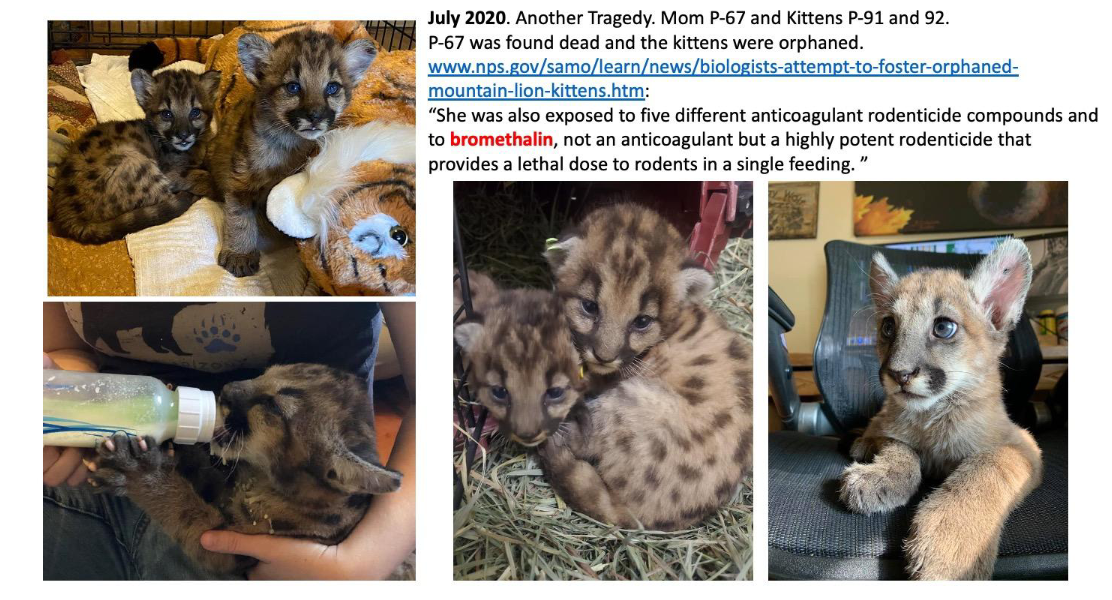


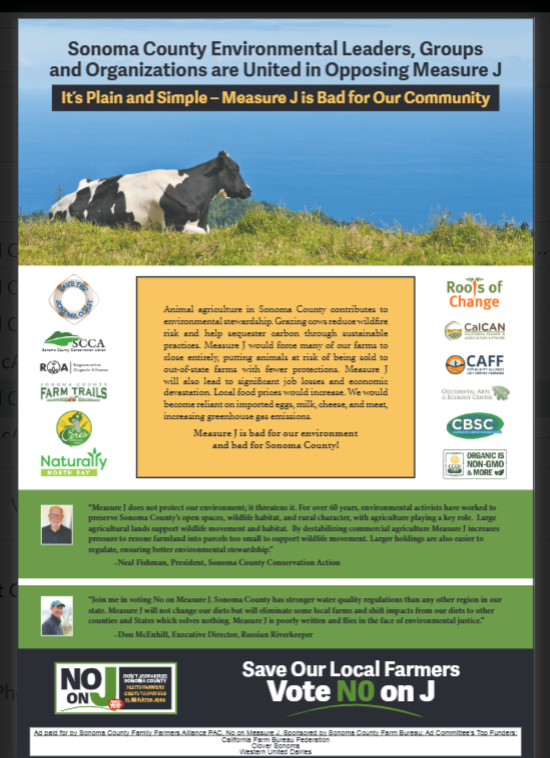

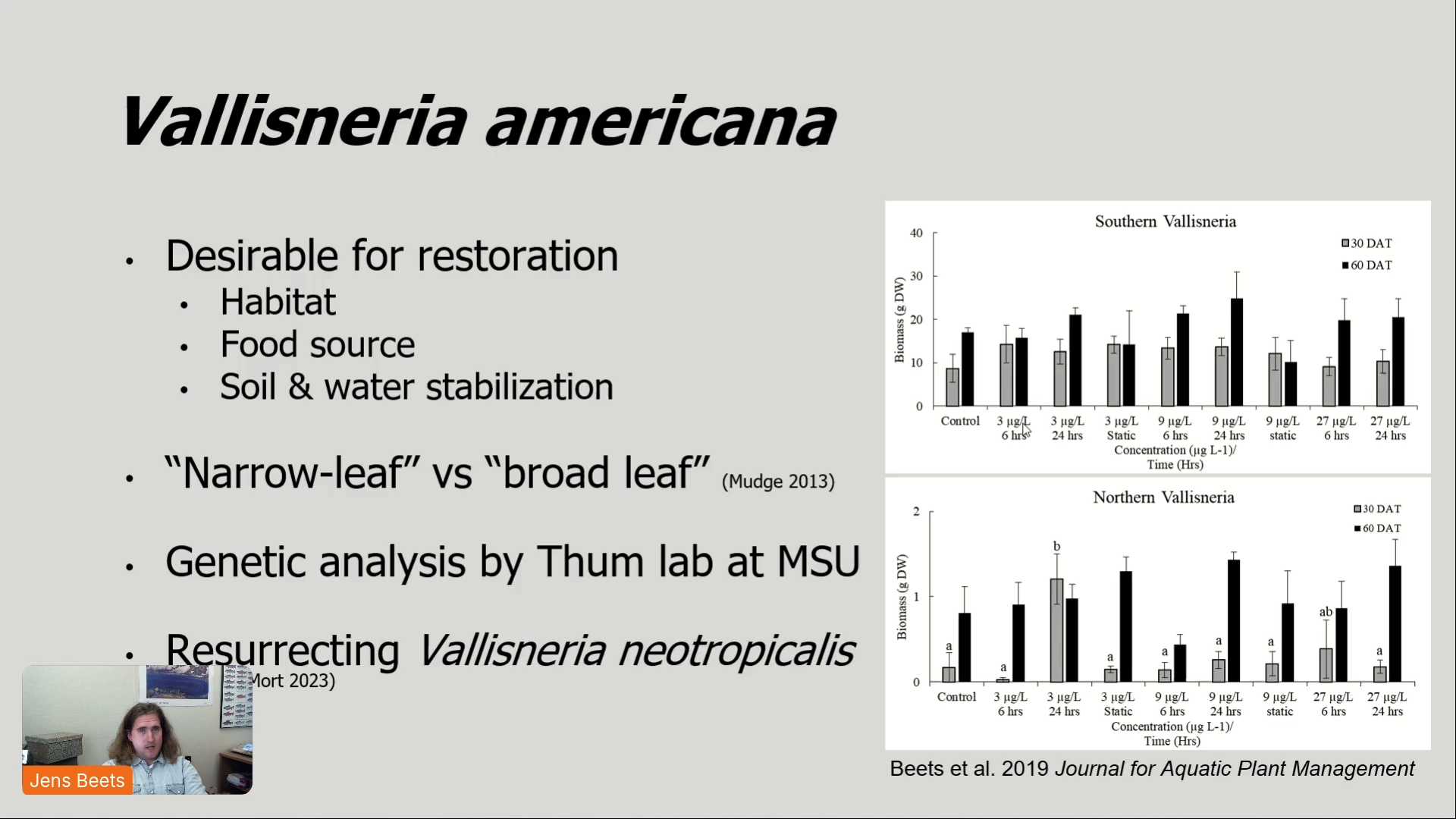
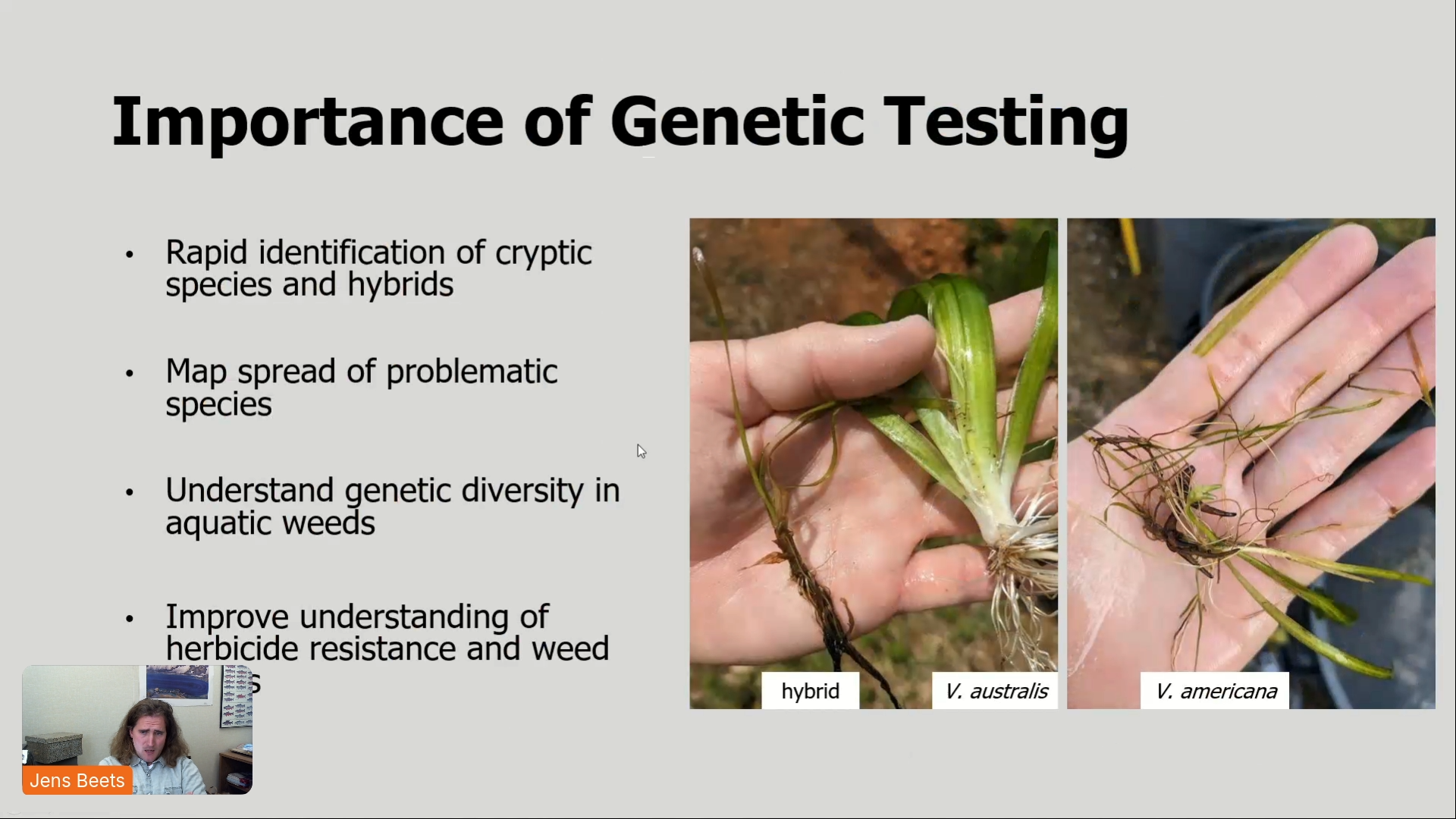
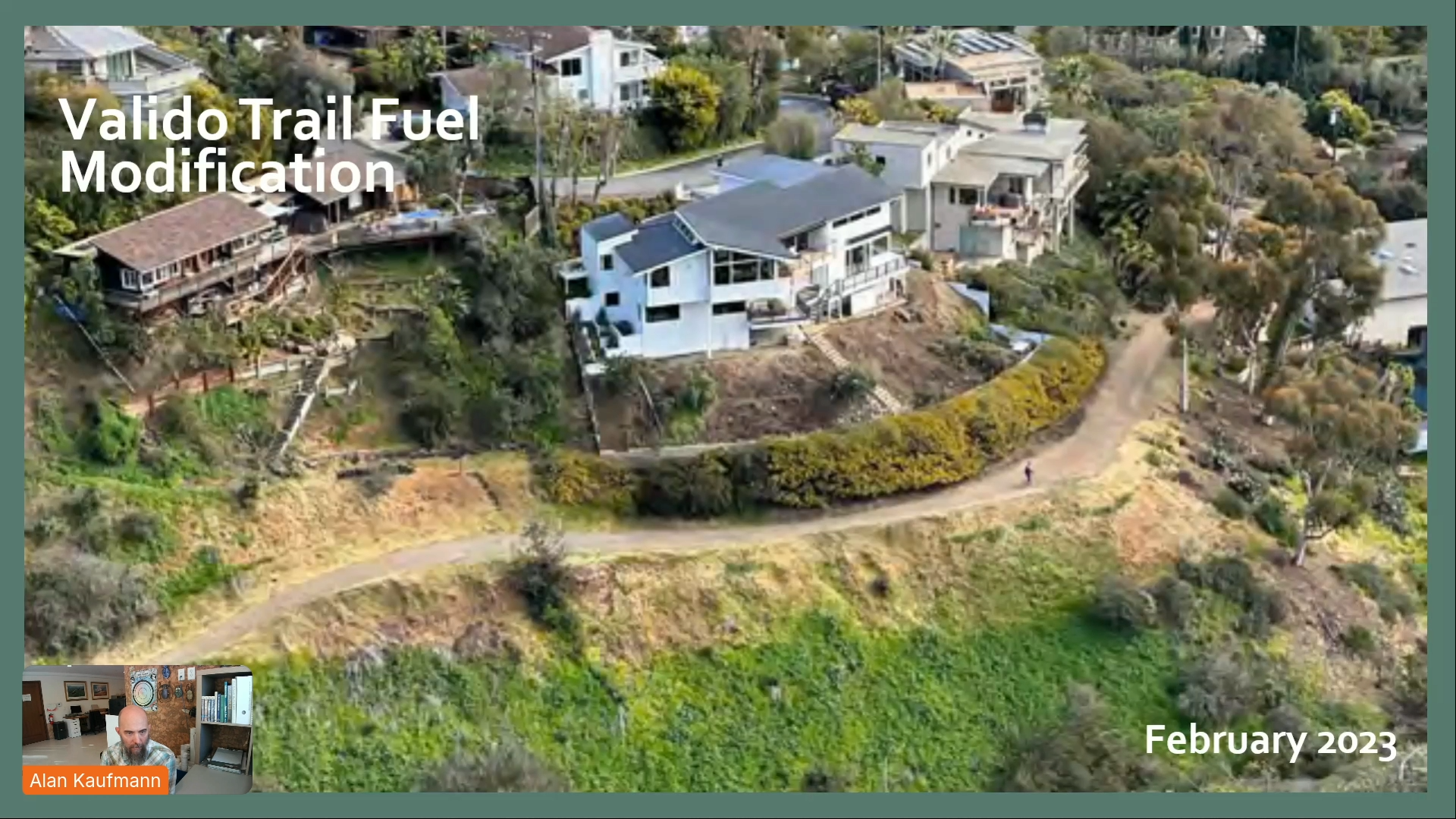
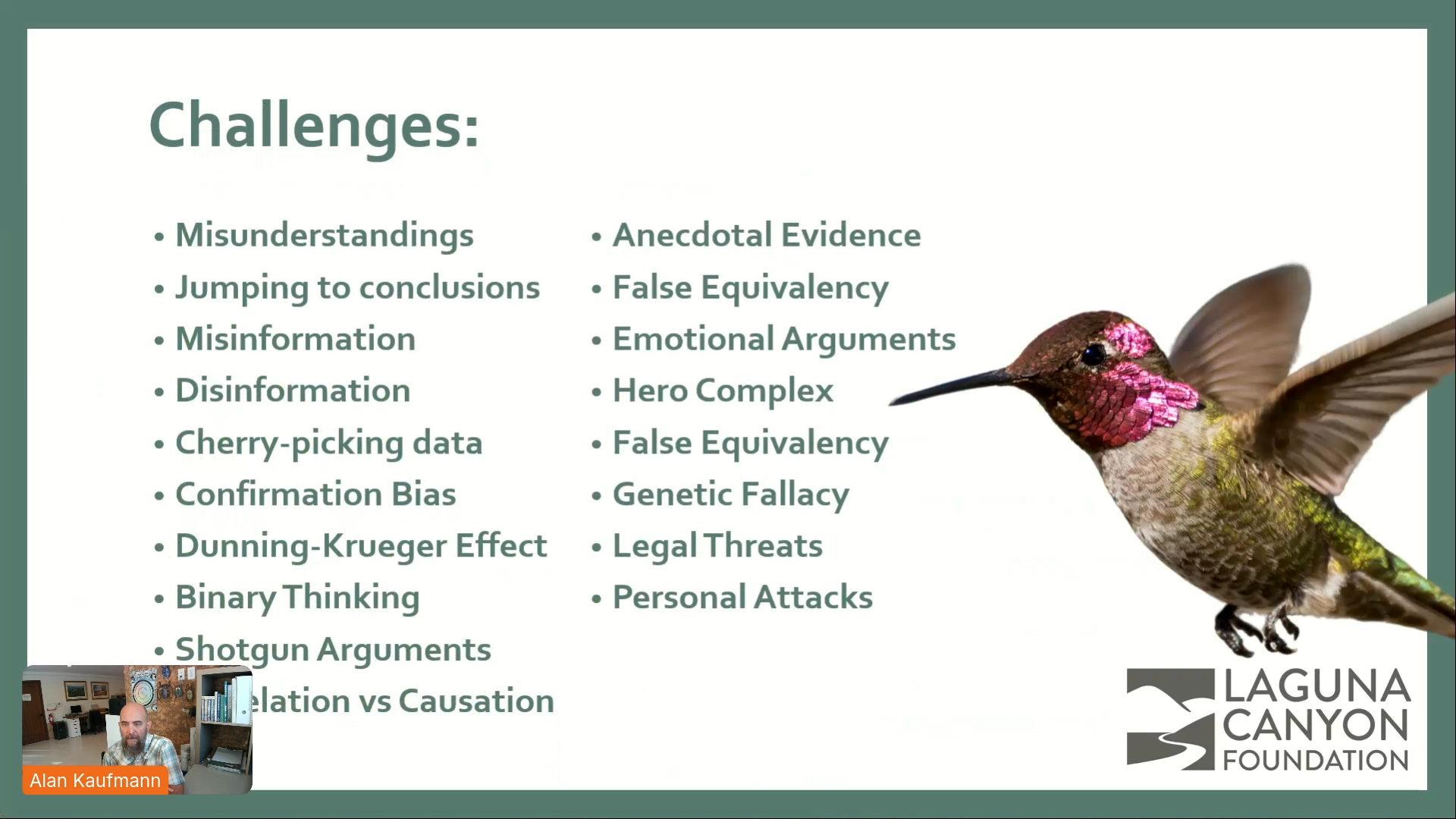
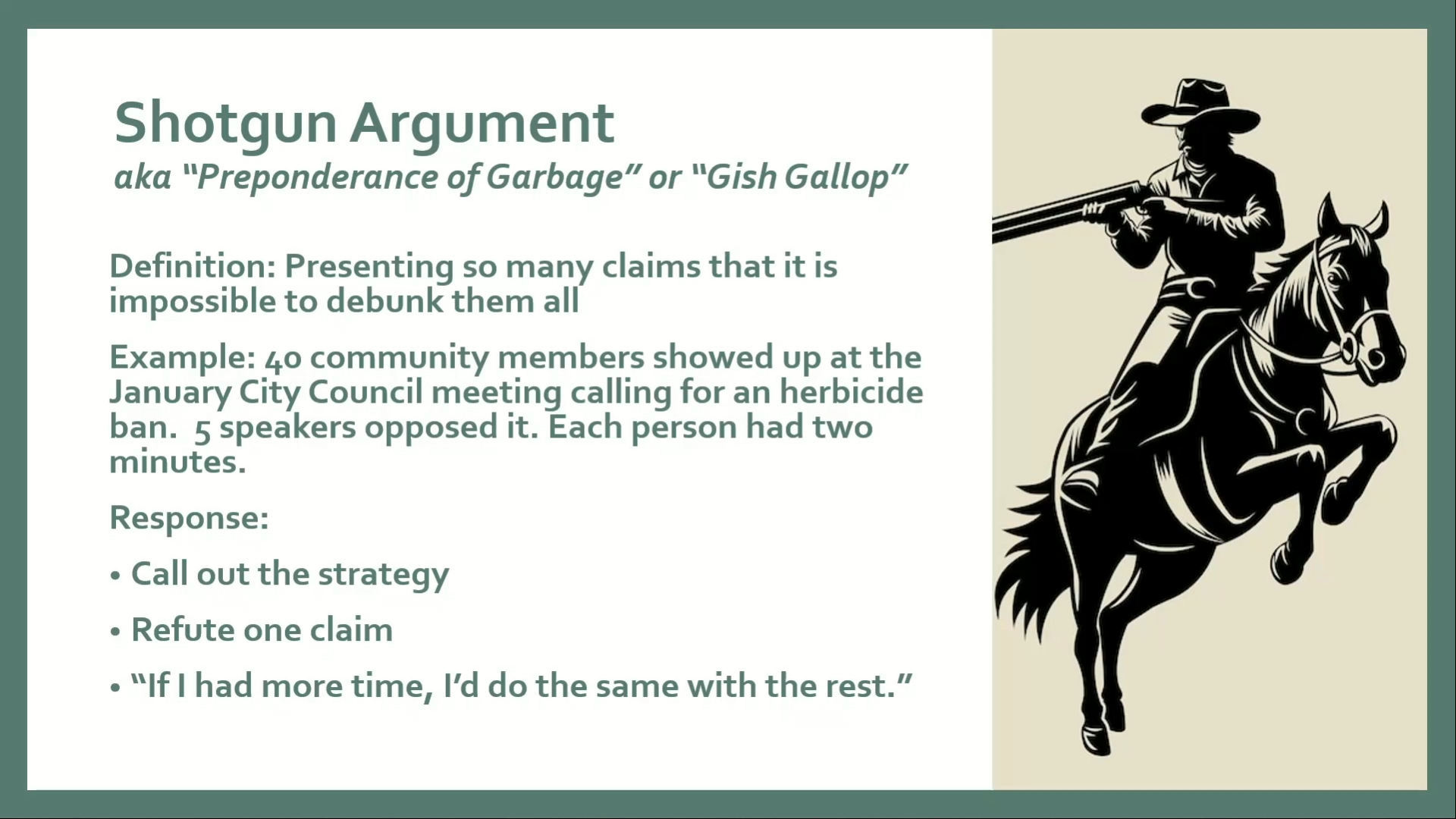
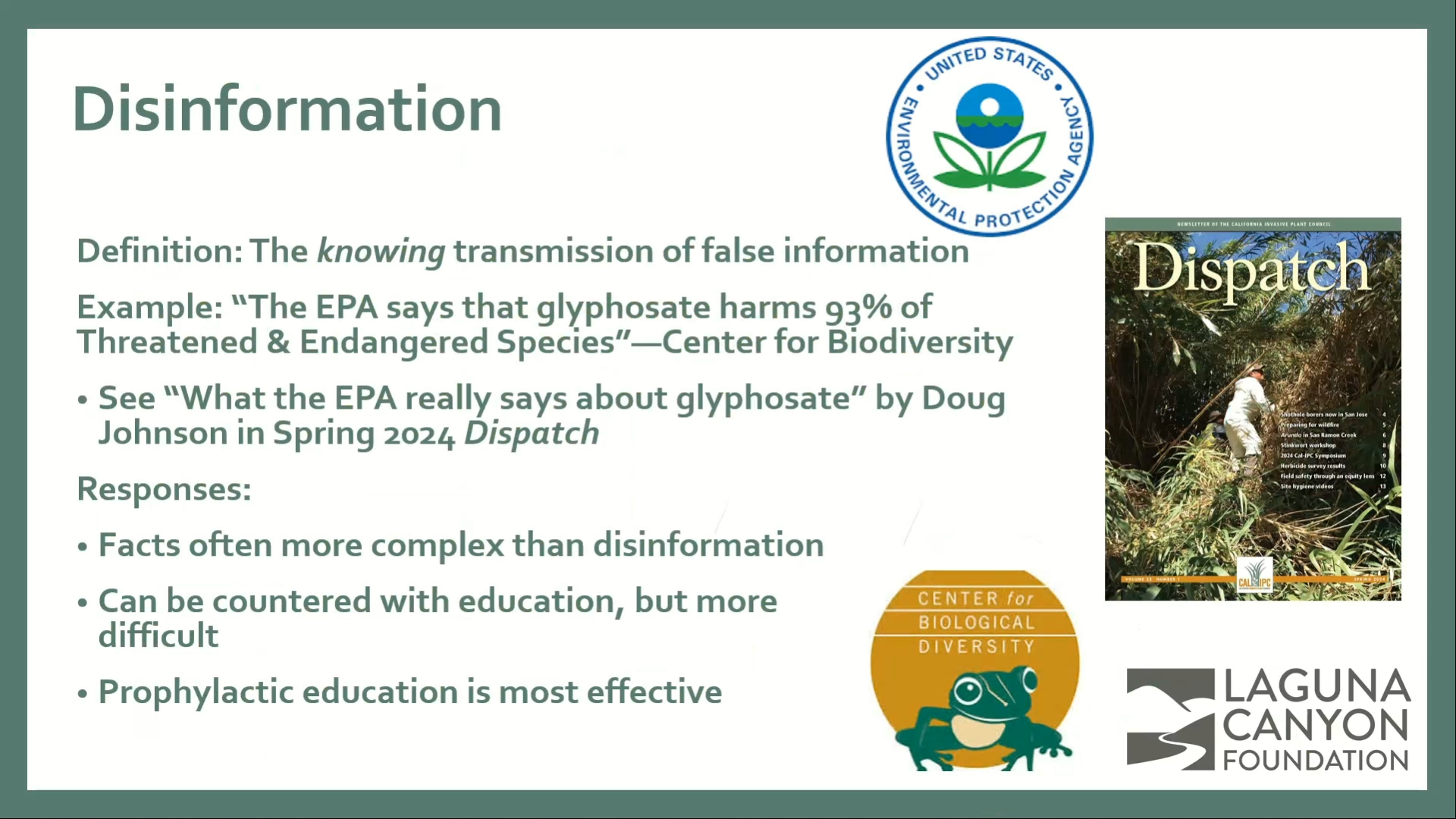
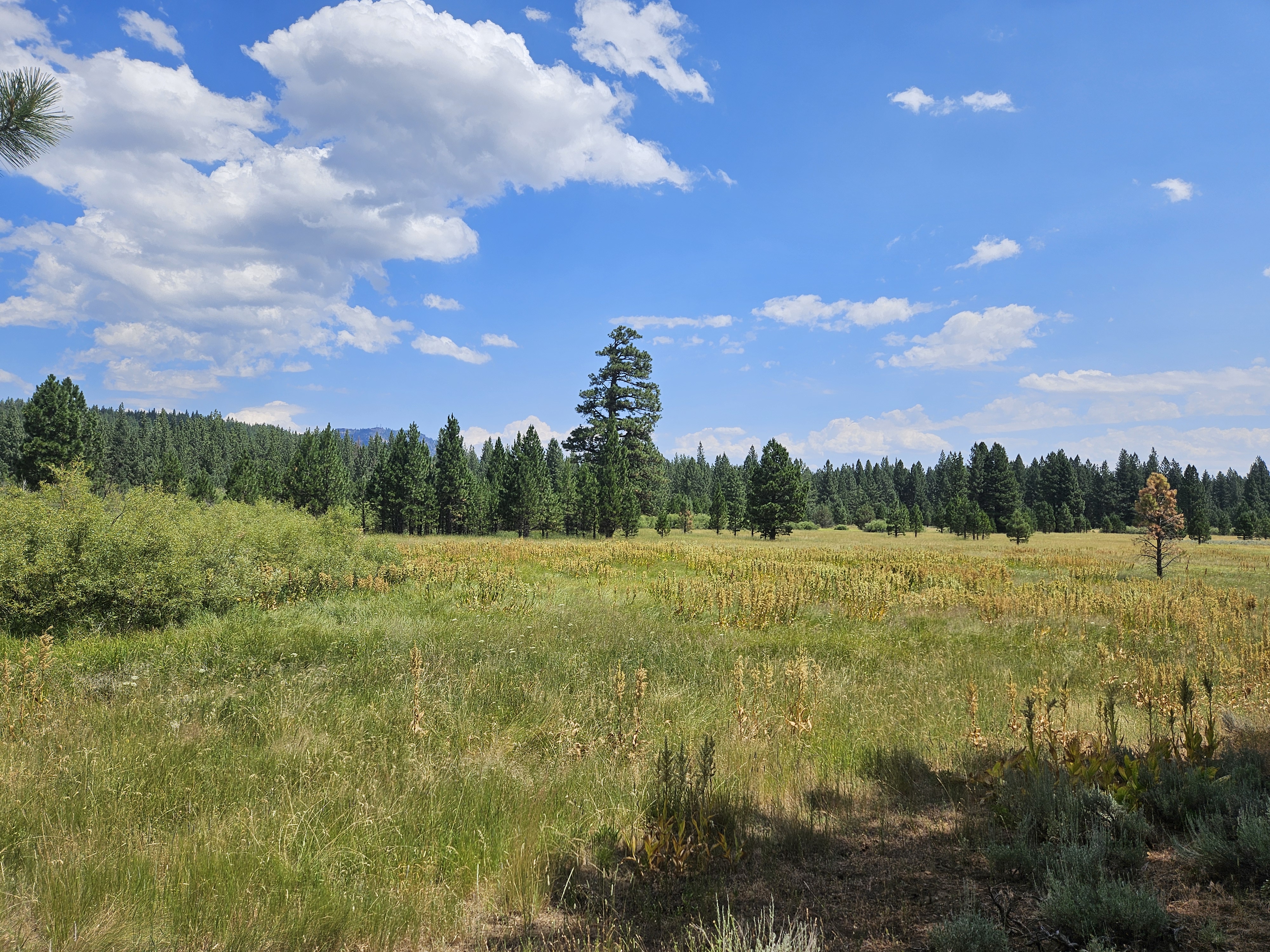
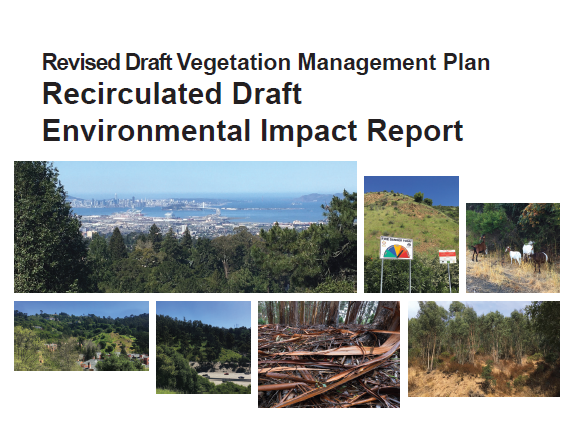

 Conservation Sense and Nonsense