Garden Rant recently published an article by garden-writer, Marianne Willburn, defending gardeners who prefer a diverse garden over an exclusively native garden. This issue has been hotly debated for several decades, generating conflict in gardens and garden societies. These are places where people seek refuge from life’s many challenges. Some mourn the loss of peace in the garden and wish for a return to peaceful co-existence between gardeners regardless of which plants they prefer. As American politics have become increasingly polarized, all the more reason to foster peace in our gardens.
The primary goal of home gardeners was beauty prior to the advent of the native plant movement. As the saying goes, beauty is in the eye of the beholder, which is a way of saying everyone has their personal definition of beauty. In the garden, some prefer order and symmetry while others prefer naturalistic chaos and abundance.
The native plant movement brought an entirely different goal to the garden about 30 years ago. Native plant advocates want a garden that they believe will best serve the wildlife that lives in it, from the insects at the bottom of the food web, to the birds that eat insects and beyond, to the top of the food web. Beauty is not their goal. In fact, a beautiful garden is considered by some the antithesis of a native garden, judging by the gardens of some of my neighbors whose gardens look dead half the year in our Mediterranean climate that is without rain half the year.
Dictators in the Garden
Such different viewpoints about the purpose of our gardens could have lived peacefully side-by-side if native plant advocates had respected the opinions of cosmopolitan gardeners, but they didn’t.
To quote the Garden Rant article, the native plant movement “saddles everyman gardeners (whether they wished to grow Hemerocallis [daylilies] or fill a raised bed with herbs) with the burdens of past and present ecological damage to our planet, the saving of species from extinction, and the reversal of climate change.”
Source: Garden Rant image of media article
If you haven’t been on the receiving end of such a moralistic lecture from a native plant advocate, you may think that’s an exaggeration. Here are a few examples of such condescending lectures from native plant advocates about the obligations of gardeners to save the planet:
Gardens planted with non-native plants are “blooming wastelands where the flowers feed nobody at all.” “The typical suburban yard is actually worse than a wasteland. It’s a death trap.” Margaret Renkle, NY Times, March 28, 2021
“It turns out I’ve been filling my yard with a mix of ecological junk food and horticultural terrorists.” “I’m sorry to say that if you have a typical urban or suburban landscape, your lawn and garden are also dooming the Earth.” Dana Milbank becomes a native plant gardener, Washington Post, April 7, 2023
“’I think of it as chemotherapy,’ said Doug Tallamy, a University of Delaware entomologist and guru of the native-plant movement. ‘We have ecological tumors out there. If we don’t control them, we have ecological collapse. We have the collapse of the food web.’” Doug Tallamy, Washington Post, June 30, 2023
“…no other “don’t” has been shouted more loudly lately than the list of plants to avoid, the various nonnative, longtime nursery-industry standards that are now understood to cause environmental harm.” Margaret Roach, NY Times, March 17, 2026
Such dire predictions of ecological collapse are overheard among neighbors, over garden fences, in garden society meetings, and in conferences of the California Invasive Plant Council and the California Native Plant Society. Articles with similar themes are found in garden magazines and in the publications of environmental organizations such as the Sierra Club and the Xerces Society.
If the extravagant claims of advocates about the superiority of native plants received the scrutiny and analysis they need, the native plant movement would not have the power and influence that it presently has. Now let’s turn a bright light on the claims of nativism in the natural world.
Debunking Nativist Myths
Nathan Lambstrom is a botanist and professional landscape designer who has given us an example of how nativist myths persist. He reports that Doug Tallamy supports his claim that insects require native plants by obscuring the many contributions non-native plants make to moths and butterflies. He manipulates his data set to hide the documented contributions of non-native plants, including plants considered “invasive.”
I was introduced to the nativist myth that native plants store more carbon than non-native plants nearly 20 years ago in an undergraduate ecology class at UC Berkeley. The University’s land manager who was responsible for destroying non-native trees on the University’s open space told the class that “carbon storage in non-native trees doesn’t count.” I was horrified that the class as well as the professor teaching the class accepted this nonsensical statement without comment. The truth is that both native and non-native plants and trees store carbon while they are alive that would otherwise be released into the atmosphere, contributing to climate change. As long as native plant advocates continue to demand the destruction of non-native plants and trees, they cannot claim that their projects reduce greenhouse gases that cause climate change.
Academic Ecologists Retreat from Invasion Biology
Recently, Thomas Christopher (one of Doug Tallamy’s co-authors and allies) interviewed James Hitchmough, a British ecologist on his Growing Greener podcast. The title of the podcast suggests that Mr. Hitchmough’s viewpoint “challenges the US Consensus” regarding the relative value to insects of natives compared to non-natives. Mr. Hitchmough’s response was that the claimed preference of insects for native plants was conventional wisdom among ecologists in the past, but that “when they did the [field] work, they changed their view.” He also said that the singular focus on the needs of lepidoptera skews the issues because lepidoptera are only 15% of all insects. Other taxa of insects have less restricted host plant preferences than lepidoptera.
That change in viewpoint has occurred among academic ecologists in the US, but continues to be resisted by many gardeners, such as Thomas Christopher. Professor Emeritus Juliet Stromberg recently published a book about her journey from her graduate education, which was deeply steeped in invasion biology, to her present viewpoint, based on decades of fieldwork and as expressed by the title of her book: The Unruly Wild: Embracing Ecological Change in the Southwest.
Stromberg’s book is representative of the opinions of many academic ecologists today. Change in nature is inevitable and it is usually both good and bad, from the perspective of other members of the ecological community and no matter the geographic origins of plants and animals. When judging the impact of new members of an ecological community, the most likely answer is “it depends.”
Endorsements of Stromberg’s book suggest that she is not alone in her realization of the value of introduced plants, which are adapted to the conditions humans have imposed on them:
“An erudite love story of nature in the American Southwest.” Fred Pearce, author of The New Wild
“Stromberg has written a masterful treatise on why a knee-jerk response to eradicating nonnative plants is not just misguided but counterproductive.” Dov F. Sax, co-editor of Species Invasions
“Julie Stromberg articulates, with personal knowledge and deep love, a new way to understand and care for a changing world.” Erick Lundgren, University of Alberta, Canada
Climate change, human activities, and evolution force us to embrace ecological change. Juliet Stromberg helps us to face this reality without fear, but with hope that nature can continue to cope with the demands that humans have made of it. Our efforts to prevent change are futile and they often cause more damage than the environmental changes themselves.
Restoring Peace to Our Gardens
We encourage gardeners to restore peace to our gardens by respecting our cosmopolitan preferences in our gardens, as we respect the preference of others for native plants.
Conservation Sense and Nonsense spends an inordinate amount of time and energy responding to Doug Tallamy’s claim that insects are solely dependent on native plants because his publications are extremely influential with home gardeners and public land managers. A preference for native plants is not in itself a problem. The problem is that the preference results in massive efforts to eradicate non-native plants on public land, using herbicides, which poison the soil, killing life in the soil and making it difficult to grow anything.
When Tallamy’s first book, Bringing Nature Home, was published in 2007, he said that the absence of native plants would ultimately result in “ecological collapse” because insects are essential members of the food web. At the same time, Tallamy freely admitted that his theory was based on his anecdotal observations in his own garden, not on scientific evidence: “How do we know the actual extent to which our native insect generalists are eating alien plants? We don’t until we go into the field and see exactly what is eating what. Unfortunately, this important but simple task has been all but ignored so far.”
So began his research program, which was designed to prove his theory. In 2011, he reported the results of a study by a graduate student under his direction, which compared the amount of insect predation in six gardens with predominantly ornamental plants to six gardens with predominantly native plants. In a chapter in The New American Landscape he said of that study, “the most important result, however, was that there was no statistical difference in the amount of damage on either landscape type.” The graduate student found no evidence that insects ate more native plants than non-native plants. Yet, in the same book in which he reports the study of his graduate student, Professor Tallamy repeats his mantra: “…our wholesale replacement of native plant communities with disparate collections of plants from other parts of the world is pushing our local animals to the brink of extinction—and the ecosystems that sustain human societies to the edge of collapse.”
Today, Conservation Sense and Nonsense publishes an article by Nathan Lambstrom, which reports another example of how Tallamy’s publications obscure the value of non-native plants to insects and entire ecosystems: “Ignoring the contributions that introduced plants make towards supporting imperiled pollinators not only skews our perception of these plants, leading to the commonly held assumption that native plants are the only plants that support pollinators, it causes us to potentially ignore and possibly interfere with the positive contributions that many of these plants, even those labelled invasive, can make,” Nathan Lambstrom.
Nathan Lambstrom. Photo by Caitlin Lambstrom.
Nathan Lambstrom is a plant ecologist, horticulturist, and plant science educator living in Southern Rhode Island. He has a BA in Environmental Studies from the University of North Carolina and an MS in Plant Biology and Conservation from Northwestern University. In addition to teaching landscape professionals, members of the public, and undergraduate students, he is the owner of an ecological landcare company, Lambstrom Garden Ecology. His favorite plant today is bearberry.
Conservation Sense and Nonsense
Counting the Contributions of Non-Native Plants
Deciding what to plant is challenging at every scale, whether working in a home garden or creating a restoration plan. In addition to ensuring that the chosen species will thrive in the given environment, there is now a crisis facing pollinating insects and we should aim to include plants that will provide a high level of support to those insects in terms of food and habitat. The importance of native plants in providing that support is well-understood, but the contributions of introduced (non-native, naturalized) plants to supporting pollinating insects is significant, and we should not discount it.
One subgroup of pollinating insects, lepidopterans (butterflies and moths), often have specific needs: their larvae can often only consume a narrow subset of plant1. These insects have co-evolved with these plants over the course of millennia and adapted to break down any toxic or anti-herbivory substances the plants may produce. This means that if the egg of a butterfly or moth hatches in an area absent of plants that it can use as a food source (or larval host plant), it will starve.
Fortunately for us (and the insects) primary research has given us better data to help inform these decisions, and also a better understanding of exactly how restricted some host preferences are.
Insects are often not confined to a single native plant species
There is some good news: most of the lepidopterans that need a specific group of plants to survive are limited not to a single species, but to a single genus, a few genera (the plural of genus), or an entire plant family. A good example of this is the Black Swallowtail Butterfly (Papilio polyxenes) native to much of eastern North America. The larvae of the Black Swallowtail feed almost exclusively on plants in family Apiaceae, the dill family2. Historically this included mostly native perennials of wet meadows.
Following European invasion of the Americas and widespread introduction of plants from the Old World, intentional or otherwise, the most commonly encountered Apiaceae in most parts of the Black Swallowtail’s range are non-native garden herbs or naturalized plants (e.g. dill, parsley, fennel, and Queen Anne’s lace). Black Swallowtail larvae are able to recognize these plants as food because they are chemically similar to the native plants within Apiaceae that were their historic food source.
Those introduced (non-native, naturalized) plants have become so common they are now the primary host plants for Black Swallowtail larvae. In fact, in Massachusetts there have been no confirmed sightings of Black Swallowtail larvae feeding on native species in the Apiaceae family since 2007 (Stitcher 2013). This may sound like ecological catastrophe, but the abundance of introduced Apiaceae plants is actually good news for the butterfly and causes no harm to the native plants since they do not rely on larval feeding to set seed and reproduce. Information like this is important for gardeners and land managers to keep in mind when making decisions about what plants to keep or remove. Wholesale eradication of naturalized plants like fennel or Queen Anne’s lace could, counterproductively, have a detrimental impact on Black Swallowtail populations.
Which plants can feed the most insects?
The other bit of good news is that we now have access to more information than ever before about how many species of lepidopteran larvae these plants are capable of supporting. The most well-known papers on this subject come from entomologist Dr. Doug Tallamy, who has introduced the idea of pollinator gardening with native plants to a wide audience.
One of his earlier papers demonstrating the ecological value of native versus introduced plants is a meta-analysis that was published in the journal of Conservation Biology in 2009 titled “Ranking Lepidopteran Use of Native Versus Introduced Plants.” Tallamy and a colleague analyzed thousands of available records of preferred food sources of lepidopteran larvae and concluded that native plants in eastern North America, and particularly native woody plants, support more native lepidopteran species on average than introduced plants or herbaceous plants generally.
We are fortunate to have access to this data, which allows us to make more informed selections and specifically choose those plants that are known to support the most native lepidopterans. The aforementioned paper has an associated dataset (available online), ranking how many native and introduced lepidopteran species use each genus as a host plant. I use this dataset frequently to guide plant selection decisions and encourage others to do so as well. It shows that many of our beloved woody species can support an amazing diversity of native insects: some genera like our oaks (Quercus), birches (Betula), and maples (Acer) support larvae of hundreds of species of butterflies and moths (Fig. 1).
Fig. 1 – top-ranking woody plants and the numbers of lepidopteran species that can use them as host plants.
A closer look at the data
In addition to the tremendous ecological support these plants can offer, there are two things of note in this table. First is that an introduced genus, Pyrus (pear), which has no native species in the region, supports over 100 native lepidopterans—more than some native genera.
Second, the data analysis used in the Tallamy paper may be obscuring the value of non-native plants. Since the data were collected only at the genus level (not the species level), it is impossible from this dataset to determine, for example, whether a native or introduced birch is supporting lepidopteran species, or whether there’s a difference between the two.
In the dataset, plant genera are categorized by origin. If a genus has only native species in the region, it is labeled “native;” if it has only introduced species, it is labeled “alien.” Genera that contain both native and introduced species (oaks, maples, birches, willows, and hundreds of others) are categorized as “both.” Many plant genera in our region include both native and introduced species, and many species that we consider invasive have very close native relatives.
For statistical analysis in the Tallamy paper, however, all genera with “both” native and introduced species were re-classified as “native” only (see the “origin for analysis” column in Fig. 1). The reasoning behind this is not clearly explained in the paper, but it does have significant implications for our interpretation of the findings.
What does this mean in practice?
Consider the barberries (genus Berberis), one of the most common plants labelled invasive on the east coast. This genus includes two introduced species which are quite common on forest edges in disturbed environments (B. thunbergii, B. vulgaris) and one rare native species that is restricted to southwest Virginia (B. canadensis) (Fig. 2).
Fig. 2 – county-level distributions of our three barberry species in eastern North America (adapted from BONAP)
When native lepidopteran larvae feed on non-native, naturalized barberry species (and 11 of them are known to do so), these observations get counted as “native” because the genus also contains a native species. The contribution of the introduced barberry to lepidopterans becomes invisible in the analysis (Fig. 3).
Fig. 3 – many of our most aundant “invasive” plants support dozens of native species of lepidopteran larvae
Another example, clovers (genus Trifolium), are known to support 115 native lepidopteran species. There are over a dozen non-native, naturalized clovers throughout the region (quite common in lawns and post-agricultural environments) and two uncommon native ones restricted to the southeast. Treating clovers (and any other genus that contains both native and introduced species) as native effectively erases the ecological contributions of introduced species to lepidopterans. For the purposes of the Tallamy paper, any time an insect uses an introduced plant from a genus that also contains native species, that positive interaction is credited solely to native plants.
A different story
When we separate out the data by actual plant origin, a more nuanced picture emerges (Fig. 4):
Native woody plants still perform better on average, supporting 64 lepidopteran species (61 native) compared to introduced woody plants supporting 49 species (46 native). The advantage exists, but it’s much smaller than the 14-fold difference reported in the original analysis.
For herbaceous plants, the native advantage disappears entirely. In fact, introduced herbaceous plants support more lepidopteran species on average: 6 species (5 native) for introduced plants versus 5 species (4 native) for native plants.
Fig. 4 – average number of lepidopteran species supported by origin and plant type
The widespread belief that native plants are always dramatically superior to introduced plants is not a reflection of ecological reality. By treating mixed origin genera as entirely native, the ecological value of thousands of introduced plant species is misattributed to native plants, concealing the introduced species’ actual contributions to pollinator support.
Land managers and gardeners using this research to guide their decisions may be removing introduced plants that are, in reality, providing significant support to native insects. When we aim to eradicate naturalized plants based on the assumption that only native plants matter, we may be eliminating valuable resources that insects have already incorporated into their life cycles.
Introduced plants are active participants in ecosystems
Ignoring the contributions that introduced plants make towards supporting imperiled pollinators not only skews our perception of these plants, leading to the commonly held assumption that native plants are the only plants that support pollinators, it causes us to potentially ignore and possibly interfere with the positive contributions that many of these plants, even those labelled invasive, can make.
Primary research has shown us many times that introduced plants, whether in a garden or naturalized in a landscape, can provide food in the form of nectar, pollen, and larval host plants to many of our native bees, wasps, butterflies, and moths (Sax et al. 2022). Not to mention the ecological value they can provide in terms of habitat, erosion control, carbon sequestration, bioremediation, etc.
We know that introduced clovers (Trifolium), in addition to their value as lepidopteran hosts, can serve as a valuable food source for native bumblebees (Harris and Ratnieks 2022). Common buckthorn (Rhamnus) is now the primary food source for an endangered butterfly, Henry’s Elfin (Cech and Tudor 2005). Many of the species that are considered some of the worst “invasives” in eastern North American are themselves able to host the larvae of many native lepidopteran species (see again Fig. 3). We ignore this at our peril in a changing climate.
Native plants are still important
These assertions should not be interpreted to mean that native plants do not matter. Whenever I teach on this subject, I always take pains to point out that native plants are extremely important. We should conserve them, plant them, propagate them, and appreciate them.
But the importance of native plants does not mean that introduced plants have no ecological value. Native plants are extremely important, and introduced plants have ecological value, too. While I find all of this information extremely useful, and use it to make plant selections, I am opposed, to some degree, to a utilitarian ranking of plants based solely on the number of insect species they can support. The natural world is incredibly nuanced and complex. Any overly binary system of understanding will never capture all of its beautiful, messy reality.
I believe every plant has value in its own right, and I still plant and appreciate plants, native or otherwise, that support few or no lepidopteran larvae. Many of our grasses (Bouteloua, Sporobolus, Koeleria), wildflowers (Chrysogonum, Eurybia, Vernonia), and even some of our woody trees and shrubs (Cladrastis, Eubotrys, Itea) support a whopping 0 species of lepidopteran larvae, either native or introduced.
I do not think that means those plants, or any other plant that supports very few pollinators, have no value or that we should ignore them entirely. But I do think we can use information like this to re-evaluate how plants that are often vilified are actually integrating into our ecosystems.
Fig.5 – native Virginia Tiger Moth larvae feeding on an invasive Ampelopsis (Porcelainberry) vine
Do not judge plants solely by their origins
This is a deeply fascinating and thorny topic, and the more we are able to view plant behavior with an eye towards their effects rather than their origins, we will be better stewards of the ecosystems that are under our care. I am hopeful that with more information and context we will all be able to make more informed decisions about the management of wild plants, and have a deeper appreciation of the complex, chaotic interplay of plants and animals that is always around us, native or introduced, but wild nonetheless.
Nathan Lambstrom, MS nathan@gardenecology.us
References:
Cech, R., & Tudor, G. (2005). Butterflies of the East Coast: an observer’s guide. Princeton University Press.
Harris, C., & Ratnieks, F. L. (2022). Clover in agriculture: combined benefits for bees, environment, and farmer. Journal of Insect Conservation, 26(3), 339-357.
Sax, D. F., Schlaepfer, M. A., & Olden, J. D. (2022). Valuing the contributions of non-native species to people and nature. Trends in Ecology & Evolution, 37(12), 1058-1066.
Tallamy, D. W., & Shropshire, K. J. (2009). Ranking lepidopteran use of native versus introduced plants. Conservation Biology, 23(4), 941-947.
Addenda by Professor Emeritus Arthur M. Shapiro (UC Davis)
“Leps are hardly unique among insect groups in their degree of host specialization. Coleoptera (beetles) in particular have a great many host-plant specialists (Chrysomelidae and Cerambycidae in particular). Even Orthoptera have their share of host specialists:– the Post Oak Locust (Dendrotettix quercus) of the NJ Pine Barrens is a splendid example; it feeds only on Post Oak (Quercus stellata).”
“The Black Swallowtail is not confined to Apiaceous hosts. It also feeds on the chemically-similar Rue family (Rutaceae), including garden rue (Ruta graveolens) and in warm climates, members of the genus Citrus. I personally raised it on Ruta when I lived back east. Many tropical and subtropical members of the lineage feed on Citrus almost or exclusively, including the Papilio thoas-cresphontes group in the Americas and P. demoleus and P. demodocus in the Old World. Feeding on herbaceous Apiaceae is probably a fairly recent host range expansion for swallowtails (Miocene or Pliocene?).”
Kollibri Terre Sonnenblume and his writing partner, Nikki Hill, are co-authoring a book tentatively entitled “Don’t Blame the Messenger: A critique of the ‘invasive plant’ narrative.” Kollibri has published a draft chapter of their book on his Substack, “Speaking for the Trees, No Matter Where They’re From.” The chapter is foundational to their book and serves as a teaser for the rest of the book. More chapters of the book will be available to paid subscribers of Kollibri’s Substack, “Speaking for the Trees.”
Many thanks to Kollibri and Nikki for this important contribution to our understanding of invasion biology as an ideology based on many conundrums and contradictions.
Conservation Sense and Nonsense
St. Johnswort. Photo by Kollibri Terre Sonnenblume
What is an “invasive” plant?
What is an “invasive” plant? Colloquially, some gardeners call any plant that thrives and spreads with little or no care “invasive.” They cast the term on both “weeds” and on ornamental nursery plants that have the temerity to spread outside their apportioned area. Such gardeners are seeking to uphold a particular aesthetic and their impulse to design and direct can yield results ranging from elegant to cloying. If this were the only way that people used the word, “invasive,” it would be harmless, and there would be no need for this book. However, the label is applied far beyond this narrow context.
Going to the dictionary for the meaning of “invasive,” Merriam-Webster provides: “relating to, or characterized by military aggression.” The Cambridge Dictionary defines “invade” as: “to enter a country by force with large numbers of soldiers in order to take possession of it; to enter a place in large numbers, usually when unwanted and in order to take possession or do damage; to enter an area of activity in a forceful and noticeable way.” For “invasive” it says: “moving into all areas of something and difficult to stop.”
That’s clear enough. But what is the official definition of an “invasive species,” whether plant or otherwise?
The short answer is that there is none.
The longer answer is that there are many definitions crafted by various policy-makers, non-governmental organizations and advocacy groups. Here are a few:
US federal government: “an alien species whose introduction does or is likely to cause economic or environmental harm or harm to human health.”i
The United Nations Environmental Program: “introduced species that become established in a new environment, then proliferate and spread in ways that are destructive to human interests and natural systems.”ii
The International Union for Conservation of Nature (IUCN): “animals, plants or other organisms that are introduced by humans, either intentionally or accidentally, into places outside of their natural range, negatively impacting native biodiversity, ecosystem services or human economy and well-being.”iii
Convention on Biological Diversity: “species whose introduction and/or spread outside their natural past or present distribution threatens biological diversity.”iv
These definitions might seems straightforward at first glance, but a lot of ambiguity emerges as we unpack them.
The key words—“harm,” “destructive,” “negatively impacting,” “threatens”—beg the question of what constitutes “harm.” As we shall explore in this book, that’s not at all simple to answer in terms of ecological interactions. It’s even more difficult to identify what is “likely to cause” harm, as the feds put it. As invasion biologists have discovered, attempts to predict the results of species introductions based on the attributes of the species, for example, don’t have a very successful track record.
Also, if “harm” is being alleged then the possibility of benefit must also be admitted, a point completely ignored not just in these definitions but in most discussions or media coverage about “invasives.”
Economic concerns or “human interests” are named first by the US and UN, which might surprise people who think of the issue of “invasive” species as solely environmental. But commercial interests have had a strong hand in drafting the official policies that guide the “management” of “invasive” species. As we discuss in a later chapter, Monsanto and other nasty entities played a central role in the shaping US federal policy around “invasive species” because they profit from the sale of toxic pesticides used in their control. As for measuring the bottom line, one might assume that economic harm is readily quantifiable, but that’s also quite tricky, as we explain in the chapter “Lies, Damned Lies, and Statistics.”
“Alien” and “introduced” are synonyms for “non-native” (as are “exotic” and “non-indigenous”). The very concept of a “native plant” is a recent invention, though, and is another subject of contested deliberation, which we detail in “A Brief History of Invasion Biology.”
What is a fairly straightforward question in the Western Hemisphere—was it here before 1492?—is less clear in other regions. In the UK, some point to the Roman invasion of two millennia ago as the cut-off date (perhaps in part because that’s when bed bugs were introduced). In the case of Pacific islands like Hawai’i, some scientists designate species brought by Polynesians before the age of settler-colonialism as “non-native” but others limit it to European-introduced species. British colonization of the Australian continent commenced in 1788 (though the 1606 landing of a Dutch East India Company ship is the first documented European arrival) but some scholars label the dingo, introduced by Aboriginal people 4000 years ago, as non-native.
Conservation Sense and Nonsense
Political boundaries with no ecological significance can be a basis for defining nativeness, which also highlights the fact that nativeness is a scale-dependent factor. Tropical Milkweed (Asclepias curassavica) is native to North America from Mexico southwards but is called “invasive” in the United States (even though its pre-Columbian native range may have included southern Florida). Yet it’s also accurate to describe the species as “native to North America.” If a climate-induced, natural range shift of a species crosses the border of a country or a province will it be counted as non-native, but not otherwise?
Finally, how far does a species have to travel to be “out of range”? The endangered Monterey Cypress (Cupressus macrocarpa) is, according to journalist Andrew Cockburn, “a frequent target for the chain saws of the San Francisco Recreation and Parks Department—even though two small stands in Monterey, just fifty miles south, are cherished and protected as natives.”v Meanwhile, a 500 mile drive north of its relict range, a large specimen planted by European settlers near Brookings, Oregon, in the 1850’s is an officially designated “Heritage Tree,” which we personally hope grants it safety because we’ve seen it and it’s majestic.
“Introduced” is shorthand for “introduced by humans either intentionally or accidentally.” It doesn’t include the actions of animals, weather, or other more-than-human agents in transporting species. It also doesn’t usually include indigenous humans, not because their own actions in moving around species haven’t been significant or are considered qualitatively different than those of settler-colonialists, but simply because they are generally not considered at all. This narrative omission is meaningful because it narrows the realm of possibilities for both human activity and human nature, a point we will be returning to in depth in later chapters.
In some cases, the non-native requirement has been dropped entirely. The State of New York includes the native Cup Plant (Silphium perfoliatum), on their “Prohibited and Regulated Invasive Plants” list because they characterize its growth as “aggressive.”vi
This cursory sweep of these definitions demonstrates that we only need to scratch the surface of what is presented as a black and white issue to reveal a lot of gray area.
As we relate in detail later, similar accusations of “encroachment” by native flora are currently playing out with horrific results in the western US, where healthy woodlands of Pinyon-Juniper—declared a “native invasive” by somevii—are being razed to expand rangeland for cattle.viii
Further muddying the picture, the term “noxious weeds” is often used interchangeably with “invasive species” by organizations and individuals alike. The USDA has a list of “Introduced, Invasive, and Noxious Plants.”ix The designation of “noxious weeds” is typically decided by local government entities in support of conventional farming and ranching, so a particular plant—native or introduced—will be added because of its purportedly negative effect on domesticated crops or animals. Thus, St. Johnswort (Hypericum perforatum) is bad because it can cause phototoxicity in sheep, Chervil (Anthriscus sylvestris) because it might carry a rust fungus that can affect cultivated carrot seed crops, and Pigweed (Amaranthus palmeri) because it grows in cornfields. Note that in the first two cases the plant or animal species supposedly threatened are themselves not native, and are products of a system—industrial agriculture—that is severely detrimental to the environment wherever it is practiced. Though Corn (Zea mays) is native, the ultra-hybridized and genetically-modified varieties grown today are so far from what indigenous people tended in Three Sisters arrangements that one could question if it’s even the same plant anymore. All three of these “weeds” also happen to be edible or medicinal for humans, so it’s a matter of priorities rather than usefulness that they’re slapped with a negative label and their eradication actively pursued. The primary motivation of noxious weed management is economic, not ecological—despite recent glosses of “sustainability” or “conservation” applied by some of its adherents—and more often than not involves pesticides.
What about science? How does invasion biology itself define “invasive?”
Scientists are well-known for disagreeing about definitions, and “invasive” is no exception. One biologist summed up the discussion by stating that there is “no indication that the field [will] be able to achieve uniformity in language in the near future.”x
These are some of the concepts that have been used or proposed for “invasive”:
a species that successfully establishes itself in a new place
such a species that establishes and has impact
such a species whose impact is negative
a species that, regardless of impact, establishes and spreads rapidly
a species that does any of the above which is non-native and introduced by humans
a species that does any of the above which is non-native, regardless of how it was introduced
a species that does any of the above which is native
These can’t all be true at once, obviously. There are too many contradictions. The science also suffers for dearth of agreement. One researcher noted that the “lack of consensus regarding the definition of invasive alien species (IAS) and vagueness around the demonstration of their impacts limits knowledge and research in this field.”xi
Whether or not to use the word “invasive” at all is an ongoing debate in invasion biology. Historically, some scientists used the word “invade” and “colonize” to merely describe the movement of a species into a new area, or just the establishment of a species in a recently opened area, like after a fire, flood or landslide. But many scientists now recognize that, these days, the word has indisputably negative connotations which have implications not just within the field but for social discourse. Writes biologist Mark Davis, in his book, Invasion Biology:
I have never liked the term ‘invasion’ and think the field would have been much better off had it never been adopted, along with its accompanying military metaphors. Although the usage of military language may help to attract a group of highly motivated supporters, this same language may help foment a strongly confrontational approach, making it much more difficult to negotiate and resolve conflicts.xii
More on the discussions within the field of invasion biology about terminology follow later.
A “confrontational approach” has certainly been a feature of too many discussions about introduced plant species. We have both been saddened to watch as native plant forums online, once a place to good-naturedly share photos and get IDs, have become toxic places where the word “invasive” is wielded like a club. Hateful rhetoric is the hallmark of dogma, not reason or thoughtfulness, and unfortunately it has been metastasizing in too many circles. We wonder how different the attitudes would be if “invasive” had never been used and we’d only ever had something neutral like “introduced” or nostalgic like “pioneer.”
What’s not defined as “invasive” is just as important as what is
Excluded from virtually everyone’s definition are the hundreds of non-native domesticated plants important to agriculture. This is highly significant given that over one fifth of the land in the lower 48 states of the US is cropland. That’s nearly 400 million acres of what was originally habitat for many, many native plant species. The excuse of “We need to eat!” doesn’t fly here; only 20% of that cropland is devoted to growing food directly for people; the majority of the remainder is for ethanol production, export industries, and livestock feed.xiii
These stats should put the “invasive” dialogue into perspective. Picture the Midwest’s horizon-to-horizon corn and soy crops, California’s vast rice fields and almond orchards, or Oregon’s expanses of grass seed. These monocrops of non-native plants displaced prairies, forests and wetlands brimming with native flora and fauna. They are maintained with toxic pesticides and fertilizers, unsustainable water use, heavy machinery, fossil fuels, and oppressive labor practices. They dominate more than just their local geographical footprint, sucking in resources from distant places. According to the “invasive plant” narrative, the only “invasives” in these abused landscapes are the weeds coming up in the ditches or between the rows, a perspective we find perverse.
Other exemptions apply to the “invasive” label. As the US Department of the Interior’s Invasive Species Advisory Committee points out: “Kentucky bluegrass would be considered an invasive species in Rocky Mountain National Park in Colorado, but considered non-invasive a mere 60 miles away at a golf course in Denver.”xiv If anything is “invasive,” how is it not the golf course itself? In the arid Coachella Valley of southern California, over 140 irrigated golf courses represent the complete destruction of the desert habitats that they replaced, and are a significant draw on the region’s precious water.
The topic of golf courses leads us to another big omission: lawns, which in their emerald-green ideal are monocultures of non-native grass. If lawn grass were categorized as an irrigated crop in the US, it would be ranked number one in land area and water use.xv Yet it is the Dandelion that sprouts up in the front yard that’s “invasive.”
The “invasive plant” narrative is not ultimately about logic or facts. It’s about beliefs and prejudices, so a more relevant question than, “What is the definition of an ‘invasive’ plant?” might be, “What is meant by ‘invasive’?” What does the word signify? From what cultural foundations does it spring and what narrative edifice does it help perpetuate? There’s the narrative—that some plants are bad because they’re foreign—and then there’s the whyof the narrative, which we delve into in Part 3, “Culture.”
“Bad plant”
In sum, the term “invasive plant” is thrown around so carelessly these days that, in common usage, it doesn’t really mean anything beyond some vague notion of “bad plant.”
But there are no “bad plants.” There are just particular plants that particular people in particular places at particular times have considered undesirable for particular reasons. That’s a lot of particulars. Too many to brand a whole species of plant with a pejorative label like “invasive” or “noxious” as if that’s its entire, intrinsic nature. Does it make sense to weed a garden? Of course. But that’s no reason to elevate our subjective calls—useful as they might be in a particular place and particular time—to the level of a universal constant, and to manufacture an army of villains in doing so. That just encourages our own misguided tendencies and puts off the day when we resume healthy connection and relating with life on this planet.
A very real invasion commenced in 1492, and with it came what some Anishnaabe tradition-bearers call “invasive land-ethics,”xvi a concept we explain in “Introduced Plants, Settler-Colonialism, Indigenous Perspectives and Decolonization.” These ethics drove the cutting of forests, draining of wetlands, mining of mountains, plowing of prairies, damming of rivers, and slaughter to near extinction of Buffalo, Prairie Dogs, Beavers, Bears, Cougars and Wolves. These misbegotten ethics are unequivocally real and are active threats to the planet’s environment. Without addressing them, the destruction will only worsen.
In the meantime, the “management” of “invasive plants” routinely has its own negative effects, which we detail in the next chapter.
viiAnsley, R. “Managing Native Invasive Juniper Species Using Fire” Weed Technology 19 (Jul 2005):517-522 DO – 10.1614/WT-04-098R1.1 http://www.bioone.org/doi/abs/10.1614.
xDavis, Mark. “Invasion Biology.” (New York: Oxford University Press, 2009), p. 3.
xiFachinello MC, Romero JHC, Chiba de Castro WA (2022) Defining invasive species and demonstrating impacts of biological invasions: a scientometric analysis of studies on invasive alien plants in Brazil over the past 20 years. In: Giannetto D, Piria M, Tarkan AS, Zięba G (Eds) Recent advancements in the risk screening of freshwater and terrestrial non-native species. NeoBiota 76: 13–24. https://doi.org/10.3897/neobiota.76.85881
xvCristina, Milesi & Elvidge, Christopher & C, J. & D, B. & Nemani, Ramakrishna & E, S.. (2012). A strategy for Mapping and Modeling the Ecological Effects of US Lawns.
xviReo, Nicholas J., Ogden, Laura A. “Anishnaabe Aki: an indigenous perspective on the global threat of invasive species,” Sustainability Science (2018) 13: 1443-1452. https://doi.org/10.1007/s11625-018-0571-4.
One year ago, less than a month after Donald Trump was re-elected President, I announced on Conservation Sense and Nonsense my intention to “hunker down and watch the changes [in the federal government] play out.” Although I predicted major changes in federal public policies, I did not foresee the scale and speed of changes in environmental policies that we have witnessed in the past year. The uncomfortable reality is that some of what is being destroyed deserved to be destroyed, but at the expense of some valuable environmental protections.
In describing the changes we have witnessed, I will focus primarily on environmental issues in the following main categories. Please keep in mind that changes in environmental policies are but a small fraction of the changes that have occurred in all aspects of American life and global geopolitics, e.g., education, public health, arts and entertainment, architecture, science, economics, immigration, media sources, judicial system, disaster relief, social safety net, foreign aid, tariffs, etc.
Federal agencies that were responsible for protecting the environment in the past have been defunded and their staff drastically reduced. The President calls them “Democrat agencies.”National parks, wildlife refuges and marine sanctuaries have lost both their funding and much of their staff. Places that were protected from unfettered resource extraction, no longer are.
Laws and agency regulations that enabled the protection of the environment, the proverbial teeth in environmental policies, are being repealed:
USFWS is in the process or rescinding the Roadless Rule, which prohibited new road construction in 60 million acres of national forests since 2001, enabling the expansion of timber operations.
The Trump administration has proposed a significant limit on the EPA’s authority to limit pollution in wetlands, rivers and other bodies of water across the country: “These changes could strip federal protections from up to 55 million acres of wetlands, or about 85 percent of all wetlands nationwide, according to the Natural Resources Defense Council…”
The Trump administration has left the international Paris Agreement, the legally binding treaty adopted in 2015 to limit global warming to below 2 degrees Celsius. The US was not represented at the November 2025 meeting of the UN Conference of the Parties (COP30) to the agreement in Brazil, but the US actively campaigned against the new commitment on the agenda to limit pollution from cargo ships by using fines. According to the New York Times, “…the United States launched a pressure campaign that officials around the world have called extraordinary, even by the standards of the Trump administration’s combativeness, according to nine diplomats on its receiving end.” US diplomats and officials were successful in threatening countries with loss of US port access and other onerous penalties if they voted for the proposal. The Trump administration hasn’t just dropped out of the Paris Agreement. It is also actively engaged in preventing other countries from reducing greenhouse gas emissions that cause climate change. COP30 ended without any new commitments to reduce the sources of greenhouse gas emissions, or even explicit mention of fossil fuels as the primary greenhouse gas.
America Accommodates
Many of these changes have been delayed by legal challenges, but until appeals reach the Supreme Court, the final verdict on most issues is not known at this time. However, the Supreme Court has signaled their intentions with many emergency orders, also known as the shadow docket. These decisions have upheld most of the federal government’s actions, without providing any legal reasoning for doing so. These preliminary decisions foretell the ultimate victory of the actions of the Trump administration.
Other segments of American society are contributing to the control the President has over the implementation of his agenda. At his request, Congress has completely defunded National Public Radio and the Public Broadcasting Service. They are scrambling to find other sources of revenue, while cutting programs and staff as well as closing stations. Associated Press was banned from White House press briefings when they refused to call the Gulf of Mexico the Gulf of America, as renamed by President Trump. Legal challenges have not restored AP’s access to White House press briefings.
Mainstream media has paid multi-million dollar settlements to resolve defamation lawsuits (ABC and CBS) brought by President Trump over perceived slights. One major network (CBS) has changed ownership and is now owned by Trump supporters (Larry & David Ellison). The Department of Defense (now calling itself the Department of War) has restricted access of the press to department staff and now requires department approval of press releases prior to publication. Most members of the Pentagon press corps refused to agree to these restrictions and have left their offices in the Pentagon. Self-censorship is a more insidious threat because the public no longer knows when the media is pulling its punches to avoid retribution, which is the President’s modus operandi.
The legal profession has also been brought to its knees by the President’s threats of punishment if they participate in lawsuits that try to prevent the implementation of the administration’s policies. Many major law practices have been forced to provide pro bono legal services for President Trump after being threatened with access restrictions to the judicial system. Major law practices are refusing to represent plaintiffs who are trying to protect themselves from government prosecution, hoping to stay out of the line of fire.
California Responds
The same day that Americans re-elected Donald Trump in November 2024, California voters passed Proposition 4, the $10 billion bond that funds climate change mitigation and ecological restoration in California. California’s bond funding will help to compensate for the loss of federal funding of ecological and climate mitigation projects in California. California Natural Resources Agency reported the cancellation of federal funding for these projects in California:
Source: California Natural Resources Agency, July 2025
Does California have enough money to compensate for the loss of federal funding of climate change mitigation and ecological restoration in California? I don’t know, but I do know that federal funding is also being lost for many other purposes that are important to Californians, such as subsidies for health insurance and food assistance needed by many Californians. Some municipalities are responding by raising sales and property taxes to backfill the loss of federal funding in many sectors of the economy. While federal taxes are being cut, California’s taxes may rise.
Meanwhile, California is challenged by related issues such as the need to build more housing in order to reduce the cost and house our growing homeless population. In July 2025, California responded to that issue by revising the California Environmental Quality Act (CEQA), which will remove many obstacles to building new housing and allow more aggressive fire hazard mitigation.
The cost of gas in California has been consistently higher than in most states because of voters’ desire for clean air. Regulations have made drilling for and refining oil in California costlier than in other states, which makes gas more expensive for consumers. Refineries have responded to California’s restrictive regulations by leaving the state, which reduces supply, raises prices further and is expected to restrict availability of fuel. California’s Senate Bill 237, signed into law in September 2025, addressed these concerns by streamlining approval of drilling permits, including idle pipelines, in an “environmentally responsible and safe manner.”
In other words, California has been forced to adapt to new economic and environmental realities. At the same time, California is aggressively fighting back. As of October 1st, California has filed 46 lawsuits against the 2nd Trump administration, “contesting the Trump administration’s executive orders, agency decisions and even recent laws that Trump himself signed.”
Americans Shrug
Composite opinion polls reported a persistent negative approval rating of 11% for the Trump presidency until the government shutdown in October, when the approval rating dropped to negative 15% before returning to negative 11% when the government re-opened. Over 40% of American voters still approve of the Trump presidency. Many voters have made up their mind and are not responsive to the daily onslaught of alarming information. I understand and am sympathetic to the public’s dilemma, summarized in a recent social media post: “My desire to be well informed is presently at odds with my desire to remain sane.”
Updated 12/10/25
For perspective, consider that President Biden’s composite approval poll on July 6, 2024 was negative 19.3%, just 15 days before Biden dropped out of the presidential race on July 21, 2024.
The demonstrations I have attended are another window into the mood of the American public. The NO Kings demonstration on June 14, 2025 is said to have drawn 5 million people. The second NO Kings demonstration on October 18th claims to have drawn 7 million people. Although these seem impressive numbers, they don’t add up to a change-making revolt. The lack of young people participating in these demonstrations is dispiriting. The future is in their hands, yet their commitment to democracy is lukewarm compared to my generation, the boomer generation that still feels a strong commitment to the peace and prosperity that democracy has delivered to us.
On the other hand, Democrats aren’t dead yet. In November 2025, moderate Democrats won governorships in New Jersey and Virginia and a Democratic Socialist won the mayoral election in New York City. In response to Republican gerrymandering of congressional districts in Texas, 64% of Californians voted to gerrymander congressional districts in favor of Democratic candidates. A recent Marist poll indicated that registered voters in the US plan to vote for Democratic candidates for congressional seats in 2026 by a margin of 14%.
Changes in the elected leadership of the Bay Area chapters of the Sierra Club are an indication of a change in the public’s commitment to the environment. The San Francisco Bay Area Chapter is now led by activists who want more housing and more active recreational opportunities. The old guard, who were committed to restricting recreational access in favor of native plant restorations in public parks, has been replaced. The Lomo Prieta Chapter, which represents the South Bay, is now undergoing a similar transition to new leadership with new priorities.
Changes in the leadership of the San Francisco Bay Area chapters of the Sierra Club are symptomatic of the Club’s much broader decline on a national scale. According to the New York Times, the Club has lost 60% of the 4 million members it had in 2019. The Times attributes this loss of support to the change of the Club’s advocacy focus from environmental issues, most prominently climate change, to progressive social justice issues such as racial justice, gay rights, labor rights, and immigration rights. In 2019, one of the Board Directors objected to the proposed budget, but was voted down: “I said, ‘We have two F.T.E.s devoted to Trump’s war on the Arctic refuge, and we have 108 going to D.E.I., and I don’t think we have our priorities straight,’” Mr. Dougherty said.
Finally, wealthy American philanthropists are providing clues of a fundamental change in the political climate in America. Bill Gates, former owner of Microsoft and supporter of global health initiatives, recently announced that it is time for a “strategic pivot” in the global climate fight from focusing on limiting rising temperatures to fighting poverty and preventing disease. Gates still believes climate change is a serious problem, but it won’t be the end of civilization because he thinks scientific innovation will contain it. Unfortunately, federal support for finding such scientific innovations has been withdrawn. Gates’ message seems to be that we aren’t able to stop climate change, so we must cope with it. It’s another way of accommodating the environmental policies of the Trump administration.
Looking Ahead
I am deeply troubled by the many threats to America’s treasured democracy. However, many of the changes in environmental policies in the past year are aligned with the mission of Conservation Sense and Nonsense. Since its inception in 2010, the mission of Conservation Sense and Nonsense has been the preservation of our predominantly non-native urban forest, opposition to the use of pesticides on public lands and advocacy for mitigating the causes of climate change. Some of the changes in environmental policy in the past year are consistent with those goals:
Many projects that use pesticides and kill harmless animals and vegetation have been defunded by the federal government. The State of California is trying to compensate for the loss with state funding, but its ability to do so will be challenged by many other new demands on state resources, such as subsidies for health care and food.
When wildlife refuges and marine sanctuaries lost much of their funding and staff, many of their projects were abandoned. Many of those projects may have been beneficial, but the plans to aerially drop rodenticides on the Farallon Islands to kill harmless mice is an example of a project that is better off dead.
Prevailing public opinion that native plants and animals are superior and the corresponding belief that non-natives are a threat to them is unlikely to change in the near-term. I do not begrudge the horticultural preferences of home gardeners. However, native plant advocates will have limited ability to demand that public land managers eradicate non-native plants if there is no public money available to fund landscape-scale “restorations.”
As public money for ecological “restorations” on public land dries up, the “restoration” industry and the jobs it creates will probably dwindle over time. As economic interests in “restoration” evaporate, the advocacy that supports it is likely to as well. College students are likely to make other educational choices with more promising career prospects, which will further reduce the labor force engaged in “restorations.”
When forest “restoration” projects that involve clear-cutting or removing healthy trees are defunded, existing carbon storage is preserved. Every mature tree—native or non-native—sequesters carbon at a time when we need every available carbon sink to compensate for the loss of limits on greenhouse gas emissions causing climate change.
Climate change will accelerate as we abandon our efforts to reduce greenhouse gas emissions that cause climate change. The landscape that survives the changed climate will be best adapted to the changed environment. When the climate changes, vegetation changes or dies. No amount of human intervention can alter that ultimate reality because nature always bats last.
In 2026, Conservation Sense and Nonsense will continue to report major developments relevant to my mission. In other words, I will continue to “hunker down and watch it play out.” Guest posts consistent with my mission and civil comments, both pro and con, are always welcome here. Thank you for your readership.
Happy Holidays and best wishes for a more peaceful year in 2026.
Julian Burgoff wrote a guest post for Conservation Sense and Nonsense about the undervalued functions of non-native aquatic plants in 2023. Necessary Nuisance explained that non-native aquatic plants perform valuable ecological functions. Attempts to eradicate aquatic plants deprive aquatic animals of valuable habitat. The herbicides used to kill aquatic plants also pollute the water, harming aquatic animals and killing non-target aquatic plants.
Julian Burgoff is an avid bass angler and aspiring fisheries ecologist from western Massachusetts. He recently received a master’s degree with the Massachusetts Cooperative Fish and Wildlife Research Unit at UMass- Amherst where he studied juvenile river herring growth, diets and habitat use in coastal Massachusetts lakes and estuaries. He is passionate about lake ecology and the management of aquatic vegetation in lakes and hopes to work in a field related to lake conservation and warmwater fisheries management in the future.
I am grateful to Julian for giving us another opportunity to publish an article about a specific project that is trying to kill valuable aquatic plants with herbicides. Thank you, Julian.
Conservation Sense and Nonsense
Hydrilla and the Connecticut River: Falling into the “Invasive” Trap
If you spend time on the tidal Connecticut River in summer, you will likely see thick green mats covering its shorelines, coves and backwaters. This is hydrilla — a non-native aquatic plant that’s long been demonized by state agencies and lake managers across the country.
One morning during a summer internship performing fisheries related fieldwork on the river, I saw a young doe on the bank nibbling on a clump of hydrilla exposed at low tide. I laughed to myself — I knew it was good fish habitat, but even deer like the stuff!
The “official” position was that it was choking the river, outcompeting native species, and impeding recreational use of the river. But as a passionate angler and ecologist who studies aquatic ecosystems, I’ve learned that what we (as western scientists) think about non-native species and their impacts — especially in the world of aquatic plants — often turns out to be driven more by ideology than by scientific evidence.
The War on Hydrilla
Hydrilla arrived in the Connecticut River around 2016 and has since spread through the lower mainstem and its tributaries. In response, the Connecticut Agricultural Experiment Station (CAES) and the U.S. Army Corps of Engineers (USACE) have launched an aggressive herbicide campaign that seeks to “restore” native aquatic plant communities and study the efficacy of using a cocktail of various herbicides to treat the areas of the river where the growth of hydrilla is most prolific. Over the past few summers and into next year, private contractors plan to treat hundreds of acres of river coves with a mix of chemicals, including diquat and florpyrauxifen-benzyl.
On paper, this might sound like responsible ecological stewardship — reducing non-native plant stands such that their native counterparts can flourish. But in my view, it’s another example of what resource managers in Minnesota have referred to as “the invasive trap”: the belief that any non-native species must be “harmful”, and that launching management campaigns to kill them must be ecologically and economically beneficial.
The problem is that this assumption is not based on data, but on the dogmatic assumptions of invasion biology that underpin the world view of many western scientists and management agencies.
Unexpected Ecosystem Services: What the Evidence Shows
Across the country, hydrilla has often played the opposite role of what managers might expect. In the Chesapeake Bay and its tributaries, researchers found that hydrilla helped stabilize sediments, clear up murky water, and create habitat for fish and invertebrates — even helping native aquatic plant stands return. In Florida lakes, scientists compared lakes with and without hydrilla and found no major differences in fish, bird, or aquatic plant diversity.
In other words, hydrilla didn’t destroy these ecosystems where it was introduced. It filled open niche space, performed valuable ecosystem services, and is now integrated into the food web, for better or for worse.
That’s not to say hydrilla should be introduced to new water bodies or can’t impact ecosystems in ways that are perceived as harmful. Like many aquatic plants (native and non-native), hydrilla can grow in thick stands that interfere with swimming or boating, alter water chemistry and change physical habitat suitability for aquatic organisms. But many of these impacts are human nuisances, not ecological disasters, and should be managed as such. In large, dynamic systems like the Connecticut River, hydrilla’s role is likely far more complex — and possibly beneficial — than its label as “one of the world’s most invasive aquatic plants” suggests.
The Risks of Herbicide Use to “Restore” Native Plant Communities
Despite the lack of evidence that hydrilla is causing ecological “harm” to the Connecticut River, the proposed management intervention — widespread herbicide use — carries significant ecological risk.
Diquat, one of the main herbicides being applied, is what’s called a contact herbicide: it kills whatever plant tissue it touches (including native plant taxa). Florpyrauxifen-benzyl is a systemic herbicide, meaning it’s absorbed into plants and disrupts their growth. When a large quantity of aquatic plants rapidly die, they decay and release nutrients into the water, which can fuel algal blooms that reduce water clarity. If water clarity is significantly reduced, the very native plants managers aim to “restore” can’t regrow.
Ironically, hydrilla often bounces back first because it’s more tolerant of poor water quality than many native species. This can lock managers into a costly, never-ending cycle: herbicide use → temporary die-off → algal bloom → hydrilla regrowth → more herbicides.
Similar outcomes have been observed in Florida, where researchers found a large-scale florpyrauxifen-benzyl treatment sharply reduced hydrilla abundance in a Florida lake, but the plant regained dominance within a year as reduced water clarity from the treatment hindered native plant recovery.
Cascading Food Web Effects
As primary producers, aquatic plants are essential to the foundation of food webs — sheltering young fish, providing surfaces for invertebrates to live, and supporting wildlife like waterfowl. When herbicides are used to kill aquatic plants, there are often complex indirect impacts to the integrity of aquatic food webs.
Diquat is known to be toxic to not just plants (native and non-native) but invertebrates (the tiny animals that feed fish), such as amphipods. Even at concentrations lower than what’s used in field applications, diquat has the potential to impact these organisms which in turn may reduce available habitat for organisms higher up the food web like fishes.
Diquat also contains bromide, a compound that researchers have linked to a neurological disease killing bald eagles in the southeastern U.S. The disease develops when a particular cyanobacteria grows on hydrilla plants and interacts with bromide — forming a toxin that bio-magnifies as it moves up the food web. Ducks eat the hydrilla, eagles eat the ducks, and the toxin accumulates, damaging the eagles’ brains.
While this phenomenon hasn’t yet been documented in the Connecticut River, applying bromide-based herbicides in a manner that is likely to contribute to algal blooms (including cyanobacteria blooms) is not an ecologically sound management practice.
What We Don’t Know
Despite the confidence behind these large-scale management interventions, there’s little data showing how hydrilla has actually affected biodiversity or water quality in the Connecticut River. To prove that hydrilla is causing ecological “harm”, we’d need long-term monitoring — decades of data on aquatic plants, fish, wildlife, and water quality — collected before and after hydrilla became established. These data likely don’t exist at the scale needed to make an informed, unbiased assessment. Yet herbicide applications in the name of ecological “restoration” are moving forward anyway. The “post-monitoring” required by the project plan mostly focuses on the “efficacy” of the treatment (e.g. how much hydrilla biomass is reduced) not on whether algae blooms occur or how invertebrate and fish communities are affected.
This is a common phenomenon with herbicide treatments: the indirect effects of the management intervention are simply too complex and too costly to quantify. Based on the current “post-monitoring” protocol, if it’s found that hydrilla biomass is reduced and that native aquatic plant communities continue to exist following treatment, the project will be considered a success.
Less is More: Observation Based Management
Sometimes, the most ecologically mindful (and most cost effective) management decision is to pause to let species interactions occur unmolested and find their own equilibrium rather than impose an imaginary concept of what a given ecological community “should” be.
Where hydrilla interferes directly with human activities — say, blocking a boat ramp or clogging a marina — mechanical removal or small, targeted herbicide treatments could be reasonable management interventions. But broad, river-wide herbicide use is neither justified by science nor a long-term sustainable solution to non-native aquatic plant management.
With non-native species introductions, the truth is that there is no going back. Climate change, nutrient loading, and decades of physical habitat alteration via damming etc. have already changed this river beyond what it was a few centuries ago. Plants and animals are constantly being introduced and adapting to a new reality — one where species origins and “native” vs. “non-native” status matter far less than their role in maintaining ecosystem functions.
Rather than pouring more chemicals into the water, perhaps we should pour our efforts into observing, monitoring, and trying to understand why certain plants succeed and how ecosystems adjust to change over time. Instead of “controlling” non-native plants, perhaps we should practice more “self-control” and let nature heal itself without the imposition of the human ego and its desire to constantly fight the expressions of the natural world in the Anthropocene.
Although there is broad agreement that maintaining biodiversity is necessary to achieve conservation goals, there is disagreement about the definition of biodiversity. Some native plant advocates believe biodiversity includes only native plants (example HERE). Most scientists include both native and non-native plants in measurements of biodiversity. I asked Claude.ai about this debate.
Data source: Living Planet Report (2022). World Wildlife Fund (WWF) and Zoological Society of London.
I publish Claude.ai’s answer to my question as a guest post today. Claude.ai now has immediate access to internet sources, which makes answers to such queries more current and comprehensive. Claude.ai has also provided links to the sources of the information provided.
Conservation Sense and Nonsense
The ongoing debate about measuring biodiversity
Claude.ai: Based on the available data, there’s a significant and ongoing scientific debate about whether biodiversity measurements should include non-native species. Here’s what the evidence shows:
Scientific Practice vs. Conservation Ideology
The Reality of Scientific Measurement:
In actual scientific practice, major biodiversity databases and assessment tools often do include non-native species. Research shows that “data used for biodiversity assessments and conservation planning should, initially, include all species” and that “including non-native species into the Biodiversity Intactness Index can lead to a 10% improvement in the index score” NihNCBI.
The Global Biodiversity Information Facility (GBIF), one of the world’s largest biodiversity databases, explicitly includes non-native species, stating that “information is the single most important variable necessary to support research, monitoring and management of alien and invasive species” GBIF.
Standard Biodiversity Definitions
Official Definitions Are Inclusive:
Scientific definitions of biodiversity do not exclude non-native species. As Britannica notes, biodiversity is defined as “the variety of life found in a place on Earth” and biologists most often define it as “the totality of genes, species and ecosystems of a region.” The most common measure is “species richness” – simply “the count of species in an area” BritannicaWikipedia.
The Convention on Biological Diversity (CBD) “emphasises the role of biodiversity in delivering benefits essential for all people and, as a result, seeks to safeguard all life-forms.” Research argues that “the absence of non-native species from biodiversity indices stands in contradiction to the CBD and Sustainable Development Goals {SDGs}” Do non-native species contribute to biodiversity? – PMC.
Scientific Consensus vs. Conservation Advocacy
The Evidence Shows Division:
A 2019 survey of 314 researchers found that “overall, a majority of respondents in our sample supported statements that the species-component of biodiversity should include all species (55%) or some types of non-native species” Diverse views among scientists on non-native species. This indicates significant scientific support for including non-native species in biodiversity measures.
However, there’s strong opposition from some conservation biologists. The IUCN argues it’s “misguided and potentially disastrous to consider native and non-native species as equal from the standpoint of both ecosystem services and conservation goals” Do non-native species count as biodiversity? – Crossroads blog | IUCN.
Practical Measurement Reality
How Biodiversity Is Actually Measured:
Standard biodiversity indices like Shannon diversity, Simpson diversity, and species richness simply count all species present. These indices “do not discriminate between species and communities with very different functionalities” and follow “a leading principle that ‘all species and individuals are considered equal'” 22.2: Diversity Indices – Biology LibreTexts +2.
Research shows that “the introduction of a non-native species increases the local species count (by one!)” and “because of the spread of non-natives, a general trend worldwide is that often local biodiversity (measured by a species count) is increasing even while overall global species numbers are in decline” Understanding and Defending the Preference for Native Species | SpringerLink.
Key Contextual Points
The Complexity of the Issue:
Scientists recognize this is “a broader social debate about what type of nature we need to ensure a good life for present and future generations.” The discussion involves “not only a scientific debate about the contributions of these species to society but also a broader social debate” Do non-native species contribute to biodiversity? – PMC.
Standard scientific practice: Most biodiversity measurements and major databases include all species regardless of origin
Official definitions: Neither CBD nor standard scientific definitions of biodiversity exclude non-native species
Research consensus: A majority of surveyed scientists support including non-native species in biodiversity measures
Conservation advocacy: Some conservation biologists argue for native-only measures, but this appears to be a minority position in the broader scientific community
The claim that “biodiversity only includes native plants” appears to be an ideological position held by some in the invasion biology community rather than the standard scientific practice for measuring biodiversity.
When I announced my intention to quit publishing articles on Conservation Sense and Nonsense in December 2024, I invited like-minded allies to send me guest posts for publication. I also recommended several trusted sources of information about invasion biology and related issues.
I am publishing a guest article by one of those trusted sources today, with permission. Kollibri terre Sonnenblume is the author of “Speaking for the Trees, No Matter Where They’re From,” available on Substack. He introduces himself on that website: “Writer, photographer, tree-hugger, animal lover, occasional farmer, cultural dissident. Author of several books on ecology, human culture, and their intersections. Podcaster on the side.”
For readers who love all plants, both native and non-native, I recommend the Substack of Kollibri terre Sonnenblume. His articles are deeply researched, informative, and beautifully written. His knowledge of plants far exceeds anything I have learned about plants because he works directly with them as an integral part of his life and he is an astute observer.
Conservation Sense and Nonsense
What is a “native” plant in a changing world?
California Fan Palms in Anza-Borrego State Park in California (Photo by author)
The term “native plant” has become a common one, and many people probably assume that the definition is clear cut. However, like many other seemingly simple designations, that’s not the case.
It was in the UK in the mid-19th century where the concept of “native” as opposed to non-native was first proposed by Hewett Coltrell Wallace, who borrowed the terms “native” and “alien” from British immigration law. His definition of “native” also included “naturalized” species, which humans had introduced but that have come to live without them unaided.
Nowadays, whether a given plant is considered “native” where it is found growing is dependent on the interpretation of the interrelation of three factors: time, place and human involvement. There is no agreed-upon global definition.
So currently in the United States, a plant is generally considered native only if it grew here before European colonization. On the East Coast, that’s the 1500s and in California, that’s 1769. Plants introduced since then, whether deliberately or by accident, are labeled “non-native,” “introduced,” “exotic,” or in some cases, “invasive.”
In the UK, though the year 1500 is often cited too, some would set the date at the end of the last glacial maximum, 16,000 years ago, others at ~8000 years ago, when rising sea levels made those landmasses islands, and still others at the Roman invasion in 43 CE. Species introduced by the Romans can also be called “archaeophytes,” which inhabits a middle ground.
Other countries have their own cut-off dates, or, like China seem to still be working it out. Some have none at all, defining “non-native” only in terms of whether the species was introduced by humans, but not when. South Africa has a designation of “native-alien” referring to species that are native to one part of the nation but not to others.
Given that the term is so unstandardized, it’s impossible to make generalized statements about “native species” at the international level.
Plants on the move
The “native range” of any plant is not a static thing. Historically, plant ranges have always been in flux, often in response to climatic shifts, a process which continues in the present day more rapidly because of climate change. Had European colonization never occurred in the Americas, the ranges of plants today would not be the same as they were in 1492, which is a fact that’s not often considered in these discussions.
Fossils and phytogenetics are two things that can show us where plants used to live and where they came from. For example, when Spanish colonists arrived in California in the 18th Century, Coast Redwoods (Sequoia sempervirens) grew in a strip nearly 500 miles long and 5-47 miles wide from what is now Monterrey County in the south to Curry County (Oregon) in the north. Since then, over 95% of them have been cut down. The grievous sin of destroying so many Redwoods in California is compounded by the fact that much of their former habitat is now so altered by land use conversion and ecological changes like erosion that it won’t be home to these grand trees for the foreseeable future.
Only 10,000 years ago—a blip in geological time—Redwoods grew as far south as Los Angeles, and five million years ago, they were found in Europe and Asia. The species has also been spread around the world by humans, including to New Zealand, where a 15 acre grove has been growing for over a century. Due to favorable differences in soil and rainfall there, the trees happen to grow faster there than on the US West Coast.
We can ask, then: how should we define the current “native range” of Redwoods? Are the degraded places where they recently grew but now won’t still part of their “native range”? What about portions of the Oregon Coast immediately north of their most recent range, which they would naturally be moving into because of climate change, both anthropogenic and natural? What about New Zealand where the tree is thriving because the conditions for the tree are so appropriate? Is a Redwood grown today within its historic range in Europe truly “alien” or is it just coming home? By the narrowest definition of “native” these questions are absurd, but of course definitions too are always in flux.
For many, the salient point is “human interference” as opposed to “natural dispersal.”
In this way of thinking, the Creosote Bush (Larrea tridentata), the dominant and emblematic plant of the US Southwest’s Mojave Desert is native even though it arrived from South America as recently as 14,000 years ago, because its means of conveyance over those many thousands of miles was non-human; possibly in the tail feathers of migrating plovers.
But this way of thinking also tends to ignore an important element: the influence of indigenous humans over history, which definitely impacted the “native ranges” of many plants and animals.
Indigenous Land Management Practices
Controlled burns by Indians on the Great Plains expanded prairies at the expense of forests, which led to the spread of Buffalo.
Similar techniques on the West Coast maintained Oak Savannah and suppressed the growth of Firs and Hemlocks.
Seeds, bulbs, corms and other plant material for propagation were collected, transplanted and traded far and wide among tribes in North America. Some species (such as certain Mariposa Lilies in the genus Calochortus) may have dwindled in number to the point of being endangered these days in part because they are no longer actively tended by humans.
The case of the California Fan Palm is particularly intriguing. For years, it was believed that the iconic species was a millions-of-years-old relict, left over from when its current desert home in southern California was much moister. However, phytogenetic analysis proved that the species emerged quite recently, since the last glaciation period 11,000 years ago.
It’s long been known that Indians made use of Fan Palms and their groves for food, craft material, and as places to live. They planted trees and they also set fire to them to clear away the dead leaves so they would be easier to climb to collect the dates. (Fan Palms are fire tolerant.) However, it also appears that they might have been responsible for introducing them to the majority of locations within their “natural range” beyond the small area in Baja California where they originated. (See my Did Native Americans introduce Fan Palms to California?)
If this is the case, then the groves that remain are not the result of “natural dispersal” as that term is usually understood and are more akin to abandoned agricultural sites than to “wilderness.” What, then, is the best way to treat them? I mean, if we’re not going to allow tribes to maintain and use them as they did which is obviously the right answer? Burning is prohibited, as is harvesting and planting the fruits when the trees are on public land. Our current policy aims to protect the trees (which is understandable) but perhaps the actual result is neglect.
California Fan Palms are not the only trees that humans have moved around. In Asia, the “native range” of the Carpathian Walnut coincides with the route of the Silk Road. The distribution of food plants within the forests of the Amazon are anthropogenic. Polynesians brought plants with them as they made new homes on islands throughout the Pacific Ocean. In eastern North America, the “native ranges” of Black Walnut, Pawpaw, Persimmon, Chestnut, and Shellbark Hickory and other food plants are also the result of indigenous human influence. (h/t to Zach Elfers for this info.) They are all considered to be “in the right place” because that’s where they were before a particular calendar date.
Point being, ecosystems that we consider to be “wild” or plant ranges we consider to be “natural” are in many cases human-made or human-impacted. Some would go so far as to say that the very concept of “wilderness”—as in “untouched by humans”—is tantamount to indigenous erasure.
We are a plant-moving species, like many other animals. That settler-colonialism has wreaked havoc on the ecosystems of the Americas is all too clear but to conclude that all the introduced plants who live here now “don’t belong” because “we” brought them here is, I would argue, a step too far, much in need of nuanced examination. The idea that they should be eradicated purely on the basis of place of origin is not merely misguided, but dangerous, given the collateral damage that such efforts inevitably cause, such as disrupting beneficial relationships between native and non-native species that have since formed. Fortunately, the conversation does not need to be so limited.
“Novel Ecosystems” & Ecological Succession
Often, native plants are valorized and non-natives villainized in a reflexive manner that belies the facts on-the-ground. How well an introduced plant has integrated into its new setting is rarely considered by many people (though some invasion biologists do). Or the question of whether plants can become “native.”
“Novel ecosystems” are mixes of native and non-native species. Though formerly ignored by most researchers, they are now garnering more attention because it’s recognized that they operate like any other ecosystem, with their constituent species interacting and adapting and filling different roles just like happens anywhere else.
In California, approximately 1/3 of native butterfly species now use non-native plants as food sources and as egg-laying sites. The range of some of these butterflies has expanded as a result. (See: “Exotics as host plants of the California butterfly fauna“) This has been fortunate for the butterflies, since so much of the habitat that previously provided for them has been destroyed by human activity since 1769, through activities including agriculture, ranching, deforestation, mining, urban sprawl and—most recently—industrial-scale “green” energy installations. The butterflies are adapting to novel ecosystems.
Saltcedar/Tamarisk (Tamarix sp. and Russian Olive/Oleaster (Elaeagnus angustifolia) are oft-maligned as “invasive plants” that should be eradicated. But in the western United States, these two trees are now the third and fourth most frequently occurring woody riparian plants, and the second and fifth most abundant species along rivers. To kill them all would entail destroying a significant amount of healthy vegetation (with no small amount of collateral damage to other flora) and would incur an ecological cost. Their prevalence is due mostly to the thousands of dams that have disrupted most riparian areas in the West, making them less hospitable to the original natives like Cottonwoods and Willows. Novel ecosystems are emerging.
Fifty kinds of birds nest in Tamarisk, including the Southwestern Willow Flycatcher, which is endangered because of habitat loss. At least 44 kinds of birds, as well as various native mammals, eat Russian Olives as winter hardy food. Given the prevalence the introduced trees now, and the dearth of the natives, many animals are now dependent on them. Spraying the trees with herbicides has not, and will not, change the fact the dams are responsible for the altered landscape, not the trees themselves.
At some point, do we recognize that the Tamarisk and the Russian Olive are de facto “native” even if they’re not de jure? For what it’s worth, all those birds have already cast their vote. Additionally, from a taxonomic perspective, hybridization among various introduced Tamarisk species have produced fertile offspring that may be declared a new species, Tamarix americana [reference]. Since this species is found only in the US, isn’t it “native” here?
Additionally, “novel” aspects might be temporary after the process of “succession” advances. “Succession” is a common ecological process in which the dominant flora of a landscape changes over time due in part to the ways that landscape is changed by the flora itself. So, after a disturbance—such as a landslide or the building of a road—the first wave of plants (which are sometimes called “pioneer species”) are often annuals that quickly fill the space. They will produce a profusion of flower that attract pollinators and seeds that feed animals. Such pioneers can be thorny, which is nature’s way of saying, “Keep out while I fix this!” A hallmark of this stage is the rebuilding fertility in the soil.
The annuals might be followed by shrubs, including berry bushes, which attract yet more animals, including birds. The scat left by these animals enriches the soil more. The bushes provide shelter for trees to germinate, and in time, the trees shade out the berries.
There are cases where disturbed landscapes “invaded” by non-native plants have been left untouched, and the exotics have ended up doing nothing more than fulfilling the role of pioneer species, and the area has returned to “natives” over time. So, when “invasives” are constantly beaten back in a given location, it’s possible that this interference is holding back the natural process of succession and ironically working against the intended goal of bringing back natives.
Novel ecosystems demonstrate nature’s inherent resilience. What we need to do is recognize them as ecologically legitimate and work with them from there. As time goes on, we’ll certainly have more opportunities.
Climate Change
According to National Geographic, “Half of All Species Are on the Move.” This is because, as the climate changes, so do ecosystems. With temperatures rising, species are moving further north or higher in elevation. As time goes on, this means that more and more species will migrate “outside their natural range” thereby becoming “non-native” or even—to some—“invasive.”
Those that can migrate, that is. Many plants will become, as wildtending guru Finisia Medrano used to say, “refugees without legs,” unable to flee fast enough and far enough to find safe haven. If that’s the case, then we must help them, Finisia repeatedly counseled.
The biologists call this “assisted migration” and it’s a topic that coming up more frequently as time goes on. Some of the strongest arguments against it come from the anti-“invasive” crowd, but many native plant lovers are in favor.
Does It Matter?
The term “native” can have utility; it tells you that a plant was well-adapted to a given place in a given time period because of the conditions that existed there then, and this can be helpful in understanding a species or an ecosystem. But it’s not an ancient, universal concept among all humans by any means, and ultimately it’s just a label of no account whatsoever to the big mover and shaker of life, Mother Nature.
“How could intelligent beings seek to control a few unwanted species by a method that contaminated the entire environment and brings the threat of disease and death even to their own kind?” – Rachel Carson
I am pleased to publish a guest article about a grassroots effort to reduce the use of pesticides in Malibu, California, a community of about 10,000 on the coast of Southern California. Malibu is famous as the residence of Hollywood celebrities and executives and surfers attracted by 21 miles of beaches with world-class surfing conditions.
City of Mallibu. Wikipedia – Creative Commons
The author, Kian Schulman, and her husband, Joel Schulman, are founding members of the Malibu-based nonprofit Poison Free Malibu, a group that has had much success protecting local wildlife, children and pets in the Santa Monica Mountains and throughout California by educating the public and policy makers about the dangers associated with pesticides.
I hope the impressive accomplishments of Poison Free Malibu will inspire readers to participate in such efforts in your community in 2025.
Happy New Year! Best wishes for a more peaceful 2025.
Conservation Sense and Nonsense
Grassroots Power is a Strong Voice!
In the fight against harmful pesticides, the coastal community of Malibu, California is a model for the power of grassroots activism and persistent community engagement, which has significantly reduced the use of pesticides in Malibu.
Chemical companies like Bayer (Monsanto), Dow, Syngenta, and others have expanded beyond agricultural markets, targeting “invasive” and “non-native” species in nature preserves with toxic pesticides. The Santa Monica Mountains surrounding Malibu are replete with “invasive species,” targets for eradication with herbicides, downplayed by claims of so-called Integrated Pest Management policies.
The Santa Monica Mountains are wildfire prone. In December 2024, the Franklin Fire threatened the campus of Pepperdine University in Malibu, burned over 4,000 acres, multiple homes, and displaced many residents. Various methods of fuels management are available, but herbicide is the primary tool because it is the cheapest method. I ask, “What is the price tag to our health and the entire ecosystem?”
The Pesticide Problem
The impacts of pesticide exposure on our health are profound. Pesticide exposure has been linked to a rising tide of serious health problems, including cancer, Parkinson’s disease, diabetes, reproductive failures, developmental disorders, and autism. (1)
Pesticides and other chemicals can persist in soil for decades, contaminating soil and watersheds with toxic breakdown products. In 2021, Scientific American published an article about a meta-analysis of nearly 400 studies that examined 275 soil organisms and 294 different pesticides. In 70% of those experiments, pesticides were found to harm the organisms that are critical to maintaining healthy soils. Tens of thousands of subterranean species of invertebrates, nematodes, bacteria and fungi are filtering our water, recycling nutrients, and helping to regulate the planet’s temperature. The EPA, which is responsible for approving chemicals for the market, is not presently required by law to test the effects of chemicals on the soil.
The widespread use of these poisons are also harming wildlife. Rodent poisons used to kill small rodents don’t stop there. Other non-target animals are often killed as well, either by eating the bait directly or eating the poisoned rodents. Many top predators, such as mountain lions and bald eagles, have been killed by rodent poisons that work their way up the food chain.
Market size of rodenticides in the US, 2014 to 2025 (in million US dollars)
Malibu’s Transformative Journey
In 2012, local activists began investigating the city’s pesticide use, discovering a shocking reality. Malibu’s parks and public spaces were being treated with a cocktail of toxic chemicals, including glyphosate (RoundUp), 2,4-D, triclopyr (Garlon), pre-emergents and others, often applied in areas where children and pets play.
RoundUp being sprayed in a Malibu public park while child cycles nearby.
Protecting Wildlife
Poison Free Malibu was activated in 2012, after a mountain lion was found dead in a local park with rodent poison detected in the autopsy. Reducing rodent poison exposure has always been one of our primary objectives. All top predators of rodents are at risk of rodent poisoning: “The vast majority of bald and golden eagles in the United States are contaminated with toxic anticoagulant rodenticides…” (2)
Poison Free Malibu addressed this issue in a variety of ways:
We asked local businesses selling rodent poisons to quit selling them. No stores in Malibu now sell rodent poisons.
We asked businesses and organizations to remove bait boxes from their premises.
We approached 10 neighboring cities to suggest that they pass resolutions banning the use of rodent poisons in their communities. Animals are on the move, so broader protections are needed for them.
We helped pass three state bills to prohibit the use of 3 specific rodent poisons in California. Unfortunately, these laws have exceptions, including one for using rodent poisons on off-shore islands to kill rodents. The pesticide industry was quick to respond to the new restrictions by promoting other, still allowed but extremely dangerous rodent poisons such as bromethalin and cholecalciferol. Both of these have NO antidote, endangering wildlife and pets. According to the National Park Service, bromethalin was detected in 10 out of 16 mountain lions tested in the Santa Monica Mountains from July 2020 to August 2022.
We helped to pass a Dumpster Lid Lock Ordinance in Malibu. In both commercial and residential areas, this ordinance was key to eliminating rodent issues.
Changing Public Policy
As we learned about the extensive use of a wide range of pesticides in Malibu it became clear that a broader effort was needed. We petitioned our city for an Earth Friendly Management Policy, which bans the use of all toxic chemical pesticides in EPA 1, 2, and 3 categories of toxicity. The city now relies on organic solutions, environmental enrichment, and “Expel, Deter, and Repel” tactics.
There is a National Park and a State Park in Malibu that also use pesticides on our public lands. We had to negotiate directly with those organizations that are not subject to our city policies. Following numerous meetings with State and National officials, we reached an agreement to establish hand weed-pulling events. This initiative has proven highly successful.
Public Education
The support of the public is needed to achieve changes in public policy. Educating the public about the dangers of pesticides is therefore an important part of our strategy:
We reached out to school systems, other local cities, and counties, to bring these issues to their attention. Many have adopted pesticide-free policies, most recently Ojai just on December 10, 2024.
We received grants from our city and county to help us with our outreach efforts, such as developing coloring books, distributing hundreds of yard signs, and putting up billboards throughout Los Angeles.
Not the end of the story
Despite these many important accomplishments, our work is never done. Legislative hurdles to our progress exist because of opposition from various government agencies, such as the Wildlife Conservation Board, the Department of Pesticide Regulation, the Environmental Protection Agency, CalTrans, and the California Department of Food and Agriculture. There is regrettable opposition from many non-profit organizations that champion the use of pesticides to kill so-called “invasive” species, such as the California Invasive Plant Council and the American Chemistry Council, a trade association representing manufacturers of chemicals.
Our work is never done, but the grassroots movement in Malibu proves that collective action can transform seemingly insurmountable challenges into opportunities for positive change.
This is my last article of 2024, and the last for the foreseeable future. However, I still welcome guest posts that are consistent with the mission of my website. If you have a story to tell, please contact me at mildredtrees@gmail.com.
Clarification: I published this article prematurely on November 28th in error. I republish the article today to clarify my intentions.
Although I have accomplished little in 25 years of environmental activism, I can point to a few achievements that I am proud of.
I was successful in getting the “invasiveness” of eucalyptus downgraded from “Moderate” to “Limited” by the California Invasive Plant Council. There were a few specific issues that were deleted from Cal-IPC’s assessment of eucalyptus. The assessment no longer claims that eucalyptus kills birds. Cal-IPC also removed the claim that eucalyptus leaves are allelopathic, i.e., they do not emit a chemical that suppresses the growth of an understory. However, these improvements in Cal-IPC’s assessment of eucalyptus had no apparent effect on the demands of native plant advocates to destroy all eucalyptus in California.
I am proudest of our achievements to improve pesticide applications by the supplier of our drinking water in the East Bay, EBMUD. With the help of a video and a photo, a small team of collaborators convinced the leadership of EBMUD that their staff did not know how to apply herbicides. The leadership of EBMUD deserves equal credit for this accomplishment because they listened and they acted. EBMUD is now conducting annual training of its staff about proper application of pesticides, herbicide application notices are being posted, and an annual report of pesticide use is presented to the Board and posted on-line for the public to see. As a result of these efforts, herbicide applications were reduced by one-third, but have since plateaued.
When the SelecTree website published by CalPoly San Louis Obispo claimed that blue gum eucalyptus lives only 50 years, it became another tool nativists used to support their demands to destroy blue gums in California. I was able to give CalPoly the evidence needed to disprove this inaccurate claim. Blue gums have lived in California since the 1860s and many of the original plantations are still alive. Eucalypts are known to live in Australia from 200-400 years. It’s difficult to determine the age of eucalyptus because trees growing in mild climates such as ours do not have clear growth rings used to determine age. SelecTree initially changed the lifespan estimate to 150 years, which was the maximum lifespan for the entire SelecTree database of trees in California. Since then, SelecTree has deleted all lifespan estimates because they weren’t able to find reliable sources of this information. The correction of blue gum lifespan on SelecTree relieved some of the pressure to destroy them.
I also claim small credit for the final version of Oakland’s Vegetation Management Plan, which is a compromise with native plant advocates who wanted all non-native trees on public land in Oakland to be destroyed and replaced with native trees. The consultant who wrote the plan also deserves credit for listening and reading studies I sent to him about the flammability of trees. Non-native plants and trees are not inherently more flammable than native trees. We live in a Mediterranean climate in which vegetation is fire adapted and fire dependent. It took 7 years and 4 revisions to reach a compromise that satisfied the nativists. The plan will destroy all eucalyptus less than 31” in circumference on 2,000 acres of public land and 300 miles of roadside. The plan will also use herbicides on public land where it has been prohibited since 1998, when herbicide spraying was confined to road medians. Although the plan is destructive, its approval after 7 years of pointless delay will finally enable Oakland to mitigate fire hazards with fuels reduction without destroying all non-native trees on public land.
These were small victories and they were difficult to accomplish. I won’t bore you with a list of hundreds of my failed efforts to protect public lands from needless destruction. My most recent failure was an appeal to California’s Wildlife Conservation Board, which is theoretically responsible for protecting California’s wildlife. Despite the effort of a small team of collaborators, the WCB granted another 10 years of funding for an eradication project that has killed over 50% of an endangered bird species in the San Francisco Bay after 20 years of spraying herbicides, destroying the bird’s habitat and its food.
I hope these few achievements and multitudes of failures will help to convey why I am pulling back from my 25-year effort to defend our urban forest and our public lands. In a word, it is unrewarding work.
Good sources of information about invasion biology and the “restoration” industry
I have 535 subscribers on Conservation Sense and Nonsense and over 1,000 followers on Meta (Facebook). In addition, my articles on Conservation Sense and Nonsense have been read by over 500,000 people who found them with internet searches over the 15 years that Conservation Sense and Nonsense has existed.
I intend to keep posting occasional news items to Facebook and I welcome my readers to follow me there. I also encourage my readers to follow other sources of reliable information about the issues I have covered. I leave the field in the good hands of those who still have the courage to fight what seems like a losing battle:
Beyond Pesticides is a reliable source of information about pesticides. I recommend that you subscribe to BP’s Action Alerts that inform us of opportunities to engage with decision makers about new policy decisions regarding pesticides.
For home gardeners looking for advice about creating gardens that are beautiful as well as respectful of the environment and the animals that live in our gardens, I recommend that you subscribe to Garden Rant.
For readers who love all plants, both native and non-native, I recommend the Substack of Kollibri terre Sonnenblume. His articles are deeply researched, informative, and beautifully written. His knowledge of plants far exceeds anything I have learned about plants because he works directly with them as an integral part of his life and he is an astute observer.
Right turn at the crossroads
After a long, bumpy trip to the crossroads of the 2024 presidential election, the American people made a hard right turn on Election Day. Voters have re-elected President-elect Donald Trump and given him control of all branches of government with which to implement his agenda.
As Trump approached the crossroads he also acquired some allies who will be influential in crafting his agenda. Wunderkind Elon Musk, who is already a major government contractor in space exploration and telecommunications, is likely to influence and benefit from policies in those—and other—areas. Billionaire “tech-bros” have convinced Trump to promote crypto currency. Robert F. Kennedy, Jr. is likely to influence the future of our policies regarding health, such as the availability of drugs and vaccines.
This is to say that although we can’t predict specific policy decisions, we can predict that there will be significant changes in the functioning of the federal government. We know that Republicans have been trying for years to defund, if not eliminate, many federal agencies.
The Environmental Protection Agency and the Department of the Interior have long been Republican targets for budget cuts. And the US Supreme Court has collaborated with this effort by reducing the power of federal agencies to implement policies that aren’t specifically authorized by federal laws.
We should probably expect that federal funding for many so-called “restoration” projects will evaporate, such as the USFWS plan to shoot 500,000 barred owls in Western Forests or the USFWS plan to dump rodenticides on hundreds of off-shore islands to kill non-native animals. Likewise, the theoretical ability of the EPA to evaluate new pesticides for access to the market is likely to end altogether, to the extent that regulation exists at all.
On the other hand, State funding of “restoration” projects is unlikely to decrease. California voters have approved Proposition 4, which will provide $10 billion of bonds for water, wildfire, and land protection in California. The federal government is expected to withdraw funding for ecological “restoration” while California state government is likely to replace the lost federal funding.
Becoming an observer
We are headed into a long period of radical change. It is an opportunity to hunker down and watch the changes play out. That is my plan for the foreseeable future.
Although environmentalism had little explicit role in the rightward shift in American politics, it probably played a role on the margins. The electorate’s rejection of environmentalism as a priority policy goal requires some deep reflection.
Does environmentalism contribute to the political divide between urban and rural voters?
Proposition J in Sonoma County would have shut down many agricultural operations that raise animals. Most of these agricultural operations are certified organic and they are central to the economy of Sonoma’s rural community. Proposition J was easily defeated by an agricultural community that could have been destroyed by an extremist version of environmentalism. However, a similar Proposition DD in Berkeley passed narrowly in a community with a more diverse economy.
Has environmentalism contributed to the high cost of housing and the growing homeless population?
The San Francisco Bay Area Chapter of the Sierra Club has a track record of suing to prevent the building of new housing. The Chapter’s support for this agenda reflected the opinions of entrenched elected leaders who were recently displaced by a coalition of housing advocates. One of the displaced leaders explained how this coup has changed the Chapter’s approach to new housing. The changed leadership is now reflected in the Chapter’s political endorsements of housing advocates, such as State Senator Scott Wiener.
The insurance industry in California is in trouble. Major insurance companies have left California. Some have quit insuring homes. The companies that remain have cancelled thousands of policies insuring homes. Premiums of the policies that remain have increased significantly and are expected to increase further. California’s wildfires have increased the costs of the insurance industry and California has not allowed the insurance industry to anticipate increased risks of wildlife in setting premium prices for home insurance. Insurance is required to finance new building and home buyers cannot get a mortgage without property insurance. The 7-year delay of Oakland’s Vegetation Management Plan is an example of how extreme versions of environmentalism have handicapped fire hazard mitigation.
Statement of Purpose
I am a moderate Democrat who voted for the Democratic candidate for president in 2024. I am disturbed by the sudden and extreme lurch to the political right. I also see it as an opportunity for all Americans to think deeply about how we reached this point. I intend to do more listening and less talking. I hope to find something more rewarding to do.
I leave the field knowing that nativism in the natural world will be defeated eventually by evolution, as natural selection “chooses” the plants and animals capable of surviving in a radically altered climate. Nativism in the natural world is ultimately a dead end. Nature moves forward, not backward. Activism, such as mine, will not successfully deliver that message to the ideologues who continue to destroy the plants and animals most likely to survive, but nature will, because nature always bats last.
Thank you for your readership. Best wishes for happy holidays and a more peaceful new year in 2025.
Macaylla Silver discovered Conservation Sense and Nonsense on Facebook. We instantly recognized one another as kindred spirits, battle scarred by our attempts to protect nature from pointless destruction in service of the ideology of invasion biology and the native plant movement it spawned.
When confronted with the destruction of wild places we love, our reaction was very similar, and responses to our efforts were also similar. First we turned to public policy for protection: Are they really allowed to poison our public lands with pesticides to destroy harmless plants? With a few targeted “exceptions” to policy, the answer was always, “We can do whatever we want.”
Then we both decided the best course of action was to become experts about the “science” that is used to justify destroying harmless vegetation with herbicides. And so, we took to the books and armed ourselves with the science that refutes invasion biology. Once again, we hit the brick wall of “We can do whatever we want.”
And there Macaylla’s experience as an activist diverges with mine. He has successfully stopped the poisoning of Leverett Pond (for the time being) by showing the neighbors of Leverett Pond with videos, the consequences of poisoning the pond.
However, he concludes his story with the astute observation that stopping the destruction of Leverett Pond is unlikely to be the end of the story. Life in the pond will continue to evolve, as it must. As long as people continue to believe that evolution must be stopped, the futile attempt to prevent change will continue. Macaylla is hopeful that mistaken belief will fade. I hope he is right.
We thank Macaylla for his efforts. We wish him luck in preventing more herbicide applications in Leverett Pond.
Conservation Sense and Nonsense
“Let the Pond Be a Pond”
Massachusetts Wetlands Protection Act was created for the protection of the state’s wetlands. The goals of the law are to prevent pollution, maintain habitats for plants and wildlife, and protect groundwater, public and private water supplies.
Our Town Bylaws in Leverett, Massachusetts also included a ban on the use of herbicides for any use outside of domestic and agricultural use since 1973.
There are five colleges in the area. The town is filled with highly educated academics and retired academics. Leverett is quite ecologically minded in my opinion, this hill town of 2,000 people.
Leverett Pond, circa 1860-1880, Erastus Salisbury Field. Public domain.
One day back in 2018, I found that the large body of water at the town’s center, Leverett Pond, was under ecological attack. Somehow, some way, a handful of land abutters on the shallow side of the pond were trying to rid the pond of “noxious weeds.” This included floating leaved Waterlilies and Watershield, plants such as rootless carnivorous plants like Bladderworts, submerged weeds like Coontail, Waterweed and Milfoils. Even Cattails and other plants growing on the pond’s edges were considered for removal.
Act One: Isn’t there a law against this?
I thought I could stop this. I thought once the town’s people knew what was happening they would be outraged. I thought the state would step in, prevent the further destruction and maybe even fine the people who were poisoning the area and dredging large sections, all so they could in their words “have crystal clear water to look at.”
I thought it would be easy. I have never been so wrong in my life.
It was five years of continual meetings, letter writing, publishing newspaper letters and articles, and a large portion of the town thinking that somehow I was just trying to cause trouble. Or maybe they didn’t think I knew what I was talking about. Sure, I saw the destruction, but I was misinformed. They believed in their intent and factual details of why they were on a campaign of eradication.
The details of destruction used to convince the town’s Conservation Commission, Select Board, and state agencies came from two retired professors, neither with a degree in Environmental Ecology. Their plan contained the curveball of being designed to show off knowledge of several obscure subjects unknown to nearly everyone:
1.Limnology: The science of fresh water systems 2.Pesticides and their application to aquatic environments 3.The botany and identification of aquatic plants
Act Two: Countering Pseudoscience with Science
While the wordsmithing of the two PHDs had merit and flow, my own research quickly showed that they had only a surface understanding of subjects. In order to counter their statements and proposals, I decided that I would deeply learn all I could about limnology, pesticides and the life of aquatic plants. I would become an expert, the old fashion way: I would purchase books. Lots of them. I read extensive science based articles on pesticide families, collecting hard data and staying away from anything that was too opinionated.
People began to realize that I knew more than expected, so much more that it was easy to forget that the vocabulary was rarely understood. I presented myself on equal footing with proponents of the project. I asked the community and its policy makers to consider that dumping herbicide on the pond might not be the best thing, creating aporia, lingering doubts that this handful of lakefront owners may have hidden motives.
Act Three: Invasion Biology at Work
Then came the videos. I purchased two kayaks, an underwater camera, and I used cameras I had purchased for bird photography. The videos contrasted the “before and after” of the years of degradation in 2019, 2020 and 2022. The videos got the state involved. The state permits for dredging that the project applied for in 2010 were never received. This meant that the project had to reapply for permits for any further work after 2020.
Up to this point, I thought I was fighting against ignorance and arrogance from a few landowners who came late to the pond’s available real estate and bought lots that were undesirable because of their shallowness and large amounts of aquatic flora and fauna. I would have been in heaven if I bought such an area, but they looked to “improve it.” So they had set out to “manage” the water’s surface.
The two professors contacted a professional who specialized in finding ways around what was allowed by the Wetlands Protection Act. Leverett’s Conservation Commission reviewed the law and found that there were no ways around the law because the plant abundance, oxygen levels and fish life were all healthy, vibrant. Graphs, data, reams of older regurgitated documentation pointed to the same conclusion I had reached: Let the pond be a pond.
To show the reason why no further “management” permits would be issued to continue the project, the head of the Conservation Commission submitted his own reason: the project violated Town Bylaws. Clearly.
Then it happened. Three members of the Conservation Commission had what I thought were very strange ideas about conservation. One had a pesticide license. One looked at the pond for recreation purposes rather than an interest in environmental issues. Another felt strongly about eradicating plants that they couldn’t identify if asked. One said, in defense of using pesticides, the blithe motto “If you can choose it, you can use it,” while the other two nodded in agreement. “We have to stop the growth of these plants before they destroy the pond. It will reach a tipping point where there will be no return,” said one, with great conviction. “It could in the future make the fishery less healthy,” said another, without a shred of data. I had no idea why such people would be put on such a Commission.
The Conservation Commission voted three to two to allow the project to continue for another five years. The state admonished but did not intervene. I had been angry at the professors and their allies for their lack of concern. Now the Conservation Commission had let me, and the pond, down.
The decision of the Conservation Commission gave the pond abutters cover, so they could remove all the plants they wanted. The Commission gave herbicide sprayers a welcome mat in Leverett to earn big money for the applicators and companies that make a variety of toxins.
The decision gave the Conservation Commission, not its local intended use, protecting wetlands and freshwater, but a zealous conviction that they were acting on a world saving mission. It was Invasion Biology at work, masquerading as “restoration,” AKA the “native plant movement.” Invaders needed to be destroyed, regardless of recklessness, collateral damage, complete destruction.
So destroying acres of plant life, to get at one plant, that is okay now. They were Crusaders with a capital “C.” And like all crusades…it rarely ends well.
Act Four: Pictures are worth thousands of words
In 2022, the herbicide sprayers came back, on a very windy day, on an airboat. It appeared that the targeted areas were being sprayed, yet large amounts were misted and blowing in the air as the airboat itself churned the water’s surface. It was, in a word, sloppy.
From my kayak, I videoed the spraying of the pond with herbicides from an air boat: the before, during, and the after of floating masses of dead vegetation. I got the resulting video shown to many. It had few words, an eerie soundtrack that suited the unreal transformation, from living beauty to full degradation, death and decay. (see below)
Leverett Pond after herbicide spraying in 2022. Entire video available HERE.
For the next year, and the next they stopped spraying. Sure, they hired an aquatic harvester to clean around the area of their docks, but that was it.
In 2024, the promoters of the deadly project were apologetic. They promised that “no herbicides” would be used. Even an attempt to hand pull marginal plants failed.
The pond will continue to respond to changing climate conditions, as it must. Plants are likely to return and the fear-mongers are likely to demand their destruction again.
Fear of so-called “invasive species” is being used as an excuse to use herbicides in the futile attempt to freeze ecosystems that replicate historical landscapes. As climate conditions continue to change, the fantasy that humans can prevent evolution is likely to fade. Perhaps the restoration movement will begin to realize the folly of trying to sort plants and animals into two simplistic groups: native vs. non-native.
As Charles Mackay said in a book written in 1841, ” Men, it is said, think in herds; it will be seen that they go mad in herds, while they only recover their senses slowly, one by one.”
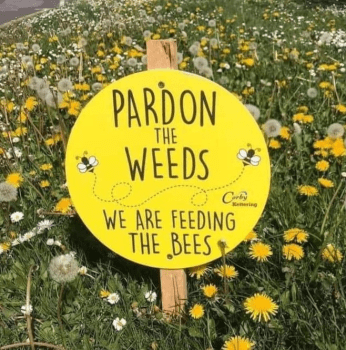
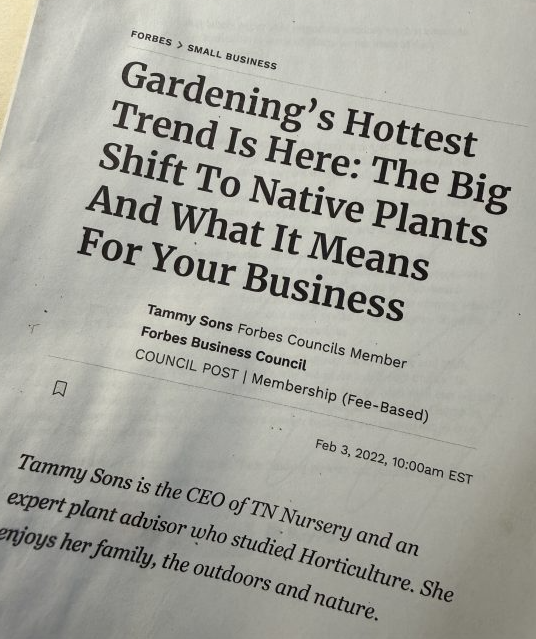
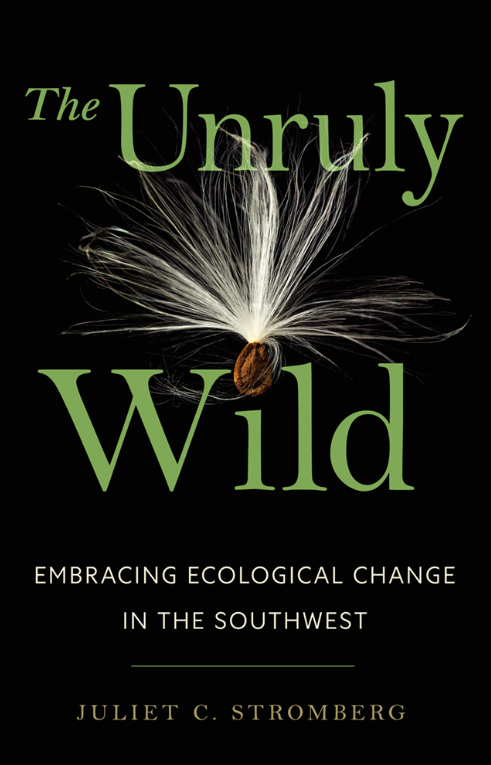
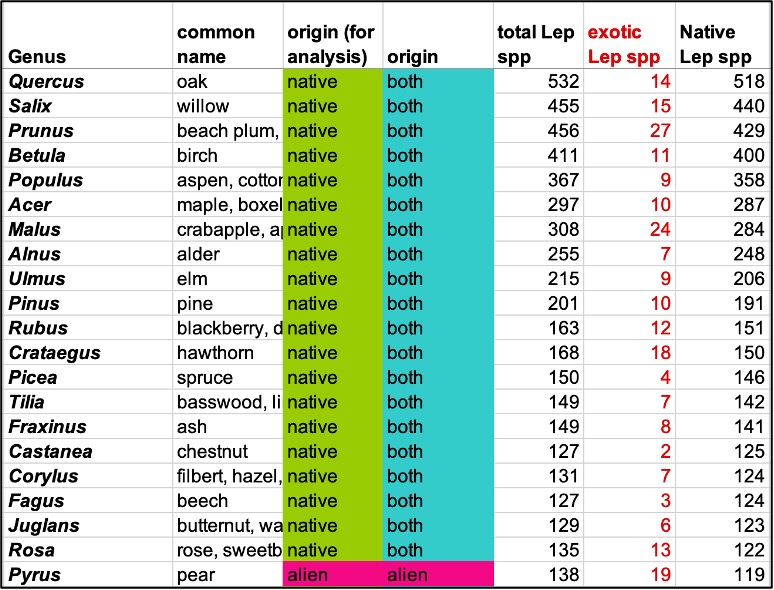
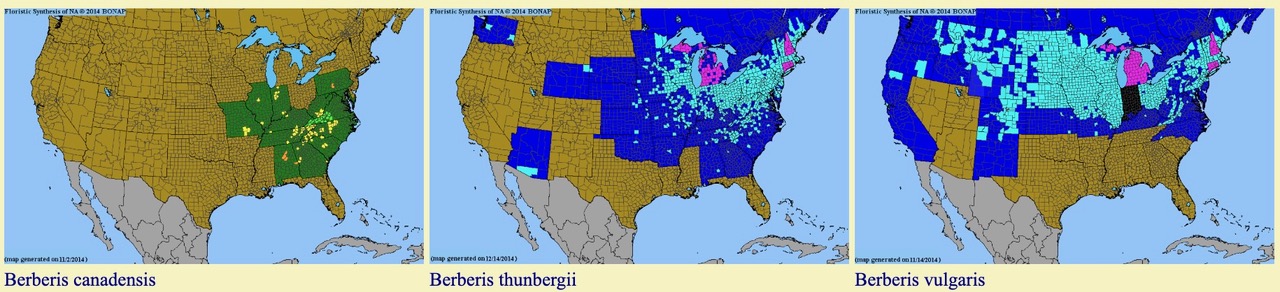
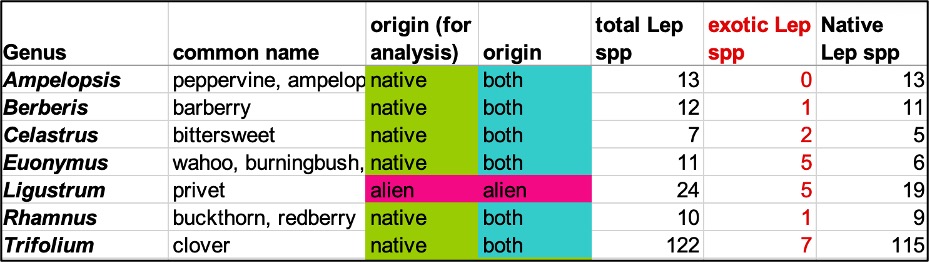
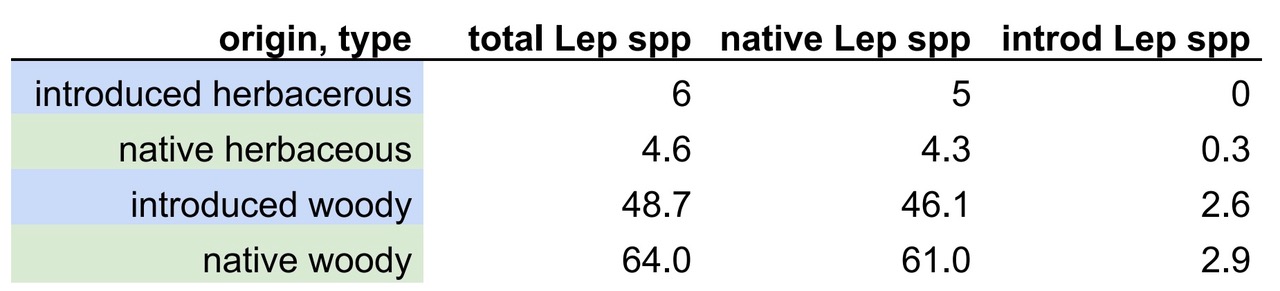
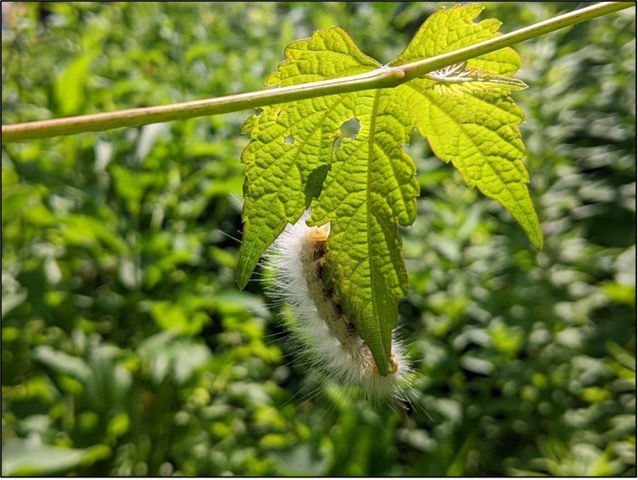
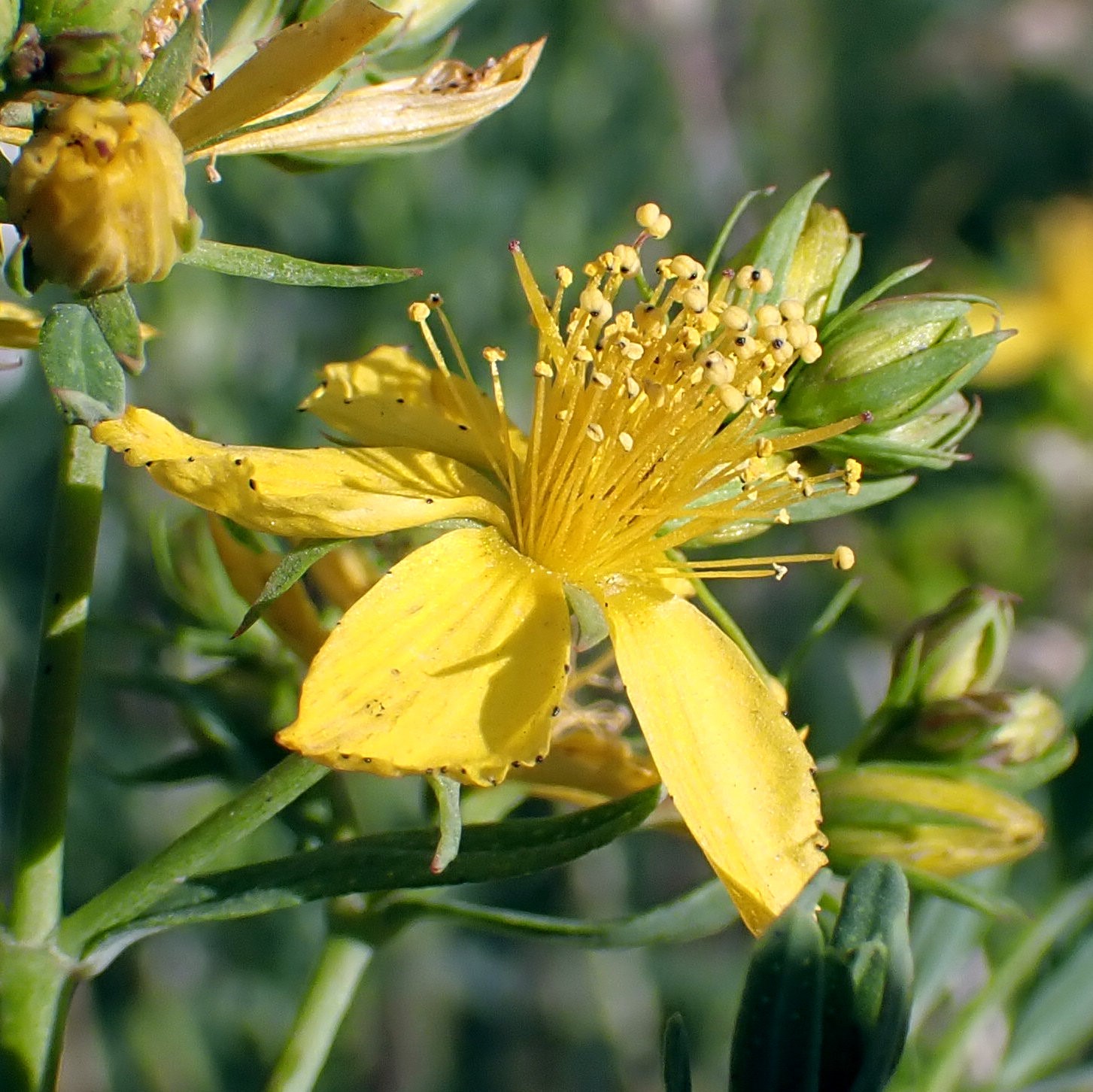
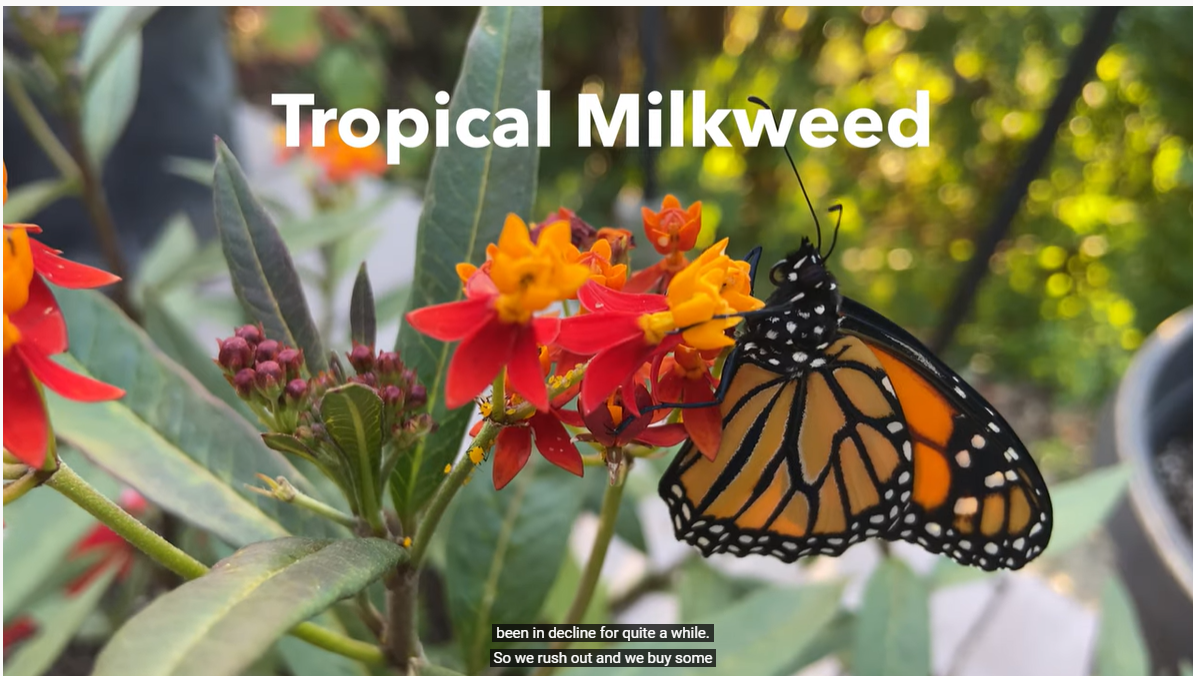
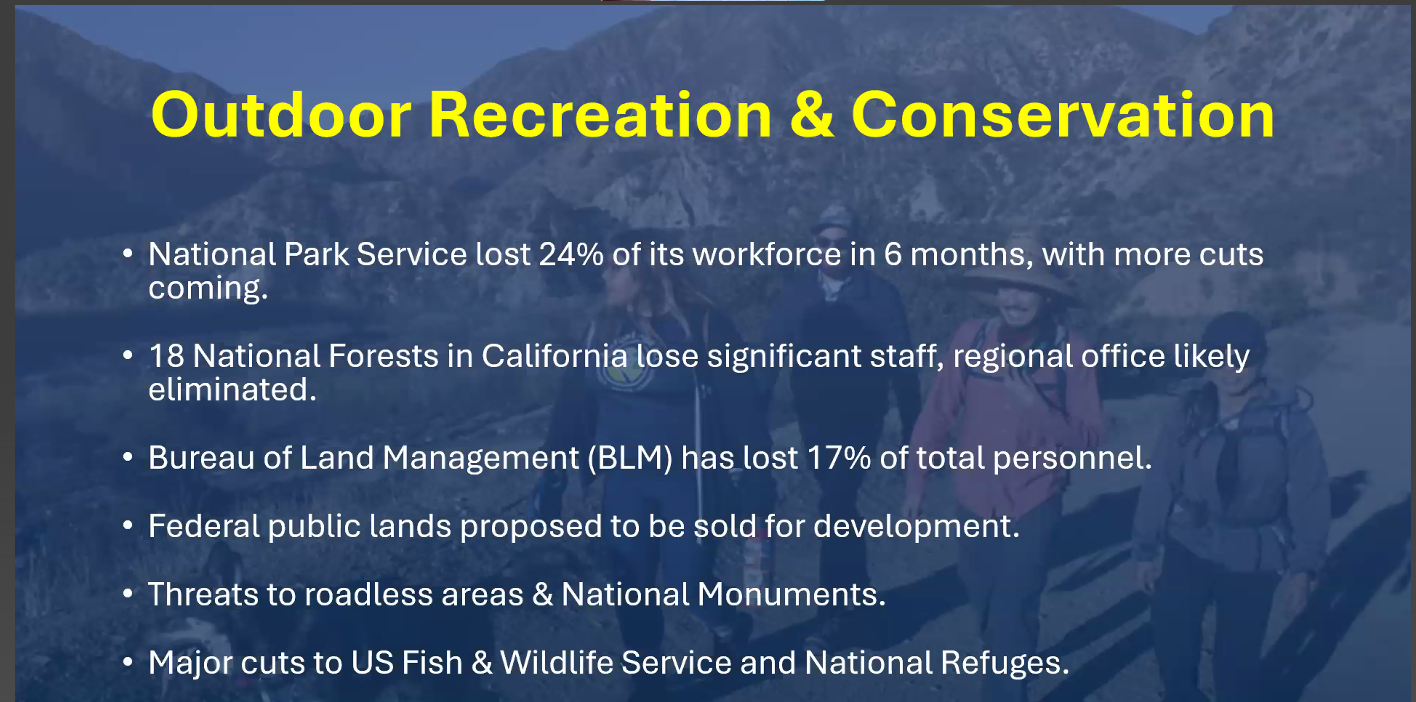
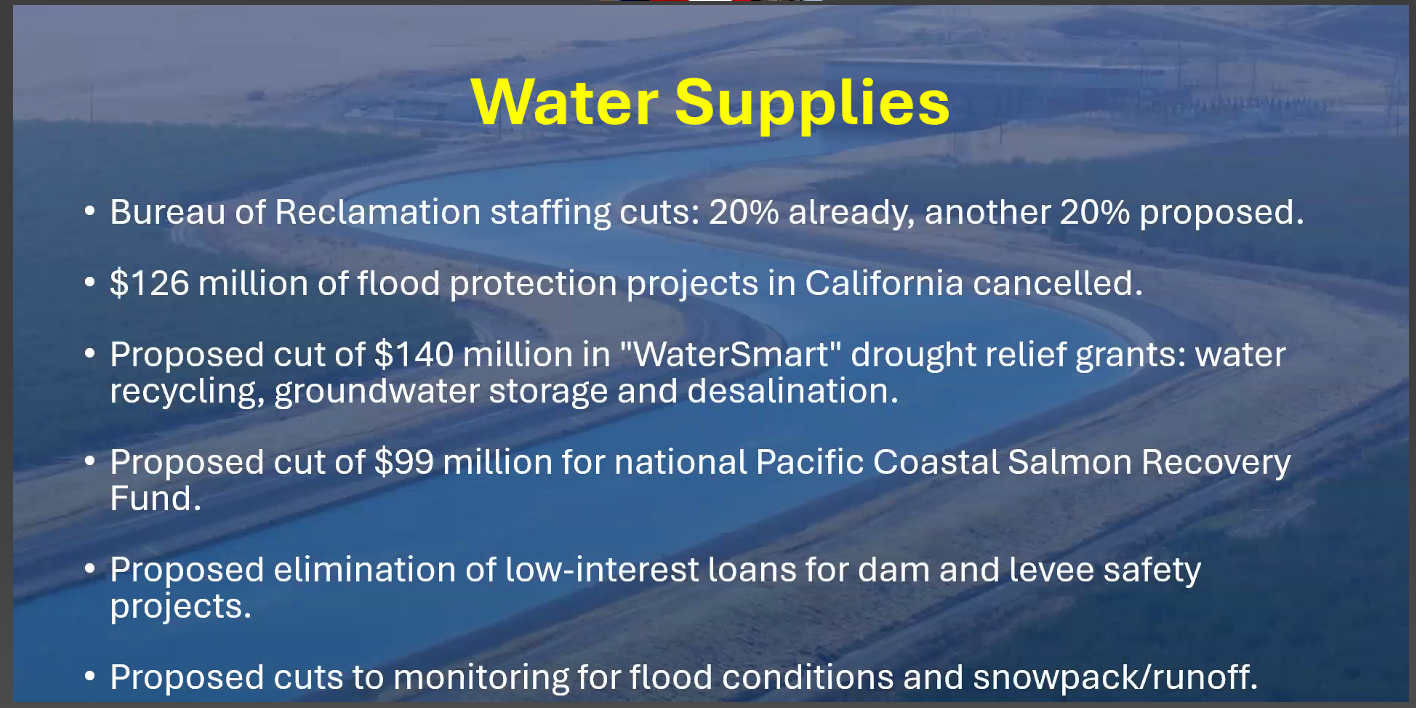
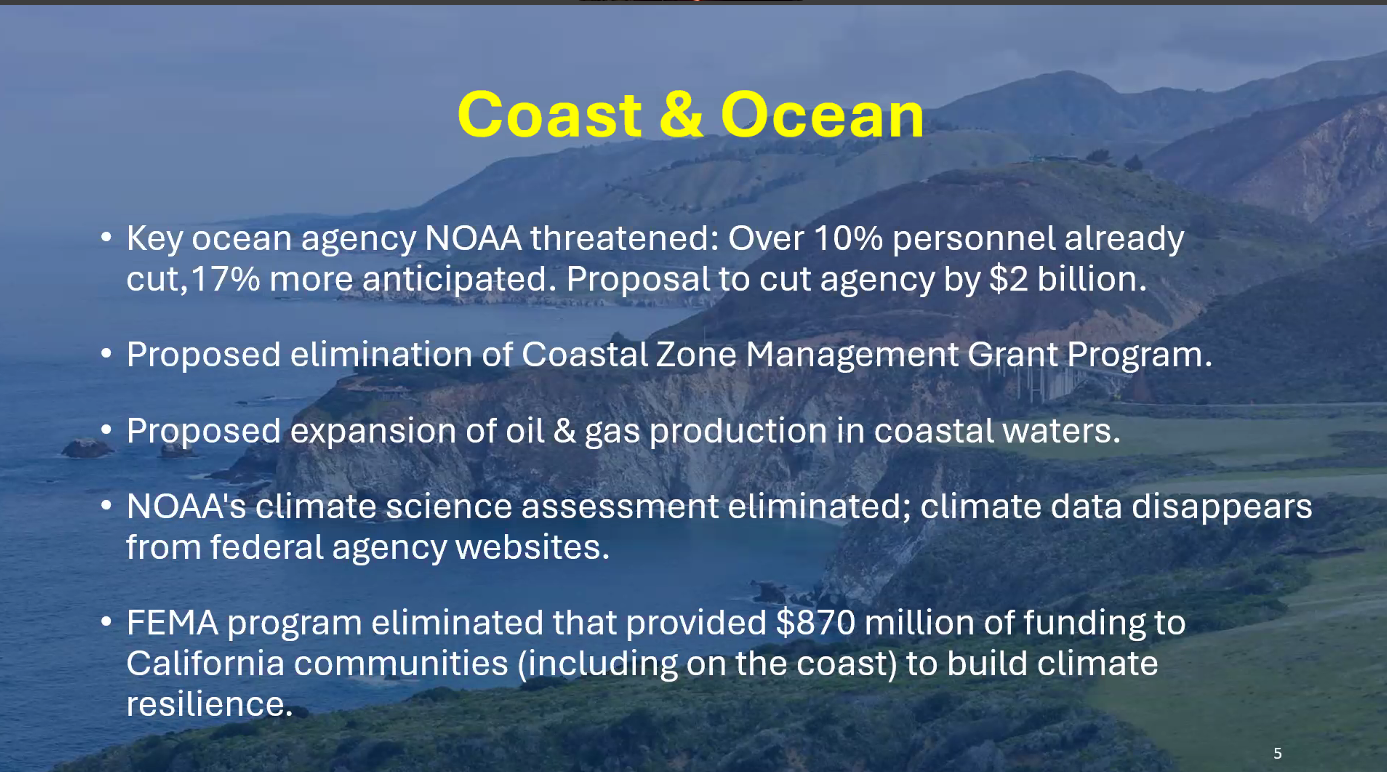
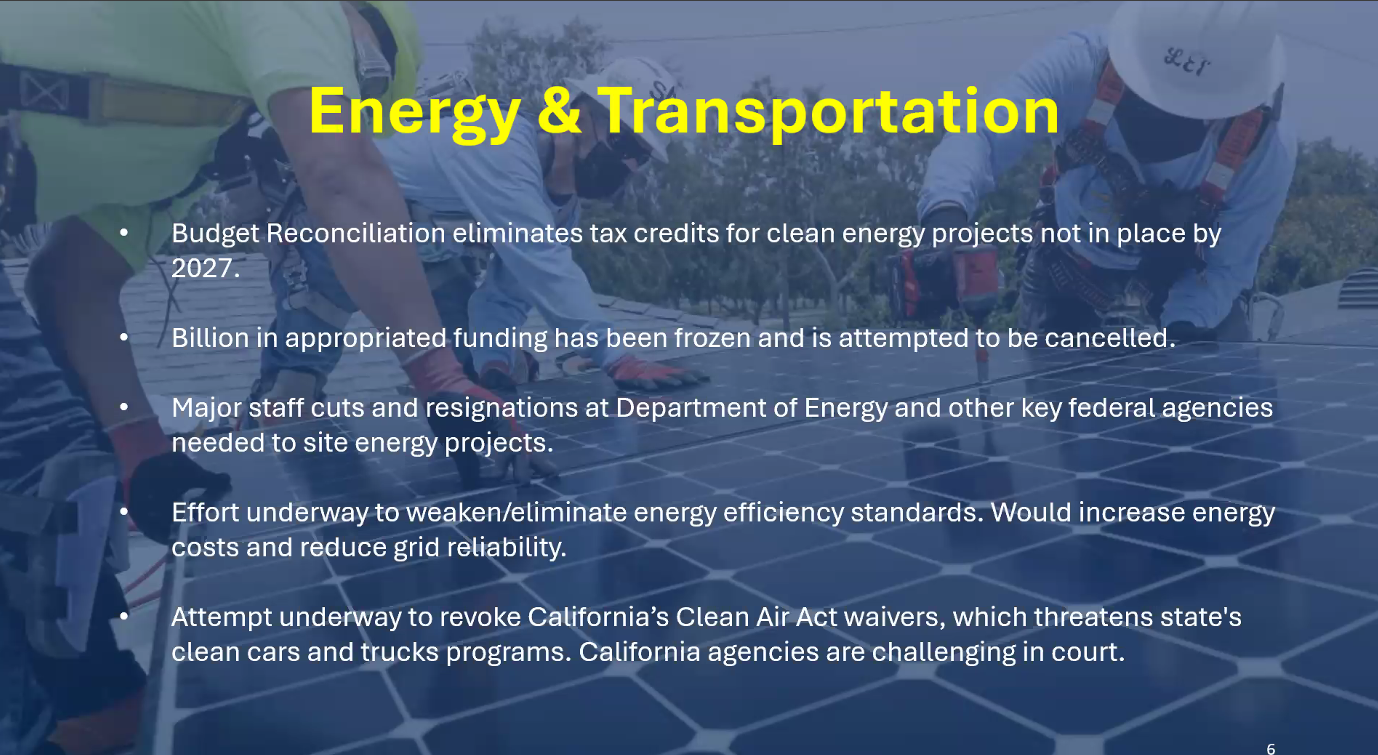
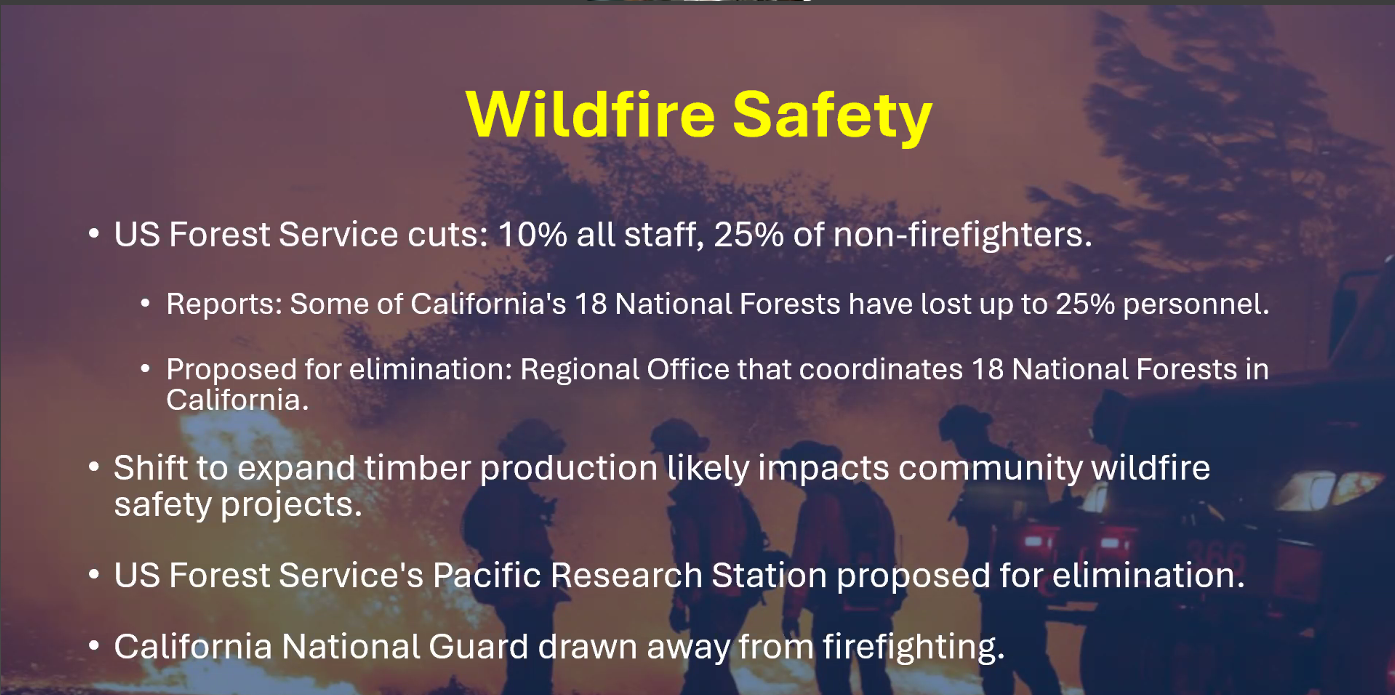
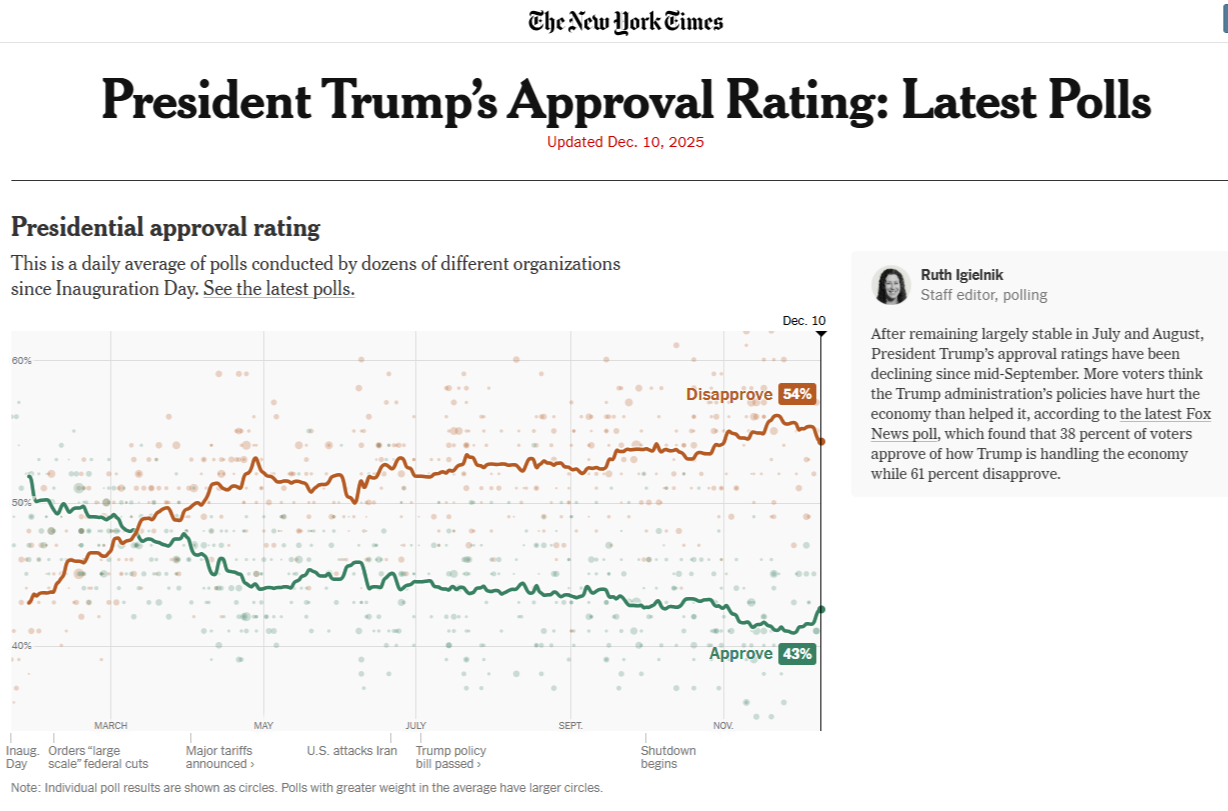
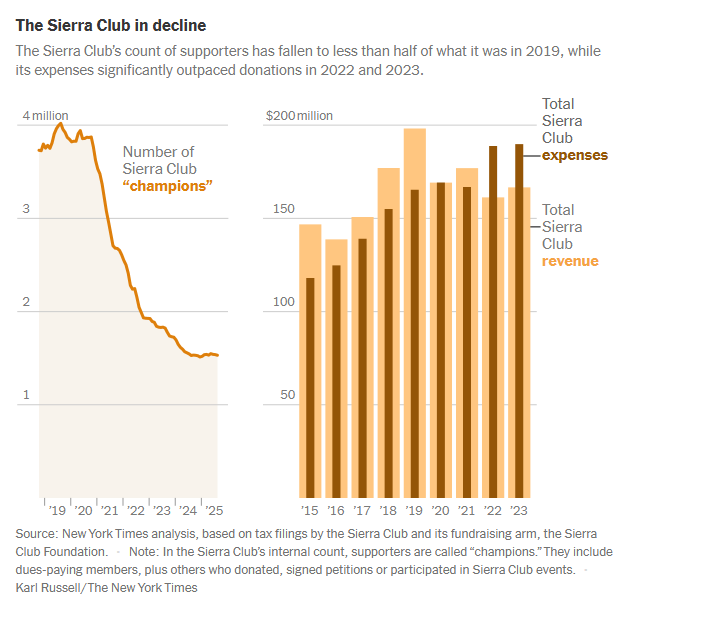

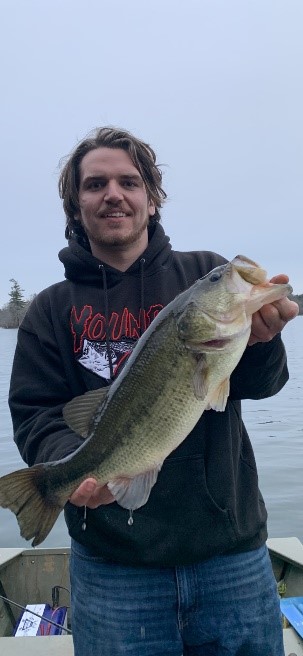
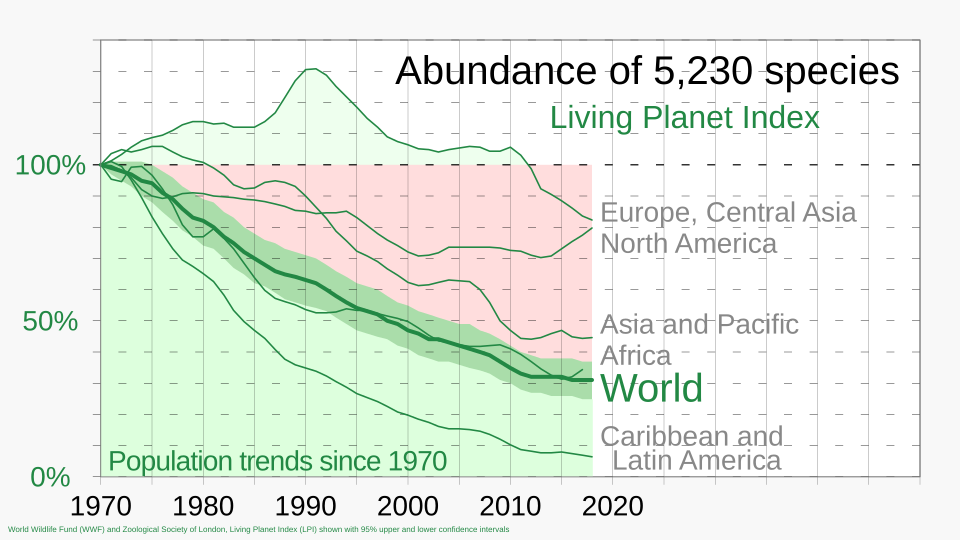
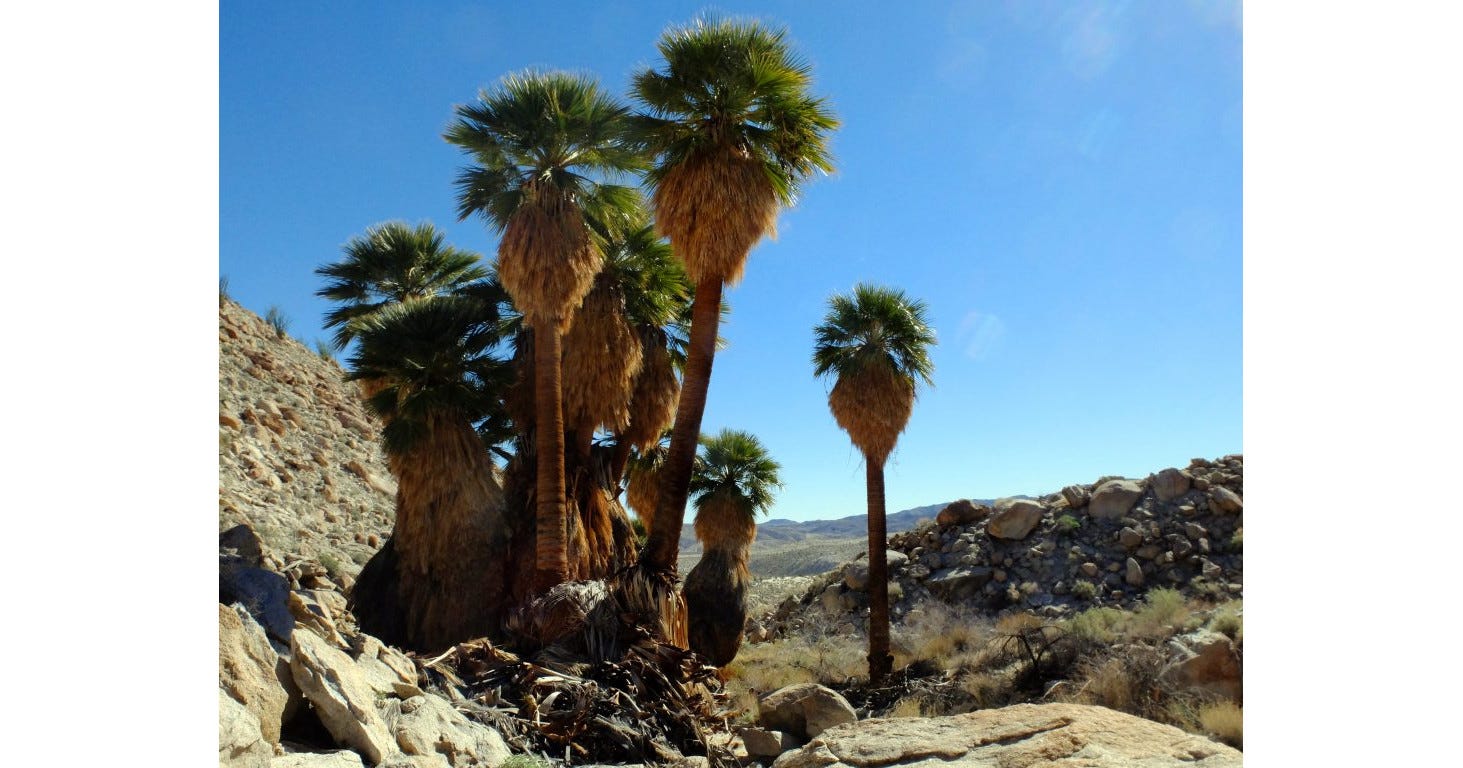
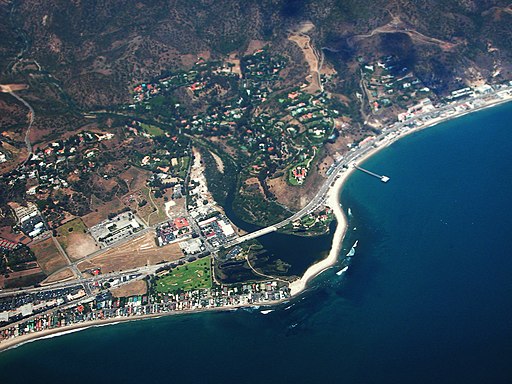
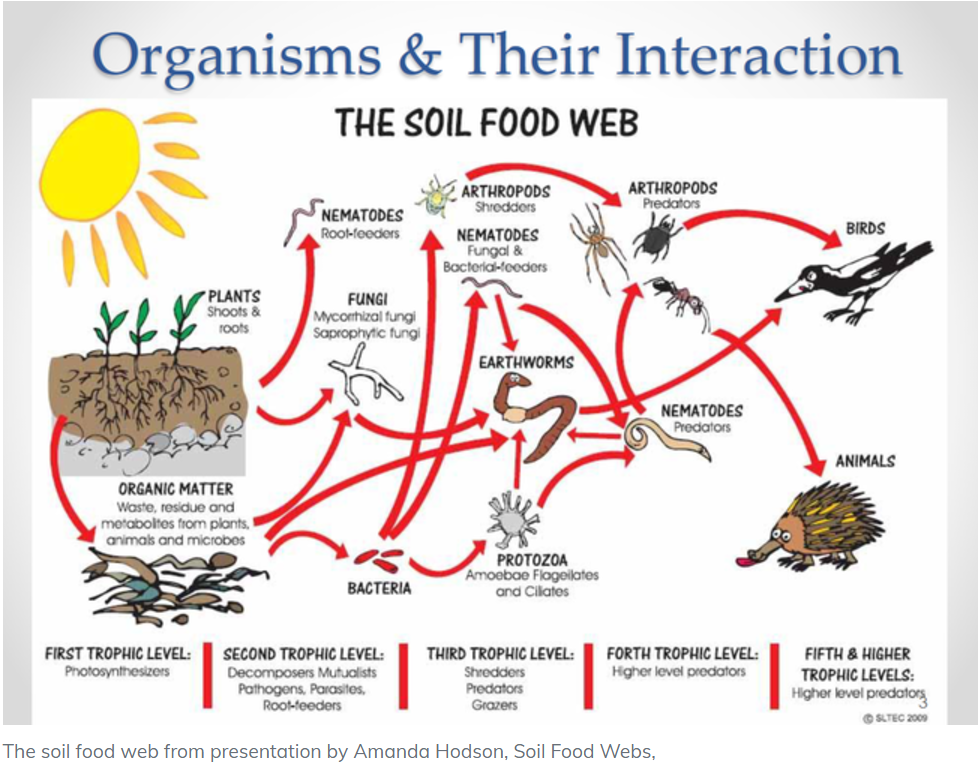
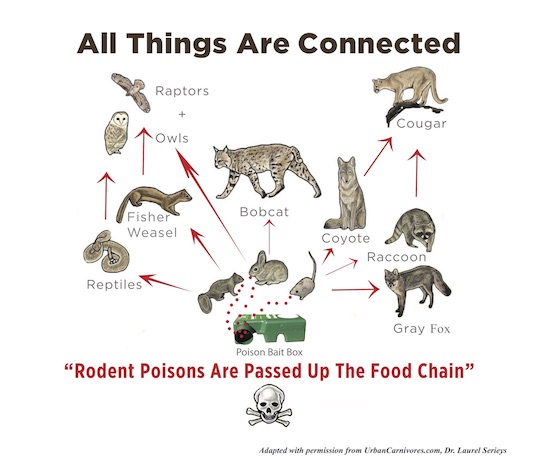
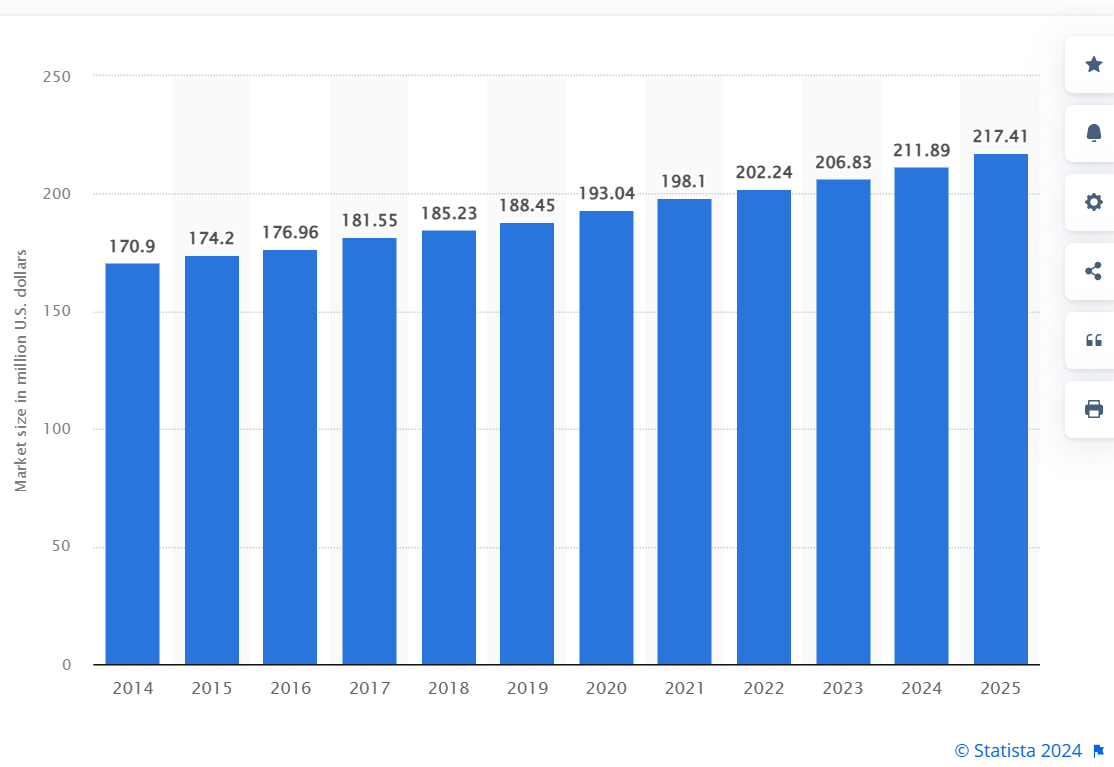
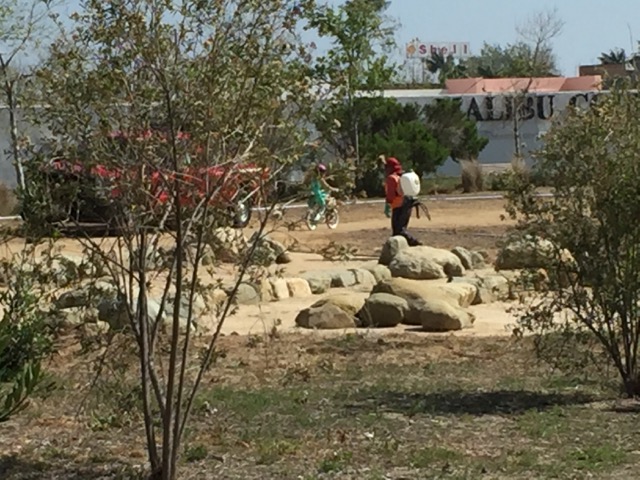
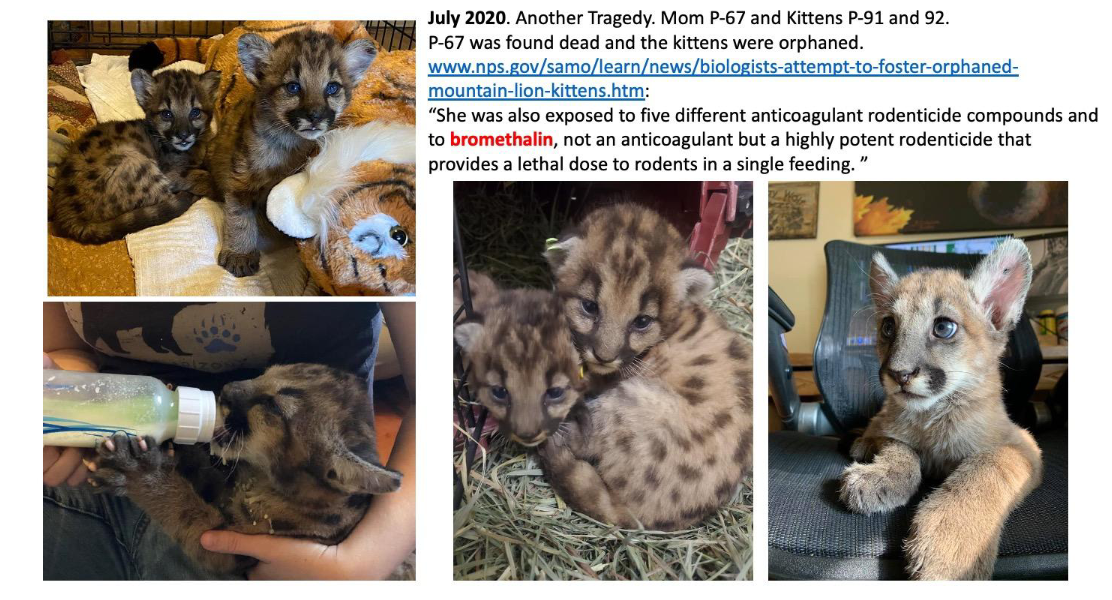

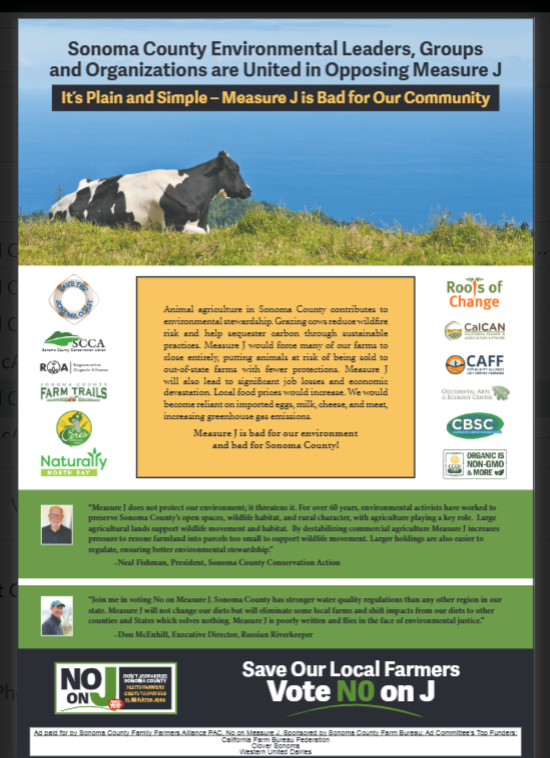
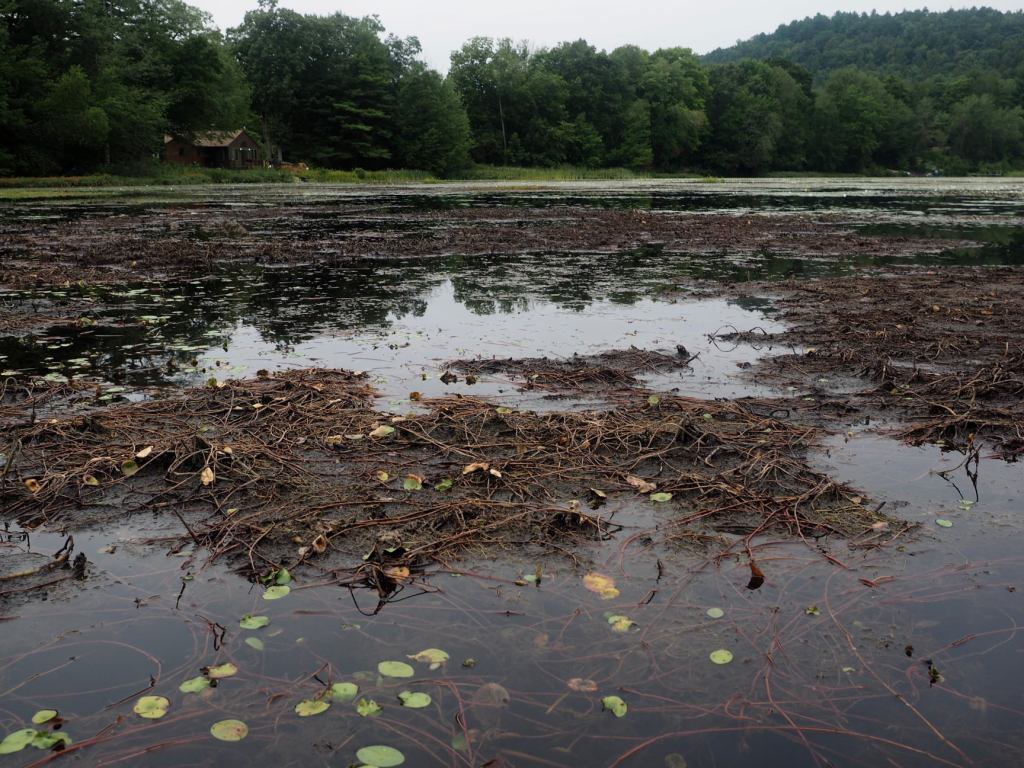
 Conservation Sense and Nonsense