I always attend the conferences of the California Invasive Plant Council (Cal-IPC) and the California Native Plant Society because I feel obligated to understand their viewpoint so I can accurately report on the controversies of invasion biology. Ironically, the more I learn about the native plant movement and the “restoration” industry it spawned, the less sense it makes. The October 2024 Symposium of the California Invasive Plant Council has provided more evidence that attempts to eradicate well-established non-native landscapes and replace them with native plants are futile.
Tricks of the “restoration” trade
Every Cal-IPC Symposium has wrestled with the question of whether or not it’s possible to convert non-native grassland to native grassland. A study of 37 grassland “restorations” in coastal California addresses that question. (1) It’s really quite simple. All you need to do is define success as 25% native plants after “restoration” and limit post-project monitoring to 5 years or less: “Monitoring is done ≤5 years after project-implementation, if at all, and rarely assesses the effects of management practice on project success.”
It also helps if public land managers in charge of the projects won’t allow the academic researcher to enter the land to conduct a survey of the results. 43% of the projects that were studied were “statutory,” i.e., they were mandated by laws such as county general plans or legally required mitigation for projects elsewhere that Environmental Impact Reports determined were harmful to the environment. 30% of the managers of the statutory projects would not allow the academic researcher to survey their projects.
It is also easier to achieve success if the project goal is downgraded mid-project as were many of the statutory projects because they weren’t able to meet the original goal.
Project managers can also reduce their risks of failure by planting a small number of native species that are particularly easy to grow: “Ninety-two percent of restoration managers preferentially use one or more of the same seven [native] species.” Seven projects planted only one native species.
According to the study, the result of planting only a few hardy native plants is “biotic homogenization.” Call it what you will, but this risk-averse strategy is inconsistent with claims that the goal of native plant restorations is to increase biodiversity.
The study did not ask project managers about the methods they used to eradicate non-native plants or plant native plants. The study tells us nothing about the methods that were used or whether or not some methods were more effective than others. Since results of the projects were all very similar, should we assume that the methods that were used didn’t matter?
The presentation of this study concluded with this happy-face slide. (see below) It looks like a cartoonish marketing ad to me:
Harmless aquatic plants being pointlessly eradicated
A USDA research ecologist stationed at UC Davis made a presentation about the most effective way to kill an aquatic plant with herbicides, but that wasn’t the message I came away with.
Jens Beets told us about a species of aquatic plant that is native to the East and Gulf coasts of the US, but is considered a “noxious weed” in California, solely because it isn’t native. He said the plant is considered very useful where it is native. (see below)
Where Vallisneria americana is native, it is considered a valuable plant for habitat restoration because it is habitat for vertebrates and invertebrates and it stabilizes soil and water levels. The canvasback duck is named for this plant species because it is preferred habitat for the native duck that is found in California during the winter.
Vallisneria americana looks very similar to other species in the genus considered native in California. For that reason, native species of Vallisneria have been mistakenly killed with herbicide because applicators didn’t accurately identify the target plant as native. Jens Beets recommended that genetic tests be performed before plants in this genus are sprayed with herbicide.
This story probably sounds familiar to regular readers of Conservation Sense and Nonsense. The story is identical to the pointless and futile effort to eradicate non-native species of Spartina marsh grass in the San Francisco Bay. The species being eradicated in California is native to the East and Gulf coasts, where it protects the coasts from extreme storm surges and provides valuable habitat for a genus of bird that is plentiful on the East Coast, but endangered in California. The 20-year effort to eradicate non-native Spartina has killed over 50% of the endangered bird species in the San Francisco Bay.
Throwing good money after bad
Because the hybrid is indistinguishable from the native species of Spartina on the West Coast, 7,200 genetic tests have been performed in the past 12 years before hybrid Spartina was sprayed with herbicide. Taxpayers have spent $50 million to eradicate Spartina over 20 years. Recently, California state grants of $6.7 million were awarded to continue the project for another 10 years. A portion of these grants is given to the California Invasive Plant Council to administer the grants.
Plants are sprayed with herbicide because they aren’t native, not because they are harmful. Even if the target species is needed by birds and other animals, it is still killed and animals along with it. The target species looks the same as the native species and only genetic testing can identify it is as a non-native. The non-native is the functional equivalent of the native. It is only genetically different because natural selection has adapted it to the conditions of a specific location.
Pesticide regulation in the US is a hit or miss proposition
The final session of the symposium was a carefully orchestrated apologia for herbicides, a defensive tirade that suggested Cal-IPC believes its primary tool is in jeopardy. Two presentations were made by employees of regulatory agencies. Their assignment was to reassure the public that pesticides are safe because they are regulated by government agencies.
The fact that many countries have banned pesticides that are routinely used in the US does not speak well for our regulatory system. America’s pesticide regulators rarely deny market access to new pesticides. A recent change in policies of California’s Department of Pesticide Regulation made a commitment to the continued use of pesticides for another 25 years.
In 1996, Congress ordered the U.S. Environmental Protection Agency (EPA) to test all pesticides, used on food, for endocrine disruption by 1999. The EPA still doesn’t do this today. Twenty-five years later, the EPA has not implemented the program, nor has it begun testing on 96% of registered pesticides. In 2022, an organization that represents farm workers sued the EPA to conduct the legally mandated evaluation of chemicals for endocrine disruption. The lawsuit has forced the EPA to make a commitment to conduct these evaluations of chemicals for hormone disruption.
The Cal-IPC presenters got some badly needed push back from attendees. One attendee informed the audience that all the testing of herbicides is bought by the manufacturers, not the regulators who don’t do any testing. Another attendee pointed out that herbicides have not been evaluated for the damage they are doing to the soil, damage that makes it difficult to grow native plants in the dead soil. The “pesticide regulator” agreed with those observations.
Fire safety or native plant restoration?
The Interim Deputy Director of the Laguna Canyon Foundation was the final presenter for the Symposium, speaking on a Friday afternoon at 4:30 pm, when there were less than 100 attendees left of the 690 registrants. His presentation was about the blow back that his organization gets from the public about herbicide applications. Criticism of herbicides escalated after a wet year that increased vegetation considered a fire hazard. This photo (below) is an example of the visible effects of fuels management by Laguna Canyon Foundation using herbicides.
It seems likely that a fuels management project was selected for this presentation because it’s easier to justify herbicide use for fuels management than for eradicating harmless plants solely because they aren’t native.
I recently supported Oakland’s Vegetation Management Plan that will use herbicides for the first time on 300 miles of roadsides and 2,000 acres of public parks and open space in Oakland. Previously, herbicide applications were only allowed on medians in Oakland. I tracked the development of the Vegetation Management Plan for 7 years through 4 revisions to avoid nativist versions of fuels management such as leaving dead thatch after herbicide applications on grassland or destroying non-native trees, while leaving highly flammable bay laurel trees behind or destroying broom, while leaving more flammable coyote brush behind.
However, using herbicides for the sole purpose of killing non-native plants is much harder to justify. The irrational preference for native species has put us on the pesticide treadmill. Every plant species now targeted for eradication with herbicides should be re-evaluated, taking into consideration the following criteria:
Is it futile to attempt to eradicate a plant species that has naturalized in an ecosystem?
Will the attempt to eradicate the plant species do more harm than good?
Is the targeted plant species better adapted to current environmental and climate conditions?
Is the targeted non-native plant making valuable contributions to the ecosystem and its animal inhabitants?
If these questions cannot be satisfactorily answered, the bulls-eye on the targeted plant should be removed. Limiting the number of plants now being sprayed with herbicide is the only way to reduce pesticide use. If the plant isn’t a problem, there is no legitimate reason to spray it with herbicide.
Pot calls kettle black
The Cal-IPC presentation was a detailed criticism of the public’s complaints about herbicides used in their community. The intention of the presentation was to arm herbicide applicators with defenses against the public’s complaints. Herbicide applicators were encouraged to recognize these arguments (below) and participate in the “education” of the public about the righteousness of their task.
The presenter then showed a series of slides making specific accusations, such as these: (see below)
Those who object to the pointless destruction of nature can also cite distortions and misrepresentations of facts (AKA lies) by those who engage in these destructive projects;
Nativists fabricated a myth that eucalyptus kills birds to support their demand that eucalyptus in California be destroyed. There is no evidence that myth is true.
Nativists also fabricated a myth that burning eucalyptus in the 1991 firestorm in the East Bay cast embers that started spot fires 12 miles away from the fire front. There is no evidence that myth is true.
The EPA justified the dumping of rodenticides on off-shore islands by inaccurately claiming that the rodenticides do not end up in the water, killing marine animals. There is ample evidence that island eradications have killed many marine animals because rodenticide lands in the water when applied by helicopters.
USFWS justified the killing of 500,000 barred owls in western forests by claiming they are an “invasive species.” In fact, barred owls migrated from the East to the West Coasts via the boreal forests of Canada. These forests were not planted by humans and have existed since the end of the last Ice Age, some 10,000 years ago. The arrival of barred owls on the West Coast was a natural phenomenon. Barred owls are therefore not “invasive species.” In a rapidly changing climate, many animals must move to survive.
Nativists claim that most insects are “specialists” that require native plants. That claim is a gross exaggeration of the dependence of insects on native plants, which are sometimes confined to a family of plants containing thousands of both native and non-native species.
Pesticide applicators also complain about “personal attacks.” They are not alone. I (and others) have been called “nature haters,” “chemophobes,” and “climate change deniers.” Pesticide applicators feel abused. So do I.
I could go on. The list of bogus claims of the superiority of native plants and animals is long and getting longer as more and more public money is available to conduct misnamed “restorations.” Suffice to say, there is plenty of misinformation floating around invasion biology and most of it is used to defend destructive “restoration” projects. The war on nature is also a war of words.
The program for the Cal-IPC 2024 Symposium is available HERE. Abstracts and presentation slides have not yet been posted to the website, but they will eventually be available to the general public.
Dana Milbank is a political columnist for the Washington Post. Like many Americans, Milbank moved his family from urban Washington D.C. to a derelict farm in the foothills of the Blue Ridge Mountains in Virginia, seeking refuge in nature from urban confinement imposed by the Covid pandemic. So began his war on nature, dictated by native plant ideology.
In a series of columns, WaPo readers observed how his battle against non-native plants developed:
The first installment of his “restoration” saga described the over-grown property that he believed he was obligated to tame: “an entire civilization of invasive vines and weeds had cruelly exploited the inattention [of previous elderly owners].” The vines were “murdering defenseless native trees.” He hired a crew to clear brush, until the cost challenged his budget. Then he bought equipment and tried to do it himself. He concluded that he could not “restore order” to his land without using herbicides. Even then, he was doubtful of ultimate success: “Clearly, I won’t be defeating these invaders. At best, I’ll battle them to a temporary truce, holding them at bay until I lose the will to fight them.” Like many city-slickers, Milbank has an unrealistic vision of what nature looks like when allowed to take its course.
Kaweah Oaks Preserve, Visalia, CA. November 2013. California Wild Cucumber, also called manroot (Marah fabacea), climbing over a native valley oak. Both native and non-native plants can be “invasive.”
In the second episode of Milbank’s battle plan, deer were his target: “I will be wielding my gun against a brutal foe—one that destroys our forests, kills our wildflowers, sickens humans and threatens the very survival of birds, mammals, insects and amphibians. I am becoming a deer hunter.” Where top predators, such as wolves and bears, have been eliminated by humans, there is an over-population of deer who browse vegetation, depriving other animals of the food and cover they need. Again, Milbank has his doubts about the effectiveness of hunting deer on his property: “I can’t pretend that my hunting will make a dent in the deer population.”
After taking Virginia’s Master Naturalist Program, Milbank’s third episode expresses his regrets as a gardener: “I’ve been filling my yard with a mix of ecological junk food and horticultural terrorists” and he warns urban and suburban gardeners that their gardens are “dooming the Earth.” He takes aim at cultivars in general and many specific species of introduced plants. Conservation Sense and Nonsense explains why most of these accusations are exaggerated, if not, patently false.
In Milbank’s column, “How I learned to love toxic chemicals,” he expresses frustration about how hard it is to eradicate non-native plants: “I was losing, badly, to the invasive vines and noxious weeds…I’d cut them back, but they would return in even greater numbers.” He fully embraces the use of herbicides to escalate his war on nature: “I have become a reluctant convert to chemicals.” He acknowledges that glyphosate is toxic, but he claims that the cut-stump application method he uses is “surgical.” He wears protective clothing, including a respirator, which is not required by the product label or California law for glyphosate applications. He is encouraged by Doug Tallamy, who calls herbicides “chemotherapy.” Conservation Sense and Nonsense explains why herbicides are doing more harm than good to the environment and everything that lives in it.
Throwing caution to the winds
In the latest installment of Milbank’s crusade against non-native plants, he tosses caution about herbicides aside. He hires a drone to spray a hayfield with glyphosate in preparation for creating a meadow of native grasses and forbs:
“To save the birds, I brought in this big bird: a 10-foot-square, Chinese-made drone with 8 propellers, capable of carrying 10 gallons of fluid, in this case glyphosate, to kill the grass in my hayfield. (It might seem counterintuitive to douse a field in herbicide to help nature, but conservationists broadly endorse the practice.)”
Milbank has abandoned his cautious use of herbicide and is now aerial spraying from a drone 30 feet over his head, while he watches, without wearing any protective gear:
“Shanley, in shorts, sneakers and fishing shirt, plopped in a lawn chair in the shade of my barn and, using a control pad with two joysticks, sent the drone into the sky…In a moment, the beast was airborne and, from a height of about 30 feet, spraying death on my hayfield. It sprayed the fescue. It sprayed the Johnson grass. It sprayed the foxtail. It returned, flew over the barn — and sprayed me with glyphosate. Programming error. “Sorry about that,” Shanley said. My eyes burned for two days.”
If he had been wearing safety goggles, as required for glyphosate applicators in California, he would have been spared. Milbank has the right to poison himself, his land, and the animals that live on his land. Although the applicator may be breaking laws (he would be in California) by not wearing any protective equipment, Milbank isn’t doing anything illegal.
If I weren’t reading his story in the mainstream media with a national following, I wouldn’t be writing about what he’s doing. I’m writing about Milbank’s dangerous use of herbicides because he has a big audience and his audience displays their ignorance of the dangers in over 1,400 comments.
The reader comments on Milbank’s latest article are uniformly positive, as were comments on his earlier installments about his war on nature. Most comments are short expressions of unqualified praise, such as “You are doing holy work,” or “God bless you.”
A handful of comments (including mine) express concern about the indiscriminate use of glyphosate. The few dissenting readers are blasted by Milbank’s supporters. Some of their responses betray ignorance of herbicides:
“It’s not Round Up; it’s a safe herbicide.”In fact, Milbank says he’s using glyphosate, which is the active ingredient in Round Up.
“He said nothing about dousing. It looks like a selective approach. In some cases, there is no practical alternative.” In fact, Milbank says explicitly that he’s spraying 10 gallons of herbicide 30 feet over the ground from an aerial drone. Does that sound selective?
The reader comments claiming that glyphosate is harmless brought to mind a recent article about the army of paid apologists for pesticides. The pesticide industry, in collaboration with the US government, has “established a ‘private social network’ to counter resistance to pesticides and genetically modified (GM) crops in Africa, Europe and other parts of the world, while also denigrating organic and other alternative farming methods. More than 30 current government officials are on the membership list, most of whom are from the US Department of Agriculture (USDA).”
The most common defense of Milbank’s herbicide spraying was that it only needs to be done once, with an occasional follow up prescribed burn. Milbank doesn’t actually claim that herbicide only needs to be sprayed once, but his supporters wish to believe that. Here are a few actual attempts to convert non-native grass to native grass that illustrate that such a conversion is unlikely to be possible, even after a persistent, long-term attempt.
A team of academic scientists at UC Davis attempted to convert non-native grasses to native grasses on 2 acres of roadside. At a cost of $450,000, they tried every available method (herbicides, plowing, plug planting, mowing, burning) for 9 years. When they ran out of money, they declared success, which they defined as 35% native grasses that they expected to last for no more than 10 years. (See above)
The Invasive Spartina Project in the San Francisco Bay has been trying to eradicate non-native spartina marsh grass with herbicide for 20 years at a cost of $50 million. The project was recently granted another $6.7 million to continue the project for another 10 years. The project has killed over 600 endangered birds (Ridgway rails) in the San Francisco Bay because of the loss of habitat.
One of the presentations at the 2022 conference of the California Native Plant Society was about a 20-year effort at the Santa Rosa Plateau Ecological Reserve to convert non-native annual grassland to native grassland, using annual prescribed burns. Many different methods were used, varying timing, intensity, etc. The abstract for this presentation reports failure of the 20-year effort: “Non-native grass cover significantly decreased after prescribed fire but recovered to pre-fire cover or higher one year after fire. Native grass cover decreased after prescribed fire then recovered to pre-burn levels within five years, but never increased over time. The response of native grass to fire (wild and prescribed) was different across time and within management units, but overall native grass declined.” The audience was audibly unhappy with this presentation. One person asked if the speaker was aware of other places where non-native grass was successfully converted to native grass. The speaker chuckled and emphatically said, “NO. I am not aware of any place where native grasses were successfully reintroduced.”
This map of the San Francisco Bay shows where herbicides have been sprayed on non-native marsh grass for 20 years. It is a BIG project!
Anyone with a little knowledge of how herbicides work, would know that glyphosate kills only the top-growth of an actively growing plant. Glyphosate won’t kill the seed bank of Milbank’s hayfield, which he says has been growing there for decades, perhaps as long as 100 years. That’s why glyphosate must be applied annually as the seed bank continues to produce new top-growth annually. If Milbank plants native plants after the initial spraying, they will be killed by subsequent spraying because glyphosate is a non-selective herbicide, which kills whatever it touches, both native and non-native plants. Perhaps Milbank knows this, but his readers don’t. It might explain why Milbank is not particularly optimistic about the prospects of achieving his goal of a native meadow: “Will it work? I have no idea. It could become the field of my dreams…Or it could be a costly and time-consuming failure.”
Only two of Milbank’s readers mention the damage that herbicide does to the soil, making future plantings even less likely to survive. One of those comments is from a farmer who has reason to know this important information:
“The number of things you screwed up, from possibly destroying that old man’s life, family, and farm, to messing up the winter food supply with a cascading effect for farms in your region, to obliterating a small farm, were appalling until you got to the part where you killed your soil microbes with poison. You actually killed topsoil with the idea you were going to grow healthy plants! If I were to write a caricature of a [sub]urbanite transplanted to a farming community and with the best intentions absolutely destroying everything, couldn’t have done any better than you have with your self-congratulatory actions. Farms are complex systems embedded in even more complex natural systems. Farms interact with and depend on each other. It’s where food comes from. When you kill one, you hurt all the others. You also hurt animals and plants that depend on the farm. Creating a farm, and a farming community, is hard. Destroying one is easy, and you just did it.”
This comment brought to mind a recent study about the damage that pesticides do to the soil. A meta-analysis of 600 studies “…published in the journal iScience found that soil pollution was the leading cause of declines among organisms living underground. The finding has surprised scientists, who expected farming intensification and climate change to have much greater impacts.” The co-author of the study said, “Above ground, land use, climate change and invasive species have the greatest impact on biodiversity, so we assumed that this would be similar below ground,” Victoria says. “Our results show, however, that this isn’t the case. Instead, we found that pesticide and heavy metal pollution caused the most damage to soil biodiversity. This is worrying, as there hasn’t been a lot of research into the impacts of soil pollution, so its effects might be more widespread than we know.”
A familiar story
Dana Milbank’s plans to transform a derelict farm into a native plant garden are the mirror image of the native plant movement in the San Francisco Bay, the region where I live and have observed failed native plant “restorations” for over 25 years:
Native plant “restoration” projects in the Bay Area began over 25 years ago based on the mistaken assumption that if non-native plants were destroyed, native plants would magically emerge without being planted. In other words, nativists originally believed that the only obstacle to native plants was the mere existence of non-native plants.
After 25 years of applying herbicides repeatedly, there are no more native plants in the San Francisco Bay Area than there were 25 years ago. The soil has been poisoned by herbicides and climate change and associated drought makes native plants progressively less well adapted to current environment conditions.
Despite the obvious failure of these “restoration” attempts, they continue unabated because vast sums of public money are available to keep them going. Dana Milbank will run out of money eventually, but the public coffers are never empty. Milbank is 56 years old. When he gets too old to do the work or when he dies, whatever he has accomplished will quickly revert to its previous unmanaged state. Nature will prevail and his brief conceit that humans can control nature will be history.
The public is unaware of how much herbicide is used by public land managers because application notices are not required for most pesticides. In California, for example, if the manufacturer of the pesticide claims that the pesticide will dry within 24 hours, application notices are not required by law. Glyphosate is one of many herbicides for which application notices are not required. Some land managers post application notices anyway, but many do not. The public is also ignorant of the damage that pesticides do to the environment and everything that lives in it.
Dana Milbank is a political columnist for the Washington Post. He broke out of his political mold on April 7, 2023 to write an article about gardening published by the Post, which repeats every myth of the nativist ideology.
A team of dismayed critics of invasion biology has responded to excerpts of Milbank’s column:
Marlene A. Condon is a garden writer based in Virginia and the author of The Nature Friendly Garden. She has a degree in physics. Her entire critique of Milbank’s column is available on her website. Her comments address the reader.
Carol Reeseis a retired Extension Horticulture Specialist who conducted her 27 year career from the University of Tennessee’s West Tennessee AgResearch and Education Center in Jackson, where a large and diverse display garden gave her the opportunity to observe biodiversity in action on an enormous range of plant species from other parts of the world. She describes herself as a farm raised country girl tomboy who has looked at the natural world in hundreds of settings and landscapes, natural and manmade, and read countless books and articles. She has written for several magazines, newspapers, articles for Garden Rant as well as university publications. Her speaking engagements around the country have allowed her to engage with many other green industry professionals. Dana Milbank’s column prompted her to email him directly with her concerns, directly addressing some of his assertions. I publish some excerpts here from her emails sent directly to Milbank.
Conservation Sense and Nonsense is the webmaster of this website. I have studied invasion biology and the native plant movement it spawned for over 25 years. I’ve watched forests of healthy, non-native trees in California be destroyed and replaced by weedy grassland. I have used what I have learned to advocate for a less destructive approach to restoration, a word I am reluctant to use to describe projects that use herbicides to eradicate harmless plants and trees. My comments are addressed to the reader.
What follows are excerpts from Dana Milbank’s column with responses from Marlene Condon, Carol Reese, and Conservation Sense and Nonsense, just three of many skeptics of invasion biology. To summarize the point of our criticism:
Insects are not dependent on native plants. They are just as likely to use related non-native plants in the same genus or even plant family with similar chemical properties and nutritional value.
While some non-native plants have potential to be harmful, many are beneficial. There are pros and cons to both native and non-native plants and that judgment varies from one animal species to another, including humans. For example, we don’t like mosquitoes, but they are important food for bats and birds.
All plants, whether native or non-native convert carbon dioxide to oxygen and store carbon. Destroying them contributes to greenhouse gases causing climate change.
When the climate changes, vegetation must also change. Many non-native plants are better adapted to current climate and environmental conditions in disturbed ecosystems.
Conservation Sense and Nonsense
“I’m no genius about genuses, but your garden is killing the Earth” By Dana Milbank Washington Post, April 7, 2023
Milbank: I did almost everything wrong.
Reese: I’m so sorry you thought this!
Milbank: For 20 years, I found the latest, greatest horticultural marvels at garden centers and planted them in my yard: sunny knock-out roses, encore azaleas, merlot redbud, summer snowflake viburnum, genie magnolia, firepower nandina
In between them flowed my lush, deep-green lawn. I hauled sod directly from the farm and rolled it out in neat rows. I core-aerated, I conditioned, I thatched, I overseeded, I fertilized. I weeded by hand, protecting each prized blade of tall fescue from crabgrass and clover.
In this season, a symphony of color performs in my yard. The fading daffodils, cherry blossoms, saucer magnolias, hyacinths and camellias meet the arriving tulips, lilacs, creeping phlox and azaleas, with the promise of rhododendrons, peonies, hydrangeas, day lilies and roses to debut in the coming weeks.
But this year, the bloom is off the rose. And the hydrangea. And the rhododendron. And all the rest. It turns out I’ve been filling my yard with a mix of ecological junk food and horticultural terrorists.
Condon:When Mr. Milbank posits that he’s “been filling his yard with a mix of ecological junk food and horticultural terrorists,” he’s channeling the kind of words Bringing Nature Home author Doug Tallamy loves to employ: Biased expressions that implant negative images in the reader’s mind so he will become yet another minion of this scientist. Nowadays you can’t read a garden or environmental column without being accosted with the same words or variations thereof, as if everyone has become a mouthpiece for Doug Tallamy, which I’ve never seen done more obviously than in this column by Dana Milbank.
Conservation Sense and Nonsense: Milbank’s lengthy list of “bad” plants in his garden paints with too broad a brush. For example, instead of identifying a particular species of hydrangea and rhododendron, Milbank condemns an entire genus. Both hydrangea and rhododendron genera have several native species within the genus. Most (all?) species of phlox are also native to North America.
Milbank: When it comes to the world’s biodiversity crisis — as many as 1 million plant and animal species face near-term extinction because of habitat loss ― I am part of the problem. I’m sorry to say that if you have a typical urban or suburban landscape, your lawn and garden are also dooming the Earth.
Reese:YIKES! This is pretty extreme, and dare I say inaccurate? No, home gardeners are part of the solution, no matter the plants in their garden. Doom will come from lack of diverse green space. Doom will come from climate warming as a result, as well as from pollution, tillage, factory farming and development.
Milbank: I came to understand the magnitude of my offenses after enlisting in nature boot camp this spring. I’m in “basic training” with the state-sponsored Virginia Master Naturalist program. While others sleep in on rainy weekend mornings, my unit, the Arlington Regional Master Naturalists, has us plebes out in the wetlands distinguishing a yellow-bellied sap sucker from a pileated woodpecker.
I’m no genius with genuses, but I know a quercus from a kalmia, and because of my gardening experience, I began the program with confidence. Instead, I’ve discovered that all the backbreaking work I’ve done in my yard over the years has produced virtually nothing of ecological value — and some things that do actual harm.
A few of the shrubs I planted were invasive and known to escape into the wild. They crowd out native plants and threaten the entire ecosystem. Our local insects, which evolved to eat native plants, starve because they can’t eat the invasive plants or don’t recognize the invaders as food.
Anise swallowtail on non-native fennel. Courtesy urbanwildness.org “Papilio zelicaon, the anise swallowtail, typically has one to two generations in the mountains and foothills of California where it feeds on native apiaceous hosts. However, along the coast, in the San Francisco Bay Area and the urbanized south coastal plains and in the Central Valley, P. zelicaon feeds on introduced sweet fennel, Foeniculum vulgare, and produces four to six or more generations each year… the use of exotics has greatly extended the range of P. zelicaon in lowland California.” SD Graves and A Shapiro, “Exotics as host plants of the California butterfly fauna,” Biological Conservation, 2003.
Reese:It sounds so logical, but is sooo inaccurate. Ask any entomologist that has spent their careers “fighting pests” on valued crop or ornamental plants. Remember Pangea [when all continents were fused into one]? More recently, have you thought about the exchange of plants and animals across Berengia when we were still connected to Asia? We can trace those relationships/kinships of our plants to Asian/Eurasian plants now through DNA. They eventually differentiated into species (a continuum of change caused by climate and geologic pressures until we [Man] declare it as a different species, though biologically it is still basically the same nutritional makeup)
Condon also dissects Milbank’s statement:
“They crowd out native plants and threaten the entire ecosystem.” Read virtually any description of where you find so-called invasive plant species and you will find the word “disturbed.” This tells you the soil profile has been negatively impacted by people, animals, or weather, and usually means the topsoil is gone. Only very tough plants—known as colonizers—can grow in disturbed areas because the soil is nutrient-poor and is typically compacted. Consequently, these areas may fill with a mix of native and nonnative plants, or mainly one or the other—but every single plant is a colonizer that is working to rehabilitate the land for the benefit of the native plants that require topsoil in which to grow. “Invasiveness” is nothing more than a derogatory word used by people with contempt for alien-plant colonization. Conclusions: Alien plants can’t “crowd out” native plants because once the soil is disturbed and thus degraded, most of our native plants can’t grow there and thus are not there to be crowded out. As for “threatening the entire ecosystem,” to the contrary, alien colonizers are helping to restore it.
“Our local insects, which evolved to eat native plants, starve because they can’t eat the invasive plants or don’t recognize the invaders as food.” This oft-repeated distorted premise comes straight out of Bringing Nature Home, in which Doug Tallamy deceptively writes about “an excellent demonstration of how restricted a specialist’s [an insect with particular food preference] diet is.” Tallamy tells the story of Eastern Tent caterpillars on a cherry tree denuded of its own leaves but hosting a Japanese Honeysuckle vine. He writes that the caterpillars didn’t recognize the honeysuckle as food (sound familiar?) But, of course, they didn’t because this species of insect can only eat plants in the Rose Family, which does not include honeysuckle. What Doug Tallamy doesn’t tell the reader is that the tent caterpillars could certainly have eaten the so-called invasive Multiflora Rose, which I’ve documented in the photo below. Conclusion: Native insects did not evolve to eat only local (native) plants, but rather can typically feed upon dozens, if nothundreds or thousands, of plants related to each other by family classification, even though they grow in other countries.
Tent caterpillar on multiflora rose. Photo by Marlene Condon.
Milbank: This in turn threatens our birds, amphibians, reptiles, rodents and others all the way up the food chain. Incredibly, nurseries still sell these nasties — without so much as a warning label.
Reese:As I read, I also watch the many birds on my lawn, the fence lizards on my decks, the insects humming among the flowers in my diverse collection of native cultivars and introduced plants.
Hummingbird in eucalyptus flower. Eucalyptus blooms from November to May. It is one of the few sources of nectar and pollen for birds and bees during the winter months when little else is blooming. Courtesy Melanie Hoffman
Eucalyptus leaf litter makes excellent camouflage for this garter snake. Courtesy Urban Wildness
Milbank: Most of my other plants, including my beloved lawn, are ecological junk food.
Reese:Now, now! Many (most) natives do not supply useful forage either. All plants supply some benefit. They provide shelter, create, improve and anchor soil, cleanse air and water, make oxygen and cool the planet. The plant must be judged on benefits versus detriments in each situation. If a nonnative plant is the only thing that will flourish in bombed out rubble, or contaminated soil, if it is providing many benefits, shall we rip it out because caterpillars won’t eat it? If we let it get established, will it ready the site for other species with more benefits to become established? Shall we get out of the way and let nature do what she does, which is heal herself?
Milbank: The trees, shrubs and perennials are mostly “naturalized” plants from Asia or Europe or “cultivars,” human-made varieties of native plants bred to be extra showy or disease resistant but lacking genetic diversity or value to animals. I, like other gardeners I know, planted them after mistaking them for their native cousins. They’re not doing harm, but neither are they doing anything to arrest the spiral toward mass extinction.
Reese:Please know that the most influential native plant botanical garden in the country (Mt. Cuba Center) has trialed the cultivars of native plants for their ecological benefits and found as should be expected, that each cultivar must be judged on its own merits. Some are better than the straight native as in the coneflowers where ‘Fragrant Angel’ scored tops for pollinators and many others were very close to being as good as straight species. These cultivars were even better than the other species of Echinacea tested. BTW, I grow E. purpurea, pallida, paradoxa, tennesseensis and laevigata as well as many cultivars. Remember that cultivars should also be judged on not just nutritional value, but other factors that increase benefits, such as length of bloom period, numbers of blooms, drought resistance, heat tolerance, hardiness, ease of production (cost) and durability. Please ask to speak to Sam Hoadley there as he leads the research on beneficial cultivars and has completed and undertaken several studies of different native species. Great guy and great speaker.
Please be aware that many cultivars originated as naturally occurring deviations in seedling populations, and as we know this actually diversifies the genetic pool, allowing Mother Nature to select the better form. We sometimes agree with her, and other times we may move along that diversifying form by crossing it with others that are demonstrating genetic variance. Logically, this actually furthers the cause of a broader genetic pool that can help in today’s crisis in showing which can cope and flourish.
Milbank: To get a sense of my missteps, I asked Matt Bright, who runs the nonprofit Earth Sangha, a native-plant nursery in Fairfax County (and a lecturer on botany for my nature boot camp) to walk through my yard with me.
He took aim at my day lilies: “I would remove them all. Those have also become badly invasive.”
He spied my creeping jenny on a slope: “Another nasty invasive.”
He condemned to death my rose of Sharon shrubs (natural areas “have really been torn up by these guys”) and my innocuously named summer snowflake viburnum.
Worst was my row of nandinas — “heavenly bamboo” — along the foundation. “You definitely want to remove it,” he advised. Its cyanide-laced berries poison birds.
Condon:This tactic is typical of the followers of Tallamy who want folks to perceive supposedly invasive plants as “bad” even though no evidence exists to support their accusations, especially in this instance. Mr. Milbank and Mr. Bright, who obviously supplied this information, have misspoken here. A study out of the University of North Carolina, Chapel Hill, published in 2022, explains that Cedar Waxwings are the only birds that might be poisoned, and that’s only going to happen if someone grows so many nandinas that these birds consume large numbers of fruits in a single feeding bout. If you grow just one or even a few plants, you are not going to poison waxwings.
Conservation Sense and Nonsense: Here in California, most berry-producing, non-native plants are considered “invasive” based on the assumption that birds eat the berries and spread the plants. Nandina was briefly on the list of invasive plants in California until knowledgeable people informed the California Invasive Plant Council that birds don’t eat the toxic berries. Nandina was removed from the invasive plant inventory long ago.
Bumblebee on Cotoneaster, Albany, CA. Cotoneaster is one of many berry-producing non-native plants on the list of invasive plants in California. Himalayan blackberries are another target for eradication in California. They are frequently sprayed with herbicide in public parks where children and other park visitors eat the blackberries.
I also have personal experience with nandina and cedar waxwings. Flocks of waxwings visited my holly trees in San Francisco every year. They did not touch my three nandina plants.
California buckeye (Aesculus californica) is an example of a native tree that is toxic. Its flowers are toxic to honeybees and its big brown seeds for which it is named were used by Indigenous people to stun fish to make them easier to catch. The bark, leaves, and fruits contain neurotoxic glycoside aesculin. Every negative characteristic attributed to some non-native plant species is equally true of some native plant species. No one mentions buckeye’s toxic characteristics because it’s a beautiful native tree. Photo Sacramento Tree Foundation
Condon: I’ve had a Rose of Sharon (Hibiscus syriacus) growing in my yard since I moved to my home in Virginia almost 40 years ago. In all this time, only one seedling from the plant I brought here has ever “volunteered” to become a second yard denizen. During the past 37 years, pollinators have fed at the original plant and then also at its offspring. What I’ve found by experience in my yard is that few plants can successfully move into a space that’s already filled with other plants. (Proving what physics tells us–that no two physical objects can occupy the same space). I’ve brought home numerous so-called invasive plants, only to have them disappear or simply stay put where I planted them. That’s because hundreds, if not thousands, of plants fill my yard.
Conservation Sense and Nonsense: Virginia is one of only four states in which rose of Sharon is considered invasive. Condon’s experience with rose of Sharon in Virginia suggests that lists of “invasive plants” are either inaccurate or are serving another purpose (perhaps both). The longer the list of “invasive plants” the more work is created for the “restoration” (AKA eradication) industry.
Rose of Sharon is not considered invasive in California. This is a reminder that the behavior of plants varies because of the wide range of climate and environmental conditions. Nearly one third of the plants on California’s list of invasive plants are not considered invasive in California. They are on the list because they are considered invasive in Hawaii, a state with a warmer, wetter climate than California. In naming rose of Sharon as a dangerous invasive, a media resource with a national readership has made a generalization that red-lines more plants than necessary. They become targets for eradication with herbicide and they deprive us of the biodiversity that is particularly important in a changing climate in which biodiversity ensures resiliency.
Milbank: Bright did praise two “good” species I have that contribute to biodiversity: a sycamore and a catalpa as well as a “great” American elm and a “phenomenal” dogwood. (I couldn’t take much pride in them, though, because all four were here long before I arrived.) And Bright assured me I wasn’t a particularly egregious offender; my one-sixth acre lot in town is typical of the urban/suburban landscape.
● ● ●
Lawns, and those useless, ubiquitous cultivars of trees, shrubs and perennials sold by the major garden centers, aresquelching the genetic variety nature needs to adapt to climate change.
Reese:It’s actually the opposite. We need more plants in the mix. We need “the tumult of nature” to decide. We aren’t the jury, and we continue to interfere with our well-intended assumptions that we know best.
Lawns are full of wildlife when management is minimal. Mow. That’s all. Mow judiciously when “lawn weeds” are blooming. Watch birds feed on the many insects in the lawn including lepidopteran larvae. Realize that many moths pupate underground. Think of your lawn as haven for them and for the grubs birds relish as millions of acres across our country are being tilled for factory farms. Remember that the best habitat is mixed. Open areas bordered by wooded areas and most species love the borders. Our suburban landscapes are ideal if we just stop killing things.
Milbank: The resulting loss of native plants in our fragmented urban and suburban landscapes deprives both plants and wildlife of the contiguous habitats they need to breed and, over time, to migrate in response to climate change.
The deck is stacked against nature in this fight.
● ● ●
If possible, you should remove the nastiest of the invasive plants if you have them: burning bush, Japanese barberry, Asian bush honeysuckle, English ivy, callery (Bradford) pear and a few others.
But leave the rest of your plants alone, for now. Tallamy ultimately wants to cut lawn acreage in half, but “there is room for compromise,” he said. Think of your noninvasive plants and cultivars as “decorations.”
Janet Davis, who runs Hill House Farm & Nursery in Castleton, Va., has a similar message for the purists who make you feel bad about your blue hydrangea. “Don’t give me crap about something that’s not native but not invasive,” she said. “I’m never going to tell you you can’t have your grandmother’s peony.”
Thus absolved, I shed my guilt about my yard full of ecological empty calories. I kept my hydrangeas, azaleas and roses but pulled out the truly bad stuff. I dug up the nandinas and replaced them with native winterberry holly, red chokeberry and maple-leaf viburnum. I removed the rose of Sharon and substituted American hazelnut and witch hazel. I uprooted the invasive viburnum and planted a native arrowwood viburnum in its place.
I also took a small step in the painful task of killing my beloved lawn. I used landscape fabric to smother about 400 square feet of turf. In its place, I planted a smattering of canopy trees (two white and two northern red oaks), understory trees (ironwood, eastern redbud), shrubs (wild hydrangea, black haw viburnum) and various perennials and grasses (Virginia wild rye, blue-stemmed goldenrod, American alumroot, woodrush, spreading sedge).
My 38 plants cost $439 at Earth Sangha. But these natives, adapted to our soil and conditions, don’t require fertilizer, soil amendments or, eventually, much watering. Over time, I’ll save money on mulch and mowing.
Reese:This one is so oft repeated and so very wrong. It depends on the plant, and it depends on the site. Plants in the wild require no input to succeed whether native or not because we have not messed up the soil and we have let the natural cycles of plant debris/decay improve the soil as it was meant to, creating a live, moist, interaction of microorganisms that work symbiotically to support the plant, which, btw has also been selected by nature for that site. It has absolutely nothing to do with origins. In fact, why would nonnative plants become “invasive” if they did not adapt as well or better than the native plants? I want to snort with laughter!
Milbank: Right now, my seedlings look pretty sad. Where once there were healthy lawn and vibrant shrubs, there is now mud and scrawny sprigs poking from the ground every few feet. I put up chicken wire to keep the kids (and me) from trampling them. The carcasses of my invasive plants lie in a heap on the gravel.
Condon: This statement supports my contention that ridding your yard (and, in the case of government, natural areas and parks) of “invasive” plants destroys habitat, leaving our wildlife high and dry. Follow the advice of Doug Tallamy, via Dana Milbank (and many others) and you make the environment far less hospitable to our wildlife by removing plants that supplied habitat NOW when our critters need it to survive.
Conservation Sense and Nonsense: This description of Milbank’s ravaged garden is consistent with my 25 years of observing native plant “restorations” on public land. They all begin with destruction, usually accomplished with herbicides. The first stage of these projects is often described as “scorched earth.” Years later, there is rarely habitat comparable to what was destroyed. Colored flags usually outnumber plants.
This is what a native plant garden on Sunset Blvd in San Francisco looked like after two years of effort: more colored flags than plants. The sign claims it is “pollinator habitat.” Since when do pollinators eat flags?
Milbank: But in a couple of seasons, if all goes well, my yard will be full of pollinators, birds and other visitors in need of an urban oasis. Years from now, those tender oak seedlings, now 6-inch twigs, will stretch as high as 100 feet, feeding and sheltering generations of wild animals struggling to survive climate change and habitat loss.
Conservation Sense and Nonsense: Destroying harmless vegetation contributes to climate change by releasing carbon stored in the living vegetation and reducing the capacity to sequester more carbon. Above-ground carbon storage is proportional to the biomass of the living vegetation. Destroying large, mature plants and trees releases more greenhouse gases in the atmosphere than the young plants and trees can sequester. Meanwhile, the climate continues to change and the native plants that Milbank prefers are less and less likely to be adapted to conditions. Native plant ideology is a form of climate-change denial.
A small forest of non-native trees was destroyed in a San Francisco park to create a native plant garden. Nine months later, this is what the project looked like: a tree graveyard.
Milbank: I won’t be alive to see it. Yet even now, my infant oaks give me something the most stunning cherry blossom never could: a sense of hope.
Conservation Sense and Nonsense: I feel bad for Dana Milbank. He has been successfully guilt-tripped into believing he has damaged the environment. He hasn’t, but destroying his harmless garden WILL damage the environment.
We hope he will find his way back to a less gloomy outlook on nature, which will outlast us all in the end. Altered perhaps, but always knowing best what it takes to survive. The way back from the cliff he is standing on is through a study of evolutionary change through deep time to appreciate the dynamic resilience of nature, which may or may not include humans in the distant future. Our message is “Embrace the change because change will enable survival.”
Suggested reading for those standing on the steep cliff created by nativism in the natural world:
The California Native Plant Society (CNPS) held a conference in October for the first time since 2018. There were two main themes of the conference:
Money: The State of California is making a huge investment in the environment with many interrelated goals:
“30 X 30” is shorthand for the goal of protecting 30% of California’s land and coastal waters by 2030.
Developing “nature-based solutions” to address the threats of climate change.
Vegetation and forest management to reduce wildfire hazards.
Protecting and enhancing California’s biodiversity.
Fire: The frequency and intensity of wildfire is of concern to all Californians, but the California Native Society has a particular interest in fire because it is viewed as a tool to enhance native plant abundance and control the spread of non-native plants that outcompete native plants.
Money
If attendance were the sole measure of success, the conference was a resounding success. The conference was sold out with record-breaking attendance of 1,200 people. That’s a 50% increase in attendance since 2018, when 800 people attended. People came to learn about the many opportunities for public funding of their “restoration” projects and they were not disappointed.
Jennifer Norris, Deputy Secretary for Biodiversity and Habitat for the California Natural Resources Agency (CNRA) was one of the keynote speakers. She and many other staff of CNRA made presentations at the conference to inform the community of native plant advocates about the many new opportunities to obtain grants for their projects. This slide (below) shown at the conference, itemized by state agencies the $1.631 Billion budget for just the 30 X 30 portion of the CNRA’s environmental grant programs. It does not include Cal-Fire funding for forestry projects to reduce wildfire hazards and address climate change. Nor does it include $10 million of new funding for Weed Management Areas, which funds projects that attempt to eradicate non-native plants and $10 million of new funding for the state council for invasive species. State funding is also supplemented by new federal funding in support of a national goal of achieving 30 X 30.
But money isn’t the only element of this state program that native plant advocates are excited about. They have also been gifted a three-year moratorium on requirements for Environmental Impact Reports for their projects. There will therefore be no requirements for a public process to review plans and comment on them.
An anxious applicant for state grant funding asked a speaker representing the Wildlife Conservation Board about a rumor that projects using herbicides would not be funded. The speaker’s reassuring answer was, “We are not rejecting projects using herbicides.” Applicants are being asked to complete a questionnaire about herbicides they plan to use, but the speaker was quick to add, “We have not rejected any [such applications] so far.” She assured the audience that “You are all careful” in your use of herbicides.
Huge buckets of money are being distributed with no restrictions on the use of herbicides and no vetting process such as an environmental impact review with opportunities for the public to comment. It seems inevitable that some of the projects will unintentionally do more harm than good, and the public will have nothing to say about which projects are funded.
Fire
Alexii Sigona was the first keynote speaker for the conference. He is a member of the Amah Mutsun-Ohlone Tribal Band (not a federally recognized tribe) and a Ph.D. candidate at UC Berkeley in the Department of Environmental Science. He explained that there are 600 recognized members of the Amah Mutsun Band in a wide region around Pescadero, Hollister, and San Juan Bautista. They collaborate with organizations such as CNPS because they don’t have the resources to manage their ancestral tribal lands. He described some of the projects they engage in:
Landscape scale removal of “invasive” plants.
Plug planting of 120,000 native grass plants.
Creating “native hedgerows” for food sources.
Removal of native Douglas Firs “encroaching” on grassland. They have removed 5,000 native Douglas fir trees. He acknowledged that this project caused some concern about erosion and aesthetics. Removal of native Douglas fir was mentioned by several other speakers during the conference. It is an example of the preference of native plant advocates for grassland because it is the pre-settlement vegetation. Native coyote brush is another target of eradication projects that attempt to prevent natural succession of grassland to other vegetation types.
There is great interest among native plant advocates in the land management practices of Native Americans because controlled burns were Native Americans’ most important tool to maintain grassland species needed for food and for their prey. Controlled burns are important to native plant advocates because they believe they are beneficial to native plants and help to control non-native plants. Prescribed burns are also currently popular with many public land managers and they are the current fad among many fire scientists.
Two presentations at the conference suggest that prescribed burns are not compatible with the preservation of native chaparral, nor are they capable of converting non-native grassland to native grassland.
This (above) is the concluding slide of Jon E. Keeley’s presentation. Dr. Keeley is a respected fire scientist with US Geological Service with expertise in chaparral species. He explained that 60% of native chaparral species (notably manzanita and ceanothus) are obligate seeders that do not resprout after fire and therefore depend on the existence of their dormant seed bank for regeneration. In recent decades the fire interval in chaparral has decreased due to climate change and associated drought. In many places, the fire interval has become too short to establish the seed bank needed for regeneration. In those places Dr. Keeley has observed vegetation type conversion to non-native annual grasses.
Dr. Keeley Is concerned that vegetation type conversion from forests in some cases and shrublands in others to non-native annual grassland may be the result of shortening fire intervals further “because of the upsurge in state and federal programs to utilize prescription burning to reduce fire hazard.” (1) This concern extends to some conifer species that do not resprout. Some are serotinous conifers whose cones are sealed shut and do not release their seeds in the absence of fire.
This is a familiar theme for much of Dr. Keeley’s research. He asks that land managers balance the conflicting goals of resource management and fire hazard reduction.
This (above) is the concluding slide (sorry for the poor quality of my photo) of a presentation about a 20-year effort at the Santa Rosa Plateau Ecological Reserve to convert non-native annual grassland to native grassland, using annual (sometimes bi-annual) prescribed burns. Many different methods were used, varying timing, intensity, etc. The abstract for this presentation reports failure of the 20-year effort: “Non-native grass cover significantly decreased after prescribed fire but recovered to pre-fire cover or higher one year after fire. Native grass cover decreased after prescribed fire then recovered to pre-burn levels within five years, but never increased over time. The response of native grass to fire (wild and prescribed) was different across time and within management units, but overall native grass declined.” (1)
The audience was audibly unhappy with this presentation. One person asked if the speaker was aware of other places where non-native grass was successfully converted to native grass. The speaker chuckled and emphatically said, “NO. I am not aware of any place where native grasses were successfully reintroduced.”
Another questioner prefaced her question with the admission that “I’m new here and all this is new to me.” Then she suggested that Native Americans are having some success using prescribed fire and that they should be consulted. The speaker graciously replied that she planned to do so.
Keep in mind that Native Americans weren’t historically using prescribed fire to convert annual grasses to native grasses. Their burns were intended to maintain native grassland in the absence of competing non-native annual grassland. Their objectives were different and they were operating in a very different climate and environment.
Estimates of the pre-settlement population of Native Americans in Californiarange from 138,000 to 750,000. The population of Native Americans is estimated to have been reduced to as few as 25,000 after the arrival of Europeans due to disease and violence. There are now over 39 million Californians and only 630,000 of them were Native Americans in the 2020 census. Land management practices that are suitable for a population of less than 1 million seasonally migrating Californians are not necessarily suitable for a population of over 39 million sedentary Californians.
The futility of trying to eradicate non-native plants
The Invasive Spartina Project (ISP) is another 20-year eradication project that is doomed to failure. The presentation about the ISP was bravely made by Dr. Debra Ayres, one of the creators of the ISP in 1998. With intensive effort and hundreds of gallons of herbicide (imazapyr), non-native spartina marsh grass has been greatly reduced in the San Francisco Bay, but the hybrid of non-native S. alterniflora and native S. foliosa persists. Dr. Ayres explained why:
The spartina hybrid is reproductively stronger in every way than either of its parent species. Dr. Ayres predicts that the hybrid will eventually replace both of its parent species:
If the goal of this project was to eradicate non-native spartina, hybrid spartina will accomplish that goal. You might think that this prediction would end the futile attempt to eradicate the hybrid, but you would be wrong. There is no intention of abandoning this 20-year project. More funding is assured by the California Coastal Conservancy and the project continues to provide well-paid jobs.
Dr. Ayres ended her presentation with this enigmatic statement: “Evolution doesn’t stop just because we think it has to.”She seems to acknowledge that humans cannot stop evolution, yet she seems to recommend that we continue to try doing so. If those positions seem contradictory, that’s because they are. The bottom line is that as long as public funding continues to be available, this project will continue.
A central theme of the nativist agenda is the futile desire to prevent hybridization because it has the potential to replace a species considered “native.” They fail to understand that hybridization is an important evolutionary tool that helps plant and animal species adapt to changes in environmental conditions by favoring traits that are better adapted to new conditions. Humans cannot stop evolution, nor should we try.
San Francisco
I have a special interest in San Francisco because I lived there for nearly 30 years. The native plant movement is very strong in San Francisco and there were several presentations about the success of the movement at the conference.
Sunset Blvd being built on barren sand in 1931
One of the projects is trying to turn Sunset Blvd on the western side of San Francisco into a native plant garden. I lived in that district and am therefore familiar with Sunset Blvd as the major north-south traffic artery through the district. It is important as the only wind break in the windiest district of the city, which is only 13 short blocks from the ocean. The district is virtually treeless because of wind conditions and the pre-settlement landscape of barren sand. Sunset Blvd is therefore the oasis of the Sunset District. In the past, it was the only place to take a long walk in the shelter of the tall Monterey pines and cypress and tall-shrub understory. The lawn beneath the trees was the only place for children to play close to their homes.
San Francisco’s Department of Public Works (DPW) is responsible for maintaining the medians in San Francisco. It was therefore DPW’s responsibility to replace the wind break on Sunset Blvd that is dying of old age. That’s not what they chose to do. They are replacing the lawn with native shrubs and the tall trees with small native trees that won’t provide shelter from the wind.
The spokesperson for DPW acknowledged that the project is controversial. Neighbors of Sunset Blvd valued the sheltered recreational space provided by the 2.5 mile-long and wide median. Native plant advocates and their allies want to create a wildlife corridor through the western edge of the city. The spokesperson for DPW said that their plans are a compromise between these different viewpoints. I don’t know if the neighbors agree, but I can say that native plant advocates are thrilled with the new native plant gardens on Sunset Blvd based on their presentation at the CNPS conference.
Planting Sunset Blvd. with native plants, December 2020
Native plant advocates prevailed on Sunset Blvd because CNPS bought or raised all the native plants and provided volunteers to plant them and maintain them for 3 years. DPW couldn’t look their gift horse in the mouth. DPW hired 6 new gardeners to support maintenance of Sunset Blvd. This is an example of how the money that is flowing into such projects will transform many places into native plant gardens.
Sunset Blvd and Taraval, spring 2022
So, let’s look at the result of these projects. Presenters of these projects showed many beautiful pictures of newly planted native gardens on Sunset Blvd (above). The pictures were taken in spring, when native plants briefly flower. But that’s not what these places look like most of the year. They will look better if they are irrigated year-round, but that would defeat the purpose of replacing the lawn to reduce water usage. Unlike native plants, lawn turns brown during the dry season if it isn’t watered, but it is still functional as walkable ground.
Here’s what that garden at Sunset Blvd and Taraval looks like most of the year:
Sunset Blvd & Taraval, October 23, 2022
There was also a presentation by a spokesperson from San Francisco’s Public Utilities Commission (PUC) about the creation of rain gardens in San Francisco. San Francisco’s sewer system was built long ago when regulations did not require the separation of street run off from residential sewage. When it rains, the sewage treatment plant is overwhelmed by street run off. The sewage treatment plant releases untreated sewage and run off into the ocean, in violation of federal standards for water treatment.
Rain garden on Sunset Blvd as shown at the CNPS Conference
Rain Garden on Sunset Blvd in August 2022. They aren’t pretty year around.
The PUC is developing rain gardens to redirect street run off away from sewage treatment plants into the ground so that treatment plants are not overwhelmed during heavy rain. The San Francisco Chronicle recently reported that 151 rain gardens have been installed so far. It seems a very good idea, but native plant advocates are not happy with the rain gardens because the PUC has not made a commitment to plant exclusively native plants in the rain gardens. The audience pressured the speaker about this issue. He advised them to lobby the PUC to make a commitment to plant only native plants in the rain gardens. I have no doubt that they will take his advice. Given their influence and their access to public funding, I would be surprised if the PUC continues to resist their demands.
Conclusion
I have undoubtedly exhausted your patience, although there is much more I could tell you about, including several projects that look promising because they are exploring the importance of soil health to achieve successful results.
The conference themes in 2022 were consistent with the previous two conferences I have attended since 2015. This is my summary of the fundamental errors of the nativist agenda in the natural world. They are as apparent in 2022 as they were in 2015:
The futility of trying to eradicate non-native plants that are better adapted to current environmental conditions.
The futile and harmful attempts to prevent natural succession and hybridization.
The contradictory goals of fuels management and resource management.
The lack of understanding that vegetation changes when the climate changes. The ranges of native plants have changed and will continue to change. The pre-settlement landscape of the 18th century cannot be recreated.
The lack of understanding of the importance of soil health to ecological restoration and associated ignorance (or denial) of the damage that pesticides do to the soil.
(1) Abstracts for all presentations are available on the CNPS website.
At 13.7% of tree canopy coverage, San Francisco has one of the smallest tree canopies of any major city in the country. When San Francisco’s Urban Forestry Council (UFC) announced its goal of planting 30,000 new street trees in the next 20 years, it seemed a modest goal. Yet, Jake Sigg, the leader of native plant advocates in San Francisco, immediately objected to even this modest goal in his Nature News. He announced the meeting of the UFC to consider the proposal and pronounced it a bad idea:
“JS: Let’s start taking climate change seriously. There is a prejudice—it is nothing more than that—that trees sequester more carbon than other life forms. That is a simplistic view that, when looked at more closely, is found wanting. To counter climate change we need to remove carbon from the air and put it where it will be for a millennium or more. Removing it for a few decades or a century is pointless.
“There are many reasons to plant trees on San Francisco streets, and many of our streets need them. Climate change is not a stand-alone phenomenon; it is intimately related to diversity of biological elements. That argues for planting native plants to invite dispossessed wildlife back into the city and you do that by planting the plants they need. There are trees, shrubs, and perennials that ought to line our street to function in this way. Carbon removal should not be a factor in our street plantings—biodiversity should be Number 1.”
Jake Sigg, Nature News, July 2, 2022
Yes, Jake, biodiversity is important because a diverse ecosystem is more resilient in a changing climate, but destroying all non-native plants does not make an ecosystem more diverse. Climate change is the greatest long term threat to biodiversity, which makes addressing climate change a prerequisite to preserving biodiversity.
I attended the Urban Forestry Council meeting of July 5, 2022, when this proposal was considered. I was expecting to hear objections from Jake Sigg’s followers. Instead, the handful of written public comments objected to the meager commitment to plant only 30,000 new trees in San Francisco in the next 40 years. I learned more about the plan to plant more street trees in San Francisco:
There are presently an estimated 125,000 street trees in San Francisco.
Because the mortality of street trees is high, the expectation is that 50,000 street trees would need to be planted in the next 20 years to replace dead street trees.
According to the Urban Forestry Council it costs $1,500 to plant a tree and an additional $2,500 to water it for three years until it is established.
4,000 trees would need to be planted every year to keep pace with expected tree mortality and to add 30,000 more street trees.
These goals exist only on paper. Between 1,500 and 2,000 trees per year are being planted in the city and no funding has been identified to increase this number. After delivering this bad news about the sorry state of San Francisco’s urban forest, one member of the UFC spoke some much needed common sense. Nicholas Crawford said we should “hold onto shabby trees” that are established and storing carbon. He suggested that San Francisco should not remove trees that are at least stable because there are no trees to replace them.
Existing trees in our urban forest are more valuable than ever. They are storing more carbon than a replacement tree will store for at least 20 years. They don’t need to be irrigated because they have the root and fungal networks needed to supply the tree with the moisture it needs. Existing trees have proven themselves. The fact that they are alive and well after 10 years of extreme drought proves they are adapted to current climate conditions. So why destroy them?
Jake Sigg acknowledged the value of forests to address the challenges of climate change in a recent newsletter: “In order to have an impact on climate we need to stop deforestation and preserve, strengthen, and restore what is already here.” (Nature News, July 6, 2022) But that principle does not apply to San Francisco for Sigg and his followers because the trees of San Francisco are predominantly non-native and they place a higher value on restoring pre-settlement treeless grassland and coastal scrub. Because of the power and influence of the native plant movement in San Francisco our urban forest is being destroyed and planting trees is resisted.
Tree destruction on Mount Sutro, January 2021. Courtesy San Francisco Forest Alliance
McLaren Park: A Case Study
Today Conservation Sense and Nonsense will visit a relatively new project in McLaren Park that has destroyed non-native trees in order to create a small native plant garden. We drill down into the project to understand why San Francisco’s urban forest is being destroyed. We visit this project because it is an example of many similar projects that are planned in San Francisco.
This is one of many attempts to plant native plant gardens on Sunset Blvd in San Francisco. The functional windbreak of Monterey cypress is dying of old age. Rather than replace the windbreak, native shrubs are being planted on Sunset Blvd that will not function as a windbreak in the windiest district in San Francisco. The lack of maintenance that you see here is typical of these gardens, which makes them unpopular with neighbors.
At 312 acres, McLaren Park is one of the largest parks in San Francisco. Fifty-three percent (165 acres) of McLaren Park is designated as a “natural area,” which means that a commitment was made nearly 25 years ago to transform it into a native plant garden. The new native plant garden that we visit today is not actually inside one of the designated “natural areas.” The reach of the native plant movement in San Francisco extends far beyond the 1,100 park acres of “natural areas” that were claimed in 1998.
The new native plant garden is located in the southeast corner of McLaren, south of the community garden at the intersection of Visitation Ave and Hahn St. This is a photo of some of the trees that were destroyed to create the native garden:
The plans for the native plant garden say that 18 non-native trees would be destroyed and 6 native trees would be retained. The plan claims that tree removals of all non-native trees were based on “professional assessments.” Such “assessments” are routinely used by the Recreation and Park Department to justify the removal of non-native trees. Photos of the trees indicate otherwise. Retention of only native trees suggests that assessments aren’t even-handed. The claim does not pass the smell test.
Plans for the native plant garden indicate that more native trees will be planted:
The trees will need to be irrigated for at least 3 years to establish their root systems and ensure their survival. The entire garden will need to be irrigated if it is to survive. Let’s be clear: an established grove of trees with an understory of annual grasses that did not require irrigation or maintenance was destroyed and replaced with new plants and trees that will require irrigation. Is that a suitable use of scarce water resources during an extreme drought that is expected to get worse, if not be a permanent change in the climate? That is the question we consider today.
About 9 months later, the “native plant garden” looks more like a tree graveyard:
McLaren Native Plant Garden, July 2022
Some of the newly planted trees are holly leaf cherry. Signs on the trees indicate that the project was paid for with a CAL FIRE grant. One wonders how a garden full of dead wood is less flammable than a garden full of living trees.
Granted, the native plant garden is likely to look better as plants grow. However, it will only look better if it is irrigated and taken care of. Why should we expect it to be taken better care of than the existing garden that required no maintenance? Wishful thinking will not make it so.
Update March 29, 2024:
This video of the native plant garden was made on March 27, 2024. It still looks like a tree graveyard, nearly 2 years after a functional forest was destroyed to create a native plant garden.
The death grip of nativism
Climate change is the environmental issue of our time. We are seemingly incapable of doing anything substantive to address climate change. Political gridlock prevents us from controlling the greenhouse gas emissions causing climate change. The Supreme Court recently ruled that the Environmental Protection Agency does not have the authority to regulate polluting emissions from power plants.
We focus on the preservation of our forests because it is the only tool we have left to absorb carbon emissions from the fossil fuels to which we are wedded. Native plant advocates have taken that tool away from us. Our urban forests are being destroyed and replaced with grassland and scrub. Claims that grassland and scrub store more carbon than forests are ridiculous. Those claims earn native plant advocates the label of climate change deniers. As the drought continues to plague California, established landscapes that required no water are being destroyed and replaced with native plants that require irrigation.
California Natural Resources Agency has published the draft of “Pathways to 30X30 California” and has invited the public to comment on the draft by February 15, 2022. “Pathways to 30X30” is the last in a series of documents that defines the program before implementation in February 2022, when distribution will begin of $15 Billion dollars to public and non-governmental agencies to fund specific projects.
To recap the process that began in October 2020 with the passage of an Executive Order:
In October 2020, Governor Newsom signed Executive Order N-82-20 “enlisting California’s vast network of natural and working lands – forests, rangelands, farms, wetlands, coast, deserts and urban greenspaces – in the fight against climate change. A core pillar of Governor Newsom’s climate agenda, these novel approaches will help clean the air and water for communities throughout the state and support California’s unique biodiversity.” The program and its implications are described by Conservation Sense and Nonsense HERE.
California Natural Resources Agency held a series of public workshops in summer 2021 that were theoretically an opportunity for the public to participate in the process of defining the program. Conservation Sense and Nonsense identified potential opportunities as well as pitfalls of the program HERE.
California Natural Resources Agency published the first draft of implementation plans in fall 2021. Conservation Sense and Nonsense published its favorable opinion of the first draft that is available HERE.
The draft of the final implementation document is disappointing. My public comment on the draft of “Pathways to 30X30” is below. To preview it briefly here, this is its concluding paragraph: “California’s 30X30 initiative had great potential to improve the environment rather than damaging it further. Instead, draft “Pathways to 30X30” suggests that opportunity may be squandered. Of course, the proof will be in the projects, but for the moment it looks as though the lengthy public process may have been a charade intended to benefit the “restoration” industry, not the environment or the public.”
Please consider writing your own public comment by February 15, 2022.
Letter via postal mail: California Natural Resources Agency, 715 P Street, 20th Floor, Sacramento, CA 95814;
Voice message: 1 (800) 417-0668.
There will be a virtual meeting on Tuesday, February 1, 2022, 3-6 pm in which the public will be invited to make 2 minute comments. Register HERE.
TO: California Natural Resources Agency
RE: Public comment on draft “Pathways to 30X30”
I have attended the public workshops regarding the 30X30 initiative and sent written feedback when given the opportunity. I am therefore in a position to tell you that the “Draft Pathways to 30X30” is a significant retreat from principles defined by previous drafts because it is so vague that it is meaningless. Any project could be approved within its limitless boundaries. The document puts CNRA in the position to do whatever it wishes, including violate principles defined in previous draft documents.
My public comment is a reminder of commitments made in previous drafts and a request that they be reinstated in the final version of the Draft “Pathways to 30X30” document:
“Pathways to 30X30” must confirm its commitment to reducing the use of pesticides on public lands. The draft mentions the need to “avoid toxic chemicals” only in the context of working lands. That commitment must also be made for public parks and open spaces because widespread pesticide use is exposing the public and wildlife to dangerous pesticides and killing harmless plants while damaging the soil.
Unlike the previous draft, “Climate Smart Strategy,” “Pathways to 30X30” requires the exclusive use of native plants, which contradicts the commitment to “promote climate-smart management actions.” The ranges of native plants have changed and must continue to change because native plants are no longer adapted to the climate. We cannot reduce greenhouse gas emissions causing climate change if we cannot plant tree species that are capable of surviving in our changed climate, as acknowledged by previous draft documents. As Steve Gaines said in the January 12th public meeting regarding “Pathways to 30X30,” “We must help species move [because the changing climate requires that they do].”
There are significant omissions in “Pathways to 30X30” that epitomize my disappointment in this draft:
The draft kicks the can down the road with respect to integrating climate change into consideration of projects funded by the initiative: “Designations have not yet been established that emphasize climate benefits such as carbon sequestration or buffering climate impacts. While the definition of conserved lands for 30×30 builds upon existing designations, it will be important to integrate climate…” (pg 26) Climate change is the underlying cause of most problems in the environment, yet “Pathways to 30X30” dodges the issue by declining to take the issue into consideration as it distributes millions of grant dollars to projects that are toxic band aides on the symptoms of climate change.
The 30X30 initiative made a commitment to protecting 30% of California’s land and coastal waters. At 24%, we are close to that goal for land, but at only 16% we are far from the goal for coastal waters. Yet, the draft declines to protect more marine waters: “MPA [Marine Protected Areas] Network expansion will not be a component of meeting the State’s 30×30 marine conservation goals.” (pg 29, deeply embedded in fine print) The excuse for this omission is that the decadal review of existing MPAs won’t be completed for another year. That is not a legitimate reason for refusing to designate new MPAs. The evaluation of existing MPAs can and should be completed and inform the management of new MPAs going forward.
The lack of guidance in “Pathways to 30X30” is particularly dangerous because California law has recently been revised to exempt projects considered “restorations” from CEQA requirements for Environmental Impact Reports for three years, ending January 1, 2025. An Environmental Impact Report is the public’s only opportunity to preview planned projects and challenge them within the confines of CEQA law. The public is effectively shut out from the process of distributing millions of grant dollars of the public’s tax money by this blanket exemption on CEQA requirements for an EIR.
The Draft of “Pathways to 30X30” writes a big blank check for projects that will potentially increase the use of pesticides on our public lands and increase greenhouse gas emissions by destroying plants and trees that sequester carbon and are capable of surviving our current and anticipated climate.
California’s 30X30 initiative had great potential to improve the environment rather than damaging it further. Instead, draft “Pathways to 30X30” suggests that opportunity may be squandered. Of course, the proof will be in the projects, but for the moment it looks as though the lengthy public process may have been a charade intended to benefit the “restoration” industry, not the environment or the public.
There are chemical and non-chemical approaches to native plant restoration. Neither succeeds. Non-chemical methods are labor-intensive, which makes them prohibitively expensive. Chemicals are cheaper and they kill non-native plants, but they don’t restore native plants because they kill them and damage the soil. Either strategy must be repeated continuously to be maintained. This article is the 25-year story of reaching the conclusion that neither chemical nor non-chemical approaches are capable of restoring native plants on a landscape scale. Where do we go from here?
In 2014, the California Invasive Plant Council (Cal-IPC) conducted a survey of land managers to learn what methods they were using to control plants they considered “invasive.” The Cal-IPC survey reported that herbicides are used by94% of land managers and 62% use them frequently. Glyphosate was the most frequently used herbicide by far. In 2014, no other eradication method was used more frequently than herbicides.
Frequency of herbicide use by land managers in California to kill “invasive” plants. Source California Invasive Plant Council, 2014
We have learned a great deal about the dangers of herbicides since 2014.
The World Health Organization has categorized the most frequently used herbicide—glyphosate—as a probable carcinogen.
The manufacturer of glyphosate, Monsanto-Bayer, was successfully sued by terminally ill users of glyphosate. These product liability lawsuits resulted in multi-million dollar awards for damages. The awards were reduced on appeal but ultimately upheld. Monsanto has agreed to pay more than $10 billion to settle close to 100,000 product liability claims.
The US Environmental Protection Agency has finally published its Biological Evaluation (BE) of the impact of glyphosate products(all registered formulations of glyphosate products were studied) on endangered animals (mammals, birds, amphibians, reptiles, fish, invertebrates) and plants. The BE reports that 1,676 endangered species are “likely adversely affected” by glyphosate products. That is93% of the total of 1,795 endangered species evaluated by the study. Both agricultural and non-agricultural uses of glyphosate products were evaluated by the BE. Although only endangered plants and animals were evaluated by the BE, we should assume that all other plants and animals are likewise harmed by glyphosate because the botanical and physiological functions of plants and animals are the same, whether or not they are endangered.
How have land managers responded to the dangers of herbicides?
Herbicides used by Natural Resource Division of San Francisco Recreation and Parks Department. Source San Francisco Forest Alliance based on public records of pesticide use
Chris Geiger, director of the integrated pest management program at the San Francisco Department of the Environment, told San Francisco Public Press that although the city has reduced its use of glyphosate outside parks, it won’t ban glyphosate because it hasn’t found a more efficient or safer alternative for controlling some weeds. He said, “In habitat management, there are certain plants you cannot remove from a natural area by hand.”
San Francisco’s IPM program recently published “Pest Prevention by Design Guide” that illustrates the bind they are in with respect to promoting native plants while trying to reduce pesticide use. On the one hand, the Guide promotes the use of native plants in landscape design plans by making the usual claim that “Native species are generally best suited to supporting local insect populations and ecosystems.” On the other hand, the Guide recommends the use of “pest resistant” species that are not eaten by insects and grazing animals and are capable of outcompeting weeds. Can’t have it both ways, folks!!
East Bay Regional Park District has made a commitment to phase out the use of glyphosate in developed areas such as parking lots, playgrounds and picnic areas. However, EBRPD remains committed to using glyphosate and other herbicides to eradicate non-native plants on undeveloped park land. In 2020, no glyphosate was used in developed areas, but about 23 gallons of glyphosate were used to eradicate non-native plants on undeveloped park land. Twenty-one gallons of triclopyr were also used to eradicate non-native shrubs and to prevent non-native trees from resprouting after they were cut down. They continued the 15-year effort to eradicate spartina marsh grass with imazapyr. A few other selective herbicides were used on other eradication projects. (2)
In the San Francisco Bay Area, most land managers are still committed to using herbicides, particularly in so-called “natural areas,” regardless of the damage herbicides do to human health, wildlife, and native plants. In fact, the City of Oakland is planning to begin using herbicides on 2,000 acres of public parks and open spaces for the first time to implement its vegetation management plan. The vegetation management plan is both a fuels reduction program and a “resource protection” program, which is a euphemism for native plant “restoration.”
“It is estimated that if the City were to rely on hand removal and mechanical treatments in place of herbicide, it would cost the City up to 40 times more to treat these areas than under the VMP. The cost for herbicide treatments, not including any associated physical treatments, is approximately $250-$500 per acre. This reflects a range of potential vegetation conditions, vegetation types, and densities. The cost for hand removal and mechanical treatments is estimated at approximately $1,000-$4,000 per acre, using the same range of site-specific conditions.” (page 5-9)
In other words, herbicides are the preferred method of killing non-native plants because it is the cheapest method. However, there is another reason why herbicides are preferred to non-chemical methods. There isn’t a non-chemical method that is more effective than using herbicides.
Looking for an alternative to herbicides
As we should expect, new information about glyphosate has increased the public’s awareness of the dangers of pesticides. California Invasive Plant Council has responded to the public’s growing awareness and concern about the herbicides to which they are exposed in our public parks and open spaces. They recently published a comprehensive 300-page brochure entitled “Best Management Practices for Non-Chemical Weed Control.” (1) Many highly qualified land managers participated in the preparation of this credible publication. The Cal-IPC brochure is credible because it frankly admits that no method of eradication is without problems. Irrigation and intensive planting are required for good results, but without continuing regular maintenance the results are only temporary. Few land managers have the resources needed for success.
If you wonder why herbicides are the preferred method of eradicating non-native plants, reading Cal-IPC’s brochure about non-chemical methods will tell you why. There is no non-chemical method that achieves better results than using herbicide.
Herbicides are not a magic bullet
Herbicides are the most frequently used method of killing non-native plants, but using herbicides does NOT result in a native landscape.“Lessons learned from invasive plant control experiments: a systematic review and meta-analysis,” analyzed 355 studies published from 1960 to 2009 to determine which control efforts were most effective at eradicating the target plants and which method was most successful in restoring native plants. The analysis found that “More than 55% of the studies applied herbicide for invasive plant control.” Herbicides were most effective at reducing invasive plant cover, “but this was not accompanied by a substantial increase in native species,” because, “Impacts to native species can be greatest when programs involve herbicide application.” It’s not possible to kill non-native plants without simultaneously killing native plants and damaging the soil.
Reaching a dead—and deadly—end
Public land managers in the San Francisco Bay Area have been trying to restore native landscapes for over 25 years. Every project begins by eradicating non-native plants, usually with herbicides. Our public parks have been poisoned repeatedly, but native landscapes have not replaced the plants that were killed. Meanwhile, we have learned that herbicides are dangerous to our health and animals who live in our parks.
Oyster Bay is a park in San Leandro that was built on a former garbage dump on landfill in the San Francisco Bay. The garbage was capped with barren soil and many acres were planted with native bunch grass, as shown in these photos. This “restoration” method is called competitive planting. The bunch grasses did not survive and the ground was quickly colonized by weeds that were then sprayed with herbicides.
The only viable alternative to using herbicides to “restore” native plants is to change the goals for native plant restorations such that herbicides won’t be required:
An exclusively native landscape cannot be achieved where native plants have never existed, such as the many parks along the bay waterfront that were built on landfill. It is an unrealistic goal.
Given that no effective method of achieving this unrealistic goal has been found after 25 years and the most popular method is poisoning our environment, it is time to stop trying.
Smaller, achievable goals must be set. Landscape scale projects should be abandoned and replaced with small scale projects where native plants already exist.
Smaller areas can be managed without using herbicides because they will be affordable to manage with labor-intensive methods that are more expensive.
If smaller projects are more successful, they will be less controversial. The projects are unpopular partly because they aren’t successful.
(1) California Invasive Plant Council is offering free video training for non-chemical methods of killing “invasive” plants on May 4, 2021, 1-5 pm. Sign up HERE.
(2) 2020 IPM Report, East Bay Regional Park District available HERE.
Million Trees can never resist a response to
misinformation we find in Jake Sigg’s Nature News. (In this case, the statement
originates with one of Jake’s readers, not Jake himself.)
We’ll get to the study later, but first let’s address the statement about ecological fitting. Ecological fitting is more accurately described as an observation, rather than a theory or hypothesis and it does not originate with Art Shapiro. The first observation of ecological fitting was recorded by Dan Janzen in 1980 and described by other ecologists as “the process whereby organisms colonize and persist in novel environments, use novel resources or form novel associations with other species as a result of the suites of traits that they carry at the time they encounter the novel condition.” (1) Ecological fitting is an alternative to the view that relationships between plants and insects and parasites and hosts are the result of co-evolution. It is consistent with the observation that adaptation to new arrivals in an ecosystem often occurs without evolutionary change and can occur more rapidly than co-evolution would require.
The Colorado potato beetle readily devours an introduced relative of its Solanum hosts as a result of ecological fitting. (Hsiao, T. H. (1978). “Host plant adaptations among geographic populations of the Colorado potato beetle”. Entomologia Experimentalis et Applicata. 24 (3)) USDA photo
Ecological Laboratory Science
The Burghardt/Tallamy study is a laboratory experiment in the sense that it creates an artificial environment by planting a garden in which it chooses the plant species and then inventories the insect visitors to the garden. In one garden, native plant species were paired with a closely related species of non-native plant in the same genus (called congeners). In another, distant garden, native plant species were paired with unrelated species of non-native plants. The insect visitors that were counted are specifically the larvae stages (caterpillars) of lepidoptera (moths and butterflies). The adult stage of the caterpillars (moths and butterflies) were not inventoried, nor were members of the other 28 insect orders.
Source: handsontheland.org
The study considers caterpillars “specialists” if they feed on three or fewer plant families. The authors make this determination based on scientific literature and on observations of their artificially created garden. Using scientific literature, 30% of visiting caterpillar species to the experimental garden were specialists. Using actual visits to their experimental garden, 64% of visiting caterpillars were specialists. The difference is as we should expect because the scientific literature is based on the behavior of caterpillars in the field, but the study confines the choices of the caterpillars to a few specific plant species chosen by the authors of the study. In other words, caterpillars in the experimental garden had fewer choices of plant species.
The inventory of caterpillars was conducted over two summer months in 2008 and three summer months in 2009. Findings were very different in the two years of the study: “We found no difference between the total Lepidoptera larvae supported by native plants and their non-native congeners in 2008, but found over three fold more larvae on natives in 2009. In 2008 there was no difference in the abundance of generalists on native and non-native congeners, but natives supported more than twice as many generalists as non-natives in 2009.” (2) Similar results were reported for species richness (number of different larvae species). When paired with unrelated non-native plants, caterpillars showed a significant preference for native plant species, as we should expect because the plants were not chemically similar.
Caterpillar of Anise swallowtail butterfly on its host plant, non-native fennel. Berkeley, California
Although on average, native species attracted more
caterpillars than the non-native congener with which they were paired, the
strength of that difference varied significantly. One matched pair
attracted eight times as many caterpillars to the native plant compared to the
non-native plant. Another matched pair
attracted slightly more caterpillars to the non-native plant compared to the
native plant.
The study authors interpret the significant differences between findings in the first and second years as an indication that caterpillars accumulated more rapidly on native plants than on non-native plants. They speculate that a longer study would have found even greater preferences for native plants compared to non-native congeners. Given that adaptation to introduced species occurs over time that is a counter-intuitive prediction. In fact, many studies find that insects have made a successful transition from native to non-native hosts within a few generations.
Limitations of laboratory studies
The Burghardt/Tallamy study is often cited by native plant advocates in support of their belief that insects require native plants for survival. This generalization is not supported by the results of the Burghardt/Tallamy study because:
The study results are not relevant to all insects. The findings apply only to the larvae stages of moths and butterflies. The adult stages of moths and butterflies also require nectar and pollen from a much broader range of plants than their host plant, where the adult lays its eggs and caterpillars feed before becoming flying adults. At the adult stage of their lives, they become pollinators. Studies of the preferences of pollinators consistently find that a diverse garden that prolongs the blooming period is most useful to them.
Statements made by native plant advocates about the degree to which caterpillars are “specialized” are often exaggerated. When a diverse landscape is available to caterpillars, scientific literature reports that specialization to a few plant families is found in only 30% of the 72 caterpillar species identified by this study.
The Burghardt/Tallamy study was conducted on the East Coast where the climate is different than California. It snows in the winter and it rains during the summer, unlike most of California. Our native plants are therefore different from natives on the East Coast. The Burghardt/Tallamy study was conducted in the summer months from June to August. Native plants in California are no longer blooming and many are dormant during summer months unless they are irrigated. The findings of the Burghardt/Tallamy study are therefore not applicable to California unless they can be replicated here.
This is the Serpentine Prairie in Oakland. It is one of the native plant “restorations” done by East Bay Regional Park District. About 500 trees (including native oaks) were destroyed to return the prairie to native grassland. This is what it looks like in June.
Comparison of laboratory with field studies
The Burghardt/Tallamy study does not contradict the findings of Professor Art Shapiro because Professor Shapiro is studying butterflies (not moths) in “natural areas” that have not been artificially created by choosing a limited number of plant species. In other words, the adult and larvae stages of butterflies that Professor Shapiro studies have more options, and when they do they are as likely to choose a non-native plant as a native plant for both host plant and food plant. You might say, Professor Shapiro’s study occurs in the “real world” and the Burghardt/Tallamy study occurs in an artificially created world.
Anise Swallowtail butterfly in non-native fennel. Courtesy urbanwildness.org
The credibility and relevance of Professor Shapiro’s studies are also based on 47 years of visiting his research plots at least 250 days per year, that is, year around. During that period of time, he recorded his observations and they were statistically analyzed for the study he published in 2003. (3) His study is of particular interest as the climate changes rapidly because the length of the study also enables us to observe the impact of climate change on our butterfly population in the Bay Area. In contrast the Burghardt/Tallamy study was conducted in a total of 5 months over a total of two years. Population trends cannot be determined from such a short study.
Burghardt/Tallamy study is consistent with
mission of Million Trees
The Burghardt/Tallamy study does not contradict anything Million Trees advocates for. Decisions to plant a particular species and the decision to eradicate a particular species are entirely different. Gardeners should plant whatever they prefer, in my opinion. When planting decisions are made for public land, I prefer that plants be capable of surviving current local and climate conditions. When my tax dollars are being spent, I prefer that they not be wasted. Besides, I hate watching plants and trees die in the parks I visit.
This study is consistent with my view that non-native plants don’t threaten the survival of insects unless they replace native plants that insects prefer. The Burghardt/Tallamy study quite rightly does not say that they do. Local experience in the Bay Area informs me that they rarely do. To the extent that they have replaced native plants, they are better adapted to current conditions in a specific location. Eradicating them rarely results in native plants successfully replacing them. As the climate continues to rapidly change, the failure of native plant “restorations” is inevitable because vegetation changes when the climate changes.
Site 29 on Claremont Blvd in Oakland is one of the places where UC Berkeley destroyed about 19,000 trees about 14 years ago. Non-native weeds thrive in the sun where trees were destroyed. Poison hemlock and thistle (both non-native) are 8 feet tall where not sprayed with herbicide. Site 29, May 2016.
The Burghardt/Tallamy study does not justify eradication of non-native plants because it does not take into account the damage done by the methods used to eradicate non-native plants. Since most eradication projects use herbicides, we speculate that more harm is done to insects by herbicides than by the existence of non-native plants.
Monarch nectaring on butterfly bush. butterflybush.com
Many thanks to Jake Sigg for creating this opportunity for
dialogue with native plant advocates. I
am grateful for the window into the community of native plant advocates that
Jake’s Nature News provides.
Agosta, Salvatore J.; Jeffrey A. Klemens (2008). “Ecological fitting by phenotypically flexible genotypes: implications for species associations, community assembly and evolution”. Ecology Letters. 11 (11): 1123–1134.
Oyster Bay is one of several East Bay Regional Parks along the east side of the bay that is a former garbage dump built on landfill. We visited Oyster Bay for the first time in 2011 after a former Deputy General Manager of the park district told us that it is a “beautiful native plant garden” and a model for a similar project at Albany Bulb, another former garbage dump being “restored” by the park district.
When we visited seven years ago, we found a park in the early stages of being destroyed in order to rebuild it as a native plant museum. Since there were never any native plants on this landfill, we can’t call it a “restoration.” We took many pictures of the park in 2011 that are available HERE.
We recently decided it was time to revisit the park when we noticed pictures of it in the recently published annual report of the park district’s Integrated Pest Management program, indicating recent changes in the development of the park. My article today is about what is happening now at Oyster Bay. It is still not a “beautiful native plant garden.”
“Restoring” grassland
Non-native annual grassland. Oyster Bay April 2011
Seven years ago, most of Oyster Bay was acres of non-native annual grasses. Since then, most of those acres of grassland have been plowed up and are in various stages of being planted with (one species?) native bunch grass (purple needle grass?).
Stages of grassland conversion. Oyster Bay May 2018
On our May 1st visit, there were at least 8 pesticide application notices posted where the native bunch grass has been planted. Several different herbicides will be used in those sprayings: glyphosate, Garlon (triclopyr), and Milestone (aminopyralid).
Herbicide Application Notices, Oyster Bay May 2018
Grassland “restoration” in California is notoriously difficult. Million Trees has published several articles about futile attempts to convert non-native annual grassland to native grassland:
We wish EBRPD good luck in this effort to convert acres of non-native annual grass into native bunch grass. Frankly, it looks like a lot of public money down the drain to us. It also looks like an excuse to use a lot of herbicide. Who benefits from this project? Not the taxpayer. Not the park visitor who is now exposed to a lot of herbicide that wasn’t required in the past. Not the wildlife, birds, and insects that lived in and ate the non-native vegetation. (We spotted a coyote running through the stumps of bunch grass. Was he/she looking for cover?)
Redwing blackbird in non-native mustard. Oyster Bay May 2018
Destroying trees and replacing them
Pittosporum forest was an excellent visual screen, sound barrier, and wind break. It was healthy and well-suited to the conditions on this site. It was probably home to many animals. Oyster Bay April 2011
When we visited Oyster Bay in 2011, many trees had already been destroyed, but there was still a dense forest of non-native pittosporum. That forest is gone and the park district has planted one small area with native trees as a “visual screen” of the Waste Management Facility next door. We identified these native trees and shrubs: ironwood (native to the Channel Islands), coast live oak, buckeye, toyon, juniper, mallow, holly leaf cherry, and redbud.
Native trees planted at Oyster Bay, May 2018
Ground around trees is green with dye used when herbicide is sprayed. Oyster Bay, May 2018
We also saw a notice of herbicide application near the trees. The ground around the trees was covered in green dye, which is added to herbicide when it is sprayed so that the applicator can tell what is done. There were men dressed in white hazard suits, driving park district trucks, apparently getting ready to continue the application of herbicides.
Herbicide sprayed around newly planted trees. Oyster Bay May 2018
Not a fun day at the park
It wasn’t a fun day at the park and it isn’t fun to write about it. I decided to tell you about this visit after reading the most recent edition of the Journal of the California Native Plant Society, Fremontia (Vol. 46 No. 1). The introductory article of this “Special Issue on Urban Wildlands” is illustrated with a photo of Oyster Bay. I nearly choked on this statement in that article: “In order to control invasive plants, agencies and volunteers have sometimes resorted to using herbicides as a step in integrated pest control. While use of herbicides is contentious, the use for spot treatments has enabled small groups of volunteers to successfully eliminate invasive weeds in some areas where future herbicide use will not be needed.”
Attempting to eradicate non-native plants is NOT a short-term project. It is a forever commitment to using herbicides…LOTS of herbicide. To claim otherwise is to mislead, unless you are completely ignorant of what is actually being done.
You are paying for this
Another reason why I am publishing this article is to inform you that you are paying for these projects. The park district recently published a list of 492 active park improvement projects in 2018 (scroll down to page 71), many of which are native plant “restorations.” The majority of them are being paid for with grants of public money from federal, State, and local agencies as well as a few parcel taxes. Taxpayers had the opportunity to vote for the parcel taxes. They will have the opportunity to vote for new sources of funding for these projects:
Proposition 68 will provide $4.1 BILLION dollars for “park and water” improvements. It will be on your ballot on June 5, 2018. Roughly a third of the money will be allocated for “protection of natural habitats.” (1) Although the project at Oyster Bay does not look “natural” to us, that’s how the park district and other public agencies categorize these projects that (attempt to) convert non-native vegetation to native vegetation.
Measure CC renewal will be on the ballot in Alameda and Contra Costa counties on November 6, 2018. The park district has made a commitment to allocate 40% of the available funding to “natural resource projects.” Although the anticipated revenue (about $50 million) seems small, it is used as leverage to apply for big State grants, which require cost-sharing funding. Measure CC is essentially seed money for the much bigger federal and State funding sources.
I would like to vote for both of these measures because our parks are very important to me. If voting for these measures would actually improve the parks, I would do so. But that’s not what I see happening in our parks. What I see is a lot of damage: tree stumps, piles of wood chips, dead vegetation killed by herbicides, herbicide application notices, signs telling me not to step on fragile plants, etc.
Stay out of Oyster Bay to avoid unnecessary exposure to herbicides and keep your dogs out of Oyster Bay for the same reason. Unfortunately wildlife doesn’t have that option. They live there. Oyster Bay, May 2018
“States big bond for little projects,” SF Chronicle, May 5, 2018
East Bay Regional Park District is preparing to put a parcel tax on the ballot in 2018 that will extend the funding of park improvements for another 15 years. The public has been invited to tell the park district what improvement projects should be funded by the parcel tax in the future. We are publishing a series of such public comments that we hope will inspire the public to submit their own suggestions to the park district.
TO: publicinformation@ebparks.org
CC: Board of Directors
FROM: Park Advocate
RE: Suggestion for Measure CC Projects
Climate change is the environmental issue of our time. The climate has changed and it will continue to change. If park improvement projects are going to be successful, they must have realistic goals that take into consideration the changes that have occurred and the changes anticipated in the future.
The restoration of native grassland is an example of a project that is not realistic, given current environmental conditions. Grassland in California has been 98% non-native annual grasses for over 150 years. Mediterranean annual grasses were brought from Mexico to California by the cattle of the Spaniards in the early 19th century.
David Amme is one of the co-founders of The California Native Grass Association and was one of the authors of East Bay Regional Park District’s “Wildfire Hazard Reduction and Resource Management Plan” while employed by EBRPD. In an article he wrote for Bay Nature he listed a few small remnants of native grasses in the East Bay and advised those who attempt to find them, “As you go searching for these native grasses, you’ll see firsthand that the introduction of the Mediterranean annual grasses is the juggernaut that has forever changed the balance and composition of our grasslands.” That article is available HERE.
The park district seems to understand the futility of trying to transform non-native annual grassland to native bunch grasses. Here are two signs in two of the EBRPD’s parks that acknowledge the reality of California’s grassland.
Serpentine Prairie, April 2017
Tilden Park, Inspiration Point, October 2016
Yet, despite this acknowledgement, the park district continues to expand its efforts to transform the parks into native grassland. Park visitors recently observed a failed experiment to introduce native grasses to one of the parks. Six plots of ground were fenced. Two of the plots were control plots in which whatever non-native weeds had naturalized were allowed to grow unmolested. Two of the plots were mulch/seeded with native grasses and two of the plots were fabric/seeded with native grasses. There was no observable difference in plant composition or abundance between the seeded and unseeded plots. There was no observable difference in the outcome of the two different seeding methods that were used. In other words, native grasses were not successfully introduced to this park. My correspondence with the EBRPD employee who was responsible for this project is attached.
Albany Bulb, April 2017
Albany Bulb, April 2017
The park in which this experiment was conducted is Albany Bulb. Albany Bulb is the former garbage dump of the City of Albany. It was built on landfill in the bay. The soil is not native and there were never any native plants on it. It does not seem a promising candidate for a native plant “restoration.” Unfortunately, Albany Bulb is not an atypical park along the bay. There are many other parks along the bay that were built on landfill and in which the park district is attempting to establish native plant gardens. This does not seem a realistic objective for these parks.
Albany Bulb April 2018
Update: One year after the experimental planting of native wildflowers at Albany Bulb, there is no evidence of that effort. The trail-sides are mowed weeds and the upslope from the trail is studded with blooming non-native oxalis and wild radish.
Albany Bulb. Non-native wildflowers. April 2018
Albany Bulb will soon be closed to the public for a major “improvement” project. Albany Landfill Dog Owners Group and Friends expects the park to be closed for about one year. They are unsure if the park will allow dogs off leash when the park re-opens. More information about the “improvement” project is available on their website: http://www.aldog.org/announcements-2. They suggest that you sign up on their website to be notified of the progress of the project and the status of the re-opening of the park.
This is not to say that there aren’t many worthwhile park improvement projects that are both realistic and needed.Dredging Lake Temescal is an example of a worthy project. As you know, Lake Temescal was a popular place for people to swim until recently. In the past few years it often has been closed to the public because of toxic algal blooms. The algal blooms are caused by two closely related factors. The water is warmer than it was in the past because of climate change and the lake is shallower than it was in the past because of sediment deposited into the lake.
Black crowned night heron in algal bloom, Lake Temescal, April 2017
The park district has tried to address this issue by using various chemicals to control the growth of the algae. Although that has occasionally been successful for brief periods of time, it is not a long term solution to the problem. Furthermore, it is a good example of why the park district uses more chemicals than necessary. If the park district would address the underlying cause of the problem—that is, the depth of the lake—it would not be necessary to keep pouring chemicals into the lake. Dredging Lake Temescal should be a candidate for Measure CC funding.
And so I return to the point of this suggestion for Measure CC: Please plan projects that take into consideration the reality of climate change, that address the underlying causes of environmental issues, and that have some prospect for success.
Thank you for your consideration.
Send your comments regarding Measure CC renewal to publicinformation@ebparks.org
Send copies to staff and board members of East Bay Regional Park District
Robert Doyle, General Manager rdoyle@ebparks.org
Ana Alvarez, Deputy General Manager aalvarez@ebparks.org
Casey Brierley, Manager of Integrated Pest Management cbrierley@ebparks.org
Board of Directors:
Beverly Lane, Board President blane@ebparks.org
Whitney Dotson wdotson@ebparks.org
Dee Rosario drosario@ebparks.org
Dennis Waespi dwaespi@ebparks.org
Ellen Corbett ecorbett@ebparks.org
Ayn Wieskamp awieskamp@ebparks.org
Colin Coffey ccoffey@ebparks.org
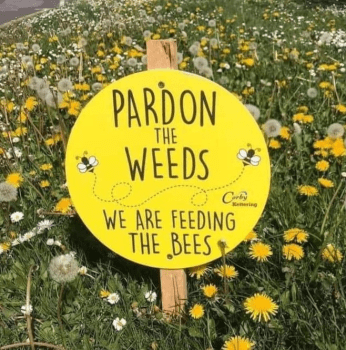

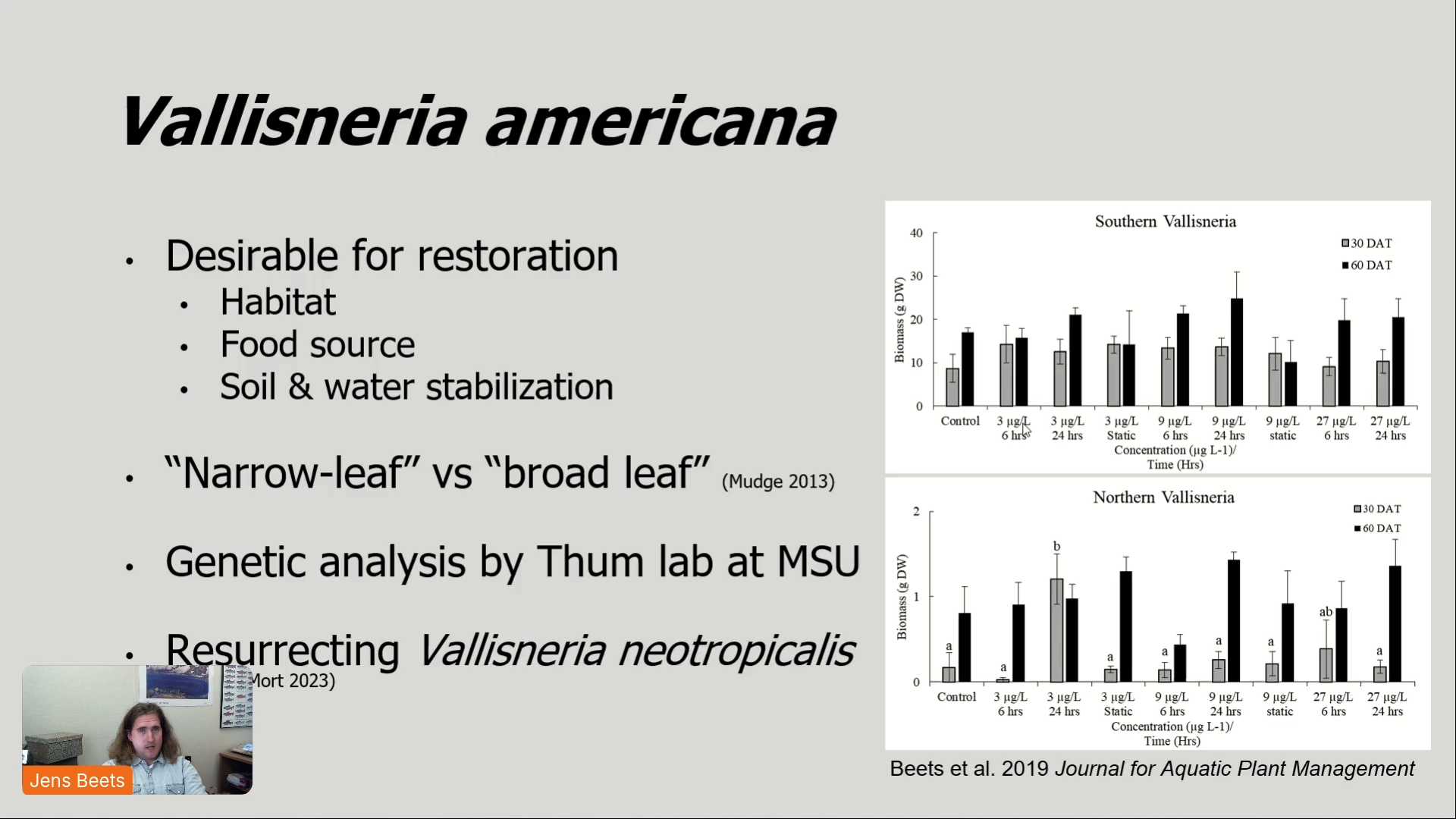
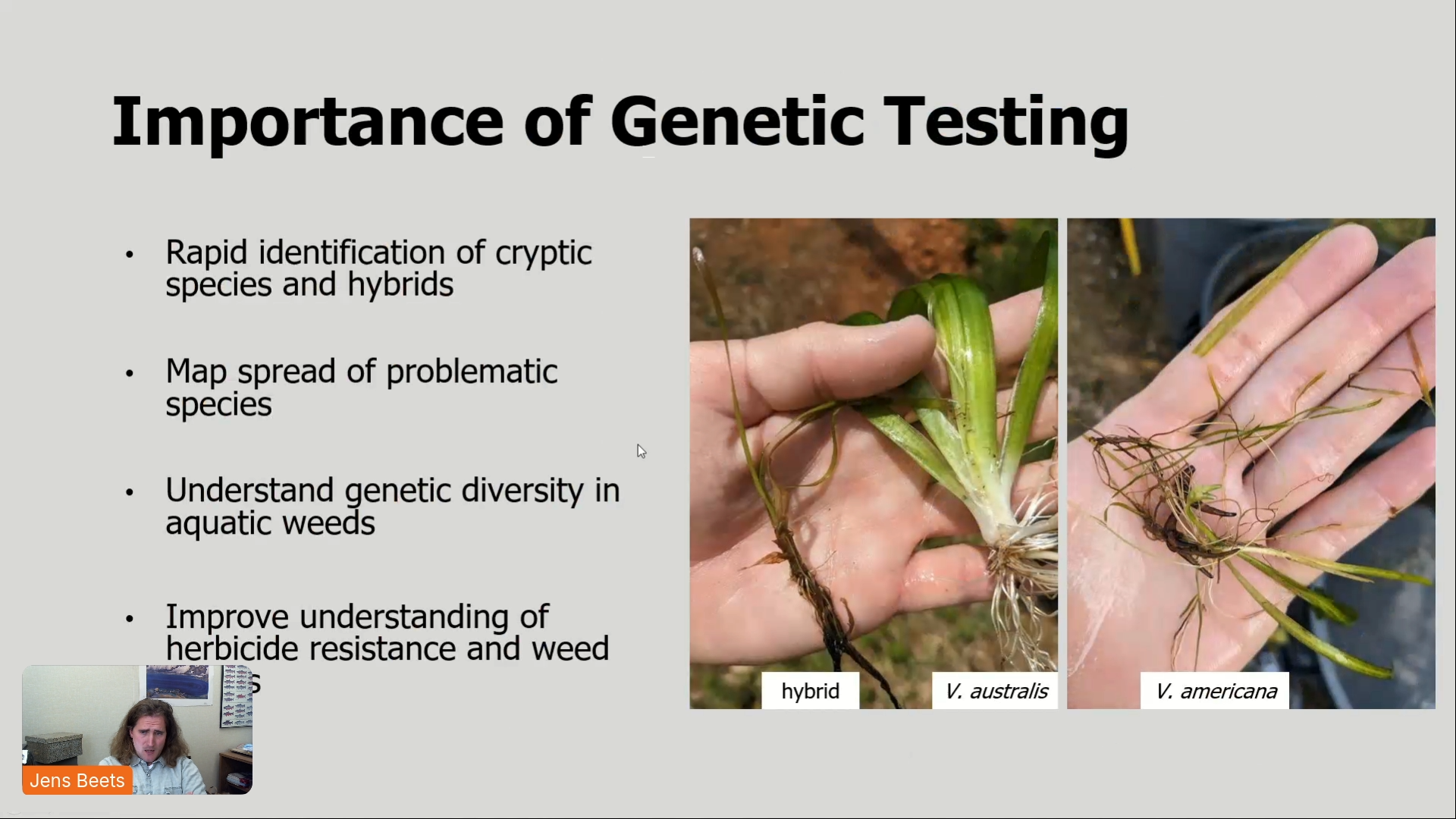
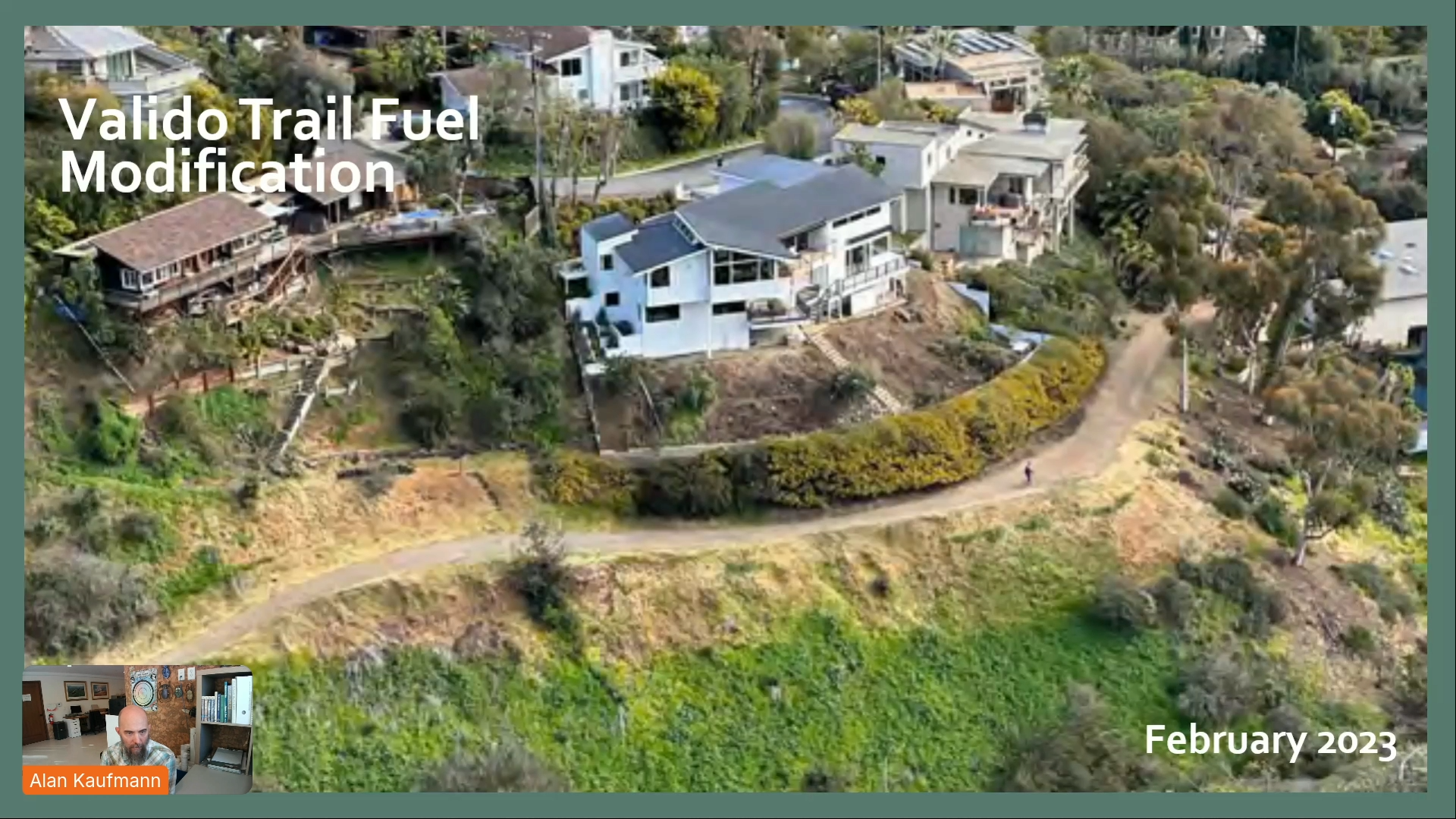
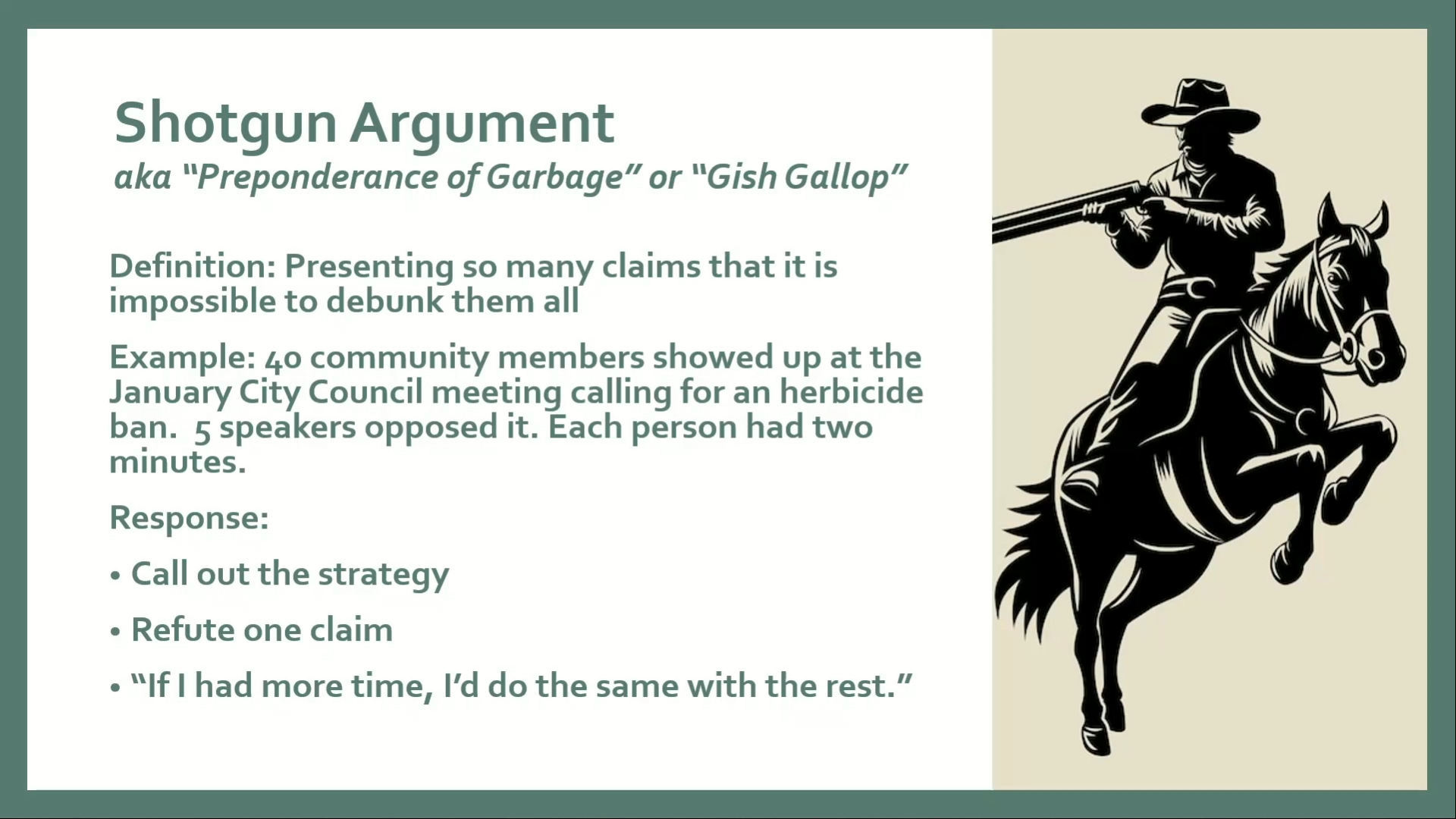
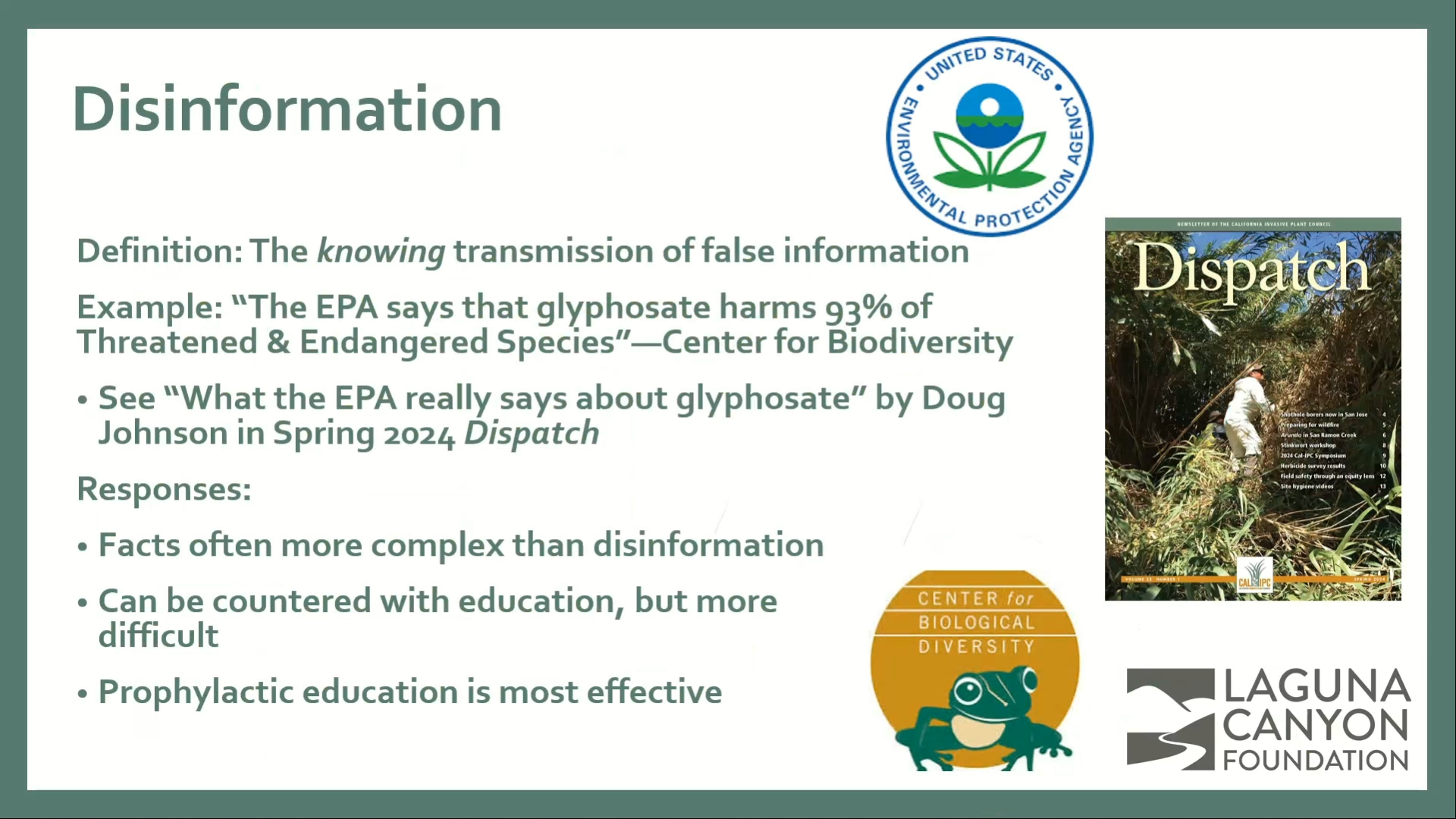
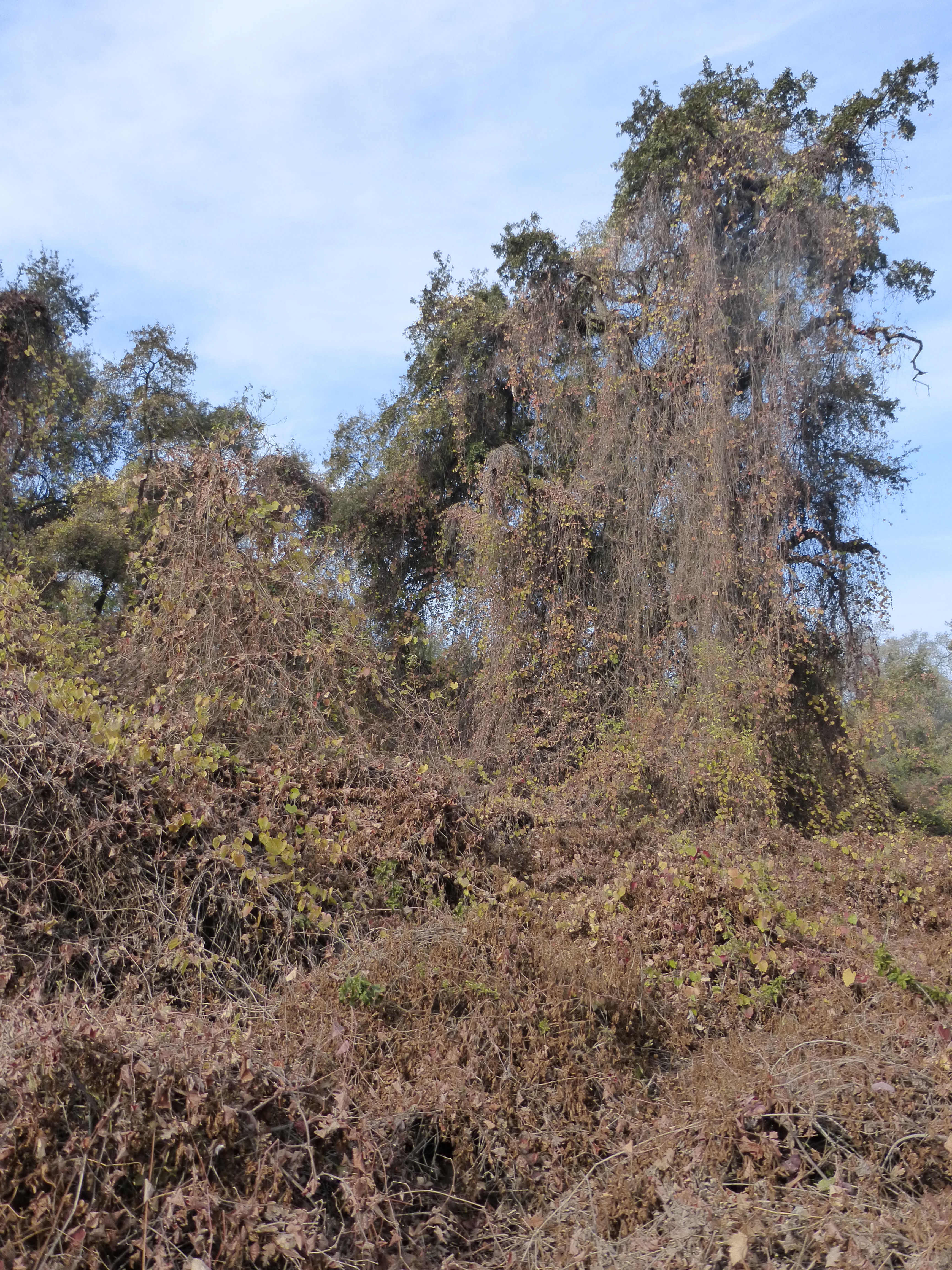
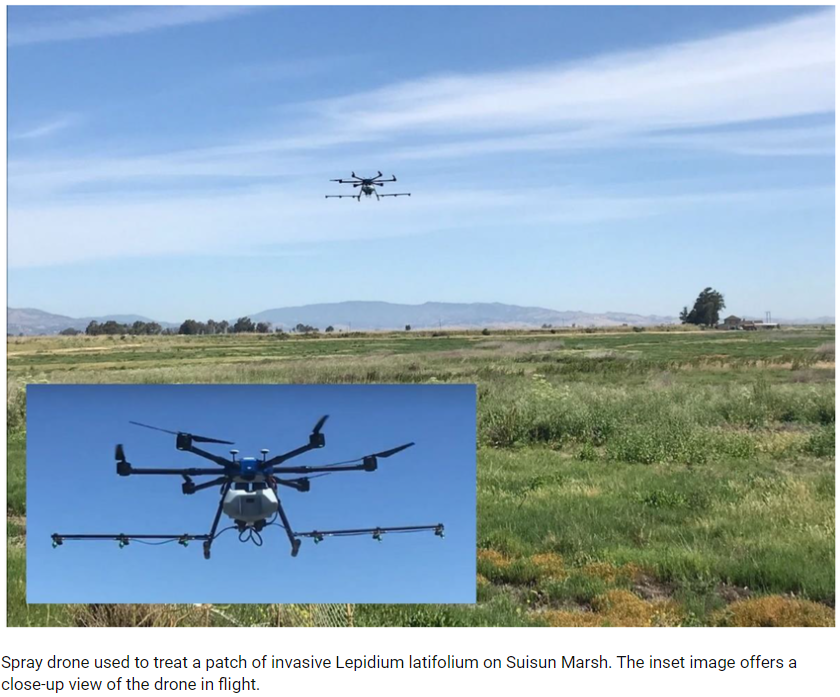
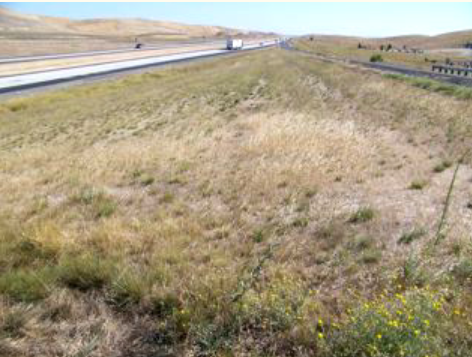
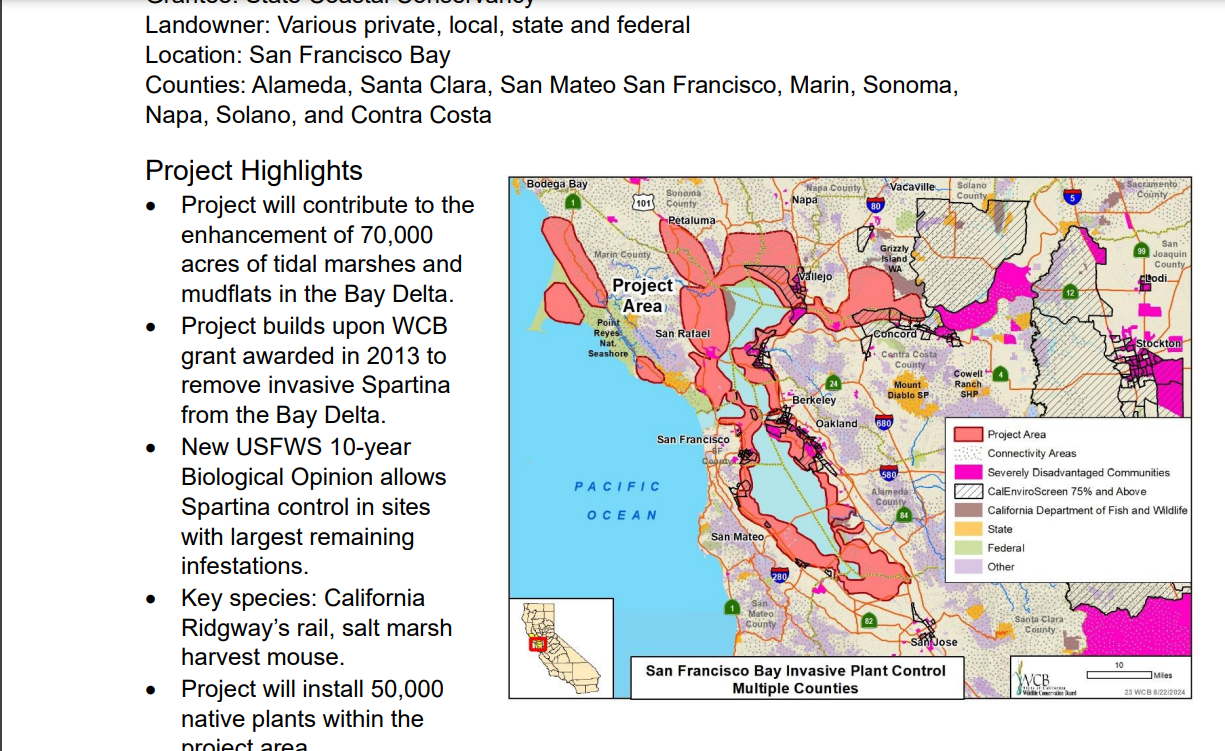
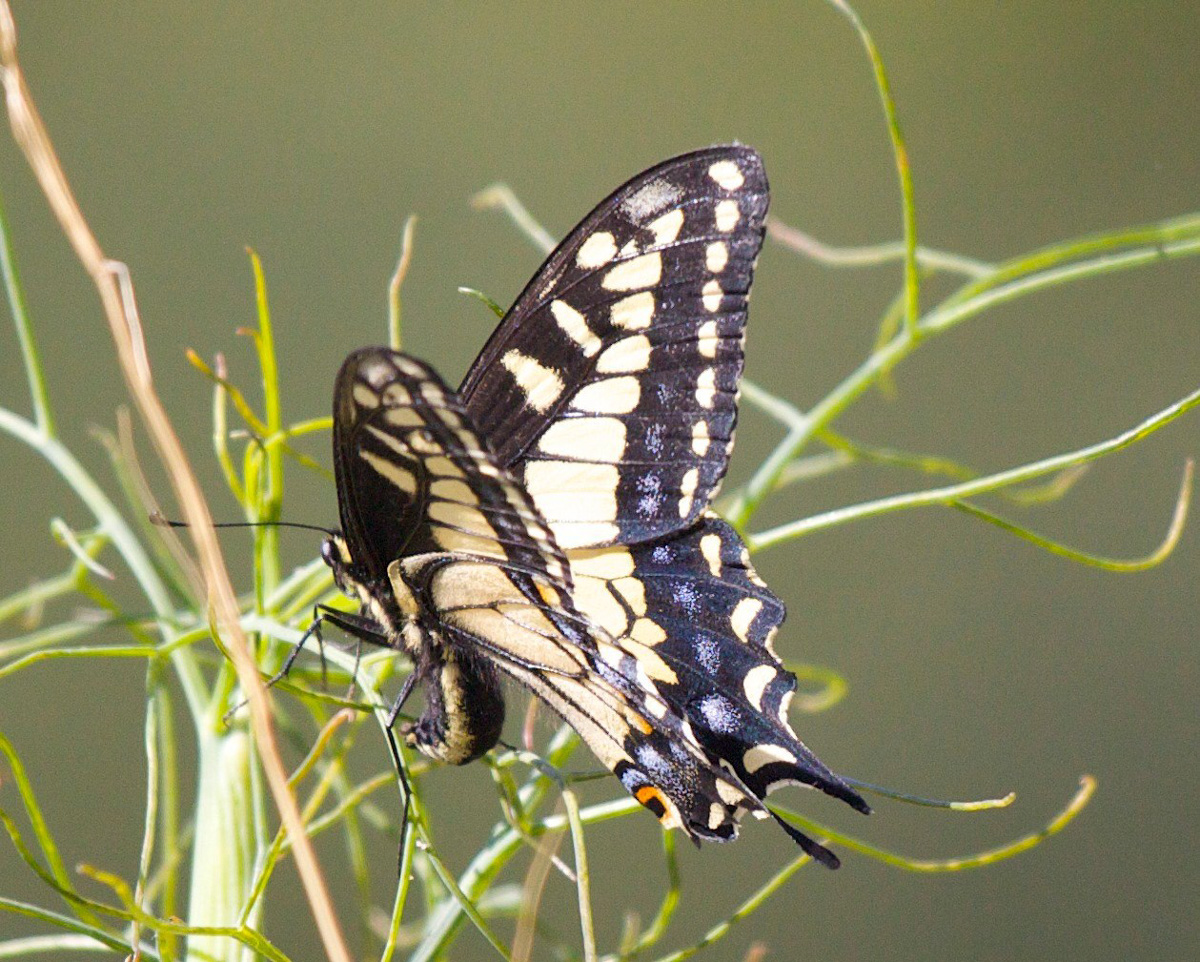
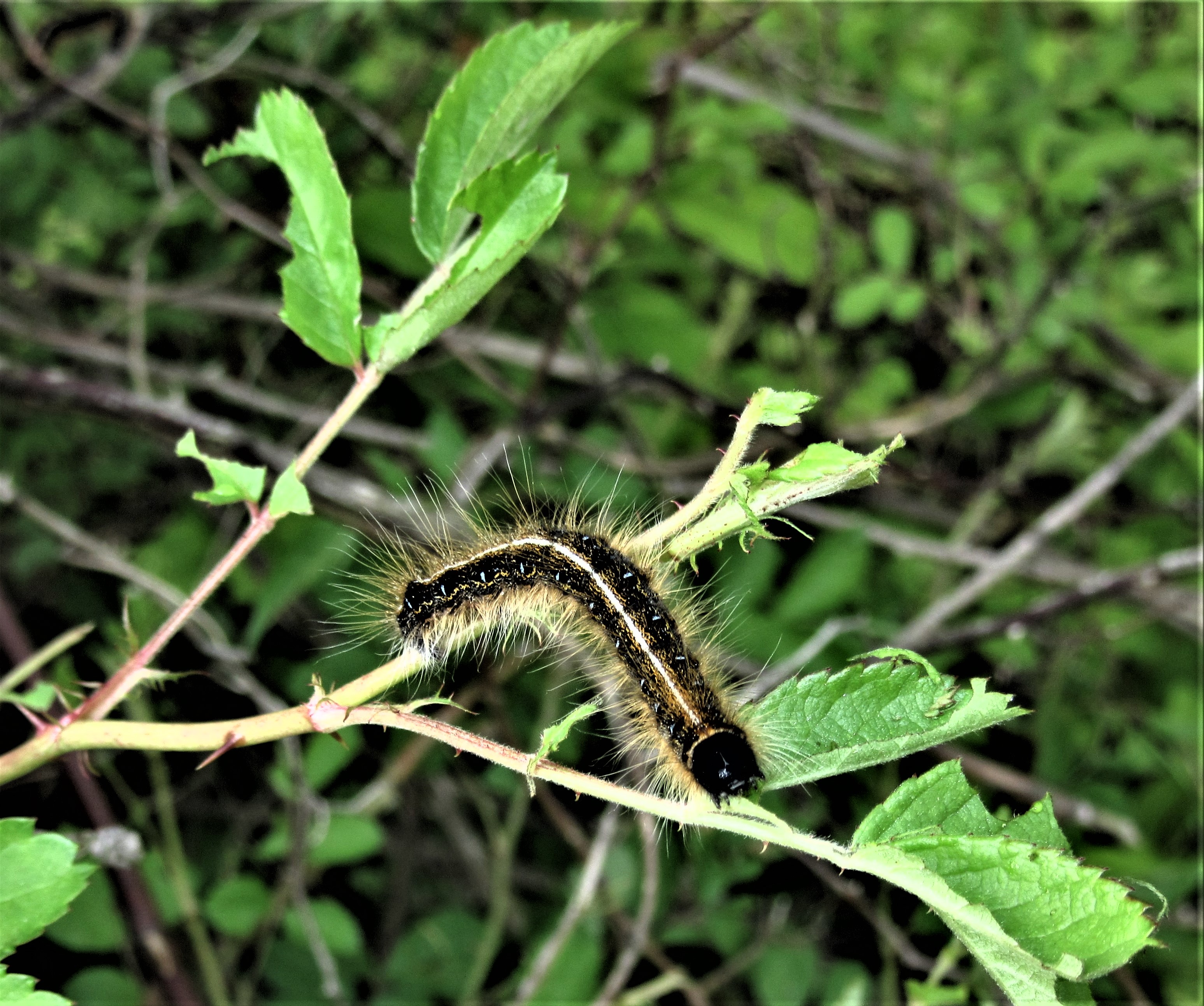

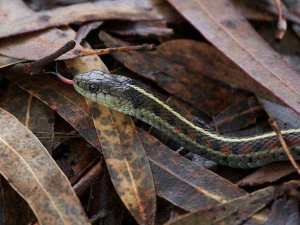


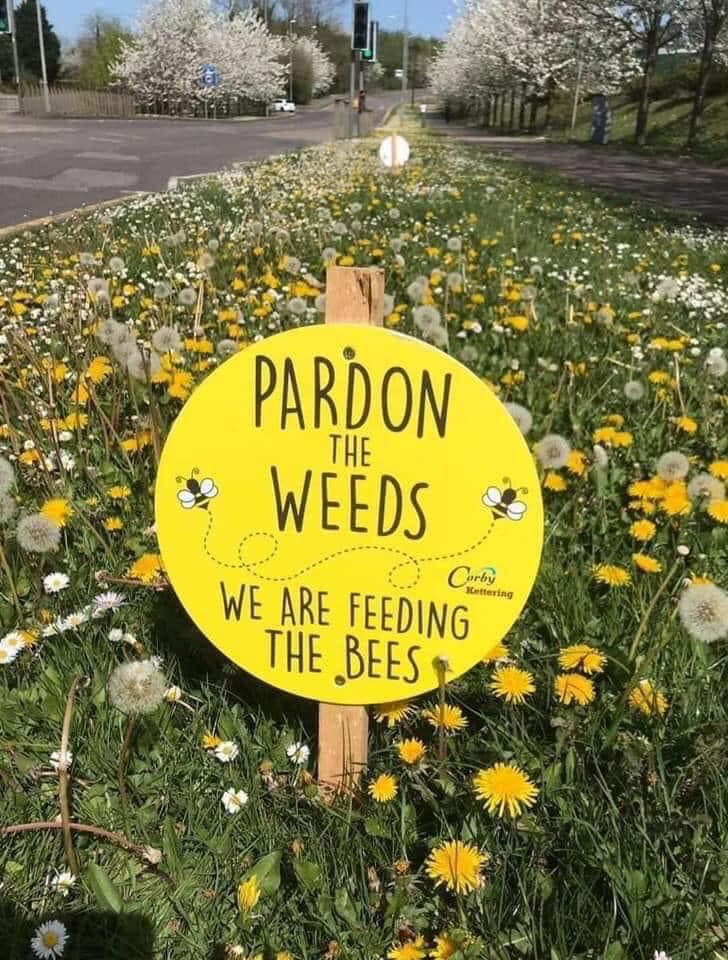
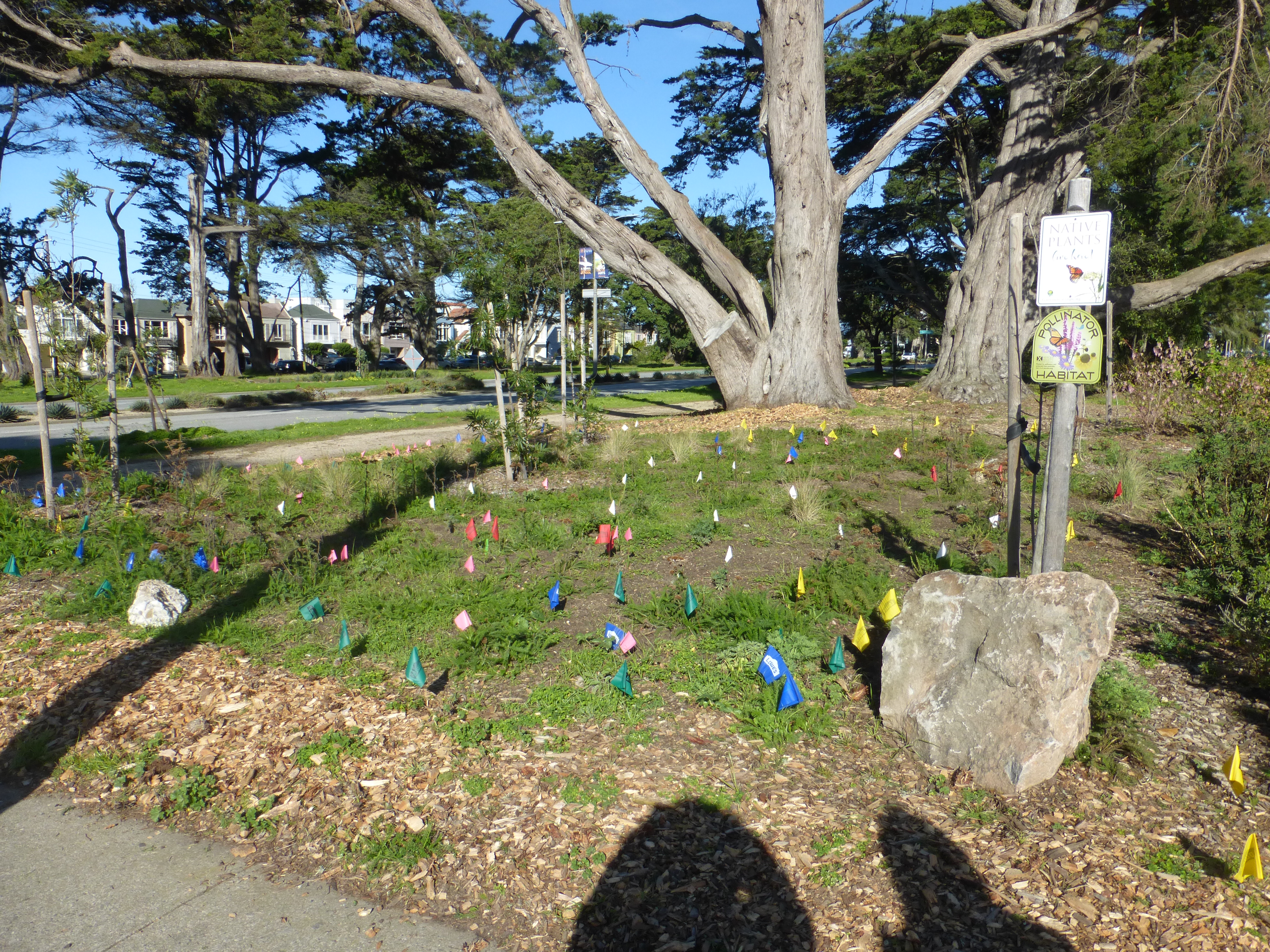
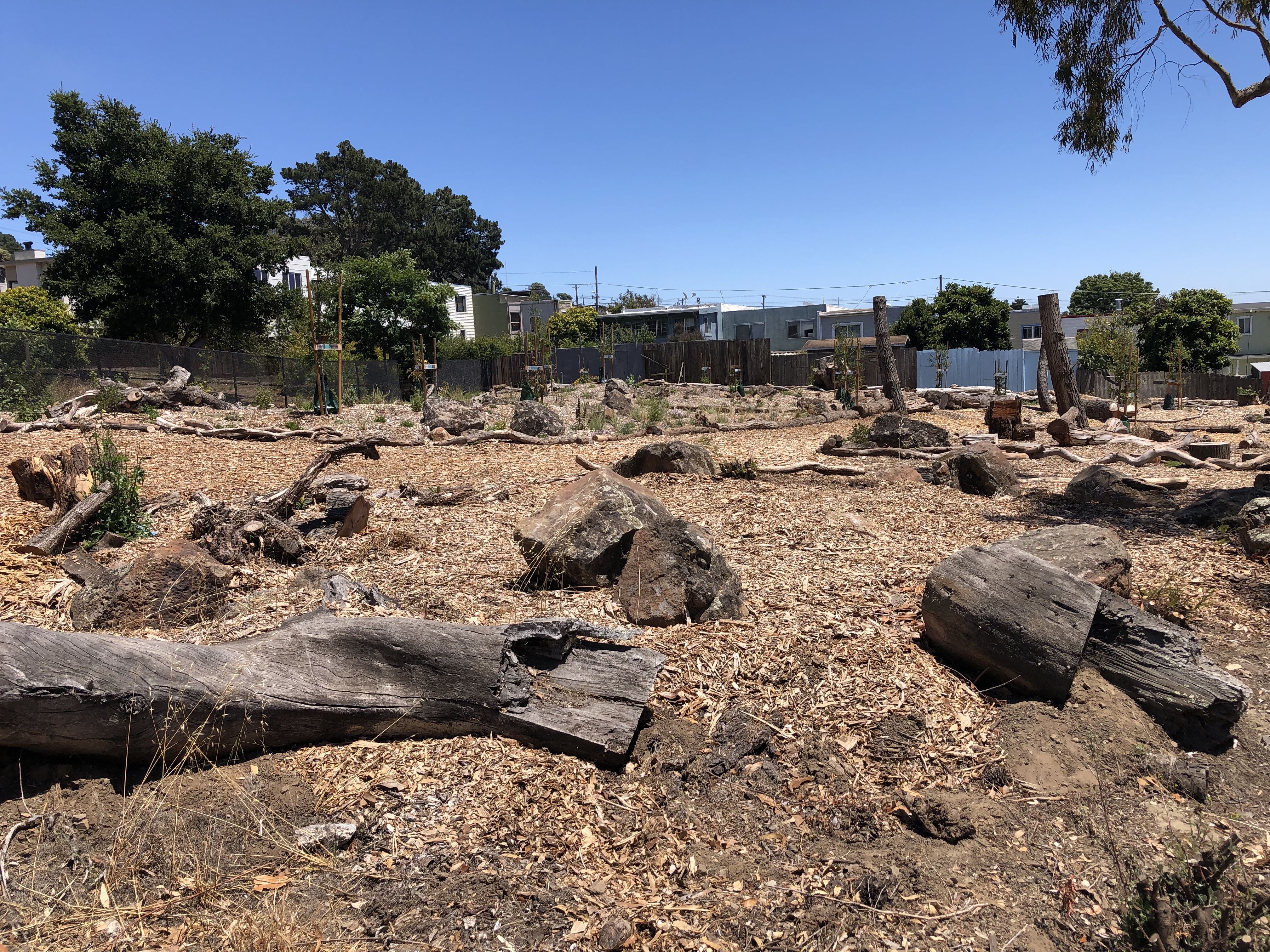
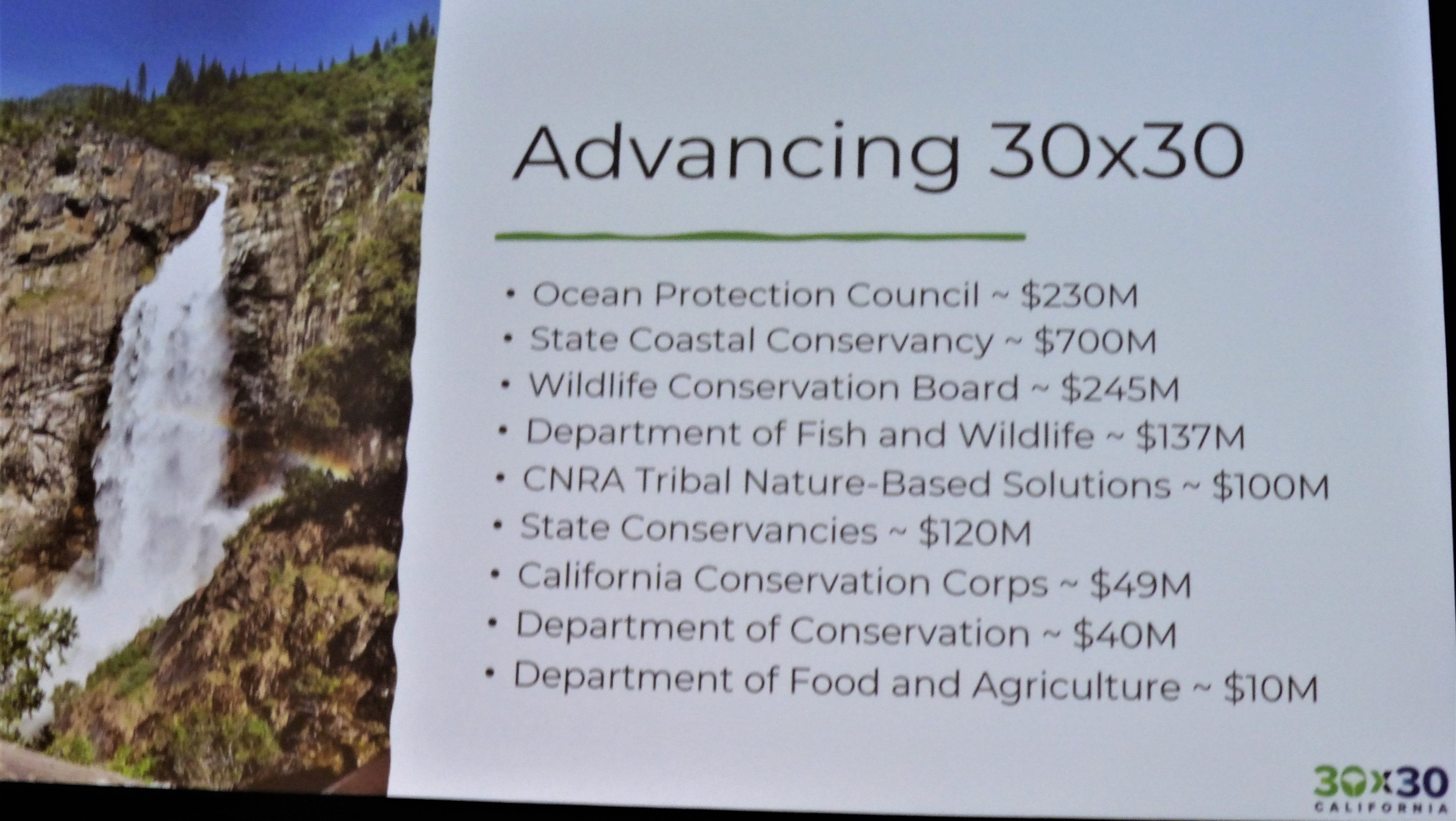
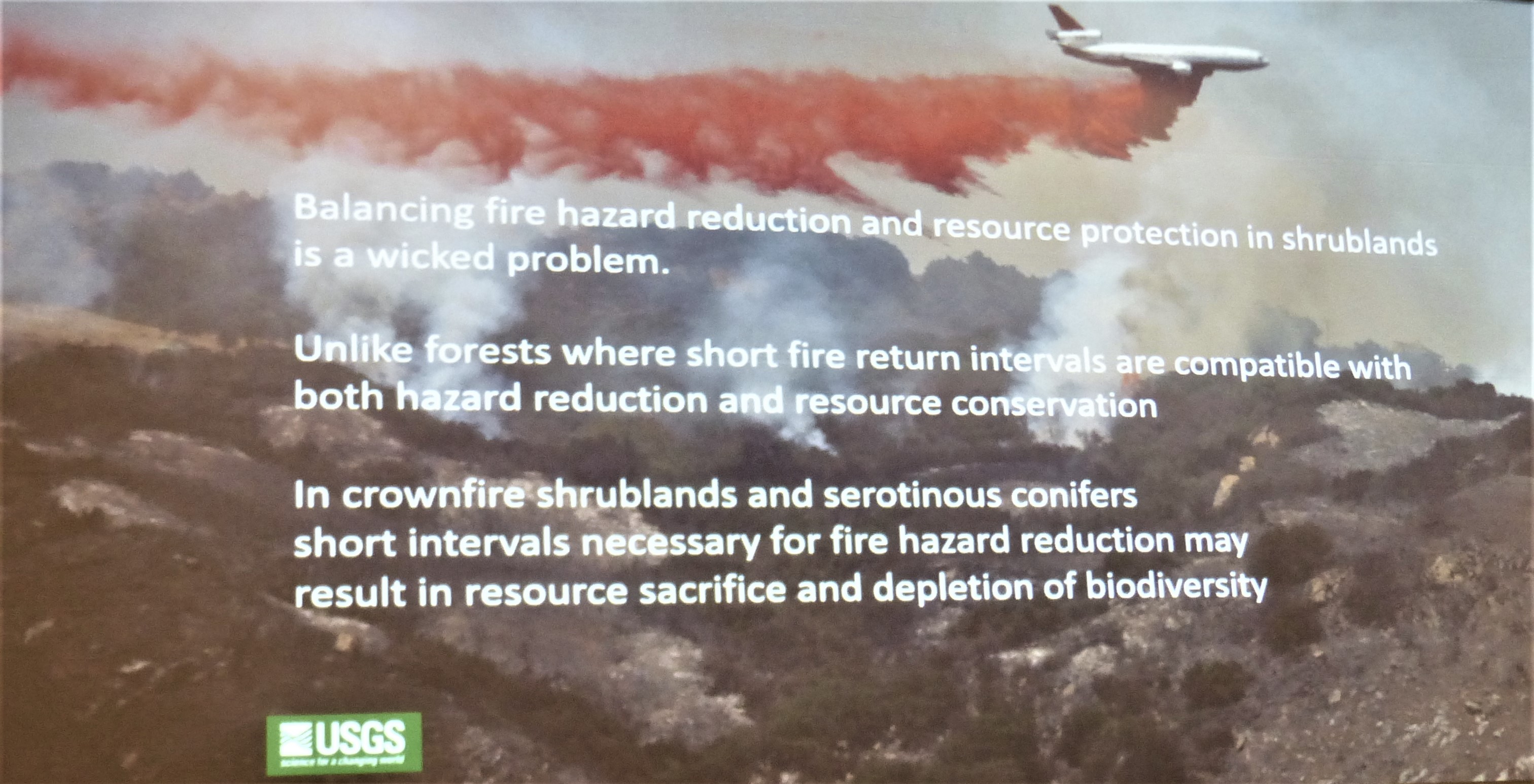
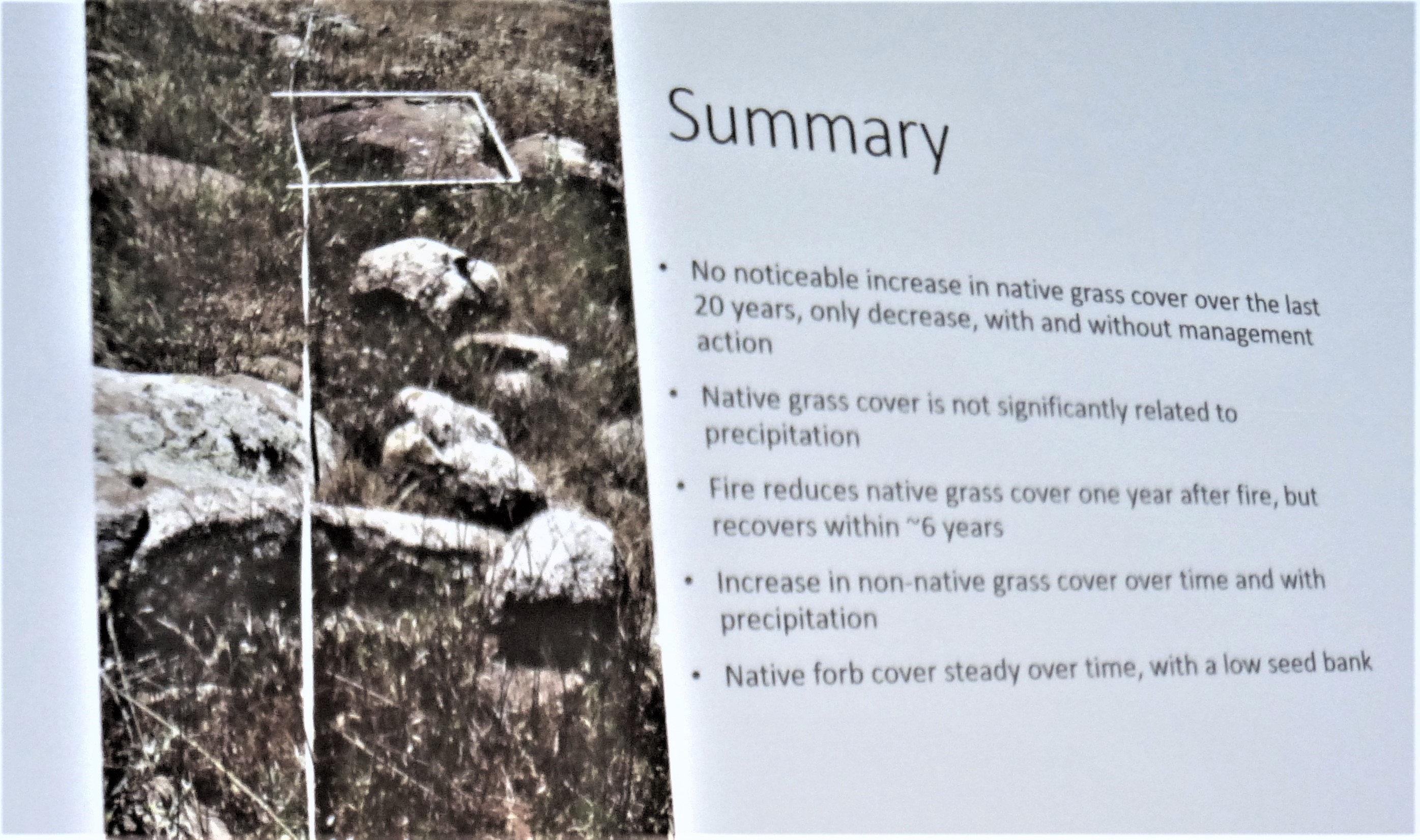
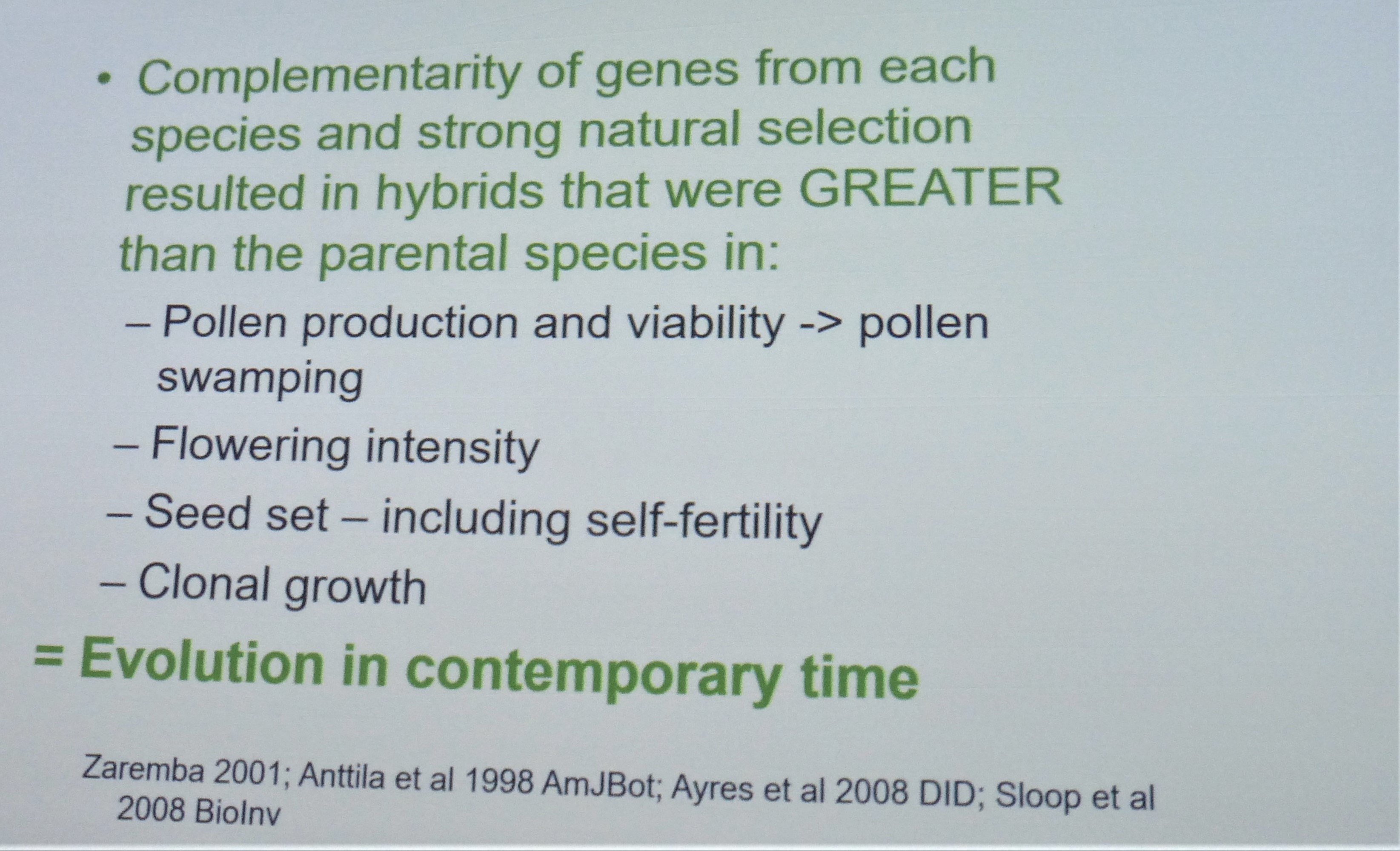
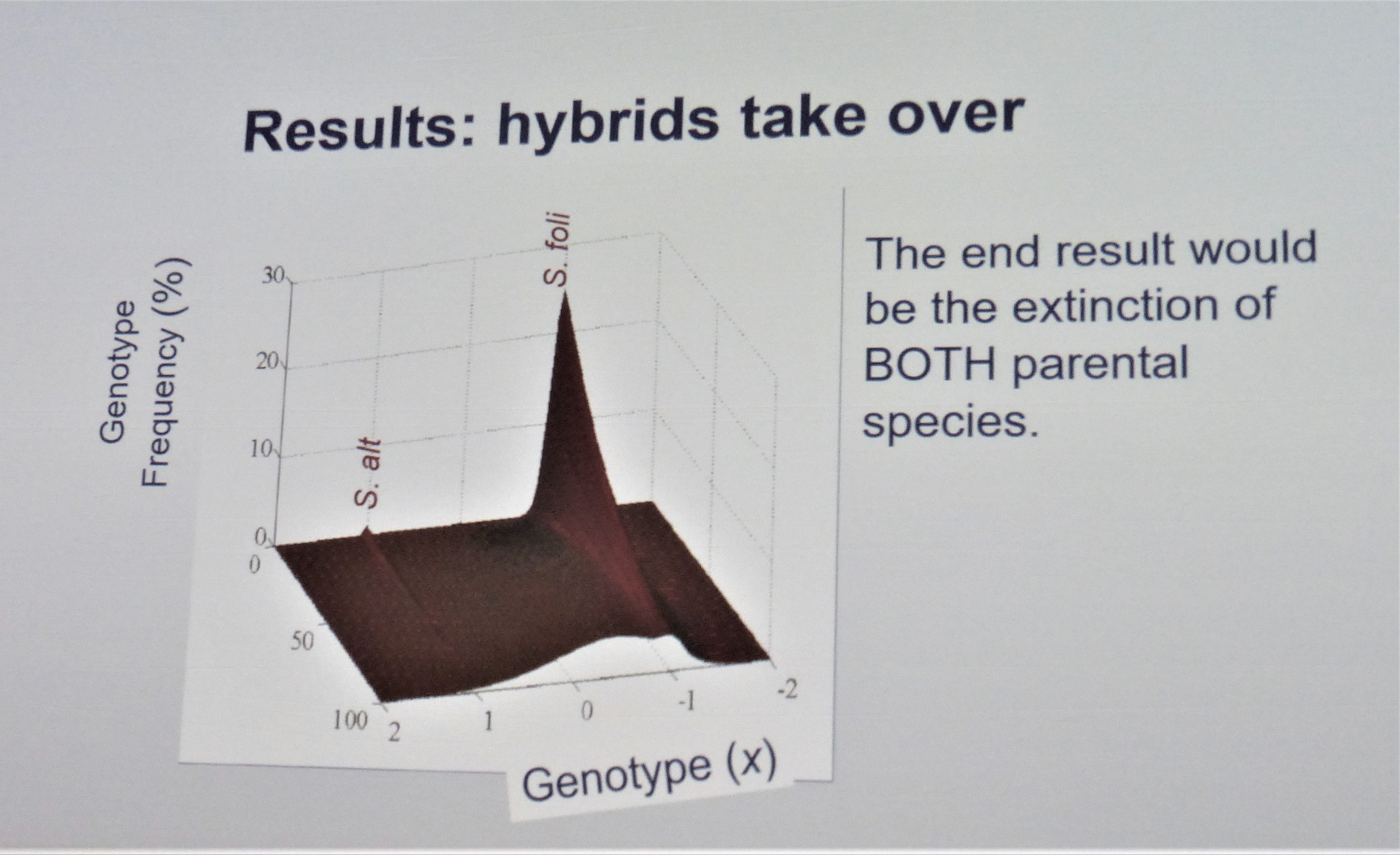
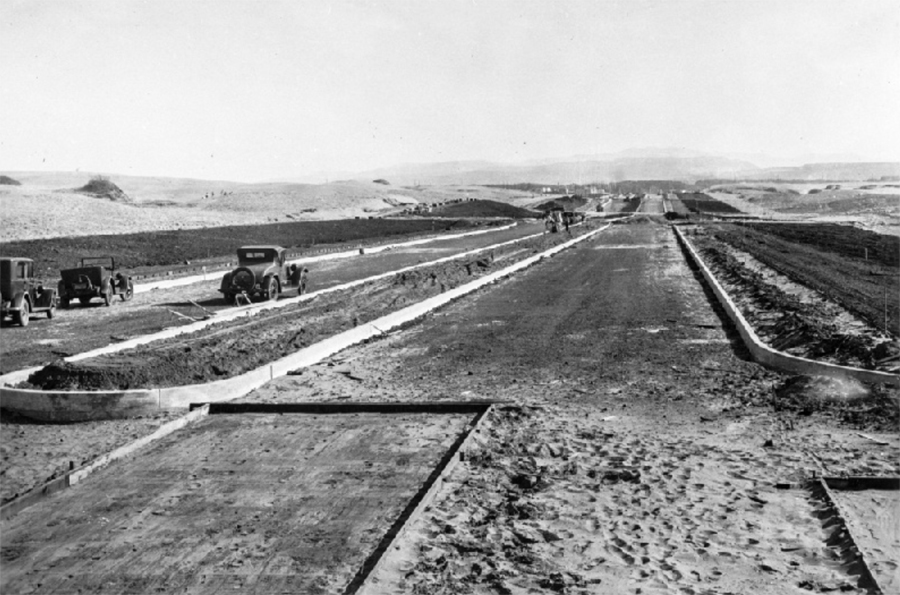
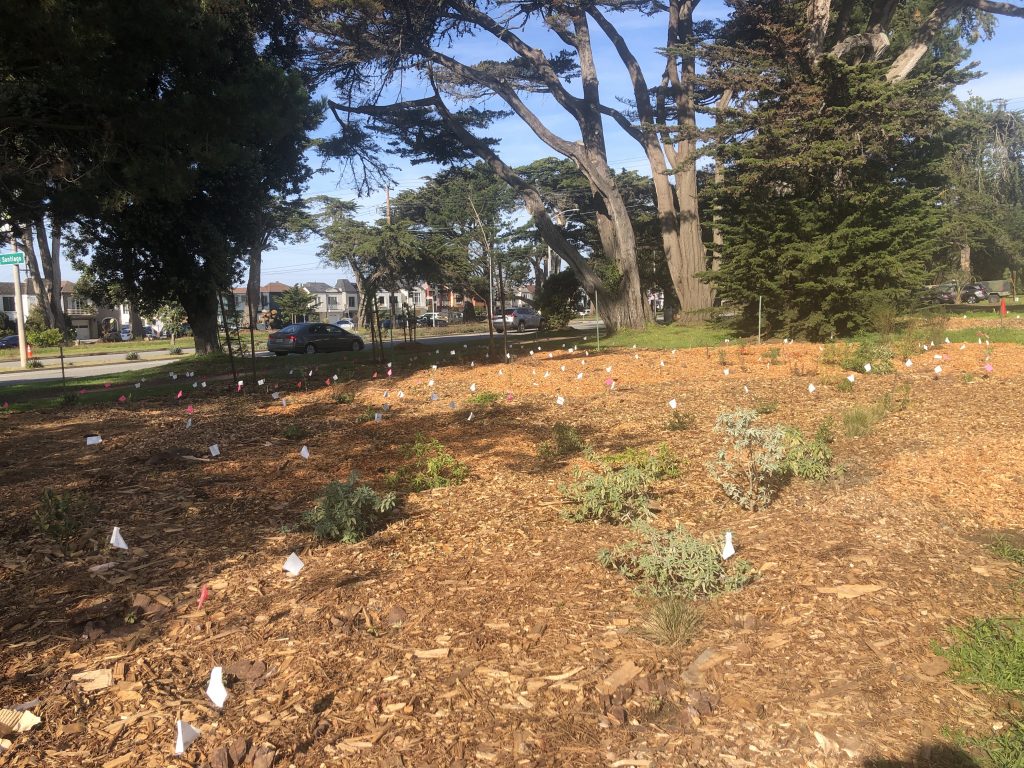
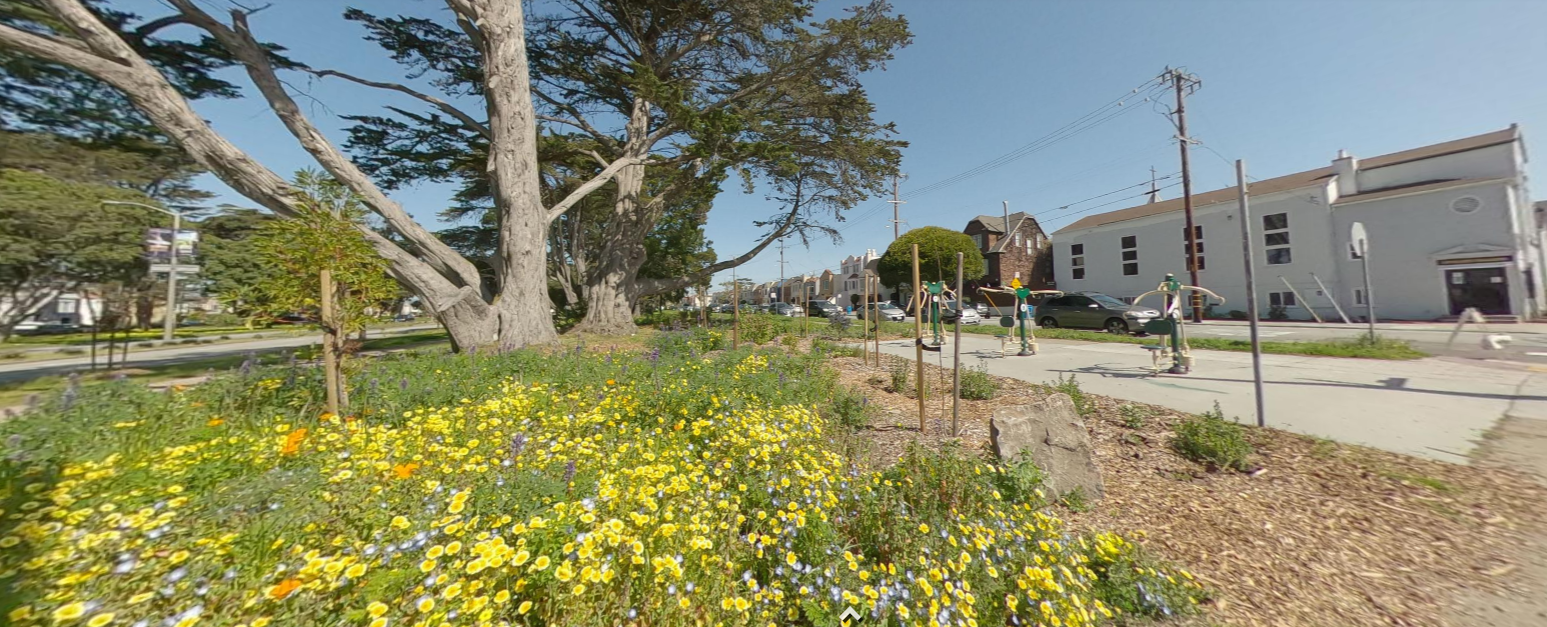
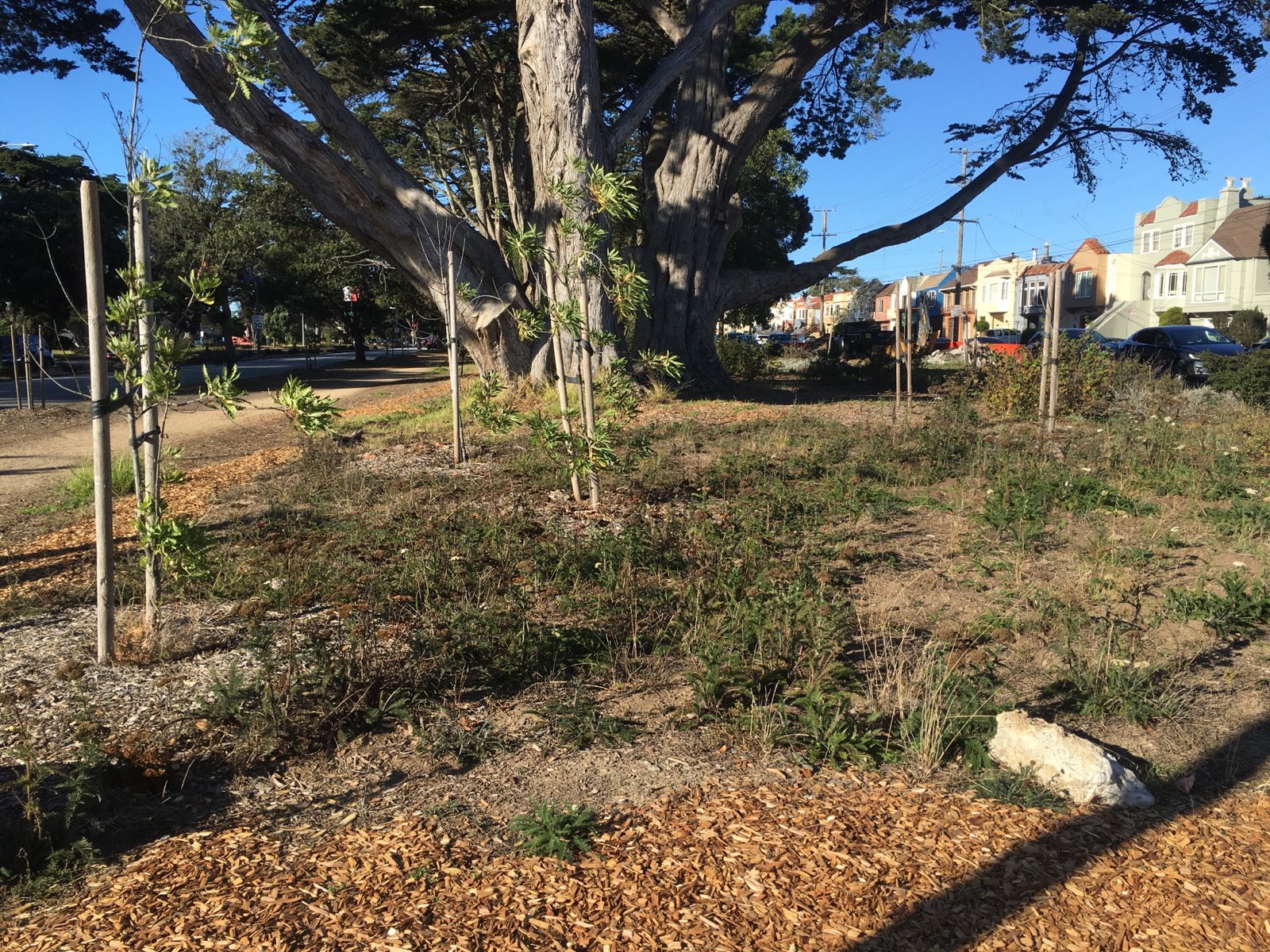
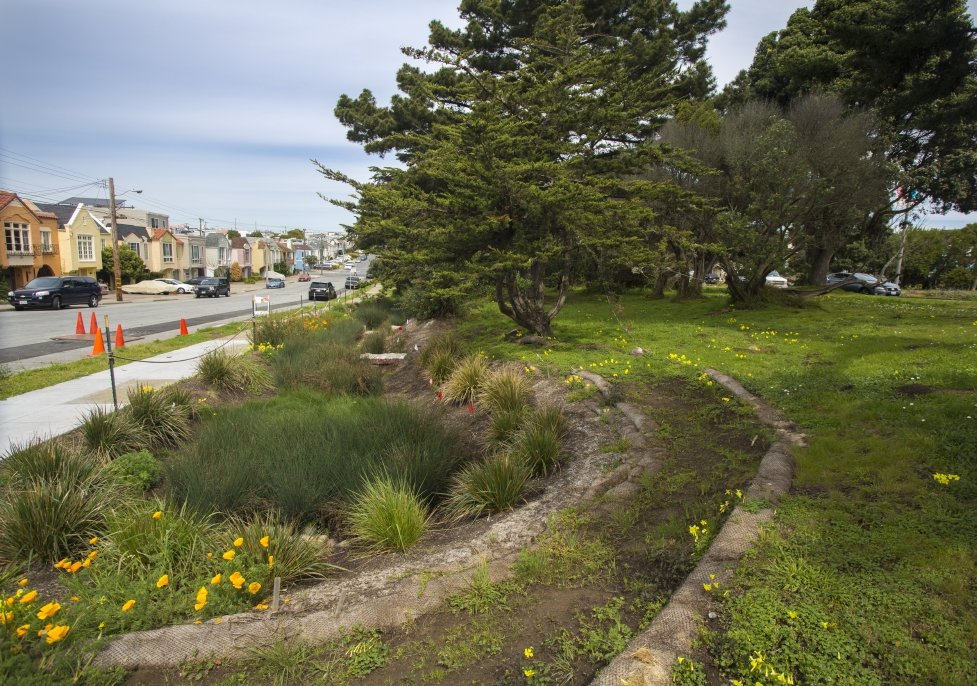
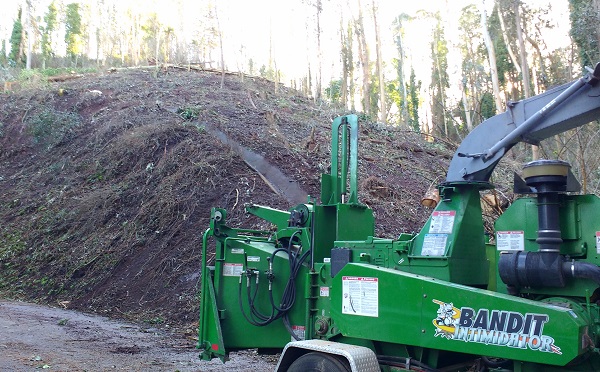
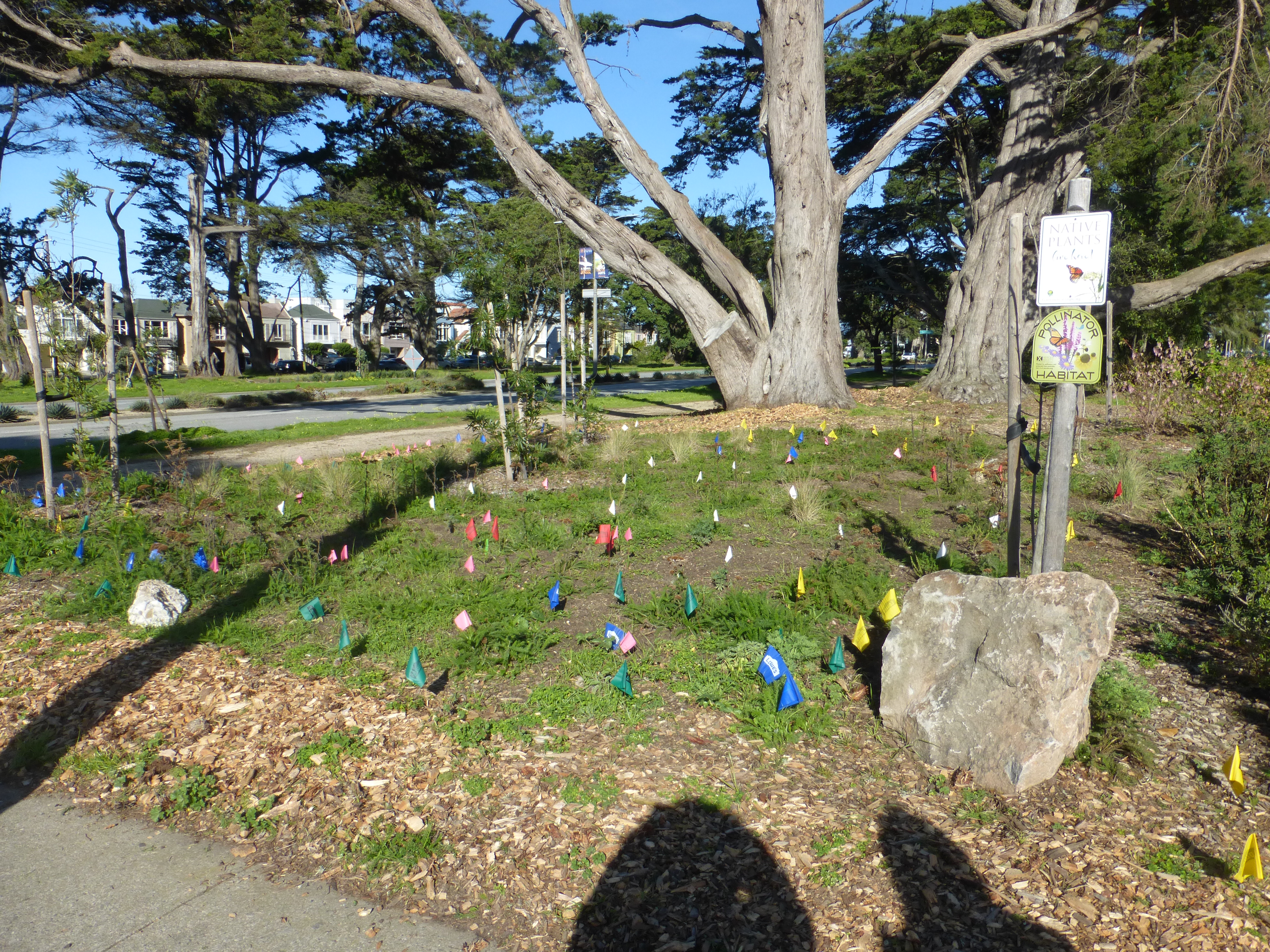
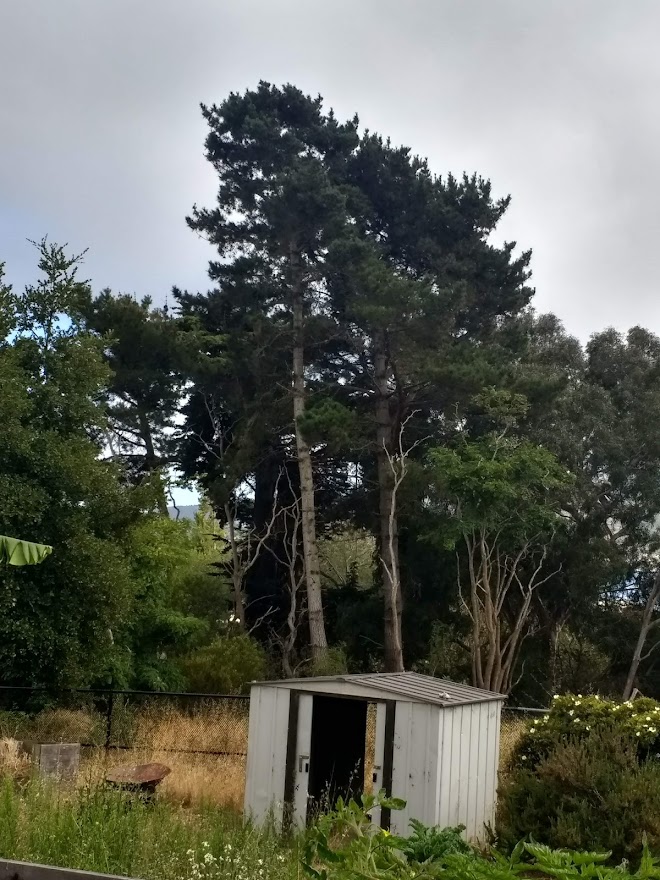
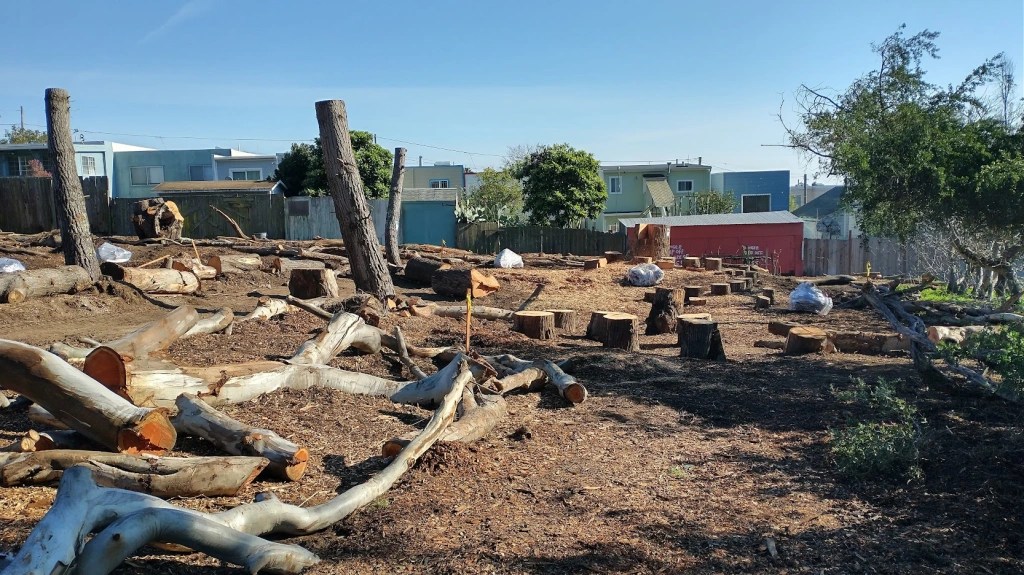
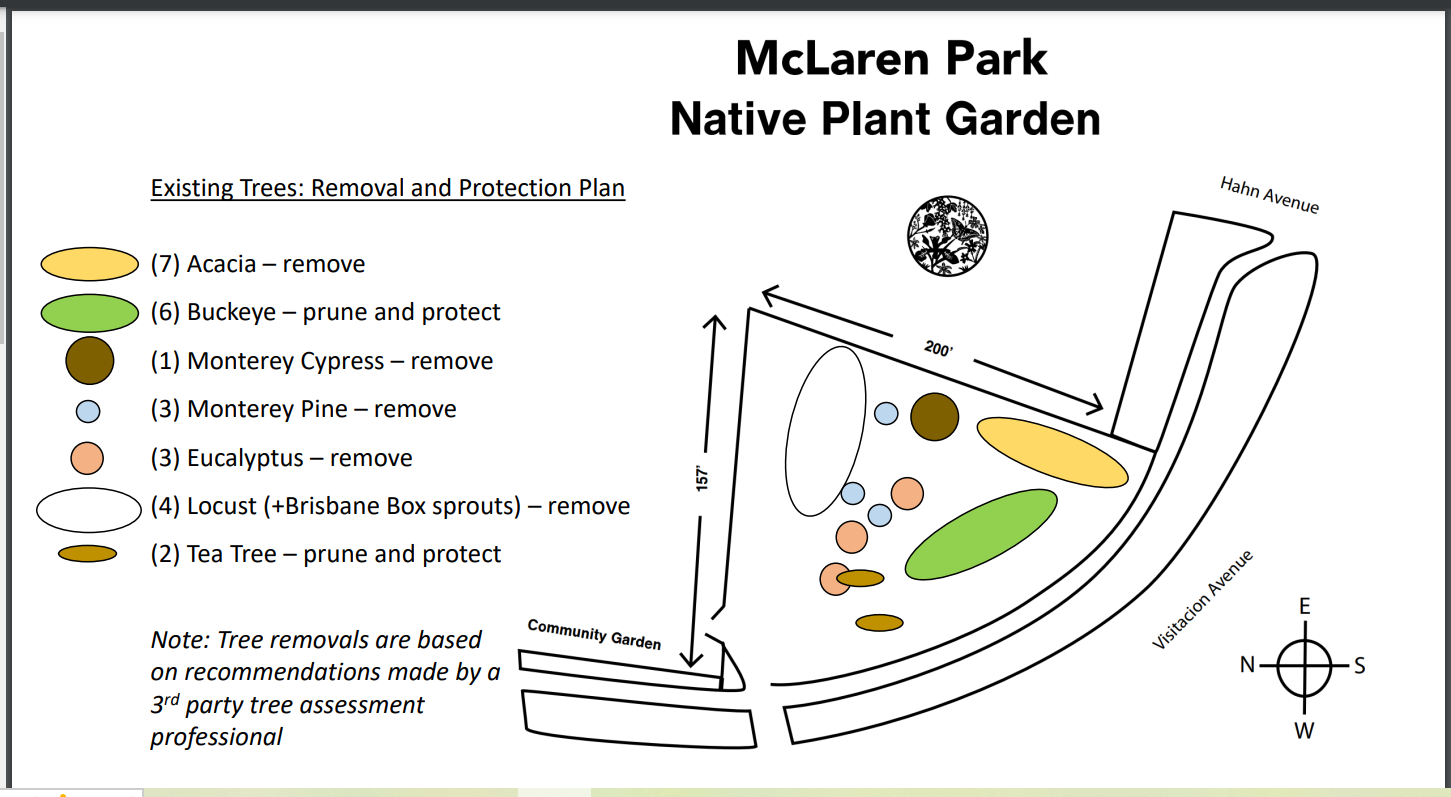
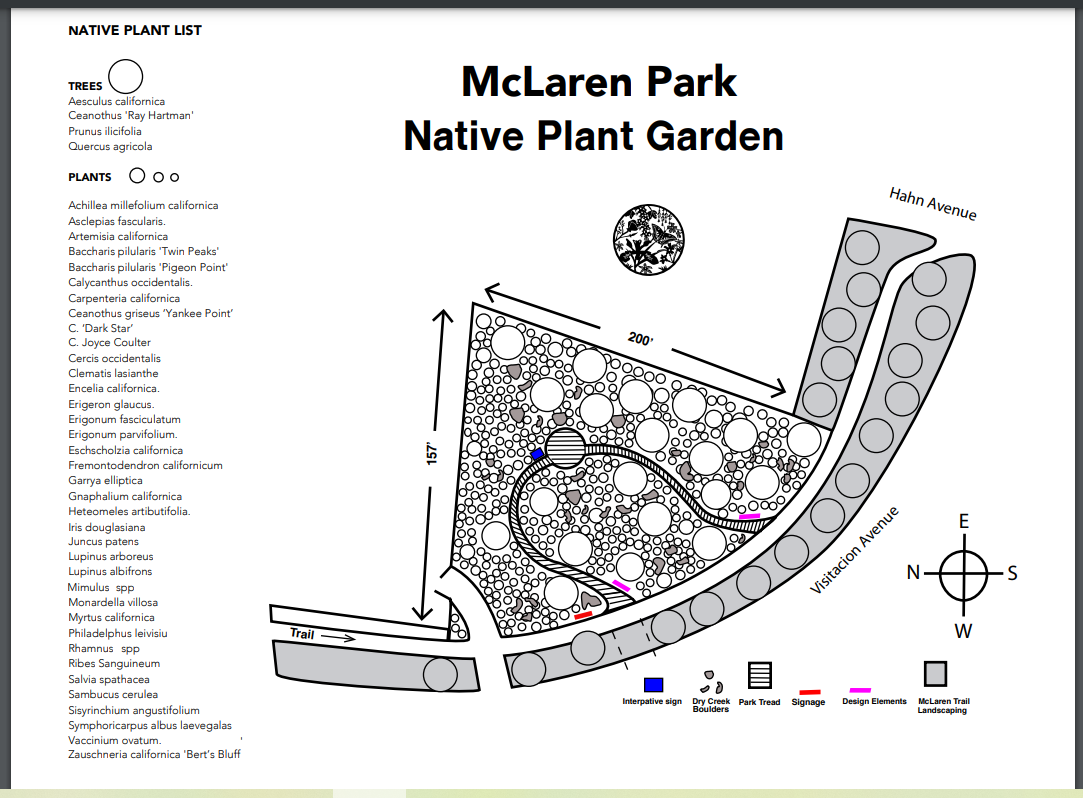
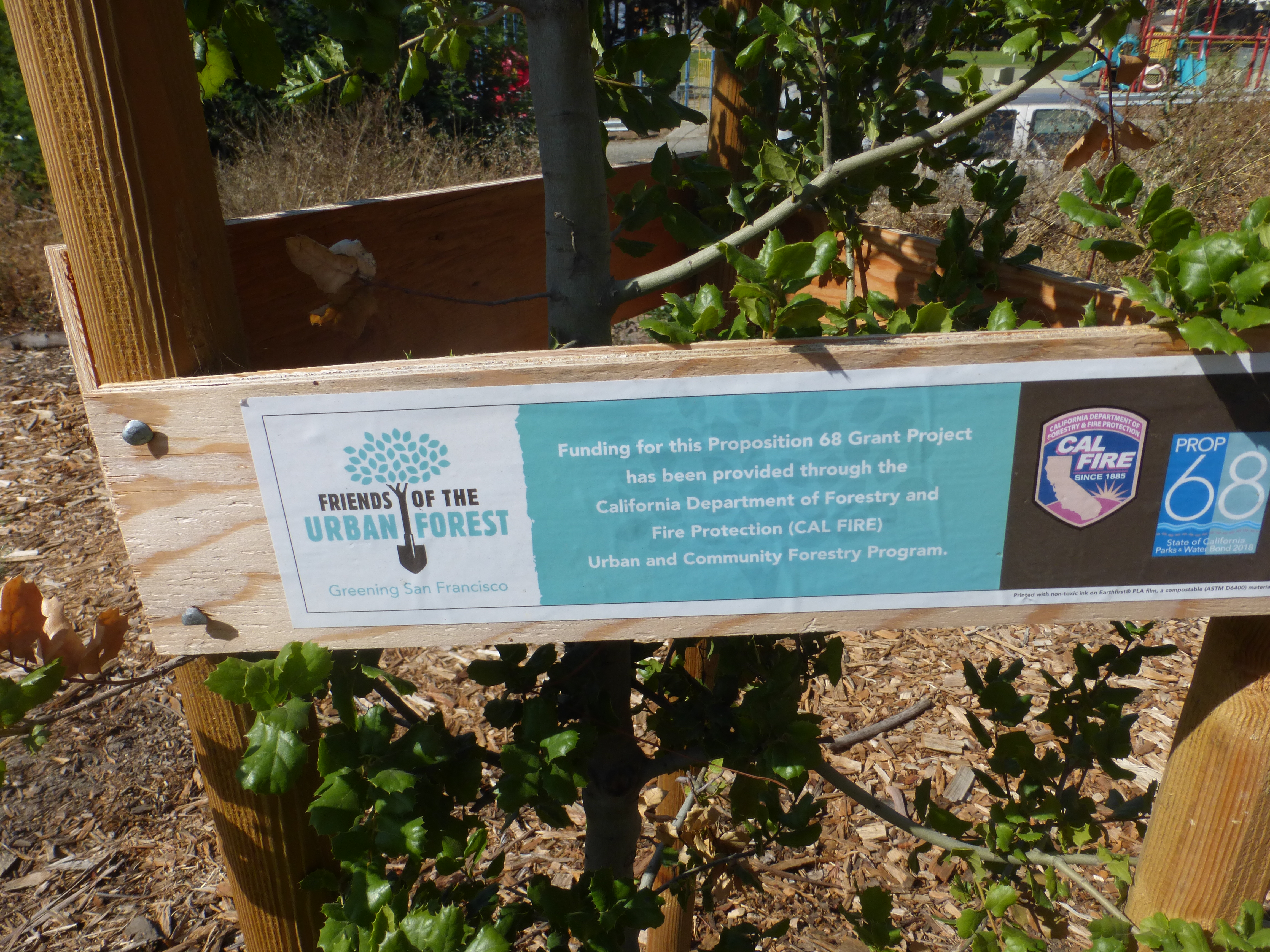
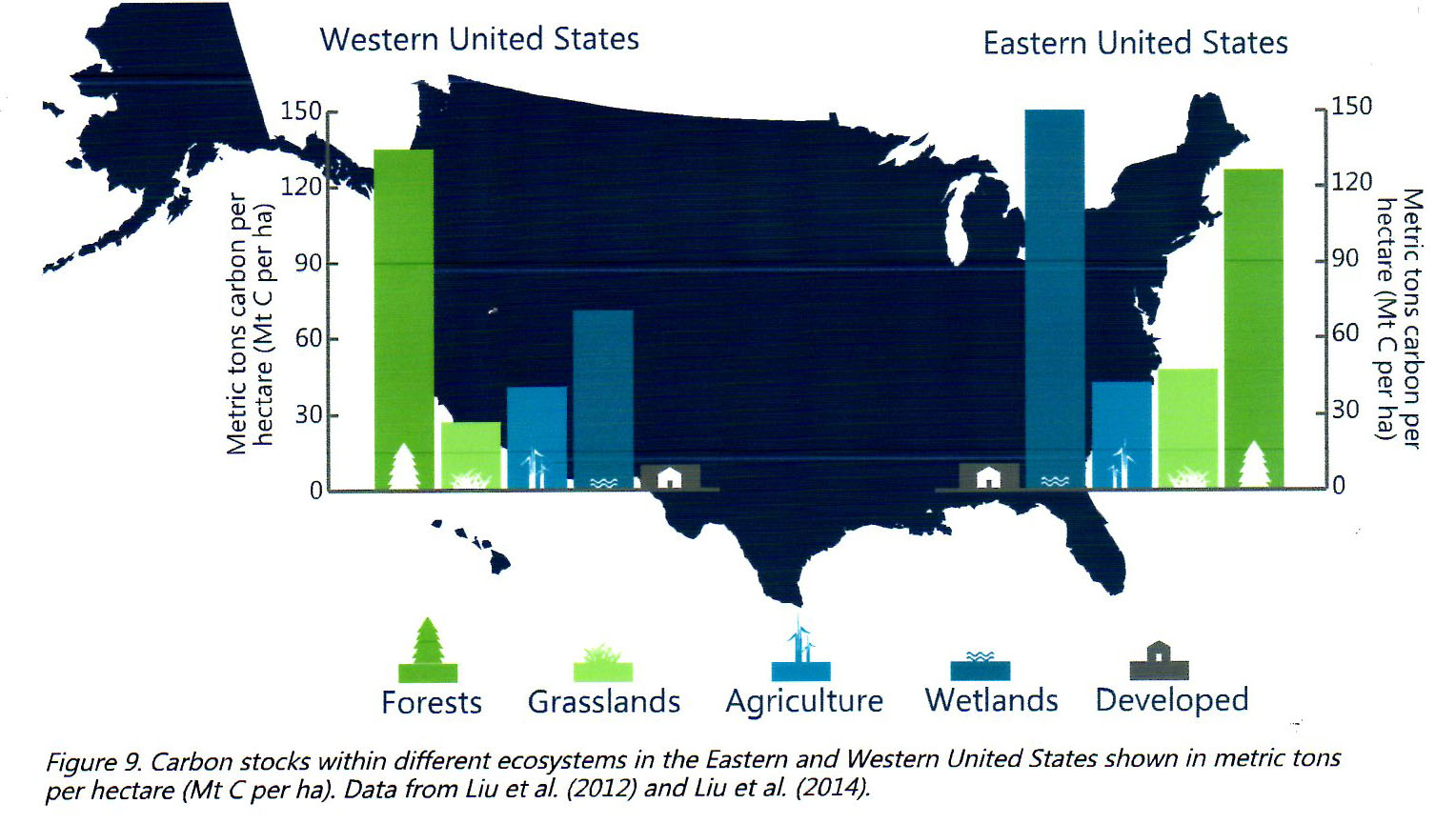
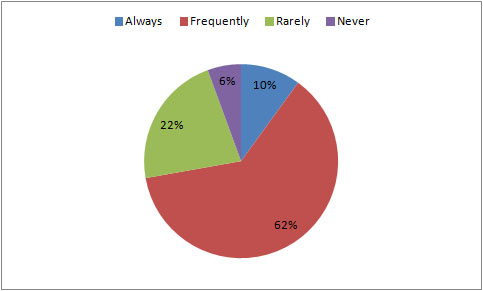
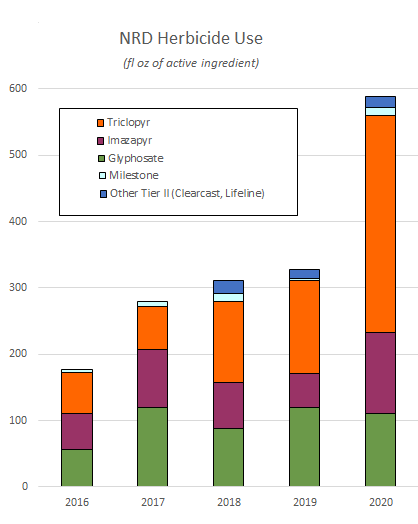

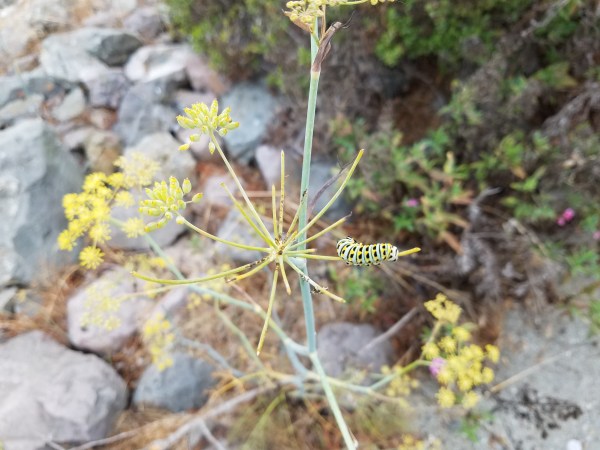

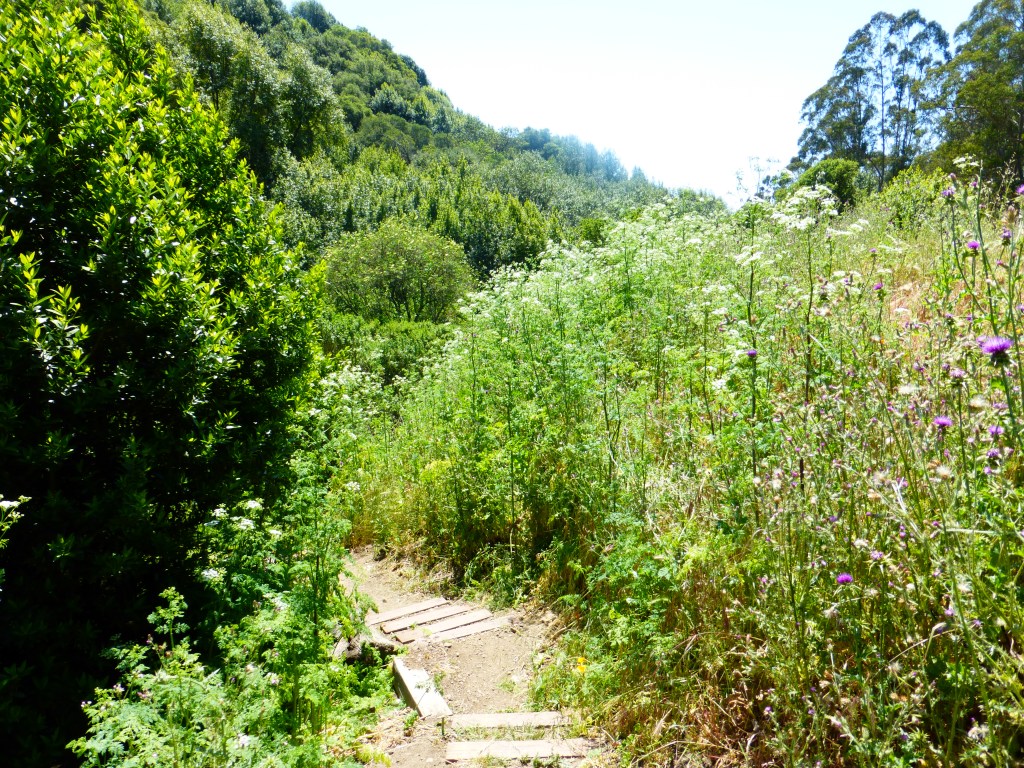
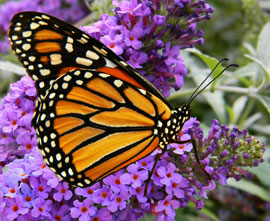
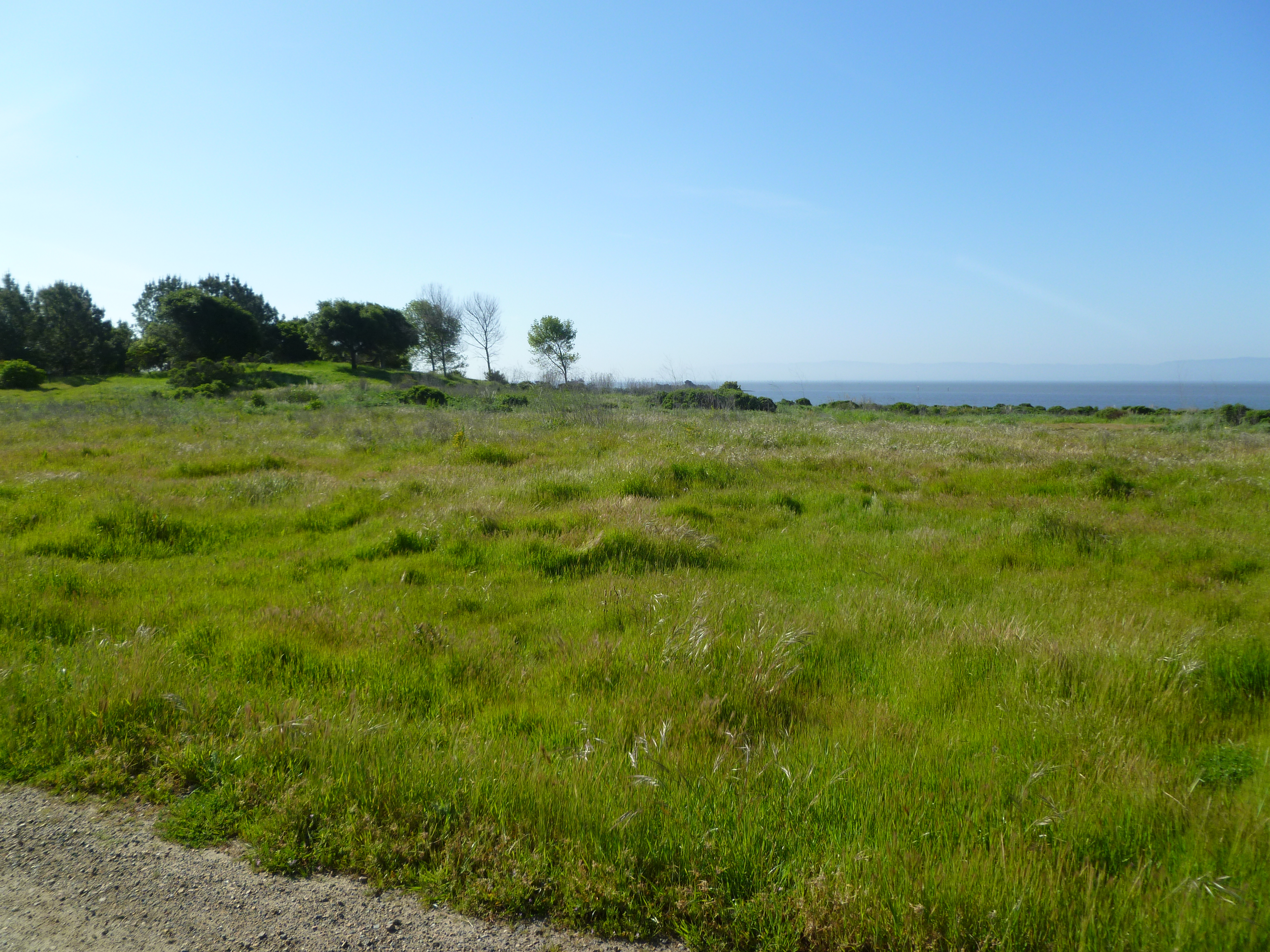


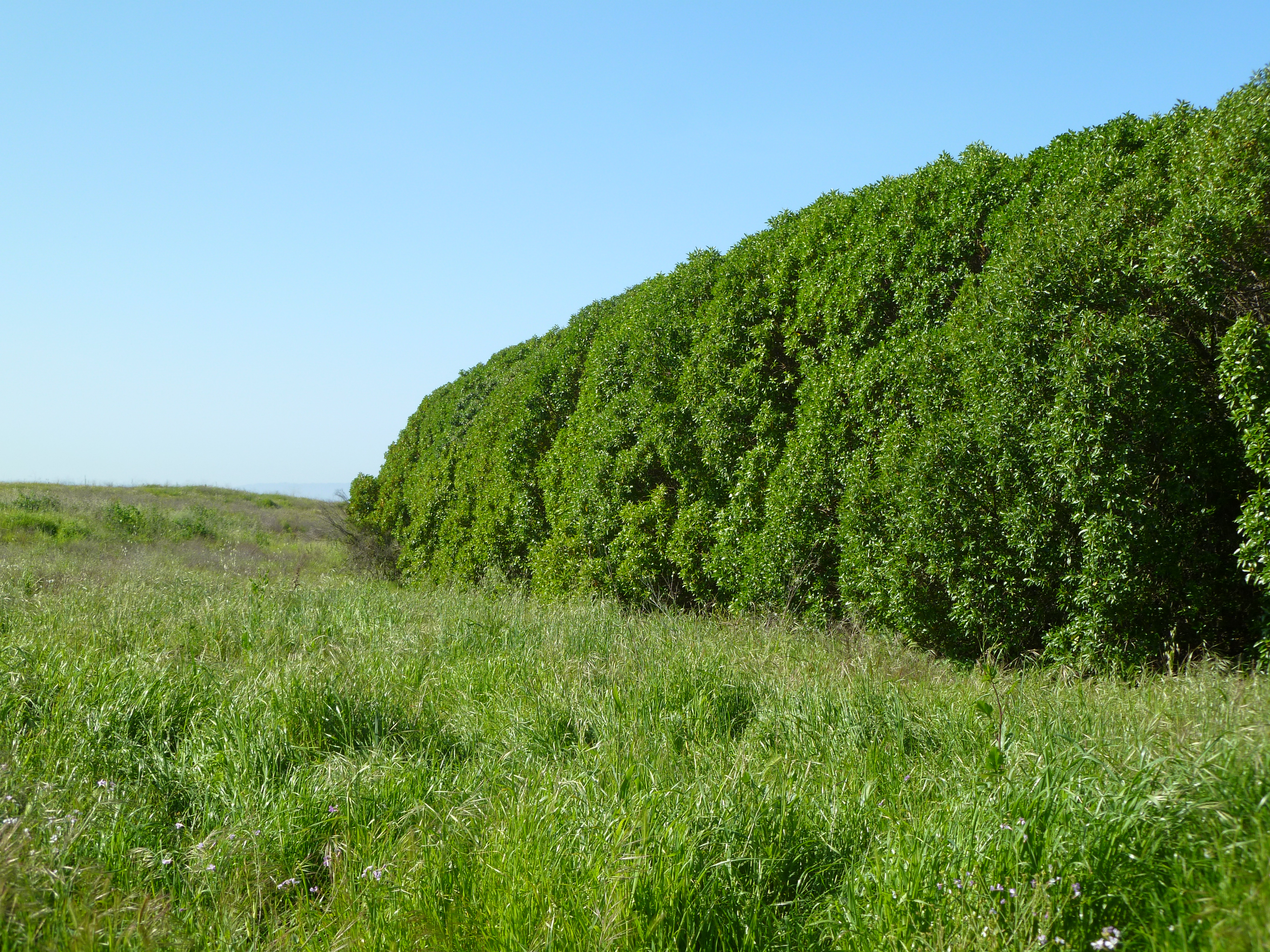
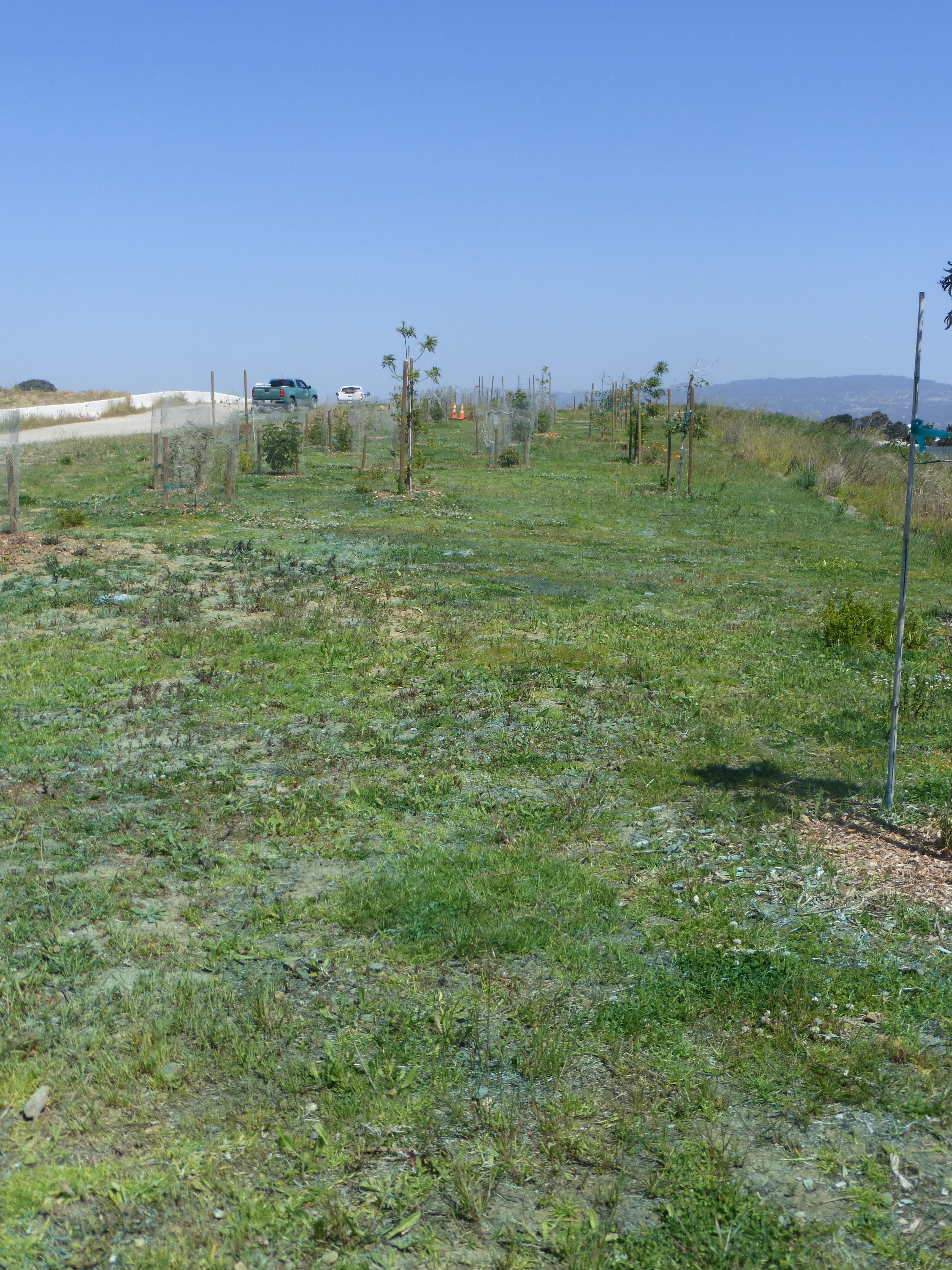
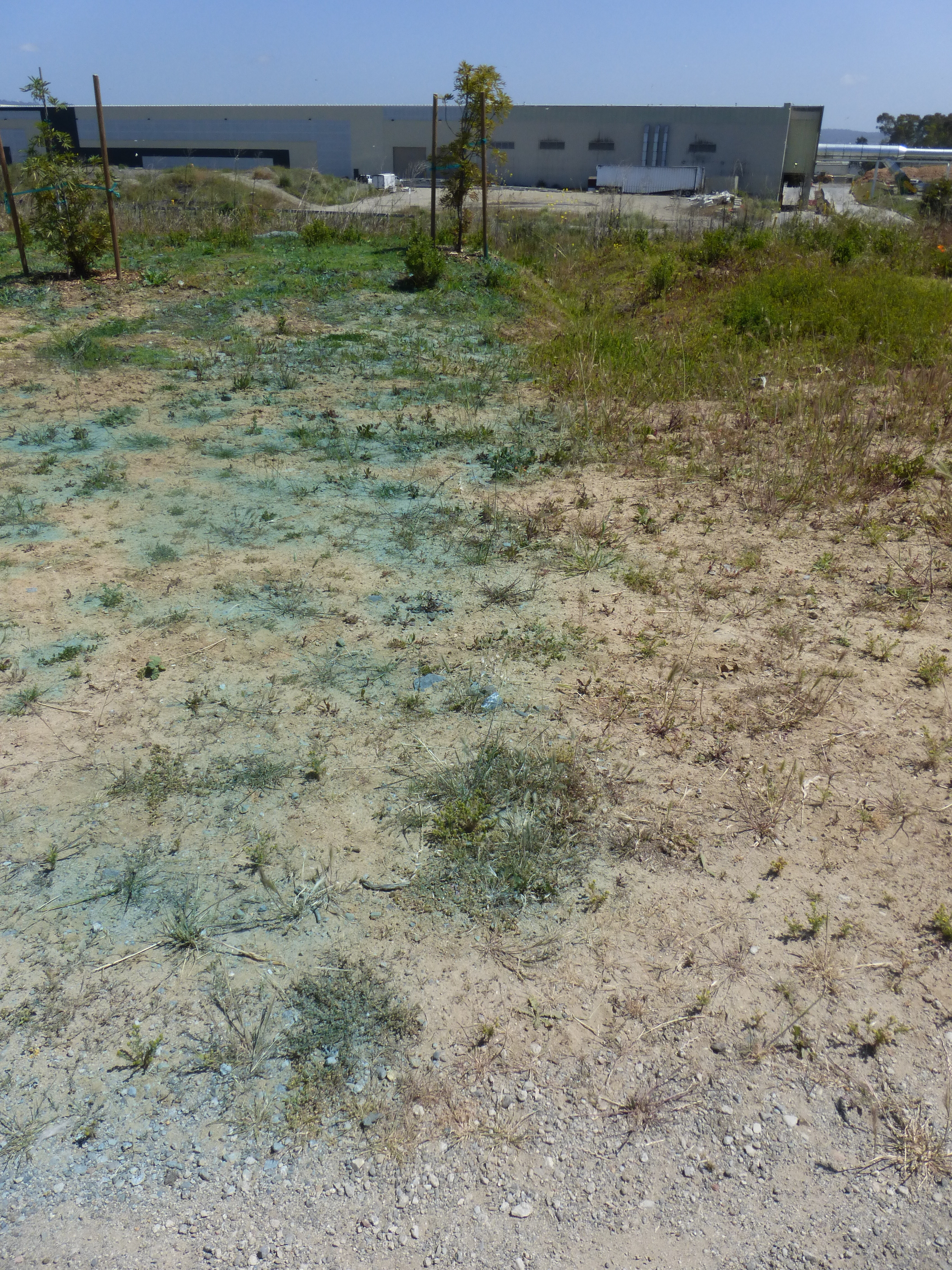


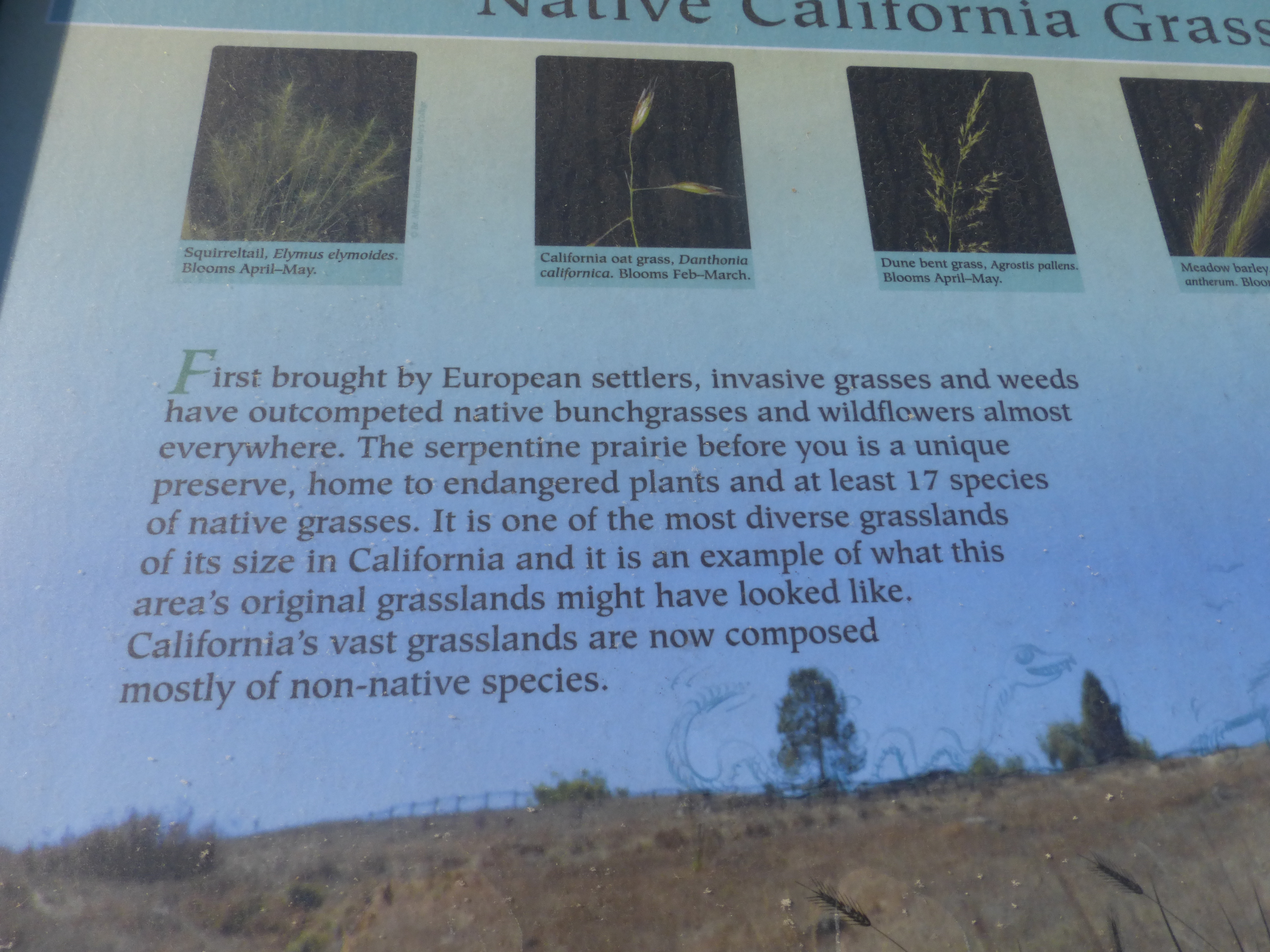
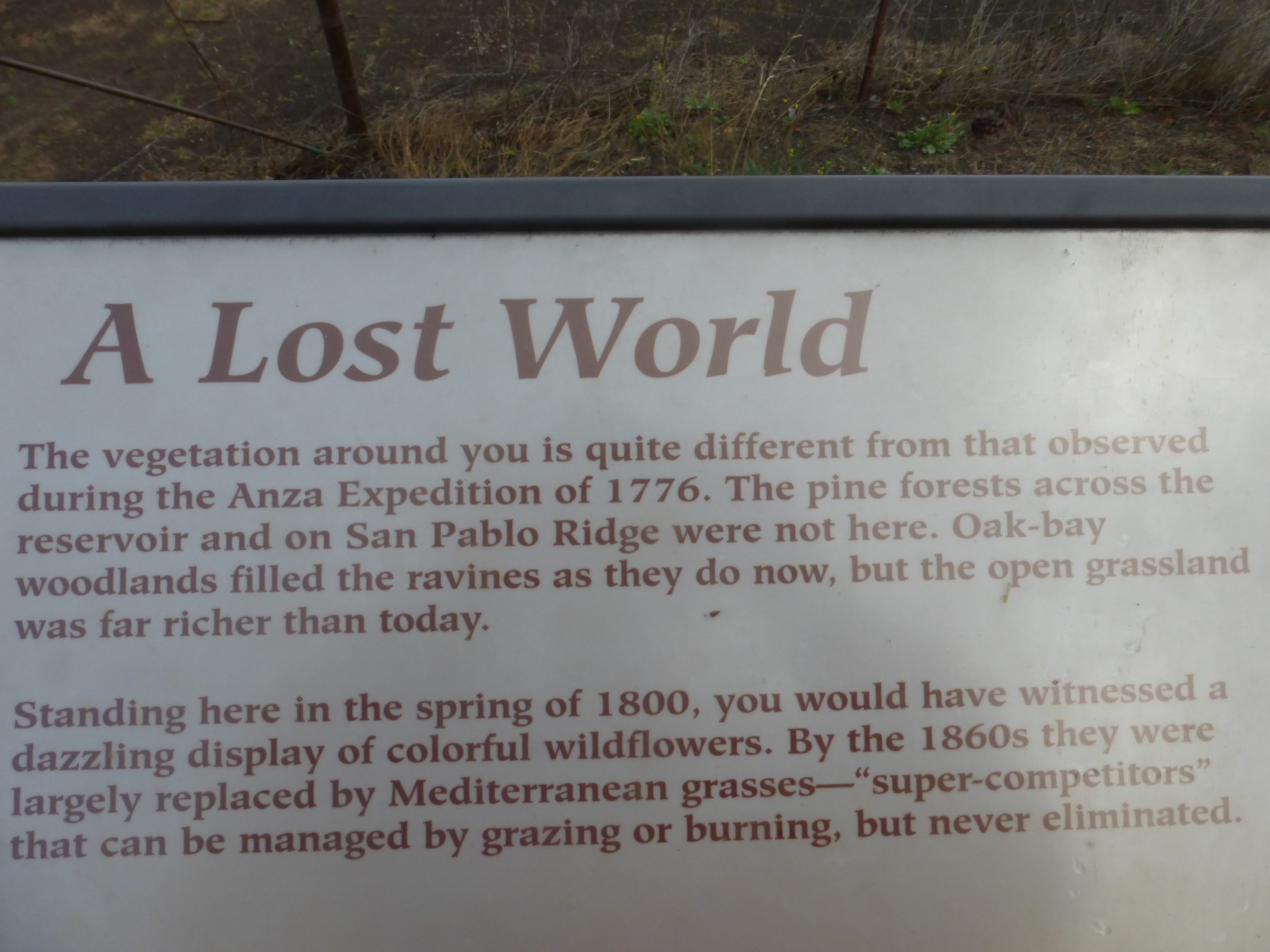
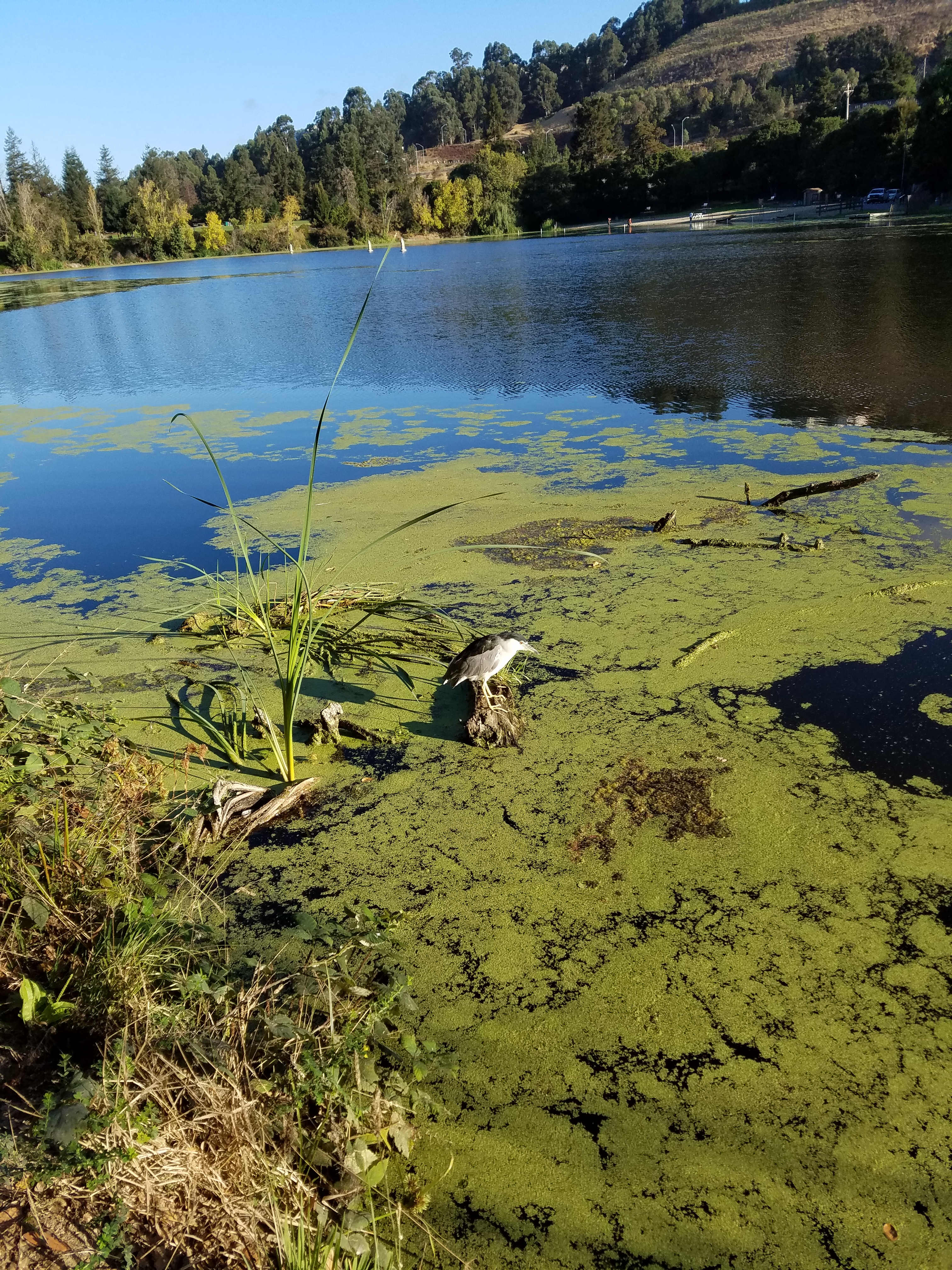
 Conservation Sense and Nonsense