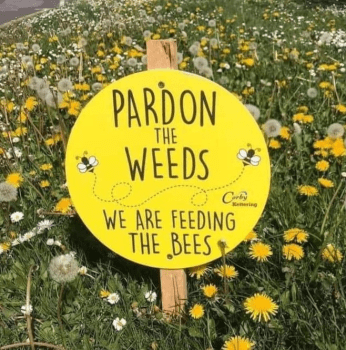
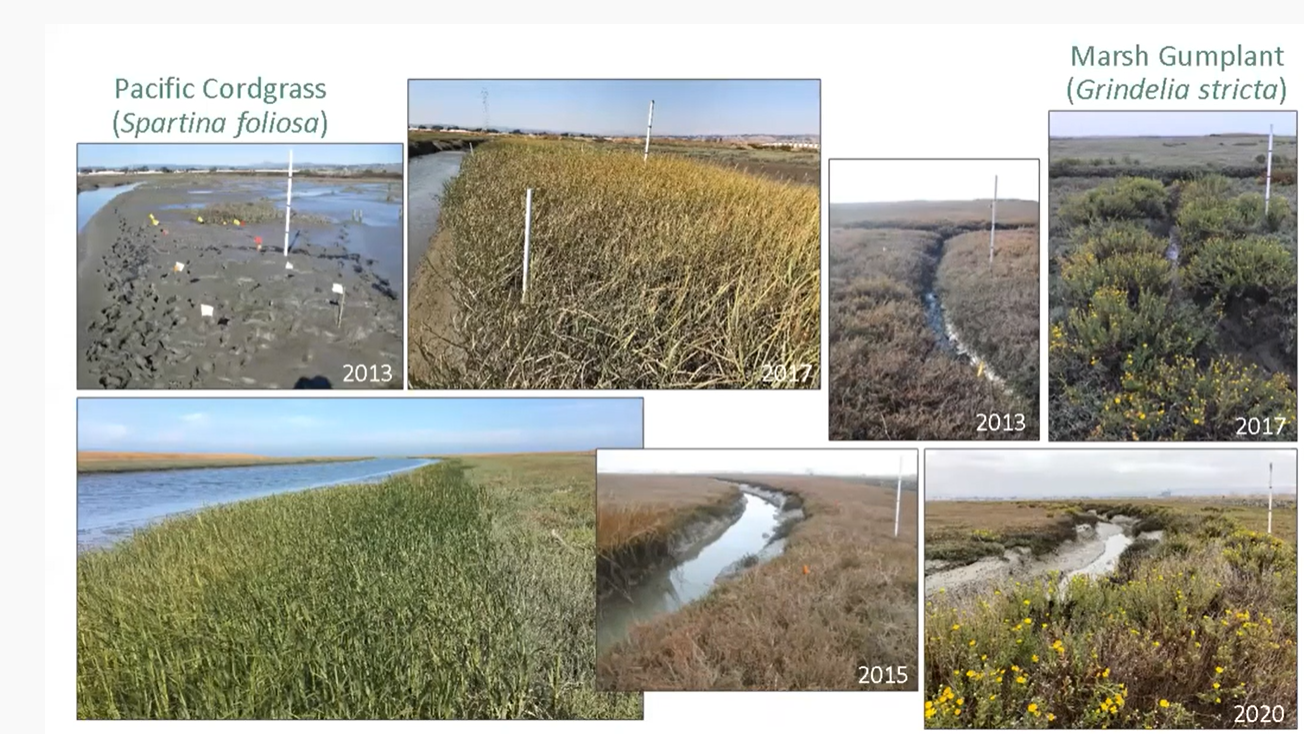
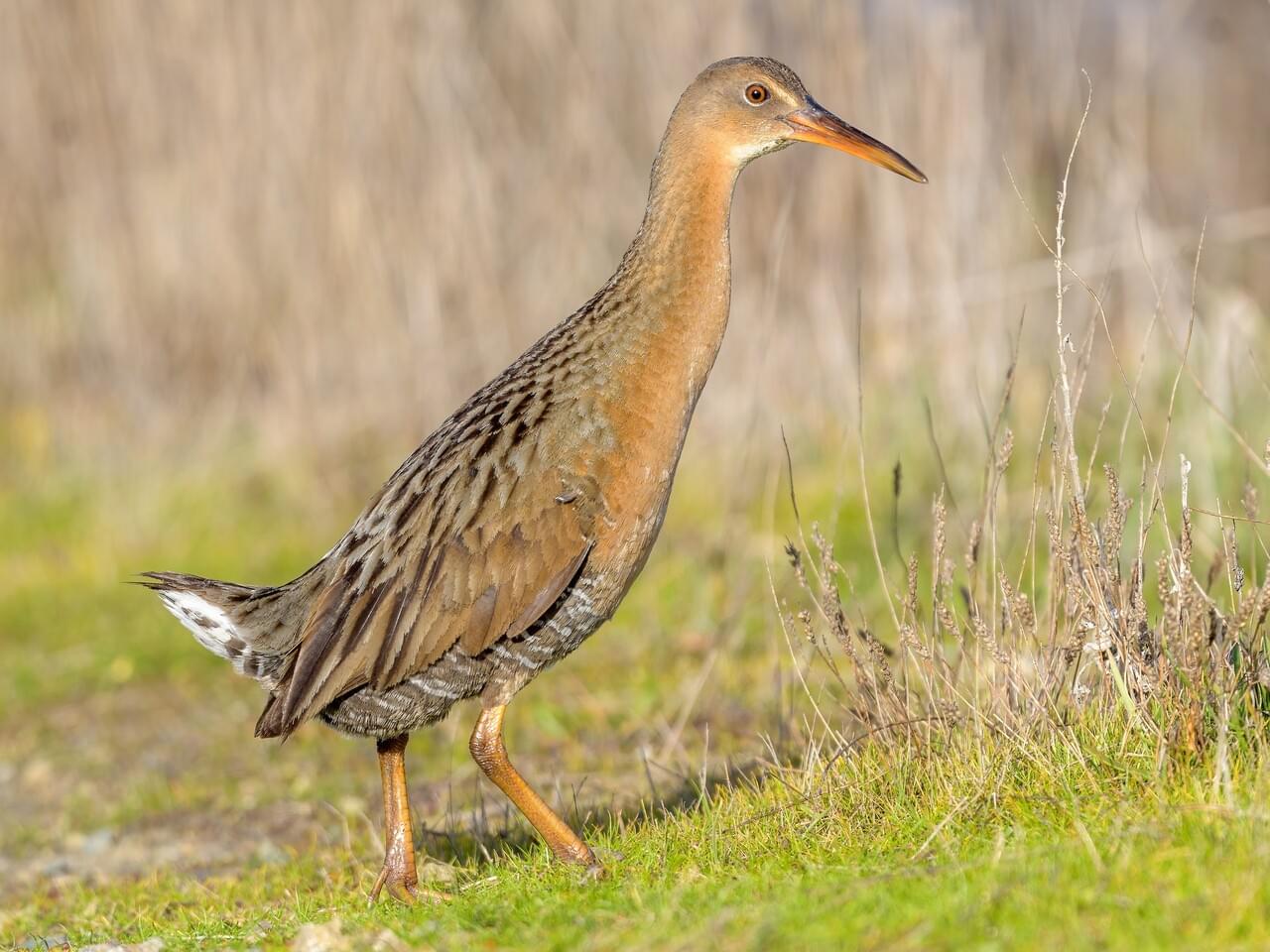
I spoke to California’s Wildlife Conservation Board at their August 2024 meeting about the Invasive Spartina Project. I asked the Board not to fund the eradication of non-native spartina and its hybrid, using herbicide. This project, which began 20 years ago, had cost over $50 million by 2023. (1) Non-native spartina, native to the East and Gulf coasts (2), provides crucial habitat for Clapper rails (3), closely related to our endangered Ridgway rails.
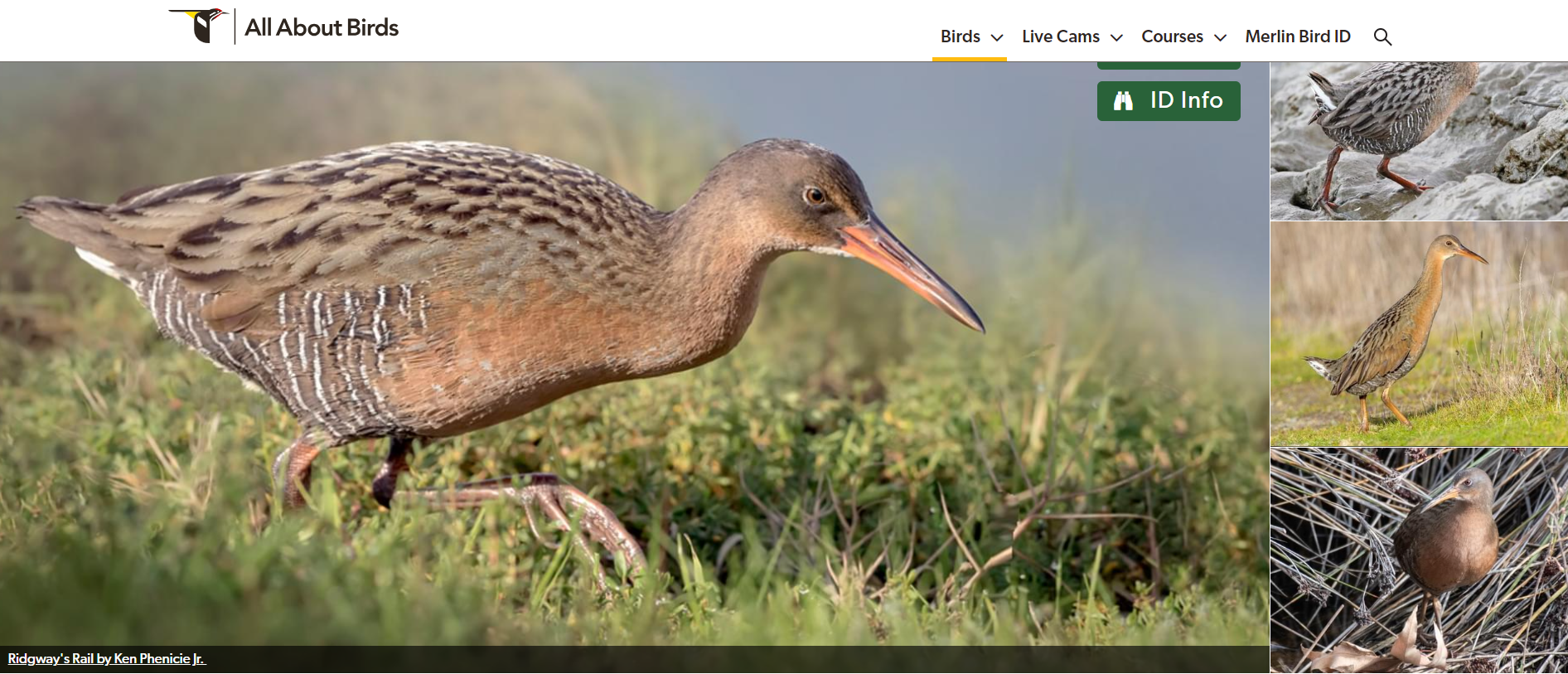
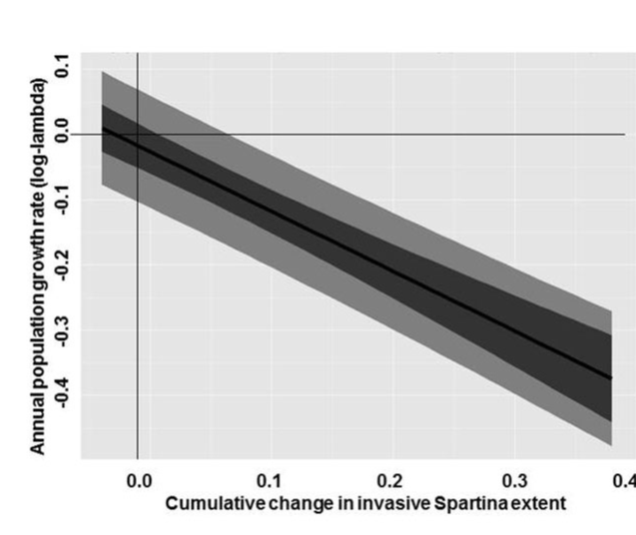
Non-native spartina grows taller, denser, and doesn’t die back in winter as native spartina does. Because early aerial spraying of herbicide eradicated most non-native spartina by 2010, Ridgway rail populations declined by 50% due to habitat loss. (4)
The project was temporarily paused in 2014 to plant native marsh plants and stabilize rail populations. When the project was resumed in most places the rail population continued to decline from 2018-2023. There were approximately 1,200 Ridgway rails in the Bay estuary before the project began. (5) The most recent survey in 2022 found about 500. (6)
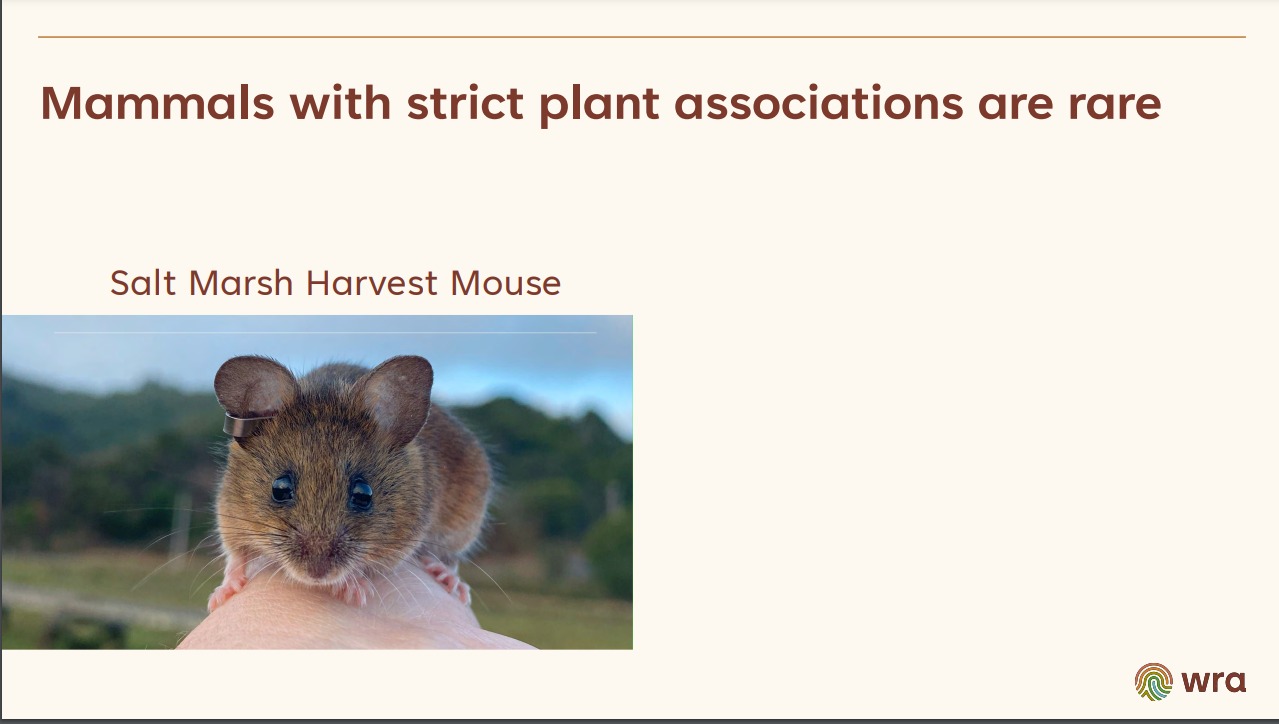
Native pickleweed was planted based on the mistaken assumption it would benefit endangered salt marsh harvest mice. Recent studies show there are more mice in areas with less pickleweed and they eat both native and non-native plants. (7)
For the past 10 years, the focus has been on eradicating a hybrid of spartina, though it is indistinguishable from native spartina and 7,200 genetic tests were required from 2010 to 2022 to identify it. Hybridization is a natural evolutionary process that supports natural selection. (8)
Hybrid spartina could help to protect the Bay’s shoreline as sea level rises and extreme storm events cause erosion. Where it is eradicated, gaps in vegetation are difficult to revegetate because the herbicide (imazapyr) that is used is very mobile and persistent in the soil. Imazapyr is also a non-selective herbicide that kills both native and non-native plants growing closely together, as they do in the San Francisco Bay Estuary. (9)
Although others spoke with me, there were an equal number of people who spoke in favor of granting nearly $7 million to continue the project for another 10 years. Some of the funding is granted to California Invasive Plant Council to administer the grants. Several of those speakers (including Marin Audubon) actually claimed that the project is benefiting endangered Ridgway rails, despite the fact that the project has killed at least 600 of them by destroying their nesting habitat and probably contaminating the food they eat, such as crustaceans and mollusks.
You might wonder why an organization such as Marin Audubon, which is committed to protecting birds, would advocate to continue a project that has killed at least 600 endangered birds, until you remember that Marin Audubon is also supportive of the project that plans to kill 500,000 barred owls. Marin Audubon also wants the Barred Owl Management Strategy to be mandatory instead of voluntary as proposed by USFWS.
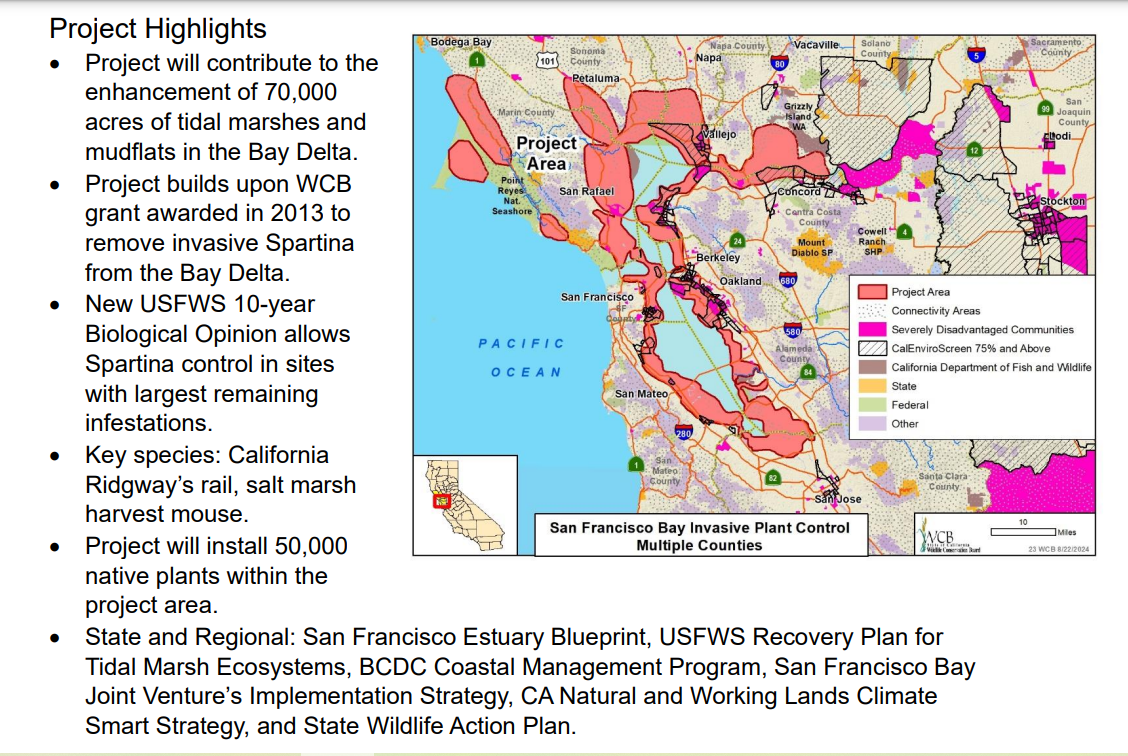
The Wildlife Conservation Board approved grants to the Invasive Spartina Project with one dissenting vote. The dissenting Board member voted, “Hell, NO!” Her term on the Board will end after the May 2025 meeting. She does not expect to be reappointed. Her departure will be the end of the effort to prevent the Wildlife Conservation Board from granting funds to projects that use pesticides. It’s another dead end for those who advocate on behalf of wildlife and against the use of pesticides on public lands.
Funding sources to continue the Invasive Spartina Project are the Greenhouse Gas Reduction Act and Climate Change Resilience fund. These funding sources are as inappropriate as the project itself. Destroying vegetation does not reduce greenhouse gas emissions. Destroying non-native vegetation that grows taller, denser, and doesn’t die back in winter does not make our shoreline more resilient as sea-levels rise and winter storms become more intense.
Invasive Spartina Project is typical, not unique
The Invasive Spartina Project is typical of other “restoration” projects in California that have been trying, unsuccessfully, to eradicate non-native plants for 20 years and more. Thanks to the California Invasive Plant Council (Cal-IPC), we now have survey data that tells us where these projects have been done and for how long. (10)
Cal-IPC sent more than 300 survey questionnaires to “practitioners” who had registered for Continuing Education credits for Cal-IPC classes and “land manager staff of organization throughout California.” Over 100 practitioners replied to the survey. This graph depicts their replies to the question, “Approximately how many total years have you applied herbicides throughout your career?”
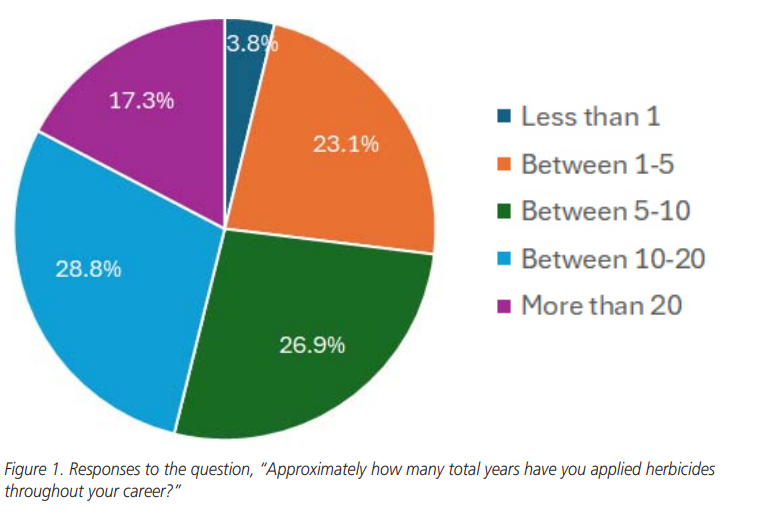
Clearly, the Invasive Spartina Project is one of many “restoration” projects that have been applying herbicides for 20 years or more. And the Invasive Spartina Project has secured State funding to continue spraying herbicides for another 10 years. Spraying herbicides on public lands has created stable, life-long employment for an army of weed warriors.
The survey also tells us where herbicides are being sprayed:
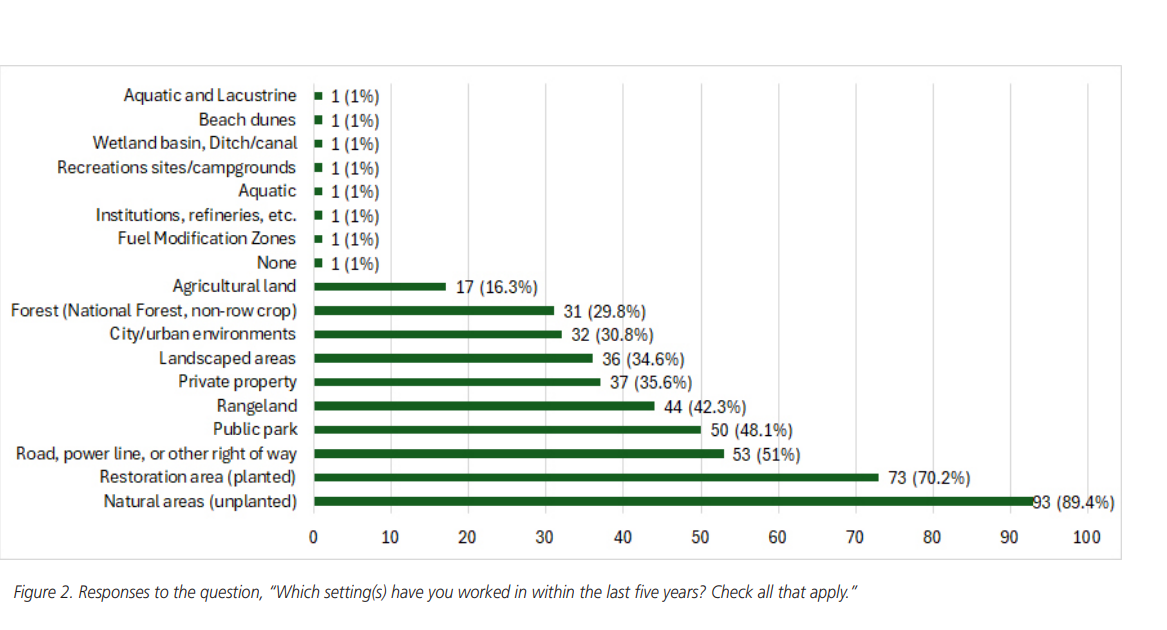
Virtually all (89%) herbicide applicators are spraying herbicides in “natural areas”—which we assume are wildlands—where no attempt has been made to plant native plants. Most projects are more destructive than they are constructive. Nearly 50% of herbicide applicators are spraying in public parks. 70% of herbicide applicators spray in “restoration areas,” presumably to sustain the native plants that were planted. If they are using non-selective herbicides, such as glyphosate and imazapyr, they are probably killing native plants too.
There are many other revelations in this survey and the details are available in the Cal-IPC publication (10):
- Only 1.9% of respondents had not used herbicides or been part of a project that used herbicides.
- The top three application methods were spot spraying (100%), cut stump (87%), and broadcast spray (70%).
- 40% of respondents were not calibrating their herbicide use. “Calibration is the process of adjusting and measuring the amount of pesticide that a piece of equipment will apply to a target area. It’s an important step in the pesticide application process to ensure that the equipment is applying the correct amount of pesticide at the right rate and in a uniform manner.” (Google search)
- 28% of respondents had never received calibration training. 20% of respondents said they did not calibrate their herbicide application because “they did not know how.” Cal-IPC often claims that herbicides are being applied “judiciously.” If you don’t know how to apply herbicides, you are unlikely to apply them “judiciously.”
The Forever War on Non-Native Plants
Cal-IPC’s survey of “restoration” practitioners confirms our observations of their efforts in the past 25 years in the San Francisco Bay Area:
- Attempts to eradicate non-native plants are a Forever War that has poisoned our public lands without eradicating non-native plants or restoring native vegetation, in most cases.
- The war is futile because it is attempting to stop evolution, which is trying to help flora and fauna adapt to the changing climate and environment. Humans cannot stop evolution, nor should we try. The Forever War is a losing battle against evolution, which has sustained life on Earth for 3.7 billion years, without human “assistance.”
- The plants that we are trying to kill are also adapting to the poisonous war we pointlessly wage against them. They have evolved and will continue to evolve resistance to the poisons we spray on them. Herbicides are less effective than they were 40 years ago and they will be continuously less effective.
- We are poisoning ourselves and other animals in our futile attempt to kill the plants that feed them. Claims that wildlife eat only native plants is a fiction and a lie that sustains an industry with vested economic interests in that myth.
- Many pesticide applicators are not properly trained or they are not following legally mandated instructions for pesticide applications on product labels. They are hurting themselves when they don’t wear legally required personal protection equipment. They are hurting the environment and everyone who lives in it when they use too much pesticide because they have not calibrated their applications as required by the product label. When they don’t post pesticide application notices in advance of their applications, they deprive the public of the opportunity to protect themselves by avoiding the area. Even when they do, such signs would not be helpful to wildlife.
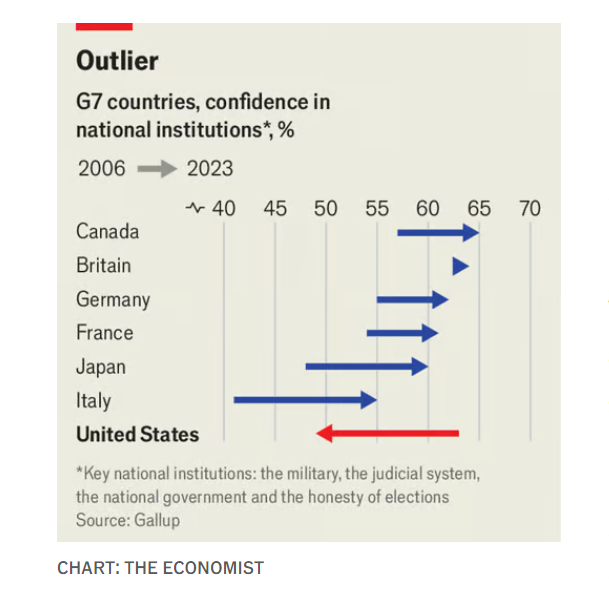
- The money that is wasted on this Forever War could be used to address a multitude of other pressing needs. For example, the lead pipes in Oakland that are delivering drinking water contaminated with lead to children in our public schools could be replaced with a fraction of what has been spent to eradicate non-native spartina marsh grass in the past 20 years. (11) It’s no wonder that the public does not trust the American government:
References:
- San Francisco Estuary News, “The Battle for Native Cordgrass,” Jacoba Charles, March 2023
- USDA Plant Database: Spartina alterniflora When the Invasive Spartina Project began, the USDA Plant Database map of this species indicated that the species was introduced on the West Coast. The current version of the map shows that this species is now native to the West Coast.
- Clapper rail, Cornell Laboratory of Ornithology Status of Clapper rail is “Low Concern”
- Adam Lambert et.al., “Optimal approaches for balancing invasive species eradication and endangered species management,” Science, May 30, 2014, vol. 344 Issue 6187
- “Effects of Predation, Flooding, and Contamination on Reproductive Success of California Clapper Rails (Rallus Longirostris Obsoletus) in San Francisco Bay,” Steven E. Schwarzbach, Joy D. Albertson, Carmen M. Thomas, The Auk, 1 January 2006
- 2023 California Ridgway’s Rail Surveys for the San Francisco Estuary Invasive Spartina Project (page 9)
- “Evaluating the plasticity of a ‘specialized’ rodent in a highly-invaded estuary,” Katie R. Smith, et.al., Presentation to California Invasive Plant Council Symposium, October 2023
- San Francisco Estuary Invasive Spartina Project 2021‐2022 Monitoring and Treatment Report (Appendix II, page 3)
- Journal of Pesticide Reform: https://assets.nationbuilder.com/ncap/pages/26/attachments/original/1428423389/imazapyr.pdf?1428423389#:~:text=Imazapyr%20can%20persist%20in%20soil,aerial%20and%20ground%20forestry%20applications
- Dispatch, Newsletter of California Invasive Plant Council, Spring 2024 (page 10-11)
- “In 2018, Oakland Unified School District (OUSD) estimated that it would cost $38 million to fix lead contamination in its schools. This included $22 million to replace water lines and $16 million to replace drinking water and sink fixtures. The OUSD blamed the aging infrastructure for the high lead levels and sought help from the state and federal government.” (Google Search)

 Conservation Sense and Nonsense