In September 2016, the State of California passed a law that allocated $1.2 billion to create a cap and trade program to reduce Greenhouse Gas (GHG) emissions. The California Natural Resources (CNR) Agency was allocated $80 million to fund green infrastructure projects that reduce GHG emissions. The CNR Agency is creating an Urban Greening Program to fund grants to cities, counties, and other entities such as non-profit organizations in URBAN settings. 75% of the funding must also be spent in economically disadvantaged communities.
These grants must reduce GHG emissions using at least one of these specific methods:
Sequester and store carbon by planting trees
Reduce building energy use from strategically planting trees to shade buildings
Reduce commute, non-recreational and recreational vehicle miles travelled by constructing bicycle paths, bicycle lanes, or pedestrian facilities.
Clearly, planting trees is one of the primary objectives of this grant program. That sounds like good news for the environment and everyone who lives in it until you read the draft program guidelines which are available HERE.
Unfortunately, as presently drafted, the grant program will NOT increase California’s urban tree canopies, because the program requires the planting of “primarily” native trees. That requirement is explicitly stated several times in the draft guidelines, but there are also places in the draft where the reader might be misled to believe the requirement applies only to plants and not to trees. Therefore, I asked that question of the CNR Agency staff and I watched the public hearing that was held in Sacramento on October 31st. CNR Agency staff responded that the requirement that grant projects plant “primarily” native species applies to both plants and trees.
The good news is that the grant program guidelines are presently in draft form and the public has an opportunity to comment on them. If you agree with me that we need our urban forest, you will join me in asking the CNR Agency to revise their grant program guidelines to remove restrictions against planting non-native trees. Public comment must be submitted by December 5, 2016. Send comments to: Urban Greening Grant Program c/o The California Natural Resources Agency Attn: Bonds and Grants Unit 1416 Ninth Street, Suite 1311 Sacramento, CA 95814 Phone: (916) 653-2812, OR Email: urbangreening@resources.ca.gov Fax: (916) 653-8102
Here are a few of the reasons why limiting trees to native species will not increase tree canopies in urban areas in California:
Many places in California were virtually treeless prior to the arrival of Europeans. Non-native trees were planted by early settlers in California because most of our native trees will not grow where non-native trees are capable of growing. According to Matt Ritter’s California’s Guide to the Trees Among Us, only 6% of California’s urban trees are native to California:
Draft guidelines for the Urban Greening grants refers applicants to the California Native Plant Society for their plant palette (see page 24 of guidelines). If applicants use this as the source of their plant palate, they will find few trees on those lists. This is another way to understand that if you want trees in California, most of them must be non-native.
Most California native trees are not suitable as street trees because of their horticultural requirements and growth habits.
The approved list of street trees for the City of San Francisco includes no trees native to San Francisco. There are many opportunities to plant more trees in San Francisco because it has one of the smallest tree canopies in the country (12%). The US Forest Service survey of San Francisco’s urban forest reported that 16% are eucalyptus, 8% are Monterey pine, and 4% are Monterey cypress. None of these tree species is native to San Francisco.
The approved list of street trees for the City of Oakland includes 48 tree species of which only two are natives. Neither seem appropriate choices: (1) toyon is a shrub, not a tree and the approved list says it will “need training to encourage an upright form.” It is wishful thinking to believe that toyon can be successfully pruned into a street tree; (2) coast live oak is being killed by the millions by Sudden Oak Death and the US Forest Service predicts coast live oaks will be virtually gone in California by 2060.
Climate change requires native plants and trees to change their ranges if they are to survive. One of the indicators of the impact of climate change on our landscapes is that 70 million native trees have died in California because of drought, insect infestations, and disease. The underlying cause of these factors is climate change.
66 million native conifers have died in the Sierra Nevada in the past 4 years because of drought and native bark beetles that have spread because winters are no longer cold enough to keep their population in check. Update: A new survey of California’s trees now reports that 102 million trees are now dead. That’s one-third of California’s trees. 62 million trees died in 2016 alone, which is an accelerating rate of death. These trees are still standing and they pose an extreme fire hazard. These are NATIVE TREES being killed by a combination of drought and NATIVE BARK BEETLES.
5 million native oaks have died since 1995 because of Sudden Oak Death. A study of SOD by University of Cambridge said in spring 2016 that the SOD epidemic is “unstoppable” and predicted that most oaks in California would eventually be killed by SOD. The Oak Mortality Task Force reported the results of its annual survey for 2016 recently. They said that SOD infections increased greatly in 2016 and that infections that were dormant in 2015 are active again. This resurgence of the pathogen causing SOD is caused by increased rain in 2016.
Scientists predict that redwood trees will “relocate from the coast of California to southern Oregon” in response to changes in the climate.
If you care about climate change, please join us in this effort to create a grant program that will expand our urban forests and reduce the greenhouse gas emissions that are causing climate change. Restrictions against planting non-native trees must be removed from grant guidelines in order to increase our tree canopies in California’s urban environments.
Update: Final guidelines for California State Urban Greening grant applications were published on March 1, 2017, and are available HERE. That program will distribute $76 million to cities that reduce greenhouse gas emissions by planting trees or reducing fossil fuels emissions. The deadline for grant applications is May 1, 2017. There will be a workshop for applicants at the Lake Temescal Beach House (6500 Broadway, Oakland) on March 27, 2017.
Final guidelines are improved from the draft guidelines. Draft guidelines would have required applicants to plant only native trees. The State agency received 62 public comments on the draft. 27 of those comments asked that the guidelines be revised to permit planting non-native trees as well as native trees. One of the 27 comment letters was signed by 33 tree-advocacy non-profit organizations.
Final guidelines reflect the public’s opposition to prohibiting the planting of non-native trees, which would have severely limited the number of trees that would survive. Native trees have specific horticultural requirements that limit the places where they can be planted.
Final guidelines now say that only “invasive” trees cannot be planted by grant projects. If the granting agency uses the classification of the California Invasive Plant Council to determine “invasiveness,” applicants would not be allowed to plant 15 specific tree species. However, the California Invasive Plant Council is revising its inventory of “invasive” plants, so we don’t know if the number of “invasive” trees will be increased by that revision.
Update #2: The California Invasive Plant Council has published the proposed revision to its list of “invasive” species. There were about 200 plants on the existing list. Now they propose to add another 99 species. Ten of those species are added based on their current impacts in California. One of the ten is a tree (glossy privet). 87 of the species are proposed for addition “based on risk of becoming invasive” in the future in California. Twelve of the 89 potentially invasive plants are trees.
There were 15 trees on the original list of “invasive” species. That means that the revised list of “invasive” trees will now include a total of 28 trees that cannot be planted by Urban Greening projects that are applying for grant funds.
The revised inventory of “invasive” plants was just published. Public comments can be submitted on the proposed revisions by May 8. The proposed revisions and how to make comments on the proposal are available HERE.
Personally, I object to the introduction of a new category of 89 plants that are not presently having any “impact” according to Cal-IPC but are predicted to in the future. These revisions will increase the inventory of “invasive” plants by 50%. It represents a significant escalation of the crusade against non-native plants in the California.
Nativist bias is not entirely absent from the revised guidelines for the Urban Greening program. Applicants are required to explain why they plan to plant non-native trees. However, applicants are also required to have a certified arborist or comparable horticultural expert certify that the plant list is appropriate to the planting location. Hopefully, that will prevent the wasteful planting of native trees where they will not survive.
If the owners of our public lands in the East Bay hills are finally successful in implementing their plans to destroy our urban forest, what will the hills look like? The land owners tell us in their written plans that the forests will be replaced by grassland with islands of shrubs. They also say they will preserve existing oak-bay woodlands. However, their plans make no commitments to plant anything. They predict that this conversion will take place naturally, without further intervention.
The Sierra Club, which advocates for the destruction of our urban forest, is more specific about their desire for a native landscape. The Sierra Club says, “Existing native plants in the understory will be preserved and replaced naturally. Grass and shrub land will be restored…with more naturally fire-resistant native trees and plants.”
Are these realistic predictions for the future of the East Bay hills if most of the non-native forests are destroyed? That’s the question we will ponder today.
Grassland in California
We predict that grassland is the likely immediate outcome of tree removals. The grassland will quickly succeed to shrubs in the absence of grazing and periodic fires. However, that grassland won’t be native because grassland in California has not been native for over 150 years. Here are a few of the sources of that information:
“…only about 1% of [California] grassland today could be considered pristine [AKA native]” (1)
“Non-native species are widespread and often the dominant plants in California’s grasslands…it is clear that annual grasses…are dominant over enormous portions of the state.” (2)
David Amme is one of the co-founders of The California Native Grass Association and one of the authors of East Bay Regional Park District’s “Wildfire Hazard Reduction and Resource Management Plan” at a time when he was employed by EBRPD. In an article he wrote for Bay Nature he lists a few small remnants of native grasses in the East Bay and advises those who attempt to find them, “As you go searching for these native grasses, you’ll see firsthand that the introduction of the Mediterranean annual grasses is the juggernaut that has forever changed the balance and composition of our grasslands.” (3)
In a video recording of a lecture given to ecology students at UC Berkeley, Professor Joe McBride tells the students that an inventory of grassland in Strawberry Canyon found that it is 97% non-native annual grasses. (4)
Trees were destroyed here by UC Berkeley over 10 years ago. The landscape is now non-native annual grasses. This is the typical outcome of tree removals on sunny hills without a water source.Along the roads and riparian corridors, where trees have been destroyed, tall weeds reign. Poison hemlock and thistle are 8 feet tall where not sprayed with herbicide. Site 29, May 2016.
Why were native perennial bunchgrasses quickly replaced by non-native annual grasses?
David Amme explains why non-native annual grasses quickly replaced native bunch grasses in his article in Bay Nature:
“The Mediterranean annual grasses grow faster and bigger than the native bunchgrasses. Established annual grass stands produce ten times the amount of seed as do native grass stands of equal area, and most important, their seeds are five to ten times larger, giving them a big jump on establishment and fast growth. Another advantage they have is their shallow, weblike root system, which quickly exploits the moisture near the surface of the soil, rendering tiny, slow-growing native perennial seedlings helpless.” (3)
Serpentine Prairie on Skyline Blvd is one of the small remnants of native bunch grasses in the East Bay. Serpentine soil suppresses the growth of annual grasses. About 8 years ago 500 trees (including many oaks) were destroyed there to begin a restoration attempt. It is being weeded by hand. Mowing will be required during the restoration. Prescribed burns will be required to maintain it as prairie.
Stromberg says land use changes were also instrumental in the replacement of native grasses by non-native annual grasses:
“…drought, combined with intensification of crop agriculture and intensive year-round livestock grazing resulted in a dramatic decline in native perennial grasses over a relatively short period. Diaries of early explorers such as John Muir also suggest that dramatic change occurred relatively rapidly in the mid 1800s. Native species were presumably replaced with non-native annuals whose seeds had become widespread as a result of transport by livestock, contaminations of seed crops, or active planting as forage crops.” (2)
European annual grasses evolved with a 40,000 year history of association with human disturbance in Eurasia and are therefore pre-adapted to take advantage of a highly disturbed environment such as agricultural and urban environments. They are also much more drought tolerant than California native grassland. (2)
Another factor in the dominance of non-native annual grassland is that many are known to be capable of transferring atmospheric nitrogen into the soil (called “nitrogen-fixers”). Modern burning of fossil fuels has increased atmospheric nitrogen levels. These two factors combine to increase levels of nitrogen in the soil. High levels of nitrogen in the soil “promotes fast-growing exotic annual grasses to the exclusion of native species.” (2)
What are the prospects of restoring native bunch grasses in the Bay Area?
Given the competitive advantages of non-native annual grasses, is it realistic to expect native bunch grasses to “naturally” colonize the landscape when the forests are destroyed without being planted? Probably not.
Stromberg reports on 18 grassland restoration projects on 943 acres in California in California Grasslands. All eighteen of those projects planted native plants after using various methods to eradicate non-native annual grasses. 78% of the projects used herbicides. 61% of the projects also used grazing. 56% of the projects also used some combination of mowing, disking, or burning. 11% of the projects also irrigated. None of these projects resulted in exclusively native grassland and none predicted permanent return of native grassland. (2)
Dunnigan Test Plot, August 2011. The result of an eight-year effort to restore native grassland. Does it look “biodiverse?” Courtesy ecoseed.com.
We reported on a project in which nearly $500,000 was spent to convert 2 acres of non-native annual grasses to native grasses over a period of 8 years. Every possible combination of planting and eradication was used. When they ran out of money, they described their success as 50% native grasses that were predicted to last for 10 years.
We turn to David Amme again to describe the prospects of converting non-native to native grassland:
“…the Mediterranean annual grasses are a permanent part of the Californian grasslands, and they now are as much a part of California’s grasslands as the native perennial grasses once were. The time is long overdue for an official naturalization ceremony. Despite the losses suffered by native plants in the face of exotic grasses, the East Bay annual grasslands remain a tremendously productive ecosystem, in terms of producing great volumes of both forage and seed.” (3)
And apparently East Bay Regional Park District agrees with that assessment, judging by this sign posted at Inspiration Point in Tilden Park:
Sign at Inspiration Point, Tilden Park: “By the 1860s [native grasslands] were largely replaced by Mediterranean grasses –‘supercompetitors’ that can be managed by grazing or burning, but never eliminated.”
And the future of grassland is bleak
Researchers at Stanford University conducted a study of the future of grasslands in California by mimicking carbon dioxide and temperature levels that are predicted in the future: “In the course of a 17-year experiment on more than 1 million plants, scientists put future global warming to a real-world test.”
Here is what they learned: “The results aren’t pretty…the plants…didn’t grow more or get greener. They also didn’t remove the pollution and store more of it in the soil…Plant growth tended to decline with rising temperature….grassland ecosystems will likely not be able to tolerate the higher temperatures and increased drought stress.” (5)
Bay Nature published an interview with Elizabeth Hadly, Stanford University Paleoecologist and recently appointed faculty director of Stanford’s Jasper Ridge Ecological Reserve, where that research study was conducted. Professor Hadly told Bay Nature, “Global change is in motion and there is no going back, no ‘restoration’ to some historic state. I want to anticipate the future. How do we anticipate the future of the nature reserve in this place?” (6)
We agree with Professor Hadly. In a rapidly changing climate, conservation efforts should look to the future, not to the past. The past is increasingly irrelevant to conservation.
Ignorance or Strategy?
Why does the Sierra Club believe that our urban forests will be replaced by native grassland? Are they ignorant of the fact that our grassland is almost entirely non-native annual grassland? Are they unaware of the fact that none of the owners of our public land in the East Bay has any intention to plant native plants? Are they unaware of the competitive advantages of non-native grasses and the notorious failures of attempts to convert grassland from non-native to native?
Or is their ignorance actually a strategy? Do they want to seduce their followers into believing that destroying non-native trees will result in the return of a native landscape?
We don’t claim to know the motivation of those who demand the destruction of our urban forest. But we know this: destroying our urban forest will not magically produce a native landscape. Claims that it will are either dishonest or delusional.
In our next post we will address the claim that oak woodlands will also expand as a result of destroying our non-native forests. Preview: the claim that oak woodlands will expand is also delusional.
Alan Schoenherr, A Natural History of California, UC Press, 1992, page 520
Mark Stromberg, et. al., California Grasslands, UC Press, 2007, page 67
The Marin Municipal Water District stopped using herbicides on its properties in about 2005, in response to the public’s concerns. MMWD then hired consultants to evaluate the risks of using herbicides. As a result of those studies, MWWD decided in 2015 to make a permanent commitment to NOT using herbicides on its properties.
A member of the Board of Directors of MMWD has written a public comment for the East Bay Municipal Utilities District Master Plan in which he explains why MMWD made this decision. His letter is available here: MMWD – public comment from Board member
Here is a summary of the reasons why MMWD no longer uses herbicides on its properties:
The International Agency for Research on Cancer reclassified glyphosate as a “probable carcinogen.”
The California Office of Environmental Health Hazard Assessment has recommended that glyphosate be listed under Proposition 65.
A study conducted by researchers at UC Davis found that glyphosate persisted for at least 84 days when applied to foliage. “The clear inference from this study is that glyphosate could well migrate to water courses and streams which feed MMWD’s reservoirs.”
The toxicity of herbicides to aquatic life and habitat is well documented.
The persistent toxicity of many herbicides decreases soil biota which reduces CO2 absorption. “Hence, it appears that the non-pesticide approach may well assist with society’s ongoing efforts to remediate GHG through regenerative forestry practices.”
Thank you, MMWD, for writing this letter to EBMUD about their use of pesticides on our watershed in the East Bay. EBMUD should follow your lead!
Please write your own public comment on the East Bay Municipal Utilities District Master Plan. Public comments are due by Friday, September 16, 2016. Comments should be sent to watershedmasterplan@ebmud.com or by mail to Doug Wallace, EBMUD, 375 11th St, Oakland, CA 94607.
There is also a petition to EBMUD that we encourage you to sign:
Our family contributed to several mainstream environmental organizations for decades. We were Sierra Club members because we wanted clean water and clean air. We were Audubon Society members because we care about birds and other wildlife.
About ten years ago, we learned that these organizations were actively participating in projects demanded by native plant advocates to destroy our non-native urban forest and fence the public out of its public parks in order to turn our parks into native plant museums. When we learned about the huge quantities of pesticides used by these projects that was the last straw.
The Berkeley Meadow is a 72-acre native plant garden on a former garbage dump on landfill.
We spent several years trying to convince these organizations that they were making a mistake by supporting projects that are doing far more damage to the environment than any theoretical benefit of native plants. Much of our effort was directed to the Sierra Club because they claim to be a democratically run organization. After several years of futile attempts to change the policies of these organizations, we quit because we did not want to contribute to the damage they are doing to the environment.
Logo of The Nature Conservancy.
The Nature Conservancy was the only environmental organization to which we were still contributing. Below is our “resignation” letter to The Nature Conservancy, which explains why we finally gave up on them as well. This was not an easy letter to write because we care deeply about the environment and the animals who live in it. We believe that environmentalism has an extremely important role to play in society and we would like to participate in an organization that is focusing on the environmental issues of our time, particularly climate change.
September 2016
Mark Tercek, Executive Director
The Nature Conservancy
Dear Mr. Tercek,
We have been contributors to The Nature Conservancy for decades. In the past few years we increased our donations because of the publications of TNC’s former Chief Scientist, Peter Kareiva.
While other mainstream environmental organizations were actively supporting destructive and restrictive ecological “restorations,” Mr. Kareiva was questioning that conservation strategy. In his publication, “What is Conservation Science?” Mr. Kareiva said, “Our vision of conservation science differs from earlier framings of conservation biology in large part because we believe that nature can prosper so long as people see conservation as something that sustains and enriches their own lives. In summary, we are advocating conservation for people rather than from people.” Mr. Kareiva was also articulating that revised mission for conservation in presentations around the country (which we attended), in TNC’s publications, and in mainstream media.
As you know, Kareiva’s viewpoint was in conflict with the old guard of conservation biologists who subscribe to the tenets of invasion biology. This conflict resulted in a confrontation of the old guard against TNC that was reported by the New Yorker in 2014. TNC resolved that conflict by making a commitment to quit publishing Mr. Kareiva’s viewpoint in mainstream media and by restoring eradication of “invasive” plants to its budget. That agreement foretold Kareiva’s departure from TNC. Not publishing is tantamount to career suicide for scientists. Mr. Kareiva has left TNC, as any self-respecting scientist would who has been deprived of his freedom to publish.
While this battle between competing visions of conservation played out, the country’s foremost invasion biologist, Daniel Simberloff, conducted a survey of TNC project managers to determine what, if any, impact Kareiva’s leadership was having on TNC’s conservation strategies. Most survey respondents (95%) reported that they “manage” non-native species and nearly all reported that they would devote more effort to that task if more resources were made available. Project managers devote a “substantial proportion” of their resources to “managing” non-native species and they expressed skepticism about “academic research and the invasion management controversy in particular.” Simberloff did not ask project managers what methods they are using and so we have no insight into the use of pesticides by TNC. This is probably information that Simberloff would rather we not have. Invasion biologists prefer to ignore the destructive methods that are used in the fruitless attempt to eradicate non-native plants.
Ecological “restorations” are damaging the environment by destroying useful habitat, poisoning open spaces with pesticides, and killing animals perceived to be competitors of native animals. These projects are usually futile because the plants and animals that are being eradicated are adapted to current environmental conditions that are not reversed by their elimination. The “native” ranges of plants and animals must change in response to changes in the environment, most notably climate change. So-called “invasive” species are symptoms of change, not causes of change.
Here in the San Francisco Bay Area, our urban forest is being destroyed because it is predominantly non-native. Native plant advocates have fabricated an elaborate cover story to mask nativism because widespread destruction of plants and animals does not appeal to the public. Our public lands and open spaces are being poisoned with pesticides to kill vegetation and prevent trees from resprouting after they are destroyed. We are unwilling to support that agenda by contributing to organizations that engage in these projects.
Therefore, we will not renew our TNC membership and we will not contribute further to TNC. If and when TNC abandons its attempts to eradicate plants and animals that are performing valuable ecological functions, we would gladly renew our contributions.
Sincerely,
[Former Members of The Nature Conservancy]
Referenced sources:
D.T. Max, “Green is Good,” New Yorker, May 12, 2014
Sara Kuebbing and Daniel Simberloff, “Missing the bandwagon: Nonnative species impacts still concern managers,” NeoBiota , April 14, 2015
East Bay Municipal Utilities District (EBMUD) is the public utility that supplies our water in the East Bay. To accomplish that task, EBMUD manages thousands of acres of watershed land. Like most open space in the Bay Area, the vegetation on EBMUD’s land is a mix of native and non-native species.
Lafayette Reservoir, one of many EBMUD properties in the East Bay
EBMUD is revising its Master Plan. The draft Master Plan renews its commitment to destroying all eucalyptus and Monterey pines in favor of native vegetation. The draft Master Plan is available HERE. EBMUD is accepting written public comments on the draft Master Plan until September 2 extended to Friday, September 16, 2106. Comments should be sent to watershedmasterplan@ebmud.com or by mail to Doug Wallace, EBMUD, 375 11th St, Oakland, CA 94607.
EBMUD held a public meeting about its draft Master Plan on Monday, August 15, 2016. That meeting was attended by over 200 people. Most of the crowd seemed to be there to defend their access to EBMUD trails by bicycles.
There were 10 speakers who defended our trees against pointless destruction and the consequent pesticide use to prevent their resprouting. As usual, the Sierra Club came to object to increased access for bicycles and to demand the eradication of our trees. As usual, claims of extreme flammability of non-native trees was their stated reason for demanding the destruction of the trees. Update: HERE is a video of speakers at the EBMUD meeting for and against tree destruction and pesticide use.
Furthermore, our native trees are dying of drought and disease. This article in the East Bay Times informs us that 70 million native trees have died in the past four drought years and that the millions of dead trees have substantially increased fire hazards. In other words, it is profoundly stupid to destroy healthy, living trees at a time when our native trees are dying and pose a greater fire hazard.
We are grateful to Save the East Bay Hills for permitting us to publish their excellent letter to EBMUD about their misguided plans to destroy our urban forest. We hope that their letter will inspire others to write their own letters to EBMUD by September 2, 2016. Save the East Bay Hills is a reliable source of information about our issue. Thank you, Save the East Bay Hills for all you do to defend our urban forest against pointless destruction.
Update: Save the East Bay Hills has also created a petition to EBMUD that we hope you will sign and share with others. The petition is available HERE.
Sign the petition!
August 15, 2016
Douglas I. Wallace
Environmental Affairs Officer
Master Plan Update Project Manager
East Bay Municipal Utility District
375 11th Street
Oakland, CA 94607
Dear Mr. Wallace,
This letter serves as our response to the East Bay Municipal Utility District’s invitation for the public to review and comment on the draft of the East Bay Watershed Master Plan (“Draft Master Plan”) update. There is much in the plan to recommend itself and much that leaves a lot to be desired.
We are grateful that the Draft Master Plan recognizes the value of trees regardless of their historical antecedents, specifically noting that,
“Eucalyptus trees provide a source of nectar and pollen that attracts insects, which in turn serve as a prey base for birds and other animals. Hummingbirds and many migratory bird species feed extensively on the nectar. In addition, eucalyptus trees produce an abundant seed crop. These tall trees are used as roosting sites for birds. Bald eagles have roosted in eucalyptus groves in the San Pablo Reservoir watershed, and a great blue heron rookery exists in the eucalyptus trees at Watershed
Headquarters in Orinda. A great blue heron and great egret rookery was active near the northern arm of Chabot Reservoir in the recent past.”
The Draft Master Plan recognizes, “the ecological value and likely permanence of certain nonnative species and habitats,” including Eucalyptus and Monterey Pine. It recognizes that these two species of trees, especially Monterey Pine “provide stability to watershed soils” and “provide erosion control with a widespreading root system.”
It recognizes that they provide “protection from solar exposure, wind, and noise.”
It recognizes that they “provide biodiversity value (bald eagle and other raptor species) on District watershed lands.” For example, “Monterey Pine seeds provide food for small rodents, mammals and birds…”
It cites to the EBMUD Fire Management Plan which recognizes the value of trees in mitigating fire: “They do not represent a significant fire hazard when the understory is maintained for low fire intensities… Stands that are well spaced with light understory, proper horticultural practices, and maintenance of trees, e.g. spacing and above-ground clearance, can serve to minimize fire hazard.”
It admits that removing the trees would lead to inevitable grasses and shrubs which increase the risk of fire: “The most susceptible fuels are the light fuels (grasses, small weeds, or shrubs)…”
Finally, it recognizes that these tall trees occupy a very small portion of District lands: 1% for Eucalyptus and 2% for Monterey Pines.
Given their immense beauty, the habitat they provide, their mitigation against fire, the erosion control, all the other recognized benefits, and the fact that they occupy such a small percentage of overall District lands, why does the Draft Master Plan propose that they be eradicated over time?
The answer appears to be nothing more than perceived public will:
“As this species is considered a nonnative pyrophyte, regional pressure is present to reduce the number of Monterey Pine stands.”
“As a nonnative pyrophyte, eucalyptus plantations are a target of regional public pressure for removal.”
This is a misreading of the public will. The Draft Master Plan is elevating the nativist agenda of a loud, vocal minority over good sense, good science, ecological benefit, protection against fire, and the desires of the vast majority of residents and users of District lands. How do we know?
The City of Oakland, the University of California, and the East Bay Regional Park District have also proposed eradicating Monterey Pine and Eucalyptus trees and of the 13,000 comments received by FEMA during the public comment period following its draft plan, roughly 90% were in opposition by FEMA’s own admission. Moreover, over 65,000 people have petitioned the City of Oakland to abandon its effort to remove the trees.
That EBMUD does not hear from people who find beauty, shade, and benefit in the trees is not because they do not care; rather, it is because most members of the public do not understand the extent to which these trees are under siege by nativists, nor the level of cooperation these individuals are receiving from public lands managers to see their vision prevail.
For most members of the public, it simply strains credulity that those tasked with overseeing our public lands would cooperate with efforts to destroy not only large numbers of perfectly healthy trees, but given their height and beauty, trees that are the most responsible for the iconic character of East Bay public lands and the appeal of our most beloved hiking trails. And for what end? To treat our public lands as the personal, native plant gardens of those who subscribe to such narrow views. In short, there is no widespread desire to get rid of these trees and they should not be removed.
Indeed, the Draft Master Plan recognizes several “emerging challenges” as a result of climate change including, but not limited to, “increasing average temperatures, prolonged droughts, erosion, decreased soil moisture, and augmented risk of fires.” Tall trees like Eucalyptus and Monterey Pine help mitigate these challenges. For example, fog drip falling from Monterey Pines in the East Bay has been measured at over 10 inches per year. In San Francisco, fog drip in the Eucalyptus forest was measured at over 16 inches per year.
Moreover, Eucalyptus trees are an important nesting site for hawks, owls and other birds and are one of the few sources of nectar for Northern California bees in the winter. Over 100 species of birds use Eucalyptus trees as habitat, Monarch butterflies depend on Eucalyptus during the winter, and Eucalyptus trees increase biodiversity. A 1990 survey in Tilden Park found 38 different species beneath the main canopy of Eucalyptus forests, compared to only 18 in Oak woodlands. They also prevent soil erosion in the hills, trap particulate pollution all year around, and sequester carbon.
Many of these benefits are especially important in light of Sudden Oak Death which the Draft Master Plan admits is an ongoing challenge and is likely to increase because of climate change. If Sudden Oak Death impacts oak woodlands and EBMUD intentionally cuts down Eucalyptus and Monterey Pine which are proving themselves more suitable for the environment, it risks a treeless landscape, which would not only be a loss of beauty and loss of wildlife habitat, but exacerbate the challenges already faced by EBMUD as a result of climate change.
We also object to the Draft Master Plan accepting the labels “native” and “non-native” and making decisions based on that fact alone. “Non-native” and “invasive species” are terms that have entered the lexicon of popular culture and become pejorative, inspiring unwarranted fear, knee-jerk suspicion, and a lack of thoughtfulness and moral consideration. They are language of intolerance, based on an idea we have thoroughly rejected in our treatment of our fellow human beings — that the value of a living being can be reduced merely to its place of ancestral origin.
Each species on Earth, writes Biology Professor Ken Thompson, “has a characteristic distribution on the Earth’s land surface… But in every case, that distribution is in practice a single frame from a very long movie. Run the clock back only 10,000 years, less than a blink of an eye in geological time, and nearly all of those distributions would be different, in many cases very different. Go back only 10 million years, still a tiny fraction of the history of life on Earth, and any comparison with present-day distributions becomes impossible, since most of the species themselves would no longer be the same.”
This never-ending transformation — of landscape, of climate, of plants and animals — has occurred, and continues to occur, all over the world, resulting from a variety of factors: global weather patterns, plate tectonics, evolution, natural selection, migration, and even the devastating effects of impacting asteroids. The geographic and fossil records tell us that there is but one constant to life on Earth, and that is change.
Even if one were to accept that the terms “native” and “non-native” have value, however, not only do they not make sense as it relates to Monterey Pine and Eucalyptus, but the outcome would not change for three reasons. First, Monterey Pine and Eucalyptus provide numerous tangible benefits as previously discussed, while the claimed “problem” of their foreign antecedents is entirely intangible. That a plant or animal, including the millions of humans now residing in North America, may be “non-native” is a distinction without any practical relevance beyond the consternation such labels may inspire in those most prone to intolerance; individuals, it often seems, who demand that our collectively owned lands be forced to comply to their rigid and exiguous view of the natural world. What does it matter where these trees once originated if they provide such tremendous beauty and benefit here and now?
Second, the fossil record demonstrates that Monterey Pine are, in fact, “native” to the East Bay. (See, e.g., http://evolution.berkeley.edu/evolibrary/article/montereypines_01.) Monterey Pine fossils from the middle Miocene through the Pleistocene have been found in several East Bay locations. Similarly, since Eucalyptus readily hybridizes with other species, many experts now claim that California Eucalyptus hybrids could rightly be considered native, too.
Of more immediate concern, however, is that the five narrowly defined “native” stands of Monterey Pine — the Año Nuevo-Swanton area in San Mateo and Santa Cruz Counties, the Monterey Peninsula and Carmel in Monterey County, Cambria in San Luis Obispo County, and Guadalupe and Cedros Islands off Baja California in Mexico — are in danger. In light of escalating temperatures due to climate change, to save Monterey Pine requires “a new foundation for conservation strategies of the species and its associated ecosystems. If Monterey pine has long existed in small, disjunct populations and if these have regularly shifted in location and size over the California coast in response to fluctuating climates… then it would be consistent to extend our conservation scope…” “Areas not currently within its [narrowly defined so-called] native range could be considered suitable habitats for Monterey pine conservation.” (Millar, C., Reconsidering the Conservation of Monterey Pine, Fremontia, July 1998.)
As tree lovers and environmentalists in Cambria are banding together to determine how, if at all, they can save their precious remaining Monterey Pines now dying from drought in record numbers, here in the East Bay – less than 224 miles away – land managers at EBMUD are considering plans to willfully destroy them in record numbers. It is ecologically irresponsible and for those of us who dearly love the stunning, even arresting, beauty of these trees, it is also truly heartbreaking.
Third, and perhaps more importantly, removing Eucalyptus and restoring “native” plants and trees is not only predicated on the ongoing use of large amounts of toxic pesticides, it does not work, a fact acknowledged by cities across the country. In the last ten years, the City of
Philadelphia has planted roughly 500,000 trees, many of which are deemed “non-native” precisely because “native” trees do not survive. “[R]ather than trying to restore the parks to 100 years ago,” noted the City’s Parks & Recreation Department, “the city will plant non-native trees suited to warmer climates.”
For all these reasons, we oppose the elimination of Monterey Pine and Eucalyptus, even if phased over time as proposed, and likewise oppose EBMUD’s participation in the destruction of similar Pine and Eucalyptus forests in the Caldecott Tunnel area, in partnership with outside agencies. We ask that these be stricken from the Master Plan.
Finally, we oppose the ongoing and, if the trees are cut down, potentially increasing use of pesticides and ask that a ban on their use be put in effect in the final Master Plan, for the following reasons:
● Extremely low levels of pesticide exposure can cause significant health harms, particularly during pregnancy and early childhood.
● Children are more susceptible to hazardous impacts from pesticides than are adults and compelling evidence links pesticide exposures with harms to the structure and functioning of the brain and nervous system and are clearly implicated as contributors to the rising rates of attention deficit/hyperactivity disorder, widespread declines in IQ, and other measures of cognitive function.
● Cancer rates among children are increasing at an alarming rate and pesticide exposure contributes to childhood cancer, as well as other increasingly common negative health outcomes such as birth defects and early puberty.
● Approximately 4,800,000 children in the United States under the age of 18 have asthma, the most common chronic illness in children, and the incidence of asthma is on the rise. Emergence science suggests that pesticides may be important contributors to the current epidemic of childhood asthma.
● Animals, including wildlife and pets, are at great risk from exposure to pesticides, including lethargy, excessive salivation, liver damage, blindness, seizures, cancer, and premature death.
● Pesticides contain toxic substances, many of which have a detrimental effect on animal health, including pets, raptors, deer, and other wildlife, which is compounded when the bodies of poisoned animals are ingested by subsequent animals.
● The U.S. Environmental Protection Agency has recommended non-chemical approaches, such as sanitation and maintenance.
These concerns are compounded by the fact that pesticides are to be administered near reservoirs, threatening the safety and integrity of our water supply and the water supply of the plants and animals who also depend on it. These reasons are why the Marin Municipal Water District removed the use of herbicides from further consideration in its Draft Plan and maintained the pesticide ban it has had in place for several years.
Pesticides are not only dangerous, they are also incredibly cruel. Rodenticides, for example, are opposed by every animal protection group in the nation because not only do they kill animals, but they do so in one of the cruelest and most prolonged ways possible, causing anywhere from four to seven days of suffering before an animal finally comes to the massive internal bleeding these poisons facilitate. This long sickness period often includes abnormal breathing, diarrhea, shivering and trembling, external bleeding and spasms, suffering and death that is perpetuated when their dead bodies are ingested by subsequent animals, such as owls and raptors. Put simply, EBMUD should not be in the business of targeting any healthy animals, trees, and plants for elimination; and doing so by pesticides harms animals well beyond the target species, including humans.
In summary, public agencies overseeing public lands have a responsibility to minimize harm and reject radical transformations of those lands and the ecosystems they contain, especially in absence of any clear public mandate. Not only have these lands been handed down in trust from prior generations for us to enjoy, preserve, and bequeath to future generations, but there is a reasonable expectation on the part of most citizens that those overseeing our collectively owned lands not undertake agendas to destroy large numbers of healthy trees, kill healthy animals, and poison our environment. Regardless of how Eucalyptus and Monterey Pine trees may be maligned by the extreme few, they are beloved by the many, being in large part responsible for the East Bay’s beauty, iconic character and treasured, shady walking trails and picnic areas.
In the case of EBMUD, this orientation is even more alarming and a violation of the public trust because it elevates the ideological driven, nativist agenda of the few above the agency’s primary mandate and interests of the many: ensuring the integrity and safety of our water supply and the plants and animals who reside there. Adopting plans to alter pre-existing landscapes through the use of toxic pesticides in order to placate unreasonable and xenophobic demands on lands that contain the public’s precious reserves of drinking water is a deep inversion of priorities.
We respectfully request that these proposed ends and means be stricken from the Master Plan.
Our readers will recall that California law enabled a member of the Sierra Club to send a letter to over 26,000 members of the San Francisco Bay Chapter of the Sierra Club about the chapter’s support for deforestation and pesticide use in the East Bay Hills. Today we’re reporting the result of that letter and the next step in the long, tortuous path to changing the chapter’s policy on these issues. The letter and enclosed postcard petition are available HERE and HERE: Letter to Sierra Club members and Letter to Sierra Club members – postcard petition
To date, this is the number of postcard petitions that have been received:
Since many couples have joint memberships, the actual number of Club members who signed the postcard petition is greater than the number of postcards. The postcard petitions represent the opposition of 1,823 members to Sierra Club policy. Many members also added written messages on the postcard petition, which are available HERE: Petition Comments
Postcard petitions to Sierra Club
The Sierra Club is now obligated to give us a VOTE on this issue!
According to the Sierra Club bylaws, critics of the Club’s policy regarding the destruction of our urban forest and pesticide use are now entitled to a formal vote on the issues. The Sierra Club reports: “More than 45,000 members nationwide voted” in the 2016 election for the Club’s National Board of Directors. Let’s say 46,000 voted. Two percent (2%) of 46,000 is 920. Nearly twice as many (1,823) Sierra Club members have indicated their opposition to the Club’s policy regarding the destruction of our urban forest and pesticide use. Thus the results of the postcard petition now obligate the Sierra Club to conduct a formal vote on the issues:
“11.2. Except as provided in Bylaw 5.10, whenever a number of members of the Club equal at least to two percent (2%) of the number of ballots cast at the immediately preceding annual election for Directors shall request in writing that a resolution be adopted by the Club, the Board may adopt the resolution by majority vote, unless the petition specifically requests a vote of the membership or such a vote is required by law or these Bylaws; if the resolution is not so adopted, the Board shall certify it to the Secretary for a vote of the members.”
The author of the letter to Sierra Club members informed the leadership of the Sierra Club of the number of postcard petitions received and requested a formal vote on the issues, as provided by the Club’s by-laws.
How to get the attention of the Sierra Club?
We have planned a demonstration at the national headquarters of the Sierra Club on Monday, June 13, 2016, at noon. Unless the Sierra Club agrees to conduct a formal vote on the issues before that date, we plan to tell the Sierra Club to let its members decide whether the Club should continue to support deforestation and pesticide use on public lands.
Noon 12:00 pm
Monday June 13, 2016
2100 Franklin St. (at 21st Street), Oakland
Sierra Club National Office (13th Floor)
(Close to 19th Street BART Station)
We hope that those who care about deforestation and pesticide use in the East Bay will join us for this peaceful demonstration. A leaflet that you can print and post or distribute for this demonstration is available HERE: Flyer for demonstration Please help us make the case that the bylaws of the Sierra Club obligate the club to give the membership a formal vote on these issues.
Sierra Club protest, August 25, 2015. We delivered an on-line petition to Bay Chapter headquarters of the Sierra Club on these issues that now has over 2,800 signatures on it.
Why focus on the Sierra Club?
Opponents of the deforestation projects in the East Bay Hills may wonder why so much time and energy is spent on trying to change the policy of the Sierra Club on this matter. Sometimes, Million Trees wonders too.
So, we will take a minute to explain that the Sierra Club has filed a lawsuit that demands immediate eradication of 100% of non-native trees on over 2,000 acres of public land. East Bay Regional Parks District (EBRPD) is the biggest of the three land owners engaged in these projects. EBRPD prefers to thin its eucalyptus forests from an average of 650 trees per acre to about 60-80 of the biggest trees per acre. Although that seems to be the destruction of too many trees, it is clearly preferable to destroying EVERY non-native tree (eucalyptus, Monterey pine, and acacia) on about 1,600 acres of park land in the East Bay, which is what the Sierra Club lawsuit demands. The other two land owners (UC Berkeley and City of Oakland) have always planned to destroy 100% of the non-native trees on about 500 acres of their land. The Club’s lawsuit demands that they do so immediately, rather than phase some of the tree removals over a period of 10 years.
Furthermore, the Sierra Club is influential with public policy makers, including elected officials. We believe that some decision-makers would be less likely to support these destructive projects if the Sierra Club would quit demanding the destruction of our urban forest. In a liberal, environmentally conscious community such as ours, the Club’s promise of endorsement (or threat of non-endorsement) of a particular candidate for elected office is a powerful tool to impose the Club’s will on our decision makers.
Finally, we believe that the policy of the local chapter of the Sierra Club that demands destruction of much of our urban forest and douses our public lands with pesticides compromises the important mission of the national Sierra Club. The national Sierra Club is appropriately focused on addressing the causes of climate change. Climate change is the environmental issue of our time and the Sierra Club is one of the most important tools we have to address that issue. Deforestation is a major cause of climate change. The policy of the local chapter is therefore a contradiction of the mission of the Sierra Club.
On March 1, 2016, UC Berkeley published an Addendum to the Environmental Impact Report (EIR) for its Long Range Development Plan. They claim the Addendum is a substitute for an EIR for its portion of the FEMA Grant projects in Strawberry and Claremont Canyons. The Addendum is available HERE.
Public comments on the Addendum are accepted prior to 5:00 pm on Tuesday March 22, 2016. Send public comments to planning@berkeley.edu. The announcement of the Addendum says, “The University will consider whether to approve the proposed project, as described and analyzed in the addendum, as well as all comments received, in the spring of 2016.”
The project is unchanged
Our reading of this document is that it makes no changes in the project as described by the Environmental Impact Statement for the FEMA Grants (available HERE). Therefore, whatever comments you submitted on the EIS for the FEMA Grants are equally relevant to UC’s Addendum.
Frowning Ridge after 1,900 trees were removed from 11 acres in 2004
Additional justification for the project
We read only the “guts” of the Addendum, Sections I to V. We did not read sections regarding “Mitigating Monitoring Program” or “Biological Opinion Post Treatment Monitoring Plan.” Therefore, our comments here should not be considered comprehensive. However, we noted new justifications for the project that seem legally bogus in some cases and scientifically unsound in others.
UC Berkeley destroyed about 600 trees on Frowning Ridge in August 2014, before the Environmental Impact Statement was complete. FEMA has therefore refused to fund that portion of the grant.
Justification for carbon loss
The Addendum cites Cal-FIRE policy regarding quantifying carbon loss. Cal-FIRE states that although “There is not an approved forest carbon protocol for fuel reduction projects,” it suggests: “On an acre treated for fuels the carbon balance emitted from the treatment subtracted from the carbon retained multiplied by its reduced probability of loss [by fire] over the time of treatment is effective.” (Addendum page 18)
In other words, Cal-FIRE suggests that if the probability of fire is lowered by the project, carbon loss associated with such a theoretical fire can be subtracted from the carbon loss resulting from the destruction of trees by the project.
There are several problems with this justification for the carbon loss associated with the destruction of trees by the project:
The claim that the probability of fire will be lowered by the proposed project is entirely theoretical. Many highly qualified analysts of this project believe that the project will increase the probability of fire, not decrease it. For example, the US Forest Service said, “Removal of the eucalyptus overstory would reduce the amount of shading on surface fuels, increase the wind speeds to the forest floor, reduce the relative humidity at the forest floor, increase the fuel temperature, and reduce fuel moisture. These factors may increase the probability of ignition over current conditions.”
The law that defines and regulates environmental impact reviews is the California Environmental Quality Act (CEQA), not Cal-FIRE policy. CEQA requires that environmental impact is defined by a comparison of existing conditions with post-project conditions. In other words, environmental impact is not measured by comparing some theoretical landscape in which a theoretical fire occurred with the post-treatment landscape. Therefore, the methods used by the Addendum to quantify carbon loss do not conform to the law (CEQA) that regulates environmental impact reviews.
The Cal-FIRE policy defines its fuels reduction program as follows: “vegetation treatment…will focus on selectively removing understory trees and brush to reduce fire hazards, improve tree growth, and increase forest health and resilience.” Therefore, the Cal-FIRE policy is not relevant to the project of UC Berkeley, which intends to destroy ALL non-native canopy trees and does not intend to remove understory brush and trees. Consequently, carbon loss will be significantly greater than the projects proposed by Cal-FIRE because carbon storage is greater in the large, mature trees that will be destroyed than carbon stored in the understory.
The science of carbon storage
We have heard many absurd statements about carbon storage in the many years we have defended our urban forest, such as “grass stores more carbon than trees.” But the explanations provided by UC’s Addendum that their project will not cause carbon loss enter the realm of science fiction:
UC claims, “The report concluded that the HCFRR project area currently stores an estimated 61,565 CO2e tons, the majority of which will remain stored in the project area in the form of post-treatment chips.” (Addendum, page 19)
When questioned by the consultant (URS Corporation) that was hired to complete the Environmental Impact Statement for the FEMA projects about the flammability of 2 feet of wood chip mulch in the project area, UCB responded that the chips would decay within 3 to 5 years (available HERE). Now UCB wishes us to believe that the wood chips will not decay, but will continue to store carbon forever. UCB contradicts itself or it is ignorant of the role of decomposition in the release of carbon stored during the life of the tree. As the wood decomposes, the carbon stored in the wood is released into the atmosphere:
“Two common tree disposal/utilization scenarios were modeled: 1) mulching and 2) landfill. Although no mulch decomposition studies could be found, studies on decomposition of tree roots and twigs reveal that 50% of the carbon is lost within the first 3 years. The remaining carbon is estimated to be lost within 20 years of mulching. Belowground biomass was modeled to decompose at the same rate as mulch regardless of how the aboveground biomass was disposed” (1)
UC claims, “Remaining native trees will continue to grow and sequester carbon at a rate of ~ 530 ton equivalents per decade therefore…this will increase to 10,560 in year l00.” (Addendum, page 19) In other words, UC assumes, without factual support and in defiance of reality that native trees will not burn for 100 years. UC also ignores the much larger amounts of carbon that the eucalypts would sequester if left in place because larger trees store more carbon than smaller, younger trees.
UC claims that a project area currently storing 61,565 CO₂ₑ tons will release 50,000 tons of CO₂ₑ if it burns. That is a gross over-estimate of the degree of carbon loss from trees in a fire. According to the National Park Service, 2/3rd of the fuel load in a eucalyptus forest is in the trunks and only 1/3rd in fine fuels (branches, twigs, leaves, etc). (2) The trunks of the trees do not burn in a fire, which is why they are left lying on the ground after they are destroyed. Therefore only 1/3rd of the wood burns in the fire and only 1/3rd of the carbon stored in the tree – approximately 20,000 tons – would be lost in the fire.
We are profoundly disappointed that a world-class scientific institution, such as UC, would make such scientifically unsound claims in defense of its destructive project in the East Bay Hills.
If you read UC’s Addendum and you see other issues that we don’t mention here, we hope you will post a comment to inform others of what you have found. This is a collaborative effort that we invite everyone to participate in. The Hills Conservation Network believes the strongest criticism of UC’s Addendum to the EIR for their Long Range Development Plan is that it is not a legally acceptable substitute for a complete EIR. You can read their arguments on their website. There is also a petition to UCB on their website.
Status of lawsuit of Hills Conservation Network
Meanwhile, the lawsuit of the Hills Conservation Network (HCN) against the UC Berkeley and City of Oakland portions of the FEMA grants projects in the East Bay Hills is moving forward. HCN Informed its supporters of the current status of its lawsuit on March 2, 2016:
“Hills Conservation Network took a momentous step yesterday with the filing of our opening brief for the lawsuit against FEMA, the City of Oakland, UC, EBRPD and Cal OES. Despite extensive efforts to find another solution we decided this was the only reasonable course of action open to us.
While this is a complex matter and we are told that one never knows how a NEPA suit will turn out, we believe we have a very strong case and hope that we will prevail and these forests will be saved. If you are interested you can read the brief at http://www.hillsconservationnetwork.org
Needless to say, this has been expensive. We have spent well over $10,000 on legal fees in the past 3 months and expect that it will take at least that much more to see this through the process, which is expected to result in a ruling in the summer.
Yesterday we were notified by UC that they intend to obtain CEQA clearance for their projects (which we hope will not be funded by FEMA) by issuing an addendum to their 2020 Long Range Development Plan. We are consulting with our lawyers on how best to respond to this and expect to propose a strategy to the public by Monday.
Again, your contributions are what makes all this possible. Were it not for your support these forests would have been long gone, but with your support we are able to prevent this environmental disaster from unfolding.
This is the last in a series of rebuttals to the Sierra Club’s “pre-buttal” to a letter from a Sierra Club member to members of the San Francisco Bay Chapter of the Sierra Club about the Club’s support for deforestation and pesticide use on our public lands.
The truth about how much herbicide will be used
Sierra Club misrepresents volume of herbicide use: “If used, herbicide would be applied in minute quantities under strict environmental controls.” (1)
Courtesy Hills Conservation Network
East Bay Regional Park District (EBPRD) informs us in the Draft Environmental Impact Statement (DEIS) for the FEMA project in the East Bay Hills that it intends to use 2,250 gallons of herbicide on its project acres to destroy non-native vegetation and prevent the trees they destroy from resprouting. You can see the detailed table of their intended herbicide use for yourself by looking at the DEIS. (2) On what planet would 2,250 gallons be called “minute quantities?”
EBRPD intentions were to “thin” non-native trees, not destroy them all. The Sierra Club has sued EBRPD to force them to destroy ALL non-native trees on their project acres. If the Sierra Club lawsuit is successful, EBRPD will be forced to destroy MORE trees than it wanted to destroy. That means it will be forced to use EVEN MORE herbicide than it intended to use, i.e., MORE than 2,250 gallons.
EBRPD is only ONE of the three public land owners that are participating in the FEMA project. The other two public land owners (UC Berkeley and City of Oakland) intend to destroy ALL non-native trees on their project acres. That means they will have to use EVEN MORE herbicide than EBRPD intended to use per acre of project area.
Sierra Club fabricates an argument we have not made: “Comparing this use of herbicide to the regular broadcast spraying of farmland elsewhere is a misrepresentation of fact.” (1)
This is a red herring, intended to confuse you with an argument that no one has made in opposition to this project. We have not likened pesticides used for these projects with agricultural use of pesticides. We aren’t being given a choice between agricultural pesticides and pesticides in our parks. The Sierra Club is asking us to accept additional pesticides in our parks on top of the agricultural pesticides we are already exposed to and over which we have no control. Since many pesticides accumulate in our bodies over our lifetimes, additional pesticide exposure results in greater toxicity and potential for damage to our health.
Horticultural fiction
Sierra Club fantasizes about the post-project landscape: “Concerns about not planting trees to replace those being removed miss the mark. Replanting is not necessary. (1)
Knowledgeable organizations do not share the Sierra Club’s fantasy that native trees will magically emerge from 2 feet of eucalyptus wood chip mulch to colonize the bare ground. Here is a partial list of the environmental consultants, governmental agencies, and environmental organizations that have refuted this fiction:
URS Corporation is the environmental consultant initially hired to complete the environment impact review of the FEMA projects. Their report said: “However, we question the assumption that the types of vegetation recolonizing the area would be native. Based on conditions observed during site visits in April 2009, current understory species such as English ivy, acacia, vinca sp., French broom, and Himalayan blackberry would likely be the first to recover and recolonize newly disturbed areas once the eucalyptus removal is complete.”
The US Forest Service evaluated the FEMA projects. This is their prediction of the post-project landscape: “a combination of native and non-native herbaceous and chaparral communities.”
The California Native Plant Society predicted the post-project landscape in its written public comment on the Draft Environmental Impact Statement (DEIS) with this rhetorical question: “What mechanism is being instituted by FEMA in this DEIS to guarantee a commitment of money and personnel for management of greatly increased acreages of newly created annual weedy grassland?”
The Audubon Society predicted the post-project landscape in its written public comment on the DEIS: “There is no support for the conclusion that native vegetation will return on its own. This plan may not result in an increase in native trees and plants…Heavy mulching will delay or prevent the growth of native species.”
Trees were destroyed here by UC Berkeley over 10 years ago. The landscape is now non-native annual grasses. This is the typical outcome of tree removals on sunny hills without a water source.
Sierra Club and Claremont Canyon Conservancy (CCC) repeatedly refer to Site 29 on Claremont Blvd as a model for the FEMA projects. They fail to acknowledge that Site 29 is not representative of most FEMA project areas because CCC planted native trees (primarily redwoods) on Site 29 and the microclimate of Site 29 is not typical of other project areas. Site 29 is a riparian corridor—there is a creek running through it—so there is more available water than in most project areas. It is also protected from wind and sun by hills on north and south sides of the site. CCC has not made a commitment to plant native trees on 2,000 acres of the FEMA project areas and even if it did, it could not expect the same results in radically different microclimates such as sunny, windy ridge lines with no available water source.
Fundamentals of carbon storage
Sierra Club does not understand the fundamentals of carbon storage: “Carbon sequestering and erosion control will not be reduced by removing eucalyptus trees…Indeed, reducing the fire danger by removing the eucalyptus will do much to prevent the release of tons of carbon that occurs during a wildfire. [x]” (1)
Sierra Club continues with the fiction that non-native trees will burn while native trees will not. There is no evidence behind that story, and much evidence to the contrary. The numerous wildfires throughout California each summer demonstrate that native trees and shrubs are extremely flammable—easily ignited and burning vigorously once ignited. Native trees, shrubs, and grasses also release their stored carbon when they burn. The NSF article cited by the Sierra Club in support of its bogus statement does not suggest that prospectively destroying forests is a means of preventing carbon loss.
Destroying eucalyptus trees will release hundreds of thousands of tons of carbon stored in those trees. That’s a simple, inarguable fact. There are no plans to replace the eucalyptus with “native trees.” A small portion of the carbon released by eucalyptus destruction may be recaptured by the grasses and shrubs that will grow in place of the eucalyptus, but the net loss of stored carbon to the atmosphere from the eucalyptus is huge and permanent. Further, the eucalyptus would have continued to store even more carbon if left in place. That future carbon sequestration is also lost.
The DEIS for the FEMA-funded projects tries to minimize the loss of stored carbon from destruction of eucalyptus by quantifying only carbon loss from the destruction of tree trunks, ignoring leaves, branches, roots, understory, forest floor litter, and soil. But even they acknowledge, “…the planned growth of oak and bay woodlands and successional grassland containing shrub islands would not sequester as much carbon as the larger eucalyptus and pines and the denser coastal scrub that would be removed.” (DEIS 5.6-11)
Killing habitat needed by wildlife
Sierra Club does not know who lives in our urban landscapes: “Native landscapes provide habitat for much more diverse ecosystems.” (1)
There are many studies that find that our non-native landscape provides valuable habitat and no studies that say otherwise:
“Most California natives in cultivation are of no more butterfly interest than nonnatives, and most of the best butterfly flowers in our area are exotic.” (3)
“[T]he science does not support the supposition that native plantings are required for biodiversity…it is clear that an automatic preference for native trees when planning in urban areas is not a science-based policy.” (4)
“Three types of trees were used most frequently by roosting monarchs [in California]: eucalyptus (75% of the habitats primarily Eucalyptus globulus), pine (20% of the habitats primarily Pinus radiata), and cypress (16% of the habitats primarily Cupressus macrocarpa)” (5)
“In the first half of the 20th century, the Anna’s Hummingbird bred only in northern Baja California and southern California. The planting of exotic flowering trees provided nectar and nesting sites, and allowed the hummingbird to greatly expand its breeding range…Anna’s Hummingbird populations increased by almost 2% per year between 1966 and 2010, according to the North American Breeding Bird Survey…Thanks to widespread backyard feeders and introduced trees such as eucalyptus, it now occurs in healthy numbers all the way to Vancouver, Canada.” (6)
Red-tailed hawk nesting in eucalyptus. Courtesy urbanwildness.org
“Fourteen of 27 nests in 1994 and 38 of 58 nests in 1995 were in exotic trees, predominantly eucalyptus. Nesting and fledging success were higher in exotic trees than in native trees in both years, owing in part to greater stability and protective cover. Most nest trees in upland areas were exotics, and even in riparian habitats, where tall native cottonwoods and sycamores were available, Red-shouldered Hawks selected eucalyptus more often than expected based on availability.” (7)
A study that compared species diversity and abundance of plants, invertebrates, amphibians, birds, and rodents in eucalyptus forest with oak-bay woodland in Berkeley, California reported this finding: “Species richness was nearly identical for understory plants, leaf-litter invertebrates, amphibians and birds; only rodents had significantly fewer species in eucalypt sites. Species diversity patterns…were qualitatively identical to those for species richness, except for leaf-litter invertebrates, which were significantly more diverse in eucalypt sites during the spring.” (8)
We could provide many more citations from studies that consistently find that our existing non-native landscape is essential to wildlife and that destroying it will be harmful to wildlife, particularly considering the enormous amount of herbicide that will be used. We ask this common-sense, rhetorical question, “How could destroying most of our landscape provide a more diverse ecosystem?” It defies logic.
Environmentalism gone awry
If the Sierra Club would replace a few of its lawyers with a few scientists, perhaps we would not be having this debate. Environmentalism has gone astray because it is not knowledgable about some basic scientific issues, such as carbon storage, the toxicity of herbicides, and the habitat needed by our wildlife. Climate change is the environmental issue of our time. If an environmental organization does not understand the fundamentals of carbon storage it is not capable of doing its job. The Sierra Club must improve its knowledge of the Bay Area environment or it will fade into irrelevance in the struggle to protect that environment.
(3) Arthur Shapiro, Field Guide to Butterflies of the San Francisco Bay and Sacramento Valley Regions, University of California Press, 2007
(4) Linda Chalker-Scott, “Nonnative, Noninvasive Woody Species Can Enhance Urban Landscape Biodiversity,” Arboriculture & Urban Forestry, 2015, 41(4): 173-186
(5) Dennis Frey and Andrew Schaffner, “Spatial and Temporal Pattern of Monarch Overwintering Abundance in Western North America,” in The Monarch Butterfly Biology and Conservation, Cornell University Press, 2004.
(7) Stephen Rottenborn, “Nest-Site selection and reproductive success of urban red-shouldered hawks in Central California,” J. Raptor Research, 34(1):18-25
(8) Dov Sax, “Equal diversity in disparate species assemblages: a comparison of native and exotic woodlands in California,” Global Ecology and Biogeography, 11, 49-52, 2002.
The FEMA projects in the East Bay Hills, which will destroy hundreds of thousands of trees if and when they are implemented, are not unprecedented. Many similar projects have been implemented by UC Berkeley and East Bay Regional Park District. UC Berkeley destroyed at least 18,000 trees over 10 years ago and another 600 trees in August 2014. Our experience with those projects is one of the reasons why we are opposed to more tree destruction on an even bigger scale. Although land managers have attempted to reassure us about the implementation of the FEMA grant projects, we know from experience that their assurances are contradicted by the reality of their actual practices, which have been photographed by hikers in the Hills. This photo was taken in November 2010 at signpost 29 on Claremont Blvd, which is one of the places where UC Berkeley destroyed all the non-native trees about 10 years ago and the Claremont Canyon Conservancy has been actively engaged in an effort to restore native vegetation. The truck belongs to Expert Tree Company, which is the contractor that removed the trees and sprayed herbicides. There is a big tank of herbicide on the truck bed from which a hose extends. At the end of that hose someone is spraying herbicides on the weeds that colonize the unshaded ground when the tree canopy is destroyed. No notice of pesticide* application is posted, as required by California law. (1) This photo was taken in April 2012 on the opposite side of the road from signpost 29 on Claremont Blvd. This is one of the FEMA project areas where UC Berkeley intends to destroy all non-native trees. The same truck, with the same tank of herbicide is parked beside the road and someone is spraying herbicide along the road. Again, no notice of pesticide application is posted, as required by California law.When the draft Environmental Impact Statement for the FEMA projects was published in May 2013, the public was told that all pesticide applications would be posted in advance, as required by California law.
So, the pesticide applications immortalized by these photographs are a record of violations of State law as well as broken commitments made in the Environmental Impact Statement for the FEMA projects. But they are much more than that. They are also a photographic record that large quantities of pesticides are being sprayed. The truck is carrying a big tank of herbicide to which a hose is attached and from which herbicide is being sprayed. This is obviously irrefutable evidence that claims of supporters of the FEMA projects that “minimal” amounts of herbicide are being used are untrue.
These incidents were reported to FEMA because they violated the law as well as the commitments made by the Environmental Impact Statement. FEMA followed up on that incident. They reported the incident to the California Office of Emergency Services, which in turn notified UC Berkeley of the violation of the law. UC Berkeley defended its actions and several supporters of the FEMA project also came to UC’s defense, including the Claremont Canyon Conservancy and the Sierra Club. Here’s the letter that the Sierra Club sent to FEMA about this incident:
Sierra Club likens us to climate change deniers
We won’t waste your time justifying the complaint that UC Berkeley violated the law regarding pesticide applications. The fact that there was no pesticide application notice posted where pesticides were being sprayed is prima facie evidence that the law was violated. Our focus in this post is on the accusation of the Sierra Club (in their letter above) that those who oppose this destructive project are “like climate change deniers.” This accusation was repeated more recently by the author of this letter, Norman LaForce, in an interview on KPFA in which he used the same phrase to describe the opposition to the destruction of our urban forest (available HERE at 33:44).
Since the Sierra Club refuses to discuss the issues directly with those who oppose this project, perhaps they are unaware of the absurdity of this description. In fact, our opposition to this project is partially based on our concerns regarding climate change. The trees that will be destroyed by this project are storing millions of tons of carbon that will be released into the atmosphere, contributing to climate change. Most of the trees that will be destroyed are expected to live at least another 200 years, so destroying them prematurely will needlessly exacerbate climate change.
Supporters of the FEMA projects are climate change deniers
The irony of the Sierra Club’s accusation is that the description fits them perfectly. Their support for the destruction of our urban forest is a demonstration of their denial of the realities of climate change.
The ranges of native plants and animals have already changed in response to changes in the climate. In the Northern Hemisphere native ranges have moved north and to higher altitudes. Scientists predict more changes in the climate in the future. Therefore, they predict that native ranges will continue to change for the foreseeable future. The United Nations’ Intergovernmental Panel on Climate Change has published the following graphic illustration of the range changes that will be required for various types of plants and animals in the future if they are to survive:
Adaptation to Climate Change. IPCC
On the vertical axis, the graph depicts the ability of plants and animals to move, measured in kilometers per decade. The horizontal lines depict the need of plants and animals to move in response to various scenarios of climate change, i.e., the greater the change in the climate, the further ranges must move. The bars depict the ability of plants and animals to move and the height of each bar informs us of the variable ability of plants and animals to move. Trees are the least able to move, unless we have the wisdom to plant them outside their native ranges—at higher latitudes or elevations–where they are more likely to survive in the future.
Supporters of the deforestation of the East Bay Hills do not acknowledge that the ranges of native plants have changed and will continue to change. They demand that we “restore” a landscape that existed in the San Francisco Bay Area 250 years ago, a landscape that is no longer adapted to the existing environment and will become progressively less well adapted in the future.
Climate change has killed millions of trees in California
The Los Angeles Times joined a scientist with the Carnegie Institution for Science, Greg Asner, in a flight over the native forests of California. The scientist is using spectrometry to measure the amount of moisture in the trees, which is a proxy for the health of trees, ranging from dead to stressed to healthy. These measurements suggest that 120 million trees in California are dead or likely to die soon, which is about 20% of the state’s forests. Especially trees in lower elevations are in “big trouble.” Asner predicts that oak forests in the Sierra foothills are likely to be treeless grassland in the near future. He tells us that nearly 6 billion trees in the West died from 1997 to 2010 because of drought and bark beetle. As forests convert to grassland and scrub, the landscape releases stored carbon and its ability to store carbon in the future is greatly reduced because carbon storage is largely a function of above-ground biomass.
Dead trees in San Bernardino County, California
Contrast this actual scenario with the fantasy of native plant advocates who predict that when hundreds of thousands of trees are destroyed in the East Bay Hills, native plants and trees will magically emerge from 2 feet of wood chips to colonize the bare ground without being planted. One would be tempted to laugh at such an unlikely outcome if the reality were not so alarming. Native plants and trees that lived in the San Francisco Bay Area 250 years ago are unlikely to survive here even if planted and irrigated. To expect them to return without being planted is a bad joke.
Tree loss exacerbates drought
In addition to the loss of stored carbon, the loss of our tree canopy will also contribute to drought. Deforestation causes droughts because trees have an essential role in the water cycle that returns moisture to the atmosphere, then returns the moisture to the earth as precipitation. This cycle is not perfectly understood and so we are grateful to the NY Times for publishing an excellent article entitled, “Deforestation and Drought, Cutting down trees leads to climate change,” which explains “Trees take up moisture from the soil and transpire it, lifting it into the atmosphere. A fully grown tree releases 1,000 liters of water vapor a day into the atmosphere…The water vapor creates clouds, which are seeded with volatile gases…emitted by the trees to form rain.” Deforestation in the Amazon is expected to have an impact on the climate in places as far away as California. A climate scientist says, “reducing deforestation and replanting forests should be priorities not just in Brazil but in North America and beyond for many reasons, including the health of climate systems.”
When we discuss this issue with the supporters of deforestation in the Bay Area, they always pooh-pooh our concerns, saying that their projects are too small to have any effect on the climate. What they don’t seem to understand, or prefer to ignore, is that such projects are going on all over the country. Here in California, eucalyptus and Monterey pine have been destroyed in San Diego, Los Angeles, Santa Cruz, San Luis Obispo, Monterey, Sonoma, Bolinas and probably many places of which we are not aware. And we hear about new projects all the time. These intentional projects to destroy trees are in addition to the millions of native trees that have died in the past few years because of the drought and millions of native trees that were destroyed by wildfires this summer. It is unconscionable that we are voluntarily destroying hundreds of thousands of healthy trees at such a time.
And so we ask you, “Who are the climate change deniers”? We think the supporters of the FEMA projects in the East Bay Hills—including the Sierra Club—are the climate change deniers.
*Herbicides are pesticides. Pesticide is a global term which covers a multitude of specific pesticides aimed at a variety of targets. Herbicides are the pesticides designed to kill plants. Other pesticides include insecticides, fungicides, rodenticides, etc. We provide this definition, because many native plant advocates do not seem to understand the definition of the word “pesticide.” Many mistakenly believe that herbicides are not accurately called pesticides.
Adventures in the Anthropocene: A Journey to the Heart of the Planet We Made is, indeed, a journey. (1) Its author, Gaia Vince, traveled the globe for two years to witness first-hand the impact of human civilization on the planet. It is an even-handed account, in which grim realities are described but are balanced with optimistic predictions of the innovations that will ultimately enable us to cope with them.
Ms. Vincent takes us to remote corners of the Earth where undeveloped communities are further impoverished by climate change and related changes in the environment. Rising temperatures and reduced rainfall have forced many agricultural communities off their ancestral lands and into a more marginal existence. In Bolivia, for example, former farmers have been displaced into brutal mines where life span is typically shortened by health and safety hazards. Some Pacific and Indian Ocean islands have been drowned by rising sea levels, forcing mass evacuations onto those that remain. Their protective reefs are dissolving in the increasingly acidic ocean.
Meanwhile, enterprising people are responding to threats their communities are facing. In the Indian Himalayas, for example, artificial glaciers are being created to replace those that are melting. Glaciers were the irrigation system that enabled agriculture in marginal conditions. Torrential downpours caused by climate change are frozen on dammed, flat plains to create artificial glaciers that perform the same function. In a remote village in Nepal, a villager returns from his Western education to bring his impoverished community into the 21st century by creating a wi-fi network that provides internet access. The internet brings education to a village that could not afford teachers. It is powered by a small hydroelectric generator in a glacial stream. The stream is expected to disappear when the glacier melts in a decade or two, a problem yet to be solved.
These stories and a multitude of others are both sobering and inspiring, but we will focus on the issues relevant to Million Trees.
Harvesting fog with trees
The coast of Peru is one of the driest places on the earth. There are places in Peru where no rain has been recorded. The city of Lima is near the coast and its climate is similar to San Francisco. There is little rain, but there is a great deal of fog. Lima, like many cities in undeveloped countries, is surrounded by shanty towns in which poor people build make-shift shacks and live without modern services such as water, power, and sewage systems.
Demonstrating once again, that poverty is sometimes the mother of invention, the people of one of these shanty towns are attempting to grow a forest on their sand dune. The trees are being irrigated with water harvested by huge fog nets, which are also supplying the community with drinking and washing water. Within four years, the community expects the trees to be large enough to harvest the fog without the help of the fog nets, “producing a self-sustaining run-off that will replenish ancient wells and provide water for the community for the first time in 500 years.” (1)
Sutro forest on a typical summer day. Courtesy Save Sutro Forest.
This is a familiar scenario to the readers of Million Trees. Fog drip in the eucalyptus forests in San Francisco has been measured at over 16 inches per year. In the driest months of the year, soil moisture in San Francisco’s eucalyptus forest has been measured at over 10%, while soil moisture in grassland was only 2% and 4% in shrubs. (2)
The value of forests and the dangers of deforestation
Each chapter of Adventures in the Anthropocene is devoted to a different ecosystem. Each ecosystem is introduced with a description of the importance of that ecosystem and the way in which is it being compromised by the activities of humans in the Anthropocene. Here are a few excerpts from the chapter about forests, which will be familiar to the readers of Million Trees.
“Forests play an important role in local and global climate. The world’s forests absorb 8.8 billion tonnes of carbon dioxide each year through photosynthesis—about one-third of humanity’s greenhouse gas emissions.”
“…their canopies provide shelter from the sun and wind, making forests much wetter, cooler environments than surrounding treeless areas. This nurtures streams and rivers, provides habitat for a range of amphibians and other life, helps cool the regional and global atmosphere, and recycles water.”
“Although forests help create the climate, they are also exquisitely sensitive to it—and the smaller a forest gets, the less resilient it is. When trees are chopped down, sunlight enters in the gap and dries the soils. Drought upsets the forests’ delicate water cycle—trees start to die and the entire ecosystem can tip from rainforest to grass-dominated savannah.”
“Deforestation emits carbon dioxide from soils and decaying plant matter, and is responsible for around 20% of all carbon dioxide emissions.”
One point bears repeating because it is relevant to our local version of deforestation. In some cases, native plant advocates have succeeded in their demand to destroy 100% of our urban forest because it is predominantly non-native. In other cases, they have only been able to convince land managers to “thin” the forests, although “thinning” does not seem an accurate description of destruction of 90% of the trees. In any case, we should all understand that the ultimate likely outcome of the “thinning” strategy is an eventual clear-cut because “when trees are chopped down, sunlight enters in the gap and dries the soils….trees start to die and entire ecosystem can tip” from forest to grassland. The drying of the soil is only one factor in this prediction. The remaining trees also will be vulnerable to wind throw. And the herbicides used to prevent the destroyed trees from resprouting are mobile in the soil and are likely to damage the trees that remain. Plans to “thin” the forest are either based on ignorance or are a strategy designed to achieve the same goals as a clear-cut with less public opposition.
Are invasive species a problem?
We were gratified that there was barely a mention of “invasive” species in the detailed accounts of the impact of human civilization on the planet. The conventional wisdom that “invasive” species are one of the primary causes of species extinction is waning and this book reflects that fact.
Galapagos Islands
The pros and cons of introduced plant species are debated in the context of the Galapagos Islands, where biodiversity is worshipped because it was instrumental in Darwin’s theory of evolution. Ms. Vince interviewed the conservationist who has been battling invasive plant species on the Galapagos for 20 years. He recently decided that attempts to eradicate introduced plants are futile and he now calls them native plants. His surrender to this reality is controversial, but he is resolute. He is supported in this decision by scientists who have studied novel ecosystems and find ecological value in them. The rebuttal to such defense of novel ecosystems is that the globalization of ecosystems is homogenizing the world’s biota.
Ms. Vince concludes that proponents of eradicating non-native plants are losing the battle against the “McDonaldization” of nature: “From the Galapagos to Hawaii, conservationists are switching tack and starting to embrace the introduced species of Anthropocene ecosystems…” because “In some places, invasives have enhanced the landscapes, reducing erosion, providing handy cash crops or food and habitat for other wildlife.”
We can only hope that our local version of “conservation” in the San Francisco Bay Area will catch up with this new realistic perspective in time to save our urban forests from being needlessly destroyed.
Epilogue
The final chapter of Adventures in the Anthropocene is an epilogue, which takes place in 2100 in London. The author’s son muses at the age of 87 about which of his mother’s many predictions occurred in the 21st Century. As we would expect, it was a tumultuous century, one in which drastic changes were made to accommodate the changing climate.
We conclude with the final paragraph of Adventures in the Anthropocene, because it is the most optimistic prediction in this excellent book:
“…the world has become a kinder place. The terrible wars, the famines, the terrorism, extremism and hate, the drownings and deaths of hundreds of thousands of migrants the humanitarian crises…they seem to be over now…The great global mix-up of people that has occurred as a result of climate migration, urbanization, and online networks has produced a new, socially mobile, egalitarian society. The world’s giant cities force people to live together in close but diverse communities, and it has generated a spirit of cooperation.”
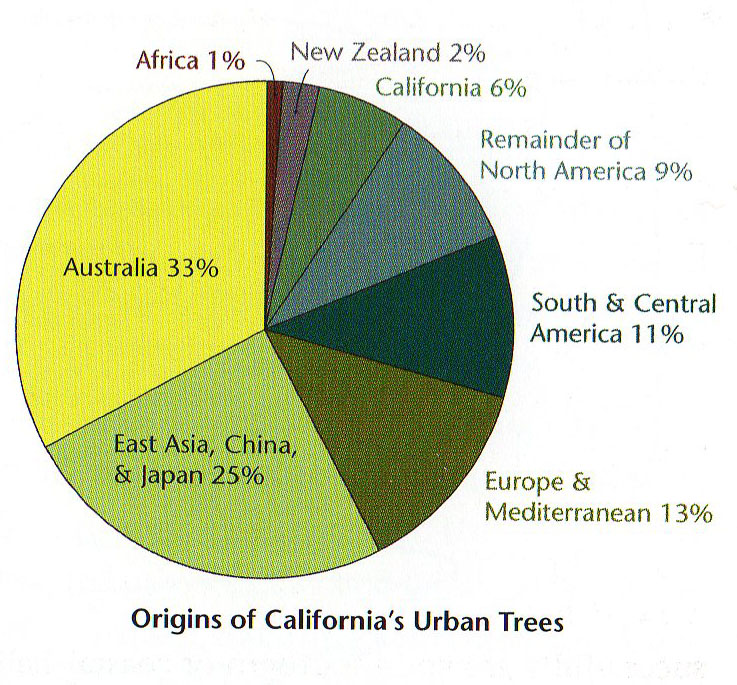
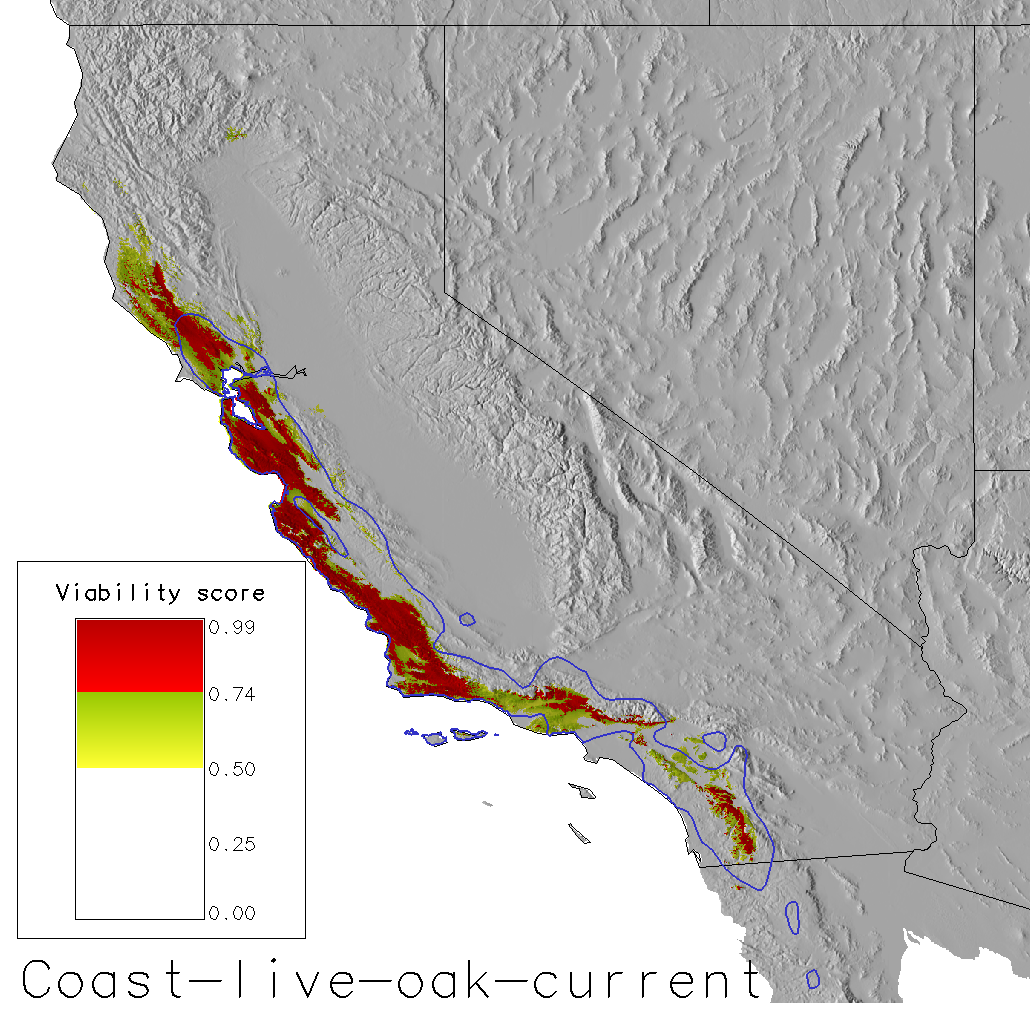
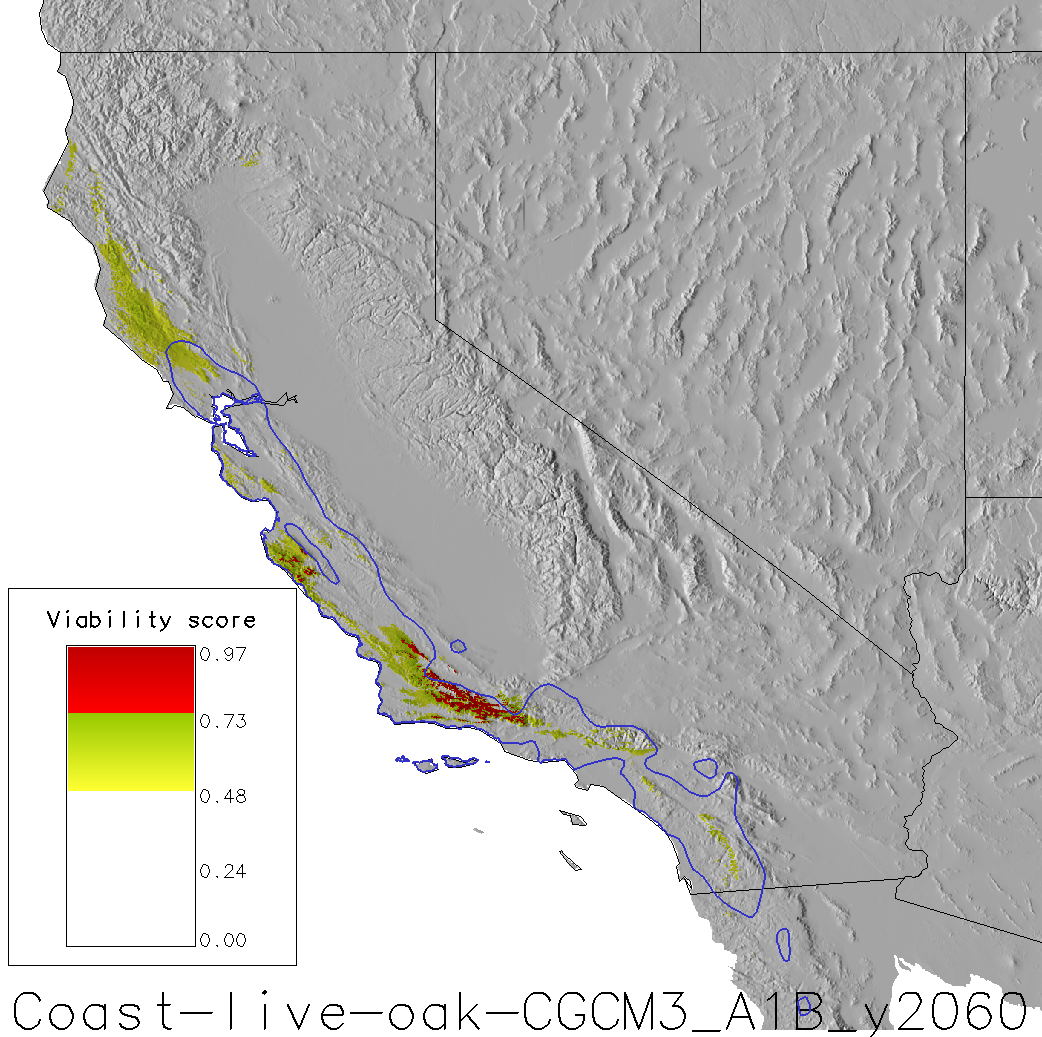
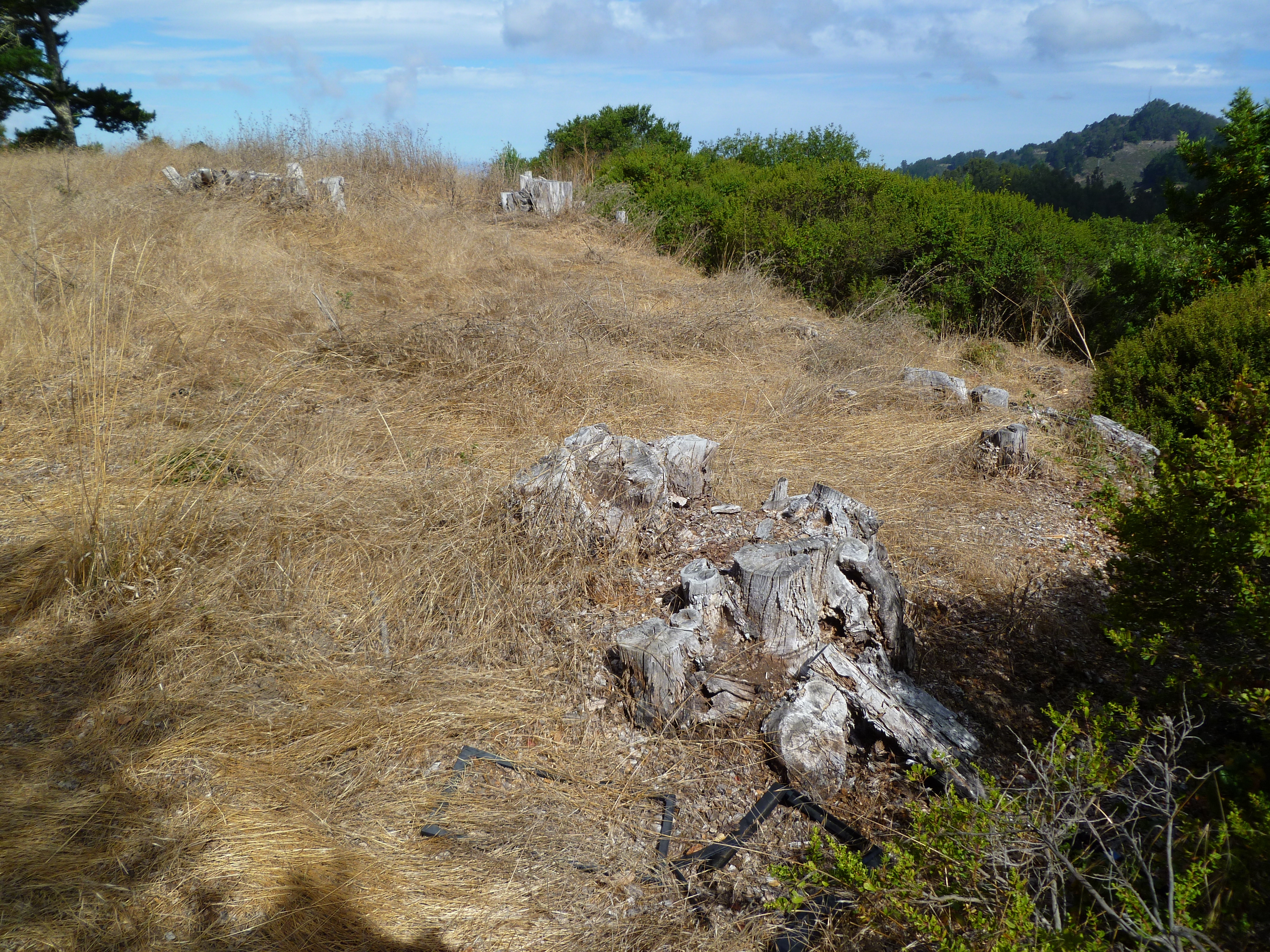
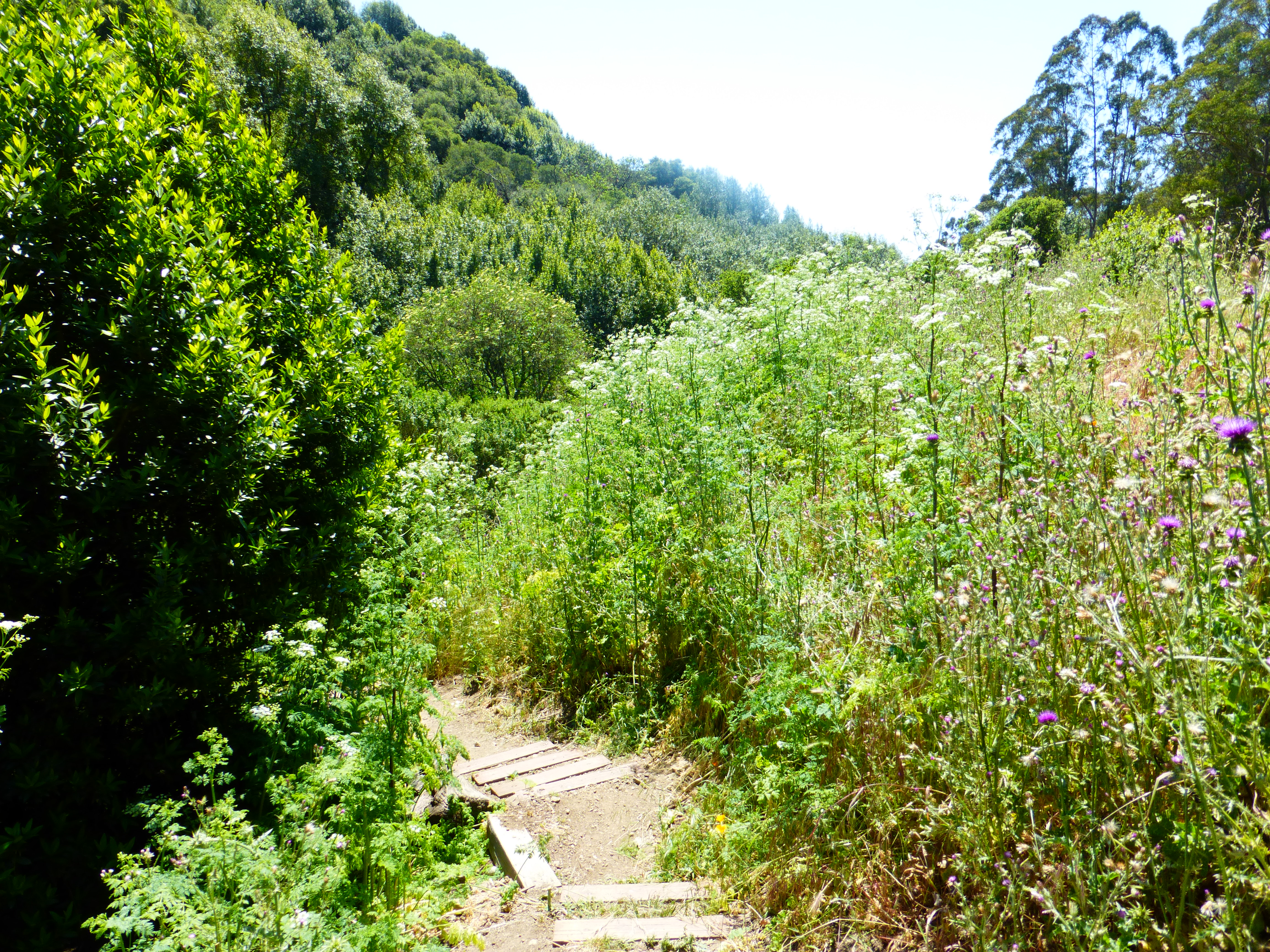
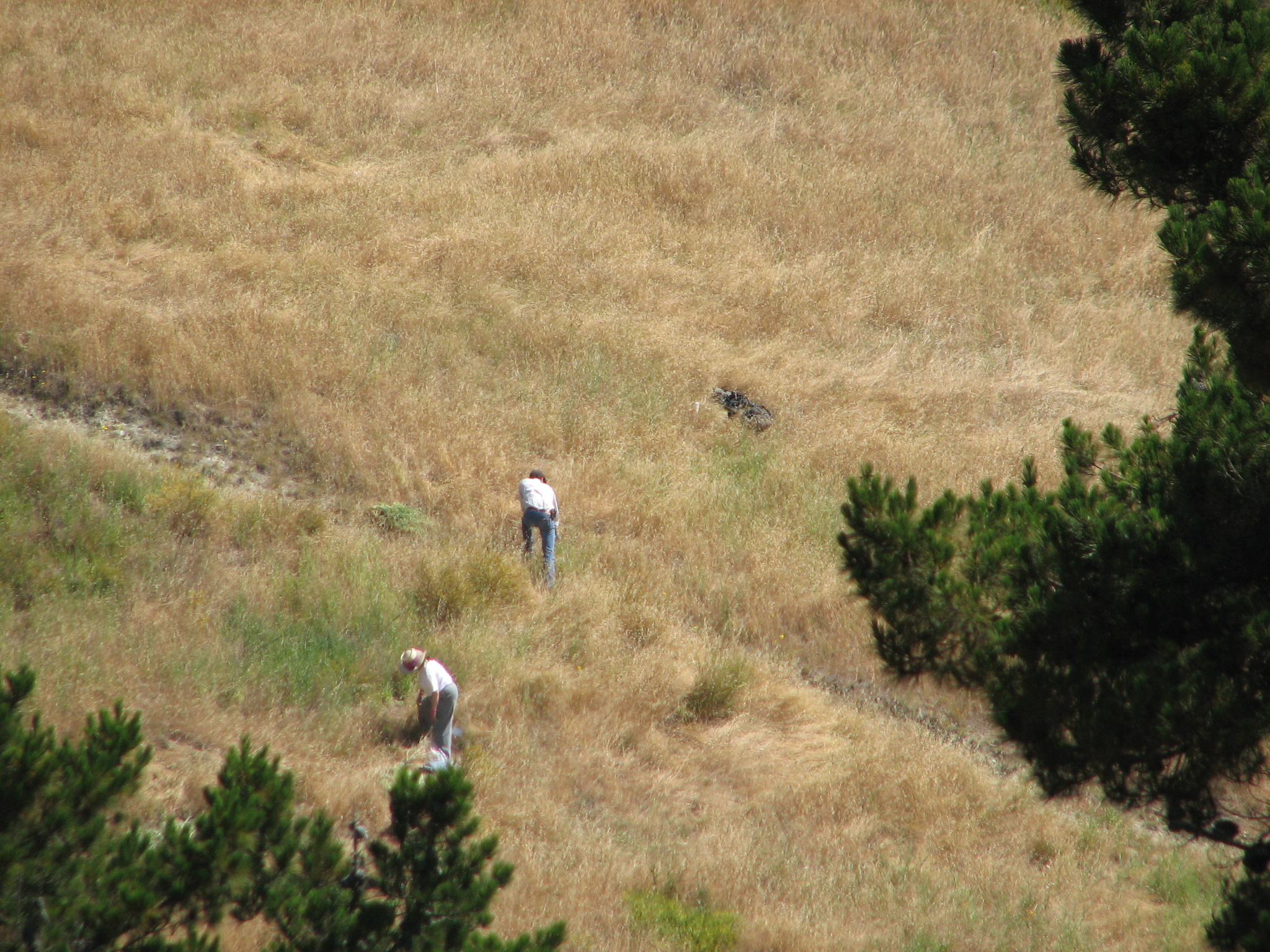
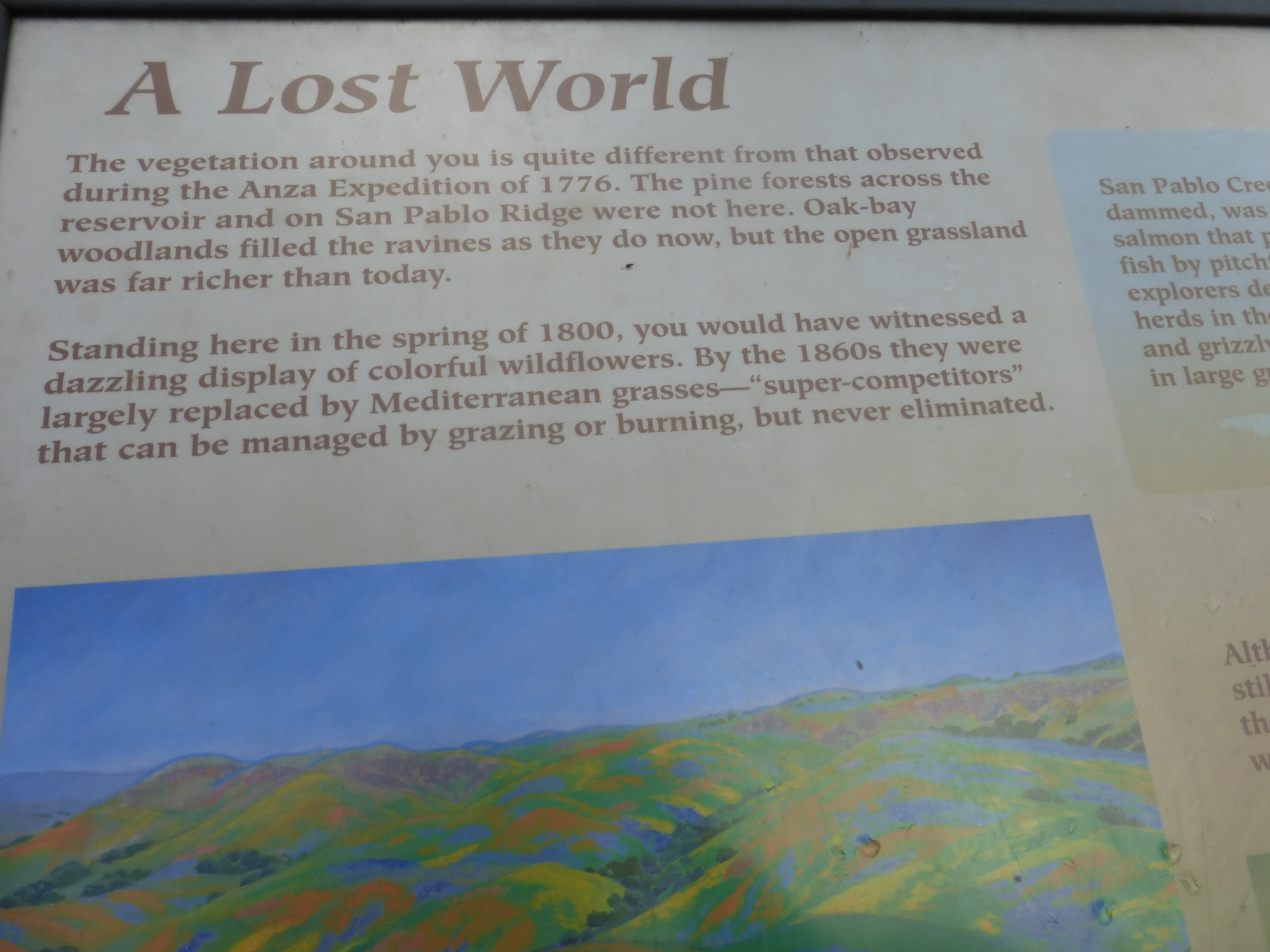
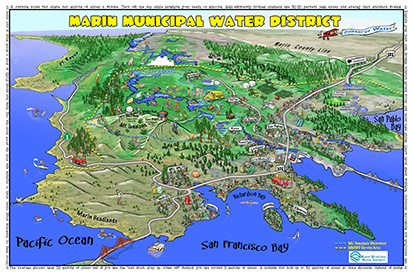

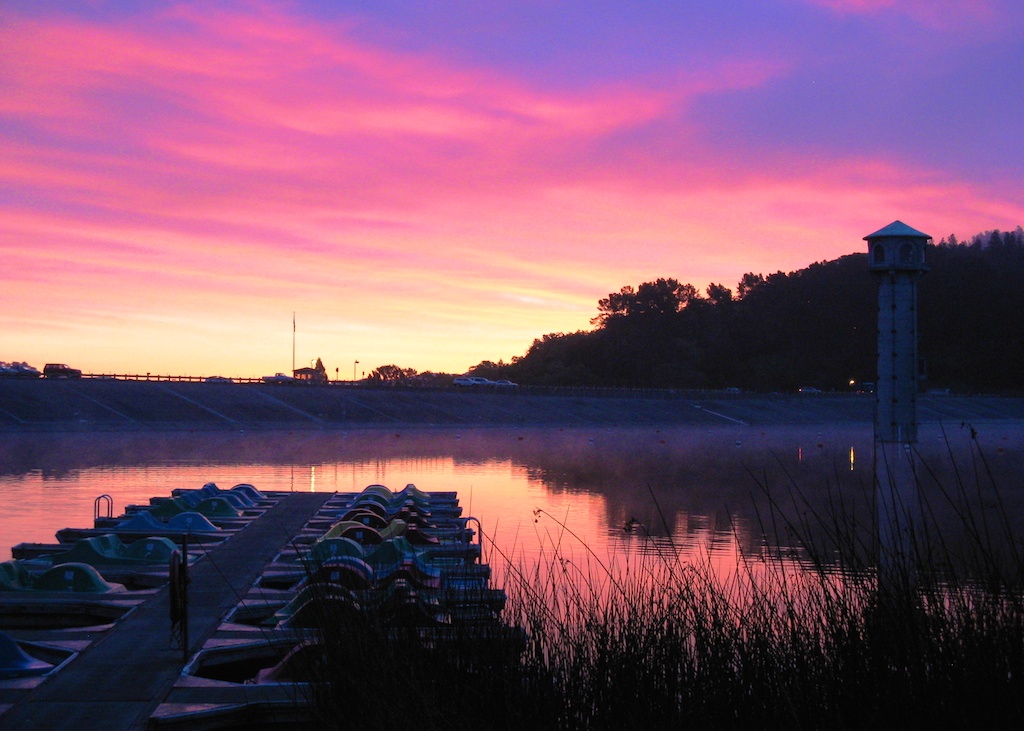
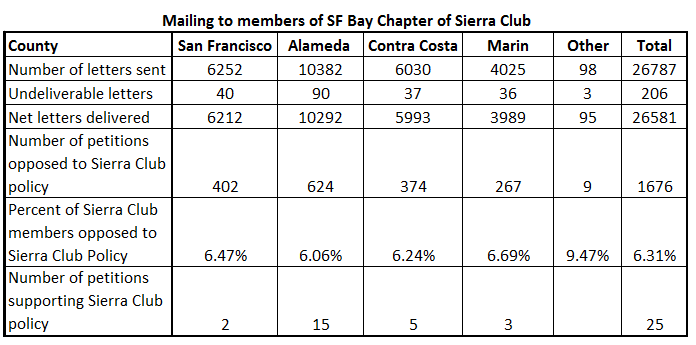
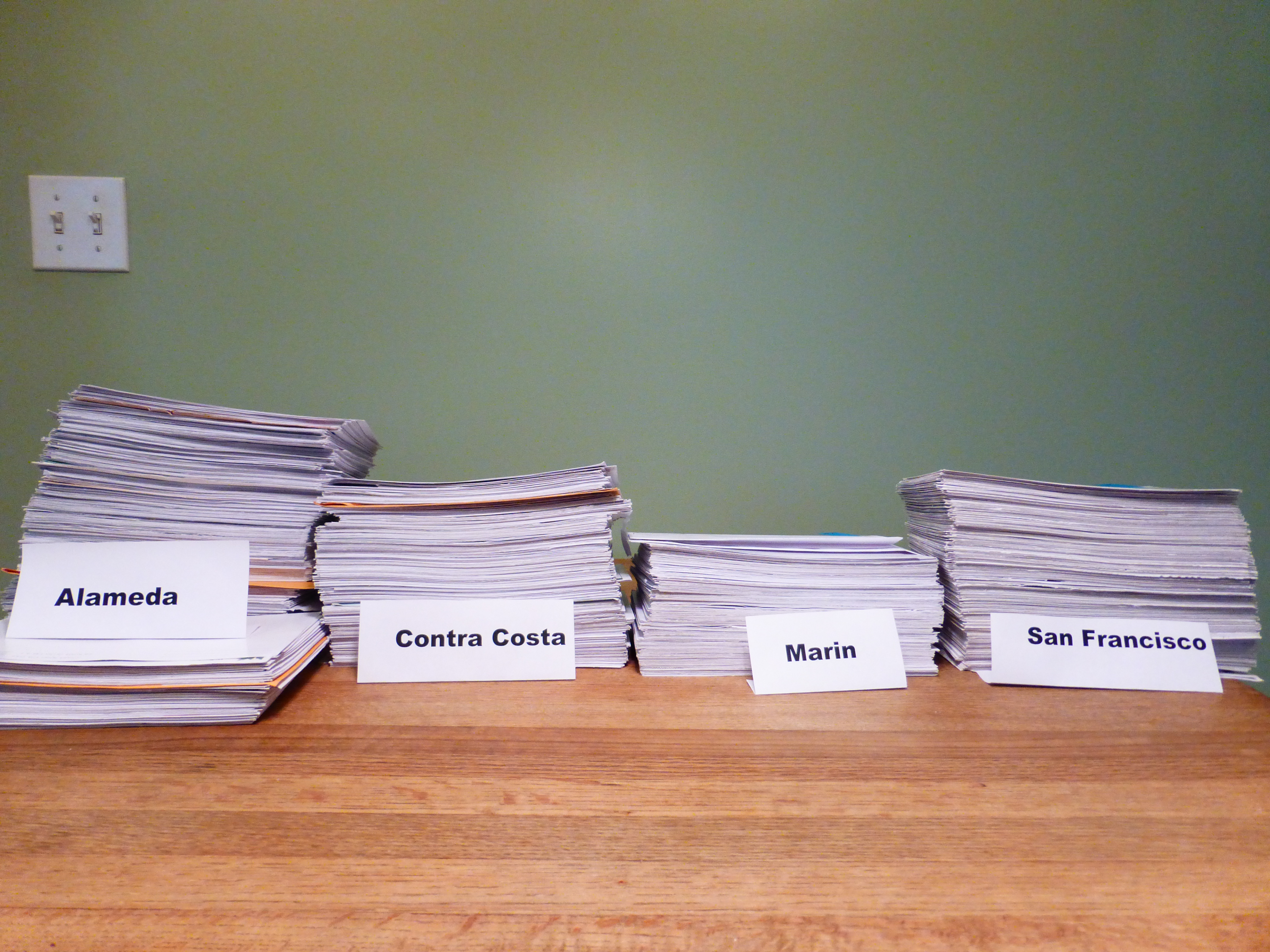
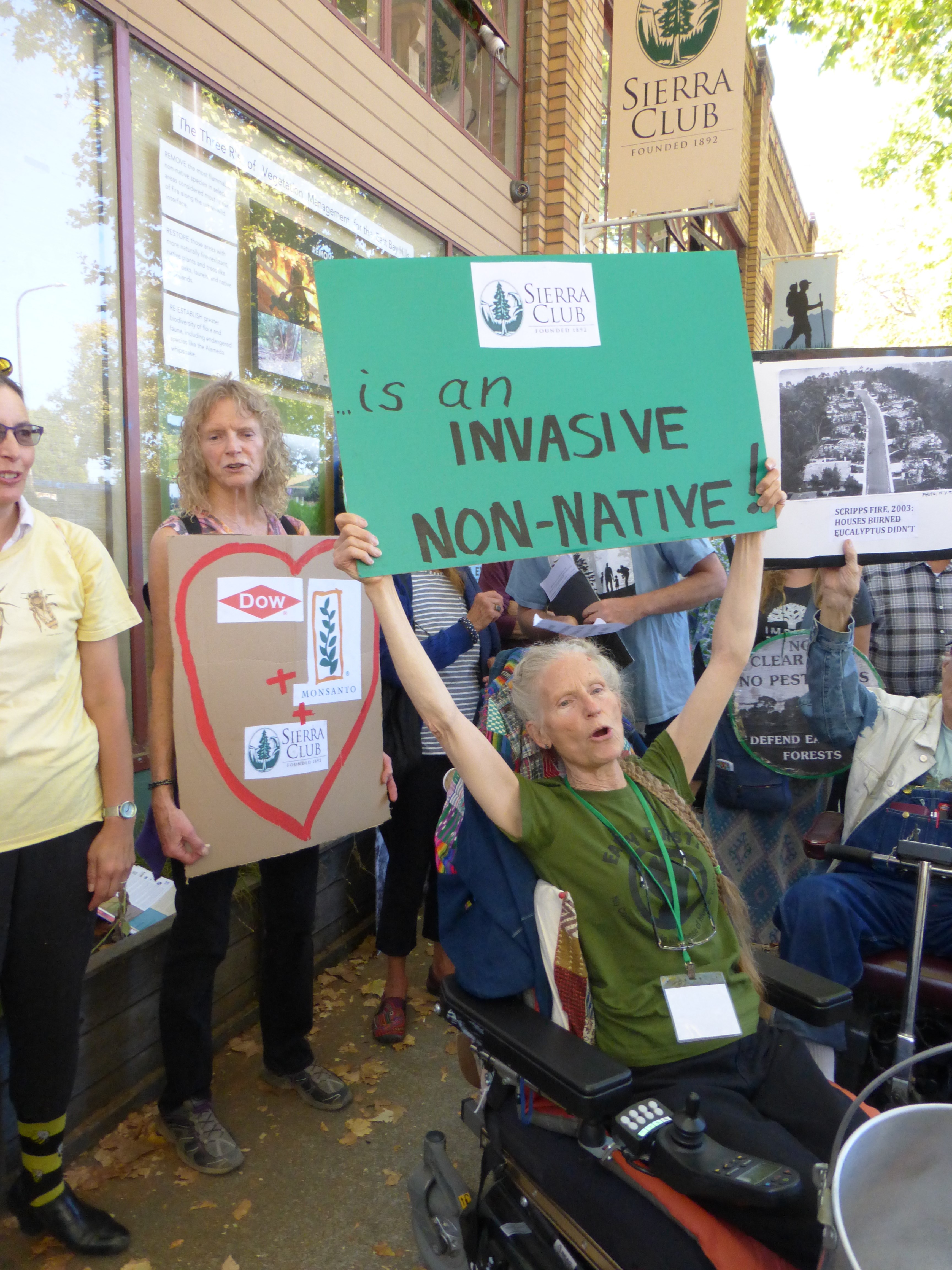
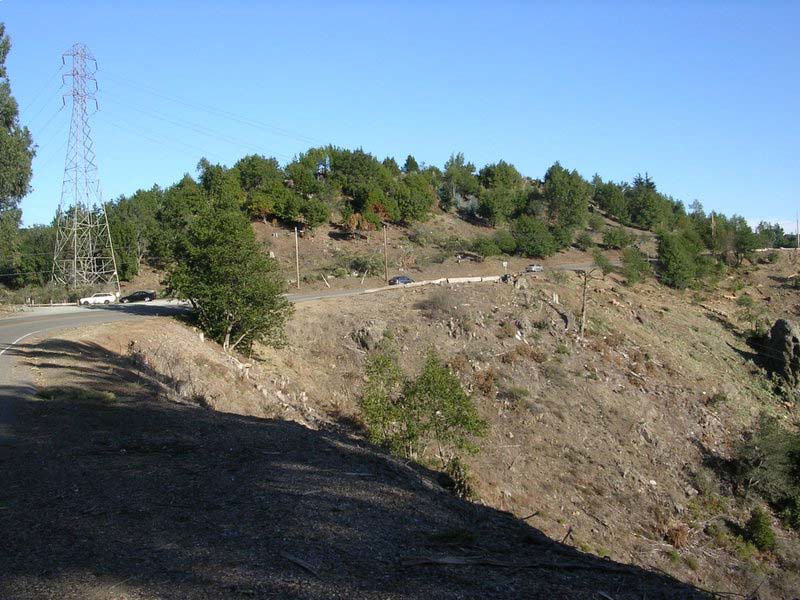
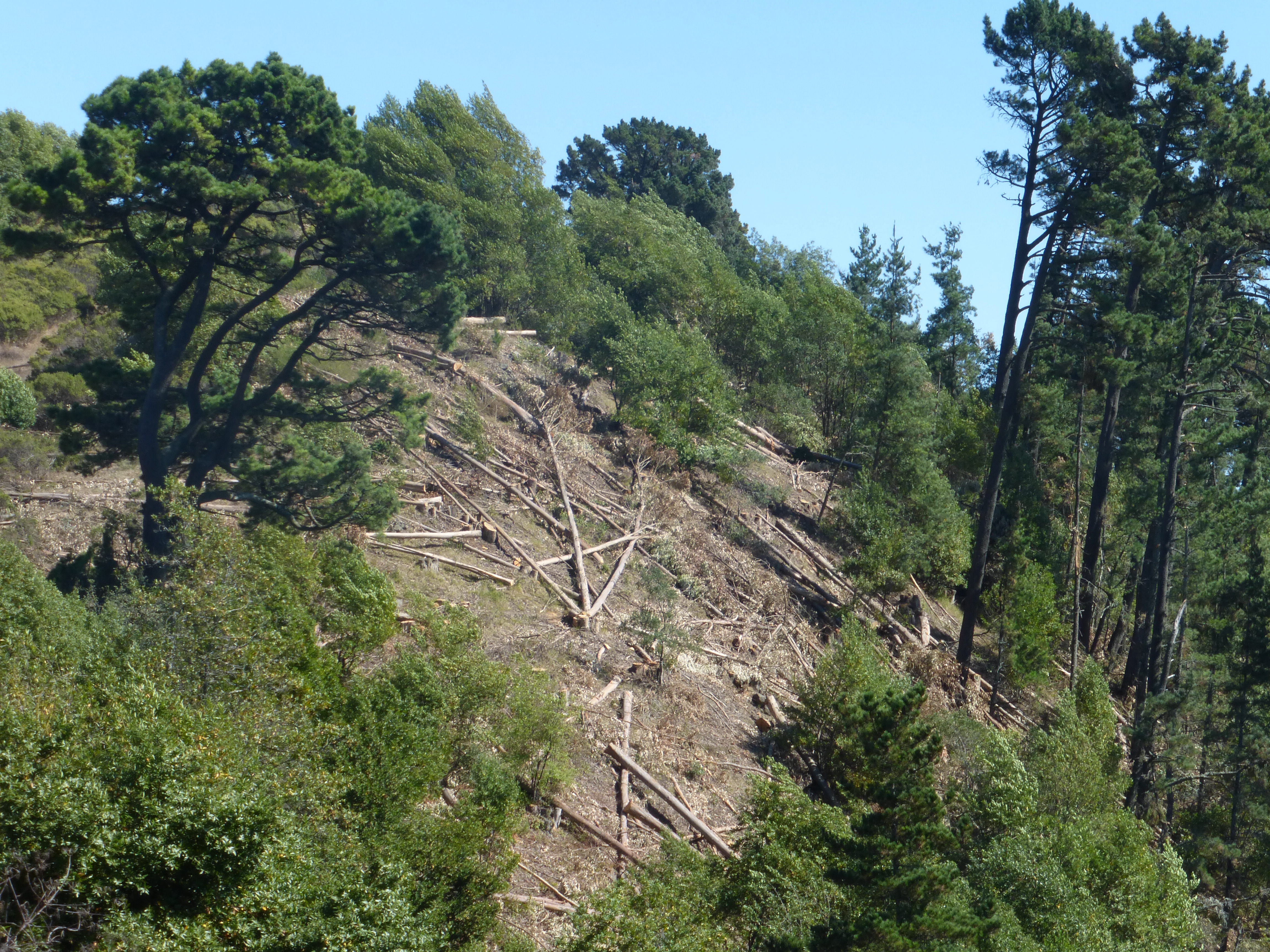

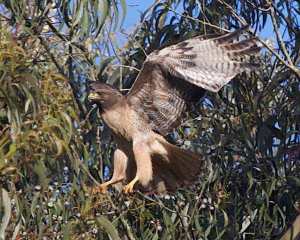
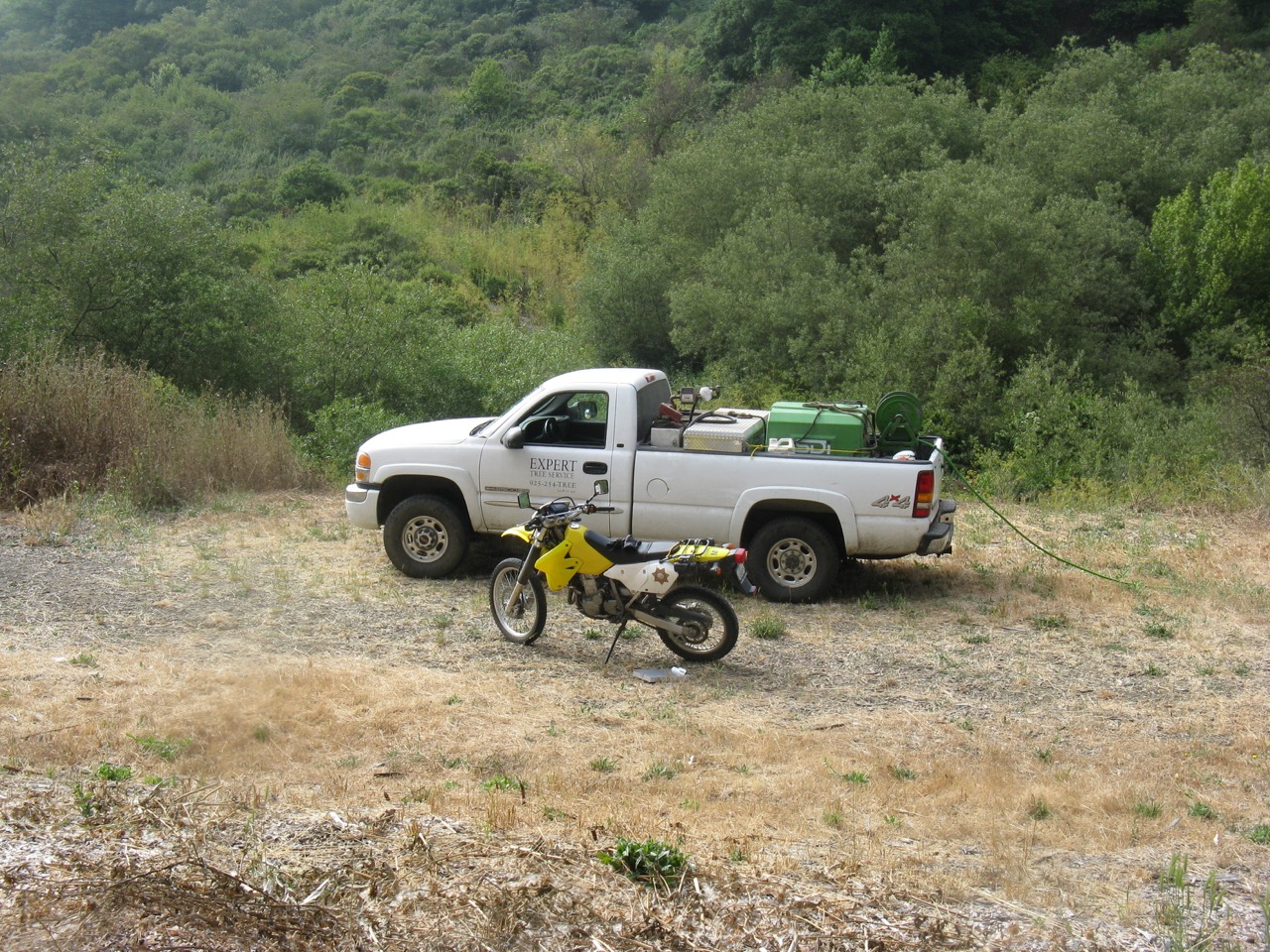
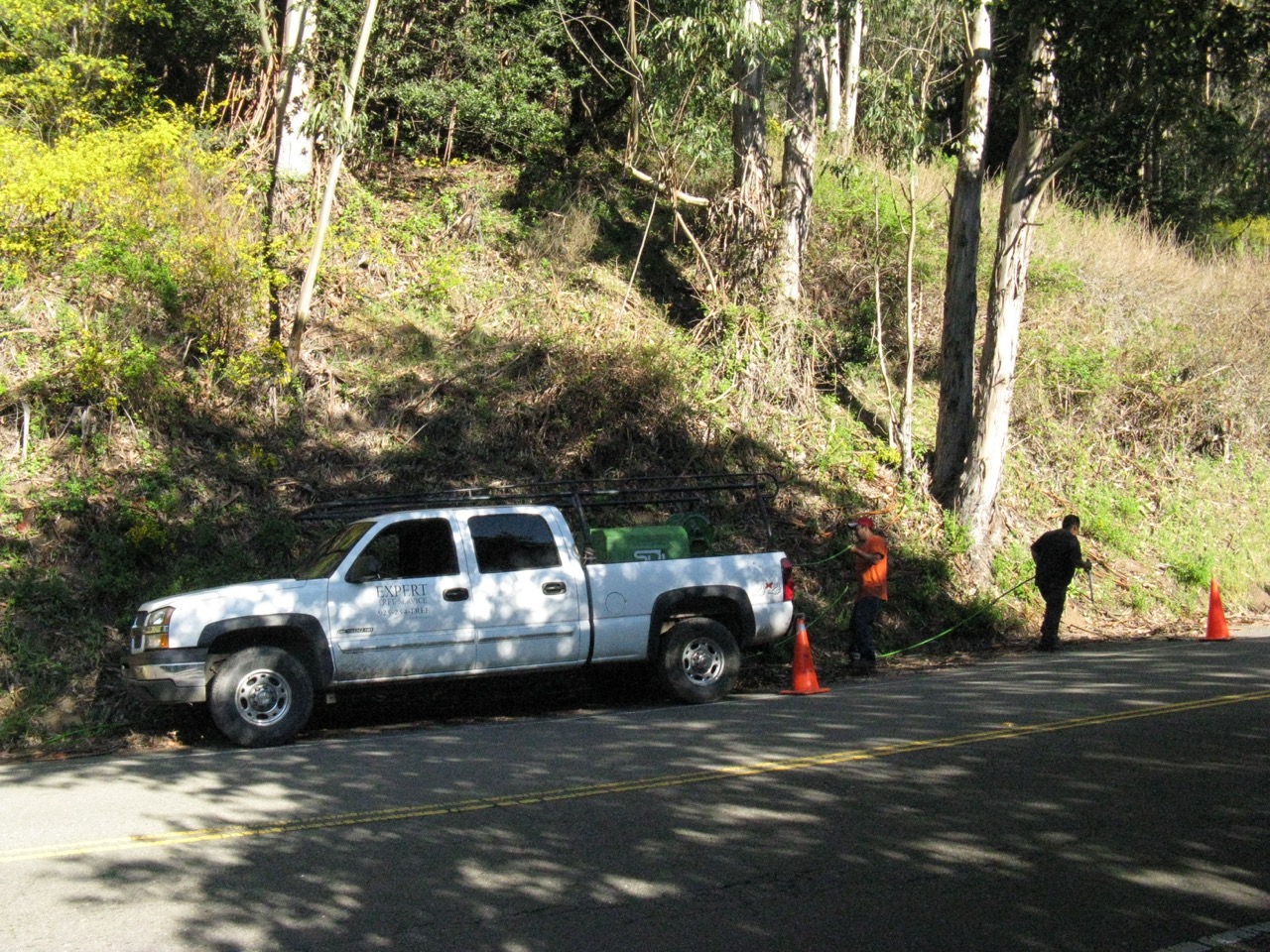
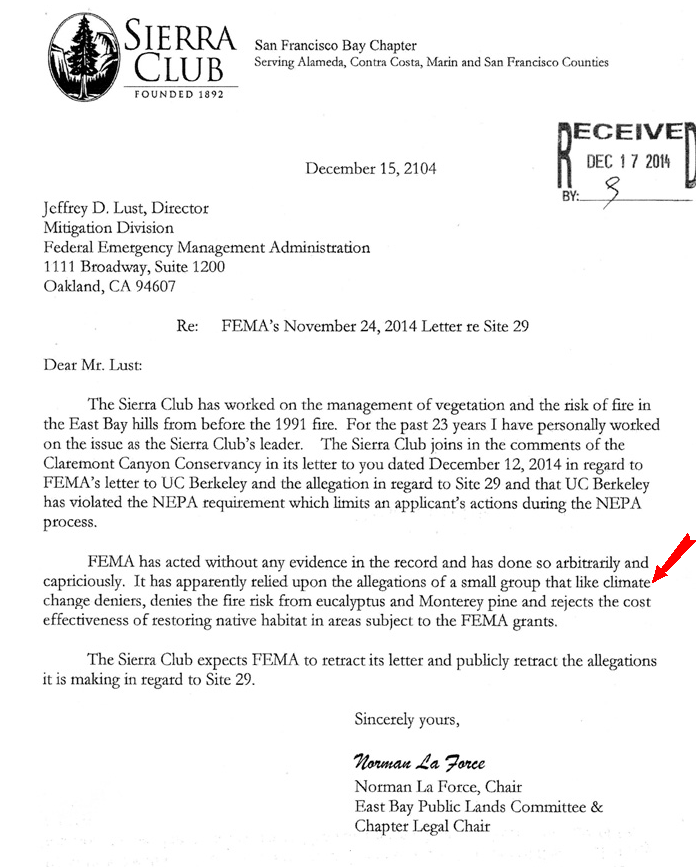
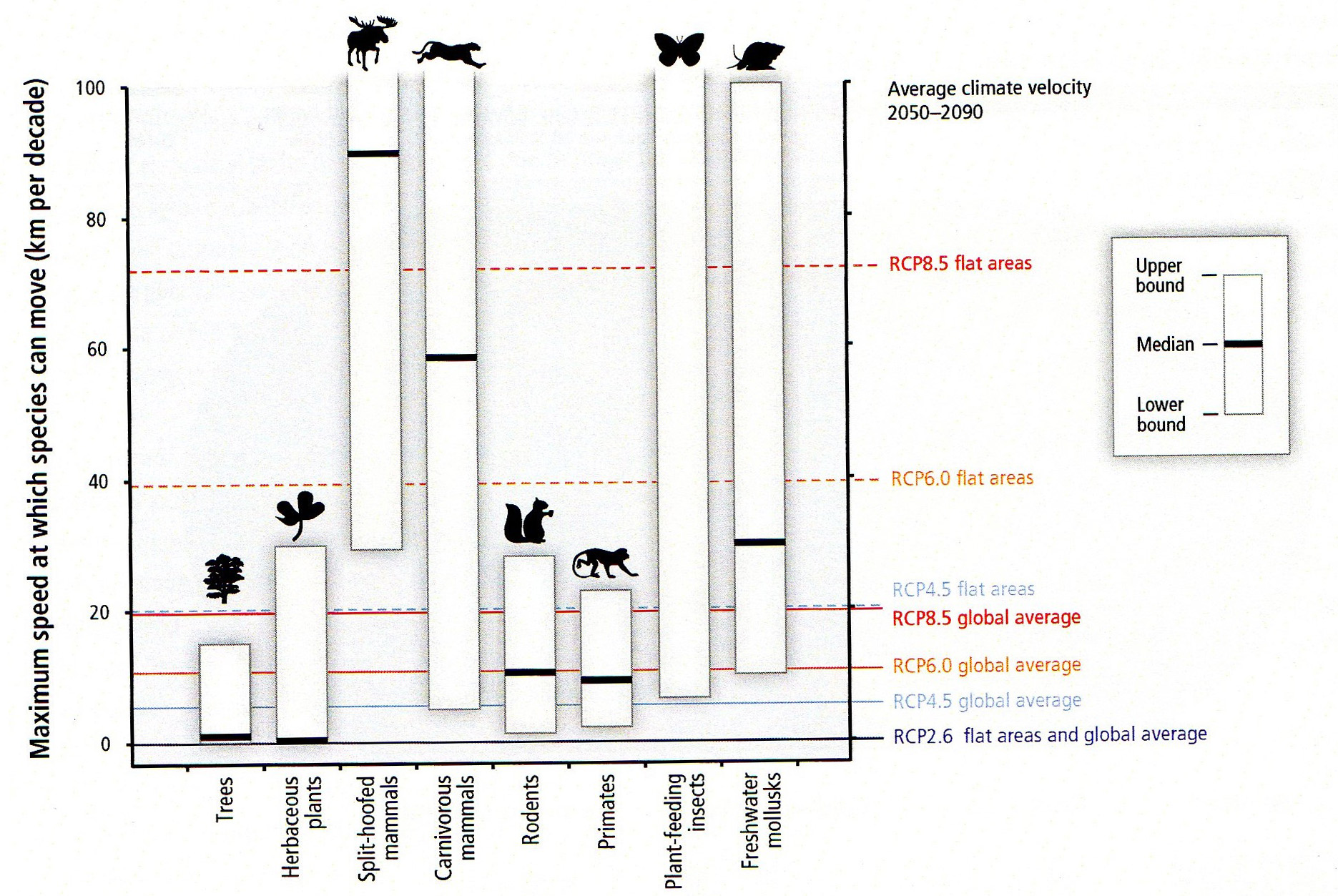
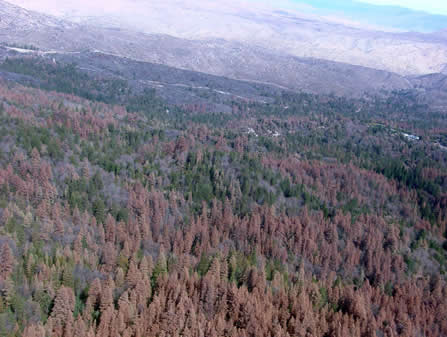
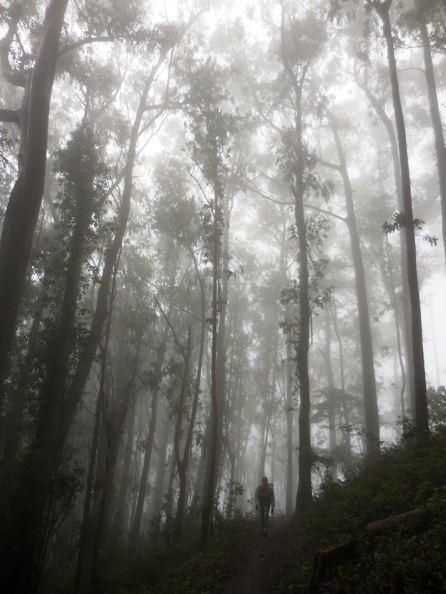
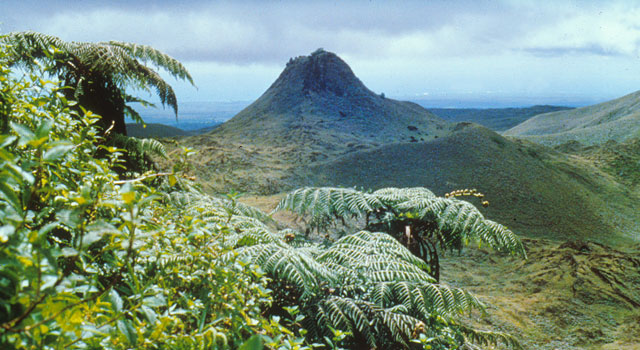
 Conservation Sense and Nonsense