Hikers in the Berkeley Hills have stumbled on another round of tree removals by UC Berkeley. Once again, these tree removals violate theoretical commitments UC Berkeley made in the Environmental Impact Statement (EIS) for the FEMA projects in the East Bay Hills. Our readers have alerted FEMA to this new violation of policies UC Berkeley has claimed in the EIS they are following. The EIS is apparently a big pile of paper with no relationship to what is actually happening on the ground.
January 26, 2015
Alessandro Amaglio
Region IX Environmental Officer
Federal Emergency Management Agency
Oakland, CA
RE: East Bay Hills – Environmental Impact Statement – FEMA – RIX
Dear Mr. Amaglio,
Once again we must alert you to a new round of tree removals by UC Berkeley on their property. Within the past two weeks or so, UC Berkeley has removed about 25 trees on their property south of Dwight Way at the intersection of Sports Lane.
Since this property is not in the project area for the proposed FEMA grants, you might wonder how it is relevant to FEMA’s consideration of those grants. There are several reasons why this latest round of tree removals is relevant to FEMA’s impending decision:
• The stumps of the trees that were removed have been dribbled with green dye, indicating they were sprayed with herbicide to prevent them from resprouting. However, no herbicide application notices were posted at the site as required by law and as described in the Final Environment Impact Statement for the FEMA grants: “In addition to the herbicide application measures, the subapplicants would follow procedures for public notification and education, including posting the timing, location, and appropriate amounts and types of pesticides or other chemicals to be applied at least 24 hours in advance.” (EIS, page 5.10-14)
• The Final EIS also states that “in general” most tree removals will be done “from August to November to avoid the wet season and the bird nesting and fledging season.” (EIS page 3-34) This commitment made by UC Berkeley in the EIS has been violated by this round of tree removals in January after heavy rains.
• In addition to the approximately 25 trees that were recently destroyed, we counted over 100 stumps that have been destroyed in this area in the past. This area is not described in the Cumulative Impact Section (EIS 6.0) of the EIS. In other words, cumulative impact of the proposed FEMA projects is underestimated by the EIS.
Once again, UC Berkeley has demonstrated that they are not following the policies and practices that are described by the EIS and the cumulative impact of those projects has not been accurately described by the EIS.
We ask that this information be made available to those who are considering the Decision of Record of the FEMA grants in the East Bay Hills.
Thank you,
[Concerned Citizens]
Cc: Sal Genito, Associate Director, Grounds, Custodial, Environmental Services, UCB
Robert Newell, Acting Assistant Vice Chancellor, Physical Plant, UCB
Native plant advocates who volunteer to pull weeds often call themselves “Weed Warriors.” Now there is a countervailing movement of weed advocates who find value in the same plants that are detested by the native plant movement. Weed worshippers are found in the permaculture community because they share a desire to avoid the use of herbicides. We also find them amongst foragers who think of weeds as a source of nutritious, free food. These origins of weed worship come together into a coherent botanical philosophy in a recently published book, The Wild Wisdom of Weeds: 13 Essential Plants for Human Survival, by Katrina Blair. (1)
Ms. Blair grew up in Colorado, in a family that lived close to nature. She developed her interest in wild plants early and has spent her life cultivating that interest both with her formal education and her experiences. She is the founder of Turtle Lake Refuge in Durango, Colorado. This is the mission of Turtle Lake Refuge:
“Our mission is to celebrate the connection between personal health and wild lands. We manifest this goal through promoting and practicing sustainable practices. Examples of our work include growing, harvesting and preparing local, wild and living food for the community, educating about the great values of the wild edible abundance available in our area, providing local micro-greens for the public schools, restaurants and stores…and educating about organic land stewardship practices.”
Turtle Lake Refuge serves lunch in their community twice each week. Here is a sample menu from a spring lunch, which reflects their commitment to “wild edible abundance:”
– Comfrey and hollyhock Green Juice:
Comfrey, hollyhock, lemon and honey
– Miso Soup:
Miso, tamari, fresh chives, cabbage and red onion
– Quinoa Beet Salad:
Sprouted Quinoa, beets, tamari, sunflower oil, ginger and garlic
– Sushi Roll:
Seed cheese, beets, buckwheat sprouts, pea sprouts and avocado
– Poppy seed Lemon Bar:
Buckwheat flour, honey, lemons, cashews psyllium and poppy seeds
*+*+*+*+*+*+*+*+*+*+*+*+
Why weeds?
Ms. Blair explains why she has selected 13 weeds for her book which are found all over the globe, wherever human civilization is found, that is every continent except Antarctica. They are therefore representative of the plants that often arrive with humans and are capable of surviving whatever changes in the environment accompany human civilization. In a sense, they are symbols of resilience and adaptation in a rapidly changing world. She also tells us why weeds are just as important as the native plants that preceded the arrival of humans:
“Humans are creating change on a large scale at an exceedingly rapid rate, and yet if we try to hold back nature by eradicating every new species that appears on a barren land, we block nature’s progression of adaptation. There is an accepted perspective that change is negative and therefore justifies momentous efforts to block diversity from becoming established for fear that it will alter the native habitat. It is important to remember that “native” habitat only represents a moment in time. All habitats evolve and are changing constantly. If the wild weeds are resilient enough to be able to handle the climate and take root, they play an important role in the evolutionary aspect of nature.” (1)
Dandelions
The thirteen weeds that Ms. Blair chooses to tell us about in her book are: amaranth, chickweed, clover, dandelion, dock, grass, knotweed, lambsquarter, mallow, mustard, plantain, purslane, and thistle. We have chosen the dandelion to illustrate the usefulness of weeds because it is plentiful and well known in the San Francisco Bay Area.
Dandelion
Dandelions are found everywhere. The origins of its English name are found in its name in romance languages: diente de leon (Spanish), dent-de-lion (French), diente di leone (Italian). These names all translate to “teeth of the lion” in English, a name that surely derives from the deeply jagged leaf, which apparently suggested the shape of the teeth of the lion. When named by the English, that reference to the shape of the leaf was lost in translation.
Photo by Greg Hume
Dandelion seeds may have been brought by humans to new homes because they were known to be useful. But dandelions are not dependent upon intentional transport. Their wooly seed heads are dispersed by the wind and readily attach themselves to grazing animals. I remember blowing them into the wind as a child, oblivious to the fact that I was dispersing their seeds in the process.
An early reference to dandelions is found in the writing of the Roman military commander and naturalist, Pliny the Elder in 77 AD. He explained the healing properties of dandelions. Dandelions are used in Chinese herbal medicine—possibly for thousands of years—as well as in Indian traditional medicine, ayurvedic medicine. Ms. Blair uses dandelions to treat a wide variety of medical conditions, from a laxative to an anti-inflammatory which reduces swelling.
Every part of the dandelion, from its roots to its leaves is edible, according to Ms. Blair. The roots are used to make dandelion beer for the annual Dandelion Festival at Turtle Lake Refuge. Dandelion ice cream is also popular at the festival. Ms. Blair provides recipes for Dandelion Pesto, Dandelion Quiche, Dandy Candy, and Dandelion Root Stew. We are most familiar with dandelions as a salad green which adds bite to any salad.
Photo by Greg Hume
Dandelion is equally useful to bees and butterflies because it is one of the first flowers in the spring.
The Druid’s Garden recently published a post about the usefulness of dandelions, including a description of how they can restore degraded soil.
Ms. Blair makes a similar case for the usefulness of the other 12 members of her weed family.
Opposition to herbicides follows….
As you might expect, if you eat wild plants you are probably opposed to use of herbicides in the places where you forage for your food:
“My deep passion for honoring the wild weeds intensified due to our local city and county’s practices in weed control. Hundreds of gallons of herbicides were being sprayed on the plants in town and on nearby wildlands with the intention of eradicating plant species considered weeds. Since I grew up loving all plants equally, I found it tragic to witness a once healthy plant that was contributing so much richness to our landscape become a twisted and dying being due to poisoning from herbicides. My passion for all plants inspired me to do what I could to change the discriminatory treatment of these noble weeds, who I have come to know as the true heroes of our time.” (1)
Ms. Blair tells the story of how she and her collaborators were successful in convincing the City of Durango to quit using herbicides in public parks. It is both an interesting story and one from which we can learn. They began by showing people how to use the weeds they were killing. The “Dandelion Brigade” harvested dandelions from their neighbors’ lawns and showed them how to make dandelion lemonade and other taste treats. They started an organic lawn service called “Grassroots” which made and distributed organic compost. These efforts convinced the city to create its first chemical-free public park, and eventually a second park. Then their efforts stalled because the city decided these two parks gave the public sufficient chemical-free options.
The second stage of their effort began with a ballot measure that, if passed, would have banned all herbicide use from every public park in Durango, including golf courses. They spent many months lobbying in support of that new ordinance and were confident that it would pass. Apparently the city was afraid it would pass as well and therefore began to negotiate with the supporters of the ordinance. This negotiation resulted in a compromise which accomplished much of what supporters of the ordinance set out to do. Although they still believed in the ordinance as originally written, they decided that a compromise would ultimately result in greater support throughout the community. The first phase of the compromise plan converted over one-third of the parks to organic management. The second phase would slowly transition most parks—except golf courses—to organic management methods.
The process of changing city policies regarding herbicide use was long and difficult. It required both patience and a willingness to meet people halfway by showing them how to substitute for herbicide use and by being willing to compromise.
Local foragers
Ms. Blair is not alone. She is a member of a big and growing movement. The favorable review of Ms. Blair’s book in the New York Times is an indication that foraging and respect for weeds are now in mainstream culture. Closer to home, we have our own contingent of lovers of wild food, which often includes plants commonly considered weeds:
“The Wild Kitchen is a roving underground supper club. From a roof-deck in the Mission one week to a houseboat in Sausalito the next, The Wild Kitchen knows no geographic bounds. One hundred diners sit around the communal table, enjoying eight course meals, each course highlighting a sustainably foraged ingredient from the local landscape. These meals connect the eater with their natural surroundings in a new way. The Wild Kitchen brings eaters together to grow community around the foods nature provides.”
“Reaping without Sowing: Urban Foraging and Berkeley Open Source Food” is a research project at UC Berkeley which is “studying the availability, nutritional value, and possible toxicity of wild edibles that volunteer in urban food deserts. Our research hypothesis is that in many such areas, there is a free, abundant source of nutritious fresh food: edible weeds.” The project identifies both native and non-native edible plants growing wild in the San Francisco Bay Area.
Quinoa plant – photo by Christian Guthier from Flickr
We hope that the foraging movement will grow and eventually become as strong and influential as the native plant movement has been in the past. And we hope that herbicide use in our public lands will be abandoned in the process of making the transition from venerating native plants to respecting ALL plants.
Katrina Blair, The Wild Wisdom of Weeds: 13 Essential Plants for Human Survival, Chelsea Green, 2014
Pesticide use by land managers in California. Source California Invasive Plant Council
An international team of invasion biologists has just published a defense of their academic turf, invasion biology. (1) Daniel Simberloff, an American member of the team, is the most relentless defender of the crusade to eradicate all non-native species, wherever they are found, all over the world. Their publication acknowledges the mounting criticism of this crusade and attempts to respond to that criticism, but what is most notable is what is missing from their attempt to defend their opinions. They make no mention of the harmful methods used to eradicate non-native species:
Non-native insects and pathogens are introduced into our landscapes for the purpose of killing non-native species of plants and animals. These biological controls have a track record of killing unintended targets.
Keep these damaging methods in mind as we visit the hypocritical and contradictory arguments used to justify the projects for which these invasion biologists advocate. They set up “novel ecosystems” as the straw man to which they compare the goals of invasion biology. They define novel ecosystems as “a new species combination that arises spontaneously and irreversibly in response to anthropogenic land-use changes, species introductions, and climate change, without correspondence to any historical ecosystem.”
“Lack of rigorous scrutiny”
Their primary criticism of the concept of “novel ecosystems” is that it has not been “subjected to the scrutiny and empirical validation inherent in science” and its definition is “impaired by logical contradictions and ecological imprecisions.” These criticisms apply equally to invasion biology.
An international team of scientists analyzed 371 empirical studies which tested six major hypotheses in invasion biology. They found that empirical evidence for these hypotheses is uneven and declining. The scientists counted the number of studies that support, question/oppose, or are undecided/inconclusive about each hypothesis. They also compared the number of supporting studies when the hypothesis was new with the number of supporting studies published recently to determine the decline in support for the hypothesis. Here’s what they found:
Hypothesis
n
% of supporting studies
% of decline in support
Invasional meltdown
30
77%
41%
Novel weapons
23
74%
25%
Enemy release
106
54%
10%
Biotic resistance
129
29%
5%
Tens rule
74
28%
10%
Island Susceptibility
9
11%
25%
Although support is strongest for the invasional meltdown hypothesis, recent studies are less supportive than early studies, indicating substantial decline in supporting evidence. Declining evidence of invasional meltdown is consistent with the fact that exotic species are eventually integrated into the food web which reduces their populations, stabilizing their spread. There is apparently little evidence that islands are more susceptible to invasion than continents and few studies have been done to test the hypothesis.
If empirical validation and semantic precision are required to establish the credibility of scientific hypotheses, invasion biology has failed that test.
“Precautionary principle of conservation and restoration”
These invasion biologists define the precautionary principle of conservation and restoration as follows: “we should seek to reestablish –or emulate, insofar as possible—the historical trajectory of ecosystems, before they were deflected by human activity.” This is an unusual use of the precautionary principle, which is more typically defined as avoiding damage to the environment by not using potentially harmful methods, even in the absence of solid evidence of such harm. The precautionary principle was not used when the following “restoration” projects were defined or implemented:
Ivy in the Conservatory in Central Park, New York City
In 1996, Daniel Simberloff made this statement in his publication about the hazards of biological controls: “…are there any protocols for biological-control introductions that would prevent all disasters? Probably not…” (2) Yet, in 2013, he expressed his support for the introduction of non-native insects to control cape ivy at a conference at UC Davis sponsored by the California Department of Food and Agriculture. Although cape ivy is despised by native plant advocates, it is not an agricultural pest and therefore causes no economic damage to ecosystems, unless money is wasted on attempts to eradicate it.
“All ecosystems should be considered candidates for restoration”
In response to those who find value in novel ecosystems, these invasion biologists find none. They reject the possibility that there is ever a point at which it may not be possible to re-create a historical landscape. They continue to believe that ANY and ALL radically altered landscapes CAN and SHOULD be considered candidates for restoration. Their only caveat to this universal goal is that “damaged ecosystems…should be evaluated for feasibility, desirability, and cost-effectiveness, on a case-by-case basis, so that informed and science-based policy decisions can be made, in consultations with scientists, restoration practitioners, stakeholders, and advisors.”
These criteria for potential “restoration” have nothing to do with reality:
Most projects in the San Francisco Bay Area have not provided cost estimates when they were planned. The public demanded cost estimates for the projects of the Natural Areas Program in San Francisco, but these demands were ignored. Therefore, “cost-effectiveness” is not usually considered when these projects have been shoved down the public’s throat.
We consider the public to be “stakeholders” in decisions to radically alter our public open spaces. We are the visitors to these areas and our tax dollars pay for their acquisition, maintenance, and “restoration.” Yet, managers of public land are consistently making those decisions without taking the public’s opinion into consideration. Most projects are planned and executed without any public participation. In the few cases in which there are environmental impact reviews, the projects are implemented regardless of overwhelming opposition of the public.
“Human-damaged ecosystems can be at least partially restored”
The demonstrated futility of “restoration” projects is one of many reasons why there is waning public support for attempting them. Yet, invasion biologists who authored this diatribe claim that “restored sites recovered on average 80-86% of biodiversity and ecosystem services…and showed improvements of 125-144% over degraded ones.” This claim is contradicted both by other scientific studies and by experience with local projects:
“…this paper analyses 249 plant species reintroductions worldwide by assessing the methods used and the results obtained from these reintroduction experiments…Results indicate that survival, flowering and fruiting rates of reintroduced plants are generally quite low (on average 52%, 19%, and 16% respectively). Furthermore, our results show a success rate decline in individual experiments with time. Survival rates reported in the literature are also much higher (78% on average) than those mentioned by survey participants (33% on average).” (3)
Dunnigan Test Plot, August 2011. The result of an eight-year effort to restore native grassland. Does it look “biodiverse?” ecoseed.com.
There is frequently a discrepancy between the success rates claimed in papers and those actually observed. For example, Cal-Trans gave researchers at UC Davis $450,000 to restore 2 acres of non-native annual grassland to native grassland. UC Davis researchers spent 8 years and used multiple methods to achieve this transition. When they ran out of money, they declared success in their published report. They defined success as 50% native plants which they expected to last 10 years before being entirely replaced by non-native annual grasses again. Do you consider that a success?
On a more anecdotal level, we watch established landscapes that have required no maintenance in the past being transformed into weedy messes by failed “restoration” projects. Then, adding insult to injury, we hear those who are responsible for these failures tell us how successful they are.
“Inadequate political will”
The authors of this publication conclude:
“No proof of ecological thresholds that would prevent restoration has ever been demonstrated. Often the threshold that obstructs a restoration project is not its ecological feasibility, but its cost, and the political will to commit to such cost.” (1)
We are reminded of an old football adage: “The best defense is a good offense.” In other words, invasion biology is under fire, but the reaction of invasion biologists is to demand more….more money, more effort, and the commitment of public land managers to “restore” all ecosystems, regardless of what the public wants. And in support of that aggressive strategy, they refuse to acknowledge the damage that is being done to the environment and the animals that live in it, by the projects they demand.
The authors of this defensive tirade have hammered another nail in the coffin of invasion biology.
Carolina Murcia, James Aronson, Gustavo Kattan, David Moreno-Mateos, Kingsley Dixon, Daniel Simberloff, “A critique of the ‘novel ecosystem’ concept,” Trends in Ecology and Evolution, October 2014, Vol. 29, No. 10
Daniel Simberloff and Peter Stiling, “How Risky is Biological Control?” Ecology, 77(7), 1996, pp 1965-1974
Sandrine Godefroid, et. al., “How successful are plant species reintroductions?” Biological Conservation, 144, Issue 2, February 2011
The Federal Emergency Management Agency (FEMA) has been considering grant applications for “fire hazard mitigation” in the East Bay since 2005, when the first of these applications was submitted. After years of debate about whether or not the projects achieve the stated purpose and at what cost to the taxpayers and the environment, FEMA finally agreed to resolve the controversial issues by mandating an environmental impact review, which began in 2010. The Draft Environmental Impact Statement (DEIS) was published in April 2013 and the public comment period on that draft closed in June 2013.
FEMA tells us they received over 3,500 public comments on the draft, so needless to say it is taking some time to analyze and respond to those comments. Based on questions raised by public comments, FEMA sent questions to the applicants in October 2013, requesting clarification of their project plans. The applicants responded in November 2013, by revising their project plans. UC Berkeley and the City of Oakland responded that they now plan to “thin” rather than to remove all non-native trees, consistent with the original intentions of East Bay Regional Park District. FEMA now predicts that the final EIS will be published around the end of 2014.
Grant applicants are champing at the bit
The applicants for these grants are getting restless for award of the grant which will fund the removal of tens of thousands of trees or more.We recently reported to our readers that UC Berkeley began to destroy trees on its property in late August 2014, before the grant has been approved. The trees that were destroyed are still lying on the ground, looking like bonfires waiting to happen.
Some of the hundreds of trees destroyed by UC Berkeley in August 2014
More recently, Claremont Canyon Conservancy has successfully recruited 12 East Bay elected officials to ask FEMA for immediate release of the grant funds, as well as “complete removal” of all eucalyptus trees, rather than thinning as originally proposed by East Bay Regional Park District and as revised by the City of Oakland and UC Berkeley in November 2013. This request was reported by the San Francisco Chronicle, Contra Costa Times, and ABC TV news. Based on these news sources, as well as the website of the Claremont Canyon Conservancy, we can report that the following East Bay elected officials have signed this request:
City of Oakland
Jean Quan, Mayor of Oakland
Dan Kalb, Oakland City Council
Rebecca Kaplan, Oakland City Council
Larry Reid, Oakland City Council
Libby Schaaf, Oakland City Council
City of Berkeley
Tom Bates, Mayor of Berkeley
Jesse Arreguin, Berkeley City Council
Laurie Capitelli, Berkeley City Council
Susan Wengraf, Berkeley City Council
Gordon Wozniak, Berkeley City Council
State of California
Nancy Skinner, State Assembly
Loni Hancock, State Senate
We have an unsigned copy of a letter to FEMA:
– end letter –
We cannot report with confidence that all these politicians sent the same letter because Oakland Councilman Dan Kalb is the only politician who has responded to our public records request. Mr. Kalb’s request is similar, but requests “funding to remove a substantial number of the eucalyptus trees.” Mr. Kalb’s letter seems to acknowledge that requesting removal of all eucalyptus trees would be inconsistent with the City of Oakland’s November 2013 revision of its original grant application; he says, “I know that the City of Oakland has submitted some revised language as requested by [FEMA].” The elected officials who signed the above letter do not seem to realize that their request contradicts the agreement with FEMA in November 2013 to thin rather than to remove all non-native trees on their properties. Or perhaps they have changed their minds.
The City of Oakland wants to destroy this eucalyptus forest at the North Oakland Sports Facility. Note that where they have destroyed eucalyptus in the past, they have not controlled the resprouts. The grey-green small trees near the base of the hill are eucalyptus resprouts.
Stunning display of ignorance
We are rarely surprised by the extreme views of native plant advocates, but the letter sent by East Bay elected officials is a stunning display of ignorance, mendacity, or both:
The claim that native plants are less flammable than non-native plants is entirely fallacious. The indigenous landscape of California is highly flammable as is demonstrated by wildfires throughout California every year. In virtually every case, those wildfires occur in native landscapes.
This statement is not even superficially logical: “thinning will enable the Diablo Winds to blow through the eucalyptus more readily, thus enhancing the fire danger…” Obviously, destroying ALL the trees will provide even less of a barrier to Diablo winds.
The public record does not support the contention that eucalyptus is more flammable than any other type of vegetation. HERE is a report of the public record of the 1991 Oakland wildfire.
Oaks and bays have indeed grown in Clarement Canyon since eucalypts were removed there because it is a riparian corridor where trees are sheltered from the wind and water is funneled to them. However, that is not typical of regrowth after removal of the tree canopy in most locations where eucalypts have been removed. The more likely outcome is non-native annual grasses, as explained HERE by the environmental consultant who evaluated the plans of UC Berkeley. Since fire ignites more readily in grass, fire hazards are not reduced by this transition.
Non-native annual grassland now occupies most of the area where UC Berkeley destroyed 18,000 trees about 10 years ago.
News sources also interviewed Jon Kaufman, a spokesperson for Claremont Canyon Conservancy who expressed his frustration that their desire for the destruction of non-native trees in the East Bay Hills is being delayed by FEMA: “With fire season approaching, it’s a good time to remind FEMA they need to get off their asses.” His insulting approach cannot be called a charm offensive.
Mr. Kaufman is quoted as making the following misstatement of fact: “But Kaufman said no spraying would be involved and that herbicide will be applied topically to the stumps with a brush.” We have heard native plant advocates make this claim many times. Perhaps some of them even believe it. FEMA asked for clarification from grant applicants about their plans for herbicide applications in October 2013. The applicants replied in November 2013 that they will apply Garlon according to the manufacturer’s label.
Mr. Kaufman’s claim that herbicide will not be sprayed is contradicted by the manufacturer of Garlon, DowAgra. The manufacturer describes the method of cut-stump application: “Treat the exposed cambium area and the root collar (exposed bark on the side of the stump) down to the soil line. Be sure to treat the entire circumference of the tree. To ensure effective control on large trees, also treat any exposed roots (knees) that surround the stump.” This method is illustrated on the manufacturer’s website by videos of the applicator using spraying equipment.
The herbicides needed to destroy non-native vegetation are also foliar sprayed, as described by the Draft EIS. It is a fiction that non-native trees and plants can be eradicated without spraying herbicides. The use of large quantities of herbicides is nearly as controversial as the loss of our urban forest.
Are you a voter in Oakland or Berkeley?
If you are a voter in Oakland or Berkeley and you care about the preservation of our urban forest and/or object to the hazards created by spraying our public lands with herbicides, you should know that some of the politicians who signed the letter to FEMA are on the ballot on November 4, 2014. You can take their support for clear cutting all eucalyptus in the Oakland/Berkeley hills into consideration in your vote. Better yet, you could write to them to tell them your opinion of their misguided support for removing all non-native trees on public property. We do not expect our public officials to be experts in horticulture or fire science. However, we think it is irresponsible for public officials to endorse the position of a particular interest group without making an effort to inform themselves of opposing viewpoints.
Here is a list of the candidates you will find on your ballot:
City of Berkeley – Candidates for City Council
Jesse Arreguin – District 4 – running unopposed
There is also a petition in opposition to these destructive projects available HERE.
The only logical resolution
One wonders how FEMA can now award grants to the City of Oakland or to UC Berkeley. In November 2013, these public agencies told FEMA, in writing, that they will thin rather than clear cut all non-native trees on their properties. In August 2014, UC Berkeley destroyed all eucalyptus trees on a portion of the project area, which should be a demonstration of UCB’s intentions. Actions speak louder than words, even written words.
In the case of the City of Oakland, elected officials in positions of authority, including the sitting Mayor of Oakland, have contradicted the City of Oakland’s written commitment to FEMA to thin rather than to clear-cut by asking FEMA to immediately release grant funds to clear-cut all eucalyptus from their properties.
How can FEMA trust these agencies to do what they have said in writing they intend to do? The only logical response to the request of these elected officials is to inform UC Berkeley and the City of Oakland that they have effectively rescinded their grant applications.
In December 2013, one of our collaborators in the effort to save our urban forest from pointless destruction submitted a request to the California Invasive Plant Council to reconsider its evaluation of blue gum eucalyptus (Eucalyptus globulus) as “moderately invasive.”
The California Invasive Plant Council (Cal-IPC) has responded to that request with a draft reassessment which is available here: http://www.cal-ipc.org/ip/inventory/eucalyptus.php. Cal-IPC’s draft maintains the same over-all rating of blue gum as “moderately invasive.”Cal-IPC is inviting “substantive comments and questions” by July 31st toinfo@cal-ipc.org.
Today we are publishing with permission the cover letter of a public comment that will be submitted by one of our collaborators. We hope it will inspire you to write your own public comment by the deadline of July 31,2014.
From the perspective of humans, there are pros and cons to most species of plant and animal. E. globulus is no exception to this general rule. Cal-IPC reaches a negative conclusion regarding blue gum by exaggerating negative issues and de-emphasizing or omitting positive issues. Cal-IPC now acknowledges that blue gum has “low invasive potential” only in specific conditions and that its population in California is stable, but it has introduced new issues and intensified others so that it can maintain its overall rating of “moderately invasive.” I remind Cal-IPC that its name is InvasivePlant Council, not fire council or hydrology council.
Cal-IPC also fails to take into consideration the negative side-effects of attempting to eradicate eucalyptus. There are environmental benefits associated with leaving blue gums alone. These damaging consequences of eucalyptus removal should appear on the “asset” side of the ledger:
When eucalypts are destroyed, repeated applications of herbicide to stumps are required to kill the roots of the trees to prevent them from resprouting multiple trunks. If the resprouts are not aggressively managed, the result will be more eucalypts than presently exist, which has been the result of some past projects.
The herbicides used to kill the roots (usually Garlon) are known to damage mycorrhizal fungi and microbes in the soil. Therefore, the growth of whatever plant succeeds the eucalypts is hindered by the damage that is done to the soil.
It is also not in Cal-IPC’s strategic best interests to continue to advocate for the eradication of eucalyptus in California:
As the eradication projects get progressively more destructive, the public’s negative reaction to the destruction becomes progressively more aggressive. There are now thousands of us all over the State and all over the country, working to stop this destruction and we are often effective in preventing these projects from being approved or funded. An op-ed in the New York Times in September 2013, expressed support for our opinion that the word “invasive” has become a destructive tool and is inappropriately applied to eucalyptus in California.
Since blue gum eucalyptus is no longer available in nurseries in California and has not been planted for many decades, it has no long-term future in California. To the extent that eucalyptus is a problem, it is a problem that will resolve itself in time.
Cal-IPC’s continued support for these projects is no longer in the mainstream of scientific or public opinion. Removing eucalyptus from Cal-IPC’s “hit list” would significantly improve Cal-IPCs chances of success with the plants that remain on its inventory of invasive plants. The public is unlikely to expend the same amount of energy opposing the eradication of broom, for example.
Cal-IPC has an opportunity to defuse a controversy that is handicapping the success of its venture. Cal-IPC would be wise to abandon its crusade aganst blue gum eucalyptus.
Update:On March 13, 2015, the California Invasive Plant Council published its final reassessment of Blue Gum Eucalyptus (available HERE). Cal-IPC has downgraded its rating of invasiveness and ecological impact from “moderate” to “limited.” Although the detailed assessment is less than perfect, the over all rating itself is an improvement. Thanks to those who sent comments to Cal-IPC.
A new front has opened in the relentless war on eucalyptus in California. The drought has given native plant advocates an opportunity to develop a new narrative to justify their demands for eradication of eucalyptus. The opening gambit in this new strategy is an item in Jake Sigg’s “Nature News” of May 16, 2014:
“The prolonged drought of the last 2-3 years seems to be taking its toll. The Tasmanian blue gums in Glen Canyon along O’Shaughnessy Boulevard strongly show drought stress. The stress is more evident from the high cliffs above O’Shaughnessy than it is at ground level. Thinning crowns and discolored foliage was striking. And that was before the recent heat wave.
Barring substantial rains–unlikely, but not impossible–the trees are in serious trouble. The City could have an emergency situation and no money to address it.”
Recap of the war on eucalyptus
When public land managers began the war on eucalyptus in the 1980s it did not occur to them that the public would object. So deep was their prejudice against eucalyptus, that they assumed the public shared their opinion. The first two massive projects in the 1980s on National Park Service and State Park properties were greeted with angry public protests. Land managers quickly learned that it was not going to be as easy to eradicate eucalyptus as they had thought. They developed a series of story-lines to justify their projects, which were designed to convince the public that the eradication of eucalyptus is both necessary and beneficial. This is a summary of some of their cover stories with links to articles that debunk them:
Based on our experience, we were immediately suspicious of the new claim that San Francisco’s eucalyptus forest is dying of drought. We know that our predominant species of eucalyptus—Tasmanian blue gum—grows successfully throughout California, all the way to the Mexican border in climates that are much hotter and drier than the Bay Area. We also know that the central and north coast of California is foggy during the dry summer months, which doubles the amount of annual precipitation in the eucalyptus forest. All reliable sources of horticultural information describe blue gumeucalyptus as drought tolerant. Frankly, we couldn’t see how our eucalyptus could be dying of drought.
What is wrong with our eucalyptus forest in Glen Canyon?
The picture became clearer when Jake Sigg posted the following on his “Nature News” on June 12, 2014:
“The June 10 newsletter [see below*] included an editorial on an evolving catastrophe, mostly involving our numerous plantations of Tasmanian blue gums. The editorial focused primarily on the plantations on O’Shaughnessy Blvd in Glen Canyon and on Mt Sutro, and included a photo of a grove of Mt Sutro dying trees. Here is a photo of the Glen Canyon plantation, taken from above the high cliffs on O’Shaughnessy. The damage is most visible from high, looking down.
The discoloration of leaves was very dramatic, but the foliage color and condition is not fully conveyed in the photograph. Some trees defoliated entirely in the prolonged winter dry spell. Look very closely at the juvenile blue leaves of the coppice shoots; anything that appears faintly bluish are new coppice shoots which grew in response to the late rains we had in February and March. Once you see coppice shoots on old trees you know the trees are in trouble. These trees are in double jeopardy, as they invested energy in new shoots, but were betrayed by another dry spell which, under normal circumstances, will last until autumn. Note that you can now see the grassland through the trees; that slope was not previously visible. Even a casual inspection of these groves reveals dead, dying, and stressed trees, and under normal circumstances we will have four or five months of dry. The fire situation is serious right now and is likely to become worse.”
View of west side of Glen Canyon Park from Marietta Drive, June 2014
With more specific information in hand about what Jake Sigg is looking at, we went to see for ourselves. We could see what he was describing from a vantage point on Marietta Drive, west of Glen Canyon Park. We could see lighter colored leaves, but they were more localized than Jake Sigg’s description implied. We didn’t feel qualified to speculate about why the leaves were lighter colored so we recruited an arborist to help us figure out what is happening there. We were fortunate to enlist the help of a certified arborist who has been responsible for urban forests on public lands in the Bay Area for several decades. This is what we learned.
Epicormic Sprouts
Looking through binoculars from our vantage point on Marietta Drive, the arborist said immediately, “Those are epicormic sprouts.” The leaves of epicormic sprouts are distinctively lighter colored than the darker green of mature eucalyptus leaves. They are also a more rounded shape than the long, pointed mature leaves of eucalyptus. This is how Wikipedia describes epicormic sprouts:
“Epicormic buds lie dormant beneath the bark, their growth suppressed by hormones from active shoots higher up the plant. Under certain conditions, they develop into active shoots, such as when damage occurs to higher parts of the plant. Or light levels are increased following removal of nearby plants.”
Epicormic sprouts on trees in Glen Canyon Park, June 2014
The remaining question was why some of the eucalypts, were producing these epicormic sprouts, when most were not. We went down to O’Shaughnessy Blvd to get a closer look, hoping to answer that question. This is what we learned:
The understory of non-native shrubs between O’Shaughnessy Boulevard and the trees with epicormic sprouts has been cleared in the past year. We could see the dead brush piled up next to the trees. We had to wonder how people who claim to be concerned about fire hazard could think such huge piles of dead brush were nothing to be concerned about.
Remains of dead non-native brush destroyed along O’Shaughnessy Boulevard, June 2014
We could see the stumps of some of the dead brush and we wondered if the stumps had been sprayed with herbicides after they were cut. Pesticide use reports for Glen Canyon indicate that O’Shaughnessy was sprayed several times in the past year, twice with products containing imazapyr. Imazapyr is known to be harmful to trees if sprayed in proximity to their roots. The trees with epicormic sprouts were downhill from the understory shrubs that were destroyed, in the probable direction of water and herbicide flow.
We found several trees that had been girdled in the past and are now dead.
Girdled tree in Glen Canyon Park, now dead, June 2014
The trees in Glen Canyon Park
Then we walked into Glen Canyon Park from its southern end. It’s not a pretty sight. Many huge, old eucalypts have been destroyed. When they were destroyed, their stumps were immediately sprayed with herbicide to prevent them from resprouting. The stumps are simultaneously painted with dye so that workers can tell which trees have been sprayed. The dye is no longer visible, but regular visitors took photos of the painted stumps before the dye faded. The spraying of the stumps do not appear on the pesticide use reports of the Recreation and Park Department. We assume that’s because the spraying was done by the sub-contractors who destroyed the trees.
Poisoned and dyed eucalyptus stump, Glen Canyon Park, 2013. Courtesy San Francisco Forest Alliance
The arborist who walked in the forest with us said, “The painting of stumps with RoundUp or Garlon in proximity to trees that are being preserved can kill the neighboring preserved tree. Stumps near living, residual (preserved) trees should not be painted with RoundUp or Garlon if the stumps are within 40’ of mature, blue gums that are slated for preservation.” If the remaining trees are damaged by herbicides, their mature leaves fall and epicormic sprouts will then emerge as the tree recovers.
Some of the stumps of the trees that were destroyed in Glen Canyon Park in 2013. Taken June 2014
We saw a lot of epicormic growth in the Canyon, sprouting from stumps that must be cut back and resprayed with herbicides. It usually takes several retreatments to successfully kill the roots of eucalypts that are destroyed. We also saw epicormic growth from eucalypts that had been severely pruned and were also exposed to a great deal more light because they had lost the shelter of their neighboring trees.
Epicormic growth, Glen Canyon Park, June 2014
Wrapping up
The trees in Glen Canyon are reacting to the traumas to which they have been subjected: the loss of their neighbors that were either girdled or cut down thereby exposing them to more light and wind, the loss of the shelter of their understory, the application of herbicides known to be harmful to trees.
The good news is that there are still plenty of trees in Glen Canyon that have not yet been destroyed and they are in great shape. Here is the view of the tree canopy in Glen Canyon taken from the east side of the park near Turquoise Way. The first picture was taken in December 2012 (before the current round of tree destruction in Glen Canyon Park) and the second picture was taken in May 2014.
Eucalyptus canopy on east side of Glen Canyon Park, taken from Turquoise Way December 2012, before tree destruction began. Courtesy San Francisco Forest AllianceSame perspective of Glen Canyon tree canopy, taken May 2014. Courtesy San Francisco Forest Alliance.
These trees are doing just fine because the Natural Areas Program has not yet gone that deeply into the park. But NAP intends to destroy many more trees in Glen Canyon (and elsewhere) when the Environmental Impact Report (EIR) for their management plan (SNRAMP) is finally approved. Then we will see more consequences of the destructive practices of the Natural Areas Program and we will probably hear more bogus explanations for that damage.
We expect the EIR to finally be considered for approval at the end of 2014. [Update: now predicted for fall 2015] We will do whatever we can to convince San Francisco’s policy makers that they should approve the “Maintenance Alternative” which would enable NAP to continue to care for the native plant gardens they have created in the past 15 years, but prevent them from expanding further. We hope that our readers will help to accomplish this important task.
*Jake Sigg’s Nature News of June 10, 2014, introduced the theories of Craig Dawson about the health of the Sutro Forest. Mr. Dawson’s speculations are different from Mr. Sigg’s and we will not address them in this post. You can find an analysis of Mr. Dawson’s theories on Save Sutro Forest HERE.
This is a good news/bad news story about the eradication of non-native Spartina marsh grass and the impact it has had on the population of endangered California Clapper Rail:
The good news: US Fish & Wildlife has temporarily halted efforts to eradicate non-native Spartina (Spartina alterniflora) in the San Francisco Bay Area because the population of endangered California Clapper Rail has declined by 50% during the period of eradication efforts from 2005 to 2011. (1) This problem was identified several years ago and was attributed to the lack of cover for the rail as a result of eradication of non-native Spartina, which grows more densely, taller, and doesn’t die back in winter as the native Spartina does. (2)
The bad news: US Fish & Wildlife attributes this negative impact on the Clapper Rail population on the slow recovery of native Spartina (Spartina foliosa). Spartina foliosa – USFWS
They do not acknowledge that non-native Spartina provides superior cover compared to the native species. Nor do they acknowledge that non-native Spartina was killed with herbicides. Therefore, they do not consider the possibility that the slow recovery of native Spartina may be attributable to the herbicides that were used to kill the non-native plant. They also continue to claim that the recovery of the endangered California Clapper Rail depends upon the return of native Spartina, despite the overwhelming evidence to the contrary. The California Clapper Rail is a sub-species of Clapper Rail; the Clapper Rail is abundant on the East and Gulf Coasts and not endangered perhaps because of the superior cover provided by Spartina alterniflora on those coasts. (3) Based on these fictions, US Fish & Wildlife proposes a new strategy that will simultaneously eradicate non-native Spartina while intensively planting native Spartina. (1)
We have been following the Spartina eradication project since 2011. For the benefit of new readers, we will review the issues with a few excerpts from previous posts on Million Trees.
Spartina alterniflora: Treasured on the East Coast, reviled on the West Coast
Spartina alterniflora (Smooth Cordgrass) is a species of marsh grass native to the Atlantic and Gulf coasts of the United States, where it is considered a valuable plant making important contributions to the coastal ecology:
Its dense growth provides protection against storm surge and “erosion control along shorelines, canal banks, levees, and other areas of soil-water interface.” (4)
It filters nutrients, sediments and toxins from the water that flows off the land before reaching the ocean, acting as a natural water treatment facility.
It provides cover and food for birds, mammals and marine animals that live in the coastal marsh.
Where Smooth Cordgrass has died back in its native range, the dieback has been considered a serious environmental threat:
In 2001 the Governor of Louisiana declared a “state of emergency” when Smooth Cordgrass declined and the state obtained $3 million of federal funding to study and hopefully reverse the decline. This study resulted in the development of a method of aerial seeding of Smooth Cordgrass to restore declining areas of marshland. (5)
A similar, but smaller dieback of Smooth Cordgrass in Georgia led to a collaborative research and on-going monitoring effort by 6 research institutions in Georgia.
Similar dieback of Smooth Cordgrass has been reported as far north as the coast of Maine. A researcher at the Connecticut Agricultural Experiment Station is quoted in that report as saying, “In New Orleans, if their marshes were intact, the storm surge of Katrina would not have reached the levees.” (6)
The war on Smooth Cordgrass on the West Coast
Smooth Cordgrass is not native on the Pacific Coast of the United States. Therefore it is treated as an alien invader to be eradicated with herbicides:
$24 million was spent to eradicate Smooth Cordgrass in San Francisco Bay and Willapa Bay from 2000 to 2010 (7)
$16.3 million is projected to be spent on the entire West Coast from 2011 to 2020 (7)
Spartinais being eradicated with an herbicide, imazapyr. This is a new herbicide about which little is known. The analysis that was done to justify its use in the Spartinaeradication project admits that no studies have been done on its effect on shorebirds, including the endangered Clapper Rail.
The Material Safety Data Sheet mandated by the Environmental Protection Agency tells us that imazapyr is “not readily biodegradable.” So, in the event that we eventually learn that this herbicide is harmful to shorebirds and/or to us, we probably should assume that it will still be in the environment in the nearly 200 sites in the San Francisco Estuary on which it has been sprayed. Imazapyr is also being sprayed–sometimes from helicopters–in hundreds of places along the West Coast, including Oregon and Washington.
Imazapyr is often mixed with glyphosate by the Spartina eradication project. Glyphosate is a non-selective herbicide. That is, it kills any plant it is sprayed on at the right stage of its growth. But imazapyr is far more insidious as a killer of plants because it is known to travel from the roots of the plant that has been sprayed to the roots of other plants. For that reason, the manufacturer cautions the user NOT to spray near the roots of any plant you don’t want to kill. For example, the manufacturer says explicitly that imazapyr should not be sprayed under trees,because that tree is likely to be killed, whether or not that was the intention.
Furthermore, no tests have been conducted on the toxicity of combining multiple pesticides in a single application. Therefore, we know nothing about the possible synergistic effects of combining imazapyr and glyphosate.
These facts about the herbicides used to eradicate non-native Spartina bear repeating. The main herbicide being used is known to be mobile in the soil and persistent in the environment. The herbicide with which it is often mixed is an indiscriminate killer of any plant on which it is sprayed. Therefore, the likelihood that these herbicides will prevent the establishment of the new plantings of native Spartina should be taken into consideration. The entire enterprise seems deeply flawed, both harmful and futile.
Bringing it home to the Bay Area
So, what does this have to do with you? If you are concerned about pesticide use, you might be interested in the fact the East Bay Regional Park District (EBRPD) used 203 gallons of imazapyr in 2009 and 121 gallons in 2010 for the sole purpose of eradicating Spartina on their properties. We don’t know how much imazapyr EBRPD used in 2011, 2012 and 2013, because they haven’t published a report of pesticide use since 2010. Since their properties are only on the east side of the San Francisco Bay, we should assume that at least that much imazapyr was used by land managers on the west side of the Bay.
Displacement of Clapper Rails in San Francisco
California Clapper Rail. British Wikipedia
In July 2011, a Clapper Rail was seen and photographed at Heron’s Head in southeastern San Francisco. There was quite a bit of excitement about this sighting because a Clapper Rail had not been seen in San Francisco for decades. That excitement dissipated when we learned more about where this bird came from, which provided a probable reason for its arrival.
The Clapper Rail was wearing a radio collar that had been put on him and 109 other rails by the USGS to track their movements. He had moved from Colma Creek, 11 km south of Heron’s Head, which is one of nearly 200 Spartina“control sites” in the San Francisco Estuary. The bird sighted at Heron’s Head is one of three Clapper Rails that have left Colma Creek since 2007, when the radio collars were placed. The Spartina control project has been going on for over 10 years, so we have no way of knowing how many Clapper Rails were displaced prior to 2007. In 2012, non-native Spartina at Heron’s Head was sprayed with herbicides. Where did the Clapper Rails go from there? Was there anywhere left for them to hide?
Pesticide Application Notice, Heron’s Head, 2012
As our readers know, native plant advocates claim their “restoration” projects benefit wildlife. They can offer no evidence for this claim. But there is considerable evidence that proves them wrong. The endangered California Clapper Rail is one such case.
(1) Adam Lambert et.al., “Optimal approaches for balancing invasive species eradication and endangered species management,” Science, May 30, 2014, vol. 344 Issue 6187
(2) “West Coast Governors’ Agreement on Ocean Health, Spartina Eradication Action Coordination Team Work Plan,” Released May 2010, page 12
We are publishing a guest post by Virginia Daley and Fritzi Cohen of the Fearless Fund. They explain that pesticides used by ecological “restorations” are having a negative impact on organic agriculture.
The ever expanding war on “invasive species” is giving “green cover” to the widespread use of inadequately tested pesticides that threaten the health of the very soil and water that sustain all life.
Wherever man migrated he brought plants prized for food, fiber, medicine and ornament. With world exploration and trade, the exchange of flora and fauna became ever wider, and after 1492, the ecosystems of the continents were transformed.
Importation was encouraged by presidents and agencies such as the United States Office of Plant Introduction. The US Department of Agriculture planted the now vilified kudzu, and tamarisk for erosion control, fodder and other useful purposes. Today, 98% of our crops and many plants we think of as American as apple pie are actually from somewhere else –including the apples in that pie.
USDA photo
At the beginning of the 20th century, however, laws were passed “to protect crops and livestock from the wilds of Nature.” Mid-century, in a climate of war and fear of foreign attack, the theory of invasion biology branded alien species “invaders.”
But all-out war was declared on “invasive species” in 1999 with Executive Order 13112, which authorized billion dollar funds and a massive network of agencies to “rapidly respond” to “alien species whose introduction does or is likely to cause economic or environmental harm or harm to human health.” The National Invasive Species Council was created, whose co-chairs include the secretaries of Interior, Agriculture, and Commerce, State, Defense and Homeland Security, Treasury, Transportation, Health and Human Services as well as Administrators of the EPA, USAID, and the US Trade Representative. Programs coordinate and collaborate with federal, state, county and environmental organizations with a variety of funding sources. Washington State has one of the most sophisticated invasive species networks, and has cannibalized the commission on biodiversity.
More often than not, this war employs chemical weapons. Mike Ludwig exposes the very cozy relationship among government, conservationists and the biotech industry that manufacture herbicides in the TruthoutSpecial Investigation: The Pesticides and Politics of America’s Eco-War. Pesticide profiteers have been involved in this offensive from the beginning. One might question whether the chemicals are merely a method of combat or motive for the war.
Ecologists have begun to raise objections to this approach.Some point out it is ideology rather than sound science that drives the targeting of certain species. Some reveal that many of these demonized species are not inherently harmful and in fact provide environmental services as water filters, soil cleansers, stabilizers, enhancers, protectors, and air purifiers. Others remind us the real drivers of plant “invasions” are frequently man made: climate change, nitrogen eutrophication, increased ubanization and other land-use changes. Evolutionary biologists warn against shortsightedness: ecosystems are constantly changing. Species and communities naturally come and go.
And, of course, there is the warning against the use of dangerous compounds as a solution to perceived problems. As Timothy Scott writes in Invasive Plant Medicine, “[E]ven if the poisons are carefully applied (and they aren’t most of the time) they eventually contaminate the water, soil and air and enter the food chain, affecting microorganisms up through to our dinner plates.” Furthermore, these costly eradication efforts often fail, affect unintended species, (including nearby plants and bees) and actually create superweeds that then require more and stronger herbicides.
Non-native species have been intentionally introduced to hundreds of millions of acres in the US:
Wheat [from the Near East and Ethiopia] 58 million acres
Soybeans [from East Asia] 76.6 million acres
Sorghum [from Africa] 5.6 million acres
Corn [mostly genetically engineered and therefore from nowhere] 92 million acres.
Yet no one calls these monocultures, pesticide-purged of biodiversity, “invasive.”
Thus the label of “invasive species” is political, not ecological. It masks complex issues of land usage and legal questions. And it is exploited to justify an arsenal of control methods that may indeed cause-not prevent-economic, environmental and harm to plant, animal and human health.
Let’s examine some of the featured invasive non-natives in Washington State:
Purple loosestrife. GNU Free
In his paper, Should we care about purple loosestrife?, Claude LaVoie, professor of Environmental Management at Université Laval, Canada describes a massive media campaign to condemn purple loosestrife and refutes the “science” behind it. He calls the depiction of purple loosestrife in scientific studies “(lacking definition) far removed from that in newspapers (alarming)” describing this plant’s negative impacts on wetlands as “probably exaggerated” and pointing out that of the studies done most were somewhat biased, relied on anecdotal information and were not formally reviewed. He considers only one review to be really impartial, “and this one painted an inconclusive picture of the species.”
Though Washington State requires its eradication, edible garlic mustard contains more vitamin C than orange juice, more A than spinach, and shares the medicinal benefits of both garlic and mustard.
Garlic mustard. GNU Free
On the Hoh River, Japanese knotweed is injected and/or sprayed with glyphosate and imazapyr in the name of salmon restoration. Despite this righteous intent, we have been unable to find any scientific support for Japanese knotweed’s interference with salmon. There is also an assumption that water quality and the water community are unaffected by chemically laced vegetation decaying on waterbanks. The impact of glyphosate and imazapyr on phytoplankton and marine organisms has never been scientifically examined. On the other hand, the virtues of Japanese knotweed have been ignored. Long planted a along riverbanks for stability and shade, beekeepers value the flowers as an important nectar source when little else is flowering. This plant has been used for centuries as a gentle laxative and is an excellent source of the potent antioxidant resveratrol, and it is now used in treating Lyme disease. It exemplifies Tim Scott’s caution that in attacking “invasives,” we may be “destroying potent medicinal remedies.”
Fritzi Cohen owns Moby Dick Hotel and Oyster Farm on Willapa Bay in Nahcotta, WA. For 20 years, she has been fighting the use of insufficiently studied pesticide combinations sprayed by the state and county that have contaminated her tidal flats and oyster beds in order to eliminate a non-native grass, Spartina alterniflora. This eradication project was based on politics, not science. Dr. James Morris, Director of Baruch Institute of Marine and Coastal Science, has demonstrated that contrary to the claims that this grass harms the ecosystem, it provides economic benefits that outweigh the costs of controlling it. This purge has cost taxpayers well over 25 million dollars, degrading Willapa Bay and certainly not helping the health of the ocean.
Chemical warfare campaigns are being waged against so-called “invasive species” on vast tracts of public, tribal, and conservancy land throughout the country which add to the proliferation of pesticides accompanying agricultural GMOs and habitat restoration.
Whether by drift, seepage, runoff or court order, it is an invasion of chemicals, not plants, we should be worried about. The escalating use of pesticides is putting the future of organic, biodynamic, and transitional agriculture in jeopardy. It looks to us as if this is a war on everything ORGANIC.
It is time to reexamine the underlying assumptions and motivations for the ‘war on invasive species’, consider its collateral damage, and explore creative rather than destructive responses to changes in our environment.
We must rely on science not self-interest in distinguishing harm from hype. And realize that the term ‘invasive’ can be arbitrary, ‘harm’ subjective and ‘safety’ unproven. We must abandon eco-illogical practices that throw precaution to the wind and water and soil and if controls are judged -based on fact not fear-to be necessary, we must use methods that safeguard the environment and all creatures in the food chain.
Short of stopping global trade and travel, preventing new introductions will be difficult at best and without reversing global warming species will be migrating and mutating to adapt to climate change. And we are not returning to some imaginary ‘pristine’ Eden. The genie is not going back in the bottle.
Shouldn’t we embrace the possible benefit of these newcomers: as food, fiber, medicine, biofuel, carbon sequestration, erosion control, coastline protection, new industry?
Before embracing “invasiveness” as a claim to virtue that justifies all means of extermination, perhaps we should reflect on the catastrophic changes following the invasion of the Americas by our own European culture.
Virginia Daley, Acting Executive Director, Fearless Fund
Fritzi Cohen, President
We have added bold for emphasis, photos, and links to articles about some of the specific issues. Thanks to Ms. Daley and Ms. Cohen for sharing their concerns with the readers of Million Trees.
This is the story of the persecution of Tyrone Hayes, Professor of Biology at UC Berkeley, by the manufacturer (Syngenta) of an herbicide (atrazine). Professor Hayes was asked by Syngenta to conduct research on atrazine in 1999. Fifteen years later, New Yorker magazine has published a detailed account of Professor Hayes’ painful experience. (1)
Although Hayes was well aware of what Syngenta was doing to discredit him and his research, his suspicions have now been confirmed because of documents revealed by a legal battle. Specifically, 23 Midwestern cities sued Syngenta for “concealing atrazine’s true dangerous nature” and contaminating their water supply. The documents subpoenaed in those class-action suits revealed Syngenta’s campaign to undermine Professor Hayes’ credibility. In 2012, Syngenta settled those suits (without admitting wrongdoing) by giving $105 million to 1,000 water districts to filter atrazine from their drinking water.
Science for sale
Pacific Chorus Frog, Creative Commons
Professor Hayes has had an interest in frogs since he was a child in rural South Carolina. He was fascinated by the transformation from tadpole to frog. That childhood interest led to his primary research interest in amphibians. So, when Syngenta asked him to study the affect of atrazine on frogs, it seemed to be an opportunity to improve and expand his research program. Some of his graduate students were wary, but Hayes assured them that his work could not be compromised by the acceptance of the small fee ($125,000) from Syngenta.
It was not until Hayes and his team began to observe and report birth defects in the reproductive organs of frogs exposed to atrazine that he began to understand the risk he had taken in accepting that funding. His formerly collaborative relationship with Syngenta scientists quickly deteriorated when he reported his findings. He ended his formal relationship with Syngenta in November 2000, when it became apparent they were trying to prevent him from pursuing his research.
Then Syngenta began a relentless assault on his research and he, just as relentlessly, pursued his inquiries. While Syngenta hired other “scientists” to discredit his research, Hayes and his team traveled the Midwest to gather samples of contaminated water to analyze in his laboratory. They sent 300 pails of frozen water to Berkeley from Illinois, Iowa, Nebraska, and Wyoming. The more tests they conducted, the more evidence they found that atrazine caused profound deformities of the reproductive organs of frogs such as hermaphroditism which is the expression of both male and female organs resulting in sterility. These deformities were observed at atrazine concentrations 30 times less than allowed by the Environmental Protection Agency.
Dirty tricks
Here is an incomplete list of some of the things that Syngenta did to discredit Professor Hayes’ research. These activities were documented in the evidence subpoenaed during the atrazine suit.
Syngenta sent its employees to Hayes’ public presentations to ask rhetorical questions which cast doubt on the accuracy of his work, such as “Why can’t anyone replicate your research?” Hayes says the answer to that question is that no one has tried. Syngenta hired “scientists” who altered Hayes’ research methods and reported that their findings were evidence that replication was not possible.
Syngenta purchased search words on the internet so that any searches for Hayes’ research would send people to an advertisement that says “Tyrone Hayes Not Credible.” Ironically, Syngenta is now using that same tactic to discredit the article in the New Yorker. A search for “atrazine” sends the searcher to the “Atrazine Facts” website with leading articles attacking the veracity of the New Yorker article.
The work journal of Syngenta’s head of “communications” contained a list of plans to ruin Hayes’ reputation. One entry said, “set trap to entice him to sue.” Another entry said, “investigate wife.” Syngenta claims that some of the strategies on that list were not implemented.
The vast financial resources of Syngenta help to put these efforts into perspective. Syngenta’s sales of seeds and pesticides are worth $14 billion per year and atrazine sales are $500 million annually. They have the resources and the motivation to protect their product in the marketplace.
The evidence against atrazine mounts
Meanwhile, more scientists began to report evidence that atrazine causes birth defects. An epidemiologist reported that children conceived during the seasonal application of atrazine are statistically more likely to be born with genital defects. Shortly after the publication of that paper, the New York Times published a big study about the extent to which the nation’s drinking water is contaminated with atrazine. Both of these studies endured media attacks from Syngenta.
Jason Rohr, ecologist at University of South Florida and a member of the EPA panel which evaluated atrazine, criticized the “lucrative ‘science for hire’ industry.” He wrote for Policy Perspective that “…a Syngenta-funded review of the atrazine literature had arguably misrepresented more than fifty studies and made a hundred and forty-four inaccurate or misleading statements, of which 96.5% appeared to be favorable to Syngenta.” (1)
Two other members of the EPA scientific advisory panel for atrazine review have written a paper (not yet published) complaining that the recommendations of the panel are ignored and that the EPA is placing “human health and the environment at the mercy of the industry.” They conclude that“the single best predictor of whether or not the herbicide atrazine had a significant effect in a study was the funding source.” (1)
Getting away with it
Since Professor Hayes began to report the results of his study of the effects of atrazine on frogs there have been several reviews of atrazine by the Environmental Protection Agency. Hayes and other researchers participated in those reviews. The EPA has approved the continued use of atrazine after each review, most recently in 2012. The next review is scheduled for this year.
The European Union banned atrazine in 2003. The European Union uses the “Precautionary Principle” to evaluate pesticides for approval: “if an action or policy has a suspected risk of causing harm to the public or to the environment in the absence of scientific consensus that the action or policy is harmful, the burden of proof that it is not harmful falls on those taking an action.” (2) In other words, the manufacturer of the pesticide must prove it is NOT harmful. (Ironically, the city of San Francisco is legally obligated to use the Precautionary Principal for approved use of pesticides, although the city is using pesticides which the EPA considers “hazardous.”)
American federal law uses the opposite approach. The Environmental Protection Agency must prove that a pesticide is harmful before banning that product. The New Yorker explains in detail all of the legal limitations on the EPA in establishing such proof. For example, the EPA is legally obligated to involve the industry in establishing the criteria for the review. They are also legally obligated to conduct a cost-benefit analysis. Syngenta claims that corn production in the United States would be drastically reduced if atrazine were banned. Proving health and environmental consequences of continued atrazine use of equal economic value to corn production would be difficult.
These and other legal obstacles have rendered the EPA nearly impotent to regulate pesticides. While it may be tempting to blame the EPA, lawmakers are largely responsible for tying their hands. There are some 80,000 chemicals in the environment. The EPA has banned only 5 chemicals since its inception in the 1970s (PCBs, chlorofluorocarbons, dioxin, asbestos, and hexavalent chromium; the ban on asbestos was overturned in 1991 [2]).
Syngenta is now represented on the federal Invasive Species Advisory Committee, which puts them in a position to influence the country’s policies regarding the eradication of non-native species using their products. This seems to us a flagrant conflict of interest and a clear indication of the extent to which our government is controlled by industry. Such appointments are discretionary and therefore cannot be blamed on legal requirements. Rather they are more a reflection of the way money influences politics in our country.
The consequences
Atrazine is the second most widely used herbicide in the United States. Only glyphosate (Roundup etc.) is used more often. Atrazine degrades slowly in the soil and washes into streams and lakes where it does not dissolve. An estimated 30 million Americans are drinking water contaminated with trace amounts of atrazine.
Atrazine use 1997
To our knowledge, atrazine is not being used by any of the ecological “restorations” of the public lands in the Bay Area. Atrazine is used primarily—but not exclusively—for agricultural crops, most notably corn. In California, about 23,000 pounds of atrazine (active ingredient only) were used on over 1 million acres in 2011. (3)
The fragility of truth
We can empathize with Professor Hayes. Like him, we have been engaged in the effort to inform the public of the destruction of our public lands for 15 years. And like him, we have been on the receiving end of a campaign to discredit and intimidate us into abandoning our effort.
The February 6, 2014 meeting of the Integrated Pest Management Program in San Francisco provides a recent example. The director of San Francisco’s so-called Natural Areas Program told a roomful of her colleagues that criticism of her program’s herbicide use is “frankly nonsense.” Since our sources of information about herbicides are exclusively Material Safety Data Sheets mandated by the EPA and the manufacturers’ labels, we consider this statement groundless defamation. Admittedly, this is a trivial example, compared to the harassment endured by Professor Hayes. The analogy is that both are an attempt to discredit and dismiss critics of pesticide use.
Professor Hayes’ reaction to his experience is similar to ours. The more they attack him, the more determined he is to make his case. He has been vindicated by being promoted to full professor in 2003 and other researchers have reported similar findings in humans. Although he told the New Yorker that “the tide is turning,” atrazine is still on the market.
Likewise, we tenaciously pursue our mission to stop the destruction of our public lands. It is now clear that our opinion of these projects is shared by the public as well as many scientists. But we are not there yet.
It’s not easy to find information about herbicide use by land managers. We make inquiries and public records requests of all the managers of public lands in the Bay Area. Despite these persistent efforts, we have never been confident that we have the complete picture. We are therefore grateful for a recent survey conducted by the California Invasive Plant Council (Cal-IPC) of land managers—public and private—about the methods they use and for what purposes. The following charts tell us what Cal-IPC learned from their survey.
Cal-IPC sent surveys to 100 land managers who described the lands they managed as follows:
Organization*
Response
Local agency
54%
Federal agency
53%
State agency
48%
Land trust or other private landowner
40%
Private consultant
26%
Other (nonprofit, forestry company, utility, regional park district, conservation district)
27%
*multiple employers
How frequently are the following objectives part of land managers’ reason for managing invasive plants?
Non-herbicidal methods used by land managers to control invasive plants
Method
Always
Frequently
Rarely
Never
Pulling with hand tools
9%
76%
14%
1%
Digging with hand tools
8%
64%
24%
4%
Cutting with pruners or loppers
7%
59%
27%
7%
Weed whacking with string or plastic blade
7%
52%
27%
14%
Cutting with hand saw or chainsaw
3%
52%
34%
10%
Mowing with large equipment
3%
44%
26%
27%
Brushcutting with metal blade
2%
30%
37%
30%
Grazing
0%
29%
23%
47%
How often do land managers use herbicides for invasive plant control?
What methods do land managers use to apply herbicides?
Method
Always
Frequently
Rarely
Never
Foliar spray – spray to wet
8%
69%
19%
4%
Foliar spray – thin line
1%
13%
30%
55%
Foliar spray – low volume/high concentration
1%
22%
35%
42%
Basel bark application
2%
17%
44%
37%
Cut stump application
4%
49%
35%
13%
Drill and inject application
1%
11%
30%
58%
Girdling or frilling application
1%
5%
43%
51%
Broadcast application
1%
23%
45%
31%
Wick application
2%
6%
44%
48%
Aerial application
0%
4%
13%
83%
What herbicides are used by land managers?
Active Ingredient
Response Percent
Glyphosate (e.g. RoundUp, Aquamaster)
99%
Triclopyr (e.g. Garlon 3A, 4A)
74%
Aminopyralid (e.g. Milestone, VM)
50%
Clopyralid (e.g. Transline, Reclaim)
45%
Imazapyr (Chopper, Stalker, Habitat, Arsenal)
42%
Chlorsulfuron (e.g. Telar)
31%
Fluazifop (e.g. Fusilade)
20%
2,4-D (e.g. Amine 4, Weedar)
12%
Acetic acid
6%
Clove oil (e.g. Matran
5%
Pelargonic acid (e.g. Scythe)
2%
These charts were shown by the Executive Director of the California Invasive Council (Cal-IPC) at a meeting of the Integrated Pest Management Program in San Francisco on February 6, 2014. He explained that the survey of land managers was conducted to assist Cal-IPC in preparation for a new edition of best management practices for managing invasive plant species in wildlands. That publication will include risk assessments of the herbicides being used by land managers. Cal-IPC is collaborating with the author of the risk assessments of potential herbicide use for the Marin Municipal Water District. We look forward to the publication of this document, which is anticipated in June 2014. We hope that land managers will have confidence in the risk assessments of the herbicides they use, given the source of the information.
We make note of …..
According to this survey of land managers:
Ninety-four percent of land managers are using herbicides to control plants they consider “invasive.” Sixty-two percent are using herbicides frequently.
Seventy-four percent of land managers are using Garlon, which is one of the most hazardous herbicides available on the market, as rated by the Environmental Protection Agency.
Many land managers are using Milestone and imazapyr which are known to be mobile in the soil as well as persistent in the environment according to the manufacturer’s label and the Environmental Protection Agency.
Foliar spray is the method used most frequently by land managers to apply herbicides. This method of application has the potential to drift into non-target areas.
These practices are not adequately acknowledged in the environmental impact reports for the ecological “restoration” projects in the Bay Area. Some environmental impact reports have not acknowledged the types of herbicides being used or the methods used to apply them. None of the reports have acknowledged the quantities used by the projects nor have they acknowledged the toxicity of the herbicides. The public is therefore unaware of the extent to which herbicides are being used by these projects and the risks associated with using them.
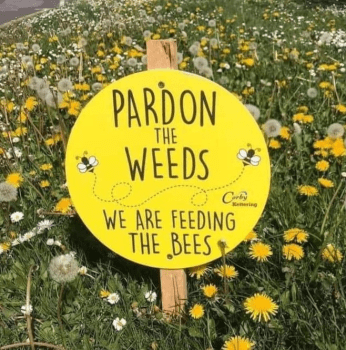
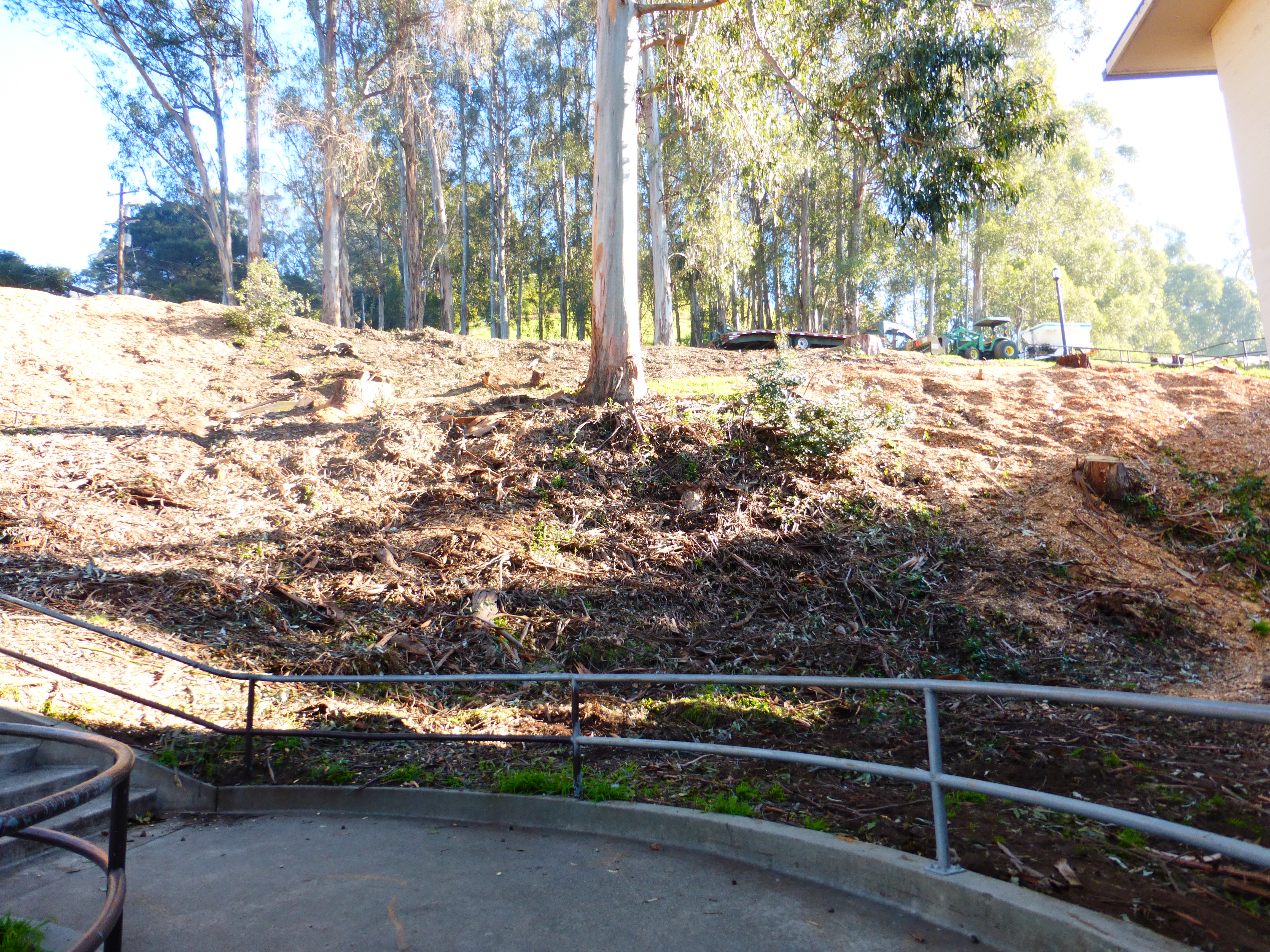
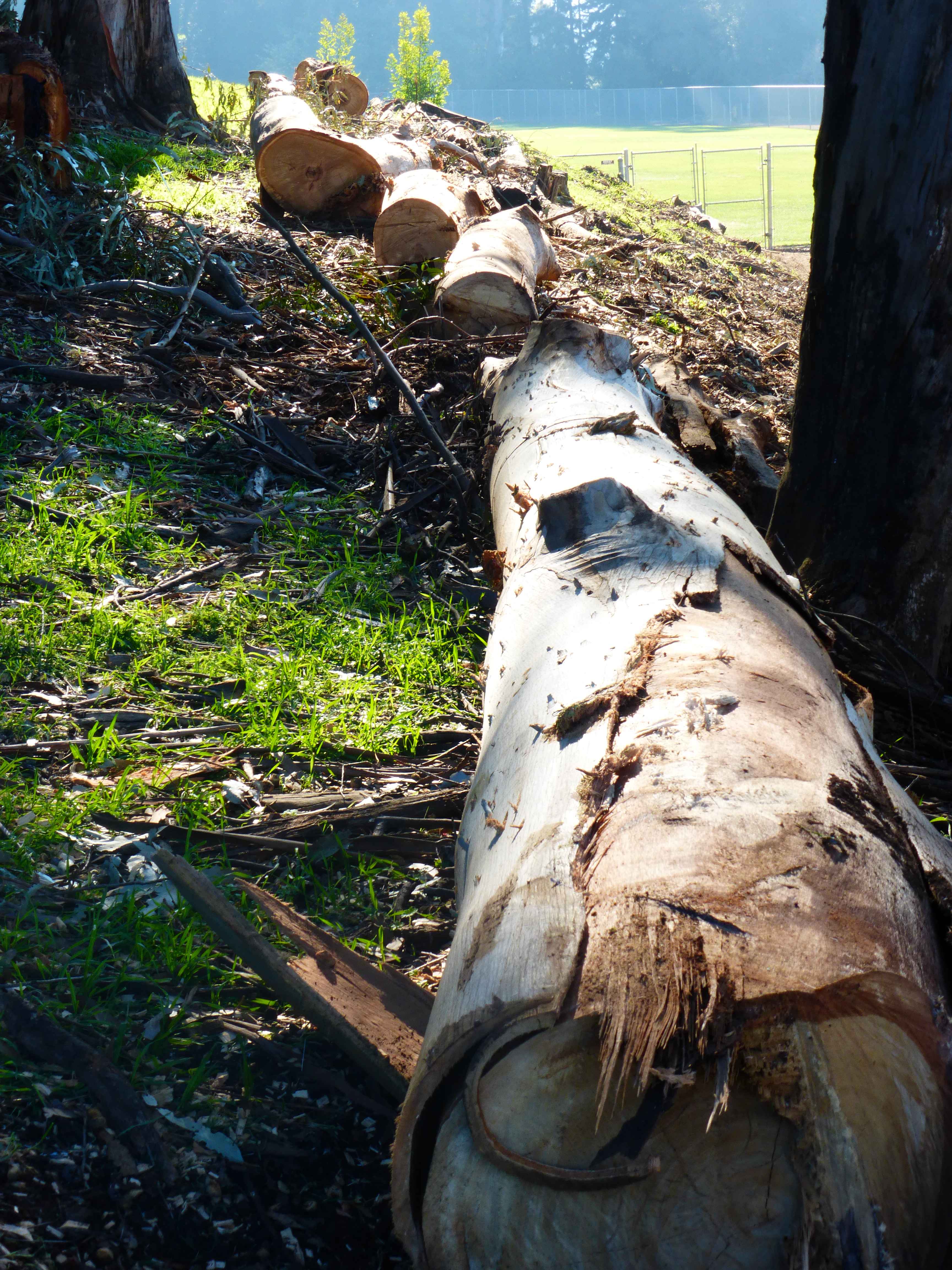


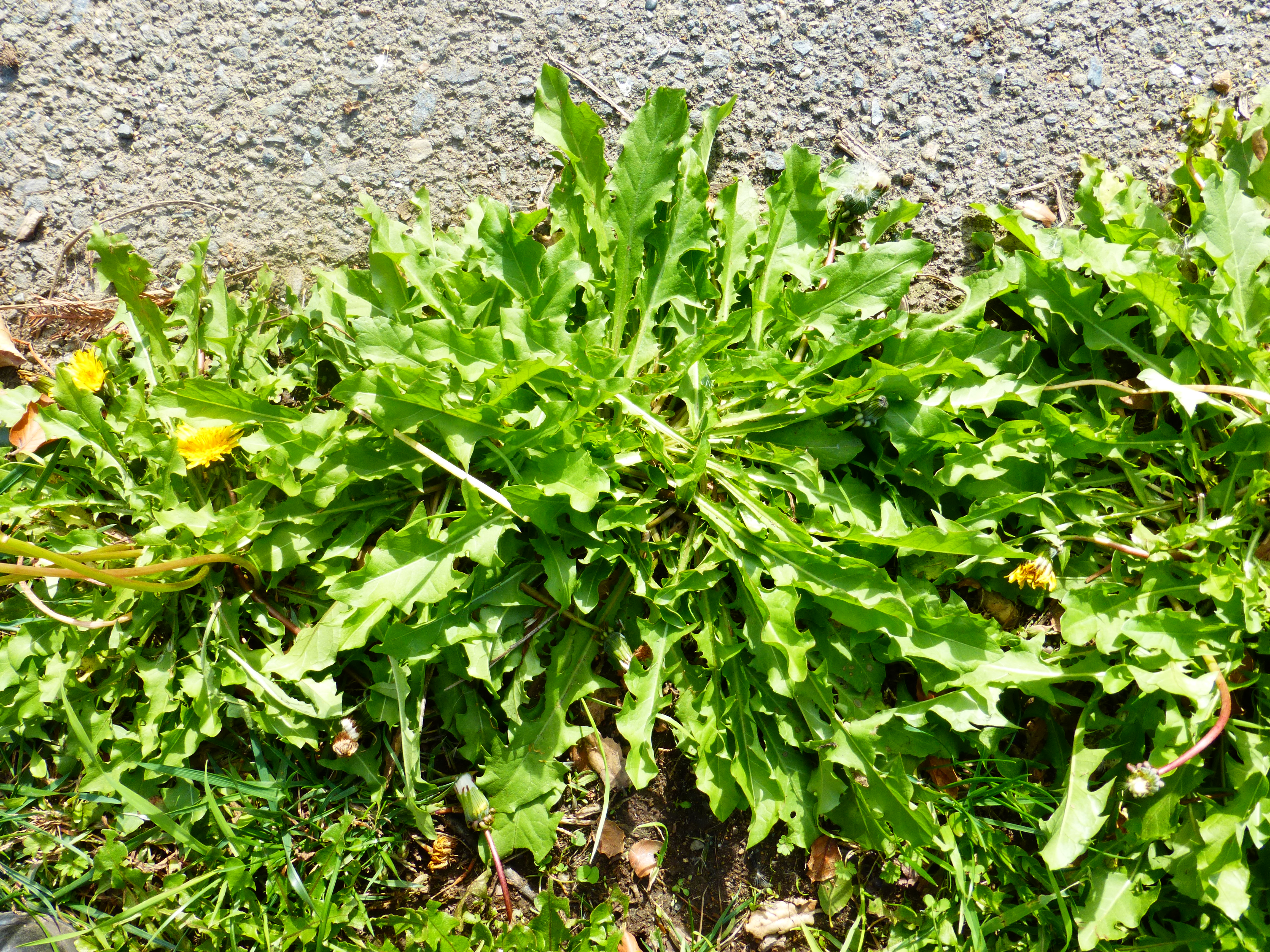
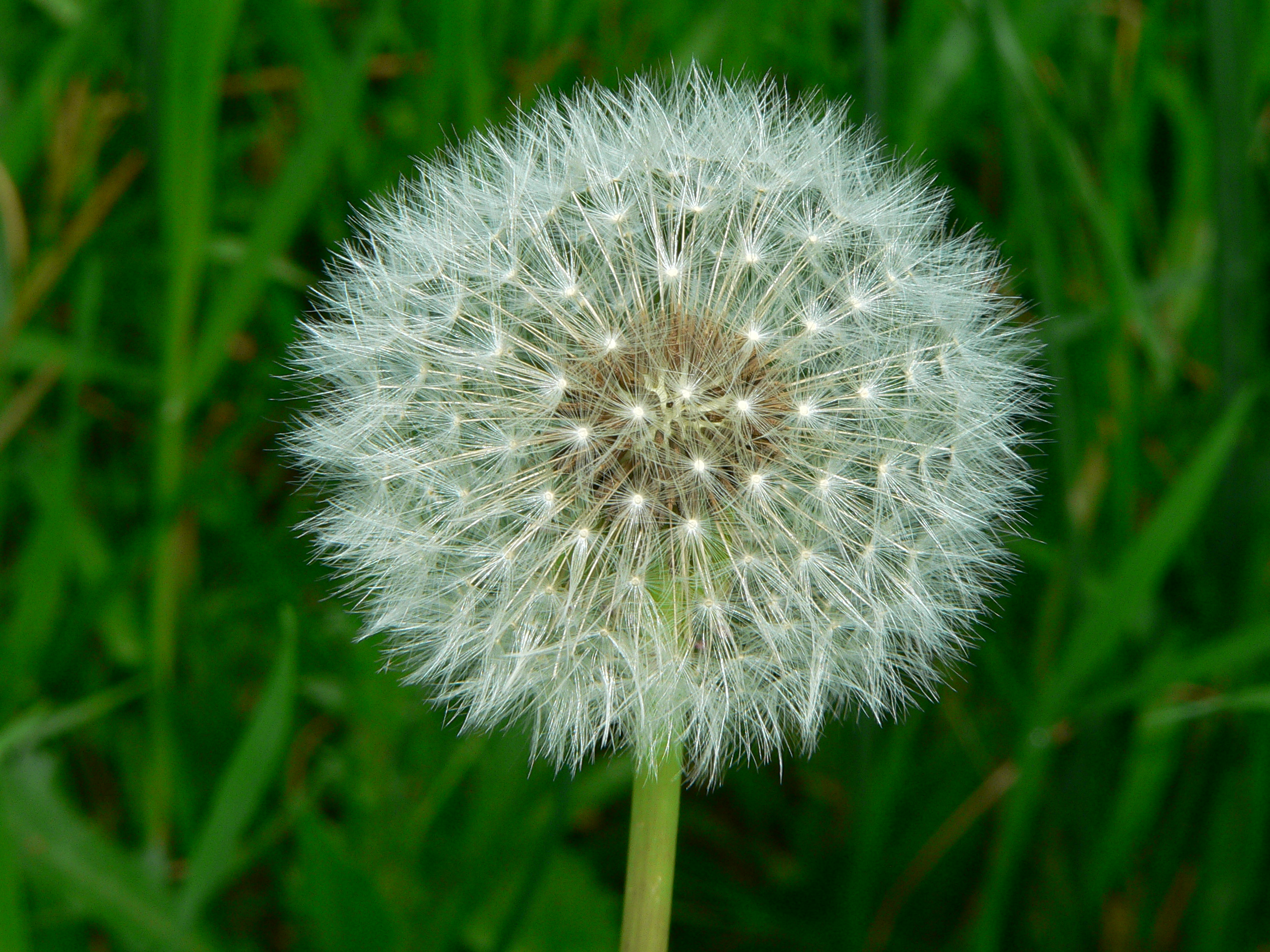
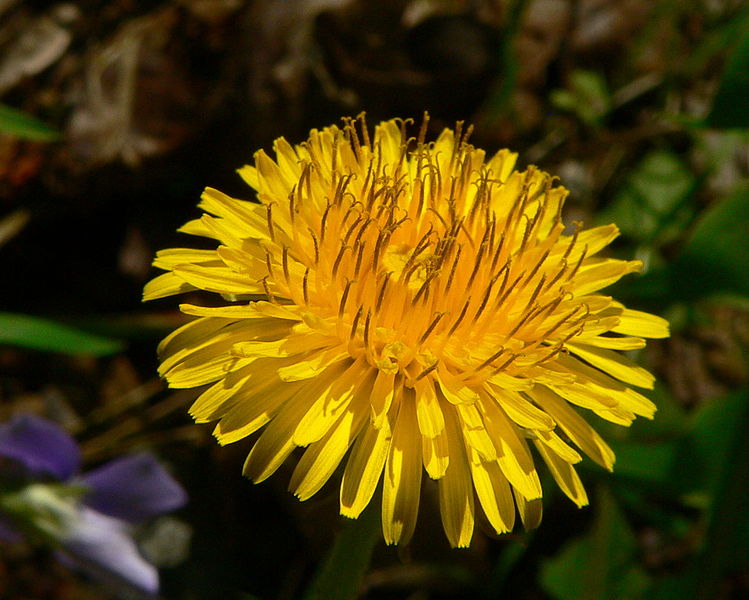
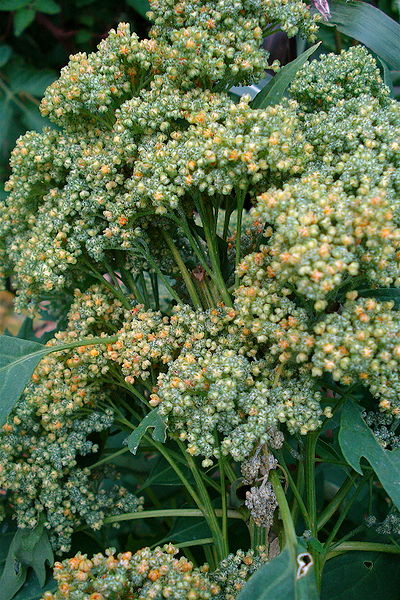
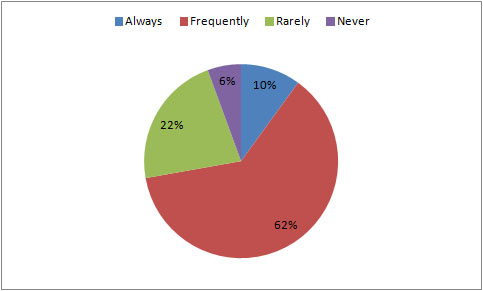
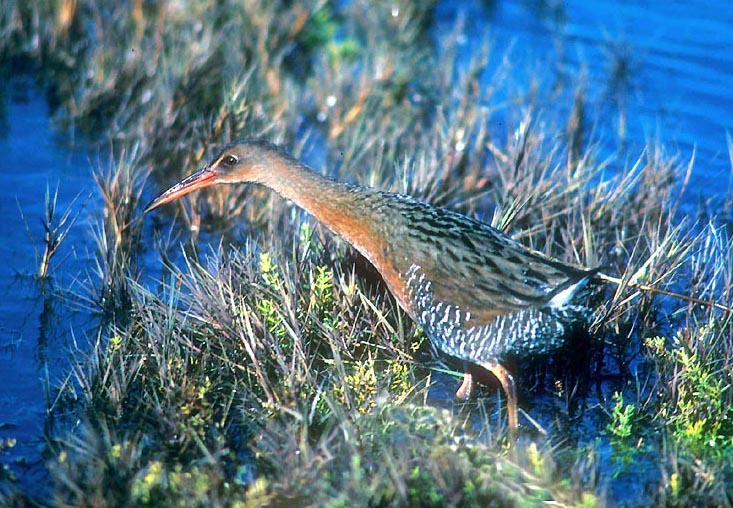
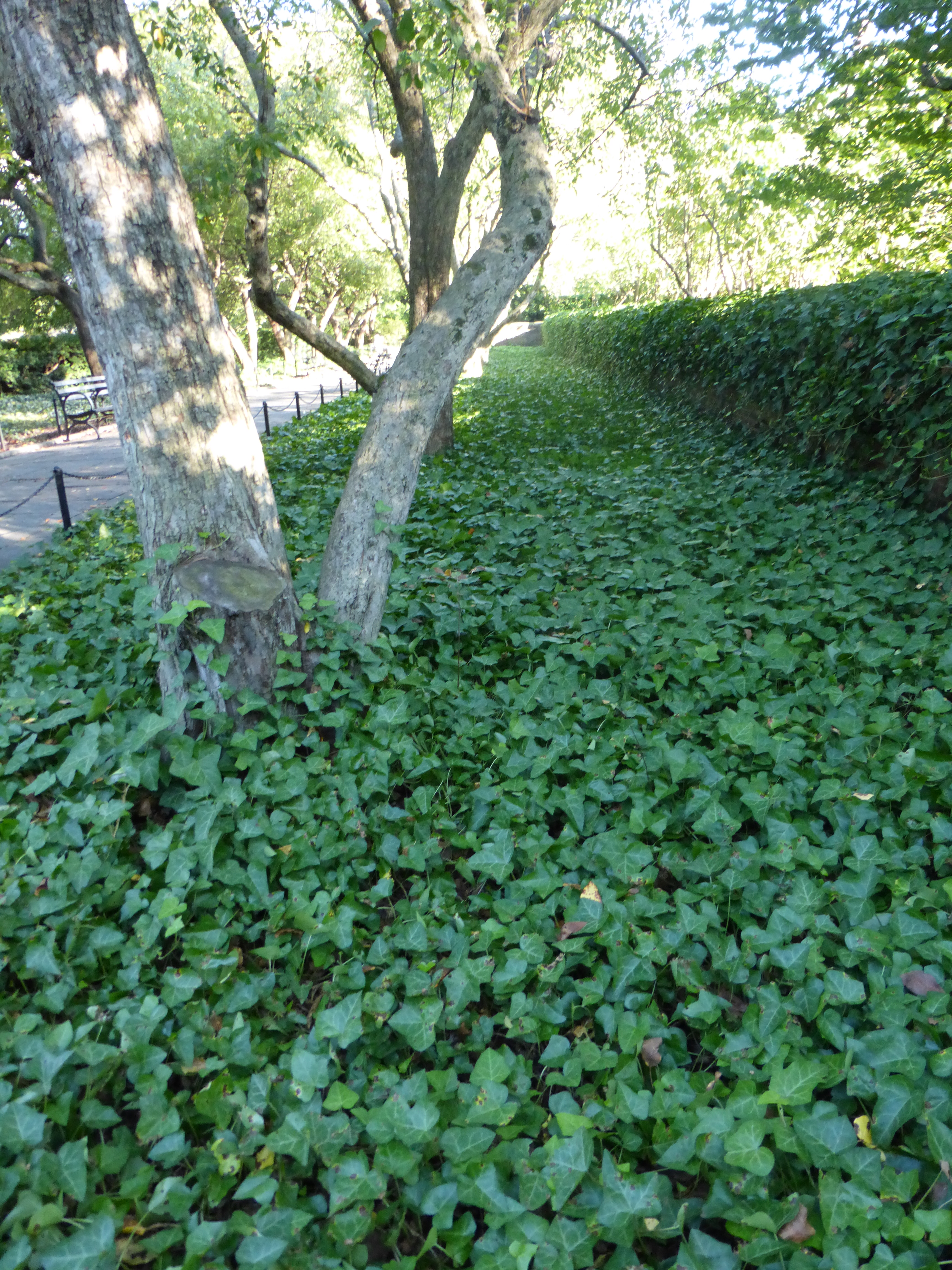

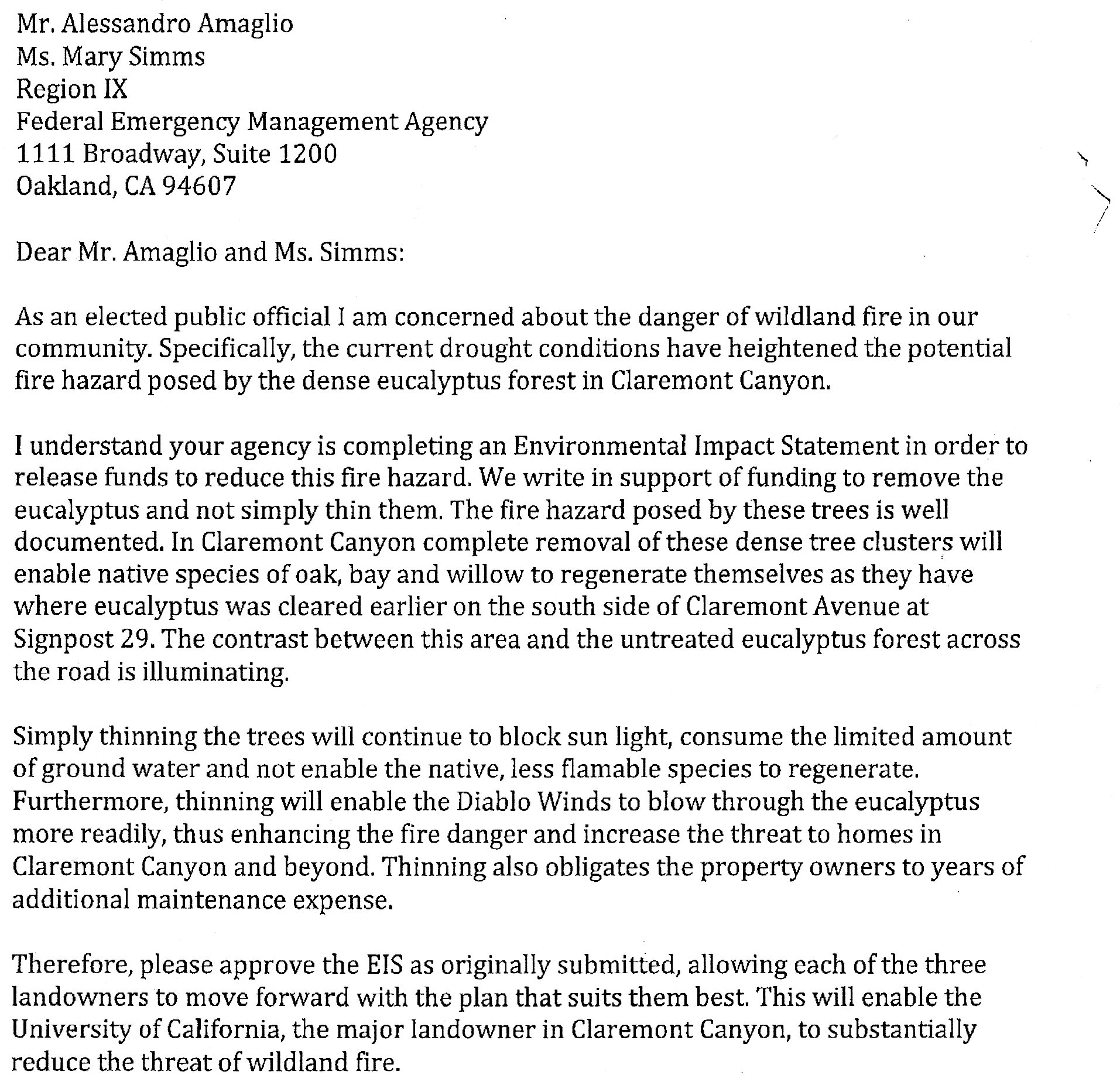
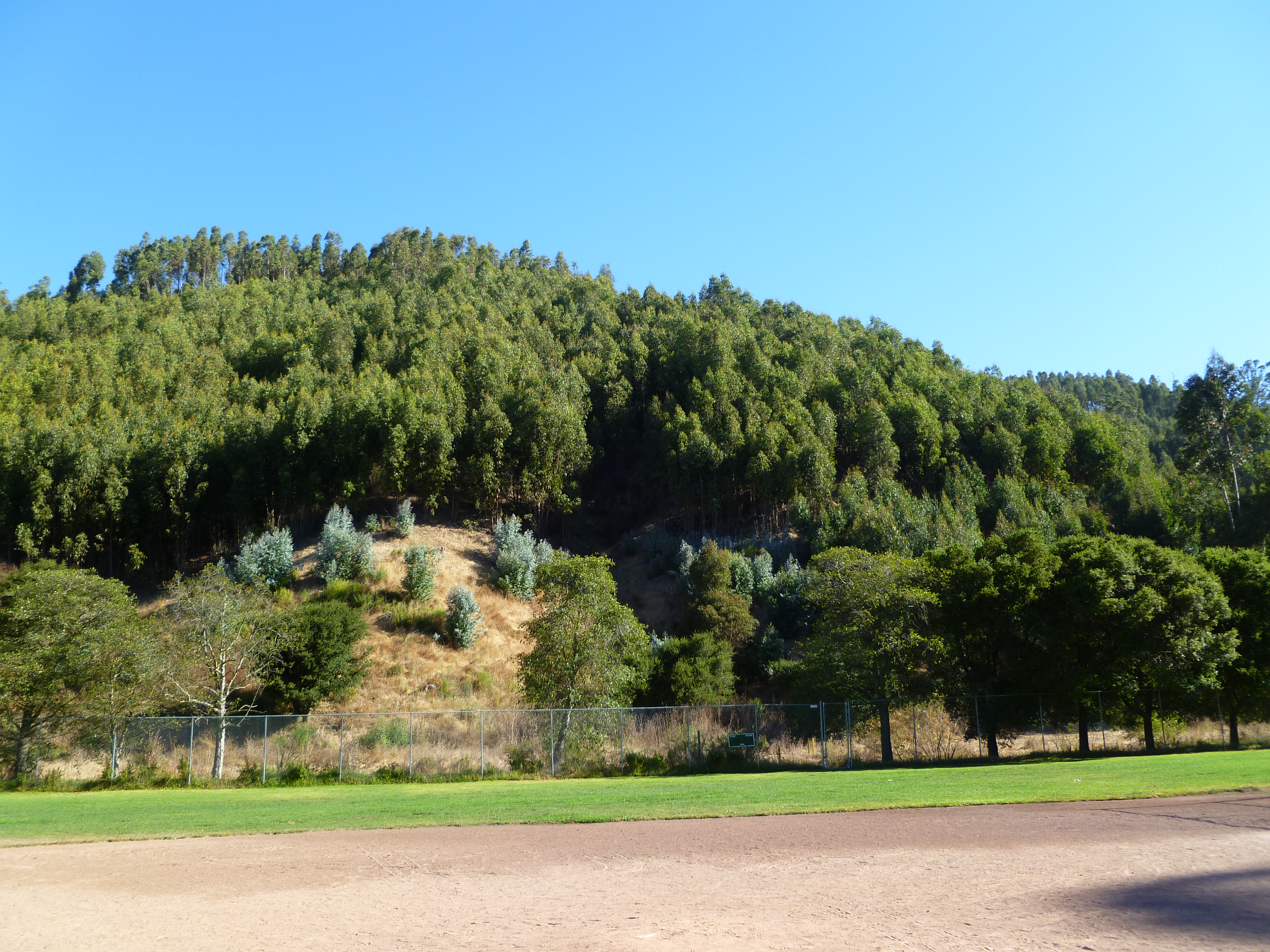
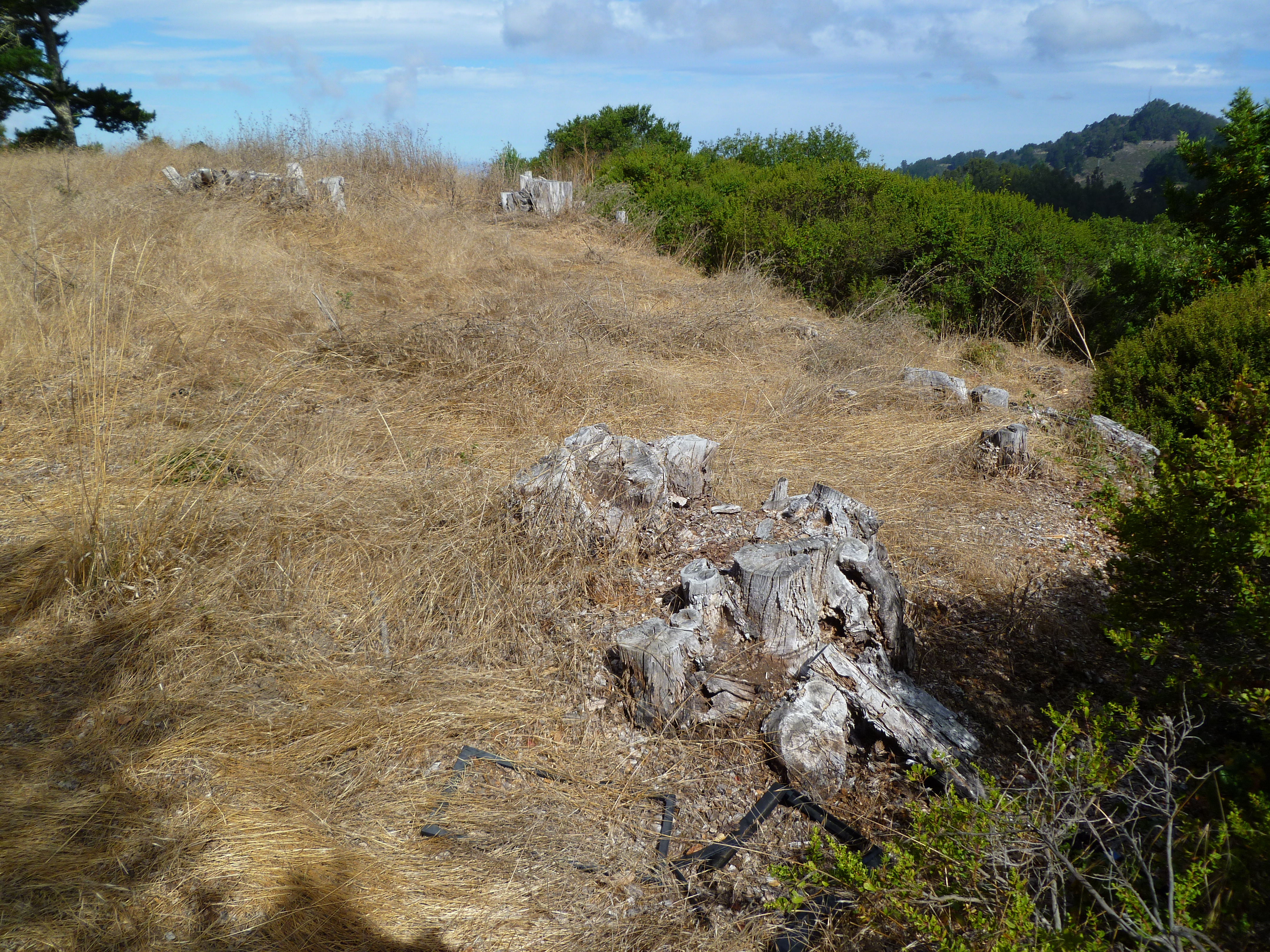

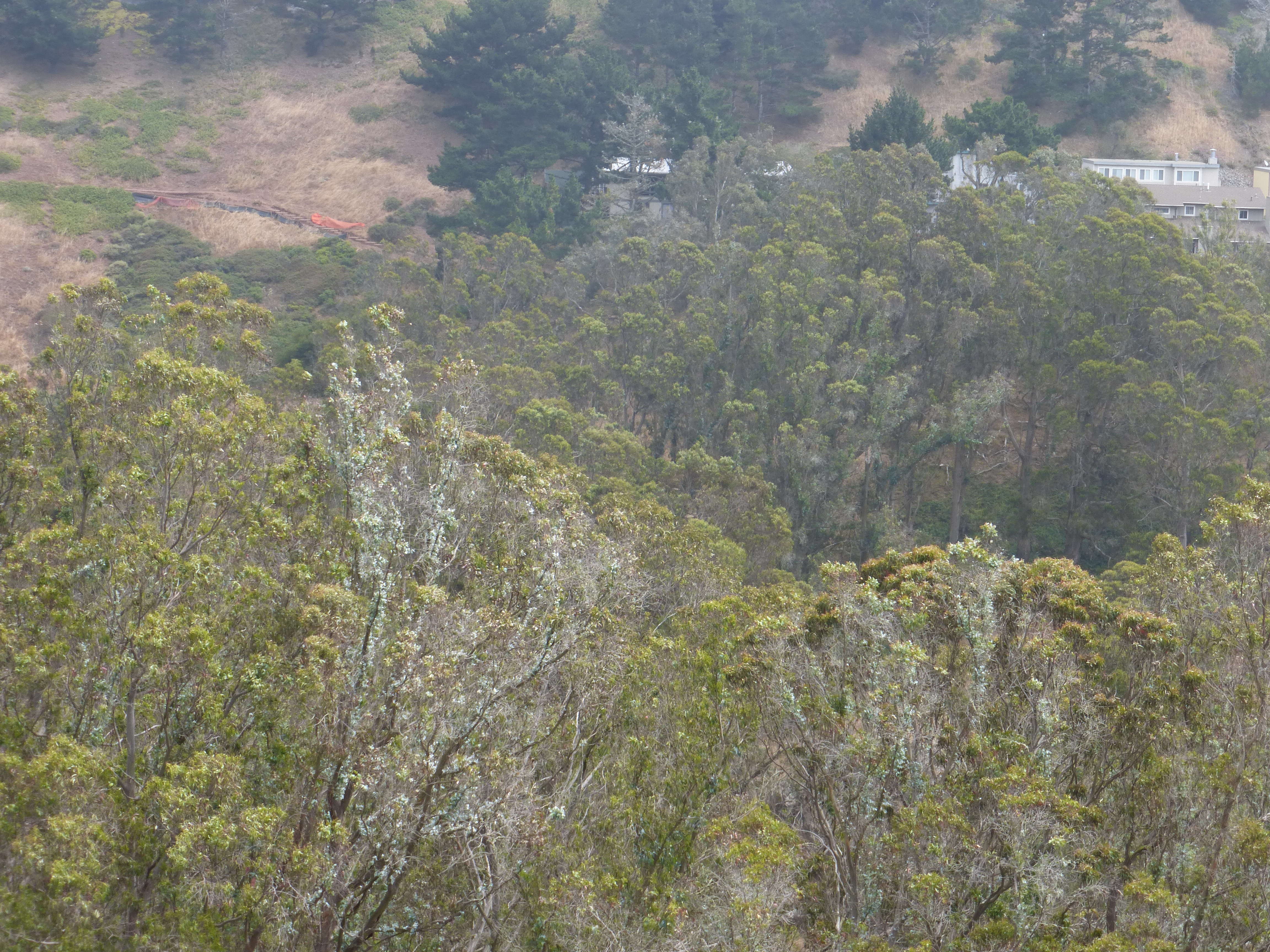
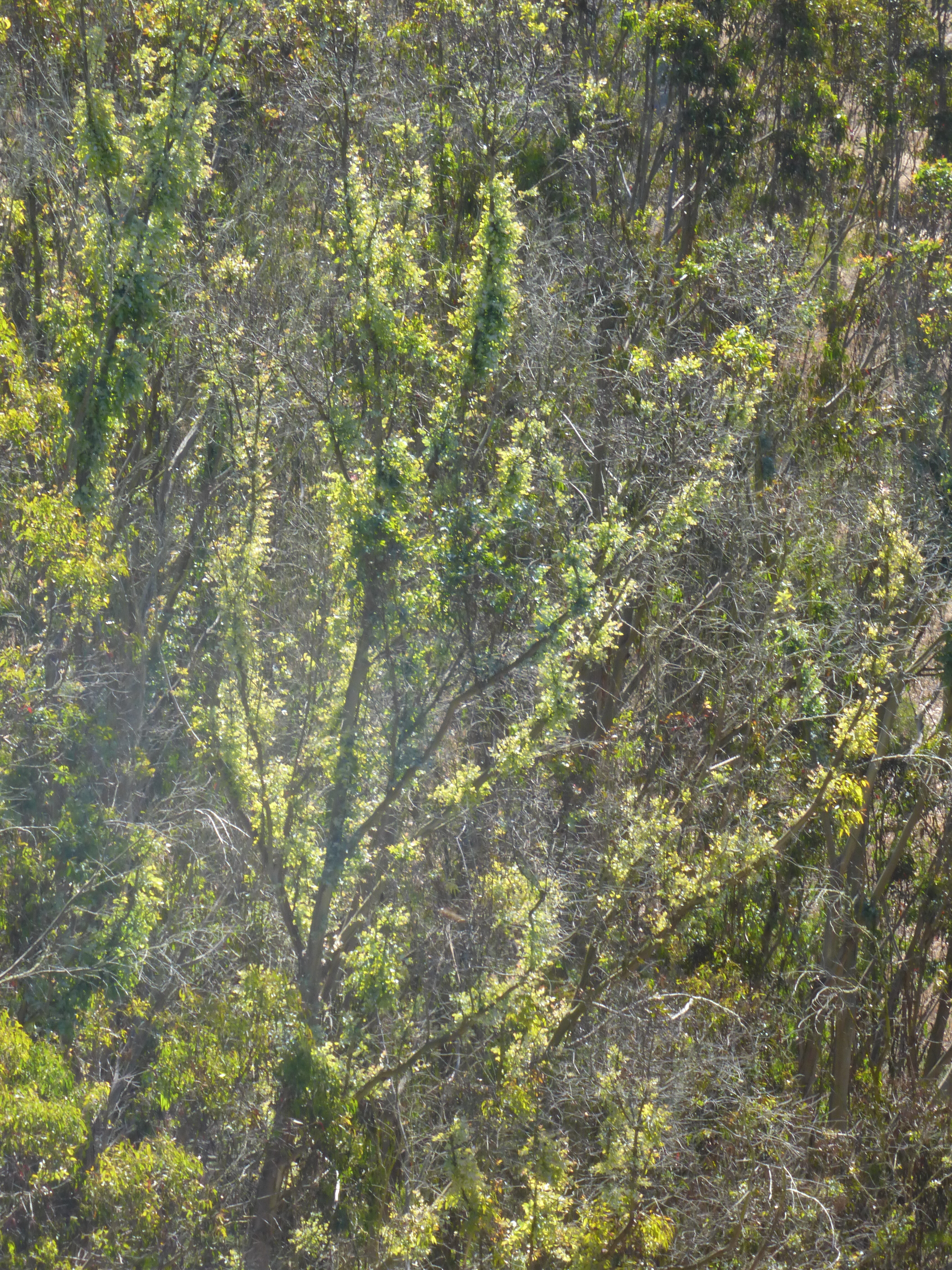
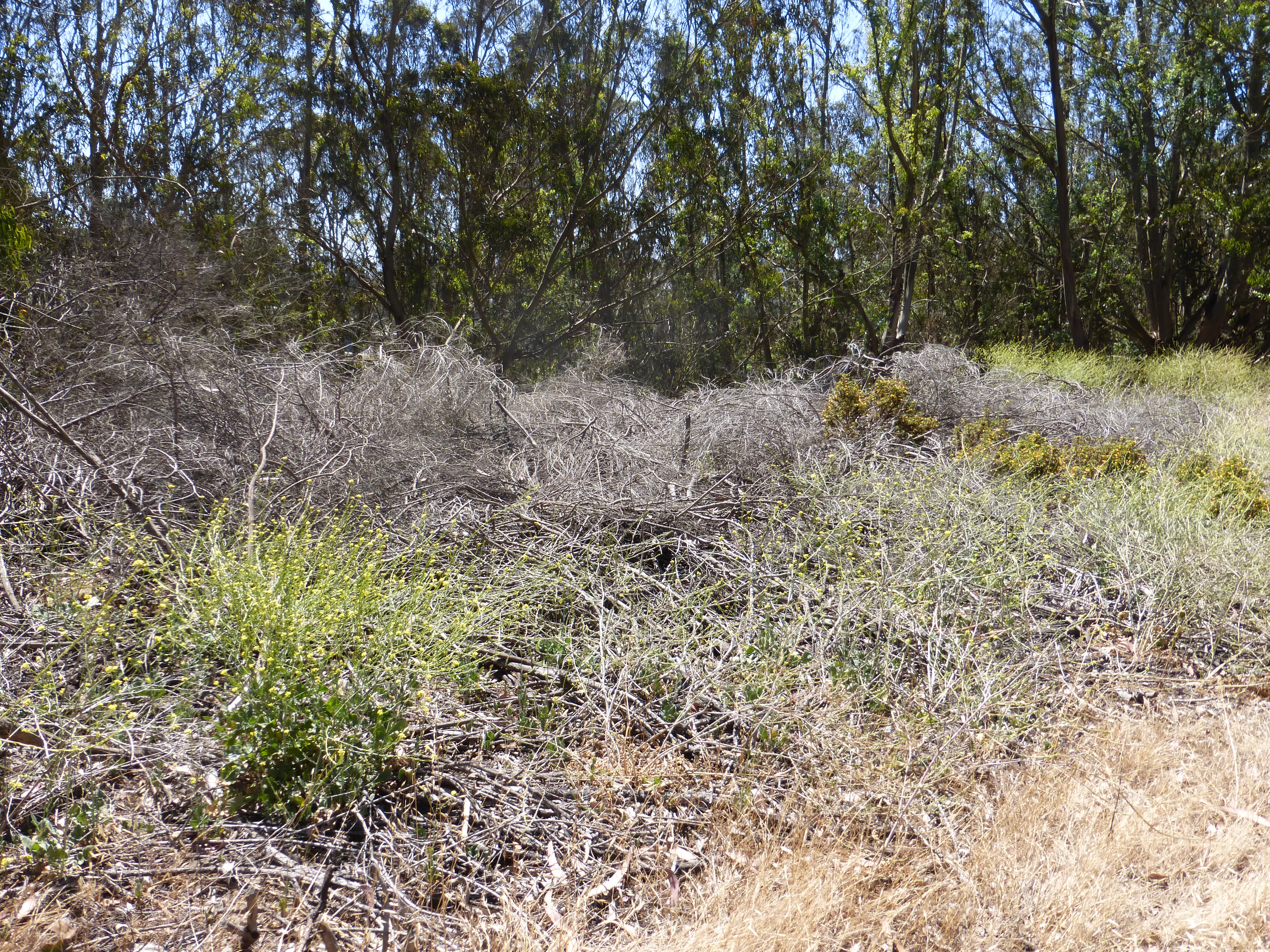
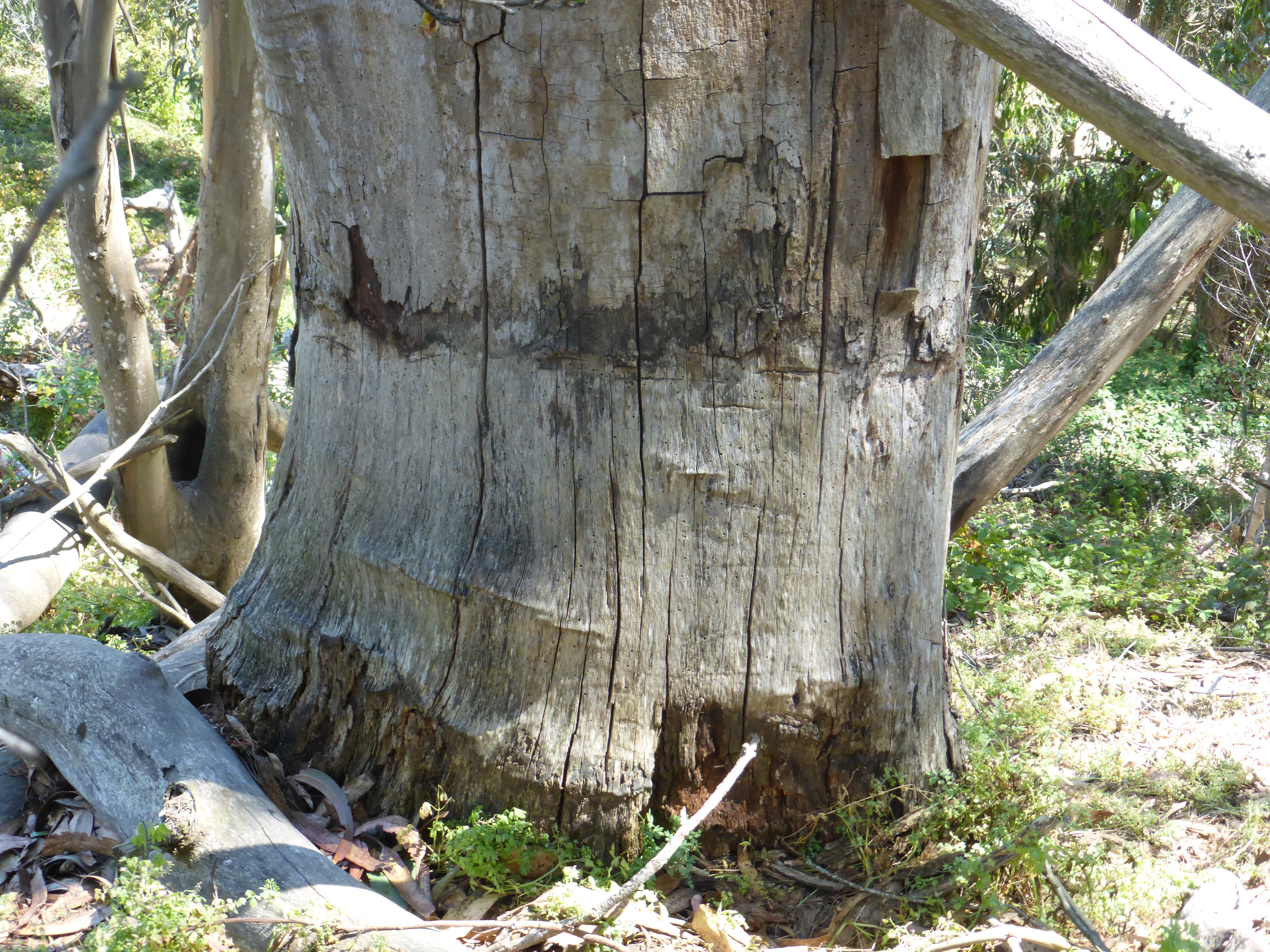
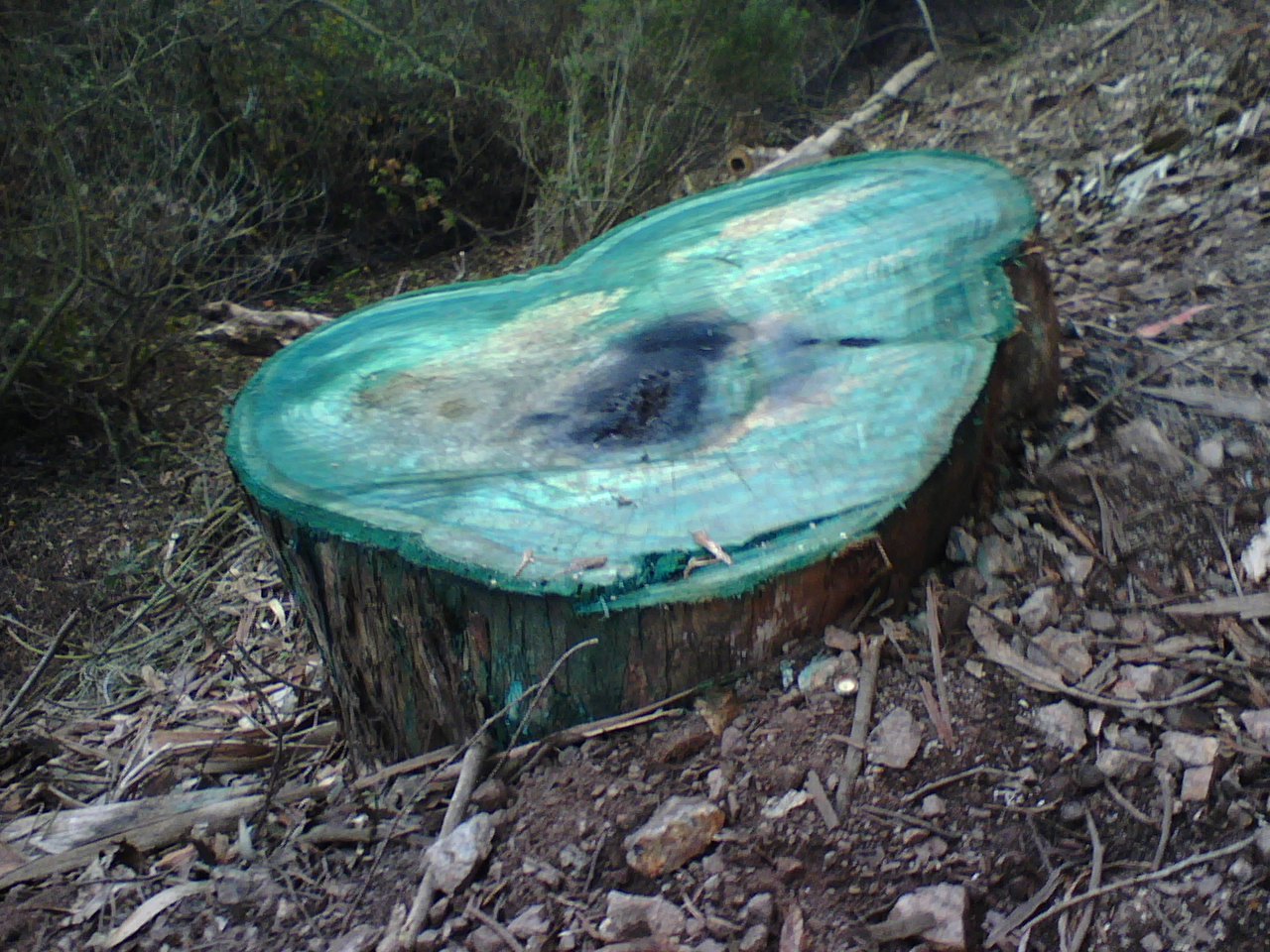
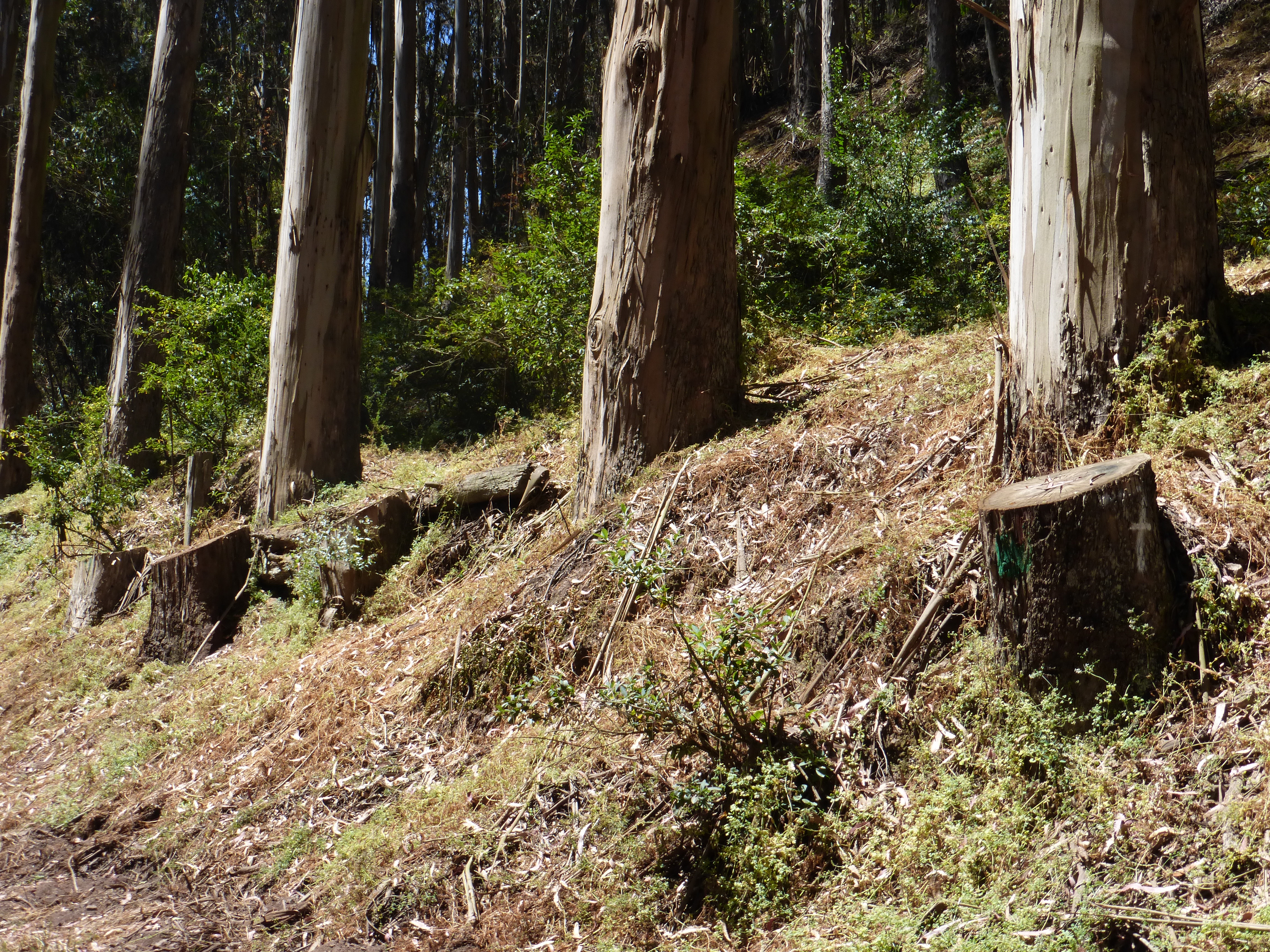
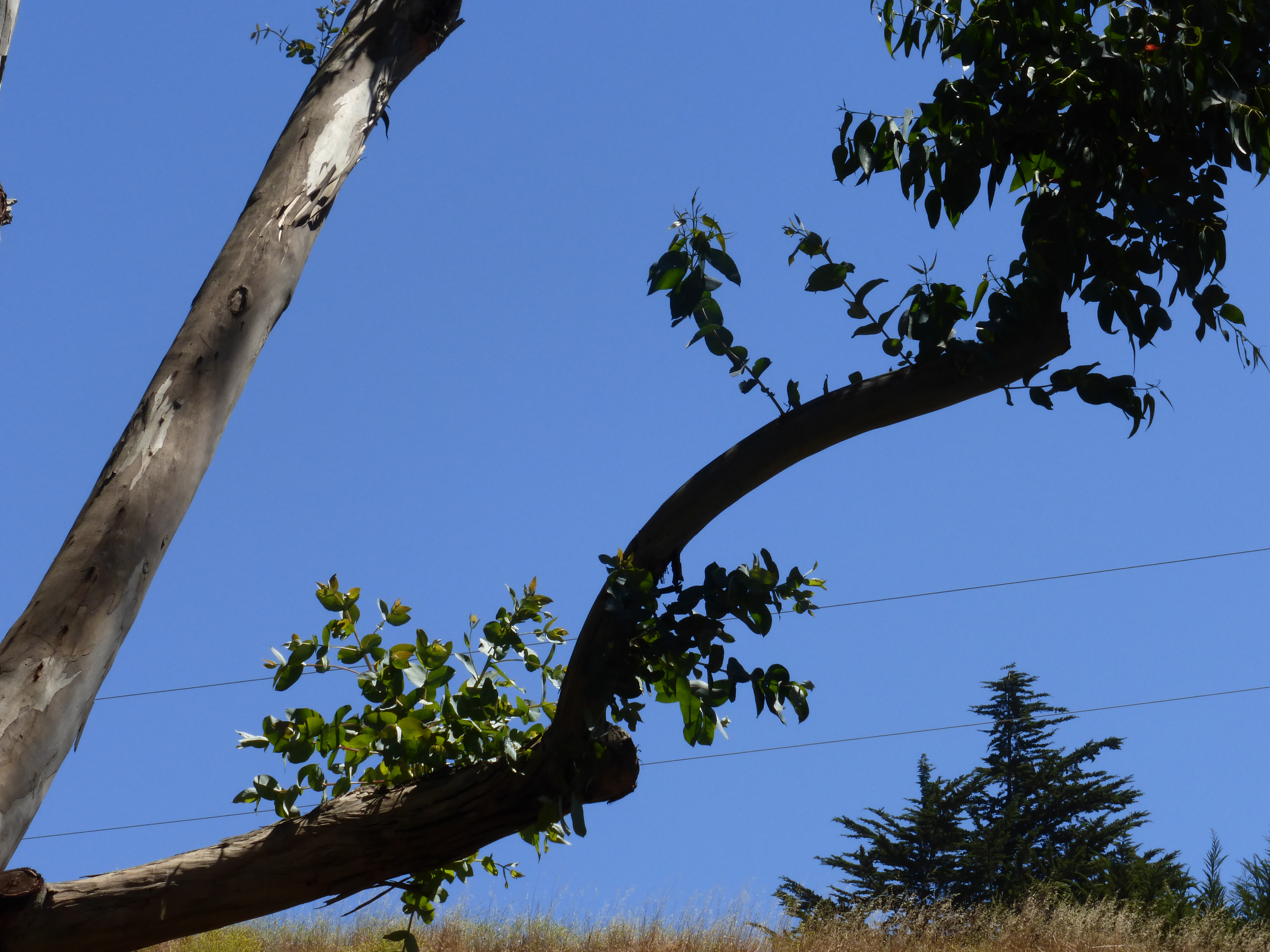
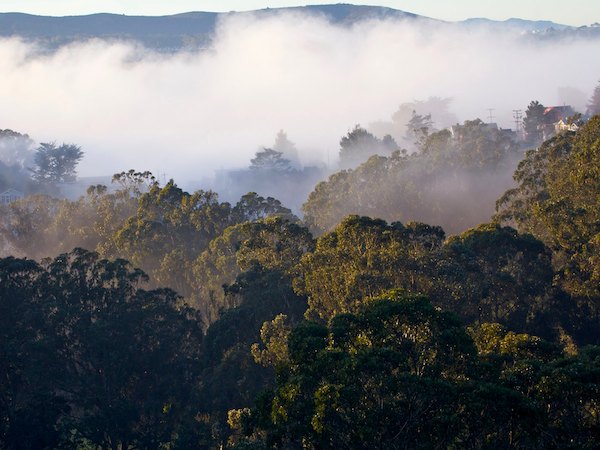
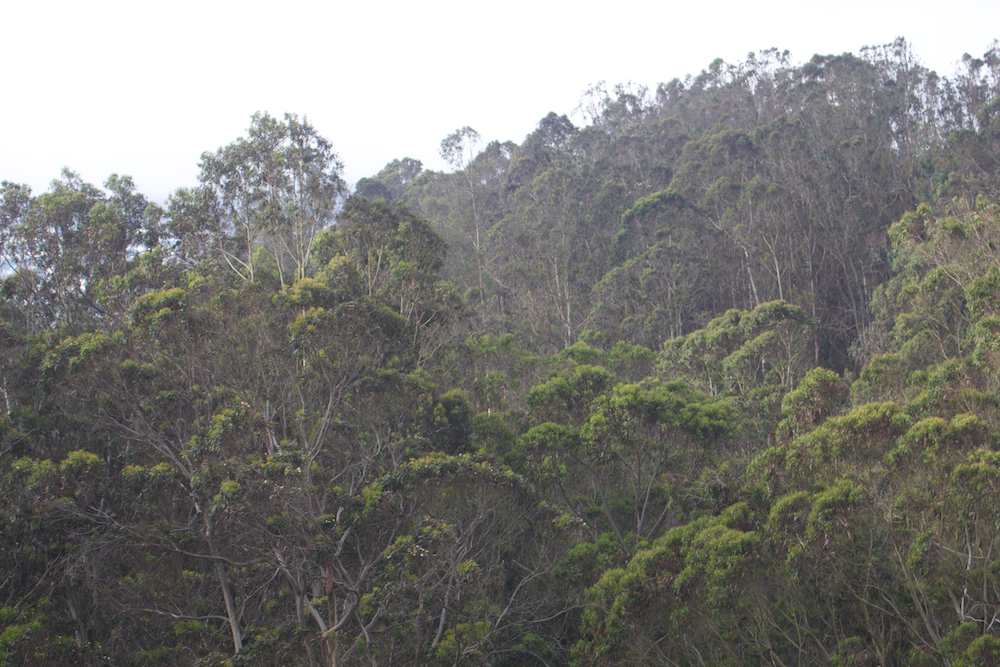

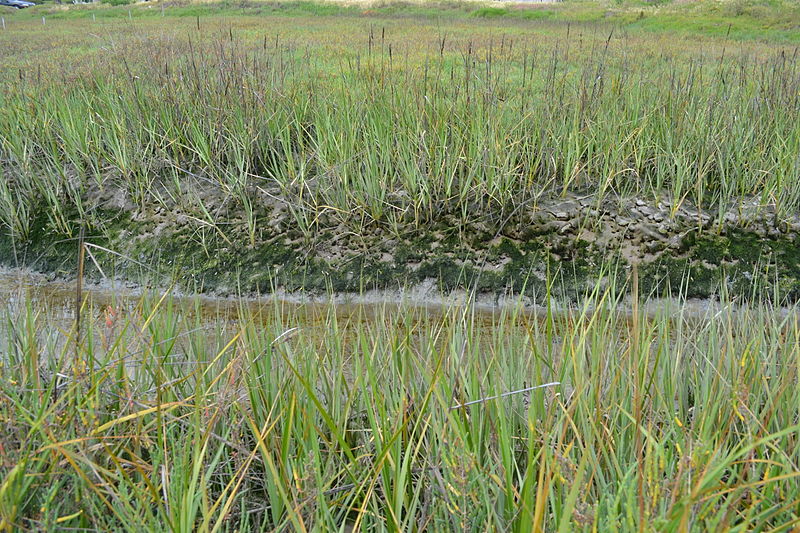
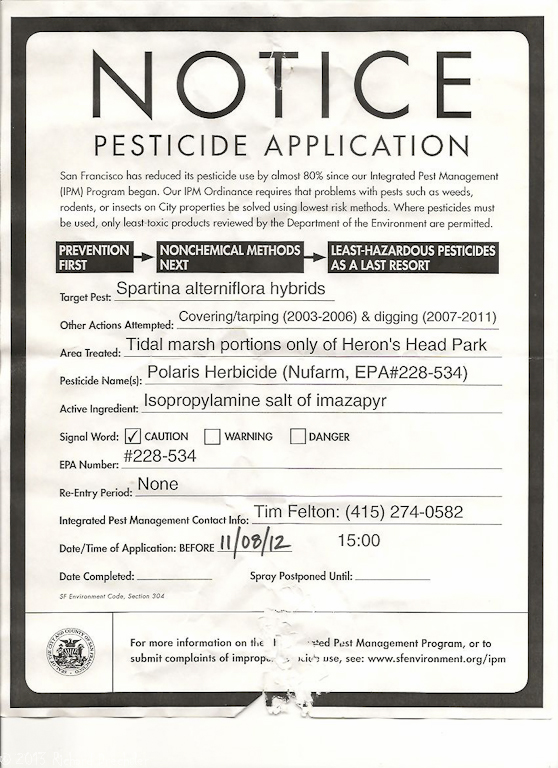


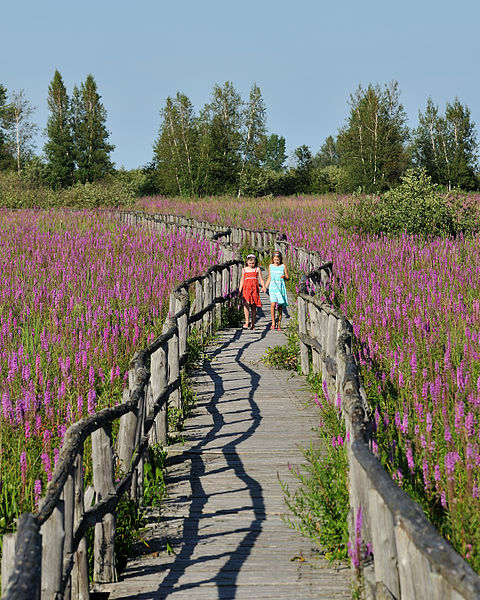
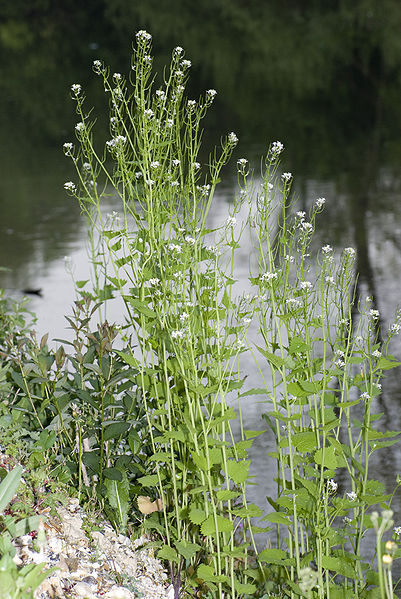
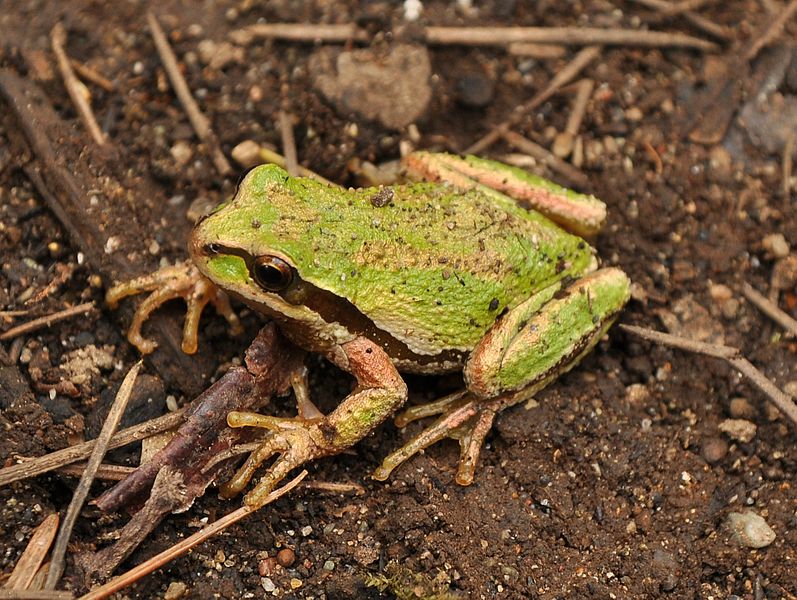
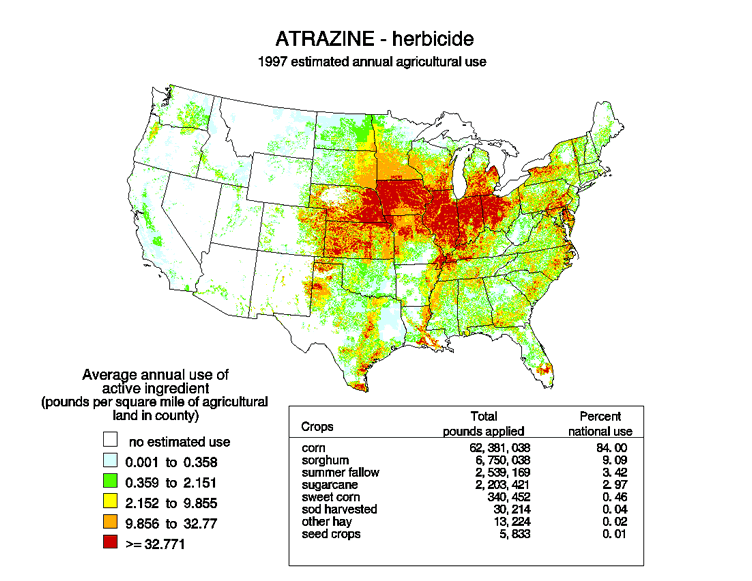
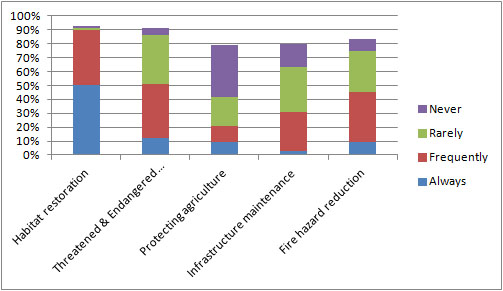
 Conservation Sense and Nonsense