We celebrated July 4th with a walk in the woods. Huckleberry Botanic Regional Preserve in Oakland is a true remnant of native vegetation that is unique among the collection of 73 parks of the East Bay Regional Park District. The trail guide describes the conditions that created this ecosystem and enabled its survival while other native ecosystems have not survived:
Huckleberry is “a relic plant association found only in certain areas in California where ideal soil and climatic conditions exist. The vegetation association finds its roots in past climates and geologic history. The plants originated in the distant past along the southern coast of California when the climate was more moist and tempered by the cool coastal fog. Today, similar vegetation is found on the islands off the Santa Barbara coast and in isolated pockets on the mainland coast from Point Conception to Montara Mountain south of San Francisco.”
A view from Huckleberry Botanic Preserve of hills to the east. Source: East Bay Regional Park District
The preserve was created partly to protect an endangered species of manzanita, specifically pallid manzanita. There are 107 species and sub-species of manzanita, of which 95 are native to California. The ranges of most of these species are extremely small because manzanita hybridizes freely and therefore adaptive radiation has resulted in a multitude of species, sub-species, and varieties that are adapted to micro-climates. Many of these species are locally rare and 10 species of manzanita have been designated as endangered, two of which are limited to the San Francisco peninsula: Raven’s manzanita and Franciscan manzanita.
Manzanita is vulnerable to extinction partly because its ranges are small and partly because it is an “obligate seeder,” which means it can only be propagated in the wild from seed. The seed of manzanita is germinated by fire. However, the exact relationship between fire and germination is not known. Many complex experiments have been conducted on the few viable seeds produced by Raven’s manzanita, which was designated as endangered in 1979. Various combinations of fire, heat, cold, smoke, liquid smoke, etc., were tried and failed to determine exactly what triggers germination of manzanita seeds. The suppression of fire in the past 150 years has contributed to the decline of small manzanita populations in California.
Some endangered species of manzanita are available in commercial nurseries because they can be easily cloned, which means they are genetically identical. These commercially available manzanita species remain technically endangered because the criteria for endangered status requires that they be grown from seed in the wild to be eligible for removal of endangered status.
Pallid manzanita in the Huckleberry Botanic Reserve are not doing well:
And some pallid manzanita is dead:
The sign explains that as pallid manzanita dies, it creates space in the understory for chinquapin and it predicts that more competitive huckleberry will eventually “overgrow and kill” chinquapin. The sign describes this process as natural succession. It doesn’t accuse huckleberry of being invasive. If huckleberry were non-native, it probably would be considered “invasive.”
Chinquapin has a distinctive nut, which is encased in a bristly shell. My hiking companion said he and his brothers used to eat the tasty nut when camping in Mineral King in Sequoia National Park. The bristly shell doesn’t make it easy to access the nut, but birds and wildlife find a way:
Huckleberry is appropriately the namesake of this botanic reserve. In some portions of the narrow trail huckleberry creates tall, dense hedges on either side of the trail:
Because the Huckleberry Botanic Preserve is a relic of native vegetation that has been undisturbed by fire and development for hundreds of years, it is an excellent place to see huge native trees compared to much younger and therefore smaller native trees in other public parks in the San Francisco Bay Area.
Mature bay laurel trees in Huckleberry Preserve are an opportunity to witness the competitive strategy of this tree species. When it achieves some height as it grows, its branches fall over and often put down new roots that grow new vertical trunks. This prostrate posture of bay laurels gives them a competitive advantage over other plants in the understory. Mature bay laurels occupy huge expanses of space around them that create shade and make it difficult for other plants to become established in the shade. The prostrate posture of bay laurels also makes it more flammable because the fire ladder to its canopy extends to the ground. Crush a bay laurel leaf in your hands to smell its aromatic oils that also contribute to the flammability of bay laurels:
This madrone tree in Huckleberry Reserve is the biggest I’ve ever seen:
In early July some woody and herbaceous shrubs were still blooming. In this case, sticky monkey flower in the foreground and pink flowering current in the background:
Huckleberry Botanic Reserve is a unique gem in East Bay Regional Park District. I hope you will have an opportunity to see it and that you will appreciate it as much as I do.
Over 10 years ago, Mark Speyer wrote one of the first guest articles for Conservation Sense and Nonsense about mulberry trees, one native to North America and the other introduced by American colonists because it is the host plant of silk worms. That article was a hit! It has been viewed by over 8,600 readers. It is still entirely relevant to the mission of Conservation Sense and Nonsense and I recommend it to you. You will find it HERE.
Mark Spreyer
I am grateful to Mark for giving me this opportunity to publish his guest article about willows, some native to North America and one introduced. As in the case of introduced mulberry trees, some willow species are native to China.
Much of China and North America have been in the same latitude since the evolution of angiosperms. As a result of climate similarity and geographic proximity, many of our plant species considered native in Eastern North America are also native to China. These paired species in the same genus are called disjuncts. There are many woody disjuncts in China and North America (magnolias, persimmons, hickory, catalpa, dogwood, sweetgum, tuliptree, tupelo, sassafras, Virginia creeper, etc) as well as many herbaceous disjuncts (ginseng, lopseed, mayapple, skunk cabbage, etc.).
They are different species from their Chinese counterparts because they have been separated long enough to change as a result of genetic drift and in response to a new environment, but are in the same genus and plant lineage and therefore chemically similar. These plant species made their way from China to North America by natural means, such as being carried by birds, animals, wind and ocean currents.
In contrast, Chinese species of mulberries and willows were intentionally introduced to North America. Mulberries were brought with the hope of making silk and weeping willows were brought to grace our gardens with their beauty. Some say they don’t belong here because they were brought by humans. Others say that is a meaningless distinction. Whether brought by birds or brought by humans it is a distinction without a difference because humans are as much a part of nature as birds.
I’ve been writing nature columns for many years and I hope to write them for years to come but sometimes, the writing doesn’t come easy. The other evening, was one of those difficult times.
As I reached for a bottle of aspirin to alleviate a headache, it hit me– willows.
You see the scientific name for the willow genus is Salix and the main ingredient in the original 1899 aspirin was salicin, an extract from willows.
I’m not going to attempt to sort through the dozens of North American willows and their confusing hybrids. I don’t have enough aspirin for that. I’d like to concentrate on two of the willow trees, weeping and black, as well as a few of the willow shrubs.
Weeping Willow (Salix babylonica)
Unlike black willows, weeping willows aren’t native to this continent. The scientific name is somewhat misleading. This species originates from northern China, not the Middle East. Examples of Salix babylonica can be found growing along the famed Silk Road trade routes between China and Europe. The weeping willow arrived in Europe around 1730. It traveled to N. America courtesy of colonization. The weeping willow also landed on the W. Coast via Japan.
Weeping willow along a highway in suburban Chicago. Photo by Susan Allman
Its graceful, long, slender, drooping branches makes the weeping willow an easy tree to identify. This pendulous growth habit earned this willow its common name. Not surprisingly, the tree is a popular choice for landscapers and gardeners. It is also the choice of pollinators such as specialized bees and butterflies. If planted in full sun, this rapid grower can reach a height of sixty feet.
In addition, weeping willow tolerates soils that are somewhat acidic to alkaline. Finally, it thrives in low areas and wet spots where other trees might drown. Decades ago, my father and I planted two weeping willows in a sunny wet pocket on the property. They grew fast and sucked up the water, just as we had hoped. You see they are designed to do just that.
Like all willows, weeping willows are easily started from a sprig. Just stick it in some water and watch the rootlets sprout. When you think of where willows grow– along rivers, streams and other places prone to flooding– this asexual method of reproduction is a handy adaptation.
If a flood washes away a bank and the willow that grew on it, odds are one of its branches will end up on a spit of mud or in a shallow pool downstream. With the passage of time, that branch will take root and a new willow will be on its way.
In this country, most weeping willows are male clones and thus produce no fruit. Since reproduction for a willow is as easy as dropping a twig in running water, these clones can be found growing where no human planted them.
Black Willow (Salix nigra)
Rather plant a native species? Then, this next tree is for you. While some may appreciate the graceful form of a weeping willow, give me the craggy old coot of the willow family, the black willow. One of the world’s largest willows, it varies in appearance with where it is growing. Along an eastern seaboard stream, it is a tree reaching a height of forty to fifty feet. In the southern reaches of the Mississippi River’s floodplain, a black willow can reach a height of 100 feet in a mere forty years.
Two black willows near the Fox River in northern Illinois. Photo by Susan Allman.
Here at the Stillman Nature Center we had a couple of sprawling specimens of our own. They had large forks, beginning low down, each fork leaned outward giving the tree a “slouching picturesqueness” as Donald Culross Peattie wrote.
Black willow has many alternate names such as American, brittle, and, a favorite of mine, scythe-leaved willow. I like it because the botanical term for willows’ long narrow leaves is lanceolate or lance-shaped. Lances and scythes belong together, don’t you think?
Brittle is another appropriate name. Its slender reddish-brown twigs are flexible at first. As they age, the twigs become darker and brittle at the base. Anyone who has sat at a picnic table or parked a boat under a large black willow, will soon find these items decorated with fallen black willow twigs.
Unfortunately, willows are short-lived, rarely living past 85. But, as I’ve watched our willows here at Stillman, I have some questions about that figure.
For example, one of our largest black willows came down in a heap some years ago. After the chainsaws were done, all that was left was the short, thick trunk and a few feet of each main branch that the trunk divided into.
Was the tree dead? Not quite. As the years passed, flexible yellow branches grew from one of the large “dead” arms. Nutrients and water were obviously flowing from the roots and through the tissues of this “goner.”
So when is a tree dead? A newspaper story provided an answer that fits our willows. The article was about the fate of a sequoia. At the time, the tree was at least 2,500 years old, “We don’t know if it’s dying or not,” said an interpretive ranger at Sequoia National Park, “One branch with green leaves connected by live tissue to one root is all that’s needed for a tree to be considered alive.”
Of course, the Sequoia’s trunk remained standing unlike our willow’s old trunk that was down and decomposing.
Shrubby Willows
Most willows don’t have large trunks since they exist as shrubs. This is not the place to sort through them all. A partial list would include goat, Bebb, narrowleaf, sandbar, and, the florists’ favorite, pussy willow.
Pussy willow in spring. Photo by Lara Sviatko.
The native pussy willow (Salix discolor) is a boreal species that can occasionally be found growing in northeastern Illinois. As you might have guessed, it inhabits wet areas such as floodplain forests, marshes, and shrubby swamps.
Because willow thickets are within reach, deer, elk and domestic livestock will feed on willow leaves and twigs. This brings me back to where I started. Peoples from N. America to ancient Greece made teas and other medicines from willow bark to treat joint pain and other ailments. So, are animals eating willows just to fill their stomachs or to ease their aches and pains as well? The next time I run into a talkative deer, I’ll ask.
When I announced my intention to quit publishing articles on Conservation Sense and Nonsense in December 2024, I invited like-minded allies to send me guest posts for publication. I also recommended several trusted sources of information about invasion biology and related issues.
I am publishing a guest article by one of those trusted sources today, with permission. Kollibri terre Sonnenblume is the author of “Speaking for the Trees, No Matter Where They’re From,” available on Substack. He introduces himself on that website: “Writer, photographer, tree-hugger, animal lover, occasional farmer, cultural dissident. Author of several books on ecology, human culture, and their intersections. Podcaster on the side.”
For readers who love all plants, both native and non-native, I recommend the Substack of Kollibri terre Sonnenblume. His articles are deeply researched, informative, and beautifully written. His knowledge of plants far exceeds anything I have learned about plants because he works directly with them as an integral part of his life and he is an astute observer.
Conservation Sense and Nonsense
What is a “native” plant in a changing world?
California Fan Palms in Anza-Borrego State Park in California (Photo by author)
The term “native plant” has become a common one, and many people probably assume that the definition is clear cut. However, like many other seemingly simple designations, that’s not the case.
It was in the UK in the mid-19th century where the concept of “native” as opposed to non-native was first proposed by Hewett Coltrell Wallace, who borrowed the terms “native” and “alien” from British immigration law. His definition of “native” also included “naturalized” species, which humans had introduced but that have come to live without them unaided.
Nowadays, whether a given plant is considered “native” where it is found growing is dependent on the interpretation of the interrelation of three factors: time, place and human involvement. There is no agreed-upon global definition.
So currently in the United States, a plant is generally considered native only if it grew here before European colonization. On the East Coast, that’s the 1500s and in California, that’s 1769. Plants introduced since then, whether deliberately or by accident, are labeled “non-native,” “introduced,” “exotic,” or in some cases, “invasive.”
In the UK, though the year 1500 is often cited too, some would set the date at the end of the last glacial maximum, 16,000 years ago, others at ~8000 years ago, when rising sea levels made those landmasses islands, and still others at the Roman invasion in 43 CE. Species introduced by the Romans can also be called “archaeophytes,” which inhabits a middle ground.
Other countries have their own cut-off dates, or, like China seem to still be working it out. Some have none at all, defining “non-native” only in terms of whether the species was introduced by humans, but not when. South Africa has a designation of “native-alien” referring to species that are native to one part of the nation but not to others.
Given that the term is so unstandardized, it’s impossible to make generalized statements about “native species” at the international level.
Plants on the move
The “native range” of any plant is not a static thing. Historically, plant ranges have always been in flux, often in response to climatic shifts, a process which continues in the present day more rapidly because of climate change. Had European colonization never occurred in the Americas, the ranges of plants today would not be the same as they were in 1492, which is a fact that’s not often considered in these discussions.
Fossils and phytogenetics are two things that can show us where plants used to live and where they came from. For example, when Spanish colonists arrived in California in the 18th Century, Coast Redwoods (Sequoia sempervirens) grew in a strip nearly 500 miles long and 5-47 miles wide from what is now Monterrey County in the south to Curry County (Oregon) in the north. Since then, over 95% of them have been cut down. The grievous sin of destroying so many Redwoods in California is compounded by the fact that much of their former habitat is now so altered by land use conversion and ecological changes like erosion that it won’t be home to these grand trees for the foreseeable future.
Only 10,000 years ago—a blip in geological time—Redwoods grew as far south as Los Angeles, and five million years ago, they were found in Europe and Asia. The species has also been spread around the world by humans, including to New Zealand, where a 15 acre grove has been growing for over a century. Due to favorable differences in soil and rainfall there, the trees happen to grow faster there than on the US West Coast.
We can ask, then: how should we define the current “native range” of Redwoods? Are the degraded places where they recently grew but now won’t still part of their “native range”? What about portions of the Oregon Coast immediately north of their most recent range, which they would naturally be moving into because of climate change, both anthropogenic and natural? What about New Zealand where the tree is thriving because the conditions for the tree are so appropriate? Is a Redwood grown today within its historic range in Europe truly “alien” or is it just coming home? By the narrowest definition of “native” these questions are absurd, but of course definitions too are always in flux.
For many, the salient point is “human interference” as opposed to “natural dispersal.”
In this way of thinking, the Creosote Bush (Larrea tridentata), the dominant and emblematic plant of the US Southwest’s Mojave Desert is native even though it arrived from South America as recently as 14,000 years ago, because its means of conveyance over those many thousands of miles was non-human; possibly in the tail feathers of migrating plovers.
But this way of thinking also tends to ignore an important element: the influence of indigenous humans over history, which definitely impacted the “native ranges” of many plants and animals.
Indigenous Land Management Practices
Controlled burns by Indians on the Great Plains expanded prairies at the expense of forests, which led to the spread of Buffalo.
Similar techniques on the West Coast maintained Oak Savannah and suppressed the growth of Firs and Hemlocks.
Seeds, bulbs, corms and other plant material for propagation were collected, transplanted and traded far and wide among tribes in North America. Some species (such as certain Mariposa Lilies in the genus Calochortus) may have dwindled in number to the point of being endangered these days in part because they are no longer actively tended by humans.
The case of the California Fan Palm is particularly intriguing. For years, it was believed that the iconic species was a millions-of-years-old relict, left over from when its current desert home in southern California was much moister. However, phytogenetic analysis proved that the species emerged quite recently, since the last glaciation period 11,000 years ago.
It’s long been known that Indians made use of Fan Palms and their groves for food, craft material, and as places to live. They planted trees and they also set fire to them to clear away the dead leaves so they would be easier to climb to collect the dates. (Fan Palms are fire tolerant.) However, it also appears that they might have been responsible for introducing them to the majority of locations within their “natural range” beyond the small area in Baja California where they originated. (See my Did Native Americans introduce Fan Palms to California?)
If this is the case, then the groves that remain are not the result of “natural dispersal” as that term is usually understood and are more akin to abandoned agricultural sites than to “wilderness.” What, then, is the best way to treat them? I mean, if we’re not going to allow tribes to maintain and use them as they did which is obviously the right answer? Burning is prohibited, as is harvesting and planting the fruits when the trees are on public land. Our current policy aims to protect the trees (which is understandable) but perhaps the actual result is neglect.
California Fan Palms are not the only trees that humans have moved around. In Asia, the “native range” of the Carpathian Walnut coincides with the route of the Silk Road. The distribution of food plants within the forests of the Amazon are anthropogenic. Polynesians brought plants with them as they made new homes on islands throughout the Pacific Ocean. In eastern North America, the “native ranges” of Black Walnut, Pawpaw, Persimmon, Chestnut, and Shellbark Hickory and other food plants are also the result of indigenous human influence. (h/t to Zach Elfers for this info.) They are all considered to be “in the right place” because that’s where they were before a particular calendar date.
Point being, ecosystems that we consider to be “wild” or plant ranges we consider to be “natural” are in many cases human-made or human-impacted. Some would go so far as to say that the very concept of “wilderness”—as in “untouched by humans”—is tantamount to indigenous erasure.
We are a plant-moving species, like many other animals. That settler-colonialism has wreaked havoc on the ecosystems of the Americas is all too clear but to conclude that all the introduced plants who live here now “don’t belong” because “we” brought them here is, I would argue, a step too far, much in need of nuanced examination. The idea that they should be eradicated purely on the basis of place of origin is not merely misguided, but dangerous, given the collateral damage that such efforts inevitably cause, such as disrupting beneficial relationships between native and non-native species that have since formed. Fortunately, the conversation does not need to be so limited.
“Novel Ecosystems” & Ecological Succession
Often, native plants are valorized and non-natives villainized in a reflexive manner that belies the facts on-the-ground. How well an introduced plant has integrated into its new setting is rarely considered by many people (though some invasion biologists do). Or the question of whether plants can become “native.”
“Novel ecosystems” are mixes of native and non-native species. Though formerly ignored by most researchers, they are now garnering more attention because it’s recognized that they operate like any other ecosystem, with their constituent species interacting and adapting and filling different roles just like happens anywhere else.
In California, approximately 1/3 of native butterfly species now use non-native plants as food sources and as egg-laying sites. The range of some of these butterflies has expanded as a result. (See: “Exotics as host plants of the California butterfly fauna“) This has been fortunate for the butterflies, since so much of the habitat that previously provided for them has been destroyed by human activity since 1769, through activities including agriculture, ranching, deforestation, mining, urban sprawl and—most recently—industrial-scale “green” energy installations. The butterflies are adapting to novel ecosystems.
Saltcedar/Tamarisk (Tamarix sp. and Russian Olive/Oleaster (Elaeagnus angustifolia) are oft-maligned as “invasive plants” that should be eradicated. But in the western United States, these two trees are now the third and fourth most frequently occurring woody riparian plants, and the second and fifth most abundant species along rivers. To kill them all would entail destroying a significant amount of healthy vegetation (with no small amount of collateral damage to other flora) and would incur an ecological cost. Their prevalence is due mostly to the thousands of dams that have disrupted most riparian areas in the West, making them less hospitable to the original natives like Cottonwoods and Willows. Novel ecosystems are emerging.
Fifty kinds of birds nest in Tamarisk, including the Southwestern Willow Flycatcher, which is endangered because of habitat loss. At least 44 kinds of birds, as well as various native mammals, eat Russian Olives as winter hardy food. Given the prevalence the introduced trees now, and the dearth of the natives, many animals are now dependent on them. Spraying the trees with herbicides has not, and will not, change the fact the dams are responsible for the altered landscape, not the trees themselves.
At some point, do we recognize that the Tamarisk and the Russian Olive are de facto “native” even if they’re not de jure? For what it’s worth, all those birds have already cast their vote. Additionally, from a taxonomic perspective, hybridization among various introduced Tamarisk species have produced fertile offspring that may be declared a new species, Tamarix americana [reference]. Since this species is found only in the US, isn’t it “native” here?
Additionally, “novel” aspects might be temporary after the process of “succession” advances. “Succession” is a common ecological process in which the dominant flora of a landscape changes over time due in part to the ways that landscape is changed by the flora itself. So, after a disturbance—such as a landslide or the building of a road—the first wave of plants (which are sometimes called “pioneer species”) are often annuals that quickly fill the space. They will produce a profusion of flower that attract pollinators and seeds that feed animals. Such pioneers can be thorny, which is nature’s way of saying, “Keep out while I fix this!” A hallmark of this stage is the rebuilding fertility in the soil.
The annuals might be followed by shrubs, including berry bushes, which attract yet more animals, including birds. The scat left by these animals enriches the soil more. The bushes provide shelter for trees to germinate, and in time, the trees shade out the berries.
There are cases where disturbed landscapes “invaded” by non-native plants have been left untouched, and the exotics have ended up doing nothing more than fulfilling the role of pioneer species, and the area has returned to “natives” over time. So, when “invasives” are constantly beaten back in a given location, it’s possible that this interference is holding back the natural process of succession and ironically working against the intended goal of bringing back natives.
Novel ecosystems demonstrate nature’s inherent resilience. What we need to do is recognize them as ecologically legitimate and work with them from there. As time goes on, we’ll certainly have more opportunities.
Climate Change
According to National Geographic, “Half of All Species Are on the Move.” This is because, as the climate changes, so do ecosystems. With temperatures rising, species are moving further north or higher in elevation. As time goes on, this means that more and more species will migrate “outside their natural range” thereby becoming “non-native” or even—to some—“invasive.”
Those that can migrate, that is. Many plants will become, as wildtending guru Finisia Medrano used to say, “refugees without legs,” unable to flee fast enough and far enough to find safe haven. If that’s the case, then we must help them, Finisia repeatedly counseled.
The biologists call this “assisted migration” and it’s a topic that coming up more frequently as time goes on. Some of the strongest arguments against it come from the anti-“invasive” crowd, but many native plant lovers are in favor.
Does It Matter?
The term “native” can have utility; it tells you that a plant was well-adapted to a given place in a given time period because of the conditions that existed there then, and this can be helpful in understanding a species or an ecosystem. But it’s not an ancient, universal concept among all humans by any means, and ultimately it’s just a label of no account whatsoever to the big mover and shaker of life, Mother Nature.
On November 16, 2024 I attended a conference at the Oakland Museum of California, where I live, sponsored by Bringing Back the Natives Garden Tour and featuring Doug Tallamy as the key note speaker. The conference was sold out. Two hundred enthusiastic native plant gardeners attended the conference. Although a native Coast Live Oak is the crown jewel in my garden, I don’t consider myself a native plant advocate. I listened quietly.
I have heard Doug Tallamy speak several times and I have read his books, so there were few surprises in his talk, except for this slide:
The cited study for this slide was published by Matthew Forister (and others). Professor Forister is an academic entomologist who is a specialist in lepidoptera (moths and butterflies). I have read several of Forister’s studies and I respect his research, so I was surprised that he would reach the conclusion claimed on Tallamy’s slide.
I read the study (available HERE) and I was unable to find a conclusion in the study that was consistent with Tallamy’s interpretation of it. Hmmmm, I said to myself, does Tallamy’s slide accurately represent Forister’s study?
I asked Claude.ai to compare the study with Tallamy’s brief summary of the study. Claude’s response was:
“After carefully reviewing both the original study and Professor Tallamy’s summary slide, I find that his statement represents a somewhat oversimplified interpretation of the study’s findings…While Professor Tallamy’s statement captures the general spirit of the research – that most insect herbivores are specialists – it appears to be a simplified interpretation that makes stronger and more specific claims than what’s directly supported by the study’s data. The “90%” figure and the explicit connection to evolutionary history, while perhaps derived from other research, aren’t directly demonstrated in this particular study.”
Forister’s study found a continuous distribution between specialists and generalists, not a strict dichotomy, as Tallamy’s slide claims. For example, an insect that is confined to plants in a genus is more specialized than an insect that is confined to a plant family. Insects that are confined to a single plant species are extremely rare because they are often an evolutionary dead end.
Professor Forister’s study is interesting. It found that dietary specialization of insects varies by latitude and that specialization is greatest near the equator, where diversity of plant species is greatest, creating more opportunities for ecological niches in which specialized insects can find what they need with less competition.
The same principle applies in the temperate zone, where we live. That is, greater diversity creates more opportunities for insects to find what they need. The scientific definition of biodiversity includes both native and non-native species.
The relationship between plant species in the Apiaceae family and the anise swallowtail butterfly evolved in the distant past, eons before individual members of the family evolved into different genera and species. The association between an insect and its host plant is chemical rather than being a connection to a specific plant species. In other words, anise swallowtail butterflies co-evolved with fennel.
Likewise, monarch butterflies co-evolved with tropical milkweed, which is native to Mexico and Central America. Both tropical milkweed and local native plants in the same genus contain the chemical that monarchs seek, a chemical that renders it unappealing to its predators because it makes them sick. Again, this similarity is fortunate because tropical milkweed is evergreen and local natives are deciduous, making it available for monarchs to breed in winter months in a warming climate. Winter breeding of monarchs is recent and may not benefit the monarch population because fewer food sources are available in winter months. (2)
With the help of genetics, we can understand why individual members of a family of plants are closely related. Plants and animals with a common ancestor are dispersed around the globe in a variety of ways, of which many are natural and long precede the advent of humans around 300,000 years ago. Plants are carried by ocean currents, rivers, wind, storms, birds, animals, etc.
When plants arrive in a new home, they quickly begin to change, partly because of random genetic drift and partly because they respond and adapt to the specific environment in which they have landed. Over time, the change in the plant becomes great enough to be considered a new species, but its chemical properties remain similar to its ancestors in most cases. Exceptions abound because nature is complex and our understanding is limited.
Why does it matter?
I attended this conference because native plant advocates are unhappy about Oakland’s Urban Forest Plan. I support the plan because it will improve Oakland’s urban forest by addressing hazardous tree conditions, expanding the forest with diverse tree species, and more equitably distributing Oakland’s forest resources to neighborhoods that have been short-changed in the past. I expected the plan to be discussed at the conference. It was.
Native plant advocates want Oakland to plant more native trees and fewer non-native trees. Opinions vary, of course, but some want a forest of exclusively native trees because of their belief that native trees support wildlife and non-native trees are not useful to wildlife. There are many reasons why a diverse urban forest best serves Oakland and every animal that lives here:
The pre-settlement vegetation of Oakland was 98% grass, shrub, and marshland.(1) There were only 10 species of trees that are native to Oakland: coast live oak, bay laurel, coast redwood, madrone, big leaf maple, holly leaf cherry, toyon, willow, buckeye, redbud. There are now over 500 tree species in Oakland.
The goal of the Urban Forest Plan is to increase the population of street trees. Most of the trees that are native to Oakland are not suitable as street trees. Some are too big. Some are shrubs rather than trees. The branching habit of some native trees are too low to be street trees, which must not obstruct sidewalks or streets.
Some shrubs can be pruned into trees, but that would be very costly and Oakland is broke! A shrub that has been severely pruned into a tree is not stable.
Growing conditions where trees are needed in Oakland are often not suitable for native trees. That’s why they didn’t grow there prior to settlement. Oakland’s urban forest is predominantly non-native because they are adapted to our growing conditions.
Climate change requires a diverse urban forest because a more diverse forest is more resilient. Sudden Oak Death has killed millions of oaks throughout California for the past 25 years. We can’t predict which tree species will survive the warming climate. Therefore, we must hedge our bets by planting a diverse forest.
As expected, the first question the audience asked of Doug Tallamy was why Oakland Tree Services is telling native plant advocates that Oakland can’t plant exclusively native trees because they aren’t adapted to the challenging conditions that street trees face. Doug Tallamy replied that Oakland’s Tree Services is mistaken. He showed this slide of the many native alternatives that he believed would be suitable street trees:
This list is predominantly shrubs. Some are not native to Oakland. Some plants native to Oakland are missing from the list. At least one—Himalayan blackberry—is a notorious invasive non-native that most public land managers have been trying to eradicate for decades. Himalayan blackberry is, however, an extremely useful plant for wildlife. The list is a mixed bag, but it won’t create an urban forest.
Update: The Public Works & Transportation Committee of the City of Oakland approved the Urban Forest Plan for Oakland today, December 10, 2024. Eleven people spoke in support of the plan. No one spoke against the plan.
Dan Kalb, City Council representative for District 1, asked why Oakland is planting non-native trees, which he claimed are breaking sidewalks and destroying the foundations of people’s homes by sending their roots into their yards. David Moore, the head of Tree Services, handled these questions well and Kalb did not pursue the issue further. No speaker objected to non-native trees in Oakland.
I have a native Coast Live Oak in my front yard, which damaged the foundation of my home, destabilizing the house and doing extensive damage inside the house. To save the tree, we had to repair the foundation by suspending the new foundation over the roots from two steel-reinforced piers that are 10 feet deep at each end of the foundation. In other words, although there is some variation in the configuration of tree roots, the variation is unrelated to the national origin of the tree species.
Given the budget deficit in Oakland, it was necessary to reduce the goal of the plan to maintain the tree canopy rather than increase it. No one objected to that change in the goal. We all understood that the change was necessary.
On the bright side
I enjoyed two presentations by native plant gardeners who transformed their yards from barren places into lovely native plant gardens. One started her project by digging up concrete covering her back yard. The other began by digging up a front lawn. Of course, their new gardens are an improvement over their predecessors. They are more beautiful and they serve more wildlife.
However, would these new gardens be even more beautiful and useful to wildlife if they were more diverse? Would they be more resilient as the climate continues to change in unpredictable ways? Maybe.
Thankfully, there was little talk of destruction in either of these inspiring presentations. One exception was an anecdote about the visit of a native plant advocate to the garden of a fellow gardener. The gardener asked his visitor where agapanthus in his garden is from. When told it was from South Africa, he promptly pulled it out of the ground. The audience was very amused by the story.
When traveling in distant places, I don’t want to know which plants are native. Don’t ask, don’t tell. It’s a pleasant break from the “good” plant, “bad” plant dichotomy.
Tallamy advised against using insecticide, but he made no mention of using herbicides.
I have no quarrel with these gardeners. I firmly believe that everyone should be free to plant whatever they wish in their gardens. I respect everyone’s plant preferences and I ask that they respect mine.
However, our public parks and open spaces belong to everyone and our tax dollars are used to maintain them. I ask only that public land managers quit destroying healthy trees and landscapes, especially with herbicides.
(2) Professor Emeritus Arthur Shapiro sent the following “qualifiers” in an email. The article has been revised accordingly. “…a couple of qualifiers. First, zelicaon cannot breed all year because it has a seasonal pupal diapause (dormancy) in winter which is photoperiod—T mediated. Its native wetland hosts (Cicuta and Oenanthe) support breeding March-October. It is unclear that it had any native hosts at all in upland, dry habitats. It was probably a tule marsh species in pre-European CA (below about 4000′), just as its close relative machaon is a fenland species in the U.K. Second, monarchs didn’t breed in winter until recently, again because of photoperiod-T induced reproductive (adult) diapause. Tropical milkweed has been cultivated in CA for well over a century but was not bred on in winter, even in SoCal. I hypothesize that warming T is responsible for the change. It is NOT advantageous to breed in winter. Because curassavica is the only plant available, it gets reused over and over again and becomes contaminated with high levels of an infectious protozoan parasite that causes significant morbidity and mortality. The butterfly might be better off if it didn’t try to breed in winter.” November 21, 2024.
Dana Milbank is a political columnist for the Washington Post. Like many Americans, Milbank moved his family from urban Washington D.C. to a derelict farm in the foothills of the Blue Ridge Mountains in Virginia, seeking refuge in nature from urban confinement imposed by the Covid pandemic. So began his war on nature, dictated by native plant ideology.
In a series of columns, WaPo readers observed how his battle against non-native plants developed:
The first installment of his “restoration” saga described the over-grown property that he believed he was obligated to tame: “an entire civilization of invasive vines and weeds had cruelly exploited the inattention [of previous elderly owners].” The vines were “murdering defenseless native trees.” He hired a crew to clear brush, until the cost challenged his budget. Then he bought equipment and tried to do it himself. He concluded that he could not “restore order” to his land without using herbicides. Even then, he was doubtful of ultimate success: “Clearly, I won’t be defeating these invaders. At best, I’ll battle them to a temporary truce, holding them at bay until I lose the will to fight them.” Like many city-slickers, Milbank has an unrealistic vision of what nature looks like when allowed to take its course.
Kaweah Oaks Preserve, Visalia, CA. November 2013. California Wild Cucumber, also called manroot (Marah fabacea), climbing over a native valley oak. Both native and non-native plants can be “invasive.”
In the second episode of Milbank’s battle plan, deer were his target: “I will be wielding my gun against a brutal foe—one that destroys our forests, kills our wildflowers, sickens humans and threatens the very survival of birds, mammals, insects and amphibians. I am becoming a deer hunter.” Where top predators, such as wolves and bears, have been eliminated by humans, there is an over-population of deer who browse vegetation, depriving other animals of the food and cover they need. Again, Milbank has his doubts about the effectiveness of hunting deer on his property: “I can’t pretend that my hunting will make a dent in the deer population.”
After taking Virginia’s Master Naturalist Program, Milbank’s third episode expresses his regrets as a gardener: “I’ve been filling my yard with a mix of ecological junk food and horticultural terrorists” and he warns urban and suburban gardeners that their gardens are “dooming the Earth.” He takes aim at cultivars in general and many specific species of introduced plants. Conservation Sense and Nonsense explains why most of these accusations are exaggerated, if not, patently false.
In Milbank’s column, “How I learned to love toxic chemicals,” he expresses frustration about how hard it is to eradicate non-native plants: “I was losing, badly, to the invasive vines and noxious weeds…I’d cut them back, but they would return in even greater numbers.” He fully embraces the use of herbicides to escalate his war on nature: “I have become a reluctant convert to chemicals.” He acknowledges that glyphosate is toxic, but he claims that the cut-stump application method he uses is “surgical.” He wears protective clothing, including a respirator, which is not required by the product label or California law for glyphosate applications. He is encouraged by Doug Tallamy, who calls herbicides “chemotherapy.” Conservation Sense and Nonsense explains why herbicides are doing more harm than good to the environment and everything that lives in it.
Throwing caution to the winds
In the latest installment of Milbank’s crusade against non-native plants, he tosses caution about herbicides aside. He hires a drone to spray a hayfield with glyphosate in preparation for creating a meadow of native grasses and forbs:
“To save the birds, I brought in this big bird: a 10-foot-square, Chinese-made drone with 8 propellers, capable of carrying 10 gallons of fluid, in this case glyphosate, to kill the grass in my hayfield. (It might seem counterintuitive to douse a field in herbicide to help nature, but conservationists broadly endorse the practice.)”
Milbank has abandoned his cautious use of herbicide and is now aerial spraying from a drone 30 feet over his head, while he watches, without wearing any protective gear:
“Shanley, in shorts, sneakers and fishing shirt, plopped in a lawn chair in the shade of my barn and, using a control pad with two joysticks, sent the drone into the sky…In a moment, the beast was airborne and, from a height of about 30 feet, spraying death on my hayfield. It sprayed the fescue. It sprayed the Johnson grass. It sprayed the foxtail. It returned, flew over the barn — and sprayed me with glyphosate. Programming error. “Sorry about that,” Shanley said. My eyes burned for two days.”
If he had been wearing safety goggles, as required for glyphosate applicators in California, he would have been spared. Milbank has the right to poison himself, his land, and the animals that live on his land. Although the applicator may be breaking laws (he would be in California) by not wearing any protective equipment, Milbank isn’t doing anything illegal.
If I weren’t reading his story in the mainstream media with a national following, I wouldn’t be writing about what he’s doing. I’m writing about Milbank’s dangerous use of herbicides because he has a big audience and his audience displays their ignorance of the dangers in over 1,400 comments.
The reader comments on Milbank’s latest article are uniformly positive, as were comments on his earlier installments about his war on nature. Most comments are short expressions of unqualified praise, such as “You are doing holy work,” or “God bless you.”
A handful of comments (including mine) express concern about the indiscriminate use of glyphosate. The few dissenting readers are blasted by Milbank’s supporters. Some of their responses betray ignorance of herbicides:
“It’s not Round Up; it’s a safe herbicide.”In fact, Milbank says he’s using glyphosate, which is the active ingredient in Round Up.
“He said nothing about dousing. It looks like a selective approach. In some cases, there is no practical alternative.” In fact, Milbank says explicitly that he’s spraying 10 gallons of herbicide 30 feet over the ground from an aerial drone. Does that sound selective?
The reader comments claiming that glyphosate is harmless brought to mind a recent article about the army of paid apologists for pesticides. The pesticide industry, in collaboration with the US government, has “established a ‘private social network’ to counter resistance to pesticides and genetically modified (GM) crops in Africa, Europe and other parts of the world, while also denigrating organic and other alternative farming methods. More than 30 current government officials are on the membership list, most of whom are from the US Department of Agriculture (USDA).”
The most common defense of Milbank’s herbicide spraying was that it only needs to be done once, with an occasional follow up prescribed burn. Milbank doesn’t actually claim that herbicide only needs to be sprayed once, but his supporters wish to believe that. Here are a few actual attempts to convert non-native grass to native grass that illustrate that such a conversion is unlikely to be possible, even after a persistent, long-term attempt.
A team of academic scientists at UC Davis attempted to convert non-native grasses to native grasses on 2 acres of roadside. At a cost of $450,000, they tried every available method (herbicides, plowing, plug planting, mowing, burning) for 9 years. When they ran out of money, they declared success, which they defined as 35% native grasses that they expected to last for no more than 10 years. (See above)
The Invasive Spartina Project in the San Francisco Bay has been trying to eradicate non-native spartina marsh grass with herbicide for 20 years at a cost of $50 million. The project was recently granted another $6.7 million to continue the project for another 10 years. The project has killed over 600 endangered birds (Ridgway rails) in the San Francisco Bay because of the loss of habitat.
One of the presentations at the 2022 conference of the California Native Plant Society was about a 20-year effort at the Santa Rosa Plateau Ecological Reserve to convert non-native annual grassland to native grassland, using annual prescribed burns. Many different methods were used, varying timing, intensity, etc. The abstract for this presentation reports failure of the 20-year effort: “Non-native grass cover significantly decreased after prescribed fire but recovered to pre-fire cover or higher one year after fire. Native grass cover decreased after prescribed fire then recovered to pre-burn levels within five years, but never increased over time. The response of native grass to fire (wild and prescribed) was different across time and within management units, but overall native grass declined.” The audience was audibly unhappy with this presentation. One person asked if the speaker was aware of other places where non-native grass was successfully converted to native grass. The speaker chuckled and emphatically said, “NO. I am not aware of any place where native grasses were successfully reintroduced.”
This map of the San Francisco Bay shows where herbicides have been sprayed on non-native marsh grass for 20 years. It is a BIG project!
Anyone with a little knowledge of how herbicides work, would know that glyphosate kills only the top-growth of an actively growing plant. Glyphosate won’t kill the seed bank of Milbank’s hayfield, which he says has been growing there for decades, perhaps as long as 100 years. That’s why glyphosate must be applied annually as the seed bank continues to produce new top-growth annually. If Milbank plants native plants after the initial spraying, they will be killed by subsequent spraying because glyphosate is a non-selective herbicide, which kills whatever it touches, both native and non-native plants. Perhaps Milbank knows this, but his readers don’t. It might explain why Milbank is not particularly optimistic about the prospects of achieving his goal of a native meadow: “Will it work? I have no idea. It could become the field of my dreams…Or it could be a costly and time-consuming failure.”
Only two of Milbank’s readers mention the damage that herbicide does to the soil, making future plantings even less likely to survive. One of those comments is from a farmer who has reason to know this important information:
“The number of things you screwed up, from possibly destroying that old man’s life, family, and farm, to messing up the winter food supply with a cascading effect for farms in your region, to obliterating a small farm, were appalling until you got to the part where you killed your soil microbes with poison. You actually killed topsoil with the idea you were going to grow healthy plants! If I were to write a caricature of a [sub]urbanite transplanted to a farming community and with the best intentions absolutely destroying everything, couldn’t have done any better than you have with your self-congratulatory actions. Farms are complex systems embedded in even more complex natural systems. Farms interact with and depend on each other. It’s where food comes from. When you kill one, you hurt all the others. You also hurt animals and plants that depend on the farm. Creating a farm, and a farming community, is hard. Destroying one is easy, and you just did it.”
This comment brought to mind a recent study about the damage that pesticides do to the soil. A meta-analysis of 600 studies “…published in the journal iScience found that soil pollution was the leading cause of declines among organisms living underground. The finding has surprised scientists, who expected farming intensification and climate change to have much greater impacts.” The co-author of the study said, “Above ground, land use, climate change and invasive species have the greatest impact on biodiversity, so we assumed that this would be similar below ground,” Victoria says. “Our results show, however, that this isn’t the case. Instead, we found that pesticide and heavy metal pollution caused the most damage to soil biodiversity. This is worrying, as there hasn’t been a lot of research into the impacts of soil pollution, so its effects might be more widespread than we know.”
A familiar story
Dana Milbank’s plans to transform a derelict farm into a native plant garden are the mirror image of the native plant movement in the San Francisco Bay, the region where I live and have observed failed native plant “restorations” for over 25 years:
Native plant “restoration” projects in the Bay Area began over 25 years ago based on the mistaken assumption that if non-native plants were destroyed, native plants would magically emerge without being planted. In other words, nativists originally believed that the only obstacle to native plants was the mere existence of non-native plants.
After 25 years of applying herbicides repeatedly, there are no more native plants in the San Francisco Bay Area than there were 25 years ago. The soil has been poisoned by herbicides and climate change and associated drought makes native plants progressively less well adapted to current environment conditions.
Despite the obvious failure of these “restoration” attempts, they continue unabated because vast sums of public money are available to keep them going. Dana Milbank will run out of money eventually, but the public coffers are never empty. Milbank is 56 years old. When he gets too old to do the work or when he dies, whatever he has accomplished will quickly revert to its previous unmanaged state. Nature will prevail and his brief conceit that humans can control nature will be history.
The public is unaware of how much herbicide is used by public land managers because application notices are not required for most pesticides. In California, for example, if the manufacturer of the pesticide claims that the pesticide will dry within 24 hours, application notices are not required by law. Glyphosate is one of many herbicides for which application notices are not required. Some land managers post application notices anyway, but many do not. The public is also ignorant of the damage that pesticides do to the environment and everything that lives in it.
I always attend the conferences of the California Invasive Plant Council (Cal-IPC) and the California Native Plant Society because I feel obligated to understand their viewpoint so I can accurately report on the controversies of invasion biology. Ironically, the more I learn about the native plant movement and the “restoration” industry it spawned, the less … Continue reading “Defining “Success” So That “Success” Can Be Achieved”
I always attend the conferences of the California Invasive Plant Council (Cal-IPC) and the California Native Plant Society because I feel obligated to understand their viewpoint so I can accurately report on the controversies of invasion biology. Ironically, the more I learn about the native plant movement and the “restoration” industry it spawned, the less sense it makes. The October 2024 Symposium of the California Invasive Plant Council has provided yet more evidence that attempts to eradicate well-established non-native landscapes and replace them with native plants are futile.
Tricks of the “Restoration” Trade
Every Cal-IPC Symposium has wrestled with the question of how to convert non-native grassland to native grassland. A study of 37 grassland “restorations” in coastal California answers that question. (1) It’s really quite simple. All you need to do is define success as 25% native plants after “restoration” and limit post-project monitoring to 5 years or less: “Monitoring is done ≤5 years after project-implementation, if at all, and rarely assesses the effects of management practice on project success.”
It also helps if public land managers in charge of the projects won’t allow the academic researcher to enter the land to conduct a survey of the results. 43% of the projects that were studied were “statutory,” i.e., they were mandated by laws such as county general plans or legally required mitigation for projects elsewhere that Environment Impact Reports determined were harmful to the environment. 30% of the managers of the statutory projects would not allow the academic researcher to survey their projects.
It is also easier to achieve success if the project goal is downgraded mid-project as were many of the statutory projects because they weren’t able to meet the original goal.
Project managers can also reduce their risks of failure by planting a small number of native species that are particularly easy to grow: “Ninety-two percent of restoration managers preferentially use one or more of the same seven [native] species.” Seven projects planted only one native species.
According to the study, the result of planting only a few hardy native plants is “biotic homogenization.” Call it what you will, but this risk-averse strategy is inconsistent with claims that the goal of native plant restorations is to increase biodiversity.
The study did not ask project managers about the methods they used to eradicate non-native plants or plant native plants. The study tells us nothing about the methods that were used or whether or not some methods were more effective than others. Since results of the projects were all very similar, should we assume that the methods that were used didn’t matter?
The presentation of this study concluded with this happy-face slide. (see below) It looks like a cartoonish marketing ad to me:
Harmless aquatic plants being pointlessly eradicated
A USDA research ecologist stationed at UC Davis made a presentation about the most effective way to kill an aquatic plant with herbicides, but that wasn’t the message I came away with.
Jens Beets told us about a species of aquatic plant that is native to the East and Gulf coasts of the US, but is considered a “noxious weed” in California, solely because it isn’t native. He said the plant is considered very useful where it is native. (see below)
Where Vallisneria americana is native, it is considered a valuable plant for habitat restoration because it is habitat for vertebrates and invertebrates and it stabilizes soil and water levels. The canvasback duck is named for this plant species because it is preferred habitat for the native duck that is found in California during the winter.
Vallisneria americana looks very similar to other species in the genus considered native in California. For that reason, native species of Vallisneria have been mistakenly killed with herbicide because applicators didn’t accurately identify the target plant as native. Jens Beets recommended that genetic tests be performed before plants in this genus are sprayed with herbicide.
This story probably sounds familiar to regular readers of Conservation Sense and Nonsense. The story is identical to the pointless and futile effort to eradicate non-native species of Spartina marsh grass in the San Francisco Bay. The species being eradicated in California is native to the East and Gulf coasts, where it protects the coasts from extreme storm surges and provides valuable habitat for a genus of bird that is plentiful on the East Coast, but endangered in California. The 20-year effort to eradicate non-native Spartina has killed over 50% of the endangered bird species in the San Francisco Bay.
Throwing good money after bad
Because the hybrid is indistinguishable from the native species of Spartina on the West Coast. 7,200 genetic tests have been performed in the past 12 years before hybrid Spartina was sprayed with herbicide. Taxpayers have spent $50 million to eradicate Spartina over 20 years. Recently, California state grants of $6.7 million were awarded to continue the project for another 10 years. A portion of these grants are given to the California Invasive Plant Council to administer the grants.
Plants are sprayed with herbicide because they aren’t native, not because they are harmful. Even if the target species is needed by birds and other animals, it is still killed and animals along with it. The target species looks the same as the native species and only genetic testing can identify it is as a non-native. The non-native is the functional equivalent of the native. It is only genetically different because natural selection has adapted it to the conditions of a specific location.
Pesticide regulation in the US is a hit or miss proposition
The final session of the symposium was a carefully orchestrated apologia for herbicides, a defensive tirade that suggested Cal-IPC believes its primary tool is in jeopardy. Two presentations were made by employees of regulatory agencies. Their assignment was to reassure the public that pesticides are safe because they are regulated by government agencies.
The fact that many countries have banned pesticides that are routinely used in the US does not speak well for our regulatory system. America’s pesticide regulators rarely deny market access to new pesticides. A recent change in policies of California’s Department of Pesticide Regulation made a commitment to the continued use of pesticides for another 25 years.
In 1996, Congress ordered the U.S. Environmental Protection Agency (EPA) to test all pesticides used on food for endocrine disruption by 1999. The EPA still doesn’t do this today. Twenty-five years later, the EPA has not implemented the program, nor has it begun testing on 96% of registered pesticides. In 2022, an organization that represents farm workers sued the EPA to conduct the legally mandated evaluation of chemicals. The lawsuit has forced the EPA to make a commitment to conduct these evaluations of chemicals for hormone disruption.
The Cal-IPC presenters got some badly needed push back from attendees. One attendee informed the audience that all the testing of herbicides is bought by the manufacturers, not the regulators who don’t do any testing. Another attendee pointed out that herbicides have not been evaluated for the damage they are doing to the soil, damage that makes it difficult to grow native plants in the dead soil. The “pesticide regulator” agreed with those observations.
Fire safety or native plant restoration?
The Interim Deputy Director of the Laguna Canyon Foundation was the final presenter for the Symposium, speaking on a Friday afternoon at 4:30 pm, when there were less than 100 attendees left of the 690 registrants. His presentation was about the blow back that his organization gets from the public about herbicide applications. Criticism of herbicides escalated after a wet year that increased vegetation considered a fire hazard. This photo (below) is an example of the visible effects of fuels management by Laguna Canyon Foundation using herbicides.
It seems likely that a fuels management project was selected for this presentation because it’s easier to justify herbicide use for fuels management than for eradicating harmless plants solely because they aren’t native.
I recently supported Oakland’s Vegetation Management Plan that will use herbicides for the first time on 300 miles of roadsides and 2,000 acres of public parks and open space in Oakland. Previously, herbicide applications were only allowed on medians in Oakland. I tracked the development of the Vegetation Management Plan for 7 years through 4 revisions to avoid nativist versions of fuels management such as leaving dead thatch after herbicide applications on grassland or destroying non-native trees, while leaving highly flammable bay laurel trees behind or destroying broom, while leaving more flammable coyote brush behind.
However, using herbicides for the sole purpose of killing non-native plants is much harder to justify. The irrational preference for native species has put us on the pesticide treadmill. Every plant species now targeted for eradication with herbicides should be re-evaluated, taking into consideration the following criteria:
Is it futile to attempt to eradicate a plant species that is deeply entrenched in plant communities?
Will the attempt to eradicate the plant species do more harm than good?
Is the targeted plant species better adapted to current environmental and climate conditions?
Is the targeted non-native plant making valuable contributions to the ecosystem and its animal inhabitants?
If these questions cannot be satisfactorily answered, the bulls-eye on the targeted plant should be removed. Limiting the number of plants now being sprayed with herbicide is the only way to reduce pesticide use. If the plant isn’t a problem, there is no legitimate reason to spray it with herbicide.
Pot calls kettle black
The Cal-IPC presentation was a detailed criticism of the public’s complaints about herbicides used in their community. The intention of the presentation was to arm herbicide applicators with defenses against the public’s complaints. Herbicide applicators were encouraged to recognize these arguments (below) and participate in the “education” of the public about the righteousness of their task.
The presenter then showed a series of slides making specific accusations, such as these: (see below)
Those who object to the pointless destruction of nature can also cite similar distortions and misrepresentations of facts (AKA lies) by those who engage in these destructive projects;
Nativists fabricated a myth that eucalyptus kills birds to support their demand that eucalyptus in California be destroyed. There is no evidence that myth is true.
Nativists also fabricated a myth that burning eucalyptus in the 1991 firestorm in the East Bay cast embers that started spot fires 12 miles away from the fire front. There is no evidence that myth is true.
The EPA justified the dumping of rodenticides on off-shore islands by inaccurately claiming that the rodenticides do not end up in the water, killing marine animals. There is ample evidence that island eradications have killed many marine animals because rodenticide lands in the water when applied by helicopters.
USFWS justified the killing of 500,000 barred owls in western forests by claiming they are an “invasive species.” In fact, barred owls migrated from the East to the West Coasts via the boreal forests of Canada. These forests were not planted by humans and have existed since the end of the last Ice Age, some 10,000 years ago. The arrival of barred owls on the West Coast was a natural phenomenon. Barred owls are therefore not “invasive species.” In a rapidly changing climate, many animals must move to survive.
Nativists claim that most insects are “specialists” that require native plants. That claim is a gross exaggeration of the dependence of insects on native plants, which are sometimes confined to a family of plants containing thousands of both native and non-native species.
Pesticide applicators also complain about “personal attacks.” They are not alone. I (and others) have been called “nature haters,” “chemophobes,” and “climate change deniers.” Pesticide applicators feel abused. So do I.
I could go on. The list of bogus claims of the superiority of native plants and animals is long and getting longer as more and more public money is available to conduct misnamed “restorations.” Suffice to say, there is plenty of misinformation floating around invasion biology and most of it is used to defend destructive “restoration” projects. The war on nature is also a war of words.
(1) Justin Luong, et.al., “Lessons learned from an interdisciplinary evaluation of long-term restoration outcomes on 37 coastal grasslands in California.” Biological Conservation, February 2022.
In our last post we told our readers about the usefulness of non-native plants which are closely associated with human civilization and are therefore found everywhere, but are considered weeds. We don’t wish to leave our readers with the impression that native plants are not at least equally useful, so we will counter-balance our last post with this report based on a book about California Native Americans: Tending the Wild: Native American Knowledge and the Management of California’s Natural Resources. (1) The author, M. Kat Anderson, is the national ethnoecologist of the United States Department of Agriculture’s Natural Resources Conservation Service and an Associate in the Department of Plant Science at UC Davis.
Aboriginal societies have been categorized by anthropologists as either hunter-gatherer or agricultural societies. California Native Americans were considered hunter-gatherer societies because they were not sedentary, tied to a specific site where they tilled the land to grow crops, and they had no domesticated animals. Tending the Wild challenges this categorization based on an exhaustive survey of the land management practices of California Native Americans. The author proposes a middle-ground between the dichotomous categories to reflect the many ways in which Native Americans essentially gardened wild plants to produce their food and other utilitarian objects, while also acknowledging the seasonal mobility of Native American society.
Million Trees has reported many times that California Native Americans intentionally set fires, but until reading Tending the Wild we did not appreciate how essential fires were to their culture, nor did we understand the many purposes for which fires were set. Here is an incomplete list of the many reasons why Native Americans set fires:
Fires maintained grassland by eliminating shrubs that naturally encroach on grassland in the absence of fire.
In the absence of fire, thatch of dried grass accumulates when grasses die back during the dry season. This thatch retards the germination of a new crop of young grass.
Young grass which sprouts after a fire is attractive to grazing animals which were hunted. Young grass was also preferable for basket-making because it is straight and pliable.
Fire reduces shrub vegetation which competes with grasses for light and water. Land cleared by fires was then seeded with the plants most useful to Native Americans.
Fire recycles nutrients in the soil.
Fire was used to smoke small mammals from their burrows.
Fires were used to corral grasshoppers and other insects considered edible for harvesting.
Fire was used to reduce insect populations that feed on the plants eaten by Native Americans. For example, the duff beneath oaks was burned before acorns fell so that acorns were not eaten by insects.
Fire was used to germinate seeds of the many species of native plants that require fire for germination.
Periodic fire was considered a means of preventing wildfires fueled by accumulated dead vegetation.
Fire was one of many management methods used by California Native Americans to foster the plants that were most useful to them. In some cases, these practices maximized their food sources and in others they produced useful materials such as those needed to make baskets or plants thought to have medicinal properties.
Tending the Wild reports that 60-70% of the diet of California Native Americans was from plants. Miwoks report using 48 species of plants for fresh greens compared to just a dozen salad greens typically found in a modern market. California Native Americans ate 15 of 31 native clover species. Clover seed was broadcast-seeded onto burned ground because it improved the fertility of the soil by restoring nitrogen to the burned soil.
Miwok mortars where seeds and nuts were ground. Smithsonian archive
Baskets were equally important to their culture. Every family typically had 22 different types of baskets for a variety of purposes such as storage, food gathering, beating seeds from plants, cooking, water storage and transport, fish traps, small-animal traps, etc. Seventy-eight plant species were used by California Native Americans to make these baskets.
Here is an incomplete list of the methods used to foster the plants most useful to California Native Americans:
The seeds of favorite plants were planted to be available close to living quarters. Native tobacco is an example of a plant found around Native American settlements, presumably planted there.
The seeds, bulbs, corms, rhizomes etc., of favorite plants were collected and transplanted close to settlements.
Bulbs, corms, roots, rhizomes were harvested selectively to preserve the plants which were stimulated by the thinning of the plant.
Fields of useful plants were weeded to create monocultures that made harvesting more efficient.
Plants were pruned and coppiced to maximize fruit production.
Plants were pruned to produce the straight twigs and grasses useful to make baskets and arrow shafts.
Plants were irrigated to promote growth and maximize fruit production.
Plants were treated by cooking, soaking, etc., to remove toxins so they could be safely eaten.
Impact on the landscape
Over the thousands of years that California Native Americans practiced these land management practices, the landscape was altered by them:
The Europeans arriving at the end of the 18th Century found a landscape dominated by grassland because repeated fires prevented succession to shrubs and forests. The absence of shade produced a landscape of native plant species that require full sun.
Forests were open and park-like with little understory, which had been repeatedly cleared by frequent fires.
The plants which were most useful to Native Americans were more likely to survive than those that were not useful because they were tended and competing vegetation burned or weeded.
The natural ranges of the plants which were useful were altered by the land management practices of Native Americans. They were transplanted and grown from seed where they were accessible to the community.
What are the implications for ecological “restorations?”
The landscape selected by native plant advocates as the goal of ecological “restorations” is the landscape that existed in 1769 when Europeans first laid eyes on San Francisco Bay. Now we know that it was a landscape that had been altered by thousands of years of occupation and cultivation by California Native Americans. There are at least two major flaws in the selection of this landscape as the goal of “restoration:”
Native ranges reflect the choices made by the Native Americans. They do not necessarily reflect the forces of nature. The modern obsession with “where plants belong” is based on a fantasy of why plants were found where they were when Europeans arrived in California.
The land management practices of Native Americans are no longer being practiced, which means that the plants they preferred are no longer receiving the care that ensured their survival in the past. Humans no longer set fire to the landscape every year. Therefore, the landscape has changed and will continue to change to correspond to changed practices:
Plant species that require full sun for their survival are dying out because they are now shaded by shrubs and trees.
The relationship between humans and nature has changed since California was occupied solely by Native Americans. Consequently, nature has changed in ways that reflect how humans now use the land. The author of Tending the Wild acknowledges that her book conflicts with the goals of ecological “restoration:”
“If restoration is aimed at returning ecosystems to the condition in which they existed before Western settlement degraded them, then that condition is surely not an entirely natural one. As we now know, many of the classic landscapes of California—coastal prairies, majestic valley oak groves, montane meadows, the oak-meadow mosaic of Yosemite Valley—were in fact shaped by the unremitting labor of generations of native people. Moreover, these and other communities were managed intensively and regularly by these people, and that many have disappeared or changed radically in the absence of management shows they were not self-sustaining.” (1)
In our next post, we will think about how our relationship with nature has changed and what that means for the future of the management of our remaining open spaces. Given this revised understanding of the “native” landscape, how must we revise our goals for ecological “restoration?”
M. Kat Anderson, Tending the Wild: Native American Knowledge and the Management of California’s Natural Resources, University of California Press, 2005 (This is the source of most of the information in this article.)
Jon Keeley, et. al., Fire in Mediterranean Ecosystems, Cambridge University Press, 2012
Despite a minority of die-hard deniers and their corporate enablers in the fossil fuel industry, most scientists have quit debating that the climate has changed and will continue to change. Nor is there much doubt that the primary cause of climate change is the significant increase in the greenhouse gases that trap heat on the Earth’s surface. Scientists have now turned their attention to the huge task of understanding the consequences of a changed climate and predicting its future course. Our best hope is that such knowledge can help us to devise strategies for coping with the consequences.
In this post, we will share with our readers some of the recent research about how plants and trees are responding to climate change.
Non-native plants are more responsive than natives to higher temperatures
The State of Ohio has one of the most complete climate records in the country. They have had weather stations in stable locations throughout the state since 1895. From 1895 to 2009, these weather stations reported an average increase in temperature of 1.7 degrees Fahrenheit. All of the weather stations were outside of urban areas, so we can be confident that the data were not confused by the separate, but associated, phenomenon of the urban heat affect as population and development in urban areas increased during this period.
These data were combined with an equally rich source of information, the herbarium of the University of Ohio which contains 500,000 plant specimens. These two sources of information enabled a graduate student, Kellen Calinger, to assemble “one of the six-largest such data sets in the world tracking the history of the wildflower life cycle in response to climate change.” (1)
When is the California poppy blooming?
Ms. Calinger compared the bloom time of 141 species of plants with the temperature at the time of bloom. She reports that “…46% of the 141 species showed significant advancement in flowering in response to increased temperatures. And more of this advancement was seen in introduced species [AKA non-natives] than in native plants.”
Ms. Calinger predicts that the non-native plants that bloom before their native neighbors have a competitive advantage. Presumably, they are growing and occupying ground prior to the natives. If, indeed, climate change is giving non-native plants an advantage that would help to explain why attempts to eradicate non-native plants and replace them with native plants are often unsuccessful.
However, the report of this research then enters muddy territory. It speculates, but without offering evidence, that there may also be disadvantages to blooming earlier:
Is the flower blooming prior to the arrival of its pollinator thereby decreasing its reproductive success?
Will the early bloom only become the victim of a subsequent frost because the growing season is not yet stable?
Will migrating birds pass through only to find that the nectar sources they have depended upon in the past have now completed their blooming period?
What do we know about the response of plants in urban areas?
So, how does this information apply to our urban area? In general, temperatures in urban areas are higher than in rural areas because so much of our ground is covered with buildings and hardscape that absorb and retain heat. This is called the urban heat affect. It seems logical to assume that what has been observed in the rural setting would be exaggerated in the urban setting. That is, plants in urban areas are likely blooming even earlier because the temperatures are higher, although there is probably an upper threshold, beyond which there is no growth benefit.
However, there are other factors in climate change that are more important in urban areas which are also affecting the growth of plants and trees. Greenhouse gases are greater in urban areas than in rural areas because of industrial and transportation emissions.
Carbon dioxide concentrations have increased 24% globally since 1960. We should assume that increase is greater in urban areas. Carbon dioxide is the primary fuel of photosynthesis, so we should not be surprised to learn that higher concentrations of carbon dioxide are associated with faster plant growth. (2)
Are the oaks growing faster?
Kevin Griffin (Columbia University) compared the growth of the native red oak in rural New York with their brethren in New York City over a period of 8 years. The average minimum temperature in August was 71.6 degrees at the city site and 63.5 degrees in the country. He also found elevated levels of nitrogen in the leaves of the trees in the city. Nitrogen is a plant nutrient. Griffen reported that, “The urban oaks, harvested in August 2008, weighed eight times as much as their rural cousins, mostly because of increased foliage.” (2)
Unfortunately, like most stories about climate change, this one is also a mixed blessing. While carbon dioxide and higher temperatures may benefit plants in the city, other elements in urban air do not. Higher levels of ozone can severely damage plant pores, which slows their growth and some trees are more susceptible to this damage than others. Cottonwoods are particularly susceptible to ozone damage. Ironically, ozone levels are actually higher in rural areas than in urban areas because some of the ozone is converted to oxygen in the city, while the remaining ozone “blows out to the country.” (2)
What are the implications for readers of Million Trees?
Here’s our take-away message from these research reports:
The consequences of climate change are complex and are incompletely understood.
Climate change and air quality conditions in the urban setting are probably giving non-native plants a competitive advantage over native plants which helps to explain the frequent failures of attempts to eradicate non-native plants.
There are pros and cons to every change in the environment. To call change “good” or “bad” is to over-simplify the complexity of nature.
Finally, our usual rhetorical question, “Do the managers of native plant installations understand the complexity of their undertaking?” We don’t think they do.
***********************************
(1) “Non-native plants show a greater response than native wildflowers to climate change,” October 5, 2012. Available here.
(2) Guy Gugliotta, “Looking to Cities, in Search of Global Warming’s Silver Lining,” New York Times, November 26, 2012. Available here.
Signing of Declaration of Independence, painting by John Turnbull, 1819
Our founding fathers were reluctant politicians, but devoted gardeners and professional farmers. Although they grew many non-native plants for food and other practical purposes, they used almost exclusively American trees and shrubs when landscaping their properties. The historical record suggests that this was a conscious choice on their part and a reflection of their patriotism.
Although George Washington was able to visit his home at Mount Vernon only once during the eight-year Revolutionary War, his correspondence suggests that it was always much on his mind. As the city of New York prepared for the onslaught of British troops and warships in 1776, Washington wrote to his estate manager by candlelight, “Only American natives should be used, he instructed, and all should be transplanted from the forests of Mount Vernon…Washington decided that Mount Vernon was to be an American garden where English trees were not allowed.”
As a farmer, Washington was innovative and practical. He experimented with various methods of fertilizing and crop rotation. He imported food crops and fruit trees from all over the world. But when landscaping for ornamental purposes, he planted exclusively American plants which “…carried a symbolic message that this new nation would be independent, self-sufficient and strong.”
Shortly after Americans won their independence from Britain, our second and third presidents, John Adams and Thomas Jefferson, went to Britain hoping to negotiate a trade treaty with their former rulers. This was a frustrating and ultimately unsuccessful effort, but while waiting in vain for a response to their proposal, Adams and Jefferson toured many of the famous gardens of England. They were both avid gardeners and farmers and could think of no better use of the idle time imposed upon them. They were proud to learn that the most lavish private gardens of England were composed predominantly of American trees and shrubs. As we reported in our earlier post, these plants had been laboriously imported to England earlier in the 18th century.
Returning home, their horticultural choices were similar to Washington’s. They made utilitarian choices when farming, but their ornamental choices were exclusively American.
Monticello, Thomas Jefferson's home
Jefferson brought vegetable seeds from all over the world to his vegetable garden. He kept meticulous records which enable us to marvel at the international population of vegetables in his garden during the first year of his retirement from the presidency: “African early peas,” “Windsor beans,” “solid pumpkin from S. America,” “long pumpkin from Malta,”, “Lettuces Marsailles,” “Chinese melon,” “Spanish melon,” “Broccoli Roman,” “Kale Malta,” “Kale Delaware.”
As the first American president to spend his entire term in residence in the White House (actually not yet named the White House), he was responsible for designing its first landscape: “He envisaged an all-American garden…planted ‘exclusively with Trees, shrubs, and flowers indigenous to our native soil.’” When returning home to Monticello, he made the same ornamental choices for his own property.
Peter Coates, a British historian, examines the historical record of American fears regarding non-native species of plants and animals in his book, American Perceptions of Immigrant and Invasive Species (3), looking for a relationship between nationalism and those fears. Although he finds many examples of similarity in the language used to describe human and non-human immigrants, he ultimately concludes that human xenophobia is not necessarily the source of anxiety about non-native plants and animals.
One of the episodes in the historical record which Coates reports, is a long correspondence between Charles Darwin, the British scientist and his American counterpart, Asa Gray. They engaged in a chauvinistic rivalry about the hardiness of their native plants. Darwin jokingly asked, “Does it hurt your Yankee pride…that we thrash you so confoundedly? I am sure Mrs. Gray will stick up for your own weeds. Ask her whether they are not more honest, downright good sort of weeds.” Gray replied that his wife, “allows that our weeds give up to yours,…[they are] modest…retiring things, and no match for the intrusive, pretentious, self-asserting foreigners.”
In this exchange, Darwin and Gray are referring to a botanical conundrum: “The asymmetry between the preeminence of Eurasian weeds in North American and the weak presence of North American weeds in Eurasia has engrossed botanists on both sides of the Atlantic since Darwin and Gray’s exchanges.” (3) It is an intriguing question which we have considered in earlier posts, but cannot answer.
The historical record suggests that there is an element of patriotism in Americans’ preference for our native plants and trees. On the other hand, maybe our plants and trees are just more handsome! But when plants perform a function—such as feeding us—Americans revert to their utilitarian ideals, abandoning natives if introduced plants are superior.
*********************************
(1) Andrea Wulff, The Brother Gardeners, Alfred A. Knopf, 2008
(2) Andrea Wulff, The Founding Gardeners, Alfred A. Knopf, 2011
(3) Peter Coates, American Perception of Immigrants and Invasive Species, UC Press, 2006.
Gordon Frankie is a Professor in the Department of Environmental Science, Policy and Management at UC Berkeley. He has been studying the preferences of bees in northern California for over 20 years. In 2002 he published an article in Fremontia, the journal of the California Native Plant Society, reporting on the preliminary results of his study.*
First, a word about the methods used in his study. His research team visited the residential gardens of north Berkeley and Albany twice per week for three years, 1999 to 2002. In the first stage of the study, the team identified the plants that were being visited by bees. In the third year, they focused on counting the number of visits made to the identified “bee plants” by each species of bee.
The plants of Berkeley
Frankie’s team reports having identified 600-700 different varieties of non-native plants in the study area. Native plants were defined as those that occur historically only in northern California. Only 50 species of native plants were identified in the study area.
The bees of Berkeley
Frankie was surprised by the diversity of the bee population found by his research team. They report having identified 74 different species of bees (updated on his website to 81). Of those, only two were non-native bees (the European honeybee and the leaf cutting alfalfa bee). Putting these numbers into perspective, there are approximately 1,600 species of bees in California and about 4,000 known to occur in the U.S. Frankie reported that the population of European honeybees in the study area has declined significantly in the past 10 to 15 years.
What do the bees of Berkeley want?
The bees were observed visiting a small number of the total number of flowering plants available to them. Only 72 species of flowering plants were visited by bees often enough to be counted by this study as “bee plants,” about 10% of the total number of flowering plants available to them. Fifty-three of the “bee plants” were non-native and 19 were natives.
Native bumblebee on non-native cotoneaster, Albany Bulb, Albany, California
While the bees of Berkeley are using a higher percentage of the available native plants (38%) than they are of non-native plants (8%), the percentage of non-native plants they are using is nearly 75% of all the flowers they are using. Clearly, the non-native plants are important to the bees of Berkeley.
Frankie explains that many non-native plants are not useful to bees because they have been cultivated for looks, rather than for the nectar and pollen needed by the bees. However, on his website, he updates his research with some strong recommendations to include both natives and non-natives in our gardens both for the benefit of the bees and the benefit of native plants.
Non-native plants extend the blooming period in our gardens, which provides food to the bees for a longer period of time:
“California native [plants] tend to flower in early spring and summer, while non-native ornamentals bloom mainly in late summer to fall, so a combination of both would be ideal for attracting the highest potential density of bees.”
Also, when our gardens attract more bees, all the plants in our gardens benefit from their pollination services, which will also benefit the native plants in our gardens:
“If your priority is a healthy garden, it makes good ecological sense to consider your plants’ bee-attractiveness, rather than focusing exclusively on whether one hundred percent of your plants are natives. Even if your priority is to have a native garden, it can be highly advantageous to include even a couple of exotic plants on the basis of their bee-attractiveness. The bees they attract will help your natives thrive.”
Frankie reminds us that the bees don’t care about the nativity of the plants that they use.
“Insects and other wild animals make no distinction between weeds and plants we put in our gardens. From the perspective of the bee, any plant that provides quality pollen and nectar is attractive. For the short period they are in bloom, weeds such as dandelions and white clover provide bees with good sources of pollen and nectar.”
Opening our minds to the benefits of non-native plants
The bees of Berkeley remind us that the obsession with native plants is a human hang up that is not shared by animals. They consider the nativity of the plants that are useful to them to be irrelevant. So should we.
* Gordon Frankie, et al, “Bees in Berkeley,” Fremontia, July/October 2002
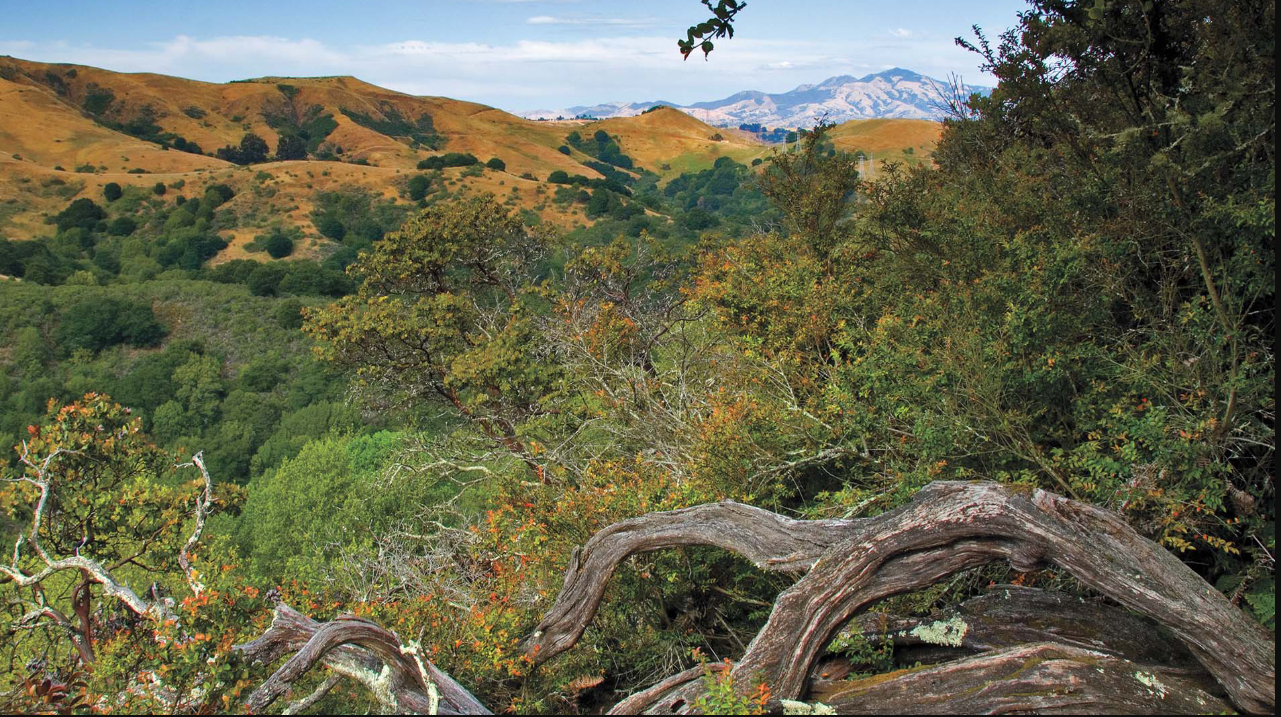
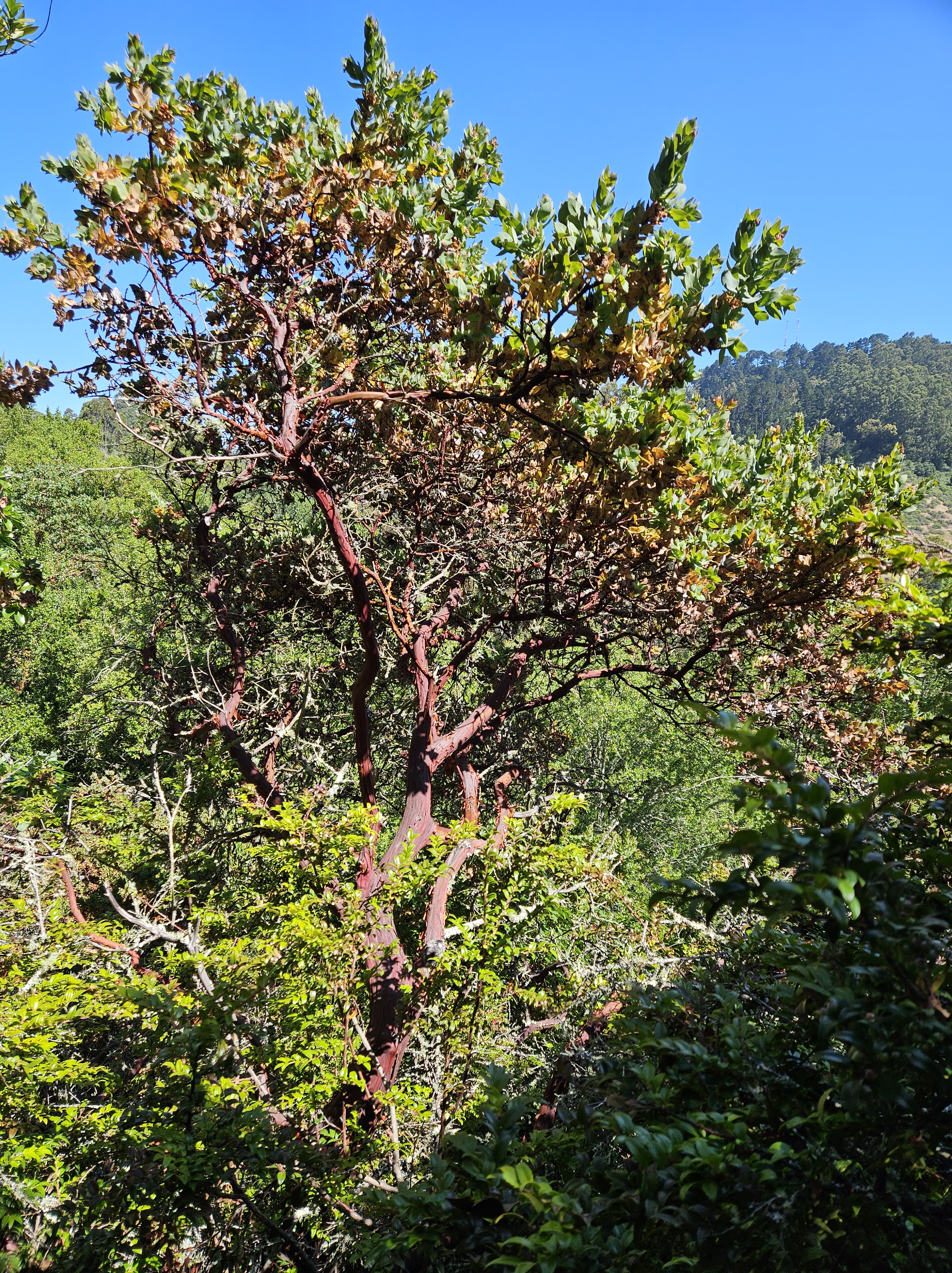
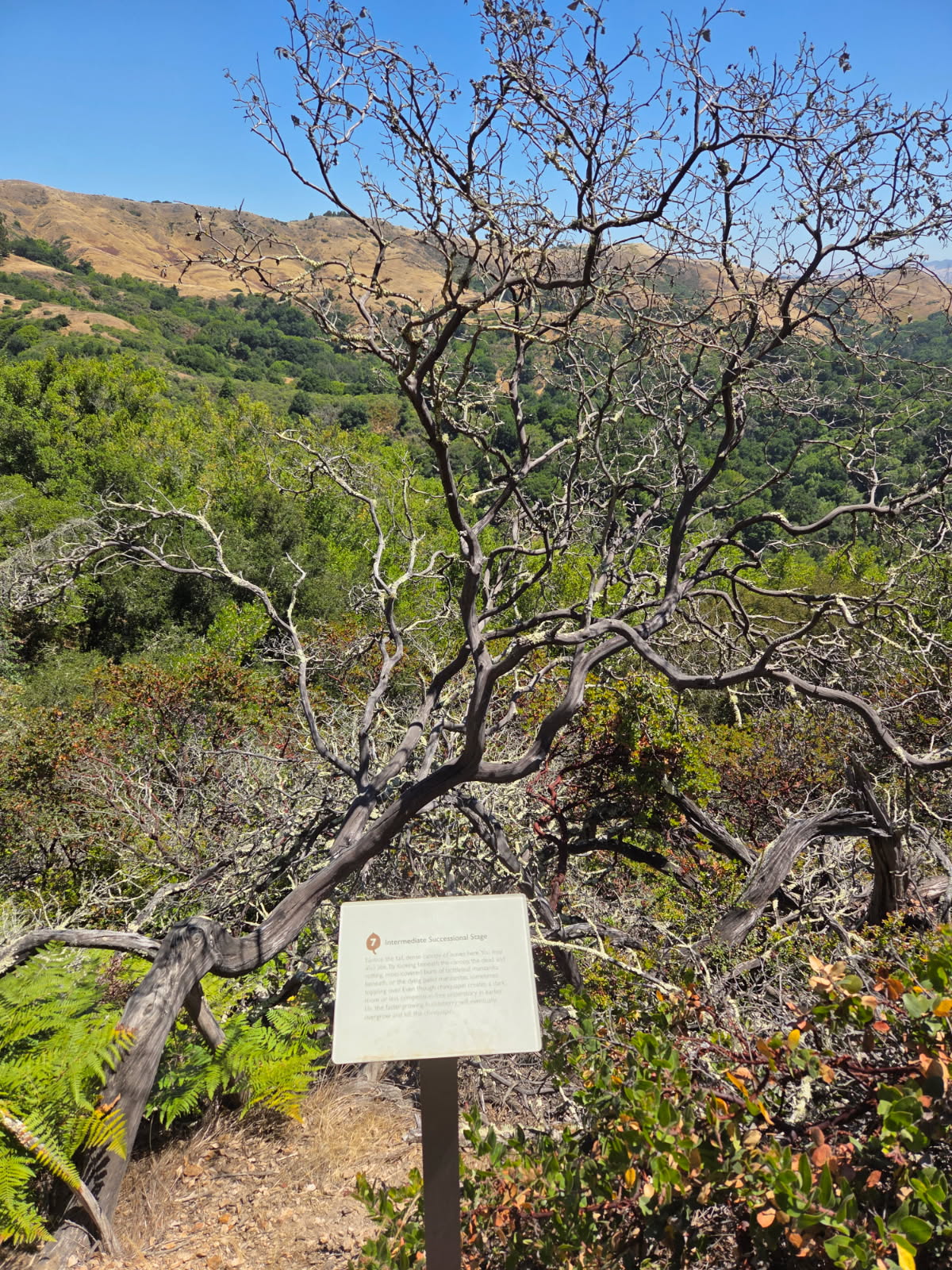
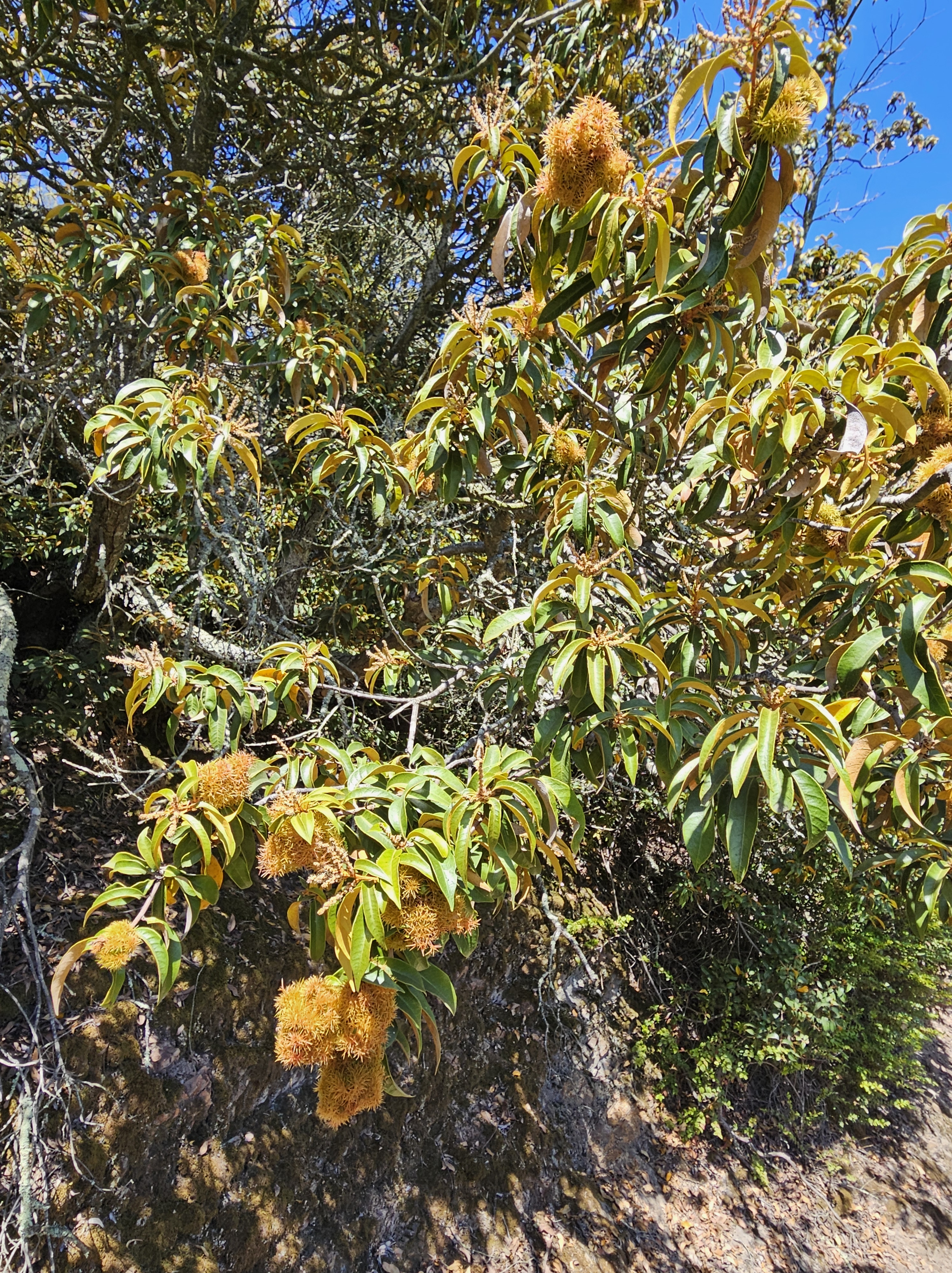
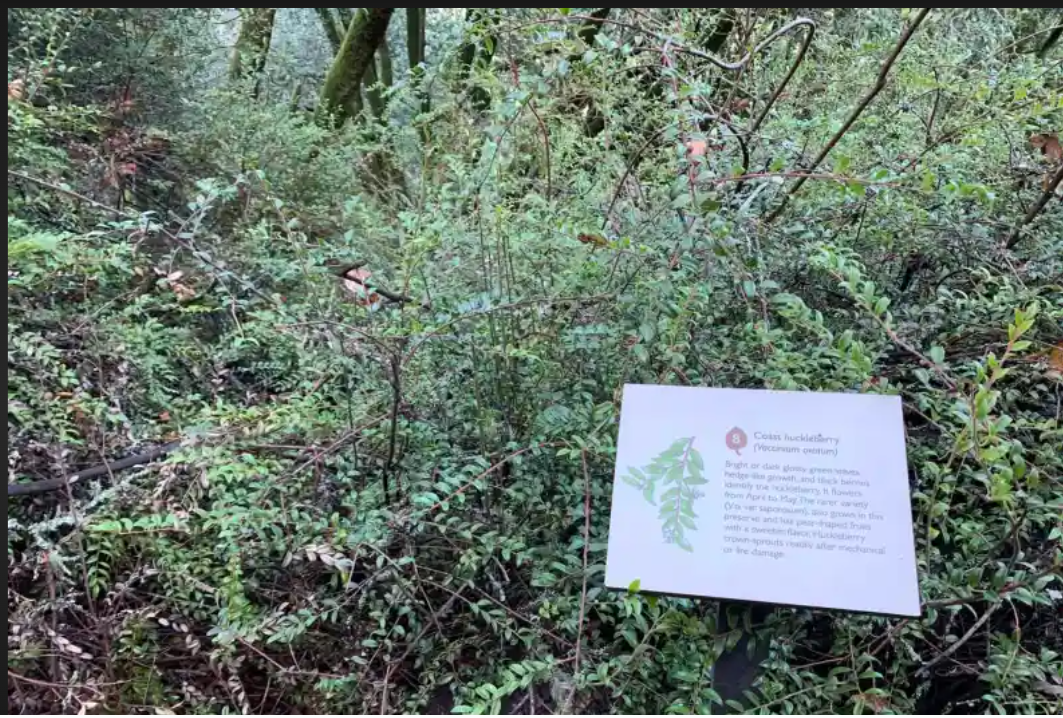
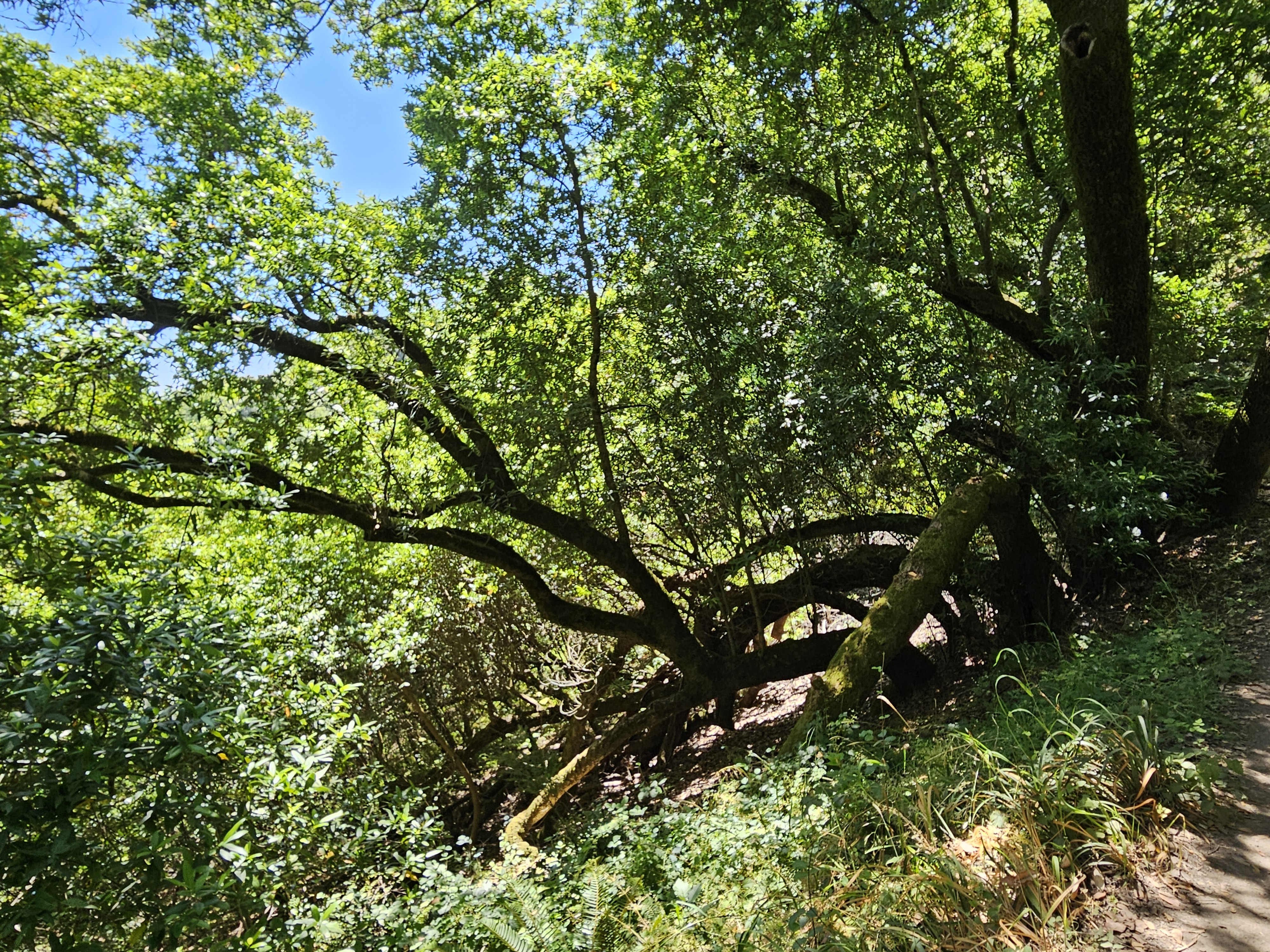
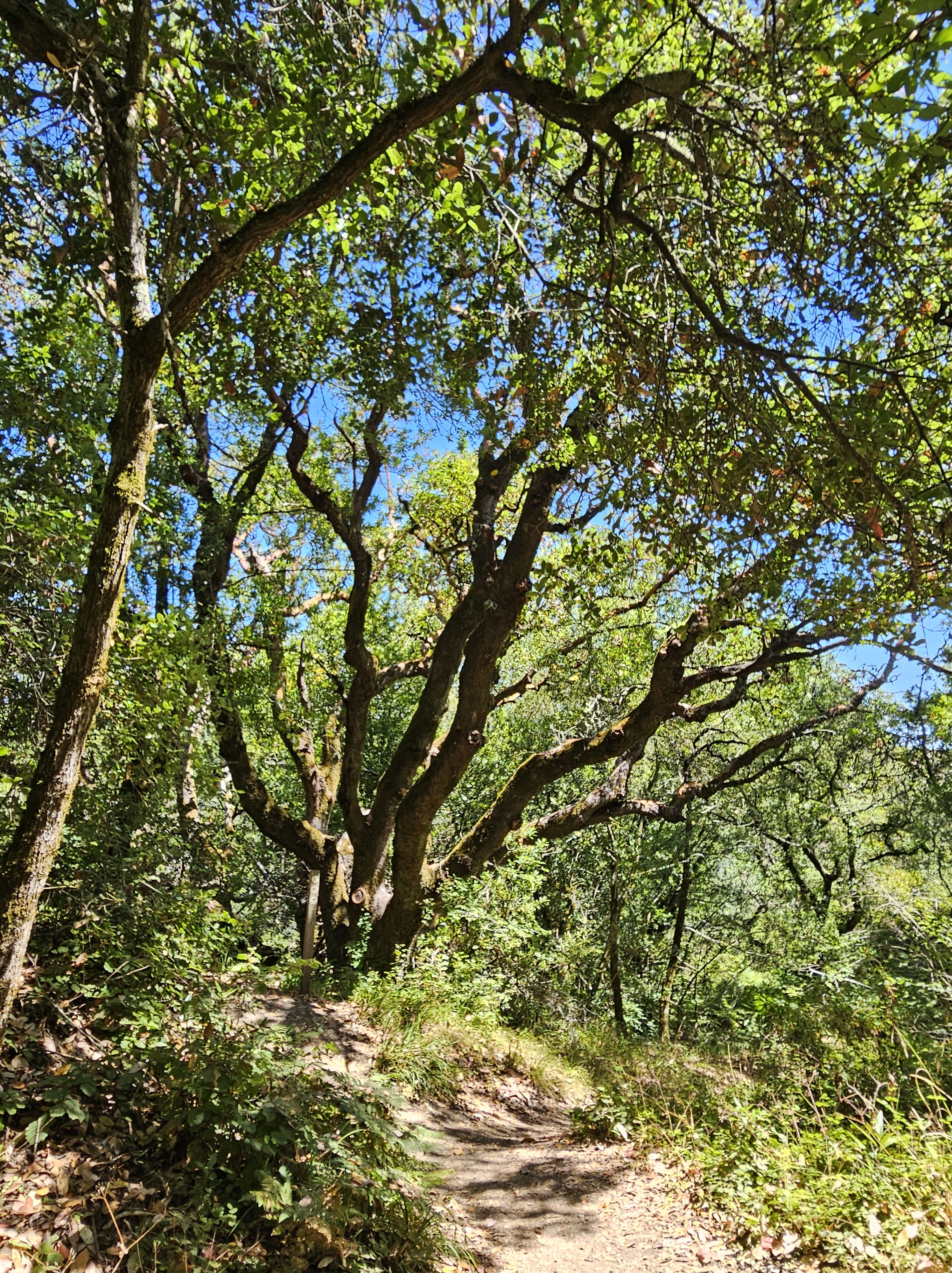
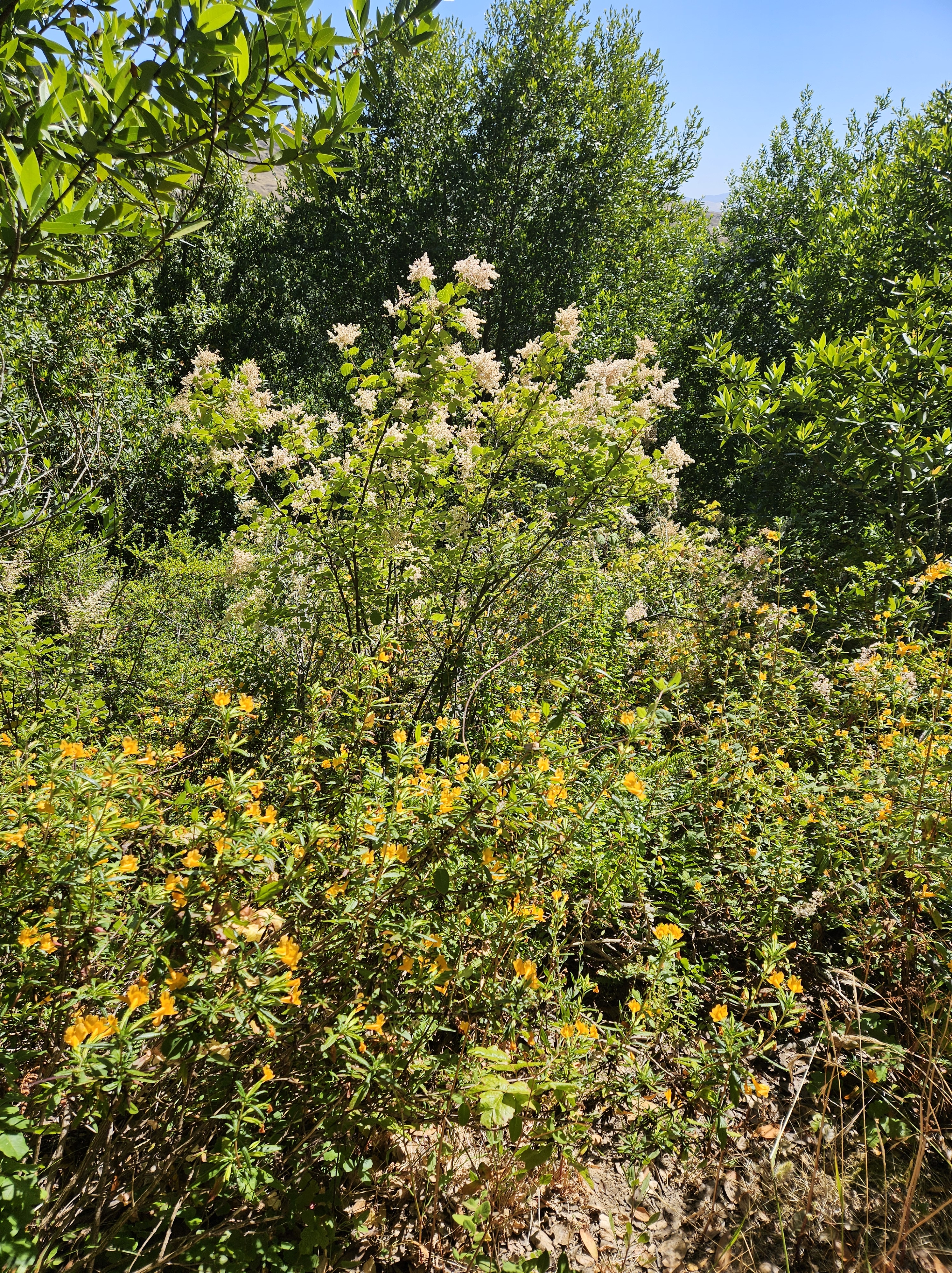
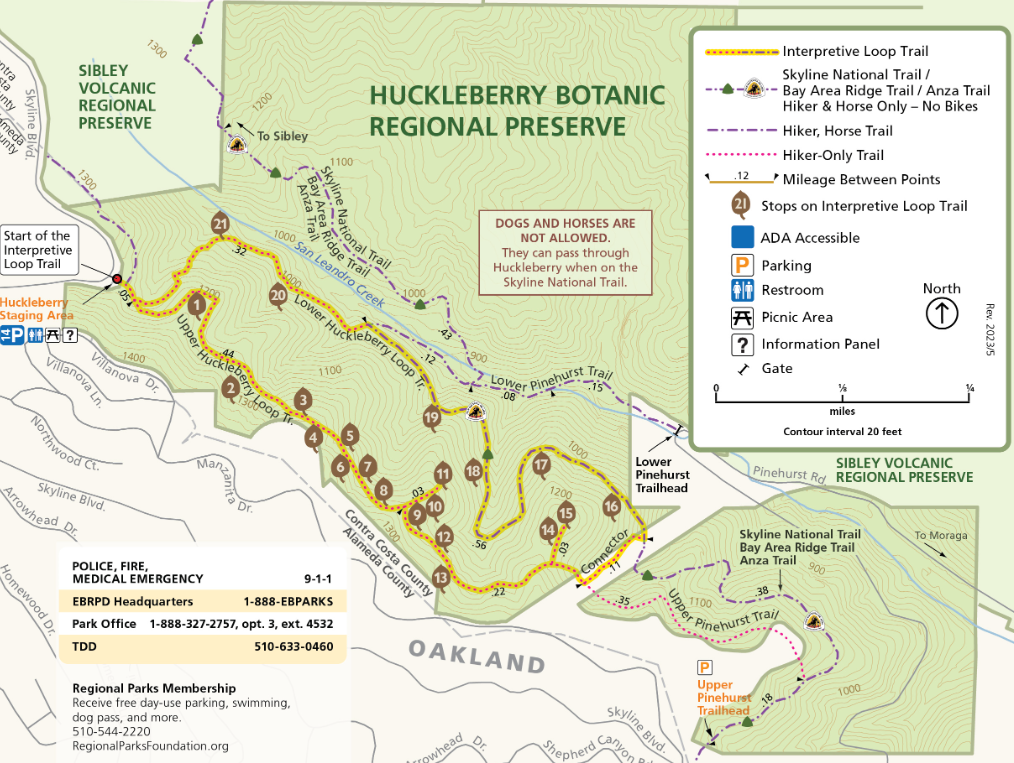
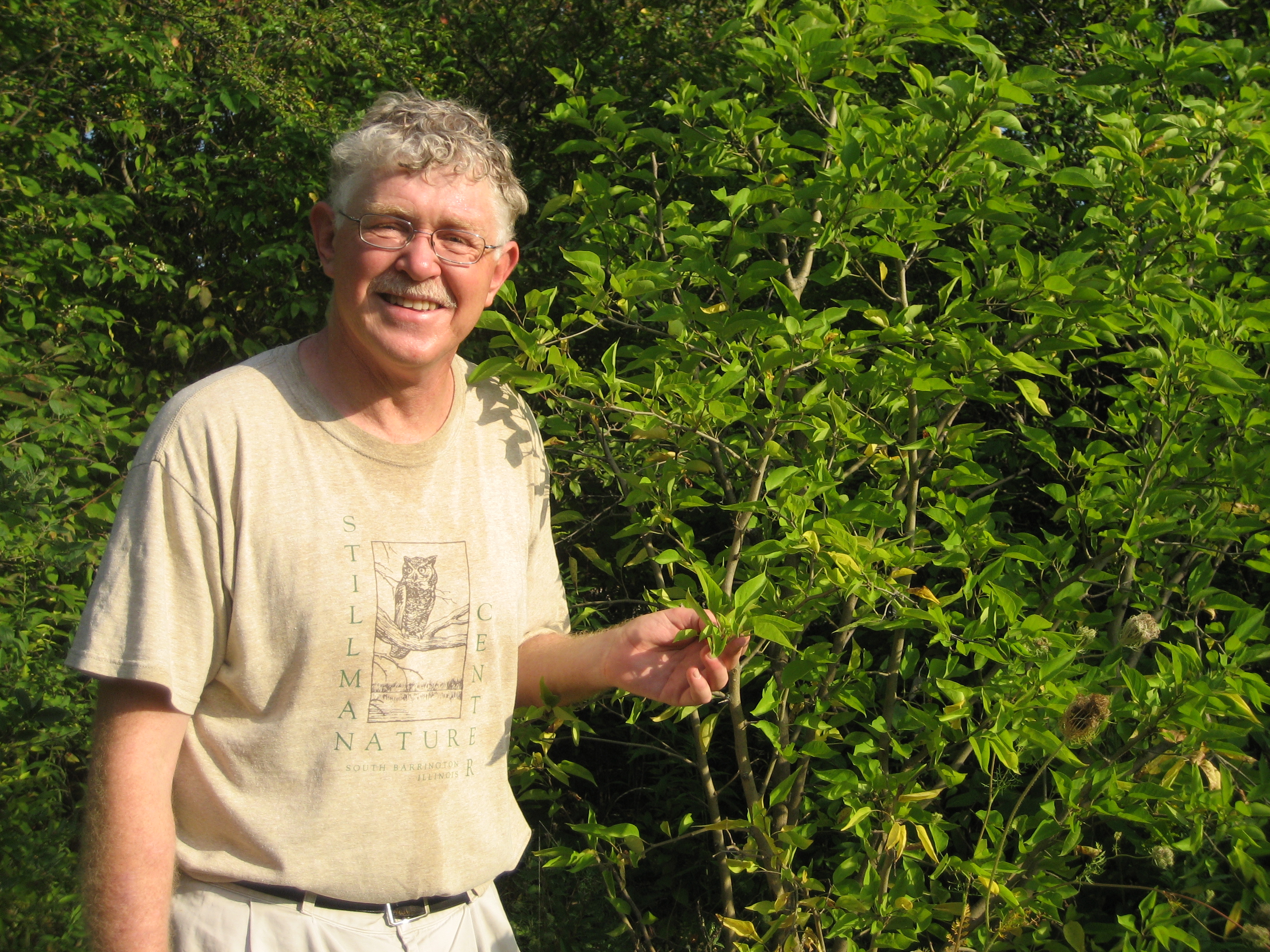
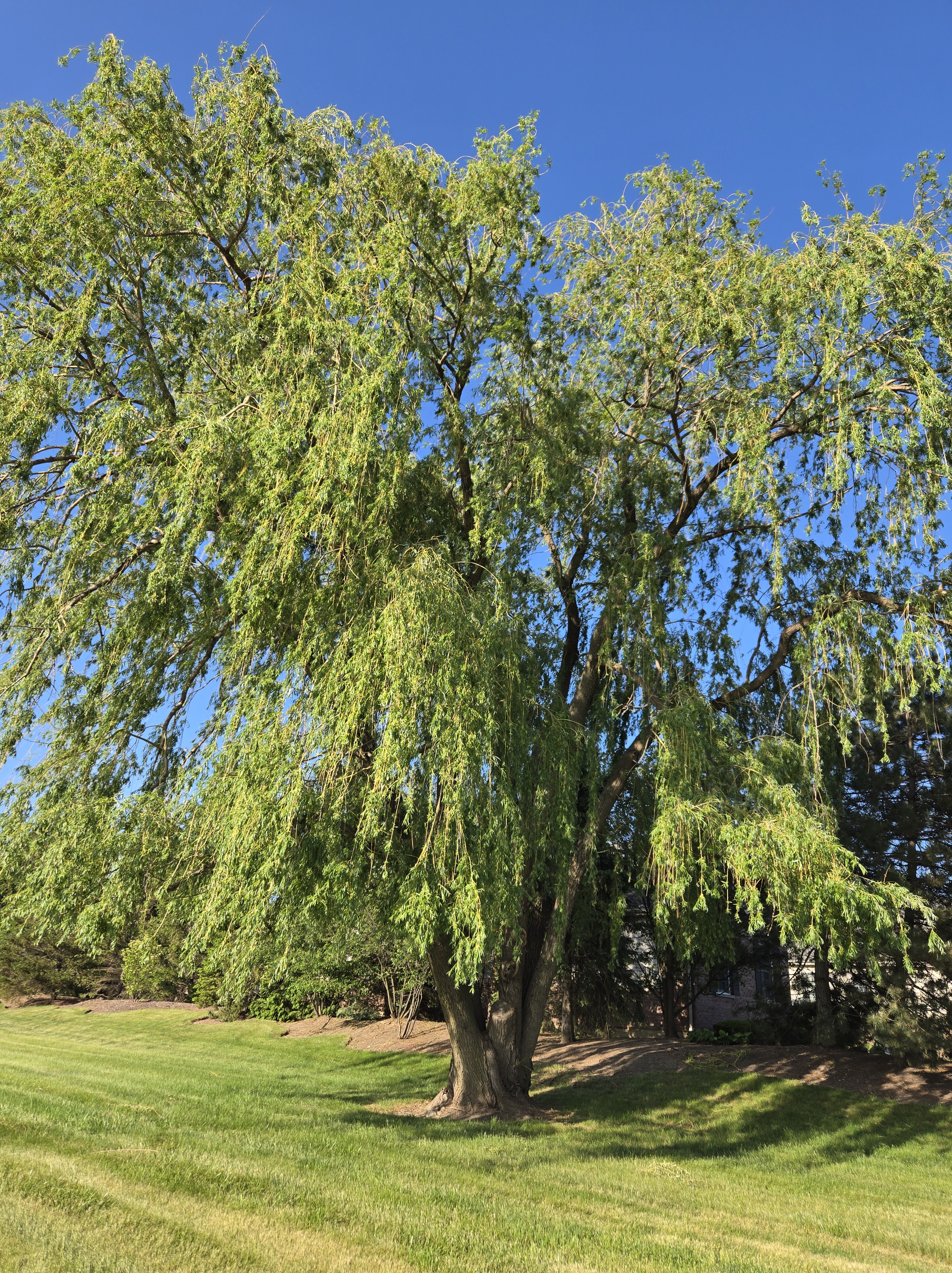
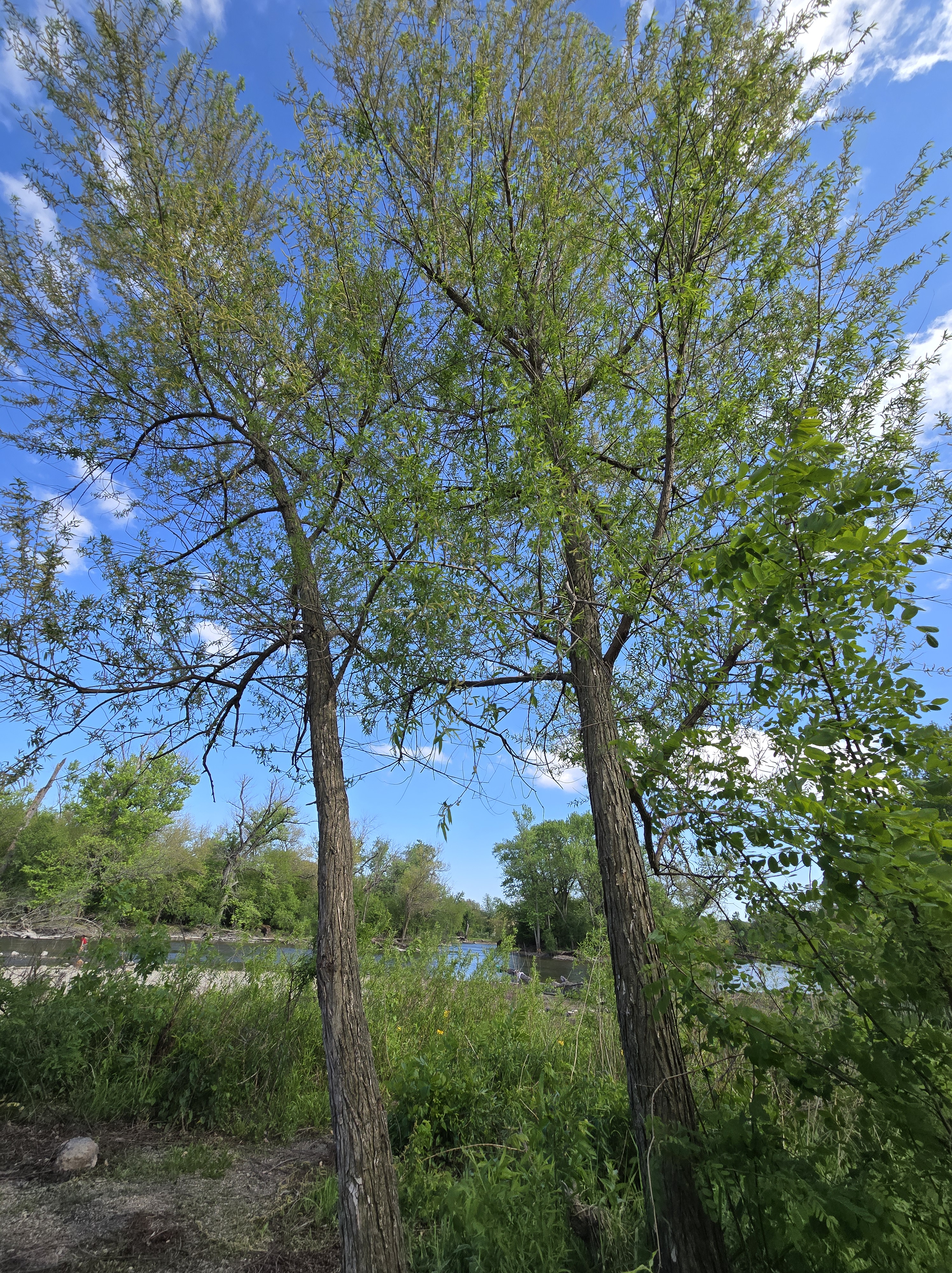
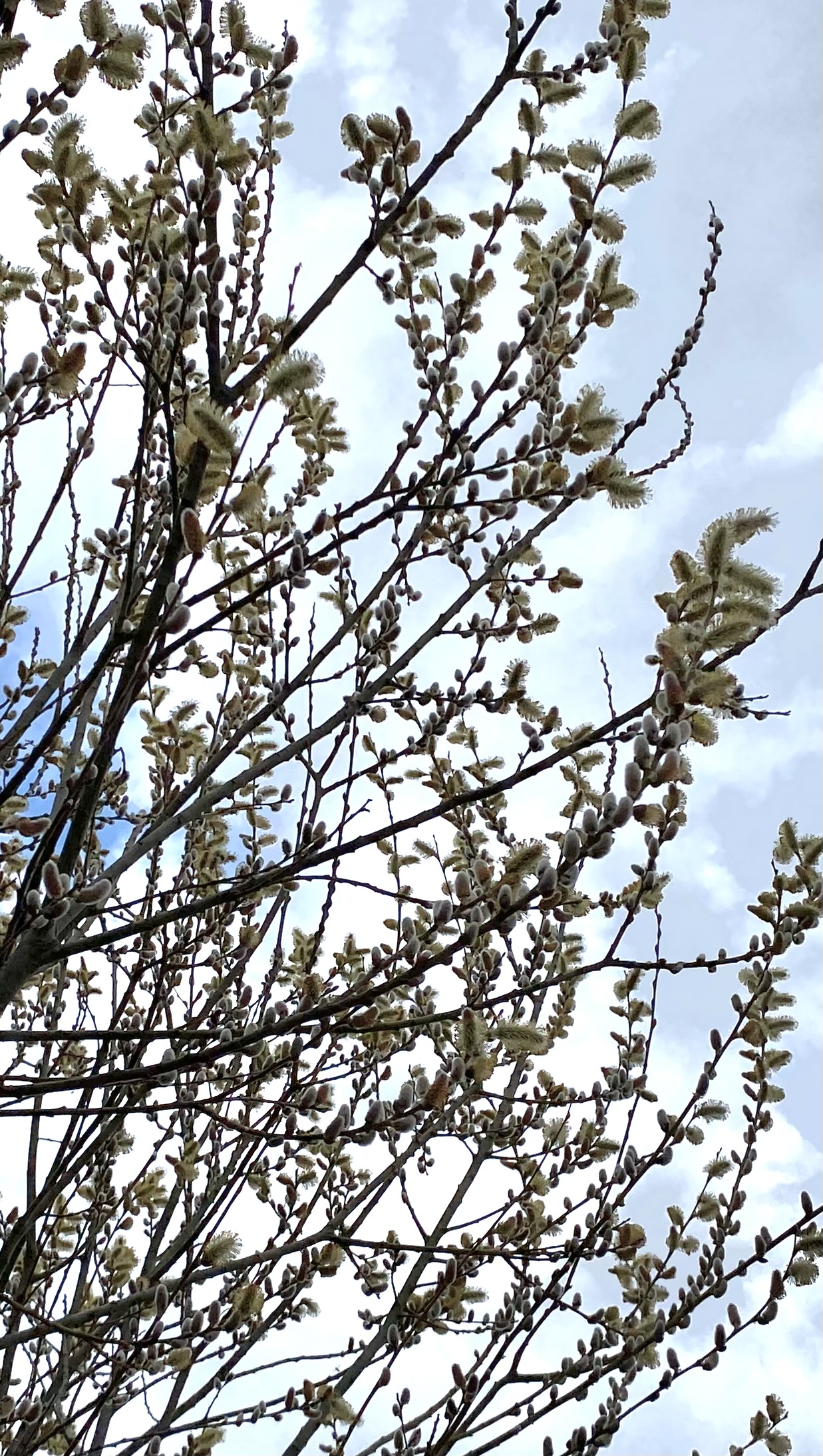
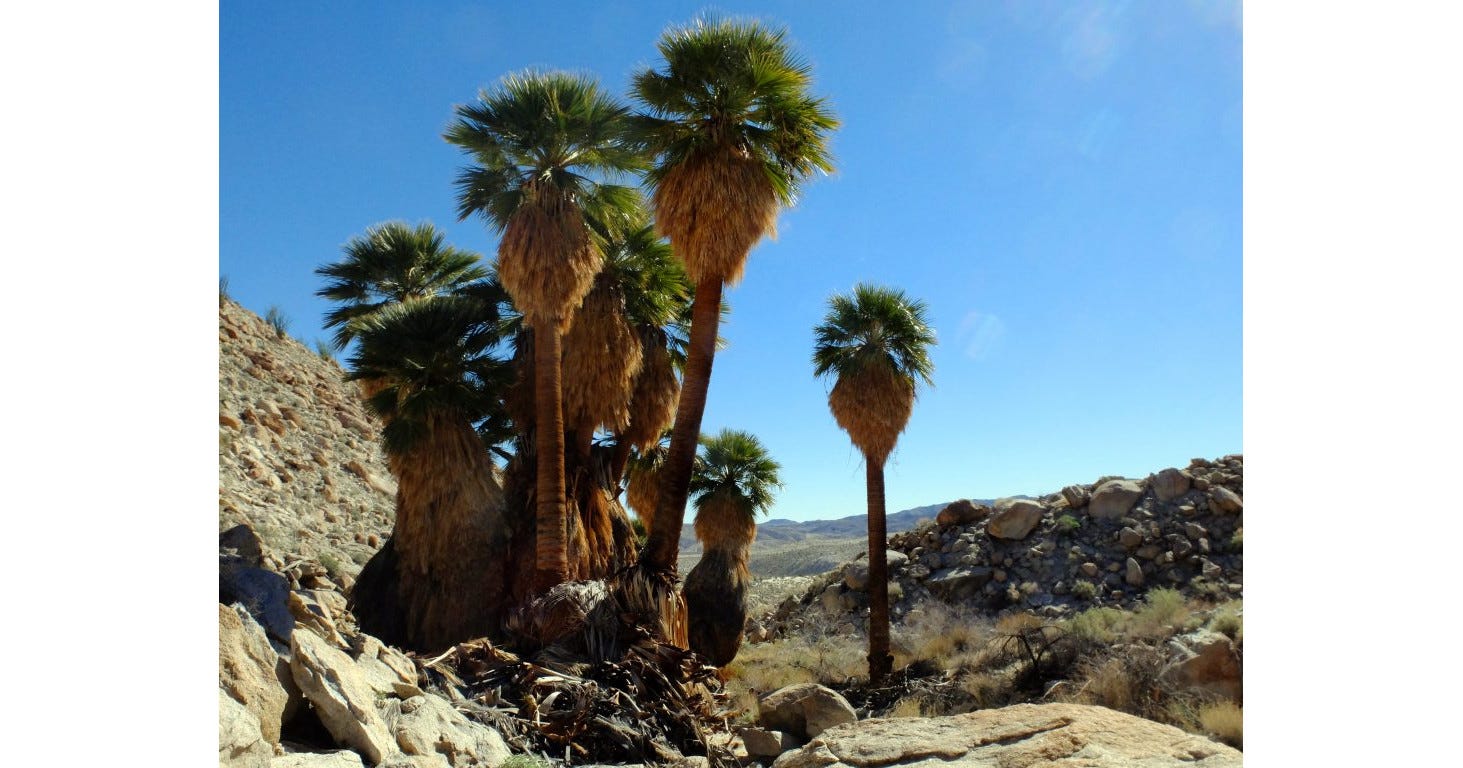

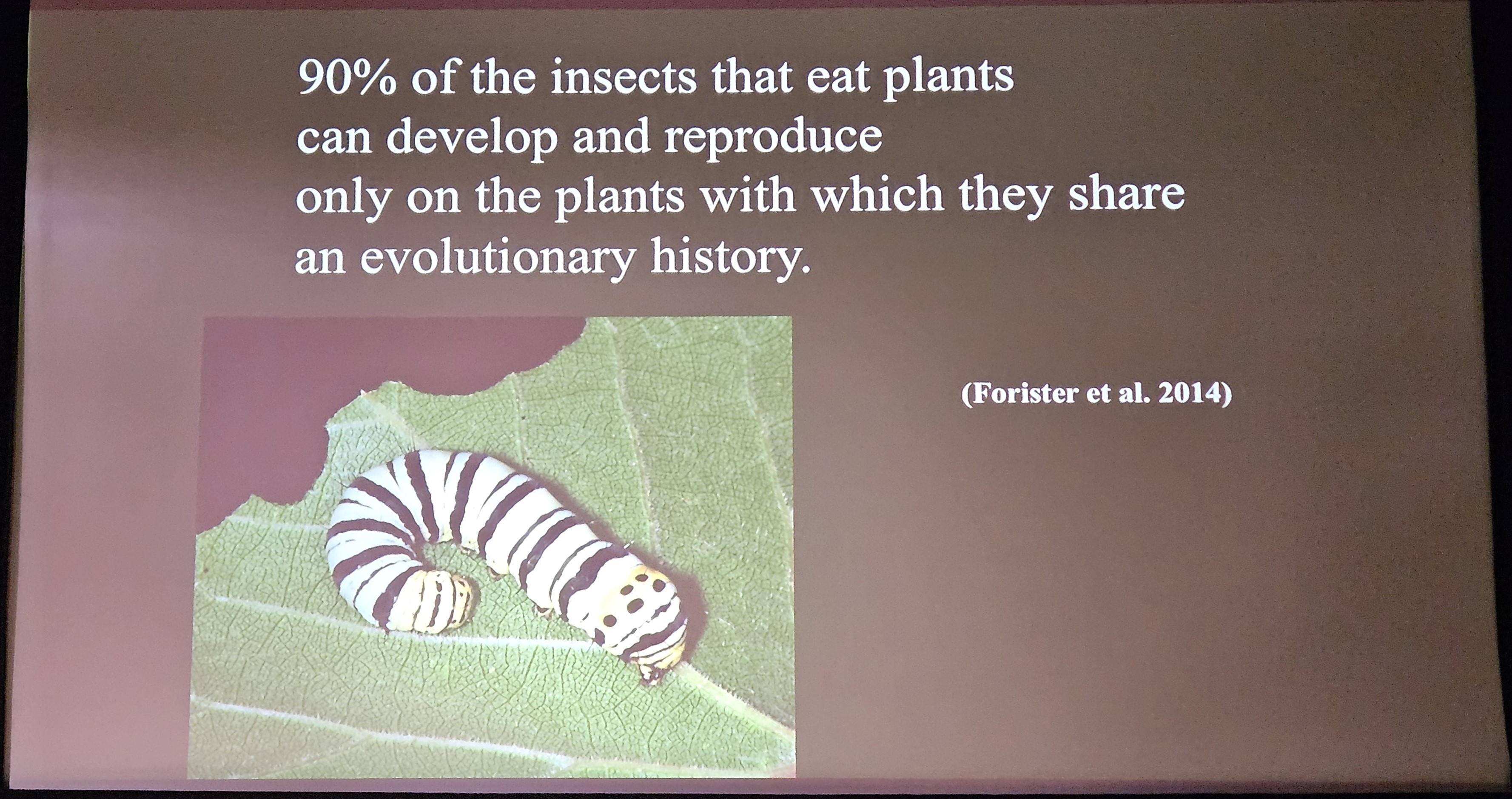
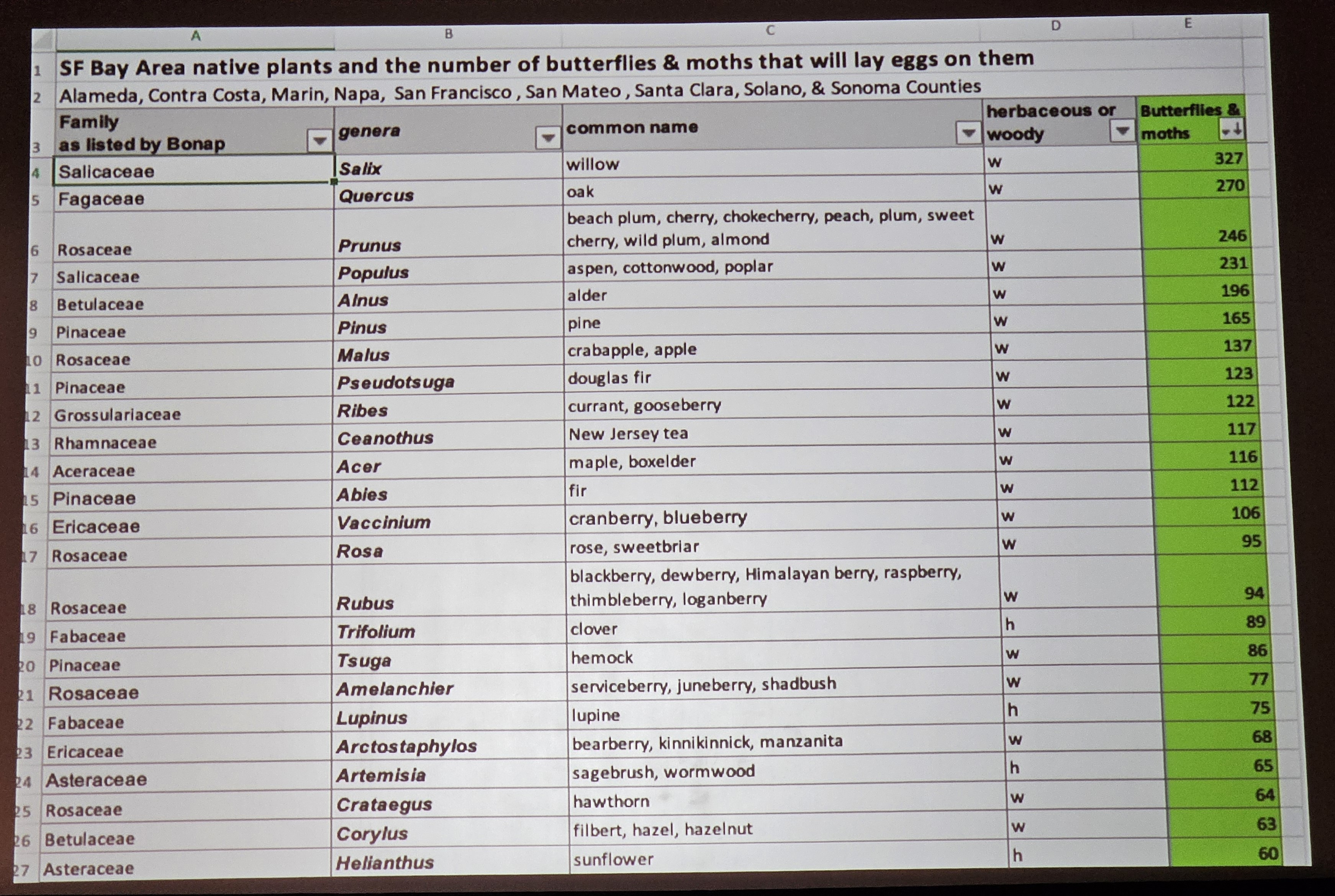
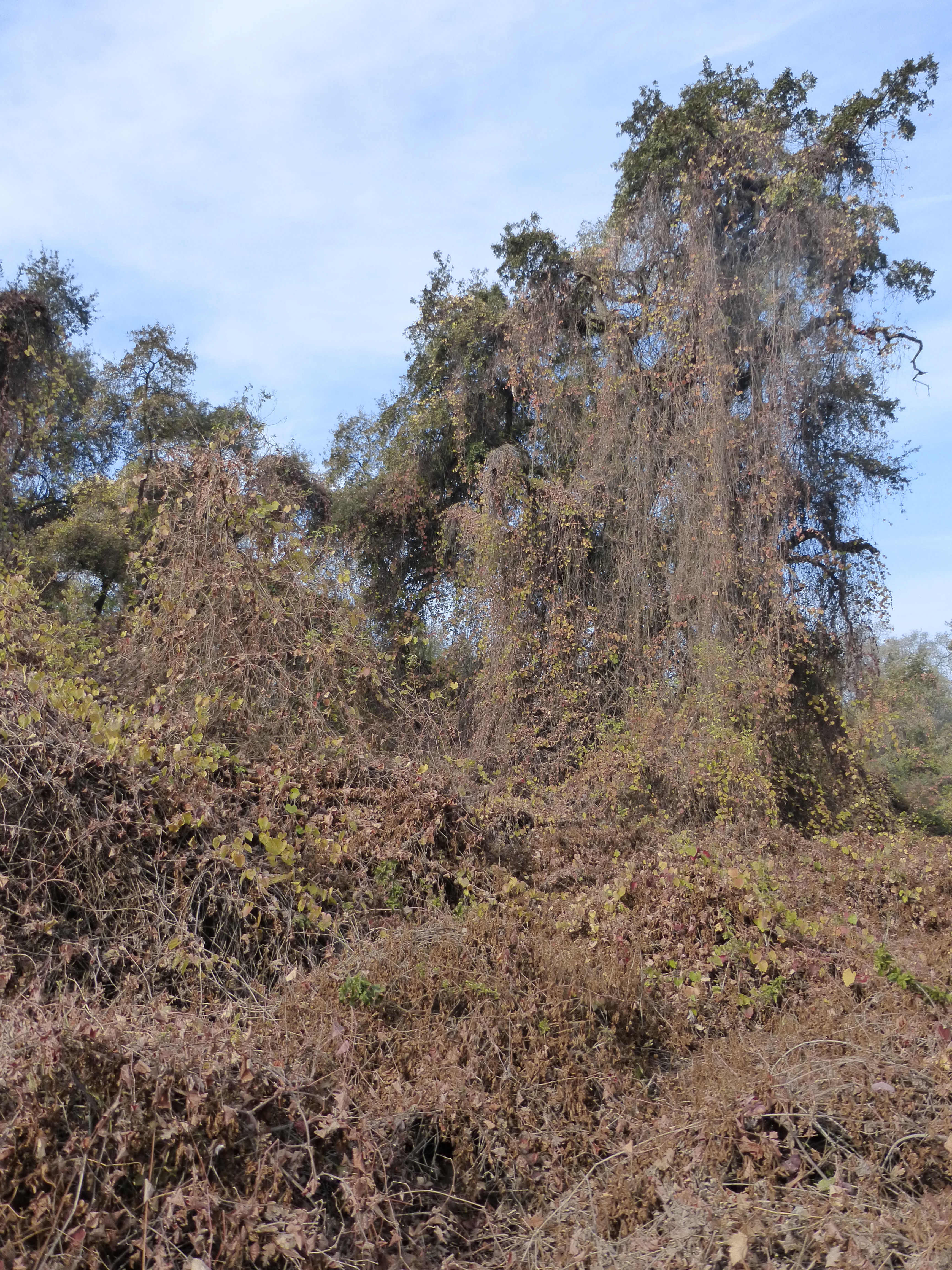
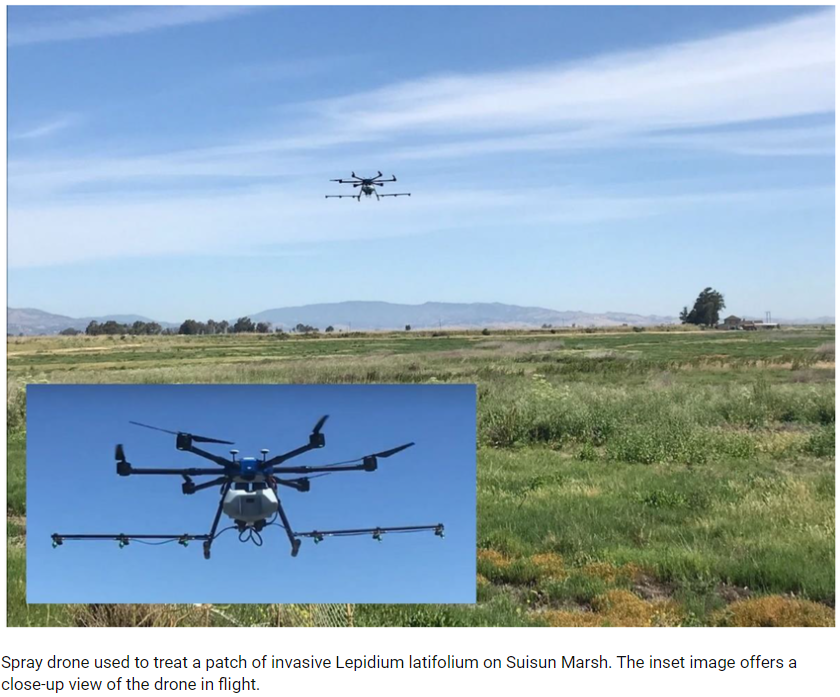
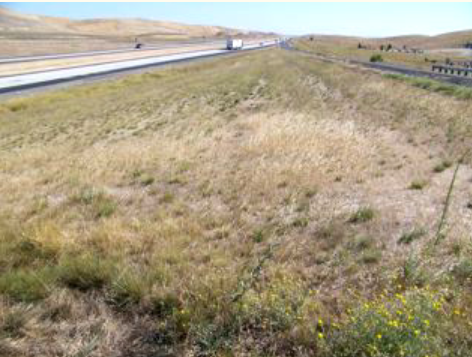
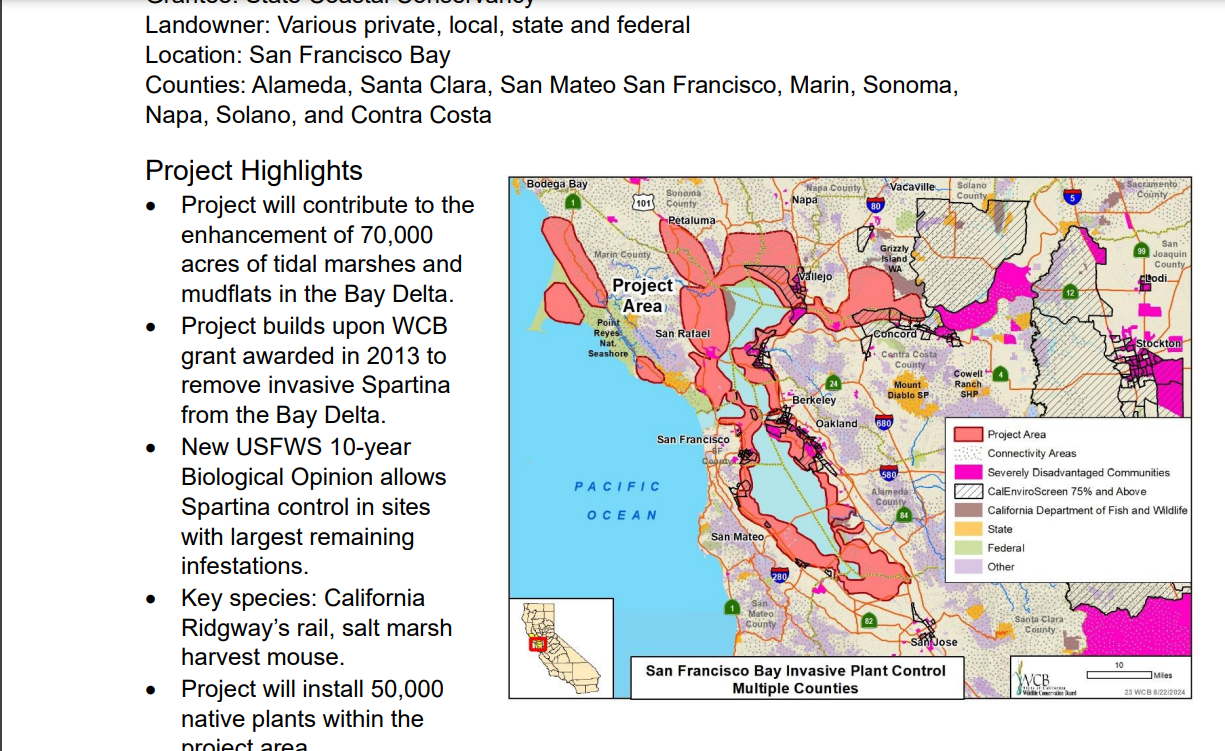

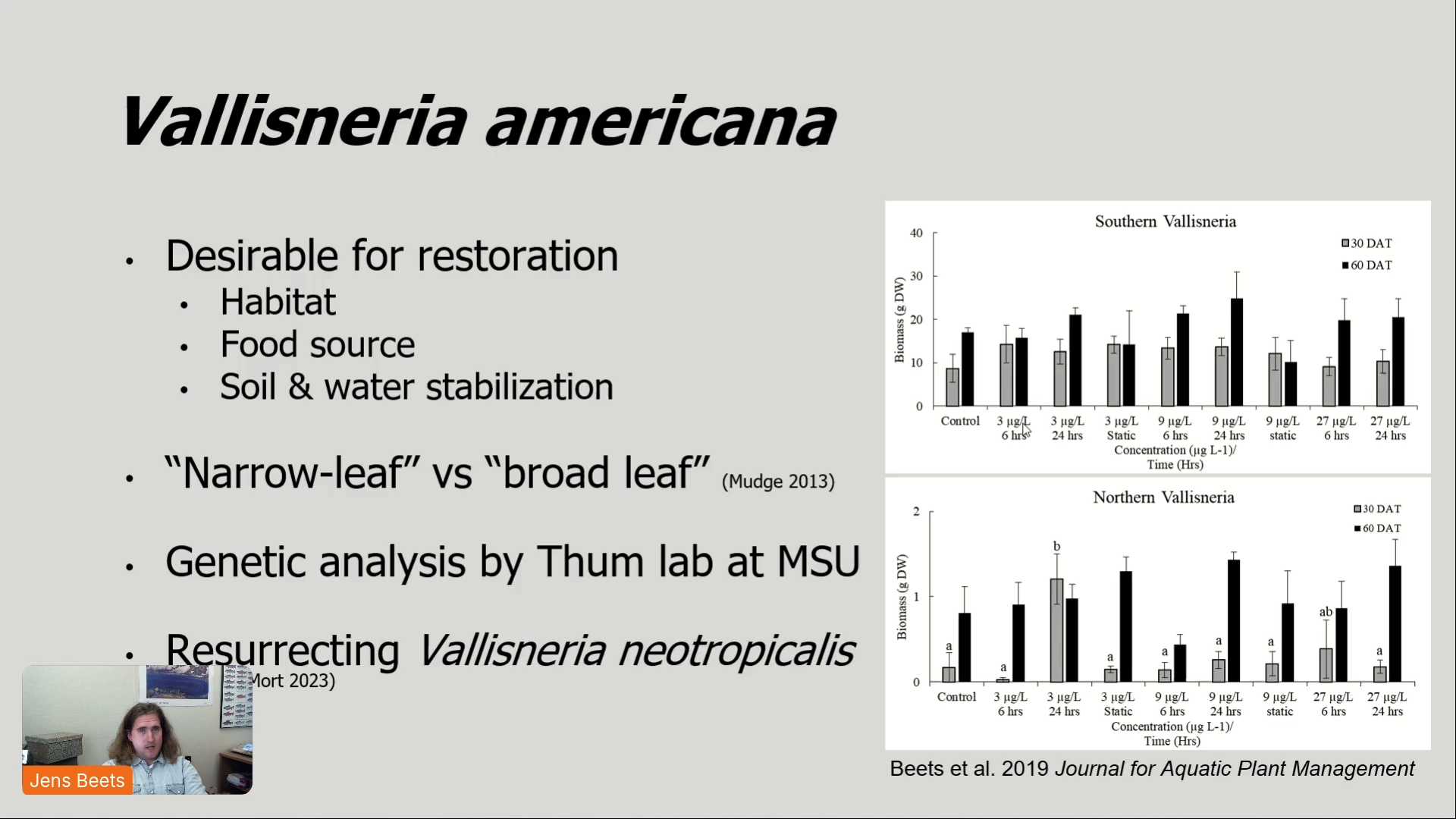
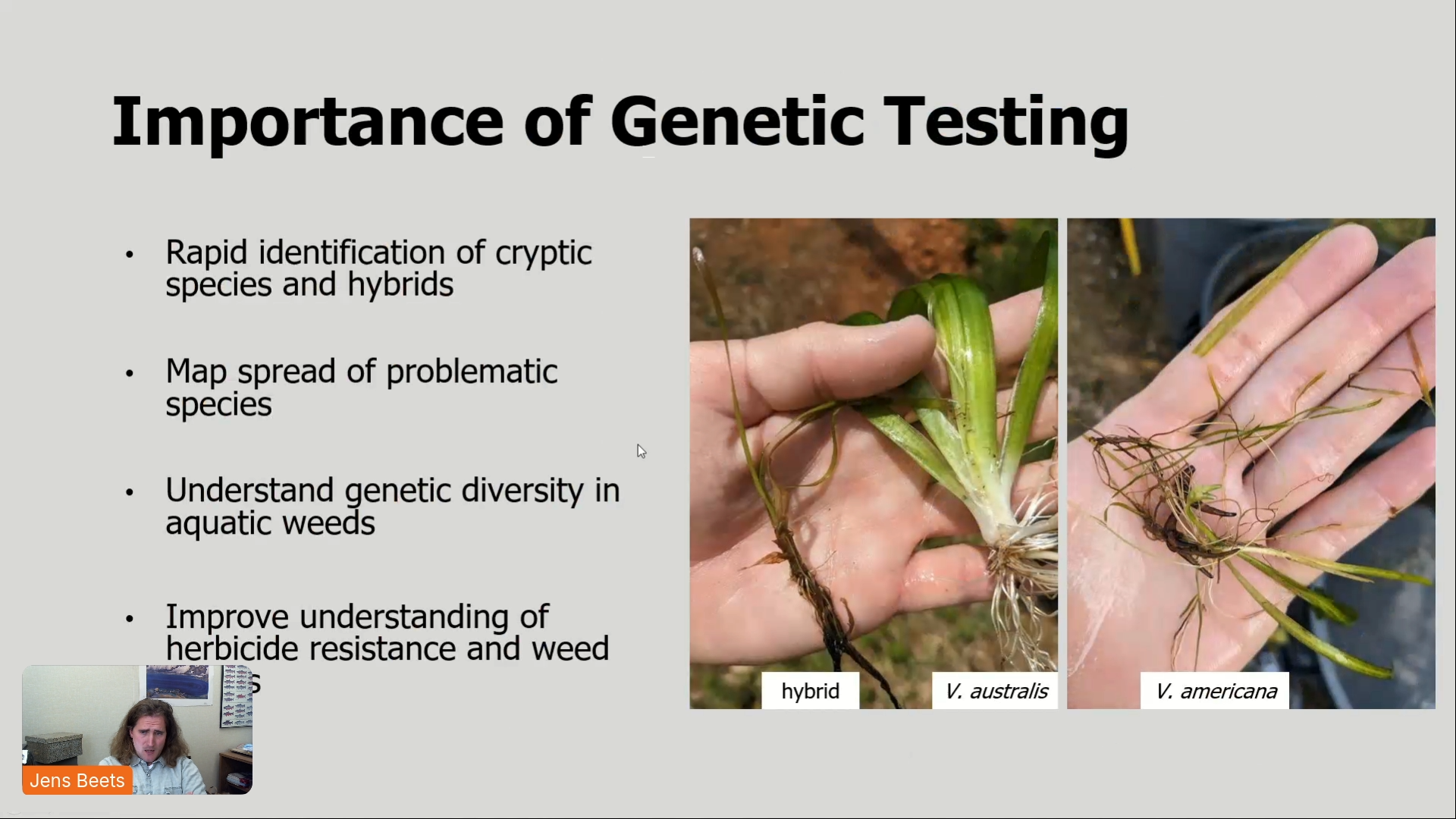
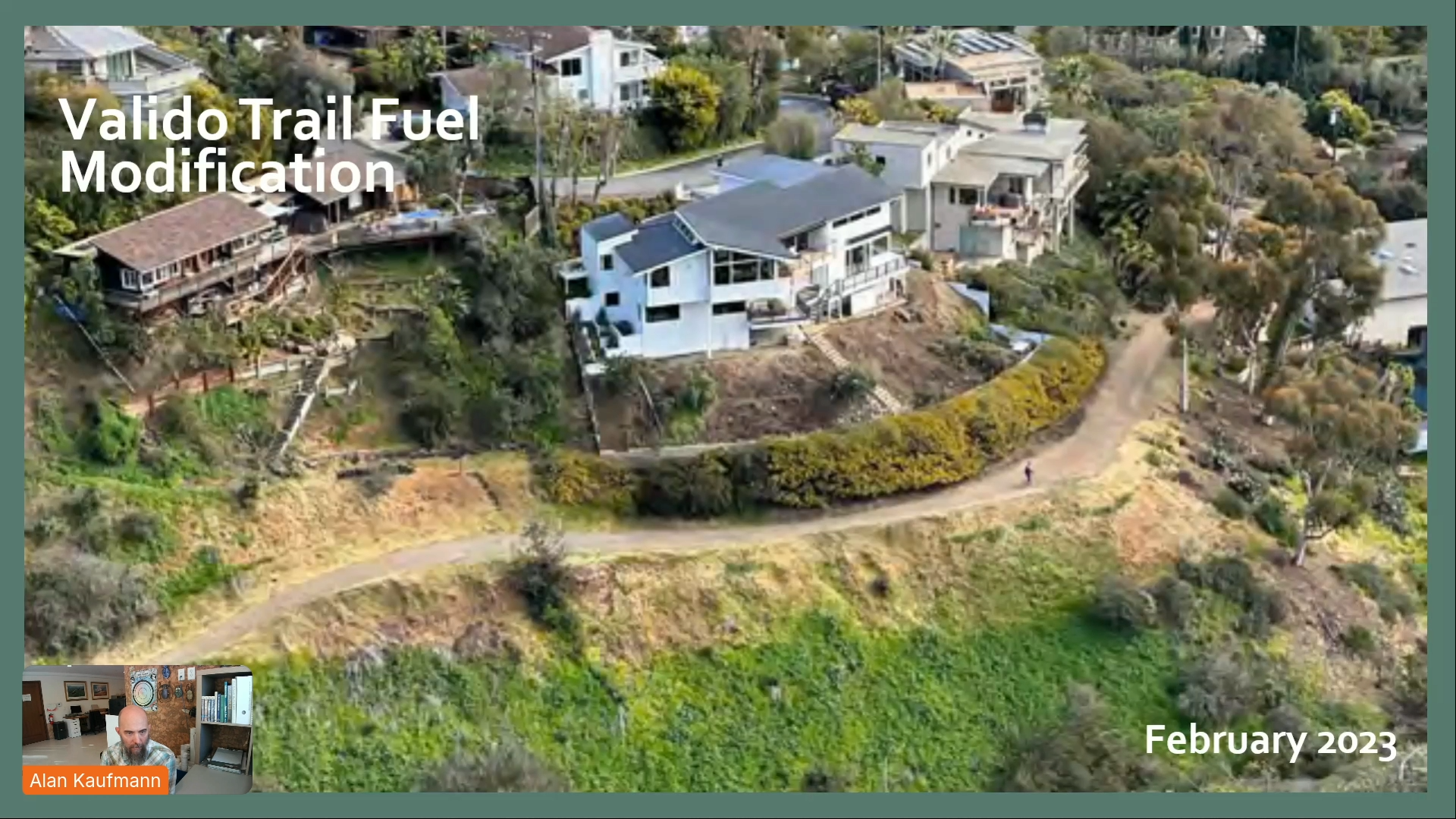
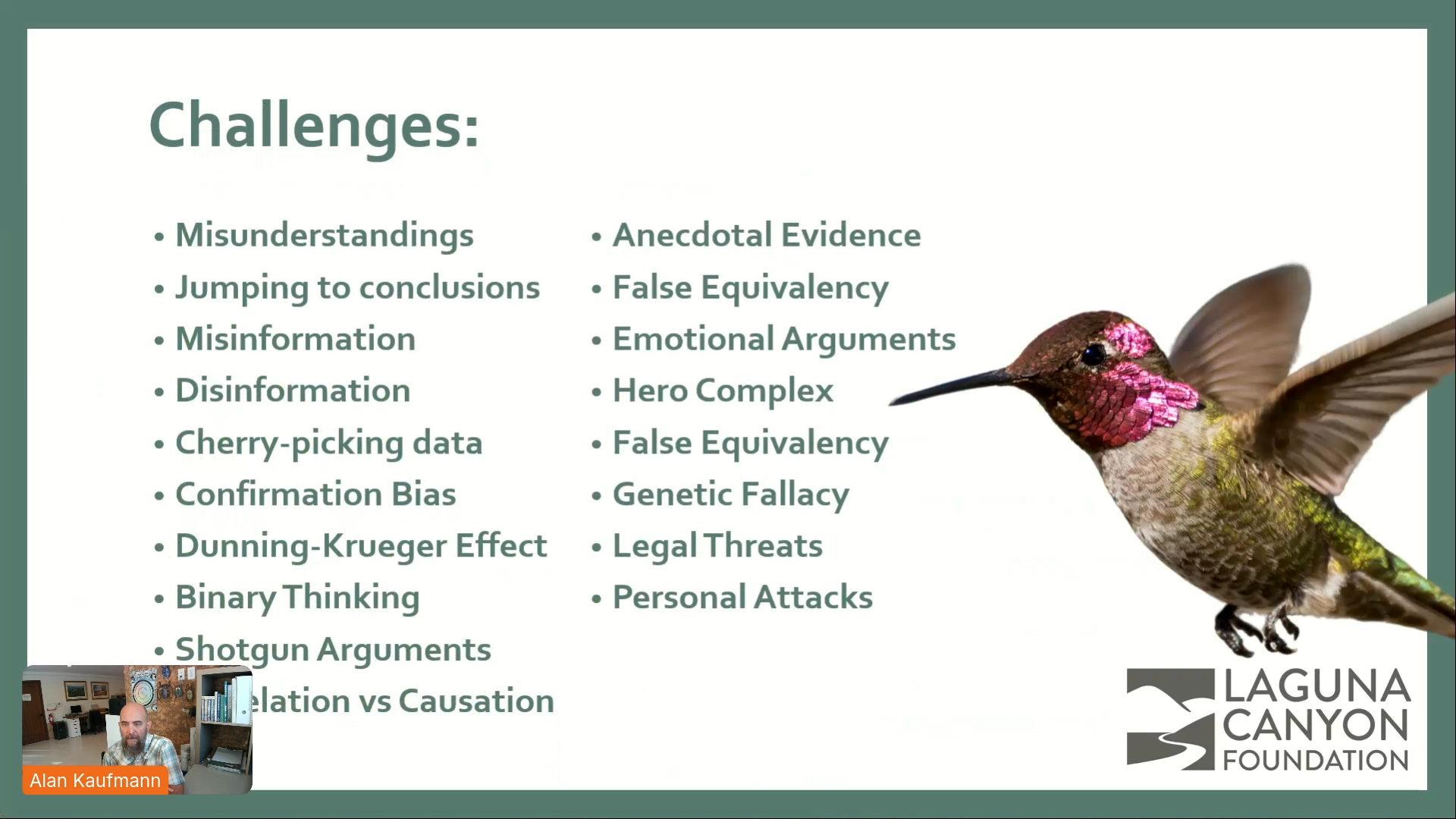
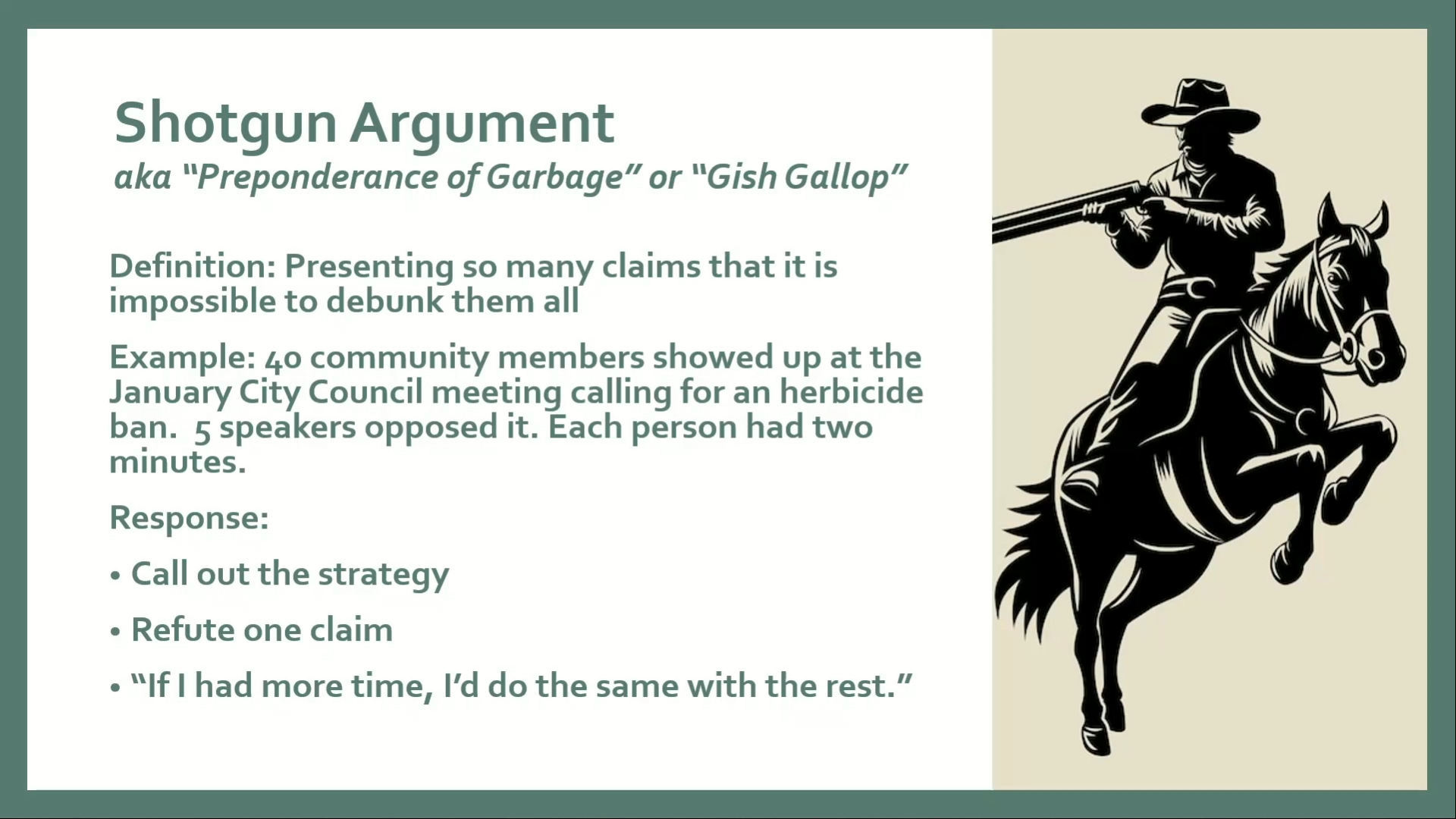
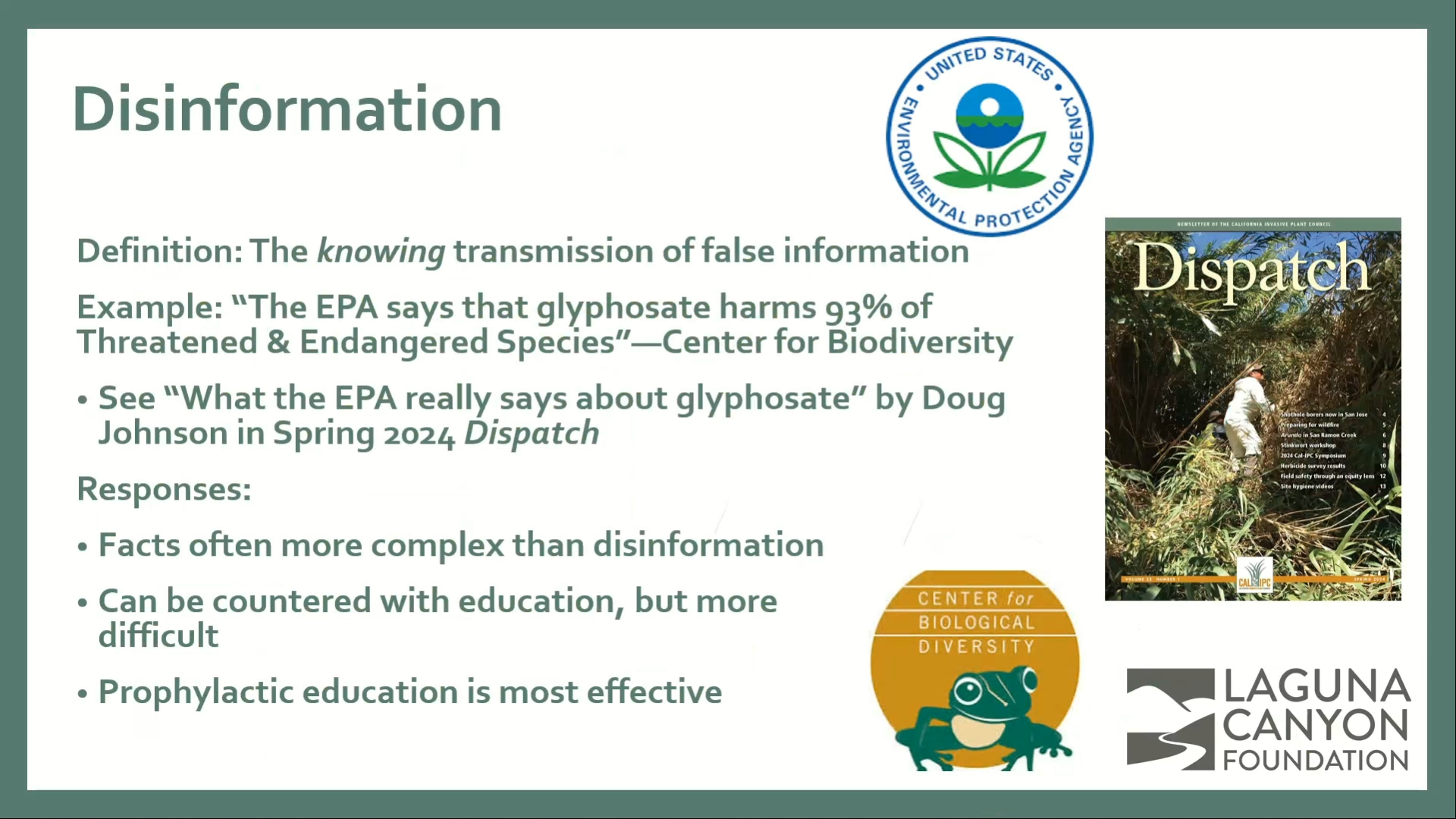
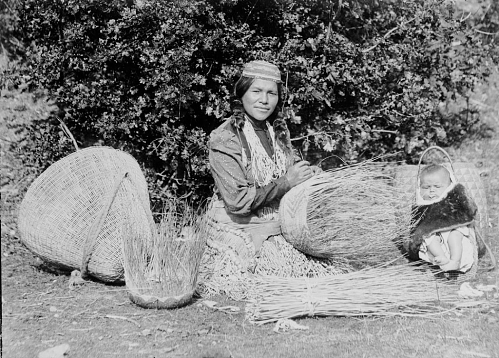
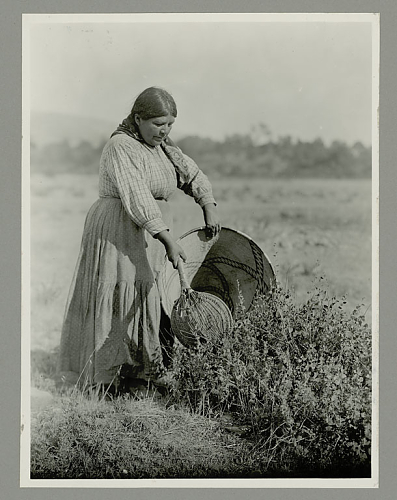

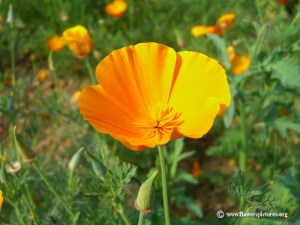


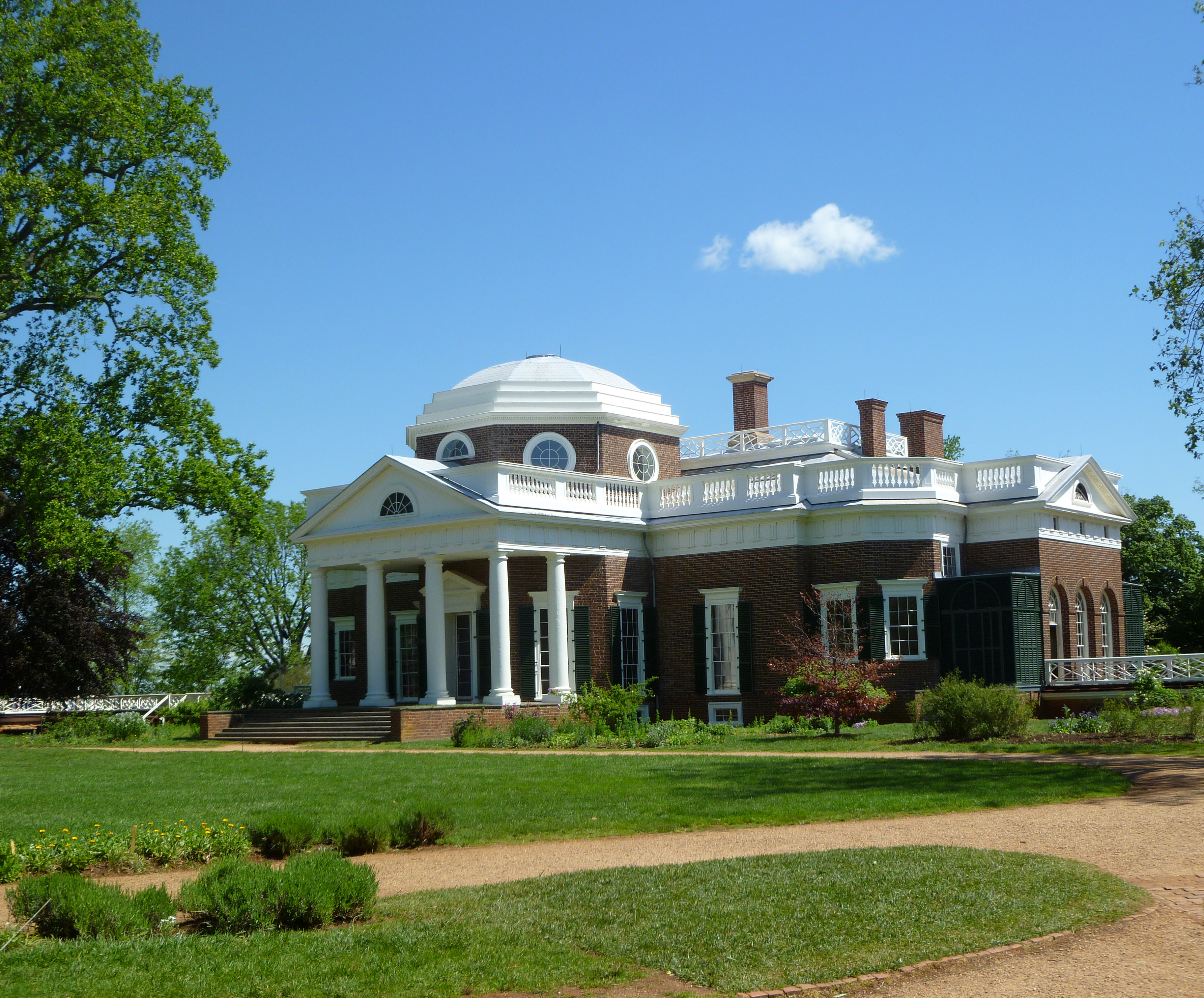
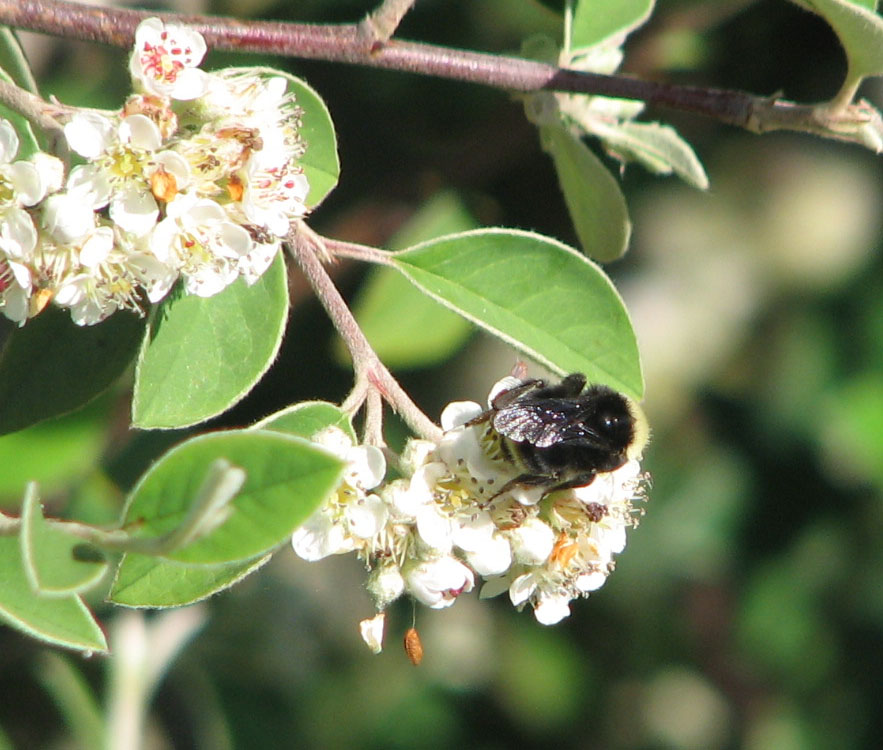
 Conservation Sense and Nonsense