Finding the middle ground between competing conservation strategies

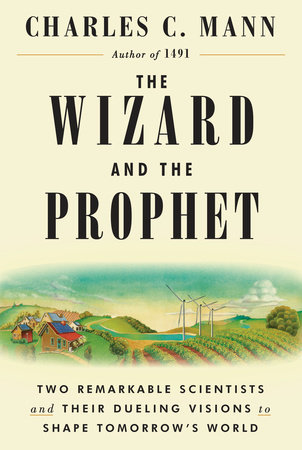
Today Million Trees strays off its well-worn path of informing readers of specific projects in the San Francisco Bay Area that destroy our urban forest and spray our public lands with herbicides.  Under the guidance of Charles C. Mann’s latest book, The Wizard and the Prophet (1), we’ll take a detour into the philosophical tenets of conservation.  There are competing visions of the future of humans on Earth and they are instrumental in producing different conservation strategies.

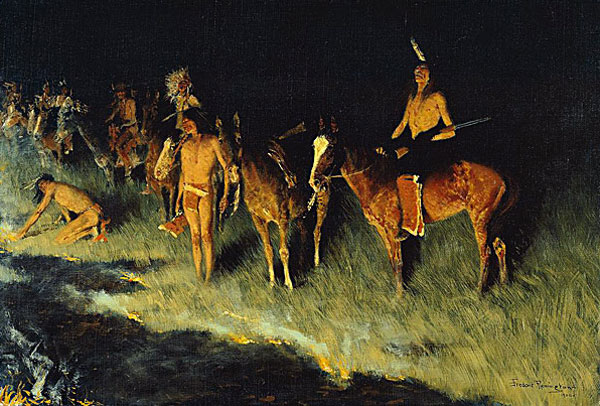
We begin by introducing Charles C. Mann because his previous books are essential to our understanding of ecology.  His 1491 informed us that the New World “discovered” by Columbus was not the pristine landscape that modern-day native plant advocates are attempting to re-create.  Rather it was a land that had been radically altered by indigenous people who had lived in the Western Hemisphere for over 10,000 years.  The landscape had been extensively gardened for food production.  The large animals had been hunted to extinction.  The landscape in the West and Midwest was dominated by open grassland because it had been regularly burned, preventing natural succession to shrubs and trees.

Native Americans setting grass fire, painting by Frederic Remington, 1908

Early explorers carried diseases to the New World to which they were immune, but the native people were not.  By the time settlers arrived two hundred years after early explorers, most of the native people had died of the diseases introduced by the explorers.  Populations of bison and other grazing animals exploded when those who hunted them were killed by disease.  The grazing animals maintained the open grassland that had been created by the fires of the hunters.  Archaeological research has only recently revealed the extent of native populations throughout the New World.

Charles Mann’s second book, 1493, reported the global exchange of plants and animals between the New and the Old Worlds that fundamentally altered both worlds.  The extent and long history of that exchange makes it impossible for us to see those introduced plants, animals, objects as foreigners who “don’t belong here.”

Different visions of the future

Million Trees is indebted to Charles Mann for the books that are the foundation of our cosmopolitan viewpoint of the world.  Mann’s new book, The Wizard and The Prophet is equally important because it helps us understand the interminable debate about conservation.  There is a dark view of the future of the environment that predicts nothing but doom and gloom.  Extinctions dominate their predictions of the future and humans are seen as the destroyers of nature.  The more optimistic view of conservation predicts that the Earth will survive the changes made by humans because humans are capable of innovating to avoid the doom predicted by the pessimists.

Mann describes these contrasting views through the lives of two 20th Century men whom he calls the prophet and the wizard.  The prophet is William Vogt, who believed that the growing population of humans threatened the future of the Earth.  The wizard is Norman Borlaug, who won the Nobel Prize in 1970 for developing more productive agricultural crops, collectively called the “Green Revolution.”

The prophet believed that the resources needed to sustain life on Earth are finite and the human population was quickly reaching the point at which sources of food, energy, and water would soon be exhausted, threatening all life with extinction.  The wizard devoted his life to expanding food resources to feed the growing human population.  These viewpoints are inherently contradictory because making more food available enables more people to survive and increase human populations.  Vogt tried to cut off the sources of funding for the agricultural projects of Borlaug.

Different conservation methods:  Food

Mann applies these different viewpoints to each major resource issue to explain why the pros and cons of different approaches to conservation are debated, beginning with food production.  The Green Revolution occurred in the 1960s when subsistence crops such as wheat, corn, and rice were improved using breeding techniques.  Borlaug developed a variety of wheat that was both resistant to stem rust, its most persistent enemy, and produced more wheat for harvest.  Working in a desperately poor part of Mexico, with inadequate resources, Borlaug spent 15 years combining thousands of different varieties of wheat to find the winning combination.  His work was done prior to our knowledge of DNA and molecular analysis, so it was a process of trial and error.  It is a heart-wrenching story of brute labor in extreme conditions.  The story is important to our understanding of genetic modification because it reminds us that genetic modification is as old as agriculture itself, although it was called “breeding” until we learned what we now know about DNA.

File:Wheat yields in Least Developed Countries.svg

Mann visits some of the many modern methods of genetic engineering, such as the attempt to “revise” photosynthesis to enable plants to store more carbon, use less water, and tolerate higher temperatures.   These projects are controversial with the public, who are deeply suspicious of all genetic engineering.  In 1999, about one-quarter of Americans considered genetically modified organisms unsafe.  Sixteen years later, 57% of Americans said GMOs are dangerous.

The debate about the value or risks of GMOs is an example of the competing visions of conservation.  The prophets see risk and the wizards see opportunities.  Surely, there ARE risks, but do they outweigh opportunities?  That is the middle ground in the debate.  Mann departs from his neutral stance to take a position on GMOs.  He quotes many scientific sources in support of his opinion that there is far more opportunity than risk in genetic engineering.  My personal opinion is that GMOs are being unfairly judged because of the development of seeds that enable the indiscriminate use of pesticides.  The pesticides are damaging the environment, not the genetically modified seeds.


Update:  I sent this article to Charles Mann to thank him for his work and invite him to correct any errors I may have made.  He has offered this “tiny clarification:”

I was actually trying to do something very slightly different. The argument about GMOs is frequently posed in terms of health risks–are they safe to eat? In my view, the evidence to date is overwhelming that there is no particular reason to think that GMO crops pose more dangers to human health than crops developed by conventional breeding. At the same time, there are a host of reasons to think that the now-conventional industrial-style agriculture brought to us by the Green Revolution has problems: fertilizer runoff, soil depletion, the destruction of rural communities, etc. GMOs are often said by advocates of industrial ag to be the only way to keep this system going so that we can feed everyone in the world of 10 billion. If you already think that industrial ag is a big problem, then of course you would oppose a technology that is supposed to keep it going. That seems to me a better, more fruitful ground to argue.”  Charles C. Mann

I agree that “industrial ag is a big problem,” and I am grateful for this clarification.


Different conservation methods:  Water

The availability of adequate water is a limitation for agriculture that provides another example of competing approaches to conservation.  The wizards want dams to control available water and maximize its use for agriculture by storing water during rainy periods and using it during dry periods.  They also want desalination plants to convert salt water to fresh water.  97.5% of all water on Earth is salt water.  It is not useful for agriculture and it is not drinking water for humans.

Prophets want to tear down existing dams to make more water available for non-human inhabitants of the Earth.  They also object to desalination plants because they kill marine life, discharge pollutants, and use a lot of energy.  Water conservation is the preferred solution to water shortages according to prophets.

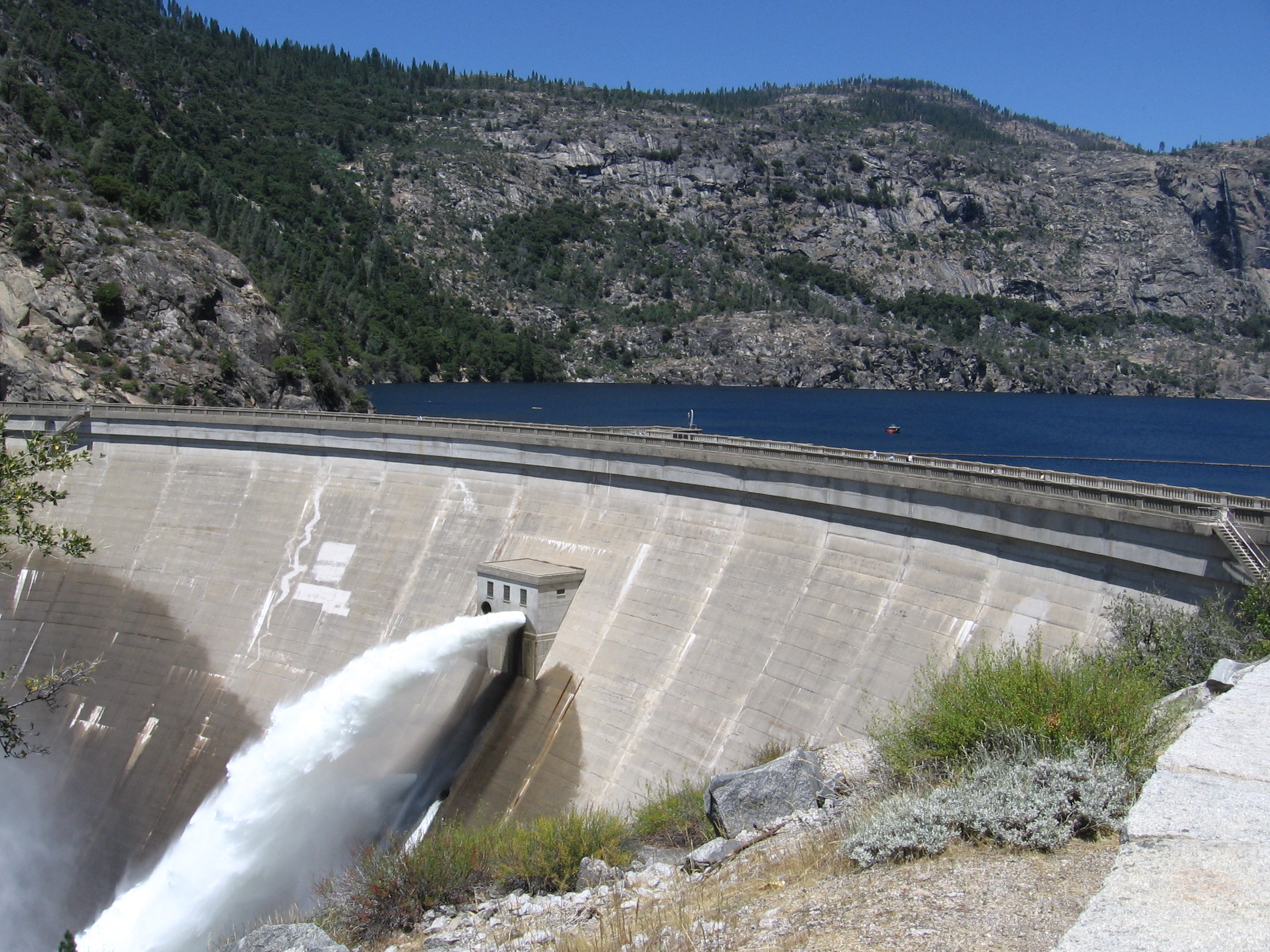
Hetch Hetchy canyon was dammed nearly 100 years ago. The dam is the primary source of water for the City of San Francisco and many surrounding communities. The dam generates the electricity that runs San Francisco’s transportation system without using fossil fuels. Sierra Club and other environmental organizations have sued several times to tear down the dam.   Inklein English Wikipedia photo

Different conservation methods:  Energy

Energy is required for every human enterprise:  heat, cooking, transportation, light, industrial production, etc.  Wood was the primary source of energy for thousands of years until coal began to be used in China around 3,400 B.C.  Although coal is still used, petroleum began to replace it as the primary source of fuel in the 19th century.  The supply of coal and petroleum was considered finite until recently.  Thanks to the wizards, extraction methods have been continuously developed such that the supply is now considered effectively infinite as long as increasingly more destructive methods are used, such as fracking and strip mining.

The prophets want to replace fossil fuels as the primary source of energy because of concerns about climate change and pollution.  Although they are supportive of developing renewable sources of energy, they often object to specific projects with side-effects.  They object to wind turbines because they sometimes kill birds.  They object to large solar farms because they displace wildlife.  Their preferred approach to energy is conservation.  They want us to learn to live with less energy.

The wizards focus on improving existing sources of energy with fewer impacts on the environment.  They envision a massive energy grid that can store and share the power generated by renewable sources so that energy is available to everyone at all times whether the wind blows or the sun shines.  The prophets object to such big projects.  They want energy to be produced locally and available locally.  The Sierra Club is opposed to a California Assembly bill that would create a regional power grid.

Different conservation methods:  Climate Change

All of these issues come together when climate change is debated.  Wizards are working on geo-engineering approaches to reducing greenhouse gas emissions, such as burying carbon in the ground.  Their public policy approaches to the issue are also complex and on a large scale, such as cap-and-trade systems to create a profit-motive for reducing carbon emissions. 

Prophets are unwilling to take the risks associated with geo-engineering strategies and they are skeptical that cap-and-trade will be more than a means of avoiding the sacrifices needed to reduce greenhouse gas emissions.  The Sierra Club was instrumental in preventing the State of Washington from passing a revenue-neutral cap-and-trade law.  The Sierra Club also opposed the recent renewal of California’s cap-and-trade law.  Market-based approaches to reducing greenhouse gas emissions may not be the strongest policy tools, but they are the only tools available in the US because there is not sufficient political support for stronger policies.  Only 11 states have been able to enact market-based laws, such as cap-and-trade.  Sierra Club policies are often far removed from political realities.

Unintended consequences

Charles Mann does his best to avoid choosing a side in these debates and on the whole he succeeds.  He wants readers to understand that for every conservation method there is a cost and he dutifully tells us about the horrifying consequences of rigidly following one path rather the other.

Vogt, the prophet, firmly believed that the Earth and its human inhabitants would only survive if humans would voluntarily adopt public policies that would limit the growth of human population.  This goal was not popularized until The Population Bomb was written by Paul Ehrlich and published by the Sierra Club in 1968.  Mandatory population control became the official public policy in Mexico, Bolivia, Peru, Indonesia, and especially India.  In the 1970s and 80s millions of women were sterilized in India, often against their will.  In China the one-child policy adopted in 1980 forced tens of millions of abortions, many of which killed mothers.  Birth control was forced on women in Egypt, Tunisia, Pakistan, South Korea and the Philippines.

There is constant pressure within the Sierra Club to adopt an anti-immigration policy.  The Club had such a policy until 1996 and there have been several attempts since to reinstate that policy.  I digress to express my personal opinion that immigration is not a legitimate environmental issue because the environment is global.  The migration of people from Central America to North America does not fundamentally alter the impact on the environment.  If migrants have better access to birth control and education for women in North America, the size of their families would likely decrease.

The Sierra Club, like most mainstream environmental organizations, is firmly in the camp of the prophets.  They cast humans as the enemy of nature and their policies reflect their misanthropy.  They oppose every housing development project and all recreational access to public lands in California.

The Green Revolution and the way of the wizard carries its own baggage.  The new crops and the resources needed to produce them were not equitably distributed in the places where they were needed the most.  The richest farmers and biggest land owners in both India and Mexico were the primary beneficiaries of the improved agricultural methods.  But it wasn’t just inequitable distribution that did the most damage.  The poorest farmers owned the most marginal land.  Improved crops made their land more valuable.  It was suddenly worthwhile for land owners to dispossess their tenant farmers. The poorest farmers became the poorest homeless people in the huge cities of India and Mexico.

The Green Revolution also greatly increased the use of synthetic fertilizers that have caused nitrogen and phosphorus pollution from agricultural runoff.  And pesticides were another tool of the Green Revolution with their own suite of negative environmental consequences.

Both cases illustrate the important role that governments play in environmental policy.  Neither the extreme application of population control methods nor the inequitable distribution of agricultural resources were inevitable.  In the hands of competent, democratic government both methods had the potential to improve the well-being of humans without damaging the environment.

The Middle Ground:  All of the Above

I see Mann’s book about competing conservation strategies as an endorsement of the middle ground.  My own strong commitment to the middle ground probably influences my reaction to Mann’s book.  The concept of “population control” is as unappealing to me as some of the geo-engineering projects being developed to address climate change.

“Population control” is antithetical to a free society.  The middle ground is universal and free access to birth control, early sex education, and educating women in developing countries.  Educating women is the most effective method of reducing birth rates.

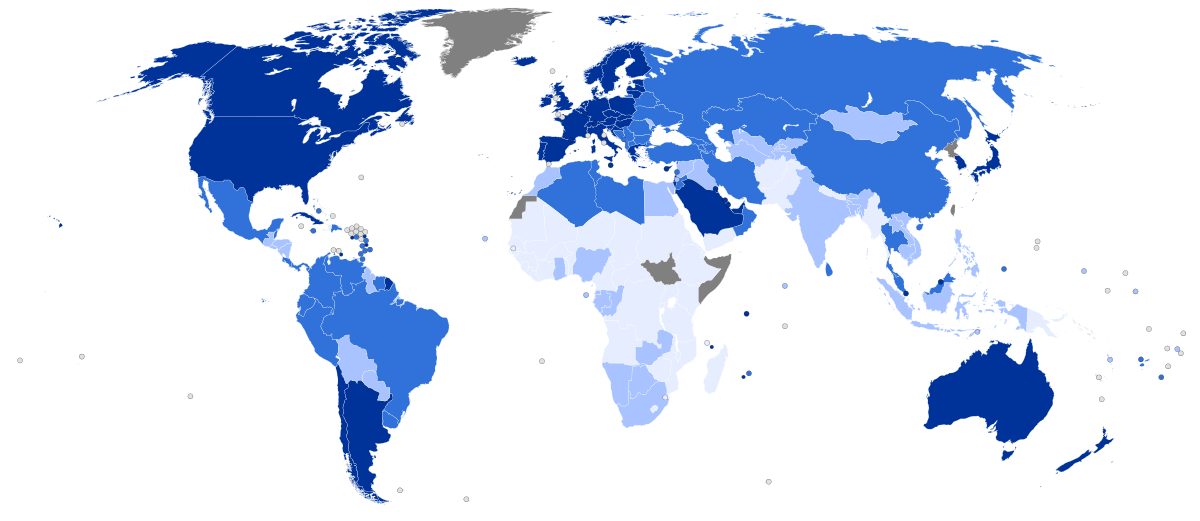
2014 UN Human Development Index. Human Development Index map. Darker is higher. Countries with a higher HDI usually have a lower birth rate, known as the fertility-income paradox.

The risks of geo-engineering solutions to climate change are too great to pursue without careful scientific analysis to fully understand the risks before they are implemented on a large scale.  Likewise, I am opposed to building new nuclear power plants until and unless we have a safe method of disposing of the nuclear waste generated by those plants.

Ironically, the middle ground is in some sense, the most aggressive conservation strategy because it is ALL OF THE ABOVE.  The consequences of climate change are too dire to choose one path and abandon the other.  We must carefully go down every path available.  We must do what we can to limit the increase in human population—within the constraints of a free society—and we must aggressively pursue the technological innovations that are needed to protect the environment from the activities of humans.  We must develop new sources of energy that do not emit greenhouse gas emissions as well as reduce our use of limited resources, such as water and energy.

I conclude with an important caveat.  This article does not do justice to Mann’s brilliant book.  I have only scratched the surface of Mann’s complex and deeply informed book.  Charles Mann made a presentation to the Long Now Foundation in San Francisco shortly after the publication of his book.  A video of his presentation is available HERE.  The video will help bridge the gap between this brief summary and reading Mann’s important book.


  1. Charles C. Mann, The Wizard and The Prophet: Two Remarkable Scientists and Their Dueling Visions to Shape Tomorrow’s World, Alfred Knopf, 2018

Digging In: Nativists aggressively defend their use of herbicides

The trial of DeWayne Johnson vs. Monsanto began early in July.  This is the first trial of about 4,000 lawsuits against Monsanto for “product liability.”  Mr. Johnson is dying of non-Hodgkin lymphoma.  He believes that the glyphosate that he sprayed as an employee of the Benicia School District from 2012 to 2015 has caused his terminal cancer.  His lawyer will present evidence at the trial that Monsanto knew the health risks of the glyphosate they manufactured and hid that information from the public. 

This trial could be the turning point that will determine the future of glyphosate in America.  Therefore, this is a suitable opportunity to explain how we got here and why the fate of glyphosate may also determine the fate of the native plant movement.


Update August 10, 2018:  BREAKING NEWS!!!

”A San Francisco jury has found in favor of a school groundskeeper dying of cancer whose lawyers argued that a weed killer made by the agribusiness giant Monsanto likely caused his disease.

“Dewayne Johnson was awarded nearly $290 million in punitive damages and another $39 million in compensatory damages.

“Johnson’s lawsuit against Monsanto was the first case to go to trial in a string of legal complaints alleging the glyphosate-based Roundup herbicide caused non-Hodgkin’s lymphoma.

“He sprayed Roundup and another Monsanto product, Ranger Pro, as part of his job as a pest control manager at a San Francisco Bay Area school district, his attorneys have said.

“He was diagnosed with lymphoma in 2014, when he was 42.

“Monsanto, for its part, vehemently denies a link between Roundup and cancer.

“But jurors at San Francisco’s Superior Court of California, who deliberated for three days, found that the corporation failed to warn Johnson and other consumers about the risks posed by its weed-killing products.

“The outcome of the trial will not have a direct affect on the slew of other Roundup-related suits in state and federal courts. But it could serve as a bellwether for other cases in the queue.”  https://www.nbcnews.com/news/us-news/jury-orders-monsanto-pay-290m-roundup-trial-n899811

This could be the beginning of the end for glyphosate.  There will be many appeals of this decision, but there are also many other lawsuits in line by people who believe they were harmed by glyphosate.  This is a significant step forward.


The story begins

I have followed the native plant movement in California for over 20 years.  I knew that herbicides were used by land managers to eradicate plants they consider “invasive” only because I made the effort to inform myself of what they were doing.  It wasn’t easy to figure out that they were using herbicides because many land managers do not post notices of their pesticide applications and even fewer report their pesticide use to the public.  State law does not require posting of pesticide application notices if the manufacturer claims that the product dries within 24 hours, which exempts most of the herbicides used by land managers, including glyphosate (Roundup) and triclopyr (Garlon).

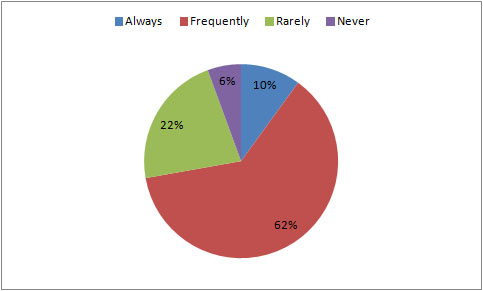
Pesticide use by land managers in California. Source California Invasive Plant Council

I didn’t know how extensive herbicide use is on our public lands until the California Invasive Plant Council conducted a survey in 2014 of 100 land managers about the methods they were using to kill “invasive” plants. Here’s what we learned from that survey:

  • Ninety-four percent of land managers are using herbicides to control plants they consider “invasive.”  Sixty-two percent are using herbicides frequently.
  • Ninety-nine percent of the land managers who use herbicides, use glyphosate products. Seventy-four percent use Garlon, which is one of the most hazardous herbicides available on the market.  The Pesticide Research Institute says that Garlon “poses reproductive and developmental risks to female applicators.”
  • Foliar spray is the method used most frequently by land managers to apply herbicides.  This method of application has the potential to drift into non-target areas and kill non-target plants.

Chapter Two:  World Health Organization takes a position

In 2015, one year after the Cal-IPC survey was done, the World Health Organization’s International Agency for Research on Cancer (IARC) classified glyphosate as a “probable human carcinogen.”  That decision suddenly and radically altered the playing field for the use of glyphosate, which is the most heavily used of all herbicides.

Since that decision was made, 25 countries have issued outright bans on glyphosate, imposed restrictions or have issued statements of intention to ban or restrict glyphosate-based herbicides, including Roundup.  Countless US states and cities have also adopted such restrictions. Locally, the Marin Municipal Water District made a commitment to not using pesticides—including glyphosate—in 2015.  MMWD had stopped using pesticides in 2005 in response to the public’s objections, but engaged in a long process of evaluating the risk of continuing use that resulted in a permanent ban in 2015.

Chapter Three:  Nativists dig in

The reaction of native plant advocates to this bad news of the dangers of glyphosate has been to dig in and aggressively defend their use of herbicides.

One of the first indications of this reaction was an article about the IARC decision in the Fall 2015 newsletter of the California Invasive Plant Council (Cal-IPC) that concludes:  “In the final analysis, this means that there’s no good reason to stop using glyphosate whether it’s a carcinogen or not.”  If the IARC decision isn’t a good reason, what is?  If the prospect of cancer isn’t a legitimate reason not to use glyphosate, what is?

In its Fall 2016 newsletter, Cal-IPC stepped up the volume.  The Executive Director’s introductory letter stated the highest priorities for Cal-IPC, including, “the increased need for Cal-IPC to publicly support the appropriate use of herbicides.”

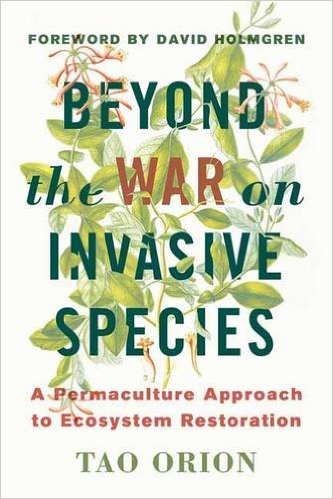
That edition of the Cal-IPC newsletter also includes a review of Tao Orion’s book, Beyond the War on Invasive SpeciesTao Orion is a practicing permaculturalist who shares many of the objectives of native plant advocates. Permaculture is committed to conservation, preservation, and restoration, but practitioners achieve those objectives without using pesticides.  They focus on restoring ecological functions by identifying and correcting the underlying causes of change, such as loss of water resources.

Given Cal-IPC’s commitment to herbicide use, it was unable to find value in Orion’s book.  Much of their criticism seemed unfair.  They said that Orion’s recommendations for using restoration methods such as burning or grazing that don’t require the use of pesticides are preaching to the choir.  They claim that native plant restoration projects are, in fact, doing the same thing.  Yet, the survey Cal-IPC conducted in 2014 says otherwise.  Forty-seven percent of land managers said they “never” use grazing to control “invasive” plants, compared to 94% who said they use pesticides.  Burning was not mentioned by any land manager as a method they use.

The survey and accompanying risk assessment of the herbicides used by those who took the survey was presented at the annual Cal-IPC conference in fall 2014.  It was available on the Cal-IPC website until very recently, when it was scrubbed.  The risk assessment is still available on the website of the Pesticide Research Institute, which conducted that evaluation.

In October 2017, Cal-IPC published a position statement regarding glyphosate, “The Use of Glyphosate for Invasive Plant Management.”  Cal-IPC’s “position on the issue” is:  “Cal-IPC supports the use of glyphosate in invasive plant management as part of an Integrated Pest Management (IPM) approach. When using glyphosate according to the label, with appropriate personal protective equipment and best practices, glyphosate is low-risk for wildlife, applicators and the public.”  Their position is primarily based on their belief that doses of glyphosate used in wildland weed management are too low to be a health hazard.

Several new studies, published after the IARC decision, strengthen the case against glyphosate.  New research suggests that glyphosate is a health hazard at low doses considered “safe” by the EPA.  The Global Glyphosate Study is being conducted by six scientific institutions all over the world. This international consortium of scientific institutions recently published preliminary results of their study: “The results of the short-term pilot study showed that glyphosate-based herbicides (GBHs) were able to alter certain important biological parameters in rats, mainly relating to sexual development, genotoxicity and the alteration of the intestinal microbiome, at the ‘safe’ level of 1.75 mg/kg/day set by the U.S. Environmental Protection Agency (EPA).”  In other words, at doses deemed safe by the US EPA, significant negative health effects were found in animals used in testing.

Another recent study of glyphosate found that the formulated product is considerably more toxic than the active ingredient alone.  US National Toxicology Program recently conducted tests on formulated glyphosate products for the first time. In the past, tests were conducted only on the active ingredient…that is glyphosate alone. The formulated products that are actually applied as weed killers contain many other chemicals, some of which are not even known. The head of the National Toxicology Program Laboratory, told The Guardian newspaper the agency’s work is ongoing but its early findings are clear on one key point. “We see the formulations are much more toxic. The formulations were killing the cells. The glyphosate really didn’t do it,” DeVito said. A summary of the NTP analysis said that “glyphosate formulations decreased human cell ‘viability’, disrupting cell membranes. Cell viability was ‘significantly altered’ by the formulations, it stated.”

Two empirical studies found that low levels of exposure to the weed killer Roundup (glyphosate) over a long period of time can cause liver disease.

Is Cal-IPC aware of these recent studies?  Are the people who apply glyphosate aware of these studies?  Are the employers of these applicators aware of these studies?  Are these applicators the plaintiffs of future product liability lawsuits against Monsanto?

Chapter Four:  California Native Plant Society defends herbicides with fantasies

If you read the publications of the California Native Plant Society (CNPS) or attend their conferences, you know that little mention is made of herbicides by their followers and those who engage in “restoration” projects.  In the past, the best defense was to turn a blind eye to herbicide use.

More recently, the intense opposition to the use of herbicides on public lands seems to have forced CNPS to become actively engaged in the defense of herbicides.  The most recent edition of the Journal of the California Native Plant Society, Fremontia (Vol. 46 No. 1) is a “Special Issue on Urban Wildlands.” The introductory article is illustrated with a photo of Oyster Bay.  I nearly choked on this statement in that article:  “In order to control invasive plants, agencies and volunteers have sometimes resorted to using herbicides as a step in integrated pest control.  While use of herbicides is contentious, the use for spot treatments has enabled small groups of volunteers to successfully eliminate invasive weeds in some areas where future herbicide use will not be needed.” Oyster Bay is being doused with herbicides as we reported in a recent article that is available HERE.

Oyster Bay herbicide applications, May 2018

That same edition of Fremontia also includes several articles in which specific native plant “restorations” are described in detail.  All of the projects use herbicides, often repeatedly and often without successfully establishing native plants:

  • “Bull Creek Ecosystem Restoration Project: Not Quite a Success Story”:  This project began in 2008, after over 10 years of planning.  Bull Creek was reconfigured with bull dozers, eliminating the existing landscape.  Although natives were planted, weeds quickly took over the site.  It was weeded by hand initially and considered a success until the creek bank eroded significantly and the artificial oxbow filled with silt.  But “weeds continued to thrive” because the native plants were irrigated and they resorted to herbicide applications in 2010.  Subsequent failures of native plants were blamed on unauthorized public access and the state-wide drought.  Volunteer weeding has been abandoned.  The future of this project is very much in doubt.
  • “Weed Control Efforts in the Sepulveda Basin”: “Based on more than 20 years of experience with attempting to control various weeds in the Sepulveda Basin, and given the lack of support from the city due to budgetary priorities, it is apparent that without herbicide it will be impossible to control non-native weeds that threaten regional biodiversity.”
  • “Nature in the City: Restored Native Habitat Along the LA River…”:  The site was sprayed with Roundup (glyphosate) several times to remove as much of the non-native seed bank as possible.  Weeding continued throughout the habitat restoration and construction period.”

Did CNPS notice the contradiction between their first article and subsequent articles in the same publication?  Their introductory article claims they rarely use herbicides and when they do it is only temporary.  But subsequent articles about specific projects make it clear that herbicides are routinely and repeatedly used and even then, weeds persist.

Pesticides used in San Francisco’s “natural areas.” Courtesy San Francisco Forest Alliance

In the Bay Area, one of the oldest native plant “restorations” is in San Francisco, where the so-called Natural Areas Program (now called Natural Resources Division) started in 1998.  They have used pesticides consistently since the program began.  The San Francisco Forest Alliance began tracking their use of pesticides in 2008.  In their most recent report, the Forest Alliance informs us that pesticide use in the so-called “natural areas” has increased significantly in the first half of 2018.  This increase was anticipated because the program plan and its Environmental Impact Report were finally approved in spring 2017, after 20 years of being hotly contested.  The approval of the program enabled them to increase the staff of pesticide applicators from one to five.  Most of the increase in pesticide use in 2018 is of Garlon, one of the most toxic pesticides available on the market.  San Francisco’s native plant restorations are a specific example of the long term use of large quantities of herbicide.  You can visit those areas to see for yourself that 20 years of effort and herbicides have not successfully established native plant gardens.

Good luck to DeWayne Johnson

It is difficult to understand how nativists can continue to advocate for the use of herbicides.  It is even more difficult to understand how land managers can continue to use public money to spray herbicides on our public parks and open spaces.  Since they are apparently impervious to scientific assessment of the health hazards of herbicides and blind to the failures of their projects, we can only hope that DeWayne Johnson will prevail in his lawsuit against Monsanto.  We would like to see justice for Mr. Johnson and his family and the bonus will be the legal liabilities and associated economic costs of continuing to use a dangerous herbicide that damages the environment and everyone who lives in it.

Adapting to more wildfire in western North American forests as the climate changes

The National Academy of Sciences (NAS) has published its recommendations for a new approach to managing forests in the American West to adapt to the increasing frequency and intensity of wildfires in the changing climate.  The authors of the NAS publication regarding adaptive forest management in the changing climate are 12 academic scientists from major public universities in 8 western states. (1)

Although the National Academy of Sciences was created by an Act of Congress in 1863, during the Lincoln administration, it is a non-governmental non-profit that receives no direct government funding.  Its charge is “providing independent, objective advice to the nation on matters related to science and technology. … to provide scientific advice to the government ‘whenever called upon’ by any government department.” Members of the Academy serve without salary as “advisers to the nation.” Election to the National Academies is one of the highest honors in the scientific field. The independence of NAS is ensured by lack of governmental funding and salaries to its members.  However, 85% of NAS funding is government grants and contracts. (2)

In other words, this publication is an important policy document, prepared by distinguished scientists and published by America’s most prestigious scientific institution.  It deserves our attention and respect.

Why is a new forest management approach needed?

In the past, forest management policies have focused primarily on preventing fire, reducing fuel loads, and restoring burned areas.  Given the increasing intensity and frequency of wildfires, there is a new understanding that these approaches are no longer adequate to address new conditions created by the changed and changing climate.  The new approach recognizes that fuels reduction cannot alter regional wildfire trends and therefore must adapt ecosystems and residential communities to more frequent fires, including “planning residential development to withstand inevitable wildfire.”  This represents a shift from restoring historical conditions, now considered unsustainable, to developing fire-adapted communities.

The authors of this publication tell us that managing forest fuels has been ineffective:  “Mechanical fuels treatments on the US federal lands over the last 15 years totaled almost 7 million hectares, but the annual area burned has continued to set records.  Regionally, the area treated has little relationship to trends in the area burned, which is influenced primarily by patterns of drought and warming.”  Where fuels treatment was done, wildfires subsequently occurred:  “10% of the total number of US Forest Service forest fuels treatments completed in the 2004-2013 period in the western United States subsequently burned in the 2005-2014 period.”  This suggests that “most treatments have little influence on wildfire.” In any case, only 40% of wildfires occurred in forests since 1984, with most fires burning grasslands and shrublands.  Clearly, these projects have been a waste of time, trees, and taxpayer money.

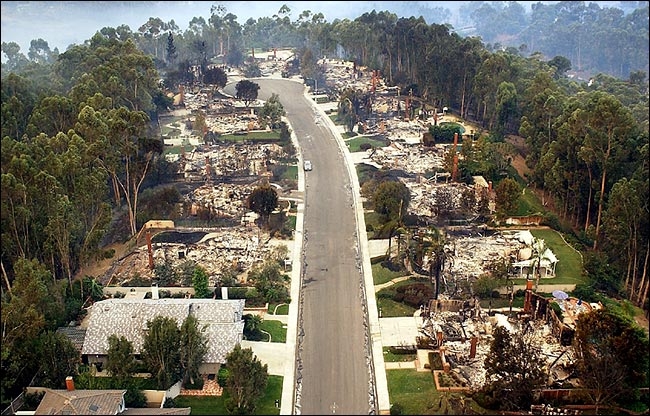
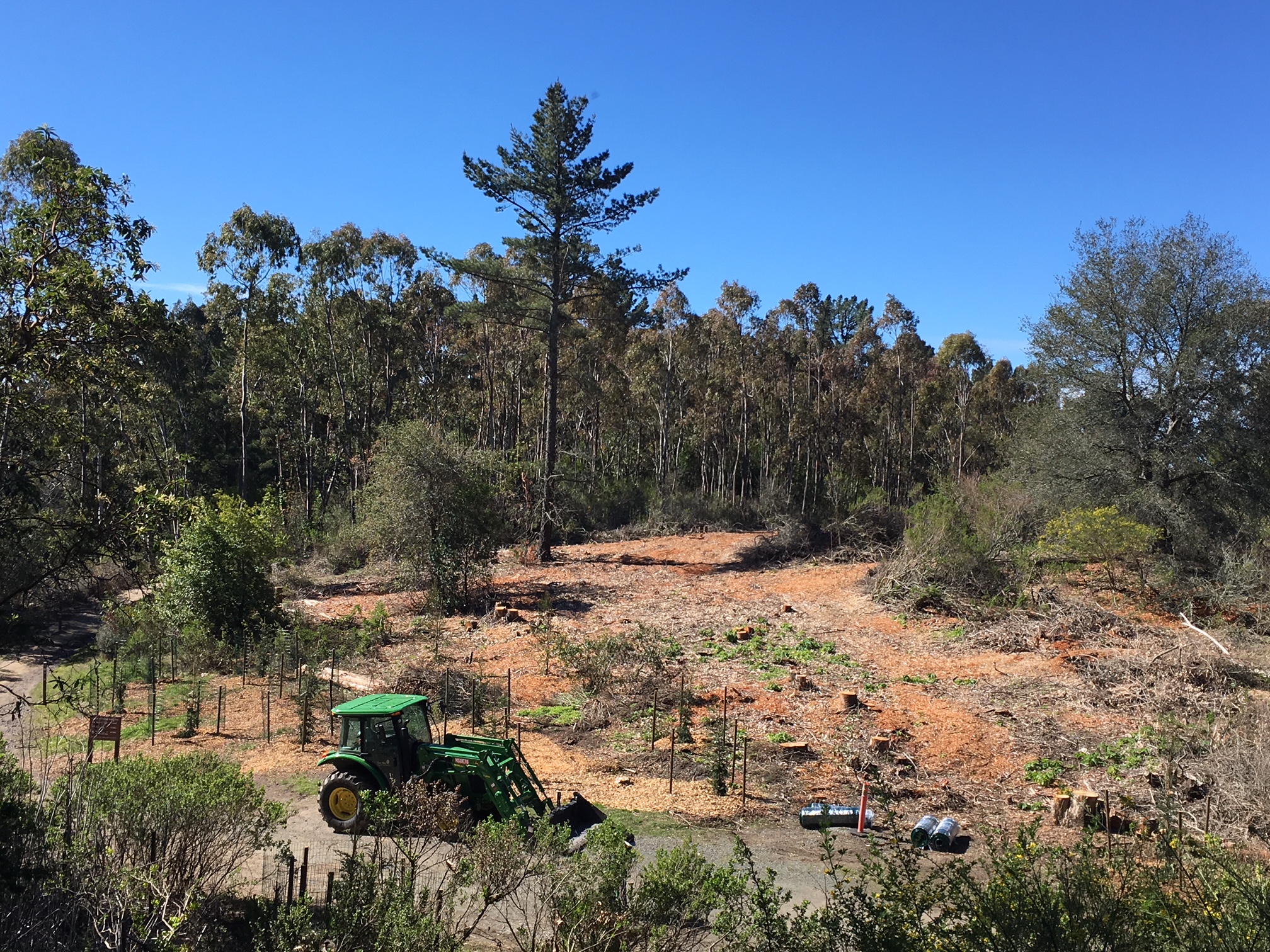
This area on the west side of Grizzly Peak Blvd is known as Frowning Ridge. It is one of the first areas that was clear-cut by UC Berkeley over 10 years ago. Destroying the trees did not prevent the grass and shrubs from igniting in the August 2017 fire. Pictures of that area before and after the trees were destroyed are available here: https://milliontrees.me/2013/06/08/guest-article-about-fema-projects-by-a-student-of-the-forest/  The fire in August 2017 was stopped when it reached the forest on the opposite side of the road.

Nor do the authors consider “thinning” of forests a viable method of reducing fire hazards because “when thinning is combined with the expected warming, unintended consequences may ensue, whereby regeneration is compromised and forested areas convert to non-forest.”  When trees are thinned, the trees that remain are more vulnerable to wind and they lose the ability to share resources with the neighboring trees that have been removed.

Tilden Park, October 2016. East Bay Regional Park District has radically thinned this area to distances of 25 feet between remaining trees. This area is about 2 miles away from any residential structures. Cal Fire defines “defensible space” as 100 feet around structures.

There are two major reasons for increased wildfire hazards.  More than 50% of the increase in areas burned by wildfire in the American West is attributed to climate change.  The expansion of residential development into forested areas—called the Wildland-Urban-Interface (WUI)—is the second factor:  “Between 1990 and 2010, almost 2 million homes were added in the 11 states of the western United States, increasing the WUI by 24%.”  35% of wildfires in the WUI since 2000 were in California, more than any other state.

What is the new management goal?

Whereas past policies were designed to maintain forest conditions to historical conditions, this is no longer considered a realistic goal.  The recommended goal is now “supporting species compositions and fuel structure that are better adapted to a warming, drying climate with more wildfire.”  Sounds like planting tree species that are adapted to new climate conditions, doesn’t it?

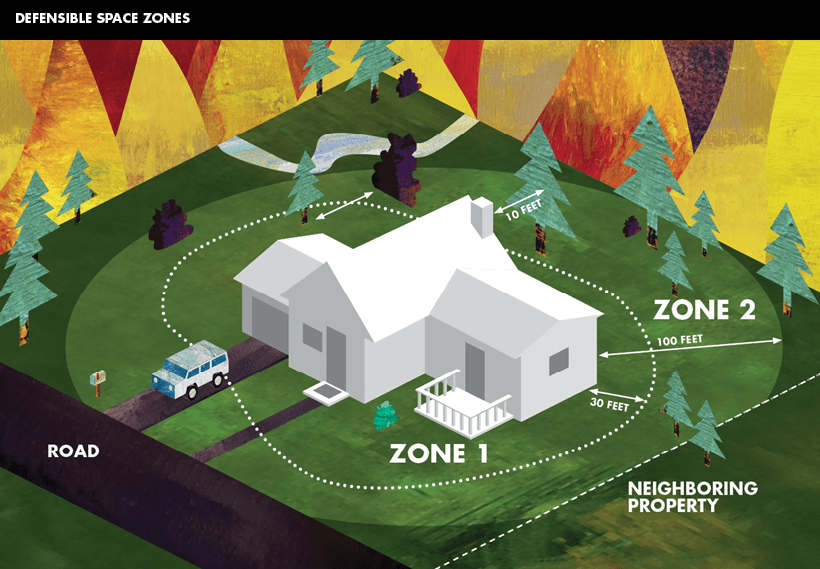
The other, equally important new goal is to reduce the vulnerability of communities to wildfire by “changing building codes to make structures more fire-resistant…and providing incentives, education, and resources to reduce vulnerability to future wildfire.”  The only tree removals that make sense to the authors are those immediately around residential communities, “strategically located to protect homes and the surrounding vegetation.”  That is the principle of creating “defensible space” immediately around structures:  “fuels management for home and community protection will be most effective closest to homes…where ignition probabilities are likely to be high.”

Source: Cal Fire

These strategies are called “transformative resilience,” which “refers to planned fundamental change in response to drastically altered disturbances that have the potential to create broad-scale, systemic shifts in ecological states or radical shifts in values, beliefs, social behavior, and multilevel governance.”  The authors of these policy recommendations acknowledge that such rapid and radical shifts in social and ecological transformation are rare and difficult to achieve.  We certainly agree with that observation.

The urgently needed paradigm shift

Public policy and conventional wisdom is wedded to the past.  The public is unable or unwilling to acknowledge the realities of climate change.  They remain committed to “restoring” the landscape to an imagined pre-settlement ideal in the distant past.  And public land managers remain committed to creating that fantasy landscape, by destroying existing landscapes and using herbicides to do so.  They destroy the trees of the future and plant the trees of the past.  And they destroy trees miles from any residential properties while property owners resist the creation of defensible space needed to protect their homes.

The authors of the NAS publication clearly state the risks of continuing down that path:  “[Such policies] may be the easiest, most familiar path with the least uncertainty, but this approach is short-sighted and could come at the cost of adaptation to future wildfire as climate change continues.”

They also urge the public to wake up to this new reality:  “Some ecosystems will survive and thrive as they adapt to novel future conditions, but not all.  Embracing rather than resisting ecological change will require a significant paradigm shift by individuals, communities, and institutions and will challenge our conservation philosophies.”

Our safety and the future of our land are at stake.  We must take our heads out of the sand and look forward instead of back to a past that is long gone and will not return.  Since climate change is causing more wildfires, destroying more trees than necessary to achieve fire safety is counterproductive because deforestation is the source of about 10% of carbon emissions contributing to climate change.


(1) Tania Schoennagel, et. al., “Adapt to more wildfire in western North American forests as climate changes,” Proceedings of National Academy of Sciences, May 2017

(2) Wikipedia https://en.wikipedia.org/wiki/National_Academy_of_Sciences

Another innocent introduced plant with a bad rap

Professor Mark Davis, known as “a friend to aliens,” is one of a growing number of academic scientists who are critical of invasion biology.  His research has exonerated some of the introduced plants that are accused of harming native plants. Garlic mustard is an example.  Professor Davis has briefly summarized his research of garlic mustard for publication on Million Trees.

The Nature Conservancy says, “…garlic mustard [is] one of the ten most destructive invasive species in Indiana today… It…displaces native or other desired plants in a relatively short period of time.” Although the Nature Conservancy description of the lifecycle of garlic mustard is identical to Professor Davis’s description, it reaches the opposite conclusion about its effect on native plants.  The Nature Conservancy describes laborious methods of eradication and concludes that herbicides and prescribed burns may be necessary. 

It is precisely that accusation that non-native plants “displace” native plants that is at the heart of the debate about so-called “invasive species.”  Nativists do not believe that native and non-native plants can co-exist.  In fact, when empirical studies test that hypothesis, they rarely find evidence of such displacement.  The fact is, the environmental conditions that support native plants also support non-native plants and the result is usually more biodiversity, rather than less. 

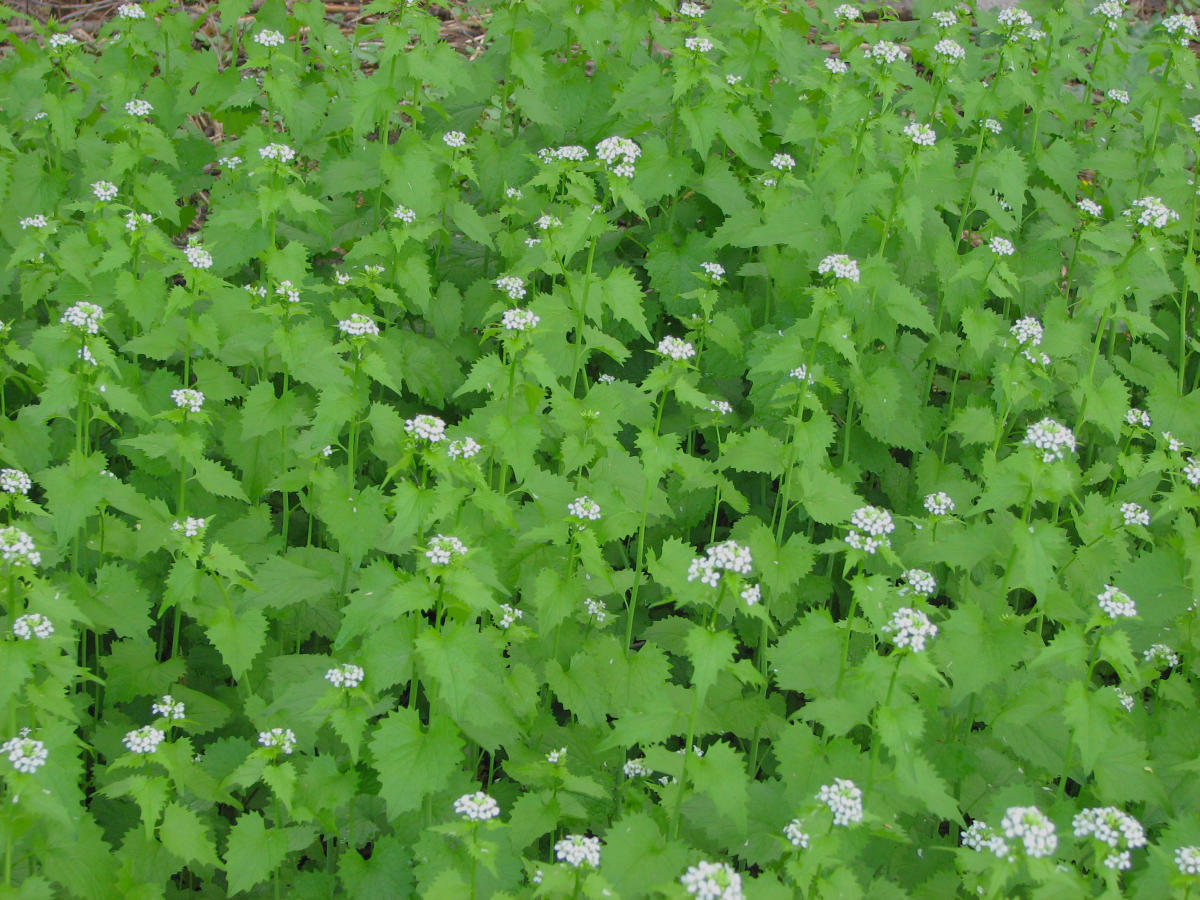
The first sighting of the garlic mustard herb in the U.S.A. was in 1868 in Long Island, New York. Garlic mustard was intentionally introduced into the northeastern United States for food, erosion control, and medicine. Pretty isn’t it? It’s tasty as well.

If native plants are not doing well, compared to non-natives, it is usually for other reasons, such as changes in the climate or available water or the arrival of a new insect or pathogen.  It is rarely because of the arrival of new plants.  Killing non-native plants with herbicide is simultaneously killing native plants and damaging the soil they live in.

There is room for everyone in the human world and in the natural world.  Nativism in the human realm is as unnecessary as it is in the natural world.  Fear and anger about human immigrants to America is strongest in places with few immigrants.  I am fortunate to live in a place with many immigrants.  I can see first-hand how they enrich my community.  I also see first-hand how introduced plants are not doing any harm, but the futile efforts to kill them with herbicides IS doing a great deal of harm to every living thing in the environment.

Million Trees


Garlic mustard, Alliaria petiolata (Brassicaceae), is a European biennial plant (completing its life cycle over 2 years) now common in many Midwestern and eastern North American forests. It is self-pollinating, has abundant seeds that are viable in the soil for long periods of time, and can grow in a variety of forest environments.  These characteristics allow garlic mustard to spread easily. Many consider it to be an invasive species that displaces native herbs and inhibits tree seedling growth and survival.

For the past six years I have worked with colleagues and students to determine to what extent garlic mustard is negatively affecting native herbs and tree seedlings in an oak forest in east-central Minnesota.  Based on our monitoring of garlic mustard and the other plant species, garlic mustard appears to be acting similarly to other species.

Specifically, garlic mustard and the other common native herbs seem to be changing in abundance largely independent of one another. In other words, changes in abundance of one species is unrelated to changes in other.  In six years of study, we have not been able to document any substantial effects by garlic mustard on other plant species, positive or negative.

In fact, the best predictor of garlic mustard presence is high diversity of native plants.  The most likely explanation for this fact is that all the species, garlic mustard included, are simply establishing in microsites favorable to plants in general.  The same conditions that benefit native plant species also probably benefit non-native plant species.

Overall, our findings are not consistent with the common claim that garlic mustard is a noxious invasive species responsible for the decline of many North American native forest herbs. Rather, our findings are more consistent with other recent studies and reviews that have concluded that garlic mustard is primarily responding to ecological changes in North American forests.

In other words, at many sites garlic mustard is not a significant driver of change but rather is a passenger of change.  What might be the drivers of change, the real causes of declines of many native wildflowers?  Evidence points to both earthworms and white-tailed deer.

Earthworms, which have been introduced from Europe and Asia, have drastically reduced the abundance of litter in these forests.  The near absence of litter has been shown to negatively impact many of the native species.  However, eradicating earthworms would be impossible and attempting to do so would cause more damage to the environment.

Due to the abundance of habitat, secondary forests, and lack of predators, white-tailed deer populations have exploded throughout many of the Midwestern and eastern forests.  And, native plants are a common food of the deer.  The deer tend to avoid garlic mustard due to its garlicy oils.

Mark Davis, Macalester College


Professor Davis’s studies of garlic mustard:

Davis MA, Anderson MD, Bock-Brownstein L, Staudenmaier A, Suliteanu M, Wareham A, and Dosch JJ.  2015.  Little evidence of native and non-native species influencing one another’s abundance and distribution in the herb layer of an oak woodland.  Journal of Vegetation Science 26:105-112.  PDF

Davis MA, MacMillen C, LeFevre-Lefy M, Dallavalle C, Kriegel N, Tyndel S, Martinez Y, Anderson MD, and Dosch JJ.  2014. Population and plant community dynamics involving garlic
mustard (Alliaria petiolata) in a Minnesota Oak Woodland: a four year study. Journal of the Torrey Botanical Society 141: 205–216.  PDF

Davis MA, Colehour A, Daney J, Foster E, MacMillen C, Merrill E, O’Neil J, Pearson M, Whitney M, Anderson MD, and Dosch JJ. 2012.  The population dynamics and ecological effects of garlic mustard, Alliaria petiolata, in a Minnesota oak woodland. American Midland Naturalist 168: 364-374.  PDF

TAKING ACTION: The Forest Action Brigade requests correction of the public record regarding lifespan of eucalyptus

The Forest Action Brigade (FAB) has given Million Trees permission to publish their letter to the Park Advisory Committee of the East Bay Regional Park District.  FAB asks that the public record be corrected regarding the lifespan of eucalyptus and related issues.  The Park Advisory Committee was given misinformation regarding the status of eucalyptus trees in the parks by the Acting Fire Chief.  

The Park District does not have a single certified arborist or forester on staff.  The Park District needs such expertise to inform the park staff and to avoid making mistakes, such as destroying healthy trees and planting trees where they will not survive because the horticultural conditions for the trees are not suitable.

When the public was given the opportunity to make suggestions for projects to be included in the renewal of Measure CC parcel tax, hiring a qualified arborist was one of the suggestions that park advocates made.  That suggestion was ignored, as were most of our suggestions.  The Park District is responsive to a narrow constituency, such as the Sierra Club, Audubon Society, and California Native Plant Society.  

Please join us in objecting to the unnecessary destruction of healthy trees in our parks:  Park Advisory Committee c/o sclay@ebparks.org; Board of Directors c/o ybarial@ebparks.org.


June 20, 2018

Park Advisory Committee
East Bay Regional Park District

Dear Members of PAC,

On May 21, 2018, Acting Fire Chief Aileen Theile explained the park district’s strategy regarding eucalyptus removal and its justification for that strategy to the Parks Advisory Committee:

“Tsutsui asked about the life cycle of the eucalyptus plantation. Theile replied they have a lifespan of 50-60 years, and most of the trees were planted about 50-60 years ago. Those planted 50 years ago are failing on a regular basis. Theile continued eucalyptus trees actually do not do well in plantations. They need to compete for sunlight and the trees within the grove are weak. If the outer trees begin to fail, the inner trees are unable to withstand the wind because they have historically been protected by the outer trees. The Park District is trying to remove the fuel ladder, by creating a break between surface fuels and fires that get up into the tree canopy. Tsutsui asked how long is mitigation needed. Theile explained there will probably not be many eucalyptus plantation trees left in the next 50 years.” (Minutes of PAC meeting, 5/21/18)

We are writing to correct several misstatements of fact in Chief Theile’s testimony to the Park Advisory Committee:

Theile:  “[eucalyptus] have a lifespan of 50-60 years…”

That statement is not accurate.  It is an extreme underestimate of the lifespan of eucalyptus.

Blue gum eucalyptus and all other species of eucalyptus are native to Australia.  They were brought to California shortly after the Gold Rush of 1849.  Since they haven’t been in California 200 years, we don’t know how long they will live here.  But how long they live in Australia is obviously relevant to answer that question because longevity is specific to tree species.  We can expect some variation by climate, but not much, and the climate of Australia is similar to the climate in California with wet, mild winters and hot, dry summers.

We know that blue gums live in Australia about 200-400 years because Australian scientists tell us that:

Growth Habits of the Eucalypts by M.R. Jacobs, (Institute of Foresters of Australia, 1955, 1986): Blue Gum eucalyptus lives in Australia from 200-400 years, depending upon the climate.” In milder climates, such as San Francisco, the Blue Gum lives toward the longer end of this range.

That reference was corroborated by John Helms, Professor Emeritus of Forestry at UC Berkeley and an Australian who said in response to our question about blue gums in California, “Blue gums would commonly live for 200 – 400 years, although I presume that some might live longer.”

We also asked the Australian National Botanic Gardens.  They said, “It’s possible that the average lifespan of a native species growing in the wild in Australia would differ to the average lifespan of the same species introduced in northern California, since introduced plants can often “escape” their natural predators when such introductions occur.”

In other words, since eucalyptus trees have more predators in Australia than they do in California, we should expect them to live longer here.  This is called the “predator release” hypothesis.  Ironically, that hypothesis is used by nativists to support their claim that eucalyptus is invasive in California. It’s only logical to apply that hypothesis to the question of how long blue gums will live in California.

However, using actual experience in Australia to predict the future of blue gums in California requires some speculation.  Therefore, we turn to the question of how long they have lived in California for guidance.  There are countless examples of eucalyptus in California over 150 years old that are still very much alive and well.  Here are a few local examples:

  • Eucalyptus, Mills College, Oakland 2015

    The Grinnell Eucalyptus Grove on the UC Berkeley campus was planted in 1877. Most of that grove is still alive and well.  https://www.berkeley.edu/news/multimedia/2004/01/trees.html

  • Eucalyptus was planted as a windbreak at Mills College shortly after it relocated to Oakland in 1871.  Those trees are very much alive.
  • Mountain View Cemetery in Oakland, California was designed by Frederick Law Olmsted in the 1860s.  Like most of the East Bay, the site was treeless. Olmsted’s design was an eclectic collection of mostly non-native trees, including blue gums.  The cemetery is on steep, windward facing hills, where the windbreak provided by blue gums is particularly valued.
  • There are equally old blue gum eucalyptus on the Stanford Campus and many other places on the San Francisco peninsula. 2.2 miles of El Camino Real planted with blue gum eucalyptus in the 1870s were put on the National Register of Historic Places in 2012.

Cal Poly maintains a website that evaluates trees in California, called SelecTree.  SelecTree states that the lifespan of blue gum eucalyptus is “greater than 150 years.”  That estimate is the longest category for longevity on the SelecTree website. (https://selectree.calpoly.edu/)  It is the same estimated lifespan for Coast Live Oak and many other trees, according to SelecTree.

Theile:  “…most of the [eucalyptus] trees were planted about 50-60 years ago.”

That is also an inaccurate statement.  The Park District’s “Wildfire Hazard Reduction and Resource Management Plan” (2009) states, “In the early 1900s, plantations of eucalyptus and pine were planted for hardwood production and to forest the primarily grass-covered hills in preparation for coming real estate development.”  (page 5)

The first master plan for the Park District was published in 1930:  “Proposed Park Reservation for East Bay Cities.”  That publication contains photos of eucalyptus at Lake Chabot, Skyline Ridge and Wildcat Canyon.  https://www.ebparks.org/civicax/filebank/blobdload.aspx?BlobID=23514

Theile:  “Those planted 50 years ago are failing on a regular basis.”

Sibley Volcanic Reserve. Photo by Larry Danos, March 2018

If that statement is accurate, we have no evidence of its accuracy.  In the past 9 months, eucalyptus trees have been destroyed throughout the Park District.  When visitors inquire, they are told the trees were hazardous.  In some cases, the areas were supposed to be thinned in accordance with the Park District’s “Wildfire…Plan.”  At Sibley Volcanic Reserve, for example, large areas of over an acre were clear cut in March 2018 where the plan was to thin.  We know the trees weren’t dead because the stumps of the trees were sprayed with herbicide, as indicated by blue dye.  If the trees were in fact dead, it would not have been necessary to spray the stumps with herbicide to prevent their resprouting.  We asked for an arborist’s evaluation of the condition of the trees before they were destroyed.  We received no response to our request for this information.  In other words, claims that eucalyptus trees are dead or dying are unsubstantiated.  Available evidence suggests that healthy trees are being needlessly destroyed.

Tree failures are most likely to occur where the Park District has thinned the trees.  The trees that remain are subjected to more wind.  The herbicide that is used to prevent the destroyed trees from resprouting is mobile in the soil and it damages the soil by killing beneficial microbes and the mycorrhizal fungi that are essential to tree health.  The roots of the trees are intertwined, enabling the herbicide to damage the roots of the trees that remain.  If, indeed, there are tree failures, they are undoubtedly being caused by the Park District’s tree removals and associated herbicide use.

Theile:  “…eucalyptus trees actually do not do well in plantations.”

This is an inaccurate statement.  In fact, densely planted trees protect one another from the wind and they share available resources.  Peter Wohlleben in The Hidden Life of Trees explains:

“…in nature, trees operate less like individuals and more as communal beings. Working together in networks and sharing resources, they increase their resistance…This is because a tree can be only as strong as the forest that surrounds it…Their well-being depends on their community, and when the supposedly feeble trees disappear, the others lose as well.  When that happens, the forest is no longer a single closed unit.  Hot sun and swirling winds can now penetrate to the forest floor and disrupts the moist, cool climate.”

“Theile explained there will probably not be many eucalyptus plantation trees left in the next 50 years.”

That is apparently an expression of the Park District’s willful intentions.  The eucalyptus trees will be gone in 50 years because the Park District apparently intends to destroy them all, not because they are dead or dying.  Rather because that’s what the Park District wants to do.

For the record, we state our purpose:

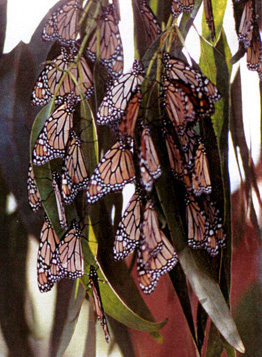
Monachs in eucalyptus, Pacific Grove Museum

We are opposed to the unnecessary destruction of healthy trees, because it serves no useful purpose.  Trees deep inside our parks pose no fire hazard to residential areas.  They are storing thousands of tons of carbon that will contribute to climate change when released into the atmosphere.  Wildfires are becoming more intense and frequent because of climate change.  Therefore destroying hundreds of thousands of trees causes wildfires rather than mitigating them.  The trees perform many other useful functions.  They provide food and habitat for birds, bees, and butterflies.  They reduce air pollution.  They provide shade and protection from wind, making visitors to the parks more comfortable.  The herbicide use associated with tree destruction damages the environment and is an unnecessary health hazard to wildlife and the public.

[redacted]

Please add this letter to the record of the Park Advisory Committee meeting of May 21, 2018.

Thank you.

Forest Action Brigade

CC: EBRPD Board of Directors; Aileen Theile

Putting another eucalyptus myth to rest: Lifespan of blue gum eucalyptus

When the native plant movement began in earnest, about 25 years ago, its proponents weren’t expecting blowback from those who value the existing landscape.  As far as they were concerned, the trees had to be destroyed solely because they “don’t belong here.”

When they started destroying our predominantly non-native urban forest, they learned that it wasn’t going to be as easy as they thought.  They began to defend their destructive projects with cover stories to convince the public who didn’t share their devotion to native plants that it is necessary to destroy non-native trees because they are a threat to public safety and to wildlife.

One by one, we have debunked the myths that were used to justify the destruction of our urban forest:

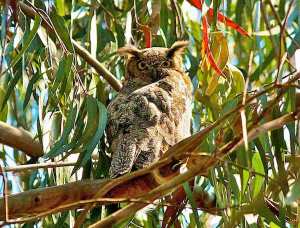
Great horned owl in eucalyptus. Courtesy urbanwildness.org

About 20 years ago, one of the first myths was that eucalyptus trees kill birds. It is an absurd claim that is completely unsupported by reality.  With a lot of careful research, we were eventually successful in convincing the public that birds are not harmed by eucalyptus.  In fact, many bird species are dependent upon the trees for safe nesting and winter nectar.   That myth is dead.

The claim that eucalyptus and other non-native trees are more flammable than native trees was a powerful narrative that was more difficult to kill. As wildfires have increased in frequency and intensity in California, that claim is no longer credible because most wildfires occur in native vegetation.  Again, this myth was eventually disproved by reality.

More recently, we have finally put to rest the claim that “nothing grows under eucalyptus.” This myth was based on a theory that eucalyptus emits allelopathic chemicals that prevent the growth of plants in the eucalyptus forest.  Thanks to a recent, rigorous study done at Cal Poly, we know with confidence that the allelopathy story is another myth.

It was not surprising that the nativists, having run out of bogus justifications, created a new narrative.  In parks that the East Bay Regional Parks District had been planning to thin, we began to see clear cuts.  When we inquired about why it was necessary to destroy ALL of the trees, we were told they were hazardous.  Then, in the minutes of a meeting of East Bay Regional Park District Park Advisory Committee , we saw the claim that eucalyptus lives only 50-60 years.  Simultaneously, this claim was made in San Francisco by proponents of destroying all eucalyptus trees there.

We eventually tracked down the source of that lifespan estimate to a website called SelecTree, which originally said that the longevity of blue gums is only 50-150 years.  We knew that isn’t an accurate estimate because of how long blue gums live in Australia and how long they have already lived in California.  We provided that information to the authors of SelecTree and were able to get the estimate corrected to “greater than 150 years.”  That’s not nearly long enough, but it is the longest lifespan estimate available on that website and it corresponds with many other trees, including native Coast Live Oak.

In the process of researching the lifespan of eucalyptus, we learned several interesting stories about blue gums that have lived in California for 150 years and are still going strong.  We would like to share some of this information with our readers today.

Blue gum eucalyptus lives in Australia 200-400 years

Blue gum eucalyptus and all other species of eucalyptus are native to Australia.  They were brought to California shortly after the Gold Rush of 1849.  Since they haven’t been in California 200 years, we don’t know how long they will live here.  But how long they live in Australia is obviously relevant to answer that question because longevity is specific to tree species.  We can expect some variation by climate, but not much, and the climate of Australia is similar to the climate in California with wet, mild winters and hot, dry summers.

We know that blue gums live in Australia about 200-400 years because Australian scientists tell us that:

Growth Habits of the Eucalypts by M.R. Jacobs, (Institute of Foresters of Australia, 1955, 1986): Blue Gum eucalyptus lives in Australia from 200-400 years, depending upon the climate.” In milder climates, such as San Francisco, the Blue Gum lives toward the longer end of this range.

That reference was corroborated by John Helms, Professor Emeritus of Forestry at UC Berkeley and an Australian who said in response to our question about blue gums in California, “Blue gums would commonly live for 200 – 400 years, although I presume that some might live longer.”

We also asked the Australian National Botanic Gardens.  They said, “It’s possible that the average lifespan of a native species growing in the wild in Australia would differ to the average lifespan of the same species introduced in northern California, since introduced plants can often “escape” their natural predators when such introductions occur.”

In other words, since eucalyptus trees have more predators in Australia than they do in California, we should expect them to live longer here.  This is called the “predator release” hypothesis.  Ironically, that hypothesis is used by nativists to support their claim that eucalyptus is invasive in California.  (California Invasive Plant Council rates the “invasiveness” of blue gum as “limited.”)  It’s only logical to apply that hypothesis to the question of how long blue gums will live in California.

Many healthy blue gums in California are 150 years old

However, using actual experience in Australia to predict the future of blue gums in California requires some speculation.  Therefore, we turned to the question of how long they have lived in California for guidance.  We found several interesting local stories about blue gums that were planted in California 150 years ago and remain healthy and vigorous today.

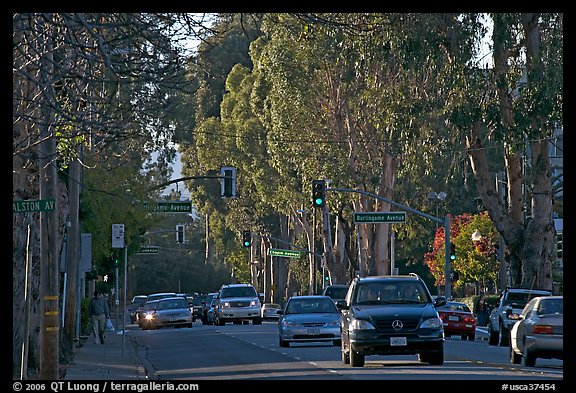
There are many examples of blue gums being planted as street trees in California about 150 years ago.  One of the most well-known examples is the city of Burlingame on the San Francisco peninsula. When the City was founded in the 1870s, John McLaren was hired to plant trees to provide a much needed windbreak because the City was nearly treeless, as was the entire San Francisco peninsula.  McLaren planted over 500 eucalyptus (blue gum and manna) along the main highway through Burlingame, along with a row of English elms.  John McLaren was subsequently hired by the city of San Francisco, where he planted many more eucalypts while serving as superintendent of the parks department for 53 years.

The eucalypts in Burlingame are still thriving, but the elms have been dead for about 60 years.  SelecTree says the longevity of English elms is “greater than 150 years,” the longest category of longevity published by SelecTree and completely open-ended.

El Camino Real bordered by Eucalyptus trees. Burlingame, SF Bay area, California, USA

The people of Burlingame greatly value their eucalypts and designated them as “heritage trees” in 1975 under a local ordinance.  That local legal status did not protect them from several attempts by Caltrans to destroy the trees.  The people of Burlingame came to the defense of the trees and were eventually successful in getting permanent legal status to protect 2.2 miles of the trees.  That section of El Camino Real in Burlingame lined with eucalyptus was listed on the National Register of Historic Places in 2012.

Caltrans is now working cooperatively with the people of Burlingame to address safety concerns while “also keeping an eye to the prized grove of eucalyptus trees along the street.”  A task force was formed in 2018 to discuss these issues.  The City of Burlingame remains committed to the preservation of these trees, which suggests that they have a future there. (1)

The life span of street trees is generally much shorter than trees planted as forests because they are subjected to more wind and polluted air of heavily traveled roads, such as El Camino Real.  Although blue gums have passed the test of those challenging conditions with flying colors, they have not been planted as street trees for decades.  Their out-sized scale makes them unsuitable for that purpose.  If blue gums can survive as street trees on heavily traveled roads, they can surely survive longer in the protection of their neighbors in forests.

Blue gums at Stanford University

The blue gums on the campus of Stanford University are another example of 150 year-old blue gums that are very much alive.  Although blue gums were included in the campus landscape design of Frederick Law Olmsted in the 1880s, many of the blue gums actually predate his design:  “Several hundred mighty giants on the campus date back prior to 1870 when Leland Stanford acquired several farm properties, one of which already had avenues of gum trees.  They are mostly Tasmanian blue gums and red gums with a sprinkling of manna trees.”

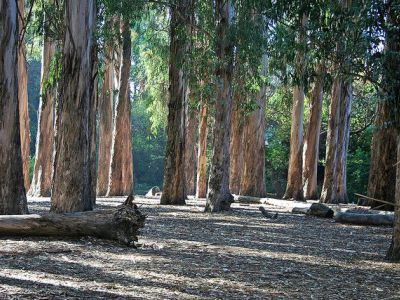
Eucalyptus on Stanford campus

That description of the old blue gums was written in 1971.  The trees are still alive and well.  I worked on the Stanford campus for 10 years and walked among those trees at every opportunity.

An even older Olmsted design in Oakland

Mountain View Cemetery in Oakland, California was designed by Frederick Law Olmsted in the 1860s.  Like most of the East Bay, the site was treeless.  Olmsted’s design was an eclectic collection of mostly non-native trees, including blue gums.  The cemetery is on steep, windward facing hills, where the windbreak provided by blue gums is particularly valued.

Eucalyptus in Mountain View Cemetery, planted on an unirrigated windward facing hill. 2017

Update:  This venerable old giant was destroyed in September 2018, along with about 150 other trees of different species, including oaks. I did not protest before or after the trees were destroyed because they were on private land and their removal makes way for more grave sites. However, I will mourn its loss.

Olmsted designed a straight avenue through the cemetery lined with magnolia trees.  Many of the magnolia trees have died and those that remain are in poor condition.  SelecTree claims that the life span of Southern magnolia is “greater than 150 years,” which is contradicted by our local experience.

The current owner of the cemetery destroyed many of the blue gums about 5 years ago, in the middle of the extreme drought.  He replaced many of the blue gums with redwoods.  The redwoods are irrigated and are still surviving.  I did not object to the removal of the blue gums because they are on private property.  I confine my advocacy to healthy trees on public land.

Long live the blue gums!

SelecTree has revised its listing of blue gum longevity based on the information we provided.  The myth that our blue gums are dying of old age will not die as easily.  We will have to repeat this information many times and in many different venues, just as we did for every other myth.  If and when that particular myth dies, we can be sure there will be another waiting in the wings.  Ideologies stubbornly persist, despite contradictory evidence.  And yet, we just as stubbornly persist in defense of our urban forest.


(1) Here is the public record, on which my report about the trees in Burlingame is based:

Endangered Species Law is under fire

Like most of our federal laws and regulations intended to protect the environment, the Endangered Species Act is under fire because the political party now in power is opposed to government regulations that impose any perceived limitations on economic activity.  There are a number of laws grinding their way through the legislative process that would revise, if not gut the ESA.*

I have mixed feelings about the threats to weaken the ESA because there is widespread agreement that the law could be improved.  When it was created, over 40 years ago, it was based on the scientific knowledge available at the time.  For example, recently available molecular analysis has greatly improved our ability to accurately identify species.

Climate change was but a glimmer on the distant horizon 40 years ago.  Now most people understand that climate change will cause many extinctions that the ESA is powerless to prevent.  Emaciated polar bears standing on small islands of ice are the poster children for the impact of climate change on rare animals.

The political threats to the ESA have focused the attention of the media on specific examples of endangered species and the efforts to prevent their extinction.  Each one illustrates a different issue with the existing law.

Attempts to solve one problem cause other problems

Greater sage grouse

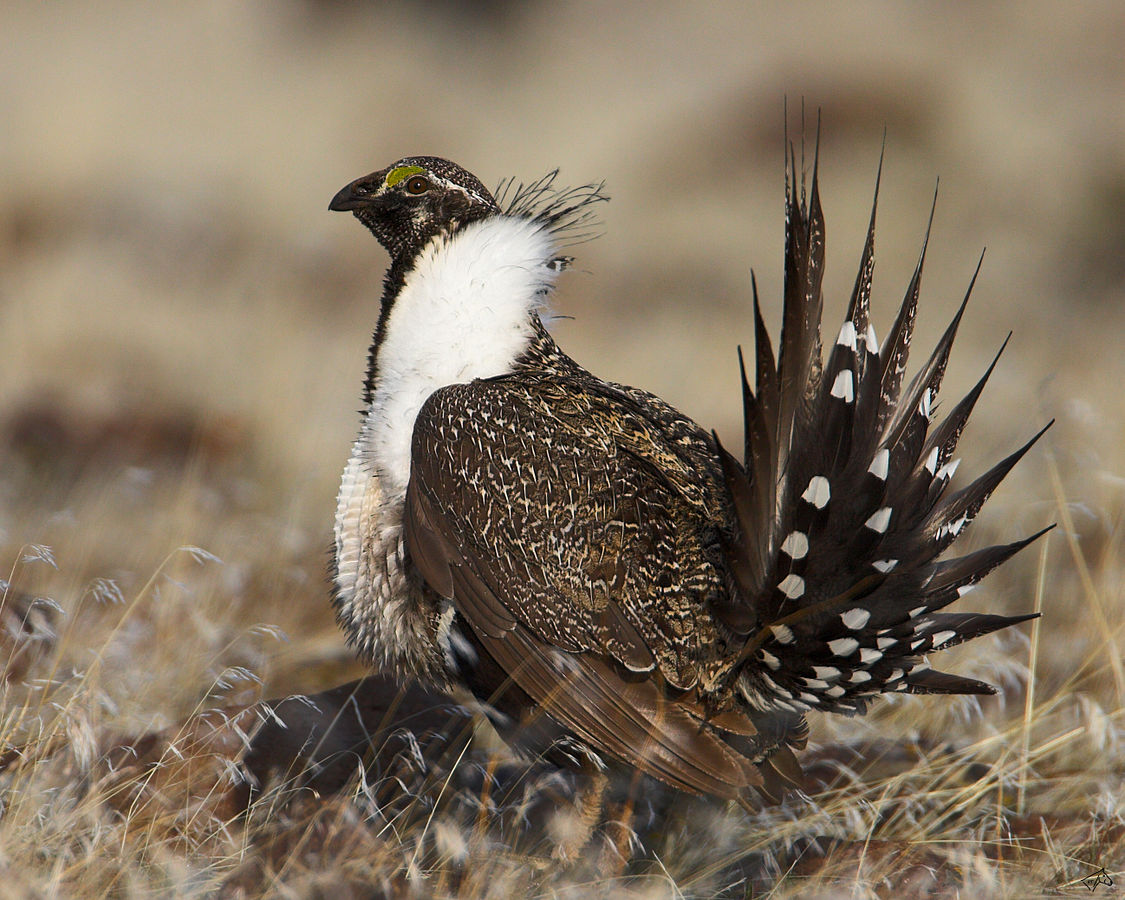
The Greater sage grouse is a critically endangered bird (although not officially designated as such) that requires sagebrush for its home.  In an effort to expand habitat for the grouse, land managers destroyed native junipers that were spreading into grouse habitat.  A few years later they determined that destroying the trees did not produce the desired habitat.  Instead, non-native annual grasses have colonized the bare ground and many sapling junipers are growing from the seed bank left by the trees that were destroyed. (1)

Instead of calling the tree destruction a failed experiment, the scientists now propose to escalate the eradication effort.  They now plan to use herbicides and prescribed burns to eradicate the non-native annual grasses.  Given the persistence of herbicides in the soil, more sagebrush may not be the ultimate outcome.  And the sage grouse are unlikely to benefit from either poisoned vegetation or fires in their habitat.

Some extinctions are the unintended consequence of misguided “conservation” efforts

When European rabbits were intentionally imported to Australia, predictably the population quickly exploded.  A virus was then intentionally imported to kill the rabbits.  Like many biocontrols, the virus spread into the native range of the rabbits about 20 years ago, including into Spain.

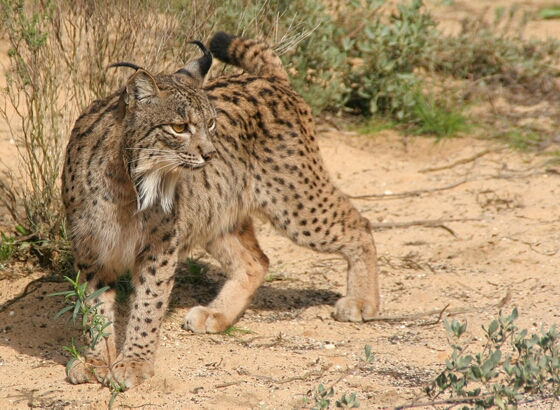
Iberian lynx. Creative Commons

The Iberian lynx is very rare partly because it is a picky eater.  Curiously, rabbits are the strongly preferred prey of the Iberian lynx.  There were enough rabbits available for the lynx until the rabbits were wiped out by the virus that was unintentionally imported to Spain.  The population of Iberian lynx plummeted to only 100 known individuals.  That’s when the EU version of the ESA kicked into action.

The Iberian lynx is now bred in captivity, a complex and challenging process likened to “having a nursery for rich kids in which you have a teacher for each kid.”  Needless to say that is an expensive proposition.  Releasing the lynx back into the wild required that 50,000 rabbits (costing $12.30 each) be simultaneously released into lynx territory.  The project cost $42 million over a period of 7 years.  (2)

The Spanish environmental official responsible for the project was visibly irritated when asked about the cost of the program.  He said “some ‘ignorant’ pundits were drawing unflattering comparisons between how much was being spent on the lynx compared to funding allocated to offset social issues such as unemployment.”  The strongest defenses of extreme efforts to save rare species are made by those who earn their living on them. (2)

Growing number of “conservation reliant” species

An article in the New York Times magazine recently asked this rhetorical question, “Should some species be allowed to die out?”  (3) The article focused on Hawaii because it is a place where heroic efforts have been made to save endangered species.  Nearly 50% of 1,280 federal endangered species are in Hawaii.  Over 80% of all endangered species are considered “conservation reliant,” a term used to describe the plants and animals that are permanently on life support.  They will not survive if not permanently tended by humans in hothouses and animal shelters.

Hawaii has the most endangered species because they evolved in isolation in a distant place with no interaction with the outside world until about 700 years ago.  That isolation cannot be recreated without stopping all trade and travel to and from Hawaii.  That is clearly not going to happen.  If the underlying conditions that cause extinctions cannot be reversed, no amount of human effort is likely to prevent the extinction.

Although I consider most of these efforts futile, that is not the conventional wisdom.  There are over 300 comments on the article in the NY Times that are overwhelmingly supportive of the ESA and the heroic efforts to save rare species.

Confiscation of private land

Dusky gopher frog

The ESA enables the government to designate both public and private land as “critical habitat” for endangered animals.  The US Supreme Court has agreed to hear a case about the application of the Endangered Species Act that enabled the federal government to designate 1,600 acres of private land as critical habitat for an endangered frog. That designation will prevent the land owner from developing the land or using it for a different purpose other than providing POTENTIAL habitat for a frog that has not been seen in that part of the country since 1965.  US Fish & Wildlife also concedes that the frog cannot live on the land in its present condition and requires modification to accommodate the needs of this frog.  (4)

Needless to say, private land owners aren’t enthusiastic about the loss of the use of their land for purposes other than supporting a specific rare animal.

Assisted migration?

Torreya taxifolia near Cincinnati, Ohio

Torreya taxifolia, commonly known as Florida nutmeg, was classified as endangered in 1984.  It was attacked by a fungal blight about 70 years ago that has decimated its population in its small native range on the Florida panhandle.  It is an example of one of the major obstacles to keeping rare plants alive because it is very difficult to propagate:

Unlike most plants, the tree has so-called recalcitrant seeds, which cannot be preserved in conventional seed banks because they can’t survive drying. This necessitated the development of a tissue-culture system for the species called somatic embryogenesis. Embryos are surgically removed from fully developed seeds, then cultured in vitro to encourage the formation of multiple embryos. These can be safely preserved in a new cryogenic storage unit obtained by Atlanta Botanical Garden, in which the resulting plantlets are coaxed into a state of suspended animation at -321° Fahrenheit in liquid nitrogen.” (5)

This labor-intensive method of germinating the seeds of Torreya taxifolia has enabled scientists to grow Torreya in several botanical gardens in places distant from its native range.  Tree activists want to introduce the tree to wildlands in distant locations where the fungal pathogen that is killing the tree in its native range doesn’t exist.  This is called “assisted migration,” a controversial strategy that is prohibited by the ESA.  Moving endangered plants and animals requires the approval of the US Fish and Wildlife Service, permission they have so far denied for Torreya.

The ESA defines the criteria for recovery and removal of endangered status.  The plant must be living on its own “in the wild” and must successfully reproduce naturally for at least two generations.  Given the circumstances of this rare tree and many other “conservation reliant” species, it seems they are permanently doomed to be permanently legally protected endangered species.

The ESA’s reluctance to enable the movement of species from their native ranges is inconsistent with the realities of climate change.  When the climate changes, the vegetation changes.  To prevent that from happening is to doom the vegetation and the animals that require the vegetation to extinction.  The ESA has become an obstacle to survival, rather than a tool to ensure survival.

Improving the Endangered Species Act?

In summary, the Endangered Species Act can be improved to achieve its original purpose as a means of preventing extinctions of plants and animals, as illustrated by the examples listed above:

  • Actions intended to help a rare species should not inflict further damage on the environment, such as biocontrols, pesticides, and killing other animals considered competitors.
  • Plant and animal species that require permanent human intervention to survive should be removed from life support after decades of such intensive care. Humans often make that choice for themselves at the end of life and it is widely considered a humane choiceTriage is an ethical strategy in the medical profession and it should be in conservation as well.
  • Private property rights should be respected by the Endangered Species Act. The political cost of such confiscations are too high a price to pay for the meager benefits to the species in question.
  • If the underlying cause of an extinction is a fundamental change in the environment that cannot or will not be changed, it is pointless to aim conservation efforts at symptoms of the change, rather than causes of the change. For example, if melting Arctic ice opens a corridor between the Atlantic and Pacific oceans, it is pointless to try to prevent the movement of sea life between those oceans.
  • Plants and animals that can no longer survive in their native ranges because of changes in conditions, should be carefully considered for introduction to places with suitable conditions.

This wish list has nothing to do with the legislative effort to weaken the ESA.  That political effort is in the service of economic interests, such as fossil fuel exploitation and mining, and is not intended to benefit the rare plants and animals presently protected by the law. 


* “But under the Trump administration, at least 63 separate legislative efforts to weaken the [ESA] act have been undertaken since January 2017, according to the Centre for Biological Diversity.”  New York Times, April 22, 2018.

  1. http://www.argusobserver.com/news/tree-removal-could-spread-invasive-grasses/article_88eba0da-2a5b-11e8-862a-6734dbe7a90a.html
  2. https://www.nytimes.com/2018/03/31/world/europe/iberian-lynx-spain-portugal.htmlhttps://www.nytimes.com/2018/03/31/world/europe/iberian-lynx-spain-portugal.html
  3. https://www.nytimes.com/2018/03/13/magazine/should-some-species-be-allowed-to-die-out.html?hpw&rref=magazine&action=click&pgtype=Homepage&module=well-region&region=bottom-well&WT.nav=bottom-well
  4. https://www.cnn.com/2018/01/22/politics/dusky-gopher-frog/index.html
  5. https://e360.yale.edu/features/for-endangered-florida-tree-how-far-to-go-to-save-a-species-torreya


Action Opportunity: Draft of Oakland’s Vegetation Management Plan

The City of Oakland applied for a FEMA pre-disaster mitigation grant in 2005 to clear-cut all non-native trees on 122 acres of city owned property in the East Bay hills, based on the claim that it would reduce fire hazards.  FEMA cancelled that grant in September 2016 in settlement of a lawsuit against the project. 

The City of Oakland began the process of writing a new plan to reduce fire hazards in the hills by hiring a consultant to develop a Vegetation Management Plan in November 2016.  The new plan will be much more comprehensive than the original plan, covering 1,925 acres of open space and 308 miles of roadside in Oakland.  Oakland also made a commitment to an open public process to develop the plan.  A survey of public opinion was conducted and two public meetings were held in 2017. 

A draft of Oakland’s Vegetation Management Plan is now available HERE.  There are detailed maps of the areas that will be covered by the plan.  We suggest you take a look at those maps to determine what effect the plan will have on your neighborhood and the parks and open spaces you visit.

 A public meeting about the draft was held on May 23, 2018 and written public comments will be accepted until June 11, 2018. Comments may be submitted in the following ways: Download comment card; Email VMPcomments@oaklandvegmanagement.org; Mail:  266 Grand Avenue, Suite 210, Attn: Ken Schwarz, Oakland, CA 94610.  We hope you will participate in this public process that will determine the future of much of the landscape in the Oakland hills.

We are publishing an excerpt of the written public comment of one of our readers, which we hope will help you understand the issues and to write a comment of your own.  Asterisks indicate where some detail has been omitted.  You can see the entire public comment HERE: Oakland Draft Vegetation Management Plan – public comment

 Million Trees


Ken Schwarz
Horizon Water & Environment
266 Grand Avenue, Suite 210
Oakland, CA 94610

I am broadly supportive of the Draft Vegetation Management Plan (DVMP) because:

  • It will create defensible space around structures in Very High Wildfire Hazard Severity Zones.
  • It will clear easily ignited vegetation on roadsides in places where fire hazards are greatest.
  • It sets priorities for implementation in places where fire hazards are greatest.

These three elements of the plan will reduce fire hazards while limiting destruction of trees and vegetation and being fiscally responsible.

My public comment will identify some weaknesses in the plan and make specific suggestions for improving the plan with the goal of minimizing fire hazards as well as collateral damage to the environment.

The 300-foot “buffer” zone is unnecessarily destructive.  California law requires 100-feet of defensible space around structures.  The DVMP proposes extending defensible space along roadsides and around structures to 300-feet, the length of a football field.  Such a wide clearance of vegetation greatly exceeds California fire code and is therefore unnecessarily destructive.  In a recently published op-ed in the Los Angeles Times, two academic scientists confirm our understanding of how to keep our communities safe:  “The science is clear that the most effective way to protect homes from wildfire is to make homes themselves more fire-safe, using fire-resistant roofing and siding, installing ember-proof vents and exterior sprinklers, and maintaining “defensible space” within 60 to 100 feet of individual homes by reducing grasses, shrubs and small trees immediately adjacent to houses. Vegetation management beyond 100 feet from homes provides no additional protection.”[1]

The buffer zone should be eliminated, reduced in size, or reduced to Priority 3 so that it is less destructive and costly. 

*************************

The description of herbicide use in the draft is unnecessarily vague, because it provides no information about what herbicides will be used and the health and environmental hazards of specific herbicides.  Nor does it explain how, where, or why herbicides will be used.

Instead of providing that information, the plan describes the public’s opposition to herbicides as “social stigma,” which implies that our opposition is a baseless prejudice against herbicides.  In fact, our opposition is based on scientific information about the dangers of herbicides and those dangers must be acknowledged by the final version of this plan.

The dangers of herbicides are well documented and well known. ****** Here is a brief list of some of the most recent studies that conclude that glyphosate products are very dangerous to the health of animals and humans:

  • The International Agency for Research on Cancer classified glyphosate as a “probable human carcinogen” in 2015. The IARC is composed of an international team of scientists convened by the World Health Organization of the United Nations.
  • The State of California responded to that news by requiring all glyphosate products sold in the State to be labeled as carcinogens. The State was sued several times by the manufacturer of Round Up—Monsanto–to prevent the labeling requirement.  The State of California recently won in the state court of appeals[2].  Unless Monsanto appeals and wins in the State Supreme Court, all glyphosate products will be labeled as carcinogens in California.
  • US National Toxicology Program recently conducted tests on formulated glyphosate products for the first time. In the past, tests were conducted only on the active ingredient…that is glyphosate alone. The formulated products that are actually applied as weed killers contain many other chemicals, some of which are not even known. The head of the National Toxicology Program Laboratory, told The Guardian newspaper the agency’s work is ongoing but its early findings are clear on one key point. “We see the formulations are much more toxic. The formulations were killing the cells. The glyphosate really didn’t do it,” DeVito said. A summary of the NTP analysis said that “glyphosate formulations decreased human cell ‘viability’, disrupting cell membranes. Cell viability was ‘significantly altered’ by the formulations, it stated.”[3]
  • The Global Glyphosate Study is being conducted by six scientific institutions all over the world. ******* This international consortium of scientific institutions recently published preliminary resultsof their study: “The results of the short-term pilot study showed that glyphosate-based herbicides (GBHs) were able to alter certain important biological parameters in rats, mainly relating to sexual development, genotoxicity and the alteration of the intestinal microbiome, at the ‘safe’ level of 1.75 mg/kg/day set by the U.S. Environmental Protection Agency (EPA).”[4]  In other words, at doses deemed safe by the US EPA, significant negative health effects were found in animals used in testing.
  • The German Agriculture Minister announced on April 17, 2018 that she was finalizing a draft regulation to end use of the weed-killer glyphosate in household gardens, parks and sports facilities, and to set “massive” limits for its use in agriculture.[5] Germany is one of 25 countries that have issued outright bans on glyphosate, imposed restrictions or have issued statements of intention to ban or restrict glyphosate-based herbicides, including Roundup  Countless US states and cities have also adopted such restrictions. [6]
  • Marin Municipal Water District quit using all pesticides in 2015. In a letter to East Bay Municipal Utilities District, a member of the Board of MMWD explains why that decision was made.  (Attachment 2)  MMWD hired scientists at UC Davis to conduct a study of the biological persistence of glyphosate.  They found that glyphosate persisted for at least 84 days when applied to foliage, and perhaps longer after the study ended.

Garlon with the active ingredient triclopyr is more toxic than glyphosate.  Garlon is the herbicide that is used to prevent eucalyptus and acacia from resprouting when the trees are destroyed.  Its use was also specifically allowed for that purpose by Oakland City Council Resolution 79133.   Although the DVMP does not mention its use, we assume—unless specifically told otherwise by the final version of the VMP—that Garlon will be used to control resprouts.

  • Triclopyr is an organochlorine product, in the same family of pesticides as DDT, which was banned in the US in 1972. Organochlorine products bioaccumulate and are very persistent in the environment.  Nearly 50 years after it was banned, DDT is often found in the ground, in the water, and in people’s bodies.[7]
  • Organochlorine products are endocrine disrupters. The Pesticide Research Institute did a risk assessment of triclopyr for the California Invasive Plant Council.  They reported that triclopyr “poses reproductive and developmental risks to female applicators.” [8]
  • The Pesticide Research Institute did a risk assessment of triclopyr for Marin Municipal Water District in which they informed MMWD that birds and bees are both harmed by triclopyr and mycorrhizal fungi in the soil are damaged by triclopyr.[9]

More research has been done on Round Up than on Garlon because it is more widely used.  It is more widely used, partly because it is actually less dangerous than Garlon (it is also a non-selective plant-killer).  Because of the toxicity of Garlon, several public land managers in the Bay Area have made a commitment to controlling resprouts without using herbicides: ******** Marin Municipal Water District,  Marin County Parks and Open Space, UC San Francisco, and East Bay Municipal Utilities District (the supplier of our drinking water).

*************************

There is no evidence that eucalyptus is inherently more flammable than native trees. ******** Eradicating non-native trees and shrubs will not reduce fire hazards because they are not inherently more flammable than the native vegetation that will remain.  Therefore, the reduction of fuel loads must be based on flammability, NOT the nativity of the flammable species.  The nativity of plant species is irrelevant to reducing fire hazards and must be abandoned as criterion for destroying plants and trees.

Vegetation that burned in the North Bay fires of October 2017 was almost exclusively native. Source: Bay Area Open Space Council

I support the thinning of eucalyptus, acacia, Monterey pine and cypress to reduce fuel loads, as long as the canopy is intact.  ******** When the canopy is intact, the forest floor is shaded which retains moisture that retards ignition and suppresses the growth of easily ignited weeds. The DVMP proposes to thin the targeted non-native trees to distances of 35 feet, creating gaps in the canopy of 10 feet within the 300-foot “buffer zone.”  The distance between the trees must be reduced to 25 feet to maintain the canopy.  In addition to reducing fire hazards, maintaining the canopy will also be less destructive and will reduce the amount of stored carbon released into the atmosphere.

Tilden Park, October 2016. East Bay Regional Park District has thinned this area to distances of 25 feet between remaining trees. The forest floor is still shaded because the canopy is intact.

My greatest disappointment in the DVMP is its proposal to remove all individual non-native trees where they presently exist in native vegetation outside the “buffer zone.” ******** Removing non-native trees in riparian areas and in redwood groves as proposed by the DVMP is not fire hazard mitigation because fire hazards in those areas are minimal.

*****************************

Furthermore, destroying healthy trees damages the trees that remain because the herbicide that is used to prevent eucalyptus and acacia from resprouting is mobile in the soil and it is known to damage mycorrhizal fungi in the soil that is essential to the health of the native trees.  ******* It is not possible to destroy isolated trees without damaging neighboring trees in close proximity. ****** Studies show that eucalyptus trees in native forests are not doing any damage to neighboring trees. ********

If individual non-native trees within native vegetation are not doing any environmental damage and do not increase risk of fire they should not be destroyed because destroying them WILL damage native vegetation.  Please leave them alone!

 Putting the DVMP into the long-term big picture

Finally, I suggest that we all take a step back from the details of the DVMP and consider the proposal in the context of the entire environment.  The final VMP must minimize damage to the environment while mitigating fire hazards because:

  • The climate has changed and it will continue to change. When the climate changes, the vegetation changes.  That is one of the axioms of ecology and it will continue to be.  If non-native plants and trees are better adapted to the current and anticipated climate, we should abandon futile attempts to force plants to live where we want them to live.
  • If we want trees in California, we must look to the future, not the past. 130 million native conifers have died in California since 2010. 5-10 million oaks in California have been killed by Sudden Oak Death. The future of redwoods in California is in jeopardy because they require a lot of water and they don’t tolerate wind.

********************

A climate change specialist at the US Forest Service tells us in a recent study that native tree species are the most vulnerable to climate change. USFS found that native trees are more vulnerable to the changes in temperature, precipitation, growing season, and other effects of accumulating greenhouse gases. The assessment found that 88 percent of invasive tree species are expected to prove resilient in the changing climate, ranked with low vulnerability, compared to 20 percent of natives.[10]

  • We are contributing to climate change by destroying healthy trees that are storing tons of carbon that will be released into the atmosphere as the destroyed trees decay. The primary reason why wildfires are more frequent and more intense is because of the warmer, drier climate.  Therefore destroying more trees than necessary increases fire hazards because we are exacerbating climate change by destroying more trees than necessary.
  • It is a fiction that destroying trees will release less carbon than the wildfires imagined by those who demand their destruction. According to a recently completed study at Oregon State University, “wildfire is not the biggest source of climate-warming carbon dioxide in Oregon forests—logging and wood products are.”[11]

*******************

The trees that will be destroyed in Oakland will not be used as lumber, which means they will contribute even more carbon to the atmosphere.  Timber that is used for building retains its stored carbon until the building deteriorates or is destroyed.

  • The herbicides that are used to destroy vegetation and prevent trees from resprouting damage the soil and pose serious health risks to animals and humans. The more vegetation and trees the VMP destroys, the greater the damage caused by herbicides.  Therefore, we must minimize the amount of vegetation that is destroyed as much as possible if herbicides are used.

We achieve nothing if the damage we do to the environment and to ourselves is greater than real or imagined reduction in fire hazards.

Thank you for your consideration.

Resident of
Oakland, California
June 2018


[1] http://www.latimes.com/opinion/op-ed/la-oe-hanson-miller-governor-fire-orders-20180525-story.html

[2] https://www.sfgate.com/news/article/State-can-label-widely-used-herbicide-as-possible-12849147.php

[3] https://www.theguardian.com/us-news/2018/may/08/weedkiller-tests-monsanto-health-dangers-active-ingredient

[4]https://sustainablepulse.com/2018/05/22/monsanto-in-epic-fail-with-attempted-attack-on-global-glyphosate-study/?utm_source=newsletter&utm_medium=email&utm_campaign=gmos_and_pesticides_global_breaking_news&utm_term=2018-05-23#.WwhUfkgvyUl

[5] https://sustainablepulse.com/2018/04/17/germany-moving-ahead-with-plans-to-restrict-weed-killer-glyphosate/?utm_source=newsletter&utm_medium=email&utm_campaign=gmos_and_pesticides_global_breaking_news&utm_term=2018-04-18#.WwhWWUgvyUl

[6] https://www.baumhedlundlaw.com/toxic-tort-law/monsanto-roundup-lawsuit/where-is-glyphosate-banned/

[7] https://www.sciencealert.com/ddt-consistently-found-in-humans-study

[8] https://www.pesticideresearch.com/site/pri-resource-centers/weed-management-resource-center/herbicide-risk-comparisons/workers/

[9]http://www.marinwater.org/DocumentCenter/View/254/HRA_Chap4_Triclopyr_1_1_2010

[10] https://www.forbes.com/sites/jeffmcmahon/2018/04/15/hug-your-native-trees-goodbye-thanks-to-climate-change/#4ad4a4176abd

[11] https://www.hcn.org/articles/climate-change-timber-is-oregons-biggest-carbon-polluter

Oyster Bay: A firehose of public funding supplies a firehose of herbicides

Oyster Bay is one of several East Bay Regional Parks along the east side of the bay that is a former garbage dump built on landfill.  We visited Oyster Bay for the first time in 2011 after a former Deputy General Manager of the park district told us that it is a “beautiful native plant garden” and a model for a similar project at Albany Bulb, another former garbage dump being “restored” by the park district.

When we visited seven years ago, we found a park in the early stages of being destroyed in order to rebuild it as a native plant museum.  Since there were never any native plants on this landfill, we can’t call it a “restoration.”  We took many pictures of the park in 2011 that are available HERE.

We recently decided it was time to revisit the park when we noticed pictures of it in the recently published annual report of the park district’s Integrated Pest Management program, indicating recent changes in the development of the park.  My article today is about what is happening now at Oyster Bay.  It is still not a “beautiful native plant garden.”

“Restoring” grassland

Non-native annual grassland. Oyster Bay April 2011

Seven years ago, most of Oyster Bay was acres of non-native annual grasses.  Since then, most of those acres of grassland have been plowed up and are in various stages of being planted with (one species?) native bunch grass (purple needle grass?).

Stages of grassland conversion. Oyster Bay May 2018

On our May 1st visit, there were at least 8 pesticide application notices posted where the native bunch grass has been planted.  Several different herbicides will be used in those sprayings:  glyphosate, Garlon (triclopyr), and Milestone (aminopyralid).

Herbicide Application Notices, Oyster Bay May 2018

Grassland “restoration” in California is notoriously difficult.  Million Trees has published several articles about futile attempts to convert non-native annual grassland to native grassland:

We wish EBRPD good luck in this effort to convert acres of non-native annual grass into native bunch grass.  Frankly, it looks like a lot of public money down the drain to us.  It also looks like an excuse to use a lot of herbicide.  Who benefits from this project?  Not the taxpayer.  Not the park visitor who is now exposed to a lot of herbicide that wasn’t required in the past.  Not the wildlife, birds, and insects that lived in and ate the non-native vegetation. (We spotted a coyote running through the stumps of bunch grass.  Was he/she looking for cover?)

Redwing blackbird in non-native mustard. Oyster Bay May 2018

Destroying trees and replacing them

P1010129
Pittosporum forest was an excellent visual screen, sound barrier, and wind break. It was healthy and well-suited to the conditions on this site. It was probably home to many animals. Oyster Bay April 2011

When we visited Oyster Bay in 2011, many trees had already been destroyed, but there was still a dense forest of non-native pittosporum.  That forest is gone and the park district has planted one small area with native trees as a “visual screen” of the Waste Management Facility next door.  We identified these native trees and shrubs:  ironwood (native to the Channel Islands), coast live oak, buckeye, toyon, juniper, mallow, holly leaf cherry, and redbud.

Native trees planted at Oyster Bay, May 2018

Ground around trees is green with dye used when herbicide is sprayed. Oyster Bay, May 2018

We also saw a notice of herbicide application near the trees.  The ground around the trees was covered in green dye, which is added to herbicide when it is sprayed so that the applicator can tell what is done.  There were men dressed in white hazard suits, driving park district trucks, apparently getting ready to continue the application of herbicides.

Will the trees survive this poisoning of the soil all around them?  There are many examples of trees being killed by spraying herbicides under them.  Herbicides are often mobile in the soil.  Herbicides damage the soil by killing beneficial microbes and mycorrhizal fungi that facilitate the movement of water and nutrients from the soil to the tree roots.

Herbicide sprayed around newly planted trees. Oyster Bay May 2018

Not a fun day at the park

It wasn’t a fun day at the park and it isn’t fun to write about it.  I decided to tell you about this visit after reading the most recent edition of the Journal of the California Native Plant Society, Fremontia (Vol. 46 No. 1).  The introductory article of this “Special Issue on Urban Wildlands” is illustrated with a photo of Oyster Bay.  I nearly choked on this statement in that article:  “In order to control invasive plants, agencies and volunteers have sometimes resorted to using herbicides as a step in integrated pest control.  While use of herbicides is contentious, the use for spot treatments has enabled small groups of volunteers to successfully eliminate invasive weeds in some areas where future herbicide use will not be needed.” 

That is a PATENTLY FALSE statement.  The California Invasive Plant Council conducted a survey of land managers in 2014.  Ninety-four percent of land managers reported using herbicides to control plants they consider “invasive.”  Sixty-two percent reported using herbicides frequently.  The park district’s most recent IPM report for 2017 corroborates the use of herbicides to eradicate plants they consider “invasive.”  The park district report also makes it clear that they have been spraying herbicide for a very long time.  For example, they have been spraying non-native spartina marsh grass (in the bay and along creeks) with imazapyr for 15 years!

Attempting to eradicate non-native plants is NOT a short-term project.  It is a forever commitment to using herbicides…LOTS of herbicide.  To claim otherwise is to mislead, unless you are completely ignorant of what is actually being done. 

You are paying for this

Another reason why I am publishing this article is to inform you that you are paying for these projects.  The park district recently published a list of 492 active park improvement projects in 2018 (scroll down to page 71), many of which are native plant “restorations.” The majority of them are being paid for with grants of public money from federal, State, and local agencies as well as a few parcel taxes.  Taxpayers had the opportunity to vote for the parcel taxes.  They will have the opportunity to vote for new sources of funding for these projects:

  • Proposition 68 will provide $4.1 BILLION dollars for “park and water” improvements. It will be on your ballot on June 5, 2018. Roughly a third of the money will be allocated for “protection of natural habitats.” (1) Although the project at Oyster Bay does not look “natural” to us, that’s how the park district and other public agencies categorize these projects that (attempt to) convert non-native vegetation to native vegetation.
  • Measure CC renewal will be on the ballot in Alameda and Contra Costa counties on November 6, 2018.  The park district has made a commitment to allocate 40% of the available funding to “natural resource projects.” Although the anticipated revenue (about $50 million) seems small, it is used as leverage to apply for big State grants, which require cost-sharing funding.  Measure CC is essentially seed money for the much bigger federal and State funding sources.

I would like to vote for both of these measures because our parks are very important to me.  If voting for these measures would actually improve the parks, I would do so.  But that’s not what I see happening in our parks.  What I see is a lot of damage:  tree stumps, piles of wood chips, dead vegetation killed by herbicides, herbicide application notices, signs telling me not to step on fragile plants, etc.

Stay out of Oyster Bay to avoid unnecessary exposure to herbicides and keep your dogs out of Oyster Bay for the same reason. Unfortunately wildlife doesn’t have that option. They live there. Oyster Bay, May 2018


  1. “States big bond for little projects,” SF Chronicle, May 5, 2018

Catalina Island: Island ecology and restoration

Catalina Island is dear to my heart because of several childhood vacations there.  It was thrilling to return after 60 years and find it unchanged from my memories.  Avalon, the small town of about 3,500 people, is still a quaint collection of little wooden shacks, painted bright colors.  But as an adult, my recent visit to Catalina was broader and encompassed the entire island, which was unknown to me as a child.  That broader perspective on Catalina is my focus today. (1)

Avalon Harbor, Catalina Island. Creative Commons

Catalina is one of the Channel Islands off the coast of Southern California.  It rose from the ocean about 5 million years ago as the result of geologic processes lifting the ocean floor as tectonic plates collided.  Like other oceanic islands (as opposed to those that broke off from continents), it was composed of barren rock for thousands of years.  It took thousands of years to build soil needed to support plants.  Then it took thousands of years to establish plants from the seeds blown in the wind from the mainland, brought by birds in their stomachs or adhered to their feathers and feet, or brought by waves carrying plants in storms.  When plants gained a foothold, the island was able to support insects brought by wind and waves.

The process of populating Catalina with plants and animals accelerated with the arrival of American Indians about 10,000 years ago.  Foxes were probably brought to Catalina by the Indians and oaks probably arrived as acorns brought by the Indians.  Archaeological remains of Indian settlements indicate that there were as many as 2,500 Indians living on Catalina, using only the food and materials available on the island or the surrounding ocean.

Most of the plant and animal life on Catalina came from the mainland of California, only 22 miles away from the island.  When plants and animals evolve in isolation from their ancestors, their gene pools gradually drift apart and are eventually distinct species.  That’s why there are about 60 plant and animal species on Catalina that are endemic, meaning that they exist only on Catalina.  This process of diverging evolution from mainland ancestors to unique island species is typical of all island ecosystems.

Europeans arrive on Catalina

Catalina was visited by Spanish explorers for the first time in 1542 and again in 1602.  Although their visit was brief, it was fatal because they brought diseases to which Europeans were immune and the Indians were not.  Most of the Indians on the island were killed by those diseases, a scenario that played out all over the New World in the 16th and 17th centuries.

Europeans tried to establish communities on the island in the 19th century, but their economic ventures were not successful.  They brought sheep, cattle and goats.  But there wasn’t sufficient forage for their herds and supplementing their diets by growing hay wasn’t economically viable.  They tried mining, but found little of value.  They introduced animals for hunting, such as mule deer and pigs.

Towards the end of the 19th century, Europeans made their first attempt to turn the island into a tourist destination.  The first effort ended when the entire town of Avalon burned in a fire in 1915.  That fire set the stage for the final chapter in the development of the island.  William Wrigley Jr. was able to purchase the entire island in 1919 in the “fire sale” that resulted in a bargain price.

The Wrigley Era on Catalina

William Wrigley Jr. made his fortune manufacturing and selling chewing gum.  He had the means to indulge his passion for the island, which he envisioned as a recreational paradise.  He built a magnificent Art Deco casino in Avalon that opened in 1929 and turned the town of Avalon into a famous destination that attracted celebrities as well as one million visitors each year, arriving on the huge steamers Wrigley built to bring them to Catalina.

Bison on Catalina Island. Creative Commons

Many movies were made on Catalina and movie stars were frequent visitors to the island.  One of the movies brought bison to the island to feature in their western themed story.  The bison herd grew and eventually became another challenge to the survival of vegetation on the island.

The conservancy era on Catalina

When William Wrigley died, his heirs changed the direction of the island’s development.  The island could have continued to grow into a tourist destination, but in 1972 Wrigley’s heirs decided that nearly 90% of the island would be turned into a nature reserve.  The Catalina Island Conservancy was born.  Access and development on conservancy land is restricted.

Catalina Island Conservancy land.

The conservancy has made big investments in restoring the island’s ecosystems and protecting endemic plant and animal species.  Sheep and cattle were removed, which wasn’t difficult because those enterprises had largely failed.  Feral pigs and goats were much harder to round up and were killed by hired sharp shooters.  The extermination of the pigs and goats was as controversial on Catalina as it has been on other Channel Islands.  A decade later, “with the quality of the island habitat rebounding and increased ecotourism revenue being realized by island businesses, the bitterness surrounding the pig and goat eradication is subsiding.  Conservation, contrary to popular belief, is not one long group hug.  This stuff can be hard.”  (1) Indeed, “restorations” in the San Francisco Bay Area have caused one pitched battle after another for over 20 years.  They might have been less heated battles if all opinions had been treated with equal respect, as they seem to have been on Catalina Island.

The population of mule deer is being controlled with hunting licenses.  Most of the herd of 600 bison was given to an Indian reservation in South Dakota.  The remaining herd of 150 is being controlled by a contraception program.  Maintaining the small bison herd is considered a concession to their popularity with residents and tourists on the island.

Island fox. Catalina Island fox is a sub-species of the Island fox on other Channel Islands. USFWS

The Catalina Island Fox, an endemic species, was nearly wiped out by distemper virus introduced by a castaway raccoon.  Fortunately, conservancy staff figured out why the population dwindled to only 100 foxes in time to save the foxes from extinction.  A captive breeding and vaccination program returned the fox population to over 1,500 animals in 2011.  A captive breeding program for the island’s bald eagles has also restored their population.

Invasive species

Like most restorations, the Catalina Island Conservancy is concerned about invasive species.  However, their approach to controlling non-native plants is less extreme than many similar projects.  They consider a species of broom (Genista linifolia) their highest priority for eradication.  Although they have tried and will continue trying to control it they acknowledge that it may not be possible.

Genista linifolia is native to the Canary Islands.  It was introduced to Catalina over 100 years ago when it was used to landscape the Saint Catherine Hotel when it was originally built in 1900.  The conservancy launched the Avalon Grasses Initiative in 2016 to prevent similar introductions of grasses that have a high potential to spread on the wind—such as pampas and fountain grass–from gardens in Avalon to conservancy wildlands.  Conservancy staff quietly patrol the gardens in Avalon, looking for these exotic grasses.  When they find them they approach the property owner with their proposal to remove them and replace them with native plants.  The 20 property owners who have agreed to this proposal express satisfaction with the substitution.  This strategy seems to treat the property owners with respect. (2)

Over 200 species of non-native plants live on the island, but the conservancy considers only 35 of the species a problem.  They describe their approach to non-native plants:

“The Catalina Island Conservancy has developed a thoughtful and comprehensive set of strategies for dealing with invasive plants.  First, they realized that not all introduced plants are invasive and some are less likely to outcompete native species.  Those considered invasive were ranked according to the magnitude of the problems they present, including how widespread they are, how fast they can spread and how damaging to the local native species they are.  On the basis of this information, each highly ranked invasive species is being treated with the purpose of reducing its impact on the native communities, reducing its spread or eliminating the threat.” (1)

They acknowledge that “topical chemical treatments” are one of the methods they use to control plants they consider invasive, but details of their pesticide use are not available to me.  The conservancy is a private entity that is not subject to public record laws.

My eucalyptus litmus test

Catalina Ironwood is one of few species of native trees on the Island. It is an endemic species, like most of the native trees on the island.

There are few species of native trees on Catalina Island and their population on the island is also very small.  Therefore, most trees on the island were introduced.  Eucalyptus (mostly Red River gum and blue gum) were introduced to the island in the 1920s by the Wrigley family for a variety of reasons:  aesthetic, shade, wind break, erosion control of road cuts, etc.  Eucalypts are still there and they are the predominant tree species on the island.  Eucalyptus is found throughout the island, including the town of Avalon and several places on conservancy land, where they were planted.


The bark of Catalina ironwood is shredded, similar to the peeling bark of Blue Gum eucalyptus

The conservancy does not plan to eradicate eucalyptus on the island:  “The eucalyptus trees…are non-native, but are not highly invasive. Because of their non-invasive growth pattern and their place in the cultural heritage of the Island, they are not targeted for replacement, except when they die of natural causes.” (3)

The myth that eucalypts are highly flammable that is used as an excuse to eradicate them in Northern California is not heard on Catalina Island.  An enormous wildfire torched about 10% of the island in 2007.  The fire started on conservancy land and spread to the outskirts of Avalon where it was finally extinguished after destroying several homes.  The town was evacuated and its residents stood on the beach front watching the fire approach their homes.  The eucalyptus trees that surround Avalon did not burn.  In the conservancy description of the fire, no mention is made of eucalyptus.  Although the fire was started by unsafe use of mechanized equipment, the conservancy describes fire as a natural and beneficial feature of the chaparral ecosystem of the island.

A street in Avalon is named “Eucalyptus Street.” In the background are some of the eucalypts that surround the town of Avalon.

A restoration that makes sense

I have been studying native plant restorations for over 20 years.  I have finally found on Catalina a restoration that makes some sense to me.  The restoration on Catalina Island has been more constructive than it is destructive.  It has killed less and preserved more.  It preserves eucalyptus because they aren’t doing any harm.  It does not fabricate a cover story to justify killing eucalypts just because they aren’t native. 

The conservancy also acknowledges that difficult choices must be made and that differing opinions must be respected.  Recreational interests and aesthetic preferences are not always consistent with the goals of conservation.  The conservancy preserves bison because people like to see them, despite the fact that they are not native to the island. Competing interests must be balanced if the restoration is to be supported by residents of the island:  “We have realized that people are an intrinsic part of the nature of the island—an influential and fundamental component of the conservation effort.”  (1)


Most of this article comes from this book (1) which was written by the leadership of the Catalina Island Conservancy:

  1. Frank Hein & Carlos de la Rosa, Wild Catalina Island: Natural Secrets and Ecological Triumphs, Natural History Press, 2013
  2. “Protecting Catalina’s Wildlands from Invasive Plants,” Catalina Island Conservancy Times, Fall 2017
  3. Catalina Island Conservancy website: https://www.catalinaconservancy.org/