Going Toe to Toe with Doug Tallamy

In June 2023, Washington Post published an opinion piece advocating for the use of herbicides to kill non-native plants, in which Doug Tallamy was quoted as saying that spraying herbicide on non-native plants is “chemotherapy,”  equating non-native plants with cancer and pesticides with medical therapy.  Tallamy. and more broadly his viewpoint, received some blowback from Conservation Sense and Nonsense and others.

Thomas Christopher and Doug Tallamy collaborate on their shared mission of promoting the use of native plants and the closely related goal of eradicating non-native plants they consider a threat to native plants and insects. In October 2023, Tom Christopher (TC) gave Doug Tallamy (DT) an opportunity to respond to criticism of native plant dogma on his Growing Greener podcast that is available HERE.  Christopher also invited listeners to send him feedback on the podcast.  Professor Art Shapiro, whose work was central to the interview, has responded separately and his response is available as a footnote.  Conservation Sense and Nonsense (CSN) sent Christopher an email, which I hope he shared with Tallamy.  The following is an excerpt from that email. 


Hi Tom, Thanks for the air time for opposition to eradicating non-native plants in your interview with Doug Tallamy and for this opportunity to respond.  I’m flattered that criticism of native plant dogma has attracted some attention on the East Coast.  I’ve transcribed most of your interview with Doug Tallamy as best I can and provided some feedback to Tallamy’s viewpoint.  I sent Art Shapiro the podcast and he has responded separately.

TC:  Some people say that non-native plants are just as effective as natives in supporting food webs.  For example, buddleia that is spreading throughout the East and West is used by butterflies.

CSN:  Buddleia davidii is on California’s list of invasive plants, but it is not considered invasive in California.  It was put on California’s list because it is considered invasive elsewhere, making the point that invasive plant behavior varies depending on local conditions, such as climate.  Sweeping generalizations about invasiveness are rarely accurate. If gardeners are concerned about the potential for invasive behavior, they can plant a cultivar of buddleia that does not reproduce. 

DT:  We shouldn’t call all insects pollinators.  Just because an insect visits a flower for nectar doesn’t mean it’s pollinating that flower.  There are more visitors to flowers than there are pollinators.  Butterflies visiting buddleia are just there to sip nectar.

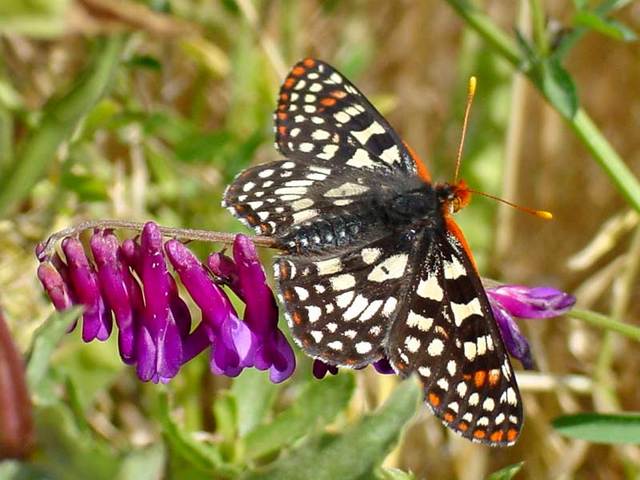
Euphydryas chalcedona
Variable checkerspot. Photo by Roger Hall

CSN:  Buddleia davidii is native to Central China.  Non-native buddleia is used by a butterfly species that is native to California and other states in the Western US.

The first actual observation of checkerspot butterflies breeding spontaneously and successfully on buddleia was in Mariposa County, California in the Sierra Nevada foothills.  Checkerspot bred there successfully on buddleia in 2005 and in subsequent years.  This colony of checkerspot on buddleia was reported in 2009:  “We conclude that buddleia davidii [and other species of buddleia] represents yet another exotic plant adopted as a larval host by a native California butterfly and that other members of the genus may also be used as the opportunity arises.” (1)

In 2017, a gardener in Mendocino County, California also reported the use of buddleia as the host plant of checkerspot:  “By now I am questioning how it was that butterfly larvae were using my butterfly bush as a host plant, completely against everything I’d ever heard. How was this possible? I emailed Art Shapiro, a very well-known butterfly expert and author, sending him a pic. He wrote back to confirm they were butterfly larvae, but added, ‘These are not mourning cloak butterflies. They are checkerspots. And the only time I’m aware this has happened [like, ever, except one in a lab in 1940…] is in Mariposa County.’” (2)

Buddleia is available as the host plant of checkerspot butterflies with a native range from Alaska south along the Pacific Coast through California and Arizona to Baja California and Mexico; east to Montana, the Dakotas, Wyoming, Colorado, New Mexico.  This is a clear case of a widespread native butterfly choosing a non-native plant as its host. 

  1.  Arthur M. Shapiro and Katie Hertfelder, “Use of Buddleia as Host Plant by Euphydryas chalcedona in the Sierra Nevada foothills, California,” News of the Lepidopterists’ Society, Spring 2009
  2. http://plantwhateverbringsyoujoy.com/never-pull-up-and-discard-what-you-cannot-identify/

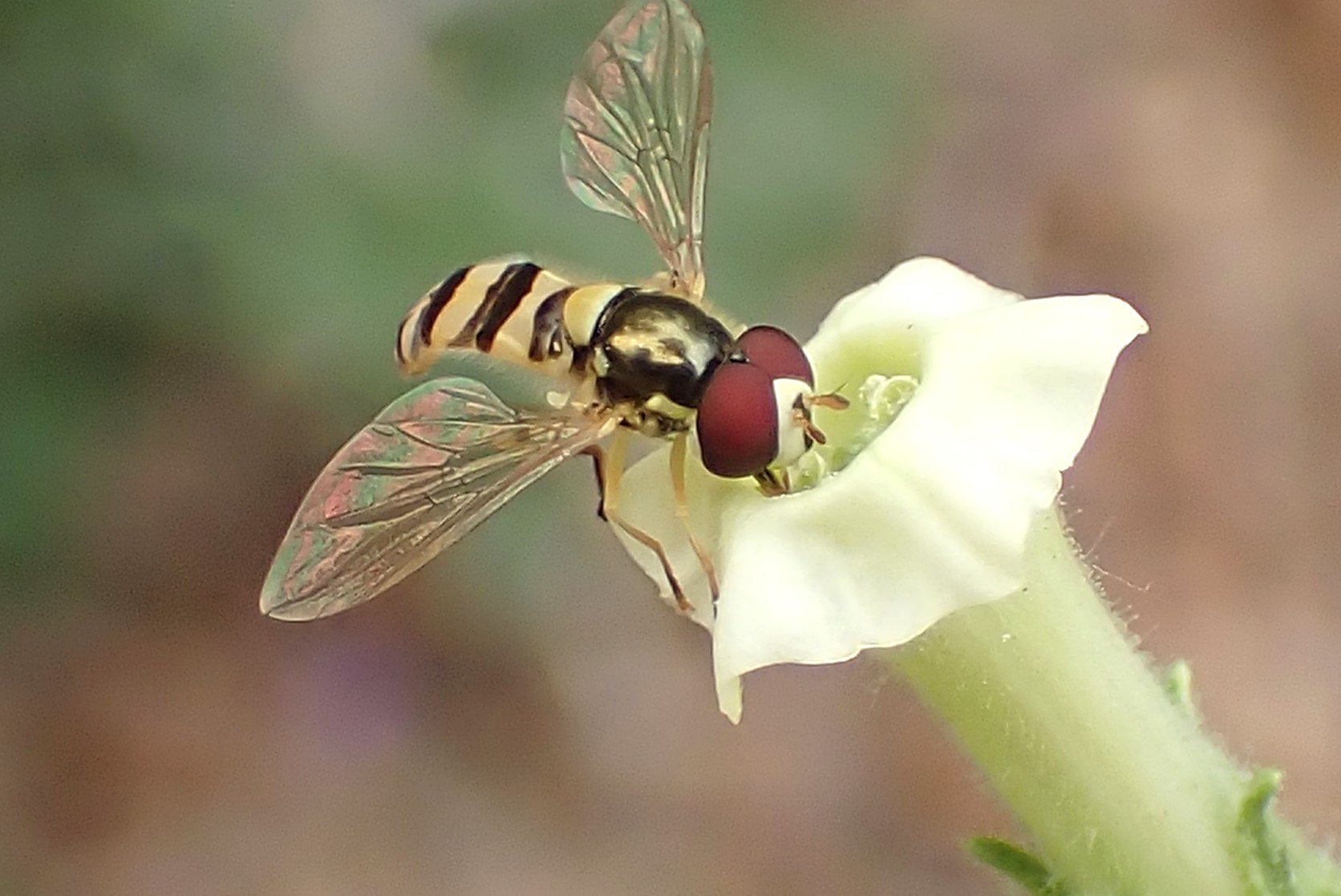
DT:  Most bees that people see in their gardens are honeybees that are there to get pollen and sometimes nectar.  These are generalist bees but specialist bees that require pollen from particular plants (always native plants) can’t be supported by those at all. 

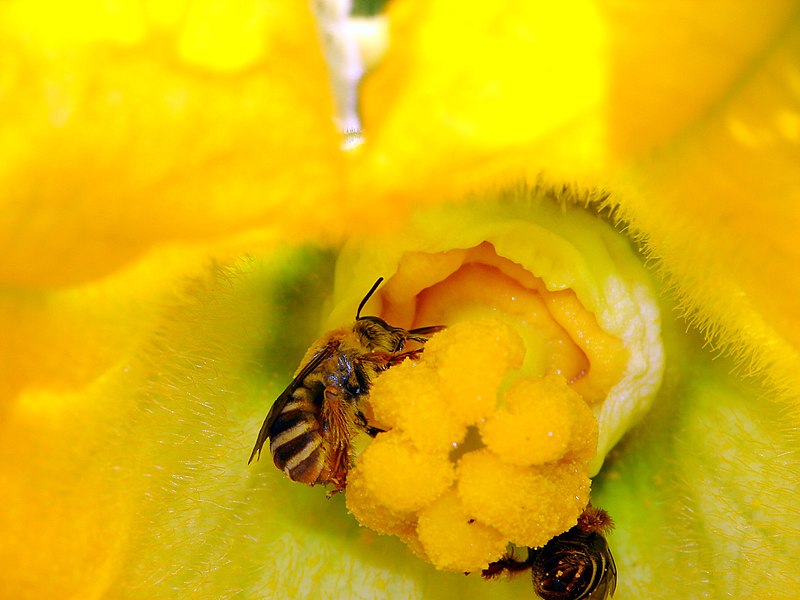
Squash bee. USDA public domain

CSN:  Specialization of insects is exaggerated by Tallamy.  For example, he would probably call a squash bee a specialist.  As its name implies, its host plant is squash plants in the squash family, with 98 genera and 975 species.  The squash bee is considered an excellent pollinator of zucchini and butternut squash, both native to Central and South America.  However, they do not usually visit melon plants, according to Wikipedia.  Again, we are reminded to avoid broad generalizations when describing the complex and diverse natural world. 

Likewise, the native alkali bee is a particularly effective pollinator of alfalfa, which is native to the Mediterranean region. Alkali bees also pollinate members of the large legume family with over 16,000 species that are native all over the world.  If you are interested in such associations, you can find an exhaustive list of native butterflies and their many non-native host plants in Art Shapiro’s butterfly guide for Central California and the Bay Area.  It is not true that bees Tallamy considers “specialists” require pollen from only native plants.

DT:  Sometimes butterflies adopt a new host plant as a caterpillar host.  For example, black swallowtail butterflies caterpillars eat carrots or parsley or dill.  What’s going on?   There are two different kind of hosts:  1) The caterpillar has not adopted a new host at all because it was already adapted to that particular host.  2) Actual host switching from one plant to another is very rare.  It happens on a time-scale of thousands of years.  It requires a mutation or an adaptation to chemical defenses of new host plants.

CSN:  Tallamy tries to make a distinction to avoid acknowledging that insects make use of introduced plants because they are chemically similar to the native plants they have used in the past, which in some cases are no longer available. The butterfly has, in fact, adopted a new host, a plant that wasn’t there before and is now hosting the caterpillar. There are many cases of rapid evolution that enable such transitions, but both cases are clearly transitions from native to non-native plants.  If the original native host is still available, it isn’t necessarily abandoned in favor of a non-native.  Such transitions are useful because they increase the population of available insect hosts and are essential if the original native host is no longer available.

TC:  Pushback from California cites research of Professor Art Shapiro reporting that spontaneous spread of non-native plants has benefited native butterflies.  He reports that 82 of 236 California native butterfly species (34%) are laying their eggs on introduced plant taxa, so caterpillars feed on them and many more butterflies use introduced plants as nectary sources.

DT:  Great!  These are host range expansions.  Agriculture in California has eliminated the host plants of a lot of butterflies and it’s a good thing we had close relatives of natives so butterflies could expand their host range and use them.  But if 34% of native butterflies are using introduced plants that means 66% are not.  If all plants were introduced, we would lose 66% of butterflies in California.  This is not the direction I want to go.  I would choose 60% rather than 34%.

CSN:  Christopher and Tallamy seem to have read one sentence in the abstract of Shapiro’s study without reading subsequent sentences: “Interactions with introduced plant taxa are not distributed evenly among butterfly species. Alpine and desert butterflies interact with relatively few introduced plants because few exotic plant species have reached and successfully colonized these habitats. Other California butterfly species are specialists on particular plant families or genera with no exotic representatives in California and have thus far failed to recognize any introduced plants as potential foodplants. Some California butterflies have expanded their geographic ranges and/or extended their flight seasons by feeding on exotic plants.”  In other words, where there are more introduced plants and some are closely related to native plant hosts, more native butterflies use introduced plants.   

TC:  What do you say to the claims that introduced plants stay greener longer than native plants adapted to wet or dry seasons so that introduced plants give rise to extra generations of caterpillars?

DT:  This is only true if caterpillars can use those plants and in host range expansions they can.  Shapiro is also right about extending availability of nectar.  For example, monarchs that migrate need forage along the way.  The minus is that we’ve been so hard on native flora.  These insects were doing just fine before we brought in non-native plants.  It’s a Band-Aid we’re putting on an environment that has been ravaged by taking out native species that were here before.  Let’s put native species back too.

CSN:  The claim that non-native plants are driving native plants to extirpation or extinction goes to the heart of the controversy.  Native plant advocates believe that accusation, although there is little evidence to support it.  The greatest threat to native plants and insects is habitat loss, particularly converting wildlands to agricultural fields.  The second greatest threat is the pesticides that are used by agriculture.  Remember that Tallamy is an enthusiastic promoter of herbicides to eradicate non-native plants.  He calls it “chemotherapy” in a recent opinion column in the Washington Post.  Pesticides kill both plants and the animals that feed on them, they are anathema to biodiversity and the food web that Tallamy believes he is supporting. 

Marcel Rejmanek (UC Davis) is the author of the most recent report on plant extinctions in California, published in 2017.  At that time there were 13 plant species and 17 sub-species native to California known to be globally extinct and another 30 species and sub-species extirpated in California but still found in other states.  Over half the globally extinct taxa were reported as extinct over 100 years ago.  Although grassland in California had been converted to Mediterranean annual grasses by grazing domesticated animals decades before then, most of the plants now designated as “invasive” in California were not widespread over 100 years ago.

Most of the globally extinct plant species had very small ranges and small populations.  The smaller the population, the greater the chances of extinction.  Most of the globally extinct plants were originally present in lowlands where most of the human population and habitat destruction are concentrated. Although there are many rare plants at higher altitudes, few are extinct.  Plants limited to special habitats, like wetlands, seem to be more vulnerable to extinction. The primary drivers of plant extinction in California are agriculture, urbanization and development in general.  Non-native plants are the innocent bystanders to disturbance.

“Invasive species” are mentioned only once in the inventory of extinct plants published by California Native Plant Society and only in combination with several other factors. However, the identity of this “invasive species” is not clear.  Rejmanek suggests that the “invasive species” rating refers to animal “invasions” by predators and grazers.  He says, “Indeed, one needs quite a bit of imagination to predict that any native plant species may be driven to extinction by invasive plants per se.” (Marcel Rejmanek, “Vascular plant extinctions in California: A critical assessment,” Diversity and Distributions, Journal of Conservation Biogeography, 2017)

TC:  90% of all insect species are specialists that have evolved in concert with only one or a few plant lineages.  How can they cope with the loss of native plants?

DT:  Native plants are adapting in evolutionary time.  Specialization is a continuum.  Few insects are confined to a single plant species, some are confined to one or two genera, and others are confined to one or two families of plants.  But if you are looking at the number of plants available to them, only about 7% of plants they are adapted to are available to them.   93% of available plants are not viable hosts for insects.  Everything is a specialist on one level of another.

CSN:  That sounds like an argument for a diverse garden, with many plant species that offer more food sources for insects.  That doesn’t seem a sound argument for eradicating non-native plants. 

TC:  I understand that some native plants are more useful to insects than others?

DT:  These are the keystone species.  Many native plants don’t support insects because plants are well-defended against them.  Keystone species are making most of the food for the food web.  Just 14% of native plants across the country are making 90% of food that drive the food web.  86% of the native plants are not driving the food web.  Insect food comes from the big producers, like oaks, black cherries, hickories, and birches.

CSN:  That is a mind-boggling admission!!  Earlier Tallamy complained that non-native plants are hosting only 34% of butterflies in California.  Now he says that only 14% of native plants are useful to insects.  He asks home gardeners to plant only native plants as well as limit our plantings to a small subset of native plants. 

Tallamy’s ideology is antithetical to the goal of biodiversity, which could be the salvation of ecosystems in a changing climate. Since we can’t predict the climate of the future, biodiversity provides more evolutionary options, which increases the chances that some species will survive. Tallamy asks us to put a few eggs in the huge basket of our ecosystems, reducing their ability to survive the challenges of our changing climate. 

For example, in Oakland, California, where I live, there were approximately 10 species of native trees prior to settlement.  In 1993, there were 350 tree species in Oakland. (David Nowak, “Historical vegetation change in Oakland and its implications for urban forest management,” Journal of Arboriculture, September 1993)  The recently published draft of Oakland’s Urban Forest Plan reports that there are now over 500 tree species in Oakland.  I can’t fathom why Oakland would want to limit the planting of trees to only 10 native species. 

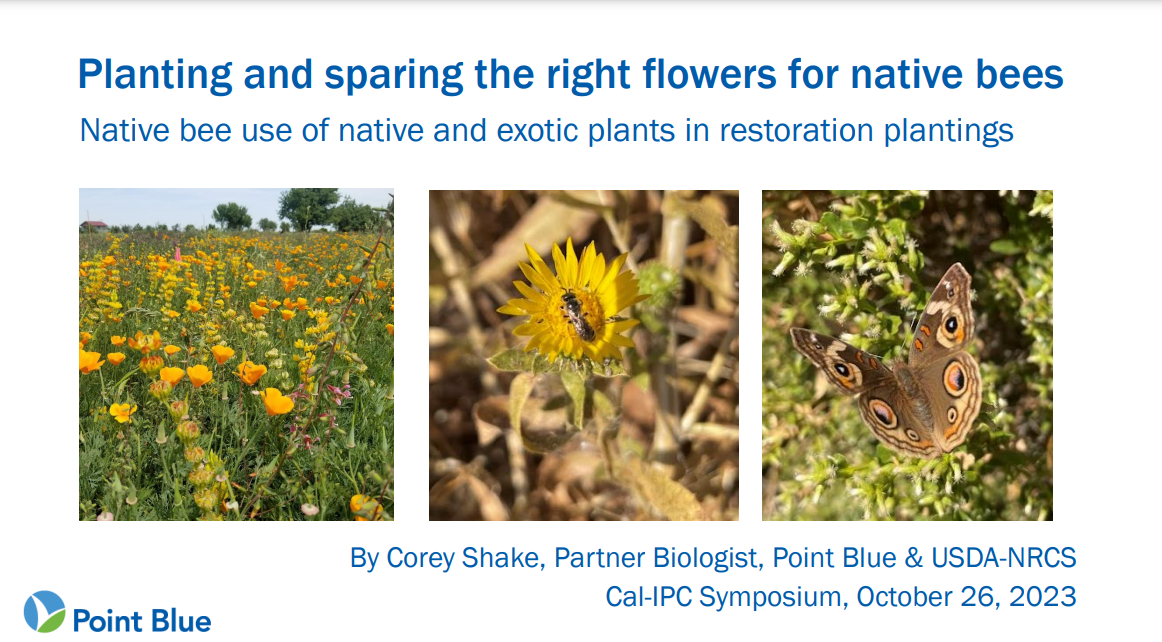
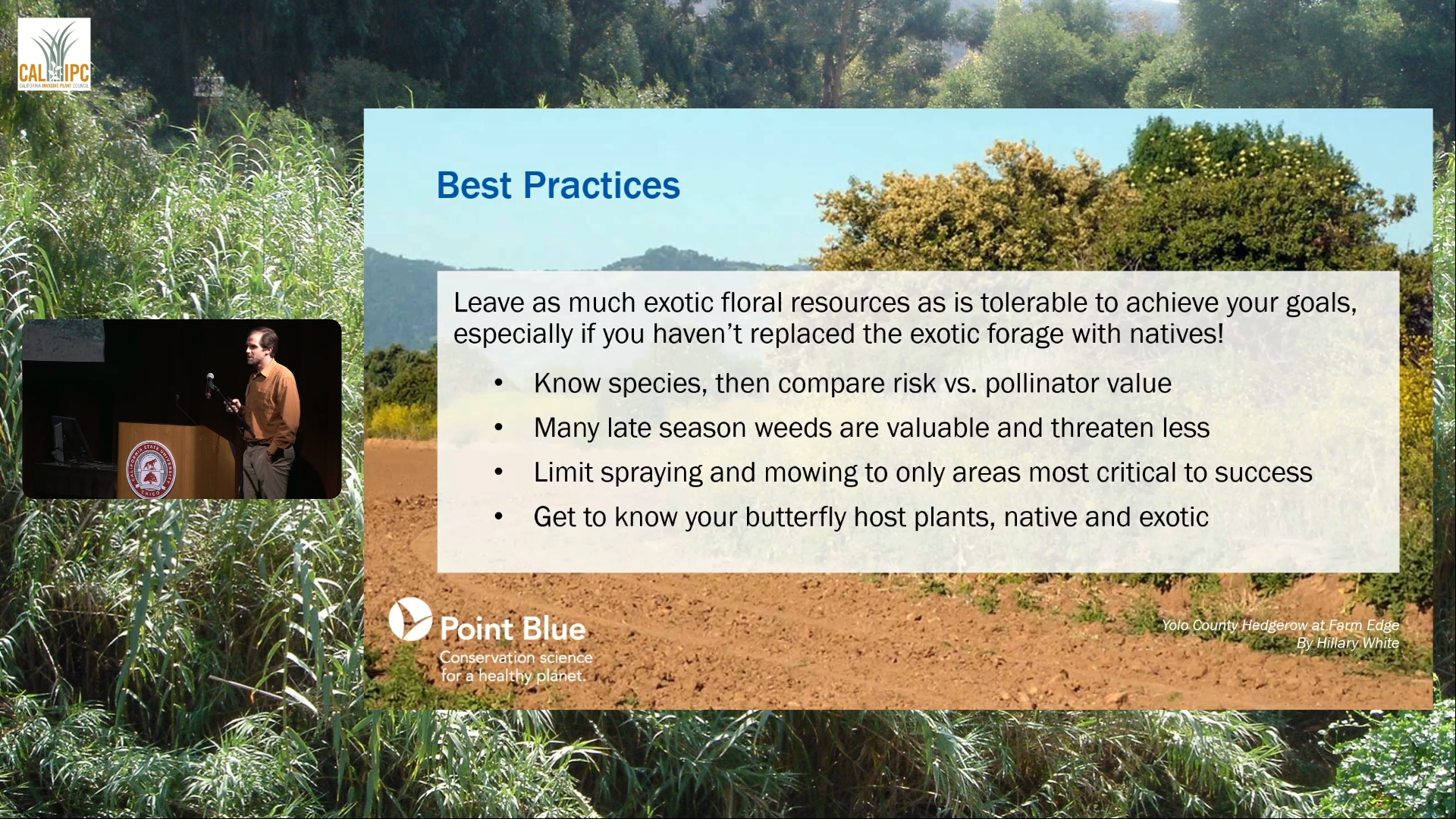
I agree with Tallamy that many native plants are not useful to insects.  I attend the annual conference of California Invasive Plant Council to give native plant advocates every opportunity to convince me of their viewpoint.  At the most recent conference at the end of October, Corey Shake of Point Blue Conservation made a presentation about his project to “Evaluate native bee preference for common native and exotic plants.” 

He designed 16 hedgerows around agricultural fields in Yolo County to determine if native bees have a preference for native plants or exotic plants, by controlling for availability of native plants compared to exotic plants.  Here is his abstract:

“Farm edge restoration monitoring in Sacramento Valley highlights native bee use of some exotic plant floral resources. Corey Shake. Point Blue Conservation Science. cshake@pointblue.org

“Research of native bee preference for native versus exotic plant floral resources in California’s Sacramento Valley has shown mixed results. No studies have demonstrated a preference for exotic plants by native bees there, but some have highlighted the importance of exotic plant floral resources in plant-pollinator networks and expressed concern that rapid removal of exotic plants without restoring native plant populations could have negative impacts on native bees. We have been collecting native bee flower visitation, plant species, and floral abundance data on 16 farm edge restoration projects in Yolo County, California since 2019, which will allow us to assess bee preferences for some key native and exotic plants relative to their floral abundance. In our preliminary analysis, we see some important trends: (1) relative to their floral abundance in our plots, some native plant species are more frequently visited by native bees than other native plants that are infrequently or rarely visited, and (2) there is significant native bee visitation to some exotic plants relative to their floral abundance. We will further evaluate these data as well as our butterfly diversity and abundance data to provide plant-species specific insights to restoration practitioners and weed management specialists to help them reduce harmful impacts to native pollinators when executing restoration projects and managing weeds.” 

In other words, not all species of native plants are useful to native bees and some species of non-native plant species are useful to native bees.  Tallamy’s sweeping generalizations about the usefulness of native plants to insects are not supported by empirical or field studies.  Although the characteristics of plants vary widely, the variation is unrelated to the national origins of plants. 

From Micro to Macro Perspective

I recognize my voice in the questions Tom Christopher asked of Doug Tallamy, as well as Art Shapiro’s.  Speaking for myself, not for Art, this interview misses the point of my criticism of native plant ideology.  I like native plants as much as I like any plant and I encourage everyone to plant whatever they prefer.  I only object to the pointless destruction of harmless non-native plants that thrive because they are best adapted to the conditions where they have naturalized.  Non-native plants do particularly well in the wake of disturbance.  Where they have replaced native plants, the natives were destroyed by disturbance, not by the hardy non-native plants that can tolerate disturbance. Non-native plants are a symptom of change, not the cause. 

I object to destructive eradication projects because they poison the soil with herbicides, making it even less likely that non-native plants will be replaced by fragile native plants.  I object to the loss of biodiversity which is a hedge against extinction in a rapidly changing climate.  We don’t know which plants will be capable of surviving in the changed climate.  We should not be taking cards out of the deck while we gamble with the future of the environment and everything that lives in it.

Unfortunately, native plant advocates take offense when anything positive is said about introduced plants.  A positive statement about a non-native is routinely interpreted as a negative statement about native plants.  It shouldn’t be.  The emphasis on the negative assessment of introduced plants results in harmful land management decisions.  The pros and cons of all plants should be considered before we condemn non-natives with a death sentence.  Like our justice system for human society, all plants should be presumed innocent until proven guilty.

Thanks again for airing this debate on your podcast. I hope you will forward my email to Doug Tallamy

Webmaster, Conservation Sense and Nonsense


Gardening with the help of nature

Juliet Stromberg is a plant ecologist who specialized in wetland and riparian ecosystems of the American Southwest.  Her friends call her Julie and I will presume to do the same.  She has retired from her position at Arizona State University, but her husband, Matt Chew, is still teaching ecology from a historical perspective at ASU.  He is very much her partner in their 20-year project to restore 4-acres of dead citrus grove and an 80-year old Spanish colonial house, long abandoned and derelict.  The property came with water rights, without which their project would not have been possible.

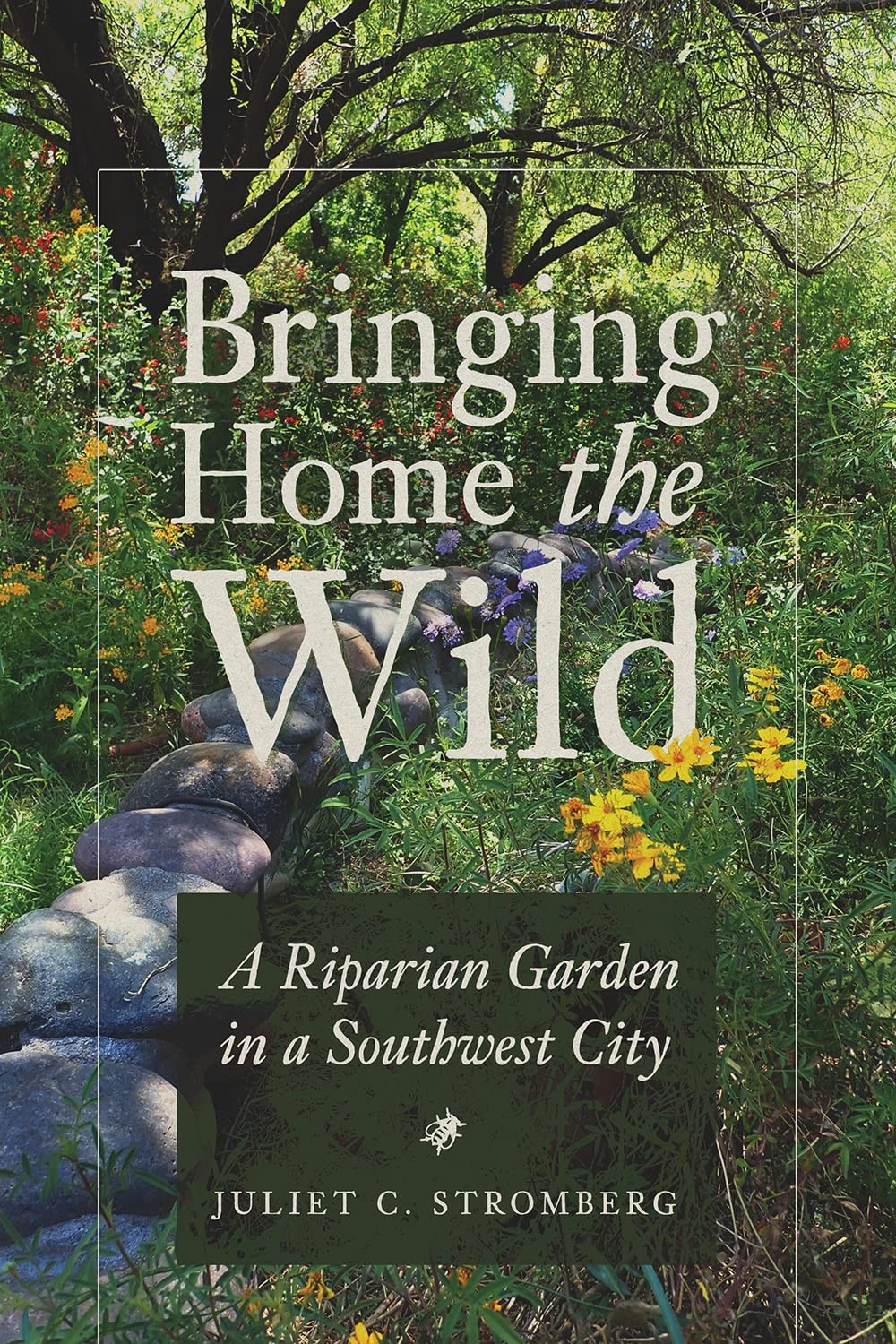
In her recently published book, Bringing Home the Wild:  A Riparian Garden in a Southwest City, Julie tells us how she and her partner transformed—with the help of natural processes–this dead patch of land in South Phoenix, Arizona into the oasis that it is today.  The first step was to restore the irrigation system, which immediately brought much of the dormant seed bank back to life. 

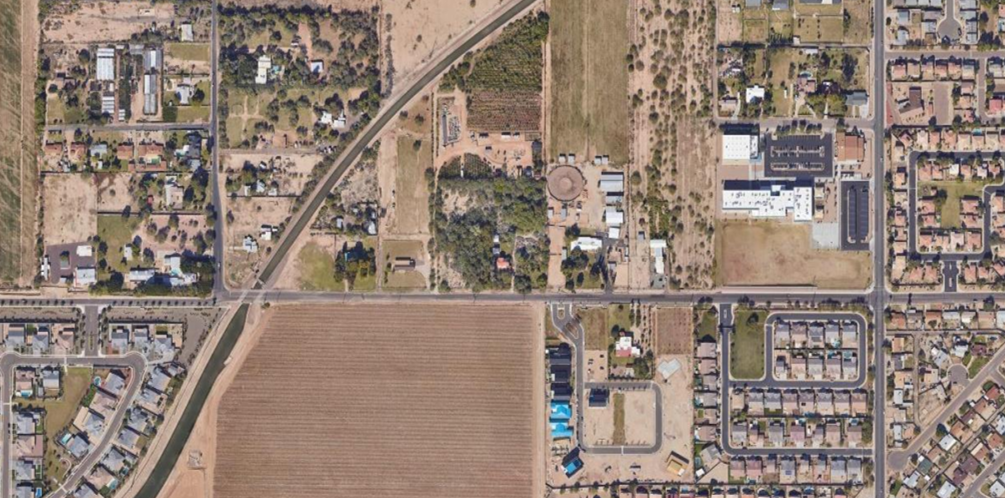
Julie & Matt’s garden is in the center of this aerial view

Using the riparian vegetation of the Salt River—the source of their water—as her reference, she chose a half-dozen tree species as the foundation of their garden, such as Fremont cottonwood, Gooding’s willow, and velvet mesquite.  Twenty years later, there are now 300 trees, sheltering a community of plants and animals.  How did they get there? 

The seeds of some trees such as blue elderberry and mulberry were brought from neighboring gardens by birds and small animals. Julie and Matt have seen 157 species of birds in their garden, so we can assume birds have done some of the planting.  The seeds of some plants are aerodynamically shaped and were blown in by the wind, adding to the diversity of the garden.

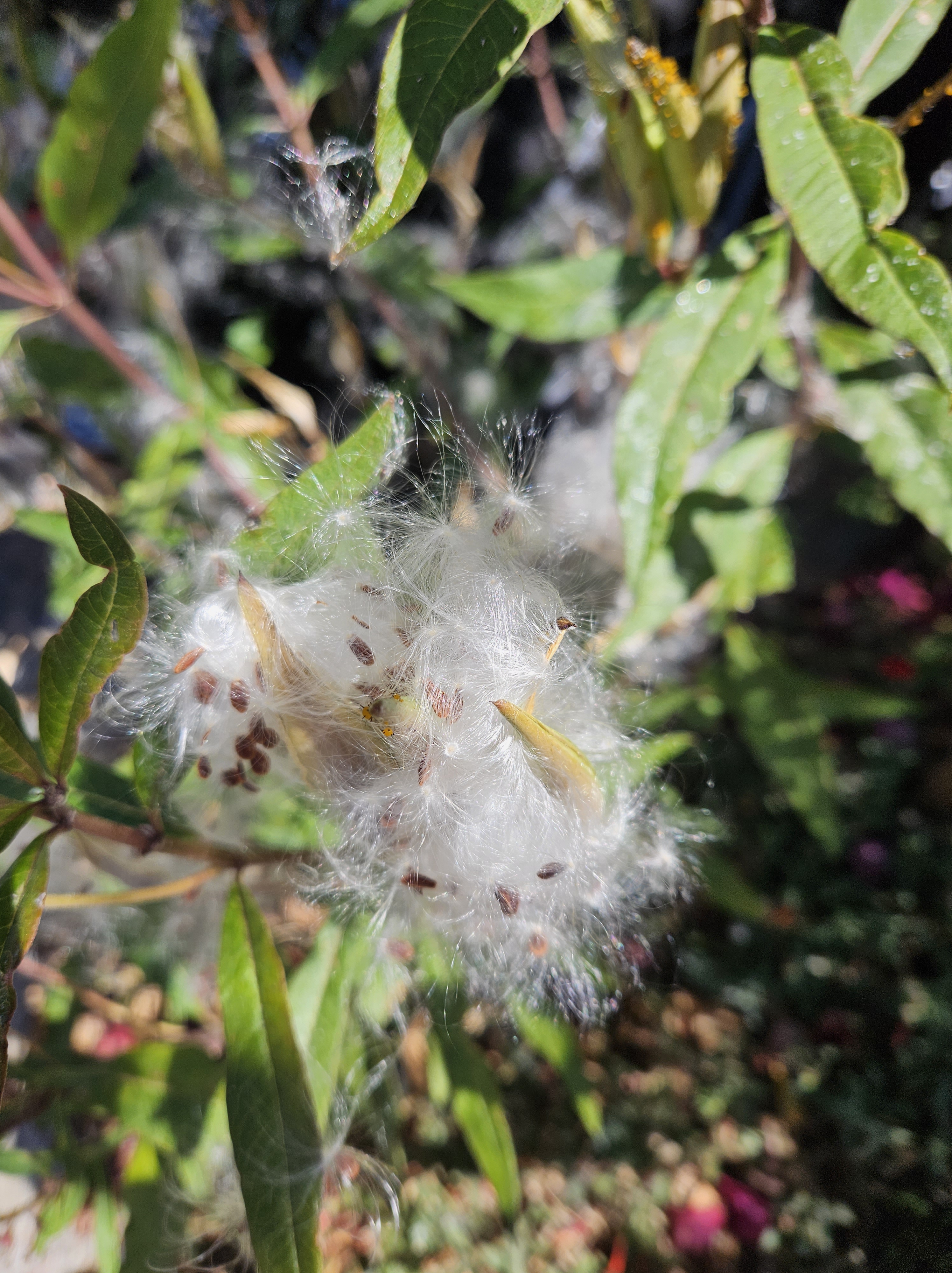
Tropical milkweed seeds ready to be launched by the wind from a neighbor’s front yard.  Conservation Sense and Nonsense, Oakland, CA, October 2023

Many of the trees are American in origin, but others are not.  Regardless of the method of dispersal, most introductions are welcome in Julie’s garden. She spares her readers the tedious recitation of which plants are considered native and which are not.  The Southwestern desert is not an ecosystem with which I am familiar.  I was glad to have a tour of Julie’s garden without irrelevant information about the nationality of every plant.  For the same reason, I like to travel in distant places where I can’t distinguish natives from non-natives.  Everything looks great to me and nothing brings me down more than a guide who wants to inform us of what “belongs” and what doesn’t. 

Julie and Matt also planted a fruit orchard and a vegetable garden that bring more birds, insects, and animals to the garden as well as providing food for their table. Eating the fruits of our labors in the garden deepens our respect for what plants do for us and establishes our working relationship with the land. 

Managing a wild garden

In keeping with Julie’s opinion that ecological restoration is a form of “glorified gardening,” she actively manages her garden.  A few plants that annoy members of her community of plants and animals—such as puncture vine and tumbleweed—are not welcome. 

When the delicate balance between predator and prey becomes unbalanced, some protective measures are necessary.  If coyotes and dogs can’t keep up with the rabbit population, it’s sometimes necessary to put vulnerable plants into cages to protect them.  The root balls of some plants are covered in wire mesh to protect them from hungry gophers. 

Plants also assist in their own defense.  Where mesquite is grazed by cattle, the tree responds by growing longer thorns to repel the cattle.  When plants are attacked by plant-eating insects, some emit a toxin to render themselves inedible.  The scent of the chemical wafts to neighboring plants, alerting them to the arrival of predators.  These natural defenses are an important line of scientific inquiry that has potential to substitute nature-based solutions for synthetic chemicals. 

The population of roof rats in Julie’s home is kept in check with liquid birth control, lest they chew on electrical wires or build nests in car engines. 

Gardening with the help of friends

Julie’s is not a manicured garden, but it requires constant pruning to keep trails clear and provide light and space for plants to thrive. The annual scouring of the flood plain by spring floods is one of the natural processes that Julie and Matt could not use to restore their land because irrigation water is channelized and confined by concrete.  Julie has come to appreciate the flies and other insects who are the decomposing crew, helping to reduce the accumulation of debris in the absence of annual scouring floods.  Sixty-six species of flies assist with decomposition as well as pollination in Julie’s garden. 

Julie is happy to have coyotes in her garden, but her dogs disagree.  Violent and fatal confrontations between these closely related species required building a wall that confines dogs close to the house at night, while coyotes safely roam most of the garden. 

Dogs are an important part of Julie and Matt’s life.  Early in the book’s introduction Julie warns readers that they should put her book down “NOW!” if they don’t want to hear dog stories.  Julie has walked thousands of dogs in a nearby animal shelter.  In addition to her own 4 dogs, there are also occasional foster dogs who need to recover from traumatic experiences to be adoptable.  In Julie’s refuge, these traumatized dogs learn to trust again. 

Peaceful co-existence

Julie is a recovering academic scientist.  Before she retired, she felt that her focus on the accumulation of data needed for scientific analysis was causing her to lose track of the big picture.  She needed to stop and smell the flowers, so to speak. 

She received her graduate education during the heyday of invasion biology. Julie slowly shifted away from native purism based on her experiences in the field.  She has rejected that doctrine, and regrets teaching her students to fear “those who came from somewhere else.” 

Julie has a vivid memory of the first step she took on that journey to her gardening ethic of peaceful coexistence.  She had been instructed to pull tree tobacco from land along the Salt River that was being restored.  The nicotine in the plant was making her feel sick, which seemed to bring her to her senses.  She began to wonder what she was doing, “following orders to kill creatures she barely knew.” 

Fly on desert tobacco. Photo courtesy Juliet Stromberg

Part of Julie’s skepticism about such eradication projects is based on her understanding of how little we know.  She realizes that the harm done by non-native species is exaggerated and their benefits are underestimated.  Given the limits of our knowledge, we should be obligated to give introduced plants the benefit of the doubt before killing them.  She now appreciates the beauty of tree tobacco, which also feeds birds, fixes carbon, and stabilizes the soil.   Its seeds were naturally dispersed to Julie’s garden and tree tobacco is welcome there.

Imperatives imposed by climate change

Julie says, “The preoccupation with provenance diverts conservationists and gardeners from critical issues,” such as climate change, food security, and extinction (which, studies show, are not caused by introduced plants).  Living in the Southwest, Julie has a front row seat on climate change.  It’s always (within the context of our lifetime) been hot there, but now it is blisteringly hot during summer months.  She watches hummingbirds in her garden seek shelter in the shade, close to the irrigation drip.  She watches dogs panting, birds gasping for breath and plants wither and die in the heat.  And she knows that both native and non-native plants store carbon that would otherwise contribute to greenhouse gases causing climate change. Carbon storage varies according to certain plant characteristics, but those characteristics are unrelated to the nationality of plants. 
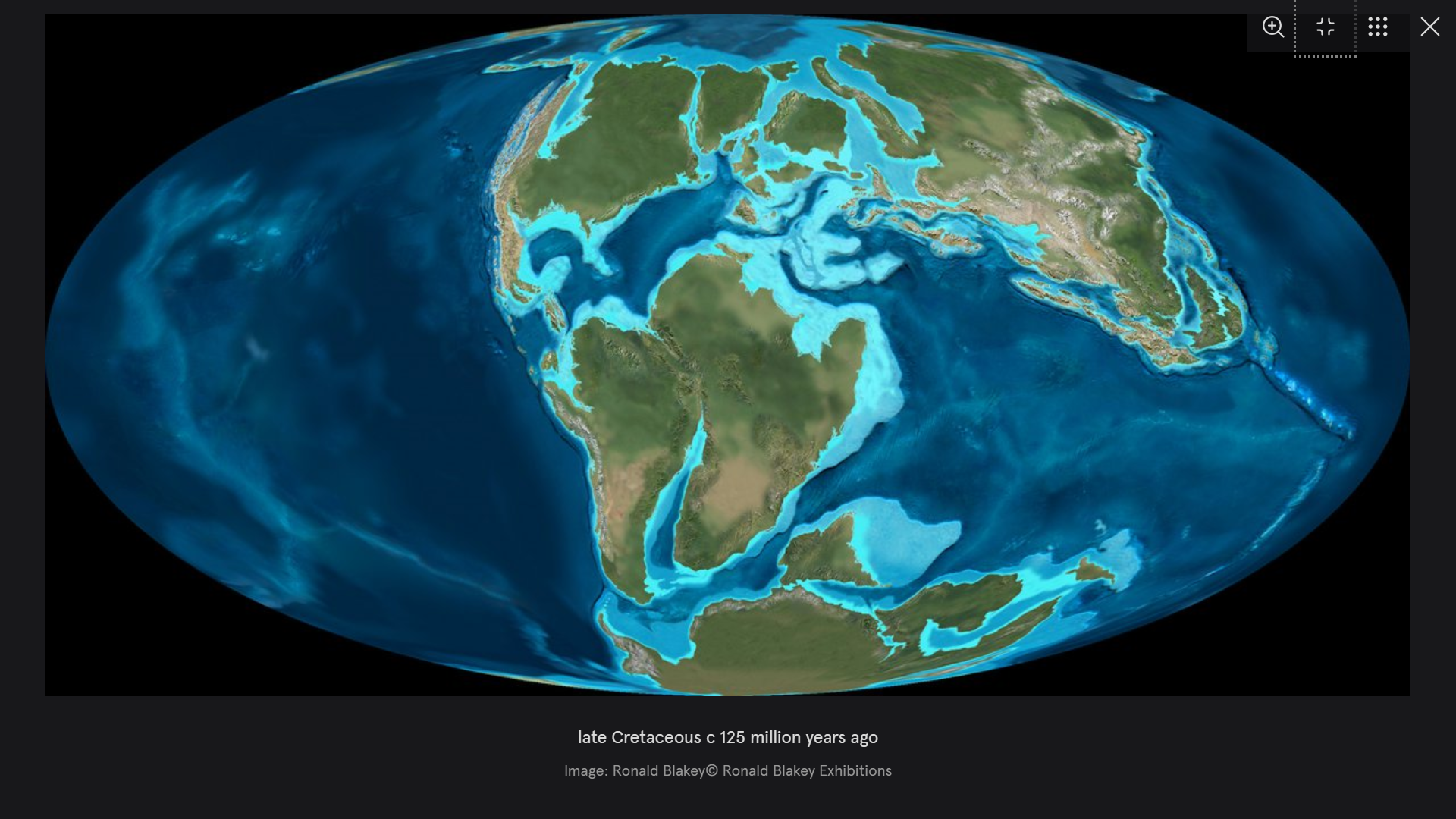
Those who insist on replicating the landscape that existed 200-400 years ago in America are depriving nature of the evolutionary opportunities that will enable survival.  We don’t know what life will be capable of living in the climate of the near-future.  Nature needs as many alternatives as possible to find the species that can survive.  Plants and animals are blameless in this struggle of survival of the fittest.  The least we can do is to get out of their way as natural selection finds the life that is adapted to the current and future climate.

Showing respect for nature

Julie does not use any pesticides in her garden….no herbicides, fungicide, or insecticide.  She is concerned about the pesticides used by her neighbor across the road who grows cotton.  She notices the blue cotton seeds scattered on the ground and surmises that they were coated in insecticide or herbicide that will infuse pesticide into the plant as it grows.  The poisoned seed can kill seed-eating birds and other animals and the plant itself will be poisonous as it grows.  The dust from the cotton field blows into her property when the field is plowed and after the cotton is harvested because no cover crops are grown to tamp down the dust and prevent the loss of carbon stored in the soil.  Julie can see firsthand the damage caused by industrial agriculture and is confirmed in her commitment to avoid using pesticides.

Julie shows her respect for everything living in her garden by her choice of pronouns to describe them:  “who” not “what,”  “she/her” not “it.”  She asks her readers to show the same respect for plants and animals, regardless of their nationality.  Avoiding the use of pesticides in our gardens is another way to show our respect for the plants and animals on which we depend, with the added benefit of not poisoning ourselves.

Thank you, Juliet Stromberg, for telling us about your garden and congratulations for what you have accomplished and learned from the experience of nurturing it back to life with the help of nature. 

Dana Milbank: “How I learned to love toxic chemicals”

Dana Milbank is a political commentator for the Washington Post.  Like many city dwellers, Milbank moved his family from Washington DC to the Virginia countryside during the Covid pandemic. 

His new home inspired him to become a native plant advocate with the usual corresponding hatred of non-native plants.  He announced his new hobby of killing non-native plants in April 2023, as described in this response to his article by several defenders of the natural world as it exists, rather than as some might wish it to be.

In a more recent article, Milbank expressed his frustration at the failure of his early efforts to destroy non-native plants on his property without using herbicides: “When last I wrote about my battle of the brush, I was losing, badly, to the invasive vines and noxious weeds that had turned forest and field at my Virginia home into an impassable jungle. I’d cut them back, but they would return in even greater numbers.”

And he explained how he “learned to stop worrying and love chemicals.”  He is now both a native plant advocate and a promoter of herbicides (specifically glyphosate) which is typical of most native plant advocates. 

He justifies poisoning both his property and the Shenandoah National Park near his home by turning to advisors who tell him what he wants to hear, people who make their living using herbicides to eradicate non-native plants. 

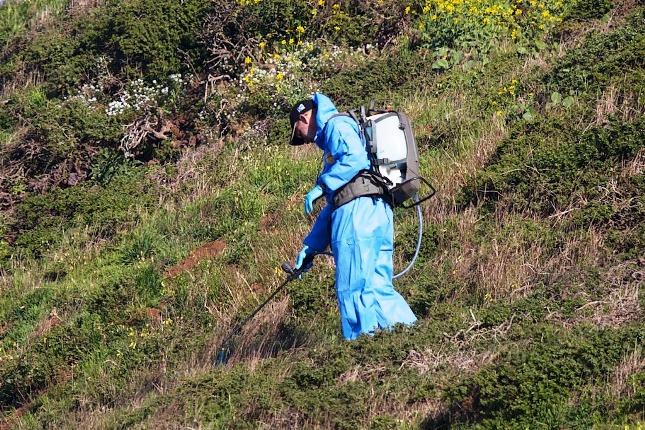
Of course, renowned native plant guru, Doug Tallamy, is one of his advisors.  Although Tallamy advised residential gardeners against using herbicides in his book, Nature’s Best Hope, published in 2020, he has now changed his mind about herbicides.  In Milbank’s article, Tallamy says that herbicides are an “essential tool:”  “‘I think of it as chemotherapy,’ said Doug Tallamy, a University of Delaware entomologist and guru of the native-plant movement. ‘We have ecological tumors out there. If we don’t control them, we have ecological collapse. We have the collapse of the food web.’”

Poisoning the soil

Milbank admits that glyphosate (Roundup) is toxic and he wears protective gear when applying it, including a respirator (which is not required for glyphosate applications by California’s pesticides regulations).  He describes his application technique:  My preferred technique is ‘hack and squirt.’ With my hatchet, I cut gouges around the circumference of the invading tree, then spray the poison inside. For smaller invaders, I can chop the whole thing down and apply the chemical as a ‘cut stump’ treatment.

I read most of the over one thousand comments on Milbank’s article to determine the public’s reaction.  Although many commenters express reservations about the use of herbicides, the majority of commenters are supportive of the use of herbicides.  The manufacturers of pesticides are definitely winning the public relations battle regarding chemical safety.  When supporters reply to doubters of herbicide use, they defend Milbank’s application technique as “surgical.” 

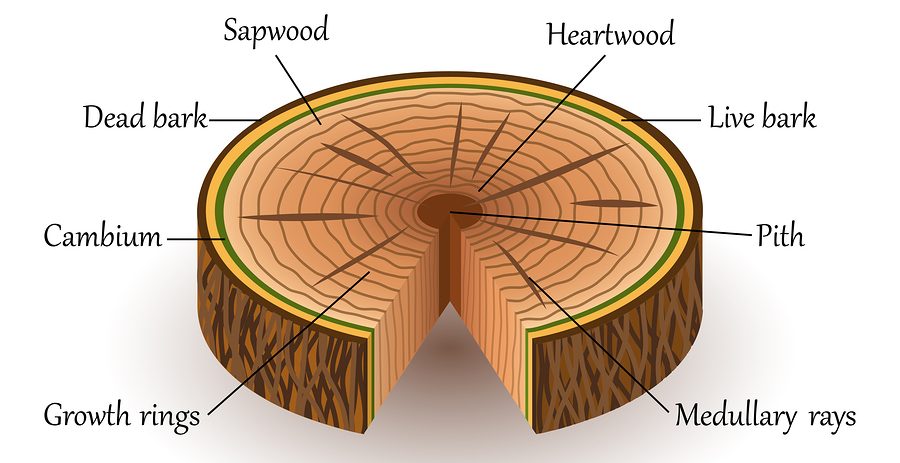
Cut stump and hack and squirt application methods are less likely to disperse chemicals in the air, but they increase soil contamination.  These application methods work by applying herbicide shortly after the woody plant is cut, while the cambium layer (between the bark and the heart wood) is still functional. The cambium layer delivers the herbicide to the roots of the plant to kill the roots. The application may appear to be “surgical” from the standpoint of above-ground contamination, but the damage is being done in the soil, the plants growing in the soil, and the animals that eat those plants. 

Source: https://www.acompletetreecare.com/blog/what-are-the-layers-of-a-tree-trunk/

There are many consequences of poisoning the soil:

  • Because the roots of plants are intertwined as well as connected to one another by fungal networks in the soil, non-target plants are harmed and often killed.  It is not possible to poison one plant without poisoning others. HERE is an example of a forest of native trees that was damaged by spraying herbicide under the trees.
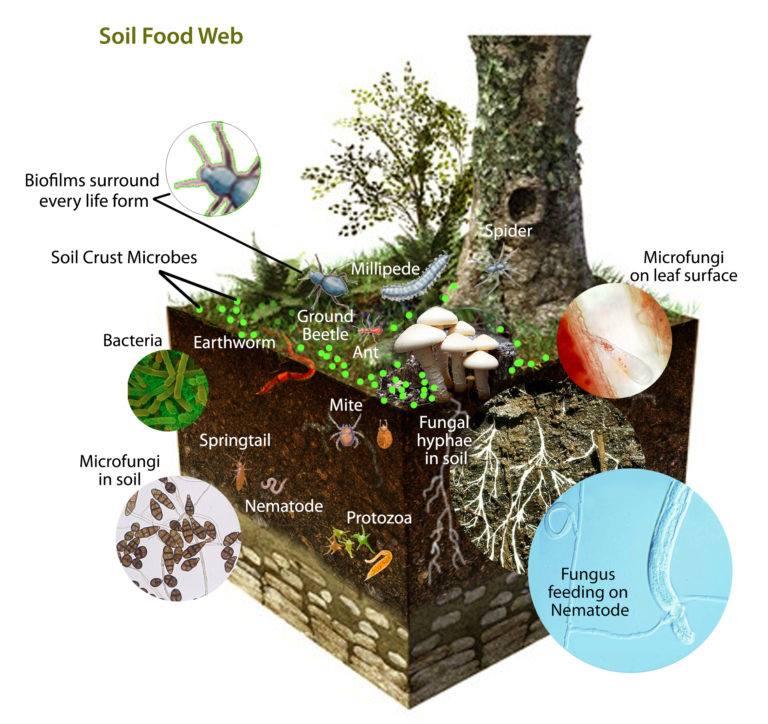
  • Herbicides kill beneficial microbes and fungi in the soil that contribute to plant health. (1) For example, fungal networks that are killed by herbicides transport moisture and nutrients from the soil to the plants.  Whatever vegetation remains or is planted in the future is handicapped by the loss of this living support system.
  • Glyphosate binds minerals in the soil, preventing essential nutritional minerals such as iron and manganese in the soil from being taken up by plants. (2)  Glyphosate is so widely used that it is found in the blood and urine of most of the population, including children.  Could glyphosate be a factor in widespread iron-deficiency anemia in adolescent girls and young women? (3)
  • Glyphosate is a well-known anti-microbial agent.  These effects raise concerns regarding glyphosate’s influence on human health and behavior through secondary means, such as our gastrointestinal microbiome, given what is now known regarding the gut microbiome and its influence on human health and disease. (4,5)
Source: https://symsoil.com/soil-food-web-soil-cities/

Who are the climate change deniers?

Milbank repeats his accusation that those who believe the threat of non-native plants is exaggerated, are climate change deniers.  He turns to the Executive Director of the federal Invasive Species Council for confirmation, who calls the threats of non-native plants “settled science.”  Science is, by definition, never settled.  Science is a process, not a conclusion.  Every scientific hypothesis is constantly tested and usually refined or overturned as new knowledge and methods are available.   Many scientists are testing the hypotheses of invasion biology and questioning their validity in a changing climate. 

The only issue about invasion biology that is “settled” is that it has created a multi-billion dollar “restoration” industry that relies on and benefits the manufacturers of pesticides, as well as creating vested interests that perpetuate the industry.

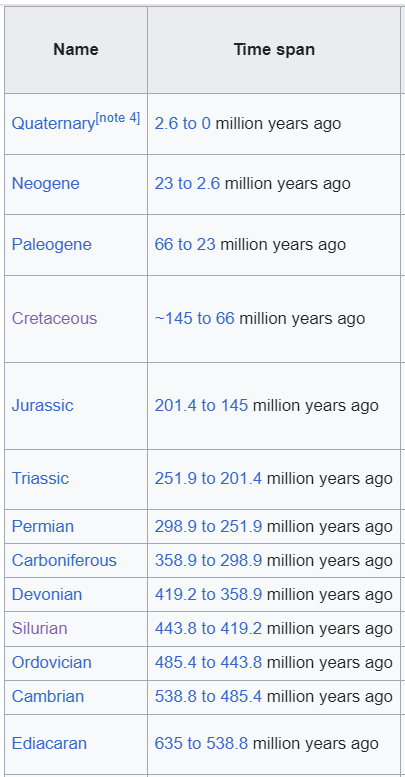
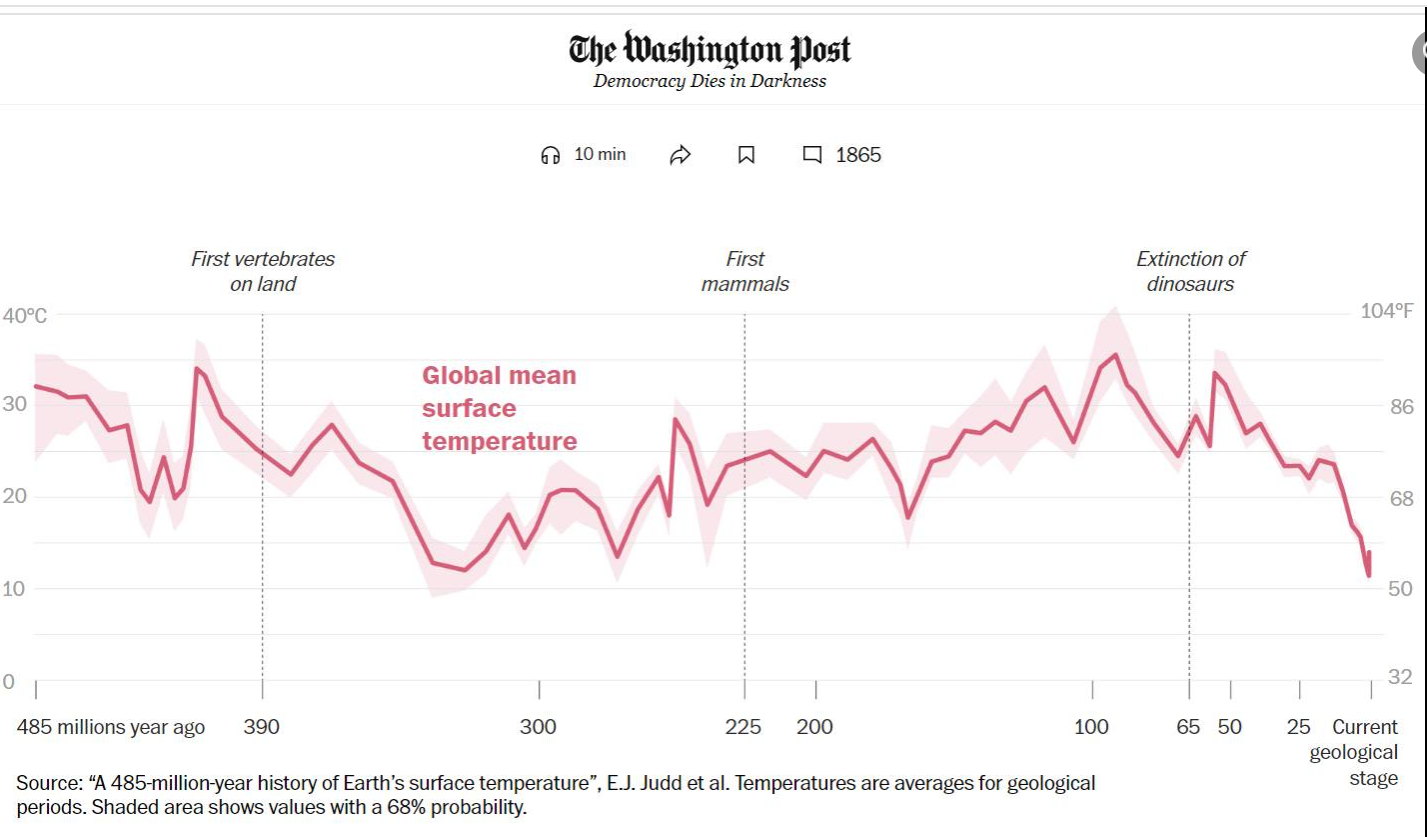
Milbank also quotes one of his advisors who claims that native plants are better adapted to the changed climate than non-native plants:  “The natives have the best ability to adapt — they’ve been adapting for tens of thousands of years in these areas — so they’ve got the ability to change as the climates and the landscapes have been changing.”  This statement seems comical, given that the topic is the extreme difficulty of eradicating non-native plants and the fact that they are out-competing native plants.  There is zero evidence that native plants are better adapted to the changed climate than the non-native plants that have replaced them.  500 million years of geologic history on Earth has informed us that when the climate changes—as it has many times–the vegetation changes. 

All plants, whether native or non-native, convert carbon dioxide to oxygen and store carbon. Destroying them contributes to greenhouse gases causing climate change by releasing their stored carbon into the atmosphere and reducing the capacity of the landscape to absorb more carbon in the future.  To deny that fact, is to be a climate change denier.

Reality trumps unrealistic hopes

Milbank describes the landscape he hopes to achieve with the help of herbicides.  It is the landscape that existed in the distant past, in a different climate, before the environment was altered by the activities of humans.  I am reminded of one of the presentations at the most recent conference of the California Native Plant Society, an event where the audience hopes and the speakers douse the audience’s hope with the reality of their unsuccessful efforts.  The presenter described a 20-year effort at the Santa Rosa Plateau Ecological Reserve to convert non-native annual grassland to native grassland, using annual (sometimes bi-annual) prescribed burns.  Many different methods were used, varying timing, intensity, etc.  The abstract for this presentation reports failure of the 20-year effort:  “Non-native grass cover significantly decreased after prescribed fire but recovered to pre-fire cover or higher one year after fire.  Native grass cover decreased after prescribed fire then recovered to pre-burn levels within five years, but never increased over time.  The response of native grass to fire (wild and prescribed) was different across time and within management units, but overall native grass declined.” The audience was audibly unhappy with this presentation.  One person asked if the speaker was aware of other places where non-native grass was successfully converted to native grass.  The speaker chuckled and emphatically said, “NO.  I am not aware of any place where native grasses were successfully reintroduced.” 


(1) “Glyphosate kills microorganisms beneficial to plants, animals, and humans,” Beyond Pesticides, October 2021.
(2) “Glyphosate, a chelating agent—relevant for ecological risk assessment?” Environmental Science and Pollution Research International, 2018
(3) “Prevalence of Iron Deficiency and Iron-Deficiency Anemia in US Females Aged 12-21 Years, 2003-2020,” Journal of American Medical Association, 2023
(4) “Is the Use of Glyphosate in Modern Agriculture Resulting in Increased Neuropsychiatric Conditions Through Modulation of the Gut-brain-microbiome Axis?” Frontiers in Nutrition, 2022
(5) “Toxic Effects of Glyphosate on the Nervous System: A Systematic Review” International Journal Molecular Science, 2022

Talking back to nativism

Dana Milbank is a political columnist for the Washington Post. He broke out of his political mold on April 7, 2023 to write an article about gardening published by the Post, which repeats every myth of the nativist ideology. 

A team of dismayed critics of invasion biology has responded to excerpts of Milbank’s column:

  • Marlene A. Condon is a garden writer based in Virginia and the author of The Nature Friendly Garden. She has a degree in physics. Her entire critique of Milbank’s column is available on her website.  Her comments address the reader.
  • Carol Reese is a retired Extension Horticulture Specialist who conducted her 27 year career from the University of Tennessee’s West Tennessee AgResearch and Education Center in Jackson, where a large and diverse display garden gave her the opportunity to observe biodiversity in action on an enormous range of plant species from other parts of the world. She describes herself as a farm raised country girl tomboy who has looked at the natural world in hundreds of settings and landscapes, natural and manmade, and read countless books and articles. She has written for several magazines, newspapers, articles for Garden Rant as well as university publications.  Her speaking engagements around the country have allowed her to engage with many other green industry professionals. Dana Milbank’s column prompted her to email him directly with her concerns, directly addressing some of his assertions. I publish some excerpts here from her emails sent directly to Milbank.
  • Conservation Sense and Nonsense is the webmaster of this website.  I have studied invasion biology and the native plant movement it spawned for over 25 years. I’ve watched forests of healthy, non-native trees in California be destroyed and replaced by weedy grassland.  I have used what I have learned to advocate for a less destructive approach to restoration, a word I am reluctant to use to describe projects that use herbicides to eradicate harmless plants and trees. My comments are addressed to the reader.

What follows are excerpts from Dana Milbank’s column with responses from Marlene Condon, Carol Reese, and Conservation Sense and Nonsense, just three of many skeptics of invasion biology.  To summarize the point of our criticism:

  • Insects are not dependent on native plants.  They are just as likely to use related non-native plants in the same genus or even plant family with similar chemical properties and nutritional value. 
  • While some non-native plants have potential to be harmful, many are beneficial. There are pros and cons to both native and non-native plants and that judgment varies from one animal species to another, including humans. For example, we don’t like mosquitoes, but they are important food for bats and birds.  
  • All plants, whether native or non-native convert carbon dioxide to oxygen and store carbon. Destroying them contributes to greenhouse gases causing climate change.
  • When the climate changes, vegetation must also change.  Many non-native plants are better adapted to current climate and environmental conditions in disturbed ecosystems.

Conservation Sense and Nonsense


“I’m no genius about genuses, but your garden is killing the Earth”
By Dana Milbank
Washington Post, April 7, 2023

Milbank:  I did almost everything wrong.

ReeseI’m so sorry you thought this!

Milbank:  For 20 years, I found the latest, greatest horticultural marvels at garden centers and planted them in my yard: sunny knock-out roses, encore azaleas, merlot redbud, summer snowflake viburnum, genie magnolia, firepower nandina

In between them flowed my lush, deep-green lawn. I hauled sod directly from the farm and rolled it out in neat rows. I core-aerated, I conditioned, I thatched, I overseeded, I fertilized. I weeded by hand, protecting each prized blade of tall fescue from crabgrass and clover.

In this season, a symphony of color performs in my yard. The fading daffodils, cherry blossoms, saucer magnolias, hyacinths and camellias meet the arriving tulips, lilacs, creeping phlox and azaleas, with the promise of rhododendrons, peonies, hydrangeas, day lilies and roses to debut in the coming weeks.

But this year, the bloom is off the rose. And the hydrangea. And the rhododendron. And all the rest. It turns out I’ve been filling my yard with a mix of ecological junk food and horticultural terrorists.

Condon:  When Mr. Milbank posits that he’s “been filling his yard with a mix of ecological junk food and horticultural terrorists,” he’s channeling the kind of words Bringing Nature Home author Doug Tallamy loves to employ:  Biased expressions that implant negative images in the reader’s mind so he will become yet another minion of this scientist.  Nowadays you can’t read a garden or environmental column without being accosted with the same words or variations thereof, as if everyone has become a mouthpiece for Doug Tallamy, which I’ve never seen done more obviously than in this column by Dana Milbank. 

Conservation Sense and Nonsense:  Milbank’s lengthy list of “bad” plants in his garden paints with too broad a brush.  For example, instead of identifying a particular species of hydrangea and rhododendron, Milbank condemns an entire genus.  Both hydrangea and rhododendron genera have several native species within the genus.  Most (all?) species of phlox are also native to North America. 

Milbank:  When it comes to the world’s biodiversity crisis — as many as 1 million plant and animal species face near-term extinction because of habitat loss ― I am part of the problem. I’m sorry to say that if you have a typical urban or suburban landscape, your lawn and garden are also dooming the Earth.

Reese:  YIKES! This is pretty extreme, and dare I say inaccurate? No, home gardeners are part of the solution, no matter the plants in their garden. Doom will come from lack of diverse green space. Doom will come from climate warming as a result, as well as from pollution, tillage, factory farming and development.

Milbank:  I came to understand the magnitude of my offenses after enlisting in nature boot camp this spring. I’m in “basic training” with the state-sponsored Virginia Master Naturalist program. While others sleep in on rainy weekend mornings, my unit, the Arlington Regional Master Naturalists, has us plebes out in the wetlands distinguishing a yellow-bellied sap sucker from a pileated woodpecker.

I’m no genius with genuses, but I know a quercus from a kalmia, and because of my gardening experience, I began the program with confidence. Instead, I’ve discovered that all the backbreaking work I’ve done in my yard over the years has produced virtually nothing of ecological value — and some things that do actual harm.

A few of the shrubs I planted were invasive and known to escape into the wild. They crowd out native plants and threaten the entire ecosystem. Our local insects, which evolved to eat native plants, starve because they can’t eat the invasive plants or don’t recognize the invaders as food.

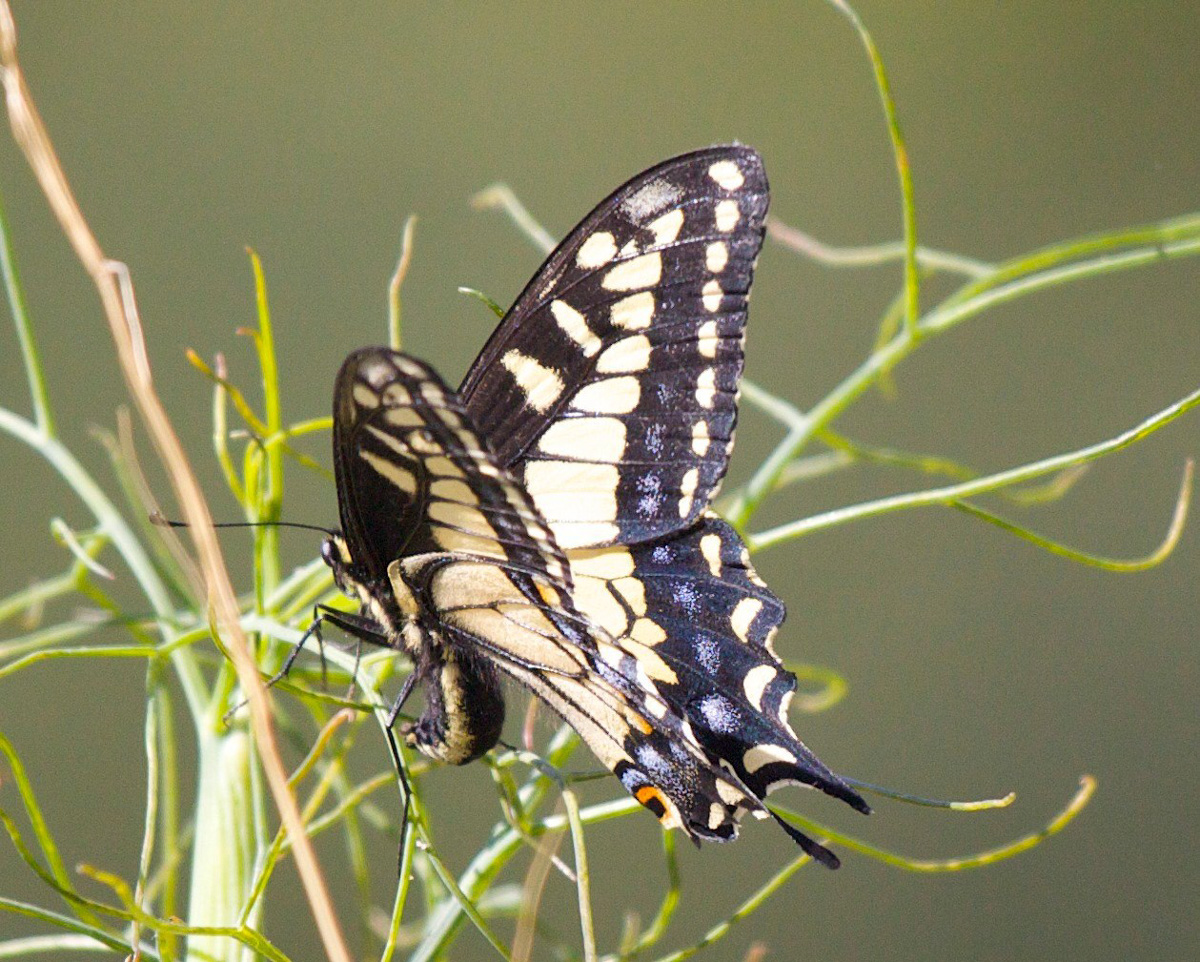
Anise swallowtail on non-native fennel. Courtesy urbanwildness.org “Papilio zelicaon, the anise swallowtail, typically has one to two generations in the mountains and foothills of California where it feeds on native apiaceous hosts. However, along the coast, in the San Francisco Bay Area and the urbanized south coastal plains and in the Central Valley, P. zelicaon feeds on introduced sweet fennel, Foeniculum vulgare, and produces four to six or more generations each year… the use of exotics has greatly extended the range of P. zelicaon in lowland California.” SD Graves and A Shapiro, “Exotics as host plants of the California butterfly fauna,” Biological Conservation, 2003.

Reese:  It sounds so logical, but is sooo inaccurate. Ask any entomologist that has spent their careers “fighting pests” on valued crop or ornamental plants. Remember Pangea [when all continents were fused into one]? More recently, have you thought about the exchange of plants and animals across Berengia when we were still connected to Asia? We can trace those relationships/kinships of our plants to Asian/Eurasian plants now through DNA. They eventually differentiated into species (a continuum of change caused by climate and geologic pressures until we [Man] declare it as a different species, though biologically it is still basically the same nutritional makeup)

Condon also dissects Milbank’s statement: 

  • “They crowd out native plants and threaten the entire ecosystem.”  Read virtually any description of where you find so-called invasive plant species and you will find the word “disturbed.”  This tells you the soil profile has been negatively impacted by people, animals, or weather, and usually means the topsoil is gone.  Only very tough plants—known as colonizers—can grow in disturbed areas because the soil is nutrient-poor and is typically compacted.  Consequently, these areas may fill with a mix of native and nonnative plants, or mainly one or the other—but every single plant is a colonizer that is working to rehabilitate the land for the benefit of the native plants that require topsoil in which to grow.  “Invasiveness” is nothing more than a derogatory word used by people with contempt for alien-plant colonization.  Conclusions:  Alien plants can’t “crowd out” native plants because once the soil is disturbed and thus degraded, most of our native plants can’t grow there and thus are not there to be crowded out.  As for “threatening the entire ecosystem,” to the contrary, alien colonizers are helping to restore it.
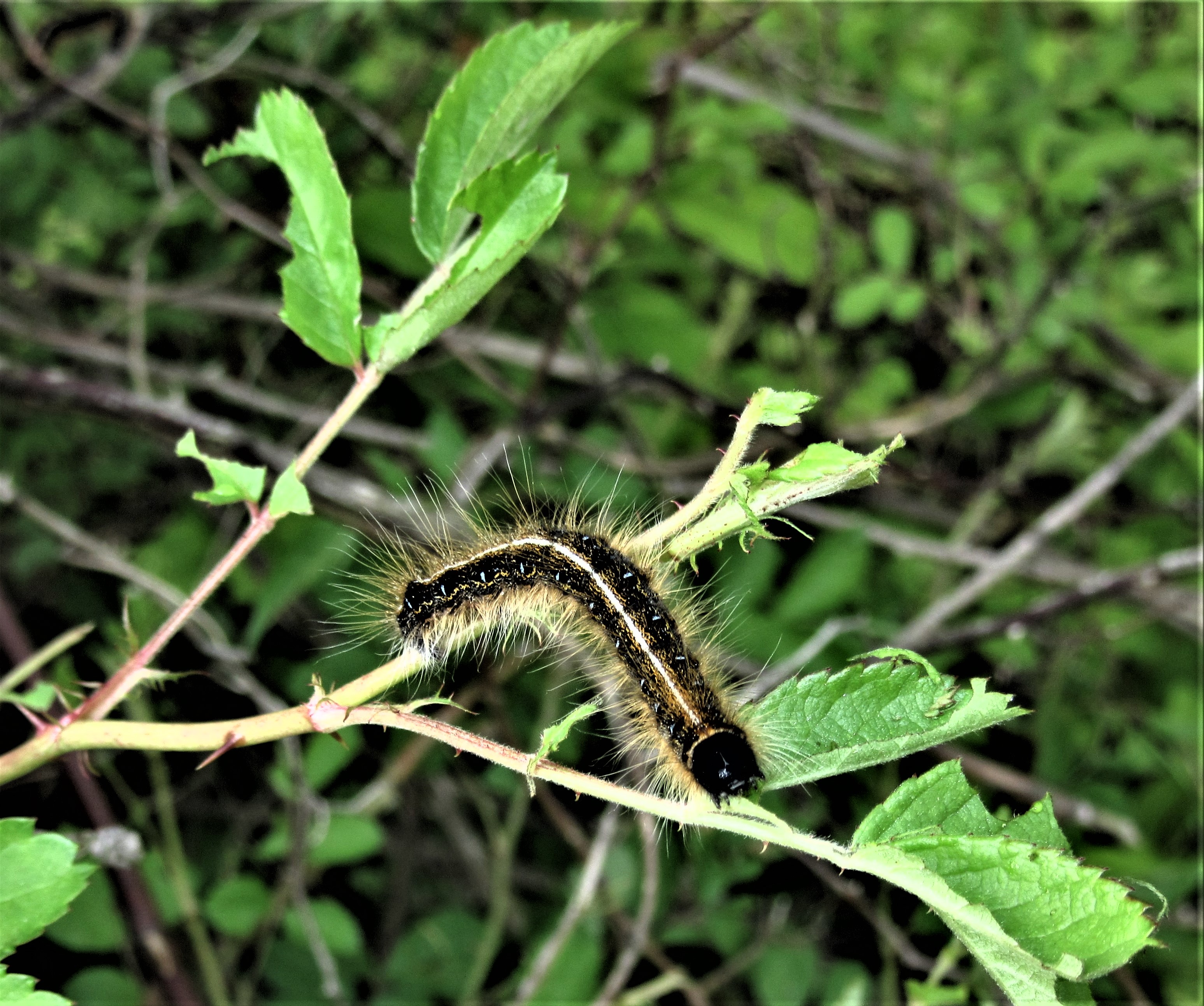
  • “Our local insects, which evolved to eat native plants, starve because they can’t eat the invasive plants or don’t recognize the invaders as food.”  This oft-repeated distorted premise comes straight out of Bringing Nature Home, in which Doug Tallamy deceptively writes about “an excellent demonstration of how restricted a specialist’s [an insect with particular food preference] diet is.” Tallamy tells the story of Eastern Tent caterpillars on a cherry tree denuded of its own leaves but hosting a Japanese Honeysuckle vine.  He writes that the caterpillars didn’t recognize the honeysuckle as food (sound familiar?)  But, of course, they didn’t because this species of insect can only eat plants in the Rose Family, which does not include honeysuckle.  What Doug Tallamy doesn’t tell the reader is that the tent caterpillars could certainly have eaten the so-called invasive Multiflora Rose, which I’ve documented in the photo below.  Conclusion:  Native insects did not evolve to eat only local (native) plants, but rather can typically feed upon dozens, if not hundreds or thousands, of plants related to each other by family classification, even though they grow in other countries.
Tent caterpillar on multiflora rose.  Photo by Marlene Condon.

Milbank:  This in turn threatens our birds, amphibians, reptiles, rodents and others all the way up the food chain. Incredibly, nurseries still sell these nasties — without so much as a warning label.

Reese:  As I read, I also watch the many birds on my lawn, the fence lizards on my decks, the insects humming among the flowers in my diverse collection of native cultivars and introduced plants. 

Hummingbird in eucalyptus flower. Eucalyptus blooms from November to May. It is one of the few sources of nectar and pollen for birds and bees during the winter months when little else is blooming. Courtesy Melanie Hoffman
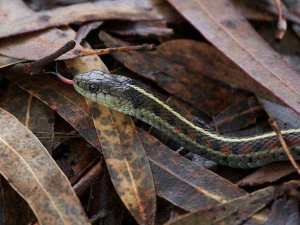
Eucalyptus leaf litter makes excellent camouflage for this garter snake. Courtesy Urban Wildness

Milbank:  Most of my other plants, including my beloved lawn, are ecological junk food.

Reese:  Now, now! Many (most) natives do not supply useful forage either. All plants supply some benefit. They provide shelter, create, improve and anchor soil, cleanse air and water, make oxygen and cool the planet. The plant must be judged on benefits versus detriments in each situation. If a nonnative plant is the only thing that will flourish in bombed out rubble, or contaminated soil, if it is providing many benefits, shall we rip it out because caterpillars won’t eat it? If we let it get established, will it ready the site for other species with more benefits to become established? Shall we get out of the way and let nature do what she does, which is heal herself?

Milbank:  The trees, shrubs and perennials are mostly “naturalized” plants from Asia or Europe or “cultivars,” human-made varieties of native plants bred to be extra showy or disease resistant but lacking genetic diversity or value to animals. I, like other gardeners I know, planted them after mistaking them for their native cousins. They’re not doing harm, but neither are they doing anything to arrest the spiral toward mass extinction.

Reese:  Please know that the most influential native plant botanical garden in the country (Mt. Cuba Center)  has trialed the cultivars of native plants for their ecological benefits and found as should be expected, that each cultivar must be judged on its own merits. Some are better than the straight native as in the coneflowers where ‘Fragrant Angel’ scored tops for pollinators and many others were very close to being as good as straight species. These cultivars were even better than the other species of Echinacea tested. BTW, I grow E. purpurea, pallida, paradoxa, tennesseensis and laevigata as well as many cultivars. Remember that cultivars should also be judged on not just nutritional value, but other factors that increase benefits, such as length of bloom period, numbers of blooms, drought resistance, heat tolerance, hardiness, ease of production (cost) and durability. Please ask to speak to Sam Hoadley there as he leads the research on beneficial cultivars and has completed and undertaken several studies of different native species. Great guy and great speaker. 

Please be aware that many cultivars originated as naturally occurring deviations in seedling populations, and as we know this actually diversifies the genetic pool, allowing Mother Nature to select the better form. We sometimes agree with her, and other times we may move along that diversifying form by crossing it with others that are demonstrating genetic variance. Logically, this actually furthers the cause of a broader genetic pool that can help in today’s crisis in showing which can cope and flourish.

Milbank:  To get a sense of my missteps, I asked Matt Bright, who runs the nonprofit Earth Sangha, a native-plant nursery in Fairfax County (and a lecturer on botany for my nature boot camp) to walk through my yard with me.

He took aim at my day lilies: “I would remove them all. Those have also become badly invasive.”

He spied my creeping jenny on a slope: “Another nasty invasive.”

He condemned to death my rose of Sharon shrubs (natural areas “have really been torn up by these guys”) and my innocuously named summer snowflake viburnum.

Worst was my row of nandinas — “heavenly bamboo” — along the foundation. “You definitely want to remove it,” he advised. Its cyanide-laced berries poison birds.

Condon:  This tactic is typical of the followers of Tallamy who want folks to perceive supposedly invasive plants as “bad” even though no evidence exists to support their accusations, especially in this instance.  Mr. Milbank and Mr. Bright, who obviously supplied this information, have misspoken here.  A study out of the University of North Carolina, Chapel Hill, published in 2022, explains that Cedar Waxwings are the only birds that might be poisoned, and that’s only going to happen if someone grows so many nandinas that these birds consume large numbers of fruits in a single feeding bout.  If you grow just one or even a few plants, you are not going to poison waxwings.

Conservation Sense and Nonsense:  Here in California, most berry-producing, non-native plants are considered “invasive” based on the assumption that birds eat the berries and spread the plants.  Nandina was briefly on the list of invasive plants in California until knowledgeable people informed the California Invasive Plant Council that birds don’t eat the toxic berries.  Nandina was removed from the invasive plant inventory long ago.

Bumblebee on Cotoneaster, Albany, CA. Cotoneaster is one of many berry-producing non-native plants on the list of invasive plants in California. Himalayan blackberries are another target for eradication in California. They are frequently sprayed with herbicide in public parks where children and other park visitors eat the blackberries.

I also have personal experience with nandina and cedar waxwings.  Flocks of waxwings visited my holly trees in San Francisco every year.  They did not touch my three nandina plants.

California buckeye (Aesculus californica) is an example of a native tree that is toxic.  Its flowers are toxic to honeybees and its big brown seeds for which it is named were used by Indigenous people to stun fish to make them easier to catch.  The bark, leaves, and fruits contain neurotoxic glycoside aesculin.  Every negative characteristic attributed to some non-native plant species is equally true of some native plant species.  No one mentions buckeye’s toxic characteristics because it’s a beautiful native tree.  Photo Sacramento Tree Foundation

Condon:   I’ve had a Rose of Sharon (Hibiscus syriacus) growing in my yard since I moved to my home in Virginia almost 40 years ago. In all this time, only one seedling from the plant I brought here has ever “volunteered” to become a second yard denizen.  During the past 37 years, pollinators have fed at the original plant and then also at its offspring. What I’ve found by experience in my yard is that few plants can successfully move into a space that’s already filled with other plants. (Proving what physics tells us–that no two physical objects can occupy the same space).  I’ve brought home numerous so-called invasive plants, only to have them disappear or simply stay put where I planted them. That’s because hundreds, if not thousands, of plants fill my yard. 

Conservation Sense and Nonsense:  Virginia is one of only four states in which rose of Sharon is considered invasive.  Condon’s experience with rose of Sharon in Virginia suggests that lists of “invasive plants” are either inaccurate or are serving another purpose (perhaps both).  The longer the list of “invasive plants” the more work is created for the “restoration” (AKA eradication) industry.

Rose of Sharon is not considered invasive in California. This is a reminder that the behavior of plants varies because of the wide range of climate and environmental conditions.  Nearly one third of the plants on California’s list of invasive plants are not considered invasive in California.  They are on the list because they are considered invasive in Hawaii, a state with a warmer, wetter climate than California.  In naming rose of Sharon as a dangerous invasive, a media resource with a national readership has made a generalization that red-lines more plants than necessary.  They become targets for eradication with herbicide and they deprive us of the biodiversity that is particularly important in a changing climate in which biodiversity ensures resiliency.

Milbank:  Bright did praise two “good” species I have that contribute to biodiversity: a sycamore and a catalpa as well as a “great” American elm and a “phenomenal” dogwood. (I couldn’t take much pride in them, though, because all four were here long before I arrived.) And Bright assured me I wasn’t a particularly egregious offender; my one-sixth acre lot in town is typical of the urban/suburban landscape.

●  ●  ●

Lawns, and those useless, ubiquitous cultivars of trees, shrubs and perennials sold by the major garden centers, are squelching the genetic variety nature needs to adapt to climate change.

Reese:  It’s actually the opposite. We need more plants in the mix. We need “the tumult of nature” to decide. We aren’t the jury, and we continue to interfere with our well-intended assumptions that we know best.

Lawns are full of wildlife when management is minimal. Mow. That’s all. Mow judiciously when “lawn weeds” are blooming. Watch birds feed on the many insects in the lawn including lepidopteran larvae. Realize that many moths pupate underground. Think of your lawn as haven for them and for the grubs birds relish as millions of acres across our country are being tilled for factory farms. Remember that the best habitat is mixed. Open areas bordered by wooded areas and most species love the borders. Our suburban landscapes are ideal if we just stop killing things.

This is a lawn that serves pollinators. Homestead Stencil Company

Milbank:  The resulting loss of native plants in our fragmented urban and suburban landscapes deprives both plants and wildlife of the contiguous habitats they need to breed and, over time, to migrate in response to climate change.

The deck is stacked against nature in this fight.

●  ●  ●

If possible, you should remove the nastiest of the invasive plants if you have them: burning bush, Japanese barberry, Asian bush honeysuckle, English ivy, callery (Bradford) pear and a few others.

But leave the rest of your plants alone, for now. Tallamy ultimately wants to cut lawn acreage in half, but “there is room for compromise,” he said. Think of your noninvasive plants and cultivars as “decorations.”

Janet Davis, who runs Hill House Farm & Nursery in Castleton, Va., has a similar message for the purists who make you feel bad about your blue hydrangea. “Don’t give me crap about something that’s not native but not invasive,” she said. “I’m never going to tell you you can’t have your grandmother’s peony.”

Thus absolved, I shed my guilt about my yard full of ecological empty calories. I kept my hydrangeas, azaleas and roses but pulled out the truly bad stuff. I dug up the nandinas and replaced them with native winterberry holly, red chokeberry and maple-leaf viburnum. I removed the rose of Sharon and substituted American hazelnut and witch hazel. I uprooted the invasive viburnum and planted a native arrowwood viburnum in its place.

I also took a small step in the painful task of killing my beloved lawn. I used landscape fabric to smother about 400 square feet of turf. In its place, I planted a smattering of canopy trees (two white and two northern red oaks), understory trees (ironwood, eastern redbud), shrubs (wild hydrangea, black haw viburnum) and various perennials and grasses (Virginia wild rye, blue-stemmed goldenrod, American alumroot, woodrush, spreading sedge).

My 38 plants cost $439 at Earth Sangha. But these natives, adapted to our soil and conditions, don’t require fertilizer, soil amendments or, eventually, much watering. Over time, I’ll save money on mulch and mowing.

Reese:  This one is so oft repeated and so very wrong. It depends on the plant, and it depends on the site. Plants in the wild require no input to succeed whether native or not because we have not messed up the soil and we have let the natural cycles of plant debris/decay improve the soil as it was meant to, creating a live, moist, interaction of microorganisms that work symbiotically to support the plant, which, btw has also been selected by nature for that site. It has absolutely nothing to do with origins. In fact, why would nonnative plants become “invasive” if they did not adapt as well or better than the native plants? I want to snort with laughter!

Milbank:  Right now, my seedlings look pretty sad. Where once there were healthy lawn and vibrant shrubs, there is now mud and scrawny sprigs poking from the ground every few feet. I put up chicken wire to keep the kids (and me) from trampling them. The carcasses of my invasive plants lie in a heap on the gravel.

Condon:  This statement supports my contention that ridding your yard (and, in the case of government, natural areas and parks) of “invasive” plants destroys habitat, leaving our wildlife high and dry.  Follow the advice of Doug Tallamy, via Dana Milbank (and many others) and you make the environment far less hospitable to our wildlife by removing plants that supplied habitat NOW when our critters need it to survive.

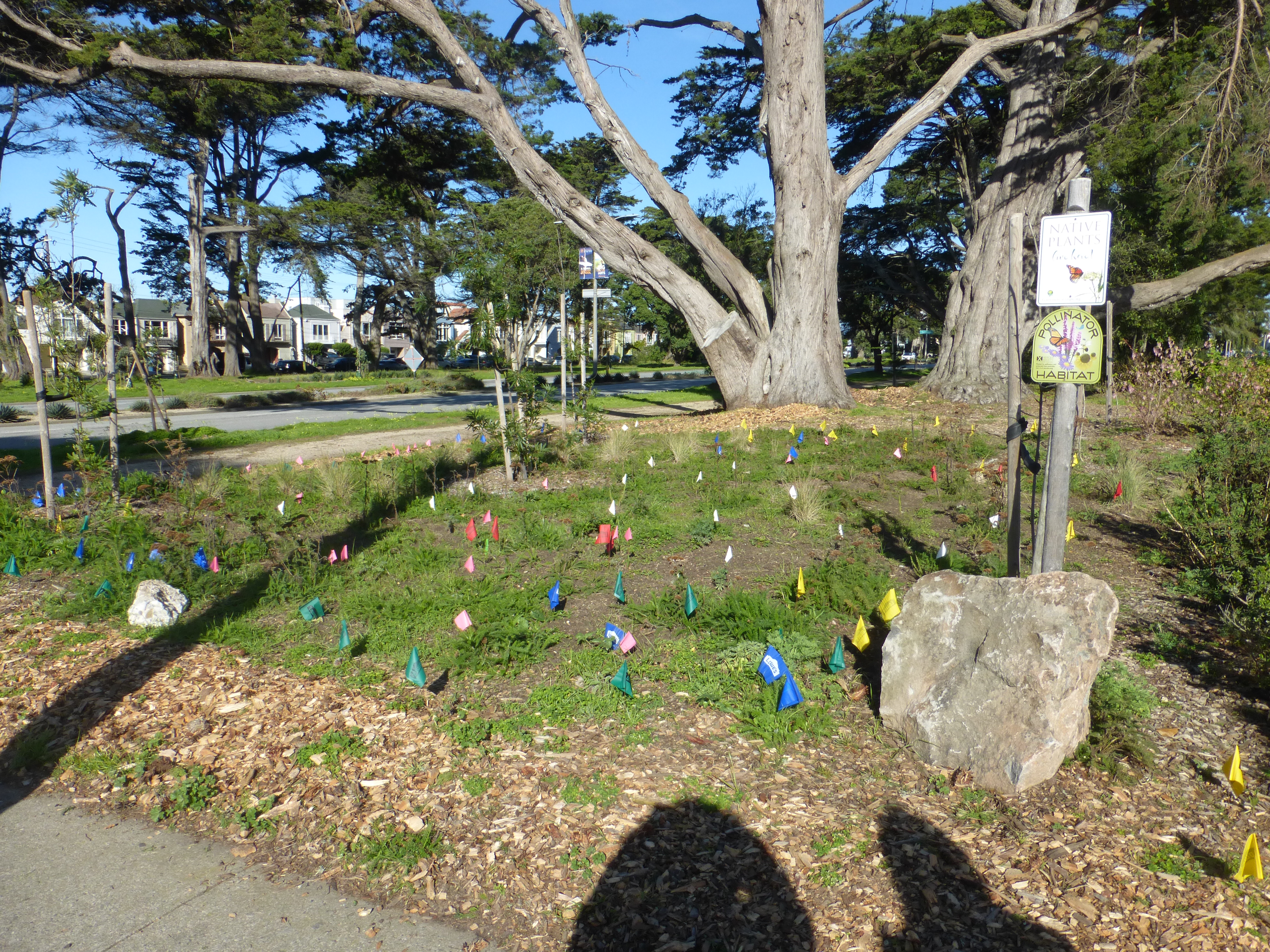
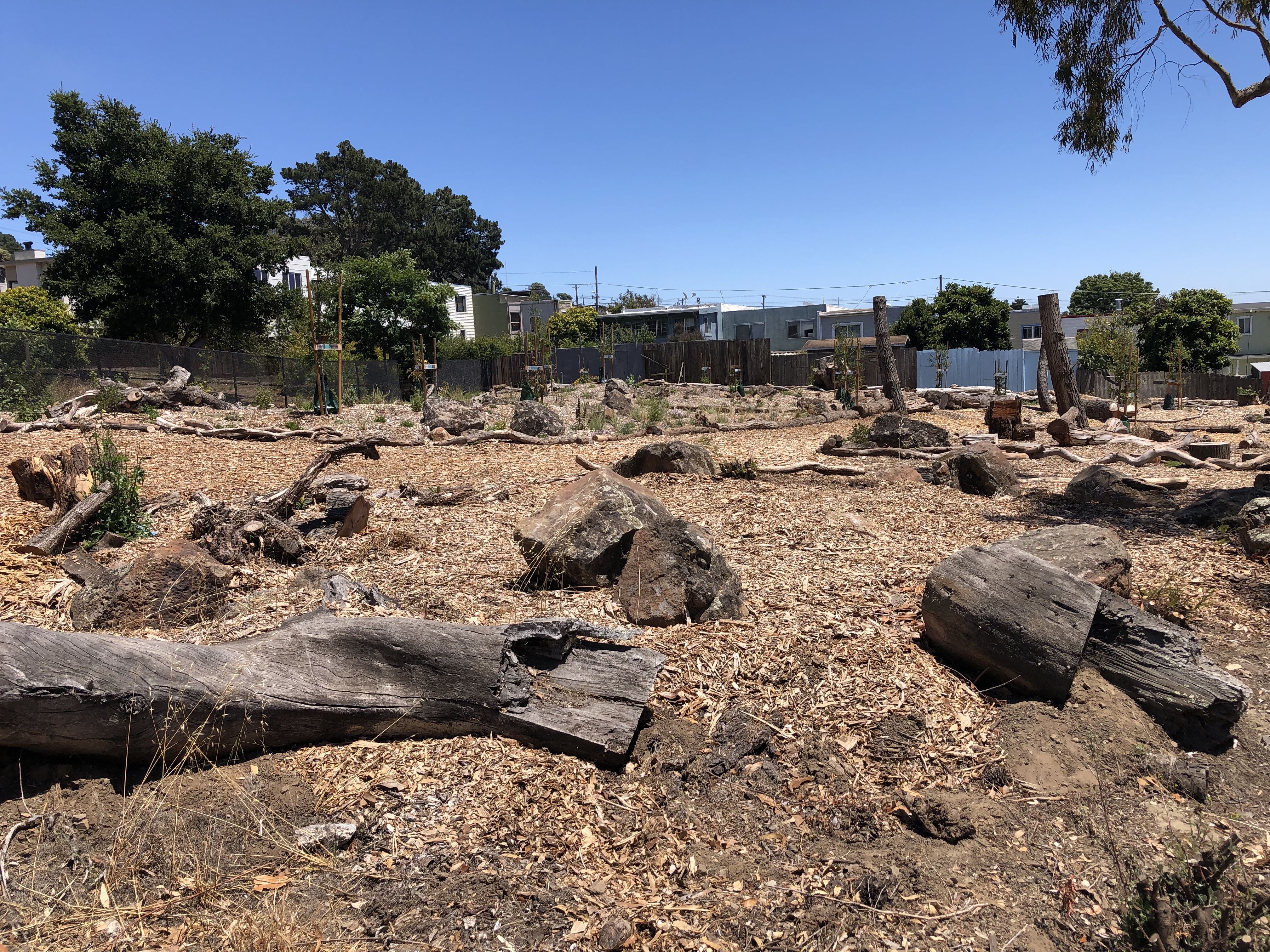
Conservation Sense and Nonsense:  This description of Milbank’s ravaged garden is consistent with my 25 years of observing native plant “restorations” on public land.  They all begin with destruction, usually accomplished with herbicides.  The first stage of these projects is often described as “scorched earth.”  Years later, there is rarely habitat comparable to what was destroyed.  Colored flags usually outnumber plants. 

This is what a native plant garden on Sunset Blvd in San Francisco looked like after two years of effort: more colored flags than plants. The sign claims it is “pollinator habitat.” Since when do pollinators eat flags?

Milbank:  But in a couple of seasons, if all goes well, my yard will be full of pollinators, birds and other visitors in need of an urban oasis. Years from now, those tender oak seedlings, now 6-inch twigs, will stretch as high as 100 feet, feeding and sheltering generations of wild animals struggling to survive climate change and habitat loss.

Conservation Sense and Nonsense:  Destroying harmless vegetation contributes to climate change by releasing carbon stored in the living vegetation and reducing the capacity to sequester more carbon.  Above-ground carbon storage is proportional to the biomass of the living vegetation.  Destroying large, mature plants and trees releases more greenhouse gases in the atmosphere than the young plants and trees can sequester.  Meanwhile, the climate continues to change and the native plants that Milbank prefers are less and less likely to be adapted to conditions.  Native plant ideology is a form of climate-change denial. 

A small forest of non-native trees was destroyed in a San Francisco park to create a native plant garden. Nine months later, this is what the project looked like: a tree graveyard.

Milbank:  I won’t be alive to see it. Yet even now, my infant oaks give me something the most stunning cherry blossom never could: a sense of hope.

Conservation Sense and Nonsense:  I feel bad for Dana Milbank.  He has been successfully guilt-tripped into believing he has damaged the environment.  He hasn’t, but destroying his harmless garden WILL damage the environment. 

We hope he will find his way back to a less gloomy outlook on nature, which will outlast us all in the end.  Altered perhaps, but always knowing best what it takes to survive.  The way back from the cliff he is standing on is through a study of evolutionary change through deep time to appreciate the dynamic resilience of nature, which may or may not include humans in the distant future.  Our message is “Embrace the change because change will enable survival.”

Suggested reading for those standing on the steep cliff created by nativism in the natural world:

California’s “Sustainable Pest Management Roadmap” is a 25-year poisonous pathway

California’s Department of Pesticide Regulation (DPR) has published a draft of a policy that would replace its Integrated Pest Management policy with a Sustainable Pest Management (SPM) policy that is different in name only.  SPM makes a commitment to continue using pesticides in California until 2050, and by implication, beyond.  It makes NO commitment to reduce pesticide use or reconsider the current targets of pesticide applications.  It claims that the health hazards and damage to the environment will be reduced by identifying “Priority Pesticides” for possible substitution or “eventual elimination.”  It doesn’t commit to identifying any specific number of dangerous pesticides nor does it provide specific criteria for selecting these dangerous products.  It claims that increased testing and development of new products will result in safer products and puts these judgments into the hands of “stakeholders” with “experiential and observational knowledge” rather than scientists with expertise in soil science, endocrinology, toxicology, epidemiology, biology, botany, horticulture, etc.  The “stakeholder” committee that wrote the SPM proposal for urban areas included the manufacturer of pesticides and other users and promoters of pesticides. 

That’s not an exhaustive list of the many faults of SPM and the dangers that lurk in it.  I hope you will read it yourself and consider writing your own public comment by the deadline on Monday, March 13, 2023, at 5 pm.  The document is available HERE.  It’s less than 100 pages long and it is a quick read because it is basically a collection of bullet-points.

This is how to comment:  “DPR is accepting public comments to inform the prioritization and implementation of the Roadmap’s recommendations through March 13, 2023 at 5 p.m. Comments can be shared in writing to alternatives@cdpr.ca.gov or by mail to the department at 1001 I Street, P.O. Box 4015, Sacramento, CA 95812-4015.” Please note that Department of Pesticide Regulations is not offering revisions, only “prioritization and implementation.” 

My public comment on California’s “Sustainable Pest Management Roadmap”

 A summary of my public comment is below.  A link to the entire comment is provided at the end of the summary:

Public Comment on
“Sustainable Pest Management Roadmap”
(AKA “Pathway to poisoning the environment for another 25 years”)

My public comment is focused on pesticide use in urban areas because of my personal experience and knowledge of pesticide use where I live.  These are the broad topics I will cover in detail with specific examples later in my comment:

  • Since glyphosate was classified as a probable carcinogen by the World Health Organization in 2015 and the manufacturer of glyphosate settled 100,000 product liability lawsuits by awarding $11 billion to those who were harmed by glyphosate, public land managers have been engaged in the process of substituting other, usually equally or more dangerous herbicides for glyphosate to deflect the public’s concerns.  The Sustainable Pest Management Roadmap (SPM) formalizes this process of substitution without addressing the fundamental problems caused by pesticides. 
  • SPM endorses the status quo that exists now.  Affixing the word “Accelerating” to SPM is an extreme case of double-speak that deliberately obscures, disguises, distorts, or reverses the meaning of words.  SPM ensures that toxic pesticides will be used in California for more than 25 years, to 2050, and likely beyond.  SPM therefore accelerates the damage to the environment that is occurring now.  Given that climate change will enable the movement of more pests into areas where they are now suppressed by weather, greater use of pesticides should be anticipated so long as the underlying issue is not addressed.
  • The underlying issue is that pests have been identified for eradication that in some cases cannot be eradicated and in other cases should not have been identified as pests either because they are innocuous or because of the valuable ecological functions they perform.  The key question that SPM does not address is whether pesticide use is truly necessary in the first place.  Unless we focus on whether a pesticide is actually necessary, all other issues are merely window dressing for perpetual pesticide use. 
  • SPM proposes to identify “Priority Pesticides” for possible substitution without any clear definition of “Priority Pesticides,” a process that is ripe for manipulation. Given the substitutions that are occurring now, we cannot assume that further substitutions would be less toxic. SPM puts the classification of “Priority Pesticides” into the hands of “stakeholders” without clearly identifying who stakeholders are.  SPM says “stakeholders” were involved in the development of the proposed policy.  Those stakeholders included only users and promoters of pesticide use.  There was no representation on the Urban Sub-Group of organizations such as Californians for Pesticide Reform, California Environmental Health Initiative, Beyond Pesticides, Center for Environmental Health, Environmental Working Group, etc.  Nor was there any visible expertise in the fields of science that are capable of analyzing and evaluating the impact of pesticides, such as soil science, endocrinology, toxicology, entomology, botany, biology, or horticulture.  SPM ensures that this exclusion will continue during the implementation phase by suggesting that “experiential and observational” knowledge should be represented on an equal footing with undefined “science.”  The word “science” is being used and abused by advocates for pesticide use who dangle it as a magic talisman, conferring fraudulent credibility. 

My entire public comment is available here:

A Cornerstone of Invasion Biology Crumbles

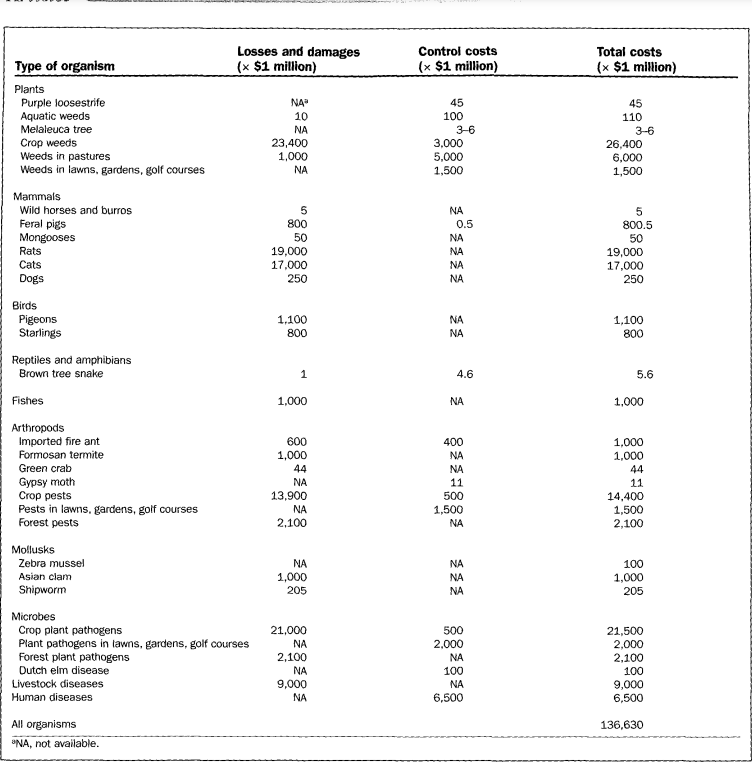
Over 20 years ago a study was published about the economic costs of introduced species. The study by David Pimentel et.al. (1) claimed that the economic costs of introduced species in the United States are $137 billion per year.   Despite many critiques of that study by academic scientists, the study remains a cornerstone of invasion biology and the “restoration” industry it spawned. 

The study has been cited by other academic scientists over 4,500 times and an update of the study published in 2005 has been cited over 5,800 times.  In addition to being influential with academic scientists, most media articles about “invasive species” begin with reference to that study and comments from native plant advocates on Conservation Sense and Nonsense often begin by quoting that study.  In other words, the bloated estimate of the economic costs of introduced species in the US is a powerful tool that continues to fuel attempts to eradicate non-native plants and animals in the US.  Therefore, a new study by Demetrio Boltovskoy et. al. (2) that critiques this estimate is of interest to us and we report that study to you today. 

The abstract of the new study (2) outlines the critique of Pimentel’s study by an international (Argentina, Canada, Switzerland, and US) team of scientists:

“The economic costs of non-indigenous species (NIS) are a key factor for the allocation of efforts and resources to eradicate or control baneful invasions. Their assessments are challenging, but most suffer from major flaws. Among the most important are the following:

  • the inclusion of actual damage costs together with various ancillary expenditures which may or may not be indicative of the real economic damage due to NIS;
  • the inclusion of the costs of unnecessary or counterproductive control initiatives;
  • the inclusion of controversial NIS-related costs whose economic impacts are questionable;
  • the assessment of the negative impacts only, ignoring the positive ones that most NIS have on the economy, either directly or through their ecosystem services. Such estimates necessarily arrive at negative and often highly inflated values, do not reflect the net damage and economic losses due to NIS, and can significantly misguide management and resource allocation decisions.”

The Pimental study misrepresents the economic impact of introduced plant and animal species in the US.  The most significant flaw in the evaluation of costs is that it does not take into consideration the benefits of introduced species.  Pimentel’s formula for evaluating economic impacts of introduced species is simplistic:

Losses & Damages + Control Costs = Total Costs

Source:  David Pimentel, et.al., “Environmental and Economic Costs of Nonindigenous Species in the United States” (1)

We need look no further than Pimentel’s study to see how the absence of economic benefits of introduced species in that equation distorts the evaluation of the economic impact of introduced species.  Pimentel has included the pests of agricultural crops and livestock in his calculation of total economic costs of $137 billion per year.  He calculates the cost of agricultural weeds, insect pests and pathogens as well as livestock diseases as $77.3 billion per year, which is 57% of his estimate of total costs of introduced species. 

In the same study, Pimentel says that 98% of the “US food system” are introduced species (corn, wheat, rice, cattle, and poultry) and he reported that the value of those products was $800 billion per year at the time of his study in 2000.  In other words, if the benefits of agricultural products had been included in Pimentel’s formula, the net benefit to the American economy of introduced species would be $663.4 billion per year ($800 billion of benefits – $136.6 billion of costs = $663.4 net benefit). (3) Similar calculations for most items on Pimentel’s hit list of introduced species would be required to accurately assess the economic costs of introduced species:

Purple loosestrife. GNU Free
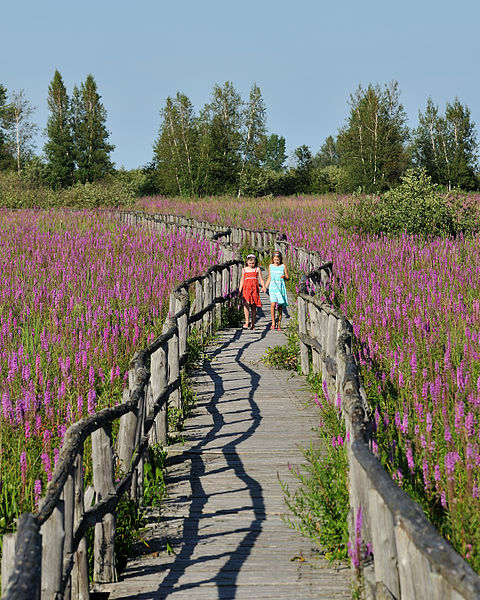
  • The Boltovskoy study considers purple loosestrife an “innocuous species.” Studies have shown that purple loosestrife thrives where nutrient pollution feeds it and its presence reduces nutrient pollution, which is a benefit to the ecosystem in which it thrives.  Poisoning loosestrife to control it increases pollutants in the ecosystem.  Controlling the sources of nutrient pollution, such as leaky septic tanks and agricultural runoff, is the only long-term method to control purple loosestrife.
  • Millions of starlings are killed in the US every year because they eat crops, but they also eat insect predators of crops.  When the economic benefits of insect control by starlings are subtracted from the costs of crop predation, European countries choose not to kill starlings.
  • Zebra and Quagga mussels are on Pimentel’s list of troublemakers because they clog the water intake pipes of industrial, water, and power plants.  But there are substantial economic benefits of these mussels“these invasive bivalves significantly clarify the water of lentic waterbodies, which can mitigate phytoplankton blooms, including toxic Cyanobacteria…lessening the costs of [purifying drinking] water, and enhancing recreational activities…” (2) They are also a major source of food for waterfowl and have contributed to significant increases in waterfowl populations.  There are mechanical methods of preventing mussels from clogging water intake pipes.
  • Cats are often the target of eradication efforts, and they also appear on Pimentel’s list.  A fair assessment of the economic costs of cats should include their benefit as predators of rats and rabbits.  Cats are a non-toxic method of rodent control.  In their absence, rodenticides are used to kill rodents and rodenticides are known killers of birds.  Do rodenticides kill as many birds as cats?  Maybe. 
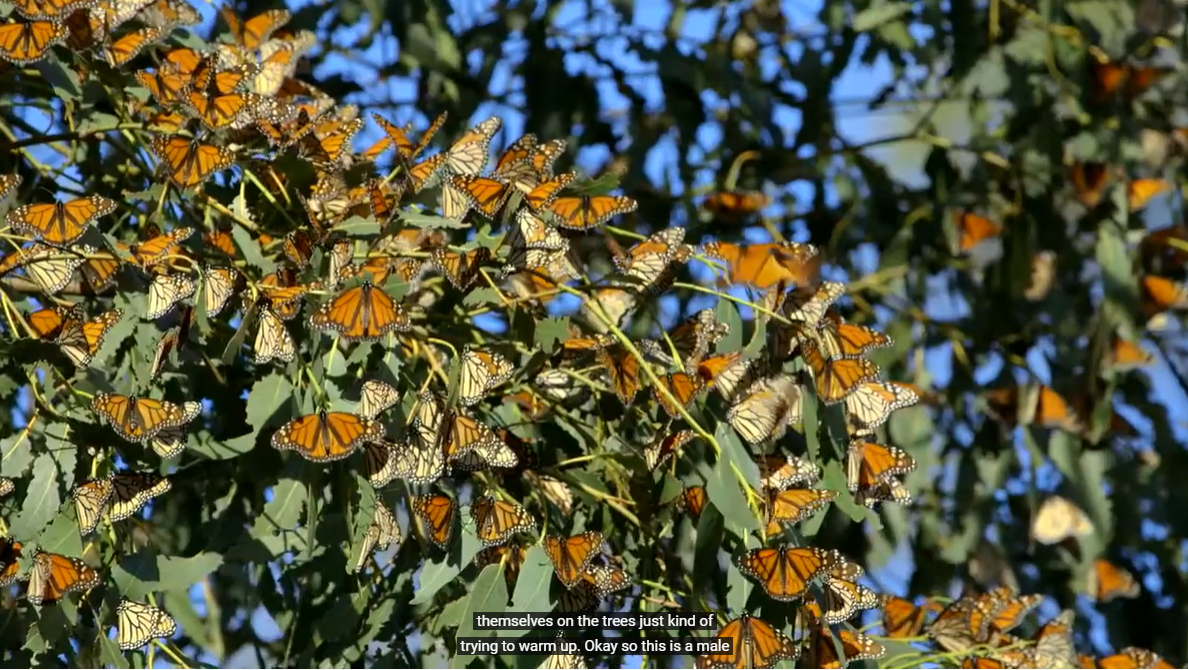
  • Many introduced plants are providing valuable food and habitat for animals, including native animals.  Eucalyptus that provide nectar during winter months, when little else is blooming, is essential to hummingbirds, bees, and other animals.  Eucalyptus are the also the winter homes of migrating monarch butterflies in California.  Yet, they are being destroyed by many public land managers because they are introduced.  Likewise, many berry-producing plants that are important food sources for birds and other animals are being eradicated by native plant advocates.
Monarchs roosting in eucalyptus, Pismo Beach, November 2021

Although the costs of control methods are included in Pimentel’s calculation of the economic costs of introduced species, the collateral damage of control methods are not.  Here are a few examples of the collateral costs associated with methods used to control introduced species.

Lanphere Dunes and Mad River Slough

In summary, a more accurate cost/benefit analysis of introduced species would look something like this:

(Losses & Damages + Control Costs) – Benefits – Damage of Control Methods = Total Cost or Benefit

In the absence of such an accurate assessment, scarce public resources will continue to be wasted on eradication projects that do more harm than good.  “Admittedly, [such an accurate assessment] requires much more knowledge of the effectives of nonindigenous species, yet it does not justify using [Pimentel’s] numbers for weighting the risks and harms involved, let alone using them for engaging in potentially feckless and wasteful eradication and control initiatives.” (2)


  1. David Pimentel, et.al., “Environmental and Economic Costs of Nonindigenous Species in the United States,” BioScience, January 2000
  2. Demetrio Boltovskoy, et.al., “Misleading estimates of economic impacts of biological invasions:  Including the costs but not the benefits,” Ambio, 2022
  3. It seems likely that Pimentel’s estimate of the value of agricultural products is the net value after costs of controlling agricultural pests are subtracted from gross value.  In other words, a more accurate calculation of the economic benefit of agricultural products in Pimentel’s formula is probably $800 billion + $77.3 billion (pest control costs). 

Pesticide use in public parks in the San Francisco Bay Area

San Francisco Forest Alliance (SFFA) is a 501(c)4 not-for-profit organization with a mission of inclusive environmentalism. SFFA fights to protect our environment through outreach and providing information. SFFA opposes the unnecessary destruction of trees, opposes the use of toxic herbicides in parks and public lands, and supports public access to our parks and conservation of our tree canopy.

With permission, Conservation Sense and Nonsense is republishing SFFAs annual report on pesticide use by San Francisco’s Recreation and Park Department.  The report separates pesticide use in so-called “natural areas” from other park areas and finds that most pesticides are used in “natural areas.”  Conservation Sense and Nonsense is grateful to SFFA for compiling and reporting this important information. 

Conservation Sense and Nonsense follows pesticide use by the East Bay Regional Park District (EBRPD), where the pattern of pesticide use is similar to San Francisco’s Recreation and Park Department.  EBRPD has restricted spraying of glyphosate pesticides in developed areas of the park while continuing to use pesticides in naturalized areas to eradicate non-native plants.  In other words, most pesticide use in the public parks of the San Francisco Bay Area is devoted to eradicating non-native plants.

Conservation Sense and Nonsense


As we usually do, we compiled the pesticide usage data for San Francisco Recreation and Parks Department for 2021.  (We exclude Harding Park – but not the other golf courses – from this analysis because it’s externally-managed under a PGA contract to be kept tournament-ready at all times.) We’re pleased to note that SFRPD has reduced its pesticide usage in comparison to 2020 and 2019. 

NATIVE PLANT AREAS USE MORE OF THESE TOXIC HERBICIDES

But this is not true of the Natural Resources Division (this includes PUC areas managed in the same way – i.e. use of toxic herbicides against plants they dislike). Their usage has risen and is the highest it’s ever been from 2016.

The Natural Resources Department (NRD, formerly the Natural Areas Program or NAP) is the entity that is trying to bring “native” plants to more than a thousand acres of our parks, cuts down trees and restricts access to people and their pets.  NRD, which accounts for perhaps a fourth of the land area, used over 70% of the pesticides measured as active ingredients in fluid ounces.

NRD – and PUC lands that they are managing the same way – continued to increase their use of triclopyr since the new pesticide Vastlan has been designated Tier II (More Hazardous) instead of Garlon, which was Tier I (Most Hazardous). In both herbicides, the active ingredient is triclopyr. They also increased their usage of imazapyr, and continued to use Roundup, though in smaller quantities than before.

Here are the two earlier graphs lined up to show the comparison. The Native Plant areas used more herbicides in 2021 than they had ever used in the last six years – or that the other SFRPD departments together used in the same time. Their failure to reduce usage in 2021 is in stark contrast to the more than 50% drop in the other SFRPD.


SFRPD Other (i.e. other than the Native plant areas) uses mainly Polaris (imazapyr) and Clearcast ( ammonium salt of imazamox). The native plant areas, NRD / SFPUC, use large amounts of triclopyr, (Garlon and Vastlan), as well as some glyphosate (Roundup).

A FAILING STRATEGY

The NRD’s continually growing usage of the herbicides is a sign that this strategy is failing. They have been using hazardous chemicals on some 50 target species of plants year after year. Theoretically, the point of using toxic herbicides on unwanted species is to allow the desired species to replace them.  Instead, the growing usage of these chemicals shows that if anything, the situation is only made worse.

This stands to reason; “invasive” plants are successful because they are better adapted to current conditions. If they are destroyed with herbicides, the replacement is likely to be the next best adapted (thus, invasive) species. Given 50 target species, the bench is deep. This leads to a vicious cycle of hazardous herbicide use, clearly visible in the graph above.

PESTICIDES COME TO SHARP PARK 

For many years since we started compiling these data, Sharp Park has been off-limits for pesticides. We’ve seen very minimal usage – maybe 3 or 4 times over all the years. It’s home to the red-legged frog, and the San Francisco garter snake.

In 2021, that changed. In the space of one year, pesticides were applied 9 times. We did anticipate this would happen as NRD extended its grip on this park.

TIER HAZARD RATINGS

San Francisco’s Department of the Environment (SFEnvironment) assigns Tier hazard ratings to the various pesticides it uses. Tier III is Least Hazardous, Tier II is More Hazardous, and Tier I is Most Hazardous.  Over the years we have been following this usage, we have seen various chemicals being moved from one Tier to another. Milestone was moved from Tier I to Tier II; Glyphosate (Roundup, Aquamaster)  from Tier II to Tier I; and triclopyr (Garlon, Garlon 4 Ultra, Turflon, Vastlan) from Tier I to Tier II (for Vastlan and Turflon). Avenger was moved from Tier II to Tier III, which we think makes sense and makes analysis easier. We analyze the usage of Tier I and Tier II herbicides.

REDUCE OR ELIMINATE HERBICIDE USE

SF Forest Alliance has been trying to encourage SFRPD to reduce or eliminate Tier I and Tier II herbicide use. Some years ago, it appeared that pesticide usage was declining, especially after the Roundup revelations. When we wrote our Pesticides report for 2016, the other areas of SFRPD had slashed their herbicide use; the NRD accounted for 74% of pesticide usage. The 2021 data have renewed our hope that SFRPD’s other departments will adopt a cautious approach to the use of toxic herbicides. Unfortunately, this does not appear true of the nativist departments, NRD / PUC.


Every year, the San Francisco Forest Alliance also makes public comment at the annual review of San Francisco’s Integrated Pest Management program.  Conservation Sense and Nonsense is grateful for SFFA’s vigilance of pesticide use in San Francisco’s public parks.  Below is an excerpt from SFFA’s public comment to the Commission on the Environment regarding San Francisco’s IPM program.

Conservation Sense and Nonsense


Once again we are sending our comments emphasizing the self-evident truth that high toxicity herbicides are dangerous, unnecessary, and should never be used…

Below are the points we have repeated year after year for many years:

  • Herbicidal chemicals are more toxic, more persistent, more mobile and more dangerous than their manufacturers disclose;
  • The aesthetic or ideological “danger” from “weeds” is not a risk to health and welfare;
  • Scientific studies associate exposure to herbicides with cancer, developmental and learning disabilities, nerve and immune system damage, liver or kidney damage, reproductive impairment, birth defects, and disruption of the endocrine system;
  • There is no safe dose of exposure to those chemicals because they persist in soil, water, and animal tissue, so even low levels of exposure could still accumulate and harm humans, animals, and the environment;
  • Especially vulnerable individuals include infants, children, pregnant women, the elderly, people with compromised immune systems and chemical sensitivities;
  • Toxic runoff from herbicides pollute streams and groundwater, and therefore the drinking water sources;
  • Herbicides are harmful to pets and wildlife – including threatened and endangered species, plants, and natural ecosystems;
  • Herbicides are harmful to soil microbiology and contaminate soil into the future, reducing biodiversity in sensitive areas…

San Francisco Forest Alliance, July 11, 2022

Starlings, vagrants, and dead birds

I was introduced to the nativist mindset about birds over 30 years ago by an ominous encounter with a birder in Florida. The sound of gunfire drew our attention to a man with a shot gun on the lawn of our motel.  Starlings were falling around him, where he quickly finished them off with a vigorous stomp of his booted foot.  We were unfamiliar with the hatred of non-native species at that time and asked him why he was killing the birds.  He seemed stunned to be questioned.  He explained, as though speaking to retarded children, that the starlings were “trash birds” that must be killed.  Following a basic rule of survival, we walked away from a person wielding a gun.

Starling in breeding plumage. Creative Commons – Share Alike

I was reminded of that incident by a recent article in the magazine of the Cornell Ornithology Laboratory.  The author of the article studied starlings for her Ph.D. dissertation.  She was well aware of their reputation as competitors of native birds and consumers of agricultural crops, but belatedly she was having second thoughts about their reputation as invaders:  “Our national conversations about racial equity and political dissent in the last year reminded me that I must change my behavior in response to crises. It has also encouraged me to consider my impact on others, human and starling alike.”  She wondered if calling starlings “aliens” might contribute to the negative opinion of human immigrants:  “But I can’t help thinking of the parallels with countless stories about human “aliens.” Whether we intend this comparison or not, labeling immigrants “invaders” and “aliens” iso­lates those who cross a border in search of a safer, stabler life.”

Comments on the article dispel doubts that such a connection between humans and birds perceived as “alien” exists in the minds of at least some nativists. This is the concluding response to my attempt to discuss the issue with a nativist:  “I am glad I will not live to see your crap filled America of endless third world suburbs, starlings, and house sparrows.  I wish I could live long enough to see it gasp its last breath.”  Strangely, this person seems to be angry about something that he fears will happen in the future, but isn’t visible to him now.

The recent fatal shooting of 10 African-American citizens by an 18-year-old self-avowed white supremacist was also an opportunity to witness the fear, hatred, and violence generated by the use of the word “invasion” to describe immigration, as reported by National Public Radio’s News Hour shortly after the shooting:  “The alleged Buffalo gunman isn’t the first mass shooter to talk about an “invasion” of non-whites. Last week’s mass shooting in Buffalo has turned attention once again to something known as the replacement theory. It’s a baseless and racist conspiracy theory that powerful elites are trying to replace white Americans with nonwhites and that these elites are allowing a so-called invasion of nonwhite immigrants. That word, invasion, has been used a lot lately by some Republicans and immigration hard-liners”   

This racist conspiracy theory bears a remarkable resemblance to the theory of invasion biology, which claims that the mere existence of non-native plants and animals is a threat to native species.  Although there is little empirical evidence of that threat, the myth persists and is used to justify the destructive attempts to eradicate harmless plants and animals.   

The consequences of fear, anger, and dread

The misnamed USDA Wildlife Services killed over 1.7 million animals in 2021, including 1,028,648 starlings and “dispersed” 10,631,600 starlings.  Only 400,000 of the animals they killed were native; 1.3 million were considered “invasive.”  The mission of USDA Wildlife Services is “to provide Federal leadership and expertise to resolve wildlife conflicts to allow people and wildlife to coexist.”  Since 1886, Wildlife Services has killed millions of animals every year that are considered pests by humans. 

Is all that killing effective?  Does it actually reduce populations of the species perceived as a threat?  What does it accomplish?

Farmers have been at war with birds for as long as humans have engaged in agriculture, some 10,000 years.  Crows, grackles, blackbirds, and starlings are often targets of efforts to eliminate them in agricultural areas.  Between 1939 and 1945 about 3.8 million crows in Oklahoma were killed by dynamiting their roosts.  A study of that effort found no evidence that either the population of crows or crop production was affected by that campaign because nature adjusts:  “Destroy a chunk of a population, now there’s more food for the ones who remain.  Through a variety of physiological responses—shorter gestation periods, larger broods, delayed implantation—a well-fed individual produces more offspring than one that’s struggling or just getting by.” (1)  This balancing act is known to be true of many other animal species, such as coyotes and rodents.

The Four Pests campaign was one of the first actions taken in the Great Leap Forward in China from 1958 to 1962. The four pests to be eliminated were rats, flies, mosquitoes, and sparrows. The campaign depleted the sparrow population nearly to extinction. The sparrows had eaten insects that killed the crops. In the absence of sparrows a plague of locusts contributed to the Great Chinese Famine, killing tens of millions of Chinese between 1958 and 1962.  Ironically, the Chinese ended up importing 250,000 sparrows from the Soviet Union to replenish the population. 

As is often the case with attempts to kill animals, the decision is usually made without understanding the role the animal is playing in the ecosystem. There are usually positive as well as negative impacts of every member of the food web.  When we focus only on the negative impact, there are often unintended negative consequences of eliminating a member of an ecological community.

Starlings are considered an agricultural pest in the US, but they are not routinely killed in England or Europe where they are native, although they probably eat just as much agricultural crops there.  The New York Times recently published an article about starling murmurations in Europe.  The videos and photographs of these huge flocks of starlings moving in coordinated patterns are beautiful and remarkable.  They draw crowds of people who are transfixed by the spectacle. 

A study of the impact of starlings in Europe explains why starlings are usually not killed in Europe:  “Starlings that cause damage on migration or in winter may have bred in countries, some of them outside the EEC, where the birds cause no damage and are held in esteem on account of their valued role as insect predators, their educational and their aesthetic values. Claims from countries where Starlings winter that breeding populations should, by some means, be limited are unlikely to be received sympathetically by those to the northeast who eagerly await the Starlings’ return in spring… On grounds of effectiveness, feasibility, cost, humaneness and environmental safety a population limitation strategy is unlikely to be an appropriate solution…The potential for Starlings to reestablish large flocks at good feeding sites after heavy mortality has been inflicted locally indicates that even local population reduction is only temporarily effective in reducing damage.

The popular urban legend about starlings is that they were brought to the US in the 19th century by a dedicated fan of Shakespeare who wanted to introduce all the birds mentioned by Shakespeare to America.  Over one hundred years later, scientists have used molecular analysis to disprove that myth.  In fact, starlings were brought to America earlier by more than one person to more than one location, including to New York by a Shakespeare fan.  This is a reminder that there is always more to know and that we must remain open minded to learn new information as science moves inexorably forward. 

Words matter:  Vagrants or Scouts?

Birders get excited about seeing birds where they don’t usually see them.  When they do, they usually call them “vagrants,” a word that is a synonym for tramps, drifters, beggars, hobos, even homeless people.  It’s not a surprising word choice in a crowd that is heavily biased in favor of natives. 

An article in New York Times suggests that the word “vagrant” is no longer an accurate description of the birds being seen where they haven’t been seen in the past.  The explanation for their surprise visit is often an indication that they are adapting to changes in the environment, including climate change and associated changes in vegetation and insect populations.  They are in unfamiliar territory in search of what they need to survive.  Perhaps their usual nesting site is now a parking lot.  Or perhaps the vegetation they need did not survive a severe drought. Or pesticides have killed the insects they need to feed their chicks during nesting season.  They are scouts, not vagrants.  They aren’t lost. They are seeking a safe haven.

As the climate changes and human activities continue to encroach on the natural world, plants and animals must move, adapt, or die.  The least we can do is stay out of their way.  The fact that birds are the most mobile animal class is something to celebrate, not lament.  Their mobility makes them more likely to survive changes in the environment.   A recent study reported that 13% of bird species are threatened with extinction, compared to 25% of mammal species, 21% of reptiles and 40% of amphibians. 


  1. Mary Roach, Fuzz, W.W. Norton & Company, 2021

Weeds are making a comeback!

While the native plant movement remains strong in California and locally in the San Francisco Bay Area, some communities are waking up to the fact that weeds make valuable contributions to our gardens and the wildlife that lives in them.  The British have always been ahead of us in welcoming plants from all over the world in their gardens.  The British have been enthusiastic importers of plants from all over the world for hundreds of years.  They had one of the biggest empires in the world, spanning the globe from India to Africa, Australia, New Zealand, and America, which put them in a unique position to sample the botanical riches of the world.

The English garden, where plants from all over the world are welcome

In a recent article in The Guardian, an English gardener describes her journey from fighting the weeds in her garden to her new relationship with them:  “I remember writing, many years ago, about my fight to get rid of these dandelions. Clearly, I didn’t win. Now, when I am greeted by them, I am glad I lost the battle. These days, I truly consider them friends…they are welcome in my garden, because I know they do more good than harm.”

The English gardener reminds us that the war on weeds began only recently.  Going deep into agricultural history, weeds were natural forage that were a part of our diet. Weeds fed our domesticated animals, stuffed our mattresses and made twine and rope. Many have medicinal properties, but most have marketable substitutes now. They were tolerated on the edges of agricultural fields and in our gardens.

The typical American lawn, maintained with pesticides and fertilizer is not habitat for pollinators or other insects. Source: Pristine Lawn Care Plus

The war on weeds began after World War II, when chemicals were introduced to agriculture.  Pesticides were considered benign for decades.  We have learned only recently of the dangers of some pesticides. The promotion of pesticides changed the aesthetics of gardening, initiating an era in which weeds were banished from our agricultural fields and our gardens.  

Note the drone hovering over the children in a strawberry field. Drones are the latest development in chemical warfare. They are used to spot non-native plants in open space as well as to aerial spray pesticides. They are cheaper than other methods of application and for that reason are likely to increase the use of pesticides.

Do not underestimate the power of propaganda to promote the use of pesticides:  “A publishing company linked to the most powerful agricultural lobby group in the U.S. is releasing children’s books extolling the benefits of pesticides and nitrogen fertilizers.”  Industrial agriculture begins the indoctrination of the public at childhood. 

Bumblebee in clover. Source: buzzaboutbees.net

Weeds made their way back into our gardens partly by evolving resistance to the pesticides we used for decades to kill them.  There is growing awareness of the impact of pesticides on insects and wildlife.  As populations of pollinators decline, we are more willing to indulge their preference for weeds such as dandelions and clover.  Weeds are often the first to arrive in the spring garden, as native bees are emerging from their winter hibernation in ground nests.  Weeds prolong the blooming season in our gardens, providing nectar and pollen before cultivated plants are blooming. 

“No Mow May” comes to America!

“No Mow May” originated in Britain out of concern for declining populations of bees.  Communities make a commitment to stop mowing their lawns in May to let the weeds dominate their lawns.  Weeds such as dandelions and clover give the bees an early boost in the spring that studies show increases bee populations.  Lawns maintained with pesticides and fertilizers provide poor habitat for bees. 

Two professors in the Midwest of the US introduced “No Mow May” to their community in Wisconsin in 2020.  They signed up 435 residences to participate in “No Mow May” and studied the impact:  “They found that No Mow May lawns had five times the number of bees and three times the bee species than did mown parks. Armed with this information, they asked other communities to participate.”  According to the New York Times, “By 2021, a dozen communities across Wisconsin had adopted No Mow May. It also spread to communities in Iowa, Minnesota, Illinois and Montana.”

Farmers climb on board

Hedgerows are the backbone of the English countryside.  They are a complex bramble of woody and herbaceous plants that traditionally served as fences, separating roads from agricultural fields and confining domesticated animals.  They nearly disappeared when industrial agriculture dictated that fields be cultivated from edge to edge. They are making a comeback in the English countryside as farmers realize that their loss contributed to the loss of wildlife.  The concept of hedgerows as vital habitat is slowly making its way to America.

US Department of Agriculture reports improvements in agricultural practices in the past 10 years:  more no-till farming that reduces fossil fuel use and carbon loss from the soil; more efficient irrigation methods; broader field borders for pollinators and wildlife; more crop rotations that reduce disease and insect pests; reduction of nitrogen and phosphorous run-off; reduction in diesel fuel use, etc.  These are all well-known methods of reducing environmental damage from industrial agriculture, but there is now evidence that farmers are actually adopting them. 

Nativists are late to the game

We see progress being made to reduce pesticide use and provide more diverse habitat for wildlife, but nativists drag their feet.  They continue to use pesticide to eradicate non-native plants and they deny the value of non-native plants to insects and wildlife, despite overwhelming evidence to the contrary. 

In a recent comment posted on Conservation Sense and Nonsense, a nativist explains the justification for using herbicides to eradicate non-native plants:  “No one likes herbicides, but in the absence of a labor force willing to abandon its modern conveniences to do very hard work, they are important tools in restoration ecology, and methods are improving as a result of careful science to determine how the least amount of them could be used to gain the greatest amount of benefits to the maximum amount of species. Throwing those tools away is about like tossing chemotherapy or vaccinations because of that “all-or-nothing” black or white point of view that native plant supporters are being (unjustly) accused of.”

For nativists, the harm done by non-native plants is greater than the harm done by pesticides.  This equation does not take into consideration the benefits of many non-native plants to wildlife and it underestimates the damage caused by pesticides to the environment and its inhabitants.   

Argentine Ants: An “invasion” that wasn’t

Bay Nature article about Argentine ants

Bay Nature published an article about Argentine ants with an alarming title and disturbing accusations, such as:

  • “…from its home range around the Paraná River region in Northern Argentina, this ant has spread to six continents and numerous islands, including Hawaii. In numbers, it is probably the most successful invasive nonhuman creature in California.”  
  • “Argentine ants have been documented aggressively going after other, bigger species of ants.”
  • “…most native ants cannot resist well and are wiped out by the Argentine ants.”
  • When native ants are displaced, it can disrupt whole ecosystems and reduce the diversity of other arthropods in the region.”

After establishing the Argentine ant’s credentials as a dangerous “invasive species,” the article abruptly changes directions by contradicting itself.  According to a 30-year monitoring survey of Argentine ant populations at the 1,200 acre Jasper Ridge Biological Reserve, “…the ants had, counter to expectations, actually retreated from some areas they had occupied in previous years at Jasper Ridge…”  Early survey data showed the Argentine ants spreading rapidly in the preserve.  They reached a stable distribution around 2001, and have since declined. 

The monitoring survey at Jasper Ridge speculates that the decline in Argentine ant populations was caused by drought.  However, that theory is not consistent with similar declines in Argentine ant populations elsewhere, where and when there was no drought. 

Jasper Ridge is just one of many places that have reported declining populations of Argentine ants over many years.  In 2011, Scientists in New Zealand reported the disappearance of the Argentine ant from 40% of sites they populated in the past and their populations have shrunk significantly where they are still found.  Native ants have “reinvaded” the areas vacated by the Argentine ant.  The scientists reporting this finding “concluded the species naturally collapses after 10 to 20 years.”

In an unpublished communication in 2011 with an entomologist at UC Davis, I learned that Argentine ant populations in Davis were declining. 

In 2008, a study of ants in San Francisco’s “natural areas” in city parks reported that the existence of non-native Argentine ants does not have a negative impact on populations of native ants. (1) They report that Argentine ants occupy the perimeter of the “natural areas” where native ants generally are not found.  This observation contradicts the usual nativist claims that non-native plant and animal species have negative impacts on native species.

The “invasion” curve

Introduced species are often accused of being invasive and there is a range of explanations, including the bias against non-native species that assumes every non-native species will eventually becoming invasive.  In some cases, a new species spreads aggressively because it is better adapted to disturbed conditions to which it has been introduced.  The initial success of an introduced species is sometimes enabled by the absence of its predators in its new home.  This is called “predator release,” which does not confer permanent protection to a new species that will eventually encounter new predators.  These and likely other factors are probably operating simultaneously. 

Like most so-called “invasions,” introduced plants and animals may briefly expand, but eventually most find their niche in the ecosystem without causing permanent harm to their neighbors.  The assumption that introduced plants and animals threaten native species is usually unsupported by empirical evidence 

Journalistic due diligence

If the author of the Bay Nature article about Argentine ants had searched research literature about Argentine ants, she could have learned that the negative tone of the article and its hyperbolic title were not justified.  In the author’s defense, the demonization of non-native plants and animals is routine in mainstream media.  The bad news about introduced species always precedes their eventual participation in ecosystems and the record is seldom corrected when they do, as in the case of Argentine ants. The reader can compensate for this journalistic bias by reserving judgment about non-native species until more is known about their fate. 


  • Kevin M. Clarke, et. al., “The influence of urban park characteristics on ant communities,” Urban Ecosyst, 11:317-334, 2008